Home Blog Page 2017

2017: How migration issues rocked Nigeria, developing world

0

The issue of migration, with emphasis on irregular migration, took a place on the front burner of government and other actors in Nigeria with many activities campaigning and sensitising Nigerians on the ills of irregular migration among other issues of trafficking in persons and smuggling of migrants.
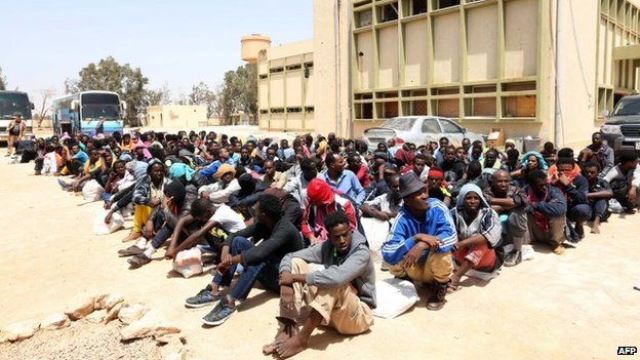
Migrants in Libya
Migrants in Libya sold into slavery

It is regrettable that many Africans, especially Nigerians spurred by economic desperation and sometimes limited personal drive, embark on suicide missions in the bid to migrate towards the northern hemisphere in search of opportunities that may have since disappeared in those societies. While only a small fraction eventually reach their destinations where they face disappointment and frustration, majority of them usually perish on the way.

More so, many who make it to Europe or the Middle East are usually forced into prostitution, used as mercenaries, deployed as household servants, factory workers, drug couriers and even as organ donors. And they would be beaten, starved and subjected to other forms of torture if they try to resist.

The height of the issue of irregular migration in the country came to the fore when many Nigerians were reportedly sold for $400 in Libya in what could be termed modern day slavery. When the news broke on CNN in November where the news channel aired a footage that appeared to show men being auctioned as farm hands after being smuggled across the Sahara. It looked like fiction but it was real and got many, for instance the Nigerian government, concerned and it made efforts to address the matter by repatriating Nigerians trapped in Libya in order to forestall any further in-human treatment being meted to her citizens.

So to say, President Muhammadu Buhari while addressing Nigerians in the Diaspora in Abidjan at this year’s EU-AU Summit promised that his government would reduce the number of Nigerians heading for Europe illegally through the Sahara Desert and the Mediterranean Sea by providing basic social amenities such as education, healthcare, and food security in the country.

Enters the need to ponder over the conditions that are purported to create the desperation for Nigerians to leave the country for so-called greener pastures. It is an open secret that, currently, as it has even been in the recent past, many are not only poor but cannot find jobs in Nigeria with people living by less than $1 per day. Companies and many businesses are closing shop majorly due to lack of electricity which increases the cost of running the set-ups. In the face of these challenges, it is perceived that the young population constantly resort to embarking on the perilous journey to Europe in search of the proverbial Golden Fleece.

Furthermore, this has given rise to some criminal minds recruiting from villages and towns, young girls with the promise of securing for them good jobs abroad only to turn them to prostitutes. Inadvertently, indications from several statistics indicate that human trafficking has become one of the biggest money making businesses after drug trafficking.

Sadly, Nigeria has become a transit route for this illegal trade but also a source as well as a destination with children and young adults, especially of the womenfolk, now becoming merchandise for what has become a cross-border crime.

The death of 26 Nigerian women at sea in the Mediterranean on November 4, 2017 due to drowning after a rubber boat carrying 64 sank was another shock that further exposed the ills of irregular migration.

To this end, the Deputy Head of European Union (EU) Delegation in Nigeria, Mr Richard Young, repeatedly expressed concerns over the increasing number of irregular migrants from Nigeria to Europe. In this regard, he urged Nigeria to grow its economy and tackle the challenge of poverty warning that if the immigration issue was not addressed, it might have long term impact on the EU-Nigeria relations.

However, the biggest challenge is a mind-set issue as there are many young men and women who believe they can only make it abroad and will do anything to travel outside the shores of the country. Therefore, apart from remaking the socio-economic structures of our country, that is also an issue the authorities must deal with. But the first task is to provide opportunities at home for our teeming population of young people.

It is worthy of note that the occasion of International Migrants Day on December 18, got the attention of the African Development Bank (AfDB) which called on African countries to reconstruct rural areas from zones of economic misery to zones of economic prosperity, stating that it will in turn expand economic opportunities for African youths, leading to improvements in their lives, thereby stemming migration.

According to Akinwumi Adesina, President of the AfDB, the future of Africa’s youths does not lie in migration to Europe, but in a prosperous Africa. This is an assertion that gives credence to the move to address the challenges of food insecurity, being critical in addressing the issues of migration on the continent.

Little wonder, taking into account the large and increasing number of migrants in the world, the United Nations General Assembly on December 4, 2000, proclaimed December 18 International Migrants Day. Statistics from the United Nations indicate that more people are on the move than ever before, while each migrant has a unique story to tell about his or her journey.

In another development, the United Nations Office on Drugs and Crime (UNODC) through funding from the European Union (EU) in conjunction with Nigeria Immigration Service (NIS) and other state and non-state stakeholders made concerted joint efforts in addressing the worrisome irregular migration and trafficking in persons in the country.

The project aptly titled: “Promoting Better Management of Migration in Nigeria by Combating and Reducing Irregular Migration” which occurs, inter alia, through Trafficking in Person (TIP) and Smuggling of Migrants (SOM), went a long way in sensitising communities on border areas, training federal agencies’ such and NIS officers in line with the concept of better management of migration as well as engaging the media for a more robust dissemination of migration issues.

As maintained by the National Project Officer, UNODC, Mr Sylvester Atere, at a sensitisation meeting with host community at the Seme Border recently, the objectives of the programme include encouraging Nigeria to maximise the potential of migration, considering that the country is opportuned to have a vibrant population with 70 percent within the range of 40 years.

According to Mr Atere, they desire to see people have informed knowledge to make informed decisions and choices that will deter irregular migration and rather encourage regular migration is the delight of UNODC and EU.

So to say, accounts by Nigerian deportees from Libya leaves the public in no doubt of the harrowing experiences they encountered there, having come home with series of challenges ranging from health to financial, it is right to say, the future of the Nigerian youth and the country economy, after all, the youth are the future.

Lanre O. Ikuteyijo’s statement in the piece, Illegal Migration and Policy Challenges in Nigeria thus: “Lack of job opportunities, poverty, and corruption force thousands of young Nigerians to leave the country every year in search of better opportunities abroad. Illegal migration out of Nigeria is increasing and is largely facilitated through forgery of passports, visas, false asylum claims, and bogus marriages. The Nigerian government has taken on a leading role in combating the illegal migration of its nationals but financial, legal, and political shortcomings hinder an effective control of the illegal movement,” makes a lot of sense.

The only saving grace for the nation may very well be more sensitisation on the ills of irregular migration, as well as the government doing more in developing the country and ultimately curtail the irregular migration of many Nigerians who go in search of greener pastures.

By Damian Daga
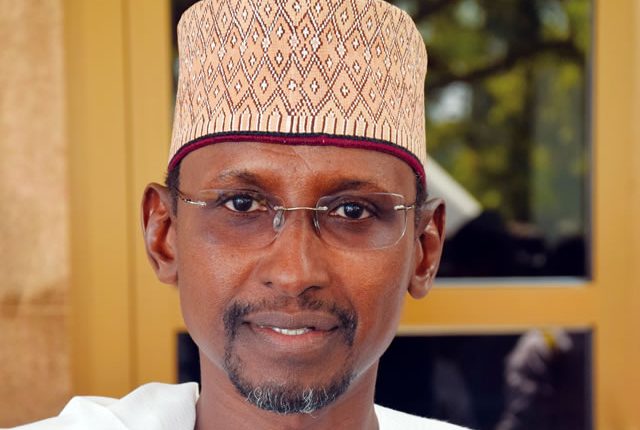
12 new health care facilities earmarked for FCT

0

Acting Executive Secretary, Federal Capital Territory (FCT) Primary Health Care Development Board, Dr Mathew Ashikeni, says that 12 additional health care facilities had been approved to be constructed in the six area councils.

Mohammed Bello
FCT Minister, Mohammed Bello

Ashikeni told the News Agency of Nigeria (NAN) in an interview in Abuja on Sunday, December 31, 2017.

He said that the FCT Minister, Malam Mohammed Bello, gave the approval recently to expand the health care service delivery for the growing population in the territory.

He explained that two Primary Health Care (PHC) facilities would be constructed in each of the six area councils to ensure that FCT residents have access to quality health care.

He said that, in 2017, 18 new PHC facilities were added to the existing ones to boost health care delivery.

According to him, nine were constructed under the SureP programme and another nine were provided by Satellite Town Department.

“The recent mapping we carried out in the PHC facilities confirmed to us that many of them need to be attended to, looking at the infrastructure or the service delivery in terms of the human resource component.

“There are gaps we need to address urgently, that is why the minister has graciously approved 12 PHC facilities to be constructed in the six area councils to fill in some gaps,

“The FCT population is estimated to be five million, there is need to have health facilities that will meet up the health needs of the growing population” he said.

Ashikeni said that human resources was key to functional primary health care service hence the FCT administration has engaged the services of 50 Volunteer midwives under Save One Million Lives programme.

He said also that the midwives have been posted to various health centres across the territory.

The acting executive secretary disclosed that the minister has also given directive to commence the process to adopt 203 additional midwives trained by the Federal Government’s Midwives Service Scheme (MSS).

He said that the essential drugs received under Save One Million Lives programme, have been made available to health facilities in FCT to ensure they were functional.

By Mustapha Sumaila

Waste recycling described as an efficient source of revenue generation

0

An environmental analyst, Mr Odumeru Musuilideen, on Saturday, December 30, 2017 dscribed waste recycling as an efficient source of revenue generation and a way to make the society green.

Waste recycling
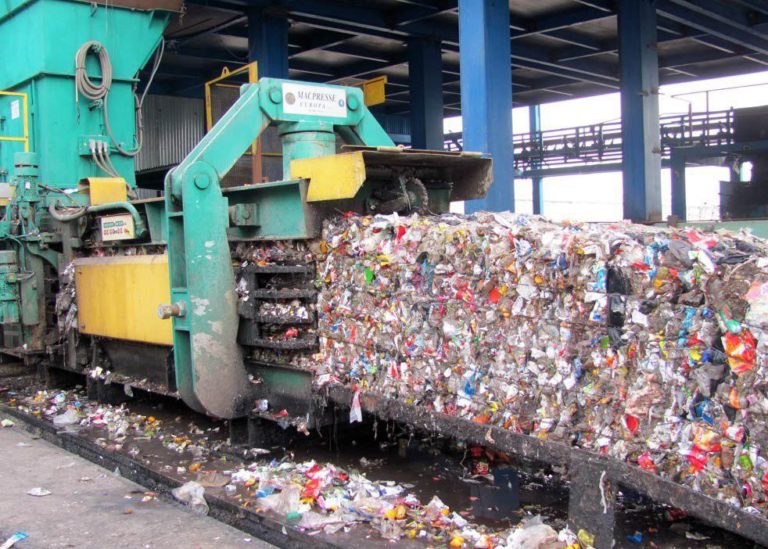
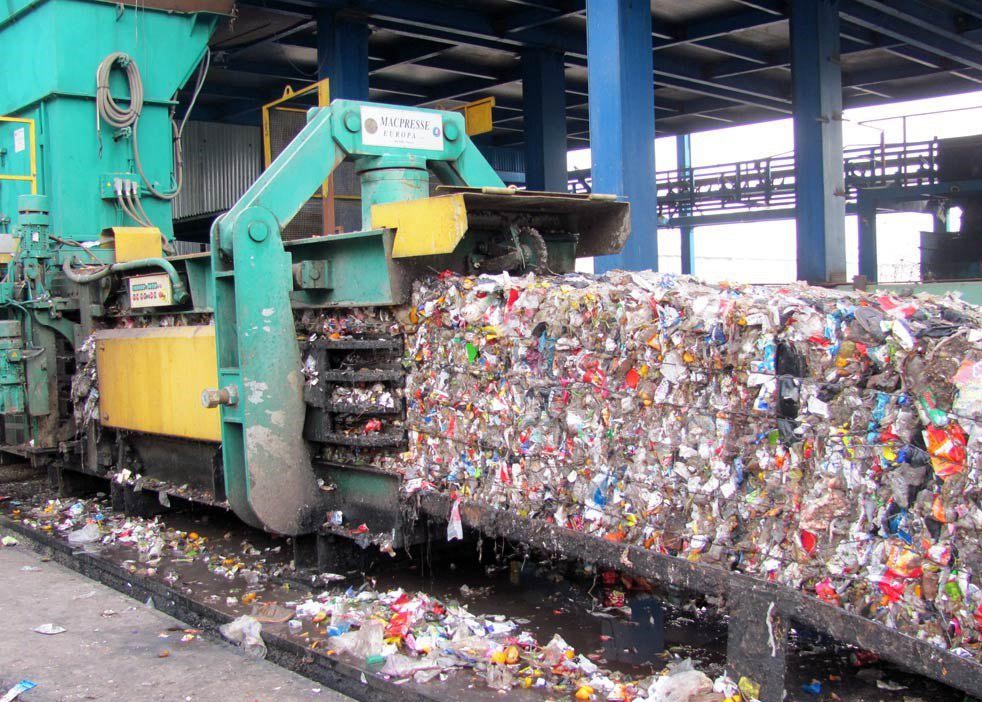
Industrial waste recycling process

Musuilideen, a former Chairman of the Nigerian Society of Engineers (NSE), Environment Division, Lagos Chapter, made the remark in an interview with the News Agency of Nigeria (NAN) in Lagos.

He said that most of the materials and waste products that cause flooding in the country could be recycled.

According to him, some the waste materials that cannot be recycled and constitute hazards to the environment can be prohibited from being used in the country.

“Waste materials like nylons are unrecyclable and can be banned from usage because nylons constitute about 70 per cent of residues that block the water canals, thereby causing flood,’’ he said.

However, Musuilideen urged the Federal Government to encourage recycling of all kinds of waste products, saying that it was a major way to check the causative factors of flooding in the country.

He noted that recycling reduces energy consumption and ensures sustainable use of limited resources.

“Large amounts of energy are required to mine raw materials, process them and transport them around the world.

“But much of this energy can be saved if manufactured products like plastics, metals, or paper are properly segregated and recycled.

“People can generate revenue if they can start sorting their wastes, especially the pet bottles, papers, cans, among others, as there are resource merchants that buy them,” he said.

Musuilideen said that most of the recycled items were exported by the resource merchants because many industries had not learnt to benefit from the use of recycled items.

“There are many ways recycled items can be used; they can be reused in the same industry that produced them and also be used in the construction of buildings.

“For instance, somebody constructed three bedrooms using ‘PET bottles’ in Kaduna State, while another used the same ‘PET bottles’ for the construction of a school library,” he added.

By Lilian Chukwu

Unilag now compliant with WHO malaria diagnostic test standard

0

The University of Lagos, Akoka (Unilag) says the World Health Organisation (WHO) has recognised its institution as being compliant with its malaria Rapid Diagnostic Test (RDT) batch testing standard operating procedures.

University of Lagos Unilag
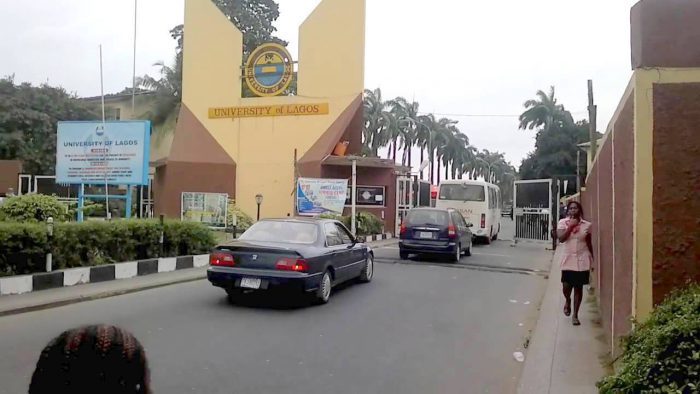
University of Lagos, Akoka

The Director, Research and Innovation of the university, Prof. Wellington Oyibo, disclosed this in an interview with the News Agency of Nigeria (NAN) on Saturday, December 30, 2017 in Lagos.

According to him, the WHO had in a cicular made available to the institution, recognised the university’s “African Network for Drug and Diagnostic Initiative” Centre of Excellence for Malaria Diagnosis, alongside that of the National Institute of Malaria Research (NIMR), New Delhi, India.

He said that the laboratories of these two institutions had been adjudged compliant with the WHO malaria Rapid Diagnostic Tests (RDTs) lot (batch) testing standard operating procedures.

“The circular mentioned that these laboratories will be conducting lot (batch) verification for RDT batches imported into their respective countries, which are  Nigeria and India.

“I just want to say we are happy with this development because it goes to show that we can make it happen, given the much needed support, in the area of research.

“We must all begin to see our universities as centres for solutions, as we are all aware that it is beyond just teaching and learning for the acquisition of certificates or degrees.

“With this recognition of the Unilag platform also, malaria Rapid Diagnostic Tests (RDT), that are used for the diagnosis of malaria can now be easily tracked.

“It can also be monitored for quality, till the expiration date of the kits,’’ Oyibo said.

The professor of Medical Parasitology explained that monitoring can now be done on such kits quickly, upon their arrival in the country.

According to him, those with defects would be not be deployed to the country’s facilities.

“In fact, they will be stopped from entering the country thus, ensuring that high quality malaria rapid tests are available for effective malaria case management,’’ he said.

Oyibo noted that for over nine years, the WHO had coordinated an independent global quality assessment programme for malaria rapid diagnostic test batches.

According to him, a circular made available to the institution has noted that from 2007 through 2016, the WHO global batch testing programme had tested more than 5000 RDT batches.

He added that the circular also stated that since 2011, batch or lot testing had been mandatory for all global fund grant recipients and had been adopted by all other major RDT procurers.

By Chinyere Nwachukwu

Cocoa farmers decry low productivity, urges government commitment in 2018

0

Chairman, Osun State Chapter of Cocoa Farmers Association of Nigeria (CFAN), Mr Moses Oladipupo, has decried the poor production of cocoa in the state, attributing it to bad weather.

Cocoa
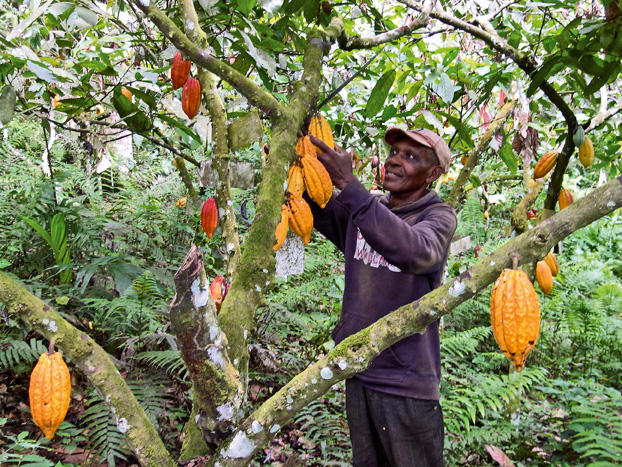
Harvesting cocoa

Oladipupo, during an interview with the News Agency of Nigeria (NAN) in Osogbo on Saturday, December 30, 2017 said only 30 per cent of expected cocoa production was achieved by farmers in the state in 2017.

He attributed the major factor responsible for the low production to inadequate support from government in 2017, adding that farmers had to struggle on their own.

“We faced the challenges of unfavourable weather, fake chemicals sold in the market, and lack of fund and financial support from the government.

“Majority of our farmers lack funds and as such could not pay labourers employed to work on their farms, and this often resulted to police cases.

“In fact, we had a lot of our members arrested because they were reported to the police for not paying the labourers they employed.

“It is not entirely the fault of farmers not being able to pay their employed labour, but what they get from their harvest is not up to what they have invested on production.” he said

He said though the Federal Government through the Federal Ministry of Agriculture, had been providing chemicals to cocoa farmers at 50 per cent subsidised rate, the farmers still need more support and assistance from them.

He said farmers in the state were not really feeling the Federal Government’s impact on agricultural programmes and policies because the states governments that were supposed to be implementing them were not doing so.

He said the target of government in terms of cocoa production was 300,000 metric tons, but said they would get less than 200,000 metric tons this year due to the challenges farmers faced this year.

He, however, called for more commitment from the government toward cocoa production and to equip farmers through training, funding as well as provide extension workers to assist and monitor farmers operations.

According to him, if government can provide the needed tools and materials cocoa farmers need to operate, it will encourage farmers’ production and cultivation of cocoa on a large scale.

By Olajide Idowu

Nigeria can achieve self-sufficiency in rice production, says expert

0

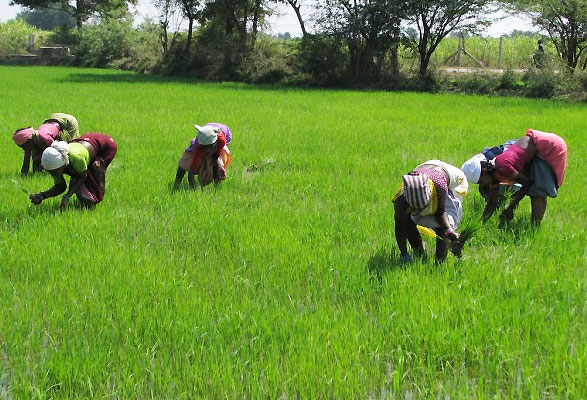
The Chief Executive Officer, Raymos Guanah Farms, Mr Raymos Guanah says that Nigeria can achieve self-sufficiency in rice production if the present trend is sustained.

rice-farming
Rice farming

Guanah said this in an interview with the News Agency of Nigeria (NAN) on Saturday, December 30, 2017 in Asaba, the capital of Delta State.

While commending the Central Bank of Nigeria (CBN)’s Anchor Borrowers Programme, he advised government at all levels to create the enabling environment for sustained rice production in the country.

Guanah also called for the introduction of modern milling machines which should be accessible to mechanised rice farmers in the country.

“Creating the needed environment as well as introduction of modern milling machines will help to boost and sustain production of rice in the country,’’ he said.

Guanah, a former commissioner in Delta, also called for the training of rice farmers in the country in order to boost their entrepreneurial skills.

On the quality of locally produced rice, he noted that it was good, but there was still room for improvement with the provision of modern milling machines.

According to him, local rice is richer and better, compared to imported rice because of the freshness and high nutritional value.

Guanah identified flooding as one of the challenges of the agriculture sector and expressed the hope that it could achieve more in 2018

On the involvement of more youths in agriculture, Guanah noted that if agriculture was mechanised, more youths would embrace it.

By Mercy Obojeghren

Dust haze, cloudy weather to prevail on Saturday – NiMet

1

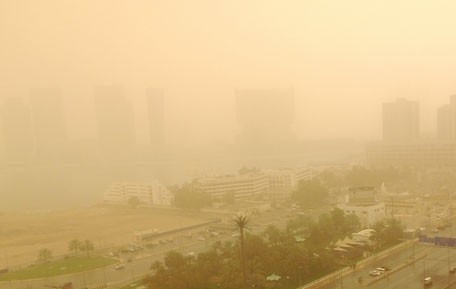
The Nigerian Meteorological Agency (NiMet) has predicted dust haze weather conditions with horizontal visibility range of about three to five kilometres over the central states of the county on Saturday, December 30, 2017.

Dust haze weather
Dust haze weather

NiMet’s Weather Outlook by its Central Forecast Office in Abuja on Friday also predicted day and night temperatures in the range of 26 to 36 and 11 to 20 degrees celsius.

The agency predicted that the Southern States would experience hazy conditions over the inland cities with day and night temperatures in the range of 33 to 37 and 18 to 26 degrees celsius.

It also predicted partly cloudy skies over the coastal cities throughout the forecast period.

According to NiMet, Northern States will experience slight dust haze throughout the forecast period with day and night temperatures in the range of 28 to 34 and 12 to 19 degrees celsius.

“Slight dust is expected to be raised which should leave the northern part of the country in slight dust haze.

“The central states are expected to be in dust haze condition with horizontal visibility range of about three to five kilometres.

“Conversely, partly cloudy conditions are expected over the southern cities in the next 24 hours,” NiMet predicted.

By Sumaila Ogbaje

Ivory sales ban commences as China aims to curb elephant poaching

0

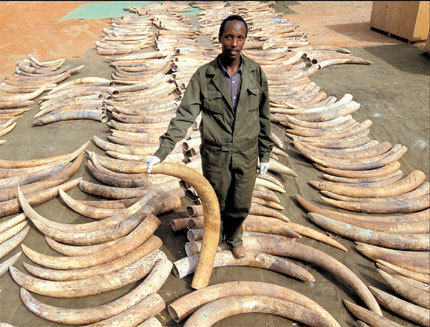
Ban on ivory sales in China, the world’s largest importer and end user of elephant tusks, takes effect on Sunday, December 31, 2017 with wildlife activists calling it a vital step to reducing the slaughter of the endangered animals.

Ivory trafficking
Ivory trafficking. Photo credit: girlegirlarmy.com

China has made a big push to eradicate ivory sales and demand has fallen since early 2014 because of a crackdown on corruption and slower economic growth.

Public awareness campaigns featuring celebrities have helped boost awareness of the bloody cost of ivory. Wildlife groups estimate 30,000 elephants are killed by poachers in Africa every year.

“It is the greatest single step toward reducing elephant poaching,” said Peter Knights, chief executive of the group WildAid.

China has allowed the sale of pre-convention ivory, which refers to products such as carvings and crafts acquired before the 1975 Convention on International Trade in Endangered Species of Wild Fauna and Flora (CITES), as long as it is accompanied by certificates.

The trade in pre-convention ivory has been legally thriving in China and Hong Kong since 1975, and environmental activists have long asserted that it has spurred demand for all ivory.

The ban on all ivory sales has already led to an 80 percent decline in seizures of illegal ivory entering China as well as a 65 percent decline in raw ivory prices, said conservation group WildAid.

Under the ban, China’s 172 ivory-carving factories and retail outlets will also close. Some factories and shops started closing in March.

Illegal ivory supplies have also been rife in unlicensed shops and online across China.

This year, ivory prices in China were about 65 percent lower than 2014 levels, said WildAid, with retailers in some places trying to sell off stocks and offering heavy discounts before the ban.

The Chinese ban has been hailed by activists but they warn that Hong Kong, a special administrative region of China, remains a big obstacle to the eradication of elephant poaching.

China’s ban on sales do not apply in the former British colony, which has the largest retail market for ivory and has traded it for more than 150 years.

Hong Kong is a prime transit and consumption hub for ivory with more than 90 percent of consumers from mainland China.

Since 2003, Hong Kong has intercepted about 40 tonnes of illegal ivory, only about 10 percent of what is believed to have been smuggled in, WildAid said in a paper to the city’s legislature in May.

Hong Kong set a timetable for a ban on ivory trading last year, with a phase-out time of five years. A final vote on the ban is expected in the city’s legislature in early 2018.

Conservationist Zhou Fei said the Chinese ban could be a catalyst for the closure of ivory markets across Asia.

However, Kenya-based conservation group Save the Elephants said this year that neighbouring Laos had expanded its retail market more rapidly than any other country.

Beijing phases out 4,450 coal-fired stoves

0

Beijing phased out more than 4,450 coal-fired stoves in 2017, reducing its coal consumption by almost three million tonnes, local authorities said on Friday, December 29, 2017.

coal-fired stove
Chinese coal-fired stove

“The move also reduced emission of 5,500 tonnes of smoke and 6,600 tonnes of sulphur dioxide,’’ the Beijing Municipal Environmental Protection Bureau said.

As part of a campaign launched in 2013, Beijing has phased out about 99.8 per cent of coal-fired stoves.

Natural gas and other forms of clean energy are used to replace coal.

An investigation shows that Beijing’s average sulphur dioxide density, a major air pollutant, was eight microgrammes per cubic metre toward the end of October 2017, compared with the annual average density of 28 microgrammes in 2013.

Small stoves in Beijing’s suburban and rural areas, not covered by the central heating system, had been blamed for worsening the city’s smog during the winter.

Beijing completed 338 projects to switch coal-fired heating to heating fuelled by natural gas in rural areas this year, involving ¥8.5 billion ($1.3 billion) of investment.

UNEP report: Government targets 5,000 for medical outreach in Ogoniland

0

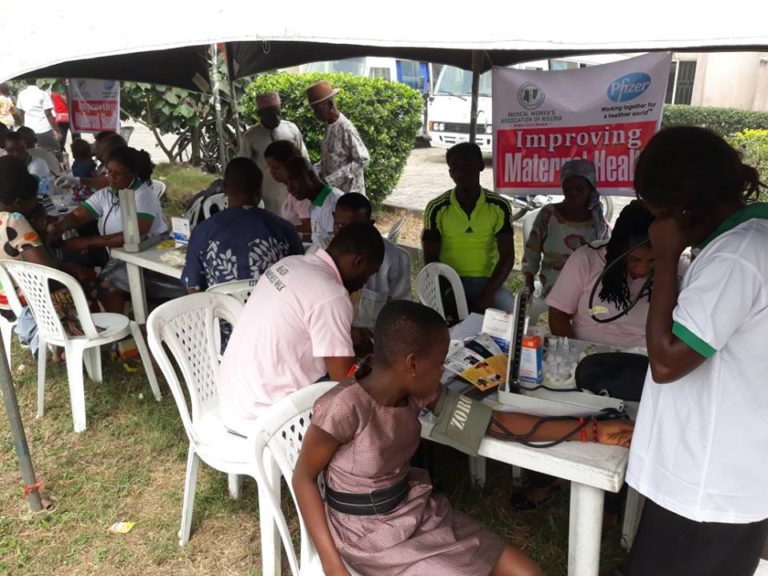
The Federal Government is targeting about 5,000 men, women and children in its free medical outreach aimed at preventing, detecting and treating victims of hydrocarbon pollution in Ogoniland, Rivers State.

Medical outreach
Medical outreach

Dr Marvin Dekil, the Project Coordinator, Hydrocarbon Pollution Remediation Project (HYPREP), flagged-off the second phase of the exercise on Friday, December 29, 2017 in Kpite-Tai community, Tai Local Government Area of the state.

He said that HYPREP has concluded the exercise in Khana and would soon begin same exercise in Gokana and Eleme Local Government Areas in compliance to recommendations of UNEP Report on Ogoniland.

“The health outreach is the first step towards the implementation of the initial stage of the Health Impact Study as recommended in the United Nations Environment Programme (UNEP) Report on Ogoniland.

“Health impact study is one of the emergency measures taken by HYPREP to ensure that we are clear about the link between disease pathogens and oil contamination in the area.

“We are mandated to perform three tasks which are to remediate impacted sites; restore livelihood in the communities, and emergency measures – which includes health impact study and water.

“HYPREP would administer screening for various ailments – while at the end of the exercise; the report would be used to do a health record for Ogoni people,” he said.

Dekil said the screening would cover malaria, HIV, dental, eye, arm circumference; Random Blood Sugar; Fasting Blood Sugar, weight and height.

He said that pulse and vital signs of residents would also be checked with focus to early detection of diseases.
Besides, the project coordinator said the exercise would offer free surgeries and treatment to residents found with dental and eye impairment.

“Also, free correctional eye glasses would be given to those diagnosed with impairment,” he said.
Dekil said that Ministry of Environment recently signed Memorandum of Understanding with the United Nations Institute and Research (UNITAR) to train Ogoni youths and women on skills acquisition.

He noted that President Muhammadu Buhari was fully committed to successful implementation of the UNEP Report on Ogoniland.

The founder of Medical Women Association of Rivers State, Dr Bernadette Korubo, expressed optimism that the outreach would improve health of residents.

She said that most residents of the area suffered severe forms of arthritis, high blood pressure, stroke, eye impairment, waist pain and upper respiratory tract infection.

Korubo said: “These diseases are common here because at this age and time people are still drinking from streams and hand-dug wells especially in an area that is highly polluted.

“This is a public health emergency, and as such government at all levels should as a matter of urgency interface with the community gatekeepers to provide them with pipe borne water.

“We will continue to create awareness to enable them maintain healthy living in the midst of the health challenges caused by decades of oil pollution in Ogoni communities,” she said.

The medical practitioner urged the participants to boil their water before drinking while awaiting government intervention in their communities.

One of the beneficiaries, Mr Rapheal Obari, who was diagnosed with low blood sugar, commended HYPREP and called for a quarterly conduct of the exercise.

By Desmond Ejibas