Residents of Umuezeka and Ekwashi communities in Ohaukwu Local Government Area in Ebonyi State are rejoicing, what with the recent installation of solar powered agro-processing industry by the United Nations Development Programme (UNDP) Nigeria and Energy of Commission of Nigeria (ECN) in collaboration with Ngbo Women Empowerment Cooperative Union.
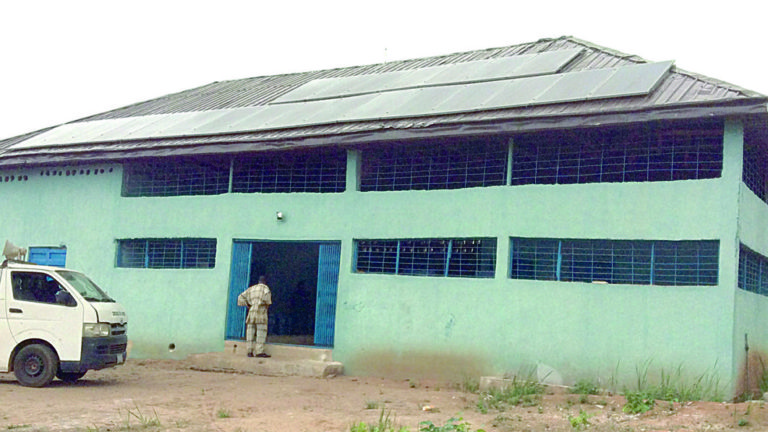
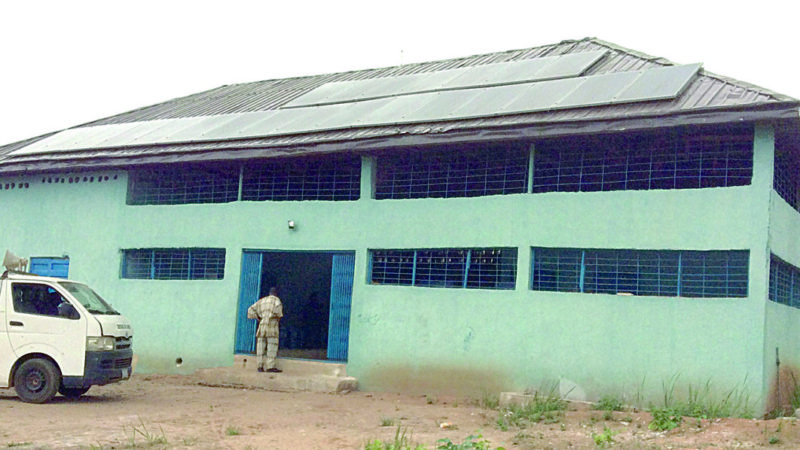
A building housing one of the solar mills established by UNDP/ECN in Ebonyi State
A building was constructed to safely accommodate both the electro-mechanical equipment and the solar-power plants and its control room, that process staple crops, such as millet, rice, maize, wheat and cassava.
The project utilised renewable energy resources (solar) to provide some of its energy needs, especially for agro-processing.
The communities lie within a high sunshine belt and thus have enormous solar energy potentials that can be productively harnessed to power many cottage industries, including agro-processing.
Ngbo people, like other Nigeria rural and peri-urban communities, where greater percentage of the foods consumed in the country is being produced, are off the national grid, with limited or no access to reliable sources of electricity.
The project includes one solar-powered water borehole built very close to the solar-powered community-based garri processing factory in Ngbo-Ekwashi village that provides clean portable drinking water to over 105 households constituting 2,405 population including children, youths, adults (905 males and 1,500 females).
President, Ngbo Women Cooperative Union, Mrs. Onwe Onyemaechi, said, “This solar technology has brought relief to our women and children.”
She noted that the use of solar mills has reduced the amount of manual processing required and reliance on diesel-fueled mills as well as cost savings realised in the reduced consumption of diesel fuel, and reduced time the communities spent traveling to mills.
The time saved in manual labour has been redirected to other efforts that increase income and reduce poverty, particularly for women and children who are the primary source of labour for agro-processing.
Facts show that solar milling has the potential to reduce inequality and exclusion among the marginalised poor in rural communities in the country.
Onyemaechi hinted that “we used to peel cassava with knives; after peeling, we carry it to the stream located in far places that take about one hour journey to wash them.
“Thereafter, we use our hands to sieve it and pack as well as go to the bushes to fetch firewood. The garri consumes a lot of firewood before you produce one basin of garri.
“Sometimes, we buy N1,500 worth of firewood to fry one basin of garri. When we fry with frying pan and smokes will be entering into our eyes. It tasks our women and children health.
“In most commercial grinders, we pay up to N200 for a bag of garri as the owners complaint of using diesel to power the machines. With this new technology, we don’t buy diesel anymore. It is powered by solar. Now to grind a bag of garri costs N50.”
Under the project, two 5 ton/hour three-phase five horsepower electrically operated stainless steel cassava grater was installed to replace diesel-engine grater and the drudgery of going many kilometres to cue up for hours to grind cassava.
One tonne /day vibrating sifter (electrically powered) was also installed. Two gas or charcoal-fired automatic stainless steel garri fryers were also installed to fry the garri produced from the factory. Over 300 women, children (800 -boys) and children (1200 -girls) from the community are benefiting from the fryers and stop the use of firewood.
“Now to sieve the garri is very easy for us. We were sieving with hands, it takes a long time, as much as to complete a basin, and solar take about eight minutes,’ the Union President revealed.
The villagers are very excited with the solar technology. For instance, the communities have free water from the solar borehole. “The road to the stream is very dangerous bushy and lonely.
In the evenings, children or women go with men to the stream to fetch water, but now people come here to fetch water every day,” Onyemaechi said.
Another benefit that has come with the solar system is that the villagers no longer take bikes to the general market to recharge their cellphones, contact relatives in the city or know prices of products.
Then, they spend up to N300 on a return journey to charge their phones and a token payment of N50 for services. “We have a charging point now at the factory. All the villagers bring their phones here to charge.
We render the service free of charge. We’re always celebrating here. It’s just a dream.”
According to her, children the perform 70 per cent of the duties associated with cassava production, the solar factory performs most of the jobs the children do like peeling, sieving and fetching firewood. “They are now free to go to school and learn,” she said.
Sarah Elom also told the story of her desperate yearning for electricity some three years ago after she entered Junior Secondary School, and had to walk two miles daily to fetch water from the village stream before going to school. The early morning ritual affected her studies, she said.
After school, Elom would also take another turn to the stream and embark on manual cassava processing, or travel long distances to use a mill daily.
When that was done, she would also go to the forests in search for firewood to fry it. Now, that wearying routine has ended for good, she said with a smile.
An elder statesman and community leader, Chief James Nwaeze of Umuofor Community, said that the manual grater was causing a lot of body harm to the children and women, adding that the solar mill has come to address the worrisome issue.
“It has brought development to our community. People now come from far and near to use the solar powered machines,” Nwaeze said.
He added that children who used to embark on search for firewood up to four miles are now using their energy in other areas.
“Most of the children have had snakebites in their search for firewood. I praise the magnanimity of UNDP and ECN to salvage the situation. With the project, the children have improved in their grades in schools,” he said.
He urged the development agencies and government to support other communities in the area with such project.
Ngbo-Umuezeka Village Head, Omeji Sunday, said the programme has been of good use since its establishment last year. “The solar mill has relieved us of the problems we face in processing cassava. We also drink potable water now.”
Mr. Joseph Ugadu, Special Assistant to the Ebonyi State Commissioner for Commerce and Education, welcomed the development, and stressed that the government is determined to improve on the agro industries in the area.
One of the women leaders in the community and head of the cassava growers, Mrs. Odom Elizabeth, disclosed that the cooperative had acquired three hectares of land to cultivate cassava, which will feed the industry.
“When we start, we will not be going outside to buy cassava. We intend to acquire land in more locations to make the place sustainable.”
The Bonn, Germany-based UN Climate Change (UNFCCC) has welcomed the announcement of a $4.5 million financial contribution made by Bloomberg Philanthropies to support its work.
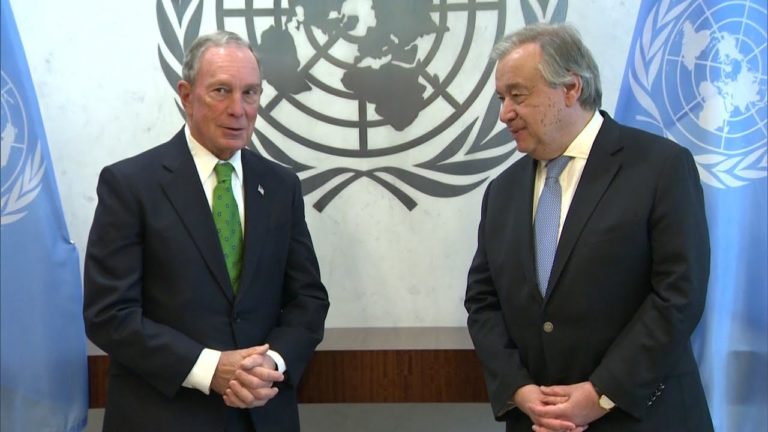
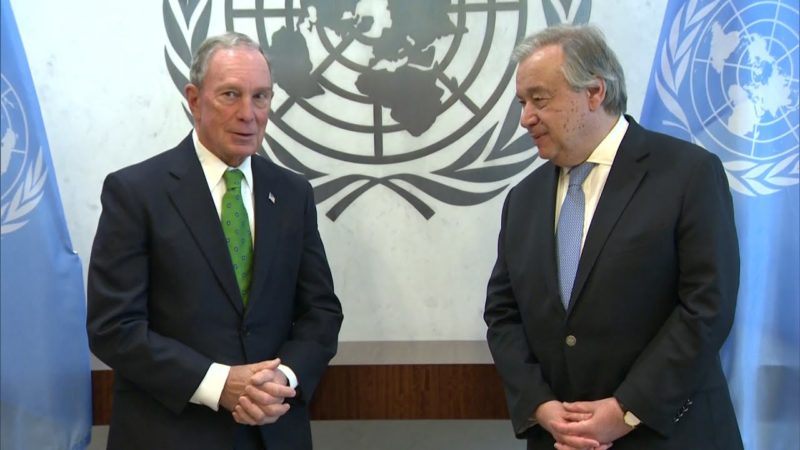
UN Secretary General’s Special Envoy for Climate Action, Michael Bloomberg (left), with UN Secretary-General, António Guterres
Given the level of outstanding contributions from Parties and a decline in voluntary contributions from donors, the UN body says the funding comes at a critical time and strengthens its capacity to support developing countries, carry out strategic outreach to promote climate action among stakeholders including cities, regions, business and civil society and address institutional needs in areas such as information technology and communications.
UN Climate Change secretariat expresses its gratitude for the support it receives from both Parties and non-Party stakeholders which, it adds, “helps to realise the full potential of the UN Framework Convention on Climate Change, Kyoto Protocol and the Paris Agreement. Bloomberg Philanthropies’ generous contribution of $4.5 million complements the support provided by national governments and other stakeholders.”
“The U.S. pledged to work with the rest of the world to fight climate change under the Paris Agreement, and that includes providing our fair share of the funding to help countries reach their goals. Our foundation is providing this funding to UN Climate Change as part of our work to ensure that the American people can honour the commitment made under the Paris Agreement,” said the UN Secretary General’s Special Envoy for Climate Action, Michael Bloomberg.
According to the UN Climate Change, “financial support of this kind is critical to mobilising climate action leading up to 2020 and fostering synergies across sectors and geographies in the context of sustainable development.”
Executive Secretary, Patricia Espinosa, added: “When countries adopted the historic Paris Agreement to limit global temperature rise, they also recognised that achieving that goal would take broad-based global climate action in all sectors, public and private. I welcome this generous contribution from Bloomberg Philanthropies as an important, practical recognition of our need to work together, and to step up our response to climate change.”
Water experts agree that “21st century water challenges” especially that of meeting the increasing global demand for water due to population growth, can be addressed through nature based solutions (NBS). These solutions include the proper management and protection of freshwater ecosystems such as wetlands, floodplains and forests around the heads of rivers. The solutions are inspired and supported by nature, and use natural processes to contribute to improved management of water.
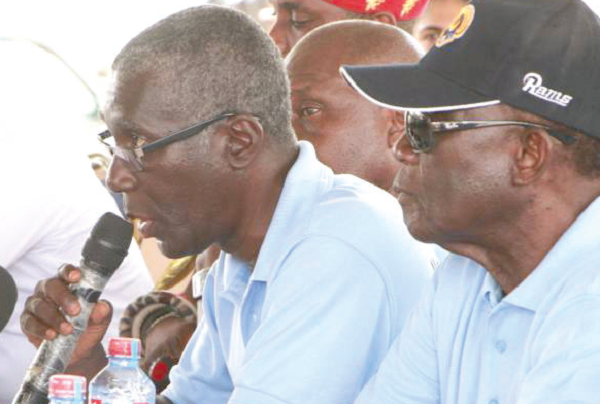
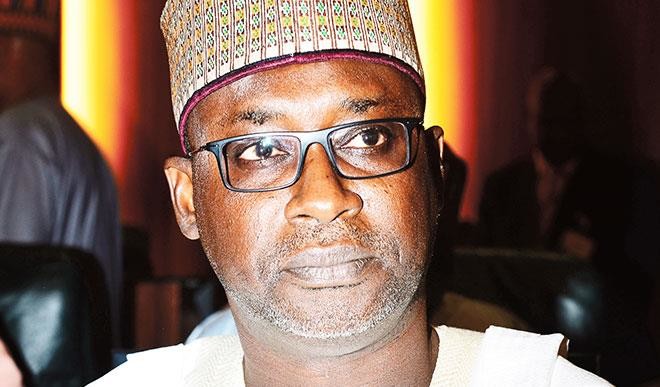
Executive Secretary of the Ghana Water Resources Commission (WRC), Ben Yaw Ampomah
Once they are healthy, these ecosystems can effectively perform their natural functions of re-charging surface and underground water reserves that contribute to the sustainable availability of water. They further play important roles in regulating water quality by reducing sediment loadings, capturing and retaining pollutants, and recycling nutrients.
However, some experts argue that the full and significant potential of nature based solutions have not been up-scaled in Ghana, because of the existence of certain multi-sectorial challenges. They include apathy against nature based solutions due to the continuing overwhelming dominance of built infrastructure solutions in the current instruments – from public policy to building codes and regulations.
“This dominance,” according to the Executive Secretary of the Ghana Water Resources Commission (WRC), Ben Yaw Ampomah, “also exists in engineering, market-based economic instruments, the expertise of service providers, and consequentially in the minds of policy makers and the general public. Consequently, nature based solutions are ignored.”
He added: “These and other factors collectively result in nature based solutions often being perceived to be less efficient, or riskier, than built or grey systems.”
Mr. Ampomah was speaking on the subject “Nature for Water,” at a media interaction in Accra organised by the Planning Committee for World Water Day celebration in Ghana as part of national activities to commemorate the Day.
World Water Day, which is celebrated annually on March 22, was instituted in 1992 by the United Nations, to draw global attention to the importance of water as a vital resource to life. Each annual event highlights a specific aspect of freshwater. The focus for this year’s celebration has been on the potential of nature based solutions to resolve 21st century water challenges.
The WRC Executive Secretary noted that nature based solutions often require cooperation among multiple institutions and stakeholders saying “this is something that can be difficult to achieve as current institutional arrangements did not evolve with in-cooperation on nature based solutions in mind.”
He said “there is a lack of awareness, communication and knowledge at all levels, from communities to planners and national policy makers, of what nature based solutions can really offer,” adding that “this situation can be compounded by a lack of understanding of how to integrate green and built infrastructure at scale, and an overall lack of capacity to implement nature based solution in the context of water.”
And the fact is that myths and uncertainties remain about the functioning of natural or green infrastructure, and about what ecosystem services mean in practical terms. It is for this reason that people see wetlands as breeding merely grounds for mosquitoes or waste places that eventually become receptacles for rubbish and is often reclaimed for other land uses particularly buildings.
Besides, it is also not entirely clear, at times, what constitutes a nature based solution, while the hydrological functions of natural ecosystems, like wetlands and floodplains, are much less understood than those provided by built infrastructure. Consequently, nature based solutions are even more neglected in policy appraisal and in natural resource and development planning and management.
These challenges could be addressed by essentially creating enabling conditions for nature based solutions to be considered equitably alongside other options for water resources management. Mr. Ampomah called for leveraging of finances for nature based solutions by redirecting and making more effective use of existing financing. While, the private sector can also be further stimulated and guided to advance nature based solutions in the areas in which it operates.
Addressing the challenges further calls for creating an enabling regulatory and legal environment by promoting nature based solutions more effectively through existing frameworks. At the international level, global instruments including the Convention on Biological Diversity, the United Nations Framework Convention on Climate Change, the Ramsar Convention on Wetlands, the Sendai Framework on Disaster Risk Reduction, and the Paris Agreement on Climate Change, all offer a means to explore nature based solutions for water availability and security.
The Sustainable Development Goals (SDGs), also provide an overarching framework for promoting nature based solutions. Mr. Ampomah said in the SDGs, nature based solutions offer high potential to contribute to the achievement of most of the targets of SDG 6 on water. He also mentioned other areas where the co-benefits of nature based solutions deliver particularly high rewards in terms of achieving the SDGs. They include agriculture; energy; inclusive and sustainable economic growth; full and productive employment and decent work for all. Others are making cities and human settlements inclusive, safe, resilient and sustainable; ensuring sustainable consumption and production patterns; and combating climate change and its impacts.
Mr. Ampomah concluded that “without a more rapid uptake of nature based solutions, water security will continue to decline, and probably rapidly so.”
The Vice Chairman of CONIWAS, Atta Arhin, used the occasion to educate the media on the general water and sanitation situation in Ghana in relation to SDG 6 on water. He said water and sanitation have always formed a major component of the nation’s development strategies such as the Ghana Poverty Reduction Strategy 1 & 2, Ghana Shared Growth and Development Agenda 1 & 2, and Agenda for Jobs (2917-014).
He said access to access to safe water, improved sanitation and hygiene services are fundamental to improved health particularly maternal and child health, quality education, gender equality, poverty reduction and socio-economic development.
Mr. Arhin, who is also the Coordinator of Water, Sanitation and Hygiene (WASH) at World Vision International Ghana, explained that targets SDG 6 indicate that everybody should have equal access to safe water, which should be affordable and easily accessible. He said in Ghana challenges to attaining this target include poor water quality, poor water handling practices, difficult hydro-geology, limited alternative water supply systems, weak sustainability mechanisms, limited investments in safe water delivery and limited application of technology.
Arhin noted that “the water sub-sector was suffering because investment has not matched the increasing demand for safe water delivery, with annual GoG budget allocation to the sector averaging less than 1% of GDP.”
The journalists later raised several issues including what the WRC was doing to change the mind-set of Ghanaians about the destruction of freshwater ecosystems, why massive encroachment of the country’s wetland has been permitted all these years, why rivers become gutters when they enter Accra and how achievable is SDG 6 in Ghana in the light of continuing “galamsey” or illegal mining.
The ensuing discussion was done in an atmosphere devoid of hostilities that sometime characterise such interactions. It reflected a willingness on the part of media practitioners to delve into environmentally related issues impeding the nation’s development agenda and general wellbeing of the people.
Director General, The Nigerian Conservation Foundation (NCF), Dr. Muhtari Aminu-Kano, in this piece meant to commemorate the 2018 Earth Day, advocates for the development of legislation and/or policy for the control of the use of plastic bags in the country in order to address the pollution menace
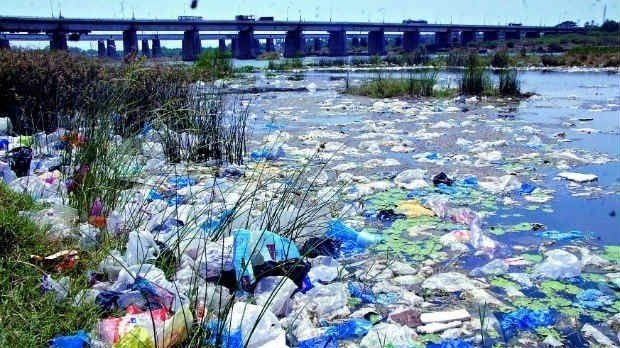
Plastic bags pollution
Plastics are derived and manufactured from higher density hydrocarbons. They are tough and are not degradable when disposed, potentially present in an ecosystem for between 500 – 1,000 years!
With increases in human population and commercial activities over the last century, we have also witnessed a tremendous increase in the quantity and use of plastics as shopping and gift bags, carriers for drinks and water, insulation materials and general packaging of merchandise. In Nigeria however, the most environmentally damaging and unsustainable use of plastics is in the commercial sector where plastics are used as wrapping/shopping bags and as carriers for water in this case commonly known as pure/sachet water.
Many bags drift into the ocean, strangling turtles, suffocating seabirds and filling the stomachs of dolphins and whales with waste until they die of starvation. Habib El-Habr, an expert on marine litter working with the UN Environment Programme in Kenya, outraged by the development commented as follows: “If we continue like this, by 2050, we will have more plastic in the ocean than fish.”
What are the issues?
The indiscriminate and poor disposal of such used plastics is fraught with numerous environmental consequences which include:
flooding; as a result of drains being clogged by the plastics.
outbreak of diseases; the bags become habitable grounds for disease-spreading vectors such as mosquitoes and flies, resulting in the spread of malaria, cholera and diarrhea.
pollution of the rivers, seas and oceans; every year, tones of plastics are washed into aquatic systems which affect the sites and potentials of breeding of fishes and other aquatic animals. More so, many fish species ingest the plastics which ultimately get transferred into the food-chain to humans, with negative consequences on our health. Many river channels have ‘’dried-up’’ due to the disposal of plastics along their courses.
State of affairs
In Africa, Rwanda, Tanzania and Kenya have legislation that bans the manufacture, trade and use of plastic bags. Penalties range from the imprisonment of up to five years or fines of several thousands of dollars. Other African countries (about 15) such as Ethiopia, Morocco, Mauritius, Ghana, South Africa, Namibia and Madagascar, are currently developing policies and legislation for the prohibition of the use of plastics. Globally, over 40 countries have policies or legislation to control or prohibit the use of plastics ranging from tax to an outright prohibition. More so, In June 2017, the East African Legislative Assembly finally passed the EAC Polythene Materials Control Bill 2016 that seeks to impose a complete ban on the use, manufacture and importation of plastic bags in the East African Community after stagnating for five years.
It is instructive to note that Chile even sent in policy experts to understudy the Rwandan and Kenyan legislation and experience on the prohibition of plastics with a view to adopting same.
Nigerian context
Nigeria is a signatory to numerous global treaties and conventions such as the Paris Climate Convention, Sustainable Development Goals (SDGs), the Convention on Biodiversity (CBD), Convention on Migratory Species (CMS), for the sustainable management of the environment and biodiversity. The spirit, letters and intent of most of the conventions involve the interdiction of practices that cause harm to the environment or specific species under threat.
The SDG 3 (on good health), 6 (clean water and sanitation), 11 (sustainable cities and communities) 13 (climate action) and 14 (life below water) all directly deal with the effect of practices (and by implication, plastics) on our communities’ (un)sustainability.
The use of plastics and its effect on wildlife sustainability and species diversity runs against the CBD just as much as it is to CMS.
While refuse – including plastics – in most rural and even urban communities are often disposed by open-burning, the emissions from such practices apart from being harmful to human health (emits phthalates, antimony, volatile organic compounds, carbon monoxide, arsenic and dioxins which cause headaches, nausea, rashes and other health complications) comes at a harmful cost to the environment even affecting Nigeria’s emission abatement targets as made in the Paris Climate Convention.
What can and should be done?
While not the first in Africa, Nigeria can however provide leadership to an African initiative to prohibit the use of plastics. In this regard, the following steps might be worth considering:
the government (Ministries of Environment, the National Environmental Standards, Regulatory & Enforcement Agency – NESREA, etc) should henceforth sensitise communities on appropriate waste disposal techniques and ensure facilities are provided for such.
a legislation and policy framework for the taxing or prohibition of the use of plastics (shopping/gifts plastics bags, sachet water plastics and similar range of plastics) should be initiated. Such regulations should have appropriate penalties for defaulters.
effective bio-degradable substitutes to such plastic bags (made from kenaf, sisal or bamboo fibres etc) should be initiated.
for plastic bottles and other non-degradable materials, designated recycling collection centres should be established within communities and government designated centres.
Some scientists have urged the Federal Government to legislate regulation of plastic pollution toward achieving environmental sustainability.
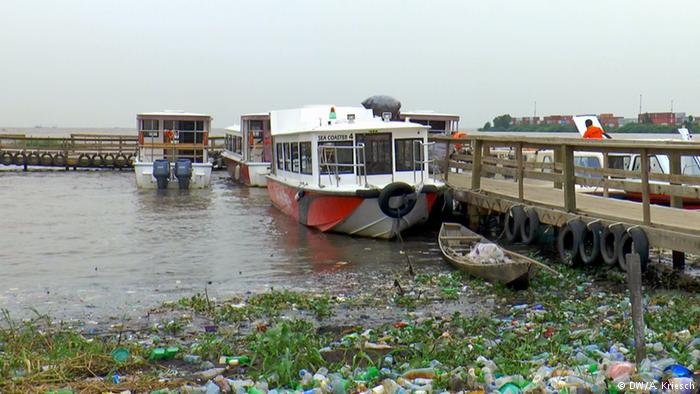
Plastic wastes on waterways pose a treat to small boats
The scientists, who gave the advice on Monday, April 23, 2018 in Abuja in separate interviews with the News Agency of Nigeria (NAN), said such effort would ensure clean environment and improve the health standard in the country.
They were speaking against that backdrop of the 2018 Earth Day marked on April 22, which had as its theme: End Plastic Pollution’’.
Dr Adeneye Talabi, the Director of Technology Acquisition and Adaptation, Federal Ministry of Science and Technology (FMST), said legislation ought to be put in place to prevent polluting the environment.
“Exposing our legislators to training on science and technology will influence their decisions on the issues of environment and health,’’ he stated.
The director called for the conversion of plastic to biodegradable materials to make the environment sustainable.
“For more than 10 years, there has been attempt in the developed world to develop biodegradable plastic pots for raising flowers and forestry activities for forest plant.
“Biodegradable plastic materials may cost Federal Government huge amount but is still better than non- biodegradable plastic,” he said.
Prof. Onwualu Peter, the Coordinator, Materials Science and Engineering, African University of Science and Technology (AUST) Abuja, said the Federal Government should make effort to tackle plastic pollution through legislation.
The don observed that global effort to eliminate primarily single use of plastics along with global regulation for the disposal of plastics ought to be emulated by Nigerian policymakers and legislators.
He called on African countries to actively participate in celebrating Earth Day in the future to fast-track actualising objectives of the event.
Mrs Adenike Aluko, an Osun-based Public Health Officer, said plastic material could cause sealing of the inner part of soil to disallow plants to get water which could lead to plants being starved.
She listed other challenges of plastic materials to include blocking of drainage, which could result in flooding and swallowing of plastic materials by animals causing them to be ill sometimes leading to their death.
Earth Day Network (EDN) organises Earth Day awareness worldwide through educating millions of people about the health and other risks associated with the use and disposal of plastics, including pollution of oceans, water, and wildlife.
Some members of the Global Legislators Organisation for a Balanced Environment (GLOBE), Nigeria Chapter, have lauded reports that enzyme that could decompose plastics have been discovered.
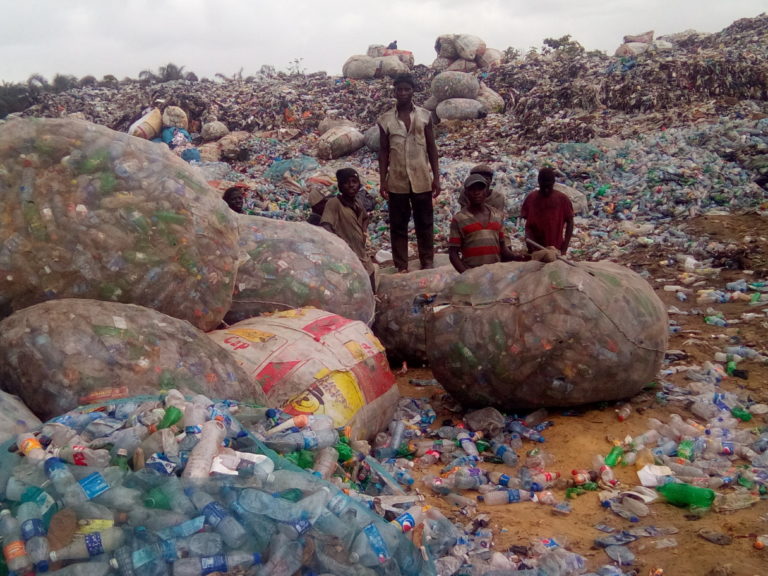
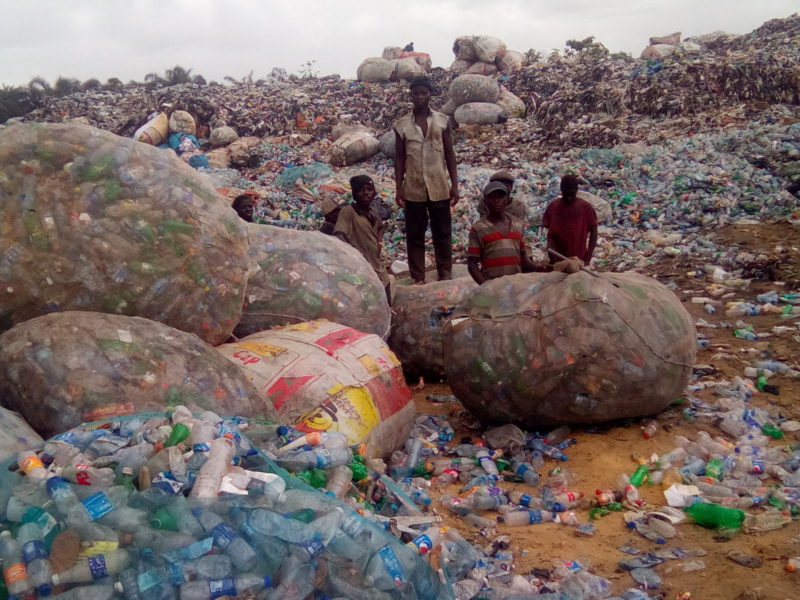
Plastic bottle scavengers and their wares at the Epe Landfill Site/EcoPark in Lagos, Nigeria
In separate interviews, lawmakers told News Agency of Nigeria (NAN) in Abuja that the breakthrough would go a long way in finding lasting solution to an age-long environmental challenge in Africa, especially Nigeria.
They decried the various harm caused by man’s activities on the environment, and said that the discovery of the enzyme would benefit Nigeria greatly.
A member of the group, Rep. Aminu Shagari, said: “I am excited about a new finding by some scientists in China that have discovered an enzyme that decomposes plastic.
“This is an important finding because one of the major problems in Nigeria is environmental degradation, which has to do with the way we dispose plastic wastes.
“Our waterways are blocked; farmlands are filled with all manner of materials that are harmful to the environment.
“Our livestock are eating plastics and polythene bags. We use them in disposing food which our livestock feed from, making them sick.
“I hope agencies that are concerned would follow it up so that we can have these enzymes as fast as possible to make our environment safer and better.”
The lawmaker, who represents Shagari Constituency of Sokoto State in the House of Representatives, assured that GLOBE would continue to play its part in the preservation of the environment.
He added that the organisation was already partnering government agencies in carrying out its objectives, which included passing laws that would impact positively on the environment, while safeguarding the county’s natural resources.
Rep. Sam Onuigbo, Vice President, GLOBE Nigeria and Chairman, House Committee on Climate Change, said that the mismanagement of “natural capital’’ had led to degradation and other environmental challenges.
He lauded the media for the report of discovery of the enzymes, saying that it would help in tackling problems caused by plastics to the environment.
“We recently had a GLOBE-UNEP meeting to engage stakeholders across board – from the government, legislature, the private sector and the NGOs.
“The meeting was meant to get stakeholders together to brainstorm on how to execute the GLOBE-UNEP project meant to achieve proper and successful environmental governance.
“The objective of the project is to reduce all the challenges that we have in our environment.
“It is all about how to preserve the environment and our natural capital to ensure that we do not create more problems.
“For instance, it is the mismanagement of our natural capital that leads to degradation. Some of the problems we have as humanity were caused by us.
“This has created additional problems through climate change effect, from desertification to draught, to lack of grazing area, the drying-up of Lake Chad and so on,’’ he said.
Onuigbo, who represents Ikwuano/Umuahia North/South of Abia State, stressed that environmental degradation in country had contributed to herders-farmers clashes.
According to him, people who ordinarily would have grazed in areas in the North-East are pushing downtown and this has disrupted farming and has now led to insecurity.
“So, we are thinking of a world where we are able to farm peacefully and preserve the economy.
On his part, Mr Innocent Onah, Coordinator of GLOBE Nigeria, said that there was an urgent need to pay more attention to environmental issues, particularly in the country, in view of the effect of environmental degradation on the economy.
He said, “Environmental matters have not been given the needed attention in the past.
“However, with GLOBE and the critical position occupied by legislators and partnering stakeholders will help enhance the environmental system.’’
Sixty per cent of Hong Kong’s commonly eaten grey-mullet fish contain large quantities of microplastic, with some ingesting 80 pieces, a report by environmental-activist organisation, Greenpeace, said on Monday, April 23, 2018.
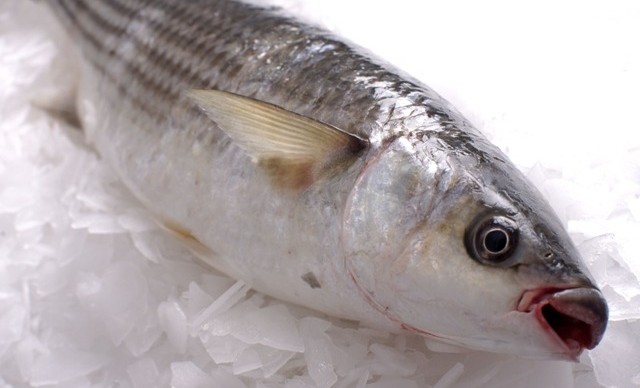
The grey mullet fish
Apart from the popular Flathead grey mullet, at least 170 marine-species, including mussels, lobsters and silver herring in the southern Chinese territory, have been found to contain micro-plastic, said Greenpeace.
Greenpeace campaigner, Chan Hall Sion, said the existence of micro-plastic in so many marine species “increased the chance of putting toxins on the eating-tables” of people in one of the world’s most densely-populated-cities.
Hong Kong has struggled to combat plastic waste, with the Education University of Hong Kong saying beaches have on average, 5,000 pieces of micro-plastic per square metre.
This is a 2.4 times higher than the U.S. micro-plastic concentration level.
A culture of eating out, fast food, and takeaway in the territory, is fueling a rising tide of plastic waste.
Around three tonnes of rubbish was cleared from Hong Kong’s beaches on Sunday as residents took to the coastlines to pick up plastic items.
These include wrappers, packaging children’s toys and cigarette lighters. Some of the rubbish had been lying there for over a year, local media reported.
The Greenpeace report said there were on average, 4.3 pieces of plastic fragments found in each mullet and the majority of plastic came from single use items like plastic cutlery and condiment-bags.
Greenpeace urged the Hong Kong government to quicken legislation to restrict the use of single-use-plastics and announce an overall plastic reduction target.
Hong Kong, a city of more than seven million people, deposits around two thirds of its 5.6 million tonnes of annual waste in landfill, very little is recycled.
The flathead grey mullet is an important food fish species in the mullet family Mugilidae. It is found in coastal tropical and subtropical waters worldwide. Its length is typically 30 to 75 centimetres.
Over 1,200 participants from over 40 countries across Asia-Pacific commenced a three-day meeting on Monday, April 23, 2018 in Yogyakarta, Indonesia, to foster cooperation and share best practices to avoid deforestation and promote sustainable growth.
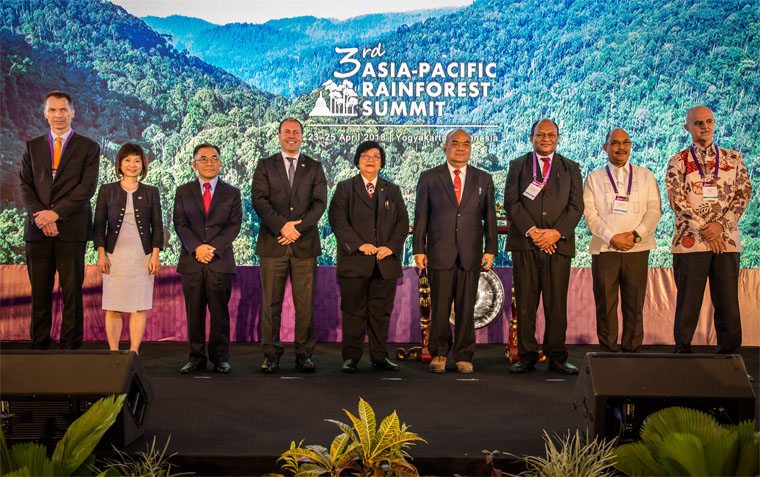
Opening session of the 3rd Asia-Pacific Rainforest Summit in Yogyakarta, Indonesia, on April 23, 2018: From left to right: Vegard Kaale, Ambassador of Norway to Indonesia; Amy Khor Lean Suan, Senior Minister of State, Ministry of the Environment and Water Resources of Singapore; Dato Seri Setia Awang Haji Ali Bin Ali Apong, Minister of Primary Resources and Tourism of Brunei; Josh Frydenberg, Minister for the Environment and Energy of Australia; Siti Nurbaya Bakar, Minister of Environment and Forestry of Indonesia; KGPAA Paku Alam X, Prince of Pakualaman and Vice-Governor of Yogyakarta; Osea Naiqamu, Minister of Agriculture, Fisheries, and Forests of Fiji; Ricardo L. Calderon, Assistant Secretary for Staff Bureaus of the Phillipines; and Robert Nasi, Director General of the Centre for International Forestry Research (CIFOR). Photo credit: Ulet Ifansasti for CIFOR
At the 3rd Asia-Pacific Rainforest Summit (APRS 2018), representatives of academia, civil society, companies, governments and research institutions are discussing the role of forests in Nationally Determined Contributions (NDCs) and other commitments made by each country under the Paris Agreement in 2015.
The Indonesian Government, with the support of the Australian Government and in partnership with the Centre for International Forestry Research (CIFOR), is hosting this event. The opening sessions included the participation of ministers and other high-level speakers.
“More than 450 million lives depend on the sustainable management of forests,” reminded Indonesia’s Minister of Environment and Forestry, Siti Nurbaya Bakar. “Last year Indonesia took major measures to promote social forestry, setting a target to allocate 12.7 million hectares of land to social forestry by 2019.” She also highlighted the progress the country has made in fighting deforestation and future commitments. “In the last three years, we have managed to reduce the deforestation rate from 1.09 million hectares to 0.61 million hectares. We have a projected target of 0.45 by 2020 and 0.35 by 2030.”
Australia’s Minister for the Environment and Energy, Josh Frydenberg, celebrated the progress made in reducing emissions from forests and emphasised the importance of regional collaboration.
“With the collected and concerted efforts in our own countries and through our international partnerships, we are making progress. The hard work we have done together is starting to bear fruit,” Frydenberg said. “We need to maintain this momentum and step up the pace of change if we are going to protect our forests and people, while securing economic growth,” he remarked.
Regional best practices on rainforests and climate
APRS is a key regional event held every two years. Its goal is to generate practical action on forest conservation and to help achieve sustainable development in the Asia-Pacific region.
In addition to the sessions on stage, government officials from countries across the region held a multilateral meeting and multiple bilateral meetings to discuss the ways in which they can cooperate.
Two major information and communications bigwigs used the occasion of the 2018 Earth Day, observed on Sunday, April 22, to express their commitment towards ensuring a healthy planet Earth.
Daisy, Apple’s iPhone recycling robot
For instance, Apple showcased its disassembly robot named “Daisy” and announced a donation programme as part of its ongoing recycling effort. With the new robot, Apple aims to create a healthier planet through innovation.
Apple also introduced the “Apple GiveBack” programme, where the Cupertino-based company would make a donation to the non-profit Conservation International for every device received at its stores and apple.com till April 30. Conservation International uses science, policy and partnerships to protect the natural world people rely on for food, fresh water and livelihood. Founded in 1987, the organisation works in more than 30 countries on six continents to ensure a healthy and prosperous planet.
“In recognition of Earth Day, we are making it as simple as possible for our customers to recycle devices and do something good for the planet through Apple GiveBack,” Lisa Jackson, Apple’s Vice President of Environment, Policy and Social Initiatives, said in a statement.
Through Apple GiveBack, Apple says its customers would be able to turn in their devices at any Apple Store or through apple.com to be recycled or traded in. All the eligible devices will receive credit that customers can use toward an in-store purchase or put on an Apple Store Gift Card for future use.
Apple also detailed its commitment to the environment by deploying new technologies to reduce carbon footprint by using renewable energy sources and driving energy efficiency in its products and facilities. Apple recently confirmed that all its retail stores, offices, data centres and co-located facilities in 43 countries are running with 100 percent clean energy.
The Google Doodle
Google celebrated the Earth Day by collaborating with Dr. Jane Goodall, who is a renowned ethologist and conservationist. In an illustrated video, Goodall talks about conservation and animal welfare.
“Out in the rainforest, you learn how everything is infinite, and how each different species, even though it may seem insignificant, has a role to play in the tapestry of life What better day than Earth Day than to really make a determined effort to live in better harmony with nature,” Goodall said in a video.
The Google Doodle, which was created by The Goodall Institute, and illustrated by Matthew Cruickshank, talks about Goodall’s memory from the time when she was working at the Gombe National Park in Tanzania. She discovered that chimpanzees make and use tools that disrupted the science world in 1960. It also helped redefine the relationship between the animal kingdom and humans.
“The rain stopped and I could smell the wet hair on the chimpanzees and I could hear the insects singing loudly. I felt absolutely at one and it was a sense of awe and wonder,” Goodall recalls. “With all of us working together, I am hopeful that it is not too late to turn things around if we all do our part for this beautiful planet,” she added.
April 22 has been observed as Earth Day, and it first started in 1970 in the US when 20 million people protested against the negative effects of industrialisation. The protesters marched to the auditoriums, parks and streets for demonstrating the need for a healthy and sustainable environment, and similar Earth Day events then followed in over 193 countries.
In the face of dwindling resources amid other challenges, some state governments are still expending huge funds on water projects so as to provide potable water for the citizens.
Suleiman Adamu, Minister of Water Resources
A recent survey conducted by News Agency of Nigeria (NAN) revealed that the states had evolved several programmes and strategies to take care of the water supply needs of their residents.
The survey was sequel to a recent UNICEF report, which claimed that more than 160 million Nigerians did not have access to potable water and the report has since generated a lot of controversy and concern.
In Oyo State, the state government had initiated some strategies and projects to ameliorate the acute water scarcity in most parts of the state.
For instance, an ultra-modern water treatment plant at Asejire Water Scheme, which has a production capacity of 186,000 cubic metres of water per day, was established at the cost of N262 million.
NAN gathered that the scheme would supply potable water to 85 per cent of the inhabitants of the Ibadan metropolis as well as the people of Ikire, Ikoyi and Apomu communities in the neighbouring Osun State.
Gov. Abiola Ajimobi said that prior to the inception of his administration; there was a marked decline in water supply from the Asejire Water Scheme because of factors such as old equipment, lack of spare parts for maintenance and erratic electricity supply.
He also said that his administration had awarded contracts for the construction of the Ayete Water Supply Scheme to serve Tapa, Idere and Ayete communities and the provision of a dedicated power line for Saki and Ogbomoso Water Supply Schemes.
Besides, Ajimobi said that the government had awarded the contract for the extension of water pipelines to new areas across the state, while upgrading water treatment facilities at Koso and Atori waterworks in Iseyin.
Other contracts, which the government awarded, include the rehabilitation and upgrade of Igboho Water Supply Scheme and the expansion works on Igbeti and Ogbomoso Water Supply Scheme, while the construction of Ilero Water Supply Scheme and New Rising Mains from Eruwa to Igboora (Phase I & II) were also revalidated.
Chief Isaac Ishola, the Commissioner for Environment and Water Resources, told NAN that the government had put in place some measures to boost the volume of water supply to the citizens.
He said that the rehabilitated and upgraded water treatment plant at Asejire Water Scheme would increase its water production capacity from 10 per cent to 80 per cent.
“The plant could conveniently supply about 150 million litres of water to about four million residents of Ibadan and its environs on a daily basis. Besides, some dilapidated pipelines across the metropolis have been replaced.’’
In Ilorin, Dr Muyideen Akorede, the Senior Special Assistant on Media to Gov. Abdulfatah Ahmed of Kwara, attributed the increasing scarcity of water in Kwara to the increasing population of the state.
He said that the significant boom in population had brought about attendant pressure on the existing infrastructure.
However, Akorede said that when the ongoing reticulation of water pipes and repair of waterworks were completed, the persistent water supply challenges facing the people of the state would be addressed.
Dr Oba La’aro, a lecturer in the Department of Mass Communication, University of Ilorin, nonetheless, bemoaned the acute water shortage in Ilorin, the state capital, saying that many residents usually travelled long distances every day in search of water.
“Ilorin has since expanded into a metropolis but its water supply is receding into a village-size water supply system.
“Starting from the 1992 to 1993 regime of ex-Gov. Sha’aba Lafiagi; each succeeding administration has fleeced the people by pretending to be addressing the water supply needs of the residents of the Ilorin metropolis,’’ he said.
He said that successive state administrations had failed to address the water supply challenges facing the citizens frontally.
NAN, however, reports that the state government on Jan. 17 introduced a water support scheme as a palliative measure to cushion the effect of the acute water shortage on the citizens.
Alhaji Tunde Yahaya, the General Manager of Kwara State Water Corporation, said that the scheme was to reduce the hardship facing the residents of Ilorin pending the completion of the water project which the state government had embarked upon.
He said that water tankers were deployed to strategic areas across the city to provide water for the residents as part of a stop-gap.
All the same, the situation has forced many residents, especially those living in new layouts, to dig wells or drill boreholes as alternative means of getting drinkable water.
In Ekiti, the Commissioner for Public Utilities, Chief Tunde Ogunleye, said that out of the N1 billion budgeted for the water sector this year, N500 million had been earmarked for rehabilitation and maintenance of water schemes across the state.
He said that another N200 million would be spent on the Ero Dam Water Supply Project, while rural water supply projects would be executed across the state at the cost of N50 million.
Besides, the commissioner said that Gov. Ayodele Fayose had approved the release of another N500 million to boost water supply in the state.
Ogunleye said that the state government had also adopted a new water and sanitation policy, which was approved by the State House of Assembly and signed into law by the governor.
He also said that the government had approved N500 million as counterpart funding for projects executed under the European Union-Water Supply and Sanitation Sector Reform Programme (WSSSRP III).
According to him, N151 million, out of the approved sum, has already been paid, while the balance is being remitted in tranches due to the current economic situation in the country.
Mrs Olabisi Agbeyo, the General Manager of Ekiti State Water Corporation, disclosed that Ureje, Ero, Egbe and Itapaji dams in the state were currently undergoing rehabilitation, while seven communities would benefit from water supply projects.
Meanwhile, the Osun State Government has reiterated its determination to improve the supply of potable water to its citizens.
Mr John Ibirogba, the Special Adviser to Gov. Rauf Aregbesola on Rural and Community Affairs, said that government had done a lot in efforts to supply drinkable water to the people.
Ibirogba said that through the combined efforts of the Rural Water and Environmental Sanitation Agency (RUWESA) and European Union-Water Supply and Sanitation Sector (EUWSSS), the state government had constructed boreholes to support water supply from dams.
He said that through the Millennium Development Goals (MDGs) Office, the Kajola Water Dam in Ilesa was completed in 2015 and handed over to the state government.
Ibirogba said that the dam would supply water to the Ilesa Waterworks.
He also said that the Ede Waterworks, which had been in existence since 1952, was renovated by the state government, while that its capacity was expanded from 20 per cent to 70 per cent.
Also speaking, Mr Olugbenga Owojuyigbe, the General Manager of Osun State Water Corporation, said that the state government had budgeted N13.7 billion for water supply projects this year.
He said that the corporation, which aimed at generating N450 million as revenue this year, would ensure that all the dams in the state were in good condition so as to ensure hitch-free supply of water to the people.
Owojuyigbe, however, moaned that the non-payment of water bills by individuals and corporate organisations was affecting the revenue profile of the agency.
In Ondo State, Mr Tunji Ariyomo, the Special Adviser to Gov. Oluwarotimi Akeredolu on Public Utilities, said that old and weak infrastructure remained the main factor militating against regular water supply in the state.
Ariyomo stressed that the existing water schemes ought to be in good condition in order to ensure regular water supply to the communities.
He said that continuous pumping of water had become very expensive because of the epileptic nature of electricity supply, forcing the water treatment plants to rely on diesel.
He, however, said that using diesel to power water pumps had consequently increased the government’s expenditure, thereby increasing the cost of supplying water to the citizens.
Nevertheless, Ariyomo said that the state government had signed a subsidiary facility agreement with the Federal Government and the French Development Agency.
He said that the $ 57 million agreement was for the construction and completion of the water supply component of the Owena Multipurpose Dam in Akure.
“The goal of the project to supply water to at least 50 per cent of the households in Akure, the state capital, that is in excess of 10,000 households.
“The tripartite arrangement includes extensive studies and extensive works to fix the dam’s reservoir, transmission lines and distribution network.
“When that is done, there is going to be commercial water supply. There will be provision for fetching points but the water will be targeted at reticulation into peoples’ homes,’’ he said.
State governments in the North East geopolitical zone said that they were also making concerted efforts to supply potable water to the citizens, in spite of certain constraints such as overstretched facilities due to population explosion.
Malam Isa Mohammed, General Manager of Gombe State Water Board, attributed the scarcity of water in Gombe city to a population upsurge due to the influx of Internally Displaced Persons (IDPs) into the neighbourhood.
He said that, due to the development, the water treatment plant of the city had been overstretched, adding: “The treatment plant of 50,000 cubic litres was designed in 2011 to serve 260,000 people.
“The projection was that by 2015, the population will reach 300,000, with the plan of expanding it to contain 75,000 cubic litres.
“Unfortunately at the time of design, nobody thought about the issue of insurgency, which led to influx of IDPs. The population is now over 700,000 and the water is not sufficient.’’
Mohammed said that under the current circumstances, the board had no other option than to ration water supply to the people.
He, however, said that mini-water schemes like solar-powered boreholes were established in the local government areas.
Nevertheless, the Bauchi State Government said that it had secured a World Bank loan of $65 million (N23.3 billion) to upgrade the Bauchi Water Supply Scheme.
The Commissioner for Water Resources, Mr Ibrahim Sulaiman, said that the project would facilitate efforts to supply potable drinking water to the growing population.
He said that the government would upgrade the facilities at Gubi Dam, especially its power generating plants, while laying 50km pipelines to replace the old ones.
He, however, bemoaned the nonchalant attitude of people and organisations in the state toward the settlement of water bills and appealed for a behavioural change.
On its part, the Jigawa State Government said it had spent over N1 billion on the upgrade of water supply facilities in the state.
Mr Zayyanu Rabiu, the Acting Managing Director of Jigawa State Water Board, said that the state government had also released N339 million for the rehabilitation of water stations across the 27 local government areas of the state.
He said that work on Dutse Greater Water Project, which would ensure steady water supply to Dutse, the state capital, was also in progress.
Rabiu stressed that the state government was implementing a policy aimed at ensuring regular water supply to the public.
He, however, urged the residents to eschew water wastage, while protecting water facilities in their neighbourhoods from vandalism.
In Borno State, statistics from the state’s Ministry of Reconstruction, Rehabilitation and Resettlement, made available to NAN, indicate that over 1,630 water facilities had been destroyed by insurgents in 27 local government areas of the state within the last seven years.
The Secretary to the State Government, Alhaji Usman Shuwa, said that due to this development, the state government had engaged in massive rehabilitation works to enhance the people’s access to safe drinking water and make life easier for returnees in the affected communities.
Shuwa said that the personnel of the Rural Water Board and other essential service providers were directed to relocate to the liberated communities to step up the provision of essential services to the people.
He said that the state government had earmarked over N6 billion for water projects in the 2018 fiscal year.
Meanwhile, residents of major towns in Adamawa have expressed concern over the persistent scarcity of water in some parts of the state.
Some residents of Yola, Mubi and Numan said that many people were consequently forced to drill their own boreholes or rely on water from water vendors.
Alhaji Aminu Jada, a resident of Yola, attributed prevalence of water-borne diseases in the state to the lack of potable water in several neighbourhoods.
Another resident of Yola, Mr Yunusa Musa, said that adequate water supply would address a lot of health and sanitation challenges facing the state.
Mrs Lami Auta, a resident in Mubi, said that a situation whereby individuals had to drill boreholes for water supply was a clear indication of failure on the part of government.
However, the Commissioner for Water Resources, Alhaji Ahmed Rufai, said that the Adamawa Government was committed to addressing the water problems, adding that N2.6 billion had been allocated to the water resources ministry in this year’s budget.
Rufai said that the government, at a recent state executive council meeting, also approved N546 million as counterpart funding for the European Union-supported water project in Yola.
He also said that government recently constructed 473 hand-pumped boreholes, 23 solar-powered boreholes, 12 motorised boreholes, while rehabilitating 19 solar-powered boreholes across the state.
He said that construction works were underway in the Demsa Dam project, adding that10 water projects were being executed in schools, markets and hospitals across the state.