Home Blog Page 1918

We depend on private boreholes for water, residents of south-east states say

0

Many residents of Abia, Anambra, Ebonyi, Enugu and Imo states in the South-East geopolitical zone of Nigeria say they largely depend on private boreholes for their water supply.
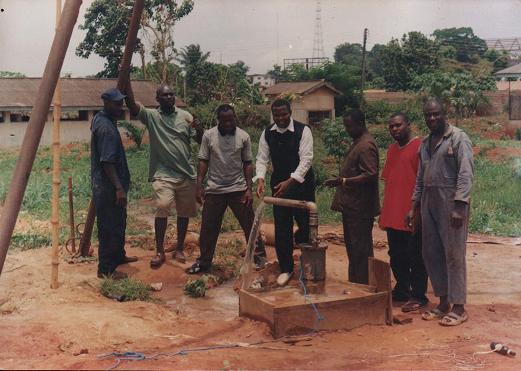
borehole
A private borehole in south-east Nigeria

They spoke in a recent nationwide survey conducted by News Agency of Nigeria (NAN).

Most of the respondents told NAN that the regional water schemes established by past state administrations in the region were no longer functional.

In Enugu State, however, the state government has expressed its determination to address the water-related challenges facing the citizens in urban and rural communities across the state.

NAN reports that Enugu State has three major water schemes in Ajali, Ezeagu Local Government Area as well as in Nsukka and Oji River, Oji Local Government Area of the state.

NAN also reports that the Ministry of Water Resources got N185.78 million in the 2018 budget, while N75.5 million was allocated to Small Towns Water Supply and Sanitation Agency.

The Enugu State Water Corporation received N318 million, while N200 million was allocated to the Enugu State Rural Water Supply and Sanitation Agency (ENRUWASA).

Dr Charles Egumgbe, the Enugu State Commissioner for Water Resources, told NAN that state government had made adequate provision for water supply and reticulation projects in the 2018 budget.

He said that when all the projects executed by the ministry and its agencies were completed, their impact on the water supply to the citizenry would be far-reaching.

“I am optimistic that the Enugu State’s 2018 Budget will address the water availability challenge in some parts of the state.

“The budget for water supply and reticulation in the state reflects Gov. Ifeanyi Ugwuanyi’s desire to execute people-oriented projects that will have much impact on the lives of the people.

“I urge all residents of the state to support the state government’s plans and programmes since they are all executed in their best interest,’’ Egumgbe said.

Nevertheless, tap water vendors have called on the state government to compel the state water board to supply water regularly at close intervals to facilitate their business.

One of the water vendors, Mrs Ngozi Chukwuani, a resident of Abakpa, said that the board only supplied water twice or thrice in a month.

“If there is no regular water supply, residents will have no other option than to fetch unhygienic water.

“We pay water bill every month; the bill is not fixed but it is costly, compared to the services which the water board renders,’’ she said.

Another Abakpa-based water vendor, Mrs Patricia Ejim, said that her water tap had stopped running for several months.

“We have complained to the water board and I was asked to pay N2,000 for the problem to be rectified but it has not been fixed,’’ she said.

However, the Ebonyi Government said that it was addressing the perennial water shortage facing the residents of Abakaliki, the capital city, and other major towns across the state.

The Commissioner for Water Resources, Mrs Euphemia Nwali, told NAN that the completion of the repair and rehabilitation of Ezillo, Oferekpe and Ukaghwu waterworks had stimulated constant water supply in the state.

She said that the administration of Gov. David Umahi had effectively repositioned the water sector to meet the growing water needs of the residents by creating the Ministry of Water Resources in July 2015.

“The idea is to revamp the water sub-sector to achieve better results in water supply and administration of resources.

“The Ministry of Water Resources has taken over the duties of the State Water Corporation; the ministry is now the policymaking and implementing organ of government in the water sub-sector,’’ she said.

The commissioner, who did not disclose the yearly budgetary allocations to the ministry, however, noted that water supply and allied services in the state had improved considerably.

“Residents of the state now have regular access to clean and potable water for both domestic and commercial uses,’’ Nwali added.

Nevertheless, Dr Paul Okorie, a former General Manager of the defunct Ebonyi State Water Corporation, said that the state government had yet to fully address the water supply challenges facing the citizens of the state.

Okorie said that the bad policy on water management was definitely responsible for the prolonged absence of public water supply outlets in Ebonyi.

He stressed that the decision of the Umahi-administration to abolish the state water corporation was wrong.

He said that the supply, management and maintenance of the water infrastructure were the main responsibility of a state corporation or water board, adding that this had been the standard practice globally.

Okorie said that the creation of a ministry to replace the water corporation was a bad policy.

He said that the primary responsibility of a water resources ministry was policy formulation and the provision of an articulated roadmap that would facilitate efficient management of water resources.

Okorie, who was in charge of the water corporation between 2000 and 2005, decried the state of the water infrastructure in the state and urged the state government to revamp the ailing sector.

He also condemned the handover of the multi-billion-naira Oferekpe Water Scheme to a private firm, saying that the policy would further worsen the water situation in the state.

In Imo State, the residents of Owerri said that they now totally relied on self-help water supply projects such as bore holes, following the concession of the management of Imo State Water Corporation in 2012.

All the same, residents of some states in the North-Central geopolitical zone were also facing water supply challenges because of factors such as erratic power supply, rusted pipes, equipment vandalism and poor finance, among others.

NAN, however, learnt that while water supply had improved in urban centres across Plateau, Nasarawa, Kogi, Benue, Benue and Niger states, most rural areas were still having water supply glitches.

In Nasarawa State, Mr Umar Abdullahi-Agbo, General Manager, Nasarawa State Water Board, said that, apart from pipeline vandalism, another major factor frustrating efforts to provide water for the people regularly was insufficient power supply.

“As a result, most of the waterworks in the state largely depend on power generating plants for power supply.

“The Lafia Waterworks, recently refurbished by the state government, has the capacity of producing 13 million gallons of water daily but it cannot produce at its maximum capacity due to poor electricity supply.

“Our power generating plants consume a drum of diesel per hour and we are expected to operate 24 hours a day.

“Can you imagine the amount of money being spent on diesel daily? It is even more difficult to calculate the amount of money spent on the purchase of treatment chemicals and other essentials,” he added.

Besides, Abdullahi-Agbo bemoaned the activities of some desperate consumers who break pipelines to siphon or channel water illegally to their houses or farms.

“The Mada Waterworks in Akwanga, for instance, is dedicated to residents of Keffi, Akwanga and the Army barracks in Keffi.

“Over time, however, some residents of the settlements along the pipe routes have broken the water pipes to connect water to their homes, farms and even car wash centres.

“The water is meant for human consumption but these intruders break the pipes to provide water for their animals, irrigate farms or wash cars; this is quite appalling,’’ he said.

The general manager, who noted that the culprits were highly placed individuals, vowed that the perpetrators of the act would soon be apprehended and prosecuted.

He said that the urban renewal programme of the state government, which entailed construction of new roads, had also affected the water pipeline network in some neighbourhoods.

He also said that Gov. Umaru Al-Makura had demonstrated great commitment to supplying adequate potable water to the citizens with the initiation of new water schemes and the refurbishment of existing ones.

He said that some of the schemes were borehole projects due to the geology of certain areas, adding that most of the schemes were solar-powered so as to address the issue of unreliable power supply.

In Plateau State, more than 340 boreholes have been sunk by Plateau State Water Board and Plateau Rural Water Supply and Sanitation Agency (PRUWASSA) via the support of the EU-UNICEF Project.

The Secretary to the State Government, Mr Rufus Bature, said that the boreholes were drilled in communities across the 17 local governments of the state.

He said that the state water board was able to procure assorted water treatment chemicals to enhance water supply, while the Ministry of Water Resources had introduced some policies to promote efficient water management.

He said that the policies included water and sanitation laws as well as monitoring and evaluation framework, while other measures were taken to protect water pipelines from vandalism.

The 2018 Budget of Plateau also indicated a strong commitment to boosting water supply, as N3.582 billion – 5.07 per cent of the total budget – was earmarked for water supply projects.

Details of the project indicated that N150 million would be expended on the acquisition of laboratory equipment, while N800 million would be spent on the expansion of water distribution pipeline network to improve water supply to the residents of Jos and Bukuru.

Other details showed that N170 million would be spent on rural water supply in Bokkos, while the Mangu Regional Water Supply Project (Phase 1 of the network distribution and pipelines scheme) would cost N600 million.

Bature said that N482 million was given to the Plateau Rural Water Supply and Sanitation Agency to improve water supply and sanitation in the state.

He said that the replacement of rusted pipes, which had been recognised as a major impediment to efficient water supply, was also taken care of in the 2018 budget.

He, nonetheless, urged the residents to protect the water pipes by making pragmatic efforts to curb the activities of vandals.
Water: Lagos designs master plan as south-south stakeholders list challenges

0

The Lagos State Water Corporation (LWC) says it has designed a master plan to ensure adequate and interrupted water supply to the residents.

Muminu Badmus
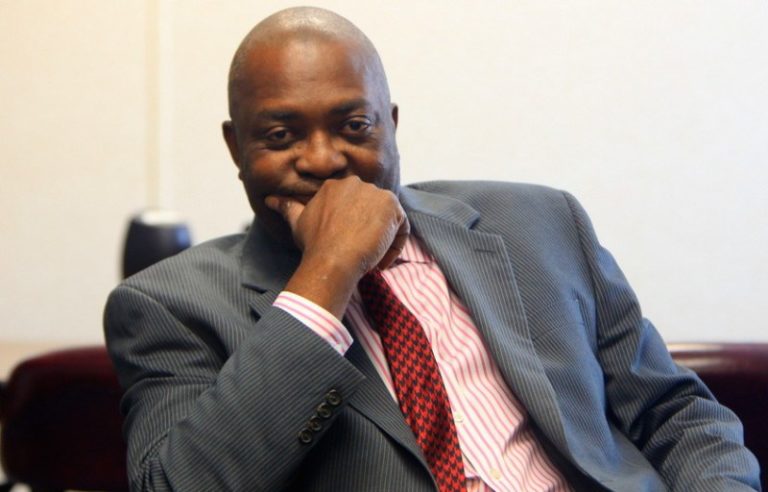
LWC Managing Director, Mr Muminu Badmus

The Managing Director of the corporation, Mr Muminu Badmus, said this in an interview with News Agency of Nigeria (NAN) in Lagos, as part of a recent nationwide survey.

Badmus, however, said that there had been a tremendous improvement in the supply of potable water to households as well as industrial and commercial outfits in Lagos State.

NAN reports that at the moment, the corporation’s water supply capacity is 210 million gallons per day (MGD), while it needs 750MGD to service more than 20 million inhabitants of the state.

Badmus said that the corporation had begun an aggressive rehabilitation of 48 mini-waterworks in various parts of the state in 2017 so as to ensure the even distribution of water to all communities.

According to him, available records show that rehabilitation of the mini-waterworks has reached 87 per cent completion by the end of 2017.

“The reason for the rehabilitation is to ensure that every household in the state is connected to public water supply channels.

“The waterworks are at Epe, Ikoyi, Alexander, Dolphin, Lekki, Badore, Epe-Agric, Victoria Island Annex, Eredo, Surulere, Ikate, Coker, Aguda, Iponri, Somolu, Bariga, Iwaya, Isheri-Oshun, Alausa, Oshodi, Ikeja, Ikeja-GRA, Apapa, Ajegunle, Ajangbadi and Ojo.

“Others are at Ijora-Badia, Shasha, Abule-Egba, Oke-Odo, Idimu, Igando, Meiran, Ikorodu-Lagos Road, Ikorodu-Ota-Ona, Oworonsoki, Magodo, Ijaye, Ojokoro, Isheri-Odo and Agege.

“As a result of the rehabilitation projects, uninterrupted water supply has been restored to areas like Ijesha-tedo, Makoko, Ikate, Iwaya, Unilag second gate, Odunlami Linkage (Lagos Island) and Isheri-Olowora,’’ he said.

Badmus said that the construction of a 100-MGD water scheme at Igbo-Nla (Phase1) will serve the Epe corridor, Victoria Island, Ibeju-Lekki, Badore, Igbo-Efon, Ajah and Onikan.

He said that the Igbo-Nla project would be executed through the Public-Private Partnership (PPP).

The managing director, however, said that factors such as old and rusty pipes, burst pipes, blockage and building on water pipe right-of-way, water wastage and consumers’ outright refusal to pay water bills had combined to frustrate efforts toward regular water supply in the state.

According to him, the corporation is providing metering systems for water consumers to effectively tackle menace of the billing system and water wastage.

He said that with the metering system, payment for water would be dependent on water usage in order to ensure that residents used water responsibly.

Besides, Badmus said that the corporation had put some mechanisms in place to fast-track immediate repair of burst pipes.

He said that the agency was encouraging people to report burst pipes in their neighbourhoods for prompt repair.

Badmus said that people were still facing acute water shortage in the state as the provision of water was certainly cost-intensive.

He said that many new and fast-developing estates had yet to be provided with water reticulation pipes, adding that until the pipes were connected to those communities, the residents would not be able to have hitch-free access to potable water.

He, however, underscored the need for the restructuring of the existing public water supply programmes via the Public Private Partnership (PPP).

Badmus stressed that the overhaul of the water sector would facilitate the construction of many waterworks in the state, as government’s funds were obviously inadequate for the construction of new waterworks.

He, however, said that the PPP was different from privatisation.

He added that under the Lagos State PPP model, private investors would participate in the construction of waterworks, while the government would regulate water supply and protect the interests of water consumers in the state.

Meanwhile, stakeholders South-South geopolitical zone of the country have urged the state governments to overhaul existing water schemes and build new ones to enhance water supply to the residents.

They listed the challenges facing water supply in the zone as high-level leakages, broken pipelines, poor equipment maintenance and inadequate funding, among others.

For instance, the Cross River State Water Board said that the high incidence of water leakages in the Calabar metropolis because of broken pipelines, among other factors, was largely responsible for the poor water supply.

The newly-appointed Administrator of the Board, Dr Stephen Odey, however, told NAN that regular water supply would be restored in Calabar and its environs.

He attributed the current water supply problems in the Calabar metropolis to broken pipelines and other factors.

“The situation is bad and embarrassing to the state, there are leakages everywhere; no maintenance, nothing.

“This can be described as economic sabotage because if water, which that is meant for people’s houses, is allowed to waste away on the street, you should not expect the residents to pay their water bills,” he said.

Odey said that the state government had initiated some measures to ensure regular maintenance and repair of the water infrastructure, particularly water pipelines, so as to stamp out water leakages and wastage.

All the same, the Cross River State Government has procured “Motorised Drilling Rig and Geographical Survey Equipment’’ to provide borehole water for over 500 rural communities across the three senatorial districts.

Gov. Ben Ayade, who recently inaugurated the equipment, pledged the commitment of his administration to providing potable water for the citizens, including those living in the rural communities.

“By the time we are done in four years, we will have no single community that has to go to the stream to look for water; we must put an end to that.

“With this rig, we will provide quality water that will make our people healthy.

“We must take water to the doorsteps of our people and that is why we have procured this equipment for the benefit of mankind,’’ he added.

In Bayelsa State, some residents of Yenagoa, the state capital, who decried poor access to drinkable water, called for an urgent improvement of water supply to their communities so as to reduce the people’s dependence on water vendors for daily water supplies.

However, Mr Nengi Tuobonah, the Commissioner for Water Resources, said that the Bayelsa State Government, World Bank, the European Union (EU) and UNICEF were collaborating to ensure improved water supply to the citizens.

Tuobonah listed ongoing water projects as the construction of 13 solar-powered water supply networks in Okaka, Yenagoa, Ogbia, Ekeremor and Sagbama Local Government Areas.

“Besides, we are refurbishing 100,000-gallon overhead tanks and building 10 modern water treatment plants in communities across the state.

“We have been in partnership with the EU and UNICEF; I believe before the end of 2018 – with the projects embarked upon by the present government – there will be surplus potable water for our people.

“As part of efforts to alleviate the current sufferings of the people, government has stationed water tankers at 20 strategic locations across Yenagoa to sell water to the residents at the rate of N20 per 20-litre container.

“The government has paid N42 million as its counterpart funding for the intervention by donor agencies, including World Bank, EU and UNICEF, to provide potable water for residents.

“By the end of the first quarter of the year; everybody, every household and every family in Yenagoa will have water reticulated to their homes by the grace of God,’’ he said.

Nevertheless, Mrs Grace Mark, a trader in Opolo community, bemoaned the water supply situation in the state, saying that the residents’ reliance on water from water vendors was unhealthy.

Mark said: “We want the government to improve on water supply; we have the water pipes all round but no adequate supply of water.

“Even when you have a borehole in your house, you still have to treat the water very well before using it due to its high iron content.

“Besides, oil is polluting our water and this has made it difficult for us to have drinkable water here; and we can’t depend on pipe-borne water because it is not regular.’’

In a bid to boost water supply to the citizens, the Edo State Government has developed a three-year Medium Term Water Sector Strategic Plan to improve the people’s access to drinkable water in all the 18 local government areas of the state.

The Commissioner for Energy and Water Resources, Mr Yekini Idaiye, told NAN in Benin City, the state capital, that during the period, government would spend over N6 billion to reactivate existing water schemes.

He said that the government would connect water pipes to all villages and communities where the water schemes were located, while building new schemes.

He said that there were ongoing water projects in Ovia South West, Etsako West, Uhunmwonde, Ohrionmwon, Esan South and Owan West Local Government Areas.

“The total cost of the seven projects is N4 billion and the projects are jointly funded by the state government and the EU.

“Besides, N1.3 billion has been budgeted for water projects in the 2018 budget and the figure excludes the amount which will be coming from international donor agencies,’’ he said.

Idaiye said that government planned to reactivate all the water schemes, initiated under the MDGs programme, and various dams across the state to further boost water supply to the citizens.

“As we speak, Federal Government is already working on the Ojirami Dam in Akoko-Edo Local Government Area and the Otuo Dam in Owan East Local Government Area.

“Once the Federal Government is through with the projects, our job as a state will be to reticulate the water to communities and towns within the domains of these dams.’’

The commissioner said that the state government, in its efforts to ensure sustainability of these projects, had set up Water Consumers Associations (WCAs), while training no fewer than 500 artisans in equipment repairs.

“The duty of the WCAs is to ensure the efficient management of these water projects in the communities, while protecting them against vandalism.

“The artisans will be trained on how to repair the equipment of the water projects,’’ he said.

“To ensure efficiency and better service delivery, we have also restructured the water board by splitting it into two agencies — Small Town and Rural water Sanitation Agency and Urban Water Corporation,” he said.

However, Mr Aniefiok Ukpe, the Managing Director, Akwa Ibom State Water Company, identified inadequate funding of water projects as a major factor inhibiting efforts to improve water supply to the people.

Ukpe told NAN in Uyo that government ought to exhibit enough political will to recognise the overriding importance of water as one of the basic necessities of life.

He noted that the 27 water stations, which were constructed across the state over 10 years ago, were currently in a deplorable state, yearning for rehabilitation.

He noted that in 2017, no provision was made in the budget for water projects in the state.

“Even in 2018, only N600 million is allocated for two water projects in Ikono and Ukanafun Local Government Areas,’’ he said, adding that inadequate finance had been frustrating efforts to expand water schemes in the state.

“About 10 years ago, during the tenure of former Gov. Victor Attah, the state government executed a water supply programme which was supported by the African Development Bank (AfDB).

“Under the programme, water sources in 27 locations across eight to 10 local government areas of the state were developed.

“What remains is taking water from those sources to the people’s residences so that the residents can have access to potable water.

“A major challenge is finance; we have no funds to take the water to the people.

“We have seven water stations in the state taking care of the Uyo metropolis but unfortunately, there is no pipeline linking those water stations to the residents,’’ he added.

Ukpe also identified epileptic power supply as a major hindrance to the efforts of the company to move water to households in Akwa Ibom.

He said that the company largely relied on electricity generating sets to pump water for distribution to the people.

“Due to epileptic nature of electricity supply, we spend a lot of money on fuelling our generators to service the stations.

“It is very difficult to recover what we spend from customers, who pay little or nothing to get water. The problem also is that we are not metering the customers,” he said.

He, nonetheless, gave an assurance that Gov. Udom Emmanuel’s administration was making tangible efforts to improve water supply the citizens.

In Delta State, the Commissioner for Water Resources, Mr Felix Tilije, said that the state government had earmarked N1.62 billion for water schemes in 2018.

He said that the government was already carrying out the rehabilitation of water schemes across the state so as to boost the supply of potable water to the citizens.

He also said that the state government had initiated a water bill for passage by the House of Assembly to attract private investors into the water sector, as part of efforts to revamp the sector and improve water supply.

However, Mr Emmanuel Odogwu, an engineer in the Ministry of Water Resources, said that the state government, through the ministry, had commenced the process of concessioning the Warri/Efurun water scheme to private operators.

NAN learnt that the ministry, with the approval of the State Executive Council, was currently rehabilitating 98 water schemes across the state in efforts to boost water supply to the people.

Earth Day: Majekodunmi urges Nigerians to end plastic pollution

0

An environmentalist, Mr Desmond Majekodunmi, has called on Nigerians to have the mind-set of ending plastic pollution in the country.

Desmond Majekodunmi
Desmond Majekodunmi

Majekodunmi, Chairman, Lagos State Urban Forest and Animal Shelter Initiative (LUFASI), gave the advice as the world marks “Earth Day” on Sunday, April 22, 2018.

He told the News Agency of Nigeria (NAN) on Sunday in Lagos that there was the need for people to change their outlook on the use of plastics.

“Curbing plastic pollution has to start in our minds; we have to understand why we need to and how serious it is.

“So we have to start gathering them from the homes. We are supposed to separate plastic waste from other waste.

“If it is plastic bottle, if it is nylon bag, if it is sachet, if it is bottle caps, anything plastic, we are supposed to keep them in separate containers,” he said.

According to the environmentalist, plastic is almost indestructible, does not bio-degrade and it stays in the environment for centuries.

“It will just be there and it is building up very fast, as a result of this, it is really causing a lot of damage to the environment.

“It is suffocating and killing marine lives, it is killing birds that rely on the sea and it is also leaching out toxic chemicals into the land, which also go eventually into our water.

”So plastic is actually causing a lot of potential dangers and that is apart from the obvious ones that we see every day – blocking our drains when it rains, which eventually causes flooding.

“So we have to understand in our minds that we cannot continue business as usual when it comes to plastic, especially plastic waste,” Majekodunmi said.

He said that if people continued throwing plastic waste anywhere and anyhow, in a few more years, plastic wastes would cause terrible problem.

According to him, Nigeria has been reported to be the 11th largest emitter of plastic waste in the world’s oceans.

”We throw away so much plastics and they enter our streams, our rivers and they end up in the oceans and that is where it starts to kill the marine lives,” he said.

Majekodunmi urged Nigerians to stop using so much plastics, especially the one-time-use nylon bags also called disposable plastic.

”When you go to the market, carry a bag with you, instead of gathering plastics every time you go to the market,” the environmentalist said.

NAN reports that the theme of Earth Day 2018 is ”End Plastic Pollution”, as plastic pollution is poisoning the oceans and land, injuring marine life, and affecting human health.

Earth Day 2018 is dedicated to providing the information and inspiration needed to fundamentally change human attitude and behaviour about plastics.

By Florence Onuegbu

GMOs: The contending forces

0

The opposition against the adoption of Genetically Modified Organisms (GMOs) globally is best described using the example and history of electronic communication.

GMOs
GMOs

Several criticisms were raised to challenge the idea of integrating technology with communication during its early days. And this was because people perceived communication as a natural process and technology as something artificial. So, the pessimists’ assumption then was that the marriage between these two would create an abnormal setting and distort the natural flow of communication.

The debate for or against this matrimony laid foundation for the postulation of many mass media theories as part of efforts to defend and prove the safety of this application.

The “Global Village”, a theory propounded by one of the finest media scholars that ever lived and a Canadian-born professor, Marshall McLuhan, dominated global dialogue under this era. The oracle coined the metaphoric word and popularised it in his book – The Gutenberg Galaxy: The Making of Typographic Man, in 1962 to describe the relationship between humans and fast speed technologies. It also highlights the shrinking nature of the globe and how it has being contracted into a village by electric technology.

The same fear that gripped the McLuhan’s global village has resurfaced and this time with more vigour to thwart the concept of biotechnology in society. This panic, although not scientifically verifiable, but occupied the centre stage of the debate. The naysayers made jest over the assumption that the world in its totality could be contracted into a small globe. McLuhan’s prophesies’ were out rightly jettisoned and later stereotyped the global village – McLuhanism, which simply means an extremist imagination that only exists in the mind of the originator.

But today we are all alive and witnesses to the reality of the digital age. Across the global village people have reached out and transcended their neighborhood. Humans are now involved in a community of networks stretching across cities, nations, oceans, governments and even religions. The simplicity with which relationship is shared nowadays through the new media has unimaginably and continuously eluded the human mind.

During the primitive age, people primarily stayed in tune with the simultaneous mode of their perception and thinking. But presently the human society has neurologically changed, with super machines taking the upper hand. Human brains are constantly adjusting and adapting to the modifications of technological advancements.

The merging of technology and communication has created new social status, connected and transformed lives in ways that couldn’t have been possible before because of their geographic location. Electronic communication has disrupted primordial sociological structures and reduced the scope of the world so cultures can be learned through interactions, as well as maintaining relationships from opposing divide.

The above story reveals that the hindrances bedevilling modern biotechnology development are more emotional rather than factual. It is now common sense to argue that the issue is not with the concept of the technology as largely acclaimed by many; instead it is with a phenomenon known as technophobia. This phenomenon is normally associated with man and new technologies. It connotes fear and dislike for technological innovations mostly among those who do not really understand scientific principles.

Technophobia as a phenomenon is as old as man’s encounter with science and depicts his amazement of its awful nature and ability to transform human experiences in every ramification. Account of the early resistance when technology was newly applied to mitigate the barriers of communication clearly exposed how people react to new scientific innovation.

Biotechnology by conception is simply any technique that uses living organisms or substances from the organisms to make or modify a product; improve plants, animals or to develop microorganisms. It is an easy application of natural processes that scientists have studied and are able to apply to enhance human activities.

Its origin predated existence even before 4,000 BC when the Egyptians mastered the art of wine making. Together with the Sumerians in 2,000 BC, they went further to learn brewing and cheese making.

The crisis here is that hunger, poverty, malnutrition, and sustainable agricultural growth disproportionately impact Less Developed Countries (LDCs). And solutions like biotechnology are often inaccessible where they are most solely needed. This technology is at the heart of this discussion, inciting a debate fuelled by misinformation and dominated by anti-GMO activists. Meanwhile, those whose lives would be impacted by advances in biotechnology are left out of the global conversation.

At the turn of this century, this technology has emerged as a powerful tool that has contributed immensely to socioeconomic activities. In agriculture for example, it has contributed to increased productivity in many countries. Since 1996, biotechnology derived-crops have been commercially planted by millions of farmers across the world.

Many protagonists mostly in the Third World believe that biotechnology is offering another opportunity to recapture the Green Revolution. They argue that it has the capacity to overhaul agriculture for better. The Green Revolution was centred on crops that were specifically created to give better yields in shorter times. Biotechnology wouldn’t only provide higher yield and resist diseases, but would also provide better improvement in nutrient quantities.

It is necessary to mention at this point that those improvements were premised on the application of all sorts of chemical including fertilisers, insecticides, and herbicides to encourage these crops to grow as expected. Most of the farmers then in the Third World, not just Nigeria, didn’t have the capacity to practice these things as was required. So, they didn’t benefit from the then Green Revolution with the attendant famine, hunger, poverty and all that accompany them are still plaguing the Third World.

Sadly, like the electronic media, technophobia has appeared again but this time in the form of anti-GM campaigners, those who are not in support of biotechnology. This technology has come under serious scrutiny with many asking for its abolition. The majority of these people in fact believe that this biotechnology is consciously developed as a form of control and tool to eliminate mankind.

In Nigeria for instance, different interest groups have staged opposition since the establishment of the National Biotechnology Development Agency (NABDA) in 2001 to promote the development of this technology, as well as the National Biosafety Management Agency (NBMA) in 2015 to regulate its safe practice.

These groups want the government to repeal the NBMA Act as part of efforts to frustrate biotechnology growth in the country. It is also important to note at this junction that it took almost 14 years before the NBMA Act became law because of the intensity of the anti-GM slogan. The groups, which include environmentalists and civil society organisations, brutally protested and expressed their grievances against the introduction of this technology into Nigeria’s environment.

This new generation of activists have raised diverse issues most of which focuses mainly on hypothetical risks and questions related to value, safety and impact (agronomic, economic and environmental). They also questioned the competent of the NBMA to regulate a technology that they considered as been too sophisticated for humanity.

But the federal government totally differs with this viewpoint. It is the realisation of the importance of this cutting-edge technology that led the Nigerian Government in 2001 to establish the NABDA after putting in place a National Biotechnology Policy. And later established the NBMA in 2015 to superintend and ensure environmental and health safety in the practice of modern biotechnology development.

Two major forces have appeared since the establishment of these agencies – the agro-chemical industries, and those who feel the advert of biotechnology would deprive them of their livelihood sources. These are the forces contending for the soul of biotechnology in Nigeria.

But those who believe in the safety of this technology have severally dismissed these claims. The Director General and Chief Executive Officer of the National Biosafety Management Agency (NBMA), Dr. Rufus Ebegba, said the technology is controversial because of its special position in fostering socio-economic activities.

The chief regulator added that the creation of the NBMA to ensure that these products are safe before they are adopted is a major step by the federal government to balance the development of the technology and its products with safety. The government, according to him, would have expected that with the agency in place as well people should have more confidence.

“But I can tell you that there are those that have made up their minds never to trust the agency because they have ulterior motives and their livelihood is centred on what they are doing. Once people’s livelihood is touched they could become very violent and do anything,” he said.

Truth be told, however, the Nigerian government believes in safe technologies and is ready to deploy them to solve national problems.

Professor of Microbiology and lecturer with the University of Abuja, Rosemary Isu, believes that the arguments raised by the two contending forces are baseless. The science enthusiast argued that the technology is extremely safe and that the focus should rather be on how to strengthen the NBMA to effectively police its practices.

While the tussle for the soul of biotechnology continues, it is important to note that Nigeria is still very backward in the development of this technology. There are many things that the nation is not doing. Nigeria has no germplasm pool and lacks full control of her gene bank, for instance.

These things need to be finger printed so that whoever is using them anywhere would know and be very clear that he or she is using a genetic resource from Nigeria. That Nigeria doesn’t have a firm grip on her genetic resources alone is alarming.

Presently, most of these things are yet to be identified and whoever needs any of them anywhere goes for them. You don’t need to carry a big bag when taking a genetic resource because it can be put right into your pocket. These genes can move and what was yours yesterday would become someone else’s tomorrow.

The necessary institutions need to ensure that Nigeria have her own genetic resources intact so as to know what the nation have in terms of genetic resources and have a firm grip on them.

So, going forward, these are the things that require urgent attention in addition to more encouragement of biotechnology as the government strives to enhance the standard of living of the millions of Nigerians who stand to benefit from all the anticipated successes.

By Etta Michael Bisong, Abuja

Earth Day: Pope Francis, others plead for ‘care for the Earth’

0

In the spirit of the theme of the 2018 Earth Day, personalities have made remarks on the worrisome trend of pollution and the failing health of the Earth.

Pope Francis
Pope Francis

Observed on Sunday, April 22, the 2018 Earth Day has “End Plastic Pollution” as its theme.

Pope Francis, in a message, said: “The Earth is our environment to protect and our garden to tend to.

“We must care for the Earth so that it may continue, as God willed, to be a source of for the entire human family

“The relationship of mankind with nature must not be conducted with greed, manipulation and exploitation, but it must conserve the divine harmony that exists between creatures and Creation within the logic of respect and care, so it can be put to the service of our brothers, also of future generations.

“I exhort everyone to see the world through the eyes of God the Creator.”

Dr. Cristiana Paşca Palmer, the Executive Secretary of the UN Convention on Biological Diversity (CBD), said: “Plastic is everywhere, a part of our daily lives. However, the convenience of plastics now threatens the very survival of our planet.

“Plastic pollution affects every part of the world. Plastic washes onto beaches of all the world’s oceans and settles even on their deepest ocean floors. It poisons coral reefs.

“We now know that plastic pollution at the small and micro scales is accumulating in the food chain and eventually making its way onto our dinner plates. But there are things that we as individuals can do through our choices and our actions. Unless we take these steps, the problem is not going away.”

Valeria Merino, Vice-President of Global Earth Day at Earth Day Network: “Plastic pollution is now an ever-present challenge. We can see plastics floating in our rivers, ocean, and lagoons, littering our landscapes and affecting our health and, the future of billions of children and youth. We have all contributed to this problem – mostly unknowingly – and we must work to reduce and ultimately to End Plastic Pollution.”

On the Pope’s message, the Earth day Network remarked: “Pope Francis’s important messages continue to inspire and encourage people worldwide to take responsibility for the environment, and do so in the service of God. For this, and a multitude of other great efforts, we look to him as one of today’s greatest moral authorities on the issue of climate change and its impact on the world’s most vulnerable communities. Today, more than ever, we need to safeguard our planet and care for the Earth.”

Earth Day: Nigeria develops policy, moves to phase out plastics

0

As the world marks 2018 Earth Day on Sunday, April 22 with the theme “End Plastic Pollution”, Nigeria has announced a hydra-headed package aimed at addressing the menace of plastic pollution.

Ibrahim Usman Jibril
Environment Minister of State, Ibrahim Usman Jibril

In collaboration with stakeholders, the Federal Ministry of Environment (FMEnv) disclosed that it has developed a national strategy for the phase-out of non-biodegradable plastics, is presently developing a National Policy on Plastic Waste Management, while also implementing a National Plastic Waste Recycling Programme to establish plastic waste recycling plants across the country in partnership with state governments.

In a statement made available to EnviroNews, the FMEnv pointed out that eight plants have already been completed and handed over to the states while 18 others are at various stages of completion. It adds that government is also collaborating with states to establish plastic waste recycling plants under the community-based waste management programme of the FMEnv.

Two plants, says the statement, have been completed in Ilorin, Kwara State, while one id in Lokoja, Kogi State. Work on another plant is on-going in Karu Local Government Area (LGA) of Nasarawa State. Other locations include Bola Jari in Gombe State and Leda Jari in Kano State.

Minister of State for Environment, Ibrahim Jibril, acknowledged that several social entrepreneurs and waste recycling ventures like Recycle Points, Chanja Datti Recycling, and Wecyclers are contributing to ending plastics pollution in Nigeria.

Government, explains Jibril, is exploring the possibility of banning plastic bags with availability of alternatives while encouraging household and community recycling of plastic bottles as a matter community action and of state legislation.

He urged Nigerians to use the occasion of the Earth Day to celebrate the planet and to take action to protect it by ending plastic pollution.  According to scientists, plastic pollution is poisoning oceans and land, injuring marine life, and affecting health.

Banks coordinate support for economic migration, forced displacement

0

Seven Multilateral Development Banks (MDBs) launched a new platform to enhance their collaboration on economic migration and forced displacement on Friday, April 20, 2018 on the margins of the IMF-World Bank Group Spring Meetings. The platform will advance strategic dialogue and operational coordination to maximise the impact of MDBs’ growing engagement in these two areas.

Spring Meetings
The World Bank Group Headquarters Building during the 2018 Spring Meetings of the International Monetary Fund

While economic migration and forced displacement are distinct issues and require a different response, each has emerged as a complex development challenge. There are an estimated 250 million international economic migrants worldwide, and roughly 66 million people are forcibly displaced as refugees or internally displaced persons fleeing conflict and persecution.

The new platform represents a strong effort by MDBs to enhance cooperation to address these challenges, in response to a request made by the G7. After presenting a strategic framework for action at the G7 meeting in Bari, Italy, in May 2017, MDBs worked closely together to prepare specific initiatives under the new platform.

Cooperation is ongoing. Since the platform was first announced in October 2017, MDB representatives have met several times to discuss respective approaches, results, and challenges. Four priority areas where there is high potential to increase impact have been identified to serve as the focus of the platform in the initial phase:

  • refining the common framework for MDB engagement;
  • advancing cooperation on knowledge, evidence, and data;
  • ensuring strategic coordination on priority topics in coordination with governments, UN, and other partners; and
  • deploying better-targeted instruments and products

The platform launch was attended by representatives of all participating MDBs – African Development Bank, Asian Development Bank, World Bank Group, European Bank for Reconstruction and Development, European Investment Bank, Inter-American Development Bank, Islamic Development Bank, World Bank Group – as well as G7 deputies and strategic partners including the European Commission and UNHCR.

Akinwumi Adesina, President, African Development Bank, said, “Building resilience for fragile communities is critical to reducing economic, social and political exclusion. People may live in fragile communities, but they have hope and aspirations that cannot be extinguished. The African Development Bank has been investing heavily in fragile states in Africa, helping to build education, strengthen institutions, and provide critical infrastructure, especially electricity, water and sanitation. We are delighted with this new platform which will allow us to work with other multilateral development banks, using fragility lenses to drive inclusive development.”

Ingrid van Wees, Vice-President for Finance and Risk Management, Asian Development Bank said, “The platform’s aim of fostering strategic alignment and operational coordination among MDBs is in line with ADB’s principles of partnership and collaboration with multilateral institutions and member countries. We look forward to participating, to learning from the experiences of others, and to helping develop impactful responses to these urgent development needs.”

Sir Suma Chakrabarti, President of the European Bank for Reconstruction and Development, said, “Migration is one of the biggest global challenges. It is crucial to continue enhancing MDB coordination to provide economic help for refugees, particularly, and the countries which host them.”

Werner Hoyer, President of the European Investment Bank, said, “The challenge of forced displacement and economic migration is a shared challenge- and a shared responsibility. That’s why the European Investment Bank is committed to making this new platform a success. The world’s Multilateral Development Banks can make a real difference through financing opportunity and key services – but only if we work together.”

Luis Alberto Moreno, President of the Inter-American Development Bank, said, “Migration and forced displacement are two issues very relevant for countries in Latin America and the Caribbean. We are actively working with our member countries to tackle the root causes of unsafe migration, particularly, from Central America by accelerating economic development, improving public services and strengthening relevant institutions. This platform provides a unique opportunity to join forces and learn from other experiences.”

Bandar Hajjar, President of Islamic Development Bank, said, “We are expanding our operations by getting closer to our member countries so that we can strengthen the support we provide to the people in need, especially displaced people and economic migrants. The e-education strategy for Syrian refugees initiated by IsDB is one of the efforts of the bank to build capacity among economic migrants. Earlier this month, we have launched a $500 million fund (Transform) that will provide access to resources for SMEs and innovators. This fund would help address the challenges faced by displaced people. This is in addition to our partnership with TWAS to help refugee scientists.”

Kristalina Georgieva, Chief Executive Officer of the World Bank, said, “The world is becoming richer and more fragile at the same time. We at the World Bank Group are committed to supporting displaced people, migrants, and the communities that host them, and to multiplying our impact by working more closely with other multilateral institutions.”

Nigeria commits $300m to eliminate malaria

0

The Federal Government has committed to secure $300 million from the World Bank, Islamic Development Bank and African Development Bank to eliminate malaria in the country.

Malaria-anopheles
The malaria-causing anopheles mosquito feeding on a victim

This is contained in a statement issued by the African Leaders Malaria Alliance (ALMA) on the Commonwealth Heads of Government Meeting 2018 just ended in London.

The government said in the statement that it would elevate malaria on the national priority list and finance its national malaria elimination strategy.

The statement said Nigeria also pledged an additional $18.7 million to leverage $37 million from the Global Fund to distribute 15 million mosquito nets and to support the local manufacture of essential malaria commodities.

It said that ALMA applauds the commitment by 53 Commonwealth leaders to halve malaria across the Commonwealth nations within the next five years.

It said the game-changing commitment followed the Malaria Summit, where leaders from malaria-affected countries, businesses, donors and Commonwealth leaders to get ready to beat the scourge of malaria.

The statement said the commitment from the Commonwealth has the potential to prevent 350 million malaria cases and save 650,000 lives.

It added 90 per cent of global malaria cases and deaths occur on the African continent and the impact of this renewed focus to eliminate malaria will be felt across the continent.

The statement noted that apart from the commitment from Nigeria, 11 African countries in the Commonwealth announced new commitment and affirmed their determination to eliminate malaria.

It enumerated the countries to include Ghana, Kenya, Malawi, Mozambique, Namibia, United Republic of Tanzania, The Gambia, Uganda, Rwanda and Zambia.

The statement added that ALMA further committed to the African Union’s (AU) Catalytic Framework to end AIDS, TB and Eliminate Malaria by 2030.

Besides, it said that the AU was also committed to supporting member countries to introduce and strengthen the use of national and sub-national malaria scorecards and action trackers, with robust community engagement to support increased domestic funding.

According to the statement, AU will continue its work with Heads of State and Government in Africa to monitor progress towards this goal.

“Additional commitments from the international community include the UK Government’s commitment to spend £500 million a year through 2020-2021 and an extra £100 million commitment to the Global Fund.

“The Bill and Melinda Gates Foundation also announced an additional $1 billion through 2023 to fund research and development to reduce the burden of malaria.

“In addition, the Bill and Melinda Gates Foundation pledged £50 million in matching funds against the UK Government’s additional £100 commitment to the Global Fund,’’ it said.

The statement said the commitments made would be vital for re-energising the global community’s fight to end malaria.

By Mustapha Yauri

Government to begin Ogoniland clean-up in August

0

The Federal Government of Nigeria is to begin the remediation phase of oil impacted sites in Ogoniland in August 2018, Dr Marvin Dekil, the Coordinator of the Hydrocarbon Pollution and Remediation Project (HYPREP), has said.

Ogoniland-Spill
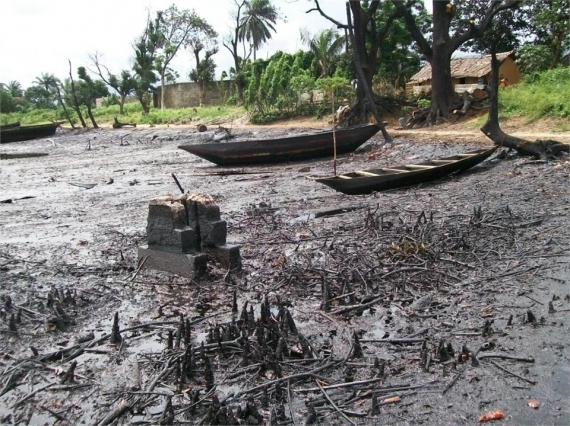
Land degradation from oil spill in Ogoniland, Nigeria

Dekil made the disclosure on the sidelines of a medical outreach organised by HYPREP in Nonwa-Tai, Rivers State, on Friday, April 20.

He said that government had begun placing advertisement in national and international newspapers inviting contractors to apply for remediation of 26 hydrocarbon impacted sites in Ogoniland.

According to him, the invitation is open to both local and foreign companies with requisite expertise and experience in the business.

“The delay in the take-off of the clean-up was as a result of contracting process as enshrined in the Procurement Act that is procedural.

“The exercise will involve all the processes that we have put in place right from inception of the project coordination office in March 2017.

“Already, invitation for pre-qualification of contractors has been sent to local and foreign concerns. The remediation will be done only by experienced and best hands, both locally and internationally.

“We believe that engaging the best hands will enable us achieve the desired result of restoring the environment back to an acceptable standard,” he said.

Dekil added that advertisement had also been made for the reconstruction of existing water facilities and construction of gas facilities in the affected communities.

He said HYPREP had earlier invited companies to the impacted sites to demonstrate their expertise, technology and suitability for the clean-up.

The HYPREP boss pointed out that the demonstration exercise by the local and foreign companies was at no cost to government.

“We did not pay the companies or offer advantage to any of them that participated in the exercise. The demonstration exercise is for them to show their capacity.

“We are now in the contracting process where companies would be selected from those that participated in the demonstration exercise and those that did not.

“At the end, we will choose the best companies for the remediation,” he said.

Dekil added that HYPREP was targeting to treat about 20,000 indigent Ogonis of different ailment in the second phase of its medical outreach in four local government areas.

He also said that 100 surgeries would be performed on victims of hydrocarbon pollution in Ogoniland in line with the recommendations of the United Nations Environment Programme (UNEP) Report.

The Ogoniland is made up of four local government areas consisting of Eleme, Gokana, Khana and Tai.

By Desmond Ejibas

Lagos plans 57 collection centres to reduce plastic pollution

0

The Lagos State Government says it will establish collection centres in 57 council areas to reduce plastic pollution across the state.

Akinwunmi-Ambode
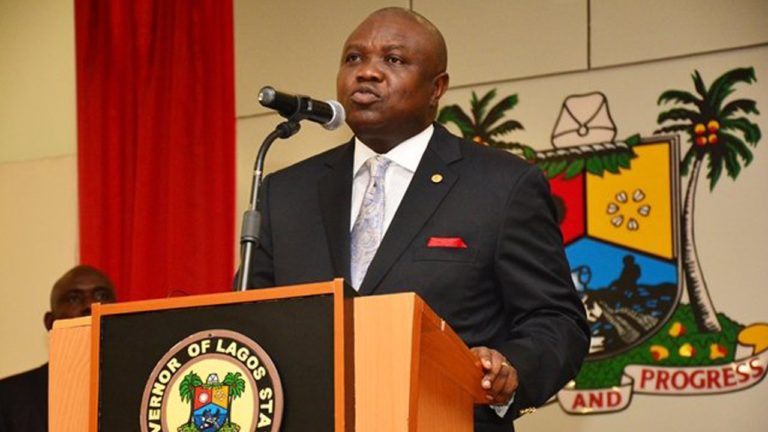
Akinwunmi Ambode, Governor of Lagos State

Adebola Shabi, Special Adviser to the Governor on the Cleaner Lagos Initiative (CLI), made this known during a news briefing on Friday, April 20, 2018 in Lagos.

Shabi said that the plastic collection centres would be established in conjunction with Visionscape Sanitation Solution.

According to him, the scheme will be a form of job creation as youths will be encouraged to bring plastics to the centres in return for stipends.

”The theme of the World Environment Day this year is plastic pollution, and that is one of the biggest menace in the state today.

”So we are going to have 57 collection centres in the state, we are going to encourage youths to bring plastic to the centres and you are given something in return. Then the plastics will be sold to the public for reuse.

”At the end of the day, this initiative is going to help clean up the environment, because we consume a lot of bottled water on daily basis in the state.

”So this will reduce the amount of plastics in our drainages, it will reduce the amount of plastic in our canals and other places,” he said.

The Special Adviser said that government came up with the strategy to ensure that waste was being evacuated from streets and residences.

”We have been engaging different stakeholders, the waste collection operators, the community development committees, the market women, the civil societies, landlords and tenants associations and various NGOs in the state to assess how we have performed in the last one year.

”There are still ongoing discussions with the waste collection operators, the former PSP operators and the state government, in conjunction with Visionscape to have as many Transfer Loading Stations, to ease the disposal of waste in the state.

”Olusosun dumpsite has been shut down by His Excellency because of the safety of the people working there and public health.

”And we have been asking the trucks to be going down to Ewe Elepe and Epe and we are looking at the distance, as most of the waste collectors’ trucks cannot go far distance.

”So, that is why we have resolved to have more transfer loading stations within the state and at night, Visionscape will evacuate all the waste from the stations to the Engineered Sanitary Landfill sites,” Shabi said.

He said that the state generated 20,000 tonnes of waste daily which would be treated and sorted at the transfer loading stations before being taken to the Engineered Sanitary Landfills.

Shabi said that 60 per cent of the segregated waste would end up in the landfills while 40 per cent would be recycled and reused for other purposes.

”In the next few days, all the wastes we have been seeing on our roads will be evacuated.

”In the next few months, Visionscape will take stock of more trucks to enhance performance in waste collection,” he said.

According to him, Visionscape has distributed over eight million garbage bags and over 400,000 garbage bins in the last two months.

”What we want from people living in Lagos is to generate your waste, bag your waste and drop them in front of the houses, for effective cleaning and preventive blockage of our drainages and canals.

”The garbage bags and bins are meant for the waste generated, so please ensure that the wastes are being packaged and kept at the front of the houses,” he said.

By Florence Onuegbu