Home Blog Page 1764

FAO distributes fertilisers, seeds to 790,000 displaced farmers

0

The Food and Agriculture Organisation (FAO) has distributed fertilisers and seeds to 790,000 farmers to accelerate crop production.
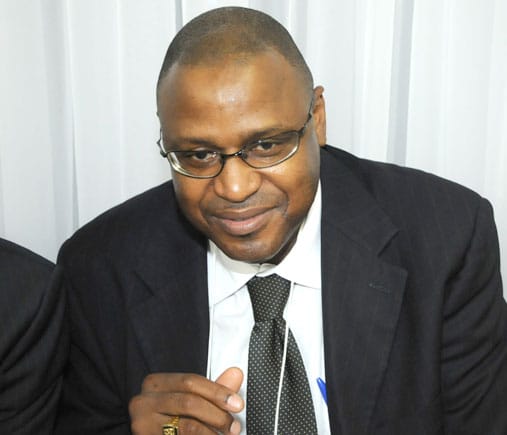
Suffyan Koroma
Suffyan Koroma, FAO Representative in Nigeria

The benefiting farmers are those displaced by Boko Haram insurgency in the northeast.

FAO, in its October Situation Report, said that the fertilisers and inputs were provided to the benefiting farmers during the 2018 cropping season.

The fact sheet indicated that 112,000 households, with a projected population of 790,000 farmers benefited from the exercise in Adamawa, Borno and Yobe states.

It said: “in northeast farmers have begun harvesting cereal, vegetable and cash crops such as cowpea, groundnut and sesame; following provision of seed and fertilisers to 112,000 households under the 2018 rainy season programme.

“The season appears to have been effective for numerous farming households, lessening the need for food assistance in some areas.”

FAO noted with satisfaction that the number of people facing acute food insecurity in the region dropped to 2.9 million (June to August 2018); as against 5.2 million (June to August 2017).

However, the fact sheet showed that the northeast region faced severe climate variability negatively affecting production system, which resulted to low yields and livestock production as well as attendant consequences on agricultural livelihoods.

The UN agency noted that due to increased influx of displaced persons and tense security situation, host communities were facing reduced access to lands and other resources needed for production.

It explained that the trend resulted to high level poverty and malnutrition in the war-ravaged region.

The document further gave a highlight of priority response by the organisation between October and December.

These included the distribution of fertilisers and seeds to 61,300 households, provision of goats, poultry kits and veterinary services to 10,589 households.

Other key interventions include distribution of micro-gardening kits to 7,500 deserving families and fuel-efficient stoves to 6,000 households, while 2,500 families would receive emergency safe kits.

According to the document, the organisation faces a funding gap of $13.9 million to facilitate implementation of its agriculture production for the 2018/2019 dry season activities, as well as all year-round livelihood support programme.

“Under the 2018 Humanitarian Response Plan (HRP), FAO is seeking for $31.5 million to assist 1.7 million people. So far, FAO has mobilised $17.6 million, which included a carry-over from 2017.

“Resource partners include the European Union Directorate for Humanitarian Aid and Civil Protection (ECHO); the governments of Belgium, Canada, France, Ireland, Kuwait, Norway, Sweden, Switzerland and USA.”

By Rabiu Sani
European Parliament approves single-use plastic ban

0

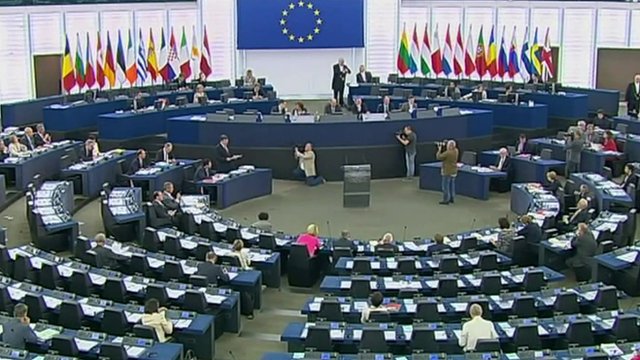
The European Parliament has approved a single-use plastic ban which will be put into place from 2021.

European Parliament
The European Parliament

The ban was first proposed in May following a flood of public support when the David Attenborough Blue Planet II series aired. Members of the European Parliament (MEPs) approved the ban on Wednesday, October 24, 2018.

At present, an estimated 12.7 million tonnes of plastic end up in our oceans each year. This has resulted in over 267 species worldwide being affected and 700 species at risk of becoming extinct. It has also been reported that 90 per cent of seabirds have plastic in their stomach.

A new study published on Tuesday, October 23 also found that humans are now ingesting microplastics.

The ban will include single-use plastic items such as plates, cutlery, straws and cotton buds, today MEPS also added oxo-plastics and certain polystyrenes to that list.

The consumption of several other items, for which no alternative exists, will have to be reduced by member states by at least 25 per cent by 2025.

MEPs also agreed that reduction measures should also cover waste from tobacco products, in particular cigarette filters containing plastic.

One cigarette butt can pollute between 500 and 1000 litres of water, and if thrown on the roadway it can take up to twelve years to disintegrate. They are the second most littered single-use plastic items.

Frédérique Ries, MEP and rapporteur, said: “Today’s vote paves the way to a forthcoming and ambitious directive. It is essential in order to protect the marine environment and reduce the costs of environmental damage attributed to plastic pollution in Europe, estimated at €22 billion by 2030.”

The report was adopted with 571 votes to 53 and 34 abstentions. Parliament will now enter into negotiations with Council when EU ministers will have set their own position on the file.

This news follows the UK Government’s plans to ban plastic straws, cotton-buds and stirrers.

By Rachel Cooper, Climate Action

At 2018 Walk for Nature, Asiodu canvasses reconstitution of sanitary inspectors

0

The president, Board of Trustees (BoT), Nigerian Conservation Foundation (NCF), Chief Philip Asiodu, has called for the reconstitution of sanitary inspectors to monitor the environment and mete out sanctions to defaulters.

2018 Walk for Nature
The 2018 Walk for Nature

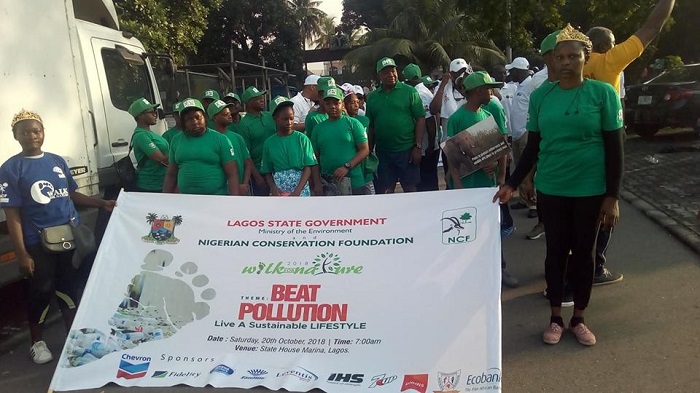
In his address at the 11th NCF/Lagos State government Walk For Nature on Saturday, October 20, 2018 themed “Beat Pollution: Live a Sustainable Lifestyle”, he urged the authorities to sanction those who destroy the environment, like in the colonial era.

According to him, pollution is part of the challenges of big cities around the world; hence the need to tackle it.

“This year’s theme is another wake-up and follow-up call on the 2018 World Environment Day (WED) commemoration. Part of the challenges of any developing mega city is pollution. Lagos is not spared in this menace. The theme is to sensitise the people on the need to embrace best practices on pollution, especially the way we use plastics, which has become a major challenge on land and even more devastating in our waters (creeks, lagoon and the ocean).

“The theme is also in consonance with the endeavours of Lagos State Government in mitigating the effect of climate change. The rally seeks to encourage people to inculcate the Re-use, Recycle and Refuse (3Rs) concept since pollution aggravates climate change,” he said.

He added that the theme of the rally strategically aligned with the Sustainable Development Goal (SDG) 13: taking urgent action to combat climate change and its impacts.

“Beyond this event, NCF has partnered and collaborated with research institutions, universities, government agencies and corporate organisations in providing solutions for the environmental challenges,” he said.

In his keynote address, Governor Akinwunmi Ambode of Lagos described the annual walk for nature as a wake-up call to Lagosians to rise in defence of the environment and collaborate to address the unconscionable pollution of the environment by focusing on attitudes that despoil the land.

Represented by the Commissioner for the Environment, Babatunde Durosinmi-Etti, the governor enjoined everyone to refrain from activities that could cause pollution and degradation of the environment, such as dumping of waste in public drains, burning and improper disposal of plastics.

“Industries should insure treatment of their waste water before final discharge into public drains,” he added, stressing the need for re-use and recycle.

While giving vote of thanks, chairman, National Executive Council (NEC) of NCF, Chief Ede Dafinone, urged the Lagos government to pass a legislation to minimise the use of plastics.

According to him, remains of plastics would not disappear in 500 years.

“At NCF, we are championing the war against plastics,” he added.

Many who spoke at the event had something to say about recycling.

The Head of Human Resources, Fan Milk, Olumide Adediji, disclosed that the company had signed an agreement with a firm to recycle about 10,000 freezers it had used. He added that Fan Milk, one of NCF’s partners in the Walk for Nature, was working on plastics recycling.

On the other hand, the Corporate Social Responsibility (CSR) manager of IHS Towers, Cima Sholotan, said the estate firm was using clean energy from solar energy to power some of its estates.

The event involved about an hour’s walk along Marina with participants from different demographics.

A director in the Lagos Ministry of the Environment, Nasir Ojo, noted that the number of under-five kids that participated in the 2018 walk rose to about 300 per cent. This, he said, means that the older generation is already “handing over” the environment to the owners.

By Chika Onwuji

Quelea birds, ‘blast’ disease threaten rice production in Jigawa

0

Rice farmers in Auyo Local Government Area of Jigawa State in Nigeria have called on the state government to take urgent action to check the menace of a rice pest, popularly known as “blast”, destroying rice farms in the area.

Quelea birds
Quelea birds

Chairman of the Rice Farmers Apex Association, Malam Mohammed Garba, made the call when the Country Director, Sasakawa Global 2000 (SG 2000), Prof. Sani Ahmed-Miko, visited the association in Auyo on Friday, October 26, 2018.

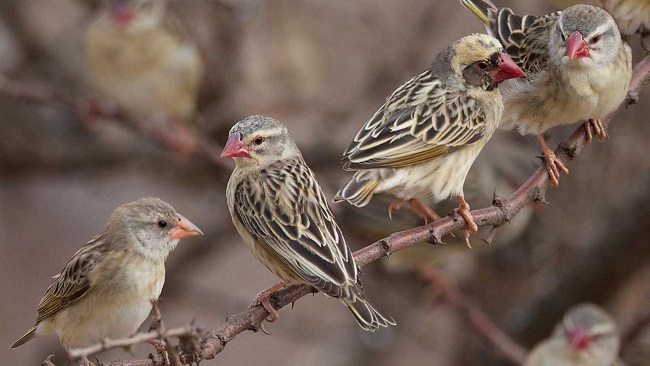
He said the pest and Quelea birds coming from Baturiya wetland in Guri had destroyed several rice farms in the area.

He stressed the need for both the state and federal governments to address the problem in view of their devastating effect on rice production.

“We are calling on the government to do something urgently in addressing the problem before the commencement of dry season farming activities.

“This year has been a challenging one to farmers especially rice growers in the area due to the devastation caused by flood, blast and Quelea birds.

“The pest destroys rice seed by making the pod to shrink thereby preventing it from growing fully,” he said.

In his remarks, an official of the SG 2000, Malam Idris Garko, advised the farmers to stop buying seeds from unregistered seed dealers and companies, and to use variety of seeds every year to avoid possible infection by the pest.

“If you find out that the seed is infected with the disease, change the seed next year and destroy the stock to prevent the spread of the pest,” he said.

Also speaking, Prof. Ahmed-Miko of Sasakawa Global 2000 advised the farmers to embrace new farming technologies to boost their agricultural production.

By Tukur Muntari

WHO, UNFCCC promote maiden air pollution, health conference

0

The first-ever Global Conference on Air Pollution and Health will kick off on Tuesday, October 30, 2018. It is organised by the World Health Organisation (WHO) and with participation of UN Climate Change (UNFCCC).

air-pollution
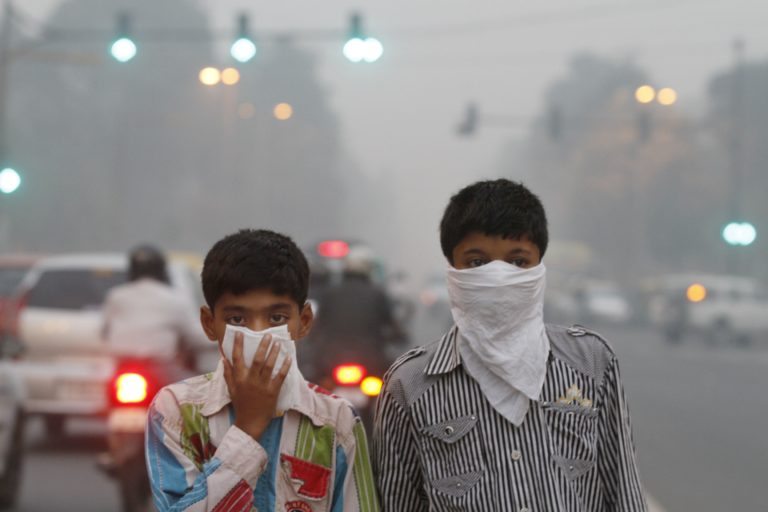
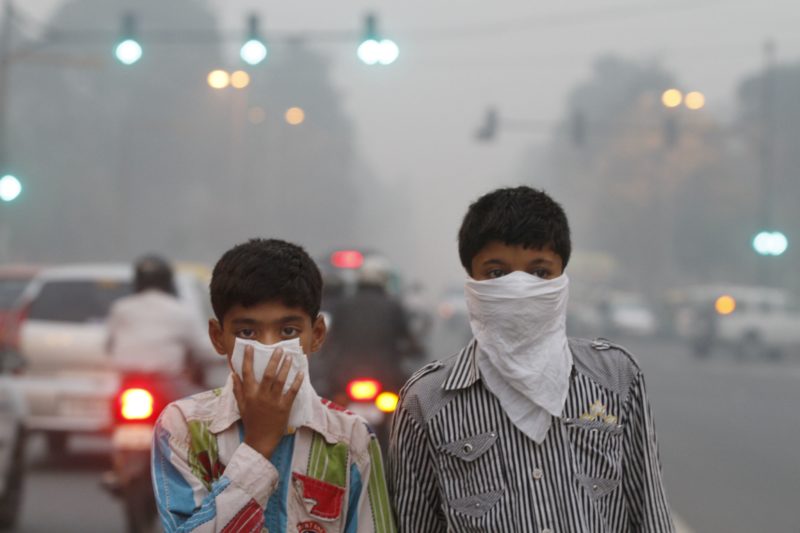
Children exposed to air pollution. The WHO says that more than one in four deaths of children under five years of age are attributable to unhealthy environments

Air pollution is said to be one of the largest causes of death worldwide. It claims seven million lives a year, is a major driver of the non-communicable disease such as heart attacks, strokes and lung cancer and it accelerates climate change. Tackling it can help reduce health risks related to weather extremes, sea level rise, drought and food production.

Organised by the World Health Organisation (WHO) and with participation of UN Climate Change, the conference will centre on presenting evidence, identifying gaps and finding possible solutions such as affordable and clean urban transport, waste and household energy strategies.

In addition, there will be a High-Level Action Day focused on a plan of action, health system engagement and concrete commitments.

The conference is targeted at practitioners and other technical and political representatives from relevant sectors to the discussion such as health, environment and development, which are also the sectors that can lead the way to change.

Participants will include Ministers of Health and Environment and other national government representatives, representatives of intergovernmental agencies, health professionals, as well as research, academia and civil society representatives.

The conference will feature a “Call for Urgent Action” with agreement on a target for reducing air pollution, as a contribution to achieving the Sustainable Development Goals.

Countries, urban mayors and civil society will be invited to make commitments to the global advocacy campaign www.BreathLife2030.org to reduce climate emissions and meet WHO’s Air Quality Guidelines – 91% of the world’s population lives in places where air quality exceeds WHO guideline limits.

In the event, cooperative initiatives will be taken forward between the WHO, the main organiser, and sister UN agencies like the secretariat of UN Climate Change (UN Framework Convention on Climate Change, or UNFCCC), UN Environment, World Meteorological Organization (WMO), Climate and Clean Air Coalition (CCAC), the United Nations Economic Commission for Europe (UNECE) and the World Bank.

Grammy Winner and United Nations Humanitarian Artist, Ricky Kej, will perform a BreathLife special concert, “Healthy People, Healthy Planet”, to expand awareness about air pollution and critical health, climate and environment. The concert, free and open to the public, will be on October 31 in the host city of Geneva.

Buhari restates call to Europe, US on recharge of Lake Chad

0

President Muhammadu Buhari has said that the greatest investment Europe and America can make in Africa now is helping the continent accomplish inter-basin water transfer to recharge the Lake Chad.

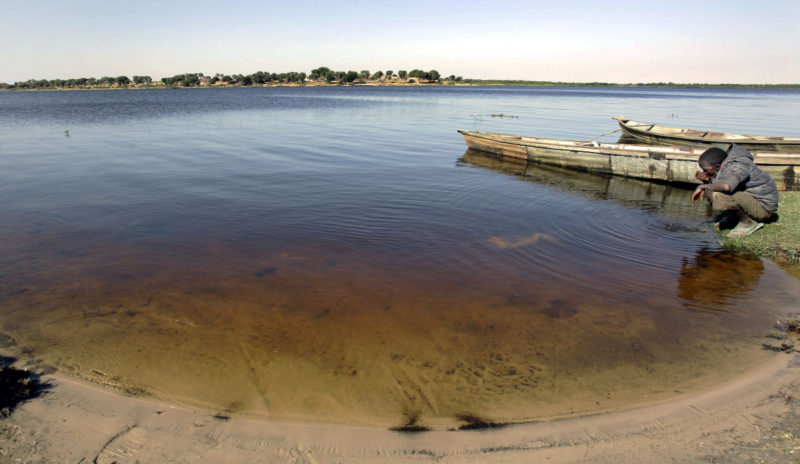
Lake Chad
Scientists say the Lake Chad, that borders Nigeria and some other countries, has shrunken by 95 percent over the past 50 years. They have also linked the Boko Haram insurgency to the lake’s situation. Photo credit: AP/Christophe Ena

Mr Femi Adesina, the President’s Special Adviser on Media and Publicity, said in a statement on Friday, October 26, 2018 that Buhari stated this when he hosted the Chairman of the African Union Commission, Mr Moussa Faki Mahamat, at the Presidential Villa, Abuja.

Buhari noted that Lake Chad, which provides a means of livelihood to several millions of people in four countries – Chad, Cameroon, Niger and Nigeria, had shrunken to 10 per cent of its original size, due to the impact of climate change.

He observed that people who depended on the Lake for fishing, farming, animal husbandry, and many others, had been thrown into dire straits.

“That is one of the reasons youths now dare the Sahara Desert and the Mediterranean Sea, to seek greener pastures in Europe.

“But helping to recharge Lake Chad will help a great deal in curbing irregular migration,’’ he said.

While noting that the size of Nigeria and resources available place a lot of responsibilities on its shoulders, the president pledged that the country would continue to fulfill its obligations to the African Union.

“At all international fora, we emphasise the matter of Lake Chad. We also talk about the influx of small arms from the Sahel, which worsens the security situation between herders and farmers.

“We will keep the issues on the front burner,’’ Buhari was quoted as saying.

In his remarks, Mahamat lauded Buhari, saying his leadership was good for Nigeria, for AU, and for Africa in general.

He added that the next AU Summit would investigate the reform of the AU Commission, positioning the AU and Africa in the world, Single Air Transport Market, the Africa Continental Free Trade Area, and other issues.

Mahamat observed that Nigeria had played major roles towards peace in countries like Guinea Bissau, Togo, Liberia, Mali, Sierra Leone and many others

“Nigeria is the engine of Africa politically, economically, and around peace and security. Without her, Agenda 2063 cannot be accomplished.

“We depend on the elder to reach our destination in good shape. Nigeria is worthy of being followed. We rely on your wisdom to fulfill the task before us,’’ Mahamat said.

By Ismaila Chafe

Group lauds Canada’s introduction of carbon taxes

0

The International Institute for Sustainable Development (IISD) has lauded the introduction of carbon taxes by the Canadian government.

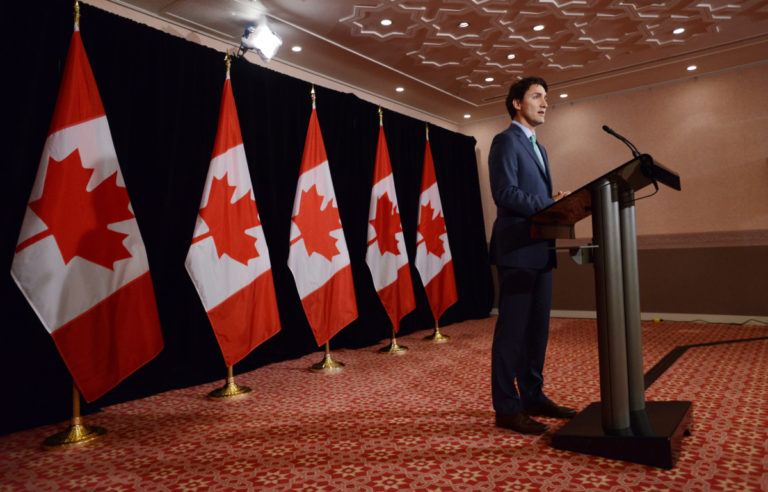
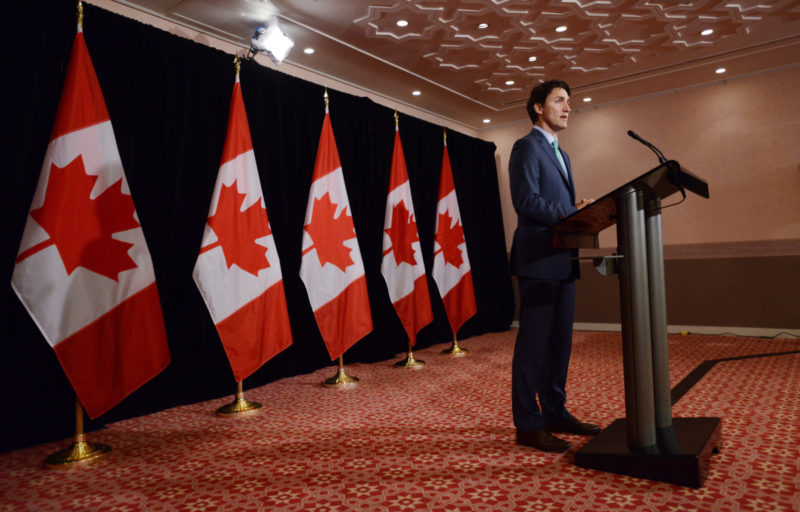
Justin Trudeau
Justin Pierre James Trudeau, Prime Minister of Canada. Photo credit: The Canadian Press/Sean Kilpatrick

On Tuesday, October 23, 2018, the federal government announced a carbon tax on the provinces and territories that did not sign on to the pan-Canadian framework on climate change.

“Starting next year, it will no longer be free to pollute anywhere in Canada,” Prime Minister Justin Trudeau said. “And we’re also going to help Canadians adjust to this new reality.”

Saskatchewan, Manitoba, Ontario, New Brunswick, Yukon and Nunavut will have to pay a tax of $20 per tonne of emissions. The tax will increase by $10 a year until it reaches $50 per tonne by 2022, but most of it will be returned to residents in the form of rebates – which for many Canadians will be more than what it will cost them, the government said.

Economists say carbon taxes are the most effective way to reduce greenhouse gas emissions.

The government announcement means a price on carbon pollution will exist across the country in 2019.

“We applaud the Canadian government for delivering on this critical piece of its climate action plan,” the IISD said in a statement.

According to the organisation, a carbon price will discourage greenhouse gas intensive activities and help Canadian companies creating low-carbon goods and services, such as energy-efficiency services and electric buses, say observers. Analysis from Environment and Climate Change Canada, says IISD, shows that a price on carbon pollution across Canada will eliminate 50-60 million tonnes of greenhouse gas emissions in 2022.

The IISD statement further reads: “We know carbon pricing works and that it can be designed to start reducing emissions without major economic harm. British Columbia, Alberta, and Quebec – provinces that already have a carbon price – were the three fastest-growing economies in Canada last year.

“The system announced by the federal government rightly protects low-income households and sets aside funds to support municipalities, schools, hospitals, Indigenous communities and small and medium-sized businesses.

“It’s not a tax grab; the revenues raised in each province will be sent back to people in that province through an annual tax rebate they can claim on their income tax form. The claimed amount will be the same per person based on the total revenues collected in your province (with a 10% bonus for rural Canadians and those living in small communities). In most cases, the rebate will be more than the price itself, protecting families as it encourages them to reduce costs by taking steps like turning down the heat at night and when no one is home, installing smart thermostats, choosing more fuel-efficient cars and using public transit, walking or biking.

“Provinces that administer their own price on carbon will continue use the proceeds as they see fit – right now that includes rebates, tax cuts and investments in things like renewable energy projects, industrial and consumer energy efficiency programs and transit and infrastructure projects. A province in the backstop system could opt out at any time in the future to administer its own programme.

“The global economy is rapidly evolving to avoid the human, environmental and economic costs of climate change. Canadians are already being hit with these increasing costs. Extreme weather events are becoming more frequent. Higher sea levels put many of our communities at risk. Insurance payouts from extreme weather have more than doubled every five to 10 years since the 1980s. The list goes on.

“We know the risks. We’re paying the costs. The longer we wait to do something, the more we’ll have to pay. A price on carbon emissions across Canada is a good step and it’s long overdue.”

AfDB vows to transform African Savannah into global food basket

0

The African Development Bank (AfDB) is championing a new regional and global effort to transform the African Savannah from a “Sleeping Giant” to the cradle of the continent’s green revolution.

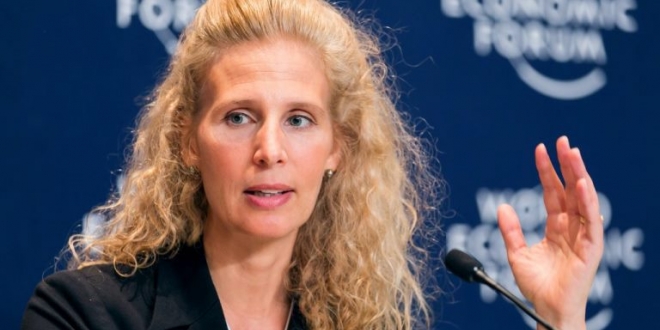
Jennifer Blanke
AfDB’s Vice-President for Agriculture, Human and Social Development, Jennifer Blanke

“This sleeping giant needs to wake up,” the bank’s Vice-President for Agriculture, Human and Social Development, Jennifer Blanke, told an audience at a 2018 World Food Prize side event in Des Moines, Iowa recently.

Blanke described Africa’s nearly 400 million hectares of Savannah zones as “the world’s largest agricultural frontier,” and if a small fraction of that cultivatable land – some 16 million hectares – is transformed, it could well set Africa up to decrease dependence on food imports, feed itself and contribute to feeding the world.

Africa is said to be host to 60% of the world’s uncultivated arable land, but currently spends an estimated $35 billion per year on importing food. The figure is projected to shoot up to $110 billion by 2025.

Africa is also said to be importing what it should be producing: 22 million metric tons of maize, two million metric tons of soybean, one million metric tons of broiler meat and 10 million metric tons of milk product each year. Experts say ths situation is made worse when African countries export raw goods outside the continent to be processed into consumer products imported back into Africa for purchase.

Africa is thus presumably reportedly exporting jobs outside the continent and contributing to its own poverty challenges.

The AfDB has determined that the African Savannah can support the production of maize, soybean, and livestock, and transform the continent into a net exporter of these commodities. Only 10 percent of the African Savannah is under cultivation – better utilised, small sections of Africa’s grasslands could provide direct jobs for tens of millions of young people and indirect jobs for many more.

Blanke, who spoke on behalf of AfDB president, Akinwumi Adesina, noted that all of Africa’s Savannah is more than twice as large as Brazil’s “Cerrados” that launched that country’s farming economy success. She said transforming a small part of Africa’s mixed woodland grasslands, in a smart and sustainable way, can produce enough to supply all the continent’s maize, soybean, and livestock requirements.

Brazil transformed its tropical Cerrados into a $54 billion food industry within two decades through skillful development of production technologies for new crop and livestock varieties; innovative soil and crop management programs adapted to the tropics; wide-scale dissemination of new agricultural technologies; low interest loans, and ambitious rural development programmes.

The bank’s Technologies for African Agricultural Transformation for the Savannahs (TAAT-S) initiative seeks to transform 16 million hectares (ha) out of Africa’s 400 million ha of Savannah into an agribusiness hive to produce maize, soybean, and livestock. That is just about four percent of the continent’s mixed woodland and grassland areas. It is said that if African countries can harness the available technologies with the right policies, they will rapidly raise agricultural productivity and incomes for farmers, as well as assure lower food prices for consumers.

Vice President Blanke led a bank delegation selling the merits of its TAAT-S initiative at the World Food Prize gathering. The Bank’s TAAT-S session discussed training, innovation, entrepreneurship, and policy support for transformation of African Savannahs.

To ensure effective implementation, the Bank has looked to Brazil’s agri-business success story to engage with organizations with proven track record in tropical and conservation agriculture. These include the Brazilian Research Corporation and the Agricultural Corporation of Brazil, the Argentine Association of Zero-tillage, and the Argentine Agricultural Research Institute – all part of a systematic effort at technology introduction and adaptation.

TAAT-S was launched in October 2017 in Ghana and has since been operating in Zambia, Guinea and Gabon. The bank expects to launch TAAT-S in Uganda, Kenya, Democratic Republic of Congo, Central African Republic, and Mozambique next year.

When TAAT-S is fully implemented, Africa can expect to double its maize production from a current 50 million metric tons per annum to 100 million metric tons, to triple soybean production from less than three million metric tons to nine million metric tons, and to double livestock production from 8.5 million metric tons to 16 million metric tons by 2025, according to the AfDB.

The TAAT-S session was part of Borlaug Dialogue International Symposium, held in conjunction with the World Food Prize Laureate Ceremony. The $250,000 World Food Prize recognises accomplishments of individuals who have advanced human development by improving the quality, quantity, or availability of food in the world. Adesina is the 2017 World Food Prize laureate.

Niger approves N300m to address erosion, flooding

0

The Niger State Government has approved the release of N300 million to the Nigeria Erosion and Watershed Management Project (NEWMAP) as counterpart funding to help address gully erosion and flooding challenges in the state.

Alhaji-Abubakar-Sani-Bello
Alhaji Abubakar Sani Bello, Governor of Niger State

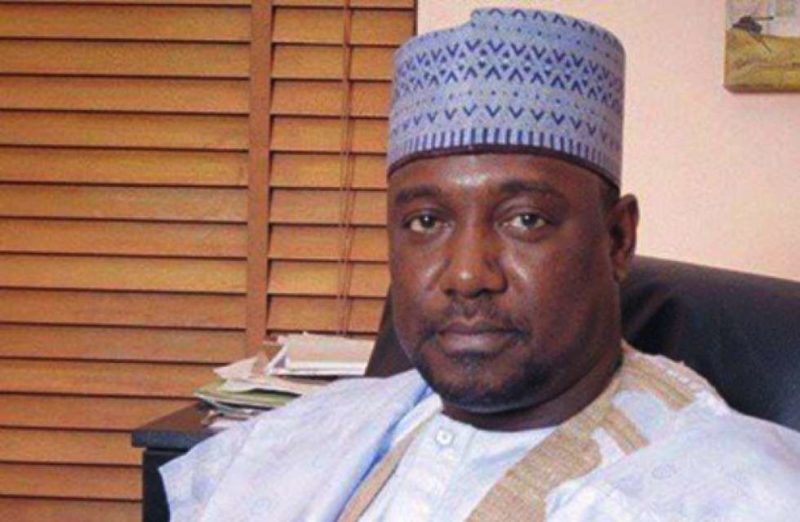
Gov. Abubakar Bello of Niger disclosed this on Friday, October 26, 2018 when Malam Salisu Dahiru, the National Project Coordinator, NEWMAP, came on a courtesy visit to Government House in Minna, the state capital.

Bello said that the money was part of the state government’s 2018 counterpart funding for the World Bank-assisted two million dollars grant to help address the state’s gully erosion problems.

He said that the project was targeting these selected areas in the state: Rafin-Gora in Kontagora, Baban Rami in Mashegu, Ungwar Shanu Tayaman in Kagara, Efumayaki/Efumada in Bida, and Minna metropolis.

Other areas are Lapai, Agaie, Suleja and Mokwa.

“A lot of lives have been lost in these areas because of serious gully erosion. Therefore, I have directed for work to commence immediately.

“Work should start immediately after the rainy season, even though we know the work requires a lot of resources, places like Rafin-Gora need immediate action.

“The Federal Government needs to do more in assisting the state with more resources to address these problems,’’ he said.

Bello advised NEWMAP to be prudent and to utilise the resources effectively for the intervention projects.

Earlier, Dahiru disclosed that the World Bank has released two million dollars as preparatory grant for the project in Niger State.

Dahiru said that the state had paid its counterpart fund which was part of the requirements for any state to participate successfully in NEWMAP.

He said that the governor had directed NEWMAP to engage a consultant that would produce the required engineering drawings for the intervention in some priority gully erosion sites across the state.

“We are here to brief the governor on the progress made so far following his visit to the Minister of Environment on the need to assist the state.

“Our priority is to control the problems of gully erosion and flooding, particularly those experienced this year.

“For NEWMAP to intervene in any state, it must produce comprehensive engineering drawings that show what they intend to do and the timelines.

“The governor has approved the official inauguration of the project and given marching orders for activities to commence immediately on sites affected by gully erosion and flooding.

“The project is being sponsored by the World Bank partnered by NEWMAP to provide technical solutions.

“Once all the designs are ready, the World Bank will provide all the required funds needed to implement the projects,’’ Dahiru said.

NEWMAP is funded by World Bank partnered by state governments and the Federal Government.

By Rita Iliya

Government tasked on emissions reduction, control

0

An ecologist, Mr Richard Inyamkume, has urged the Federal Government to intensify efforts on the implementation of national policies that would reduce emissions in different sectors.

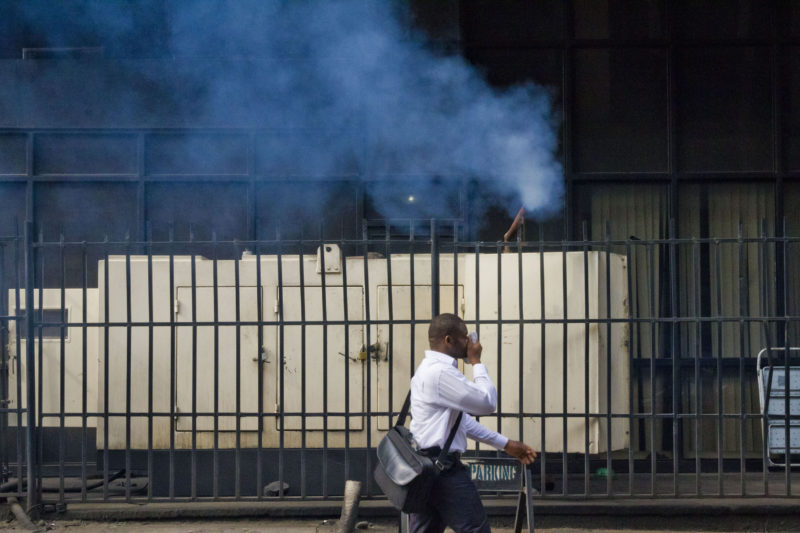
Generator Pollution
The WHO says that, in one year, 46,750 persons died as a result of outdoor pollution in Nigeria

Inyamkume, who is also the Executive Director, Ambassadors of Dialogue, Climate and Reintegration, an NGO, gave this advice in an interview with News Agency of Nigeria (NAN) in Abuja on Friday, October 26, 2018.

According to him, it is important because air pollution has a lot of impact on our climate, health and ecosystem.

This, he said, could affect the growth of crops and vegetation as well as soil and fresh water supply.

“Other visible effects of increased green house effect are increased frequency of extreme weather conditions;

“Especially, the current flooding being experienced globally, drought and desertification, and the retreating glaciers in the polar regions,” he said.

According to him, the increasing green house effect may also affect agricultural productivity in certain places as well as other natural environmental systems.

“The Federal Government and other relevant stakeholders need to promote sustainable mobility plans in the transportation sector.

“Nigeria needs to learn from developed nations as they are switching from emitting to non-carbon emitting technologies such as electric cars and other renewable energy options’’.

Inyamkume urged the Federal Government to strengthen legislation on emissions control and monitoring to achieve maximum compliance with industrial production processes and the transportation sector.

“Government needs to set standards for the production and or importation of home appliances that emit,” he said.

By Deji Abdulwahab