Forest protection in Brazil received an important boost this month as the Green Climate Fund (GCF) at its 22nd Board meeting approved the first results-based payments for so-called “REDD+” activities.
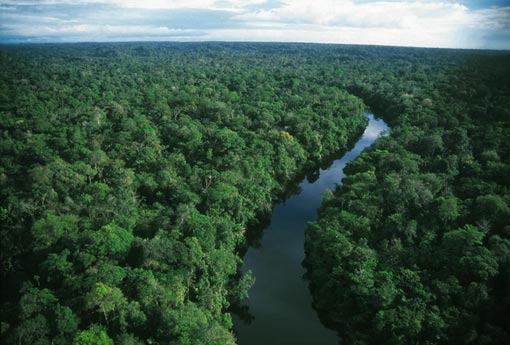
The Amazon rainforest in Brazil
REDD+ stands for “reducing emissions from deforestation and
forest degradation, conservation and sustainable management of forests and
enhancement of forest carbon stocks” and refers to a policy framework under the UN Framework
Convention on Climate Change (UNFCCC) designed to provide payments to
developing countries for keeping their forests rather than converting them to
plantations or grazing land.
Reducing deforestation, responsible for up to 11% of global
greenhouse gas emissions, is crucial for the international community to achieve
its goal under the Paris Climate Change Agreement to keep the global average
temperature rise to as close as possible to 1.5 degrees Celsius.
Following the Warsaw Framework for REDD+ adopted at the UN Climate Change Conference COP19, Brazil is the first country to voluntary submit and have a forest reference emission level technical assessed and also the first country to submit REDD-plus results in a technical annex to the Biennial Update Report (BUR) for technical analysis and now the first country to receive results-based payments from the Green Climate Fund.
The allocation of $96 million for emission reductions achieved for the period 2014-2015 is part of the GCF piloting of REDD+ results-based payments. The funding will be used by Brazil to pilot an environmental service incentive programme for conservation and recovery of native vegetation (known as “Floresta+”) and for strengthening the implementation of Brazil’s REDD-plus strategy, all contributing to the achievement of Brazil’s national climate action plan (“Nationally Determined Contribution”, or “NDC”).
Brazil’s forest reference emission level, technical assessment report, results and links to the national REDD-plus strategy and summary of safeguards information can all be found at the Lima REDD+ Information Hub.
African governments should adopt robust measures to
eradicate fall armyworm that is ravaging key staples like maize and threatening
food security in the continent, experts said on Tuesday, March5, 2019.
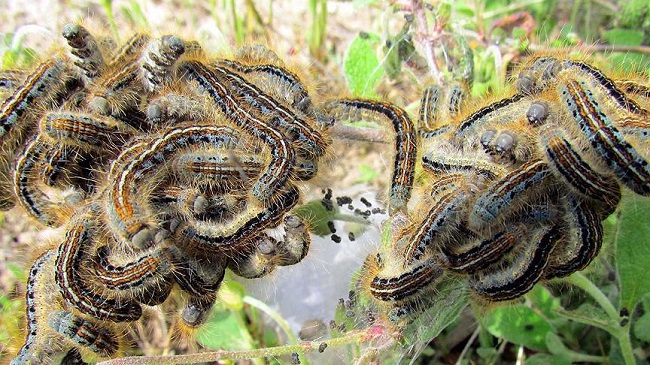
Armyworm invasion
Monica Kansiime, Agricultural Economist at Centre for
Agriculture and Bioscience International (CABI), said this at a workshop in the
Kenyan coastal city of Mombasa.
Kansiime said the voracious pest had undermined efforts to
eliminate hunger and malnutrition among African households.
“There is the need for a more systematic approach against
all invasive pest species in the continent to save farmers from making
losses,’’ Kansiime said.
She urged governments and industry to support training,
awareness and deployment of innovations that were required to enhance response
to the fall armyworm.
Kansiime proposed increased budgetary allocation for
research and extension services to help farmers respond promptly to the
invasion of fall armyworm on maize and other strategic crops.
Two studies conducted in 2017 and 2018 revealed that fall
armyworm had spread to 44 countries up from 28 in 2017 with exception of North
Africa where it has not been reported.
Kansiime revealed that the pest had also moved to the Indian
Ocean islands, including Madagascar where it has also been destroying crops.
She said that West and South African countries were at high
risk while countries within the Sahara region are still safe as it is unlikely
for the pest to spread there.
She called for the introduction of online tools to help
inform farmers on what to do when the pest attacks their crops.
“The smallholder farmers are already undertaking a number of
interventions ranging from spraying to mechanical removal of affected crops and
killing of the pests, but they still require detailed information,’’ said
Kansiime.
The Nigeria Conservation Foundation (NCF) says it is working
with government agencies to formulate policies to promote wildlife.
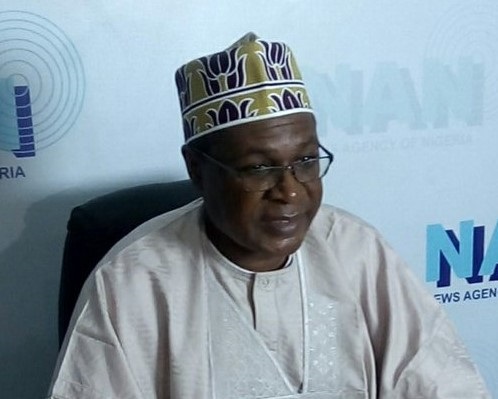
Director-General, Nigerian Conservation Foundation (NCF), Dr Muhtari Aminu-Kano
Mallam Mohammed Boyi, the Senior Conservation Manager and
Head Abuja Office told the News Agency of Nigeria (NAN) on Tuesday, March 5,
2019 in Abuja.
Boyi said that the foundation was working to see Nigerians
prosper, while living in harmony with nature.
“In an effort to achieve this, NCF is collaborating and
lobbying various relevant government agencies to come up with policies that
will promote wildlife conservation in the country.
“Sensitising and educating the local communities on the
values associated with wildlife resources and the need to conserve them.’’
Boyi said that the foundation had also established projects
in different parts of the country to specifically address the challenges and
threats facing wildlife conservation.
“These challenges include illegal poaching, logging of
trees, poisoning of water bodies.’’
He said that for wildlife to be properly conserved there was need
for all and sundry to work together toward achieving a common goal.
“We are looking inward to come up with new approach and
strategy of engaging with stakeholders in this in re-greening the nation.
“We are currently working with stakeholders in each state of
Nigeria to establish a group that will serve as our ambassador and promote and
spread conservation messages.
“NCF has already established this kind of group in Gombe,
Jigawa, Kaduna, Kano, Sokoto and Yobe states in the northern part of Nigeria.’’
Boyi said that the foundation intended to do more but for
lack of funding slowing down its operations.
“Funding is our challenge, but we are working hard to mobilise
resources that can be used and committed to this important course.’’
He said that the foundation was also working with West
African region to publicise its biodiversity conservation to draw global
attention.
“West Africa has to prioritise and publicise its own
biodiversity and challenges, so we get world attention and the necessary
support.
“We have very rich biodiversity in this sub-region, and we
have challenges in biodiversity as they have in other region. Why is ours not
getting gaining as much attention?’’ he queried.
“We are also looking at increased coastal resilience to
climate change and reduced forest degradation and biodiversity loss.
“How can we do all that if we don’t partner and don’t have
policy from government to pull through, then we don’t get anything.
“So, the overall goal is to improve conservation, climate resilience, and promote low emission development across West Africa,’’ Boyi said.
The Public Affairs Officer of United States Consulate
General in Lagos, Mr Russell Brooks, has advised Nigerians to treat
conservation of oceans and aquatic wildlife as an individual responsibility.
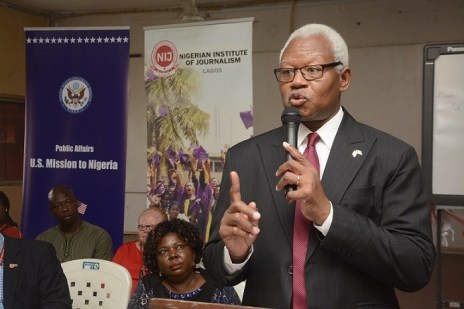
Public Affairs Officer of United States Consulate General in Lagos, Mr Russell Brooks
Brooks gave the advice on Tuesday, March 5, 2019 in Lagos
during a programme organised by the U.S. Consulate General in collaboration
with the International Climate Change Development Initiative (ICCDI) and
Wildlife of Africa Conservation Initiative to commemorate the 2019 World
Wildlife Day.
He said that there was the need for individual
responsibility on conservation to preserve marine habitats for future
generations.
Brooks said that as much as 40 per cent of the world’s
oceans were negatively affected by human activity including overexploitation of
marine species, loss of coastal habitats and pollution.
He said that the oceans and marine species were of crucial
importance to human development, hence the necessity for increased conservation
education.
“Marine wildlife has sustained human civilisation and
development for over a thousand years from providing food and nourishment to
providing material for handicrafts and construction. We cannot take their
survival for granted.
“We can reduce some of the negative effects of our activity
on life under the water by working hard to spread the message to reduce marine
pollution,” Brooks said in a statement.
Mr Abiodun Adekoya, the Communications Director at ICCDI,
said that effective climate change mitigation in the country would require
concerted action by governments and individuals.
Adekoya said that there should be an emphasis on
conservation education, recycling programmes and the creation of a legal
framework for the nation’s policy on the environment.
World Wildlife Day is observed annually on March 3 following
a proclamation by the United Nations General Assembly on Dec. 20, 2013.
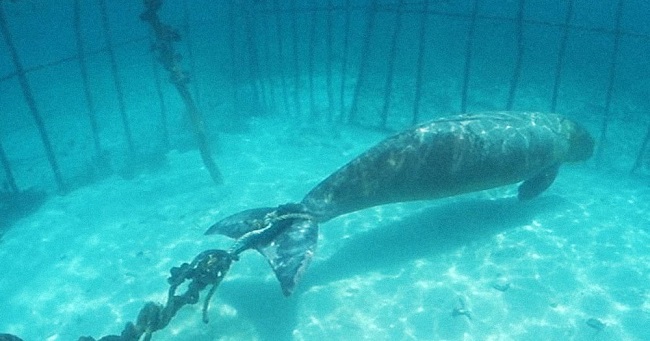
Russian Deputy Prime Minister Alexei Gordeyev has vowed to empty a far-eastern coastal fishery that has received widespread condemnation as a “whale jail,’’ Russian news agency Interfax reported on Tuesday, March 5, 2019.
Whale jail in Russia
The facility, found to be in possession of almost 100
whales, will be emptied as soon as weather conditions are warm enough for the
animals to be transported, according to Gordeyev.
The whales were to be transported to a centre specialising
in caring for large marine wildlife at Russky Island near the far-eastern city
of Vladivostok.
“The relocation will be possible only at a warm time upon
the establishment of a positive air temperature and after ice recedes from the
waters,’’ Gordeyev said in a statement carried by the news agency.
The current facility, in a bay in the Primorye region,
whose capital city is Vladivostok, has evoked international condemnation as a
“whale jail’’ by activists who have pointed to cramped and inhumane conditions.
That facility sought to sell the whales to Chinese
aquariums, said activists who set up a Change.org petition that has received
over 900,000 signatures.
Russia’s Federal Security Service said earlier that it had
been instructed to empty the facility after uncovering 87 belugas and 11 orcas.
Several companies have been implicated in the case and face
misdemeanour charges of violating fishing regulations, the federal authority
said.
Russian state broadcaster RT said whales at the facility
were seen “languishing in tightly packed pens.’’ A single killer whale can be
worth several million dollars, the broadcaster reported.
Photos showing numerous whales cramped into several
enclosures have gone viral in recent months.
U.S. celebrities Leonardo DiCaprio and Pamela
Anderson have called for the animals’ release.
The landmark Decade on Ecosystem Restoration 2021-2030
declared on Friday, March 1, 2019 by the United Nations to accelerate the
restoration of degraded ecosystems, is part of a longterm effort by the Global
Landscapes Forum (GLF), its partners and charter members.
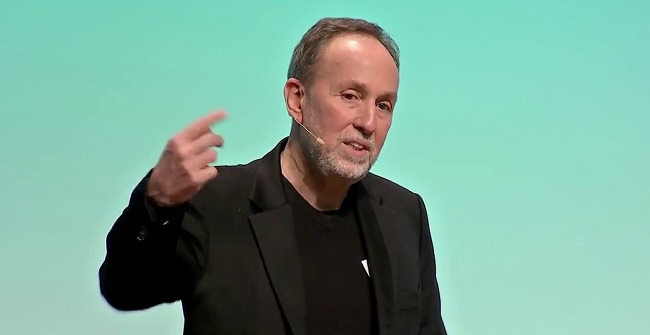
John Colmey, executive producer of GLF
The GLF is a knowledge-based platform and global movement
that advocates for the restoration of ecological equilibrium to landscapes under
pressure from climate change and unsustainable human activities. The 22 charter
members of the GLF are many of the world’s leading development organisations.
Worldwide, more than two billion hectares of land are degraded, a
footprint said to be larger than South America, according to World
Resources Institute (WRI).
The U.N. Decade on Ecosystem Restoration recognises the
vital role forested landscapes play in stabilising the climate and offers
support for 3.2 billion people whose livelihoods are at risk from deforestation
caused by resource extraction and agricultural expansion. It provides a
timeline upon which to accelerate and pull together multiple U.N. development,
environment and climate frameworks already in place.
“This is a tremendous achievement for all the partners who
have worked so hard to bring the decade to life,” said John Colmey, executive
producer of GLF. “The GLF brings together millions of people globally to
combat the devastating harm that climate change and unsustainable practices are
having on the world’s landscapes. This new U.N. decade acknowledges the urgency
and scale of the challenges we face.”
Momentum grew for the idea of a decade dedicated to
landscape restoration throughout 2018 at international events organised by GLF
in Washington, Nairobi and Bonn, Germany, hosted by the World Bank and UN
Environment. International scientists, policymakers, economists, activists and
Indigenous Peoples discussed landscape degradation, climate change and its
consequences, including food insecurity, mass migration, conflict, biodiversity
and habitat loss.
“We’ve only just begun to realise the importance of
forests and trees in their contributions to agricultural production through the
provision of ecosystem services, not only to large-scale commodity production,
but also for the millions of small-scale farmers working in complex
multi-functional landscapes that actually produce a significant proportion of
the world’s food,” said Terry Sunderland, associate scientist with
the Centre for International Forestry Research (CIFOR),
who was instrumental in the formation of the GLF.
“However welcome, this initiative will not be without
its challenges,” he said. “Broader restoration efforts will require a
more integrated approach to land management at the landscape scale and, while
the conceptual frameworks for implementation have been in place for some time,
we’re still falling short in breaking down disciplinary silos.”
The initial concept for the U.N. decade emerged from
the Bonn Challenge to restore 150 million hectares
of land by 2020, and 350 million hectares by 2030, which was launched in 2011
by the government of Germany and the International Union for the Conservation of Nature (IUCN),
and later endorsed and extended by the New York Declaration on Forests at the 2014
U.N. Climate Summit. In its infancy, the concept of the U.N. Decade on
Ecosystem Restoration was supported by El Salvador, UN Environment, IUCN and
GLF.
“Restoration of 350 million hectares of degraded land
between now and 2030 could generate $9 trillion in ecosystem services and take
an additional 13-26 gigatons of greenhouse gases out of the atmosphere,”
said UN Environment and the Food and Agriculture Organisation of the United
Nations (FAO) in a statement.
The United Nations has issued a global “call to action” to
mobilise the political and financial support necessary to restore the world’s
deforested and degraded ecosystems over the coming decade to support the
wellbeing of 3.2 billion people around the globe. Under the initiative, over two billion hectares – an area larger than the South
American continent – stand to be restored.
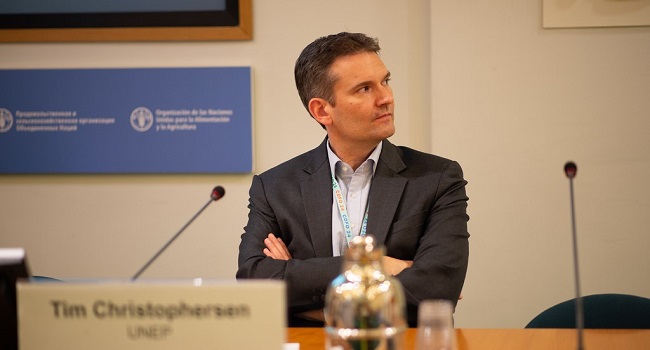
Tim Christophersen, chair of the Global Partnership on Forest and Landscape Restoration
The UN Decade on Ecosystem Restoration, approved by the
General Assembly on Friday, March 1, 2019, will run from 2021 to 2030 and
emphasise scaling-up of restoration work to address the severe degradation of
landscapes, including wetlands and aquatic ecosystems, worldwide. It will
likely boost landscape restoration work to the top of national agendas,
building on a public demand for action on issues such as climate change,
biodiversity loss, and the resulting impacts on economies and livelihoods.
“I think there are many stars that are aligning now,”
said UN
Environment’s Tim Christophersen, who serves as chair of the Global
Partnership on Forest and Landscape Restoration, in an interview with Landscape News. “We have to conserve
what is left – stop the bleeding – but also give patient Earth … a blood
transfusion.”
“These things need to go in parallel. There’s a clearer
understanding of that now, and the broad movement for restoration now has many
years of experience,” he added.
The concept for the Decade grew from a proposal by El
Salvador, a Latin American leader in environmental efforts, to pool global
resources and dedicate 10 years to promoting restoration. During a
pivotal Bonn Challenge event in March 2018 held in Foz do Iguacu, Brazil, El
Salvador’s Ministry of
Environment and Natural Resources urged the international community to
support a decade dedicated to landscape restoration.
The ministry alongside former head of UN Environment Erik
Solheim continued to push for the Decade at another GLF
event in Nairobi in August, a direct prelude to the Decade’s proposal
being made public in September at the UN General Assembly in New York.
Land degradation is estimated to cost the global economy
between $2 and $4.5 trillion each year, while economic benefits of restoration
efforts could annually reach an estimated $84 billion. At least 7 million
hectares of tropical forest landscapes are cleared and degraded each year,
putting livelihoods, biodiversity and food security at risk, while exacerbating
climate change, conflict and human migration.
The Decade also targets coastal and wetland areas, which
have been declining even more quickly than terrestrial ecosystems. Coral reefs
are projected to decline by a further 70 to 90 percent with a 1.5-degree
Celsius rise in global warming, having massively detrimental effects on
biodiversity, the global economy and the atmosphere.
“It is a great opportunity to build momentum and political
will, awareness and technical capacity at all levels,” said Christophersen.
“And I think we are ready because there is such a broad movement on restoration
existing that has many years of experience. We’re ready to scale up.”
Increased funding could implement and expand projects to
restore ecosystems, reverse land degradation and biodiversity loss, and shore
up country-level efforts to meet elements of the 2030 Agenda for Sustainable
Development and the Sustainable Development Goals (SDGs).
“The degradation of our ecosystems has had a devastating
impact on both people and the environment,” said Joyce Msuya, acting executive
director of UN Environment, in a press release. “We are excited that momentum
for restoring our natural environment has been gaining pace because nature is
our best bet to tackle climate change and secure the future.”
The Decade will accelerate existing restoration goals, such
as the Bonn Challenge, which aims to restore 350 million
hectares of degraded ecosystems by 2030, at an estimated cost of about
USD 800 billion. To date, some 57 countries, subnational governments and
private organizations have committed to bring more than 170 million hectares
under restoration. It builds on regional efforts such as Initiative 20×20 in
Latin America and AFR100,
the African Forest Landscape Restoration Initiative, which aims to bring 100
million hectares of degraded land under restoration by 2030.
Restoration of 350 million hectares of degraded land by 2030
could generate $9 trillion in ecosystem services and remove an additional 13 to
26 gigatons of greenhouse gases from the atmosphere. This is critical for livelihoods
and human wellbeing, added José Graziano da Silva, director general of FAO.
“Our global food systems and the livelihoods of many millions of people depend
on all of us working together to restore healthy and sustainable ecosystems for
today and the future.”
Ecosystem restoration is fundamental to achieving the SDGs,
particularly on climate change, poverty eradication, food security, water and
biodiversity conservation. It is also a pillar of international environmental
conventions, including the Ramsar Convention on Wetlands and the three Rio Conventions on
biodiversity, desertification and climate change.
“We believe that all countries, in some way …
are prepared to make a giant leap in restoration,” Lina Pohl, El Salvador’s
minister of the environment and natural resources, said last year at the time
of the Brazil event. “We believe that it cannot be (achieved in only) one year.
You can’t restore a country in one year. It should really be a coordinated
effort over a decade.”
Ahead of the 2019 International Women’s Day on March 8,
themed “Think
equal, build smart, innovate for change”, everyone should acknowledge the
benefits that women bring to climate action so that climate change can be
properly addressed. Climate change impacts people differently – in terms
of socioeconomic circumstances, disabilities, age and gender.
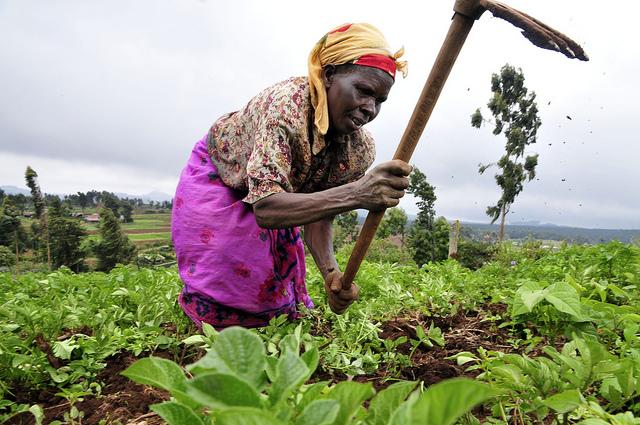
A woman farmer: Women are said to be more vulnerable to the effects of climate change because they are more than proportionally dependent on natural resources that are threatened. Photo credit: ng.boell.org
When solutions to climate change address these different
realities, they are more effective and their impact ripples through society.
Here are five reasons why climate action and women should be seen holistically.
100% of the population needs to be involved
About 51% of humanity is comprised of women and girls. To
meet the most ambitious 1.5C target of the Paris Climate Change Agreement and
to limit warming to well below 2C, it is critical that the needs, perspectives,
and ideas of women, as well as of men, are included in climate action so as to
create just, effective, and sustainable solutions.
Furthermore, indigenous women have experienced the impacts
of climate change for generations and have been forerunners and leaders in
environmental conservation. Their knowledge and expertise contribute greatly to
building resilience to climate impacts and to cutting greenhouse gas emissions.
The traditional skills and knowledge that women have
relating to natural resource management in areas such as innovation, waste and
energy are effective tools in climate action strategies.
Empowering women
means more effective climate solutions
Women comprise approximately 43 percent of the agricultural
labor force in developing countries. When provided with the same access to
resources as men, women can increase their agricultural yields by 20 to 30
percent, not only steppin gup total agricultural output in these countries by
2.5 to 4 percent but also contributing to world hunger reduction by 12 or 17
percent, according to the UN. This can positively impact climate adaptation in
two ways – appropriate technology or resources contributes to more sustainable
farming and conservation, and a reduction in poverty enables individuals to
better adapt to changes in climate.
Investing in women and girls creates ripple effects felt
throughout entire communities and countries. It
was found Research shows that countries with high representation of
women in parliament are more likely to ratify international environment
treaties.
Women are vital to building
climate resilience in communities
Communities do better in resilience and capacity building
strategies when women are also involved in planning. According
to the UN, women tend to share information about community wellbeing that
is important for resilience and more willing to adapt to environmental changes
since their family lives are impacted.
Additionally, women are usually first responders in
community responses to natural disasters, leaders in disaster risk-reduction,
and contribute to post recovery by addressing the early recovery needs of their
families and strengthening community building.
Climate change
impacts everyone, but not equally
It is well established that climate change has a greater
impact on those sections of the population that are most vulnerable, whether in
developed or developing countries, and exacerbates existing inequalities. Women
commonly face higher risks and greater burdens from the impacts of climate
change in situations of poverty and due to existing roles, responsibilities and
cultural norms.
Targeted investments in gender equality and women’s
empowerment yield returns in environmental conservation, poverty alleviation,
social policy and achievement of the Sustainable Development Goals (SDGs). By
tackling climate change with a gender lens, women’s rights are also addressed,
tackling rather than exacerbating existing gender inequalities.
Countries have
agreed! – work in progress under the UNFCCC
Countries have recognised the importance of involving women
and men equally in UNFCCC processes and in the development and implementation
of national climate policies that are gender-responsive by establishing a
dedicated agenda item under the Convention addressing issues of gender
and climate change. This includes the first ever UNFCCC Gender
Action Plan established under the Lima
Work programme on gender (LWPG) that has five priority areas:
Capacity-building, knowledge sharing and
communication;
Enhancing the understanding and expertise of
stakeholders on the systematic integration of gender considerations … in the
thematic areas under the Convention and the Paris Agreement and in policies,
programmes and projects on the ground;
Gender balance, participation and women’s
leadership (To achieve and sustain the full, equal and meaningful participation
of women in the UNFCCC process);
Coherence (in UNFCCC, across UN) (To strengthen
the integration of gender considerations within the work of UNFCCC bodies, the
secretariat and other United Nation entities and stakeholders towards the
consistent implementation of gender-related mandates and activities);
Gender-responsive implementation and means of
implementation (To ensure the respect, promotion and consideration of gender
equality and the empowerment of women in the implementation of the Convention
and the Paris Agreement);
Monitoring and reporting (To improve tracking in relation to the implementation of and reporting on gender-related mandates under the UNFCCC).
The National Oil Spills Detection and Response Agency
(NOSDRA) alleges that operator of Nembe Creek Oilfields within OML 29 is
resisting efforts to probe the cause of an explosion that occurred on Friday, March
1, 2019 in Nembe.
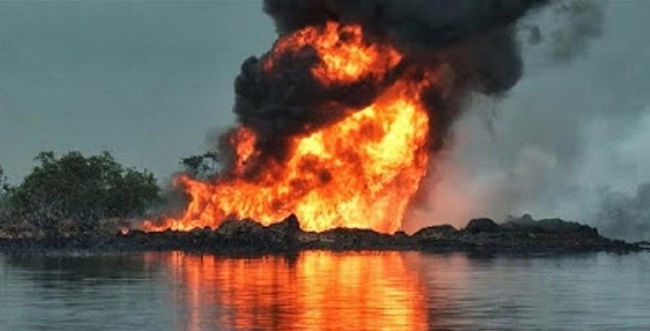
An oil field explosion
The Shell Petroleum Development Company (SPDC), in 2015,
divested its equity in OML 29 and transferred its interest for $1.7 bn to
Aiteo, an indigenous Oil and Gas Exploration and Production firm.
Mr Francis Umeh, Head of NOSDRA’s Field Office in Bayelsa,
told the News Agency of Nigeria (NAN) in Yenagoa, the state capital, that Aiteo
had frustrated plans by the spill agency to visit the site for assessment.
He regretted that the stance of the oil firm was slowing
NOSDRA from promptly carrying out its mandate.
“We are experiencing resistance from the operator and we are
currently mounting pressure on them for us to be given access to visit the site
for preliminary assessment and, so far, they have been uncooperative.
“The incident occurred on Friday and it took them some time
to report it officially to NOSDRA; we have plans to visit the site, but the
operator is resisting and frustrating our efforts.
“We are in touch with our Zonal Office and Headquarters on
this and we are briefing them on developments.
“We also want to commence a Joint Investigative Visit (JIV)
at once if the environment is conducive; it is the JIV that will establish the
cause of the explosion and the volume of oil discharged,” umeh said.
On the claims by Aiteo Eastern Exploration and Exploration Company
that investigations into the explosion which occurred at an oil well within
Aiteo’s oil block in Nembe was on, Umeh said that NOSDRA was not part of the
said probe.
However, a statement signed by Aiteo Management made
available by its Public Relations Manager, Mr Ndiana-Abasi Matthew on March 2
claimed that investigation into the incident was underway and given priority.
“On March 2, 2019, a suspected explosion occurred within the
vicinity of Nembe Creek Well 7, behind Mile 1 Community in Bayelsa State, which
is not too far from Nembe field logistics base.
“In spite of initial challenges, our operations team was
able to access the well head area when the fire had completely died down on
early hours of March 2.
“Preliminary investigations confirmed that there were no
fatalities; human incidents or damage to community property. All the wells and
facilities in the immediate vicinity have been inspected and secured.
“Full investigations to determine the cause of the fire and,
in particular, to determine whether this may have been caused by third-party
infractions remain ongoing.
“These investigations are being pursued with the utmost
urgency and have been given the highest priority.
“We are continuing to work with all the relevant
authorities to restore full functionality to all the relevant installations and
affected areas,” Aiteo stated.
An appeal has been made to the government of
Ghana not to tamper with the Atewa Range Forest Reserve because of its ecological
significance as a major contributor to water availability in the country. Atewa
is the watershed for some of the country’s major rivers like the Densu, which
serves as the main source of water for majority of people in Accra West as well
as for catchment communities along its course.
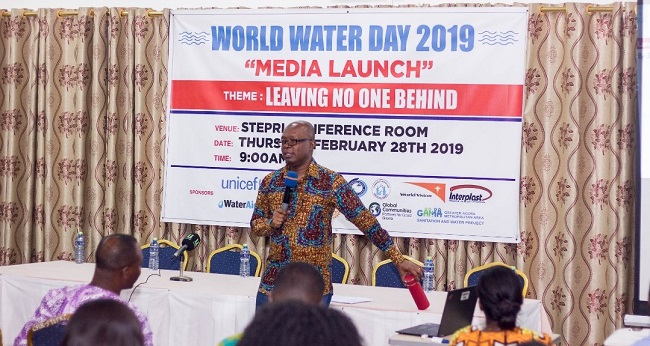
Harold Esseku moderating the Media launch of 2019 World Water Day
Mining of the Reserve’s rich bauxite
deposit is still high on the government’s agenda under its Master Project
Support Agreement (MSPA) with Sinohydro Corporation of China.
A sanitation engineer, Harrold Esseku, made
the appeal in Accra on Thursday, February 28, 2019, when he moderated a media
launch of this year’s national celebration of World Water Day. The Day is
celebrated by the international community on March 22 each year to draw
attention to the importance of freshwater and advocate for the sustainable
management of freshwater resources. Each annual event focuses on a
specific aspect of freshwater.
This year’s theme: “Leaving no one behind” highlights
access to water as a basic human right and provides an opportunity for
reflection on why people have been left behind and what can be done to remedy
the situation.
In an interview, Esseku explained that
mining Atewa would create problems with water access for residents in Accra
West and the catchment communities. This is because mining will destroy the
vegetation in the watershed, pollute the water and thereby reduce the volume of
water that flows downstream into the Weija dam built on the Densu River.
He said when that happens, it will affect
both the quantity and quality of water for treatment and for distribution, and
further increase the cost. “Besides, this will result in severe water stress
that will become a major challenge for the country,” Esseku added.
“That is why I agree with the Safe Atewa
Campaign from an ecological point of view. Therefore, we should not touch
Atewa,” he said, adding: “This applies to all watersheds across the nation, we
need to stop destroying them and strive to protect them.”
To further drive home his point, Esseku cited
the case of the Abesim Water Treatment Plant that serves Sunyani and its
environs. Sometime in 2015, the Plant was shut down for a period due to extreme
reduction of the volume of water for treatment, following intensified human
settlements around the headwaters of the Tano. This led to severe water scarcity
in the area. He cited the springing up of unplanned human settlements as a
major contributing factor that has led to the destruction of some rivers in the
country.
Esseku stressed that “to ensure that no one
is left behind in water access, we need to seriously protect our watersheds and
headwaters, provide sanitation and pursue sustainable water management.”
Earlier, Esseku delivered the main paper for
the launch of WWD 2019, highlighting the national state of disparities in water
access. He noted that “while the national total access to basic water stands at
79 percent, there are serious inequalities that must be quickly addressed,
especially as only half of the poorest are getting water, which is likely to be
highly contaminated, with the burden of water collection more on women and
girls.”
Subsequently, a panel of four experts in
water related issues discussed the paper and offered their perspectives on how
to further the attainment of the Sustainable Development Goal of water for all
by 2020.
The Country Director of WaterAid Ghana, Mohammed
Abdul-Nashiru, noted that while, the National Water Policy recognizes water as
a finite resource that requires proper management to ensure sustainability,
Ghana’s Constitution does not make provision for this basic human right. He
advocated the explicit inclusion of water rights in the Constitution, so that
government could be taken on for non-delivery.
Mrs. Vida Duti, Country Director of International
Resource Centre (IRC), observed that as a country, Ghana lacks universal access
to water such that most of the nation’s schools, institutions, health
facilities, work places and public places like markets lack access to water.
She expressed concern about this situation, saying: “These are the areas where
people are very likely to pick water related infections.”
Mrs. Duti called for long term planning and
investment “…that will ensure provision of water to pocket areas without water
access including inaccessible ‘overseas,’ communities, else, we are likely to
suffer regression in the gains made in the water sector.” She urged “all who
can afford to pay for safe and reliable water access to do so, so that they
will not have to spend extra time and money searching for water,” adding, “it
is only then, can we establish safety nets for the poor.”
The Chief Manager for Water Assurance at
the Ghana Water Company Limited (GWCL) in Accra, Mrs. Margaret Maculey, talked
about the Water Safety Plan approach that the company is implementing. She
explained that “this approach prevents the contamination of water from the
source to treatment and distribution and is being implemented in recognition
that sources of water are prone to contamination sometimes based on where they
are sited.”
The Director of Environmental Quality at
the Water Resources Commission (WRC), Ms. Adwoa Paintsil, launched the 2019
World Water Day. She urged journalists around the country to, at this time,
focus their water related reportage on the existing disparities as a way of
prompting action for bridging the gap.
For the past one year, conservation
activists led by A ROCHA Ghana, have been campaigning for Atewa to be excluded
from mining and left as a protected area. They took their “Safe Atewa” campaign
to another level by organising the first ever exhibition on an ecological area,
to raise the conservation profile of Atewa. The four-day event took place in
Accra from Wednesday January 30 to Saturday, February 2, 2019.
The organisers believed that the existence
of Atewa as a reserve holds the promise of prosperity and security for
Ghanaians, not in mining its bauxite deposits, as the government intends to,
but rather in conserving its exceedingly rich biodiversity resources.
The Atewa Range Forest Reserve is largely still one of the remaining blocks of pristine forests in Ghana, virtually undisturbed. It is one of Ghana’s 34 Globally Significant Biodiversity Areas and among the nation’s 36 Important Bird Life Areas (IBLA).