The Kano State Government said it would spend N500 million in 2018 as counterpart funding for the World Bank’s Nigeria Erosion and Watershed Management Project (NEWMAP) in the state.
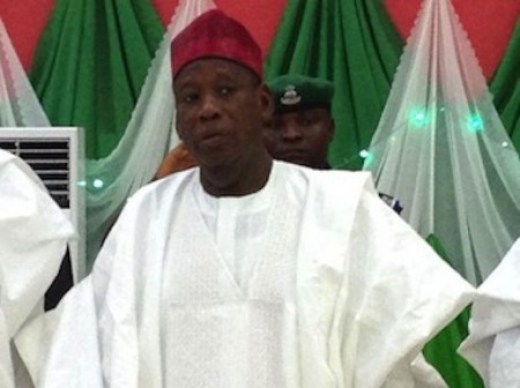
Dr. Ali Makoda, Kano State Commissioner of Environment
The World Bank project is aimed at controlling gully erosion in Nigeria.
The state’s Commissioner for Environment, Dr Ali Makoda, made this known at the opening of a five-day in-house procurement meeting in Kano, the state capital, on Thursday, January 18, 2018.
The commissioner said that significant progress was recorded in the project in 2017 and that more advancement was expected in 2018.
According to him, nine areas have been sampled for the inauguration of the project.
He said that five of the nine projects would be pioneered for watershed management and four would be sampled for erosion control in some Local Government Areas in the state.
The National Coordinator of the project, Alhaji Dahiru Salisu, said that the state government had shown commendable commitment to the inauguration of the project in the state.
He said that the state was amongst those that would benefit from the additional funding from the World Bank in view of the progress made in project implementation.
The News Agency of Nigeria (NAN) reports that representatives of the 12 states benefitting from NEWMAP were in Kano for a five-day procurement clinic to review activities for the past year.
The 12 states are Akwa Ibom, Bauchi, Borno, Delta, Gombe, Kano, Katsina, Kogi, Nasarawa, Plateau, Oyo and Sokoto.
The Federal Government is expected to contribute 60 per cent to the fund, while the states are to provide the 40 per cent balance of the funding.
Other sources of funding include a concessional loan from the Global Environment Facility (GEF), Trust Fund and Special Climate Change Fund (SCCF) grants of $8.59 million.
The procurement meeting which began on Thursday is expected to last until Monday, January 22.
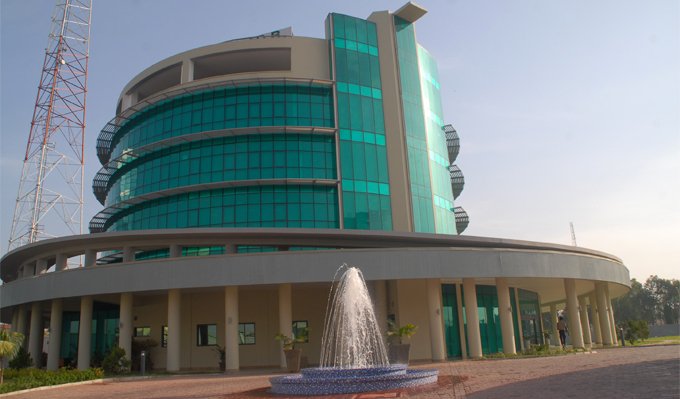
Vice President Yemi Osinbajo on Thursday, January 18, 2018 inaugurated the Country Office of the African Development Bank (AfDB) and hailed the bank’s $6 billion portfolio in Nigeria which he said enhanced job creation.
AfDB building in Abuja
Osinbajo said he was particularly delighted that the bank was working closely with the administration in addressing the challenges caused the people emerging from insurgency in the North East and militancy in the Niger Delta.
According to him, the bank’s portfolio was spread across 73 projects across the country.
“The bank’s inclusive basic delivery and livelihood empowerment integrated programme aimed at addressing the challenges in the North East in particular is commendable.
“The project will support youth, women and IDPs who have returned to their communities.
“An estimated population of more than 10 million affected people are expected to directly benefit from this project.
“More specifically, I thank the President and Board of the AFDB for their support to Nigeria at a very difficult time, during the 2015/2016 economic recession.
“When we requested support from the bank, the response was swift; the Bank approved the budget support loan of $1billion in Nov. 2016.
“The first tranche of $600 million has been fully disbursed and utilised and in my discussions with the President of the bank we will be getting the remainder in form of sector loans.
“So we are looking forward to the remaining $400 million.’’
According to the Vice President, the approval by AfDB sent a much needed positive signal to the markets at a critical time for Nigeria and the country will remain grateful.
Osinbajo said that as the people celebrated the inauguration of the banks world class edifice he would reiterate the commitment of the Buhari administration to the bank’s strategy in Nigeria.
It is the first time the bank has built a building outside it’s head offices structure in Abidjan, Côte d’Ivoire.
He said the strategy fully aligned with the country’s economic and growth plan of 2018 to 2020.
The Vice President congratulated the management, board of AfDB and their staff members for making the completion of the office a reality.
He said that the building was an important symbol of the special relationship between the bank and Nigeria, its founding member and its largest shareholder since inception.
He said that, since 1971, the Nigeria country office had served as the convening point between the bank, federal government, state governments and the private sector, adding that Nigeria had been instrumental to AfDB’s growth.
“As a major shareholder, a donor and a borrower at the same time we have through the years shared the bank’s vision and objectives,’’ he stated.
Osinbajo recalled that since its founding in 1964, the AfDB had evolved as one of the most efficient vehicles for the economic development and integration of the continent.
He observed that it had faithfully played its role as a trusted adviser and an honest broker in the region and had earned its place as Africa’s voice on development issues.
“As the continent’s premier financial institution, it is at the centre of Africa’s transformation to bring real and lasting progress to the lives of African people.
“While Africa has made significant strides in economic growth and in poverty reduction, much remains to be done.
“The goal is clear: to eradicate poverty, create more inclusive social economic development and integrate the continent.
“To do this the continent needs to promote growth that creates jobs and provides economic opportunities for all.’’
Osinbajo recalled that when the bank’s President , Akinwumi Adesina, assumed office, he introduced the “High-Fives” by investing more in infrastructure as agriculture, water, power, education and healthcare and increased access to affordable energy.
The Vice President commended the AfDB for its efforts to close the gender gaps, empower women and youth and also to strengthen and expand social safety nets for the vulnerable populations.
He gave the assurance that, with its large population, the country would continue to play active role in the bank’s efforts in regional integration and the entire continent.
He said the country would be strong and committed partner which it already demonstrated by supporting the establishment of the $500 million Nigeria trust fund in 1976.
According to him, the trust fund had helped to transform the economies and improved the standards of millions of people in other African countries.
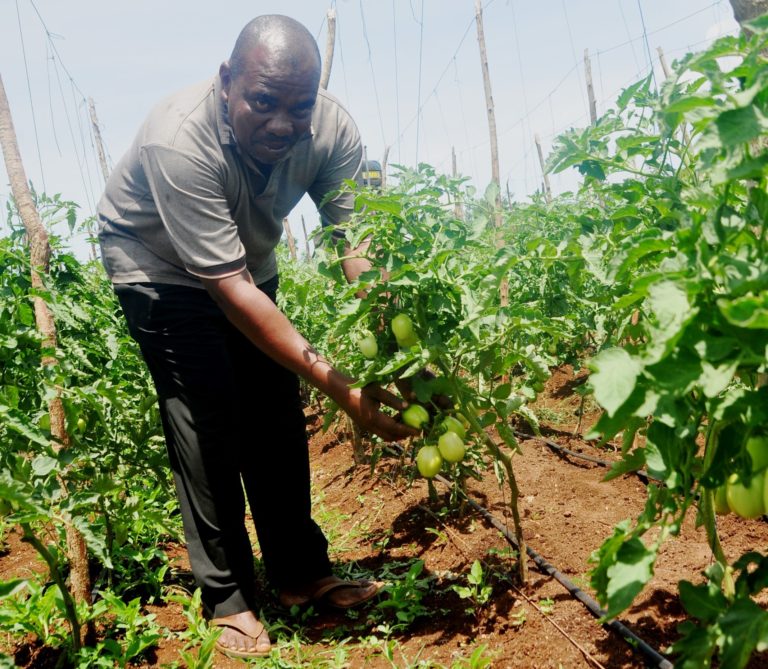
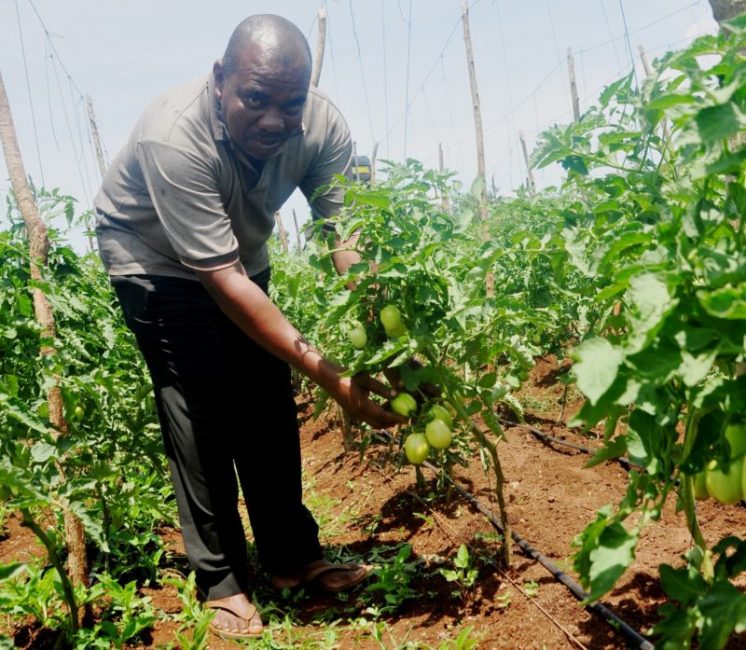
The FADAMA III Additional Financing (AFII) Programme on Thursday, January 18, 2018 distributed farm implements to 19 tomato growers associations in Sandamu Local Government Area of Katsina State so as to boost their productivity.
Tomato farming
Alhaji Bashir Zango, the State FADAMA Project Coordinator, who distributed the implements to the beneficiaries in Ruma district, said that the programme was sponsored by the state government, in collaboration with the farmers’ association.
He said that the implements included 57 water pumping machines, 1,900 water generating pipes and 57 insecticide sprayers, adding that 60 bags of fertiliser were also distributed.
He said that a total of 190 tomato growers would benefit from the gesture, adding that the farmers from 19 associations were carefully selected for the programme.
“Each farmer will receive three bags of fertilisers – one bag of urea and two NPK fertilisers.
“We will drill 57 tube wells for the farmers and each association will get three tube wells.
“We urge the beneficiaries to make judicious use of the items, as we will strictly monitor the programme implementation.
“We plan to expand the scope of the programme to accommodate more associations,’’ Zango said.
In his remarks, Alhaji Usman Ahmed, Director of Agriculture, Sandamu Local Government Council, represented by Mr Sada Rawayau, Head, Local Government Administration, commended the state government for the programme.
He said that the programme would provide employment opportunities for the youth, while alleviating poverty in the society in general.
“The programme will boost food security in the area, as tomato will be produced in commercial quantities.
“The market is ready and tomato sales will not be a problem for the farmers,’’ Rawayau added.
The Project Coordinator of FADAMA in Anambra State, Mr Chucks Egbueh, says 5, 253 farmers benefitted from the various interventions of the FADAMA III project in 2017.
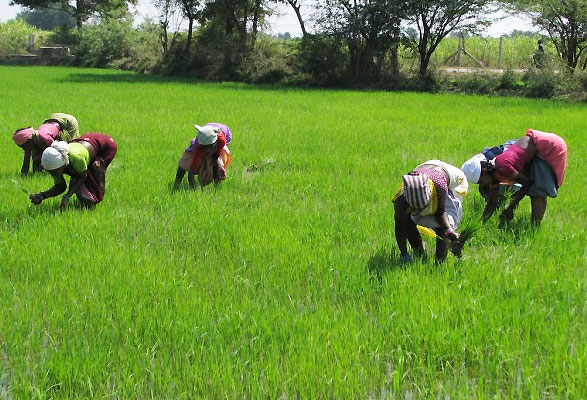
Rice farming
Egbueh, at a parley with newsmen in Awka, the state capital, on Thursday, January 18, 2018 said that 4,000 of the beneficiaries were rice farmers, while the rest were into cassava production.
The FADAMA project coordinator said that the farmers were empowered in the areas of book keeping, training on land preparation, distribution of inputs like certified seedlings, cuttings, fertilisers and farming kits.
“FADAMA III Additional Financing project in Anambra was largely successful in 2017.
“During the year, we were able to empower about 5, 253 rural farmers in Anambra, we gave them training and expertise.
‘’We also gave them inputs like certified seeds, fertilisers and chemicals at 50 per cent subsidy.
‘‘We also gave them farming safety kits like rain boots, gloves, kits, glove and other related items at 80 per cent subsidy,” he said.
The project coordinator said that 239 youths were trained under its Graduate Unemployed Youths Scheme and qualified for take-off in February.
He said that the project embarked on 11 farm roads totalling 45 kilometres and five major irrigation projects in the state.
Egbueh said that the irrigation projects had reached 60 per cent completion stage, assuring that both infrastructure works would be delivered by the end of February.
He described the attitude of farmers to migrating from the traditional ways of farming to modern methods as positive and encouraging.
Egbueh said that the change was encouraged with the juicy incentive that was part of the empowerment packages of FADAMA.
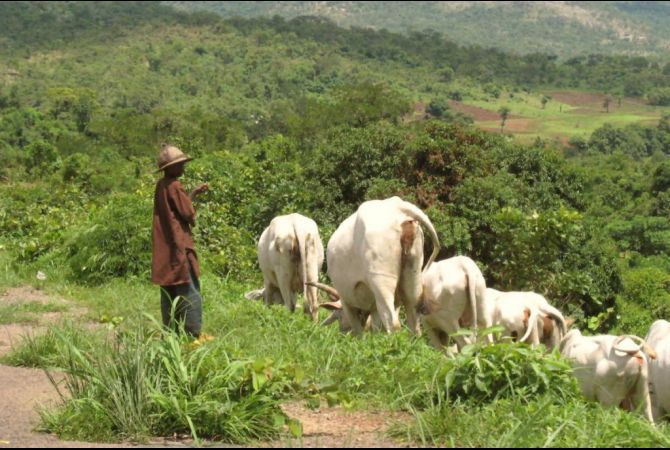
The Police on Thursday, January 18, 2018 arraigned a 20-year-old cattle header, Ibrahim Yau, at a Makurdi Magistrates’ Court for alleged criminal conspiracy and open grazing.
Open grazing
The prosecutor, Abdulkarim Abubakar, told the court that the defendant was arrested by two members of Benue Vigilance Group, Nyor Stephen and Adi Titus, in Makurdi on January 10, 2018.
He alleged that the duo, on intelligence report that some Fulani herdsmen were openly grazing their livestock at Welfare Quarters, New Otukpo Road, Makurdi, rushed to the area.
He said that they met the defendant and two others, who fled the scene.
“The accused later identified his colleagues as Musa Mohammed and Adamu Jibril, who were openly rearing and grazing over 55 cows, along Welfare Quarters, New Otukpo Road,” he told the court.
He said that the defendant was arrested, while the others were still at large.
The defendant of no fixed address, pleaded not guilty to the charges.
The Magistrate, Mr Emmanuel Azembe, granted the defendant bail in the sum of N200,000 with a surety in like sum who must be the Chief Imam of Central Mosque in Makurdi.
Azembe adjourned the case until Feb. 20, for hearing.
Protected areas across the world are most threatened by unsustainable resource use and human disturbance, a new study has found.
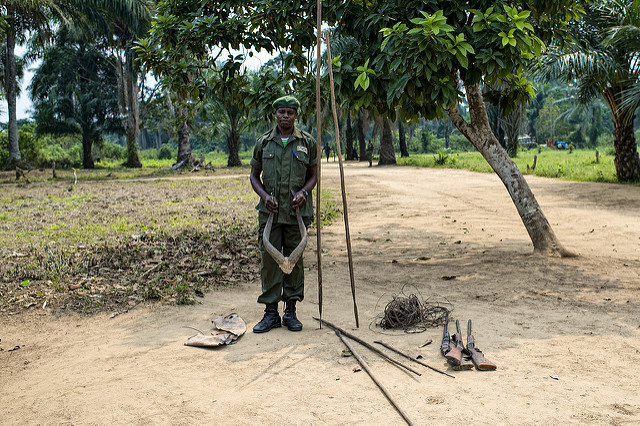
Hunting instruments seized by forest guards in the village of Pona in the Tumba-Lediima Reserve, Democratic Republic of Congo. Photo credit: Ollivier Girard/CIFOR
The authors of this paper, published this week in Conservation Letters, looked at data from nearly 2,000 terrestrial protected areas to identify the most common threats they face. Unsustainable hunting and negative impacts from recreational activities were the most commonly reported threats by protected area managers, occurring in 61% and 55% of all protected areas considered in the study.
There were distinct geographical differences in where these threats occur between developing and developed countries. Protected areas also reported higher risk from threats if they were in countries that suffered from corruption and had a lower Human Development Index (HDI) score.
Threats from overexploitation, in particular hunting, were most prevalent in developing countries, where local communities in and around protected areas depend on hunting and resource collection for their livelihoods.
“Wildmeat hunting has provided an important source of food and income for local communities for millennia. However, in many areas hunting levels are now unsustainable, negatively impacting biodiversity and the rural communities which depend on it,” remarked Lauren Coad, one of the authors of the paper and a Research Associate at CIFOR. This has been a result of increasing human populations, demand from urban centres and improved access to once remote areas, Coad pointed out.
According to Coad, potential solutions may include reducing the demand for wildmeat in cities, where it is not generally an essential component of diets; the provision of alternatives to wildmeat in provincial towns, such as domestic chicken and other livestock; and the sustainable management of wildmeat use and trade in rural areas. “Around protected areas, it will often involve collaborative co-management of wildlife resources between local communities and protected area managers.”
In developed countries, threats were more likely from human disturbance through recreational activities, such as off-road vehicle access, cross-country skiing, mountain biking or hiking. These geographically distinct threats highlight the need for different solutions on the ground, including ensuring sustainable livelihoods for local communities and better management of visitor activities in protected areas.
Assessing threats at eye level
The paper highlights that the most serious threats to protected areas are difficult to monitor using remote sensing techniques, such as satellite images, and reinforces the importance of collecting information from managers of protected areas and other experts.
Neil Burgess, an author of the paper and Head of the Science Programme at the UN Environment World Conservation Monitoring Centre (UNEP-WCMC), highlighted the importance of monitoring biodiversity on the ground.
“While advances in technology have led to important steps forward in our knowledge of the human impacts on global biodiversity, such as forest loss or changes in the extent of sea ice, it cannot replace the experience of managers of protected areas and local communities, who have in-depth knowledge of local threats to biodiversity and how these can be managed,” Burgess explained. “We need to make sure that this knowledge and experience is collated and used alongside more easily accessible data such as satellite imagery.”
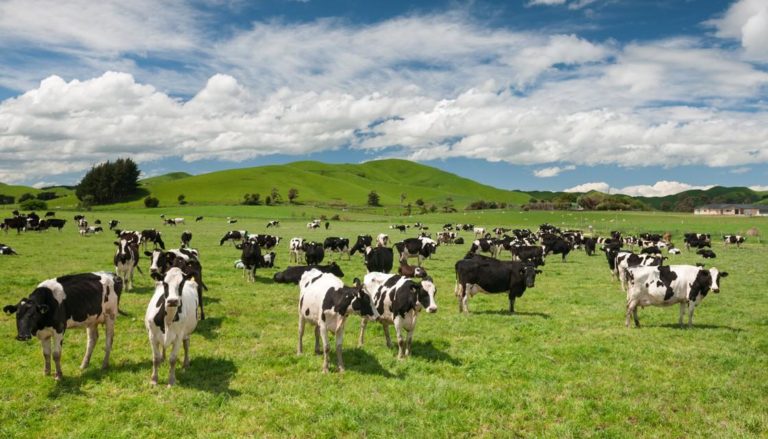
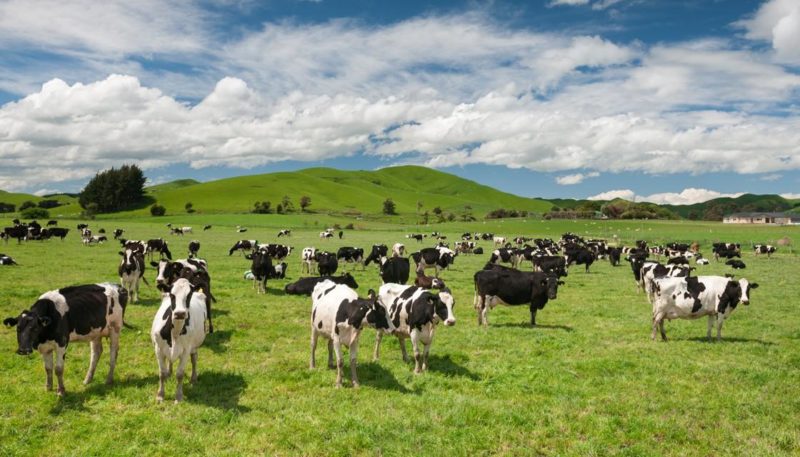
A testing and tracing regime for the bacterial infection Mycoplasma bovis, found in New Zealand’s cattle, has been increased, officials said.
Bacterial infection, Mycoplasma bovis, has been found in New Zealand’s cattle
New Zealand would provide a clearer indication of its spread and potential actions for eradication by the end of February.
Agriculture and Biosecurity Minister, Damien O’Connor, said on Thursday, January 18, 2018 that the National Mycoplasma bovis milk surveillance programme would test three samples of milk from every dairy farm starting on Feb. 1.
Animals moved from properties under Restricted Place notices are being traced, and genome sequencing has been used to work out whether the strain of Mycoplasma bovis is the same across all infected farms.
O’Connor visited farmers caught in the outbreak in Winton of New Zealand’s Southland, after previously visiting affected South Canterbury properties before Christmas.
“I have great sympathy for farmers caught in the outbreak, who face tough decisions to protect their livelihoods,’’ the minister said, adding that Mycoplasma bovis is not a food safety risk, but is a disease that affects animal welfare and production.
The German government has committed €150 million to ensure total eradication of polio in Nigeria, Spokesperson of the Ministry of Foreign Affairs, Dr Tiwatope Elias-Fatile, has said.
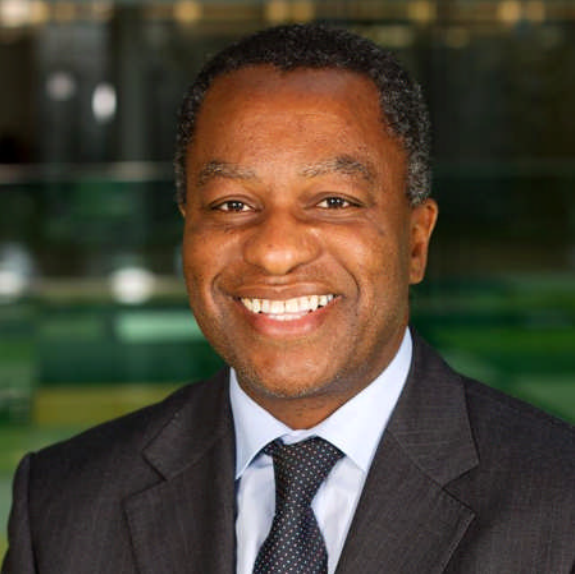
Foreign Affairs Minister, Geoffrey Onyeama
Elias-Fatile stated this at a news conference on Wednesday, January 17, 2018 in Abuja.
“The German government and Nigeria have signed three bilateral agreements which are Government Agreement on Technical Cooperation in 2016, Government Agreement on Financial Cooperation in 2016, Financing and Project Agreement on Polio Eradication.
“Notable issues in the agreements were the German Government’s commitment of the sum of €120 million to ensure the total eradication of polio in the country.”
He said it also included the new agreement on polio involvement of financial commitment of €10 million which would be increased to €29.9 million by the German government in line with the agreement.
He added that a delegation from the Japanese Parliament, had visited Nigeria to assess the level of cooperation between Japan and Nigeria, most importantly, through the Japan International Cooperation Agency and the Official Development Assistance(ODA).
He said that the Minister of Foreign Affairs, Geoffrey Onyeama, received the delegation in Abuja on behalf of the Federal Government.
“The purpose of the visit by the Japanese delegation, which also met with the Minister of Finance, Kemi Adeosun, he said, was to know the extent to which Japan had achieved successes in the West African Coast with regards to ODA.
“From the meeting, what was clear was that they were really satisfied that Nigeria was benefitting sincerely from it.
“The minister mentioned the issue of infrastructure development, power and manufacturing and they also talked about the need for whatever Japan can do to support Nigeria on job creation and to forge greater partnership with each other,” Elias-Fatile said.
On the economic front, Elias-Fatile said the Minister of Foreign Affairs initiated Economic Diplomacy Initiative for Nigeria.
He said that, following the development, officers of the ministry were currently undergoing training to see how the ministry could key into the initiative.
He added that trainers from Netherlands were facilitated by the Embassy of Netherlands in Nigeria, which is in line with the concept of e-diplomacy.
The Sokoto State Commissioner for Agriculture, Alhaji Umaru Nagwari, says that government has procured 833 trucks of fertiliser for dry season farming in the state.
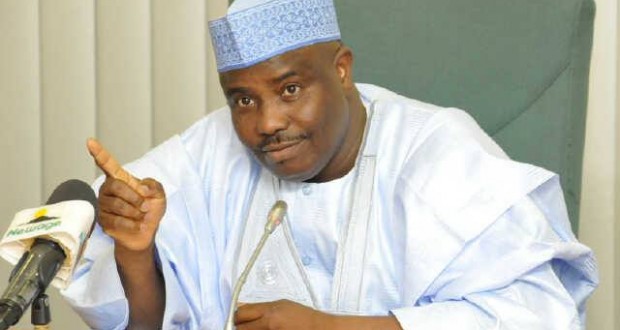
Governor Aminu Tambuwal of Sokoto State
Nagwari said while speaking with newsman shortly after defending the ministry’s 2018 budget proposal before the state House of Assembly Committee on Agriculture in Sokoto, the state capital, on Thurday, January 18, 2017.
“The state government is fully committed to ensuring a bumper harvest among farmers across the 23 local government areas of Sokoto State.
“As such, it has expended N3.4 billion to procure 833 trucks of fertiliser for dry season farming. This will be distributed to farmers at subsidised rate,” he said.
According to Nagwari, the present administration in the state has placed agriculture as top priority after education.
“We are confident that Sokoto state farmers in 2018 are going to have bumper harvest, as government has procured the largest number of fertiliser ever in the history of the state.”
He called on farmers in the state to judiciously utilise the gesture to support their living standard and the society at large.
The Committee Chairman, Alhaji Dayyabu Kalmalu (APC- Illela), commended the ministry’s commitment in ensuring the successful implementation of agriculture programmes in the state.
He assured that the state Assembly would continue to support the state government in its bid to develop the state.
Proceeds from illegal wildlife trade are used to fund organised criminal activities like insurgency and kidnapping around the world.
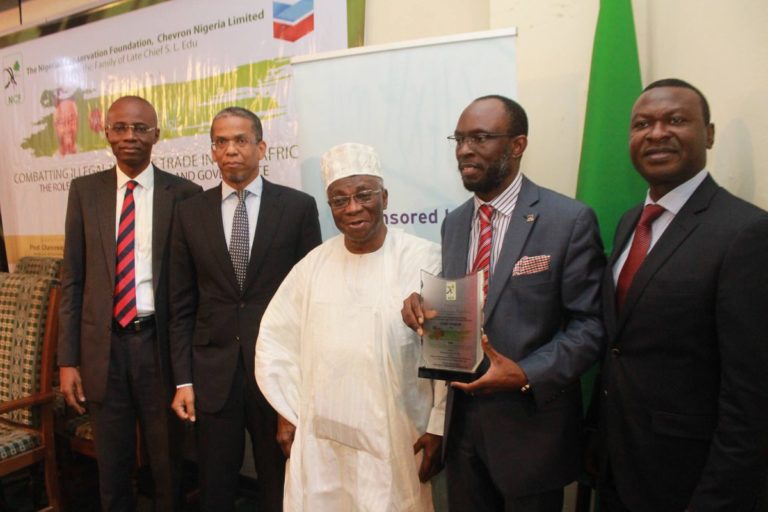
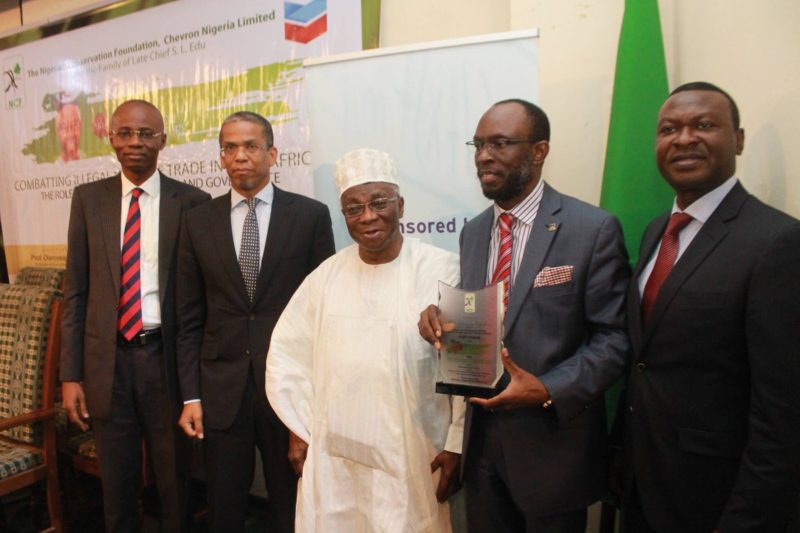
L-R: CEO, Nigerian Conservation Foundation (NCF), Adeniyi Karunwi; Chairman, NCF National Executive Council (NEC), Ede Dafinone; President, NCF President, Board of Trustees (BoT), Philip Asiodu; the Lecturer, Prof. Olanrewaju Fagbohun; and General Manager, Policy, Government and Public Affairs, Chevron, Esimaje Brikinn, at the 16th Chief S.L. Edu Memorial Lecture held at the NIIA, Victoria Island Lagos on Wednesday, January 17, 2018
Vice Chancellor of Lagos State University (LASU), Ojo, Professor Olanrewaju Fagbohun, disclosed this on Wednesday, January 17, 2018 during the 16th S.L. Edu Memorial Lecture held at the Nigerian Institute of International Affairs (NIIA), Victoria Island, Lagos.
The lecture, titled “Combating Illegal Wildlife Trade in West Africa: The Role of Environmental Law and Governance”, was organised by Nigerian Conservation Foundation (NCF).
EnviroNews gathered that oil major, Chevron Nigeria Ltd., had been sponsoring the lecture since inception.
Fagbohun said: “Organised criminal groups involved in drug trafficking, human trafficking and terrorism, and controlling large transnational networks, resources and access to information and institutions are often involved in the entire illegal supply and demand chains.
“Allegations are rife that some of these criminal groups channel funds raised at times into purchase of firearms in aid of armed conflicts, insurgency or to perpetrate large-scale poaching and slaughtering of wildlife.”
According to the professor of Environmental Law and Policy, an undercover reporter once traced a criminal gang that traded in elephant tusks. He had fixed a monitor on a tusk and sold same to the gang. It was later discovered that the gang engaged in brutal murder and other illicit activities like drugs.
He identified illegal wildlife trade as a valuable illicit commerce.
“Illegal wildlife trade is believed to be the world’s fourth most valuable illicit commerce after drugs, human trafficking and arms trade.
“In financial terms, some estimates put the worth of illicit wildlife and plant trade at between eight million euro and 20 million euro annually, while some have placed the estimate at between $15 billion and $20 billion or $10 billion and $30 billion per year,” he disclosed.
According to him, the illegal trade’s negative impact includes threat to health and security, undermining rule of law, fuelling corruption and restriction of economic development.
He posited that the illegal business would continue until government summons the political will to stop it.
Other issues that came up at the lecture include traditional practices were the use of outlawed animal parts serve as status symbol. It was the former Secretary-General of the Commonwealth, Emeka Anyaoku, who at the event raised the issue of using tusks and animal skins to adorn title-holders in parts of Africa.
On this, the lecturer said “you can’t throw away cultural practices and the legitimacy of them.” So, he advocated that better alternatives should be made available to the locals, so they would lose interest in conservable nature.
“We should integrate orthodox practice in traditional practices,” he added.
Chairman, National Executive Council (NEC) of NCF, Ede Dafinone, had in his welcome address noted that “the choice of this year’s theme is to mobilise support through partnerships, collaborations and alliances and to encourage positive actions geared towards combating illegal trade in wildlife in the West African sub-region as part of the global call for action.”
In his welcome speech, President, Board of Trustees (BoT) of NCF, Philip Asiodu, had noted that hunting of wild animals sometimes lead to diseases.
Asiodu said: “Despite the promulgation of the Endangered Species Act in 1985 and Nigeria’s adherence to all the international treaties and protocols for the protection of the environment positive action, real effective action and expenditure on environmental conservation in Nigeria has been negligible.”
He called for urgent action, given the pressure of Nigeria’s population on available land and the need for sustainable rapid economic growth.
In his goodwill message, Esimaje Brikinn, the General Manager, Policy, Government and Public Affairs, Chevron, noted that Chief Edu’s vision for establishing the NCF had continued to flourish soon after his death.
He added that “the preservation of wildlife and by extension the biodiversity is very important to our existence and, therefore, we must take every step possible to conserve it.”
The event was graced by representatives of the National Assembly, Federal Ministry of Environment, British High Commission, and the United States Consulate, among others.