Home Blog Page 1974

Before Kangimi Dam fails

0

Communities around Kangimi Dam in Igabi Local Government Area of Kaduna State have raised an alarm over the deteriorating state of the dam. They fear that if action is not urgently taken a disastrous failure could occur. This situation reminded me of a similar alarm that was raised by cracks on Tiga Dam in 1988, 30 years ago. In response to that alarm I wrote an article titled Before Tiga Dam Fails. It was published in The Guardian (Lagos) on February 23, 1988. Due to the fact that its import applies to the current situation I have reproduced it in full hereunder:
Dam
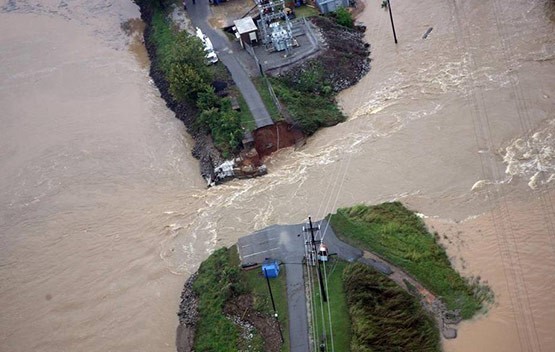
Scene of a failed dam

Disaster has not yet struck at Kano State’s Tiga Dam so there appears to be no sense of urgency in our slow crawl towards diffusing the ever-shortening fuse line. Major cracks have reportedly been evident on the embankment of Tiga Dam since late 1986 but, so far, nothing more than exploratory moves have been made towards repairing it. By all standards, we have a calamity on our hands, a smoldering keg of gunpowder, but it seems only a tragedy will make us move.

Dams have been known to collapse without notice. Our Tiga Dam has, however, kept us on notice for quite some time now. In France, for instance, Malpasset Dam collapsed in December, 1959 without warning. The ensuing flood eliminated everything in its path for a distance about 5km. indeed, at the town of Frejus, over 6.4km downstream, over 300 persons lost their lives.

The greatest dam tragedy in recent memory may, however, be the one in Italy in 1963. The Italian Vaiont Dam’s failure was triggered by a landslide from an adjoining mountain side. Over 2,000 Italians lost their lives. The Americans learnt a lesson from that disaster and quickly evacuated residents near Los Angeles’ Baldwin Hills Reservoir just before it collapsed also in 1963.

Engineers have since accepted that one of the uses of structural failures is their educational value. Even where it is not a structural failure, the signals of an impending disaster may be read clear and early and people evacuated out of harm’s way promptly. When disaster strikes, relief materials and refugee camps are scant consolations. It is gratifying that the authority in-charge of the Tiga Dam acted in early 1987 (March, to be precise) in getting in experts from the USA to study the cracks in the embankment which turned out to be “both longitudinal and transverse” and may cost nothing less than N26 million to mend.

Although it is not yet clear when real action will commence in the salvaging of this Kano State’s “main source of domestic and irrigation water supply”, it is wise to mention the past performance of the invited American experts in their own country. The Bureau of Reclamation (Bruce) has been designing and building dams since the early years of this century. The Teton Dam in eastern Idaho, designed by BuRec, failed in June 1976, killing 11 persons and injuring more than 2,000 others. Property worth over N4 billion and more than 7,000 homes and businesses were destroyed.

According to the Engineering News Record (ENR) of January 13 1977, the report of the panel reviewing the failure of the Teton Dam blamed “inadequate design and field monitoring by the Bureau of Reclamation for the breach, resulting in flooding that covered 300 square miles.” The report further stated that BuRec concerned itself with “keeping water from seeping through the dam rather than taking measures to render harmless whatever water did pass.” Thus, because of inadequate drainage, the embankment’s impermeable core material was eroded, eventually allowing water to burst through the dam’s downstream face.

The final report on the Teton Dam disaster was reviewed in the February 14, 1980 issue of ENR. Although it was noted that BuRec has since taken steps to avert other tragedies, the report called into “question the integrity of the Bureau of Reclamation’s other 290 dams.” In fact, the BuRec Commissioner even said that they would commission independent consultants to review BuRec’s major new dams instead of just inviting them for specific advice as had been their practice.

Dam safety appears to be one area in which engineers do not have sufficient answers. In the United States where a programme of dam inspection has commenced, the percentage of hazardous dams increases with the number of inspections. Check this out: in 1978, 20% of the inspected dams were found to be unsafe. In 1979, this had increased to 29% and, by March 1980, the figure was 32%.

Due to varying legislations, some states in the USA place less emphasis on design and construction control. At a time, West Virginia had a staggering 74% unsafe dams. Generally, leakages have been found to be greatest culprit in dam failures in recent times. Other identified major causes include: outlet work damage, slope instability, inadequate slope protection, overtopping, deterioration and embankment deformation.

Lax dam safety programmes have been noted as a serious problem. In some countries, the affluent create lakefront properties by building small private dams. Since they would not want to submit to strenuous checks, they fight against inspection laws and weaken safety programmes. 1976 witnessed a number of earth fill dam failures not the least being Pakistan’s Bolan Dam which failed in September of that year. The dam had no spillway and thereby encouraged an unmanageable build-up of water in the reservoir. The water, sadly, did the sensible thing – it just swept over the top, destroyed the dam and swept away 26 villages.

We do not have a long history of large dams in our country and, mercifully, failures have not resulted in catastrophes yet. The greatest tragedy associated with dam building in Nigeria remains the massacre of dispossessed peasants (Bakolori, 26/4/80), who resisted uncompensated appropriation of their land. The disquieting news about the Tiga Dam should attract urgent actions to avert a disaster. We have had sufficient notice, by all standards. The reported longitudinal and transverse cracks could be due to a number of factors which our geologists, hydrologists, civil engineers and other experts should bring to the notice of the authorities to underline the urgency to avert impending tragedy.

We do not know that what the Nigerian Society of Engineers has done about dam safety measures in Nigeria so far. If they have not done much in this direction, they need no further urging.

For a dam which watered the field that yielded 19,296 tonnes of rice valued at N19 million (The Guardian, 22/1/88) last year alone, N26 million is not a staggering amount for its repair. The danger now posed to life and property should not be left unaddressed for a day longer. We have sufficient lessons to learn from other lands, we do not require a dam disaster now or at any other time.

By Nnimmo Bassey (Director, Health of Mother Hearth Foundation – HOMEF)
New EU ‘urban mining’ tools map e-waste, scrap vehicles, mine waste

0

Standardised, consolidated data helps to identify recovery potential of secondary raw materials worth billions of euros wasted annually in the EU region

ewaste
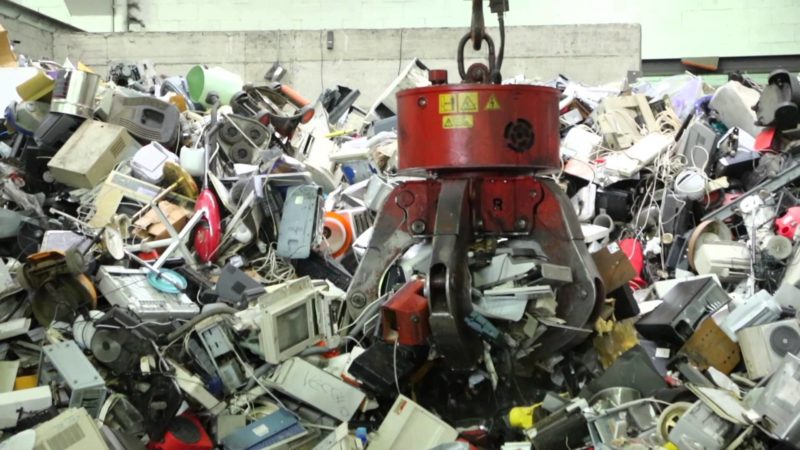
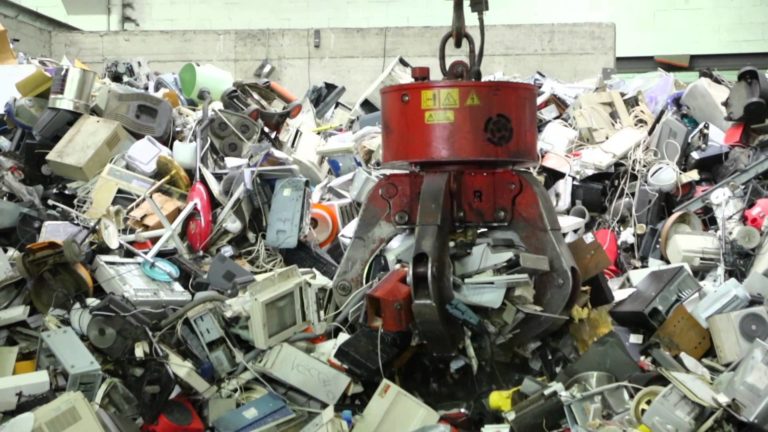
Waste of electrical and electronic equipment (WEEE) such as computers, TV-sets, fridges and cell phones is one the fastest growing waste streams in the EU

Expert organisations have united to create the world’s first European database of valuable materials available for “urban mining” from scrap vehicles, spent batteries, waste electronic and electrical equipment, and mining wastes.

The Urban Mine Platform created by 17 partners in project ProSUM (Prospecting Secondary Raw Materials in the Urban Mine and Mining Wastes), presents the flows of precious and base metals and critical raw materials in products in use and throughout their journey to end of life.

The database reveals the amount of valuable materials recovered or lost in the EU’s scrap vehicles, batteries, computers, phones, gadgets, appliances and other high tech products discarded annually – roughly 18 million tonnes in all — the weight of three million African elephants.

The EU, Norway and Switzerland generated around 10.5 million tonnes of waste electrical and electronic equipment (WEEE) in 2016 – about 23% of the world total. In addition, two million tonnes of batteries and some seven to eight million tonnes of EU vehicles reach their end-of-life annually. All represent a rich source of secondary critical raw materials (CRMs).

The recently published Global e-Waste Monitor reported that the world’s 44.7 metric tonnes of e-waste alone (not including vehicles) in 2016 contained €55 billion worth of precious metals and other high value materials.

The Urban Mine Platform contains data for elements and materials in high abundance in these waste products, mainly base metals, precious metals, and critical raw materials.

Dynamic charts offer detailed data and market intelligence on:

  • The number and type of products placed on the market, in-stock (in use and hibernating), and generated as waste
  • The compositions of key components, materials and elements, such as aluminum, copper, gold or neodymium, in batteries, electronic and electrical equipment (EEE), and vehicles
  • Waste flows, including amounts collected, estimates for small batteries and EEE in unsorted municipal solid waste, exported used vehicles, as well as the amount of vehicles, batteries and EEE of unknown whereabouts.
  • Prospecting Secondary Raw Materials in the Urban Mine

The ProSUM consortium says “urban mining” to recover valuable CRMs from wastes is vital for securing ongoing supplies for manufacturing and limit dependence on non-EU suppliers.

To that end, the project partners created from over 800 source documents and databases “a state of the art knowledge base, using best available data in a harmonised and updateable format, which allows the recycling industry and policymakers to make more informed investment and policy decisions to increase the supply and recycling of secondary raw materials.” It contains “all readily available data on market inputs, stocks in use and hibernated, compositions and waste flows of electrical and electronic equipment (EEE), vehicles and batteries for all EU 28 Member States plus Switzerland and Norway.”

Pascal Leroy, Secretary General of the WEEE Forum, a Brussels-based not-for-profit association and ProSUM project coordinator, states: “Three years in the making, this consolidated database is the world’s first ‘one stop shop’ knowledge data platform on CRMs in waste products – easy to access, structured, comprehensive, peer-reviewed, up-to-date, impartial, broad in scope, standardised and harmonised, and verifiable.”

In its report, the consortium says that “if all of the EEE in stock in households, businesses and public space was shared out between each EU28+2 inhabitant, each person would own close to 44 EEE products plus another 12 (energy saving) lamps and 33 light fittings, which are counted separately. In addition, there is 0.50 vehicle per person in the fleet. In vehicles, electronics and other applications, there are another 40 batteries in stock per person.”

Each EU inhabitant, the report says, would own 250 kg of electronics – 3.5 times the average adult weight – in addition to 17 kg of batteries and almost 600 kg of vehicle.

The report notes that a smartphone contains around 40 different critical raw materials, with a concentration of gold 25 to 30 times that of the richest primary gold ores. Furthermore, miningdiscarded high tech products produces 80% less carbon dioxide emissions per unit of gold compared with primary mining operations.

ProSUM has shown that an increasing number of products contain precious resources such as neodymium (vital for making permanent magnets in motors), indium (used in flat panel displays) and cobalt (used in rechargeable batteries). The Urban Mine Platform makes it possible to see the stocks and flows of these products.

Jaco Huisman of the United Nations University, and ProSUM Scientific Coordinator, states: “Until now, data on such critical raw materials have been produced by a variety of institutions, including government agencies, universities, NGOs, and industry, with the information scattered across various databases in different formats and difficult to compare or aggregate and often representing an outdated snapshot for a certain year only. The ProSUM effort helps remedy that problem, and enables the identification of so-called ‘hotspots’ – the largest stocks of specific materials.”

NEITI’s interventions saved extractive sector from collapse, says senator

0

The Chairman, Senate Committee on Federal Character and Inter-Governmental Affairs, Senator Tijjani Yahaya Kaura, says intervention of the Nigeria Extractive Industries Transparency Initiative (NEITI) in the management of the nation’s extractive sector has saved the sector from imminent collapse.

Waziri-Adio
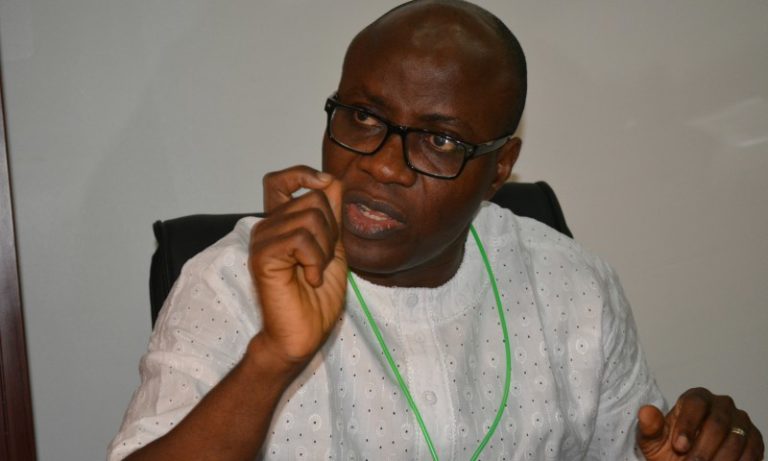
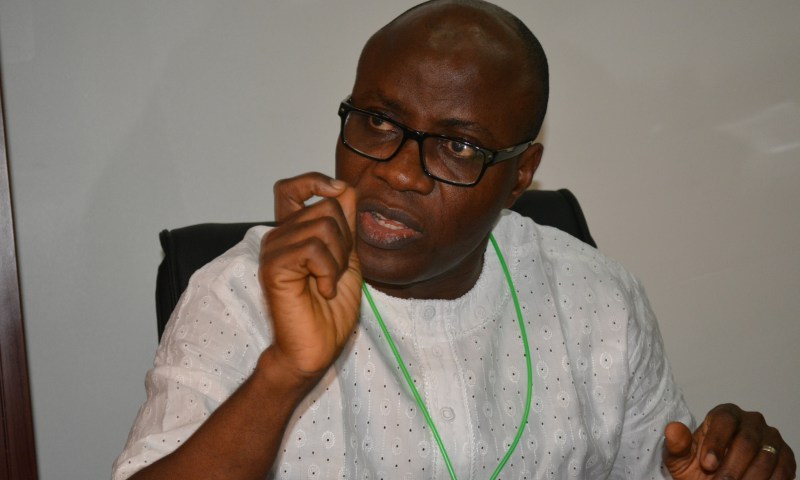
Executive Secretary of NEITI, Waziri Adio

Senator Kaura stated this recently in Abuja when NEITI appeared before the Committee to defend its 2018 budget proposal.

Senator Kaura explained that the monumental corruption that characterised the oil and gas industry since inception has resulted in a situation where the natural resources became a curse rather than a blessing to the citizens.

“We are aware of the courageous work that NEITI has done and the sanity that its intervention has brought to the sector in spite of mounting challenges. NEITI’s bold and courageous disclosures have drawn attention and beamed the torch light on the sector that is the lifeline of the nation,” Senator Kaura stated.

He expressed his committee’s delight and satisfaction over the work done so far by NEITI especially in the last two years and promised to support the agency in ensuring that it gets the required resources to enable it fulfill its mandate.

“We have very high regards for you and your agency because we know you are transparent,” Senator Kaura added. “I personally commend the Executive Secretary and his able team in NEITI for walking the talk.”

Senator Kaura called on other agencies of government to emulate the competence, professionalism and integrity exhibited by NEITI in the discharge of its duties.

Presenting the budget, the Executive Secretary of NEITI, Mr. Waziri Adio, appealed to the committee for support in ensuring adequate appropriation so that the agency will continue to deliver in its mandate.

He told the committee that the driving philosophy of NEITI remains the promotion of a culture of learning and achieving much with less and commended the government for supporting the operations of NEITI even when the pronouncements of the agency appear to challenge the status quo.

He reaffirmed the commitment of NEITI to remain professional, bold and courageous in confronting institutional, governance and man-made obstacles that frustrate transparency and accountability in the extractive sector especially the oil and gas industry.

Adio identified the “automation of NEITI audit process, timely and regular reporting, and multi-stakeholders’ mobilisation towards using the EITI framework for reforms” as key priorities of the agency.

He used the forum to renew his appeal to the National Assembly to see its relationship with NEITI as that of critical partners in the monitoring and oversight functions. One way to achieving this, he added, is for the National Assembly to “ensure that NEITI reports are publicly debated at plenary sessions of the Senate and House of Representatives, pay attention to the recommendations contained in the report and ensure that remediation occurs. This will guarantee that the on-going reforms in the sector championed by NEITI’s advocacy impact the citizenry. This is not what we can do all alone by ourselves. We need you and others to play their part,” Adio concluded.

Leveraging urbanisation for Rwanda’s economic transformation

0

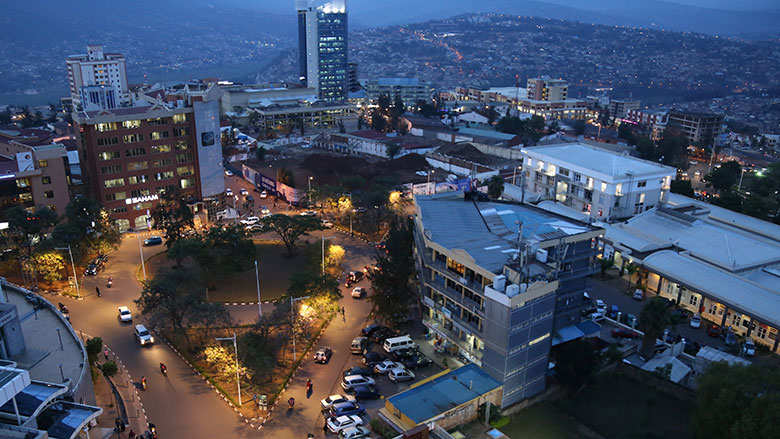
With support from the World Bank in the form of a $95 million Rwanda Urban Development project, the new Rwanda Economic Update focuses on the rapid pace of urbanisation. The report focuses on a correlation between job creation and a better connectivity to transport and access, as well as a need to increase the country’s urban dividend

Kigali
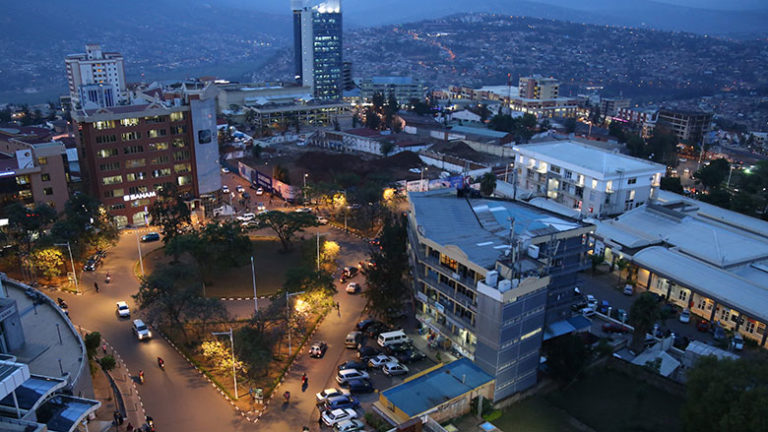
Kigali, Rwanda

“I came to Kigali about five years ago,” says 35-year-old Hassan Mudenge, a construction site assistant, “to look for a job and other opportunities. I can say I am now financially stable. I pay my rent regularly and send some money home to help my parents. And I am saving to build myself house in the village.”

His is the story of many young Rwandans who leave their homes in the country’s rural areas to seek work in fast-growing urban areas, especially in and around the capital city, Kigali.

Greater urbanisation is explicit in Rwanda’s plans for becoming a middle-income country by 2020. The World Bank is supporting the government’s urbanisation strategy with a $95 million Rwanda Urban Development Project that aims to provide basic infrastructure and services to six secondary cities around the country – Muhanga (formerly Gitarama), Rubavu (Gisenyi), Nyagatare, Huye (Butare), Rusizi (Cyangugu), and Musanze (Ruhengeri) – and to Kigali City, which makes up the core of the greater Kigali area.

The Bank’s new Rwanda Economic Update focuses on the rapid pace of urbanisation as its special topic: Rethinking Urbanisation in Rwanda: From Demographic Transition to Economic Transformation.

The report finds the urban share of Rwanda’s total population (now about 12 million) has increased far faster than official records suggest because the definitions of urban areas need streamlining. A 2012 census and 2014 household survey calculated the urban share of the population at 16.5 and 17.3 percent respectively.

However, using another, simple definition of urban, the report’s researchers found that the level of urbanisation had increased far more – from 15.8 percent to 26.5 percent between 2002 and 2015, an increase of 132 percent or almost two million people.

In other words, says the report, large scale urbanisation has already taken place in Rwanda.


Urbanisation and jobs

Despite rapid urbanisation, a dual migration pattern of internal migration is emerging: a move toward density in search of work, with districts of Kigali city attracting many migrants between 2011 and 2014 (29 percent of them). And a parallel move away from density in search of land, with a high share of migrants (33 percent) flocking to Rwanda’s less populated Eastern Province.

The Rubavu (Gisenyi) area on the border of the Democratic Republic of the Congo (DRC) is the only urban area other than Kigali that has significant appeal for internal migrants, as part of the busy transport corridor that runs from the DRC through Rwanda to the border with Uganda just north of Musanze.

Links between urban population density and non-farm job creation are particularly strong in Greater Kigali and the cores of the six secondary cities, the report says. Within 20 km of Kigali, and within 5 km of secondary cities, a 10 percent increase in density is associated with higher non-farm employment.

The estimated effect of urban population density on poverty reduction is similarly strong, with a 10 percent increase in density associated with a six percent drop in the rate of moderate poverty within a 5km radius of a secondary city in Rwanda.


Capitalising on demographic shift

As Rwanda draws up its long-term economic strategy for reaching high-income status (by 2050), how can it increase its urban dividend even more?

Effective public policy could provide an enabling environment for investment, says the report, rather than deciding where investments should be located. And towns and cities could be managed as part of a separate portfolio, with special support given to Kigali as the lead economy and recognition for the distinctive roles other cities play in the national economic geography as well.

Increasing economic (and not just population) density is also critical, particularly where opportunities for connecting urban peripheries to surrounding rural areas remain untapped. So far, urban expansion has followed a pattern of low density settlement.

“We need to work on the factors that attract people to towns to achieve this type of urbanisation and transform our cities into settlements,” says James Musoni, Rwanda’s Minister of Infrastructure. “We must be able to identify sites for settlement and source the funds we need to support that.”

And, while Kigali’s rapid expansion could be managed with more urban planning, the report says investment in other cities should focus on improving basic services.

“Urbanisation not only involves a demographic transition but, more importantly, facilitates socio-economic transformation,” says Narae Choi, World Bank Urban Development Specialist. “It is time to rethink the urbanisation strategy to leverage its potential for economic growth and the improvement of welfare.”

World needs broader appreciation of nature’s contributions to people – Experts

0

Plentiful food, clean water and healthy air are among the most valuable and visible benefits of nature to people. This has reinforced the widespread, and increasingly controversial, belief that nature is mainly a source of services or commodities.

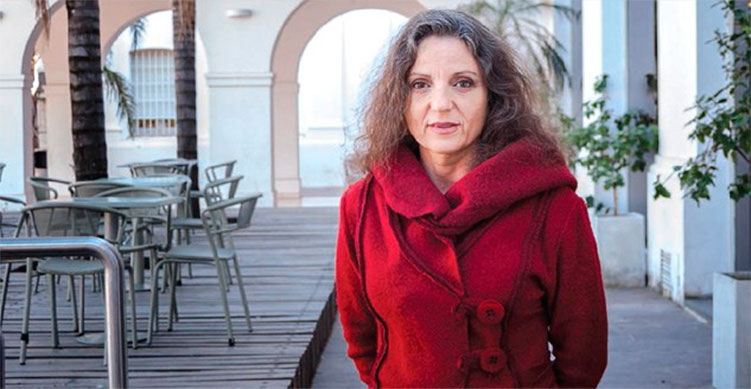
Professor Sandra Díaz

Writing in the journal Science, 30 global experts associated with the Intergovernmental Platform on Biodiversity and Ecosystem Services (IPBES), and led by Professor Sandra Díaz and Professor Unai Pascual, have presented an innovative new approach: the idea of using all of nature’s contributions to people to inform policies and decisions.

“For more than a decade, policies about nature have been dominated by knowledge from the natural sciences and economics,” said Sandra Díaz. “The vibrant research developed from this ‘ecosystem services’ approach – popularised by the landmark 2005 Millennium Ecosystem Assessment – has advanced sustainability, but largely excluded insights and tools from the social sciences, humanities and other key world views.”

“The much broader notion of nature’s contributions to people emphasises that culture is central to all of the links between people and nature, and recognises other knowledge systems, for example those of local communities and indigenous peoples, much more than before.”

Sir Robert Watson, IPBES Chair and former co-chair of the Millennium Ecosystem Assessment, said: “Nature’s contributions to people are of critical importance to rich and poor in developed and developing countries alike. Nature underpins every person’s wellbeing and ambitions – from health and happiness to prosperity and security. People need to better understand the full value of nature to ensure its protection and sustainable use.”

“This new inclusive framework demonstrates that while nature provides a bounty of essential goods and services, such as food, flood protection and many more, it also has rich social, cultural, spiritual and religious significance – which needs to be valued in policymaking as well.”

“Food is a great example,” said Unai Pascual. “We all receive food from nature and food security is a key aspect that has typically been included in policies and decisions around the world, often measured in the context of calories per day, biological processes and economic value, for example. But we know that food is so much more. It’s at the center of cultural identities, art and basic human enjoyment. It is these kinds of non-material contributions from nature that the new approach seeks to represent and include in decisions about the way we relate with nature.”

One of the many concrete applications of this new approach is its uptake in large-scale expert assessments and how these are conducted. Professors Díaz and Pascual concur that nature’s contributions to people is a scientific advancement embracing, but going beyond the ecosystem services approach, which will increase the effectiveness and legitimacy of policies and decisions about nature. “This inclusiveness and equity among knowledge systems and perspectives will not only make assessment processes more legitimate; it will also lead to better policy results because we will be drawing from a much richer and wider information base”.

Four IPBES regional assessments (https://goo.gl/KqMeJo) of biodiversity and ecosystem services, expected to be released in March this year, have already included unprecedented efforts to tap indigenous and local knowledge, and nature’s contributions to people are already a central feature of the IPBES global assessment, expected in 2019.

“Nature’s contributions to people is an important evolution of and complement to the concept of ecosystem services,” said Anne Larigauderie, Executive Secretary of IPBES and one of the authors of the article. “It can improve the way we frame and understand the diversity and complex relations between people and nature. This more inclusive approach will also increase the relevance and value of expert evidence about nature in tackling international development commitments such as the Sustainable Development Goals.”

Several deaths due to extreme heat in Melbourne as Australia swelters

0

Extreme heat has caused several deaths across the states in Victoria on Friday, January 19 2018, emergency services said, as five of the eight states and territories sweltered above 40 degrees Celsius.

Melbourne heat
Spectators at the Australian Open 2018 in Melbourne feel the extreme heat

Since Thursday, emergency workers responded to more than 30 cardiac arrest calls, a significant spike, and several of them had died, Ambulance Victoria’s state commander, Paul Holman, said.

“That will be due to the heat. The vulnerable in our community die as a result of this heat. Heat kills,” he said.

He did not say give an exact number of fatalities.

Police rescued four children from locked vehicles, including a 15-month-old baby, who was taken to a hospital due to heat distress.

Firefighters also had to battle about 10 fires across the state, but no communities were threatened.

Local newspaper The Age reported several Melbourne city hospitals enacted a “Code Yellow” and switched off all non-essential lights and equipment to conserve energy amid searing heat on Friday that topped 42 degrees Celsius, the hottest day for the past two years.

At the ongoing Australian Open tennis, several players suffered heat stress, including Frenchwoman, Alize Cornet, who needed medical attention in her third-round encounter with Belgium’s Elise Mertens.

In neighbouring South Australia, hospitals treated more than 50 people for heat-related illnesses, as temperatures soared above 46 degrees Celsius – the state’s third day of extreme heat.

No deaths were reported.

Organisers were forced to cancel a local cycling championship called Bupa Challenge involving thousands of non-professional cyclists.

Scientists confirm hottest global five-year period in recorded history

0

The last five years have been the hottest on earth since records began, Australia’s Climate Council has confirmed.

Will Steffen
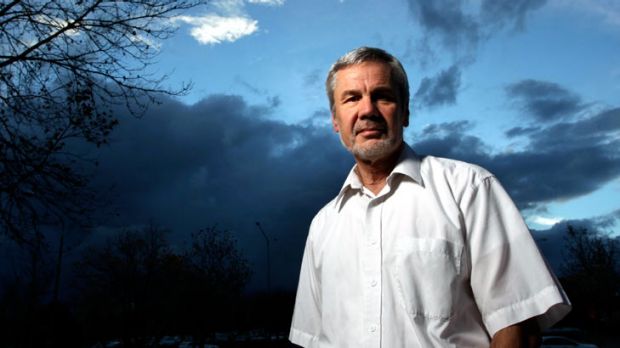
Will Steffen

Data released by the Climate Council and the National Oceanic and Atmospheric Administration (NOAA) revealed that the global average temperature between 2013 and 2017 were the highest in any five-year period since global temperature has been tracked.

Will Steffen, a Climate Council scientist, said that 2017 was the third-warmest year on record and the warmest where temperatures were not boosted by an El Nino event in the southern Pacific.

The findings mean that 17 of world’s 18 warmest years have occurred this century.

“Temperatures and extreme weather records have toppled one after the other around the globe in 2017,” Steffen said in a media release on Friday, January 19, 2018.

“Australians have been touched by soaring temperatures, with some regions in New South Wales and South Australia experiencing daytime temperatures nearing 50 degrees (Celsius) last summer.

“Severe heat waves are silent killers, causing more deaths since the 1890s than bushfires, cyclones, earthquakes, floods and severe storms combined.”

The report was released as most of south-east Australia sweltered through a heat wave with Melbourne’s forecast maximum of 42 degrees Celsius on Friday; the hottest temperature the city has endured in two years.

The Climate Council also found that 260 low rainfall and high temperature records were broken in Australia’s winter of 2017 alone.

“Climate change is exacerbating extreme weather events across Australia and around the globe.

“This was obvious in 2017, from severe heat waves and bushfires, through to supercharged storms, cyclones and flooding,” Climate Council Chief Executive Officer, Amanda McKenzie, said.

Lagos urged to rid streets, highways of refuse

0

An environmentalist, Mr John Ekoko, on Friday, January 19, 2018 urged the Lagos State Government to rid the streets of Lagos and highways of refuse.

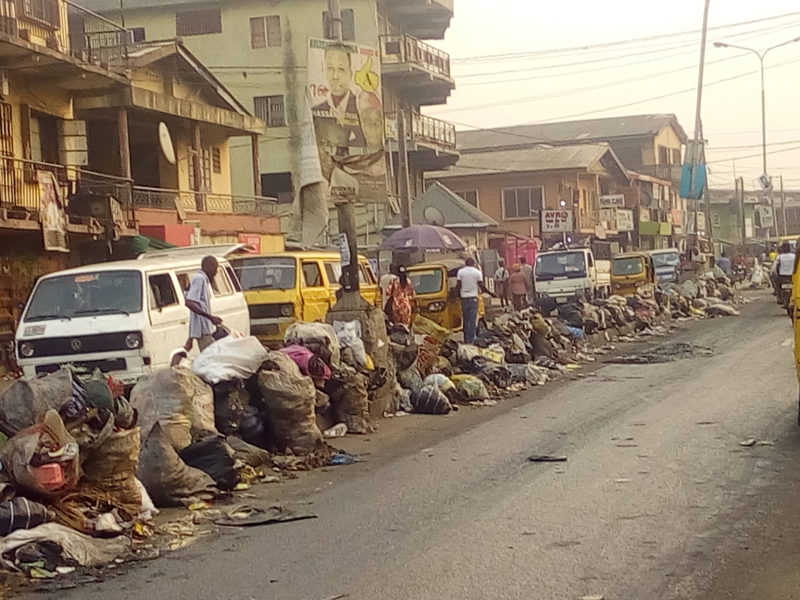
Lagos refuse
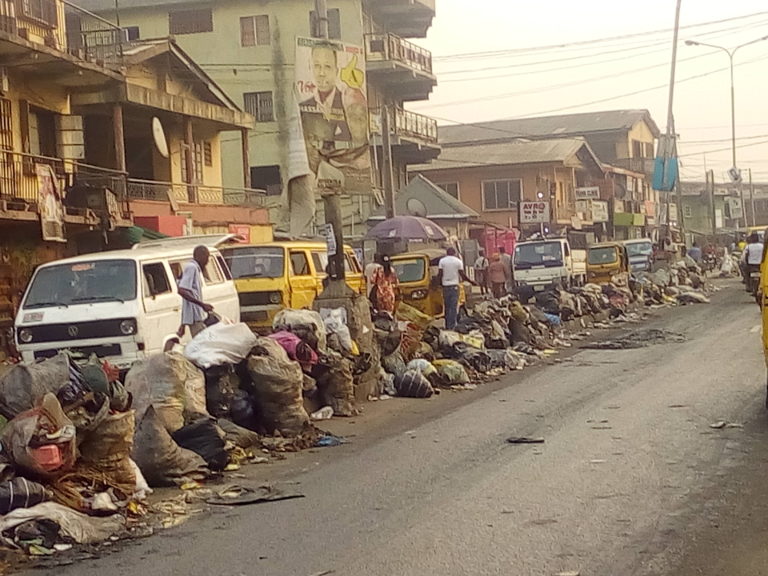
Heaps of refuse along the Lawanson-Itire Road, by Lawanson Bus Stop, in Lagos. Photo credit: NAN

Ekoko made this call in an interview with the News Agency of Nigeria (NAN) in Lagos.

According to him, mountains of refuse have returned to the streets of Lagos while the whole area stinks of stench from decaying refuse all over the streets and highways.

“It is obvious that the New Lagos Clean Initiative, adopted by the State Government to clear refuse in Lagos, has failed.

“The refuse on Lagos streets is now the result of policy failure, which everyone is against in the country.

“Instead of stopping the existing system by fiat, the government should divide the state into zones and allow the other refuse operators to still perform their duties.

“If that has been done, Lagos would not have been in this mess and that the spirit of competition would allow sanity in the system,” he said.

Ekoko, who was the former Chairman of the Nigerian Environmental Society, Lagos Island chapter (NESLIC), said it was not too late for the state government to allow competition in the system.

He said that, by this way, the government would bring back life into its strategy of ensuring proper disposal of waste in the state.

Ekoko said that the disaster on the environment would manifest later in form of health risks as a result of contamination of water bodies and water borne diseases.

NAN reports that refuse is now an eyesore in each of the Local Government Areas of the state, as refuse dispersal has become rampant.

From Idumota area of Lagos Island to Oyingbo in Mainland, Ikeja, Kosofe, Apapa-Iganmu, Steve and Ajegune-Ajeromi among others, the situation was the same.

The Lagos State Government under its Clean Lagos Initiative, gave the task of refuse collection and disposal to Visionscape International, but it seems the task has overwhelmed the company.

By Chidinma Agu

CSOs back cattle colonies, say they will end herdsmen/farmers clashes

0

The Network of Nigeria Civil Society Organisations said on Thursday, January 18, 2018 that it was in support of the Federal Government’s move to establish cattle colonies across the country.

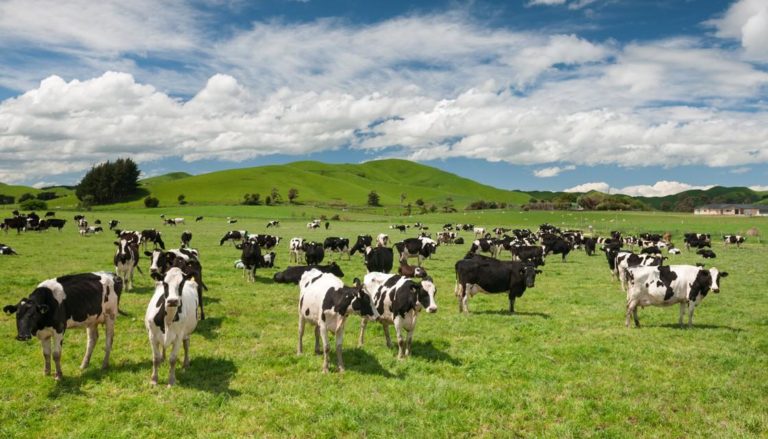
New Zealand cattle
A herd of cattle

The News Agency of Nigeria (NAN) reports that the Network is a coalition of civil society groups.

Mr Slendour Agbonkpolor, the Director-General of the organisation, told newsmen in Abuja that he was disturbed over recent attacks on the Federal Government over its proposal to establish cattle colonies in the country.

According to the Federal Government, the proposed establishment of colonies will put an end to the herdsmen/farmers clashes in Nigeria.

Agbonkpolor said that the need to modernise cattle rearing had become more pressing, following perennial and persistent clashes across the nation.

He urged Nigerians to look beyond the ethnic, religious and politicisation of the issue and embrace it as it would benefit Nigeria.

“Nigeria will gain a lot from these cattle colonies because it will lead to more milk, more meat and the fact that Nigeria alone can feed the world with the protein demands.

“This can also create more than six million jobs for Nigerian youths.

“The organisation decided to chart the way forward with a nationwide forum that will reach out to all the wards across the 774 local government areas.

“This is to bring together stakeholders to discuss the economic benefits that abound in the cattle colonies initiative,” he said.

Agbonkpolor said that state to state town hall meetings would also be adopted by the organisation to sensitise the citizenry on the benefits of  cattle colonies and provoke deliberations and risk management opinions.

He said that the group would also establish orientation centres designed to train volunteers and equip them for massive sensitisation.

According to him, the group is a collaborative platform for all stakeholders aimed at fostering institutional mechanisms and concerted efforts that will deliver on strategic programmes .

Also speaking, Mr Dominic Ogakwu, the group’s Public Relations Officer, urged Nigerians to support the government’s cattle colonies initiative to curb incessant herdsmen attacks.

Ogakwu said that it was not every government initiative that should be politicised, adding that Nigerians should not bring religion or ethnicity into  the cattle colonies.

“We are tired of the crisis and if the cattle colonies will mark an end to herdsmen attacks, then I think we need to embrace it.

“This is because we are tired of the killings across the nation, so we are supporting the colonies at least it will stop the crisis,” he said.

By Angela Atabo


Kano to spend N500m as counterpart funding for erosion project

0

The Kano State Government said it would spend N500 million in 2018 as counterpart funding for the World Bank’s Nigeria Erosion and Watershed Management Project (NEWMAP) in the state.

Ali Makoda
Dr. Ali Makoda, Kano State Commissioner of Environment

The World Bank project is aimed at controlling gully erosion in Nigeria.

The state’s Commissioner for Environment, Dr Ali Makoda, made this known at the opening of a five-day in-house procurement meeting in Kano, the state capital, on Thursday, January 18, 2018.

The commissioner said that significant progress was recorded in the project in 2017 and that more advancement was expected in 2018.

According to him, nine areas have been sampled for the inauguration of the project.

He said that five of the nine projects would be pioneered for watershed management and four would be sampled for erosion control in some Local Government Areas in the state.

The National Coordinator of the project, Alhaji Dahiru Salisu, said that the state government had shown commendable commitment to the inauguration of the project in the state.

He said that the state was amongst those that would benefit from the additional funding from the World Bank in view of the progress made in project implementation.

The News Agency of Nigeria (NAN) reports that representatives of the 12 states benefitting from NEWMAP were in Kano for a five-day procurement clinic to review activities for the past year.

The 12 states are Akwa Ibom, Bauchi, Borno, Delta, Gombe, Kano, Katsina, Kogi, Nasarawa, Plateau, Oyo and Sokoto.

The Federal Government is expected to contribute 60 per cent to the fund, while the states are to provide the 40 per cent balance of the funding.

Other sources of funding include a concessional loan from the Global Environment Facility (GEF), Trust Fund and Special Climate Change Fund (SCCF) grants of $8.59 million.

The procurement meeting which began on Thursday is expected to last until Monday, January 22.

By Aisha Ahmed