Home Blog Page 1969

Fishing community laments disorder from Lagos Lagoon reclamation

0

Ongoing dredging work at Oworonsoki in Lagos is causing a lot of mud to settle around the Agoegun fishing community in Bariga and appears to have caused the fishes in the lagoon in the axis to migrate into the ocean.
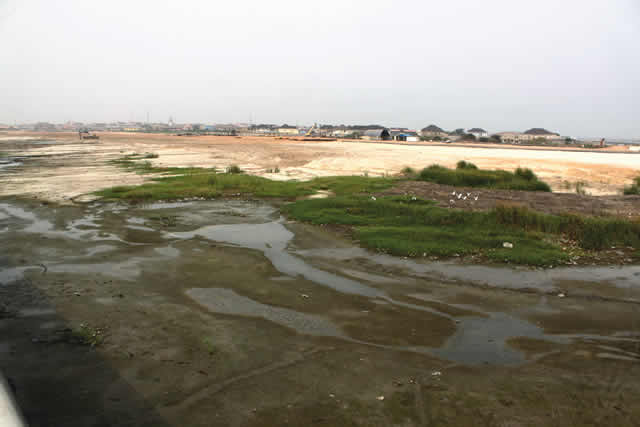
Lagos Lagoon
A portion of the land being reclaimed

“If we in this community now want to fish, we are compelled to go as far as Ikorodu, Ibeshe and Ajah,’’ Chief Felix Joseph, the Baale (community leader) of the Agoegun Fishing Community, Bariga, told the News Agency of Nigeria (NAN).

The community is located directly opposite the ongoing sand filling site at the Oworo side of the Lagos Third Mainland Bridge.

Checks by Correspondents of NAN at the community showed stagnated shallow water and black mud surrounding local boats parked at a place once bubbling with fishing and sand dredging activities.

The sand filling did not only block the natural drainage channels into the Lagos lagoon at Oworonsoki, but it also blocked boats’ access to the lagoon, thus hampering fishing activities.

While some women were seen preparing fish for smoking in the local kiln, others had fishes on wide iron guzzles on raised mud platforms, under which heat emanated from firewood.

Some of the men were seen patching torn fishing nets, in readiness for fishing.

The fishing community houses were makeshift apartments erected on a land, reclaimed with heaps of refuse.

The Agoegun community is also home to the modern Ilaje Fish Smoking Market, a Lagos Metropolitan Development and State Government/World Bank-Assisted Project.

Joseph said the community’s nightmare started in 2017 when the dredging and sand filling of the Oworo shoreline started.

“We now go very far to catch fish and we use fuel boat engines. Now, we use N6,000 each to fuel our boats to the high sea on fishing expeditions.

“We do not now fish every day. At times, we now go on expeditions and we are unable to find any fish.

“If l save N1,000 daily now, I am unable to buy N6,000 fuel again.

“We want government to bring small, small dredgers to remove the mud that is now gathering here, so that our boats can be able to go out to the sea and from here, and also be able to return here.

“No boats can go from here now,’’ he lamented.

Joseph said that before the sand filling, some of the fishermen plied their trade on the lagoon at Oworo, and did not have any need to go far or use engine boats.

Mrs Regina Bodo, a fish trader and resident of Agoegun, said that what the Lagos State Government had done and was still doing to the community, with regard to the project, was not good.

“We have been hearing this for a long time. This land belongs to our ancestors and this is where we were all born.

“Fishing is our occupation. We do not have any other job.

“Now, this dredging they are doing in Oworo has caused a serious problem in our fishing community as they have chased the fishes away from the lagoon into the sea and we now need big boats to be able to fish in the ocean.’’

Bodo said that to buy fish now, the traders had to meet the fish sellers at any point where the sand filling had been stopped temporarily, adding that it had not been easy for members of the community.

Miss Maria Jikieme, a smoked fish dealer at the Ilaje Modern Smoked Fish Market, said that sand filling at Oworo had brought untold hardship to those involved in the business there.

“Before, fish sellers do come with their boats in front of the complex, but because of the mud, they cannot come here again.

“That is why this market is not bubbling like before.

“Fish traders and smokers now go far into the lagoon to buy fish from sellers, and it has not been easy,’’ she said.

Mrs Abodunwa Ebun, told NAN that she had been in the market since it was opened.

“We see only small fishes around here; now, there are no more big fishes as it used to be before the dredging started.

“You can see for yourself; the smoked fish business has been deserted, unlike before, when by this time you will not see any road to enter the market. The whole place would be covered with fish.

“It is part of what the sand filling at Oworo has caused. Our government does not even care about us.

“Yet, they want us to pay tax from our business which they have destroyed,’’ she said.

Ebun said that the World Bank that built the smoked fish market recognised their importance but our own government has deprived us of our means of livelihood.

Mr Segun Zebulon, the Chairman, Fishermen Cooperative Association, Bariga Local Government, said that the sand filing, for whatever reason, was a big slap on the fishing community in Oworo and Bariga.

According to him, that place is a passage for the boats of fishermen living in that axis and many of us have cage farming at Oworo before the sand filling started unannounced.

“There was no notice. We woke up one day and saw dredging machines, and that was how we lost our cage farming and huge investments we had on that side of the lagoon.

“Up till now, nobody cared about our losses, no compensation, nothing.

“When the dredging started, we complained to the Lagos State Ministry of Agriculture.

“All we got was that it was beyond them, as it was Gov. Akinwunmi Ambode’s project,’’ he said.

Zebulon said that the fishing community suffered similar losses in 2011, when over 5,000 houses were demolished too, and nobody paid attention to their plight till today.

“With the present sand filling, all the fishermen, who did not have outboard engines have been caged, as they can no longer go out and come back freely, as before.

“That Oworo area was home to Tilapia fishes, and our women do pick periwinkles and other sea foods on the shoreline.

Now, all those have been lost. At times, the sand filling affects the outboard engines too.

“I have always told government that it is better to develop fishing communities as they do in Ghana, Taiwan and other fishing communities around the world, than to demolish them,’’ he said.

Zebulon said that with good infrastructure, healthcare centres, schools and loan assistance, the fishing community could do much more.

“We have always heard of Lagos becoming a mega city, and I keep asking: ‘What is the need of a mega city when the government cannot even megalise the people?’

“Fishing is done in streams, rivers, lagoons, the ocean and Nigerian government cannot close its eyes to fishing communities because we live around and ply our trade on water.

“Instead of demolishing or causing the community untold hardship, government should develop the communities and fit them into the urban development plan,’’ Zebulon said.

The Fishing Cooperative chairman said the community needed storage facilities in the area.

According to him, just as Titus fish is stored more than six months before being imported into the country, given the necessary facilities, the fishing community would even do better.

The state government started the reclamation of 29.5 hectares of land at  Oworonshoki early in 2017.

Ambode, on inspection of the ongoing work, said that the project, expected to be completed in three phases, would give the Oworonshoki area the facelift it deserved.

The sand filling was billed to be completed in November 2017. Then, provision of shoreline protection and reconstruction of Ariyo Street by June 2018, and the construction of a mega jetty and a bus terminal with entertainment and tourist centres.

However, no consideration was given to fishing activities in the area and the welfare of the fishing community.

In his response, the Commissioner for Information and Strategy, Mr Kehinde Bamigbetan, told NAN that the issue of compensation for the fishermen was subject to a request from them.

“The issue of compensation is usually addressed upon an application to that effect by those affected. In other words, their claim to compensation would be addressed on its merit, upon application,’’ he said.

Bamigbetan, however, declined comments on the cost of the project, stating that, “the project, being an ongoing one, its cost cannot be determined at this stage.’’

He said that the project was being executed in three phases.

“Phase One is the reclamation of the 29.5 hectares of the project site by Messrs Fountain Construction Company (FCC) and it was completed in November, last year.

“Phase Two involves provision of shoreline protection and reconstruction of the 2.8km Ariyo Street, as an alternative road that will run under the Third Mainland Bridge, along with other infrastructure, and is expected to be completed by June, 2018.

“The third Phase which will be both financed by the state government and the Public Private Sector (PPP), will involve the construction of the Mega Jetty and a Bus Terminal, complete with entertainment and tourism facilities (Multiple Boutique, Hotels, Museums/Arts Galleries, Sport and Recreational Facilities), as well as a 1,000 capacity car park, based on the designed master plan of the area,’’ he said.

Bamigbetan said that the project, when completed, would transform the Oworonsoki waterfront into one of the biggest transportation, tourism and entertainment hubs in the nation.

He noted that the project would also improve security and the beauty of the environment, to attract investments in water transportation and improve socioeconomic activities on the axis.

The state government also said that there was no need for the residents of the community and the state to panic over the project, which it argued would bring huge benefits.

Bamigbetan said that it had carried out a proper environmental impact assessment before embarking on the project, insisting that the EIA report on the project had taken care of future any negative impact on the environment.

He was quoted by a media report to have said, “The waterfront has, by the reclamation, been extended. This means that those living on the old waterfront now have a large expanse of land abutting their respective locations.

“If those locations now belong to them by law, there should be no cause for alarm. They stand to benefit from future developments on the axis. This means they would be the ready pool of labour for construction projects, and their tenement will be enhanced by the investment, flowing into the site.

“The Lagos State Government, as a responsible entity, pursues a policy of ensuring that Environmental Impact Assessment is done by every individual or corporate body that seeks to embark on projects. It cannot, therefore, violate its own laws and standards by doing otherwise.’’

NAN reports that the dredging and sand filling are visible from the approach of the Third Mainland Bridge toward Lagos Island, and descending the bridge toward Lagos Mainland.

The area which used to be occupied by fishermen, boat operators and sand miners, is currently being reclaimed by the state government, to improve connectivity to other parts of the state and make the Oworonsoki waterfront one of the biggest transportation, tourism and entertainment hubs in the country.

By Chidinma Agu and Grace Alegba
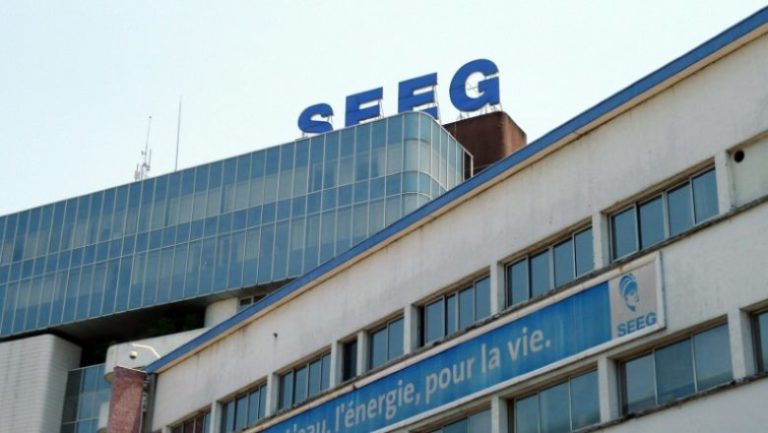
Gabon accuses France’s Veolia of polluting amid concession dispute

0

Gabon has accused French environmental services group, Veolia, of widespread pollution at SEEG, the power and water utility it operates there, amid a growing dispute over the company’s concession.

Veolia - SEEG
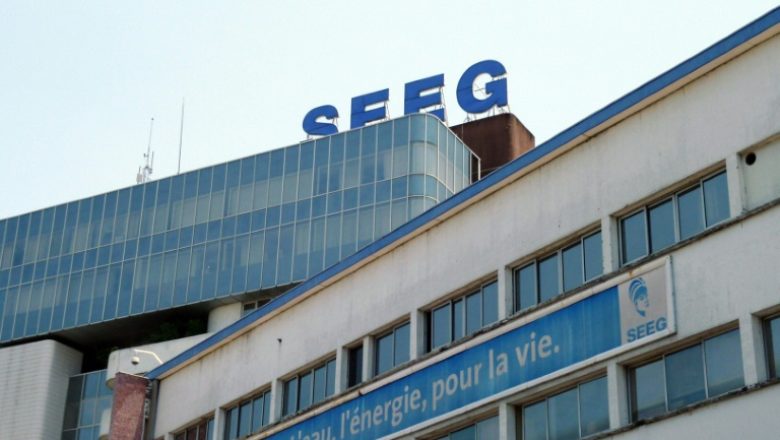
The offices of SEEG, the power and water utility operated by Veolia

Veolia, which has already threatened legal action after the government seized SEEG earlier this month and said it would cancel its concession, rejected the accusations.

Speaking to reporters in the capital Libreville, government spokesman, Alain-Claude Bilie By Nze, said an environmental inspection of power and water pumping stations discovered “nearly all” SEEG sites were contaminated by petroleum waste.

“This is a very serious situation since, at this stage, aside from the obvious environmental damage, no one knows the consequences this pollution could have had or could have on public health,” he said.

He said that on top of legal penalties of up to 500 million CFA francs (946,110 dollars) for each polluted site, Gabon would force SEEG to shoulder the clean-up costs.

Responding to the accusations, Veolia stated that the water it distributed continued to conform to World Health Organisation standards and Gabonese regulations.

“It is surprising that none of the inspections of the public authorities … ever highlighted environmental damage,” it said.

“The SEEG is subject of regular audits by the Gabonese authorities, more than 10 in the last 10 years.”

Negotiations between the government and Veolia over the concession broke down in October, 2917 and authorities seized SEEG earlier this month, citing years of poor service quality.

Veolia in turn blamed the government for failing to live up to its investment obligations, and on Tuesday, February 27, 2018 said the state owed SEEG over 29 billion CFA francs in consumption charges and unpaid value-added tax reimbursements.

Gabon spokesman, Bilie by Nze, said the government had called for an audit of its 13 billion CFA consumption bill.

He rejected accusations that it had neglected SEEG and said the state had invested around one trillion CFA francs in the company, around three times more than Veolia.

Mabogunje calls for proactive measures to mitigate effects of climate change

0

Nigeria’s first Professor of Geography, Prof. Akin Mabogunje, says proactive measures are urgently needed to mitigate the effect of climate change in the country.

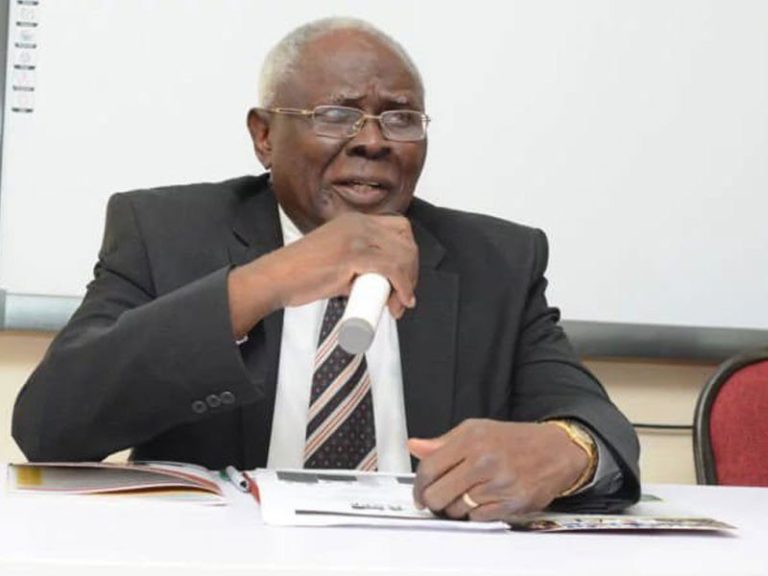
Prof. Akin Mabogunje

Mabogunje said this in an interview with News Agency of Nigeria (NAN) in Ibadan, Oyo State, on Wednesday, February 28, 2018.
He said this while reacting to the warnings by the Nigerian Meteorological Agency (NiMET) on the harmattan and heat currently experienced across the country.

“Much of what has changed in the climate area is due to what human beings have done in the last 50 to 70 years because development has been so rapid. We are using things we shouldn’t use such as hydrocarbon.

“Then, we didn’t know what impact they were having, not only on the ozone layer, which is above us, but also on the whole weather situation.

“Now, our knowledge has improved, we know a lot about the coal we were burning, said Mabogunje, the first African to be awarded the Vautrin LudPrize for Geography.

The professor, however, noted that it was not every country that was guilty of carbon emission.


“We in Nigeria are contributing to carbon emission because in the oil-producing areas, we are still flaring gas, unlike the developed countries where the contribution has to do with industrialisation,’’ he said.

He said that the consequences of carbon emission were not limited to the location where it was generated but they cut across the entire world.

“Some of the consequences have to do with delay in the arrival of certain weather conditions and increase in some of those weather output like rain.

“Suddenly, we are getting all these flash floods and so on, which we never used to have so frequently. Now, we are having them frequently.

“Desertification is expanding, so we are getting areas with more rainfall than they used to have and areas with less rainfall than they used to have,’’ he said.

Besides, Mabogunje warned that Nigeria had to be careful about how it exploited its water resources.

“We should be cautious about how we manage our rivers and other water sources,’’ he added.

By Ibukun Emiola

Over 100 cities get majority of electricity from renewables, says study

0

Cities are increasingly reporting that they are powered by renewable electricity, according to data published on Tuesday, February 27, 2018 by CDP, a global environmental impact non-profit. CDP says it holds information from over 570 of the world’s cities and names over 100 now getting at least 70% of their electricity from renewable sources such as hydro, geothermal, solar and wind.

Reykjavik
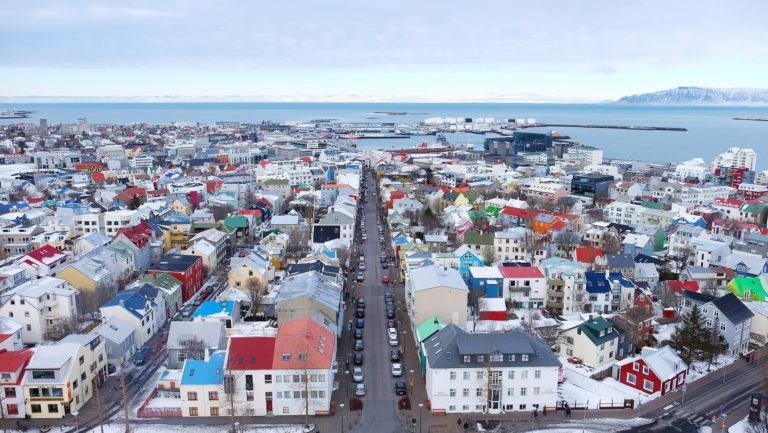
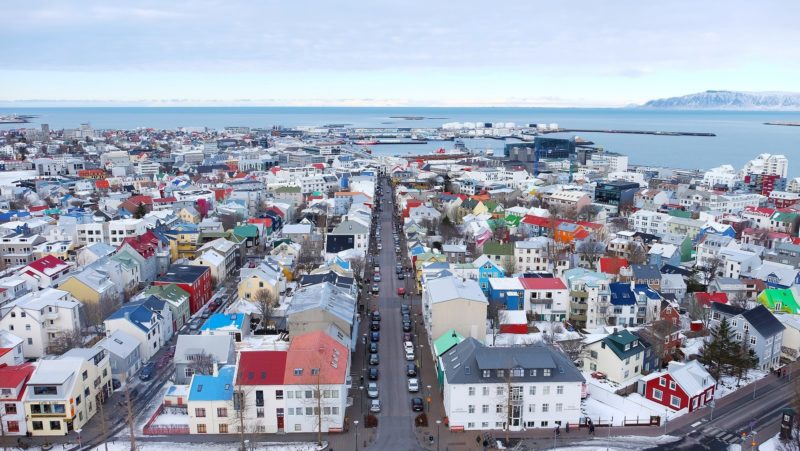
Reykjavik, Iceland is powered by 100% renewable electricity

The list includes large cities such as Auckland (New Zealand), Nairobi (Kenya), Oslo (Norway), Seattle (USA) and Vancouver (Canada), and is more than double the 40 cities who reported that they were powered by at least 70% clean energy in 2015.

CDP’s analysis comes on the same day the UK100 network of local government leaders announced that over 80 UK towns and cities have committed to 100% clean energy by 2050, including Manchester, Birmingham, Newcastle, Glasgow and 16 London boroughs.

According to the World Economic Forum, unsubsidised renewables were the cheapest source of electricity in 30 countries in 2017, with renewables predicted to be consistently more cost effective than fossil fuels globally by 2020.

The new data has been released ahead of the Intergovernmental Panel on Climate Change (IPCC) conference in Edmonton, Canada on March 5, when city government and science leaders will meet on the role of cities in tackling climate change.

Cities named by CDP as already powered by 100% renewable electricity include:

  • Burlington, USA: Vermont’s largest city now obtains 100% of its electricity from wind, solar, hydro, and biomass. The city has its own utility and citywide grid. In September 2014 the local community approved the city’s purchase of its ‘Winooski One’ Hydroelectric Facility.
  • Reykjavik, Iceland: sources all electricity from hydropower and geothermal, and is now working to make all cars and public transit fossil-free by 2040. Iceland has almost entirely transitioned to clean energy for power and household heating.
  • Basel, Switzerland: is 100% renewable powered by its own energy supply company. Most electricity comes from hydropower and 10% from wind. Advocating clear political vision and will, in May 2017 Switzerland voted to phase out nuclear power in favour of renewable energy.

CDP’s 2017 data highlights how cities are stepping up action on climate change with a sharp rise in environmental reporting, emissions reduction targets and climate action plans since 2015, following the ground-breaking Paris Agreement to limit global warming to below 2 degrees.

There is a growing momentum of the renewable energy cities movement beyond the UK, with cities around the world now aiming to switch from fossil fuels to 100% renewable energy by 2050.

In the United States, 58 cities and towns have now committed to transition to 100% clean, renewable energy, including big cities like Atlanta (Georgia) and San Diego (California). Earlier this month, U.S. municipalities Denton (Texas) and St. Louis Park (Minnesota), became the latest communities to establish 100% renewable energy targets. In addition to these recent pledges, CDP data shows a further 23 global cities targeting 100% renewable energy.

Much of the drive behind city climate action and reporting comes from the 7,000+ mayors signed up to The Global Covenant of Mayors for Climate and Energy who have pledged to act on climate change.

Kyra Appleby, Director of Cities, CDP said: “Cities are responsible for 70% of energy-related CO2 emissions and there is immense potential for them to lead on building a sustainable economy. Reassuringly, our data shows much commitment and ambition. Cities not only want to shift to renewable energy but, most importantly – they can. We urge all cities to disclose to us, work together to meet the goals of the Paris Agreement and prioritise the development of ambitious renewable energy procurement strategies. The time to act is now.”

Showing a diverse mix of energy sources, 275 cities are now reporting the use of hydropower, with 189 generating electricity from wind and 184 using solar photovoltaics. An additional 164 use biomass and 65 geothermal.

Mayor Miro Weinberger of Burlington, Vermont, USA, added: “Burlington, Vermont is proud to have been the first city in the United States to source 100 percent of our power from renewable generation. Through our diverse mix of biomass, hydro, wind, and solar, we have seen first-hand that renewable energy boosts our local economy and creates a healthier place to work, live, and raise a family. We encourage other cities around the globe to follow our innovative path as we all work toward a more sustainable energy future.”

CDP reports that cities are currently instigating renewable energy developments valued at $2.3 billion, across nearly 150 projects. This forms part of a wider shift by cities to develop 1,000 clean infrastructure projects, such as electric transport and energy efficiency, worth over $52 billion.

For a full view of cities generating electricity from renewables, go to: www.cdp.net/en/cities/world-renewable-energy-cities

UN outraged by Dapchi schoolgirls abduction

0

The UN has expressed outrage at the abduction of 110 schoolgirls of Government Girls Technical College, Dapchi, Yobe State, by suspected Boko Haram terrorists.

Dapchi
Some students of the Government Girls Technical College, Dapchi, Yobe State

The Secretary-General, Mr Antonio Guterres, said in a statement by his Spokesperson, Mr Stephane Dujarric, that he “strongly condemns the abduction and attack”.

Guterres said he was gravely concerned over the situation of the schoolgirls’ abducted during an attack on their educational institution in Dapchi on Feb. 19.

The Secretary-General called for the immediate and unconditional release of all missing girls and for their safe return to their families.

The UN chief urged the Nigerian authorities to swiftly bring those responsible for this dastardly act to justice.

Guterres reiterated the solidarity and support of the UN to Nigerian Government and other affected countries in the region in their fight against terrorism and violent extremism.

The UN had earlier described the abduction as “another horrific incident where young women and girls are targeted by terror groups”.

“And we very much hope that the perpetrators will be brought to justice, and just as importantly, that the girls will be found and returned to safety.

“I think the fact that these young women were abducted in an educational setting, where they should have been safe, where they should feel safe, just adds to the horror of the story.”

By Prudence Arobani

Commission urges AU to take ownership of Lake Chad project

0

The Lake Chad Basin Commission (LCBC) on Tuesday, February 27, 2018 called on the member-states of the African Union (AU) to take ownership of the project to save Lake Chad from imminent extinction.

Lake_Chad_from_Apollo_7
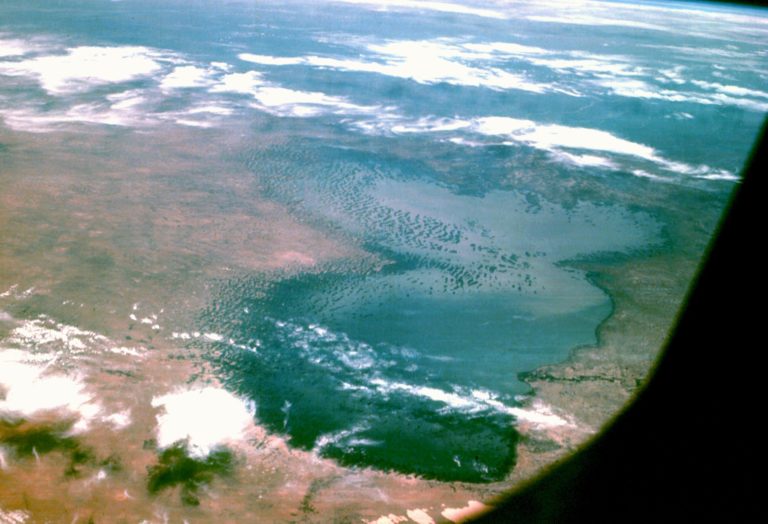
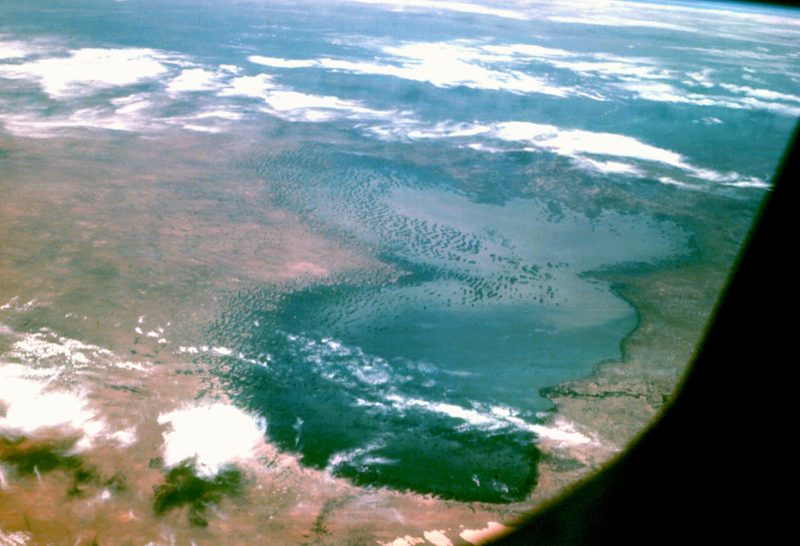
Lake Chad viewed from Apollo 7

Its Executive Secretary, Alhaji Sanusi Abdullahi, made the call at the opening of the 63rd Ordinary Session of the Council of Ministers of the LCBC in Abuja.

He underscored the need for Africa to collectively tackle challenges facing the survival of Lake Chad by demonstrating the needed political will.

He said it was an indisputable fact that Climate Change was the major cause of the shrinking of the lake and the degradation of the lands and environment, which had resulted in the loss of agricultural productivity and ecosystem.

“Africa contributes the least carbon emission that causes global warming and negative effects of climate change, but Africa suffers the most.

“Thus, it is now time for the African Union to face the challenges in the Lake Chad basin as an African strategic problem.

“The AU should factor in the restoration of the lake as part of the pan-African initiative for peace, security and infrastructural development of Central Africa, West Africa and the Sahel.

“Africa must collectively resolve to tackle these issues head-on with all we have through the strong political will of our leaders,’’ he added.

Abdullahi said that it was saddening to note that the depressed socio-economic conditions of the people in the Lake Chad basin had contributed to their recruitment by the insurgents apart from the trafficking of idle, poor and uneducated youths.

He said it was gratifying to note that there was a reduction in suicide attacks by the insurgents, adding that a large number of the insurgents were surrendering because of the intensified efforts of non-military actors.

The executive secretary, nonetheless, urged the people to remain vigilant, while cooperating with the military and other security agencies by providing information on suspicious activities in their localities.

Mr Issoufu Katambe, the Chairman of the Council of LCBC Ministers, commended Nigeria for paying its annual dues, calling on all other member-states to also contribute their quota toward the restoration of the Lake Chad basin.

He also stressed the need to find sustainable solutions to the crises in the Lake Chad basin, saying that efforts to end violent extremism would require deliberate action to solve its root causes, which included poverty and unemployment.

Katambe said that LCBC member-states ought to promote regional integration, educate all stakeholders and engage in capacity building, adding that this was a potent way of addressing the current challenges in the region.

Nigeria’s Minister of Water Resources, Mr Suleiman Adamu, said that Nigeria had been spearheading the execution of the mandate of the LCBC through the implementation of emergency programmes across the basin.

He reiterated Nigeria’s commitment to the Lake Chad restoration project through the payment of its contributions, in spite of the country’s lean budget.

He said that the commitment was also evident with the signing of the Lake Chad Basin Water Charter into law in 2017, adding that all the country’s obligations to the LCBC would be fulfilled.

The member-states of the LCBC countries are Nigeria, the Central African Republic, Chad, Libya and Niger.

In a related development, Mr Dawuda Gowon, a former Director of Federal Ministry of Water Resources, says efforts to restore the shrinking Lake Chad require political will and cooperation of countries in the Lake Chad Basin.

Gowon said this in an interview with News Agency of Nigeria (NAN), on the sidelines of the international conference on strategies to revitalise the Lake Chad Basin in Abuja.

He underscored the need for the revitalisation of the lake, saying that many people depended on the lake for their farming, fishing and livestock production, while it was also a source of water supply for drinking.

“Unfortunately, Lake Chad is shrinking due to human pressure and adverse effects of climate change, thereby reducing its size.

“Saving the lake is a big challenge that requires political will, engineering skills and cooperation of the people of the region as well as diplomacy because the project is quite enormous.

“Millions of people are living within the Lake Chad basin; they need to farm, they need to fish and the water is the only resource that would enable them to achieve all these activities.

“And that is why Nigeria is putting more efforts, trying to get the lake revitalised,’’ he said.

Gowon said that Nigeria has huge water resources, adding that what was imperative was to maximise the resources to boost the country’s development via enhanced productivity.

He, therefore, described Nigeria’s cooperation with other countries in the nascent efforts to revitalise Lake Chad as an added advantage.

Besides, Gowon stressed the need to engage qualified personnel to work in the ministry of water resources because of the technical nature of the ministry and the requirements of managing the water sector.

NAN reports that the theme of the conference is: “Saving the Lake Chad to revitalise the basin’s ecosystem for sustainable livelihoods, security and development’’.

The member states of Lake Chad Basin Commission are Nigeria, Algeria, Cameroon, the Central African Republic, Chad, Libya, Niger and Sudan.

By Tosin Kolade, Okon Okon and Peter Uwumarogie

Inter-basin water transfer: Opportunities, prospects for Lake Chad

0

After five decades of the creation of the Lake Chad Basin Commission (LCBC), the basin is still characterised by increasing population and severe drought.

Ubangui River
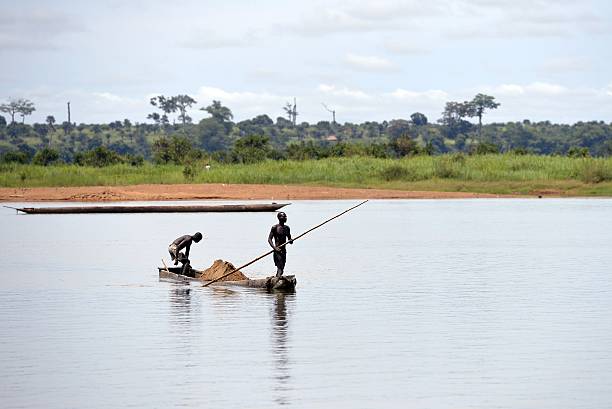
Sand miners on the Ubangui River in Democratic Republic of Congo, where water will be transferred to replenish the Lake Chad

Scholars believe that as the population growth rate increases from 40 million in 2010, to a projection of 62 million in 2030, the consequences of famine, water distribution problems, human and animal disease will also rise.

They said these changes that have occurred could have been because of global climate change, fueled by accelerated population growth.

They also averred that these factors were responsible for the accumulation of social tensions which could have led to the outbreak of the violent insurgency that the region is faced with lately.

In 1992, a decision was taken to develop a master plan for the Lake Chad basin to include the establishment of an environmentally sound management of the natural resources of the Lake Chad conventional basin.

The feasibility study for the water transfer from the Congo basin to the Lake Chad was the second priority project selected for implementation by the Lake Chad Basin Commission (LCBC).

A proposal to transfer water from Congo to the Lake Chad was submitted to the LCBC in 1984 at the height of the most severe drought affecting the Lake Chad basin.

This proposal was approved and shared by the then President Mobuto Sese Seko of Congo, but was considered to be too big, hence a similar proposal of taking water from the Ubangi river to the Lake Chad was adopted by the Member-states of the LCBC.

Raising an estimated $6 million for the pre-feasibility study of the Ubangu-Lake Chad Inter- Basin Water Transfer became a problem until the government of Nigeria under President Olusegun Obasanjo provided support and launched a diplomatic campaign to get the no-objection of the two Congos.

The conduct of the feasibility study was awarded to a Canadian firm, CIMA International, with work commencing on the October 13, 2009 for a period of 28 months.

The study was concluded in 2011 with the conclusion that the Ubangi-Lake Chad Inter-Basin Water Transfer project is technically feasible and economically viable from the Congo basin via the State Ubangi River to Lake Chad through an inter-basin transfer, a pumping transfer via the Palambo Dam and a gravity transfer through a deviation of the Koto River.

This will increase the water level of the Lake by at least one meter in both the south and the north basins and increase the size of the Lake by about 5,000km square over a period of four to five years.

The combined cost estimate of the projects for the transfer was put at $14.5 billion.

The result of the study was endorsed by the 14th Summit of the Head of States and Government of the LCBC on April 30, 2012.

Delivering a speech at the ongoing International Conference on Lake Chad in Nigeria, the Executive Secretary of the LCBC, Sanusi Abdullahi, said there was no solution to the shrinking of the Lake Chad that does not involve recharging the Lake with water from outside the basin.

He opined that the issue was not an option but a necessity, saying the region was faced with the possibility of the Lake disappearing with catastrophic effects to the African continent.

“Poverty, misery, loss of hopes and the spread of violent extremism, human trafficking and migration in the Lake Chad has endured for too long.

“It must come to an end, that is the task before all of us.”

The Chairman of the Council of LCBC Ministers, Mr Issoufu Katambe, commended Nigerian Government on its efforts at paying its annual dues, calling on all other member-nations to contribute their quota towards the realisation of the restoration of the basin.

He stressed the need to find sustainable solutions to the Lake Chad crises, saying that ending violent extremism would require the deliberate action of solving its root causes, such as poverty and unemployment.

Katambe also said that member-nations ought to promote regional integration, educate all stakeholders and deliberate capacity building, adding that this was a sure way to tackle the ongoing challenges.

However, the solution to Lake Chad insecurity became obvious with the opening up of new opportunities and sustainable solutions through regional partnerships and economic integration.

Sharing a different view on the Lake Chad restoration, a water engineer, Guy Immega, advocated the use of solar energy to recharge the drying lake chad basin to promote livelihood for those in the region.

According to him, the use of solar is a cost effective approach that could provide technical and social benefits to the  benefiting countries.

“The solar option is the best choice because it is approximately 10 per cent of the cost of a hydroelectric dam, no flooding and displacement of villages and people.

“No disruption of fisheries and agriculture, No significant Ubangi River water loss, renewed Lake Chad ecosystem will lead to increased agriculture, food security and economic opportunities,” Immega said.

He said using this option would enable an inter basin water transfer project that would not have direct consequences on the Democratic Republic of Congo and its neighboring countries.

According to him, Lake Chad was once the most important freshwater ecosystem in the Sahel, providing sustenance to 30 million people living in Africa’s central sub-Sahara.

He said in the last 50 years, it has shrunk to less than 10 per cent of its former size, leading to a major humanitarian crisis.

Immega commended the Lake Chad Basin Commission (LCBC), representing the countries surrounding the lake, for studying the problem and seeking a viable approach for Inter-Basin Water Transfer from the Ubangi River to replenish the Lake.

Stakeholders believe that what the Lake Chad region is asking the African leaders is to look at the problem of insecurity and lack of infrastructural development.

All in all, experts believe that the continent should align its interventions with the Agenda 2063 for the sole purpose of socio-economic transformation of the continent, just like the dream of its founding fathers.

Courtesy: PAMACC News Agency

Olumide Idowu named Nigeria Country Manager for Climate Scorecard

0

Director and Co-Founder of Climate Scorecard, Ron Israel, has disclosed that Olumide Idowu will be the Nigeria Country Manager for the international not-for-profit organisation. Mr Idowu will be responsible for monitoring and reporting on current climate change related activities in the country.

Olumide-Idowu
Olumide Idowu

An entrepreneur, environmentalist and activist, Idowu, who has successfully led grassroots campaigns in over 42 African countries with over 10 years’ experience in the non-profit sector, specialises in practical issues associated with climate change, open data and development policies as they affect rural communities.

He is the co-founder of Climate Wednesday, an international climate change development initiative, which Idowu leads the development and implementation of its strategy with responsibilities of creating, communicating and implementing corporate vision, mission and overall directions.

He seats on the continental team of the African Youth Initiative on Climate Change (AYICC), managing communications with over 65,000 young people to share best practices and leading campaigns using technology tools in shaping Agenda 2063 and Agenda 2030. Presently, he is working on a mobile app for citizen reporting on waste management and disaster risk reduction.

His responsibilities as Country Manager include:

  • Write a monthly country News Brief – Action Alert that spotlights a relevant activity that impacts the ability of the country to help implement the Paris Agreement
  • Specify in the “Take Action” section of the Brief what action needs to be taken in response to the issue described, and identify the policymakers or others that need to be contacted along with their contact information.
  • Rate the activity described in the Brief according to Climate Scorecard’s rating system, with each rating accompanied by a sentence or two explaining the rating.
  • Coordinate with Climate Scorecard’s in-country Partner Organisation to get their input into the monthly News Brief – Action Alert and to encourage them to distribute the Brief to their members, contacts, journalists, policymakers and the general public to advocate for change with leaders and decision-makers.


Government releases names, details of missing Dapchi girls

0

The Federal Government on Tuesday, February 27, 2018 released the names and details of the missing 110 girls following attack on the Government Girls Science and Technical College, Dapchi, Yobe State on Feb. 19.

Dapchi girls
Some students of the Government Girls Science and Technical College, Dapchi

The list was contained in a statement issued in Abuja by the Minister of Information and Culture, Alhaji Lai Mohammed.

The minister said the list which was handed over to him by the Yobe State Government, contained the name, age and class of each of the 110 students.

He said that out of the 110 missing girls, eight were in JSS1, 17 in JSS2, 12 in JSS 3, 40 in SS1, 19 in SS2 and 14 in SS3.

The girls’ ages range from 11 to 19 years.

He said the list which contained the contact address and phone number of each missing girl, was verified by a 26-member Screening Committee.

The committee, according to the minister, included: the Executive Secretary, State Teaching Service Board, Musa Abdulsalam, Director, Schools’ Management, Ministry of Education, Shuaibu Bulama and the Principal of GGSTC, Adama Abdulkarim.

Others were the two Vice Principals, Ali Mabu and Abdullahi Lampo, Admission Officer, Bashir Ali Yerima, and the Form Masters for all the classes.

The minister said that the Chief of Air Staff, Air Marshal Sadique Abubakar had relocated to Yobe to personally supervise search for the girls.

He said the Nigerian Air Force (NAF) had earlier deployed more platforms to the North-east for the search, as the security agencies ramp up their efforts to locate and rescue the girls.

The minister said that as at 6 p.m. on Monday, the NAF had flown a total of 200 hours, while conducting the search.

It will be recalled that the minister had twice led a Federal Government delegation to Yobe since the tragic incident occurred.

The list:

GOVERNMENT GIRLS’ SCIENCE AND TECHNICAL COLLEGE (GGSTC) DAPCHI


SUMMARY OF COMPREHENSIVE LIST OF MISSING STUDENTS


S/NO YEAR GROUP TOTAL NUMBER OF MISSING STUDENTS
1 JSS 1 08
2 JSS2 17
3 JSS3 12
4 SS1 40
5 SS2 19
6 SS3 14
  Total 110


COMPREHENSIVE LIST OF MISSING STUDENTS


S/NO NAME OF STUDENTS AGE CLASS
1 Aisha Abdullahi 12 years JSS1
2 Fati Muhammed 11 years JSS1
3 Fatima Modu Aisami 12 years JSS1
4 Fatima Abdullahi Ali 12 years JSS1
5 Salamatu Garba 13 years JSS1
6 Adama Garba 12 years JSS1
7 Hadiza Ali 11 years JSS1
8 Aisha Adamu Alkali 11 years JSS1
9 Hadiza Muhammed Musa 14 years JSS2
10 Fatima Usman 14 years JSS2
11 Rabi Yahaya Tela 13 years JSS2
12 Zainab Usman 14 years JSS2
13 Fanna Muhammad 13 years JSS2
14 Zainab Mohammed Bama 13 years JSS2
15 Fatima Yahaya 13 years JSS2
16 Amina Yahaya 13 years JSS2
17 Maryam Aliyu Mabu 14 years JSS2
18 Fatima Ishaku Aliyu 13 years JSS 2
19 Habiba Nuhu Dan-Inuwa 14 years JSS2
20 Zainab Bukar Abba 14 years JSS2
21 Fatsuma Ali 14 years JSS2
22 Salamatu Isiyaku 14 years JSS2
23 Hauwa Bulama 14 years JSS2
24 Rabi A. Nasir 14 years JSS2
25 Khadija Sule 13 years JSS2
26 Aisha Muhammad Aminami 14 years JSS3
27 Aisha A. Maina 14 years JSS3
28 Fatima Bashir 14 years JSS3
29 Fatima Muhammad 14 years JSS3
30 Fatima Aji Hassan 15 years JSS3
31 Hadiza Sale 14 years JSS3
32 Khadija Suleiman 15 years JSS3
33 Walida Adamu 15 years JSS3
34 Maimuna A. Hassan 14 years JSS3
35 Maryam Ibrahim 14 years JSS3
36 Zainab Abubakar Yakubu 13 years JSS3
37 Amina Haruna 15 years JSS3
38 Falmata Wakil 15 years SS1A
39 Maimuna Musa 16 years SS1A
40 Sahura Jibrin Muhammad 15 years SS1A
41 Fatima Bukar 16 years SS1A
42 Hajara Yahaya Tela 15 years SS1A
43 Hajara Ali 16 years SS1A
44 Maryam Adamu Muhammad 14 years SS1A
45 Fatsuma Muhammad 15 years SS1A
46 Hauwa Salisu 14 years SS1A
47 Amina Adamu 16 years SS1B
48 Zara Musa 16 years SS1B
49 Aisha Abba Aji 16 years SS1B
50 Fatima Alhaji Ari 15 years SS1B
51 Aisha Alhaji Deri Dokta 16 years SS1B
52 Maryam Usman Sale 15 years SS1B
53 Hassana Gambo 15 years SS1B
54 Hauwa Usman 16 years SS1B
55 Hajara Muhammad Gidado 16 years SS1B
56 Zara Muhammed Lawan 15 years SS1C
57 Khadija Grema Dabuwa 15 years SS1C
58 Aisha M. Wakil 15 years SS1C
59 Amina Abubakar 16 years SS1D
60 Fatima Modu Abubakar 15 years SS1D
61 Fatima Ibrahim 16 years SS1D
62 Zara Grema Dabuwa 15 years SS1D
63 Maryam Adam Kontoma 15 years SS1D
64 Falmata Wakil 16 years SS1D
65 Maimuna Umar Alhassan 15 years SS1E
66 Hajara Adamu Abubakar 15 years SS1E
67 Aisha Modu Bamba 16 years SS1F
68 Bintu Yerima 16 years SS1F
69 Zara Grema 16 years SS1F
70 Fatima Adamu 16 years SS1F
71 Fatsuma Abubakar Jambo 16 years SS1F
72 Maryam Mustapha 15 years SS1F
73 Fatsuma Abdullahi 15 years SS1F
74 Aisha Usman 15 years SS1F
75 Fatsuma Ibrahim Isa 16 years SS1F
76 Fatima Hassan Mustapha 16 years SS1F
77 Leah Sharibu 16 years SS1F
78 Maryam Bashir 17 years SS2A
79 Maryam Muhammed 17 years SS2A
80 Maryam Ibrahim Adam 16 years SS2A
81 Hauwa Manuga Lawan 16 years SS2A
82 Hauwa Saidu Abubakar 17 years SS2B
83 Falmata Alhaji Inuwa 16 years SS2C
84 Zara Muhammed 17 years SS2C
 85 Fatima Muhammed 16 years SS2C
86 Maryam Usman 16 years SS2C
87 Aisha B. Danjuma 18 years SS2C
88 Aisha Mamuda 16 years SS2D
89 Zara Tijjani 16 years SS2D
90 Aisha A. Adamu 16 years SS2E
91 Fatsuma Sani 17 years SS2E
92 Fatima Usman 17 years SS2E
93 Amina Abdullahi 18 years SS2F
94 Aisha Kachalla 16 years SS2F
95 Maryam Kalwuri 17 years SS2F
96 Bintu Usman 17 years SS2F
97 Fatima A. Grah 18 years SS3C
98 Habiba Musa 18 years SS3C
99 Hajara Karumi 18 years SS3C
100 Karima Inusa 18 years SS3C
101 Falmata A. Audu 18 years SS3C
102 Hafsat A. Grah 18 years SS3D
103 Fatima Makinta Liman 19 years SS3D
104 Aisha Muhammad Jakusko 18 years SS3D
105 Hadiza Muhammed 18 years SS3D
106 Hauwa Mohammed Idris 18 years SS3E
107 Aisha M. Bukar 18 years SS3E
108 Hadiza Abubakar 18 years SS3F
109 Fanna Muhammed Modu 17 years SS3F
110 Maryam Muhammed 18 years SS3F

By Rotimi Ijikanmi

Stakeholders want ExxonMobil, Chevron removed from EITI Board

0

The Extractive Industries Transparency Initiative (EITI) is a global standard for the good governance of oil, gas and mineral resources. It seeks to address the key governance issues in the extractive sectors.

However, the inclusion of oil majors such as ExxonMobil and Chevron in the EITI Board has become a cause for concern among certain quarters, who are demanding the immediate removal of these companies.

Nigerian environment activist, Nnimmo Bassey, says: “This is a great call. It does not make sense for companies such as ExxonMobil and Chevron or any oil company operating in Nigeria to sit on the board of EITI.  How can they promote transparency when no one knows exactly how much crude oil they pump out of the poorly metred oil fields of the Niger Delta?

“This is a serious point with regard to Nigeria because we do not see how any tax returns can be trusted if we do not know exactly how much crude oil is being extracted.”

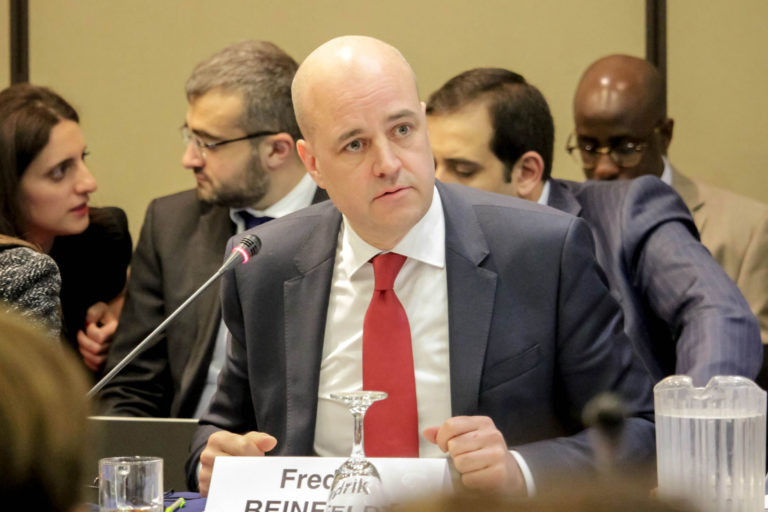
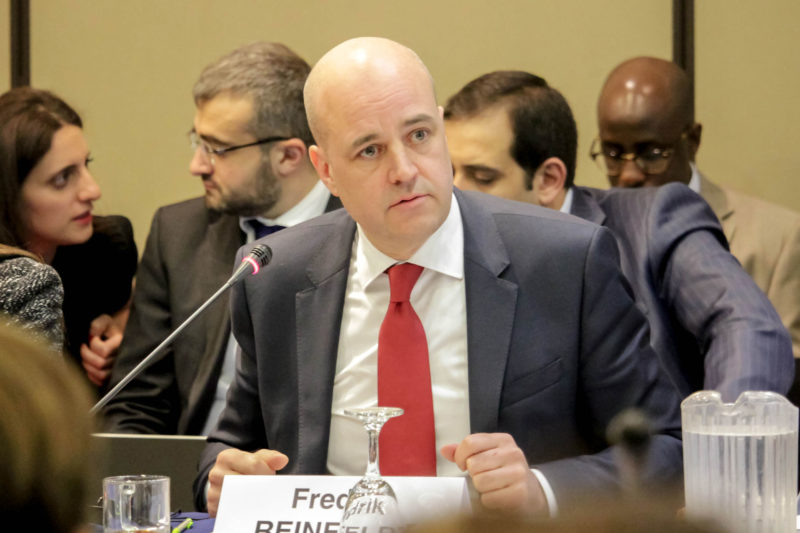
In a recent correspondent to the EITI Boar chair, Fredrik Reinfeldt, a group of concerened stakeholders make a case for the exclusion of the companies from the Board. Excerpts:

Fredrik Reinfeldt
EITI Boar chair, Fredrik Reinfeldt

Dear Chair Reinfeldt:

We are writing to draw your attention to actions by EITI Board members that we believe constitute violations of the EITI Code of Conduct and, as such, are grounds for their immediate removal from the Board.

Specifically, we urge that the February EITI Board meeting include a discussion about the refusal of ExxonMobil and Chevron to disclose their tax payments through the term of implementation of the EITI Standard in the United States. We believe strongly that the refusal to engage in this most basic aspect of compliance with the EITI Standard constitutes a repeated and willful violation of the EITI Code of Conduct, the EITI Constituency Guidelines, the Terms of Reference of the now defunct USEITI MSG, and an act of bad faith that is counter to the spirit of the EITI movement itself. These actions not only contributed to the demise of the USEITI process, but damaged the credibility of the Standard and of the EITI both in practice and in the eyes of the global community.

ExxonMobil and Chevron were members of the USEITI MSG from its creation in December 2011 to its disbandment in November 2017. Both companies are members of the EITI International Board’s industry constituency and have served in that role, with a few brief exceptions, since its creation in 2003. From its founding, the EITI and its Standard have required comprehensive disclosure of material payments from companies to governments, including taxes. In fact, no EITI implementation has ever excluded the disclosure of tax payments.

In the USEITI report issued in 2016, 12 of the 38 eligible companies disclosed their taxes. In the USEITI report issued in 2015, 12 of the 41 eligible companies disclosed their taxes. ExxonMobil and Chevron were among the companies that refused to disclose their tax payments in both cases. In its 2016 USEITI Annual Progress Report to the EITI Secretariat, the USEITI MSG acknowledged, “With the exception of corporate income taxes, the 2016 Report comes very close to fully meeting the requirements of the EITI Standard.”

During the December 2015 USEITI MSG Meeting, an ExxonMobil representative provided the following explanation of his company’s decision not to disclose taxes through the USEITI process:

“… knowing that income tax reporting will soon be required under Section 1504 of the Dodd-Frank Act, companies may have chosen to wait until that rule was finalised and the requirements more clear. (ExxonMobil representative) added that many of these companies have exercised leadership in EITI around the world, and are very committed to USEITI and to tax reporting, but are awaiting the finalisation of the SEC’s rulemaking.”

Of particular note, on January 31, 2017, the American Petroleum Institute (API) sent a letter to the Honourable Paul D. Ryan, Speaker of the U.S. House of Representatives, and the Honourable Nancy Pelosi, Democratic Leader of the U.S. House of Representatives, that outlined its strong support for H.J. Res. 41, the law that nullified the U.S. Securities Exchange Commission’s final rule implementing Section 1504. Public lobbying records for that period also indicate that both ExxonMobil and Chevron met with Members of Congress regarding H.J. Res. 41. ExxonMobil’s former CEO, Secretary of State Rex Tillerson – a former chair of the API, played a well-documented role in opposition to Section 1504 during his tenure at the company.

API, of which ExxonMobil CEO Darren Woods is Chairman, and Chevron’s recently retired CEO and Chairman John Watson is a board member, also used false arguments to lobby against Section 1504, despite also being an industry representative on the USEITI MSG.

Section 1504 and its implementing rule are referenced in the EITI Standard and were instrumental to USEITI implementation. The 2016 USEITI Annual Progress Report states, “The regulation (the SEC’s June 2016 final for Section 1504 implementation) would substantially assist the implementation of USEITI. It defined “project” at the contract level and required the reporting of taxes.” Further, the public notes of a January 2017 USEITI workshop include the following references to the importance of Section 1504:

“Section 1504 reporting is necessary to ensure reporting by covered companies meets the requirements of the EITI Standard…The group discussed the intrinsic nature of Section 1504 to the USEITI process and its equivalence to implementing legislation. As such, should 1504 be undone, USEITI would not have a path forward to implementation and validation.”

In the November 2017 statement announcing the end of USEITI implementation, the U.S. Department of Interior (Interior) falsely suggested that U.S. laws restrict companies from voluntarily disclosing information, including taxes. However, a May 2017 Interior Department Inspector General assessment of USEITI points out that the Internal Revenue Service may disclose tax data with the authorisation of the taxpayer. Interior’s November 2017 assertion echoes false insinuations by both ExxonMobil and Chevron that indicate laws prohibit tax payment disclosure. To the contrary, Dallas-based Kosmos Energy has voluntarily disclosed its U.S. tax payments for years, and BHP Billiton, one of the largest mining companies in the world, voluntarily disclosed its tax payments to the U.S. government before it was required to do so by the EU Directives.

This issue could have been avoided if there was a standard that required companies to practice what they preach and disclose their payments fully as a condition of being an EITI supporting company or EITI Board member. In the absence of this, and in light of the ongoing circumstances outlined above, we recommend strongly that these companies be removed from the EITI Board for violating the EITI Code of Conduct, as well as the spirit of EITI, thus endangering the EITI Standard.

We thank you and the EITI Board for their consideration of this important matter.


Sincerely,

Danielle Brian, Executive Director, Project On Government Oversight (POGO), USEITI CSO Co-Chair

Betsy Taylor , Executive Director, Livelihoods Knowledge Exchange Network (LiKEN), USEITI CSO Representative

Michael Ross , Professor of Political Science, University of California Los Angeles (UCLA), USEITI CSO Representative

Lynda K. Farrell, Executive Director, Pipeline Safety Coalition, USEITI CSO Representative

Keith Romig, Policy Analyst, United Steelworkers (organization & title listed for identification purposes only), USEITI CSO Representative

Isabel Munilla , Policy Lead, Extractive Industries Transparency, Oxfam America, USEITI CSO Representative

Paul Bugala , USEITI CSO Representative

Simon Taylor , Co-founder and Director, Global Witness

Bennett Freeman , EITI Global Board Member 2006-2009; Former United States Deputy Assistant Secretary of State for Democracy, Human Rights and Labour; Former Senior Vice President, Calvert Investments; Board Chair, EG Justice

Kate Watters, Executive Director, Crude Accountability

Tutu Alicante , Executive Director, EG Justice

Waseem Mardini , Policy Advisor, Publish What You Pay – United States