Home Blog Page 1923

Uganda strives to save lions following poisoning

0

The death of 11 lions in Uganda’s Queen Elizabeth National Park left many conservationists perturbed on whether the East African country was making progress in saving the big cats.

Lions
Lions

As news filtered in on Thursday, April 12, 2018 that three lionesses and eight cubs were poisoned to death by some elements in a nearby community in retaliation for the killing of their cattle, Ephraim Kamuntu, minister of tourism, rushed to the park, located in the western part of the country.

Since then, three suspects have been arrested and the government is threatening to evict the Hamukungu fishing village from the precincts of the park.

“Government made a mistake to allow pastoralists in this sanctuary. You are all suspects as per now until you bring us those who keep killing our icons,’’ Kamuntu said, according to the Daily Monitor on Monday, April 16, 2018.

This is not the first time lions are being killed by cattle-keeping communities around the national park.

In 2007, 13 lions were poisoned and, in 2010, eight were killed.

This time around, Kamuntu said, the government is not going to handle the perpetrators softly, warning that if the community does not identify them, the government may resolve that the community stops raring cattle.

In the meeting convened by Kamuntu, the community reasoned that they have lost several animals to lions.

The pastoralists argued that despite reporting to the authorities, no action is taken.

The United Nations says lions and other charismatic predators are facing many and varied threats, which are mostly caused by human activities.

Overall, their populations are declining at a disturbing rate due to loss of habitat and prey, conflicts with people, poaching and illegal trade.

Figures from the International Union for Conservation of Nature (IUCN) showed that populations of African lions have declined by 42 per cent over the past 20 years.

In Uganda, a recent census put the country’s count of lions at 420, compared to 1,000 in 1990.

UN Secretary-General, Antonio Guterres, in a statement issued in commemoration of the World Wildlife Day on March 3, called for personal action to help ensure the survival of the world’s big cats and all its precious and fragile biological diversity.

According to Uganda Wildlife Authority (UWA), a state agency charged with conservation, the country gets 50 per cent of the revenue from Queen Elizabeth National Park from visitors who come to see lions.

The agency says out of 10 tourists who visited the park, five want to see lions, meaning that half of the 6 billion shillings ($1.7 million) comes out of lions.

Lions and other big cats like cheetahs and leopards are an important tourism attraction in Uganda.

They are second only to the mountain gorilla as the most-sought-after species.

Tourism is Uganda’s main foreign exchange earner.

It contributed up to 1.35 billion dollars to the export basket in 2016.

Minister Kamuntu says there is need to create awareness about the value of wildlife, especially for the lions, cheetahs and leopard that are under major threat.

The public needed to work toward preserving wildlife, as it provides enormous opportunities, especially in tourism, he said.

Organisations like the Uganda Carnivore Programme are helping to create awareness on the protection of the cats, especially among communities around Queen Elizabeth National Park.

Working with the UWA and Makerere University, Uganda Carnivore Programme conducts school and community outreaches.

On the other hand, the government has enacted policies and laws that promote wildlife conservation.

In one of the proposed laws, if one is found guilty of poaching and illegal wildlife trade, they would be faced with a maximum sentence of life in prison.

The country has also established a dedicated court to deal with wildlife-related crimes.
40 Asia-Pacific countries strive to protect agriculture from climate impacts

0

Some 40 countries of the Asia-Pacific region have called for increased action in the area of agriculture to meet the 2030 Sustainable Development Goals (SDGs), with a focus tackling the effects of climate change.

josé-graziano-da-silva
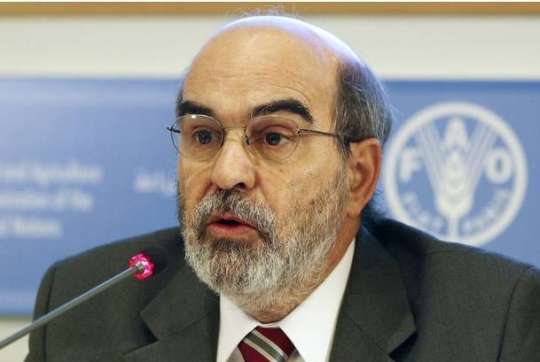
Jose Graziano da Silva, Director General of the FAO

A Regional Conference for Asia and the Pacific of the UN’s Food and Agriculture Organisation (FAO) in Nadi, Fiji brought together governments, technical officials, and industry members who emphasised the importance of the Paris Agreement and the Sendai Framework in guiding future actions for agriculture, food security and nutrition in the face of climate change.

“To win the fight against hunger, we must address climate change,” said FAO Director-General, José Graziano da Silva. “I am grateful the conference has recognized that we must promote the adaptation of agriculture to climate change, especially in relation to poor family farmers, fisher folks and pastoralists.”

Graziano da Silva pointed out that, in order to achieve this, developing countries in particular must take advantage of available international funding bodies such as the Green Climate Fund to promote adaptation measures.

The FAO Regional Conference for Asia and the Pacific is convened every two years to seek guidance from Member Nations on FAO’s program of work for the next two years.

This year, member countries supported FAO’s efforts to help family farmers build more resilience against climate change and to improve statistics that can guide policies and actions.

One of the primary objectives of the conference was to look into how to reduce the contribution of agriculture to greenhouse emissions, and to integrate climate change adaptation and mitigation into strategies for agriculture and rural development.

The conference was hosted by the Government of Fiji, a small island state that has acutely felt the impacts of climate change.

Changing weather extremes threaten the livelihoods of the Fijian people—implicating the island’s ecosystems. Saltwater intrusion from coastal flooding destroys farmland, disrupting the supply of staples in the Fijian economy and forcing communities to migrate to safer ground.

The member countries of the 34th Regional Conference for Asia and the Pacific also put out a call for action to make progress on the 2030 Sustainable Development agenda, including the improvement of nutrition and the eradication of all forms of hunger.

Director-General Graziano da Silva, had earlier called upon the FAO Member Nations of Asia-Pacific to step up their actions in the fight against hunger, given that the region still has 490 million hungry people in their midst, “more than any other region,” he said.

“It is encouraging to see that the conference has agreed that we need to bring about sustainable intensification of agriculture in order to feed the region’s growing populations,” said the FAO Director-General.

More work and stronger partnerships are necessary if the region – indeed the world – is to meet the 2030 Agenda of achieving the 17 Sustainable Development Goals (SDGs), particularly SDG 13, taking urgent action to combat climate change and its impacts.

AfDB’s $20m facility supports healthcare in Lagos

0

The Board of Directors of the African Development Bank (AfDB) has approved a loan equivalent to $20 million to Santa Clara Medical Limited to finance the development of a hospital and referral clinics in Lagos, Nigeria.

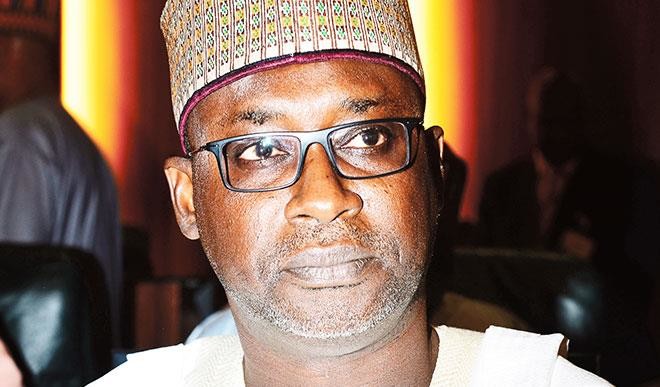
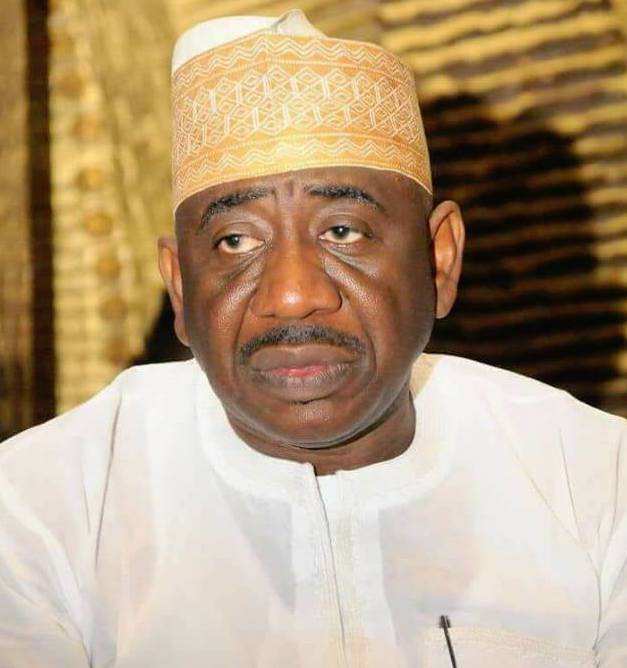
Abdu Mukhtar
Dr Abdu Mukhtar, AfDB’s Director of Industrialisation and Trade Development

The gesture, says the AfDB, aims at addressing the inadequate supply of quality secondary and tertiary healthcare facilities in Lagos State, Nigeria’s largest healthcare market, with only about 700 to 1,000 quality beds for a population of over 21 million people.

By supporting investment in healthcare infrastructure, the AfDB adds that it will help the Nigerian government develop human capital through improved service delivery in the healthcare system.

“This situation currently forces over 30,000 Nigerians to spend over $1 billion on medical tourism for specialty treatments overseas. Completing this project would allow the country’s healthcare sector to benefit from some of these resources,” said Dr Abdu Mukhtar, AfDB’s Director of Industrialisation and Trade Development.

He added: “This is an important development. In spite of recent improvements, Nigeria’s health infrastructure remains rudimentary and insufficient to cater to the country’s growing population.”

The hospital and referral clinics will be situated in different locations in Lagos and will, upon completion in 2020, provide a full spectrum of high quality general and specialist healthcare services at competitive prices. It is expected to have positive economic and social benefits for the city of Lagos and will create around 250 temporary jobs during the construction period and 600 jobs over its operation phase.

More importantly, it will significantly improve private healthcare services by offering quality general medical services in addition to specialty services such as orthopaedic, nephrology, urology, cardiology and neuro surgery that are largely unavailable in the country.

The Santa Clara Medical facility is being promoted by AXA Mansard, a member of the AXA Group, Africa Capital Alliance, IFC and Healthshare Health Solutions, the hospital management company of the project.

The facility will be a model case with strong demonstration effect for the development of the health infrastructure and services in Nigeria.

The investment, notes the AfDB, is consistent with its Private Sector Development Strategy to: improve Africa’s investment and business climate, especially in the healthcare sector that is currently under-served by the private sector, and increase access to social and economic infrastructure on the continent. The investment is said to be a reflection of the AfDB’s commitment to improving the quality of life of the African people – one of its five priority focus areas.

Flesh-eating bacteria epidemic continues to grow in Australia

0

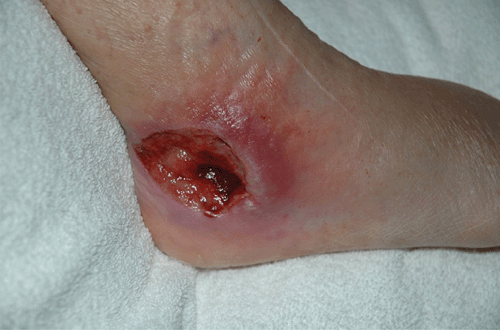
Cases of an infectious flesh-eating bug are on the rise in the southern Australian state of Victoria, with scientists unable to explain how it is spreading.

Flesh-eating bacteria
Untreated, the bacteria eats through skin and capillaries. Photo credit: Microbiology Australia

The Buruli or Daintree ulcer causes an infection which results in severe destructive lesions of the skin and soft tissue, according to a study published in the Medical Journal of Australia on Monday, April 16, 2018.

The lesions can have devastating impacts on the sufferers including long-term disability, deformity, amputation and occasionally even death.

Victoria had 182 new cases in 2016, 275 in 2017 and 30 so far this year, medical researchers said in the study.

The cases are rapidly increasing in number, becoming more severe in nature and occurring in new geographic areas, the study found.

“Victoria is facing a worsening epidemic… and we don’t know how to prevent it,” said Daniel O’Brien, one of the authors and an associate professor at the University of Melbourne.

The researchers said efforts to control the disease have been severely hampered because the environmental reservoir and mode of transmission to humans remain unknown.

“It is difficult to prevent a disease when it is not known how infection is acquired,” the experts said in the journal article.

Osun plants 3m trees to control effects of climate change

0

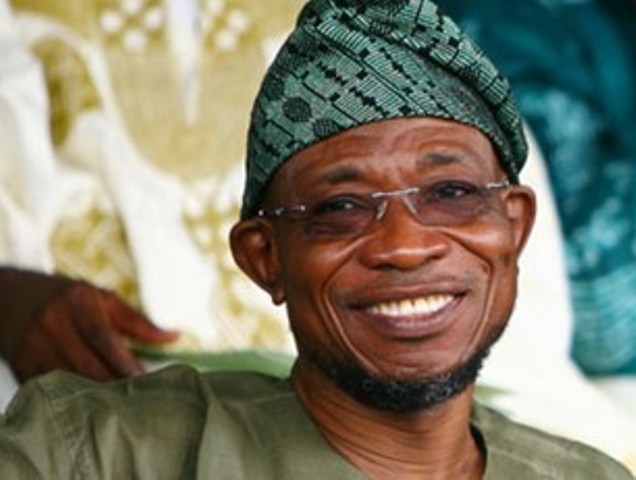
Gov. Rauf Aregbesola of Osun State on Monday, April 16, 2018 said the state government had planted three million trees in parts of the state to mitigate the effects of climate change.

Gov.-Rauf-Aregbesola
Gov. Rauf Aregbesola of Osun State, Nigeria. Photo credit: thesheet.ng

Sola Fasure, Media Aide to the governor, in a statement, said Aregbesola disclosed this at a meeting with members of the African Forest Forum in Osogbo, the state capital.

The governor said the state government was targeting to plant five million tree across the state.

“We have planted more than three million trees across the state. Although we plan to plant five million, more than three million trees have been planted and we are not in any way deterred from achieving the feat.”

The governor called for overhauling of forest management to save Nigeria and Africa from imminent climate change.

He said the continued existence of the black race on the African continent depend on protecting and maintaining the natural rain forest.

The governor said Africa, as a continent, did not deserve to suffer the bad effect of climate change if its forests were properly preserved.

He attributed the carefree attitude of past leaders to the development of forestry and efficient management as cause of the challenges posed by climate change in Nigeria.

Aregbesola, who expressed displeasure over the way and manner the natural rain forests were being manged in Africa, urged African leaders to rise to the challenge and developed a modality to strengthen forest management.

The Executive Secretary of the Forum, Godwin Kanero, said in his remarks that the forum had recorded successes in its public enlightenment programmes organised across the participating countries.

Kanero said the forum was established 10 years ago to find a solution to the environmental challenges occasioned by deforestation.

“We are concerned about climate change because we have been informed on the need for humanity to preserve natural environment to curtail its menace,” Kanero said.

By Victor Adeoti

States told to remove hindrances to land ownership for river basins

0

The Federal Ministry of Water Resources has called on state governments to remove all barriers preventing the River Basins from having rights to land ownership.

Suleiman Adamu
Suleiman Adamu, Minister of Water Resources

The Director, River Basin Operations and Inspectorate, Mr John Ochigbo, told the News Agency of Nigeria (NAN) in Abuja that doing this would promote the realisation of the food security target of the country through investment in agriculture.

According to him, the government alone cannot meet the country’s agriculture needs, citing challenges of insufficient funds, saying Nigerians need to take ownership of these programmes.

He said there was the need for states governments to remove all encumbrances on land ownership and acquisition, saying this was one of the challenges facing the river basins in the country.

“One of the encumbrances we have is around land acquisition, and this is the area that we need the cooperation of the state governments to facilitate the issuance of titles to river basins for them to be able to acquire necessary lands to develop and hand over to farmers.

“We call on the states governments to assist us in facilitating the release and acquisition of lands for farming in their various states.

“I want to use this opportunity to invite investors who are interested in this sector to come and join us in this effort, the government does not have sufficient funds to do it all alone, so we need the funds of the private sector to come into this business.’’

He noted that the minister of water resources had in the last one month appealed to the Economic Council and the governors to assist the ministry and the Federal Government to remove all encumbrances around land acquisition.

According to him, doing so will make it possible for the goals and targets of the river basins to be attainable, so we can launch fully into this programme.

Ochigbo said the ministry was working to reverse the ugly trend which saw abandonment and years of incomplete projects in the basins.

This he noted would be done through the formulation of a Blueprint and Action plan to repositioning the River Basins in the country, hence the promotion of agriculture.

According to him, part of the programme is the inauguration of the Graduate and Youth Empowerment Programme which has benefited no fewer than 500 unemployed youths.

He said the ministry was optimistic that with continued support and commitment, the Programme would go a long way in promoting food security and job creation.

The director said the department had been equipped with technical staff, approval and appointment of boards of River Basin development Authorities to ensure commitment to change the narratives of revitalising the basins for self-sufficiency.

He said the minister was already working to ensure procurement of new earth moving equipment to see that they meet the food security need of the nation, saying the obsolete ones were being disposed.

The director said implementation of the National Irrigation Policy had led to the development of more hectares of land for irrigation farming, adding that responses have already been received from commercial farmers.

“We have received several applications from farmers that are asking for land to engage the commercial farming.’’

He expressed optimism that in few years to come, Nigerians would begin to see the investment of the present administration in the river basins.

NAN reports that the Department of River Basin Operations is in charge of coordinating activities of the 12 River Basin Development Authorities.

By Tosin Kolade

Ogoni clean-up: 1,200 indigenes to benefit from free medical outreach

0

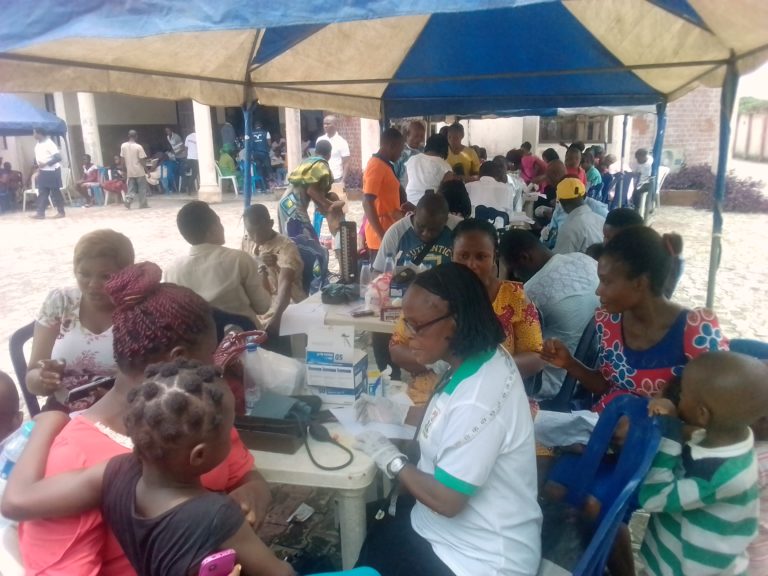
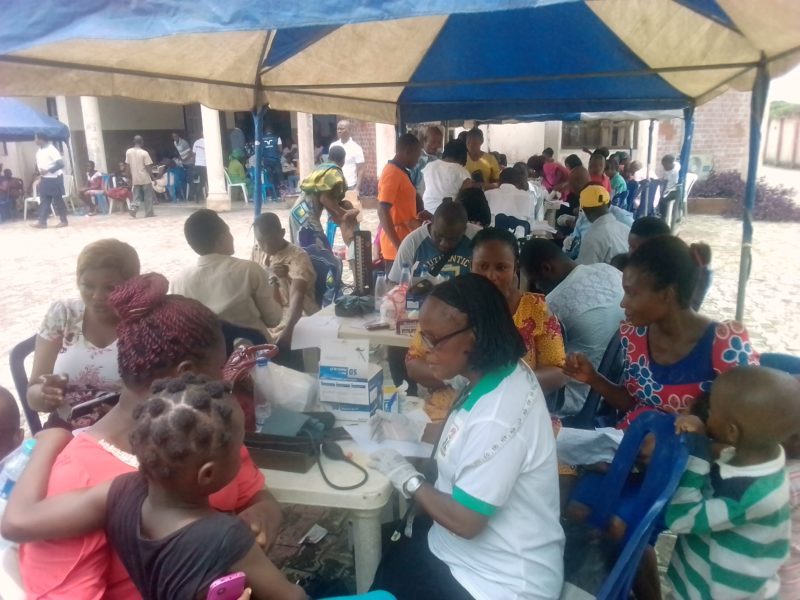
The Hydrocarbon Pollution Remediation Project (HYPREP) is targeting no fewer than 1,200 indigent Ogonis in its free medical outreach in Khana Local Government Area of Rivers State.

HYPREP
The HYPREP medical outreach in Khana Local Government Area of Rivers State

The Project Coordinator of HYPREP, Dr Marvin Dekil, said this while flagging-off the second phase of the exercise on Monday, April 16, 2018 in Taabaa community.

He said the exercise was to prevent, detect and treat victims of hydrocarbon pollution in Ogoniland in line with the recommendations of the United Nations Environment Programme (UNEP) Report.

“The health outreach is the first step toward the implementation of the initial stage of the Health Impact Study as recommended in the UNEP Report on Ogoniland.

“The exercise will be carried out in the four local government areas that make up Ogoniland for a period of eight days.

“Over 6,000 patients with different ailments were treated and surgeries performed in the first phase of the outreach in 2017.

“In this second phase, we will carry out general consultations, dental and eye treatment and surgical operations among other medical services.

“This is a continuation of what we started in 2017; to provide medical services to the communities as well as gather more data for our health impact study,” he said.

Dekil said that President Muhammadu Buhari approved the second phase of the medical outreach and directed kick-off of the remediation process in the next couple of months.

He said the project would soon provide potable drinking water to communities affected by years of environmental degradation in the areas.

According to him, the water supply system and services that will be provided will meet World Health Organisation’s standards.

“Also, we will in the coming weeks launch HYPREP’s Livelihood Intervention Programme that seeks to expose indigent Ogoni women and youths to skills for wealth creation,” he said.

Mr Lergborsi Pyagbara, the President of the Movement for the Survival of Ogoni People (MOSOP), urged the people to exercise patience in the clean-up project.

He said the clean-up exercise might not be successful without the restoration of the means of livelihood  of  the people  and remediation of the  immediate health challenges they are  facing.

“The medical outreach programme is a welcome development and it is something that we feel should continue across the length of the clean-up exercise,” he said.

Pyagbara blamed the delay in the clean-up to bureaucratic bottlenecks in the Federal Ministry of Environment and demanded for an independent and autonomous HYPREP.

By Desmond Ejibas

Plateau directs waste operators to clear refuse in Jos, Bukuru

0

The Plateau State Government on Monday, April 16, 2018 directed the 14 private waste management outfits, which it had engaged, to clear all the waste heaps within Jos and Bukuru before midnight.

Abdullahi Abbas
Abdullahi Abbas, Plateau State Commissioner for Environment

The Commissioner for Environment, Mr Abdullahi Abbas, gave the directive in Jos, the state capital.

He said that the mounting heaps of waste in Jos and Bukuru had become an embarrassment to the state government.

A correspondent of News Agency of Nigeria (NAN), who went round the metropolis, observed that the Terminus Market at Ahmadu Bello Way in Jos and the Kugiya Market in Bukuru were littered with heaps of refuse.

Mr Ahmed Bello, a shop owner at Ahmadu Bello Way, said that the rains had made the garbage heaps to become an eyesore, adding that the stench from the waste dumps had forced many people to desert the area.

Efforts by NAN to get the private operators to comment on the matter proved abortive.

NAN recalls that the Plateau State Government in January engaged the private waste operators to undertake the evacuation of waste in Jos and adjoining neighbourhoods.

By Blessing Odega

$210m project to boost resilience of coastal communities in West Africa

0

The West African Coastal Areas (WACA) Resilience Investment Project, funded in part by the Global Environment Facility (GEF), has been approved by the World Bank Group Board. The regional project will help build the resilience of coastal communities in Benin, Cote d’Ivoire, Mauritania, Sao Tome and Principe, Senegal and Togo through a $210 million financing package.

Liberia
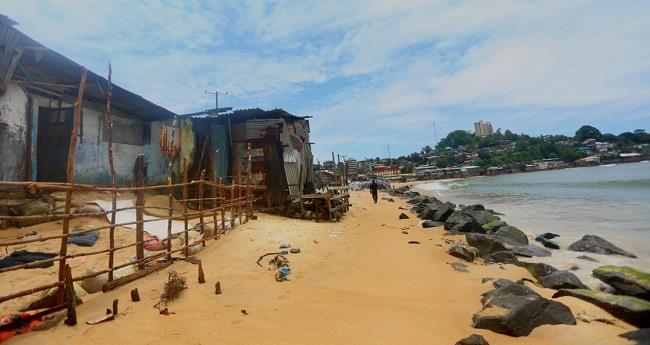
Battling coastal erosion in Liberia

Led by West African governments, the WACA project will protect against coastal erosion through a range of activities, including fixing dunes, restoring wetlands and mangroves, replenishing beaches, and building seawalls and dikes. It will reduce flooding by rehabilitating lagoons and drainage systems, and by improving watershed management. It will also support pollution control through better treatment of marine litter, oil spills and industrial and municipal waste.

“The WACA Resilience Investment Project is a collective response to the urgent need to address coastal degradation in a regional, integrated manner. It is an opportunity to strengthen the resilience of West Africa’s communities and transform their livelihoods,” said Makhtar Diop, World Bank’s Vice President for the Africa Region.

About 42% of West Africa’s GDP is generated in coastal areas, where almost one-third of the population resides and communities are particularly vulnerable to the effects of severe coastal erosion and frequent flooding.

To sustain investments and attract more investors, the project will provide technical assistance for regionally integrated spatial planning, prepare a yearly report on the state of West Africa’s coasts, and support the revision and enforcement of laws and protocols contributing to healthy and productive coasts.

The project will boost regional cooperation to address coastal erosion by working with four regional institutions – the West African Economic and Monetary Union (WAEMU), The Abidjan Convention, The Dakar-based Center for Ecological Monitoring (CSE), and the International Union for Conservation of Nature (IUCN).

The financial package includes a credit of $120 million and a grant of $70 million from the International Development Association and a grant of $20.25 million from the GEF.  The Nordic Development Fund will provide an additional EUR13.1 million to improve resilience in the coastal regions, and the French Facility for the Global Environment will fund light infrastructure, land-use planning, and nature-based solutions against coastal erosion worth EUR1.3 million.

More partners are expected to join the effort through a new Platform that will boost the transfer of knowledge, mobilise additional finance and foster political dialogue among countries, and to protect the West African coast.

Through the International Waters (IW) focal area, the GEF helps countries jointly manage their transboundary surface water basins, groundwater basins, and coastal and marine systems. IW investments facilitate integrated cross-sectoral approaches that engage the private sector, non-governmental organisations and multilateral institutions.

City-level action clamoured to address climate change

0

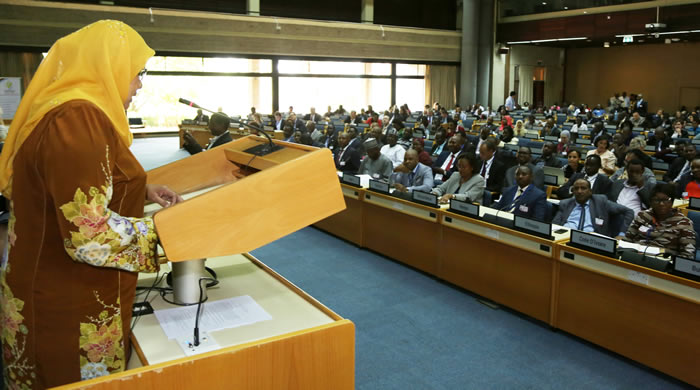
Executive Director of the United Nations Human Settlements Programme (UN-Habitat), Maimuna Sharif, has stressed the importance of city-level action to address climate change.

UN-Habitat
Executive Director of the United Nations Human Settlements Programme (UN-Habitat), Maimuna Sharif, addressing Ministers during the High Level Ministerial Opening of the Africa Carbon Forum during the Africa Climate Week in Nairobi, Kenya

She made the submission in an address to Ministers during the High Level Ministerial Opening of the Africa Carbon Forum during the Africa Climate Week held recently in Nairobi, Kenya.

Sharif in her presentation focused on the key role of local governments to help national governments to better achieve their climate targets. In her plea, she reminded the audience that cities are engines of growth, cities being “for the people and people for the city”.

She stressed the importance of city-level action to address climate change, and provided examples of mature technologies and approaches such as Bus Rapid Transit and waste-to-energy plants that can take place at the city level.

She also emphasised the need for multi-level governance to achieve targets. “Widening the range of actions that can be taken, and fully involving local governments as actors, will make it possible to achieve (climate) targets in a more cost-effective manner,” she said.

The UN-Habitat boss also stressed the fact that “not only cities are needed but also the civil society, the private sector and other stakeholders to jointly explore with national officials such possible collaborations and strengthened frameworks”. Multi-level governance, she adds, is fundamental to achieve targets, taking also into account the urban and territorial dimension of carbon emissions.

Considering the role of cities in meeting national targets, she also called for new market-based mechanisms to help African countries meet their current targets, and set more ambitious targets, to reduce emissions. In particular, “there is a need to establish new, or scale up existing, city- and sub-national level carbon pricing schemes,” said Sharif. In that regard, she also emphasised the importance for “Member-States to consider how to empower and fully engage local governments to help implement their Nationally Determined Contributions”’.

The Executive Director ended her address with a commitment of UN-Habitat to support African countries to integrate human settlements into their National Adaptation Plans, and mainstream climate change into their National and City Urban Policies. She also committed to support countries to apply to the Adaptation Fund for resources to help human settlements become more resilient to the effects of climate change, and national-level Talanoa Dialogues to deepen the discussion at the Africa Talanoa Dialogue.

As part of her plea for including cities in climate change strategies for the Continent, Sharif concluded on a positive note by saying: “We would like to see Africa greener, cleaner, healthier, safer and so happier.”

The event, held at the UN Headquarters in Nairobi, was opened by Keriako Tobiko, Cabinet Secretary, Environment and Forestry of the Government of Kenya. Eminent speakers included Patricia Espinosa, UNFCC Executive Secretary; Tomasz Chruszczow, High Level Champion for COP 24 in Poland; and Ligia Noronha, Director of the Division of Technology, Industry and Economics, UN Environment.

The Climate Week and the Africa Carbon Forum are key moments to sensitise Africa towards the implementation of the 2015 Paris Agreement and to address climate issues in the regional context. The Africa Carbon Forum is also meant to explore market-based mechanisms to help countries meet their current targets to reduce emissions.

In their addresses at the forum, key speakers discussed the need for a new and robust mechanism to help African countries meet their ambitious targets for the continent. They also emphasised the unique capacity of Africa to achieve and innovate.

“Africa has the spirit, the innovation and the power to achieve,” said Espinosa, adding that Africa is in a “unique situation for building a resilient and sustainable society”. She called on Africa “to take the lead in climate change action, working on the ground through integrated policies, aligned to commitments to Paris agreement and SDGs”. ‪