The Food and Agriculture Organisation (FAO) has approved solar powered irrigation system as new way to develop agriculture.
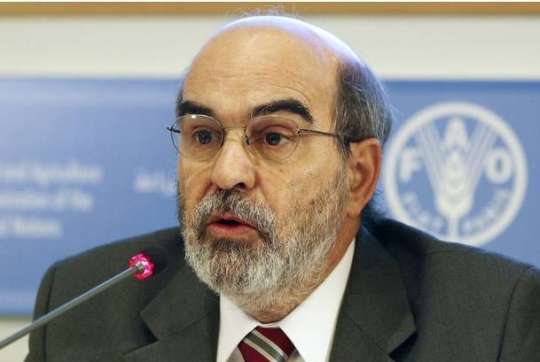
Jose Graziano da Silva, Director General of the FAO
The organisation made the disclosure in its news report made available on Sunday, April 15, 2018 in Abuja. It stated that the system was affordable and climate-friendly for both small-scale and large-scale farmers in developing countries.
FAO, however, warned on how to make the most of innovation and guard against water waste that the system needed to be adequately managed and regulated to avoid the risk of unsustainable water use.
It noted that the innovation had become imperative because the sharp and ongoing drops in price of photovoltaic panels gave new impetus to renewable energy source as a way to enhance irrigation capacity.
The report quoted Helena Semedo, the FAO Deputy Director-General, as saying: “A further price reduction could power a revolution in places such as sub-Saharan Africa, where only three per cent of cultivated area was irrigated, seven times less than global average.”
She added that the rapid expansion of more affordable solar-powered irrigation offered viable solutions that span the water-energy-food nexus, providing great opportunity for small-holders to improve their livelihoods, economic prosperity and food security.
She stated that “about 20 per cent of cultivated land across the globe is irrigated, contributing to about 40 per cent of total food output.
“Irrigation boosts agricultural productivity in various ways, as well as allows more and varied crops per year.
“Sub-Saharan Africa and Latin America have relatively low deployment of irrigation on croplands, indicating sizeable potential gains there.”
Eduardo Mansur, the Director of FAO’s Land and Water Division, also said that apart from solar energy offering cheaper services, it increased the urgency of making sure that appropriate water management and governance systems were in place.
He urged leaders in sub-Saharan Africa to think strategically about how the technology could be used to encourage sustainable use of groundwater resources to avoid risks such as wasteful water-use and over-abstraction of groundwater.
Mansur said solar powered irrigation systems indicated the potential to reduce greenhouse gas (GHG) emissions per unit of energy used for water pumping by more than 95 per cent compared to alternatives fuelled by diesel or fossil-fuel driven electricity grids.
The director urged governments to review their incentive schemes to favour “Green subsidies” over fossil fuels.
Mansur said solar irrigation pumps could also cause unsustainable groundwater extraction, as farmers expand planted areas or switch to more water-intensive crops.
He said that irrigation policy decisions should be taken after proper water accounting over larger territorial areas, as rainfall, surface water, groundwater, soil moisture and evaporation processes linked to different land uses are all part of the same hydrological cycle.
The FAO report stated that a survey of technical experts from 25 countries suggested that in three-fourths of nations’ government programmes and policies to promote small-scale irrigation, fewer than half had specific regulations limiting groundwater abstraction for such purposes.
It revealed that solar panels produced energy even at times when no irrigation was needed, opening up significant opportunities to run rice huskers, mills, water purifiers and cold storage units, all contributing to rural development and incomes.
It noted that in some cases, solar power could become “remunerative crop” if farmers were encouraged to reduce over-pumping water by opting to pool and sell their surplus energy to electricity grid.
Since the National Population Commission (NPC) revealed that the population of Nigeria has official reached 198 million, experts have lent their voices to its benefits to the economy.
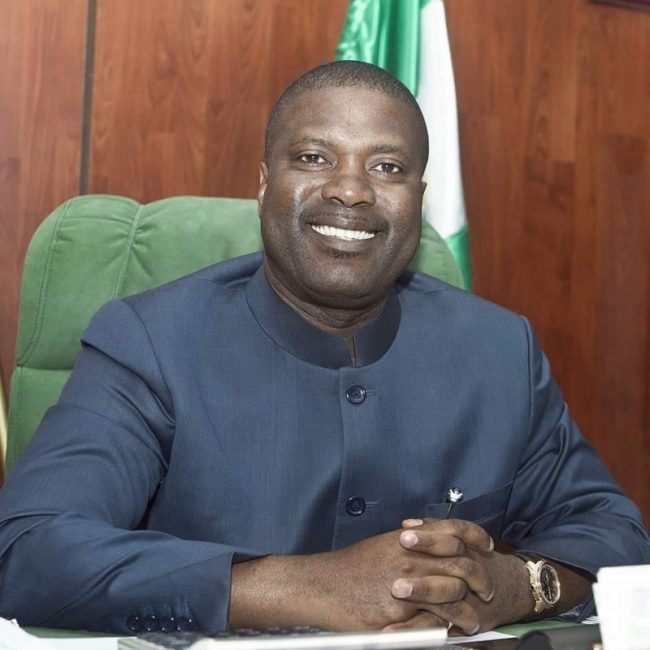
Chairman of NPC, Eze Duruiheoma
For instance, participants at the Vanguard Economic Discourse held in Lagos gave a word of caution over the spiralling head-count, saying that an uncontrolled population growth could derail Nigeria’s economic development.
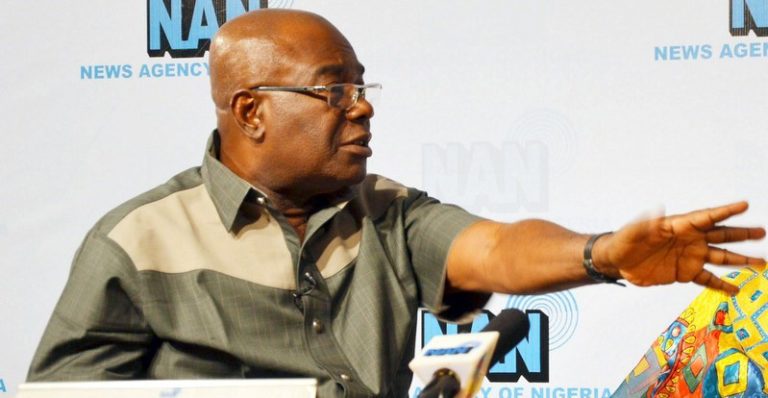
Themed “Economy in Recession: Pitfalls, Trajectories and Resetting”, the event was chaired by Mr Bukar Kyari, Chairman, Nigeria Economic Summit Group (NESG), while the panellists included Mr Olabode Augusto, Chief Executive Officer of Augusto and Co, and Mrs Patience Oniha, Director-General, Debt Management Office (DMO).
Other panelists are Mr Muda Yusuf, Director-General, Lagos Chamber of Commerce and Industry( LCCI); Mr Issa Aremu, Vice President Global Union, African Region; Mr Opeyemi Agbaje, Chief Executive Officer, RTC Advisory Services; and Mr Tony Okpanachi, Managing Director, Development Bank of Nigeria (DBN).
Agusto advised that population issues be included in the nation’s political agenda, saying: “We need to enact policies that will help us manage our population better.”
“According to the population pyramid, by 2070 Nigeria will be 552 million.
“It means that demand for primary school is going to be much bigger, the number of teachers we’ll need will be more; vaccines to inoculate will be more.
“We need to send them to secondary school, keep them healthy; and after they leave school we would have to find work for them otherwise they will become what we call (in finance) non-earning assets.
“So, at the end of the day we measure the wealth of a nation by the number of yams we have produced divided by the number of people who are going to eat it – yam per head,” he said.
A don, Dr Luqman AbdurRaheem, has said that the creation of artificial streams can help address the perennial clashes between herdsmen and farmers in the country.
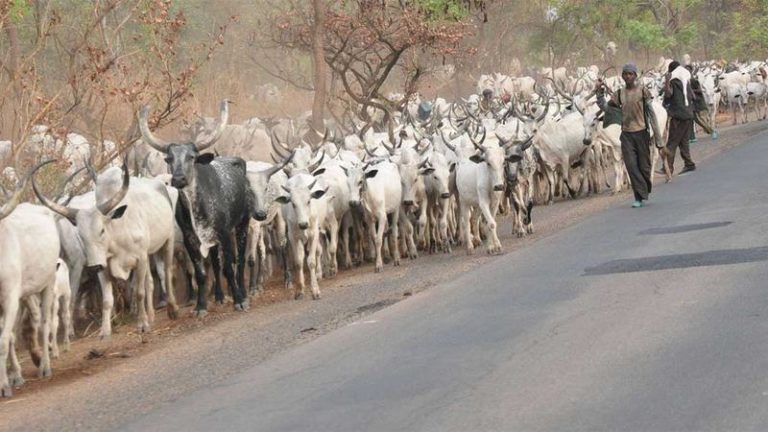
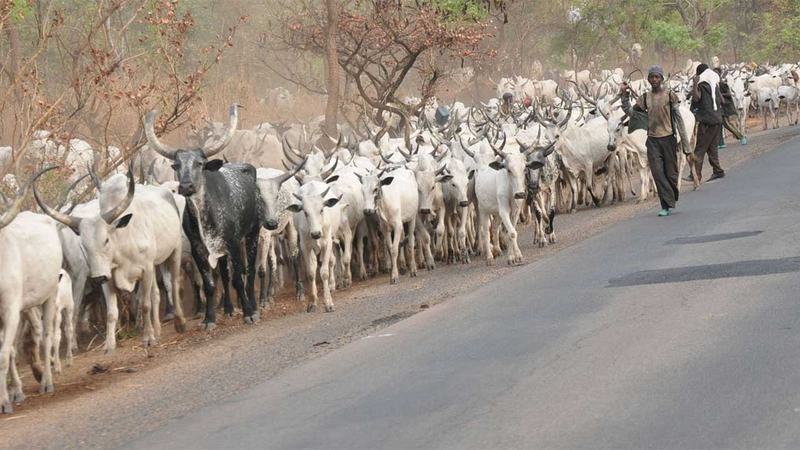
Herdsmen
AbdurRaheem, an Assistant Professor of Entrepreneurship and Corporate Social Responsibility at the American University of Nigeria, Yola, Adamawa State, made this known in an interview with the News Agency of Nigeria (NAN) on Sunday, April 15, 2018 in Lagos.
He said the artificial stream could be created by channelling water from the south to the northern parts of the country to enable herdsmen tend to their cattle.
“The only thing they (herdsmen) require is to take water to these lands.
“If we can pipe petrol to the North, why can’t we pipe water there to create an artificial stream?
“When you have the artificial stream, this desert will be turned to grazing land and colonies and ranches can be set up.
“With the land I saw in Jigawa, Gombe, Adamawa, Kano, Katsina and other locations, we (Nigeria) can feed the whole of Africa and Europe with cattle, cheese and milk.
“But everybody is busy concentrating on oil from the Niger Delta.’’
The lecturer also said all states in Nigeria had their different potentials that if properly tapped, would take the country out of economic doldrums.
“Every nation should go back to base and look at its resources.
“North can feed us with cow, milk and cheese and we will make money more than oil; go and do your research.
“The money from cow, cheese and milk is more than oil, but because we are lazy, you smile to Abuja; you get billions of Naira; you smile back to your state and spend it.
“Another month, you come back; so people are not being productive.
“Let us save the Fulani man; give him land, give him water, give him a ranch, give him colony; he is going to make money.’’
Environmental Rights Action/Friends of the Earth Nigeria (ERA/FoEN), in collaboration with Public Services International (PSI) and The Amalgamated Union of Public Corporations, Civil Service Technical and Recreational Services Employees (AUPCTRE) as well as other labour and civil society groups gathered in Lagos from April 3 to 4, 2018 to campaign against all forms of privatisation by government. On the sidelines of the workshop, Baba Aye, a health and social sector officer of PSI, was cornered to know why he was so passionate about the campaign. Excerpts:
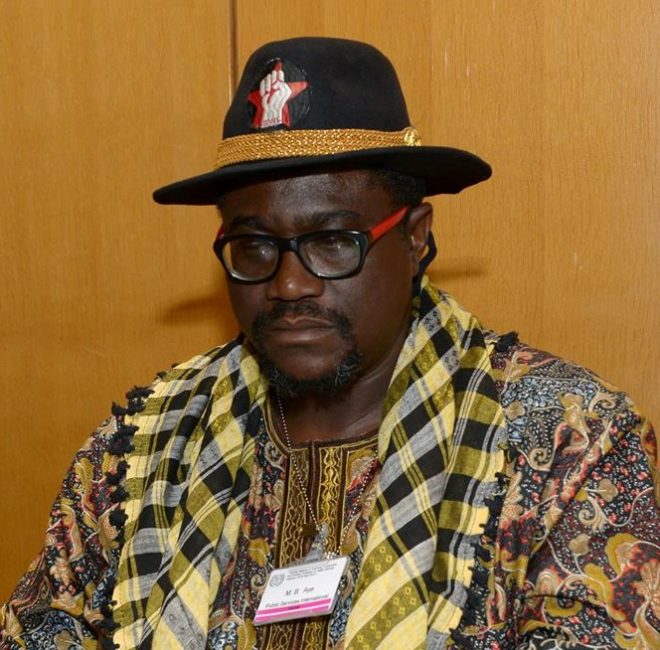
Baba Aye
You are one of the frontline campaigners against water privatisation in Lagos. Why are you against privatisation?
Generally, privatisation is about selling off public goods to private interests. And private interests are concerned basically not only about breaking even, but about making profit. Public goods are supposed to deliver quality services to the public as a whole. Public goods serve to promote social justice because they provide universal access, which is not the case with privatisation. And the argument of privatisation, time and again, has been shown to be false. A good example is the privatisation of the power sector – electricity. The impression was that once you privatise, unbundle NEPA and all that, you are going to have an el dorado. But what has changed?
What we need is more democratic approach to the management of public services. Corruption thrives in the absence of transparency, in the absence of mobilisation of the community in the governance processes. This is what we need.
When you also look further, PPP, for example, is just one of the numerous togas, incarnations of privatisation, which is even worse, because it is about subsidising private interests, private profits with government funds. Good example is some of the PPP arrangements entered into by the Lagos State government with Visionscape, which tied the hands of the government after standing as surety for such humungous amount. It has hardly ever worked, globally and even in Nigeria. Where it has worked at all has been very infinitesimal.
While I am a global officer of the PSI, I worked with the Nigerian Ministry of Defence for 20 years. And I remember I studied during the Obasanjo (civilian) regime companies that were privatised under the Bureau of Public Enterprises (BPE). Out of those companies, it is only 13 per cent that were doing either as well or slightly better than they were before they were privatised.
Many of the proponents of privatisation point at the telecom sector in Nigeria, which privatisation is successful to a large extent.
I am very happy you have raised this. The issue of the telecom sector is a myth. They cite it due to inadequate knowledge. It was about the time, not about privatisation. What do I mean? Google it; it was in the early 90s when GSM (Global System for Mobilecommunication) became the new thing around the world, even in developed countries. It is not as if there was a public NITEL (Nigerian Telecommunications Limited) which could not handle the new telecommunication; it happened globally at a time and they moved in. It was not privatisation per se. It is fraudulent when they make reference to that. It was a new thing, not that they turned an old thing from public to private.
The workshop kicks against privatisation broadly; does is mean you don’t see anything good in privatisation?
That question is like saying: is there nothing good in going to the toilet? What you are talking about is not just going to toilet; you are talking about the diarrhoea killing that person. Whatever merit in privatisation is infinitesimal compared to the demerits. Economically, the government loses money and the people pay more. Politically, control is lost. Democratic accountability, which the citizens can hold government to, is gone because they can’t hold private entrepreneurs accountable. Socially, universal access is undermined and social justice is sacrificed. So, there is no justification for privatisation.
Privatisation was a scheme, an approach developed from the 1980s, which was aimed at getting the rich richer. And part of the myth in the package is that when the rich are richer, it would trickle down. But all over the world, it has not trickled down. Rather, the rich has continued to get richer, and the poor poorer.
If your peaceful campaign against PPP fails, what options are open or would you go to sleep?
No. Even if the government wins the battle, it cannot win this war. History is on our side. There are over 850 examples of what is called “remunicipalisation”. This means those public services like water and electricity that the public sector, the government, had been running that were privatised. But when it becomes so obvious, they were taken back from those who they were sold to.
If they go ahead with the policy, despite the hue and cry, we will keep fighting to take it back. So, to answer your question, if we do not defeat them immediately, we continue until the people in Lagos, the Lagosians, win water as a fundamental human right that it is.
Aside power, heath, water and education that had been discussed at the workshop, what other sectors are under the threat of privatisation?
Globally, anywhere there is money, the rich few, the one per cent, would want to touch and take from that money. So, they look at all sectors and coin all kinds of mechanisms for privatisation. With roads and ports, they describe it as concessioning, with energy, they describe it as unbundling, with other utilities like water, they describe it as PPP, and so on. But all these are different faces of privatisation in different sectors, depending on huge they see the capital outlay of the state entity, and ideologically how they can frame it to seem that they are not necessarily doing what they are doing, that they are supposed to be helping. Meanwhile, the person they are helping are themselves, not the masses.
Apart from fora like this, rallies once in a while and the community parliament, what other channels are you using to sensitise and involve the grassroots in this campaign?
Posters and pamphlets had been issued, and these are well circulated within the communities. The traditional mass media and social media are used. So, the message has gone out is going very far. The community parliament is very important because it is not just about the water coalition fighting for itself; what the coalition is doing is enlightening and organising Lagosians to fight against this impunity, this rape on their fundamental human right of water.
Research scientists, government and non-governmental organisations’ representatives, entrepreneurs and pastoralists from Kenya, Senegal and Burkina Faso met recently to share knowledge and experiences so as to strengthen the resilience of livestock systems in the future.
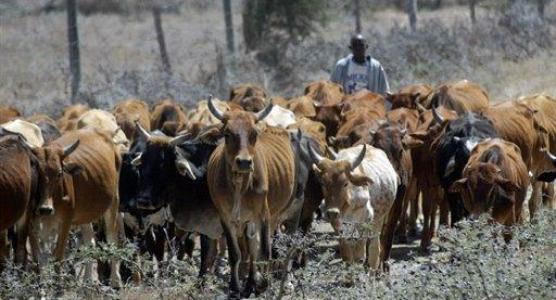
Cattle rearing in Kenya
“The livestock sector in Africa, especially the extensive livestock, has for a long time been mystified on its contribution to crucial sectors such as the economy,” said Kamau Kuria, the Chief Executive Officer for Kenya Markets Trust (KMT).
The Regional Dialogue for Livestock Value Chain Transformation was organised by KMT in collaboration with International Development Research Centre (IDRC) and the Overseas Development Institute (ODI) to support the resilience of extensive livestock production systems in semi-arid areas south of the Sahara, particularly in the Sahelian regions and in the Horn of Africa.
The dialogue was based on latest research findings from different studies in Kenya and Senegal under the Pathways to Resilience In Semi-Arid Economies (PRISE) project, which indicated that private sector actors along livestock value chains are diverse, ranging from private individuals to entrepreneurs to small-medium enterprises and larger actors.
“Studies have been done and evidences have been gathered from several arenas on the livestock value chain. It is now time to focus and relate that to actions that can show transformative results,” said Kuria.
Abdikarim Daud of KMT observed that, in the meat value chain, there is a disconnect between pastoralists who are the producers, with the meat industry. “There is need for the meat industry to drive the production,” he said, observing that the industry so far depends on brokers.
“Brokers can only choose the best animal, without telling the producers what the market demand is. But if the industry was to deal with the producers, then it will be possible for the producers to know what to do so as to satisfy the market demand,” said Daud.
Dr Stephen Moiko, one of the PRISE researchers, concurred with Daud, saying that pastoralists usually produce for the market, but they do not understand the market. “Pastoralists do not sell the best. Instead they sell weaker animals to get money to solve immediate social needs,” he told the delegates.
Dr James Gakuo, an entrepreneur who buys severely emaciated animals to fatten them through an intensive feeding programme, said that most pastoralists keep to their animals to a point of death especially during severe droughts. “We have now created a market for emaciated animals, and therefore pastoralists should not wait until their animals die,” he said.
He urged governments, NGOs and the private sector to invest in the fattening programmes for value addition as a way of helping pastoralists adapt to climate change.
“It is a pity when governments and NGOs decide to slaughter emaciated animals so as to give the meat to the poor as food aid,” said Gakuo. “Here is a scenario where drought is already killing animals, and the government and NGOs are also killing more animals. Are we not going to decimate all the animals, which are the lifeline for the pastoralists?” he paused.
If the same animals that are killed by governments and NGOs were to be fattened through an intensive feeding programme, they would fetch more income for the pastoralists and provide high quality meat for the market according to Gakuo.
The entrepreneur uses oil cakes from sunflower, cotton and barley to make the animal feed rations. “If the government invested in fattening programmes, then people from non-arid regions can take the advantage and start growing raw material crops such as sunflowers and cotton as an alternative source of income,” he said.
Livestock insurance was also found to be another relevant tool that can help pastoralists adapt to climate change.
According to a 2012 policy brief by the Comprehensive Africa Agriculture Development Programme (CAADP), a livestock revolution is taking place around the Horn of Africa – with $1 billion trade in livestock and livestock products, plus associated economic activities – transport, marketing, financing and processing.
In Kenya, the livestock sub-sector contributes 14 percent to the Gross Domestic Product.
“Pastoralists need affordable insurance cover to cushion them from the effects of climate change,” said Hassan Bashir, the Group Chief Executive for Takaful Insurance of Africa (TIA).
In collaboration with the International Livestock Research Institute (ILRI), TIA formed an innovative policy to cushion pastoralists and is now operational in eight counties in Kenya.
ILRI’s Index-Based Livestock Insurance (IBLI) project has been in partnership with TIA since 2013, when they introduced, for the first time in Africa, an Index-Based Livestock Takaful (IBLT) policy, which combines an Islamic-compliant financial instrument with innovative use of satellite imagery to determine forage availability.
“It is a perfect product whose payments are done through M-pesa, and the product is available in designated retail shops in the villages,” said Bashir.
Dr. Assane Beye, a research scientist from Senegal, said that such a policy is a good innovation that should be introduced in West Africa.
Dr Mary Mbole-Kariuki from the African Union – Interafrican Bureau for Animal Resources (AU-IBAR) pointed out that Africa’s future is in the indigenous breeds.
“AU is in the process of setting up five gene banks for indigenous breed, from where governments and scientists can collect semen to ensure that our indigenous breeds remain afloat,” she said.
The delegates further talked about the importance of controlling pests and diseases, the need for pastoralists to work in organised groups, the different ways of rangeland degeneration and the need for governments to put research findings into action through policy implementation among other issues.
The Nairobi Dialogue was building on the first Regional Dialogue meeting held at the PCGC conference that discussed “Pastoralism in current global changes: stakes challenges and prospects” held from November 20 to 24, 2017 in Dakar, Senegal.
The Nigeria Delta Development Commission (NDDC) says it has plans to generate 7,000 megawatts of electricity to improve power supply and boost economic activities in the region.
Nsima Ekere, NDDC Managing Director
Managing Director of the NDDC, Mr Nsima Ekere, disclosed this in a telephone interview with the News Agency of Nigeria (NAN) on Sunday, April 15, 2018 in Akure, Ondo State.
Ekere said the project was at the design state and the commission had received encouragement from Exim Bank in United States for it.
”The Niger Delta power pool project is conceived to generate 7,000 megawatts of electricity.
“We are still at the design stage and interestingly, we have received a lot of encouragement from the US Exim Bank,” he said.
According to Ekere, the commission is prepared to focus its activities on projects that will engender sustainable and comprehensive economic and social integration of the region in line with its core mandate.
He said that the execution of a Niger Delta regional power pool project would support the development of dedicated industrial clusters and promote the right climate for business in the region.
“Power remains central to economic development.
“The success of our collective mandate to develop the Niger Delta depends on how much we are able to make the region the hub of socio-economic activities and tourism in Nigeria.”
Ekere said that the commission had met with the immediate need for the transformation of Niger Delta states and communities.
The managing director said the NDDC executed many roads, bridges, jetties, schools, hostels, health facilities and other developmental projects in the region.
According to him, in the 17 years of the commission’s existence, it has undertaken landmark projects that have truly broken new grounds for the region’s growth and prosperity.
He also said that the commission, last year, signed an MOU with the government of Sao Tome to take her excess internet capacity to feed the entire Niger Delta.
“In addition to power, we are also looking at internet penetration, agriculture, sports and youth development.
“We believe that cheaper, quality internet connectivity will help to unlock the inert potentials of our young people and turn the region into a major IT hub.
“This is a region of very creative people and when we equip our young people with the right development tools, they can be truly unstoppable.
“We believe that the chemistry of affordable and reliable power and top quality internet connectivity will unleash a new wave of economic growth and opportunities across the region,” he said.
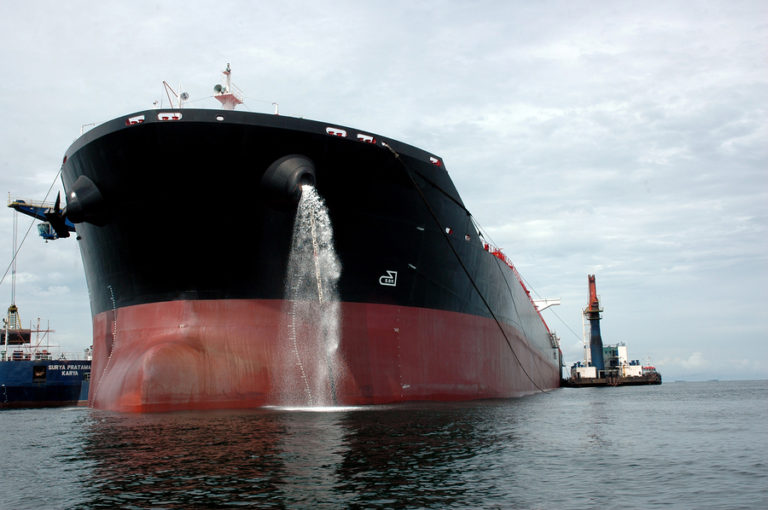
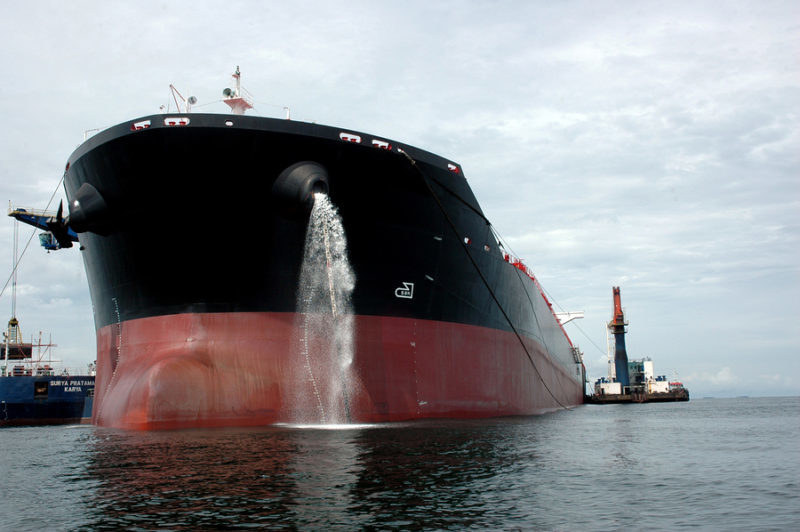
The International Maritime Organisation (IMO) has agreed on an initial strategy to decarbonise international shipping and reduce emissions from ships by at least 50% by 2050.
Maritime transport is said to be responsible for around 2.5% of global emissions
This forms the preliminary plan for reducing greenhouse gas emissions from ships, adopted at the meeting of the IMO Marine Environment Protection Committee (MEPC 72), which held from April 9 to 13, 2018 in London, UK.
Reducing greenhouse gas emissions from shipping is crucial to tackling climate change, even as maritime transport is said to be responsible for only 2.5% of global emissions. But its emissions are projected to grow by up to 250 percent by 2050.
Observers say that while the agreement that emerged at the close of the forum on Friday, April 13 falls short of the 70 to 100% reductions by 2050 that the Pacific Islands, the EU and others were calling for ahead of the meeting, it however keeps a window open to meet the Paris climate goals and is undeniably a game changer for the shipping sector.
According to the Climate Action Network (CAN), this plan serves as a welcome first step to cut emissions from the sector, but that the IMO must now aspire to build on the agreed minimum target of 50% reductions in the next review of the strategy to comply with its fair share of emissions under the Paris Agreement.
The IMO, CAN adds, must commit to the rapid and strong implementation of near-term measures, which will be discussed later this year, to stay on track with the Paris climate goals to limit warming to 1.5 degrees Celsius.
“Shipping accounts for 2% of global emissions and it is time the IMO got on board with the rest of the world to seriously tackle climate change,” says CAN.
Members and partners of the organisation have reacted to the outcome of the IMO meeting.
Amina J. Mohammed, Deputy UN Secretary General: “Big win for the people and the planet! Significant step by the shipping industry today – agreed to cut emissions 50% by 2050. Let’s increase and accelerate our collective efforts on climate action and the Sustainable Development Goals (SDGs).”
UN Climate Change Executive Secretary, Patricia Espinosa, said: “The decision to at least halve greenhouse gas emissions from international maritime transport by 2050 is a major milestone in addressing climate change. It will accelerate the inevitable decarbonisation of global shipping, which we all need to achieve the goals of the Paris Agreement.
“I call on all nations to build on this achievement and use the review mechanism enshrined in the strategy to step up the level of ambition in 2023 when the strategy will be reviewed in light of the new science and available solutions. The climate compass is now clear, a low-carbon and resilient future is the only way forward for the sustainability of maritime transport.”
John Maggs, senior policy advisor at Seas At Risk and president of the Clean Shipping Coalition, said: “We have an important agreement and this level of ambition will ultimately require a sector-wide shift to new fuels and propulsion technologies, but what happens next is crucial. The IMO must move swiftly to introduce measures that will cut in-sector emissions deeply and quickly in the short-term. Without these the goals of the Paris agreement will remain out of reach.”
Manuel Pulgar-Vidal, leader of WWF’s global climate and energy programme, said: “This is very welcome news, a good first step and an important policy signal. Shipping is responsible for more than 2 percent of global emissions, and this is growing. The agreement today is an opportunity to bend this curve to align with the Paris Agreement. This needs to translate into urgent action – now.”
Mark Lutes, senior global climate policy advisor, WWF, said: “The decision sends a strong signal to the shipping industry and fuel suppliers, that they need to scale up investments in new technologies and their rapid deployment, including alternative fuels and propulsion systems.”
Catherine Abreu, Executive Director, Climate Action Network Canada, said: “This IMO initial strategy represents a small step from the shipping industry to contribute to the long-term goal of the Paris Agreement, to limit the increase of emissions to 1.5Co. A 1.5Co scenario of international shipping emissions requires decarbonisation of the sector between 2035 and 2050 and the reduction of shipping emissions of 70%, aiming to 100% by 2050. Canada, who has the world’s longest coastline, should use its position as G7 President and ensure that it calls the IMO to further pursue ambitious and transparent actions to address shipping emissions in a way that it aligns with the objectives of the Paris Agreement.”
Kelsey Perlman, international transport policy officer, Carbon Market Watch, said: “It’s encouraging to have an emissions reduction plan for shipping, which for 30 years has avoided serious climate action, although ambition will ultimately be determined by how fast the sector adopts measures. An effective carbon price coupled with technology and operational improvements will be key to unlocking the huge potential for pollution-free shipping.”
Kelsey Perlman, on behalf of the International Coalition for Sustainable Aviation ICSA), said: “Today’s outcome puts international shipping ahead of aviation, short of the type of ambition required by the Paris Agreement, but with a clear, long-term commitment to decarbonise in-sector and peak emissions as soon as possible. This decision should light a fire under ICAO, which has been dragging its feet for over a decade on a vision for long-term decarbonisation, arriving only at the mid-term emissions target of carbon neutral growth from 2020 levels. The agreement on shipping emissions today should make people question whether aviation’s emissions should be allowed to grow with no concrete plan to decarbonise.”
Bill Hemmings, shipping director, Transport & Environment, said: “The IMO should and could have gone a lot further but for the dogmatic opposition of some countries led by Brazil, Panama, Saudi Arabia. Scant attention was paid to US opposition. So this decision puts shipping on a promising track. It has now officially bought into the concept of decarbonisation and the need to deliver in-sector emission reductions, which is central to fulfilling the Paris agreement.”
Veronica Frank, political advisor, Greenpeace International, said: “The plan is far from perfect, but the direction is now clear – a phase out of carbon emissions. This decarbonisation must start now and targets improved along the way, because without concrete, urgent measures to cut emissions from shipping now the Paris ambition to limit warming to 1.5 degrees will become swiftly out of reach.
“Although the deal lists possible mitigation measures, the lack of an action plan for their development and the tone of discussions at the IMO does not give much confidence that measures will be adopted soon. Greenpeace urges the industry to transform these goals into concrete, urgent steps to decarbonise in full as soon as possible and by 2050 at the latest.
“The IMO plan is a first step in the right direction, but much more needs to be done to achieve climate stability. The initial deal will be revised in 2023 and reviewed again in 2028, giving opportunities to strengthen the targets.”
Manfred Treber, Senior Adviser Climate/Transport, Germanwatch, said: “The Kyoto Protocol adopted in 1997 had stated that the International Civil Aviation Organisation (ICAO) should pursue the limitation or reduction of emissions of greenhouse gases not controlled by the Montreal Protocol from international aviation, the IMO should do this for emissions from marine bunker fuels.
“It took 19 years until ICAO agreed on CORSIA as a first global instrument to begin to fulfil this task. Now after 21 years – meanwhile the Paris Agreement had been adopted and has entered into force – we welcome that the International Maritime Organisation (IMO) is joining the world to combat climate change. We all know that their step is by far not sufficient to bring us close to the goals of the Paris Agreement with net zero emissions in the second part of this century.”
Aoife O’Leary, legal analyst, Environmental Defence Fund Europe, said: “The shipping sector’s greenhouse gas emissions reduction target represents an important step forward. The IMO has been talking about climate change for twenty years but the strategy agreed this week marks the beginning of a focused debate about the policies and measures that will help it to modernise and regain the status of a clean and efficient mode of transport. The target falls short on ambition but should be sufficient to drive policy development and consequently investment in clean fuels and technology. The EDF remains committed to working with stakeholders including those in the industry to find the ways that will work in order to peak shipping emissions as soon as possible.”
Jennifer Tollmann, Climate Diplomacy Researcher, E3G, said: “One of the key messages of the Paris Agreement was that everybody needed to do more. With today’s agreement, one of the most serious climate laggards has acknowledged its responsibility. The IMO has taken an important first step in accepting the role it has to play in contributing to shifting us towards a carbon free future and to finally starting to bring the shipping sector in line with fulfilling the promise of the Paris Agreement. Now it’s up to the IMO to build on this to start delivering the ambition and climate action the world is coming to expect.”
Action on climate change and sustainable development together is the way forward for Africa. That is the top-line message that regional, public and private sector delegates will carry to international climate negotiations after a week of deliberations in the Kenyan capital.
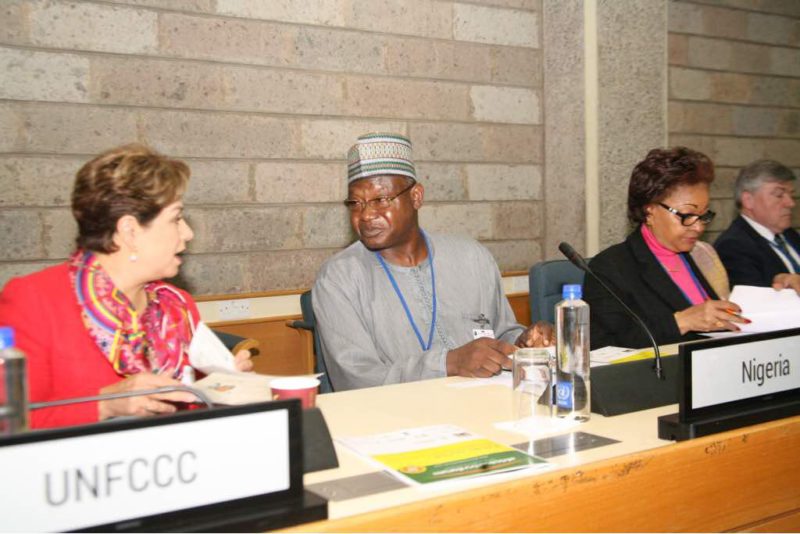
Executive Secretary of the UNFCCC, Patricia Espinosa, exchanging ideas with Nigeria’s Environment Minister of State, Usman Jibril, during a session at the Africa Climate Week
Some 800 delegates from 59 countries, including ministers and other high-level government and international officials, together with non-state delegates, offered their insights into the challenges and possible responses to climate change, and harvested those insights for consideration in the official international climate negotiation process.
The collecting of views – under the banner of the year-long Talanoa Dialogue launched at negotiations in Bonn, Germany, in November 2017 – was a key part of Africa Climate Week that was concluded on Friday, April 13, 2018 in Nairobi.
At the first regional Talanoa event since the launch in Bonn, delegates distilled their deliberations into key messages:
Finance – Public finance must be instrumental in unlocking private finance
Markets – Carbon markets are about doing more together, and doing more with less
Energy – Energy is a high priority, affecting everything. Financial instruments should be put in place to de-risk investment and enhance involvement in smaller and medium-sized enterprises
Sustainable Development Goals (SDGs) – Achieving the SDGs, including the climate one is the only way forward
Technology – Businesses are ready to pick up new technology solutions, provided there is a good business case. The voice of the private sector is needed now more than ever.
The top-line message of delegates, that action on climate change is essential for sustainable development, was echoed in remarks by Erik Solheim, Executive Director, UN Environment, at the closing of the first Africa Climate Week, and of the Week’s cornerstone event, the 10thAfrica Carbon Forum.
“We are engaged across most of the Sustainable Development Goals and clearly focusing on how to create synergy between the different goals and especially with the climate goal, which is essential for achievement of all the other goals,” said Mr. Solheim.
The UN’s 2030 Sustainable Development Agenda details 17 global goals covering poverty, hunger, health, education, climate change, gender equality, water, sanitation, energy, urbanisation, environment and social justice.
“Africa can, should and will be the leader of ambitious climate change action in the world,” said David On’are, a Director at Kenya’s National Environment Management Authority (NEMA), citing a key message coming out of regional ministerial discussions that took place this week in Nairobi. “There is the need to raise ambition, interest, innovation and mobilise the necessary means of implementation to address climate change.”
Countries agreed in Paris in December 2015 to limit global average temperature rise to 2 degrees Celsius and work toward a safer 1.5-degree goal. In coming to their agreement in Paris, countries also recognised that success will require broad-based climate action by all sectors of society, both public and private, and by individuals.
“To achieve our goals, we need more ambition and action. Not just by national governments—they cannot do it on their own—but by all levels of government, business, investors and everyday people working together,” said Patricia Espinosa, Executive Secretary, UN Climate Change, at a high-level session on Thursday. “The good news is that momentum is picking up and we’re beginning to see the transformational shifts we need.”
Africa Climate Week, which held from Monday April 9 to Friday, April 13, was hosted and supported by the Government of Kenya and organised by the Nairobi Framework Partnership, together with NEMA. The Nairobi Framework Partnership (NFP) is celebrating this year its 10th anniversary, as is the Africa Carbon Forum, which was launched by NFP to spur investment in climate action through carbon markets, mechanisms and finance.
The NFP members include: the African Development Bank, Asian Development Bank, International Emissions Trading Association, United Nations Environment Programme (UNEP), UNEP DTU Partnership, United Nations Conference on Trade and Development, United Nations Development Programme, UN Climate Change, and World Bank Group.
Cooperating organisations include: Africa Low Emission Development Partnership, Climate Markets and Investment Association, Development Bank of Latin America, Institute for Global Environmental Strategies, Inter-American Development Bank, Latin American Energy Organisation and West African Development Bank.
Al Hamdou Dorsouma, Manager for Climate and Green Growth Division, African Development Bank (AfDB), said: “The African Development Bank believes that Nationally Determined Contributions (NDCs) are an opportunity for African countries to put sustainability at the centre of their long-term development. The dialogue at this first Africa Climate Week demonstrated the ambition and determination by both state and non-state actors, as well as development partners, to push for expanding green and resilient investments, which enable Africa to leapfrog to high impact and clean technologies in productive sectors. The African Development Bank fully supports this ambition through its High 5 priorities, that, when fully implemented, will help Africa to achieve about 90% of its Sustainable Development Goals and 90% of its Agenda 2063.”
John Christensen, Director, UNEP DTU Partnership: “We have had very interesting three days in Nairobi. The 10th Africa Carbon Forum shows that countries in the region are moving forward on the implementation of the Paris Agreement in spite of the still limited international climate finance resources. No doubt this will be challenging and countries in the African region will while taking the lead need support from more developed countries and a private sector that takes part of the responsibility while ensuring it happens in effective and wealth generating ways.”
Venkata Ramana Putti, Programme Manager, Carbon Markets and Innovation, World Bank: “Carbon markets and pricing has huge potential to help tackling climate change, and contributing to sustainable development, hence the need to give it attention through a strong collaboration at domestic and regional levels.”
Dirk Forrister, CEO, IETA: “The strength of Africa’s response to the climate challenge is rooted in how well African business can become a partner in the effort. Many African businesses are interested in how the market incentives of regional cooperation can unleash important new climate business potential in the region.
“Once again, ACF explored this market growth potential and the innovative policy ideas for accelerating climate action.”
Jukka Uosukainen, Director, Climate Technology and Network Centre (CTCN): “Since the Paris climate Agreement in France in 2016, African governments have started asking for technological support in tackling climate that adversely affects the continent. By serving as a bridge between developing countries’ technology needs and the proven expertise of finance, private sector and research experts from around the world, the Climate Technology Centre and Network (CTCN) builds partnerships that achieve countries’ climate and development objectives. This forum was a great opportunity to share best practices and lessons learned in Africa.”
Tony Simon, Director General of the World Agroforestry Centre (ICRAF): “As a Climate Technology Centre and Network founding consortium partner, ICRAF has contributed to knowledge resources of CTCN. Through new challenges like climate change and CTCN demands and your own wishes and needs we have seen that knowledge services that we offer is what CTCN is all about. The food system is under pressure from climate change.
“Locally-relevant options that enhance agricultural productivity, climate change adaptation and mitigation need to be adopted. Explore innovative finance instruments. Private equity offers a huge amount of money. Use the money from CTCN and other sources to pull in other funds and use that as an opportunity to blend financing for climate change initiatives.”
The Federal Government on Friday, April 13, 2018 said the level of fatality of cancer cases in the country had become worrisome.
Minister of Health, Professor Isaac Adewole
Minister of Health, Prof. Isaac Adewole, stated this at the launch of National Cancer Control Plan (NCCP) 2018-2022 in Abuja.
Adewole said that the plan would create awareness on the dangers and treatment of cancer, and help to address every aspect of cancer management to improve the quality of life of patients.
He said that the plan included prevention, early detection through regular screening, early treatment, intervention, palliative care and pain control.
He called on all stakeholders to join hands with the ministry to fight the scourge of the deadly disease, saying that it must be conquered.
On his part, Prof. Sunday Adewuyi, Clinical and Radiation Oncologist, Ahmadu Bello University, Zaria, who presented overview of NCCP and state of cancer in Nigeria, said cancer was real.
“Cancer is real and does not discriminate against tribe, religion, sex, educational level, political class or party.
“Being diagnosed of cancer in Nigeria is like a death sentence due to cost of drugs, surgeries and investigations, deficient facilities for radiotherapy and specialised care and adequate manpower in every aspect of oncologic therapies.”
Adewuyi pointed out that a nation’s healthcare delivery system had significant inputs from all stakeholders and that a good synergy was required to achieve optimal care.
He enumerated some of the challenges faced by cancer patients in Nigeria as low insurance coverage to reduce financial burden on patients, deficient supply chain for drugs and consumables, lack of dedicated centres with optimal infrastructures and manpower.
He said that the other challenges were lack of legislation and policies to fund cancer centres and cancer care.
The minister added that the challenges faced by cancer health care-givers were apathy and loss of confidence in orthodox treatment and non-inclusion of comprehensive cancer care in National Health Insurance Scheme (NHIS).
The care-givers’ other constraints, he said, included were brain drain, obsolete, deficient and non-functioning radiotherapy equipment.
Adewuyi advocated declaration of a state-of-emergency in cancer care in Nigeria and 100 per cent implementation of the 2018-2022 plan.
In her remarks, Founder and Chairman, Medicaid Cancer Foundation, Dr Zainab Bagudu, thanked the team that put together the control plan.
Bagudu, who is Wife of Kebbi Governor, said that the plan was long overdue as the old one expired in 2013.
She expressed delight that the conversation about cancer had stepped up in Nigeria and hoped that the launch of the new plan would translate into reduced mortality rate.
“We are very good at making plans but the burden and the huge task ahead of us is to implement these plans.
“Cancer is a very complex disease that is not yet properly understood and is very expensive to treat, and all these made it more of a problem in our own society.
“In Africa where we have superstitious belief, it adds to the burden and stigmatisation of cancer patients,” she said.
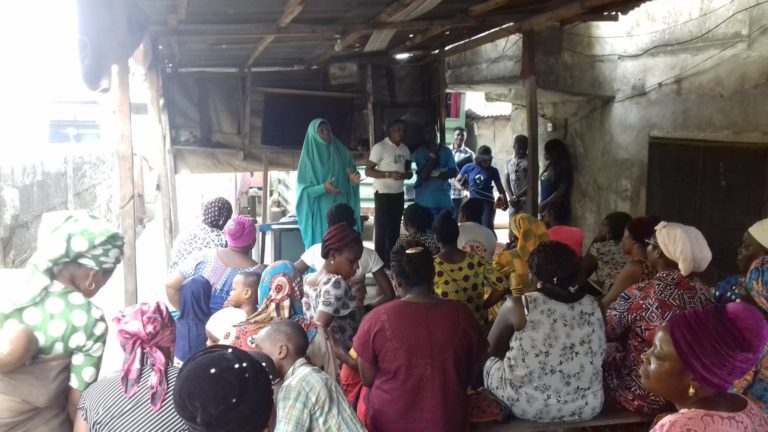
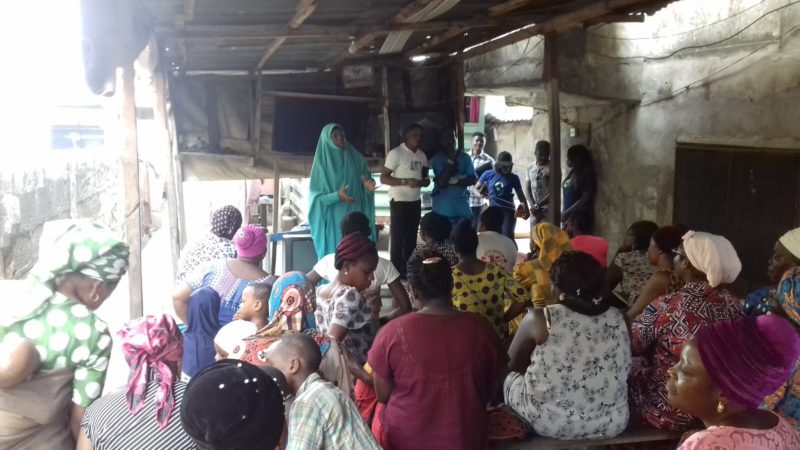
As part of activities to mark the 2018 World Health Day, Lagos-based international climate change development group, Climate Wednesday, took up the initiative called “Community Health Talk” to the grassroots by visiting a local community in Bariga Local Council Development Area (LCDA) in Lagos.
The Community Health Talk
According to the organisation, the event was aimed at engaging the members of the community on health issues affecting them. The event took place on Saturday, April 7, 2018.
The four-hour forum had in attendance about people 50 people, including seven members of the Climate Wednesday team and over 40 members of the community.
The interactive event saw members of the Climate Wednesday team delivering messages to members of community on the importance of good health, reminding them of their right to good health, financing for health for all and the benefits of teamwork.
Project Manager at Climate Wednesday, Adenike Adeniran, gave an introductory note on the purpose of the event, even as Youth Engagement Officer, Azeezat Yishawu, gave the health talk, emphasising on the importance of team work and having reliable representatives in the community who can help them negotiate and demand for their rights from the concerned principals.
Community Engagement Officer, Babatunde Enitan, while buttressing the points made in the native Yoruba language for in-depth understanding by the audience, advised them to spread the gospel and ensure that they make their individual efforts count on health matters.
Team Mobiliser, Mr Daniel, gave a closing note to thank the participants and reiterated on the learnings of the event.
Some observations during the community health talk are listed to include:
The members of the community acknowledged that the Health Centre in the neighbourhood is not big enough to cater for the number of people in the community, even though they do not have any challenges with the quality of service there. They requested for more primary health centres to be built to prevent overcrowding.
No free drugs services as resident have to purchase drugs.
Residents requested for a birth delivery facility as the nearest obstetrics hospital is far away from the community.
They also complained about the delay in services rendered by the waste collectors. Their waste is piled up and afterwards scattered around, making the environment dirty due to the fact that the waste collectors do not come to collect the waste in due time. Poor sanitation and pick up of waste within the community is thus a cause for concern
Residents were further enlightened on the importance of forming small groups within the communities to attend challenges that they face. They were also informed of various government parastatals within their community which they can approach and table their demands and request for accountability. Finally, they were educated on the importance of personal and environmental hygiene; such as how to reduce their waste as well as proper disposal of waste.
Climate Wednesday wants the Bariga LCDA authorities to invest more into financing health at all levels and ensure budgetary transparency and accountability.