Home Blog Page 1919

Apathy impedes realisation of solutions for water challenges in Ghana, says expert

0

Water experts agree that “21st century water challenges” especially that of meeting the increasing global demand for water due to population growth, can be addressed through nature based solutions (NBS). These solutions include the proper management and protection of freshwater ecosystems such as wetlands, floodplains and forests around the heads of rivers. The solutions are inspired
and supported by nature, and use natural processes to contribute to improved management of water.
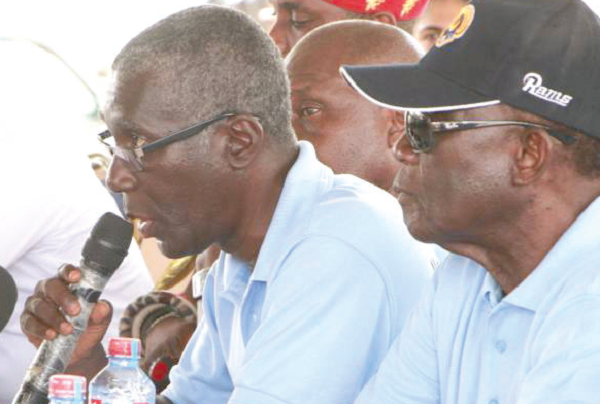
Ben Yaw Ampomah
Executive Secretary of the Ghana Water Resources Commission (WRC), Ben Yaw Ampomah

Once they are healthy, these ecosystems can effectively perform their natural functions of re-charging surface and underground water reserves that contribute to the sustainable availability of water. They further play important roles in regulating water quality
by reducing sediment loadings, capturing and retaining pollutants, and recycling nutrients.

However, some experts argue that the full and significant potential of nature based solutions have not been up-scaled in Ghana, because of the existence of certain multi-sectorial challenges. They include apathy against nature based solutions due to the continuing overwhelming dominance of built infrastructure solutions in the current instruments – from public policy to building codes and regulations.

“This dominance,” according to the Executive Secretary of the Ghana Water Resources Commission (WRC), Ben Yaw Ampomah, “also exists in engineering, market-based economic instruments, the expertise of service providers, and consequentially in the minds of policy makers and the general public. Consequently, nature based solutions are ignored.”

He added: “These and other factors collectively result in nature based solutions often being perceived to be less efficient, or riskier, than built or grey systems.”

Mr. Ampomah was speaking on the subject “Nature for Water,” at a media interaction in Accra organised by the Planning Committee for World Water Day celebration in Ghana as part of national activities to commemorate the Day.

World Water Day, which is celebrated annually on March 22, was instituted in 1992 by the United Nations, to draw global attention to the importance of water as a vital resource to life. Each annual event highlights a specific aspect of freshwater. The focus for this year’s celebration has been on the potential of nature based solutions to resolve 21st century water challenges.

The WRC Executive Secretary noted that nature based solutions often require cooperation among multiple institutions and stakeholders saying “this is something that can be difficult to achieve as current institutional arrangements did not
evolve with in-cooperation on nature based solutions in mind.”

He said “there is a lack of awareness, communication and knowledge at all levels, from communities to planners and national policy makers, of what nature based solutions can really offer,” adding that “this situation can be compounded by a lack of understanding of how to integrate green and built infrastructure at scale, and an overall lack of capacity to implement nature based solution in the context of water.”

And the fact is that myths and uncertainties remain about the functioning of natural or green infrastructure, and about what ecosystem services mean in practical terms. It is for this reason that people see wetlands as breeding merely grounds for mosquitoes or waste places that eventually become receptacles for rubbish and is often reclaimed for other land uses particularly buildings.

Besides, it is also not entirely clear, at times, what constitutes a nature based solution, while the hydrological functions of natural ecosystems, like wetlands and floodplains, are much less understood than those provided by built infrastructure. Consequently, nature based solutions are even more neglected in policy appraisal and in natural resource and development planning and management.

These challenges could be addressed by essentially creating enabling conditions for nature based solutions to be considered equitably alongside other options for water resources management. Mr. Ampomah called for leveraging of finances for nature based solutions by redirecting and making more effective use of existing financing. While, the private sector can also be further stimulated and guided to advance nature based solutions in the areas in which it operates.

Addressing the challenges further calls for creating an enabling regulatory and legal environment by promoting nature based solutions more effectively through existing frameworks. At the international level, global instruments including the Convention on Biological Diversity, the United Nations Framework Convention on Climate Change, the Ramsar Convention on Wetlands, the Sendai Framework on Disaster Risk Reduction, and the Paris Agreement
on Climate Change, all offer a means to explore nature based solutions for water availability and security.

The Sustainable Development Goals (SDGs), also provide an overarching framework for promoting nature based solutions. Mr. Ampomah said in the SDGs, nature based solutions offer high potential to contribute to the achievement of most of the targets of SDG 6 on water. He also mentioned other areas where the co-benefits of nature based solutions deliver particularly high rewards in terms of achieving the SDGs. They include agriculture; energy; inclusive and sustainable economic growth; full and productive employment and decent work for all. Others are making cities and human settlements inclusive, safe, resilient and sustainable; ensuring sustainable consumption and production patterns; and combating climate change and its impacts.

Mr. Ampomah concluded that “without a more rapid uptake of nature based solutions, water security will continue to decline, and probably rapidly so.”

The Vice Chairman of CONIWAS, Atta Arhin, used the occasion to educate the media on the general water and sanitation situation in Ghana in relation to SDG 6 on water. He said water and sanitation have always formed a major component of the nation’s development strategies such as the Ghana Poverty Reduction Strategy 1 & 2, Ghana Shared Growth and Development Agenda 1 & 2, and Agenda for Jobs (2917-014).

He said access to access to safe water, improved sanitation and hygiene services are fundamental to improved health particularly maternal and child health, quality education, gender equality, poverty reduction and socio-economic development.

Mr. Arhin, who is also the Coordinator of Water, Sanitation and Hygiene (WASH) at World Vision International Ghana, explained that targets SDG 6 indicate that everybody should have equal access to safe water, which should be affordable and easily accessible.  He said in Ghana challenges to attaining this target include poor water quality, poor water handling practices, difficult hydro-geology, limited alternative water supply systems, weak sustainability mechanisms, limited investments in safe water delivery and limited application of technology.

Arhin noted that “the water sub-sector was suffering because investment has not matched the increasing demand for safe water delivery, with annual GoG budget allocation to the sector averaging less than 1% of GDP.”

The journalists later raised several issues including what the WRC was doing to change the mind-set of Ghanaians about the destruction of freshwater ecosystems, why massive encroachment of the country’s wetland has been permitted all these years, why rivers become gutters when they enter Accra and how achievable is SDG 6 in Ghana in the light of continuing “galamsey” or illegal mining.

The ensuing discussion was done in an atmosphere devoid of hostilities that sometime characterise such interactions. It reflected a willingness on the part of media practitioners to delve into environmentally related issues impeding the nation’s development agenda and general wellbeing of the people.

By Ama Kudom-Agyemang, Accra
Earth Day: A case for control of use of plastic bags

0

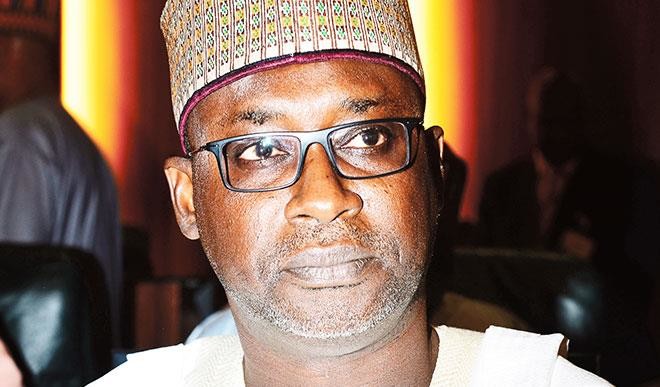
Director General, The Nigerian Conservation Foundation (NCF), Dr. Muhtari Aminu-Kano, in this piece meant to commemorate the 2018 Earth Day, advocates for the development of legislation and/or policy for the control of the use of plastic bags in the country in order to address the pollution menace

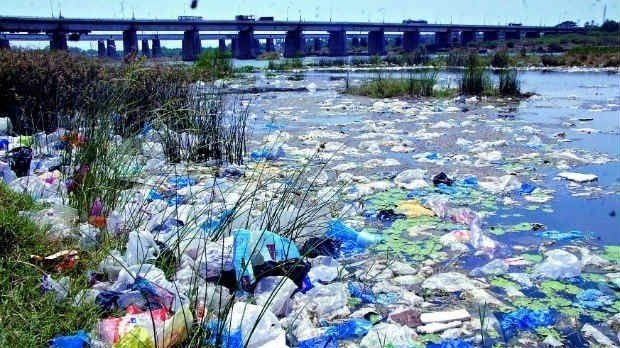
Plastic bags pollution

Plastics are derived and manufactured from higher density hydrocarbons. They are tough and are not degradable when disposed, potentially present in an ecosystem for between 500 – 1,000 years!

With increases in human population and commercial activities over the last century, we have also witnessed a tremendous increase in the quantity and use of plastics as shopping and gift bags, carriers for drinks and water, insulation materials and general packaging of merchandise. In Nigeria however, the most environmentally damaging and unsustainable use of plastics is in the commercial sector where plastics are used as wrapping/shopping bags and as carriers for water in this case commonly known as pure/sachet water.

Many bags drift into the ocean, strangling turtles, suffocating seabirds and filling the stomachs of dolphins and whales with waste until they die of starvation. Habib El-Habr, an expert on marine litter working with the UN Environment Programme in Kenya, outraged by the development commented as follows: “If we continue like this, by 2050, we will have more plastic in the ocean than fish.”


What are the issues?

The indiscriminate and poor disposal of such used plastics is fraught with numerous environmental consequences which include:

  • flooding; as a result of drains being clogged by the plastics.
  • outbreak of diseases; the bags become habitable grounds for disease-spreading vectors such as mosquitoes and flies, resulting in the spread of malaria, cholera and diarrhea.
  • pollution of the rivers, seas and oceans; every year, tones of plastics are washed into aquatic systems which affect the sites and potentials of breeding of fishes and other aquatic animals. More so, many fish species ingest the plastics which ultimately get transferred into the food-chain to humans, with negative consequences on our health. Many river channels have ‘’dried-up’’ due to the disposal of plastics along their courses.


State of affairs

In Africa, Rwanda, Tanzania and Kenya have legislation that bans the manufacture, trade and use of plastic bags. Penalties range from the imprisonment of up to five years or fines of several thousands of dollars. Other African countries (about 15) such as Ethiopia, Morocco, Mauritius, Ghana, South Africa, Namibia and Madagascar, are currently developing policies and legislation for the prohibition of the use of plastics. Globally, over 40 countries have policies or legislation to control or prohibit the use of plastics ranging from tax to an outright prohibition. More so, In June 2017, the East African Legislative Assembly finally passed the EAC Polythene Materials Control Bill 2016 that seeks to impose a complete ban on the use, manufacture and importation of plastic bags in the East African Community after stagnating for five years.

It is instructive to note that Chile even sent in policy experts to understudy the Rwandan and Kenyan legislation and experience on the prohibition of plastics with a view to adopting same.


Nigerian context

Nigeria is a signatory to numerous global treaties and conventions such as the Paris Climate Convention, Sustainable Development Goals (SDGs), the Convention on Biodiversity (CBD), Convention on Migratory Species (CMS), for the sustainable management of the environment and biodiversity. The spirit, letters and intent of most of the conventions involve the interdiction of practices that cause harm to the environment or specific species under threat.

The SDG 3 (on good health), 6 (clean water and sanitation), 11 (sustainable cities and communities) 13 (climate action) and 14 (life below water) all directly deal with the effect of practices (and by implication, plastics) on our communities’ (un)sustainability.

The use of plastics and its effect on wildlife sustainability and species diversity runs against the CBD just as much as it is to CMS.

While refuse – including plastics – in most rural and even urban communities are often disposed by open-burning, the emissions from such practices apart from being harmful to human health (emits phthalates, antimony, volatile organic compounds, carbon monoxide, arsenic and dioxins which cause headaches, nausea, rashes and other health complications) comes at a harmful cost to the environment even affecting Nigeria’s emission abatement targets as made in the Paris Climate Convention.


What can and should be done?

While not the first in Africa, Nigeria can however provide leadership to an African initiative to prohibit the use of plastics. In this regard, the following steps might be worth considering:

  • the government (Ministries of Environment, the National Environmental Standards, Regulatory & Enforcement Agency – NESREA, etc) should henceforth sensitise communities on appropriate waste disposal techniques and ensure facilities are provided for such.
  • a legislation and policy framework for the taxing or prohibition of the use of plastics (shopping/gifts plastics bags, sachet water plastics and similar range of plastics) should be initiated. Such regulations should have appropriate penalties for defaulters.
  • effective bio-degradable substitutes to such plastic bags (made from kenaf, sisal or bamboo fibres etc) should be initiated.
  • for plastic bottles and other non-degradable materials, designated recycling collection centres should be established within communities and government designated centres.

Scientists want government to legislate regulation of plastic pollution

0

Some scientists have urged the Federal Government to legislate regulation of plastic pollution toward achieving environmental sustainability.

Waste
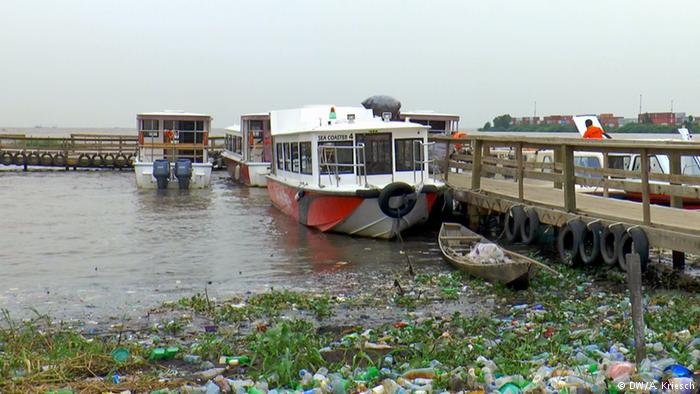
Plastic wastes on waterways pose a treat to small boats

The scientists, who gave the advice on Monday, April 23, 2018 in Abuja in separate interviews with the News Agency of Nigeria (NAN), said such effort would ensure clean environment and improve the health standard in the country.

They were speaking against that backdrop of the 2018 Earth Day marked on April 22, which had as its theme: End Plastic Pollution’’.

Dr Adeneye Talabi, the Director of Technology Acquisition and Adaptation, Federal Ministry of Science and Technology (FMST), said legislation ought to be put in place to prevent polluting the environment.

“Exposing our legislators to training on science and technology will influence their decisions on the issues of environment and health,’’ he stated.

The director called for the conversion of plastic to biodegradable materials to make the environment sustainable.

“For more than 10 years, there has been attempt in the developed world to develop biodegradable plastic pots for raising flowers and forestry activities for forest plant.

“Biodegradable plastic materials may cost Federal Government huge amount but is still better than non- biodegradable plastic,” he said.

Prof. Onwualu Peter, the Coordinator, Materials Science and Engineering, African University of Science and Technology (AUST) Abuja, said the Federal Government should make effort to tackle plastic pollution through legislation.

The don observed that global effort to eliminate primarily single use of plastics along with global regulation for the disposal of plastics ought to be emulated by Nigerian policymakers and legislators.

He called on African countries to actively participate in celebrating Earth Day in the future to fast-track actualising objectives of the event.

Mrs Adenike Aluko, an Osun-based Public Health Officer, said plastic material could cause sealing of the inner part of soil to disallow plants to get water which could lead to plants being starved.

She listed other challenges of plastic materials to include blocking of drainage, which could result in flooding and swallowing of plastic materials by animals causing them to be ill sometimes leading to their death.

Earth Day Network (EDN) organises Earth Day awareness worldwide through educating millions of people about the health and other risks associated with the use and disposal of plastics, including pollution of oceans, water, and wildlife.

By Gabriel Agbeja

Lawmakers laud discovery of plastic-decomposing enzymes

0

Some members of the Global Legislators Organisation for a Balanced Environment (GLOBE), Nigeria Chapter, have lauded reports that enzyme that could decompose plastics have been discovered.

Plastic waste
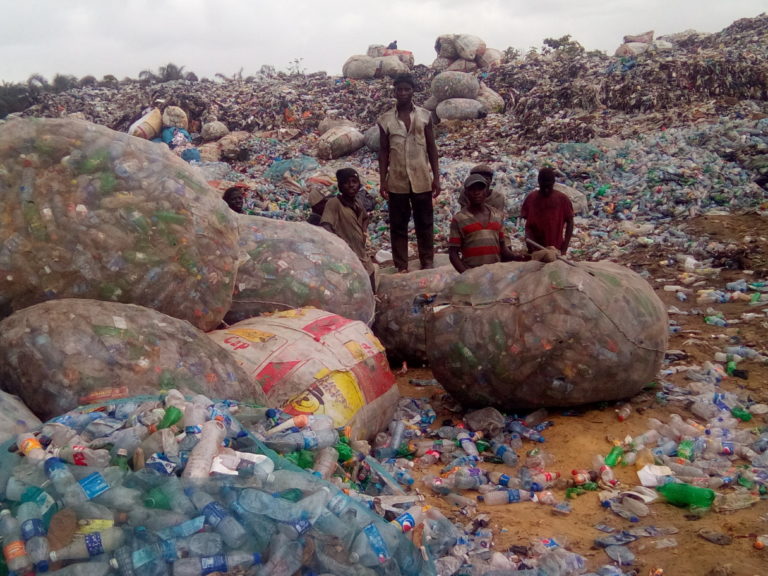
Plastic bottle scavengers and their wares at the Epe Landfill Site/EcoPark in Lagos, Nigeria

In separate interviews, lawmakers told News Agency of Nigeria (NAN) in Abuja that the breakthrough would go a long way in finding lasting solution to an age-long environmental challenge in Africa, especially Nigeria.

They decried the various harm caused by man’s activities on the environment, and said that the discovery of the enzyme would benefit Nigeria greatly.

A member of the group, Rep. Aminu Shagari, said: “I am excited about a new finding by some scientists in China that have discovered an enzyme that decomposes plastic.

“This is an important finding because one of the major problems in Nigeria is environmental degradation, which has to do with the way we dispose plastic wastes.

“Our waterways are blocked; farmlands are filled with all manner of materials that are harmful to the environment.

“Our livestock are eating plastics and polythene bags. We use them in disposing food which our livestock feed from, making them sick.

“I hope agencies that are concerned would follow it up so that we can have these enzymes as fast as possible to make our environment safer and better.”

The lawmaker, who represents Shagari Constituency of Sokoto State in the House of Representatives, assured that GLOBE would continue to play its part in the preservation of the environment.

He added that the organisation was already partnering government agencies in carrying out its objectives, which included passing laws that would impact positively on the environment, while safeguarding the county’s natural resources.

Rep. Sam Onuigbo, Vice President, GLOBE Nigeria and Chairman, House Committee on Climate Change, said that the mismanagement of “natural capital’’ had led to degradation and other environmental challenges.

He lauded the media for the report of discovery of the enzymes, saying that it would help in tackling problems caused by plastics to the environment.

“We recently had a GLOBE-UNEP meeting to engage stakeholders across board – from the government, legislature, the private sector and the NGOs.

“The meeting was meant to get stakeholders together to brainstorm on how to execute the GLOBE-UNEP project meant to achieve proper and successful environmental governance.

“The objective of the project is to reduce all the challenges that we have in our environment.

“It is all about how to preserve the environment and our natural capital to ensure that we do not create more problems.

“For instance, it is the mismanagement of our natural capital that leads to degradation. Some of the problems we have as humanity were caused by us.

“This has created additional problems through climate change effect, from desertification to draught, to lack of grazing area, the drying-up of Lake Chad and so on,’’ he said.

Onuigbo, who represents Ikwuano/Umuahia North/South of Abia State, stressed that environmental degradation in country had contributed to herders-farmers clashes.

According to him, people who ordinarily would have grazed in areas in the North-East are pushing downtown and this has disrupted farming and has now led to insecurity.

“So, we are thinking of a world where we are able to farm peacefully and preserve the economy.

On his part, Mr Innocent Onah, Coordinator of GLOBE Nigeria, said that there was an urgent need to pay more attention to environmental issues, particularly in the country, in view of the effect of environmental degradation on the economy.

He said, “Environmental matters have not been given the needed attention in the past.

“However, with GLOBE and the critical position occupied by legislators and partnering stakeholders will help enhance the environmental system.’’

By Cecilia Ijuo

Hong Kong fish feeding on plastic pose possible toxic risk – Greenpeace

0

Sixty per cent of Hong Kong’s commonly eaten grey-mullet fish contain large quantities of microplastic, with some ingesting 80 pieces, a report by environmental-activist organisation, Greenpeace, said on Monday, April 23, 2018.

Grey-Mullet
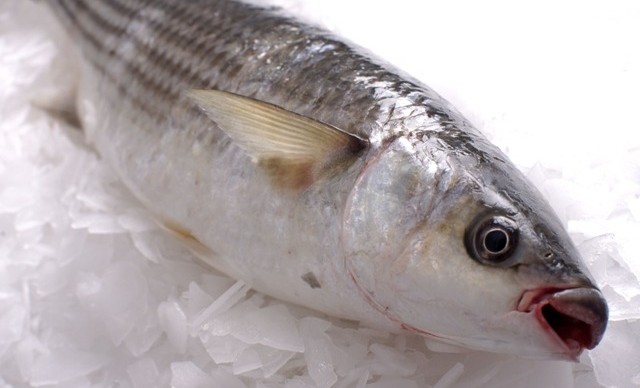
The grey mullet fish

Apart from the popular Flathead grey mullet, at least 170 marine-species, including mussels, lobsters and silver herring in the southern Chinese territory, have been found to contain micro-plastic, said Greenpeace.

Greenpeace campaigner, Chan Hall Sion, said the existence of micro-plastic in so many marine species “increased the chance of putting toxins on the eating-tables” of people in one of the world’s most densely-populated-cities.

Hong Kong has struggled to combat plastic waste, with the Education University of Hong Kong saying beaches have on average, 5,000 pieces of micro-plastic per square metre.

This is a 2.4 times higher than the U.S. micro-plastic concentration level.

A culture of eating out, fast food, and takeaway in the territory, is fueling a rising tide of plastic waste.

Around three tonnes of rubbish was cleared from Hong Kong’s beaches on Sunday as residents took to the coastlines to pick up plastic items.

These include wrappers, packaging children’s toys and cigarette lighters. Some of the rubbish had been lying there for over a year, local media reported.

The Greenpeace report said there were on average, 4.3 pieces of plastic fragments found in each mullet and the majority of plastic came from single use items like plastic cutlery and condiment-bags.

Greenpeace urged the Hong Kong government to quicken legislation to restrict the use of single-use-plastics and announce an overall plastic reduction target.

Hong Kong, a city of more than seven million people, deposits around two thirds of its 5.6 million tonnes of annual waste in landfill, very little is recycled.

The flathead grey mullet is an important food fish species in the mullet family Mugilidae. It is found in coastal tropical and subtropical waters worldwide. Its length is typically 30 to 75 centimetres.

Asia-Pacific delegates share commitment to preserving rainforests for climate

0

Over 1,200 participants from over 40 countries across Asia-Pacific commenced a three-day meeting on Monday, April 23, 2018 in Yogyakarta, Indonesia, to foster cooperation and share best practices to avoid deforestation and promote sustainable growth.

Asia-Pacific
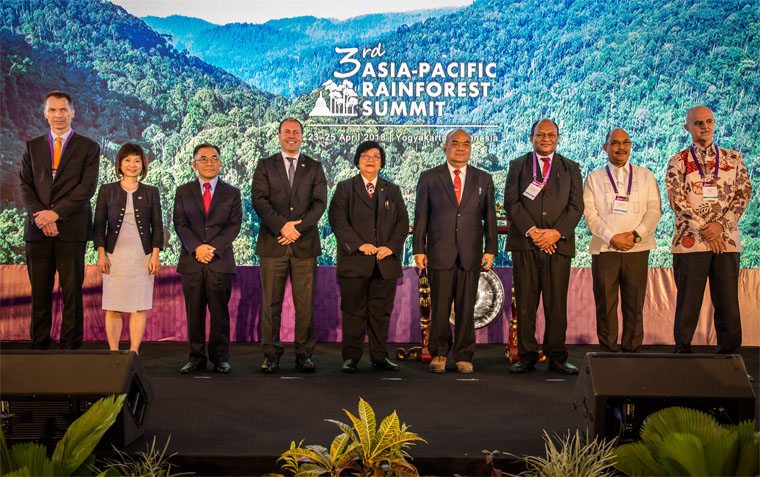
Opening session of the 3rd Asia-Pacific Rainforest Summit in Yogyakarta, Indonesia, on April 23, 2018: From left to right: Vegard Kaale, Ambassador of Norway to Indonesia; Amy Khor Lean Suan, Senior Minister of State, Ministry of the Environment and Water Resources of Singapore; Dato Seri Setia Awang Haji Ali Bin Ali Apong, Minister of Primary Resources and Tourism of Brunei; Josh Frydenberg, Minister for the Environment and Energy of Australia; Siti Nurbaya Bakar, Minister of Environment and Forestry of Indonesia; KGPAA Paku Alam X, Prince of Pakualaman and Vice-Governor of Yogyakarta; Osea Naiqamu, Minister of Agriculture, Fisheries, and Forests of Fiji; Ricardo L. Calderon, Assistant Secretary for Staff Bureaus of the Phillipines; and Robert Nasi, Director General of the Centre for International Forestry Research (CIFOR). Photo credit: Ulet Ifansasti for CIFOR

At the 3rd Asia-Pacific Rainforest Summit (APRS 2018), representatives of academia, civil society, companies, governments and research institutions are discussing the role of forests in Nationally Determined Contributions (NDCs) and other commitments made by each country under the Paris Agreement in 2015.

The Indonesian Government, with the support of the Australian Government and in partnership with the Centre for International Forestry Research (CIFOR), is hosting this event. The opening sessions included the participation of ministers and other high-level speakers.

“More than 450 million lives depend on the sustainable management of forests,” reminded Indonesia’s Minister of Environment and Forestry, Siti Nurbaya Bakar. “Last year Indonesia took major measures to promote social forestry, setting a target to allocate 12.7 million hectares of land to social forestry by 2019.” She also highlighted the progress the country has made in fighting deforestation and future commitments. “In the last three years, we have managed to reduce the deforestation rate from 1.09 million hectares to 0.61 million hectares. We have a projected target of 0.45 by 2020 and 0.35 by 2030.”

Australia’s Minister for the Environment and Energy, Josh Frydenberg, celebrated the progress made in reducing emissions from forests and emphasised the importance of regional collaboration.

“With the collected and concerted efforts in our own countries and through our international partnerships, we are making progress. The hard work we have done together is starting to bear fruit,” Frydenberg said. “We need to maintain this momentum and step up the pace of change if we are going to protect our forests and people, while securing economic growth,” he remarked.


Regional best practices on rainforests and climate

APRS is a key regional event held every two years. Its goal is to generate practical action on forest conservation and to help achieve sustainable development in the Asia-Pacific region.

In this edition, APRS is showcasing national experiences and best practices in the areas of Community forestryEcotourism and conservation of biodiversityForest finance, investment and tradeForests in Nationally Determined Contributions (NDCs)Mangroves and blue carbonProduction forests; and Restoration and sustainable management of peatlands.

In addition to the sessions on stage, government officials from countries across the region held a multilateral meeting and multiple bilateral meetings to discuss the ways in which they can cooperate.

Earth Day: Google Doodle delivers message, Apple unveils iPhone recycling robot

0

Two major information and communications bigwigs used the occasion of the 2018 Earth Day, observed on Sunday, April 22, to express their commitment towards ensuring a healthy planet Earth.

Apple-Daisy-robot
Daisy, Apple’s iPhone recycling robot

For instance, Apple showcased its disassembly robot named “Daisy” and announced a donation programme as part of its ongoing recycling effort. With the new robot, Apple aims to create a healthier planet through innovation.

Apple also introduced the “Apple GiveBack” programme, where the Cupertino-based company would make a donation to the non-profit Conservation International for every device received at its stores and apple.com till April 30. Conservation International uses science, policy and partnerships to protect the natural world people rely on for food, fresh water and livelihood. Founded in 1987, the organisation works in more than 30 countries on six continents to ensure a healthy and prosperous planet.

“In recognition of Earth Day, we are making it as simple as possible for our customers to recycle devices and do something good for the planet through Apple GiveBack,” Lisa Jackson, Apple’s Vice President of Environment, Policy and Social Initiatives, said in a statement.

Through Apple GiveBack, Apple says its customers would be able to turn in their devices at any Apple Store or through apple.com to be recycled or traded in. All the eligible devices will receive credit that customers can use toward an in-store purchase or put on an Apple Store Gift Card for future use.

Apple also detailed its commitment to the environment by deploying new technologies to reduce carbon footprint by using renewable energy sources and driving energy efficiency in its products and facilities. Apple recently confirmed that all its retail stores, offices, data centres and co-located facilities in 43 countries are running with 100 percent clean energy.

Google Doodle
The Google Doodle

Google celebrated the Earth Day by collaborating with Dr. Jane Goodall, who is a renowned ethologist and conservationist. In an illustrated video, Goodall talks about conservation and animal welfare.

“Out in the rainforest, you learn how everything is infinite, and how each different species, even though it may seem insignificant, has a role to play in the tapestry of life What better day than Earth Day than to really make a determined effort to live in better harmony with nature,” Goodall said in a video.

The Google Doodle, which was created by The Goodall Institute, and illustrated by Matthew Cruickshank, talks about Goodall’s memory from the time when she was working at the Gombe National Park in Tanzania. She discovered that chimpanzees make and use tools that disrupted the science world in 1960. It also helped redefine the relationship between the animal kingdom and humans.

“The rain stopped and I could smell the wet hair on the chimpanzees and I could hear the insects singing loudly. I felt absolutely at one and it was a sense of awe and wonder,” Goodall recalls. “With all of us working together, I am hopeful that it is not too late to turn things around if we all do our part for this beautiful planet,” she added.

April 22 has been observed as Earth Day, and it first started in 1970 in the US when 20 million people protested against the negative effects of industrialisation. The protesters marched to the auditoriums, parks and streets for demonstrating the need for a healthy and sustainable environment, and similar Earth Day events then followed in over 193 countries.

States defy paucity of funds, devise ways to supply water to residents

0

In the face of dwindling resources amid other challenges, some state governments are still expending huge funds on water projects so as to provide potable water for the citizens.

Suleiman Adamu
Suleiman Adamu, Minister of Water Resources

A recent survey conducted by News Agency of Nigeria (NAN) revealed that the states had evolved several programmes and strategies to take care of the water supply needs of their residents.

The survey was sequel to a recent UNICEF report, which claimed that more than 160 million Nigerians did not have access to potable water and the report has since generated a lot of controversy and concern.

In Oyo State, the state government had initiated some strategies and projects to ameliorate the acute water scarcity in most parts of the state.

For instance, an ultra-modern water treatment plant at Asejire Water Scheme, which has a production capacity of 186,000 cubic metres of water per day, was established at the cost of N262 million.

NAN gathered that the scheme would supply potable water to 85 per cent of the inhabitants of the Ibadan metropolis as well as the people of Ikire, Ikoyi and Apomu communities in the neighbouring Osun State.

Gov. Abiola Ajimobi said that prior to the inception of his administration; there was a marked decline in water supply from the Asejire Water Scheme because of factors such as old equipment, lack of spare parts for maintenance and erratic electricity supply.

He also said that his administration had awarded contracts for the construction of the Ayete Water Supply Scheme to serve Tapa, Idere and Ayete communities and the provision of a dedicated power line for Saki and Ogbomoso Water Supply Schemes.

Besides, Ajimobi said that the government had awarded the contract for the extension of water pipelines to new areas across the state, while upgrading water treatment facilities at Koso and Atori waterworks in Iseyin.

Other contracts, which the government awarded, include the rehabilitation and upgrade of Igboho Water Supply Scheme and the expansion works on Igbeti and Ogbomoso Water Supply Scheme, while the construction of Ilero Water Supply Scheme and New Rising Mains from Eruwa to Igboora (Phase I & II) were also revalidated.

Chief Isaac Ishola, the Commissioner for Environment and Water Resources, told NAN that the government had put in place some measures to boost the volume of water supply to the citizens.

He said that the rehabilitated and upgraded water treatment plant at Asejire Water Scheme would increase its water production capacity from 10 per cent to 80 per cent.

“The plant could conveniently supply about 150 million litres of water to about four million residents of Ibadan and its environs on a daily basis. Besides, some dilapidated pipelines across the metropolis have been replaced.’’

In Ilorin, Dr Muyideen Akorede, the Senior Special Assistant on Media to Gov. Abdulfatah Ahmed of Kwara, attributed the increasing scarcity of water in Kwara to the increasing population of the state.

He said that the significant boom in population had brought about attendant pressure on the existing infrastructure.

However, Akorede said that when the ongoing reticulation of water pipes and repair of waterworks were completed, the persistent water supply challenges facing the people of the state would be addressed.

Dr Oba La’aro, a lecturer in the Department of Mass Communication, University of Ilorin, nonetheless, bemoaned the acute water shortage in Ilorin, the state capital, saying that many residents usually travelled long distances every day in search of water.

“Ilorin has since expanded into a metropolis but its water supply is receding into a village-size water supply system.

“Starting from the 1992 to 1993 regime of ex-Gov. Sha’aba Lafiagi; each succeeding administration has fleeced the people by pretending to be addressing the water supply needs of the residents of the Ilorin metropolis,’’ he said.

He said that successive state administrations had failed to address the water supply challenges facing the citizens frontally.

NAN, however, reports that the state government on Jan.  17 introduced a water support scheme as a palliative measure to cushion the effect of the acute water shortage on the citizens.

Alhaji Tunde Yahaya, the General Manager of Kwara State Water Corporation, said that the scheme was to reduce the hardship facing the residents of Ilorin pending the completion of the water project which the state government had embarked upon.

He said that water tankers were deployed to strategic areas across the city to provide water for the residents as part of a stop-gap.

All the same, the situation has forced many residents, especially those living in new layouts, to dig wells or drill boreholes as alternative means of getting drinkable water.

In Ekiti, the Commissioner for Public Utilities, Chief Tunde Ogunleye, said that out of the N1 billion budgeted for the water sector this year, N500 million had been earmarked for rehabilitation and maintenance of water schemes across the state.

He said that another N200 million would be spent on the Ero Dam Water Supply Project, while rural water supply projects would be executed across the state at the cost of N50 million.

Besides, the commissioner said that Gov. Ayodele Fayose had approved the release of another N500 million to boost water supply in the state.

Ogunleye said that the state government had also adopted a new water and sanitation policy, which was approved by the State House of Assembly and signed into law by the governor.

He also said that the government had approved N500 million as counterpart funding for projects executed under the European Union-Water Supply and Sanitation Sector Reform Programme (WSSSRP III).

According to him, N151 million, out of the approved sum, has already been paid, while the balance is being remitted in tranches due to the current economic situation in the country.

Mrs Olabisi Agbeyo, the General Manager of Ekiti State Water Corporation, disclosed that Ureje, Ero, Egbe and Itapaji dams in the state were currently undergoing rehabilitation, while seven communities would benefit from water supply projects.

Meanwhile, the Osun State Government has reiterated its determination to improve the supply of potable water to its citizens.

Mr John Ibirogba, the Special Adviser to Gov. Rauf Aregbesola on Rural and Community Affairs, said that government had done a lot in efforts to supply drinkable water to the people.

Ibirogba said that through the combined efforts of the Rural Water and Environmental Sanitation Agency (RUWESA) and European Union-Water Supply and Sanitation Sector (EUWSSS), the state government had constructed boreholes to support water supply from dams.

He said that through the Millennium Development Goals (MDGs) Office, the Kajola Water Dam in Ilesa was completed in 2015 and handed over to the state government.

Ibirogba said that the dam would supply water to the Ilesa Waterworks.

He also said that the Ede Waterworks, which had been in existence since 1952, was renovated by the state government, while that its capacity was expanded from 20 per cent to 70 per cent.

Also speaking, Mr Olugbenga Owojuyigbe, the General Manager of Osun State Water Corporation, said that the state government had budgeted N13.7 billion for water supply projects this year.

He said that the corporation, which aimed at generating N450 million as revenue this year, would ensure that all the dams in the state were in good condition so as to ensure hitch-free supply of water to the people.

Owojuyigbe, however, moaned that the non-payment of water bills by individuals and corporate organisations was affecting the revenue profile of the agency.

In Ondo State, Mr Tunji Ariyomo, the Special Adviser to Gov. Oluwarotimi Akeredolu on Public Utilities, said that old and weak infrastructure remained the main factor militating against regular water supply in the state.

Ariyomo stressed that the existing water schemes ought to be in good condition in order to ensure regular water supply to the communities.

He said that continuous pumping of water had become very expensive because of the epileptic nature of electricity supply, forcing the water treatment plants to rely on diesel.

He, however, said that using diesel to power water pumps had consequently increased the government’s expenditure, thereby increasing the cost of supplying water to the citizens.

Nevertheless, Ariyomo said that the state government had signed a subsidiary facility agreement with the Federal Government and the French Development Agency.

He said that the $ 57 million agreement was for the construction and completion of the water supply component of the Owena Multipurpose Dam in Akure.

“The goal of the project to supply water to at least 50 per cent of the households in Akure, the state capital, that is in excess of 10,000 households.

“The tripartite arrangement includes extensive studies and extensive works to fix the dam’s reservoir, transmission lines and distribution network.

“When that is done, there is going to be commercial water supply. There will be provision for fetching points but the water will be targeted at reticulation into peoples’ homes,’’ he said.

State governments in the North East geopolitical zone said that they were also making concerted efforts to supply potable water to the citizens, in spite of certain constraints such as overstretched facilities due to population explosion.

Malam Isa Mohammed, General Manager of Gombe State Water Board, attributed the scarcity of water in Gombe city to a population upsurge due to the influx of Internally Displaced Persons (IDPs) into the neighbourhood.

He said that, due to the development, the water treatment plant of the city had been overstretched, adding: “The treatment plant of 50,000 cubic litres was designed in 2011 to serve 260,000 people.

“The projection was that by 2015, the population will reach 300,000, with the plan of expanding it to contain 75,000 cubic litres.

“Unfortunately at the time of design, nobody thought about the issue of insurgency, which led to influx of IDPs. The population is now over 700,000 and the water is not sufficient.’’

Mohammed said that under the current circumstances, the board had no other option than to ration water supply to the people.

He, however, said that mini-water schemes like solar-powered boreholes were established in the local government areas.

Nevertheless, the Bauchi State Government said that it had secured a World Bank loan of $65 million (N23.3 billion) to upgrade the Bauchi Water Supply Scheme.

The Commissioner for Water Resources, Mr Ibrahim Sulaiman, said that the project would facilitate efforts to supply potable drinking water to the growing population.

He said that the government would upgrade the facilities at Gubi Dam, especially its power generating plants, while laying 50km pipelines to replace the old ones.

He, however, bemoaned the nonchalant attitude of people and organisations in the state toward the settlement of water bills and appealed for a behavioural change.

On its part, the Jigawa State Government said it had spent over N1 billion on the upgrade of water supply facilities in the state.

Mr Zayyanu Rabiu, the Acting Managing Director of Jigawa State Water Board, said that the state government had also released N339 million for the rehabilitation of water stations across the 27 local government areas of the state.

He said that work on Dutse Greater Water Project, which would ensure steady water supply to Dutse, the state capital, was also in progress.

Rabiu stressed that the state government was implementing a policy aimed at ensuring regular water supply to the public.

He, however, urged the residents to eschew water wastage, while protecting water facilities in their neighbourhoods from vandalism.

In Borno State, statistics from the state’s Ministry of Reconstruction, Rehabilitation and Resettlement, made available to NAN, indicate that over 1,630 water facilities had been destroyed by insurgents in 27 local government areas of the state within the last seven years.

The Secretary to the State Government, Alhaji Usman Shuwa, said that due to this development, the state government had engaged in massive rehabilitation works to enhance the people’s access to safe drinking water and make life easier for returnees in the affected communities.

Shuwa said that the personnel of the Rural Water Board and other essential service providers were directed to relocate to the liberated communities to step up the provision of essential services to the people.

He said that the state government had earmarked over N6 billion for water projects in the 2018 fiscal year.

Meanwhile, residents of major towns in Adamawa have expressed concern over the persistent scarcity of water in some parts of the state.

Some residents of Yola, Mubi and Numan said that many people were consequently forced to drill their own boreholes or rely on water from water vendors.

Alhaji Aminu Jada, a resident of Yola, attributed prevalence of water-borne diseases in the state to the lack of potable water in several neighbourhoods.

Another resident of Yola, Mr Yunusa Musa, said that adequate water supply would address a lot of health and sanitation challenges facing the state.

Mrs Lami Auta, a resident in Mubi, said that a situation whereby individuals had to drill boreholes for water supply was a clear indication of failure on the part of government.

However, the Commissioner for Water Resources, Alhaji Ahmed Rufai, said that the Adamawa Government was committed to addressing the water problems, adding that N2.6 billion had been allocated to the water resources ministry in this year’s budget.

Rufai said that the government, at a recent state executive council meeting, also approved N546 million as counterpart funding for the European Union-supported water project in Yola.

He also said that government recently constructed 473 hand-pumped boreholes, 23 solar-powered boreholes, 12 motorised boreholes, while rehabilitating 19 solar-powered boreholes across the state.

He said that construction works were underway in the Demsa Dam project, adding that10 water projects were being executed in schools, markets and hospitals across the state.

We depend on private boreholes for water, residents of south-east states say

0

Many residents of Abia, Anambra, Ebonyi, Enugu and Imo states in the South-East geopolitical zone of Nigeria say they largely depend on private boreholes for their water supply.

borehole
A private borehole in south-east Nigeria

They spoke in a recent nationwide survey conducted by News Agency of Nigeria (NAN).

Most of the respondents told NAN that the regional water schemes established by past state administrations in the region were no longer functional.

In Enugu State, however, the state government has expressed its determination to address the water-related challenges facing the citizens in urban and rural communities across the state.

NAN reports that Enugu State has three major water schemes in Ajali, Ezeagu Local Government Area as well as in Nsukka and Oji River, Oji Local Government Area of the state.

NAN also reports that the Ministry of Water Resources got N185.78 million in the 2018 budget, while N75.5 million was allocated to Small Towns Water Supply and Sanitation Agency.

The Enugu State Water Corporation received N318 million, while N200 million was allocated to the Enugu State Rural Water Supply and Sanitation Agency (ENRUWASA).

Dr Charles Egumgbe, the Enugu State Commissioner for Water Resources, told NAN that state government had made adequate provision for water supply and reticulation projects in the 2018 budget.

He said that when all the projects executed by the ministry and its agencies were completed, their impact on the water supply to the citizenry would be far-reaching.

“I am optimistic that the Enugu State’s 2018 Budget will address the water availability challenge in some parts of the state.

“The budget for water supply and reticulation in the state reflects Gov. Ifeanyi Ugwuanyi’s desire to execute people-oriented projects that will have much impact on the lives of the people.

“I urge all residents of the state to support the state government’s plans and programmes since they are all executed in their best interest,’’ Egumgbe said.

Nevertheless, tap water vendors have called on the state government to compel the state water board to supply water regularly at close intervals to facilitate their business.

One of the water vendors, Mrs Ngozi Chukwuani, a resident of Abakpa, said that the board only supplied water twice or thrice in a month.

“If there is no regular water supply, residents will have no other option than to fetch unhygienic water.

“We pay water bill every month; the bill is not fixed but it is costly, compared to the services which the water board renders,’’ she said.

Another Abakpa-based water vendor, Mrs Patricia Ejim, said that her water tap had stopped running for several months.

“We have complained to the water board and I was asked to pay N2,000 for the problem to be rectified but it has not been fixed,’’ she said.

However, the Ebonyi Government said that it was addressing the perennial water shortage facing the residents of Abakaliki, the capital city, and other major towns across the state.

The Commissioner for Water Resources, Mrs Euphemia Nwali, told NAN that the completion of the repair and rehabilitation of Ezillo, Oferekpe and Ukaghwu waterworks had stimulated constant water supply in the state.

She said that the administration of Gov. David Umahi had effectively repositioned the water sector to meet the growing water needs of the residents by creating the Ministry of Water Resources in July 2015.

“The idea is to revamp the water sub-sector to achieve better results in water supply and administration of resources.

“The Ministry of Water Resources has taken over the duties of the State Water Corporation; the ministry is now the policymaking and implementing organ of government in the water sub-sector,’’ she said.

The commissioner, who did not disclose the yearly budgetary allocations to the ministry, however, noted that water supply and allied services in the state had improved considerably.

“Residents of the state now have regular access to clean and potable water for both domestic and commercial uses,’’ Nwali added.

Nevertheless, Dr Paul Okorie, a former General Manager of the defunct Ebonyi State Water Corporation, said that the state government had yet to fully address the water supply challenges facing the citizens of the state.

Okorie said that the bad policy on water management was definitely responsible for the prolonged absence of public water supply outlets in Ebonyi.

He stressed that the decision of the Umahi-administration to abolish the state water corporation was wrong.

He said that the supply, management and maintenance of the water infrastructure were the main responsibility of a state corporation or water board, adding that this had been the standard practice globally.

Okorie said that the creation of a ministry to replace the water corporation was a bad policy.

He said that the primary responsibility of a water resources ministry was policy formulation and the provision of an articulated roadmap that would facilitate efficient management of water resources.

Okorie, who was in charge of the water corporation between 2000 and 2005, decried the state of the water infrastructure in the state and urged the state government to revamp the ailing sector.

He also condemned the handover of the multi-billion-naira Oferekpe Water Scheme to a private firm, saying that the policy would further worsen the water situation in the state.

In Imo State, the residents of Owerri said that they now totally relied on self-help water supply projects such as bore holes, following the concession of the management of Imo State Water Corporation in 2012.

All the same, residents of some states in the North-Central geopolitical zone were also facing water supply challenges because of factors such as erratic power supply, rusted pipes, equipment vandalism and poor finance, among others.

NAN, however, learnt that while water supply had improved in urban centres across Plateau, Nasarawa, Kogi, Benue, Benue and Niger states, most rural areas were still having water supply glitches.

In Nasarawa State, Mr Umar Abdullahi-Agbo, General Manager, Nasarawa State Water Board, said that, apart from pipeline vandalism, another major factor frustrating efforts to provide water for the people regularly was insufficient power supply.

“As a result, most of the waterworks in the state largely depend on power generating plants for power supply.

“The Lafia Waterworks, recently refurbished by the state government, has the capacity of producing 13 million gallons of water daily but it cannot produce at its maximum capacity due to poor electricity supply.

“Our power generating plants consume a drum of diesel per hour and we are expected to operate 24 hours a day.

“Can you imagine the amount of money being spent on diesel daily? It is even more difficult to calculate the amount of money spent on the purchase of treatment chemicals and other essentials,” he added.

Besides, Abdullahi-Agbo bemoaned the activities of some desperate consumers who break pipelines to siphon or channel water illegally to their houses or farms.

“The Mada Waterworks in Akwanga, for instance, is dedicated to residents of Keffi, Akwanga and the Army barracks in Keffi.

“Over time, however, some residents of the settlements along the pipe routes have broken the water pipes to connect water to their homes, farms and even car wash centres.

“The water is meant for human consumption but these intruders break the pipes to provide water for their animals, irrigate farms or wash cars; this is quite appalling,’’ he said.

The general manager, who noted that the culprits were highly placed individuals, vowed that the perpetrators of the act would soon be apprehended and prosecuted.

He said that the urban renewal programme of the state government, which entailed construction of new roads, had also affected the water pipeline network in some neighbourhoods.

He also said that Gov. Umaru Al-Makura had demonstrated great commitment to supplying adequate potable water to the citizens with the initiation of new water schemes and the refurbishment of existing ones.

He said that some of the schemes were borehole projects due to the geology of certain areas, adding that most of the schemes were solar-powered so as to address the issue of unreliable power supply.

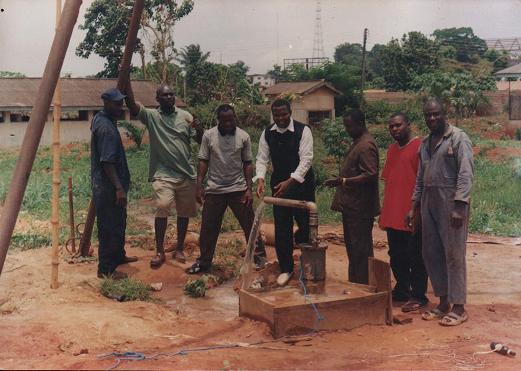
In Plateau State, more than 340 boreholes have been sunk by Plateau State Water Board and Plateau Rural Water Supply and Sanitation Agency (PRUWASSA) via the support of the EU-UNICEF Project.

The Secretary to the State Government, Mr Rufus Bature, said that the boreholes were drilled in communities across the 17 local governments of the state.

He said that the state water board was able to procure assorted water treatment chemicals to enhance water supply, while the Ministry of Water Resources had introduced some policies to promote efficient water management.

He said that the policies included water and sanitation laws as well as monitoring and evaluation framework, while other measures were taken to protect water pipelines from vandalism.

The 2018 Budget of Plateau also indicated a strong commitment to boosting water supply, as N3.582 billion – 5.07 per cent of the total budget – was earmarked for water supply projects.

Details of the project indicated that N150 million would be expended on the acquisition of laboratory equipment, while N800 million would be spent on the expansion of water distribution pipeline network to improve water supply to the residents of Jos and Bukuru.

Other details showed that N170 million would be spent on rural water supply in Bokkos, while the Mangu Regional Water Supply Project (Phase 1 of the network distribution and pipelines scheme) would cost N600 million.

Bature said that N482 million was given to the Plateau Rural Water Supply and Sanitation Agency to improve water supply and sanitation in the state.

He said that the replacement of rusted pipes, which had been recognised as a major impediment to efficient water supply, was also taken care of in the 2018 budget.

He, nonetheless, urged the residents to protect the water pipes by making pragmatic efforts to curb the activities of vandals.

Water: Lagos designs master plan as south-south stakeholders list challenges

0

The Lagos State Water Corporation (LWC) says it has designed a master plan to ensure adequate and interrupted water supply to the residents.

Muminu Badmus
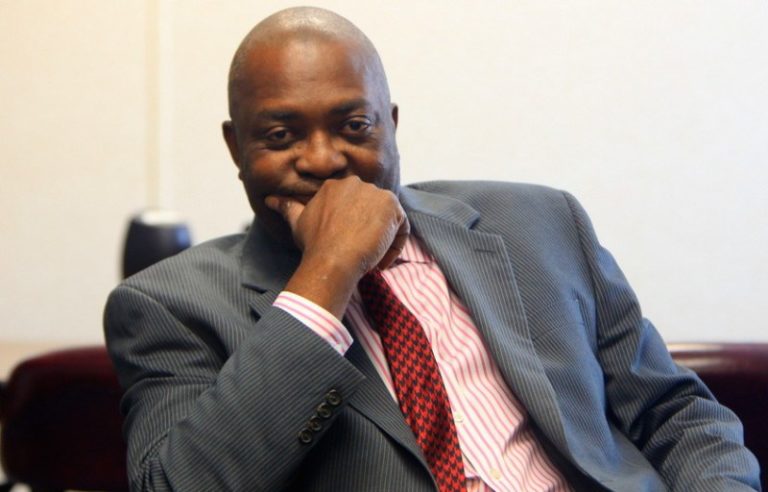
LWC Managing Director, Mr Muminu Badmus

The Managing Director of the corporation, Mr Muminu Badmus, said this in an interview with News Agency of Nigeria (NAN) in Lagos, as part of a recent nationwide survey.

Badmus, however, said that there had been a tremendous improvement in the supply of potable water to households as well as industrial and commercial outfits in Lagos State.

NAN reports that at the moment, the corporation’s water supply capacity is 210 million gallons per day (MGD), while it needs 750MGD to service more than 20 million inhabitants of the state.

Badmus said that the corporation had begun an aggressive rehabilitation of 48 mini-waterworks in various parts of the state in 2017 so as to ensure the even distribution of water to all communities.

According to him, available records show that rehabilitation of the mini-waterworks has reached 87 per cent completion by the end of 2017.

“The reason for the rehabilitation is to ensure that every household in the state is connected to public water supply channels.

“The waterworks are at Epe, Ikoyi, Alexander, Dolphin, Lekki, Badore, Epe-Agric, Victoria Island Annex, Eredo, Surulere, Ikate, Coker, Aguda, Iponri, Somolu, Bariga, Iwaya, Isheri-Oshun, Alausa, Oshodi, Ikeja, Ikeja-GRA, Apapa, Ajegunle, Ajangbadi and Ojo.

“Others are at Ijora-Badia, Shasha, Abule-Egba, Oke-Odo, Idimu, Igando, Meiran, Ikorodu-Lagos Road, Ikorodu-Ota-Ona, Oworonsoki, Magodo, Ijaye, Ojokoro, Isheri-Odo and Agege.

“As a result of the rehabilitation projects, uninterrupted water supply has been restored to areas like Ijesha-tedo, Makoko, Ikate, Iwaya, Unilag second gate, Odunlami Linkage (Lagos Island) and Isheri-Olowora,’’ he said.

Badmus said that the construction of a 100-MGD water scheme at Igbo-Nla (Phase1) will serve the Epe corridor, Victoria Island, Ibeju-Lekki, Badore, Igbo-Efon, Ajah and Onikan.

He said that the Igbo-Nla project would be executed through the Public-Private Partnership (PPP).

The managing director, however, said that factors such as old and rusty pipes, burst pipes, blockage and building on water pipe right-of-way, water wastage and consumers’ outright refusal to pay water bills had combined to frustrate efforts toward regular water supply in the state.

According to him, the corporation is providing metering systems for water consumers to effectively tackle menace of the billing system and water wastage.

He said that with the metering system, payment for water would be dependent on water usage in order to ensure that residents used water responsibly.

Besides, Badmus said that the corporation had put some mechanisms in place to fast-track immediate repair of burst pipes.

He said that the agency was encouraging people to report burst pipes in their neighbourhoods for prompt repair.

Badmus said that people were still facing acute water shortage in the state as the provision of water was certainly cost-intensive.

He said that many new and fast-developing estates had yet to be provided with water reticulation pipes, adding that until the pipes were connected to those communities, the residents would not be able to have hitch-free access to potable water.

He, however, underscored the need for the restructuring of the existing public water supply programmes via the Public Private Partnership (PPP).

Badmus stressed that the overhaul of the water sector would facilitate the construction of many waterworks in the state, as government’s funds were obviously inadequate for the construction of new waterworks.

He, however, said that the PPP was different from privatisation.

He added that under the Lagos State PPP model, private investors would participate in the construction of waterworks, while the government would regulate water supply and protect the interests of water consumers in the state.

Meanwhile, stakeholders South-South geopolitical zone of the country have urged the state governments to overhaul existing water schemes and build new ones to enhance water supply to the residents.

They listed the challenges facing water supply in the zone as high-level leakages, broken pipelines, poor equipment maintenance and inadequate funding, among others.

For instance, the Cross River State Water Board said that the high incidence of water leakages in the Calabar metropolis because of broken pipelines, among other factors, was largely responsible for the poor water supply.

The newly-appointed Administrator of the Board, Dr Stephen Odey, however, told NAN that regular water supply would be restored in Calabar and its environs.

He attributed the current water supply problems in the Calabar metropolis to broken pipelines and other factors.

“The situation is bad and embarrassing to the state, there are leakages everywhere; no maintenance, nothing.

“This can be described as economic sabotage because if water, which that is meant for people’s houses, is allowed to waste away on the street, you should not expect the residents to pay their water bills,” he said.

Odey said that the state government had initiated some measures to ensure regular maintenance and repair of the water infrastructure, particularly water pipelines, so as to stamp out water leakages and wastage.

All the same, the Cross River State Government has procured “Motorised Drilling Rig and Geographical Survey Equipment’’ to provide borehole water for over 500 rural communities across the three senatorial districts.

Gov. Ben Ayade, who recently inaugurated the equipment, pledged the commitment of his administration to providing potable water for the citizens, including those living in the rural communities.

“By the time we are done in four years, we will have no single community that has to go to the stream to look for water; we must put an end to that.

“With this rig, we will provide quality water that will make our people healthy.

“We must take water to the doorsteps of our people and that is why we have procured this equipment for the benefit of mankind,’’ he added.

In Bayelsa State, some residents of Yenagoa, the state capital, who decried poor access to drinkable water, called for an urgent improvement of water supply to their communities so as to reduce the people’s dependence on water vendors for daily water supplies.

However, Mr Nengi Tuobonah, the Commissioner for Water Resources, said that the Bayelsa State Government, World Bank, the European Union (EU) and UNICEF were collaborating to ensure improved water supply to the citizens.

Tuobonah listed ongoing water projects as the construction of 13 solar-powered water supply networks in Okaka, Yenagoa, Ogbia, Ekeremor and Sagbama Local Government Areas.

“Besides, we are refurbishing 100,000-gallon overhead tanks and building 10 modern water treatment plants in communities across the state.

“We have been in partnership with the EU and UNICEF; I believe before the end of 2018 – with the projects embarked upon by the present government – there will be surplus potable water for our people.

“As part of efforts to alleviate the current sufferings of the people, government has stationed water tankers at 20 strategic locations across Yenagoa to sell water to the residents at the rate of N20 per 20-litre container.

“The government has paid N42 million as its counterpart funding for the intervention by donor agencies, including World Bank, EU and UNICEF, to provide potable water for residents.

“By the end of the first quarter of the year; everybody, every household and every family in Yenagoa will have water reticulated to their homes by the grace of God,’’ he said.

Nevertheless, Mrs Grace Mark, a trader in Opolo community, bemoaned the water supply situation in the state, saying that the residents’ reliance on water from water vendors was unhealthy.

Mark said: “We want the government to improve on water supply; we have the water pipes all round but no adequate supply of water.

“Even when you have a borehole in your house, you still have to treat the water very well before using it due to its high iron content.

“Besides, oil is polluting our water and this has made it difficult for us to have drinkable water here; and we can’t depend on pipe-borne water because it is not regular.’’

In a bid to boost water supply to the citizens, the Edo State Government has developed a three-year Medium Term Water Sector Strategic Plan to improve the people’s access to drinkable water in all the 18 local government areas of the state.

The Commissioner for Energy and Water Resources, Mr Yekini Idaiye, told NAN in Benin City, the state capital, that during the period, government would spend over N6 billion to reactivate existing water schemes.

He said that the government would connect water pipes to all villages and communities where the water schemes were located, while building new schemes.

He said that there were ongoing water projects in Ovia South West, Etsako West, Uhunmwonde, Ohrionmwon, Esan South and Owan West Local Government Areas.

“The total cost of the seven projects is N4 billion and the projects are jointly funded by the state government and the EU.

“Besides, N1.3 billion has been budgeted for water projects in the 2018 budget and the figure excludes the amount which will be coming from international donor agencies,’’ he said.

Idaiye said that government planned to reactivate all the water schemes, initiated under the MDGs programme, and various dams across the state to further boost water supply to the citizens.

“As we speak, Federal Government is already working on the Ojirami Dam in Akoko-Edo Local Government Area and the Otuo Dam in Owan East Local Government Area.

“Once the Federal Government is through with the projects, our job as a state will be to reticulate the water to communities and towns within the domains of these dams.’’

The commissioner said that the state government, in its efforts to ensure sustainability of these projects, had set up Water Consumers Associations (WCAs), while training no fewer than 500 artisans in equipment repairs.

“The duty of the WCAs is to ensure the efficient management of these water projects in the communities, while protecting them against vandalism.

“The artisans will be trained on how to repair the equipment of the water projects,’’ he said.

“To ensure efficiency and better service delivery, we have also restructured the water board by splitting it into two agencies — Small Town and Rural water Sanitation Agency and Urban Water Corporation,” he said.

However, Mr Aniefiok Ukpe, the Managing Director, Akwa Ibom State Water Company, identified inadequate funding of water projects as a major factor inhibiting efforts to improve water supply to the people.

Ukpe told NAN in Uyo that government ought to exhibit enough political will to recognise the overriding importance of water as one of the basic necessities of life.

He noted that the 27 water stations, which were constructed across the state over 10 years ago, were currently in a deplorable state, yearning for rehabilitation.

He noted that in 2017, no provision was made in the budget for water projects in the state.

“Even in 2018, only N600 million is allocated for two water projects in Ikono and Ukanafun Local Government Areas,’’ he said, adding that inadequate finance had been frustrating efforts to expand water schemes in the state.

“About 10 years ago, during the tenure of former Gov. Victor Attah, the state government executed a water supply programme which was supported by the African Development Bank (AfDB).

“Under the programme, water sources in 27 locations across eight to 10 local government areas of the state were developed.

“What remains is taking water from those sources to the people’s residences so that the residents can have access to potable water.

“A major challenge is finance; we have no funds to take the water to the people.

“We have seven water stations in the state taking care of the Uyo metropolis but unfortunately, there is no pipeline linking those water stations to the residents,’’ he added.

Ukpe also identified epileptic power supply as a major hindrance to the efforts of the company to move water to households in Akwa Ibom.

He said that the company largely relied on electricity generating sets to pump water for distribution to the people.

“Due to epileptic nature of electricity supply, we spend a lot of money on fuelling our generators to service the stations.

“It is very difficult to recover what we spend from customers, who pay little or nothing to get water. The problem also is that we are not metering the customers,” he said.

He, nonetheless, gave an assurance that Gov. Udom Emmanuel’s administration was making tangible efforts to improve water supply the citizens.

In Delta State, the Commissioner for Water Resources, Mr Felix Tilije, said that the state government had earmarked N1.62 billion for water schemes in 2018.

He said that the government was already carrying out the rehabilitation of water schemes across the state so as to boost the supply of potable water to the citizens.

He also said that the state government had initiated a water bill for passage by the House of Assembly to attract private investors into the water sector, as part of efforts to revamp the sector and improve water supply.

However, Mr Emmanuel Odogwu, an engineer in the Ministry of Water Resources, said that the state government, through the ministry, had commenced the process of concessioning the Warri/Efurun water scheme to private operators.

NAN learnt that the ministry, with the approval of the State Executive Council, was currently rehabilitating 98 water schemes across the state in efforts to boost water supply to the people.