Home Blog Page 1905

Bonn talks: How businesses, cities take climate ambition to next level

0

Organisers of the Global Climate Action Summit (GCAS) taking place this September in San Francisco on Wednesday, May 2, 2018 provided new evidence of how cities, states, regions, businesses and investors are taking climate ambition to the next level. In this way, they are helping to build momentum for a successful outcome for the UN Climate Change Conference in Katowice, Poland (COP24) at the end of the year.
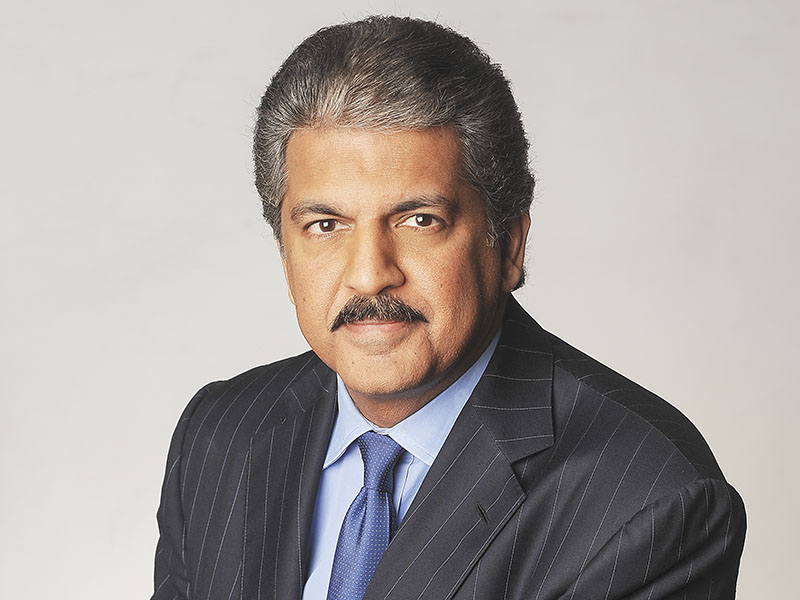
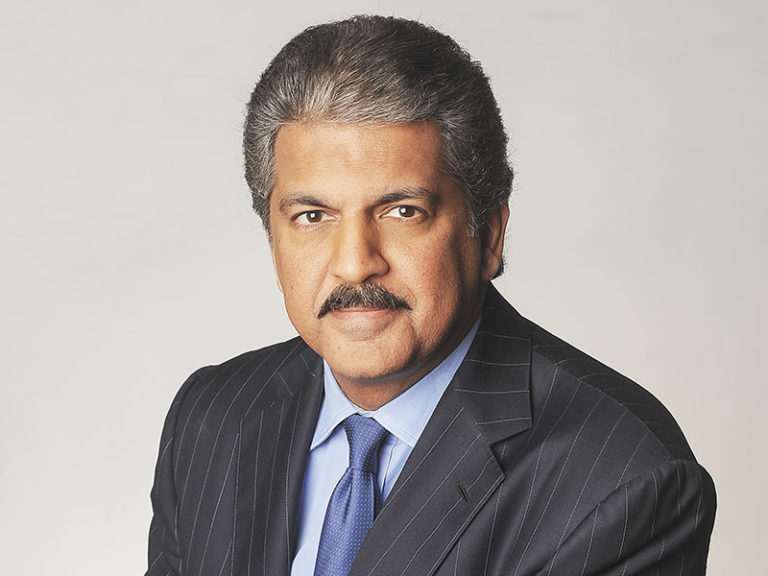
Anand Mahindra
Mahindra Group Chairman, Anand Mahindra

Specifically, 11 new commitments from Mahindra, among India’s largest business houses, push the number of major global companies with science-based targets to over 400.

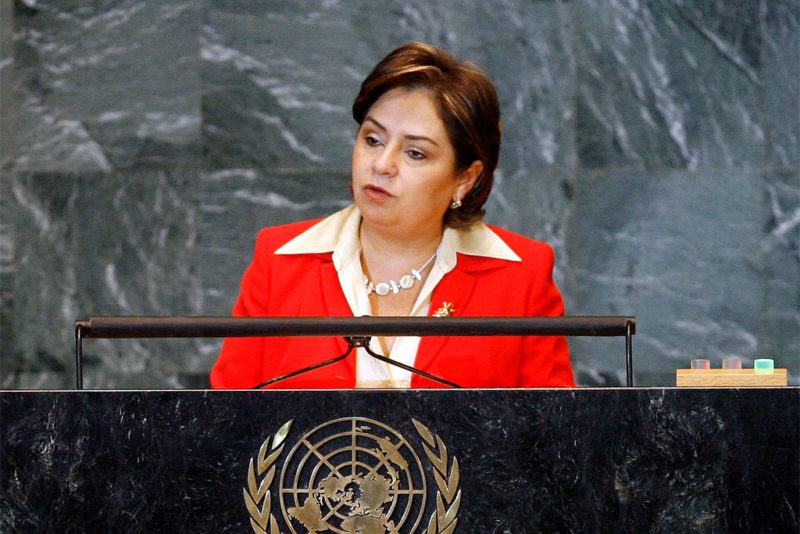
The summit in San Francisco will be hosted by the Governor of California, Jerry Brown; the UN Secretary-General’s Special Envoy for Climate Action, Michael Bloomberg; the Chairman of the Mahindra Group, Anand Mahindra; and the Executive Secretary of UN Climate Change, Patricia Espinosa.

Speaking to delegates and journalists on the margins of the ongoing UN Climate Change Conference in Bonn, Anirban Ghosh, Chief Sustainability Officer of the Mahindra Group, announced that business had taken an important step forwards today. In total, 13 of its companies have now committed to cut their emissions in line with the Paris Agreement goals by signing-up to a science-based target.

Welcoming this development, Summit Co-Chair and top UN Climate Change official, Patricia Espinosa, said, “At COP24 in Katowice, the world has much to accomplish to ensure that the Paris Agreement delivers the desired result, which is to keep climate change within manageable limits. Thankfully, the revolutionary progress underway in the ‘real world’ economy, which will descend on California in September, will be instrumental to helping make Poland a success.”

To date, over 700 leading businesses around the world have made strategic climate commitments through the We Mean Business coalition’s Take Action campaign. Collectively, these companies represent 2.62 gigatons of emissions, which is equivalent to the total annual emissions of India.

The announcement by the Mahindra Group responds to one of the five “Summit Challenges” being presented to sub-national governments, business and civil society worldwide in advance of the Global Climate Action Summit.

Its commitment falls under the second of the five challenges – Inclusive Economic Growth – and means that so far 400 companies have positively reacted to this particular “call to action,” which aims to sign on 500 companies by the conclusion of GCAS in September.

Anand Mahindra, Mahindra Group Chairman, said, “There is remarkable congruity between the goals of the Paris Agreement, the Indian Government, and businesses like the Mahindra Group. India, like the Agreement, is driven by a strong belief at the highest political level that pursuing environmental stability is the only way forward. As a result, India has set extremely ambitious targets in the area of renewable resources and is actually ahead of schedule in meeting some of these. In my business, we are driven by the belief that sustainability is a business opportunity as well as a way to make work meaningful for our young millennials. So, from all angles, I am delighted to accelerate the momentum created by the Paris Agreement.”

In addition to adding critical momentum to the COP24 negotiations in Poland this December – when governments of the world will meet to signal their readiness to enhance ambition – the GCAS will build momentum for a strong outcome at the Climate Summit convened by UN Secretary-General António Guterres in 2019 and to elevate climate action plans – Nationally Determined Contributions, or NDCs – by 2020.

Nick Nuttall, Global Climate Action Summit Communications Director, said, “2018 is the year when the world must step up climate action to bend down emissions by 2020 – and set the stage for the fast and full implementation of the Paris Climate Change Agreement and its crucial temperature goal. The Summit will bring businesses, states, cities, regions, territories and people from around the world together and in common cause to take climate ambition to the next level.”

The 2018 Global Climate Action Summit, hosted in San Francisco from September 12 to 14, will bring together state and local governments, business, and citizens from around the world to showcase climate action taking place, thereby demonstrating how the tide has turned in the race against climate change and inspiring deeper national commitments in support of the Paris Climate Change Agreement.

To keep warming well below 2 degrees C, and ideally 1.5 degrees C – temperatures that could lead to catastrophic consequences – worldwide emissions must start trending down by 2020.

The Summit will showcase climate action around the world, along with bold new commitments, to give world leaders the confidence they can go even further by 2020.

The Summit’s five headline challenge areas are: Healthy Energy Systems; Inclusive Economic Growth; Sustainable Communities; Land Stewardship and Transformative Climate Investments.

A series of reports are set to be launched over the coming months and at the Summit underlining the contribution of states and regions, cities, businesses, investors and civil society, also known as “non-party stakeholders” to national and international efforts to address climate change.

Many partners are said to be supporting the Summit and the mobilisation in advance including Climate Group; the Global Covenant of Mayors; the C40 Cities Climate Leadership Group; BSR; We Mean Business; CDP, formerly the Carbon Disclosure Project; the World Wide Fund for Nature; Mission 2020.
WHO report on polluted cities in India dire, says CSE

0

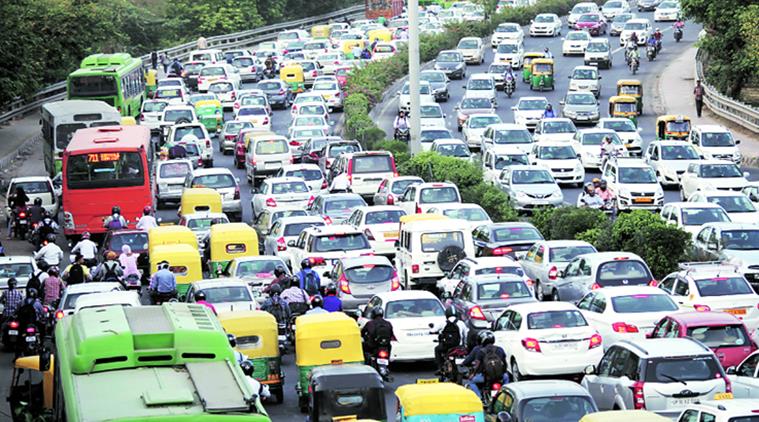
“The report by WHO is a warning about the serious and run-away pollution and public health emergency that confronts India today,” remarks Sunita Narain, director general, Centre for Science and Environment (CSE), while responding to the latest urban air quality database 2016 released by the World Health Organisation (WHO). The database says that of the 20 most polluted cities in the world, the top 14 are in India.

india
Delhi, India. The WHO report says major sources of air pollution include inefficient modes of transport, household fuel and waste burning, coal-fired power plants, and industrial activities

Anumita Roychowdhury, executive director-research and advocacy, CSE, said: “This is a grim reminder that air pollution has become a national public health crisis. Urgent intervention is needed for implementing the National Clean Air Action Plan with a strong compliance strategy to meet the clean air standards in all cities. It requires hard action.”

CSE says real-time air quality monitoring, especially that of PM2.5, will have to be expanded significantly to assess air quality in all cities with sizeable population. Out of the 5,000 odd cities and towns in India, monitoring is being done in only 307 cities – moreover, most of this is manual monitoring that reports data with considerable time lag.

Says Roychowdhury: “State governments will also have to wake up to ensure action plans are implemented with utmost stringency and aggression. India needs massive energy transition across industries and households, mobility transition to public transport, walking and cycling, and effective waste management to control this run-away pollution.”

7m people die every year from exposure to polluted air – WHO

0

The World Health Organisation (WHO) on Wednesday, May 2, 2018 said seven million people die every year from exposure to polluted air.

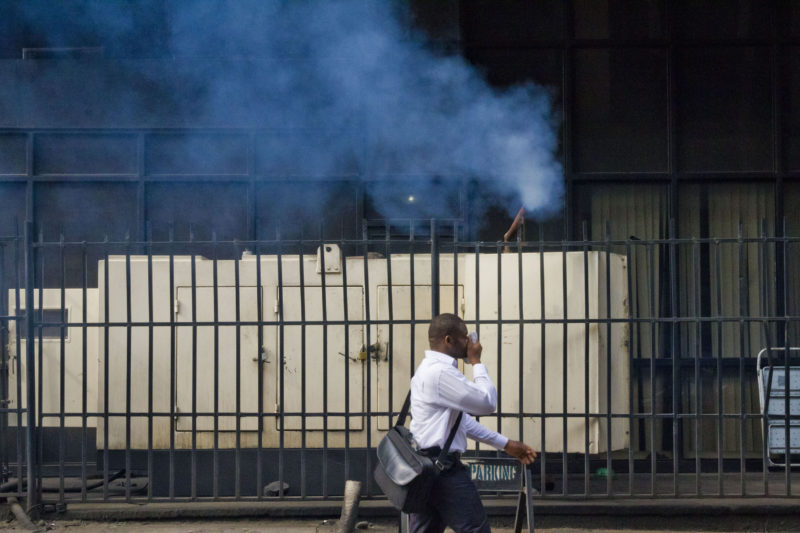
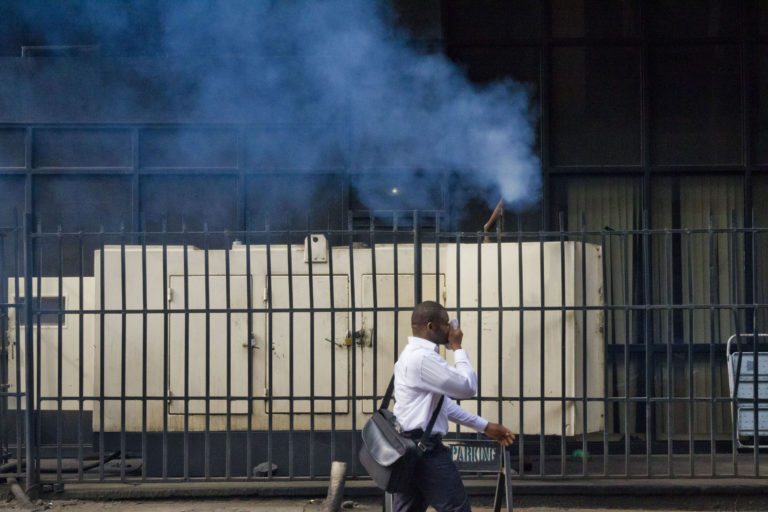
Generator Pollution
The WHO says that, in one year, 46,750 persons died as a result of outdoor pollution in Nigeria

According to a WHO report, ambient or outdoor air pollution alone caused some 4.2 million deaths in 2016, while household air pollution from cooking with polluting fuels and technologies caused an estimated 3.8 million deaths in the same period.

Those figures are on a par with the number of deaths recorded in an earlier study published two years ago.

WHO said air pollution levels remain dangerously high in many parts of the world.

New data showed that nine out of 10 people breathe air containing high levels of pollutants.

According to the report, more than 90 per cent of air pollution-related deaths occur in low- and middle-income countries, mainly in Asia and Africa, followed by low- and middle-income countries of the Eastern Mediterranean region, Europe and the Americas.

“Air pollution threatens us all, but the poorest and most marginalised people bear the brunt of the burden,” WHO Director-General Tedros Adhanom Ghebreyesus said.

“It is unacceptable that over three billion people – most of them women and children – are still breathing deadly smoke every day from using polluting stoves and fuels in their homes.

“If we don’t take urgent action on air pollution, we will never come close to achieving sustainable development,” he said.

The WHO recognises that air pollution is a critical risk factor for non-communicable diseases, causing
an estimated one-quarter (24 per cent) of all adult deaths from heart disease, 25 per cent from strokes, 43 per cent from chronic obstructive pulmonary disease and 29 per cent from lung cancer.

Chinese researchers identify two new leprosy gene variants

0

Chinese researchers have identified two new risk gene variants that are responsible for leprosy.

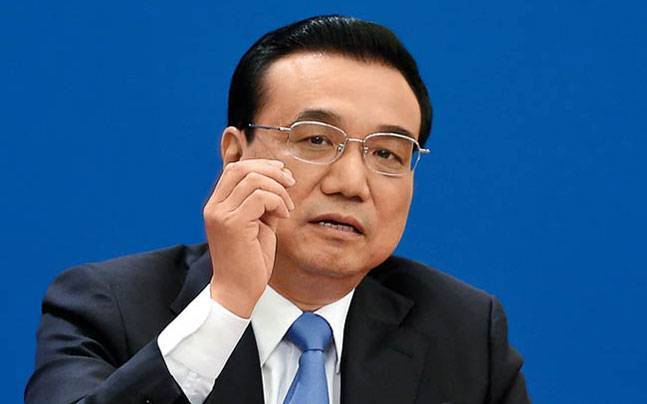
Li Keqiang
China’s Premier, Li Keqiang

The findings have been published in the American Journal of Human Genetics.

The research, led by Yao Yonggang from the Chinese Academy of Sciences Kunming institute of zoology, was based on a study involving 1,433 patients with leprosy and 1,625 healthy individuals from southwest China’s Yunnan Province.

More than 30 risk genes affecting susceptibility to leprosy have been identified.

The research team has identified and validated two new rare damaging variants in HIF1A and LACC1 genes that can increase risk of developing the disease.

Leprosy is a chronic infectious disease which can cause nerve damage, leading to muscle weakness and atrophy, and permanent disability. Leprosy patients also suffer from discrimination.

In 2011, China announced plans to eradicate the disease by 2020.

China had reduced incidence of the disease to less than one per 10,000 in 1981, but leprosy remains a major problem in some rural areas in southwest China.

As of the end of 2016, more than 50,000 people with leprosy had been cured in Yunnan Province.

The number of new cases reported in the province accounts for about one fourth of the country’s total.

It still has 44 counties with serious leprosy problems.

Researchers developing pill for breast cancer diagnosis

0

Researchers at the University of Michigan (UM) are developing a pill that makes tumours light up when exposed to infrared light, and the concept has worked in mice.

breast_cancer_tumor
An impression of breast cancer tumour

“It’s actually based on a failed drug,” said Greg Thurber, UM assistant professor of chemical engineering and biomedical engineering, in a news release posted on UM website.

“It binds to the target, but it doesn’t do anything, which makes it perfect for imaging.”

The researchers attached a molecule that fluoresces when it is struck with infrared light to this drug.

Then, they gave the drug to mice that had breast cancer, and they saw the tumours light up.

The targeting molecule has already been shown to make it through the stomach unscathed, and the liver also gives it a pass, so it can travel through the bloodstream.

The move could also catch cancers that would have gone undetected.

By providing specific information on the types of molecules on the surface of the tumour cells, physicians can better distinguish a malignant cancer from a benign tumour.

Moreover, using a dye delivered orally rather than directly into a vein also improves the safety of screening.

Tens of millions of women are screened every year in the U. S. alone.

According to a study out of Denmark last year, about a third of breast cancer patients treated with surgery or chemotherapy have tumours that are benign or so slow-growing that they would never have become life-threatening.

The research has been published in the journal Molecular Pharmaceutics.

Bonn talks: Finance for climate action turning a taboo subject for rich countries

0

Africa continues to suffer enormous social and economic losses in billions of dollars as a result of climate change impacts.

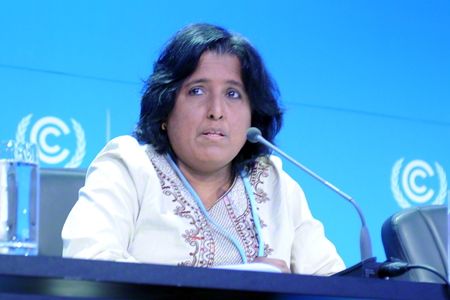
Meena Raman
Meena Raman of the Third World Network

A vulnerable continent that is burning and flooding at the same time needs finance to be able to achieve mitigation, adaptation and technology goals.

But without a clear roadmap for delivering $100 billion per year by 2020, as pledged by developed countries since 2009, developing countries are hindered in their ability to carry out their own climate actions.

Negotiators from the world’s governments are gathering in Bonn, Germany from April 30 to May 10 for three simultaneous meetings under the United Nations Framework Convention on Climate Change (UNFCCC).

Ironically, the United States, which has signalled it will not want to be a party to the Paris Agreement when implementation starts in 2020, is sitting and negotiating as a party.

“Our worry is that the world will once again be pressured to accommodate the United States and this is really very unfair because the concessions are already made in the Paris Agreement,” said Meena Raman of the Third World Network. “The solutions for addressing the climate challenge have to be fair and have to ensure that once again the poor and the planet are not sacrificed.”

Climate finance has become a sticking point in the climate talks since the withdrawal of $2 billion by the U.S. under Trump’s administration.

And it is increasingly becoming a taboo to discuss climate finance with other developed countries, observed Augustine Njamnshi of the Pan African Climate Justice Alliance (PACJA).

“When finance becomes a taboo in this discussion, then there is no good faith in the discussions,” he said. “You want to sit here and tell nice stories when whole families are being swept by floods in West Africa?”

The conditional Nationally Determined Contributions (NDCs) from developing countries in implementing the Paris Agreement will cost more than $4.3 trillion to be achieved.

African civil society therefore wants finance for climate action prioritised if the Paris Agreement should come to life.

“Africa strongly supports the Adaptation Fund to serve the Paris Agreement. However, we are dismayed with the shifting of goal posts by our partners who intend to delay the realisation of actual financing of full costs of adaptation in Africa,” said Mithika Mwenda, Secretary General of PACJA at a press conference. “We urge our partners not to further delay the decision which is key in providing adaptation support to Africa.”

UN climate chief, Patricia Espinosa, has outlined three important goals to accomplish by the end of 2018 – building on the pre-2020 agenda, which charts the efforts of nations up to the official beginning of the Paris deal; unleashing the potential of the Paris deal by completing the operating manual; and building more ambition into countries national pledges.

But African civil society is demanding the rich world offers more detail on its commitments to climate finance without any delay in the Paris Rulebook beyond COP24.

“The effective ambition of developing countries depends on the provision of means of implementation by developed countries,” said PACJA in a statement. “We strongly urge our African governments to rethink critically on the progress of climate talks as any position that contradicts that real climate change implications to Africa then will shift the burden of climate change to African countries.”

Courtesy: PAMACC News Agency

Bonn talks: Agriculture emerges key demand for African CSOs

0

Agriculture is the mainstay of most developing country economies, which are the most vulnerable to climate change impacts through extreme weather events such as drought, floods, landslides, storm surge, and soil erosion, affecting their predominantly rain-fed agricultural productivity.

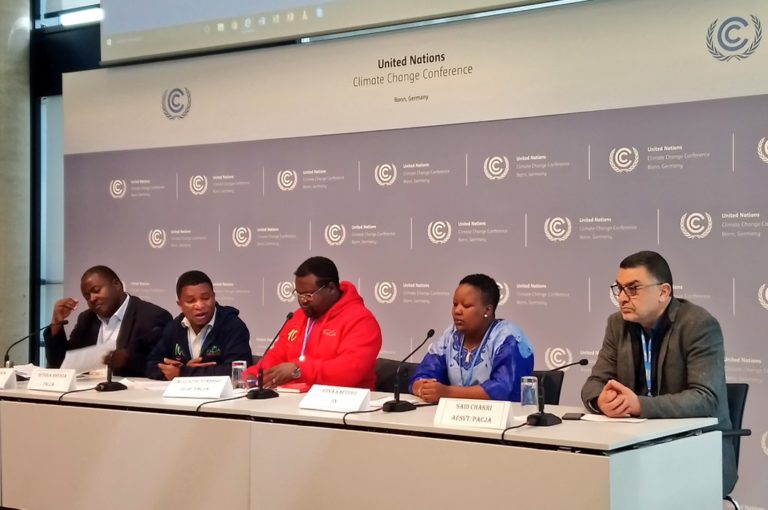
Pacja
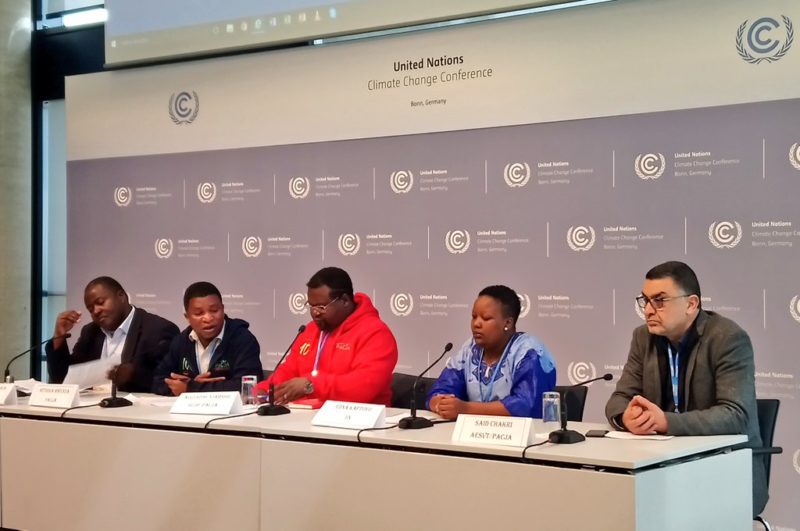
Representatives of civil society groups at the conference in Bonn

In consideration of the vulnerability of their agricultural systems to climate change, developing party negotiators have been pushing for it to be considered as a stand-alone work programme at the negotiating table.

And the push finally paid off at COP23 where decision 4/CP.23 on the “Koronivia joint work on agriculture” was adopted, paving way for issues related to agriculture to be addressed, taking into consideration the vulnerabilities of agriculture to climate change and approaches to addressing food security.

However, while this was a milestone, African civil society groups still want more ambition on agriculture considering its importance to their countries in relation to adaptation, as most countries depend on agriculture for livelihood.

“Noting the significance of agriculture in Africa, the decision on agriculture during UNFCCC COP23 was a big milestone,” said Mithika Mwenda, Pan African Climate Justice Alliance (PACJA) Secretary General. “We caution our African governments however to urgently ensure that there is a joint work-plan for agriculture in ensuring that it receives the required means of implementation.”

According to Mithika, further attention should be paid to the type of agriculture being promoted, saying Africa is not interested in industrial agriculture as practiced by developed countries but rather, promoting resilience of smallholder farmers.

“Our interest is to promote resilience to agriculture, the context in Africa is how do we support that smallholder farmer, that pastoralist whose cows are dying due to drought every time, so we are talking about; how do we now change that, so it’s important that we look at it from this context,” explained Mwenda at the on-going SB48 Climate Talks in Bonn.

In fact, the African civil society is linking agriculture to loss and damage, another long-standing issue that developing parties have been pushing at the negotiating table.

The argument is that developing countries and Africa, in particular, continues to suffer enormous economic losses in billions of dollars as a result of climate change impacts. Coupled with un-costed social losses due to climate induced displacement of persons triggering conflicts, the African group is dismayed to keep hearing that the answer to loss and damage is insurance – a concept which they believe is a far-fetched dream in Africa.

“Insurance works out in developed countries but not in developing countries especially in Africa, where the concept is hardly understood,” said Richard Kimbowa of Uganda Coalition for Sustainable Development.

Kimbowa says Africa “needs a predictable and easy-to-understand financing approach for loss and damage,” adding that severity of climate change impacts are not the “normal adapt and move on.”

He explained that it is for this reason that the loss and damage mechanism is being pushed to address such losses that have become more severe for communities to easily cope.

Closely connected to agriculture and loss and damage, is gender. It is worth noting that there is considerable progress that has been made in terms of gender policies that support activities on adaptation, mitigation, finance, technology development and transfer, including capacity building, under the convention.

“Off course, one of the decisions made at the highest level is that we have the gender national focal point persons but, so far, only 22 states have put forward national gender focal point persons to the UNFCCC, so we urged countries to see the importance of gender in the climate processes,” said Edna Kaptoyo of the Indigenous Information Network.

The call is for the Parties to increase their efforts in ensuring that women are represented in all aspects of the convention process, to ensure that gender mainstreaming is achieved in all processes, and activities of the convention.

Overall, African civil society are demanding more ambition on means of implementation, which they believe is key to the attainment of the set targets in the Paris Agreement.

This, they say, is in consideration that effective ambition of developing countries depends on the provision of means of implementation by developed countries, without which there would be no predictable pathway for implementation of the Paris Agreement.

Therefore, the next 10 days will see a lot of lobbying and activism from African CSOs as they push for Africa’s climate change and development agenda.

Courtesy: PAMACC News Agency

NiMet predicts cloudy skies, thundery activities on Wednesday

0

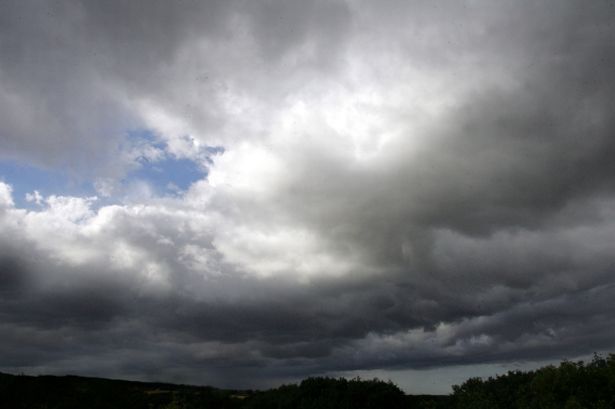
The Nigerian Meteorological Agency (NiMet) has predicted cloudy weather conditions over the central states of the country on Wednesday, May 2, 2018 with chances of localised thunderstorms over Abuja, Ilorin, and Bida and Minna axis.

weather
cloudy weather

NiMet’s Weather Outlook by its Central Forecast Office in Abuja on Tuesday also predicted day and night temperatures in the range of 28 to 39 and 18 to 28 degrees Celsius respectively.

It added that Kaduna, Jos, Mambilla Plateau, Yola, Bauchi and Gombe were expected to be under the influence of localised thunderstorms in the afternoon and evening hours.

The agency predicted that the southern states would experience cloudy morning with day and night temperatures in the range of 31 to 35 and 22 to 25 degrees Celsius respectively.

It also predicted chances of localised thunderstorms over Owerri, Umuahia, Lagos, Ijebu-ode, Uyo, Calabar, Port-Harcourt and Eket in the afternoon and evening hour.

According to NiMet, northern states will experience partly cloudy to cloudy conditions during the forecast period with day and night temperatures in the ranges of 33 to 42 and 23 to 28 degrees Celsius respectively.

“Partly cloudy to cloudy conditions are expected over the northern cities with prospect of localised thunderstorms over few places in the central down to the southern cities in the next 24 hours,” NiMet predicted.

By Sumaila Ogbaje

Cross River loses over 23,000ha of forest yearly

0

Cross River State, home to the largest remaining rainforests of Nigeria, is fast losing its prized asset.

Ekuri2_Superhighway route passing through parts of Boki
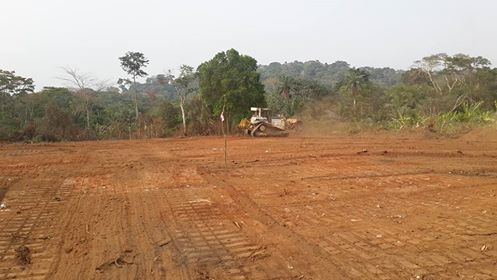
Deforestation: Bulldozers at work clearing the Superhighway’s route passing through parts of Boki in Cross River State

Over a million hectares of pristine forest that had largely remained unexploited is now under considerable threat, if recent submissions are anything to go by.

Nigeria REDD+ Stakeholder Engagement Specialist, Tony Atah, disclosed that the hitherto jealously guarded vast forest land is fast disappearing.

REDD+ stands for countries’ efforts to reduce emissions from deforestation and forest degradation, and foster conservation, sustainable management of forests, and enhancement of forest carbon stocks.

Attah disclosed in a presentation on Thursday, April 26, 2018 in Lafia, Nasarawa State, during the High Level Stakeholders Sensitisation Workshop on National Forest Inventory that, between 2007 and 2014, the annual rate of deforestation in Cross River State stood at 23,911 hectares (ha) (2.95%), while the net forest loss was 39,907 ha.

Previously between 2000 and 2007, the annual rate of deforestation seemed much lower at 5,701 ha, even as the net forest loss was 39,907 ha.

“Over the two periods (2000-2007 and 2007-2014) annual rate of deforestation had risen from an average of 5,701 hectares (0.67%) to 23,911 hectares (2.95%),” observed Attah in his paper titled: “Drivers of Deforestation and Forest Degradation: Cross River State in perspective”.

Cross River State hosted the pioneer site for the nation’s REDD+ Programme under the UN-REDD Programme (United Nations Programme on Reducing Emissions from Deforestation and Forest Degradation), a collaborative programme of the Food and Agriculture Organisation of the United Nations (FAO), the United Nations Development Programme (UNDP) and the United Nations Environment Programme (UNEP).

According to Attah, forest loss to agriculture from 2000 to 2007 was some 77,148 hectares of forestland while between 2007 and 2014 125,355 hectares of forestland was lost to cropland.

“These figures are a compound aggregate for both subsistence and commercial agricultural activities,” he explained, even as he listed the drivers of deforestation to include: economic causes, technological causes, policy & institutional causes, cultural causes, demographic causes, energy, mining/quarrying, infrastructure development and agricultural expansion.

He suggested ways to respond to the drivers of deforestation, saying that, for instance, the state’s 30-year growth and development plan targets green investments across all sectors presents a much-needed succour.

He added that management plan developed to strengthen institutional arrangement for sustainable land and forest governance would go a long way in curbing deforestation, as well civil society supporting community-based actions to strengthen institutions, build livelihoods and elaborate land and forest management plans.

Most of all, he continued, REDD+ strategies, such as forest conservation and sustainable management of forests, can likewise address drivers of deforestation.

Climate battle will be won or lost in cities – Espinosa

0

Speaking at this year’s Forum on Urban Resilience and Adaptation in Bonn, UN Climate Change Executive Secretary, Patricia Espinosa, warned that the impacts of climate change are “an incredible risk” to many cities throughout the world.” The UN’s top climate change official also said that the bulk of action to cut greenhouse gas emissions must happen in the world’s cities

Espinosa-05
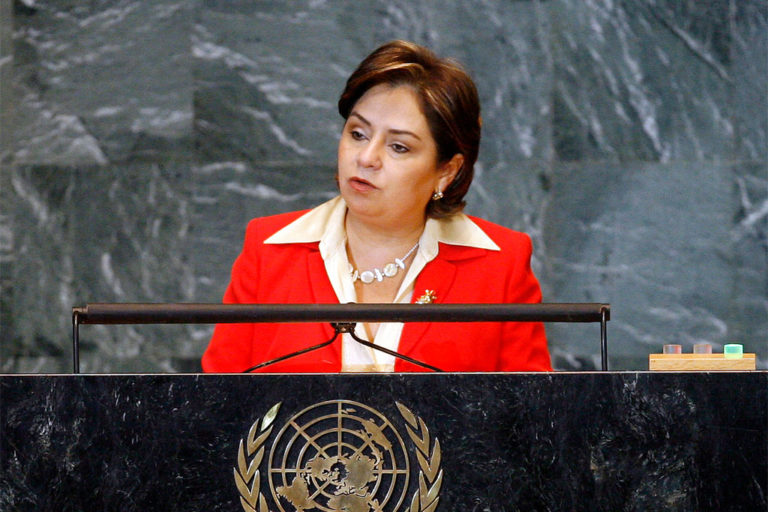
Patricia Espinosa, Executive Secretary of the United Nations Framework Convention on Climate Change (UNFCCC) welcomes ratifications by Ukraine and Micronesia

2017 made this clear – t was nothing less than a climate disaster for many people throughout the world.

Whether it was flooding, fire, droughts or the devastation of entire island states such as Barbuda, we saw millions of people who lost homes, livelihoods or lives because of extreme weather.

We saw this in both developed and developing states alike.

Every credible scientific source at our disposal tells us one thing: the impacts of climate change aren’t going to get better, they’re going to get worse.

And these impacts are an incredible risk to many cities throughout the world. They will affect their infrastructure, their economies, and the lives of people living there.

Cities such as Osaka, with 5.2 million people at risk.

Cities such as Alexandria, with 3 million people at risk.

Cities such as Rio de Janeiro, with 1.8 million people at risk.

But we can avoid the worst of these impacts if we act now to increase our action and investment towards climate change.

And that action must happen in our cities.

As I mentioned at COP23, cities are where the climate battle will be won or lost.

That makes your work at this congress very important. And we are pleased it takes place through the Talanoa Dialogue.

For those who are unfamiliar with it, the Dialogue – an initiative on behalf of the Government of Fiji – is an international conversation, held in a spirit of openness, to determine if we’re meeting the goals of the Paris Agreement, and to increase global ambition towards them.

While it is not a top-down exercise, we are looking for answers to both general and specific questions.

First, are we achieving our climate goals? Why or why not? What will get us there? What will get us there faster? What do you want the world to look like in 20 or 30 years?

More specifically, you are here to exchange knowledge that will help build a sustainable and resilient urban future.

That means developing the strategic partnerships you need.

It also means untangling the many challenges that will stand in the way of truly integrated and inclusive action.

It’s not an easy task, but it’s absolutely necessary.

Building stronger, more resilient cities is about more than protecting financial assets—although those are very important.

And it’s about more than protecting our rivers, our coastlines and our cities—although those are also very important.

It’s about seizing the opportunity to craft a better future—one built on a clean, green and sustainable foundation.

A future where we move away from fossil fuels and embrace renewable sources of energy.

A future where we are better prepared to respond to risk, better prepared to deal with climate emergencies…

…and by linking our climate goals to our overall sustainable development goals, a future where we are better prepared to address some of the biggest challenges humanity faces.

Because climate change is intricately linked to issues such as poverty, security, migration, gender representation and many more.

We are seeing an incredible momentum for action in cities and regions throughout the world.

We’re seeing it in the United States where the State of California strengthened its commitment to reducing greenhouse gas emissions – they’re targeting 100% renewable energy by 2045.

We’re seeing it in the City of Los Angeles, which aims to significantly reduce its urban heat totals over 20 years by establishing strong cool roofing requirements.

We’re seeing it in cities throughout China which are embracing the Low Carbon City Initiative, which aims to improve energy efficiency in their industry, construction and transportation sectors.

And we’re seeing it in cities such as Athens, Barcelona, and Paris, which have not only mapped their urban heat, but also their vulnerable populations. Together, they’re working to ensure their citizens have access to cool places on hot days.

These are only a few examples of cities taking action. But we need more action and we need it duplicated throughout the world on a massive scale.

You can help make this possible.

I know it’s easier said than done. I understand jurisdictional complexity—I’m from one of the biggest cities in the world.

But I also understand that cities are where citizens are most directly connected to their governments.

It’s where people have the most influence and where we can communicate most effectively.

Let me now turn to three ways that I feel cities can do even more to contribute to our global climate goals, their country’s climate action plan, and improve their resiliency.

The first thing cities can do is incorporate climate change into what they’re doing right now. From infrastructure to finance to procurement, the opportunities are endless.

This includes expanding transit to include electric busses, as we’ve seen here in Bonn.

Or making buildings more efficient by using sustainable material, just as we’re seeing in many cities in India.

On the finance front, making resilient infrastructure investments, growing green bond options, and helping to establish stable, clean energy markets are also important ways cities can contribute.

Second, cities must incorporate climate change and sustainability into their future planning.

If cities can assess the impacts of climate change and sustainability and then incorporate these threats into planning, growth is going to become smarter and more sustainable.

This just makes sense. It’s proactive instead of reactive. And it’s going to drive both innovation and a dynamic economy.

Third, cities must communicate with citizens about climate change in ways that matter to them.

Lack of knowledge and the assumption that it’s very difficult to contribute are perhaps the greatest roadblocks we face when it comes to tackling climate change. Let’s then open a dialogue with people about what matters to them.

They need to hear and read more stories about how resilient and better-prepared cities are going to be not only safer, cleaner and healthier for themselves and their families, but how these cities are where 21st century businesses will want to be.

In fact, we encourage you to use the idea of the Talanoa Dialogue as a model for of communicating with private citizens in your cities. The idea of sharing information in an inclusive, bottom-up manner is an excellent example to use.

Ladies and gentlemen, rather than standing at a crossroads, we stand at the edge of opportunity.

Yes, an opportunity to build a future that is safer, cleaner, greener and more resilient, but also a future that is more prosperous.

But that work begins here by building the necessary partnerships and sharing the needed information. Break down the barriers that stand in your way and work together to reduce jurisdictional hurdles.

In the end, building more resilient cities means nothing less than investing in our own futures.

And this has the benefit of helping the world achieve its global climate goals and the closely-linked sustainable development goals that will benefit all of humanity.

Building resilience. A safer, cleaner and healthier future. Ongoing prosperity—it’s one and the same.

All of this is necessary. All of this is possible. All of it is achievable if we work together at all levels.

So, let’s get to work.