Home Blog Page 1897

WASH practices crucial in fight against Ebola, others – WaterAid

WaterAid Nigeria on Thursday, May 17, 2018 warned that efforts to fight Ebola and other diseases threatening the nation and continent cannot be successfully sustained unless the world’s poorest are given the tools they need to fight the disease – clean water, decent sanitation and good hygiene (WASH).
Ebola
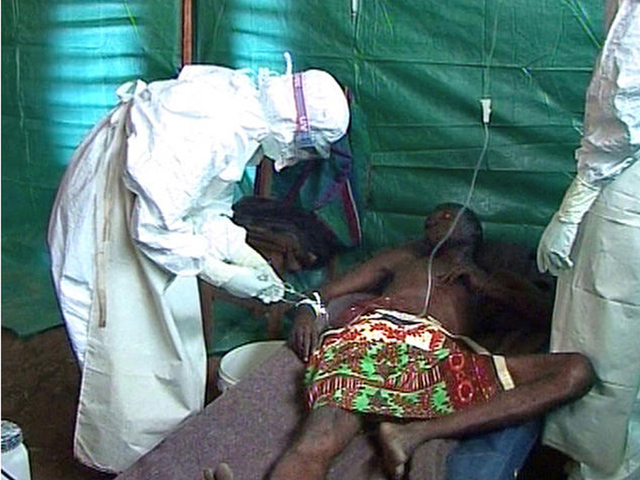
An Ebola patient receiving treatment

The international charity organisation, working in 34 countries across the globe, renewed its call for improvements in access to water, sanitation and hygiene in schools, healthcare facilities and public places in the country as reports surfaced of a fresh outbreak of the deadly Ebola virus in the Democratic Republic of Congo (DRC).

About 50% of schools and 42% of healthcare facilities in sub-Saharan Africa are without access to water, according to the organisation. In Nigeria, almost a third (29%) of hospitals and clinics in the country do not have access to clean water, the same percentage do not have safe toilets and one-in-six (16%) do not have anywhere to wash hands with soap, according to a World Health Organisation (WHO) report.

This, adds, the organisation, puts patients and healthcare workers at unacceptable risk of infection, including some of the most vulnerable members of society – new mothers and their newborns. WaterAid points out that about one-in-five deaths of newborn babies in the developing world are caused by infections with a strong link to dirty water, poor sanitation and unhygienic conditions; and that Nigeria has one of the largest numbers of neonatal deaths worldwide.

WaterAid Nigeria Country Director, Dr ChiChi Aniagolu-Okoye, said: “Good hygiene, and in particular handwashing with soap, have significant impact on the health and wellbeing of the global population. It was one of the ways in which Nigeria fought and won against the deadly Ebola virus in 2014. We cannot be lax in our attitude and neglect to consistently practice good hygiene. Ebola is back on the continent and it is frightening to think that we could all be at risk if we don’t take the necessary precautions and early enough.

“Other diseases such as monkey pox, cholera and Lassa fever are also continuing to threaten public health in the country; and these diseases can spread further and faster without sanitation and hygiene practices to block their path. An outbreak in one area can quickly become a city-wide, national or international epidemic.

“It is important that we promote consistent and long-term behaviour change throughout the year and as a crucial part of everyday life beyond just special global campaign days or when there is the threat of disease. WaterAid is committed to supporting the Government of Nigeria, at all levels, to improve access to these basic life-saving services and integrate water, sanitation and hygiene in education and health for improved and holistic outcomes in these areas.”

Out of all water, sanitation and hygiene (WASH) interventions, hygiene promotion, and particularly handwashing with soap, has been identified as the most cost-effective disease control intervention; and forming an important additional barrier to the spread of Ebola.

Nigeria is at the precipice of a sanitation and hygiene catastrophe, said WaterAid, pointing out that about 60 million people (33% of the population) are currently living without adequate access to water; over 120 million people (67%) do not have a decent toilet and about 47 million people (26%) practice open defecation.

It adds: “The reality is that countries that have been affected by Ebola have some of the worst water, sanitation and hygiene coverage in the world. The poor WASH situations in these countries have limited infection prevention and control and exacerbated the impact and reach of the Ebola outbreak.

“The benefits of water, sanitation and hygiene are clear and well understood; improved WASH has direct impacts on health. Getting to zero, staying there and ensuring Ebola preparedness for any future outbreak requires major investment in WASH. Effective infection prevention and control (IPC) relies on safe water, basic sanitation and good hygiene.

“The Federal Government’s recent declaration of a state of emergency in the WASH sector couldn’t have come at a better time. It must serve as a wake-up call to each and every one of us to do whatever we can to remedy the situation. Everyone has a role to play. We are calling on state and local governments to follow the Federal Government’s lead and declare WASH states of emergencies at the local levels of governance.”
Planners seek review, implementation of Anambra Structure Plans

0

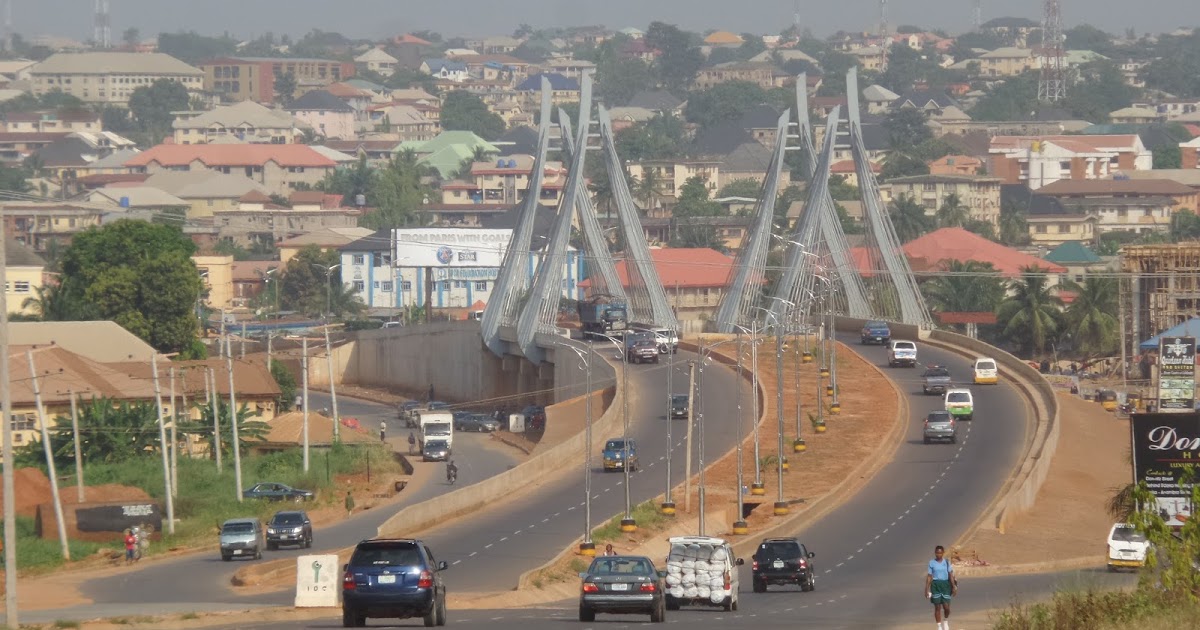
The Nigerian Institute of Town Planners (NITP) wants the Anambra State Government to review and implement the United Nations Human Settlements Programme (UN-Habitat) Structure Plans designed for three urban areas of the state.

Awka
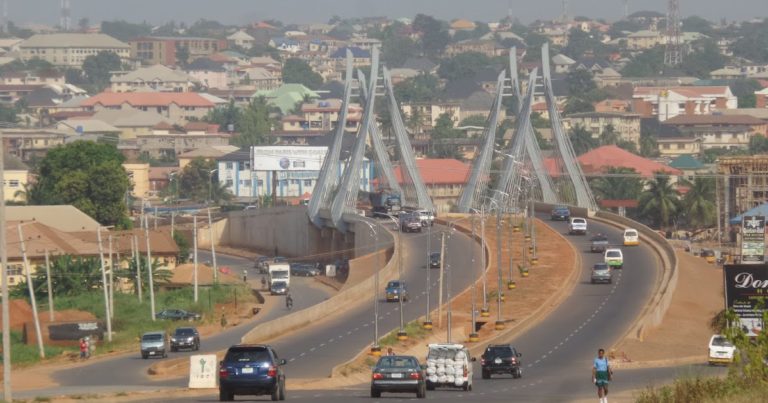
Awka, capital of Anambra State

The Anambra State Chapter chairman of the institute, Mr Joachim Ulasi, made the call when he led a delegation on a visit to the Chairman, Anambra State Physical Planning Board, Mr Chike Maduekwe, in Awka, the state capital, on Thursday, May 17, 2018.

Former governor, Peter Obi, through the UN-Habitat initiative, produced a 20-year structural plan for Awka, Onitsha and Nnewi in 2009.

The plan contained policies and proposals for land use, city beautification, road infrastructure, industrial development, housing, waste disposal, water supply and health and educational facilities.

The state is said to be the first in the country to adopt structure plans for its cities, but was soon abandoned due to absence of the required laws to back it.

“There is need for the structure plan to be reviewed and implemented to guide physical planning as it is done in Lagos,” the chairman said.

Ulasi said the ceding of Awka Capital Master Plan to Awka Capital Development Authority (ACDA), away from the Physical Planning Board, would render the board redundant.

“The Act establishing ACDA is mainly for infrastructural development of Awka and not for development control, which forms the responsibility of the Physical Planning Board.

“We have also heard that government is about to implement Greater Onitsha Development Agency and Greater Nnewi Development Agency.

“If passed into law by the state Assembly, the board will have only rural areas to handle leaving the urban areas to these agencies,’’ he said.

Ulasi also expressed concern at the improper constitution of the board, noting that town planners were not appointed into the board to assist planning in the state.

The chairman urged the state government to appoint experienced and professional engineers and architects into the 21 local planning authorities.

He pledged the cooperation of the institute in the review and implementation of the UN-Habitat Structure Plans for the state.

Also speaking, Mr Victor Okpoko, the General Manager, Anambra Physical Planning Board, said the state was backward in terms of planning.

“We have missed a lot of opportunities from foreign donor agencies following the delay or non-implementation of the Structure Plans.

“There is too much politics over planning in the state which is not in the interest of the state and its revenue,” Okpoko said.

Responding, the Chairman, Anambra Physical Planning Board, Mr Chike Maduekwe, said government was currently carrying out demolition of illegal structures, including petrol stations located near residential areas in Onitsha.

The chairman said majority of the people of the state have expressed happiness, surprisingly, over the ongoing demolition exercise.

He, however, appealed to the “big men” whose structures were affected to understand that the original master plan of the state must be reclaimed as contained in the plans.

Maduekwe pledged to utilise the expertise of the institute to actualise the state government’s objectives of implementing the structure plan for the state.

He also urged the delegation to put their submissions in writing for presentation to the state governor.

AfDB approves $100m for expansion of fertiliser production in Nigeria

0

The African Development Bank (AfDB) has approved $100 million senior loan to Nigerian firm, Indorama Eleme Fertiliser & Chemicals Limited, to support the company’s plans to double its fertiliser production from 1.4 million tons of urea to 2.8 million tons per annum.

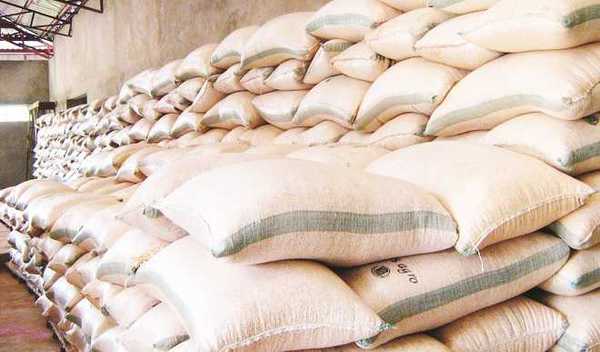
Fertiliser
Bags of fertiliser

The bank’s intervention follows a previous loan extended to Indorama Fertiliser in 2013 for the commissioning of another urea fertiliser plant with a production capacity of 1.4 million tons per annum. The completion and exploitation of that plant in 2016 helped turn Nigeria from a net fertiliser importer to a self-sufficient producer, and now a net exporter of fertiliser. In 2017, 700,000 tons of urea were exported to West Africa and North and South American markets. Production from the new plant will predominantly target export markets.

The project will also address the problem of inadequate fertiliser utilisation, which is considered one of the principal constraints to agricultural growth and development in Nigeria, and the entire African continent.

“This Project will build upon the success of Train-I in increasing the domestic supply of urea fertiliser in Nigeria, making it easily available and leading to cheaper prices for the Nigerian farmer,” said Abdu Mukhtar, Director for Industrial and Trade Development at the AfDB. “It will also help further address labour issues in a local region wracked by poverty, inequality and political tension by creating high paying technical jobs and will count towards climate change abatement by reducing amounts of flared gas.”

Fertiliser production support is well aligned with regional and national priorities, as well as the bank’s assistance strategy in Nigeria, and is an important step towards the bank’s goal of radically transforming Africa’s agriculture sector and making the continent self-sufficient in food.

Despite a large population of farmers, Nigeria spends at least $6 billion per year on food imports. A contributing factor to low domestic crop yields is low consumption levels of fertiliser in Nigeria – and indeed Africa as a whole, which averages only 10-15% of global levels.

The project supports the medium term economic recovery and growth plan of the Government of Nigeria and the bank’s regional strategy to link regional markets in West Africa. 20% of the urea exports will be made to South Africa and West Africa (Cote D’Ivoire & Senegal). Regional integration will be further strengthened by the export of increased agriculture production in Nigeria.

The Indorama Eleme Complex has been a success story of public private partnerships in Nigeria, with several benefits including import substitution of raw materials to over 450 downstream industries; increased crop yields of over 30%; training of 200,000 farmers on the proper use of fertilisers expected to reach two million by 2021; creation of 50,000 jobs, and an annual contribution of $2 billion to Nigeria’s GDP. The estimated $1.1 billion cost of the project is to be financed with equity of $100 million and debt finance of $1billion which will be provided by development finance institutions. All the financiers are said to been provided their final Board approvals for the project.

WHO, Gabon collaborate to guard against Ebola virus

0

The World Health Organisation (WHO) and the Gabonese ministry of health are to set up a safety plan to prevent the spread of Ebola in the country after the outbreak of the disease in the Democratic Republic of the Congo (DRC).

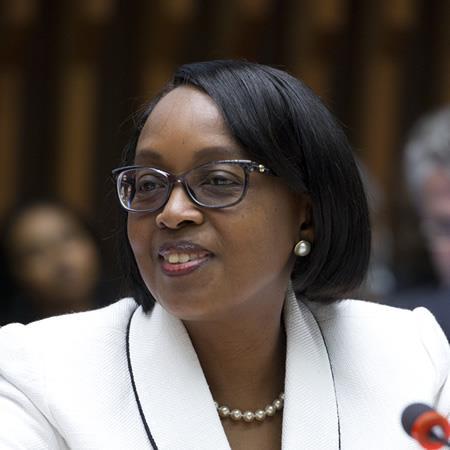
Dr. Matshidiso Moeti
Dr. Matshidiso Moeti, the World Health Organisation (WHO) Regional Director for Africa. Photo credit: pbs.twimg.com

Gabonese authorities, in a statement on Thursday, May 17, 2018, said it had become necessary to strengthen the capacities of health workers and epidemiological surveillance along the borders and at airports.

According to WHO, the Republic of Congo, the Central African Republic and Gabon are on the list of high risk countries.

No cases of Ebola fever have been reported yet in Gabon.

The Gabonese authorities had suspended flights and maritime connections from affected countries and restriction of the issuance of entry visas to Gabon to passengers coming from area affected by the epidemic as measure to prevent the spread.

DRC, WHO race to prevent runaway Ebola outbreak

0

Congolese and United Nations officials were racing on Thursday, May 17, 2018 to prevent a runaway Ebola outbreak in the Democratic Republic of Congo (DRC).

Christian Lindmeier
WHO spokesman, Christian Lindmeier

They are working out the logistics of keeping newly acquired vaccines well below freezing in a steamy region on the equator with unreliable power.

World Health Organisation (WHO) spokesman, Christian Lindmeier, said the U.N. body would convene an Emergency Committee meeting on Friday to consider the international risks.

This is DRC’s ninth epidemic since the disease was identified in the 1970s.

However, this outbreak is its most alarming because of the risk of transmission via regular river transport to the capital Kinshasa, a city of 10 million.

There have already been 44 suspected, probable or confirmed cases of Ebola, and 23 people have died.

Potentially, most worrying is a confirmed case in Mbandaka, a city of about 1 million connected to Kinshasa by the Congo River.

“This does change the way we need to respond,” Peter Salama, WHO’s medical emergency programme head, told the media in Geneva.

“Overnight, Mbandaka has become the number one priority for preventing this outbreak from getting out of control.”

The other Ebola cases were spread across sites in remote areas where the disease might not travel quickly.

An experimental but highly effective vaccine is being deployed, with health workers being vaccinated first.

But it normally needs to be kept 80 degrees Celsius below freezing in a humid region where daytime temperatures hover around 30.

“For now, the cold chain is guaranteed at – 80 degrees until Kinshasa,” Health Minister Oly Ilunga told Reuters.

“There is a fridge that will be prepared (on Thursday) … in Mbandaka and that will be at -80.”

“This vaccine is no longer experimental. The effectiveness has been proven and validated,” he added.

“Now that we are facing the Ebola virus we must use all the resources we have.”

WHO spokesman Tarik Jasarevic told the media that the vaccine can still be effective for up to two weeks if stored in a fridge at between 8 and 2 degrees above freezing.

To avoid criticism received during the huge former Ebola outbreak, which killed 11,300 people in Guinea, Sierra Leone and Liberia from 2014 to 2016, WHO is moving fast on Congo’s latest outbreak.

The emergency committee will decide whether to declare a “public health emergency of international concern”, which would mean getting access to more resources, Lindmeier said.

The Kinshasa government reported the outbreak on May 8, one day after two samples tested positive.

Within days the WHO was sending experts, preparing a helicopter “air bridge” to the site, and planning a vaccination campaign.

The nightmare scenario is an outbreak in Kinshasa, a crowded city where millions live in unsanitary slums not connected to a sewer system.

Several public transport boats a day head from Mbandaka downstream over the river to the capital.

They are so overloaded with people that they sometimes topple over, their toilets are usually filthy and water for washing absent.

“If this Ebola outbreak ever reaches Kinshasa, what we are going to see is death here,” Jean Marie Mukaya, a resident of the city, told media.

“Because it is very dirty here, the government and the population must … get rid of all the dirt.”

Already the WHO has warned that there is a “moderate” regional risk because the disease could travel along the river to Central African Republic and Congo Republic.

But it has said the global risk is low because of the remoteness of the area and the rapid response launched so far.

Even if the logistics of the ‘fridge bridge’ prove easy enough to overcome, “the vaccine is not a magic bullet,” Salama told Reuters this week, especially since health workers have been infected.

“Having healthcare workers infected is usually a ‘canary in the mine’ for potential amplification,” he said.

End vandalism of oil installations, Shell charges Niger Delta youths

0

The Shell Petroleum Development Company (SPDC) has urged youths in the oil producing Niger Delta region to embrace peace and end vandalisation of oil installations in the area.

Igo Weli
Igo Weli, General Manager, External Relations, SPDC

Mr Igo Weli, General Manager, External Relations, SPDC, made the appeal on Thursday, May 17, 2018 in Port Harcourt, Rivers State, during the “Youths Summit for Land East Hub Host Communities’’ programme organised by company.

Weli, who was represented by Mr Evans Krukubo, SPDC’s Manager of Community Interface, said that the company was worried by activities of vandals on its facilities.

The general manager said the resultant impacts of such activities on the environment and livelihood of the people was enormous.

He said that the SPDC was committed to providing employment, education and enterprise development to youths Abia, Imo and Rivers, the states under its youth empowerment drive.

He said: “this concern is part of reasons we invited speakers to educate and share and their experiences with the aim of having the youths becoming agents of change.

“We are also seeking supports and ideas from the youths with the aim to proffer solutions to the challenges we encounter in our operations.

“We are not focusing on the entire youths in the Niger Delta, but only targeting and connecting with those in our land assets in the East.

“We are taking this engagement with the youths, segment-by-segment, on areas where we operate facilities within Abia, Imo and Rivers states.”

He said that 70 youth leaders drawn from the three states were participating in the programme and expected to take the message to their various communities.

Also, Sam Ezugworie, SPDC’s Asset Manager, Land East Hub, said that the company had adopted “Enhanced Surveillance Strategy’’ to tackle vandalism of its facilities.

He spoke through Boniface Nongo, an official of the company, and said that the strategy in collaboration with the host communities had reduced attacks on its pipelines.

“We are working directly with the community contractors under three cluster development boards in Ukwa West (Abia), Agbada (Imo) and Ikwerre (Rivers) to survey our facilities.

“This strategy has enabled us to generate employment for about 900 people who work day and night to protect our wells and flow lines.

“The strategy has allowed us to safeguard over 60,000 barrels of oil per day production for the past eight months and with near zero incidences recorded since it was implemented.

“We believe that bad things can never happen in a house except there is an insider. So, we have given them responsibility to look over our assets,” he said.

He added that the company would on July 1 introduce the strategy to other clusters in its land east hub and the central hub assets in the Niger Delta.

By Desmond Ejibas

Around 2.5b more people will be living in cities by 2050, says UN

0

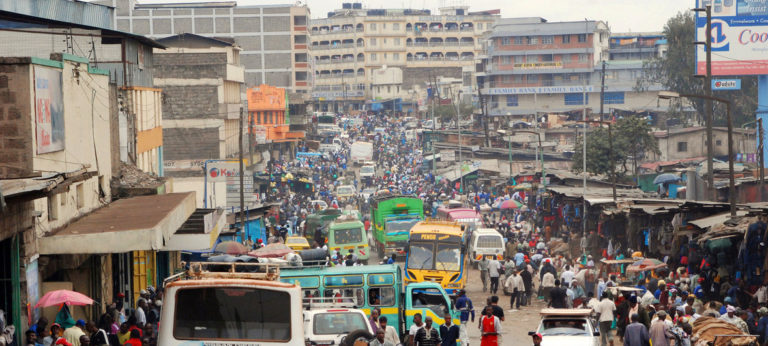
By 2050, two out of every three people are likely to be living in cities or other urban centres, according to a new United Nations report, highlighting the need for more sustainable urban planning and public services.

Nairobi
Cities in developing countries like Nairobi in Kenya continue to grow rapidly. Photo credit: UN-Habitat/Julius Mwelu

Owing to both demographic shifts and overall population growth, that means that around 2.5 billion people could be added to urban areas by the middle of the century, predicts the UN Department of Economic and Social Affairs (DESA).

Most of the increase is expected to be highly-concentrated in just a handful of countries.

“Together, India, China and Nigeria will account for 35 per cent of the projected growth of the world’s urban population between 2018 and 2050…It is projected that India will have added 416 million urban dwellers, China 255 million and Nigeria 189 million,” said DESA, announcing the findings on Wednesday, May 16, 2018.

The report also estimates that, by 2030, the world could have 43 so-called megacities (up from 31 today, according to reports) – those with more than 10 million inhabitants – most of them in developing countries.

By 2028, the Indian capital, New Delhi, is projected to become the most populous city on the planet.

Currently, Tokyo is the world’s largest, with an agglomeration of 37 million inhabitants, followed by New Delhi (29 million), and Shanghai (26 million). Mexico City and São Paulo, come next; each with around 22 million inhabitants.

These swelling populations will place extra demands on both resources and services in urban areas, notes the report.

“Many countries will face challenges in meeting the needs of their growing urban populations, including for housing, transportation, energy systems and other infrastructure; as well as for employment and basic services such as education and health care,” said DESA, urging governments adopt better integrated policies to improve the lives of both urban and rural dwellers.

At the same time, linkages between urban and rural areas will need to be strengthened, building on their existing economic, social and environmental ties, the report concludes.

First doses of experimental Ebola vaccine arrive DRC

0

The first 4,000 doses of experimental vaccine provided by the World Health Organisation (WHO) to combat against the Ebola outbreak arrived on Wednesday, May 16, 2018 in Kinshasa, the capital city of the Democratic Republic of Congo (DRC).

Orly Ilunga
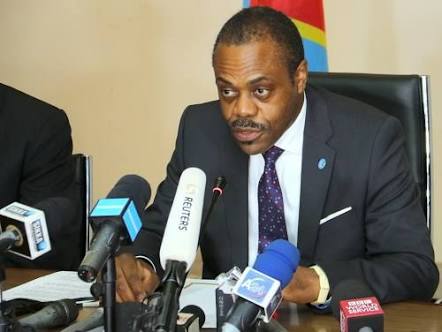
Orly Ilunga, the Congolese Minister of Health

Orly Ilunga, the Congolese Minister of Health, who received the vaccine in Kinshasa, indicated that the batch received from WHO would be stored first in the laboratory of the National Institute of Biomedical Research in Kinshasa, before being transported to the health zone of Bikoro, in the province of Equateur in the north-west of the country.

According to the Ministry of Health, a vaccination campaign is planned for this week to raise awareness about this vaccination, which will be tested for the first time in the DRC.

During his visit to Kinshasa last Saturday, Tedros Adhanom Ghebreyesus, Director General of the WHO, met with the President of the DRC, Jospeh Kabila, who officially authorised the use of this vaccine against the Ebola virus in his country.

According to the latest WHO statistic, 32 cases (two confirmed cases, 18 probable and 12 suspects), including 18 deaths, confirmed Ebola death, were recorded between April 4 and May 9 in Bikoro.

NAN reports that the WHO on Monday gave the go-ahead to officials in the DRC to import and use an experimental Ebola vaccine in the country.

WHO Director-General, Tedros Adhanom Ghebreyesus, said: “We have agreement, registration, plus import permit, everything formally agreed already.

“All is ready now to really use it.”

The vaccine, developed by Merck in 2016, has proven safe and effective in human trials, but it is still experimental as it does not yet have a licence.

It must be kept at -60 to -80 degrees Celsius (-76°F to -112°F), creating huge logistical challenges.

The shot, which was tested in Guinea in 2015 at the end of a vast Ebola outbreak in West Africa, is designed for use in a so-called “ring vaccination” approach.

This would mean that when a new Ebola case is diagnosed, all people who might have been in recent contact with them are traced and vaccinated to try and prevent the disease’s spread.

The WHO said 393 people who identified as contacts of Ebola patients were being followed up.

Tedros travelled to Congo over the weekend and flew to the remote area, still only accessible by motorbike or helicopter, where the deadly haemorrhagic disease has broken out.

“Being there is very, very important. If a general cannot be with its troops in the front line it’s not a general,” he said.

“And the second thing is, associated with Ebola there is stigma. We have to go and show that that should really stop. And if there is risk, my life is not better than anyone.”

He praised the Congolese government, including President Joseph Kabila whom he met during his trip.

Information about the outbreak in Bikoro, Iboko and Wangata in Equateur province was still limited, the WHO said, but at present the outbreak does not meet the criteria for declaring a “public health event of international concern”, which would trigger the formation of an emergency WHO committee.

WSSCC urges political commitment, increased funding for water, sanitation sector

The Water Supply and Sanitation Collaborative Council (WSSCC) has called for political commitment and increased funding from all tiers of government to improve water and sanitation hygiene in the country.

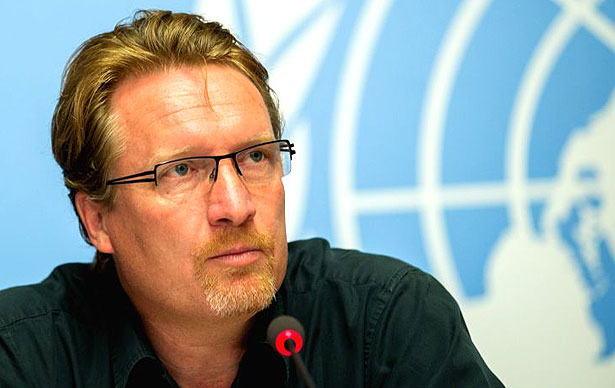
Rolf Luyendijk
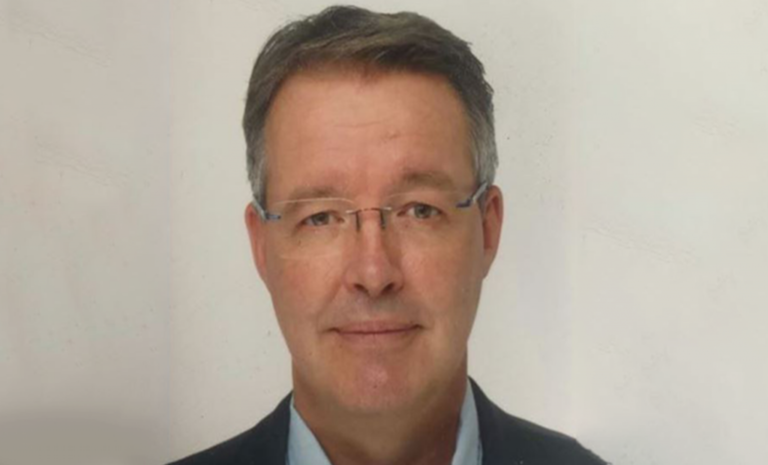
Executive Director of WSSCC, Mr Rolf Luyendijk

The Executive Director of WSSCC, Mr Rolf Luyendijk, made the call in an interview with News Agency of Nigeria (NAN) in Abuja on Wednesday, May 16, 2018.

Luyendijk said that it was saddening that no fewer than 43 per cent of Nigerians still practised open defecation, while more than 43 million people lacked access to toilet facilities.

He said that the country should do more to see that its present commitment to improving the water and sanitation sector translated to increased investment.

The executive director, however, expressed the hope that the proposed Water, Sanitation and Hygiene Fund would go a long way in addressing the perceptible deficiencies in the water and sanitation sector.

He also appealed to all stakeholders to close the gap between the rich and the poor by ensuring equal distribution of water and sanitation facilities.

While commending the Federal Government for its Partnership for Expanded Water, Sanitation and Hygiene programme, Luyendijk said that it was an avenue to meet the Goal Six of the Sustainable Development Goals (SDGs), which focussed on increasing access to water and sanitation.

He noted that population growth was fuelling the continuous practice of open defecation in rural and urban areas.

According to him, the number of people practising open defecation at present was higher than the figure of those who practised it 15 years ago.

Luyendijk underscored the need for more investment in the sector, saying that Nigeria needed thrice its current investment level of $700 million annually, which was inadequate.

“More than 43 million people are practising open defecation and not using the toilets; it’s a big issue.

“Do you know how much shit (faeces) that is every day, even around the communities, and what that does to the people’s health, particularly the children’s health,’’ he said.

According to him, expanding the people’s access to sanitation and hygiene remains crucial in breaking the poverty cycle.

Luyendijk said that poor health and loss of income were kindled by the dearth of water, sanitation and hygiene (WASH) facilities in countries.

“It is absolutely critical; think of how critical it is in an emergency situation when there are displaced persons.

“The very first response that people do is to provide water and sanitation; this is because it will prevent an already bad situation from deteriorating.

“Water supply and sanitation are so key to people’s health and well-being;  if we don’t have that in place, it breeds sickness, causing huge health expenditure and poverty for families,’’ he said.

Luyendijk called for more commitment from all tiers of government in formulating policies and programmes that were aimed at improving the lives of the populace.

WSSCC is a United Nations (UN) membership organisation that advocates improved sanitation and hygiene for the most vulnerable and marginalised people around the world.

WSSCC facilitates multi-stakeholder collaboration around sanitation and contributes to the goals of the international community on poverty eradication, health and environmental improvement, gender equality and long-term socio-economic development.

By Tosin Kolade

Shell boosts domestic gas distribution capacity by 150%

0

Shell Nigeria Gas (SNG) Limited has increased its domestic gas distribution capacity by 150% over the last six months. The increase in capacity will enable the company to distribute more than 100 million standard cubic feet of gas per day (MMscf/d) to businesses in its western operations.

Shell Gas
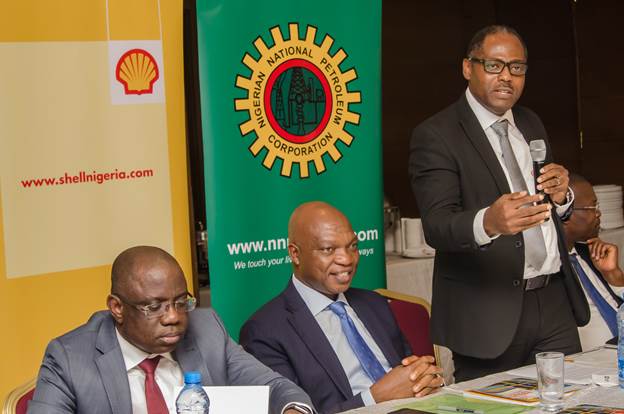
R- L: Managing Director, Shell Nigeria Gas (SNG), Mr. Ed Ubong; Managing Director, The Shell Petroleum Development Companies of Nigeria Limited (SPDC) and Country Chair, Shell Companies in Nigeria (SCiN), Osagie Okunbor and Managing Director, Shell Nigeria Exploration and Production Company (SNEPCo), Engineer Bayo Ojulari during the Launching of the 2018 Shell Nigeria Briefing Notes

The new capacity is equivalent to some 400 Megawatts (MW) of gas to power, and has been enabled by the construction of a second train at the Agbara/Ota Pressure Reduction and Metering Station (PRMS) in Ogun State, from where SNG supplied its first customers with gas.

“The expansion project shows the commitment of Shell to Nigeria’s industrialisation through the monetisation of Nigeria’s abundant gas resources,” said SNG Managing Director, Ed Ubong, while speaking in Lagos on the operations of the company.

The modules for the second train were fabricated by a Nigerian company which collaborated with its foreign partners to safely execute the project without any Lost Time injuries (LTIs).

Mr. Ubong said: “We’re continuing the campaign for gas by discussing with various stakeholders to deepen and expand domestic gas supply to existing industrial and new manufacturing clusters in various locations in Nigeria.”

SNG’s existing gas distribution system in the three states it operates – Ogun, Abia and Rivers – have boosted manufacturing output and helped these states to grow their internally generated revenues and provide local employment opportunities. In 2017, SNG executed a Memorandum of Understanding with the Rivers State Government for the distribution of gas to industries in the Greater Port Harcourt area and its environs. The agreement provides further opportunities for SNG to promote gas as a more reliable, cleaner and cost-effective alternative to liquid fuels in Nigeria.

SNG is said to have built a reputation for safety and credibility and reportedly the only gas distribution company in Nigeria whose facility is ISO 14001 certified. In the course of its business, the company has reportedly implemented various development projects in the areas of its operations, donating or renovating schools, providing information communications technology (ICT) centre, equipping science laboratories and launching numerous Road Safety Education and Awareness campaigns in 2016 and 2017.

The SNG was established in 1998 and marks its 20th anniversary in 2018.