Home Blog Page 1898

Ebola outbreak: Guarding against relapse

0

The 2014 Ebola Virus Disease (EVD) outbreak in Nigeria was short-lived as the World Health Organisation (WHO) officially declared the country free of the dreaded disease in the same year.
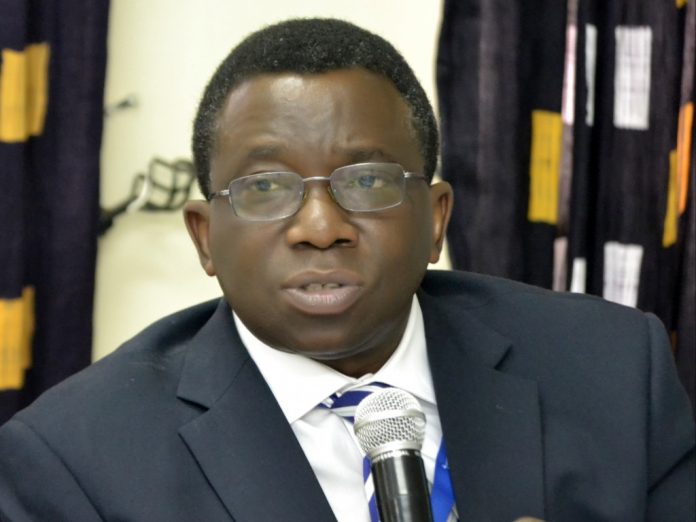
Isaac Adewole
Minister of Health, Isaac Adewole

EVD, which was imported into Nigeria on July 20, 2014, claimed eight lives including the index case, a Liberian, Patrick Sawyer.

Eleven of those infected survived as concerted efforts were devoted to fighting the deadly viral infection.

Nigeria was declared Ebola free in October 2014, after the country did not record any new case in the preceding 42 days.

With the declaration, Nigeria became the second country to be confirmed free of the EVD by the global health agency since the fresh outbreak of the disease in Guinea in early 2014.

Senegal, which recorded one confirmed case and no death, was the first to attain the Ebola-free status for successfully containing the disease.

Spain, Mali, U.S, UK, Italy, Liberia, Guinea and Sierra Leone also battled and conquered the virus and were eventually declared Ebola-free.

The early declaration of a state of emergency in Nigeria and other measures taken against EVD shows the high level of dedication of the country’s health sector and the overall government commitment to ensuring public safety.

The measures include rapid dissemination of information that built awareness and knowledge around EVD, establishment of the National Centre for Disease Control, and postponement of resumption of schools.

Hand washing before having access to public places was given prominence. Ban on return of corpses from abroad and even on inter-state transportation of such bodies within Nigeria also helped.

Analysts, however, cautioned that Nigeria’s Ebola-free status does not give room for complacency as long as the deadly and highly contagious disease is not totally eradicated, particularly from Africa.

The WHO recently alerted that it is preparing for ‘the worst case scenario’ in a fresh outbreak of Ebola in the Democratic Republic of Congo.

”We are very concerned, and we are planning for all scenarios, including the worst case scenario,” WHO’s Head of Emergency Response, Peter Salama, told reporters in Geneva.

The outbreak, declared by the DRC health ministry on May 8, is the DRC’s ninth known outbreak of Ebola since 1976, when the disease was first identified in then Zaire by a Belgian-led team.

Salama noted that the affected region of the vast strife-torn central African country was very remote and hard to reach, with a dire lack of functioning infrastructure.

Analysts are worried that measures put in place to prevent trans-border transmission of the disease in Nigeria seem to have been relaxed in spite of the itinerant nature of many citizens.

According to Prof. Akin Osibogun, a former Chief Medical Director of the Lagos University Teaching Hospital (LUTH), Nigeria is unprepared for any resurface of EVD.

”In 2014, the Federal Government promised to establish six functional laboratories but nothing of such is yet to be set up.

”Yes, the government has done well with the establishment of the National Centre for Disease Control but there is yet to be a law in place to back up that centre and strengthen its operations.

”Also, we do not have a national plan of action to enable us to be well prepared for any form of disease outbreak,” he says.

Osibogun believes that it is cheaper to be prepared for and prevent a disease outbreak than combat it.

“A strong health system is able to prevent disease epidemics and respond faster to save lives.

”Political commitment is highly required to make adequate funds available to provide the needed infrastructure such as laboratories for prompt diagnosis, researches, treatment centres and medical equipment,’’ the medical expert says.

He is convinced that training and re-training of medical personnel for emergency responses as well as strong collaboration between the Federal Government, state governments and health agencies are vital for containing outbreak of epidemics.

”As a nation, we need to anticipate epidemics and be well prepared via surveillance system, investigation control measures, implementation of prevention measures as well as continuous monitoring,” Osibogun adds.

Prof. Oyewale Tomori, a virologist and former President of the Nigerian Academy of Science, advises on sustenance of the preventive measures.

Tomori argues that Nigeria will continue to be at risk of the disease as long as the virus lingers in neighbouring countries.

According to him, Nigeria will become free of the virus only after the disease has been wiped out of Africa.

He urges Nigeria to help its neighbours to fight the disease.

“We are not free of Ebola until Ebola stops in Africa because there is always a chance that another Patrick Sawyer can come into Nigeria,” he argues.

Also, Dr Dan Onwujekwe, a public health expert with the Nigerian Institute of Medical Research (NIMR), Yaba, calls on Nigerians to see regular hand cleaning routine as a way of life.

Onwujekwe says that hand cleaning routine is not merely for the prevention of EVD, but for all infectious diseases.

“We lay emphasis on hand washing hygiene because the hand is the most active part of the human body. It goes round and can carry viral organisms around and into the body.

“Governments should also intensify awareness and promotion of regular hand washing as the number one strategy,” he urges.

Dr Bamidele Iwalokun, a molecular biologist with NIMR, also believes that there is still the risk of cross-border transmission of Ebola into Nigeria from high-risk countries.

“We still need to maintain strict surveillance at our borders because there are still cases of Ebola virus in some neighbouring countries.

“We also need to strengthen preparedness planning so that any other outbreak in Nigeria will be stopped with the same rapid response of 2014,” he says.

Dr Philip Oshun, Head, Ebola Response Team, Lagos University Teaching Hospital (LUTH), Idi-Araba, warns that Nigeria remains at risk and its residents must not let down their guards.

According to Oshun, the three tiers of governments, health workers and all Nigerians cannot afford to relax until Ebola is laid to rest in other African countries.

He regrets that EVD has taken a heavy toll on health workers, and implores them to adhere strictly to universally acceptable practices when attending to patients to avoid contracting the virus.

Maurice Iwu, a Professor of Pharmacology and a former INEC Chairman, is also of the opinion that Nigeria is still vulnerable to the Ebola virus.

Iwu wants the Federal Government to adequately fund research groups and institutes to find vaccines and drugs that can be produced locally to manage EVD and other similar infectious diseases.

According to him, this will consolidate on the nation’s current achievements.

“The Nigerian Government must begin the process of facilitating the study of experimental drugs and vaccines used in the prevention and treatment of the EVD by Nigerian scientists through research institutes,” Iwu urges.

Medical experts say Ebola virus disease, also Ebola haemorrhagic fever or simply Ebola, is a disease of humans and other primates caused by Ebola viruses.

Symptoms – fever, sore throat, muscular pain, and headaches – start between two days and three weeks after contracting the virus.

Vomiting, diarrhoea and rash usually follow along with decreased function of the liver and kidneys. At this time, some people begin to bleed both internally and externally.

The disease has a high risk of death, killing between 25 and 90 per cent of those infected.

According to the experts, the death is often due to low blood pressure from fluid loss, and typically follows six to 16 days after symptoms appear.

No specific treatment or vaccine for the virus is available, although a number of potential treatments are being studied. Supportive efforts, however, improve outcomes.

The disease was first identified in 1976 in Zaire in two simultaneous outbreaks, one in Nzara, and the other in Yambuku, a village near the Ebola River – from which the disease takes its name.

EVD outbreaks occur intermittently in tropical regions of sub-Saharan Africa.

Between 1976 and 2013, WHO reported a total of 24 outbreaks involving 1,716 cases.

The largest outbreak was the epidemic in Africa, which affected Guinea, Liberia and Sierra Leone. It had 28,616 reported cases resulting in 11,310 deaths as at May 8, 2016.

By Lucy Osuizigbo, News Agency of Nigeria (NAN)
Commission constitutes team of experts to stabilise, revitalise Chad basin

0

A team of experts from the Lake Chad Commission charged with proffering stabilisation and revitalisation strategies for the Lake Chad Basin on Wednesday, May 16, 2018 visited the headquarters of the Theatre Command in Maiduguri, Borno State.

lake chad
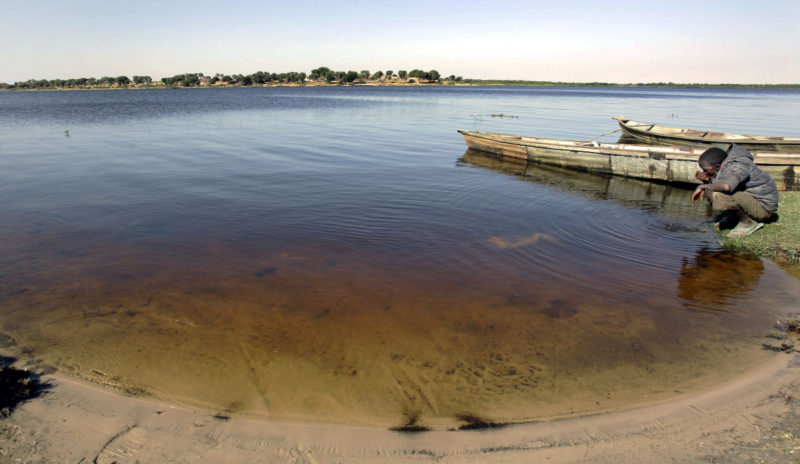
Scientists say the Lake Chad, that borders Nigeria and some other countries, has shrunken by 95 percent over the past 50 years. They have also linked the Boko Haram insurgency to the lake’s situation. Photo credit: AP/Christophe Ena

According to a statement by Col. Onyema Nwachukwu, the spokesman of the command, the team was led by Dr Eleanor Nwadinobi, a gender adviser.

Nwachukwu said that it was constituted by the African Union (AU) in collaboration with the Multinational Joint Task Force (MNJTF).

Nwadinobi was quoted as saying that the team was mandated to research and work out strategies in the areas of “Humanitarian, Socio-economic, Educational, Governance, Gender as well as Prevention and Countering of Violent Extremism to revitalise and stabilise the Lake Chad Basin.’’

She said that, in carrying out its mandate, it was expedient for the team to visit the Lake Chad Basin Commission member states.

Nwadinobi lauded the troops of the Operation Lafiya Dole for the successes so far recorded in the counter terrorism and counter insurgency operations against the Boko Haram terrorists.

Responding, the theatre commander, Maj.-Gen. Rogers Nicholas, informed the team that the security situation in the North East theatre had remain calm as the terrorists had been degraded.

Nicholas, however, noted that the terrorists had resorted to suicide bombing and attacks on vulnerable and soft targets.

He called on all stakeholders to play their roles in the multifaceted war to ensure total defeat of the terrorists.

The theatre command urged the team to be judicious in the execution of its mandate to facilitate the restoration of socio-economic development in the region.

By Johnson Eyiangho

First ‘plastic free’ label to help shoppers curb pollution

0

New “plastic-free” logo launched in Britain on Wednesday, May 16, 2018 will allow shoppers to identify products with plastic packaging, as companies come under growing pressure to use green alternatives.

Turtle-eats-plastic
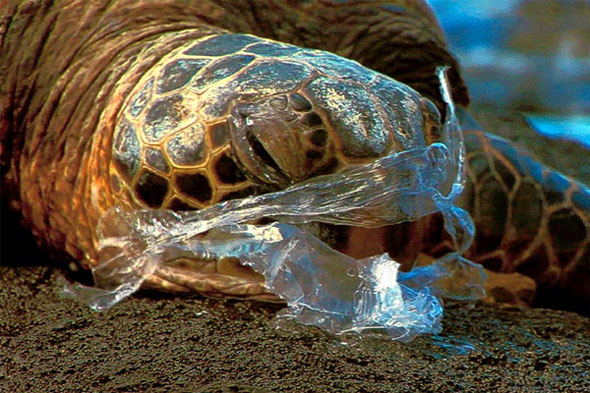
A turtle eating plastic: Dumped plastic wastes kill marine life and enter the human food chain

Eight million tonnes of plastic – bottles, packaging and other waste – are dumped into the ocean every year.

The dumped wastes kill marine life and enter the human food chain, according to the United Nations.

Growing concern from the public and lawmakers about the damage to the environment means food and drink manufacturers and retailers are under pressure to act on plastic waste.

“We all know the damage our addiction to plastic has caused.

“We want to do the right thing and buy plastic-free,” said Sian Sutherland, co-founder of A Plastic Planet, the British-based campaign group behind the new label.

“But it is harder than you think, and a clear, no-nonsense label is much needed. Finally, shoppers can be part of the solution not the problem.”

British supermarket giant Iceland, Dutch supermarket Ekoplaza, which launched a plastic-free aisle earlier this year, and British tea company teapigs are among the first companies to adopt the label.

Last month, more than 40 companies including Britain’s biggest supermarkets, Coca Cola, Nestle and Procter & Gamble , signed up to the UK Plastics Pact, pledging to eliminate unnecessary single-use plastic packaging by 2025.

In January, privately-owned Iceland became the first British supermarket to promise to eliminate plastic packaging from all of its own-brand products.

“The grocery retail sector is accounting for more than 40 per cent of plastic packaging in the UK.

”It’s high time that Britain’s supermarkets came together to take a lead,” said Iceland’s managing director Richard Walker in a statement.

In 2015 Britain introduced a charge for plastic bags which has led to an 80 per cent reduction in plastic bag use since 2015.

Nearly 200 nations late last year signed a U.N. resolution to eliminate plastic pollution in the sea, a move some hope will pave the way to a legally binding treaty.

Fishes caught from plastic waste-infested water dangerous for consumption – Aquaculturist

0

An aquaculture expert, Mr Remi Ahmed, on Wednesday, May 16, 2018 warned that fishes caught in plastic-infested waterways are dangerous for consumption.

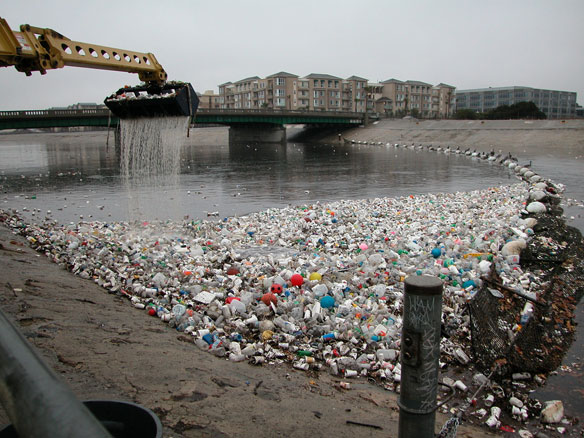
Plastic pollution
Plastic pollution

Ahmed, National President, Tilapia Aquaculture Developers Association of Nigeria (TADAN), made the disclosure in Lagos against the backdrop of increasing plastic wastes in the state.

He said that plastic wastes were becoming a huge environmental challenge that needed proper evacuation handling to avoid total destruction of the ecosystem as they were not biodegradable.

According to him, fishermen are already being obstructed by this ocean garbage, prompting their going further into the ocean to fish.

“Seeing what is happening in our waters, it is clearly getting too polluted and aquatic animals coming from this environment definitely will not be good food to eat.

“A lot of our people buy these fish because they come very cheap, irrespective of the fact that they know they are not supposed to consume what comes out of such environment.

“However, because of the low purchasing power, there are no alternate foods for now,’’ he said.

The TADAN boss was recently conferred a fellow of the Fisheries Society of Nigeria.

Ahmed, who was decorated for his contributions to promoting aquaculture, said that the increased presence of locally produced fish like tilapia and catfish of different sizes could service the general public.

Ahmed said: “We are encouraging market presence of locally produced fish of different sizes.

“These will attract different prices for the categories like small sizes for the lower cadre of the public, big sizes for the average and bigger cadre of the public.”

NAN reports that a 2010 research by Rolf Halden, Associate Professor, School of Sustainable Engineering, Arizona State University in the USA, is relied on concerning the hazards of plastics to humans and the ecosystems.

Halden, an Assistant Director, Environmental Biotechnology, Biodesign Institute, said in his findings that patches of oceanic garbage hold a high volume of non-biodegradable plastics.

He said that aquatic birds and fish are increasingly victims because biodegradation processes are inadequate to eliminate this durable refuse.

Flooding will continue to threaten Nigeria, unless… – Environmentalist

0

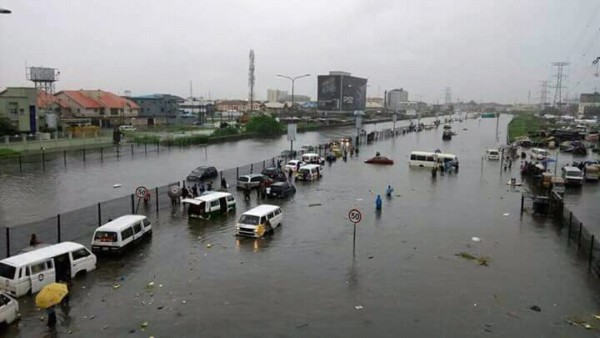
An environmental consultant, Mr Idowu Salawu, warned on Wednesday, May 16, 2018 that flooding would continue to threaten Nigeria, unless Environmental Impact Assessment (EIA) studies were conducted before executing construction projects.

Lekki flood
Flooded highway in Lekki, Lagos

Salawu, Managing Director of Macpresse West Africa Ltd., gave the warning in an interview with the News Agency of Nigeria (NAN) in Lagos.
He spoke against the backdrop of the setting in of the rainy season, and the likely flooding of major cities in the country, especially Lagos and other coastal cities.

According to him, adhering strictly with EIA laws are necessary before embarking on projects to reduce the effects of climate change on the environment.

He lamented that most contractors handling projects in Nigeria were never respecting basic environmental laws, a development, he said, was responsible for the severe flooding of cities annually.

“When environmental problems start, nobody knows how and when they will end.

“EIAs should not be left with quacks because there are people trained to handle such assessments.

“Government should take the issue seriously, although you cannot conduct EIA on an existing facility but you can audit it.

“There must also be an assessment from time to time on the impact of the environment on the existing facilities,” he said.

According to Salawu, when an EIA is carried out on a facility, the environmental hazards will be minimal.

On how building of dams can help in averting flooding, Salawu said that the environment was inter-woven with the production of food and, as such, needed adequate attention.

The environmentalist, who called for collaboration between experts and government to solve environmental challenges, advised that adequate infrastructure should be put in place for such partnerships to succeed.

“The issue of agriculture, water and the environment go hand-in-hand.

“Building of dams for agricultural purposes will have an enormous impact on irrigation and farming activities.

“If you checkmate flooding, people doing their agricultural activities along the river boundary will be able to use the water to get bountiful harvest.

“So, if you do not solve one problem, you will create another problem.

“My advice is that where such facility is to be put in place, the government should work with experts.

“Also, government should ensure that the facilities are in place for the benefit of everybody. However, when an emergency situation occurs, we have to look at all approaches and solutions to solve the emergency.’’

Salawu recalled that the flooding in Lokoja in 2012 was due to the dam that was opened in neighbouring Cameroon.

He, however, noted that the opening of the dam was imperative because if it reached its maximum capacity and burst, the result would have been the submerging of the whole city.

Salawu also advised government to ensure that people violating the environment were punished to protect everyone from destruction.

By Mercy Okhiade and Itohan Abara-Laserian

Sudan’s sustainable natural resources scheme expands to three more states

0

The Sudan Sustainable Natural Resources Management Project (SSNRMP), which is currently being implemented in three states, is to be extended to three more states.

Sudau
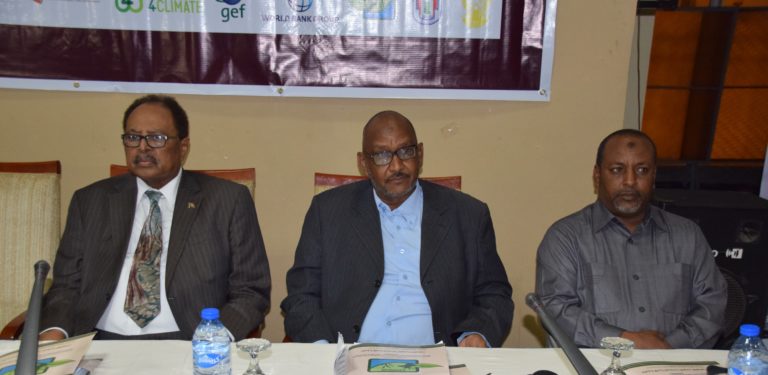
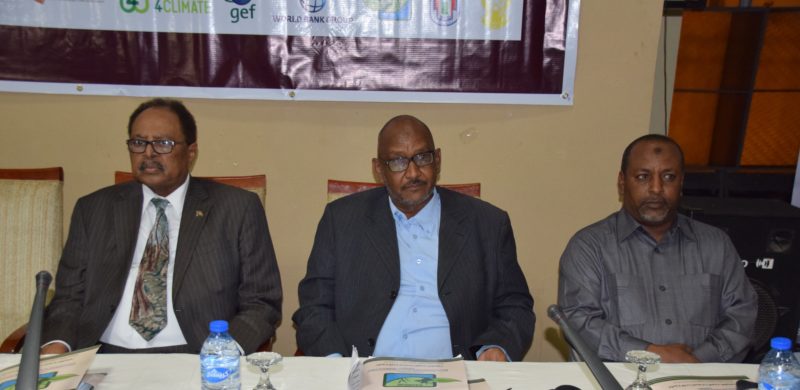
L-R: Sudanese Minister of Environment, Natural Resources and Physical Development, Dr Hassan Hilal; National Coordinator of the SSNRMP, Ibrahim Doka; and Sub-Secretary Minister, Dr Omer Mustafa, during the opening of the Workshop on Planning and Implementing a Communication Strategy in Khartoum, Sudan, on Monday, May 7, 2018

The disclosure was made by Dr Hassan Hilal, the Sudanese Minister of Environment, Natural Resources and Physical Development, in Khartoum on Monday, May 7, 2018 while declaring open the Workshop on Planning and Implementing a Communication Strategy, organised under the Building Resilience through Innovation, Communication and Knowledge Services (BRICKS) Project.

Dr Hilal described the SSNRMP as one of the Great Green Wall Initiatives (GGWI) projects being implemented in 19 villages in Kassal, Gezira, and White Nile states. According to him, the project, which was launched August 13, 2014, “is in the right track to achieve it is development objective by working in an integrated manner to achieve future sustainability”.

While stressing that the focus of the workshop underlined the importance of communication, the minister pointed out that the effective communication of any issue will result in “excellent results”. He added that communication mainly depends on collecting of correct information and the use of best tools or mechanism to convey the message to different audiences.

His words: “Here in Sudan, our project, the SSNRMP, pledged to give priority to communication. They conducted as an intensive communication study in which all stakeholders are included and this appears in the main action plan of the study, wherein 27 journalists were trained in line with an advice from the consultant. We achieved very good results such as the creation of on task force of environmental journalists.”

He disclosed that the best practices gained from SSNRMP were documented and disseminated, adding that one of the main outputs generated is that the project will now be extended to add three new states in the coming period.

On Wednesday, May 9, workshop participants visited the SSNRMP project sites. Initially, they were received at the Albutana University where a short video allowed the delegation to immerse themselves in the different components of the project and the impacts induced in the communities of the areas covered.

Under the leadership of the National Coordinator of the SSNRMP, Ibrahim Doka, and the Gezira State Coordinator, Madam Eiman Adawi, the participants visited the forest rehabilitation zone which covers four villages in the state of Gezira. On the spot, the delegation saw first-hand the degraded state of the forest and as well as the soil.

According to Doka and Adawi, the degradation, which dates back 20 years, is due to climatic variability exacerbated by the uncontrolled logging of forest resources and non-resilient agricultural practices.

“But, today, the awakening of conscience of the communities through the implementation of the project augurs a better tomorrow,” they stated, adding that the participatory rehabilitation process involves planting the Acacia Senegal, a tree species adapted to arid zones.

They added that, if weather conditions allow, the forest would regenerate within five years where rational management will be planned.

The second site visited was the Taybeen Village Community Garden located a few miles from the Wadbugul Forest. On-site activities consist of nursery production (forest rehabilitation plants and fruit trees), and other income generating activities.

According to Areeg Ali Ibrahim, community facilitator, the project’s activities have improved the living conditions of the population, who now have access to drinking water resources and financial empowerment.

Revenues generated by the sale of nurseries and other related activities, he added, enabled the construction of school buildings and the opening of a bank account, which ensures the sustainability of the project after the closing of the financing partners.

Community leaders, however, asked for the extension of the project beyond its five-year (2014-2019) period.

Costing $7.73 million and falling under the Sahel and West Africa Programme in Support of the Great Green Wall Initiative (SAWAP), the SSNRMP is being funded by the World Bank and the Global Environment Facility (GEF).

Other organisations involved in the SAWAP initiative are the International Union for the Conservation of Nature (IUCN), Sahara and Sahel Observatory, and the Permanent Interstate Committee for Drought Control in the Sahel (CILSS).

Sudan is a landlocked nation in northeast Africa comprising 18 states.

Stop attacks on children, UNICEF appeals to warring parties

0

With defenceless children increasingly targeted in conflicts, the United Nations Children’s Fund (UNICEF) has called on all warring parties around the globe to comply with international law and keep them safe from harm.

Syria
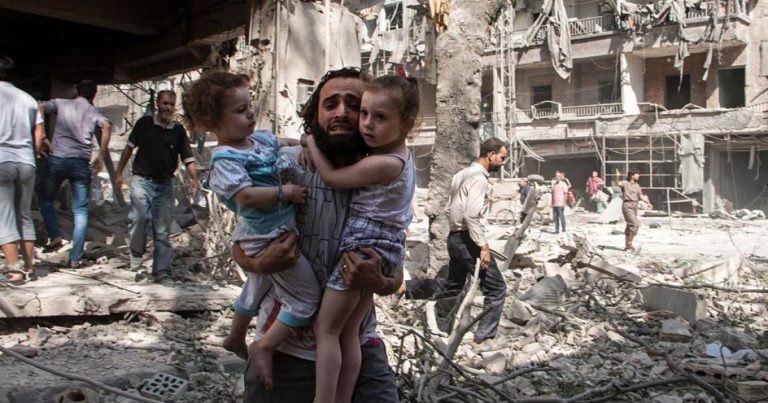
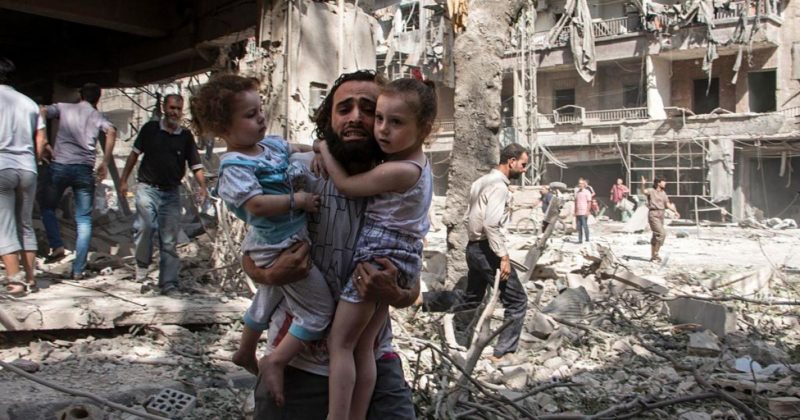
Children caught in the war in Syria

In the first four months of 2018 alone, hundreds of children lost their lives and many more wounded in countries ranging from the Central African Republic to South Sudan, and from Syria to Afghanistan.

“With little remorse and even less accountability, parties to conflict continue to blatantly disregard one of the most basic rules in war: the protection of children,” said Henrietta H. Fore, the Executive Director of UNICEF in a statement on Tuesday, May 15, 2018.

“The rules of war prohibit the unlawful targeting of civilians, attacks on schools or hospitals, the use, recruitment and unlawful detention of children, and the denial of humanitarian assistance. When conflicts break out, these rules need to be respected and those who break them need to be held to account,” she stressed.

In addition to the children caught in fighting, millions more are at the risk of starvation, abduction, child recruitment, abuse and displacement. Many are also losing their lives to deadly diseases that could have been prevented.

In Yemen, for instance, almost 4.3 million children are severely food insecure. In Syria, over 5.3 million children are internally displaced or refugees outside its borders and nearly 850,000 children continue to live in besieged or hard-to-reach areas.

The situation is equally worrying in South Sudan, where in addition to displaced and acutely malnourished children, some 19,000 young people continue to be used as fighters, messengers, porters, cooks and even sex slaves by warring parties.

In the statement, Ms. Fore said that in these crises and many more, UNICEF and partners are “doing all they can” to alleviate the suffering of children and their families.

“Despite funding shortfalls we are resolutely committed to serving the most vulnerable. We are vaccinating children, treating them for malnutrition, sending them to school, providing them with protection services, and trying to meet their basic needs,” she said.

Only 16 per cent of UNICEF’s funding needs for 2018 have been met.

In a separate statement, UNICEF denounced an attack in north-west Burundi which, according to several reports, deliberately targeted children.

The attack that took place in the Cibitoke province on May 11 claimed the lives of 25 people, including 11 children and came ahead of polls this week in a referendum.

Leila Pakkala, the Regional Director for Eastern and Southern Africa at UNICEF, reiterated the need to protect the young.

“Children need peace and protection, always,” she said, adding: “UNICEF calls on all parties to immediately ensure full respect of children’s right to safety and their protection from violence.”

Otodo Gbame evictees demonstrate on lagoon, seek church’s intervention

0

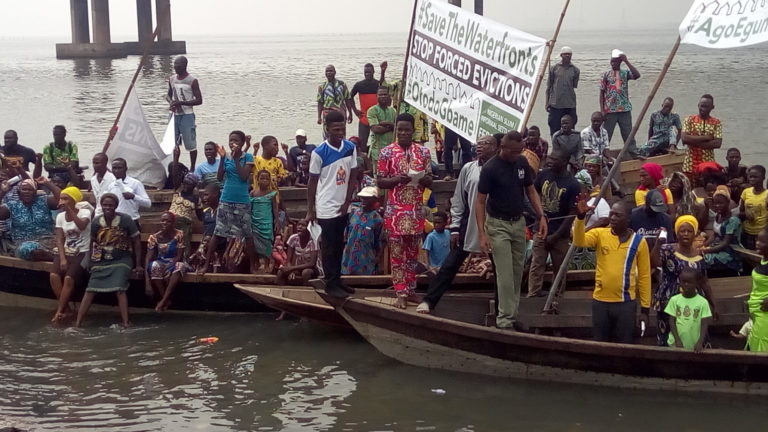
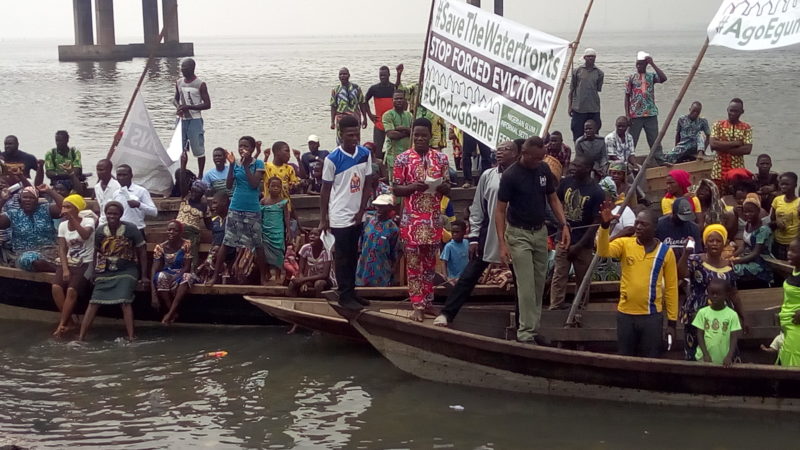
On Tuesday, May 15, 2018, the Nigerian Slum/Informal Settlement Federation (known as Nigerian Federation) and evictees from Otodo Gbame took their demonstration to the Lagos lagoon to commemorate one year since the final stage of the eviction of the community and six months since the violent crackdown on their last peaceful protest.

Otodo Gbame evictees
The protesting Otodo Gbame evictees

The evictees, along with sympathisers, marched from the Freedom Park, Ojota, to Lagos Government House, Alausa on November 15, 2017 to protest the forced eviction of April 9, 2017.

EnviroNews learnt that, on November 7, 2016, the Lagos State High Court restrained any eviction of the waterfront communities, including Otodo Gbame, an Egun fishing community, located around a prime real estate in the Lekki area of Lagos.

On June 21, 2017, the same court reportedly pronounced the forced evictions unconstitutional and ordered resettlement for those evicted. But the Akinwunmi Ambode administration seems to be foot-dragging on the matter.

Re-enacting the moment they became internally-displaced “boat people” during the final and most brutal stage of the eviction, thousands of the evictees – who remain homeless and in squalor till date – pushed out their canoes into the Lagos lagoon.

The evictees had gathered in solemn commemoration, joined by their peers from other waterfront communities and the Nigerian Federation, in a flotilla of boats between University of Lagos (UNILAG) Waterfront and Third Mainland Bridge in the early morning hours.

The event was marked with traditional Egun music and an on-water procession from UNILAG Waterfront past Makoko and Oko Baba Waterfronts to the headquarters of the Redeemed Christian Church of God (RCCG), where evictees called for support from religious and other leaders in their continued struggle for justice and to end forced evictions.

In company of local and international media coordinated by Megan Chapman, co-founder/co-director of Justice & Empowerment Initiatives (JEI) – Nigeria, the homeless evictees, after demonstrating on the lagoon, headed for the RCCG headquarters at Redemption Way, Ebute Metta, to deliver a letter to the church.

Taiwo Murtala, who coordinated the evictees, told EnviroNews their mission to RCCG.

“We want Governor Akinwunmi Ambode to understand that we deserve justice.

“With the opportunity of the procession, we are telling the governor, whose wife is a senior pastor of RCCG, to give us justice,” he said, adding that about 90 per cent of the evictees are Redeemers.

Elijah Atinkpo, media coordinator of the event, corroborated Murtala that they were at the RCCG to submit letter to the church leaders, as “Mrs. Ambode is a senior member of the church.”

“We feel that people like Vice president Yemi Osinbajo, who is a Redeemer, can help sit Ambode down and talk to him on our behalf, to see how we can arrive at a consensus that will favour both sides,” he said.

He was optimistic that the church can get justice for them because religious organisations are for the well-being of humanity.

The community’s demand, according to him, was for government to reinstate them at Otodo Gbame because they were living there for good reasons, one of which is their occupation, which is fishing.

On April 9, 2017, the final 5,000 evictees were chased into wooden boats on the lagoon and their homes set on fire.

Reports have it that over 30,000 people have been displaced and over 13, including Daniel Aya, killed, while 158 peaceful protesters have been arrested due to the eviction.

By Chika Onwuji

Schwarzenegger tells environment advocates to ‘stop whining’

0

The world’s regions should act together to protect the environment, rather than complain about the state of the climate, action film star and former California governor, Arnold Schwarzenegger, said on Tuesday, May 15, 2018 in Vienna, Austria.

Arnold Schwarzenegger

“Stop whining,” he told an environment conference called the Austrian World Summit.

The Austria-born politician also issued an appeal to U.S. President, Donald Trump, who has pulled out of the Paris Agreement on climate protection.

“Which side will you choose?’’ Schwarzenegger asked.

He said: “We choose to make the planet great again and healthy again, playing on Trump’s slogan “Make America Great Again.’’

Schwarzenegger appeared in Vienna only weeks after heart surgery.

He joked that his surgeon had promised to take good care of him for political reasons.

“The doctor had said we are the only Republican with a heart, we are an endangered species,’’ Schwarzenegger stressed.

The former governor told the 1,200 attendees including UN Secretary General Antonio Guterres that they should adopt an athlete’s mindset when it comes to fighting climate change.

“We will keep winning, too often, we play defence instead of offence,’’ he said.

Report says the Vienna conference is linked to Schwarzenegger’s R20 initiative, which supports regions in developing green infrastructure.

Niger governor warns against felling of economic trees

0

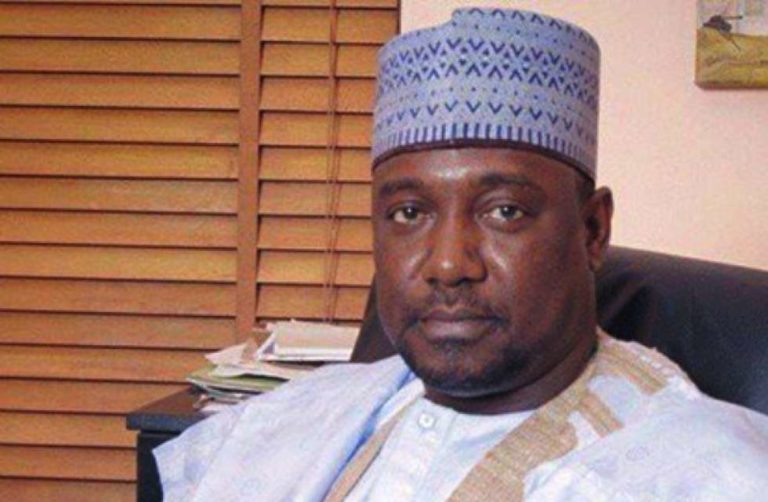
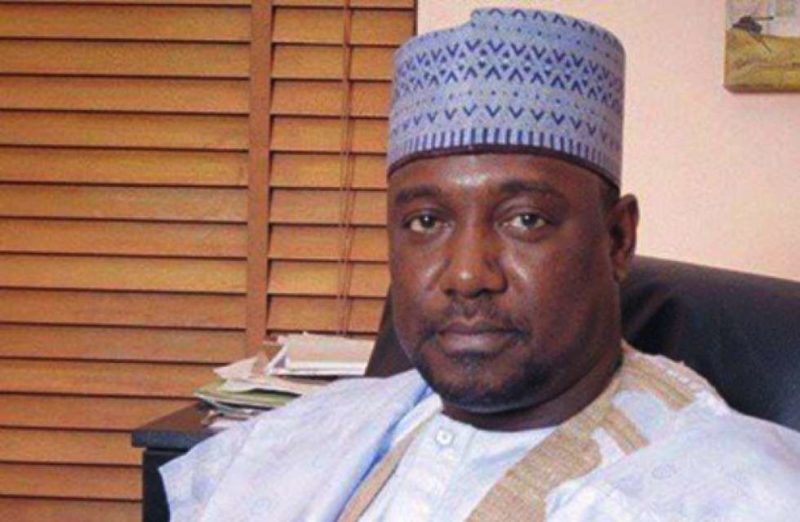
Gov. Abubakar Bello of Niger State in Nigeria has warned that the full wrath of the law would be visited on those that continue with the habit of felling economic trees in the state.

Alhaji-Abubakar-Sani-Bello
Alhaji Abubakar Sani Bello, Governor of Niger State

He gave the warning during the flag off ceremony of the 2018 cropping season and distribution of tractors to farmers in Minna on Tuesday.

Bello disclosed that the state government had put in place mechanism to check the ugly tide.

He called on stakeholders, traditional and religious leaders to continue to sensitise the people on the value of economic trees.

He said that the state would soon take the world lead in having the highest number of Shea tree as well as take advantage of the favourable weather for production of other crops such as rice, sesame seed, ginger and cashew nuts.

The governor added that the state government would exploit its agricultural potentials in the areas of grain reserve, ranching, animal husbandry, fisheries, development of economic trees and cash crops.

He said that the state government in 2016 approved the establishment of five hectares each for planting of Shea trees and oil palm plantations.

“This is to demonstrate the commercial viability of these high value tree crops and provide the platform for the establishment of over 5,000 hectares plantation by our farmers and private investors.

“We have also cleared over 5,000 hectares of land in various locations under the accelerated agricultural development scheme to encourage our youth to embrace farming,” he said.

By Rita Iliya