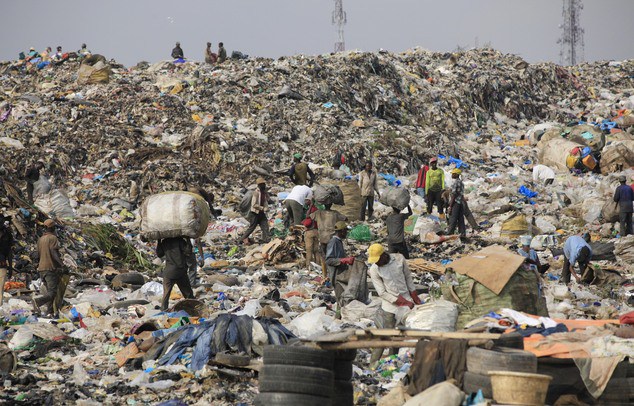
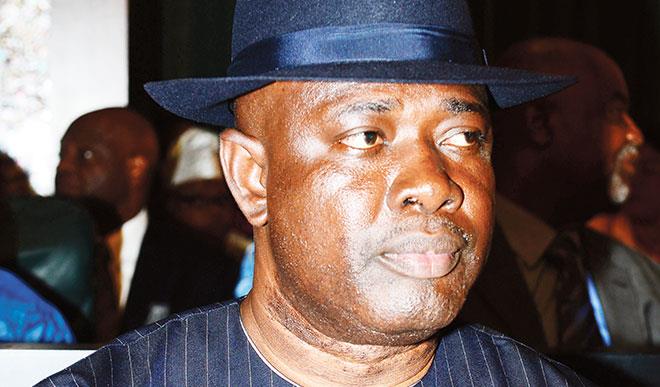
Gov. Nyesom Wike of Rivers State says his administration has spent N500 million monthly on waste management without satisfactory result.
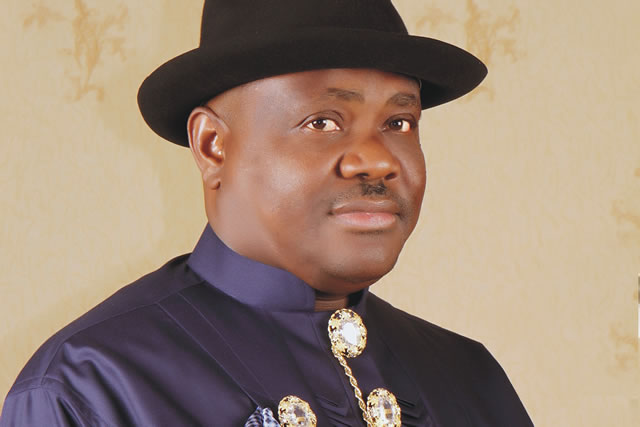
Nyesom Ezenwo Wike, Governor of Rivers State
Wike disclosed this in Port Harcourt, the state capital, on Tuesday, May 22, 2018 during a media chat with newsmen in the state in commemoration of his administration’s third anniversary.
He lamented that the funds and efforts so far expended on waste management had yet to yield any desired impact.
In order to get better results, the governor said that he would consider employing another waste contractor in hopes he would do a better job.
He said that he was also considering venturing into recycling for waste-to-wealth project.
“The issue of waste is worrisome even in Nigeria. This is an area I think I have not done well; it is very critical and challenging.
“So far, my administration has ordered more than 20,000 waste bins to enhance proper waste collection and disposal within the metropolis and its environs.
“I am reiterating my administration’s readiness to rid the state capital and its environs of waste.
“We need all residents’ cooperation to restore Port Harcourt to its Garden City status,’’ Wike said.
He said that his administration might introduce a taskforce on waste collection in special places like markets, shops and other places where high volume of refuse are generated.
“We will clamp down on street trading to boost sanitation in the Port Harcourt metropolis and environs
“Street traders from neighbouring states who do not contribute revenue to the state come to do business in the morning and litter the city with refuse.
“It is inherent in us to drop waste everywhere and litter the environment,’’ the governor said.
The Ministry of Women Affairs and Social Development in Ondo State is partnering with the National Agency for the Prohibition of Trafficking in Persons (NAPTIP) to eradicate child trafficking and child labour in the state.
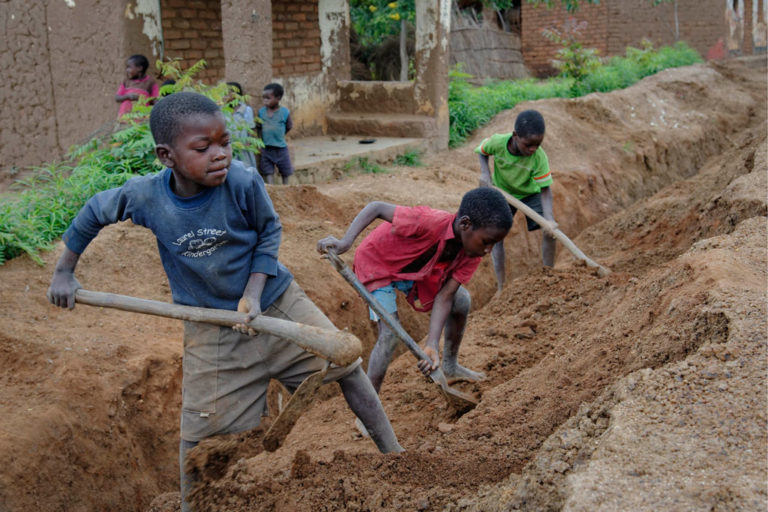
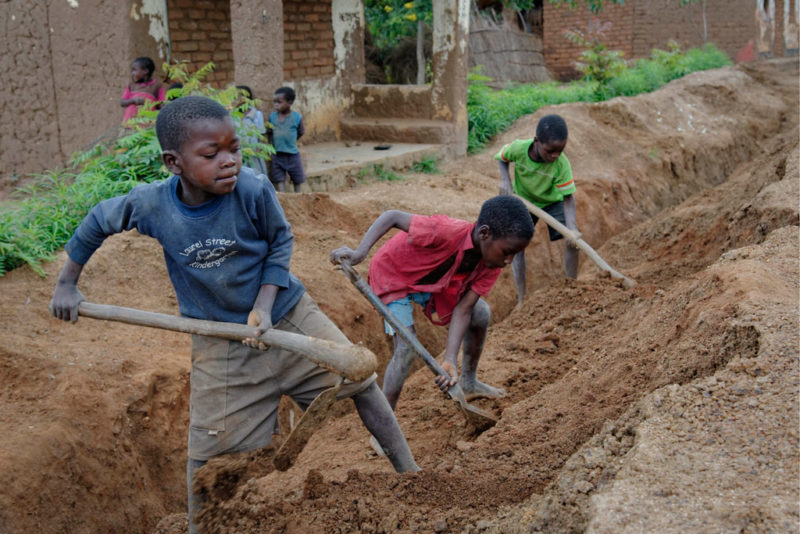
Child labour
Mrs Omowumi Olatunji-Edet, the State’s Commissioner for Women Affairs and Social Development, made this known on Tuesday, May 22, 2018 at a one-day training/consultative meeting organised for members of State Working Group on Anti-Human Trafficking and Child Labour.
Olatunji-Edet bemoaned the increasing danger which child trafficking and child labour activities pose to children everywhere.
“But with the realisation of the education policy of the state government, there is no duty more important than ensuring that children are protected.
“The present administration in the state has resolved to strengthen the State Working Group so as to bring activities of child traffickers under control in the state,” she said.
The commissioner urged members of the state working group to make use of the opportunity offered by the training “as it will go along way in putting the working group in a good stead and cope with the challenges posed by activities of human traffickers in the state”.
She also called on members of the public to always speak out when they suspect any form of child abuse and possible trafficking of any child.
“Do not keep quiet, endeavour to contact the nearest security post, you never can tell whose child is involved,” she said.
Mr Ganiyu Alao, the Zonal Commandant of NAPTIP in Osogbo, Osun, said the training would create awareness on harmful effects of Human Trafficking/Child Labour.
Alao said the importance of the awareness creation of Human Trafficking could not be overemphasised “as it can be compared to a beam that lights a path so that people will not fall into the deep pit of human traffickers and child abusers”.
According to him, the programme will go a long way in positively impacting on the lives of young people who are the hope and future leaders of the country.
The commandant said that the training would also enlighten participants to be trained on the various new trends of the crime, the existing control structure of Human Trafficking in Nigeria, reporting, investigating, rehabilitation of victims and prosecuting cases of human trafficking.
“It is imperative to note that a nation confronted with human trafficking, which is an evil scheme targeted at the youths, cannot make progress is bound to suffer serious consequences, ranging from economic to socio-cultural problems,” he said.
The chairman, Association of Catholic Medical Practitioners of Nigeria (ACMPN), Owerri Archdiocese, Dr Prince Philip C. Njemanze, has reaffirmed the need for precautionary approach towards consuming genetically modified organisms (GMO) foods and planting the crops.
GMOs
He made the submission at the quarterly press briefing of the ACMPN on Monday, May 21, 2018.
The ACMPN Annual General Scientific Conference had published earlier the observations arising from the 12th scientific conference and annual general meeting with the theme “Genetically-Modified Organisms: How Harmful, Harmless or Beneficial?”, that took place at the Catholic Institute of West Africa (CIWA), Port Harcourt from July 6 to 8, 2017. In attendance were medical doctors, scientific experts in biotechnology and nutrition especially those concerned with food safety regulation.
The general consensus was on the need for precautionary approach towards the introduction of GMO c rops into our food system. The participants expressed concern on the rapid introduction of GMO crops into our food system without adequate assurance of safety and declared it highly immoral and a threat to food security.
Experts agreed that food safety certification usually takes several decades since effects take place at molecular genetic level before subsequent clinical manifestation. It is therefore irresponsible for any organisation or association, medical or scientific to give a risk free certification for any GMO crop to be used as food prior to long-term effects monitoring and continuing experimentation. Moreover, scientific studies in animals fed with GMO foods have shown detectable biological changes of cellular transformation into cancer cells or other forms of biochemical malfunction leading to liver failure and kidney failure. Studies in humans show strong association of GMO food with allergic reactions and mental diseases such as autism spectrum disorders.
Dr Njemanze said: “The provision of unsafe food is no solution to hunger, but rather results in even greater health hazards. The use of transgenic crops which implies changing genetic material could be used for good and bad purposes. For example, the insertion of a sterilising gene called Epicyte gene in Corn flex could sterilise children of school age using Corn flex in a school feeding programme, leading to loss of generations of people in Nigeria. These genetic changes are not reversible. There should be heightened attention to food safety in schools with feeding programs. Moreover, school feeding poisoning linked to insecticides have occurred in India.”
Experts deplore the unacceptable influx of GMO crops and foods into Nigeria. Nigeria is a signatory to the United Nations Cartagena Protocol on Biosafety, which is a legally binding protocol to the Convention on Biological Diversity (CBD) adopted by unanimous consent with 135 countries present. The Protocol covers the “trans-boundary movement, transit, handling and use of all living modified organisms that may have adverse effects on the conservation and sustainable use of biological diversity, taking into account risks to human health”.
The Nigerian Government established the National Biosafety Management Agency (NBMA) in 2015 to provide a regulatory framework, institutional and administrative mechanism for safety measure in the application of modern bio-technology in Nigeria with a view to preventing any adverse effect on human health, animals, plants and the environment. However, the NMBA is grossly ill-equipped, understaffed and has no present capacity to perform her mandate. This is unfortunate since food security is the most important of all national security concerns. The ACMPN therefore advocates increased funding for equipment and higher level of human resources preparedness for the NMBA.
ACMPN affirms that none of the major challenges that Nigeria faces in the agricultural sector can be addressed by deploying GMO or Hybrid seeds in the fields.
“The challenges mitigating against development of agriculture (poor transportation, land reform, lack of amenities in rural agricultural settings, lack of irrigation technology, lack of fertiliser, poor use of organic farming, lack of preservation technology, poor cost management, improper export and import controls, lack of subsidies and loans, aging manpower, lack of electricity, societal perception, etc) would not be addressed by deploying GMO or Hybrid crops.
!Rather, new and more complex problems could be introduced including long-term environmental and health hazards (cancers, allergies, infertility, autism spectrum disorders, ecosystem disequilibrium), which has been demonstrated by several groups of scientists in evidence-based studies.
Similar precautions have been issued in a report on GMO by a scientific experts’ committee setup by Catholic Bishops’ Conference of Nigeria (CBCN) along with the Nigerian Supreme Council on Islamic Affairs(NSCIA) under the aegis of the Nigerian Inter-Religious Council (NIREC),” stated Njemanze.
The Kaduna State Government has warned of imminent flood in five local government areas (LGAs) of the state.
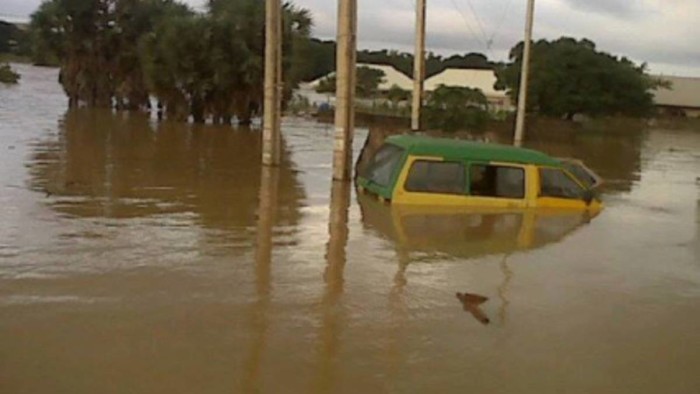
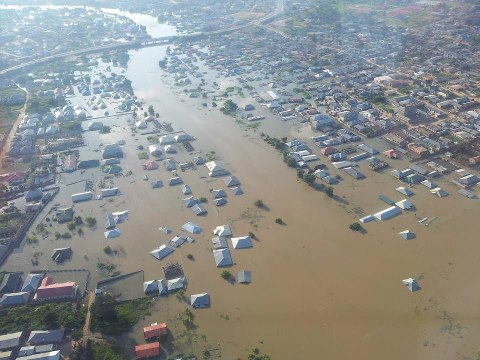
A flooded neighbourhood in Kaduna. Photo credit: saharareporters.com
Malam Abdullahi Rigasa, the General Manager, Kaduna Environmental Protection Authority (KEPA), made this known at a news conference on 2018 flood outlook projection on Tuesday, May 22, 2018 in Kaduna, the state capital.
He listed Igabi, Kaduna North, Kaduna South, Soba and Kaura Local Government Areas as the councils to be affected.
He urged residents of the five flood-prone areas to be at alert.
Rigasa said the mandate of KEPA was to prevent the occurrence of flood and ensure that residents were well prepared for any imminent floods.
“Last year, the expectation of flood was 14 local councils but recorded in Kaduna South, North, Kaura and Chikun local government areas with no casualties.”
He advised residents of the area to take proactive measures such as clearing water channels and avoid activities that could block the free flow of water.
He further advised relevant agencies to perfect their emergency evacuation plans and activate them as quickly as possible.
Kenya plans to reform its laws in order to enhance biodiversity conservation and sustainable utilisation of national resources, a government official said on Tuesday, May 22, 2018.
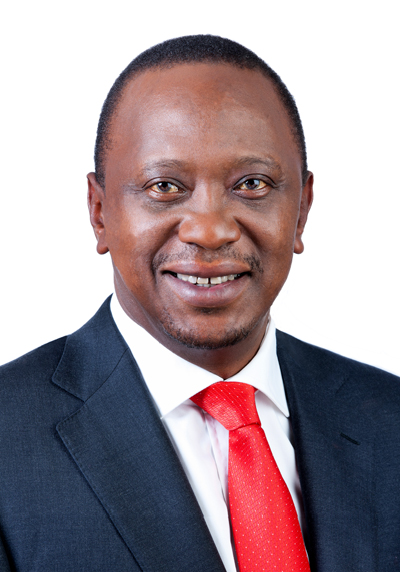
Uhuru Kenyatta, the President of Kenya
The Cabinet Secretary in the Ministry of Environment, Keriako Tobiko, said in a statement published in the Daily Nation that the country’s efforts to conserve biodiversity had not matched increasing evidence of biodiversity loss.
“The ministry of environment had formulated and reviewed laws and regulations to implement the provisions of the constitution as well as the objectives of the Convention on Biological Diversity,” Tobiko said.
“The new legislative frameworks are geared to enhance biodiversity conservation and sustainable utilisation of our national resources,” Tobiko said in remarks marking the International Day for Biological Diversity.
He said the day was important to international, regional, national and local communities as it had created public awareness on the link between biodiversity and sustainable development.
“It, therefore, provides an opportunity for Kenya to communicate to the world the importance of biodiversity, its conservation and sustainable use of its components, and the equitable sharing of benefits by the uses of genetic resources.”
He said the key challenges impeding Kenya’s progress in sustainable use of biodiversity included poaching, illegal trade in wildlife and timber products, human-wildlife conflicts, encroachment of habitats, pollution, as well as poor disposal of waste.
According to the ministry of environment, Kenya is abundantly endowed with biodiversity, and this has direct and indirect benefits to livelihood support systems of local communities and Kenya’s socio-economic development.
Tobiko added that biodiversity was also playing a major role in climate change adaption through the provision of a variety of genetic materials that could be used to develop crops that can cope with extreme climatic conditions and mitigation through carbon sequestration by the different ecosystems.
The Principal Secretary in the ministry, Charles Sunkuli, said that Kenya had made considerable progress in implementing the Nagoya Protocol on access to genetic resources, which was adopted by the Conference of the Parties to the Convention on Biological Diversity.
Dorington Ogoyi, CEO of National Biosafety Authority, said that Kenya was currently domesticating the provisions of the Cartagena Protocol on Biosafety that is a party to the Convention on Biological Diversity. He said Kenya’s 2009 Biosafety Act was meant to domesticate the provisions of the Cartagena Protocol.
“The country has further developed four regulations to implement the biosafety laws and has submitted three national reports on the Implementation of Cartagena Protocol on Biosafety to the Biosafety Clearing House,” Ogoyi said.
He noted that the lack of a state-of-the-art molecular laboratory for detection and testing of genetically modified organisms posed a challenge to full implementation of the Cartagena Protocol.
The World Health Organisation (WHO) and partners will need $26 million for the Ebola Response in the Democratic Republic of the Congo (DRC) over the next three months.
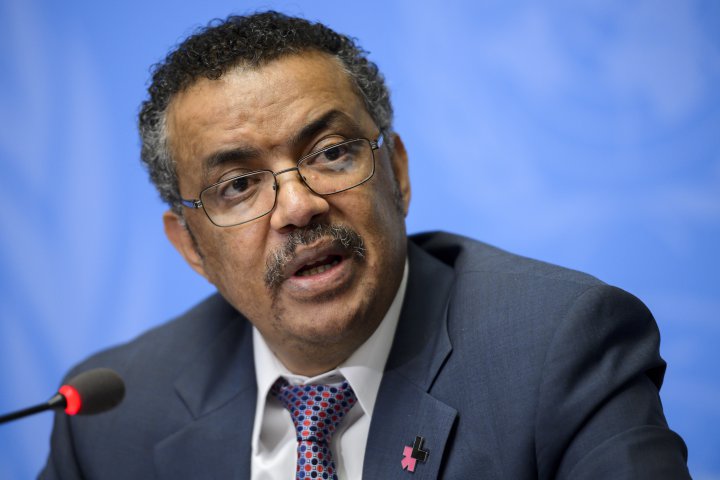
Dr Tedros Adhanom Ghebreyesus, Director General of the World Health Organisation (WHO). Photo credit: FABRICE COFFRINI/AFP/Getty Images
This is even as the Ghana Health Service (GHS) refuted reports of an outbreak of the Ebola Virus Disease (EVD) in the country.
WHO said on Monday, May 21, 2018 that funding had been received from Italy, UN Central Emergency Response Fund (CERF), and Gavi – the Vaccine Alliance.
The others are the U.S. Agency for International Development, the Wellcome Trust and UK Department for International Development.
The Ghana denial followed social media reports that claimed an Ebola outbreak in the country and that the health authority was trying to suppress the information.
“We want to state emphatically that the report is false and misleading and that there is no such incidence of Ebola in Ghana,” the GHS said in a statement signed by its Director-General, Anthony Nsiah-Asare.
The statement said Ebola was a highly infectious condition and that when there was an outbreak in a community there was no way the National Health System could keep it secret from the public.
It added that the health system was part of the global community and mandated by international health regulation to report all such conditions if they occurred.
It assured the general public that since the reported outbreak in the Democratic Republic of Congo, the surveillance system has been intensified, including at the points of entries, to detect any case should it occur.
In the DRC, the WHO said it had also released $2 million from its Contingency Fund for Emergencies, to scale up the Ebola response.
The Government of DRC, with the support of WHO partners, is preparing to vaccinate high risk populations against Ebola Virus Disease (EVD) in affected health zones.
The organisation said health workers operating in affected areas were being vaccinated on Monday and community outreach had started to prepare for the ring vaccination.
More than 7,500 doses of the rVSV-ZEBOV Ebola vaccine have been deployed to DRC to conduct vaccination in the northwestern Equator Province where 46 suspected, probable and confirmed Ebola cases and 26 deaths have been reported – as of Friday.
Most of the cases the oraganisatioj said were in Bikoro, a remote rural town, while four confirmed cases are in Mbandaka, the provincial capital with a population of over one million people.
The vaccines were donated by Merck, while Gavi, the Vaccine Alliance is contributing one million dollars towards operational costs, while the Wellcome Trust and DFID had also pledged funds to support research activities.
Dr Tedros Ghebreyesus, WHO Director-General, said: “Vaccination will be key to controlling this outbreak. We are grateful for the support of our partners in making this possible”.
The Ministry of Health with WHO, Medecins Sans Frontieres , UN Children’s Fund and other key partners are implementing a ring vaccination with the yet to be licensed rVSV-ZEBOV Ebola vaccine, whereby the contacts of confirmed cases and the contacts of contacts are offered vaccination.
Frontline healthcare workers and other persons with potential exposure to EVD – including but not limited to laboratory workers, surveillance teams and people responsible for safe and dignified burials – will also receive the vaccine.
Dr Peter Salama, WHO Deputy Director-General for Emergency Preparedness and Response, said there was the need to act fast to stop Ebola from spreading.
“We need to act fast to stop the spread of Ebola by protecting people at risk of being infected with the Ebola virus, identifying and ending all transmission chains and ensuring that all patients have rapid access to safe, high-quality care,” Salama said.
A ring vaccination strategy relies on tracing all the contacts and contacts of contacts of a recently confirmed case as soon as possible.
WHO said teams on the ground had stepped up the active search and follow up of all contacts, while more than 600 contacts have been identified to date.
“Implementing the Ebola ring vaccination is a complex procedure,” said Dr Matshidiso Moeti, WHO Regional Director for Africa.
“The vaccines need to be stored at a temperature of minus 60 to minus 80 degrees centigrade and so transporting them to and storing them in affected areas is a major challenge,” Moeti said.
WHO had sent special vaccine carriers, which can keep their contents in sub-zero temperatures for up to a week and has set up freezers to store the vaccines in Mbandaka and Bikoro.
The UN health agency is deploying both Congolese and Guinean experts to build the capacities of local health workers.
The Ministry of Health, WHO, UNICEF and partners are engaging communities to inform people about Ebola, including the vaccine.
The vaccine was shown to be highly protective against Ebola in a major trial in 2015 in Guinea, and among the 5,837 people who received the vaccine, no Ebola cases were recorded nine days or more after vaccination.
While the vaccine is awaiting review by relevant regulatory authorities, WHO’s Strategic Advisory Group of Experts on Immunisation has recommended the use of the rVSV-ZEBOV Ebola vaccine under an expanded access/compassionate use protocol during Ebola outbreaks linked to the Zaire strain such as the one ongoing in the DRC.
United Nations Secretary-General, António Guterres, on Monday, May 21, 2018 announced the appointment of Joyce Msuya of Tanzania as Deputy Executive Director of the United Nations Environment Programme (UNEP) in Nairobi, Kenya.
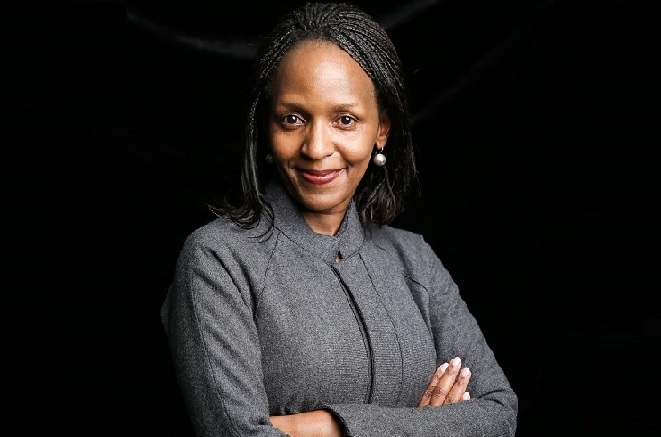
Joyce Msuya
She will succeed Ibrahim Thiaw of Mauritania, to whom the Secretary-General says he is grateful for his leadership and dedicated service during his tenure.
Ms. Msuya has since 2017 served as Adviser to the World Bank Vice President, East Asia and Pacific Region in Washington, D.C. She brings to the position more than 20 years of extensive experience in the field of international development spanning corporate, strategy, operations, knowledge management and partnerships, with diverse assignments in Africa, Latin America and Asia regions.
She previously served as the World Bank Special Representative and Head of the World Bank Group Office in the Republic of Korea, as well as Regional Coordinator at the World Bank Institute covering East Asia and Pacific Region, based in China, and Principal Strategy Officer at the International Finance Corporation’s Manufacturing, Agribusiness & Services Department. Earlier in her career, she held numerous prestigious positions at the World Bank Group.
Ms. Msuya holds a Master of Science in Microbiology and Immunology from the University of Ottawa, Canada, and a Bachelor of Science in Biochemistry and Immunology from the University of Strathclyde, Scotland. She is married and has two children.
The Nigeria Hydrological Services Agency (NIHSA) says it will soon install the “Flood Warning Alert’’ device on major rivers so as to check flooding across the country.
Flooded parts of Lokoja, Kogi State, in 2012
Mr Olayinka Ogunwale, the Acting Director-General of NIHSA, said this on Monday, May 21, 2018in an interview with News Agency of Nigeria (NAN) in Abuja.
He said the device would facilitate efforts to send flood alerts to the people living in flood-prone areas so as to save the people’s lives and property.
Ogunwale said that NIHSA had started the installation of the network device system on River Niger at Lokoja in Kogi State, while others would be installed on River Benue and other major rivers across the country.
According to Ogunwale, the installation of the network device systems will particularly boost efforts to detect and check flood incidents in flood-prone areas of the country.
“Just recently, we started with the idea of installing flood alerts and we started with just only one in Lokoja.
“We want to actually start with that project, watch it and see how effective it is going to be; then, we can continue from there.
“We want to actually install the warning device systems on almost all the major rivers, especially those rivers in the flood-prone areas,’’ he said.
Ogunwale said that a flood warning device system was a means of detecting threatening flood events in advance, so as to enable the agency to warn the public for quick response to avert flooding or minimise its adverse effects.
The acting director-general said that the rationale behind the acquisition and installation of the device was to reduce the people’s exposure to coastal flooding in particular.
Ogunwale expressed the hope that the installation of the systems on major waterways would provide critical information that would facilitate strategies to protect the citizens’ lives and property.
He said that the flood warning device was specifically designed to provide the earliest warnings about the occurrence of floods and how severe such flood incidents would be.
NIHSA, during its 2018 Annual Flood Outlook, assured the citizens that the country would not experience heavy floods in 2018, unlike the situation in the previous years.
The Lagos State Government says it is planning a formalised structure for scavengers so as to ensure proper waste management.
Scavengers at the Olusosun dumpsite in Lagos
The Commissioner for Environment, Mr Babatunde Durosinmi-Etti, disclosed this in an interview with the News Agency of Nigeria (NAN) in Lagos on Sunday, May 20, 2018.
Durosinmi-Etti said that scavengers had a huge responsibility in waste management, hence the need to make their work more formal.
He said that government was also looking at a form of capacity building for the scavengers.
”Just as we did with the artisans, we are going to look at how the scavengers could be brought into a more formalised arrangement.
”We will need to take their database, so we will be able to put them in a more structured format to work on other landfill sites.
”We are also going to start working on a waste-to-wealth programme to reduce the composite waste that go into the landfills. So, scavengers have a huge role to play working with recyclers.
”They don’t work only on dumpsites, they can assist in sorting waste in other waste-to-wealth areas. There will also be a way of capacity building.
”There are so many things going on now. We are also working with private sector to look at all these arrangements,” the commissioner said.
According to him, the ministry is working on the format that will ensure that scavengers continue to be useful in the environmental sector.
He said there was a huge value chain that had been neglected in the past in the environmental sector, especially in waste management.
Durosinmi-Etti said that an enabling environment would be created for the scavengers to operate.
The Federal Government says it is genuinely committed to tackling myriads of ecological disaster facing many states across the country.
Minister of State for Agriculture, Sen. Heineken Lokpobri
The Minister of State for Agriculture and Rural Development, Senator Heineken Lokpobiri, made the pledge in Umuahia, Abia State, on Monday, May 21, 2018 at the inauguration of a completed Erosion and Flood Control project at Ukwudara-Amachara in Umuahia South Local Government Area of the state.
Lokpobiri said that the federal government was determined to reposition the country to ensure equity, justice and fair play.
“The present administration is committed to reposition and steer the ship of the nation back to the path of prosperity and sustainable development.”
He said that the conception and timely completion of the Ukwudara-Amachara erosion and flood control project was in line with the administration’s promise to meet the people’s needs.
The minister expressed the hope that the project would enhance the standard of living of the people of the area.
Lokpobiri noted that the intervention would help to check the risk to life and property posed by erosion and persistent flooding in the community.
He urged the people of the community to take up the responsibility of maintaining the project in order to ensure its sustainability.
He charged them to avoid indiscriminate dumping of refuse into the drains built to channel rain water out of the road.
In his speech, Gov. Okezie Ikpeazu thanked the federal government for its intervention, saying that the measure would help to preserve the environment from further degradation.
Ikpeazu, who was represented by the Secretary to the State Government, Dr. Eme Okoro, said that the state was ravaged by erosion and flooding.
According to him, the phenomenon poses serious threat to farming and agriculture.
“With this control measure, our soil nutrients would be preserved and agriculture would thrive,” the governor said.
In his remarks, Chief Sam Onuigbo (PDP), representing Umuahia/Ikwuano Federal Constituency, expressed joy over the successful completion of the project.
Onuigbo thanked the federal government for its intervention and hoped that the Okwe-Obuohia erosion control project, which was ongoing, would be completed in record time.
He said that there were over 40 massive erosion sites within his constituency and appealed to the Federal Government to come to the aid of the state.
The traditional ruler of the community, Eze Akpunku Ihuwa, and the President-General of the area, Mr Sunday Andrew, expressed delight over the successful completion of the project.
They appealed to the government to ensure the completion of the community road which, according to them, was awarded to the Niger Delta Development Commission.