Home Blog Page 1871

Aminu-Kano replaces Karunwi as DG of NCF

0

The Nigerian Conservation Foundation (NCF) has appointed Dr. Muhtari Aminu-Kano as its Director-General/CEO, replacing Adeniyi Karunwi. Aminu-Kano resumed office on April 4, 2018.
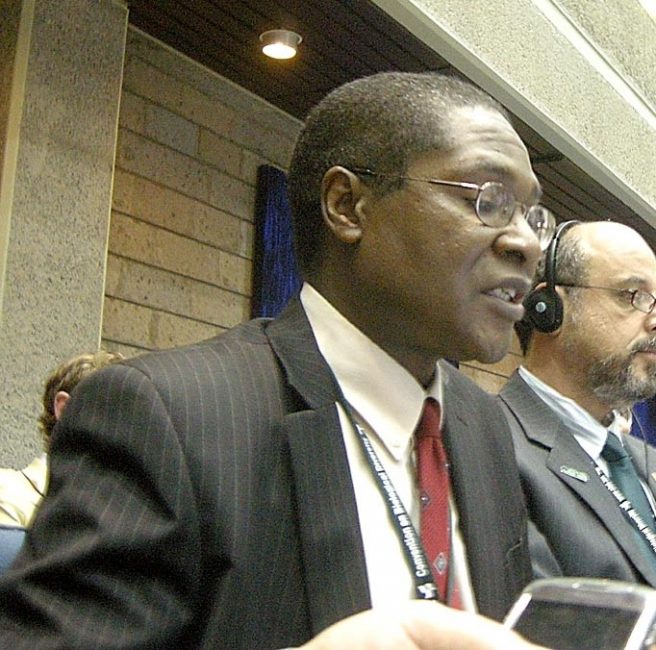
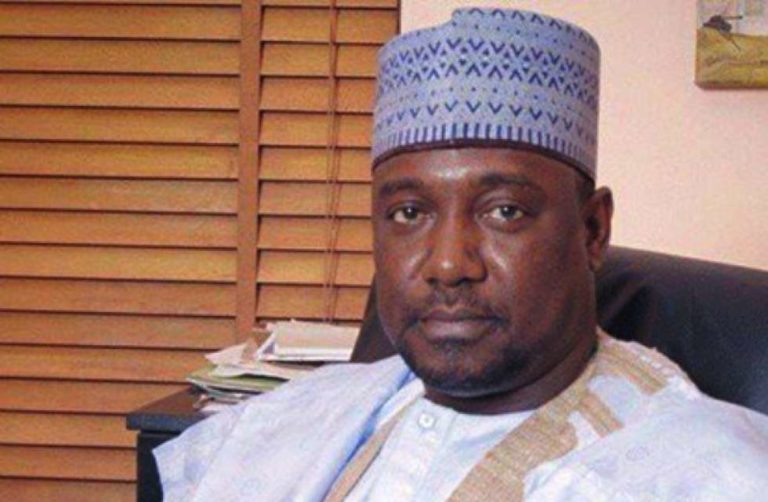
Dr. Muhtari Aminu-Kano

The NCF in a statement describes Dr Aminu-Kano is an astute and experienced natural resources management expert with over 30 years cumulative experience in management, advocacy and research in the fields of protected area management, wider biodiversity conservation, climate change, agriculture, humanitarian work and poverty reduction in Nigeria, Africa and globally.

At different times in his professional career, Aminu-Kano worked as an Assistant Director, Lake Chad Research Institute, Maiduguri (January 1990 to September 1998); Project Director, Hadejia-Nguru Wetlands Project, Nigeria (January 1993 to March 1995); and Executive Director/CEO, Nigerian Conservation Foundation, Lagos, (October 1998 to February 2003).

He was also the Senior Adviser on Policy & Advocacy at the Birdlife International Secretariat, Cambridge for eight years and one of his deliverables, according to the NCF, was to ensure that Policy & Advocacy work on Multilateral Environmental Agreements are integrated with and contributes substantially to the work of other components of the Environment and Sustainable Development Division, as well as relevant thematic and regional programmes.

Dr Aminu-Kano is likewise described as a trained leader and administrator with varying experiences in NGO management and government –  NGO partnerships and policy formulation and implementation through national, regional and international work. Before re-joining the NCF in April 2018, Dr Aminu-Kano served as the Senior Policy Adviser, Poverty Reduction & Climate Change, Islamic Relief Secretariat, Birmingham, UK (July 2011 to Dec 2013) and, most recently, as the Head of Research & Development at the Humanitarian Academy for Development in Birmingham, UK (Jan 2014 to March 2018).

Dr. Aminu-Kano bagged a BSc in Zoology (1st Class Honours) from Bayero University Kano, Nigeria in 1981. He also obtained a Diploma of Imperial College (DIC) in Entomology, in 1987. He thereafter capped it with a Doctorate Degree in Applied Ecology from Imperial College, University of London in 1987.

The NCF Council says it is confident that Dr Aminu-Kano’s appointment will be a beneficial one which will position the organisation for greater achievements locally and internationally and also strengthen the organisation’s partnerships.

“His wealth of experience in nature conservation and biodiversity will contribute immensely to the positive change in the burning environmental issues,” adds the NCF.
NiMet predicts cloudy skies, thundery activities on Saturday

0

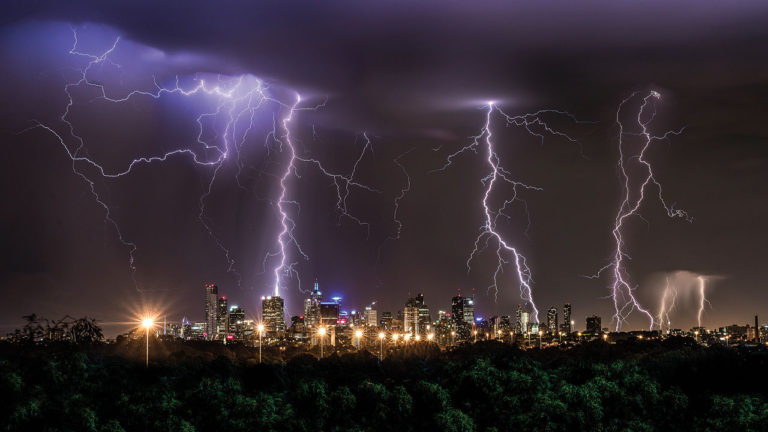
The Nigerian Meteorological Agency (NiMet) has predicted cloudy morning weather conditions over the Central States of the country on Saturday, May 26, 2018 with prospect of isolated thunderstorms over Yola, Mambila Plateau, Abuja, Kaduna and Lafia.

Thunderstorms
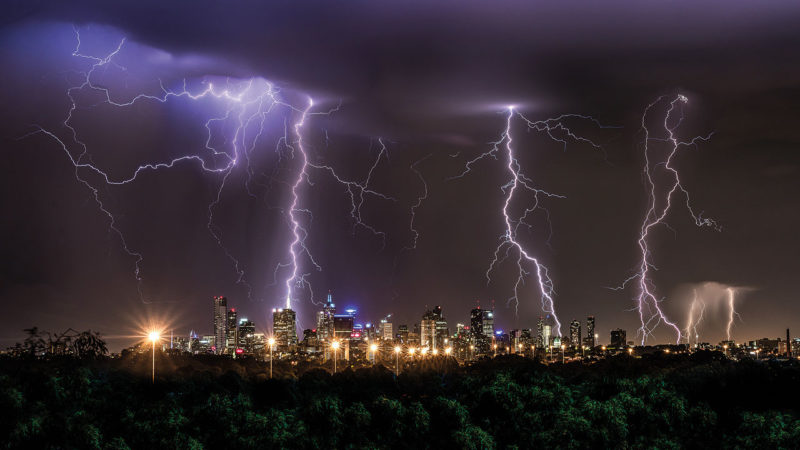
Thunderstorms

NiMet’s Weather Outlook by its Central Forecast Office in Abuja on Friday also predicted day and night temperatures in the range of 24 to 35 and 16 to 26 degrees Celsius respectively.

It added that there would be chances of localised thunderstorms over the region during the afternoon and evening hours.

The agency predicted that the southern States would experience morning cloudiness with chances of localised rains over Calabar and Lagos in the morning hours.

It also predicted localised thunderstorm would prevail over the region in the afternoon and evening hours with day and night temperatures in the range of 30 to 33 and 20 to 24 degrees Celsius respectively.

According to NiMet, Northern States will experience cloudy to partly cloudy conditions with chances of localised thunderstorms over Maiduguri, Nguru, Dutse and Kano in the morning hours.

“There are prospects of isolated thunderstorms over Katsina, Gusau, Sokoto and Yelwa during the afternoon and evening period with day and night temperatures in the ranges of 34 to 41 and 25 to 27 degrees Celsius respectively.

“Increased cloudiness is expected with prospect of isolated thunderstorms and rain showers to prevail over the country in the next 24 hours,” NiMet predicts.

By Sumaila Ogbaje

Africa Day: Continent seeks break free from fossil fuels

0

In commemoration of the Africa Day on Friday, May 25, 2018, citizens and communities in almost 20 countries across the continent mobilised against the fossil fuel economy as part of a continent-wide day of action.

coal-power-station
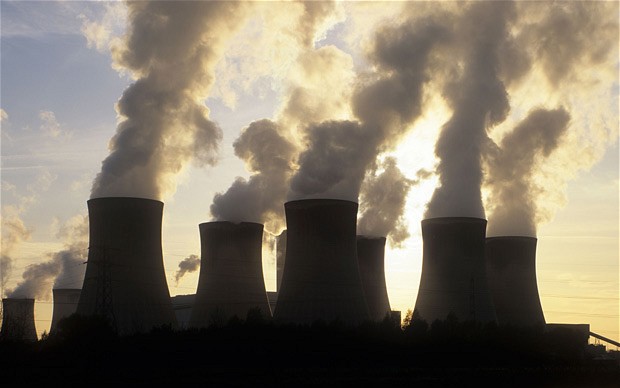
Fossil fuel pollution from a coal power station

By joining the “Break Free” movement, regular citizens and activists from communities across Africa called on governments and business to put an end to fossil fuels and move towards a just transition to 100% renewable energy for all.

Over 30 events  held in nations, in which those hardest hit by fossil fuels projects and the impacts of climate change made their voices heard by those in power.

Some of these events include:

  • A picket in Lephalale where communities called for the cancellation of the local proposed private coal-fired power station, Thabametsi;
  • A photo exhibition showcasing the work of anti-coal activists (Lamu);
  • Representatives from coal mining affected communities denounced the effects of coal mining (Abuja);
  • ACRP updated local decision makers on the realities of climate change and discuss their plans and progress towards shifting to 100% renewable energy (Johannesburg);
  • Anti-coal activists mobilised in Bargny, Ngadje beach to oppose the launch of the first coal power plant in (Senegal).

The Break Free movement in Africa was co-ordinated by Greenpeace Africa, African Climate Reality Project (ACRP), 350.org and Earthlife Africa Jhb, in the bid to empower local communities to rise with acts of courage and come together as a global movement for climate action and justice.

Landry Ninteretse, Regional Team leader, 350.org, said: “Funding fossil fuel development will only exacerbate the impacts of climate change. Africa has an opportunity to develop its energy sector using clean, renewable energy. It is this development that banks and financial institutions should support, and break free from financing fossil fuels. It’s time to deCOALonise Africa!”

Nhlanhla Sibisi, Climate and Energy Campaigner, Greenpeace Africa: “South Africa’s almost complete reliance on coal for electricity has severe consequences for water. To protect our right to clean and accessible drinking water, we must Break Free from coal and irrational water-intensive projects like Thabametsi must be stopped. There are effective alternatives to coal, but there are no alternatives to water.”

Thabo Sibeko, Programmes & Education Officer, Earthlife Africa: “Declaring War against mother earth is suicidal, because no one gives breath best like she does. Coal fired power stations are a great ticking time bomb, waiting to explode.”

Gillian Hamilton, ACRP Branch Manager: “By having more fossil fuels burning in South Africa we expect to see increased climate change impacts in our country – and that’s from a bigger, long term perspective. By developing in water-stressed regions, coal-fired power stations would be undermining a crucial resource that they need to run, while putting extreme pressure on the surrounding communities’ basic needs.”

Worry over death of Ebola patients who fled DRC hospital

0

The escape of three patients infected with the Ebola virus in the Democratic Republic of the Congo (DRC) from the hospital where they were being treated is “not unexpected”, the World Health Organisation (WHO) said on Friday, May 25, 2018, underlining the need to step up efforts to explain the dangers of the deadly disease to affected communities.

Tarik Jasarevic
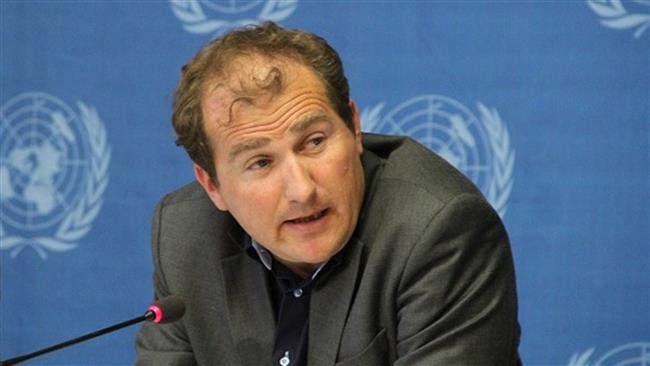
WHO spokesperson, Tarik Jasarevic

Two of the three patients died after leaving an isolation unit in Wangata hospital in Mbandaka city in the last week, WHO spokesperson, Tarik Jasarevic, confirmed.

He said that both of the deceased had been given a safe and dignified burial and added that “it was only human” that sick people wanted to be with their families “in what could be the last moments of life”.

“It is very unfortunate that people fled the treatment centre, but it is not unexpected. We had this in previous outbreaks,” he said.

“It is really important that we redouble our efforts to engage with the community so that everyone understands how Ebola is being transmitted, and that keeping the sick person at home not only decreases the chances of survival for this person, because this person then is not receiving supportive treatment, but is also putting at risk the whole family”, added Mr. Jasarevic.

Latest data from health authorities in the DRC indicates a total of 52 cases of Ebola in the north-west of the country; 31 of these are confirmed, 13 are probable and eight are suspect.

There have been 22 deaths confirmed so far. The overall caseload and death toll have been revised downwards, reflecting the fact that some samples have either tested negative for the haemorrhagic disease, or that any link to Ebola has been ruled out.

But concerns are still high that the disease could spread easily from Mbandaka – a city of over a million people – given its direct link by river, to the capital, Kinshasa.

The outbreak was originally declared on May 8 in Bikoro, a relatively remote region in Equateur Province.

Access there and to nearby Iboko is difficult and efforts are still ongoing to put in place a so-called “cold chain” to maintain Ebola vaccine at between minus 60 and minus 80 degrees Celsius.

Targeted vaccinations have already begun in Mbandaka and 154 people have been inoculated to date, according to Mr Jasarevic, who stressed that it would take time to identify all those who could have come into contact with an infected carrier.

“It’s targeted vaccination. It’s basically getting people who are identified as eligible to receive the vaccine; so contacts; and contacts of contacts…There are a number of challenges; first, epidemiological teams have to identify these people,” he added.

To date, WHO has shipped more than 7,500 vaccinations to DRC; a total of 300,000 are available from pharmaceuticals manufacturer Merck.

As in the previous Ebola outbreak in West Africa between 2014 and 2016, efforts are also under way in DRC to protect youngsters from the disease.

“Children are still at risk,” said Christophe Boulierac, spokesperson for UN Children’s Fund (UNICEF), who added that that staff are raising awareness of the dangers among 13,000 children in the three affected zones and installing handwashing facilities in more than 270 schools.

Measures are also in place to protect the mental well-being of youngsters, Mr Boulierac continued, adding that other Ebola outbreaks had “demonstrated the need for social workers to identify and assist vulnerable children”.

A total of 22 psychosocial agents have been trained by UNICEF and partners, Mr Boulierac said, adding that the agency is supporting 23 children and their families who have relatives infected with Ebola by supplying household kits and food rations.

FADAMA III: Niger to pay N50m counterpart fund

0

The Niger State Government on Friday, May 25, 2018 promised to pay its over N50 million counterpart fund in the ongoing National FADAMA III Additional Financing (AF) (I) development project.

Alhaji-Abubakar-Sani-Bello
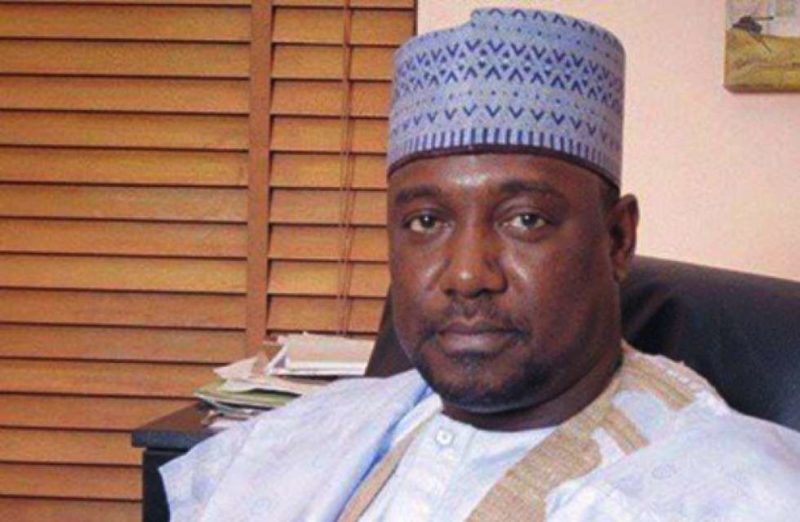
Alhaji Abubakar Sani Bello, Governor of Niger State

Alhaji Haruna Dukku, the state’s Commissioner for Agriculture and Rural Development, said this during a courtesy visit to the ministry by implementation support mission team of the “Third National FADAMA Development Project Additional Financing (AF) (I).’’

Dukku, represented by Malam Zakari Bala, Commissioner for Livestock and Fisheries, said that there was need to pay the counterpart fund as review of implementation of various projects embarked upon in the state had commenced.

“We will do our best to pay the counterpart fund because it is the key to agricultural scheme success,’’ he said.

He commended the successes recorded in the FADAMA projects in the state, adding that the government would do everything possible to support the programme for the benefit of the people.

Earlier, Prof. Olubunmi Omotosho, Team Leader of the group, urged the state government to pay its counterpart fund to enhance the success of the projects.

Omotosho said that, while in the state, the team would review all the projects implementation programme of FADAMA III AF.

He said that the mission would assess the achievements recorded in 2017/18 project work and work plans for the 2018/19.

The team leader said that there would be interactive session on site with project beneficiaries toward getting their views and opinions for evaluation.

He said that the measures would enable the mission dialogue with government officials and provide implementation support for the programme.

Earlier, Alhaji Aliyu Kutigi, the State Project Coordinator, said that the visit of the mission team would enhance the implementation of the project in the state and review some of them appropriately.

“This exercise is of paramount importance in order to fill in areas where there are gaps and correct mistakes to ensure quality report for the next World Bank Mission and good compliance with the project implementation,’’ he said.

The News Agency of Nigeria (NAN) reports that FADAMA III AF (I) became effective in September, 2013 and to be implemented for a four year period (2014 to 2017) with extension of implementation period of two years (2018 to 2019).

By Obinna Unaeze

Government urged to sensitise Nigerians to benefits of clean cooking stoves

0

An ecologist, Mr Abdullahi Aremu, on Friday, May 25, 2018 urged government at all levels to sensitise Nigerians to the benefits of using clean cooking stoves.

cookstoves
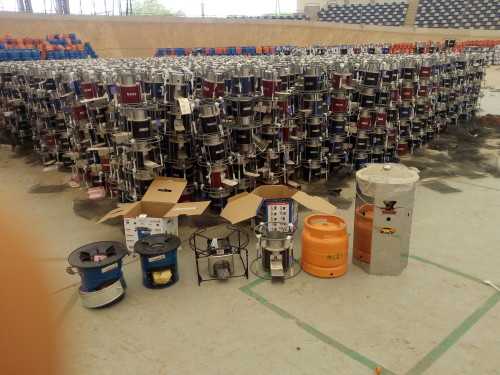
The clean cookstoves imported under the N9.2 billion Federal Government project

Aremu, the Director-General, Advocacy for Environmental and Sanitation Integrity, an NGO, told the News Agency of Nigeria (NAN) in Abuja that the awareness campaign would facilitate efforts to reduce the use of firewood and air pollution in the country.

He also that the campaign would also assist in curbing indiscriminate tree felling across the country.

According to him, the rising trend of tree felling and the use of fuel wood for cooking aggravate deforestation and air pollution.

“Governments should create awareness about the hazards of indoor air pollution and deforestation.

“If people can actually see the benefits of clean cooking technologies, they will embrace it easily and it will ultimately translate to a better environment for all,’’ he said.

Aremu said that clean cooking stoves, which produced less smoke and cooked faster, were also cost-effective means of cooking meals.

“This technology is actually out there to reduce the consumption of fuel wood and carbon emissions,’’ he said.

The ecologist said that if government at all levels was able to sensitise Nigerians to the benefits of clean cooking stoves, it would go a long way in supporting the policies and efforts aimed at reducing carbon emissions and effects of greenhouse gases.

Besides, Aremu urged the government to embark on tree planting, anti-deforestation and afforestation campaigns, saying that this would facilitate its efforts to tackle the effects of climate change in the country.

“One of the best ways to mitigate the effects of climate change is by planting more trees, which would absorb and reduce the levels of carbon dioxide in the atmosphere.

“This is because younger trees absorb carbon dioxide quickly while they are growing,’’ he added.

E-waste crisis becoming more hazardous, pervasive – Environmentalists

0

Chairman, Jawura Environmental Services Ltd., Prof. Oladele Osibanjo, has identified early obsolescence of electronics as a major cause of uncontrollable volumes of e-waste.

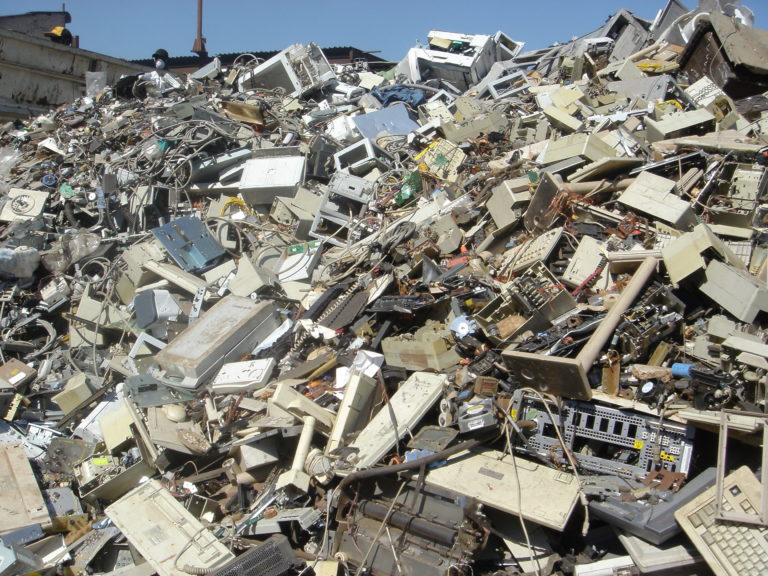
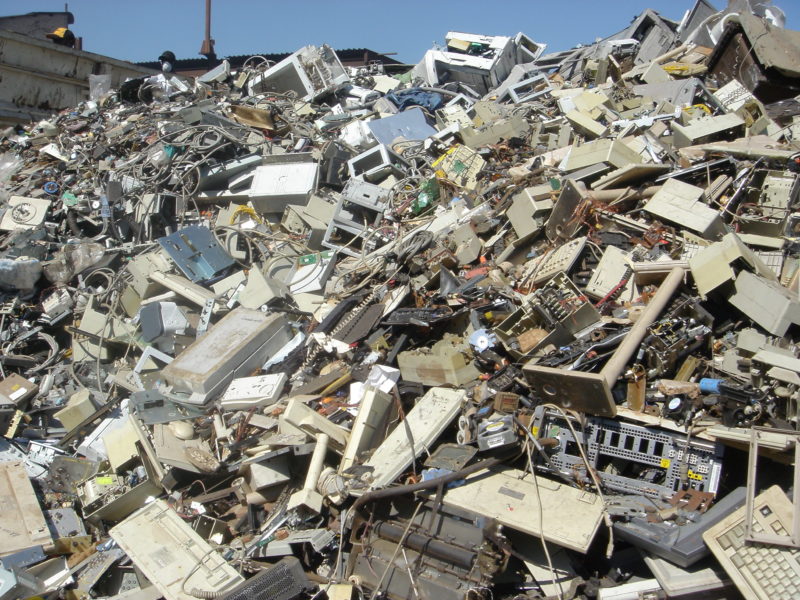
E-waste
E-waste

Osibanjo made the observation at a Waste Recycling Exposition in Lagos on Thursday, May 24, 2018.

The event was organised by E-terra Technology Ltd.

The environmentalist said that technological growth had resulted in early obsolescence of electronics, leading to an increase in e-waste.

“Early obsolescence of electronic products is causing production of uncontrollable large volumes of e-waste – 40 million to 50 million metric tonnes annually – fuelling near Tsunami level of export of e-waste from developed to developing countries, thereby globalising the e-waste problem.

“Information and Communication Technology (ICT) has facilitated importation of used computers and mobile phones from developed countries especially European and North American countries.

“Less than 20 per cent of the African population can afford a new Electrical Electronic Equipment (EEE).

“EEE is valuable to socio-economic development of Africa as most ICT activities including cybercafé, educational institutions and small businesses depend on imported secondhand computers and mobile phones.

“Their early obsolescence is contributing to e-waste,’’ Osibanjo said.

Chief Executive Officer of E-terra Technology Ltd., Mr Ifeanyi Ochonogor, said that the e-waste crisis had become more hazardous and pervasive.

“In fact, it has been described as the ‘Trojan Horse’ of the technological age because these gadgets find their way into our homes, playgrounds and environments where we live and work.

“Improper exposure to them results to widespread damage to the individual household and corporate entity,” Ochonogor said.

He said that there was the need to recognise individuals and institutions contributing significantly to the e-waste management.

The News Agency of Nigeria reports that E-terra Technology Ltd. gave Green Enablers Award to some organisations at the event.

The beneficiaries include the Federal Ministry of Environment, Lagos State Ministry of Environment, Lagos state Environmental Protection Agency, Computer and Applied Phones Dealers Association of Nigeria and Prof. Oladele Osibanjo.

E-terra also gave Green Champions Award to some others including Union bank.

The awards are in recognition of the beneficiaries’ contributions to e-waste management.

By Stellamaris Ashinze

Adamawa cholera outbreak attributed to contaminated water

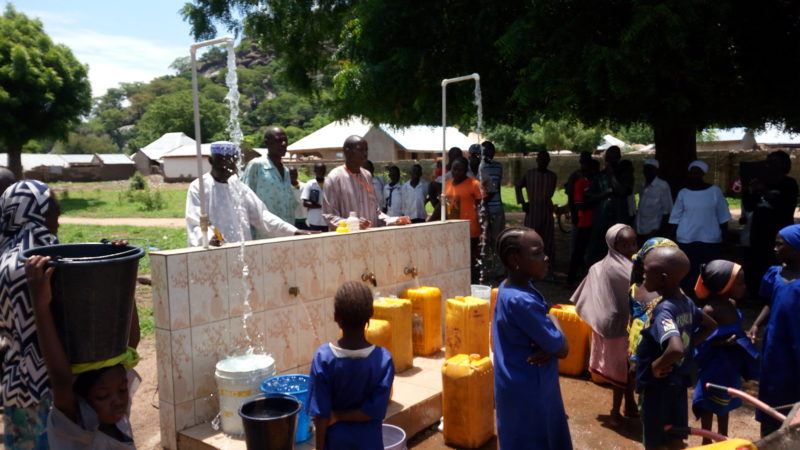
Health officials handling the outbreak of Cholera in Mubi town of Adamawa State have identified contaminated water as the major cause of the epidemic in the area.

Water-Gaya-Silkami
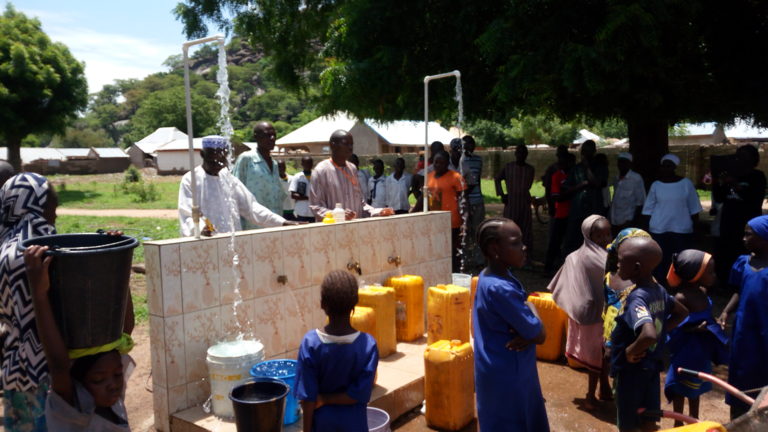
Water supply in Gaya Silkami, Adamawa State

The News Agency of Nigeria (NAN) reports that 269 cases of cholera had been recorded by the Mubi General Hospital with 12 deaths.

The officials in a meeting at the Emergency Operation Centre (EOC), attended by a delegation of Adamawa State Government, said water from the wash boreholes used by water vendors in supplying water to majority of residents in the town tested positive to cholera bacteria.

“Test carried out on the water points showed that they are positive,” said a UNICEF official who spoke at the meeting without disclosing his name.

The official said that UNICEF, in collaboration with other stakeholders like International Rescue Committee, would embark on application of chlorine to affected water points in the town.

Also speaking at the meeting, the Principal Medical Officer (PMO) of Mubi General Hospital, Dr Ezra Sakawa, observed that the town has been experiencing shortage of potable water.

“Coming of the rains probably brought about the contamination of the water source,” he said.

Sakawa noted that wards like Nasarawo and Yelwa were the worst affected, adding that four cases were also brought from Mubi Prisons.

The state Commissioner for Water Resources, Alhaji Ahmed Rufai, said the state government was committed to addressing the problem of water in Mubi town.

Rufai said that the government had already signed a Memorandum of Understanding with European Union over water projects in Mubi that would address the problem.

The report said that the Adamawa government delegation led by the state Commissioner for Health, Dr Fatima Abubakar, also visited the Emir of Mubi, Alhaji Abubakar Isa, where it sought the intervention of religious and traditional rulers in enlightening the public on the outbreak and preventive measures.

By Yakubu Uba

Biosafety agency in collaboration to boost staff capacity

0

The National Biosafety Management Agency (NBMA) has signed a training agreement with the Italy-based International Centre for Genetic Engineering and Biotechnology (ICGEB) to boost the capacity of its staff to properly regulate modern biotechnology in Nigeria.

NBMA
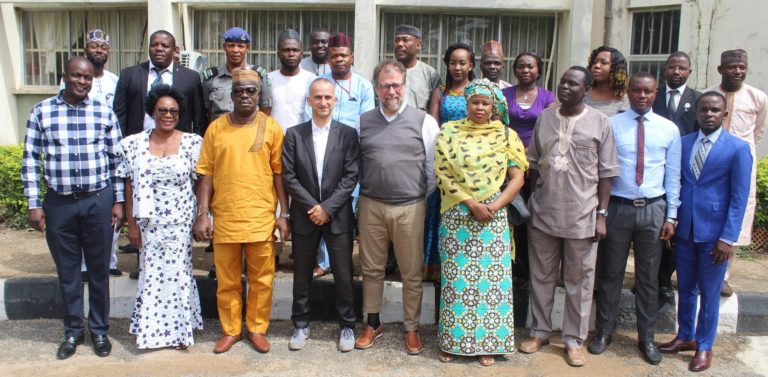
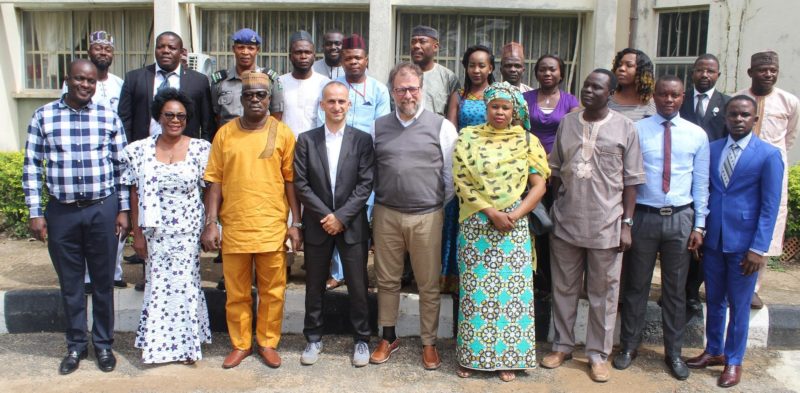
L-R (front row): Dennis Ndolo (Team Lead, ICGEB), Chinyere Nzeduru (Director, Environmental Biosafety & General Release, NBMA) and Dr. Rufus Ebegba (Director General/Chief Executive Officer, NBMA), with the team from ICGEB and some NBMA staffers

The agreement, which took effect immediately with a training session, aims to enhance the partnership between both organisations and grant NBMA access to the centre’s e-learning platform to train its employees in the workplace at its own pace using materials provided by the ICGEB.

Speaking at the maiden e-learning training, Dr. Rufus Ebegba, Director General/CEO, NBMA, said that it was important that the capacity of staff that regulate the sector be constantly updated due to the controversies that trail the technology.

“NBMA was not established to frustrate biotechnology but ensure that Nigerians and the environment are protected against any harmful effect of modern biotechnology,” he said.

He noted that science remained the driver of change globally due to its universality and verifiable nature hence modern biotechnology should not be treated differently.

He acknowledged that every technology has its ups and down but stressed that the Biosafety system was introduced to ensure that related uncertainties are either completely eliminated or reduced to the barest minimum.

He expressed confidence that the staff would benefit immensely from the training as it would build the capacity of the staff to holistically understand the biosafety system.

Lead trainer from ICGEB, Mr. Dennis Ndolo, said that Nigeria remained the leading light in the area of biosafety on the African continent.

Ndolo said the staff would be introduced to the centre’s e-learning platform where they can use it over time to enhance their knowledge and performance.

World Bank, WHO partner to strengthen global health security

0

The World Health Organisation (WHO) has, in collaboration with the World Bank Group, launched the “Global Preparedness Monitoring Board”, a mechanism that will regularly monitor and report preparedness level to tackle all health emergencies globally.

WHA
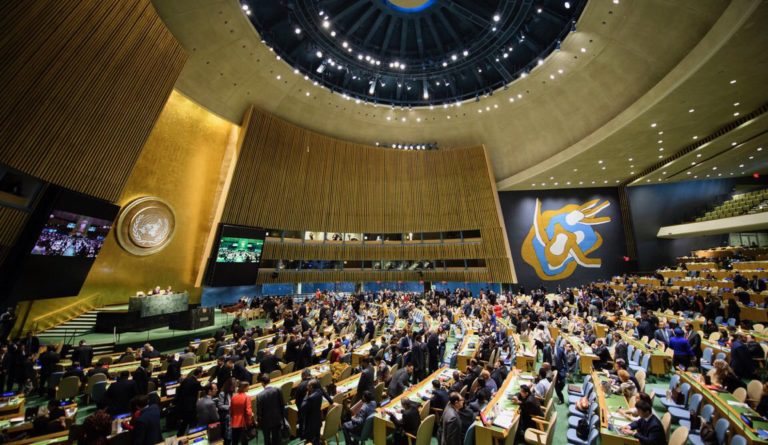
Delegates at the 71st Session of the World Health Assembly (WHA) holding in Geneva, Switzerland

The launch was carried out on the side lines of the 71st Session of the World Health Assembly (WHA) holding in Geneva, Switzerland.

The organisation said that the mechanism would strengthen global health security by ensuring that relevant organisations were always ready to tackle outbreaks, pandemics and other emergencies with health consequences.

WHO said that the current outbreak of the Ebola Virus Disease (EVD) in the Democratic Republic of Congo was a reminder that outbreaks could happen anytime and anywhere hence the need for the new strategies.

According to the UN organisation, the board will be co-chaired by Dr Gro Brundtland, a former Prime Minister of Norway, and Mr Elhadj Sy, Secretary General, International Federation of Red Cross and Red Crescent Societies.

It said that political leaders, heads of UN agencies and world-class health experts would also be part of the board.

“Part of being prepared to tackle any disease outbreak is having a means of assessing progress made at all levels by actors, identifying any gaps including financing and ensuring everyone works together.

“We have allowed a cycle of panic and neglect when it comes to pandemics; we ramp up efforts when there is a serious threat then quickly forget about it when the threat subsides.

“The Global Preparedness and Monitoring Board will break that cycle and ensure preparedness for pandemic is always at the top of the global agenda,” it said.

WHO said that the board would monitor preparedness across governments, UN agencies, civil society and the private sector, and report annually on adequacy of financing, progress on research and development.

It said that from the report generated, the board would advocate at the highest levels for preparedness and ensure all stakeholders across all sectors include the issues to the political agenda.
The organisation said that it would hold all stakeholders accountable for making the world better prepared to respond to outbreaks and emergencies with health consequences.

The WHO Director-General, Dr Tedros Ghebreyesus, and the World Bank Group President, Dr Jim Young Kim, co-led the creation of the board.

The WHA is the decision making body of WHO and is attended by delegations from WHO member states.

The assembly focuses on a specific health agenda prepared by the Executive Board.

It is held annually in Geneva, Switzerland.