Home Blog Page 1870

How Nigeria utilised $4.9m GEF grant for small-sized schemes

0

The Global Environmental Facility-Small Grant Programme (GEF-SGP) gave Nigeria a $4.9 million grant to fund 141 environmental related projects in 25 states between 2009 and 2017.

Sclaters-Guenon
Among other schemes, the GEF-SGP undertook in-situ conservation of the critically endangered Sclatter’s Guenon monkey that is endemic to southern Nigeria

Mrs Ibironke Olubamise, GEF-SGP National Coordinator, who disclosed this to the News Agency of Nigeria (NAN) in Abuja, said that the grant was an additional fund to complement the environmental projects in the states.

She said that the grant was used to fund projects on biodiversity, climate change, land degradation, persistent organic pollutants and international waters.

GEF-SGP provides grant, technical and coordination support to poor, marginalised and vulnerable communities.

This is through national non-governmental organisations (NGOs) and community-based organisations (CBOs) to implement local environmental initiatives.

Funded by the GEF, SGP is implemented by UN Development Programme (UNDP) on behalf of the GEF partnership and is executed by the United Nations Office for Project Services (UNOPS).

The coordinator said the GEF-SGP had supported alternative livelihood activities that helped to reduce pressure on the environment and enhanced the quality of lives of the target communities, including widows and aged.

According to her, 800,000 poor rural dwellers – 65 per cent women and 35 per cent men – have benefitted directly from the projects.

“60 per cent of communities have either never experienced or benefitted from any development support or participated in such a way as allowed by SGP.

“GEF-SGP also demonstrates collaborative effort between NGO, community and private sector to address pollution. Many of SGP projects have been up-scaled/replicated,” Olubamise stated.

In addition, she said the programme supported over 40 climate change mitigation projects such as tree planting to regenerate forests, energy saving stoves to consumption of fuel wood.

“GEF-SGP has supported projects in several states to address erosion and loss of farmlands to boost food production capacity with modern farming techniques.

“It assists in establishing skills acquisition centre to train beneficiaries especially women, widows and youth on alternative livelihood activities to discourage unsustainable land exploitation.

“It also supports the awareness creation and teaching simple techniques such as rain water harvesting to reduce stress of water and impact of drought; pitcher irrigation technology to reduce stress of irrigation on farmlands,’’ she said.

Olubamise, who said the grant also addressed the issue of biodiversity, said over 500 indigenous plant species were currently being conserved.

She said that it supported the establishment of Community Forest Management Committees and capacity building for forest protection.

The GEF-SGP coordinator added that it also enhanced indigenous knowledge of biodiversity and revived interest in traditional medicinal values of plant species.

“We also undertook in-situ conservation of the critically endangered Sclatter’s Guenon monkey (Cercopithecus sclaterri) that is endemic to southern Nigeria.

“The animal is internationally rated No. 4 in the 2006 International Union for Conservation of Nature (IUCN) global Red Data list of endangered species of fauna,’’ she said.

Olubamise said the grant also supported the protection and restoration of over 1.2 million hectares of land in Nigeria.

She, however, said that effective monitoring and evaluation of the projects was responsible for the successes GEF recorded between 2009 and 2017.

“GEF in collaboration with NGOs/CBOs conducts pre-monitoring and evaluation of these projects, carry out the evaluation during and after the implantation of the projects,’’ she said.

By Deji Abdulwahab
How to tackle flood, erosion devastating south-east, by Jibril

0

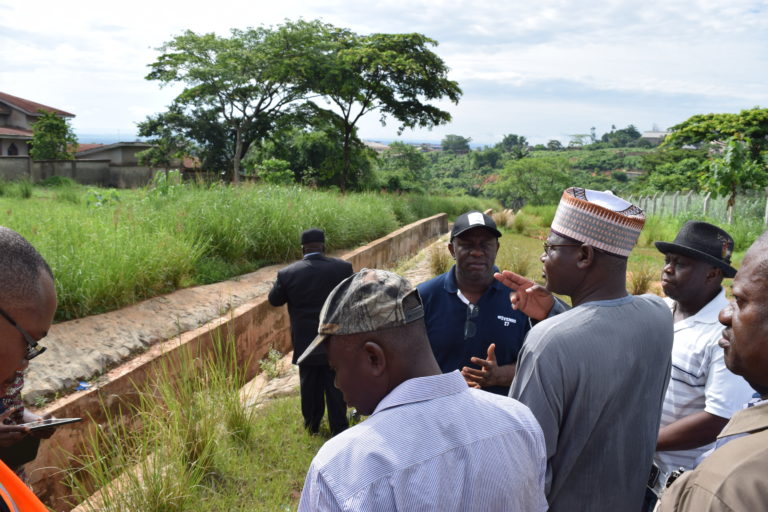
Minster of State for Environment, Ibrahim Usman Jibril, has called on the Anambra State University to, as a matter of priority, establish a National Centre for Erosion Studies to address the alarming rate of flood and gully erosion devastating the state and other parts of the south-east.

Ibrahim Usman Jibril
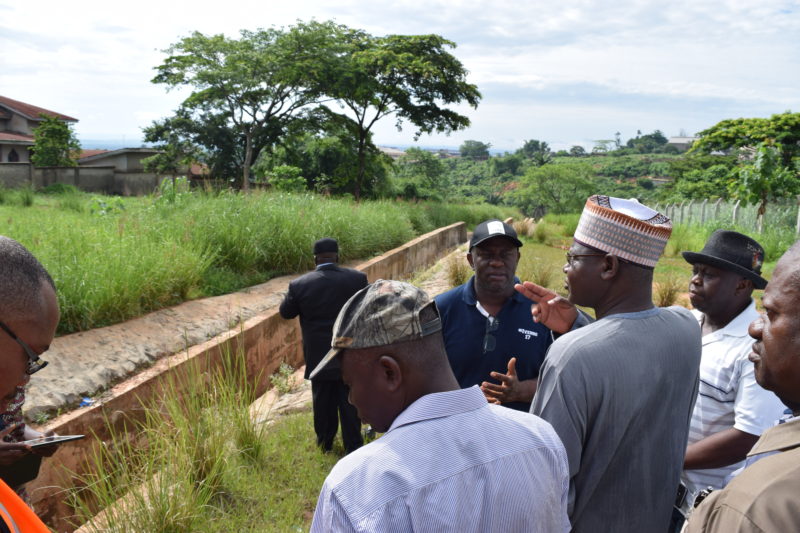
Minster of State for Environment, Ibrahim Usman Jibril (third right), during the inspection

Jibril made the call at the weekend in Awka, the Anambra State capital, during his working visit to the state where he inspected some completed and on-going erosion-control projects being executed by his Ministry, the Nigeria Erosion & Watershed Management Project (NEWMAP) and the Ecological Fund Office in the Office of the Secretary to the Government of the Federation.

Accompanied by the National Project Co-ordinator of NEWMAP, Salish Dahiru, the Minister expressed concern where, in several locations, monstrous gully erosion had ravaged communities, resulting in loss of lives, devastated homes and severely dislocated socio-economic activities of the enterprising people of the state and some parts of the South East.

He emphasised that such a situation must not be allowed to continue by a government at the centre that is committed to saving our eco-systems, lives and prosperity as well as enhancing the living conditions of the people.

Jibril disclosed, “President Muhammadu Buhari is particularly concern about the environmental devastation in the South East brought about by flood and gully erosion, and has directed that all degraded land must be recovered for the good of the affected communities.”

According to him, it was in compliance with the Presidential directive that the federal government enhanced the activities of its three windows on erosion control in the country, namely, the Ecological Fund office in the Office of the Secretary to the Federal Government, the Federal Ministry of Environment and NEWMAP, to explore additional strategies of addressing all areas of concern.

In addition, the Minister called for concerted efforts and synergy among various stakeholders such as Federal, States and Local governments, with emphasis on town planners and structural engineers, as well as health, land and environment professionals together with the benefiting communities, to address the menace.

While noting that the common problem in the state was gully erosion with a small land mass that is threatening the living condition of the people, Jibril stressed on the need for a sound land management to ensure that building codes are strictly adhered to.

He expressed satisfaction with the work done at the Executive Business District where hitherto flood and erosion were threatening the existence of public buildings such as the Federal High Court, State Government establishments, roads and other structures.

“I am very pleased to now see the positive transformation in this area. The degraded land has now been recovered and public buildings and facilities are now saved, with normal activities back in place,” the minister added.

New market listing broadens access to certified emission reduction credits

0

The UN Climate Change and CBL Markets are partnering to provide wider and easier access to emission reduction credits from projects in developing countries, via CBL’s spot exchange for energy and environmental commodity markets.

Niclas Svenningsen
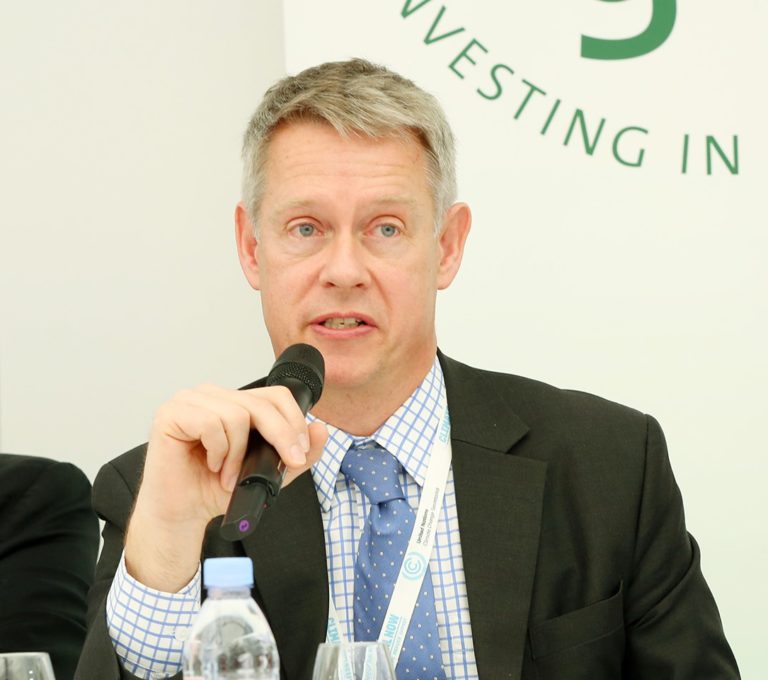
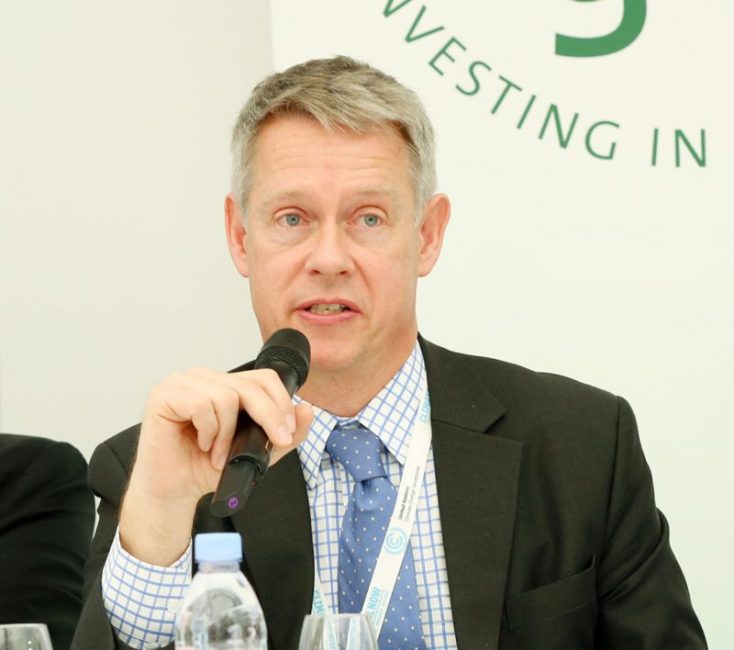
Niclas Svenningsen, Manager, Global Climate Action, at UN Climate Change

The certified emission reduction credits (CERs) come from projects registered under the UN’s Clean Development Mechanism (CDM). Under the partnership, CBL will integrate with the UN Climate Change CDM Registry to facilitate the listing, purchase and cancellation of CERs alongside other global compliance and voluntary products on its global energy and environmental trading screen, making it one of the first electronic trading venues to list CERs.

“We are happy to work with CBL to make UN certified emission reductions available to a wider group of users,” said Niclas Svenningsen, Manager, Global Climate Action, at UN Climate Change. “Clean Development Mechanism CERs are from emission-reduction projects that contribute to sustainable development. The CBL cooperation thereby offers a win-win solution for users who wish to offset their climate footprint while supporting real emission reductions in developing countries.”

Under the CDM, projects in developing countries earn a saleable credit for each tonne of greenhouse gas they reduce or avoid. The incentive has led to the registration of more than 8,100 projects and programmes in 111 countries – from clean cookstove and water purification projects to wind power and large industrial gases projects – and the issuance of more than 1.9 billion CERs, each equivalent to one tonne of carbon dioxide.

“CBL has been supporting global carbon markets since 2010, bringing innovation, liquidity and transparency to environmental commodity markets,” said Ben Stuart, Managing Director at CBL Markets. “The addition of CERs to our existing global market screen is a reflection of the demand from our clients and market participants.”

For a product which has historically relied on over-the-counter trading, CBL is well positioned to provide a seamless exchange-traded solution to assist participants looking to voluntarily offset CERs, as well as those who have obligations under compliance programmes, such as the Colombian Carbon Tax, the Republic of Korea emissions trading system and potentially CORSIA, Australia-based CBL Markets explained in its announcement.

By listing CERs, CBL expects to promote increased participation, price transparency, and confidence in the broader carbon markets, which play a pivotal role in connecting buyers and sellers to achieve climate mitigation, the company said.

“Given the increasing appetite for CERs across both voluntary and compliance carbon markets, combined with the transparency and price discovery of our exchange, we expect significant demand for CERs via the CBL platform,” said Stuart.

CBL has partnership agreements with environmental registries, financial intermediaries, all major carbon standards and industry associations, which play a safeguard role for the issuance and validity of offsets, the company highlighted in its release.

Established under the Kyoto Protocol, the CDM incentivises investment in emission reduction projects that also contribute to sustainable development. Countries or companies with an emission reduction obligation under the Protocol can use CDM CERs to meet a part of that obligation. CERs are also used for non-compliance purposes. For example, through the Climate Neutral Now initiative companies, organisations, events, schools and even individuals pledge to measure their emissions, reduce what they can and offset the rest with CERs.

Lagos plans regulation on e-waste management

0

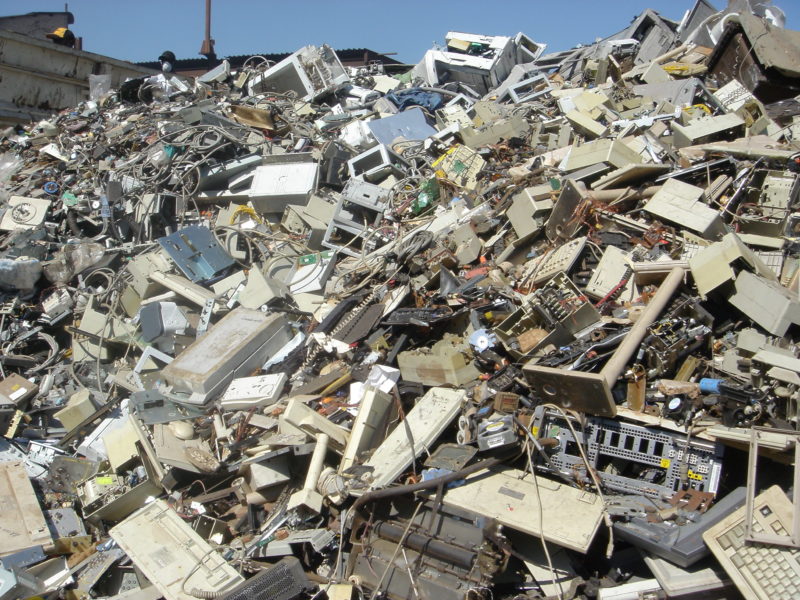
The Lagos State Government says it will soon institute regulation on “waste to wealth” toward ensuring proper electronic waste (e-waste) management.

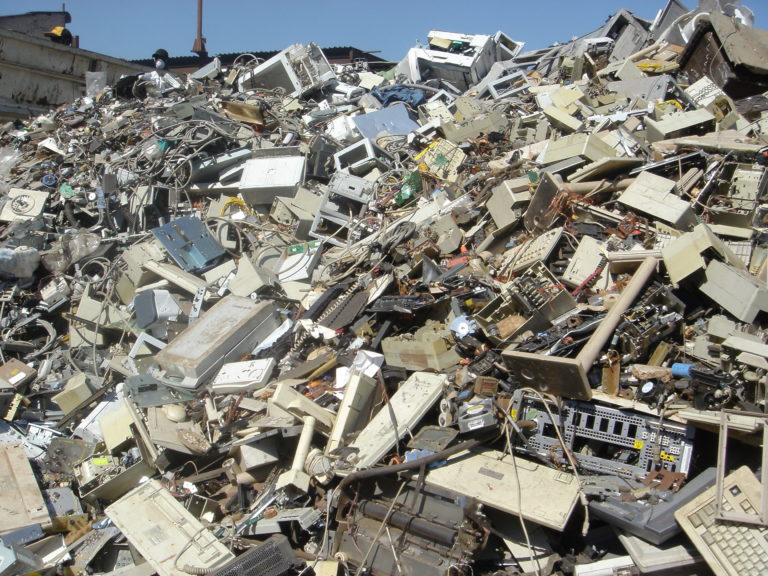
E-waste
E-waste

Commissioner for Environment, Babatunde Durosinmi-Etti, told the News Agency of Nigeria (NAN) on Saturday, May 26, 2018 in Lagos that the regulation would ensure that e-wastes were properly disposed.

Durosinmi-Etti said that the Lagos State Ministry of the Environment was in contact with businesses at the Ikeja Computer Village to ensure proper management of large quantity of e-waste generated in the market.

According to him, the ministry would engage in advocacy to make sure that the citizens are well educated to enable them abide by the regulation.

“If e-waste is properly handled, it will create jobs for young entrepreneurs; there are some value chains in the process.

“E-waste management and job creation are in consonant with the plans and programmes of the ministry.

“We intend to start separating our waste before they get to the landfills, expanding on wealth creation outlet from waste created.

“At the end of the day, we make sure that these wastes are recycled and turned into other things that can be used,” he said.

Speaking earlier at E-Terra Technologies Ltd E-Waste Recycling Exposition 2018, the commissioner said that digital communication had helped foster innovation and transformed the way people live, conduct business and govern.

He, however, said that the tools of the transformation had resulted in an almost uncontrollable volume of electronic waste.

According to him, e-waste is considered a challenge that is not particular to Nigeria or the African continent alone, but indeed the whole world.

“Electronic Waste, the tons of out-of-use, obsolete electrical equipment thrown away each year, affect human health and has an increasing negative effect on the environment.

“According to the Global E-Waste Monitor, Recycling Today and other notable organisations, it is estimated that yearly 50 million metric tons of e-waste is produced globally, of which only 20 per cent is being recycled.

“Consequently, disposal of E-Waste in an eco-friendly manner has become an emerging global environmental and public health issue.

“We are aware that Africa, and to be specific West Africa, is the preferred destination or graveyard for most of these wastes generated in developed countries.

“Our counterparts in East and Southern Africa have implemented measures to check the indiscriminate dumping of e-waste from the West and we in Nigeria must begin to do the same,” he said.

Prof. Oladele Osibanjo, President of the Waste Management Society of Nigeria (WAMASON), said that apart from climate change, e-waste was one of the major environmental challenges of the 21st century.

Osibanjo said e-waste had therefore, became a global crisis not only from the quantity, but also from various hazardous contents such as heavy metals and endocrine disrupting substances.

The environmentalist said that e-waste was a paradox, as it was both a problem and an opportunity.

According to him, e-waste contained valuable ferrous (iron), non-ferrous (copper), precious (gold and silver) and strategic metals (indium, gallium) that are scarce.

“Many of these may be lost if e-waste is improperly processed.

“Nigeria and Africa should take full advantage of the economic and entrepreneurship potentials of e-waste in an environmentally sustainable manner.

“Regulations and guidelines are needed for collection, dismantling and recycling of e-waste for sustainability.

“Government should encourage private sector in the e-waste recycling industry, as this would take away e-waste from dumpsites, creating green jobs and alleviating poverty,” he said.

By Florence Onuegbu

Lekki Conservation Centre threatened by erosion, says NCF

0

The Director-General of the Nigerian Conservation Foundation (NCF), Dr Muhtari Aminu-Kano, raised the alarm on Saturday, May 26, 2018 that erosion may soon wipe off the Lekki Conservation Centre (LCC) in Lagos.

Lekki Conservation Centre
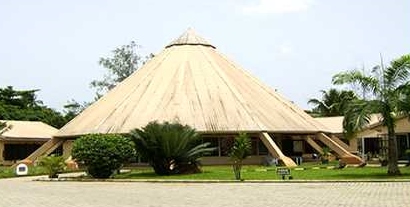
The Lekki Conservation Centre, head offices of the NCF in Lagos

Aminu-Kano told the News Agency of Nigeria (NAN) that sand filling, dredging and land reclamation activities in various communities in the area directly threatened the existence of the park.

According to him, the development has endangered various animal and plant species in the reserve, requiring urgent intervention of the Lagos and Federal Government to save the reserve.

“Our problem is that with recent developments, we have become an island.

“This is one of the only few places where you have dense population of trees and animals and what that means is that all the buildings around us have raised the land above us so, we are now in a depression.

“When the rains come, all the water drains into this reserve; so we have a lot of flooding and areas that are not normally flooded are now flooded.

“We have, however, done a study and we are trying to improve the drainage without disturbing the natural ecosystem.

“But another problem we have is that of shoreline erosion.’’

He noted that with the ongoing protection of the Bar Beach shoreline and land reclamation activities around Maroko and Lekki, water was finding its level back on the conservation area.

“It means this reserve is under threat. The erosion is now eating up the area. What used to be Bar Beach erosion before is now coming to our part of Lagos.

“That is why we are asking the authorities, both Lagos State and the Federal Government, especially the Ecological Funds Office to do something urgently.

“Our appeal is not just for us alone but all the communities around us living or deriving their livelihoods from this area.’’

He said that the NCF was also speaking to researchers and other interests on ways to explore the bio-diversity of the reserve.

Aminu-Kano, however, lauded Gov. Akinwunmi Ambode for providing some facilities and constructing a major perimeter road to facilitate access to the park.

He appealed for more support to boost tourism at the park, lamenting that forests and game reserves in the country were facing deforestation, due to human activities.

A NAN correspondent, who visited the park, reports that some portions of the reserve, having low fence have collapsed while some other facilities have dilapidated.

By Grace Alegba

Rainy season: FCTA intensifies surveillance to tackle outbreak of diseases

0

The Federal Capital Territory Administration (FCTA) has intensified surveillance to tackle outbreak of diseases, which usually occur during the rainy season.

Gwagwalada
Gwagwalada, one of the six local government area councils of the Federal Capital Territory of Nigeria

Dr Humphrey Okoroukwu, the Director of Public Health in the Health and Human Services Secretariat, FCTA, made this disclosure to the News Agency of Nigeria (NAN) in Abuja on Saturday, May 27, 2018.

Okoroukwu said his department had embarked on a sensitisation programme to educate the FCT communities on the need to ensure clean environment as well as drink clean and safe water.

The director said that as the rainy season set in, diseases such as diarrhoea, cholera and malaria were common among the people.

He urged residents in the communities, who had no access to pipe borne water to boil their water before drinking, saying that could be easily contaminated during this season.

The director also enjoined residents to clear their surroundings and drains to avoid mosquitoes, which could transmit malaria.

“I am urging residents of the territory to go to the nearby health centres if they have any issues.

“Accessing health care on time is important because real time reporting will help in quick response,’’ he said.

Okoroukwu said his department would continue to educate and sensitise residents of the territory, especially those in the rural areas to minimise any disease outbreak arising from rainy season.

By Mustapha Sumaila

Kano earmarks N89m for dredging of drains

0

The Kano State Government has earmarked N89 million for dredging of drains and rivers in Kano in 2018 to prevent flooding.

Ali Makoda
Dr. Ali Makoda, Kano State Commissioner of Environment

Commissioner for Environment in the state, Dr Ali Makoda, disclosed this on Saturday, May 26, 2018 after the launching of the exercise at River Jakara in Dala area of the state.

He said that the dredging was an annual event since the inception of the Gov. Ganduje administration in 2015.

According to him, this year, government plans to work on about 67 kilometres of both small and major water ways in the state, which has doubled the side we did last year.

He explained that the state spent about N48 million for the exercise in 2017 but had expanded the scope of the exercise in 2018 due to the anticipation of heavy rain.

Makoda, however, called on the public to support the exercise in every possible way to assist the government in curtailing flood hazard.

The commissioner further appealed to self-help groups and individuals to assist the government, especially at places where “its hands could not reach”.

He also warned residents to desist of indiscriminate disposal of waste, especially in drains and water ways, saying the act poses serious hazard to the environment.

By Aisha Ahmed

ERA wants varsity to refuse foundation tobacco research funds

0

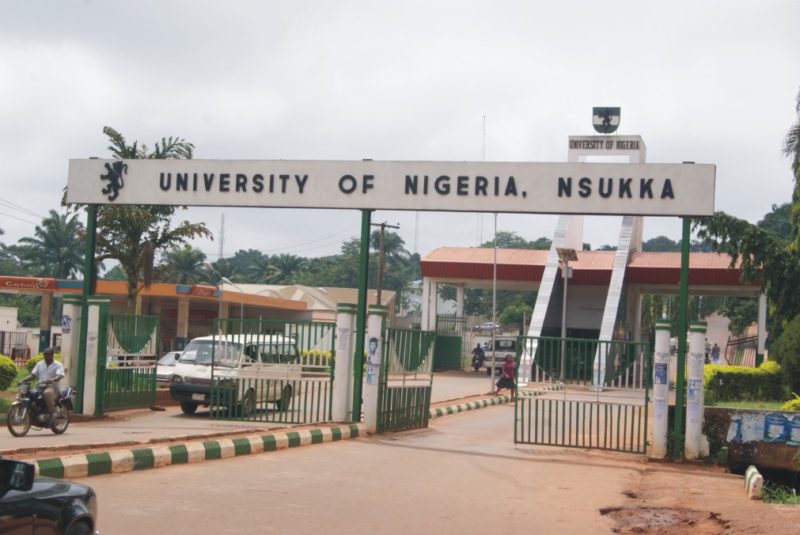
The Environmental Rights Action/Friends of the Earth Nigeria (ERA/FoEN) has written to the University of Nigeria, Nsukka (UNN) asking it to have nothing to do with the Foundation for A Smoke-Free World created by multi-national tobacco company, Philip Morris International (PMI), which is currently actively seeking partners around the world.

University of Nigeria, Nsukka
University of Nigeria, Nsukka, Enugu State

ERA/FoEN, in the letter dated May 15, 2018 and signed by Nnimmo Bassey, Chair of its board, said it learnt that the Foundation is now in talks with the International Centre for Biotechnology (ICB) – a Category II Centre under the auspices of the United Nations Educational, Scientific and Cultural Organisation (UNESCO) domiciled at the UNN to support alternative livelihoods for Africa’s smallholder tobacco farmers.

The group said it is of the view that if this organisation succeeds in building a base of partners and collaborators, it will endanger years of progress of preventing and reducing tobacco use and nicotine addiction.

The letter was sent to the Vice Chancellor of UNN, Professor Benjamin Ozumba, and copies sent to the President of Nigeria, Vice-President, Ministers of Education and Health, Executive Secretary of the National Universities Commission, and the Committee of Vice Chancellors of Nigerian Universities.

The group said that UNN should follow the honourable path of 17 public health schools in the U.S. and Canada, including Harvard and Johns Hopkins early this year that pledged to refuse any form of research money from the foundation, citing the fact that it is too closely tied to an industry that sells “deadly products to millions”.

It noted that the Foundation for Smoke-free World was formed to promote research into so-called “reduced-risk” products currently being developed and marketed by PMI and other tobacco companies which will enable PMI to boost its credibility as a legitimate stakeholder in discussions about tobacco risk reduction while still aggressively market Marlboro and other cigarette brands.

PMI has also sued countries acting to implement the policies proven to reduce tobacco use.

The letter adds, “WHO Framework Convention on Tobacco Control (WHO FCTC) – and not PMI’s alleged ‘harm reduction’ business strategy or its foundation – represents global consensus on how to prevent and reduce tobacco use and associated death and disease.

PMI’s Foundation is an effort to deflect attention from the company’s efforts to prevent the WHO FCTC from being fully implemented. In fact, an investigative report published by Reuters in July 2017 revealed a massive, secret campaign by PMI to undermine the WHO FCTC, depicting “a company that has focused its vast global resources on bringing to heel the world’s tobacco control treaty.”

ERA/FoEN alerted that representatives of the Foundation have begun contacting civil society organisations, conference committees and other entities around the world to initiate dialogue, influence these organizations’ agendas, and inform them about potential “funding opportunities.”

While urging UNN to refuse any kind of funding from the foundation, ERA/FoEN said that the ICB and the UNN risks undermining their reputation and credibility by associating with the Foundation.

E-cigarettes: Tobacco harm reduction for Africa

0

Worldwide, cigarette smoking results in 7.2 million deaths every year, with about half a million of those deaths occurring in Africa .To curb this menace and bring an end to unnecessary deaths, there is urgent need to quickly adopt and promote reduced-risk alternatives aimed at accelerating the transition out of harmful tar-based cigarettes. We should (including tobacco companies) embrace technology and innovations to achieve Sustainable Development Goal 3 on good health and well-being by offering practical smoke-free alternatives to smokers.

Tobacco Harm Reduction
Alternatives to cigarette smoking can create a big impact on health in society

Alternatives to cigarette smoking can create a big impact on health in society. Given the undisputed harm caused by cigarettes on human health, the potential negative impacts of e-cigarettes are certainly pale by comparison as there is no tar in e-cigarettes. Stakeholders in the industry must offer alternative products as an important smoking cessation tool. I believe we can have a big impact on public health by promoting alternatives to smoking cigarettes.

Many smokers in Africa are unable – or at least unwilling – to achieve cessation through complete nicotine and tobacco abstinence; they continue smoking despite the very real and obvious adverse health consequences. This is demonstrated by the fact that most smokers in Africa (if not all), are clearly aware of the dangers of smoking, yet they continue to do so. Conventional smoking cessation policies and programs generally present smokers with two unpleasant alternatives: quit, or die.

Millions of men and women who smoke cigarettes regularly are looking for less harmful, yet satisfying, alternatives to smoking. A new generation of alternative tobacco products could offer a breakthrough for harm reduction, appealing to smokers, in a time where current anti-smoking campaigns are considerably not cutting through.

The public health community embraces harm reduction to prevent STD transmission and address drug addiction (e.g., condoms, needle exchanges). This is because evidence showed that prohibition and abstinence don’t work. So, it’s plausible that harm reduction can complement (not replace) traditional tobacco control measures  – leading to still faster smoking declines. We just want smokers to quit by any means: pharmacotherapies including NRTs, counseling, wearables, apps, alternative medicines… whatever works. If they can’t quit that way, then harm reduction reduces harm.

To date, harm reduction approaches have not been widely used in Africa in relation to tobacco smoking. The emphasis has been on population and individual health strategies focused on encouraging existing smokers to quit and preventing uptake among young people. These approaches have been effective and should continue to be encouraged, to help reach the goal of more tobacco-free people in Africa.

The World Health Organisation (WHO) estimates that over a billion people currently smoke cigarettes, and this number is projected to remain largely unchanged by 2025. Globally seven million people die from tobacco annually despite the efforts of the anti-tobacco agencies and world-wide anti-smoking campaigns.

If we embrace these lifesaving alternatives we can begin to save lives now and witness Africa becoming smoke-free in our lifetime.

By Joseph Magero (Director, Campaign for Safer Alternatives)

We’ve contained Odimodi Community oil spillage, says Shell

0

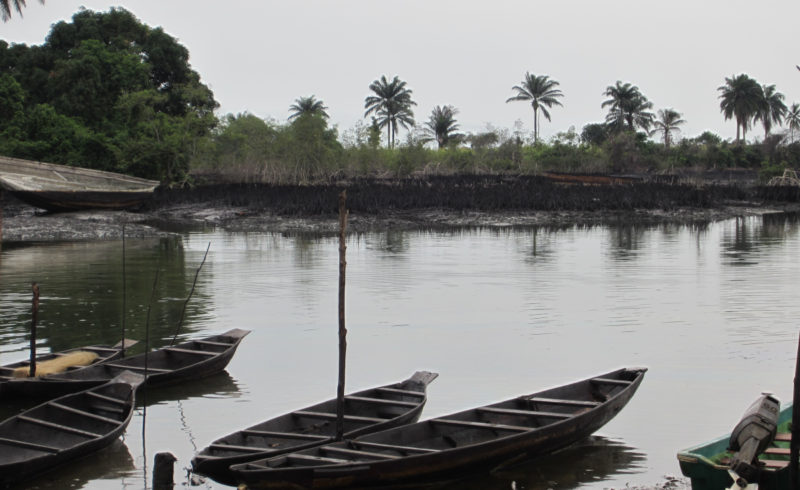
A devastating oil spillage has occurred on the 24 inches Trans Ramos crude oil pipeline owned by Shell Petroleum Development Company (SPDC), in Odimodi Community in the swamps of Western Niger Delta, in Burutu Local Government Area of Delta State.

Oil spill pollution
A water body in the Niger Delta polluted by crude oil

The crude oil spillage is said to have spread to over 50 communities under the Odimodi Federated Communities and others in the creek.

In a statement made available to EnviroNews on Friday, May 25, 2018, SPDC confirmed the incident.

According to the statement, as soon as the leaks were noticed on April 24, SPDC immediately shut down production, deployed containment booms and mobilised its oil spill response teams to clean the sites. These measures, which Shell insists are according to its standard operating procedures, successfully stopped and contained the spill.

“In line with Nigerian oil and gas industry regulations, a Joint Investigation Visit (JIV) team comprising security and regulatory agencies as well as community representatives and SPDC personnel was constituted and deployed in the sites,” the statement added.

The JIV team confirmed four leak points on the pipeline and identified the impacted areas in Odimodi community.

Meanwhile, the cause of the leaks is yet to be determined as SPDC is said to be working on further site preparation and mobilisation of specialised equipment to the swamps for safe excavation of the pipeline for inspection.

The JIV team is expected to return to the sites as soon as possible to complete the investigation process.

Following distress calls, the Member representing Burutu Federal Constituency in the House of Representatives, Julius Pondi; the Member representing Burutu 1 Constituency in the State House of Assembly, Daniel Yingi; and the PDP Chairman, Delta South Senatorial district, Prince Emman Amgbaduba, among others visited the community to ascertain and get an on the spot assessment of the situation.

Pondi and Yingi, who sympathised with the various communities affected by the spillage, reportedly expressed concern that Shell had not shown any commitments to the plight of the people since the spillage occurred.

They said though Shell had put measures in place to contain the spread and to recover crude oil from the damaged pipeline, the spillage had polluted the entire area destroying aquatic life which had made fishing, which is the major occupation of the people, impossible.

The Federal and State lawmakers decried the situation that the report of the JIV team consisting of Shell, Directorate of Petroleum Resources (DPR) and the National Oil Spill Detection and Response Agency (NOSDRA) on the spillage was yet to be made public.

The lawmakers emphasised the need for the JIV report to be released, stressing that the spillage was not as a result of sabotage but due to equipment failure on the part of Shell.

They expressed worry that multinational oil companies have always devised means of short-changing communities whenever a spillage occurred as Shell was yet to meet with the community to discuss with them and assuage their plight.