31.9 C
Lagos
Tuesday, December 30, 2025
Home Blog Page 1863

59 big banks failing to take adequate climate action, says report

0

The failure of 59 of the world’s largest banks to recognise climate risks and opportunities threatens undermine efforts to support the transition to a low-carbon economy. This is the key finding of a report by Boston Common Asset Management report titled “Banking on a Low-Carbon Future“.
Espinosa-05
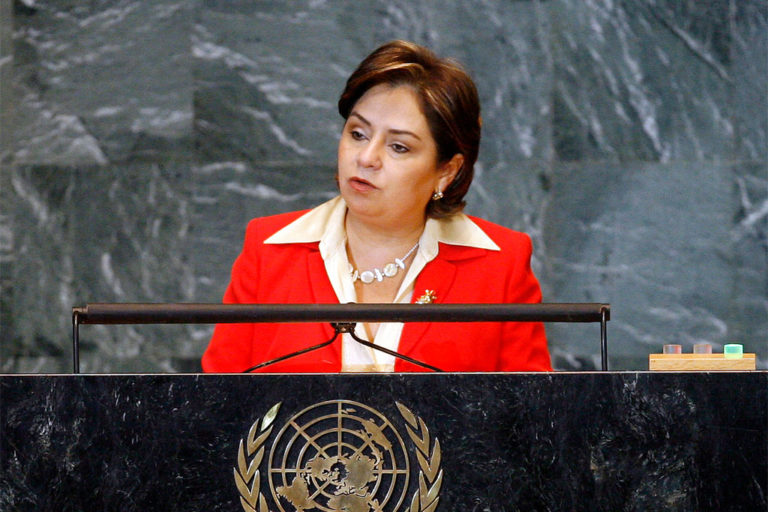
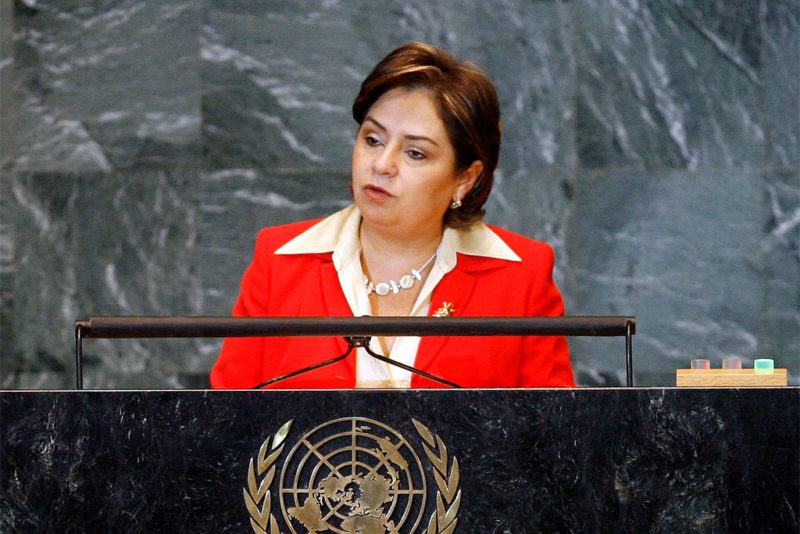
Patricia Espinosa, Executive Secretary of the United Nations Framework Convention on Climate Change (UNFCCC)

Banks play a crucial role in the allocation of capital in the economy by providing financial services to businesses, households, governments and financial institutions.

As a result, banks are exposed to climate change-related risks including extreme weather events including heat waves, droughts, storms and sea level rise, along with energy transition adjustments to limit greenhouse gas emissions which can create both risk and significant financial opportunities

In 2015, the international community adopted the Paris Agreement on climate action. The main objective of the agreement is to limit the global average temperature rise to well below 2°C and as close as possible to 1.5°C.

However, the report indicates that less than half (49%) of banks implement climate risk assessments or 2°C scenario analysis, and a majority (61%) have failed to restrict the financing of coal – the most carbon intensive energy source.

Remarkably, the global banking sector provided $600 billion in financing to the top 120 coal plant developers between 2014 and September 2017.

The report says that the oil, gas and coal industries will suffer significant revenue losses as a result of reducing greenhouse gas emissions. In addition, the non-compliance of certain investment projects with the 2°C trajectory will jeopardize their financial viability.

Meeting the main objective of the Paris Agreement involves investing in new technologies such as renewable energy, energy storage, carbon capture and storage. All this will not be without consequences on the world economy, and banks cannot ignore this.

Pace of Alignment of Banks with TCFD is Too Slow

Last year, a letter backed by over 100 investors with almost $2 trillion in assets under management sent to over 60 banks last September asking about alignment with the Task Force on Climate Disclosure (TCFD).

The TCFD is a working group set up by the G20 Financial Stability Board chaired by Michael Bloomberg that provides recommendations on financial risks related to climate change.

The report says that whilst 54% of banks say they support the TCFD, the pace of alignment is too slow.

The report also points to large regional disparities among banks around the world. For example, 80% of European banks have undertaken climate-risk assessments, compared with an average of 33% of banks in each of the North America, Developed Asia and emerging market regions.

Achieving the main objective of the Paris Agreement requires the adaptation of the entire global economy by reorienting investments in particular, so that they are compatible with sustainable development and resilient to the impacts of climate change.
Banks to fund clean tech investments in ships

0

Efforts to green the European shipping industry have received a boost, with two major banks pledging to fund €300 million worth of clean tech investments in ships over the next three years.

Werner Hoyer
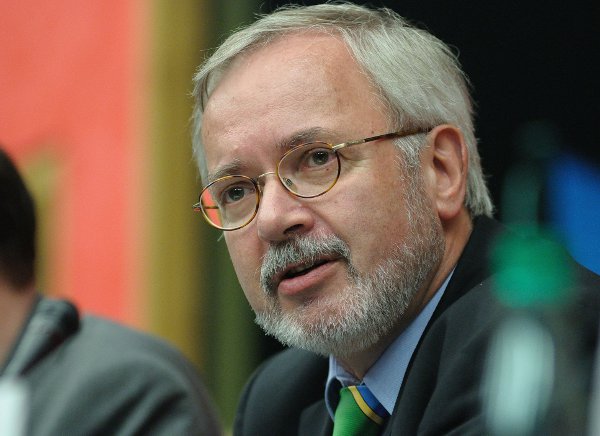
European Investment Bank President, Werner Hoyer

The Dutch bank ING and the European Investment Bank (EIB) will each contributed €150 million to retrofit existing vessels so that they cause less emissions and are more fuel efficient, and to ensure that new ships are more climate friendly.

Such steps are important to reach the goals of the Paris Climate Change Agreement, given that maritime transport is responsible for around 2.5% of global greenhouse gas emissions and carbon emissions from shipping and aviation are growing at a combined rate of 3-5% annually.

“I think it’s no secret that the shipping sector is a major contributor to CO2 emissions. Climate action is one of the EIB’s top priorities, and this type of financing should be seen as an incentive for ship owners to consider doing things differently.” said EIB President Werner Hoyer.

The Paris Agreement’s aim is to strengthen the global response to the threat of climate change by keeping a global temperature rise well below 2 degrees Celsius above pre-industrial levels and to pursue efforts to limit the temperature increase even further to 1.5 degrees Celsius. Action in all areas of the economy is crucial to reach this goal.

The investment money will be used for a range of projects with a green innovation element, including both the construction of new vessels or retrofitting of existing vessels. The measures will apply to inland and seagoing shipping.

Isabel Fernandez, Head of Wholesale Banking at ING Bank, said: “Sustainability is an important strategic priority for ING and we are very proud to partner with the EIB to encourage our shipping clients to think about more green and sustainable financing options.”

The move is part of a global movement to de-carbonise shipping. Last year, leading shipowners and operators, classification societies, engine and technology builders and suppliers, big data providers, and oil companies signed up to a new Global Industry Alliance (GIA) to support transitioning shipping and its related industries towards a low carbon future.

Thirteen companies have signed up to launch the GIA, under the auspices of the GloMEEP Project, a Global Environment Facility (GEF)-United Nations Development Programme (UNDP)-International Maritime Organisation (IMO) project aimed at supporting developing countries in  the implementation of energy efficiency measures for shipping.


UNDP to deliver school, houses, shops to Borno IDPs

0

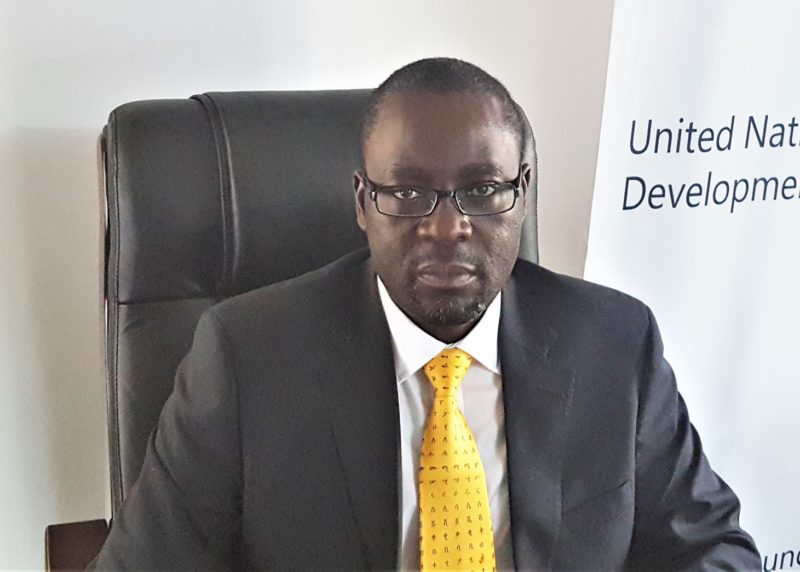
The UN Development Programme (UNDP), Country Director, Samuel Bwalya, says the agency will donate houses, school and health centre to the Internally Displaced Persons (IDPs) in Ngwom, Borno State.

Samuel Bwalya
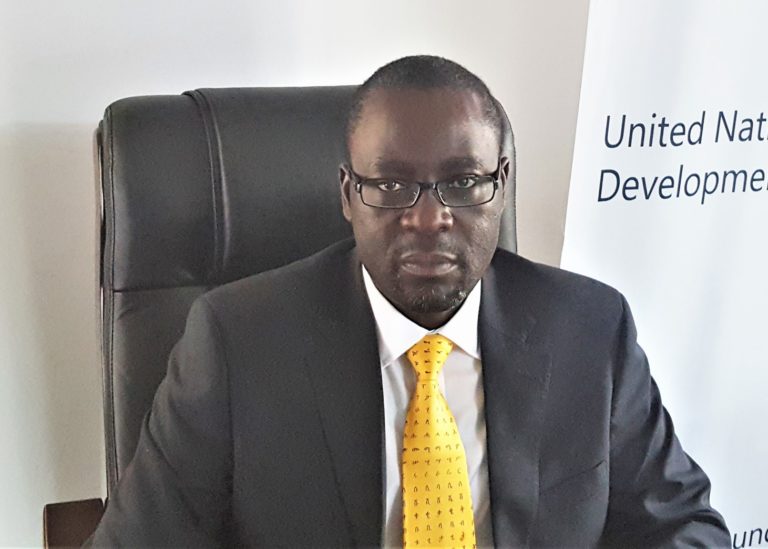
Samuel Bwalya, Country Director for UNDP Nigeria

Bwalya told the News Agency of Nigeria (NAN) in Abuja that Ngwom, an agrarian community in Mafa Local Government Area, fell victim to violent attacks by Boko Haram insurgents in 2014.

He said that that UNDP would deliver completed 292 permanent houses out of proposed 300, a primary school and one health clinic to Ngwom indigents displaced by the insurgence on Feb. 28.

According to him, UNDP has also completed 288 market stalls, 20 stores-shopping centre, and two boreholes, which would be delivered to the returnees.

Bwalya said that UNDP piloted a comprehensive community stabilisation programme in Ngwom.

“Our intervention was aimed at four inter-related areas of livelihoods, security, basic services, and emerging local governance.

“Using Ngwom as pilot community for the programme, we have built some structures for them.

“Throughout the process we have engaged local labours and cash for work approaches and emergency employment were provided as alternative source of livelihood for already poor and vulnerable communities in the state,” he said.

According to him, UNDP has also distributed rainy-season agricultural inputs to over 550 farmers in the community.

“The community will be officially opened on February 28, 2018, when displaced families will formerly take delivery of these permanent shelters, better than their previous houses which were erased by Boko Haram.

“Until 2014, Ngwom had an enviable reputation of being the livestock and grains trading hub of Borno State and its neighbouring states.

“This include countries of the Chad Basin; Chad, Cameroon, Niger, Libya and as far as to the Central Africa Republic,” he said.

Bwalya said that in Sept. 2014, the settlement was violently attacked and destroyed by Boko Haram insurgents.

The insurgents attacked the small settlement twice between 2014 and 2016 leaving behind unimaginable destruction of lives and property.

“It is estimated that about 100 people were killed during these attacks and the community was destroyed.

“Many public buildings, including the only primary school that served the community, the only healthcare clinic, market stalls, motor park (bus station) and public toilets with equipment were significantly destroyed.

“The once-vibrant and prosperous community was reduced to a waste land and people forced to relocate to nearby areas in search of safety, security and livelihoods,” he said.

Bwalya said that many of the displaced, estimated at about 1,658 are currently registered as IDPs in various camps in Borno; while many more currently live in host communities within Maiduguri and other parts of the state.

“As the tide of the insurgency recedes and people begin to return to the communities, our interventions will facilitate not only easy restarting of lives but also provide a solid foundation for long term development in the area.

“Our investment in the area is already helping to improve human security, promote reconciliation, enhanced citizens’ engagement in service delivery.

“Through emergency employment opportunities, previously vulnerable households are now able to fend for themselves, send their children to school and engage in other productive activities.

“We are steadily strengthening communities’ self-reliance,” Bwalya said.

According to him, UNDP is meeting urgent early recovery needs while addressing the underlying causes of the crisis.

“UNDP is working towards ensuring that necessary early recovery needs are met through vocational skills training, livelihood support, rehabilitation of public infrastructure; these efforts are providing catalytic ingredients for communities to thrive again,” he said.

By Isaac Aregbesola

Jigawa partners IFAD on climate change for sustainable development

0

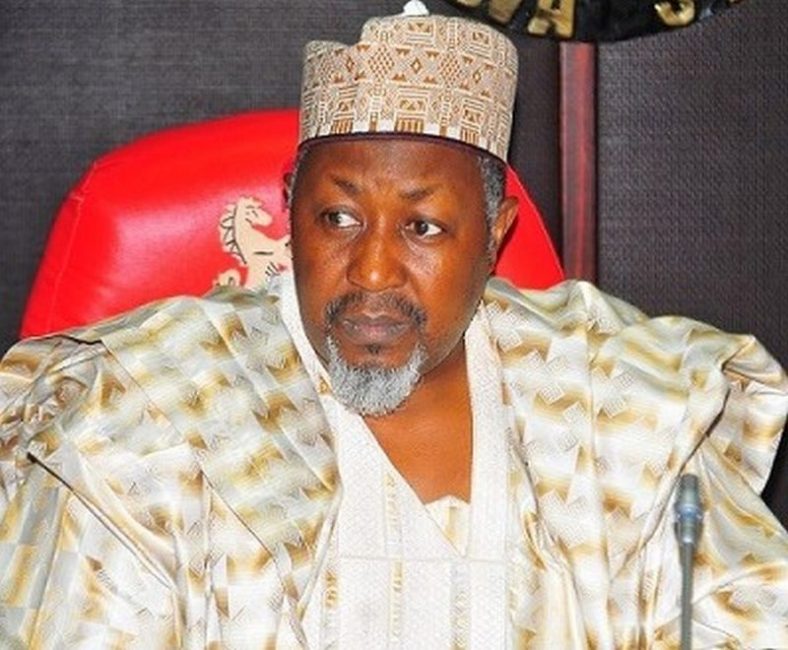
The Jigawa State Government says it is partnering with the International Fund for Agricultural Development (IFAD) on Climate Change Adaptation and Agribusiness Support Programme (CASP) for sustainable development.

Mohammed-Badaru-Abubakar
Mohammed Badaru Abubakar, Governor of Jigawa State

Alhaji Umar Danzomo, Jigawa State Coordinator of IFAD, told the News Agency of Nigeria (NAN) in Dutse, the state capital, on Wednesday, February 21, 2018 that the essence of the collaboration was to acquire knowledge on climate change in view of the global warming affecting farming business.

He said that the initiative would teach farmers new methods of farming from production to harvest.

The IFAD coordinator pointed out that the state government, in partnership with IFAD-CASP, was working in 14 local government areas of the state on climate change motivation.

He added that IFAD would support farmers in local government areas that keyed into the programme, from land preparation to harvest.

He noted that over 1,000 farmers had already keyed into the programme from the 14 local government areas of the state.

Danzomo pledged the determination of IFAD to assist farmers in processing and marketing their produce locally and internationally.

By Abdullahi Shugaba

Measles cases surge in Europe

0

Measles has rebounded in the World Health Organisation (WHO) European Region. The disease affected 21,315 people and caused 35 deaths in 2017, following a record low of 5,273 cases in 2016.

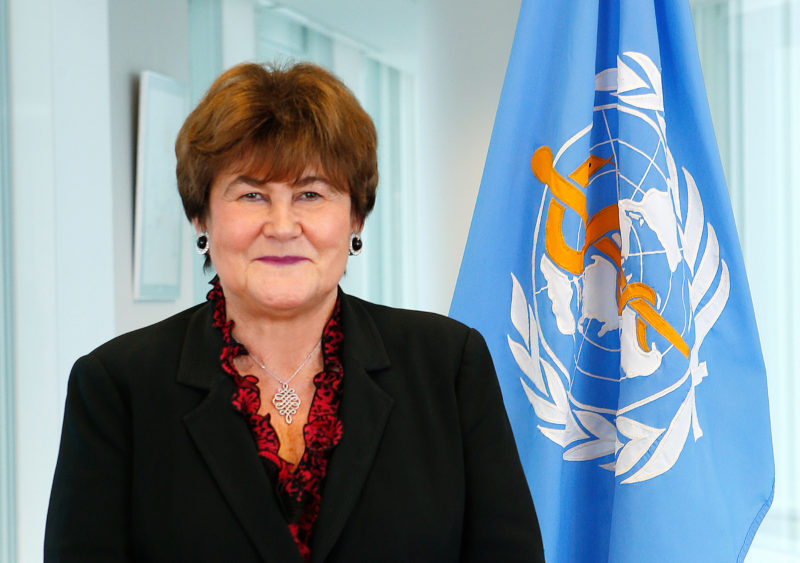
Zsuzsanna Jakab
Zsuzsanna Jakab, Regional Director, World Health Organisation Regional Office for Europe

The WHO Regional Office for Europe released new data for 2017 on Monday, February 19, 2018, a day ahead of a health ministerial meeting on immunisation in Montenegro on Tuesday, February 20.

“Every new person affected by measles in Europe reminds us that unvaccinated children and adults, regardless of where they live, remain at risk of catching the disease and spreading it to others who may not be able to get vaccinated. Over 20,000 cases of measles, and 35 lives lost in 2017 alone, are a tragedy we simply cannot accept,” says Dr Zsuzsanna Jakab, WHO Regional Director for Europe.

“Elimination of both measles and rubella is a priority goal that all European countries have firmly committed to, and a cornerstone for achieving the health-related Sustainable Development Goals,” Dr Jakab continues. “This short-term setback cannot deter us from our commitment to be the generation that frees our children from these diseases once and for all.”


Large measles outbreaks affect one in four European countries

The surge in measles cases in 2017 included large outbreaks (100 or more cases) in 15 of the 53 countries in the Region. The highest numbers of affected people were reported in Romania (5,562), Italy (5,006) and Ukraine (4,767). These countries have experienced a range of challenges in recent years, such as declines in overall routine immunisation coverage, consistently low coverage among some marginalized groups, interruptions in vaccine supply or underperforming disease surveillance systems.

Greece (967), Germany (927), Serbia (702), Tajikistan (649), France (520), the Russian Federation (408), Belgium (369), the United Kingdom (282), Bulgaria (167), Spain (152), Czechia (146) and Switzerland (105) also experienced large outbreaks, many of which were in decline by the close of 2017.

Actions to stop the current outbreaks and prevent new ones are taking place on various fronts. They include raising public awareness, immunising health-care professionals and other adults at particular risk, addressing challenges in access, and improving supply planning and logistics.


Progress continues despite upturn in cases

The process of verifying measles and rubella elimination by country, introduced in 2012, has moved the Region closer to its measles and rubella elimination goal. Each year, the independent Regional Verification Commission (RVC) reviews country data and immunisation activities and recommends actions to resolve the specific challenges faced by countries. As of the end of 2016, 42 of the 53 countries in the Region had interrupted endemic measles transmission. However, outbreaks will continue to occur until every susceptible child and adult is protected.

Ministers of health of 11 countries meet on Tuesday (February 20, 2018) to discuss working together to achieve the goals set out in the European Vaccine Action Plan (EVAP) by 2020, including measles and rubella elimination. A Region-wide midterm EVAP progress report will be presented at the 68th session of the WHO Regional Committee for Europe in September 2018.

Shell excels in technology, innovation at petroleum summit

0

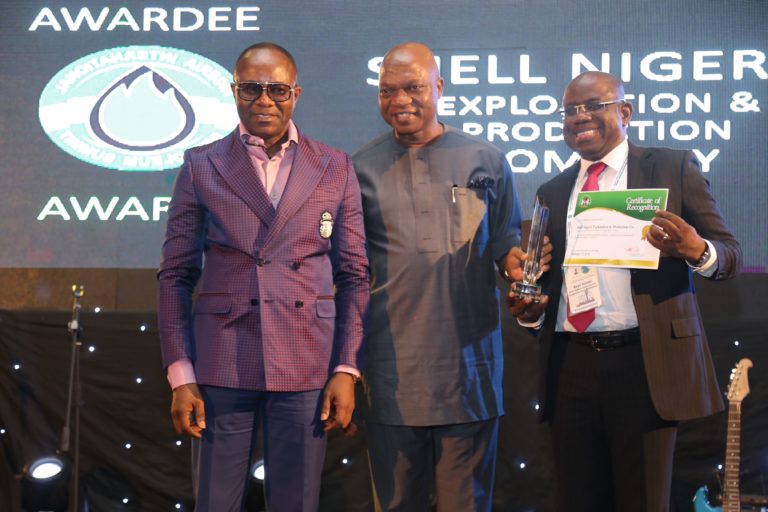
The in-country Subsea Tree Refurbishment feat by Shell Nigeria Exploration and Production Company (SNEPCo), drew a deafening applause on the night of Monday, February 20, 2018 as it earned Shell Companies in Nigeria the Best Performing International Company in Technology and Innovation at the awards night of the maiden edition of the Nigeria International Petroleum Summit in Abuja. The state-organised event was attended by Nigerian and international industry leaders.

Shell-NIPS Award
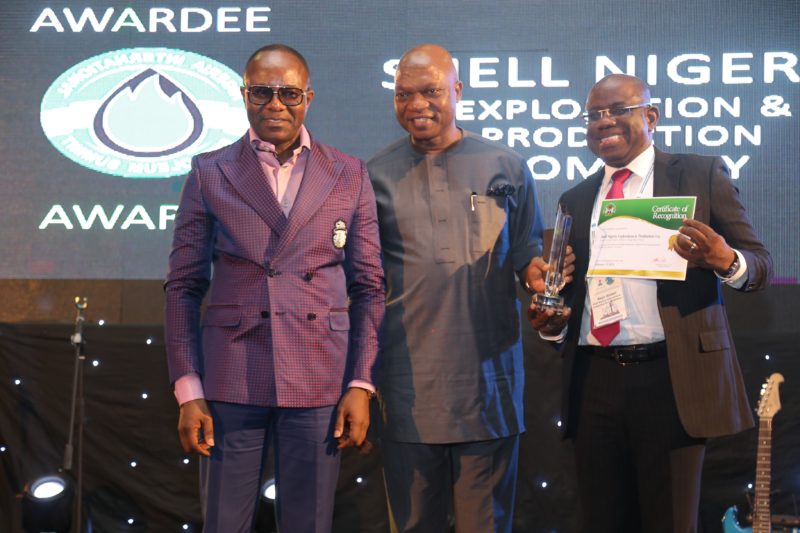
L-R: Minister of State for Petroleum Resources, Dr. Ibe Kachikwu; Country Chair, Shell Companies in Nigeria and Managing Director of The Shell Petroleum Development Company of Nigeria Limited (SPDC), Mr. Osagie Okunbor; and the Managing Director, Shell Nigeria Exploration and Production Company, Mr. Bayo Ojulari, during the presentation of The Best International Company in Technology and Innovation to Shell at the 2018 Nigeria International Petroleum Summit held in Abuja… on Monday

SNEPCo pioneered the in-country feat and achieved significant savings in the cost of the subsea equipment led by Nigerian engineers. A Subsea Tree is an arrangement of valves and other components installed at the wellhead to control and monitor production flow and manage fluids injection. SNEPCo embarked on a Tree Refurbishment initiative in 2013 to ensure timely delivery of the equipment at lower cost for the Bonga Phase 2 project, an in-field wells delivery and hook–up programme within the Bonga Field which has been in execution since 2007.

On hand to receive the award presented by the Minister of State for Petroleum Resources, Dr. Ibe Kachikwu, were the Country Chair, Shell Companies in Nigeria and Managing Director of The Shell Petroleum Development Company of Nigeria Limited (SPDC), Mr. Osagie Okunbor, and the Managing Director of SNEPCo, Mr. Bayo Ojulari.

An excited Okunbor described the award as a recognition of the pioneering role of Shell Companies in Nigeria in local capacity development and Nigeria content.

“We are pleased that this feat has continued to receive recognition within and outside Nigeria. Beyond cost consideration, we were also looking to indigenise the know-how so that Nigerian engineers can acquire the necessary skills,” he said.

Speaking on the award, Ojulari said, “This is a success story not only for Shell but for Nigeria. The first Subsea Tree under the programme was installed on schedule in May 2015. This was the first of its kind re-using a Subsea Tree fully stripped down and refurbished locally in Nigeria, with all of its original functionality restored.

“The scope of work entailed the retrieval of the Subsea Trees for disassembly, repair and rebuild following procedures developed by the Original Equipment Manufacturer (OEM) to international standards and codes. The work was done at the OEM/SNEPCo logistics base at Onne in Rivers State with Nigerian engineers and technicians playing key roles. The quick turnaround of these Trees has helped to increase oil production in the Bonga field. The expenditure on this work in Nigeria aligns with the cost of similar Subsea Tree refurbishment in Europe. We have since sustained the in-country refurbishment.”

SNEPCo saves about $6 million for every refurbished Subsea Tree, and this is delivered within 15 months as against 36 months for newly manufactured ones.

SNEPCo helped to create the first generation of Nigerian deep water professionals through the Bonga project which started production in 2005, as Nigeria’s first oil and gas production project in more than 1,000 metres of water. The project was expanded with further drilling of wells in Bonga Phases 2 and 3 and through a subsea tie-back that unlocked the nearby Bonga North West field in August 2014, which has peak production of approximately 60,000 barrels of oil equivalent a day. Bonga Phase 3 achieved first oil in October 2015.

SNEPCo operates Bonga field on behalf of the Nigerian National Petroleum Corporation in partnership with Esso Exploration and Production (Deepwater Ltd) – Exxon, Total E&P Nigeria Ltd – Total and Nigerian Agip Exploration Ltd – ENI. The other Shell Companies in Nigeria are SPDC and Shell Nigeria Gas.

Dangers of depletion of ozone layer, by expert

0

An environmentalist, Mr Uche Agbanusi, says the continuous depletion of the ozone layer by humans through unchecked destruction of natural resources is responsible for several environmental and health problems.

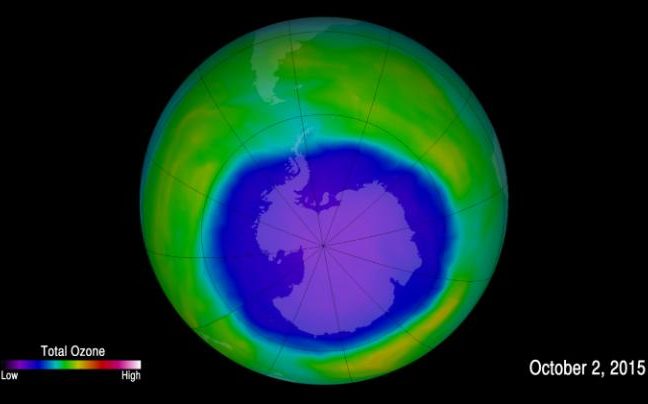
Ozone
The hole in the ozone layer has shrunk by more than 1.7 million square miles since 2,000, according to scientists. Photo credit: NASA GODDARD

Agbanusi, who is also a former National President, Nigerian Environmental Society, said this in an interview with News Agency of Nigeria (NAN) in Abuja on Tuesday, February 20, 2018.

He said that ozone layer depletion entailed the creation of “holes” in the atmosphere, in the shield of atmospheric ozone which protected the earth surface from harmful ultra-violet radiations from the sun.

“The human-induced gases tend to reduce the regulatory roles of the ozone layer by creating holes in the ozone, thereby allowing in a large percentage of the rays of the visible light from the sun.

“And this affects the earth’s surface in the form of long-wave infrared radiation, which affects the human body and often times causes skin cancer,’’ he said.

Agbanusi, who cited some Environmental Protection Agency (EPA) reports, said that human contribution of greenhouse gases to the atmosphere had intensified the depletion of the ozone layer over the years.

NAN reports that EPA, which was established in 1970, seeks to protect and conserve the natural environment and improve the health of humans by researching the effects of chemicals and other pollutants, while specifying limits on their presence in the environment.

Agbanusi stressed that Nigeria was not exempted from the effects of ozone layer depletion inasmuch as human activities such as burning of fossil fuels and industrial activities were happening in the country.

He, therefore, called on the Federal Government to quickly devise strategies to reduce effects of climate change and emission of greenhouse gases.

He said that this was essential to save the lives of Nigerians and protect the nation’s environment for the present and future generations.

According to him, the largest source of greenhouse gas emissions from human activities in the whole world is from burning fossil fuels for electricity, heat, and transportation.

He noted that Nigeria was actively participating in all these activities.

“The harmful effects of the presence of greenhouse gases in the atmosphere include global warming, climate change, ozone depletion, sea level rise and adverse effects on biodiversity.

“In one way or another, these adverse impacts are all directly or indirectly related to the presence of greenhouse gases in the atmosphere.

“A number of human activities, processes and consumption produce waste gases or greenhouse gases that are harmful to the environment,’’ he said.

Agbanusi said: “Human energy production releases chemicals such as nitrogen oxide that react with other chemicals when sunlight is present, thereby creating greenhouse gases which deplete the ozone layer.

“The depletion of the ozone layer is harmful to ecosystems as well; it damages crops and creates respiratory problems in humans.’’

Agbanusi, therefore, warned against indiscriminate deforestation and other activities that could further deplete the ozone layer, so as to protect the environment from the effects of heat radiation.

By Okon Okon

Early rains: NiMet warns farmers against planting

0

Following the rains being experienced in and around the central states on Sunday and Monday night of February 18 and 19, 2018, the Nigerian Meteorological Agency (NiMet), has warned farmers against early planting.

Sani Marshi
Director-General/Chief Executive Officer of NiMet, Prof. Sani Mashi

The News Agency of Nigeria (NAN) reports that some places around the Federal Capital Territory (FCT) have been experiencing heavy rainfall since Sunday night.

A response by NiMet to the enquiry on the implications of the rains disclosed that the occurrence was normal during transition period leading to rainy season.

An official of NiMet, who pleaded anonymity, said the rains did not signal the beginning of the rainy season, adding that the agency would talk to the public on 2018 Seasonal Rainfall Prediction by first week of March.

“This happens during transition period like this but it does not signal beginning of the rainy season.
“Farmers should use this period for land clearing but not planting as the active season is yet to establish,” he said.

Some of the farmers who spoke with NAN expressed hope that the rains could signal the beginning of rainy season while also expressing fear that it could not be suitable for planting.

Mr Shedrach Shegaje, a farmer in the FCT, said that planting with the current rains could be dangerous because of past experience.

Shegaje added that the situation could also lead to early onset of rainy season, saying farmers should begin to clear their farm lands.

However, Prof. Sani Mashi, the Director-General of NiMet, had recently told NAN that the mixture of harmattan and heat being experienced over the central part of Nigeria could lead to early rainfall in the region in 2018.

Mashi said the oscillation of Inter Tropical Divide (ITD) within the central region resulting from the meeting of south-westerly and north-easterly air masses would lead to early rains.

He said ITD is the point where the south-westerly air mass and north-easterly air mass meet.

“Wherever the two major air masses meet, we will have rain.

“The harmattan has become shorter because the south westerly air mass is already overpowering north easterly air mass over central northern Nigeria.
“So, the implication of this is that we are likely to have early commencement of rain within central northern Nigeria,’’ he said.

By Sumaila Ogbaje

UNICEF ranks Nigeria 11th highest on newborn deaths

0

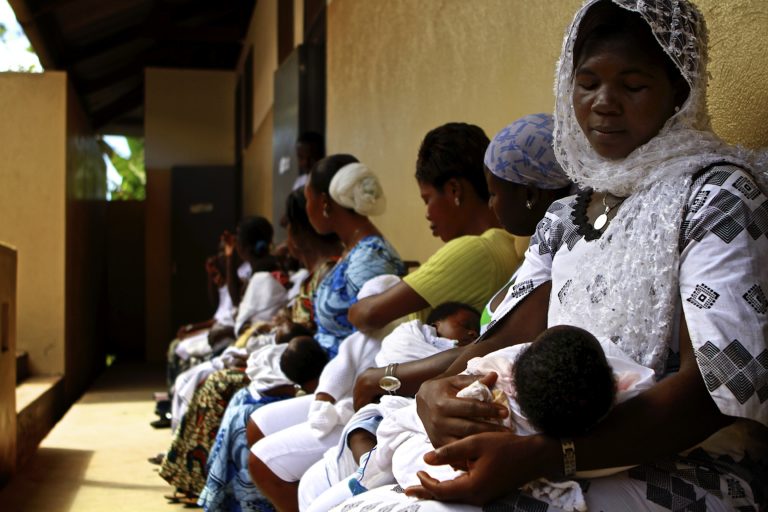
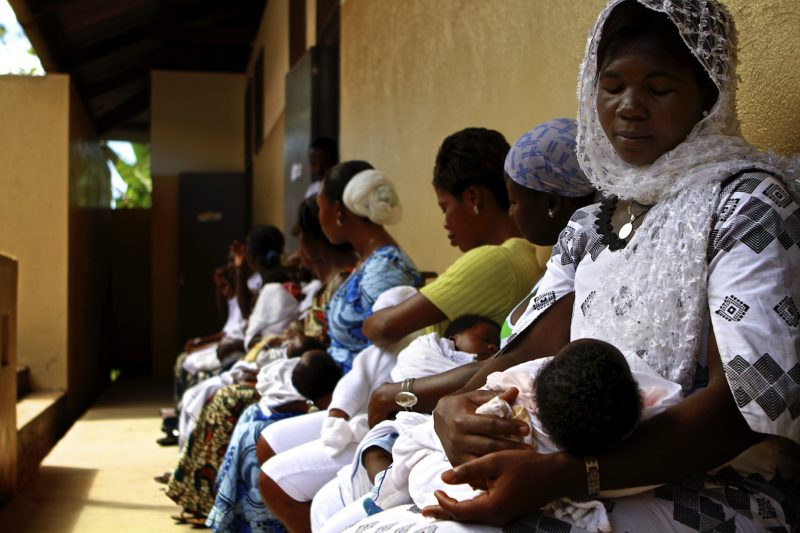
The United Nations Children’s Fund (UNICEF), has ranked Nigeria 11th position on newborn deaths globally.
This is according to a new report on “Newborn Mortality’’ released by UNICEF, which was obtained by the News Agency of Nigeria (NAN) on Tuesday, February 20, 2018 in Lagos.

Nigeria
There are concerns over the high infant and maternal mortality rates in Nigeria

According to the report, eight of the 10 most dangerous places to be born are sub-Saharan Africa, where pregnant women are much less likely to receive assistance during delivery due to poverty, conflict and weak institutions.

“With the newborn mortality rate of 29 deaths per 1,000 births, the global estimates rank Nigeria as the 11th highest on newborn deaths.

“In the recent Multiple Indicator Cluster Survey (MICS) conducted by the Government of Nigeria in 2016/17, the rate of newborn deaths per 1,000 births is 37.

“This national average hides the differences between the 36 states and the slow progress in some of them,’’ the report said.

On the causes of newborn deaths, the report said that more than 80 per cent of newborn deaths were due to prematurity, asphyxia, complications during birth or infections such as pneumonia and sepsis.

“These deaths can be prevented with access to well-trained midwives during antenatal and postnatal visits as well as delivery at a health facility.

“These should be along with proven solutions like clean water, disinfectants, breastfeeding within the first hour, skin-to-skin contact, proper cord care, and good nutrition.

“However, a shortage of well-trained health workers and midwives means that thousands don’t receive the life-saving support they need to survive,’’ it said.

The report said that globally in low-income countries, the average newborn mortality rate was 27 deaths per 1,000 births, while in high-income countries, it was three deaths per 1,000.

A statement by UNICEF issued by Eva Hinds, UNICEF Nigeria, quoted Mohamed Fall, UNICEF Nigeria’s Representative as saying “a fair chance in life begins with a strong, healthy start.

“Unfortunately, many children in Nigeria are still deprived of this, MICS data tells us that the trend is improving but urgent action needs to be taken for Nigeria to reach the Sustainable Development Goals (SDGs).’’

The statement also quoted Henrietta Fore, UNICEF’s Executive Director as saying “we have more than halved the number of deaths among children under the age of five in the last quarter century.

“We have not made similar progress in ending deaths among children less than one month old.

“Given that the majority of these deaths are preventable, clearly we are failing the world’s poorest babies.’’

Reacting to the report, a non-governmental organisation (NGO), Mamaye Evidence for Action, said that the deaths were needless and could be prevented through more concerted efforts by the government and all stakeholders.

Laide Shokunbi, Media Advisor of the NGO, urged more support from the Federal Government to reduce maternal and neonatal deaths in the country.

“Maternal and neonatal deaths could be prevented when women receive proper health care from skilled providers during pregnancy, at the time of delivery and shortly after birth.

“Our health facilities should be well-equipped and they should also have skilled providers including doctors, nurses, and midwives always available,’’ she said.

Also, Mr Akin Jimoh, the Project Director, Development Communications Network (Devcoms), said there was the need for increased sensitisation on how to achieve good maternal, newborn and child health.

“There is the need for aggressive awareness campaign on maternal and newborn health, especially in rural, semi-urban and hard-to-reach areas, everyone has to be involved.

“Women and men need to have the right knowledge, our government needs to strengthen our institutions especially the health sector, it has to be well-funded and monitored.

“Also, our medical and health professionals need to be dedicated and conscientious,’’ Jimoh said.

By Vivian Ihechu

EU, ICEED plant 736 trees in Daura

0

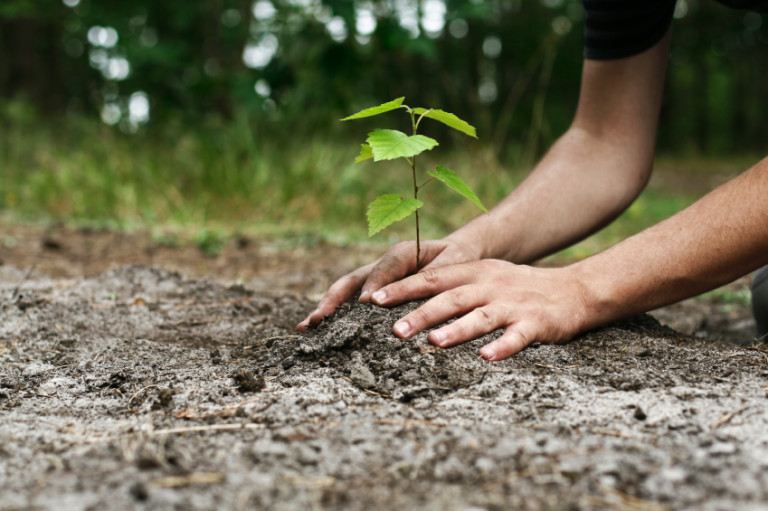
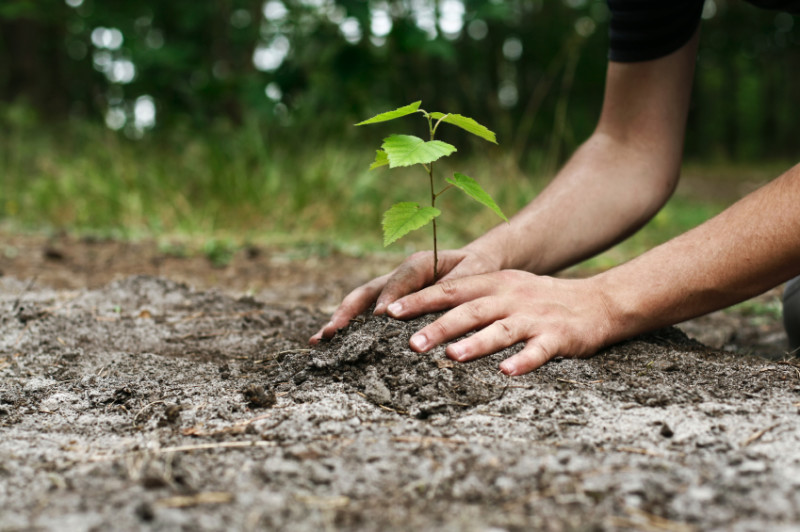
The International Centre for Energy, Environment and Development (ICEED) has planted 736 varieties of trees across the 11 wards in Daura Local Government Area of Katsina State to promote environmental conservation.

Tree-Planter
Tree planting

Malam Buhari Fago, the Director of Agriculture in the council, announced this in an interview with the News Agency of Nigeria (NAN) in Daura on Tuesday, February 20, 2018.

He said the programme, an European Union (EU) sponsored initiative, was facilitated and implemented by the Oxfam, ICEED and the National Planning Commission (NPC).

According to him, the programme is aimed at controlling desertification and promoting green environment.

Fago said 270 of the trees were planted through the nursery nurturing process, while 466 were through the farmer-managed natural regeneration system.

He added that 221 villages were covered through the two adopted methods of planting, stressing that the agency would expand the scope of its coverage.

He said the agency also distributed 1,000 bags of fertilisers, bottles of insecticides and clean cook stove.

Fago said the beneficiaries went home with the three items.

He added that the clean cook stove were provided under it’s four-year programme of improving the fuel wood balance (FUWOBA)

NAN reports that the agency recently planted thousands of trees in Sandamu Local Government Area to promote environmental conservation and prevent desertification .

By Auwalu Yusuf Birnin Kudu

×