25.2 C
Lagos
Tuesday, December 23, 2025
Home Blog

AfDB, Nedbank Group sign multi-billion-rand funding partnership to transform housing access, boost African trade

0

The African Development Bank Group and Nedbank Group have signed a landmark deal to boost access to affordable housing in South Africa and strengthen trade across the continent.

The financing package comprises two components: a ZAR 2.5 billion social bond investment in Nedbank Group Limited and a $60 million trade finance Risk Participation Agreement with Nedbank Limited of South Africa.

Together, the initiatives aim to narrow Africa’s trade finance gap, accelerate intra-African trade, and improve access to housing – two essential drivers of inclusive economic growth.
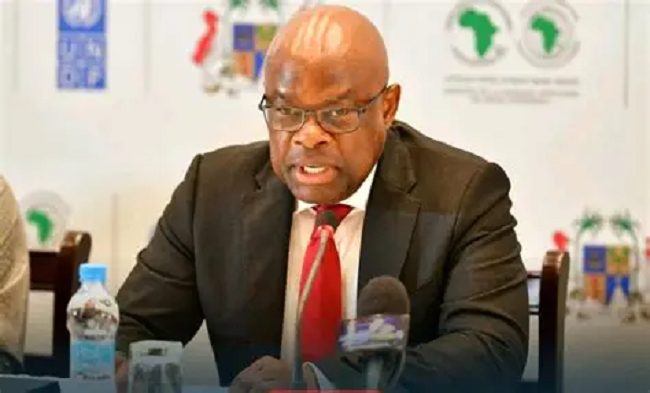
Kennedy Mbekeani
Kennedy Mbekeani, African Development Bank’s Director General for Southern Africa

The social bond is listed on the Johannesburg Stock Exchange, with proceeds channeled through Nedbank’s Sustainable Finance Fundraising Framework. Funding will prioritise affordable housing for women and first-time homeowners, as well as green-certified units, reinforcing the Bank and Nedbank’s shared commitment to gender equality, climate resilience, and financial inclusion. The bond will contribute to achieving the African Development Bank’s vision for inclusive growth.

“This partnership builds on our shared commitment to drive financial access for underserved communities and transform living conditions across South Africa,” said Kennedy Mbekeani, African Development Bank’s Director General for Southern Africa. “It marks a significant milestone in our nearly two-decade relationship with Nedbank Group, unlocking critical financing where it’s needed most while strengthening our financial system’s resilience.”

The $60 million trade finance Risk Participation Agreement will provide crucial credit risk cover for Nedbank’s partnership with local banks issuing documentary letters of credit and similar trade instruments across the continent, including in Low-Income Countries and Transition States. This mechanism will help close the continent’s trade finance gap and accelerate intra-African trade.

“This landmark partnership with the African Development Bank Group represents a pivotal step in our drive to deliver real impact for communities across South Africa and the continent. By mobilising funding for affordable housing, especially for women and first-time buyers, and supporting trade finance for local banks, we are helping to unlock opportunities for inclusive growth and sustainable development,” said Jason Quinn, Chief Executive, Nedbank Group. “It underscores our commitment to enabling financial access, fostering climate resilience, and driving economic transformation through innovative, purpose-driven sustainable financing.”

Ahmed Attout, the African Development Bank’s Director for the Financial Sector Development Department, said: “We are proud of our shared commitment to sustainable financing, particularly through local debt capital markets. This intervention builds on our previous support in 2020, when we invested in Nedbank’s inaugural green bond to support renewable energy access in South Africa. It also demonstrates the African Development Bank’s leading role in bridging the continent’s trade finance gap.”

The initiative aligns with the African Development Bank’s Ten-Year Strategy (2024 – 2033) to transform African economies through industrialisation, regional integration, and improved quality of life for all Africans. By combining innovative housing finance with trade facilitation, the agreement advances inclusive, sustainable economic development across Africa.  

Yuletide: Nigerians brave high fares, security concerns to travel

0

Some residents of the Federal Capital Territory (FCT) have continued to brave rising transport fares and security concerns to travel home for the Christmas celebration.

The travellers said on Monday, December 22, 2025, in Bwari, Abuja, that Christmas represented family identity and was a non-negotiable tradition.

At the Peace Mass Transit Park, Mr. Mathew Okah, said that in spite of financial pressure and security fears, he would still travel to celebrate with his family in the South-East.

FCT
Passengers at a motor park in Bwari Area Council, FCT

“I go home for Christmas every year because my family is in the East and I have been working in Abuja throughout the year.

“I travel not just to see them, but also to rest. There is no place like home.

“Family time is sacred for some of us; you get to see your aged parents, take home something to celebrate with them, and reunite with extended family members,” he said.

Okah added that travelling home also gave him the opportunity to fulfil cultural and communal obligations.

Another traveller, Mrs. Victoria Jacob, who was travelling with her children, described Christmas travel as a necessity.

“I always feel like I am missing a part of life if I stay back in Abuja during the festivities,” she said.

Although she described the cost of transportation as painful, Jacob said people accepted the doubling or tripling of fares because it was a yearly sacrifice.

On security concerns, she said: “We have survived worse situations. God will protect us. We just have to avoid night travel and unsafe routes while we pray and trust God for safety.”

Meanwhile, a resident of Bwari, Mr. Kelechi John, said travelling home every Christmas was not a necessity for him.

He cited insecurity, financial strain, and work commitments as reasons for staying back, adding that some people travelled due to cultural pressure or fear of being judged for “forgetting home.”

This, he said, often led people to travel even when they could not afford it, resulting in avoidable discomfort.

“We’ll stay back this year. Let’s stay alive first; the village will still be there. We will plan when fares drop and the rush is less,” he said.

A correspondent observed that commercial bus fares from Bwari to the southern and eastern parts of the country ranged from N60,000 to N80,000 per passenger.

Meanwhile fares to Kaduna and other neighbouring northern towns ranged between N8,000 and N10,000.

By Veronica Dariya

Okonjo-Iweala hails Abia Electric Bus Scheme as climate-friendly initiative

0

The Director-General of the World Trade Organisation (WTO), Dr Ngozi Okonjo-Iweala, has commended the Abia State Government for introducing electric buses to tackle pollution and climate change.

Okonjo-Iweala gave the commendation on Monday, December 22, 2025, during the launch of the first phase of Abia Green Shuttle Electric Bus Service with 20 electric buses at the International Conference Centre, Umuahia.

She described the initiative as a bold and forward-looking step, noting that climate change and environmental pollution remained among the world’s most pressing challenges.

Ngozi
Mrs. Ngozi Okonjo-Iweala. Photo credit: flickr.com

According to her, although Africa contributes only about three per cent of global carbon emissions, the continent must still play its part in promoting a cleaner and more sustainable environment.

The WTO boss said Abia’s decision to deploy electric buses demonstrated leadership and commitment to global climate responsibility.

The onetime Finance Minister praised Abia government and other stakeholders for driving the initiative, which she said, would help improve air quality in the state.

Okonjo-Iweala expressed optimism that the project would mark the beginning of broader environmentally friendly transport reforms in Abia.

She congratulated the state government on the achievement and urged it to sustain the momentum in climate-smart development initiatives.

In his speech, Gov. Alex Otti of Abia described the introduction of electric buses in the state as a strategic move towards net-zero emissions and sustainable urban transportation.

Otti said that the initiative marked a significant transition from the Compressed Natural Gas (CNG) buses to fully electric vehicles in line with global climate targets.

He said that although CNG buses were cleaner, they still produced emissions, prompting the state to adopt electric buses as a long-term solution.

Otti explained that the procurement process was reviewed to ensure the buses were compliant with the needs of Persons with Disabilities (PWDs).

“We are starting small so maybe not all the 20 will be on the road at the same time but at least you will see a sizable number.

“And as we learn, as we use them, we learn and correct, so we are not going to promise you heaven on earth.

“I am pleased to announce that all 20 electric buses commissioned today are fully PWD-compliant,” he said.

Otti said that the project faced initial logistical challenges following delays in the delivery of charging stations due to a maritime accident, but the state devised alternative solutions.

He said that the charging stations were already operational in Umuahia, with additional installations planned for Aba, Ohafia and other parts of the state.

Otti said that the buses would begin scheduled operations from Tuesday, noting that deployment would be gradual to allow learning and system adjustments.

He said that the buses could travel between 400kilometres and 450 kilometres on a full charge, depending on usage conditions.

The governor said that the electric buses would operate free of charge for residents from Tuesday until January to familiarise commuters with the new system.

He added that surveillance cameras had been installed in the buses to ensure safety and order, warning that misconduct would attract prosecution.

Otti said Abia recently emerged as the state with the lowest public transportation costs in Nigeria, adding that the electric buses would further reduce transport expenses.

He expressed appreciation to the state’s transport and power commissioners and technical partners for working round the clock to deliver the project.

The governor urged residents to maintain orderly conduct at bus stations and give priority to persons living with disabilities.

The President of Coscharis Group, Dr Cosmos Maduka, said that Abia had provided national leadership by becoming Nigeria’s first state to officially launch electric buses for public transportation.

Maduka said that the launch marked Abia as the first state to deploy electric buses, expressing confidence that other states would soon follow the initiative.

He disclosed that Coscharis initially proposed compressed natural gas buses but commended the governor for insisting on electric-powered vehicles.

Maduka said that the governor maintained that electrification was non-negotiable, noting that the project had moved from vision to reality.

He highlighted features of the buses, including air-conditioning, surveillance cameras and onboard charging ports, saying the service was designed for residents across social classes.

He predicted the buses would reduce dependence on tricycles and motorcycles in urban centres, assuring commuters of comfort under the Abia Green Shuttle Bus Service.

Earlier, the Commissioner for Transport, Mr. Chimezie Ukaegbu, described the launch as a historic milestone in Abia’s transport evolution.

Ukaegbu attributed the achievement to Gov. Otti’s leadership and forward-thinking agenda to reposition the state for innovation, sustainability and inclusive development.

He said the electric bus programme would deliver environmental and long-term economic benefits, including job creation and skills development.

The commissioner assured residents of continued expansion of the scheme in collaboration with transport unions and stakeholders to ensure a smooth transition.

The buses are expected to ply major routes in the state including Umuahia, Aba, Umunneochi, Ohafia, and Ukwa West.

The event featured a test ride around the city of Umuahia to signal the official commencement of the Abia Green Shuttle Electric Bus Service.

By Ihechinyere Chigemeri-Uwom

CNG initiative requires policy, infrastructure push, expert says

0

A material engineering expert and researcher, Dr Kazeem Abubakar, says the potential and opportunities existing in Compressed Natural Gas (CNG) can be harnessed if the government provides policy support and required infrastructure.

Abubakar, also Assistant Director of Research at the National Centre for Technology Management (NACETEM), said this in an interview in Abuja on Monday, December 22, 2025.

He said that with infrastructure development and public engagement, CNG had the potential to not only reduce transport costs and emissions, but also to contribute meaningfully to Nigeria’s progress towards SDGs.

CNG station
CNG station

He said it was important to note that delivering cleaner air, new jobs, economic growth, and a more sustainable future for Nigerians was not negotiable.

“Nigeria’s pivot toward CNG, backed by renewed policy focus and private investment, represents a strategic and timely effort to harness the country’s abundant natural gas for sustainable mobility and energy security.

“Although the current adoption is still small relative to potential, the gain, to date, is that over 100,000 vehicles have been converted, hundreds of conversion centers and refuelling points, rising investment flows.

“This demonstrates that CNG can become a cornerstone of Nigeria’s clean-energy transition,’’ he said.

Abubakar argued that to scale and deliver on the potentials and opportunities in converting gasoline/diesel cars to CNG, coordinated action is needed on multiple fronts.

He said those to include accelerating infrastructure deployment, expanding refuelling stations, compression hubs, and certified conversion centres nationwide.

He further advocated scaling up conversion incentives, which could come through subsidies or support for conversion kits, especially for low-income vehicle owners and commercial operators.

“Awareness and safety campaigns, policy consistency and regulation, linking CNG with broader gas utilisation policy are important in the project,’’ he said.

Abubakar said lower emissions from CNG vehicles contribute to Nigeria’s emissions-reduction targets and help its climate-change mitigation efforts.

“The expansion of gas-distribution networks, refuelling stations, and conversion infrastructure support industrialisation and modern energy system development initiatives,” he added.

By Sylvester Thompson

Developer seeks govt’s support, tax incentives to boost affordable housing

0

A firm of developers, Jingle Bells Corporate Services Ltd., has called on the government to provide more support and tax incentives for developers to boost affordable housing delivery and reduce rising house rents across the country.

Dr Peter Orobor, Managing Director and Chief Executive Officer, made the call in Abuja at an event in honour of the company’s clients for the year.

According to Orobor, private developers are playing a critical role in bridging the housing gap by creating flexible ownership models that allow Nigerians to own land and build homes at their own pace.

Jingle Bells Corporate Services Ltd
Officials of Jingle Bells Corporate Services Ltd

He said several challenges confronting real estate developers in Nigeria included: high cost of land, limited access to funding, multiple taxation, court-related disputes, and cumbersome approval processes involving numerous regulatory agencies.

According to him, in many parts of the world, governments play an active role in housing development by partnering with private developers, providing land at little or no cost, and offering access to low-interest financing.

“Governments in other parts of the world invest a lot in the housing sector, ensuring that they partner with real estate developers to build affordable housing

“This is by way of giving lands free, while the developers build on it or give them loans that have very little interest rate so that they could sell at affordable rate to the citizens.

“But here in Nigeria, we don’t have that often coming; and then those that often come are politicised.It is for a few. So, the estate developer has to source for lands and use it to develop these houses and sell to low income earners.”

Orobor said that another challenge was double taxation, adding that developers were faced with all manner of taxes from all manner of agencies.

He said getting approvals, cost of lands and funding were other challenges affecting developers.

He, therefore, said that with the right policies in place, developers would be better positioned to deliver affordable, accessible, and sustainable housing, while easing the pressure of high rent on Nigerians.

In spite of these hurdles, Orobor noted that the Federal Capital Territory Administration (FCTA) has made progress in addressing land grabbing, double taxation and overlapping approvals, adding that estate developers remain partners in progress in the development of Abuja.

Orobor encouraged both existing and prospective clients to see real estate as a long-term and secure investment, stressing that early investment yields significant appreciation over time.

According to him, Jingle Bells adopts a structure that enables clients to purchase land within estates and develop gradually, a model that has helped many people achieve home ownership they never imagined possible.

He disclosed that the company offers land at varying prices, starting from as low as N500,000 to N3 million, in order to accommodate different income categories.

“We ensure that all classes of income earners are captured in our housing plan,” he added.

The Chairman of the occasion, Dr Fidelix Okparaoha, noted that improved infrastructure would reduce housing pressure in city centres and make home ownership more accessible to low-income earners.

Okparaoha further advocated stronger use of mortgage systems, including the Federal Mortgage Bank framework, to enable workers and private individuals access long-term repayment plans tied to their income.

He described Jingle Bells leadership as credible and trustworthy, saying that “From documentation to delivery, integrity is key. I can confidently advise the public to invest with this company,” he said.

Also speaking, Abdullahi Indah, the General Manager of Jingle Bells Corporate Services Ltd., explained that the company was introducing an “Adashi contribution” housing model .

This, Indah said, was to help low-income earners own homes through daily, weekly or monthly savings, depending on their earning capacity.

“Our goal is to make everyone a landlord of themselves. People should not wait for government alone; with discipline and the right platform, they can secure their future,” Indah said.

Addressing public concerns about trust in the real estate sector, Indah assured clients of transparency and security in all transactions, noting that payments are bank-backed and properly documented.

The highlight of the event was the presentation of awards to clients for their outstanding support.

Among the awardees was Mrs. Julian Adetinuyo, Managing Director and Founder of News Scope Africa, who received the award for the most outstanding media coordinator.

By Angela Atabo

HEDA commends govt’s wood export ban, says enforcement and social solutions must follow

0

The Human and Environmental Development Agenda (HEDA Resource Centre) has commended the Federal Government for imposing an immediate nationwide ban on the export of wood and allied products and for revoking all previously issued licences and permits.

Reacting to the announcement, HEDA’s Executive Secretary, Sulaimon Arigbabu, described the decision as a long-overdue return to wisdom and responsibility in environmental governance. According to him, the directive signals a renewed commitment by the Federal Government to protecting Nigeria’s rapidly shrinking forest resources and addressing the growing threats of climate change.

Sulaimon Arigbabu
Executive Secretary of HEDA, Sulaimon Arigbabu

Arigbabu noted that Nigeria has for too long lived in painful contradictions. “We cry about droughts, floods, extreme heat and desertification, yet we have turned the trees that God blessed us as our first line of defence against extreme weather events into a thriving export business. This hypocrisy has come at a huge environmental and social cost,” he said.

While applauding the policy, HEDA warned that the challenge runs far deeper than a single executive pronouncement. The organisation stressed that illegal logging and deforestation will not disappear without strong political will, firm enforcement of the law, and accountability across federal and state institutions.

“Without strict enforcement, this ban risks becoming another well-written policy that fails at the implementation stage,” Arigbabu cautioned.

HEDA further urged the Federal Government not to limit its focus to local firewood and charcoal syndicates alone. According to Arigbabu, “There is a more dangerous dimension to this crisis — foreign criminal networks, particularly some Chinese nationals masquerading as investors, who are raping Nigeria’s forests and carting away highly valuable species such as Rosewood, which is already listed as endangered under the Convention on International Trade in Endangered Species (CITES).”

He described the situation as especially disturbing because “these activities are often carried out under the protection of armed policemen, making the crime more sinister, organised and menacing.”

The civil society organisation also reminded government that the ban must not ignore the domestic drivers of deforestation. HEDA noted that local dependence on firewood and charcoal is largely driven by energy poverty and widespread lack of economic opportunities, especially in rural and peri-urban communities.

“Criminalising survival without addressing its root causes will only worsen hardship and fuel resistance,” Arigbabu said.

Consequently, HEDA called on the Federal Government to urgently prioritise affordable, accessible and sustainable energy alternatives, particularly for poor and vulnerable households. In addition, the organisation urged that communities currently dependent on charcoal and firewood trade should be trained, sensitised and supported to transition to alternative, sustainable livelihoods.

“Protecting our forests is not just about bans and arrests; it is about justice, equity and sustainable development. If Nigeria gets this right, this policy could mark a turning point in our fight against environmental degradation and climate change,” Arigbabu concluded.

Dangote Refinery launches nationwide PMS sales at N739 per litre via MRS stations

0

Dangote Petroleum Refinery has commenced nationwide sales of Premium Motor Spirit (PMS) at a pump price of N739 per litre across all MRS Oil Nigeria Plc filling stations. This move, disclosed the group, represents a significant milestone in the refinery’s mission to deliver affordable fuel to Nigerians and stabilise the downstream petroleum market.

With over 2,000 MRS stations nationwide, the new pricing is expected to be implemented across all outlets, ensuring that the benefits of this reduction reach consumers nationwide. In its statement, the refinery commended marketers who have embraced the new pricing regime and urged others to follow suit in the interest of national economic recovery.

“We commend MRS and other marketers who have demonstrated patriotism by reflecting the reduced price at the pump. We call on others to join this effort as a show of support for Nigeria’s economic recovery,” the refinery stated.

MRS Oil Nigeria Plc
MRS Oil Nigeria Plc filling station

Historically, the festive season has been associated with fuel scarcity and sharp price hikes. However, Dangote Refinery appears to have delivered a decisive market intervention – crashing pump prices at a time when Nigerians typically brace for hardship. Backed by a guaranteed daily supply of 50 million litres, this initiative fundamentally alters the supply dynamics during the holiday period.

By refining locally at scale, the refinery is reducing Nigeria’s exposure to volatile global markets, conserving foreign exchange, stabilising the Naira, and strengthening energy security. This sustained price cut and steady supply are providing relief to households, businesses, and transport operators nationwide.

The refinery also issued a stern warning against attempts by unscrupulous operators to create artificial scarcity in response to the price reduction, calling on government agencies to act decisively.

“Any attempt to create artificial scarcity or manipulate supply to frustrate recent price reductions is unpatriotic and unacceptable. We urge regulatory authorities to remain vigilant and take firm action against such practices, especially during this critical festive period,” the statement added.

Consumers were advised to resist purchasing fuel at inflated prices when cheaper, high-quality alternatives are readily available.

“We encourage Nigerians to avoid buying PMS at excessively high prices when they can access locally refined fuel at N739 per litre from over 2,000 MRS stations nationwide. Report any MRS station selling above N739 per litre by calling 0800 123 5264,” the refinery said.


“We also call on other petrol station operators to patronize our products so that the benefits of this price reduction can be passed on to Nigerians across all outlets, ensuring broad-based relief and a more stable downstream market.”

Dangote Petroleum Refinery reaffirmed its commitment to steady supply, price moderation, and energy security, emphasising that its operations are anchored on long-term national interest rather than short-term market pressures.

“Our objective remains clear: to ensure consistent supply of high-quality petroleum products at affordable prices for Nigerians, while supporting economic stability and reducing dependence on imports,” the refinery concluded.

Rising global coal demand may decline slightly by 2030 – Report

0

New International Energy Agency (IEA) market report sees increasing competition from other power sources, though developments in China’s electricity sector will remain key for coal’s prospects

Global coal demand is forecast to edge down through the end of this decade as competition intensifies with other power sources – including renewables, natural gas and nuclear – according to the 2025 edition of the IEA’s annual market report.

Coal 2025, released on December 17, 2025, explores current market dynamics and provides forecasts through 2030 for demand, supply and trade at the global and regional level. It also examines key trends in investment, costs and pricing.

Coal
Coal mining

The report finds that global coal demand is on course to rise by 0.5% in 2025, reaching a record 8.85 billion tonnes. In several major markets, consumption patterns diverged from their recent trends. In India, an early and intense monsoon season resulted in a decline in annual coal use for only the third time in five decades.

In the United States, higher natural gas prices and policy measures that slowed coal plant retirements lifted coal consumption, which had been on a downward trajectory for the previous 15 years. After two years of double-digit declines, coal demand in the European Union shrank only modestly. At the same time, in China, coal use remained broadly unchanged from its 2024 level.

By 2030, however, global coal demand is expected to have ticked lower, returning to the same level as in 2023. This is largely driven by shifts in the power sector, which accounts for two-thirds of total coal consumption today. With renewable capacity surging, nuclear expanding steadily, and a huge wave of liquefied natural gas coming to market, coal-fired power generation is forecast to decline from 2026 onward. Coal demand from industry is expected to remain more resilient.

In China, which currently accounts for more than half of global coal use, demand is expected to fall slightly by the end of the decade. The country continues to deploy renewable energy capacity at a rapid pace, with the government looking to reach a peak in domestic coal consumption by 2030.

“Despite uncharacteristic trends in several key coal markets in 2025, our forecast for the coming years has not changed substantially from a year ago: we expect global coal demand to plateau before edging down by 2030,” said IEA Director of Energy Markets and Security, Keisuke Sadamori. “That said, there are many uncertainties affecting the outlook for coal, most notably in China, where developments – from economic growth and policy choices to energy market dynamics and weather – will continue to have an outsize influence on the global picture. More broadly, trends in electricity demand growth and the integration of renewables worldwide could impact coal’s trajectory.”

The largest absolute increase in coal consumption to 2030 is expected to take place in India, where demand is set to rise by 3% per year on average, leading to an overall increase of over 200 million tonnes. Meanwhile, the fastest growth is forecast to happen in Southeast Asia, where demand is set to increase by over 4% per year to 2030.

Should China see faster-than-expected growth in electricity consumption, slower integration of renewables, or strong investment in coal gasification, it could push global coal demand above the forecasts, according to the report. Major uncertainties also persist globally over the pace of electricity demand growth in both advanced and developing economies, policy approaches, and the pace of coal substitution in certain sectors and regions.

In recent years, China’s appetite for coal has bolstered global trade, easing the impact of declining imports from the European Union, Japan, Korea and others. However, China reduced imports in 2025 due to oversupply and sluggish demand, a trend that is expected to continue to 2030. This is set to lead to a reduction in coal trade worldwide. According to the report, metallurgical coal appears to have stronger prospects due to India’s reliance on imports to support its growing steel industry.

Overall, amid a tepid outlook for demand, abundant stocks and lower prices, which are squeezing profit margins, the report sees coal output declining in most major producer countries through 2030. This includes China, as domestic demand decreases, and Indonesia, which is set to be affected by weaker trade. India appears likely to be an exception, with coal production rising as the government seeks to reduce the country’s dependence on imports.

SSS DG pledges to champion media freedom, engage other security agencies

0

The Director-General of the Department of State Services (DSS/SSS), Mr. Oluwatosin Adeola Ajayi, has pledged to foster a more enabling environment for journalists and media practitioners to carry out their professional duties in Nigeria.

Mr. Ajayi made the commitment in a letter to the President of the International Press Institute (IPI) Nigeria, Mr. Musikilu Mojeed, in response to a commendation award recently conferred on him by the media advocacy body.

In the letter, dated December 19, 2025, and personally signed by him, the SSS Director-General said he would continue to “champion fair treatment of journalists and create a conducive atmosphere for them to carry out their legitimate duties, in line with the drive of President Bola Ahmed Tinubu, GCFR, to protect all Nigerians, irrespective of tribe, religion, or profession.”

Oluwatosin Adeola Ajayi
Director-General of the Department of State Services (DSS/SSS), Mr. Oluwatosin Adeola Ajayi

He further disclosed that he had initiated engagements with heads of other security agencies on the need to prioritise the protection and fair treatment of journalists nationwide.

“I have initiated further engagements with my colleagues and heads of other security agencies to prioritise the protection and fair treatment of members of the press across the country,” Mr. Ajayi stated.

The SSS boss also commended IPI Nigeria for its sustained efforts at promoting responsible and balanced reportage of sensitive national security and development-related issues, while reaffirming his commitment to continued cooperation with the organisation and its members.

A press statement signed by the Secretary of IPI Nigeria, Mr. Ahmed I. Shekarau, recalled that the commendation award was presented to Mr. Ajayi during the organisation’s 2025 Annual Conference, held on December 2 in Abuja, in recognition of his notable commitment to media freedom and the safety of journalists.

According to IPI Nigeria, since his appointment as Director-General of the Service in late August 2024, Mr. Ajayi has demonstrated “an unmistakable commitment to press freedom and respect for journalists and media organisations.”

“Unlike in previous years, when the SSS was notorious for serial harassment, intimidation, and arrests of journalists, the agency under Mr. Ajayi’s leadership has shown remarkable restraint, professionalism, and openness to dialogue. Conflicts between the Service and the media are now resolved amicably through engagement rather than coercion,” the organisation said.

IPI Nigeria cited several instances to illustrate what it described as a positive shift in the agency’s posture toward the media. It noted that, barely hours into Mr. Ajayi’s tenure, a journalist, Mr. Adejuwon Soyinka, was intercepted and detained in Lagos, but “within hours of IPI Nigeria bringing the matter to his attention, Mr. Ajayi directed the Lagos Command to release the journalist immediately.”

The organisation also referenced Mr. Ajayi’s intervention in the case of Mr. Lanre Arogundade, Executive Director of the International Press Centre (IPC), who had for decades suffered repeated harassment at Nigeria’s borders after being placed on an SSS watchlist in the 1980s. 

Despite earlier assurances under previous administrations that his name had been removed, the problem persisted until Mr. Ajayi acted swiftly on the matter following a formal complaint by IPI Nigeria.

In the Order Paper case, IPI Nigeria recalled that the SSS arrested a staff member of the newspaper over an inaccurate report alleging that the Service invaded the National Assembly to facilitate the removal of Senate President Godswill Akpabio.

“Once notified, Mr. Ajayi immediately ordered that the detained journalist be granted administrative bail. Through constructive engagement, the matter was later resolved, all charges filed in court were withdrawn, and the case was closed,” the organisation stated.

Similarly, in February 2025, when the SSS raised concerns over media reports relating to the Lagos State House of Assembly crisis, IPI Nigeria said the Director-General chose dialogue over confrontation.

“Though understandably aggrieved, the DG worked patiently and collaboratively with us to resolve the dispute. The agency provided evidence that it had been invited by the Assembly leadership to secure the complex, and the matter was amicably settled without confrontation,” the statement said.

IPI Nigeria further disclosed that, in October 2025, without any prompting from the organisation, Mr. Ajayi ordered disciplinary action against officers involved in the arrest and detention of two journalists from Jay 101.9 FM, a private radio station in Jos. He also directed the issuance of a formal apology to the journalists and their organisation.

The organisation said it publicly acknowledged Mr. Ajayi’s press freedom credentials not only to encourage him to do more, but also “to inspire other public officials, institutions, and organisations to emulate his example.”

Meanwhile, President Bola Tinubu has congratulated Ajayi, on his recognition as a champion of press freedom.

The president’s congratulatory message is contained in a statement issued by his Spokesperson, Mr. Bayo Onanuga, on Sunday, December 21, in Abuja.

Ajayi received the award at the IPI Annual Conference held on Dec. 2, in Abuja.

According to the IPI, the DSS Director-General has demonstrated strong commitment to press freedom since his appointment in late August 2024.

“Since his appointment, Mr Adeola Oluwatosin Ajayi has shown unmistakable respect for journalists and media organisations,” the IPI said.

The organisation said the award was intended to encourage greater institutional respect for media freedom.

Tinubu welcomed the recognition and commended the DSS leadership for upholding press freedom and citizens’ rights within the rule of law.

He said the DSS under Ajayi was changing the narrative of hostility towards the media through dialogue and constructive engagement.

The President urged other security agencies to engage journalists as partners in nation-building rather than adversaries.

He also encouraged the DSS to sustain efforts at creating an enabling environment for journalists to discharge their constitutional responsibilities. 

Study identifies 23 levers for a sustainable food system

0

A large-scale model study has shown how the global food system can contribute to the fight against global heating.

It identifies 23 levers, calculates their effectiveness and concludes: a decisive transformation of this sector alone, without the indispensable energy transition, can limit the global temperature increase to 1.85°C above pre-industrial levels by 2050.

In addition, food will become healthier and cheaper, and agriculture will be more compatible with biodiversity conservation. The study was led by the Potsdam Institute for Climate Impact Research (PIK) and published in Nature Food.

Benjamin Bodirsky
Benjamin Bodirsky, PIK researcher and lead author of the study

The study is based on three possible pathways for the future: the standard “SSP2” scenario commonly used to model the continuation of current trends; a scenario of rapid transformation in the food system; and an expanded scenario with greater sustainability in other economic sectors as well.

An analytical framework developed at PIK, with PIK’s agri-food system model MAgPIE at its core, and comprising several models from other institutes as well, determines not only the effects on climate, but also on human health, the environment, social justice and economic output.

“Our study shows the great importance of the food system,” explains Benjamin Bodirsky, PIK researcher and lead author of the study. “If we resolutely transform this sector towards sustainability, we will not only significantly slow down global heating, but also move towards many other desirable goals. Life expectancy will increase, nitrogen pollution will decrease, and global poverty will also decline slightly. What’s more, if we also make changes in other sectors, we can even limit climate change to well below 2°C.”

A short video with lead author, Benjamin Bodirsky, can be found here.

From diets to agriculture and international trade

The research team modelled the transformation of the food system in very concrete terms and analysed the impact of 23 levers. Some relate to the Planetary Health Diet co-developed by PIK in 2019, which improves both human and planetary health: less sugar, meat and dairy products, more legumes, vegetables, fruits, nuts and whole grains. The study also examines how levers related to reducing hunger, overeating and food waste affect global production systems and the environment.

Other levers deal with changes towards environmental conservation and sustainable agriculture. Finally, the study investigates the effects of lower trade barriers, living wages in agriculture in low-income countries, and less capital-intensive production in high-income economies.

On the one hand, the study specifies how the transformation of the food system alone helps to attain the various goals from climate mitigation to healthy and affordable food. Activating each individual lever has advantages and disadvantages, but in combination they lead to a clearly positive result. On the other hand, the study shows what happens if the transformation is embedded in an even broader change.

To this end, the team is considering five additional levers outside the food system: lower population growth, more sustainable socio-economic development, a faster shift away from fossil fuels, more bioplastics instead of fossil-based materials, and more timber for construction instead of steel and concrete.

Study helps to assess the level of policy ambition

In this expanded sustainability scenario, the model study finds that there is a 38 percent probability that the 1.5°C limit will be met in 2050, and a 91 percent probability that the 2.0°C mark will be met. Diet-related health risks such as diabetes and cardiovascular diseases decline, and economic output is significantly higher than in the baseline scenario. The number of people living in extreme poverty is not just slightly reduced, but three-quarters lower than in the baseline scenario. At the same time, damage to the biosphere comes to a halt – a decisive success for nature conservation.

“The food system transformation is crucial for the conservation of biodiversity,” explains Alexander Popp, head of the PIK Land Use Transition Lab and co-author of the study: “By combining measures – from protecting biodiversity hotspots, to plant-based diets, to more variation in crop rotations and better structured landscapes – the pressure on biodiversity can be significantly reduced.”

Hermann Lotze-Campen, head of the PIK Climate Resilience research department and co-author of the study, clarifies: “This study deliberately eschews the policy instruments that can modify all these levers, and how these can be communicated and implemented. Rather, this work creates a positive vision for the future, quantifies the interdependencies and thus helps to assess the level of policy ambition. With this holistic view, which considers climate and human health outcomes and the environment as well as social justice, we are contributing to the increasingly intense social and political discourse on the future of our food.”

×