Some 20,000 farmers in Benin, Cameroon, Ghana, Kenya, Senegal and Uganda may have improved the security and quality of their food supply, thanks to the FoodAfrica Programme. In addition to those farmers and their communities, it is estimated that the programme has also had an impact on the lives of over 200,000 people.
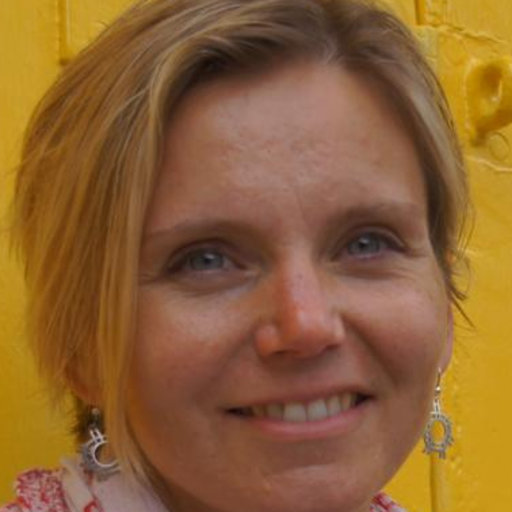
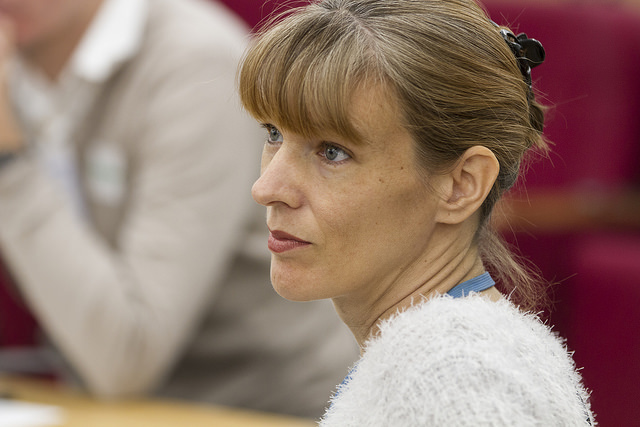
Mila Sell
FoodAfrica is a research and development programme enhancing food security in West and East Africa.
“FoodAfrica has been an extremely interesting and rewarding programme,” said Mila Sell, a senior scientist at the Natural Resources Institute Finland (LUKE). “We have worked directly with people at different levels, from academics, policy makers, through to farmers, and they’ve given us immediate feedback. Through collaboration with these excellent partners, we have witnessed encouraging results. This initiative has definitely increased their knowledge and abilities on sustainable production of healthy and safe food. However, there is still a lot to be done to reach the Zero Hunger Sustainable Development Goal in Africa. The work must continue.”
Funded by the Government of Finland, the FoodAfrica Programme, which works from solid research to effective action, has enhanced sustainable food production, food safety and nutrition, and market access and agricultural extension. The research component of the programme has seen the production of 300 publications and training materials targeting farmers, agricultural extension workers, academia and policy makers. The programme has also enabled 31 people from the six countries to obtain Masters and PhD degrees, highlighting the importance of building national capacity to ensure sustainability of food security.
Among several other activities, the research included learning how to reduce the risk of aflatoxins in crops and milk, increase the profitability of dairy production through improved management and create new methods to improve soil properties. Through improved post-harvest methods, including drying, and using traditional fermenting methods, farmers reduced aflatoxin contamination by 80%. Researchers mapped micronutrients in soils, providing information to policy makers and recommendations for farmers on how to improve the quality of their soils.
“An important achievement of the programme’s work on innovative extension approaches was engaging volunteer farmer trainers to help increase the reach and sustainability of agricultural extension services,” said Dr Steven Franzel, an agricultural economist at the World Agroforestry Centre (ICRAF). “As a result, 85 organisations across four countries adopted the volunteer farmer trainer approach, or modified the approach they were using, in part due to exposure to our research. These organizations’ volunteer farmer trainers, in turn, work with several hundred thousand farmers.”
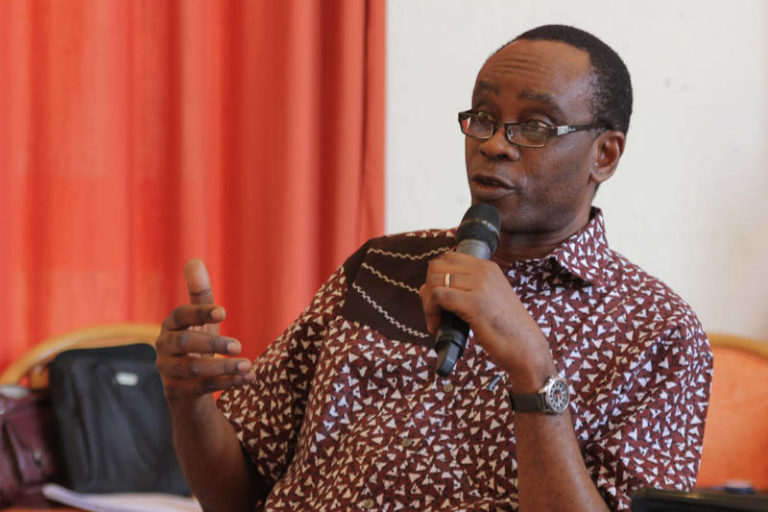
Ahead of the 28th International Poetry Festival of Medellin in Colombia, scheduled for July 14 to 21, 2018 where he will feature, environment activist, poet, architect and director, Health of Mother Earth Foundation (HOMEF), Nnimmo Bassey, explores, in this treatise, the power of poetry, describing poetry, among other expressions, as an expression of life; a condensed expression of reality; the bridge that aids the communication of the soul and the spirit; and, inescapably revolutionary
Nnimmo Bassey, Director of Health of Mother Earth Foundation (HOMEF)
Poetry and song capture our understanding of life and provide us with platforms to express ideas that may otherwise be inexpressible. Poetry represents memory as well as vision. It is the chant as well as the wail. It could come as joyous and exuberant calls, it could also come as a dirge marking the crossing of the slim line between here and there, between life on this plane and life across the river. The poet could be a story teller, the griot, or the prophet. With eyes closed she sees worlds that open-eyed folks are unable to comprehend.
In sum, poetry is an expression of life. Poetry played a central role in the precolonial African community. It still does. However, poetry in the form of song is the dominant format in contemporary society. Dreams are woven and conveyed through poetry. Defiance and censure equally find potent expression in the medium. In other words, poetry can be subversive and rallying cry for change.
As a poet, I have noticed a progression in my relationship between my thoughts, experiences and words. As a young poet, I was drawn to the humour found in rhymes, limericks and the like. Poetry provided an escape route in my struggles to understand the murky terrain of life. It should be said that I grew up in at a time when my country and continent faced serious political struggles. In the mid 1960s my country was embroiled in the Nigeria-Biafra civil war. As a child I was witness to brutality and suffered displacement and the indignities of being a refugee in my own country. Thereafter, the struggle for independence in other parts of Africa utterly radicalised by sensibilities. As all these were going on, Nigeria suffered years of military dictatorship. Add to these, the economic violence visited on Africa by international financial institutions left deep questions. How do you say no in thunder? – to use a phrase from one of the poems the poet Christopher Okigbo (16 August 1932-1967). Okigbo died fighting for the Biafran cause.
I am a son of the soil of the Niger Delta, a region characterised as one of the most polluted places on Earth. Defending and restoring: these are the two key ecological pegs on which the future of this region hangs. Life in the Niger Delta is generally tough and short, with life expectancy stading at 41 years and rating as the lowest in Nigeria. This brevity of breath could be adduced as fuel for art to be directed at action and not merely for pleasure.
The striking of oil in commercial quantities in 1956 and the commencement of extraction at Oloibiri in today’s Bayelsa State in 1958 marked a turning point for the region and the nation. It also marked the beginning of a deep existential struggles.
Aging oil infrastructure and a loosely regulated business environment turned the dream of progress and positive transformation into a nightmare. It has been decades of unending oil spills, gas flaring and dumping of produced water and assorted toxic wastes into the previously pristine environment. The Niger Delta is an environment crying for a Sabbath of rest.
Writing in an essay titled Nature and environmentalism of the poor: eco-poetry from the Niger Delta region of Nigeria, Sule Emmanuel Egya stated, “What is increasingly known as Niger Deltan poetry is a poetry that distinctly identifies itself with the peoples and environment of the Niger Delta region of Nigeria. The poetry of Gabriel Okara, Christian Otobotekere, Tanure Ojaide, Ogaga Ifowodo, …, Ebi Yeibo and others seeks to draw attention to the fate of both humans and non-humans in the face of oil exploration and its negative consequences in the region. The ecocritical imagination informing this poetry is two-pronged: a celebration of the flora and fauna of the region before the advent of exploration, and a combative engagement with institutional powers responsible for destroying the rich environment.” A celebration and a combat, that is an apt summation of the poetry from the despoiled region.
With pollution levels best described as ecocide, the warning words of Ken Saro-Wiwa, in one of the poems he wrote a few months before his execution, ring true:
But while the land is ravaged
And our pure air poisoned
When streams choke with pollution
Silence would be treason
Ken Saro-Wiwa was a consummate poet, essayist, playwright and novelist. He led the Movement for the survival of the Ogoni People (MOSOP) in the epic struggles to halt the despoliation of the Ogoni environment. On November 10, 1995, he and eight Ogoni patriots were martyred following a sham trial on trumped up charges. The literature of the region drips with blood.
The path of crude oil development has indeed been strewn with skeletons and soaked in human blood across the world. The ongoing case in Nigeria is a glaring example. The case of Angola is still fresh in memory. In 1999, as the first barrels of crude oil were shipped from Sudan, so did the war between government forces and those of the Sudanese People’s Liberation Army escalate. When we turn our eyes to the Middle East we see the raw situation of war waged for profit and resource appropriation and control. If this scenario should blossom unchecked, what we experience today will end up being nothing more than a whimper. There appears to be a direct correlation between oil and violence of various kinds. This is glaringly evidenced.
Rather than dull the imagination of artistes, the ecological challenges of the Niger Delta have given birth to significant levels of creativity, often in the mode of oppositional artistic expressions. This could be taken as expected as it is impossible to be silent in the face of atrocious despoliation and exploitation. The burst of outputs in the form of poetry, fiction, song, movies, painting and sculpture attest to this. Works that readily come to mind include those of activist-artists and academics. Besides the pioneers, important poetic calls have come from poets, Tanure Ojaide, Ogaga Ifowodo, Nduka Otiono, Ibiwari Ikiriko, Ebi Yeibo and many others.
Ogaga Ifowodo in his poem, ‘The Deluge’ writes about the Moments lived upon heartbeats of the Delta” uses the images of “liquid gold” to capture the state of the environment and the loss of livelihoods, “…rivers part into oil and water/segregating stream-flow to farm neither fish nor drink.” His collection, The Oil Lamp, has a telling photo of women processing cassava in the heat of a deadly gas flare. Take the short word on Ifowodo’s collection by Ike Okonta, a writer of note, in his own right:
Oil is my curse, oil is our doom. Where are my children? Where is my husband? Ashes and bones, ashes and bones.
“So sings a 90-year-old widow whose husband fell off an oilrig and drowned. The unending carnage in the poet’s native Niger Delta provides a frame with which Ogaga Ifowodo seeks to mine meaning out of the patently absurd. The poems here are fragments out of the deluge. Born of complex and diverse registers, they speak with a voice that is robustly universal yet rooted in local lore. The public idiom of Udje performance poetry sits comfortably with a private and intimate rhetoric to generate a tension that is resolved in a muscular, fighting poetry that startles with lyric tenderness.”
Poetry, a condensed expression of reality closely evokes the power of the song as a means of cultural communication in the Niger Delta. It allows writer and reader to travel together in a journey of discovery as the architecture of pain and anguish is sculpted. Most of the poets in this region have as their base the obnoxious exploitation of natural resources in the region. The write of environmental pollution and also the pains, deaths and sorrow suffered by the peoples. With a few words, they capture the corporate capture of the state and the reign of capital over life.
Without doubt, artistic expressions are products of the interactions of the artiste with his or her physical environment. J. Ushie in an essay titled “Challenges of the Creative Writer in the Niger Delta put it this way:
“…when he wakes up, they are what he sees, when he takes a stroll, they are what he sees, when he stares, they are what he sees. And when he sits to recollect his day’s experience into a poem, a novel, a short story, a play, a biography, a memoir or a letter, they are what he recollects.”
Poetry captures the hopes and dreams of a people. It outlines realities and imaginations. In our contexts, poetry breaks out at birth, at marriage ceremonies and at passage rights of those going ahead before us. It is the punctuation marks of life and also the oil that rolls the wheels of life. Thus, whether at moments of joyful tears and those of angry ones; whether at moments of sorrow and blood, praise or dirges at festivals of funerals, poetry is life. From my experience, poetry is the bridge that aids the communication of the soul and the spirit. In a context of injustice and ruinous communities, poetry is inescapably revolutionary. It demands of the poet to take sides with the oppressed and help all to make sense of the just pathways to a preferred future. Poetry provides the scaffold on which hope is hung.
The Nagoya-Kuala Lumpur Supplementary Protocol on Liability and Redress to the Cartagena Protocol on Biosafety entered into force on Monday, March 5, 2018.
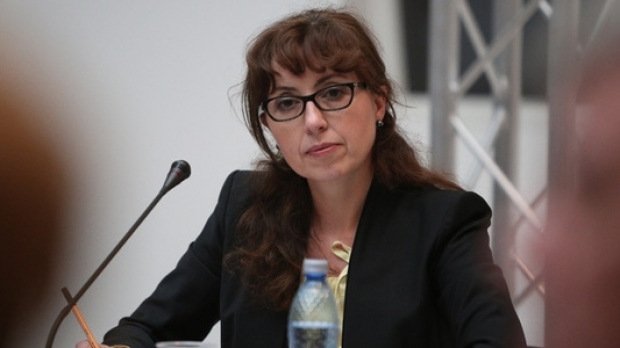
Cristiana Paşca Palmer, Executive Secretary of the Convention on Biological Diversity (CBD). She has urged all Parties to the Biosafety Protocol that have yet to do so, to ratify the Supplementary Protocol as soon as possible
Adopted on October 15, 2010 in Nagoya, Japan, as a supplementary agreement to the Cartagena Protocol, the Supplementary Protocol aims to contribute to the conservation and sustainable use of biodiversity by providing international rules and procedures in the field of liability and redress relating to living modified organisms (LMOs).
An LMO is defined in the Cartagena Protocol on Biosafety as any living organism that possesses a novel combination of genetic material obtained through the use of modern biotechnology.
Considered a groundbreaking international treaty, the Supplementary Protocol requires that response measures are taken in the event of damage resulting from living modified organisms or where there is sufficient likelihood that damage will result if timely response measures are not taken. The Supplementary Protocol also includes provisions in relation to civil liability.
“The entry into force of the Nagoya-Kuala Lumpur Supplementary Protocol represents a milestone in the history of the Cartagena Protocol on Biosafety. The entry into force of this important instrument provides a key piece of the international regulatory regime applying to living modified organisms. It provides practical rules to respond to damage resulting from living modified organisms that find their origin in a transboundary movement and gives effect to the polluter pays principle,” said Mr. Rafael Pacchiano Alamán, Minister of Environment and Natural Resources, Mexico, and President of the 13th meeting of the Conference of the Parties to the Convention on Biological Diversity (CBD).
Dr. Cristiana Paşca Palmer, CBD Executive Secretary, said: “I welcome the entry into force of the Nagoya-Kuala Lumpur Supplementary Protocol on Liability and Redress. The entry into force of the Supplementary Protocol is a major milestone in the 25 years of the Biodiversity Convention, 15 years of the Biosafety Protocol and represents a major step towards achieving the objectives of the Strategic Plan for the Biosafety Protocol.
“I urge all Parties to the Biosafety Protocol yet to do so to ratify the Supplementary Protocol as soon as possible. I also urge Parties to the Biodiversity Convention that have not yet done so to ratify the Biosafety Protocol so that they can also become Parties to the Supplementary Protocol.”
The following Parties have ratified, accepted, approved or acceded to the Supplementary Protocol: Albania, Bulgaria, Burkina Faso, Cambodia, Central African Republic, Congo, Cuba, Czech Republic, Democratic Republic of the Congo, Denmark, Estonia, European Union, Finland, Germany, Guinea- Bissau, Hungary, India, Ireland, Japan, Latvia, Liberia, Lithuania, Luxembourg, Mali, Mexico, Mongolia, Netherlands, Norway, Romania, Slovakia, Slovenia, Spain, Swaziland, Sweden, Switzerland, Syrian Arab Republic, Togo, Uganda, United Arab Emirates, United Kingdom of Great Britain and Northern Ireland, and Viet Nam.
With generous support from the Government of Japan, through the Japan Biodiversity Fund, the CBD Secretariat is organising activities to support Parties in implementing the Supplementary Protocol at the national level, says the CBD.
Opened for signature at the Earth Summit in Rio de Janeiro in 1992, and entering into force in December 1993, the CBD is an international treaty for the conservation of biodiversity, the sustainable use of the components of biodiversity and the equitable sharing of the benefits derived from the use of genetic resources. With 196 Parties so far, the Convention has near universal participation among countries.
The Convention seeks to address all threats to biodiversity and ecosystem services, including threats from climate change, through scientific assessments, the development of tools, incentives and processes, the transfer of technologies and good practices and the full and active involvement of relevant stakeholders including indigenous and local communities, youth, NGOs, women and the business community.
The Cartagena Protocol on Biosafety and the Nagoya Protocol on Access and Benefit Sharing are supplementary agreements to the Convention. The Cartagena Protocol, which entered into force on September 11, 2003, seeks to protect biological diversity from the potential risks posed by living modified organisms resulting from modern biotechnology. To date, 171 Parties have ratified the Cartagena Protocol.
The Nagoya Protocol aims at sharing the benefits arising from the utilisation of genetic resources in a fair and equitable way, including by appropriate access to genetic resources and by appropriate transfer of relevant technologies. It entered into force on October 12, 2014 and to date has been ratified by 105 Parties.
Officials of the Food and Agriculture Organisation (FAO) have commended Nigeria for its strides toward becoming a full-fledged “Reducing emissions from deforestation and forest degradation (REDD+) and forest project nation.
Marieke Sandker, Forestry Officer, FAO
Marieke Sandker, FAO Forest Officer and Forest Reference Level (FRL) Technical Officer in Rome, gave the commendation at a workshop on ‘‘Reference Emission Level, Methodology and Submission’’ in Abuja on Monday, March 5, 2018.
She said participation in REDD+ Forest Reference Emission Level or Forest Reference Level was one of the elements countries needed to develop to partake in REDD+.
‘‘Nigeria and 34 other countries, which include Tanzania, Brazil, Chile, Costa Rica, the Democratic Republic of Congo, Ghana, Guyana, Mexico, Nepal, Mozambique and Ghana, have complied with the dynamic process.’’
Sandker lauded government and non-governmental stakeholders for reviewing the document, which she said had been submitted to the UN-REDD Policy Board (UPB) for further action.
She stated that the document was being examined to determine what inputs to generate the needed level of emission.
The officer noted that the review of the document had become imperative because it would be submitted to the United Nations Framework Convention on Climate Change (UNFCCC) for further deliberation.
Sandker stated that UNFCCC had defined the FREL/FRLs as benchmarks for assessing each country’s performance in implementing REDD+ activities.
The UNFCCC is an international environmental treaty adopted on May 9, 1992 and opened for signature at the Earth Summit in Rio de Janeiro, Brazil from June 3 to 14, 1992.
Mr Jonathan Robberts, Forest Expert, FAO, noted that Nigeria had been pro-active in meeting the country’s obligations to the UNFCCC.
He recalled that the United Nations adopted the Framework Convention on Climate Change in 1992, “with the realisation of the potential dangers of global warming and the consequent socio-economic implications to the whole world.
‘‘The objective of the Convention is to stabilise greenhouse gas concentrations in the atmosphere at a level that would prevent dangerous anthropogenic interference with climate system,” he stated.
He added that, due to the implications of the convention’s decisions, REDD+ had enumerated five eligible activities that developing countries must implement to reduce emissions and enhance removals of greenhouse gases.
The activities include reducing emissions from deforestation, reducing emissions from forest degradation, conservation of forest carbon stocks, sustainable management of forests and enhancement of forest carbon stocks.
Roberts explained that the workshop was working toward submitting a clean note to the UNFCCC.
Mr John Fonweban, FAO Forest officer, REED+ Programme, said that FAO was determined to develop a National Forest Monitoring System (NFMS) capable of measuring the status and evolution of forest resources in compliance with the requirements of the UNFCCC for Nigeria.
He said that the goal of FAO on the programme was to enable Nigeria to contribute to climate change mitigation through improved forest conservation and enhancing sustainable community livelihoods.
Fonweban said the organisation had embarked on this by using Cross River as a demonstration model with the building of a REDD+ mechanism in the state.
‘‘The programme is structured in four outcomes; two at the federal level and two focusing on Cross River State,’’ he said.
He said the workshop was designed to improve the institutional and technical capacity at the national level.
According to him, FAO had supported the Federal Government to develop its REDD+ readiness process by expanding the process initiated at Cross River through a UN-REDD Programme to Nassarawa and Ondo states.
Fonweban disclosed that parts of the readiness funds had been allocated to undertake forest land cover/land use mapping and change detection for the entire country.
He gave assurance that FAO would continue to support the implementation of the activity through a Technical Assistance Agreement signed with the Federal Government.
Stakeholders across the country are expected to generate activity data and create national mosaic for Nigeria.
The Minister of Power, Works and Housing, Mr Babatunde Fashola, on Monday, March 5, 2018 said Africa must intensify efforts at improving transmission grid for renewable energy to be effectively developed on the continent.
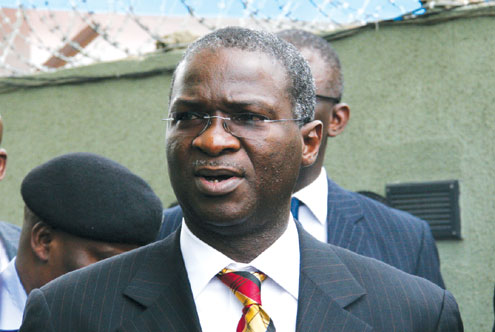
Minister of Power, Works and Housing, Babatunde Raji Fashola (SAN)
The minister spoke at the opening of the Conference on Renewable Energy Development organised by the Centre for Petroleum, Energy Economics and Law (CEPEEL ) of the University of Ibadan, Oyo State.
The theme of the conference is “Developing Renewable Energy in Africa; The interplay of Technology, Economics and Law.’’
Represented by the Director of Renewable and Rural Power Access Department in the ministry, Farouk Yusuf, the minister said Nigeria as a committed member of both the United Nations, African Union and ECOWAS, has adopted several international treaties and policies which promote the use of renewable energy.
This, he said, was in line with the national vision to provide incremental power, and then steady and uninterrupted power.
The minister said that the Federal Government recently approved an integrated energy MIX targets under Electricity Vision 30:30:30 which targets generation of 30 GW in 2030, with 30 per cent from renewable energy sources.
“Africa has trillions standard cubic feet of natural gas reserves, billions of barrels of crude oil reserves and billions of tonnes of coal.
“But Africa has even greater abundance of renewable energy resources. Unfortunately, of the nearly 1.5 billion people estimated to lack electricity supply world over, half live in Africa.
” Nigeria alone is estimated to have over 90 million people living without electricity supply, according to the World Bank,’’ he said.
The minister, who also said that power generation capacity in the country currently is about 7000 MW, added that government was making efforts to complete and inaugurate some renewable energy projects.
He listed the projects to include the 10 MW Katsina wind farm, 30 MW Gurara Hydro Power, 29 MW Dadin Kowa Hydro Power and 40 MW Kashimbilla Hydro Power.
The minister further disclosed that large projects such as the 3050 MW Mambilla Hydro Power and 700 MW Zungeru Hydro power initiatives as well as the 14 Solar IPPs were expected to come on stream.
Gov. Abiola Ajimobi of Oyo State, while declaring the conference open, said Nigeria needs to allocate huge funds to renewable energy development in Africa.
Represented by his Chief of Staff, Gbade Ojo, the governor said African countries must set their minds to improving the level of energy efficiency that would enable the country to meet the Sustainable Development Goals (SDGs).
“Then we must propel our ship to move at full speed in proactive solution for scaling up renewable energy,” he said.
The Vice-Chancellor of the University of Ibadan, Prof. Idowu Olayinka, said that the theme was relevant and critical given the current energy challenges.
“The significance is not just for the town but also for the gown as the university spends very considerable amount of money to ensure stable electricity supply that can support research, training and other activities,’’ he said.
The Director of the centre, Prof. Adeola Adenikinju, said that the provision of energy infrastructure engenders a multidisciplinary perspectives to solve energy challenges.
According to him, a multidisciplinary approach is needed for providing adequate and reliable energy infrastructure.
“The conference has been organised to learn from experiences in tackling energy challenges in the West Africa subregion.
“The conference is also aimed at showcasing the findings on renewable energy from technological, economic and political perspective in the continent,” he said.
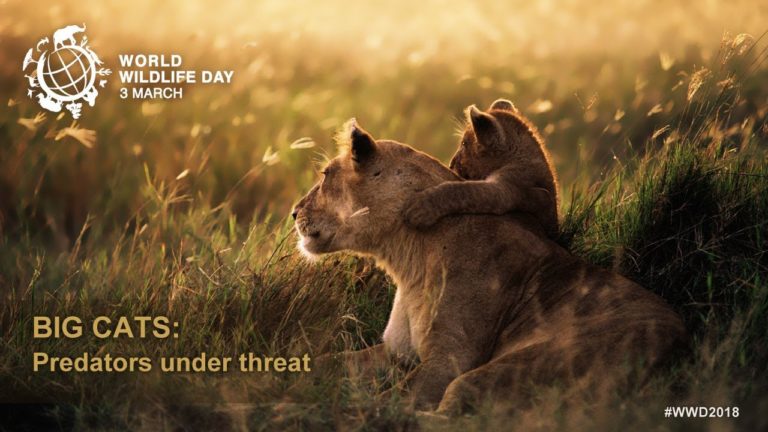
The United Nations’ official video for the World Wildlife Day 2018 that promotes the protection of big cats has gone viral. The one-minute fifty-seconds video mirrors the theme of this year’s celebration, “Big Cats: Predators Under Threat”.
The World Wildlife Day is celebrated each year on March 3 – the original signing date of the Convention on the International Trade of Endangered Wild Fauna and Flora (CITES).
The video shows stunning footage of lions, jaguars, snow leopards, tigers and other cat species in stunning wild landscapes across Africa, Latin America, and Asia as well as the efforts to save these majestic species on the ground.
Cristian Samper, President and CEO of the Wildlife Conservation, said: “The threats facing big cat species found across the globe must be curtailed with strategic and coordinated efforts. The focus on big cats this World Wildlife Day will help raise awareness and spark support for actions to save these majestic species including, lions, tigers, leopards, jaguars, cheetahs, snow leopards and others. We are honored to partner with the United Nations with the release of the World Wildlife Day official video that highlights just how important these species are to what makes our planet astounding and wonderful.”
John E. Scanlon, Secretary-General of CITES, said: “The majestic big cats inspire us with their beauty, their speed, their strength, and their raw energy. But big cats face many threats to their survival in the wild. People have caused these threats to our big cats and people can also choose to resolve them. A crisis can still be averted, if we take action now! As the official facilitator for the global celebration of World Wildlife Day, we are most grateful to WCS for the generous support in the production of this powerful video.”
The UN has translated the video into Chinese, French and Spanish. People around the world have offered to translate it into other non-UN languages.
This Public Service Announcement video (PSA) was widely shared on social media in the run-up to World Wildlife Day. Actor and environmentalist, Leonardo DiCarprio, shared it on his Twitter account. Some TV stations and airlines offered to show it on TV and inflight entertainment system. This is the first time a World Wildlife Day PSA has reached such a wide global audience, says the UN.
Video Credits
The video was written, produced, and edited by World Conservation Society (WCS) Executive Producer, Natalie Cash. WCS Staff Videographer, Jeff Morey, provided motion graphics. Footage came from International Fund for Animal Welfare, Panthera, Biggest and Baddest series, Gryphon Productions, and Shutterstock.
Researchers said they have discovered an HIV antibody that can suppress the virus for nearly six months without additional treatment.
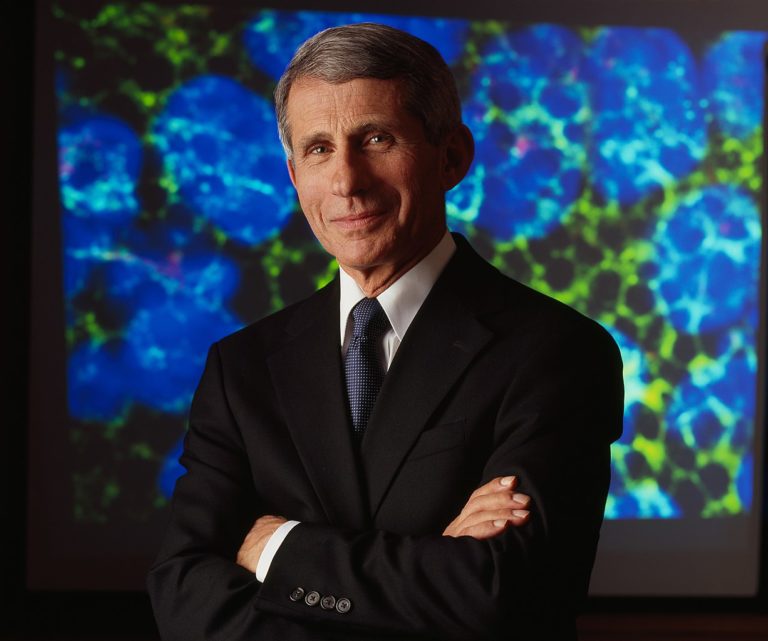
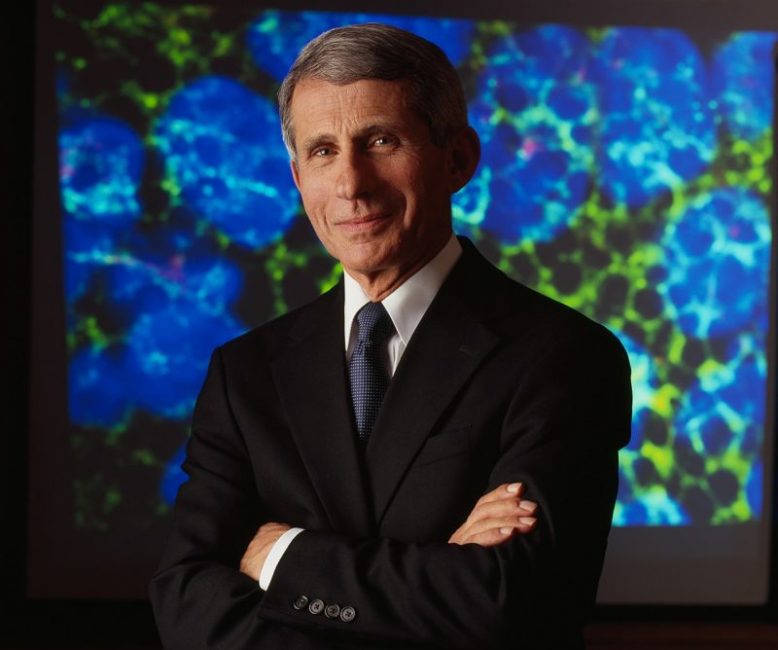
NIAID Director, Anthony Fauci
The new study involved about half of a group of monkeys, infused with a broadly neutralising antibody to HIV combined with an immune stimulatory compound.
The findings, released at the 25th Conference on Retroviruses and Opportunistic Infections in Boston, lend a clue to strategies that attempt to achieve sustained, drug-free viral remission in people living with HIV.
Being supported in part by the U.S. National Institute of Allergy and Infectious Diseases (NIAID), the study may have targeted the viral reservoir, populations of long-lived, latently infected cells that harbour the virus and that lead to resurgent viral replication when suppressive therapy was stopped.
“HIV excels at evading the immune system by hiding out in certain immune cells,” said NIAID Director, Anthony Fauci.
“The virus can be suppressed to very low levels with antiretroviral therapy, but quickly rebounds to high levels if a person stops taking medications as prescribed.”
“The findings from this early stage research offer further evidence that achieving sustained viral remission without daily medication might be possible,” he added.
In the study, scientists from Beth Israel Deaconess Medical Centre infected 44 rhesus macaques with simian human immunodeficiency virus (SHIV), an HIV-like virus commonly used in nonhuman primate studies.
They then initiated daily antiretroviral therapy (ART) during acute infection to suppress the virus to below detectable levels in the monkey’s blood.
After a 96-week treatment, researchers divided the monkeys into four equal groups and continued to administer ART for 16 additional weeks, with an aim to determine whether the combination of HIV antibody and immune stimulant could reduce the viral reservoir while virus replication was well controlled by the ART.
After discontinuation of ART, the virus rebounded in the blood of all 11 monkeys that neither received HIV antibodies or immune stimulant after a median of 21 days.
The experts also said six of 11 monkeys that received the therapy combination showed a delayed viral rebound after a median of 112 days, and five others of the 11 did not rebound for at least 168 days.
“Our findings suggest that the development of interventions to activate and eliminate a fraction of the viral reservoir might be possible,” said Dan Barouch, principal investigator of the study.
The researchers said compared with the antiretroviral therapy which needs to be taken daily, antibodies to HIV tend to last longer in the body and have shown promise for longer-acting HIV therapeutics and prevention modalities.
The African Development Bank (AfDB) Group has joined the international community to commemorate World Wildlife Day on Saturday, March 3, 2018. AfDB’s Director of Climate Change and Green Growth, Anthony Nyong, speaks on what the institution is doing to protect one of the continent’s most precious resources – its wildlife. Excerpts:
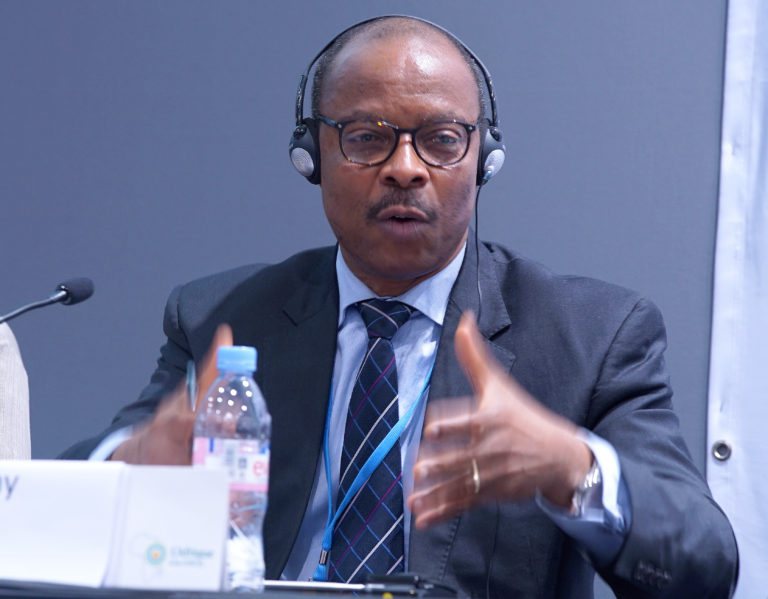
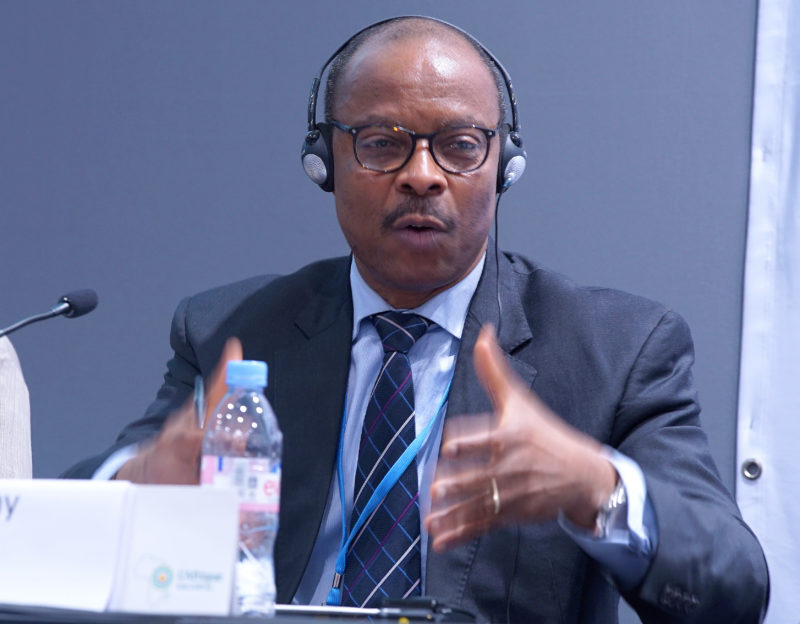
Dr. Anthony Nyong, Director, Climate Change and Green Growth, African Development Bank (AfDB)
The AfDB and the World Wide Fund for Nature (WWF) have partnered since 2011 on issues such as climate adaptation, mitigation, biodiversity and ecosystems. In what way has the bank concretely benefited from this partnership?
Combating illegal wildlife trafficking is important to the AfDB. Illegal wildlife trafficking undermines legal trade, deprives many governments of revenues and taxes and threatens national and regional stabilities. The degree and extent of violence perpetrated by the criminal networks that run the trade threatens peace and the rule of law and undermines Africa’s potential for development. In many African countries wildlife tourism plays a very important role in local and national economies and a decline in wildlife numbers threatens not only the livelihoods of vulnerable communities who are dependent on this sector but also the sustainability of national economies.
Wildlife trafficking impedes efforts by African governments to halt other illicit trades, such as arms and drugs. It fuels organised crime, corruption, undermines the rule of law and compromises regional security. The AfDB calls for global support to end this criminal menace not just in Africa but all over the world.
The threat that illicit wildlife trafficking posed to the development achievements that Africa has made in the last few decades, led the AfDB in partnership with WWF to organise a high-level side event at its Annual Meetings in 2013. The event brought together key players – including professional organisations and policy-makers – to adopt the Marrakech Declaration that supports actions to build a global consensus on and strengthen wildlife protection; penalise wildlife crime to the full extent of the law; and curb demand.
Recently, the AfDB has partnered with WWF and other institutions to develop and launch the Africa Hub to support African countries to successfully implement their Nationally Determined Contributions (NDCs) to the Paris Agreement. The implementation of these NDCs is critical in ensuring that the African continent joins the rest of the world on a low-carbon and climate-resilient development trajectory.
The AfDB and WWF have benefitted from this partnership as the bank has been able to access WWF’s networks to draw global attention to Africa’s issues. Overall, the partnership with WWF is a proof that the AfDB appreciates the value that non-governmental organisations bring to the table and that the bank is committed to working with these organisations to achieve common goals.
The bank’s work is intimately linked to management of natural resources, such as forests, building resilience and adaptation to climate change impacts, as well as how to help value and protect Africa’s incomparable natural and biodiversity heritage. What are the major achievements within the framework of this partnership?
The AfDB’s partnership with WWF has specifically placed environmental protection and climate change as critical elements for sustainable development in Africa. In 2012, the AfDB and WWF produced the Africa Ecological Footprint Report that drew attention to the rapidly declining stock of Africa’s natural resources. This was a wakeup call to Africa’s leadership to adopt a more sustainable growth pathway. That report contributed immensely to the development of the AfDB’s Ten-Year Strategy with its twin objectives of inclusive and green growth.
Not satisfied with just presenting the state of Africa’s ecological footprint, the two organisations got together in 2015 to produce the Africa Ecological Futures Report that provided a roadmap to how Africa can sustainably harness its ecological resources to achieve sustainable development. The AfDB and WWF are currently working together to develop the second phase of the Africa’s Ecological Future Report this year.
The AfDB has also partnered with WWF to address issues of sustainability in the implementation of our projects through the China-Africa Environmental Sustainability Programme where Chinese investors and contractors have adopted the AfDB’s safeguards policies to guide their operation in Africa. The success of this programme has fueled the development of similar initiatives in other regions.
Climate change and poaching are among the most alarming challenges faced by Africa’s wildlife today. How does the bank work with African governments to fight poaching and trafficking of wildlife, currently the most immediate threat to many species?
The AfDB’s Integrated Safeguard System adopted in 2013 gives a special attention to the major threats to biodiversity and ecosystem services, including natural habitat loss, the capturing of wild animals and wildlife poaching. To complement the bank’s Integrated Safeguards System (ISS), the bank has also developed a comprehensive Climate Safeguards System (CSS) that provides the bank with decision-making tools to screen all its projects for climate risks and provide recommendations for adaptation measures to be included into each project.
Through this process, the AfDB ensures that all its forestry projects contribute to wildlife protection, through a well-thought management plan that takes into consideration the principles of Sustainable Forest Management. The AfDB identifies Sustainable Forest Management as an integrated framework which can be used to assist with both adaptation and mitigation in the Forestry Sector, particularly in addressing wildlife poaching and trafficking, as well as animal pests and diseases.
The bank has created awareness and sensitised African leaders on the dangers of poaching, and has provided resources to strengthen wildlife protection in some African countries.
To what extent has the bank’s partnership with the WWF helped to transition Africa towards green, eco-friendly, economic growth?
The AfDB’s investments aim at supporting Africa’s transition to green growth. WWF has provided substantial support in this aspect. For instance, WWF and the bank jointly supported the development of Mozambique’s green economy strategy that is poised to set the country as a leader in the transition to a green economy.
The AfDB and WWF have jointly organised several capacity-building programmes for the bank’s regional member countries on the opportunities and pathways for a green economy. In partnership with WWF, the AfDB is developing knowledge products that inform the transition of African countries to green growth.
Green growth is a cross-cutting issue within the bank. The recent establishment of the Climate Change and Green Growth Directorate constitutes an important step towards scaling up Africa’s transition to green growth. The Climate Change and Green Growth Department is working internally with other relevant departments and with external partners such WWF to promote actions towards achieving green growth in Africa, including biodiversity protection. The Bank is strengthening its partnership with WWF, with the view to ensuring that Africa takes full advantage of its huge natural capital to develop in a more sustainable way.
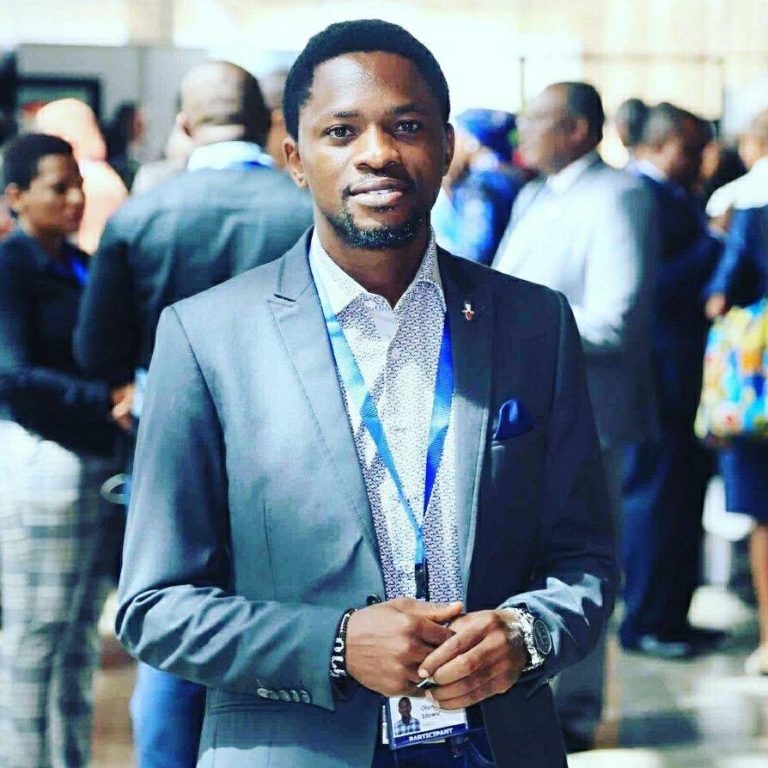
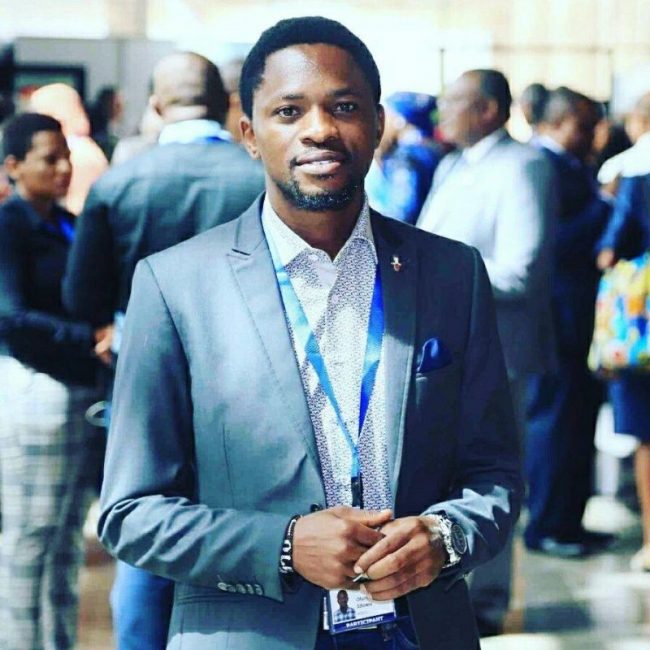
Social media and communications functions during the upcoming forum on “Building and Strengthening Accountability in African Health Systems” conference will be handled by Nigerian youth campaigner and digital media expert, Olumide Idowu.
The conference aims to galvanise greater accountability and push governments and health professions to deliver by:
calling for commitments and actions by all political and government actors and other leaders in the healthcare sector to enact and enforce a standard regulatory system that facilitates and ensures true accountability in the health system;
placing ethical standards at the centre of the quality of care offering;
creating greater awareness in the public of their inherent human right to health and along with that, the right they have to hold health officials and practitioners, at all levels, accountable.
Following the opening panel discussion, three thematic sessions will be held on themes of accountability:
Defining the accountability framework necessary to achieve SDG 3 in Africa;
Examining how data, research and development engender greater, stronger, long-lasting accountability systems and mechanisms in health in African nations; and
Establishing appropriate remedies and other accountability mechanisms to ensure proper functioning of a healthcare system.
Idowu has over 10 years’ working experience on social media, environment, climate change, monitoring & evaluation and sustainable development issues.
A youth climate change policy expert and trainer, he has represented Nigeria and Africa at over 10 high-level global governance meetings on sustainable development.
He is co-founder of Climate Wednesday, a not-for-profit outfit that seeks to identify key climate-based issues affecting developments in Nigeria in particular and Africa in general.
Besides leading the youth advocacy efforts on environment, climate change and sustainable development in Africa, Idowu serves as Senior Communication Officer for African Youth Initiative on Climate Change, and Technical Assistant to Save the Children Nigeria on advocacy and campaign.
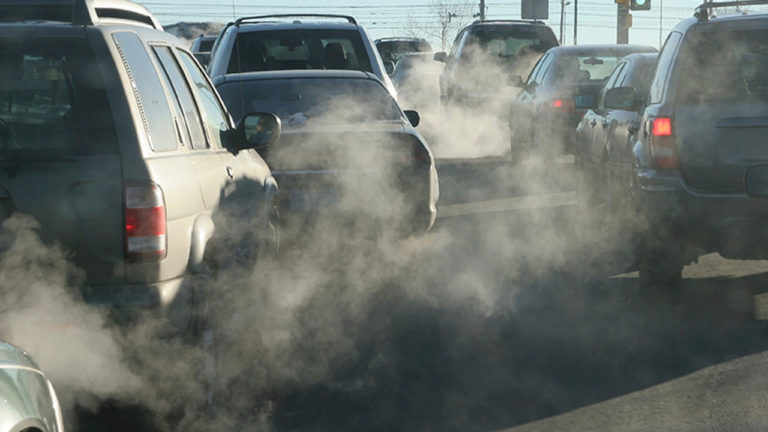
Strategies to promote the import of cleaner, more fuel efficient vehicles while developing a roadmap for clean mobility on the continent are expected to be devised as stakeholders gather from Monday, March 12 to Friday, March 16, 2018 for the Africa Clean Mobility Week.
Vehicular pollution
At the weeklong event scheduled to hold in Nairobi, Kenya, tools to assess fuel economy policy impacts will be disseminated, and examples of regional and international experiences in implementing fuel economy policies shared.
As the world has commenced a shift to low and no emissions transport, Africa’s role is believed to be crucial, both to meet the targets of the Paris Climate Agreement and to address the increasing air pollution in cities.
According to the UN Environment, African countries have among the highest urbanisation and vehicles fleet growth rates in the world. African countries and cities are said to be introducing new mobility plans that combine increased public transport and active transport – walking and cycling – with cleaner vehicles.
“So now is the time to put in place policies and incentives that will see African countries and cities leapfrog to affordable clean mobility,” says Rob de Jong, Head, Air Quality and Mobility Unit at the UN Environment.
In 2014 African Ministers and experts met in Nairobi, Kenya to develop a sustainable transport roadmap for Africa during the African Sustainable Transport Forum. Governments, private sector and civil society are meeting at the Africa Clean Mobility Week to build on this and develop a road map for Africa and African countries to move to cleaner mobility.
The meeting, adds de Jong, will look at issues such as cleaner vehicles standards, the introduction of electric vehicles in Africa, used vehicles imports, new approaches to introducing shared transport models, and sharing of good experiences and case studies from within and outside of the region.
Content of the week’s discussions include:
Barriers and opportunities to leapfrogging to electric motorcycles, electric vehicles and electric buses.
Mechanisms to regulate import of cleaner used vehicles.
South-South cooperation on sustainable transport management will be promoted as well as the role of media in supporting a sustainable transport agenda.
Case studies of inclusive transport programmes mainly through investment in non-motorised transport and public transport infrastructure will be shared.