25.3 C
Lagos
Thursday, January 1, 2026
Home Blog Page 1850

Paris Agreement: Nigeria moving in right direction, says group

0

In its Global Spotlight Project for March 2018, Climate Scorecard has given Nigeria a pass mark, saying that the West African nation “is moving in the right direction but needs to do more” towards the realisation of the Paris Agreement.

Peter Tarfa
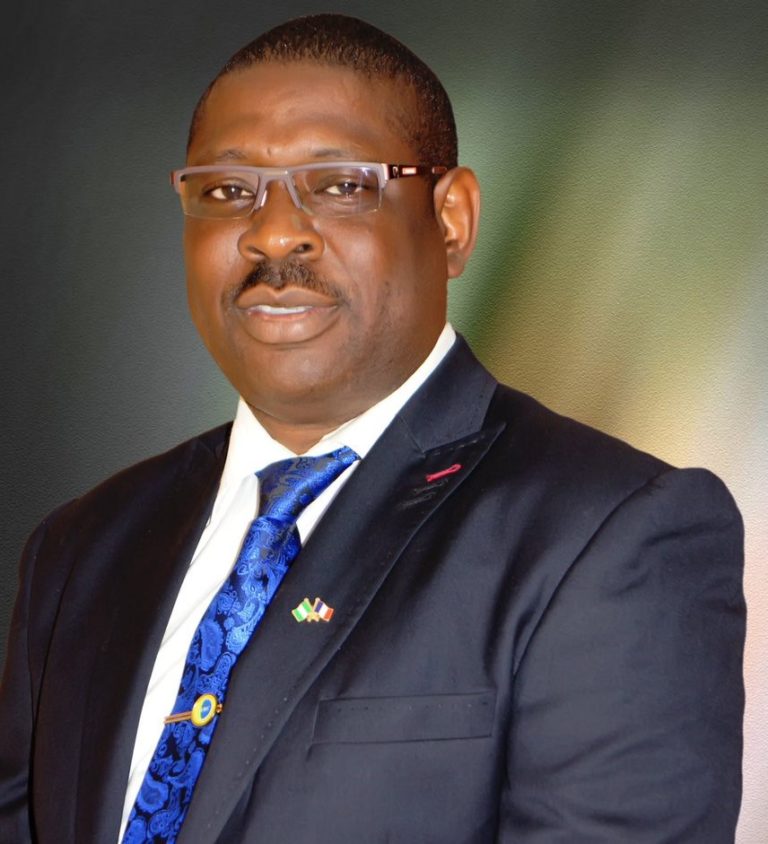
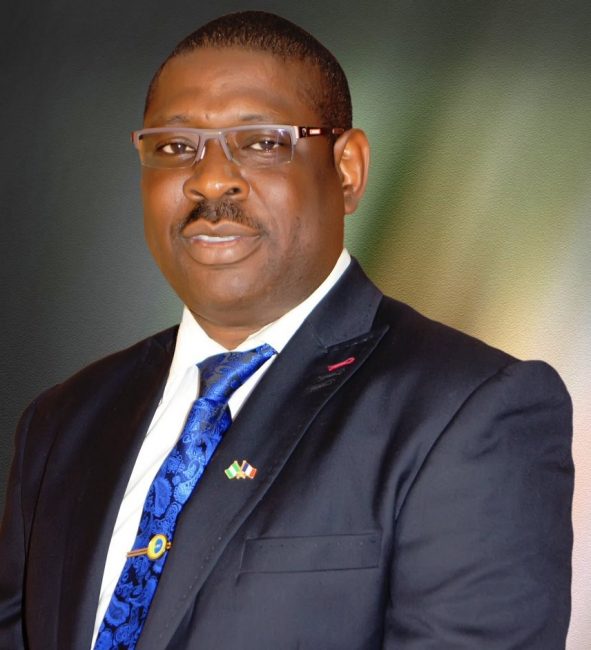
Dr Peter Tarfa, Director, Department of Climate Change in the Federal Ministry of Environment

Also called the Paris climate accord, the Paris Agreement is an agreement within the United Nations Framework Convention on Climate Change (UNFCCC) dealing with greenhouse gas emissions mitigation, adaptation and finance starting in the year 2020. The agreement sets out a global action plan to put the world on track to avoid dangerous climate change by limiting global warming to well below 2°C.

Nigeria’s recent issuance of the Soveriegn Green Bond (or Climate Bond) appears to have influenced its three-star rating in the monthly assessment of 20 countries (including the EU) with high emission levels.

Other ratings include: four-star – Moving forward to combat climate change and support the Paris Agreement; two-star – the country is Standing Still; and one-star – the country is falling behind in its climate change efforts.

According to Climate Scorcard, the Green Bond Fund has the potential to move the country forward in fulfilling its Paris Agreement pledge, but that other steps need to be taken in order for the potential to be fully realised.

On Thursday, December 14, 2017 at the Nigeria Green Bond Investors Forum in Abuja, Patience Oniha, the Director-General, Debt Management Office (DMO), said that the Federal Government planned to issue N10.6 billion green bonds to finance renewable energy projects to protect the environment.

Climate Scorcard, however, warned that the Green Bond initiative needs to establish transparency and accountability for its efforts, adding that the Government needs to strengthen its communications about the programme so that all Nigerian citizens, especially businesses, know about it. The group adds that the Nigerian government should ensure that the bonds are utilised by renewable energy and other types of green businesses.

Out of the 20 nations assessed, only Italy got a four-star rating, ostensibly for its National Energy Strategy, which was approved last November.

Sixteen nations (including Nigeria) got three-star ratings, while three got one-star assessments. No country or region got a two-star rating.

The countries include: Australia, Germany, India (one-star), Australia, Brazil, Canada, China, Eurpean Union, France, Indonesia, Iran, Japan, Russia, South Korea, Nigeria, Thailand, Turkey, United Kingdom, United States (three-star) and Italy (four-star).

According to Climate Scorecard, the monthly Global Summary Reports are intended to be of use to those concerned about climate change and the success of the Paris Agreement, pointing out that it provides links to spotlight reports on activities in leading greenhouse gas emitting countries in relation to climate change mitigation and/or adaptation.


Lagos targets 20,000 homes by 2020

0

The Lagos State Government is targeting 20,000 housing units by the year 2020 as part of its multifaceted approach to confront the three million housing deficit in the state.

Estate
Observers say Nigeria’s housing deficit is far in excess of 17 million. Photo credit: lagos.all.biz

The state Commissioner for Housing, Mr Gbolahan Lawal, made this known during an inspection tour to Odo-Onosa/Odo Ayandelu Housing project in Agbowa, Ikorodu, Lagos on Sunday, March 11, 2018.

The commissioner said that a recent survey indicated that the state’s  youth population was about 65 per cent, hence the need for government to expedite action on its affordable mass home ownership drive.

“Our target is to bridge the housing deficit by working with the private sector.

“We have a focus and an initiative that we call the Lagos Affordable Public Housing to achieve 20,000 housing units by the year 2020; we are working with the private sector to achieve this,” he said.

Lawal said that under the scheme, government had created the enabling environment and also provided land as part of its equity contributions.

“We are presently working with 10 private developers and they have started 4,404 housing units and more developers are still coming.

“We want to see how we can close the existing three million gap, and as we are taking care of the supply side, we are also focusing on the demand side looking at the housing finance system.

“There are so many models that we are working with that can make many Lagosians to have a shelter that they can call their own,” the commissioner said.

According to him, the Odo-Onosa/Odo Ayandelu Housing Scheme under the state’s Rent-to-Own Scheme has 660 housing units in one, two and three bedrooms apartments and were 65 per cent completed.

He explained that more than 70 per cent of the materials used for the construction were locally sourced and 34 local contractors were engaged in the project.

“Our concern for the contractors is for them to move to sites quickly and we still have to pay some of them; We will find a way of expediting their payment.

“Percentage completion is between 60 and 65, all things being equal, we should target completion before the beginning of the fourth quarter which is between October to December 2018,” he said.

He instructed the ministry officials to pay off debts owed to contractors who showed commitment and dedication to complete the project.

The News Agency of Nigeria (NAN) recalls that Lagos State Government, through the Ministry of Housing, launched the Rent-To-Own and Rental Housing Policy on Dec. 8, 2016.

The scheme targets the low and medium income earners in both the formal and informal sectors.

Under the arrangement, payment for the housing units are staggered and tenants are allowed to live on the property while paying towards ownership as a fixed rent within the period of 10 years.

By Grace Alegba and Oku Offiong

Campaign flays tobacco giants for advertising to kids near schools

0

The Campaign for Tobacco-Free Kids is launching a new global campaign to stop the world’s largest tobacco companies from targeting kids near schools in country after country around the world.

Cigarette-smoking
According to scientists, tobacco smoking is dangerous to health

Launched On Friday, March 9, 2018, “Big Tobacco, Tiny Targets” takes aim at Philip Morris International, British American Tobacco and other tobacco companies whose products are being systematically promoted and routinely sold to kids around schools, playgrounds and places frequented by young people.

Through crowdsourcing technology and social media, the campaign empowers citizens across the world to help document tobacco marketing that targets kids. With just a mobile phone, citizens in any country can take a photo of tobacco advertising near schools, playgrounds and other kid-friendly venues and upload the data to the campaign hub. The information collected will be used to warn governments and spur them to ban all tobacco marketing.

The campaign launch follows an investigative report by The Guardian which exposed how Philip Morris, British American Tobacco, Japan Tobacco and Imperial Tobacco are aggressively marketing cigarettes and other tobacco products near primary and secondary schools in more than 22 countries. Based on data collected by researchers at Johns Hopkins University and non-governmental organisations, the story shines a spotlight on a key tactic tobacco companies use to target children, particularly in low- and middle-income countries.

According to The Guardian, “School children around the world are being exposed on a daily basis to cigarette advertising and promotions by a tobacco industry that needs to recruit the young to maintain its vast profits.”

The industry’s tactics are similar in countries spanning the globe. They include large advertisements, promotions for cheap and even free tobacco products, and high-visibility product placements by stores, street vendors, kiosks and other retailers surrounding schools. Tobacco products, advertisements and branding are often visible from inside schools or right outside school entrances, making it impossible for kids to avoid them.

“The consistent presence of Philip Morris and British American Tobacco brands prominently displayed and sold next to elementary schools, in country after country, cannot be a coincidence. This is clear evidence that these giant tobacco companies are targeting young children near their schools, often in poor countries where laws are weak and the companies think they can get away with this despicable behavior,” said Matthew L. Myers, President of the Campaign for Tobacco-Free Kids. “These companies’ actions show why they can’t be taken seriously when they claim to be responsible entities that are helping to solve the tobacco problem. The targeting of kids near schools leaves no doubt that they’re the main cause of the problem, not the solution.”

“Through our new campaign, concerned individuals around the world can take action and shine a light on this tactic by Big Tobacco so that governments, advocates and consumers can stop this deadly activity,” Myers added.

“Across several countries, our research found similar patterns of tobacco advertisements around schools and places frequented by young people,” said Dr. Joanna Cohen, Director of the Institute for Global Tobacco Control at Johns Hopkins University. “The findings of these reports demonstrate both the magnitude of this problem and the need for strict laws that ban tobacco advertising.”

Borno resuscitates poultry, fisheries, livestock production

0

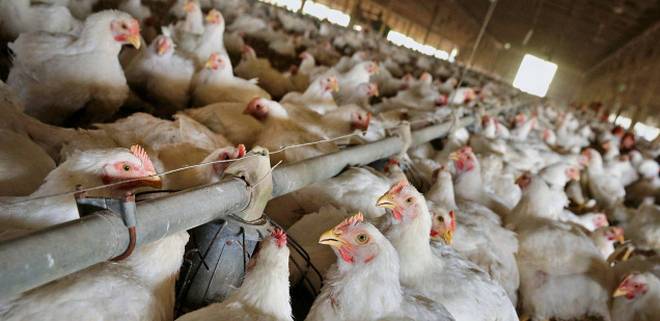
The Borno State Government says it has resuscitated the dormant poultry unit in the state and improved both livestock and fisheries production.

Poultry
Poultry farming

The state’s Commissioner for Agriculture, Alhaji Muhammad Dili, made the disclosure on Saturday, March 10, 2018 at the Zero Hunger Nigeria Forum in Maiduguri, the state capital.

He noted that Gov. Kashim Shettima had initiated various farmer support programmes to transform agriculture, enhance food security and provide means of livelihood for displaced persons.

“He has promoted livestock, fisheries production and resuscitation of the dormant poultry production units.

“He has consistently provided farm inputs such as fertilisers, agrochemicals, seedlings, economic trees at no cost except fertilisers which farmers procure at 70 per cent subsidy.

“To reinvigorate the famous wheat production which Borno State is known for, he embarked on procurement of agricultural equipment such as tractors, combined harvesters, thrashers and mills.

“This is to ensure food sufficiency, remove drudgery in farming to attract young men and women, enhance economic status of farmers and work towards the Zero Hunger Goal.”

He revealed that 40,000 birds and goats were also distributed to women farmers displaced by Boko Haram insurgency to encourage poultry and livestock production.

By Rabiu Sani

Boosting climate technology innovation through entrepreneurship

0

Experts from around the world are gathering on Wednesday, March 14, 2018 at the UN in Bonn, Germany to discuss how to drive forward climate action by accelerating support for entrepreneurs who develop innovative new climate technologies.

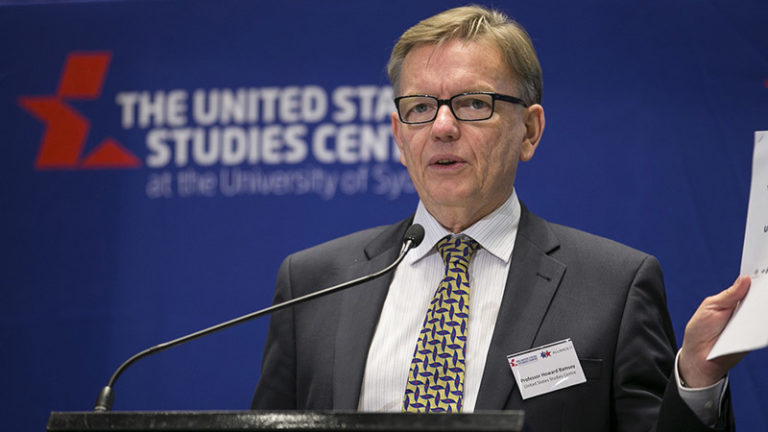
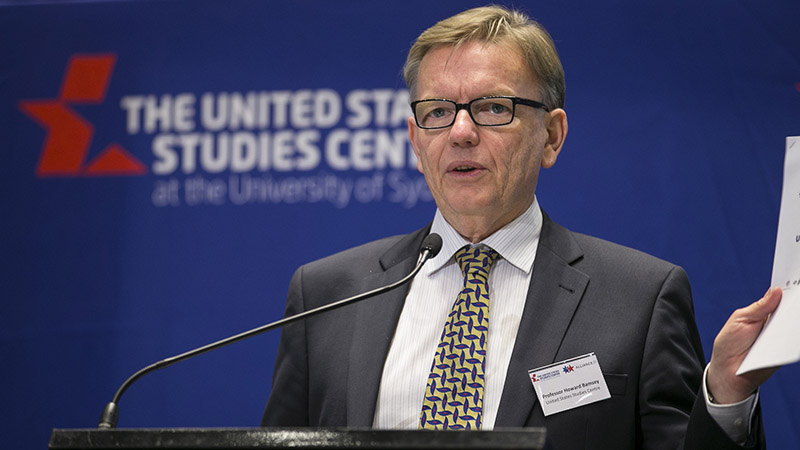
Howard Bamsey
Executive Director, Green Climate Fund (GCF), Howard Bamsey

Such technologies range from systems to grow plants without soil to the provision of sustainable energy in rural areas and are part of the global efforts to achieve the goals of the Paris Climate Change Agreement, which is to limit the global average temperature to as close as possible to 1.5 degrees Celsius.

Organised by the Technology Executive Committee (TEC), the Green Climate Fund (GCF) and the Climate Technology Centre and Network (CTCN), the interactive meeting will explore how to strengthen climate technology incubators and accelerators notably in developing countries.


Incubators and Accelerators Can Be Bridge to Survival for Companies

Incubators and accelerators are “innovation labs” that support startups and entrepreneurs in different development stages of technology products or concepts. They are more than just co-working spaces to test ideas, as they have experts and mentors helping fellows develop their projects to a greater maturity by providing them with training, guidance and networking.

They also guide fellows with partnerships, business models and fundraising. Incubators can be important bridges between small innovative projects and their survival and success, and thus play an important role in supporting new low-carbon and climate-resilient technologies.


International Experts from Key Climate Action Institutions Will Gather in Bonn

A number of experts with experience on the ground will be present to share their views, including representatives and entrepreneurs from Chile, Ghana, India, Thailand, the World Bank Group, and the EU’s Climate-KIC. Their views will help to inform the Green Climate Fund as it develops a request for proposals on climate technology incubators and accelerators for consideration by the GCF Board.

The TEC and the CTCN are technology experts, helping to inform the GCF on key technology issues as the GCF explores how to support countries with financing to address these issues. The joint organisation by these bodies is said to highlight a new level of collaboration and linkage between the Technology Mechanism and the Financial Mechanism.

NASRDA calls for policy, planning on air quality

1

The National Space Research and Development Agency (NASRDA) has stressed the need for policy and planning on air quality to safeguard citizens from harmful effects of air pollutants.

Babatunde Rabiu
Prof. Babatunde Rabiu, the Director, Centre for Atmospheric Research

Prof. Babatunde Rabiu, the Director, Centre for Atmospheric Research (CAR) in Anyigba, Kogi State, one of the centres under NASRDA, told the News Agency of Nigeria (NAN) in Abuja on Saturday, March 10, 2018.

Rabiu said the country lacked reference information for appropriate air quality policy and planning.

He said that it was therefore imperative to create awareness on air quality intake by citizens for effective healthcare.

He said that, in Nigeria, explosive population growth and its attendant rural-to-urban migration, industrial expansions had led to excessive emission of wide range of air pollutants into the atmospheric environment.

“The rise in population in the West African sub-region has contributed to increase of anthropogenic emissions of air pollutants and has made the air unsafe,’’ he said.

Anthropogenic emissions are the main sources of greenhouse gases resulting from human activities which include burning of fossil fuel and deforestation leading to higher carbon dioxide concentrations in the air.

Rabiu decried that the massive economic, population growth and urbanisation were expected to lead to a tripling of anthropogenic emissions in southern part of West Africa between 2000 and 2030.

He said that the emissions impact on human health, ecosystems, food security and the entire climate within the region was increasing at a very dangerous proportion.

The director said that some of the emissions into the atmospheric environment include Particulate Matters (PMs) from vehicle exhausts, Sulphur Dioxide (SO2), Nitroxide (NOx) and Carbon Monoxide (CO).

“NOx and SO2 are known to increase susceptibility to respiratory infections among children and elderly and also increase airway responsiveness in asthmatic individuals.

“CO is known to cause tissue hypoxia thereby reducing the blood capacity to transfer oxygen. (Hypoxia is the deficiency in the amount of oxygen reaching the tissues).

“In the long run, continuous exposures to these air pollutant concentrations lead to respiratory and cardiovascular morbidity, and eventually, increased mortality rate.”

Rabiu said the centre was therefore preparing to hold air quality workshop on sustainable research capacity to sensitise the populace on its importance to human development.

He said that because of the lack of appropriate air quality policy and planning, it was necessary to engage in sensitisation through the workshop.

“The first National Air Quality Workshop aims at analysing the present air quality scenario in Nigeria by bringing together researchers and policymakers from all professional cadres working on different aspects of Air Quality issues.

“Gathering expertise from a wide spectrum of interest, CAR hopes to chart a sustainable National Air Quality Observation Network.

“The centre is doing this by ensuring sustainable research capacity in the field of air quality monitoring and health impact assessment, providing capacity building for personnel in the field of air quality management.

“It will also develop an effective information flow between empirical results and the general populace,” he said.

The workshop is expected to hold from March 13 to March 16 with the theme as “Air Quality Research and Sustainable Development: The Nexus, Prospects and Challenges”.

The workshop will address sub-themes which include Atmospheric Aerosol Monitoring and Chemical Characterisation, and Air Pollution: Observational Techniques, Modeling and National Air Quality Index.

Other sub-themes are Nuclear Analytical and Wet Chemistry Techniques in air Quality Studies and Air quality: Legislation and Advocacy, among other topics.

By Ijeoma Ndubisi

Lagos land charge: Government is toying with lives, businesses – OPS

0

“Government is toying with people’s lives and survival of businesses. Things are pretty hard, and perhaps because you are on the other side, you do not know.

“Businesses are barely surviving. The income of Nigerians in the past five years, salaries and rental income alike, has been bastardised by inflation rate.

“We learnt that since the law was passed, many property owners had developed hypertension because the assessed value of property has also been reviewed upwardly by over 500 per cent.”

Akinyemi Ashade
Akinyemi Ashade, Lagos State Commissioner for Finance

Those were the vivid words of Timothy Olawale, a representative of the Organised Private Sector (OPS), on Friday, March 9, 2018 in reference to the reveiwed Lagos land use charges.

He spoke at a stakeholders forum on the Land Use Charge Law organised by Lagos Chamber of Commerce and Industry (LCCI), saying the controversial legislation failed to meet basic legislative procedure before it was ratified by the Lagos House of Assembly because the lawmakers ignored public outcry against it.

According to him, members of the OPS were given less than five minutes to express their concerns during the public hearing on the review of the law.

His words: “The heaŕing was like a premeditated arrangement; the lawmakers failed to take into account public outcry against the review given the effect it would have on property owners, going by depreciation and devaluation of naira.

“We wrote a letter as a follow up to the public hearing stating our position, still it was ignored,” he said.

The OPS said that the citizens should not be held liable for government’s negligence to review the law every five years as stated in the provision of the law.

The OPS said that, government’s failure to review the law in the past 15 years notwithstanding, any increase above 100 per cent was unacceptable.

The OPS comprises the Manufacturers Association of Nigeria (MAN), Nigeria Employers’ Consultative Association (NECA), and Nigerian Association of Chambers of Commerce, Industry, Mines and Agriculture (NACCIMA).

Others are: National Association of Small and Medium Scale Enterprises (NASME) and National Association of Small Scale Industries (NASSI).

The Lagos State Government recently repealed its 2001 Land Use Charge Law, and replaced it with a new Land Use Charge Law, 2018.

The State House of Assembly had passed the bill on Jan. 29, while the Governor signed it into law on Feb. 8.

Also commenting, Dr Dotun Bamigbola, Vice President, Nigerian Institution of Estate Surveyors and Valuers (NIESV), recommended upward review of Relief Rate to accommodate provision for maintenance cost and other outgoing.

He noted that most owners could only pay from property income, and proposed that charge rate should take cognisance of rental trend which in most locations was stagnant or going southward.

Earlier, Mr Akinyemi Ashade, Lagos State Commissioner for Finance, said that the law would entrench a regime of self assessment that allows property owners to make their own calculation and know their rate with the help of professional valuers.

Ashade said that various reliefs had been made available to payers, including a general 40 percent relief for all property liable to LUC payment.

The News Agency of Nigeria (NAN) reports that the stakeholders erupted in uproar of displeasure several times during the commissioner’s presentation while some stormed out of the conference hall.

The LCCI spokesperson, Segun Alabi, on several occasions entreated the stakeholders to maintain decorum while the forum lasted.

By Oluwafunke Ishola

Scientists urge Africa to develop laws on green growth

0

Scientists on Friday, March 9, 2018 called on African governments to develop laws to safeguard the development and management of green growth in the continent.

Nicholas Ozor
Nicholas Ozor, Executive Director of African Technology Policy Studies Network (ATPS)

Nicholas Ozor, Executive Director of African Technology Policy Studies Network (ATPS), noted that green growth had a potential impact toward the improvement of economies of most African countries.

“This potential is unlikely to be tapped in the absence of laws that are capable of protecting the new sub sector,” Ozor said during a workshop on Governing Inclusive Green Economy in Africa.

Ozor observed that green growth had significant potential for delivering inclusive economic development in the continent hence the need to put in place policies and strategies to harness the potentiality.

“The laws will help guard and also create awareness on the dynamics of this potentially paradigm-shifting phenomenon that is helping reduce the effects of climate change globally,” he added.

Ozor called on the governments to create an interdisciplinary approach to identify and help create awareness in creating sustainable growth.

Scientists said many African countries have started to embrace the concept of green growth, prompted by a combination of factors, including national circumstances and the encouragement of international development partners.

According to scientists, countries such as Rwanda, Ethiopia, Kenya and South Africa have sketched ambitious plans to jump to green, sustainable economies.

Chukwumerije Okereke, professor of environment and development at the University of Reading in Britain, said green growth would help not only globally but all developing countries in Africa by enhancing livelihood of the people.

“There is need to form partnerships to come up with innovative research agenda for the continent,” he added.

Okereke said that governments must start developing policies, generate academic literature and engage the private sector.

“Governments must begin to tap funds from development partners and international bodies to fund green growth activities in the continent in an organised manner,” he said.

Environment ministry inaugurates boards of parastatals, agencies

0

The Federal Ministry of Environment on Friday, March 9, 2018 in Abuja inaugurated boards of parastatals and agencies under it as part of initiatives to enhance performance.

FME
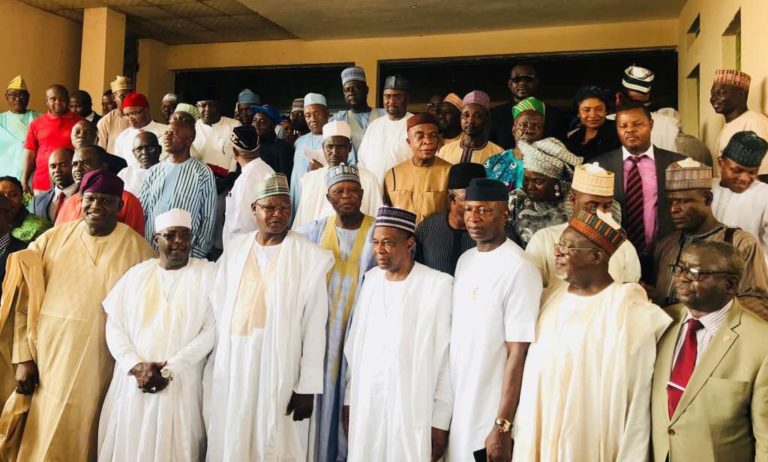
Alhaji Ibrahim Jibril, the Minister of State for Environment (third from left), in a group photo with members of the newly inaugurated boards of parastatals and agencies

Inaugurating the boards, Alhaji Ibrahim Jibril, the Minister of State for Environment, called for close working relationship to ensure guidance on application of Public Service Rules and Regulations.

Jibril said the ministry would ensure that plans and programmes of the agencies aligned with the objectives of government to deliver dividends of democracy to Nigerians.

The minister said the governing boards’ main responsibility was to give policy direction to the management of institutions.

He added: “Board appointments are part time, as a result, the management of your agencies should be allowed to perform the day-to-day running of institutions without hindrance.”

He said allowances and entitlements of board members would be guided by extant circulars.

The minister reminded both the board members and management of the agencies of the present administration’s zero tolerance for corruption.

“Government frowns at any form of corruption and would not hesitate to punish corrupt practices perpetrated by any board member or management team of these agencies,’’ he said.

Nakande Dasuki, the Board Chairman, National Biosafety Management Agency (NBMA), on behalf of the board members, promised to add value to agencies they were appointed to work with.

He said: “We assure you to do the needful and strictly adhere to management policies to achieve the mandate of the agencies.”

By Ebere Agozie

Blueprint to gauge climate change impact on cities launched

0

Experts have established a global blueprint to better understand climate change, its impacts on cities, and the critical role local authorities play in solving this challenge.

traffic
Traffic congestion in Lagos. Cities are said to be responsible for some 75% of global CO2 emissions, with transport and buildings being among the largest contributors

Cities are responsible for some 75% of global CO2 emissions, with transport and buildings being among the largest contributors.

The research agenda was drawn up at the IPCC Cities and Climate Change Science Conference that ended in Edmonton, Canada, on Thursday, March 8, 2018.

“The impacts of climate change are already being felt in our urban areas, and the next few years are critical for determining how effectively we will rise to the challenge of protecting our cities. However, we can’t undertake this work blindly. At this conference we have been able to coalesce around the most important areas of inquiry so we can use precious time and resources in the most efficient and targeted way possible. And this research won’t just help save our cities – it will 1 also improve them for generations to come,” said Seth Schultz, Director of Science and Innovation, C40 Climate Leadership Group, and one of the co-chairs of the conference’s Scientific Steering Committee.

A primary focus of the conference was on the Paris Agreement, the UN’s Sustainable Development goals, the New Urban Agenda, and the Sendai Framework for Disaster Risk Reduction, all of which require cities to implement new sustainable development plans to adapt and respond to climate change.

The range of knowledge gained from the sessions will help chart a course for current and future sources of emissions, urban climate impacts, and pathways for cities to pursue emissions reduction and resilience strategies.

UN Climate Change is also promoting more climate ambition on the part of cities and increased investment in investing in livable, low-carbon, resilient urban development.

The recently launched “Cities and Regions Talanoa Dialogue” provides opportunities to advance governance on climate action, specifically in urban areas. The scheme aims to ensure coordinated action across all levels of government, and will be facilitated by ICLEI -Local Governments for Sustainability with Global Covenant of Mayors for Climate & Energy and UN-Habitat as special partners.

This is part of the wider Talanoa Dialogue launched by the Presidency of the UN Climate Change Conference COP23 in Bonn last year, an important international conversation in which countries will check progress and seek to increase global ambition to meet the goals of the Paris Climate Change Agreement.

The conference was co-sponsored by the Intergovernmental Panel on Climate Change (IPCC) , with nine partners – C40 Cities , Cities Alliance, Future Earth, ICLEI, the Sustainable Development Solutions Network (SDSN), United Cities and Local Governments (UCLG), the United Nations Environment Programme (UN Environment), UN-Habitat, and the World Climate Research Programme (WCRP).

“Years from now we will look back at this conference time in Edmonton and celebrate how the collaboration between the scientific community, policymakers and practitioners helped initiate positive change at the local level. I’m so proud that Edmonton was able to play host to some of the brightest minds on our globe and I’m committed to furthering the efforts that came out of this conference,” said Don Iveson, Mayor of Edmonton.

The CitiesIPCC conference helped forge stronger partnerships among the 750 leaders, innovators, and influencers who registered, and cultivated a collaborative environment among academics, policymakers and practitioners to share new findings, initiatives and programmes. Over 6,000 others from more than 30 countries followed the conference online.

“Business-as-usual will not save the world. This conference disrupted the traditional story of the world’s cities to show how science can partner with policy and practice to transform the world’s cities into climate-smart, equitable and sustainable homes for all,” said Debra Roberts, Co-Chair of IPCC Working Group II, and a member of the conference’s Scientific Steering Committee.

“With the contributions of cities and the risks to cities in the context of climate change loud and clear, solution-oriented knowledge is a must. This conference was a milestone on the way to a collective effort by the science, policy and practice communities to co-create and co-design a global research agenda for the future and for forging partnerships among them,” said Shobhakar Dhakal of the Asian Institute of Technology and one of the co-chairs of the conference’s Scientific Steering Committee.

“This conference is not just a milestone for how the research community thinks about co-designing its priorities with diverse voices from across society. It has also issued a call to strengthen the social sciences so that we can better understand complex questions like the role of informal settlements in addressing climate change. We can only create real transformative changes in cities through research focusing on issues of equity, power distribution, integration of values, and human behaviour,” said Anne-Hélène Prieur-Richard, Global Hub Director, Montreal, of Future Earth and one of the members of the conference’s Organising Committee.

×