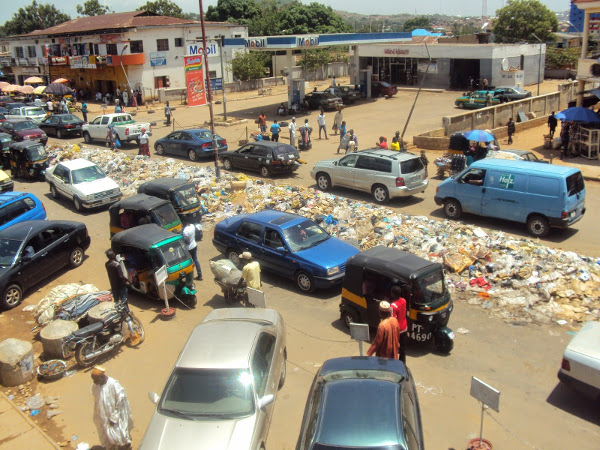
Worried by the heaps of refuse on Jos and Bukuru streets, members of the Plateau House of Assembly on Wednesday, July 18, 2018 invited environment commissioner Abdullahi Abbas to explain the situation.
Refuse in the streets of Jos
The News Agency of Nigeria (NAN) recalls that the lawmakers, at their plenary on Thursdays, directed the standing committee on environment to investigate why the refuse heaps had not been cleared.
Mr Gideon Dashe, chairman of the committee, who presented the lawmakers’ concerns to the commissioner, wondered why the refuse dumps had not been collected, and expressed fear of a possible epidemic if the situation persisted.
“This ugly trend is particularly worrisome because of its health implications. Practically every corner has been taken over by uncleared refuse. We cannot continue like this.
“We are not here to reprimand anybody; we only want to find out why the refuse dumps are not being cleared.
“When refuse is left uncollected, ailments like cholera can spread very fast,” he said.
Responding, Abbas said that the state contracted waste collection to private waste operators in 2016.
“Recently, however, my ministry realised that the operators lacked the capacity to carry out the job. We found that many of them do not have the needed equipment.
“Aside the operators’ inability to handle the task, members of the public have worsened the situation by disposing waste indiscriminately,” he said.
Abbas assured the legislators that the ministry would step up efforts toward ridding Jos and Bukuru of dirt “within the shortest possible time”.
The European Union (EU) and Oxfam have distributed agricultural inputs worth N120 million to farmers in Katsina State for the second phase of the Fuel Wood Balance Programme (FUWOBA) sponsored by the two bodies.
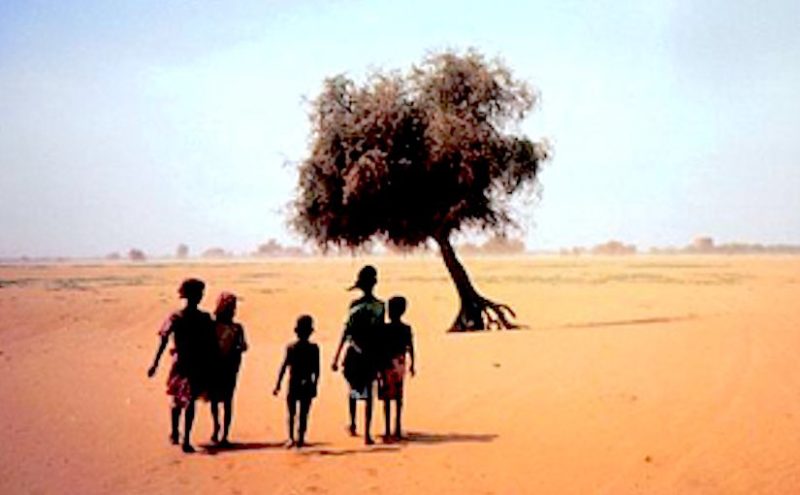
Desertification
Dr Christo Marry-Udokang, the state project manager, told the News Agency of Nigeria (NAN) in Daura on Wednesday, July 18, 2018 that the inputs were distributed to farmers across the seven participating Local Government Areas (LGAs) of the state.
Marry-Udokang explained that the inputs included 700 animal plough,1400 sprayers, 1,400 bottles of Cypermathrin liquid insecticides, 4,600 enamel-made watering cans, 1,500 bags of NPK fertiliser and 1,500 mud efficient clean cook stoves.
He said the LGAs and community leaders would be directly involved in the distribution of the inputs to deserving farmers.
Marry-Udokang described the initiative as strong motivation to encourage an all-inclusive participation in fighting desertification, combating negative effect of climate change among others.
The project manager said the gesture was also aimed at inculcating in farmers and communities the culture of environmental protection and conservation.
He commended traditional rulers and stakeholders in benefiting communities for their support towards actualising the project’s objectives through team work approach.
The FUWOBA was inaugurated in September 2014 in seven LGAs of Daura, Baure, Dutsi, Maiadua, Sandamu, Mashi and Zango with the aim of fighting desertification.
The beneficiaries under the project have so far planted and maintained 6.5 million variety of trees through the Farmer Managed Natural Regeneration (FMNR) approach.
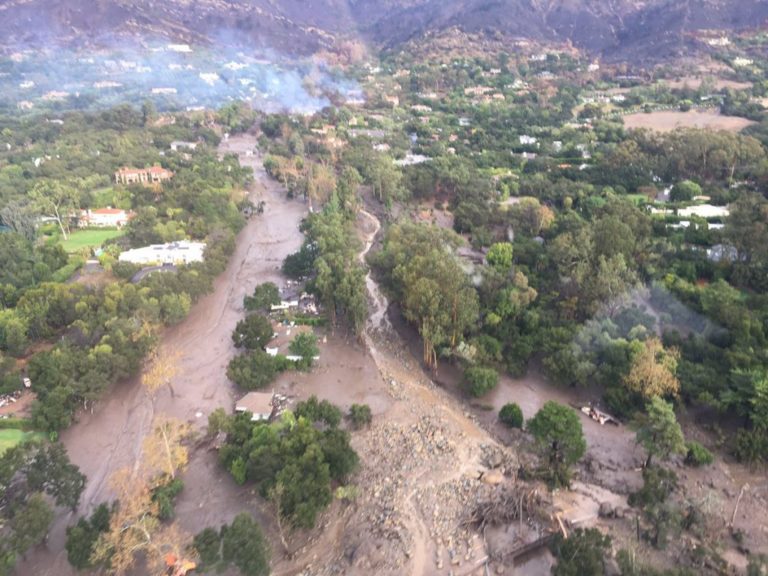
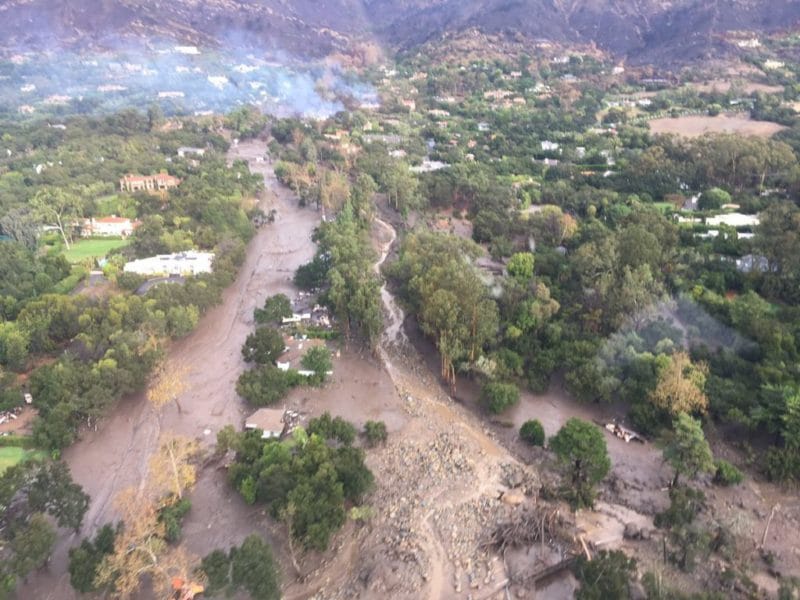
Five people were killed in Nepal on Wednesday, July 18, 2018 by landslides and flooding brought on by monsoon rains, bringing the death toll to 90 across the country.
Landslide in Nepal
“A woman and her two children, one of them an infant, were killed when a landslide struck their home in a village in north-central Nepal’s Gorkha district,’’ local Police Officer, Mahendra Nepal, said.
Parbat Police Officer, Rabindra Kumar Shrestha, said in the district of Parbat, a teenage boy was buried alive and a man was swept away by a flooded river after a landslide engulfed seven houses.
According to Nepal’s Home Ministry, over 55 people have been injured and 18 have gone missing in the monsoon-induced disasters in last one month.
Two years after the Climate Vulnerable Forum (CVF) announced a vision to achieve “100% domestic renewable energy production as rapidly as possible while working to end energy poverty and protect water and food security”, the Forum under the Presidency of Ethiopia and in collaboration with the International Renewable Energy Agency (IRENA), Sustainable Energy for All (SEforALL) and Climate Action Network (CAN) is bringing that vision to life by convening the first CVF Energy Dialogue focussed on implementation of the 100% renewable energy vision.
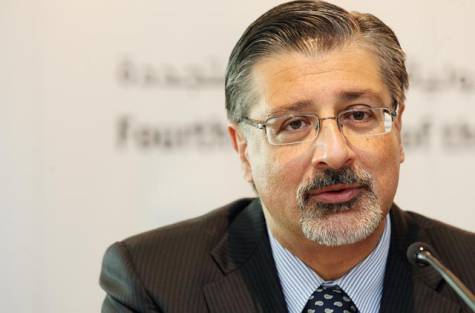
Director-General, International Renewable Energy Agency, Adnan Z. Amin
Attended by more than 30 members of the Forum and various partners who are in support to the CVF long-term vision, the Dialogue is being held alongside the United Nations High-Level Political Forum (UNHPLF) currently underway in New York. It aims to mobilise the necessary technical capacity, resources and partnerships to complete the energy transition. The discussions are focussing on taking stock of the current situation and considering how CVF members may progress the renewable energy agenda together.
In 2018 the UNHLPF is considering progress on Sustainable Development Goal 7, notably to “ensure access to affordable, reliable, sustainable and modern energy for all.” This is of particular relevance to CVF countries where access to modern energy services is an enormous challenge despite it being the backbone of development and prosperity (UNDP 2009).
As renewables become cheaper, there is a unique opportunity for CVF countries to transform their energy systems and reap the fruits of the various co-benefits that renewables provide in terms of economic growth, jobs and health. In transitioning to renewables, CVF countries would immediately benefit from modern energy access, socio-economic gains, combating climate change and building resilient societies.
According to the United Nations Development Programme (UNDP), the International Energy Agency and other international organisations, 1.1 billion people are still without electricity and 2.8 billion currently suffer from lack of access to clean cooking facilities.
In a reaction, Ethiopia Environment, Forest and Climate Change Minister H.E Dr Gemedo Dalle, comments: “We are extremely excited about this decisive moment. It proves that we are adamant to concretise what we promised two years ago, and we hope that other countries will be at least faithful to what they committed to in Paris in 2015. We are doing this to save ourselves but also to prove that transitioning to 100% renewable energy is feasible and beneficial. We are also moving forward with the right partners, so we are sure to win on all levels. Ethiopia has prioritised the 100% RE vision during its chairmanship of the CVF, and we commit to continue prioritising this vision through our engagement in the Forum.”
Ethiopia Water Irrigation and Electricity Minister, Sileshi-Bekele, says: “This is an important historical milestone for us as we move into materialising the Marrakech vision on 100% renewables. We strongly believe that 100% renewables are our only hope to build resilient societies and fight climate change while at the same time develop soundly and steadily. We believe also that with the right partnerships this leap of faith will be successful and provide an unbeatable paradigm that will build the necessary confidence in renewables that will allow others to rapidly follow suit.”
RMI Ambassador: “We support the goal of this meeting – to take stock of the current situation and discuss, with partners here today, how to proceed. At the UNFCCC in Marrakech nearly two years ago, the CVF committed to strive to meet a goal of 100 percent domestic renewable energy production as soon as possible, while also working on other policy goals, such as ending poverty. Also, as very vulnerable countries, we also have a dual challenge – to boost renewable energy and work towards climate resilience.
“A major political driver behind this energy commitment is also to try to encourage the efforts of larger nations who are not in the CVF – to not just say it but do it – and to send a message that “if we can do it, so can you”. But to be successful, our discussion must go beyond words. Today we want to focus on action, to “walk the walk” and not just “talk the talk”.
Adnan Amin, Director General, IRENA: “CVF Vision 2050 provides a compass for a prosperous and resilient future for its members, powered by indigenous renewable energy sources which provide an immense opportunity to leapfrog to a sustainable energy future, while unlocking substantial socioeconomic benefits and meeting long term climate objectives. We applaud Ethiopia for making renewables a high priority in its leadership of CVF and look forward to working with the incoming chair, the Marshall Islands and the CVF members, as well as other like-minded partners, to support this remarkable initiative.”
Rachel Kyte, CEO and Special Representative to the United Nations Secretary-General for Sustainable Energy for All: “CVF member countries face the dual challenge of undergoing a renewable energy transition that is also climate resilient in light of increasing occurrence of the devastating effects of climate change. We commend these countries for their leadership and providing an example all countries must follow as a global community to achieve sustainable energy for all.”
Wael Hmaidan, Executive Director, Climate Action Network: “There is a consensus among all key businesses, cities and other non-state actors that 100% renewable energy is a must to tackle climate change. We are all ready to support CVF countries in their pursuit of this vision in these crucial times where climate change impacts are deeply felt yet renewable energy is a sure bet to lead us to growth, more jobs and a modern world. We are eager to accompany and see these countries move forward in all areas towards clean, advanced and reliable energy systems and societies as well as prosperous economies and secured access to energy, food and water.”
Barely a week after the Nigerian Conservation Foundation (NCF) appealed to the Federal Government to intervene to curb the fast eroding Lagos shoreline, the authorities are confronted with yet another daunting task.
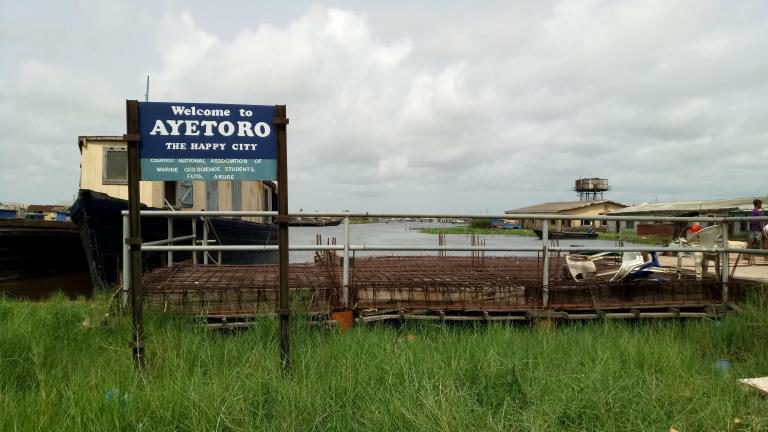
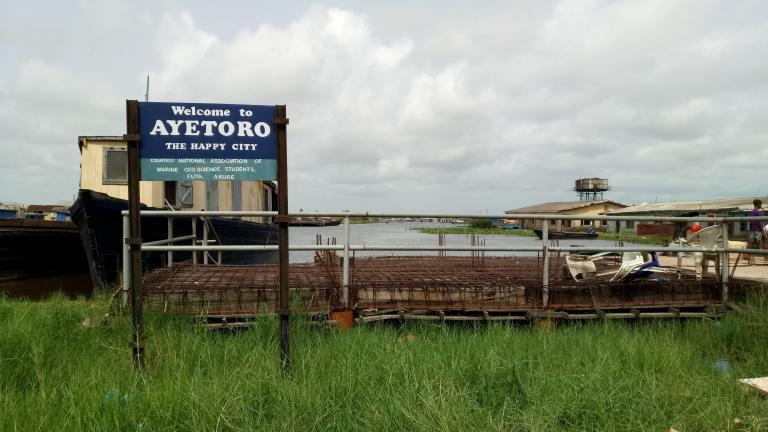
The happiness in the coastal city of Ayetoro in Ondo State may have been disrupted by the recent ocean surge
The SOS call, this time around, is coming from the Ondo State Government, which wants the central government to urgently stop the incessant surge of the Atlantic Ocean, which is affecting coastal communities of the state.
Gov. Oluwarotimi Akeredolu made the appeal on Tuesday, July 17, 2018 in Ayetoro, Ilaje Local Government Area, after inspecting the damage caused by the sea surge in the coastal community.
Akeredolu was represented by his deputy, Mr Agboola Ajayi.
The deputy governor was accompanied by the Secretary to the State Government, Mr Ifedayo Abegunde; Commissioner for Environment, Mr Funso Esan; and the Chairman, Ondo State Oil Producing Areas Development Commission, Mr Gbenga Edema.
Akeredolu sympathised with the residents who were directly affected by the ocean surge.
The governor bewailed the loss of houses and other property during the disaster, while soliciting the Federal Government’s assistance in efforts to protect the oil-producing community from the sea surge.
The News Agency of Nigeria (NAN) reports that the sea surge, which occurred on July 14, destroyed more than 25 buildings, including the only secondary school in the community.
NAN also reports that over 200 persons were rendered homeless due to the consequences of the natural disaster.
Speaking for himself, the deputy governor underscored the need to use modern technology to check the menace of ocean surge in the coastal areas of the country.
“I remember when I was a member of the House of Representatives, I personally led members of the Niger Delta Development Commission (NDDC) to this community. I also travelled to the Netherlands to look at some modern technology, which we felt would be able to solve the problem.
“As I am here now, you should know that Ondo State is here. The Secretary to the State Government is here, the Chairman of Ilaje Local Government Council is also here; all of us are here.
“As a matter of fact, the governor would have been here personally, but he is away with President Muhammadu Buhari in the Netherlands.
“He directed us to be here today to express our feeling and assess the level of damage, while looking for the best way to prevent future occurrence.
“Certainly, you can see this has gone beyond the capacity of the Ondo State Government.
“We will make noise and let the whole world know that Ayetoro is in danger, Ondo State is in danger and the Federal Government should rescue this oil-producing community.
“Probably, what they did in Lagos would solve this problem.
“Look at Eko Atlantic City, the government was able to stop sea incursion and people are able to drive around freely; not only this, they are even building houses on top of the sea.
“In this community, a lot of houses have been washed away and the children cannot go to school.
“So, we are worried, but we are assuring our people that we will not relent in our efforts to stop this disaster,’’ he added.
In their complaint, NCF officials stated that Eko Atlantic City has not entirely addressed coastal erosion along the Bar Beach and adjoining shoreline but appears to have, instead, transferred the ocean’s aggression elsewhere.
The Nigeria’s N10.69 billion Sovereign Green Bond issued on Dec. 18, 2017, is the world’s first fully-certified sovereign green bond, UN Secretary-General Amina Mohammed has said.
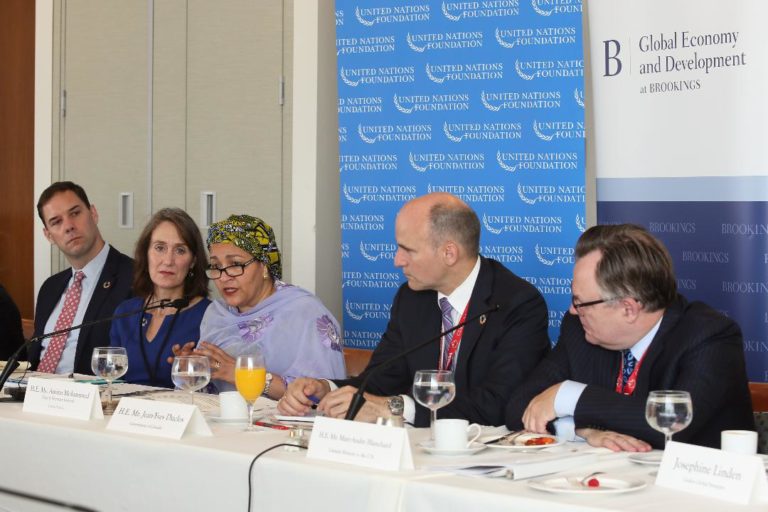
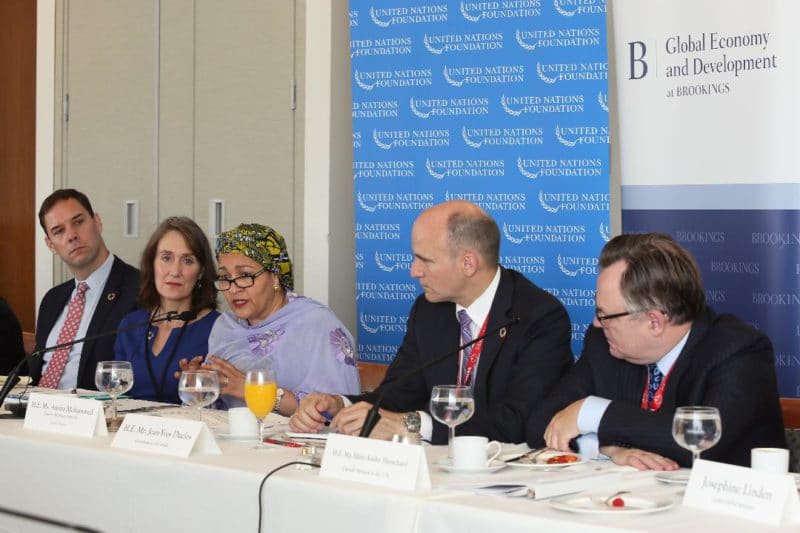
UN Deputy Secretary-General, Amina Mohammed, at the launch of “From Summits to Solutions”, a book on implementing the Sustainable Development Goals. She is flanked by Ms Elizabeth Cousens (right), Deputy President of UN Foundation; John Mcarthur, an editor of the book (2nd Right) and other top diplomats at the UN Headquarters in New York
Mohammed stated this on Monday, July 16, 2018 at the launch of a book: “‘From Summits to Solutions’: Innovations in Implementing the Sustainable Development Goals” at the UN headquarters in New York.
Green bonds, also known as climate bonds, are fixed income securities issued to finance projects that have positive impacts on the environment.
Nigeria was the first African country to issue a climate bond certified sovereign green bond, and world’s fourth sovereign issuer of green bonds
Mohammed, who is Nigeria’s immediate past Minister of Environment, is among the co-authors of the book’s 15 chapters, in conjunction with Simon Zadek, former co-director of UN Environment’s Inquiry on Sustainable Finance.
Chapter Three of the book entitled: “From Green Bonds to Sustainable Development: The Case of Nigeria”, was written by Mohammed, with Zadek, now of the UN Development Programme.
The chapter follows a unique narrative form in the book – it is told from the personal perspective of Mohammed, who served as Nigeria’s minister of the environment from November 2015 to February 2017.
In that role, the UN deputy chief collaborated with Zadek, and other colleagues to launch Nigeria’s first sovereign green bond, and they described many of the frontier issues tackled in that effort.
Their chapter offers a personal perspective on how Nigeria came to launch its first green bond as an innovative financing tool to tackle the country’s intersecting economic, social, environmental, and security challenges.
The UN deputy scribe said: “All the book’s authors deserve congratulations. Each chapter represents an important contribution to our thinking around capturing value, targeting places, and updating systems of governance.
“Let me also say how pleased I am that the volume’s opening contribution focuses on expanding women’s economic opportunities. It is important to remember women as an asset that are key to sustainable growth and development.
“The Nigerian Green Bond issuance experience is one such disruptive example.
“It is in fact the world’s first, fully-certified, Sovereign green bond, the topic of the essay I contributed to the volume launched here today, along with my co-author, Simon Zadek.
“Whilst the essay tells the fuller story, I want to highlight just a few points that I see as particularly salient to the sizeable challenge of realising the 2030 Agenda in a timely manner.
“Most directly, the green bond offered a new source of funds, front-loaded, to spend at the nexus between environmental protection, enterprise development (especially those that are women led) and Nigeria’s broader strategy of reducing its dependency on a fossil fuel intensive economy and contributing to its commitment in the Paris Agreement.
“The painful process helped us as a government to recognize our gaps and to take credit as sector for the hard-won agreement to have the Ministry of Finance ‘own’ the process and add the green bond to its balance sheet, was a means of engaging across the government in raising the importance of the nexus of green and economic success, and of strengthening the hand of the Ministry of Environment in cross-government strategic considerations and investments.
“More expansively, the process of developing and then issuing a green bond provided the opportunity for cross sector collaboration within government, opening partnerships and bringing awareness within the private financial community, including key capital market actors, of the opportunities that green investment present.
“In a nutshell, the green bond was a means of creating pathways towards the greater goal of engaging government and financial markets in the merits and opportunities associated with greening Nigeria’s economy, as well as being about raising some funds to invest in the here and now”.
Nigeria’s debut issuance of Green bonds was part of many efforts directed towards meeting its Paris Agreement on Climate Change’s Nationally Determined Contributions put at N142 billion by 2030.
The fully subscribed bond’s tenor is five years, and investors would receive a 13.48 per cent annual coupon, creating high expectations for the environmental projects linked to the government’s use of proceeds from the bond.
The UN deputy scribe said ‘Summits to Solutions’ provided cases we can learn from, not to replicate, but to draw insight as to how to advance practice in our own spheres of influence.
The launch of the book, edited by Raj Desai, Hiroshi Kato, Homi Kharas, and John McArthur, featured discourses by Deputy President of UN Foundation, Ms Elizabeth Cousens, ambassadors and representatives of Japan International Cooperation Agency and other UN partners.
The Federal Government has commenced the construction of dykes to protect the nation’s river bodies and minimise risks that could arise from flooding.
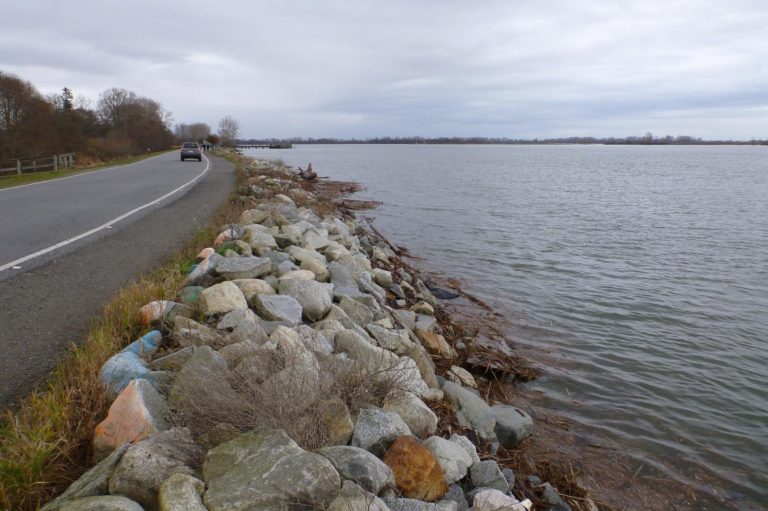
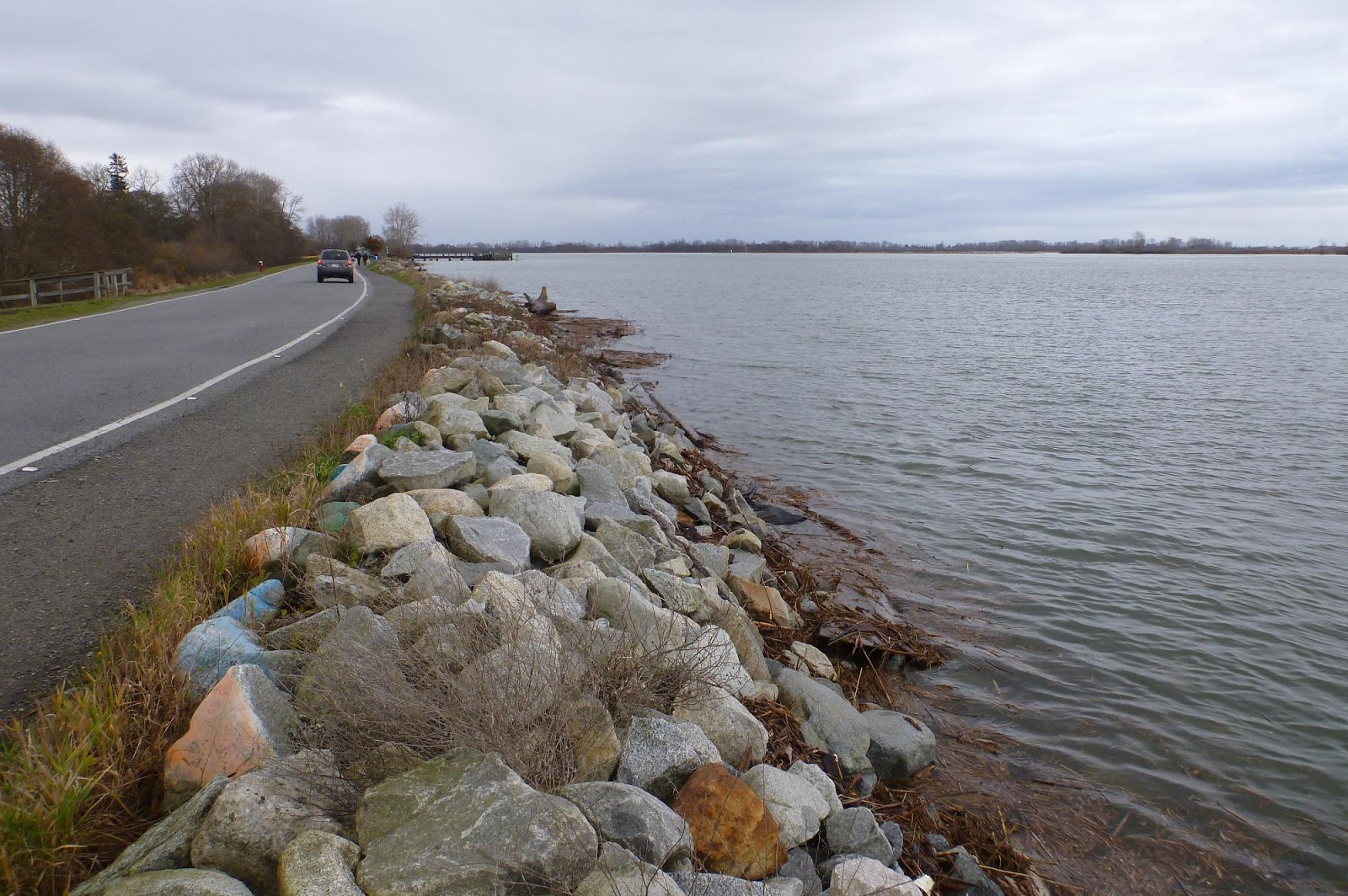
A dyke
Dr Elijah Aderibigbe, Director, Irrigation and Drainage, Federal Ministry of Water Resources, made this known in an interview with News Agency of Nigeria (NAN) in Abuja on Tuesday, July 17, 2018.
He said that this became necessary to curtail water levels to prevent them from overshooting their boundaries.
River dykes are artificial slopes or walls erected to regulate water levels to reduce the risk of flooding by getting water away from an area facing the risk of flooding as quickly as possible.
The overall goal is to prevent a build-up of water that could wreak havoc on the environment.
Aderibigbe said that the construction of dykes would protect farmlands, farm produce and livelihoods, while enhancing the people’s well-being.
He said that for instance, the ministry had constructed a 32-kilometre dyke at Tada-Shonga Irrigation land in Edu Local Government Area, Kwara State, with funds from national budgets and support from the Natural Resources Fund.
He noted that the Federal Government was interested in the protection of farmlands and would do everything possible to get all anti-flood projects completed.
“The Federal Government is making funds available to see that contractors return to site to ensure the full completion of the projects.
“Because if we don’t complete the works, floods can enter into farmlands and everything there could be destroyed; so, dykes are being constructed in those flood-prone areas,’’ he said.
Aderibigbe said that Zauro Polder Irrigation Project in Kebbi was also being executed.
Besides, the director said that the desilting and draining of canals were also being considered, stressing that when this was done, fears of flooding would be eliminated.
He said that the ministry was activating all its departments, particularly in its efforts to impound water for water supply and irrigation purposes.
Aderibigbe stressed that some states were drained whenever there was excess water, while irrigation projects were undertaken when there was low water for crop growing.
He, however, urged all Nigerians to take ownership of all water utilities in their neighbourhoods, saying that the participatory irrigation approach would help to guarantee the sustainability of the irrigation projects.
He said that the water users associations had a vital role to play in the arrangement as well.
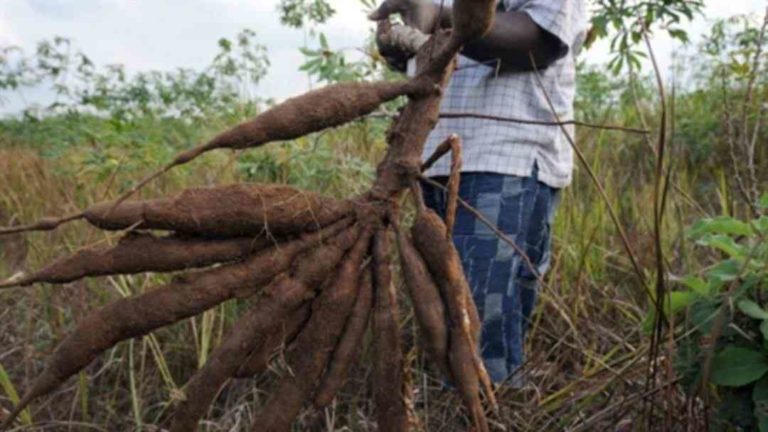
The Nigerian Cassava Growers Association (NCGA) has allocated N10 billion lending facility to Cassava Farmers in Katsina State to boost production.
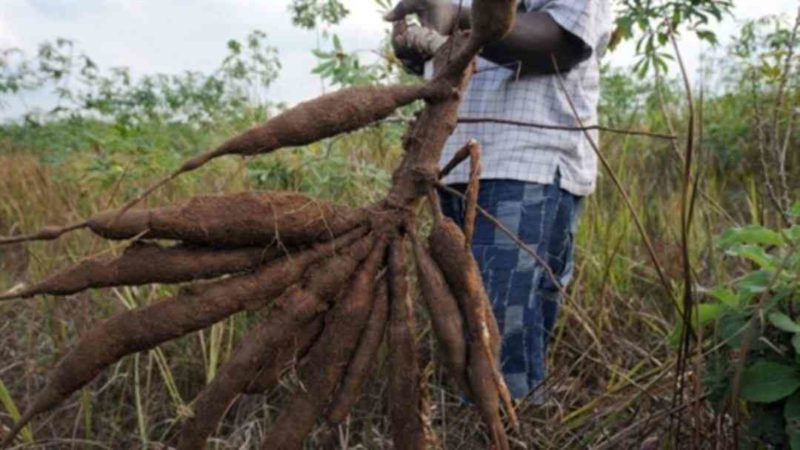
Cassava farming
State Chairman of the Association, Alhaji Hassan Danmarke, disclosed this on Tuesday, July 17, 2018 in Katsina, the state capital, at the flag-off of the distribution of 250,000 bundles of improved cassava seedlings to farmers.
According to him, N3 billion out of the facility will be used to purchase cassava seedlings while N7 billion will be disbursed as loan to farmers in the state.
Danmarke said that the improved cassava seedlings were distributed free of charge adding that each beneficiary will receive N850, 000.
He said that the improved seedlings were provided by the Federal Government while 10 tonnes of NPK fertiliser were provided by Katsina State Government.
He disclosed that the association is making consultation for the establishment of cassava processing company in each of the 34 local government areas in Katsina State.
Danmarke commended the Federal and State Governments as well as the two emirate councils on efforts to develop agriculture in the state.
The News Agency of Nigeria (NAN) reports that thousands of cassava farmers had been cultivating the commodity for several years in the state.
Vast quantities of raw satellite imagery and data will be distilled into an online platform showing how water ecosystems have changed.
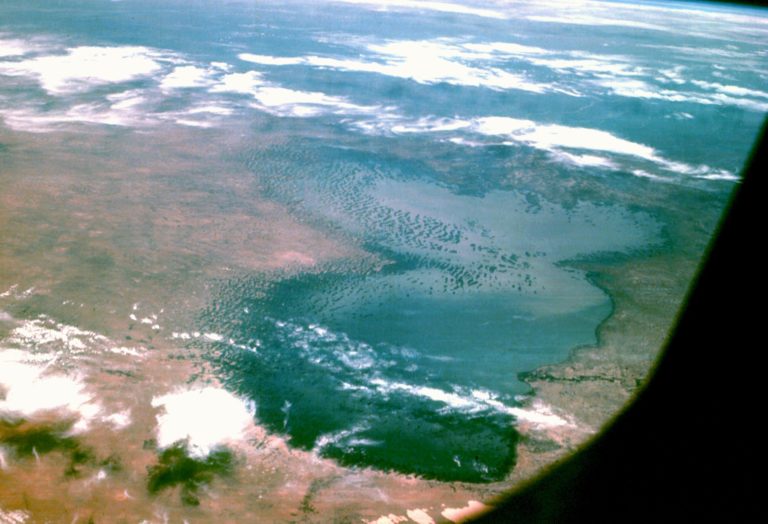
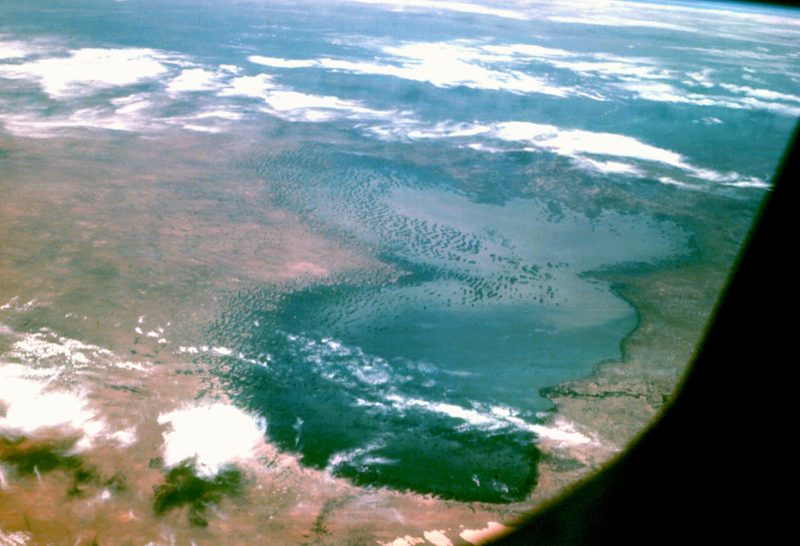
Lake Chad viewed from Apollo 7. For the Lake, access to comprehensive data and images showing surrounding land and rivers could help explain why it is speedily drying up
It will also depict how countries can manage them to prevent further loss, said Google and the UN.
Initially, it will focus on fresh water ecosystems such as rivers and forests.
Google will eventually produce geospatial maps and data for a publicly available platform to be launched in October 2018 in partnership with the UN Environment Programme (UNEP).
“It’s basically a time slide… you can go back in time, and what is does is show you where water has disappeared.
“It can show you where water never was and now is there. It can show you where water is seasonal,” said Elisabeth Mullin Bernhardt, a programme manager at UNEP, on Tuesday, July 17.
For Africa’s Lake Chad, for example, access to comprehensive data and images showing surrounding land and rivers could help explain why the lake, on which so many depend, “is drying up so quickly”, said Kenya-based Bernhardt.
Given that most countries share water sources, the information could also be used to encourage neighbouring nations to work together on strategies to manage rivers or lakes, she said.
Google is using artificial intelligence and cloud computing to process a massive amount of satellite imagery and data.
The data stretches back over three decades, before it can be analysed, said Rebecca Moore, Director of Google Earth and Earth Engine.
“Much of the world does not have access to good data about the state of their forests, their rivers and lakes and coastal eco-systems and how they have been changing over time.
“It’s a critically important time because there are dramatic changes going on, due to climate change and urbanisation and a number of factors that are in some cases significantly depleting fresh water supply,” Moore told the Media.
Improved information could lead to better investment in environmental services as countries try to meet their Sustainable Development Goals, said UNEP.
Agreed at the UN in 2015, the 17 global goals include targets to end poverty and hunger, combat climate change, and provide universal access to water and sanitation by 2030.
Governments are currently reviewing progress on the goals at UN headquarters in New York, where UNEP and Google announced the satellite initiative.
While researchers will focus on water ecosystems, the platform could be expanded to include issues such as desertification or plastics in the world’s oceans, said Bernhardt.
Australian scientists have discovered a new species of a venomous snake in far-north Queensland but fear the reptile may already be in danger of extinction due to mining.
The Vermicella Parscauda
The newest member of the Bandy Bandy snake family, named Vermicella Parscauda, has been found in Weipa, a mining town on the Gulf of Carpentaria coast of the Cape York Peninsula, where multinational giant Rio Tinto has bauxite mining operations.
Bryan Fry, an associate professor of biology from the University of Queensland who led the study, said the chance discovery occurred when the team was undertaking sea snake research.
“We came back from the research on sea snakes and at the end of the loading dock, we saw the snake crawled. It had slithered over from a pile of bauxite rubble next to the big ship loader,’’ Fry told dpa on Tuesday, July 17, 2018.
The snake turned out to be a previously undiscovered species. It is about 30-40 centimetres long, with thin white bands on a black body.
“It is visually and genetically distinct from those found on the Australian East coast and parts of the interior,’’ Fry said.
The team found four more of the species one in its natural habitat near Weipa, another killed by a car close to the mine, and two more in museum collections.
The discovery was published in the science journal Zootaxa this week.
Fry said he feared the new species could be in trouble due to bauxite mining, which “may be reshaping the environment to the detriment of native plants and animals.’’