Home Blog Page 1842

Ethiopian dam endangers Kenya’s Lake Turkana

0

Lake Turkana National Parks in Kenya was placed on the List of World Heritage in Danger on Thursday, June 28, 2018 at UNESCO’s World Heritage Committee meeting, due to impacts from the Gibe III dam. The decision follows the recommendation of the International Union for Conservation of Nature (IUCN) – the Committee’s advisor on nature.
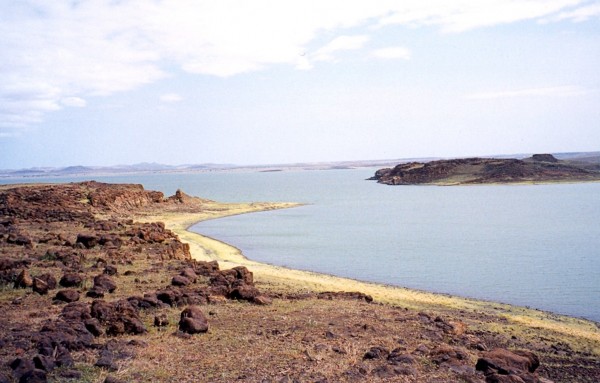
LakeTurkana
LakeTurkana

According to IUCN, water levels have rapidly declined downstream of the Gibe III dam, located in Ethiopia, since its reservoir started to be filled in January 2015. This has disrupted seasonal changes to water flows into Lake Turkana – the largest desert lake on Earth – with likely knock-on effects for wildlife and fish stocks which local communities depend on.

“Kenya’s Lake Turkana World Heritage site is in grave danger of losing its exceptional values if action is not immediately taken to reduce the impacts of the Gibe III dam and stop all other detrimental development,” says Peter Shadie, IUCN Adviser on World Heritage. “People depend on the lake and it is our collective responsibility to mobilise the necessary resources to support them by protecting the site.”

Composed of three protected areas, Lake Turkana National Parks was inscribed as a natural World Heritage site in 1997 for their outstanding natural values. The site provides breeding habitats for hippos and Nile crocodiles, and hosts over 350 species of fish and birds. The lake is the most saline lake in East Africa, surrounded by an arid, seemingly extra-terrestrial landscape.

IUCN has been raising concerns over the Gibe III dam’s devastating consequences for Kenya’s Lake Turkana National Parks since the project first came to its attention in 2011. Following IUCN’s advice, the World Heritage Committee has repeatedly requested an assessment of the dam’s environmental impacts on the site’s outstanding values. However, such an assessment has not been undertaken.

The construction of the Gibe III dam went ahead and is now the second largest hydroelectric plant in Africa, at 243 metres in height. Filling its reservoir is expected to take three years.

Following IUCN’s advice, the World Heritage Committee also urged Ethiopia to halt the development of the Kuraz sugar project upstream from Lake Turkana. Should this project proceed, the factory will likely increase water consumption from the Omo River, which is the most important source of water for Lake Turkana. Its potential impacts on water flow and quality in the area, as well as on the values of the World Heritage site, have yet to be fully assessed.

UNESCO’s World Heritage Committee meeting is taking place in Manama, Bahrain from June 24 to July 4. This year, IUCN has provided advice on 58 natural World Heritage sites facing threats.

Natural World Heritage sites are globally recognised as the world’s most important protected areas, inscribed on the UNESCO World Heritage List for their unique natural values, such as the scale of natural habitats, intactness of ecological processes, viability of populations of rare species, as well as exceptional natural beauty. About one in five World Heritage sites is natural.

IUCN is the advisory body on nature to UNESCO’s World Heritage Committee. Working closely with IUCN’s World Commission on Protected Areas (WCPA), IUCN evaluates sites nominated to the World Heritage List, monitors the conservation state of listed sites, promotes the World Heritage Convention as a leading global conservation tool, and provides support, advice and training to site managers, governments, scientists and local communities.
Stakeholders urge stiffer penalties against environmental offenders

0

Stakeholders have called for stiffer sanctions against defaulters of environmental laws to prevent practices that pose danger to the environment.

Cart pushers
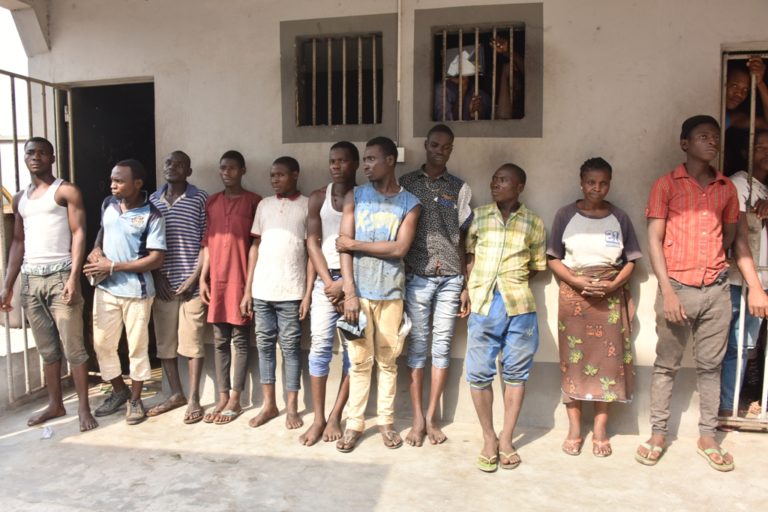
Environmental offenders: Cart pushers, street traders and some residents arrested for illegal dumping of refuse on road medians and canals by the Lagos State Environmental Sanitation Corps (LAGESC)

The stakeholders made the call at a two-day consultative meeting on Disaster Risk Reduction organised by Christian Aid, an International non-governmental organisation, in Kaduna on Thursday, June 28, 2018.

The News Agency of Nigeria (NAN) reports that the meeting was organised to sensitise Nigerians in three states — Benue, Plateau and Kaduna — on the early warning system.

The participants suggested several ways of protecting the environment through healthy practices.

Some of the suggestions included the strengthening environment law enforcers to empower them to fine or prosecute offenders.

Traditional rulers, security personnel from the Police, National Security and Civil Defence Corps (NSCDC), state emergency management and para-military agencies, media and civil society groups were among the stakeholders at the meeting.

Jibril to GEF Assembly: How Nigeria is caring for the environment

0

From the clean-up of oil spill in Ogoniland in the polluted and restive Niger Delta region to the implementation of the Great Green Wall Initiative of restoring degraded desert-prone northern region as well as the execution of several erosion control and biodiversity conservation programmes, the Nigerian government believes it is on course in creating and sustaining an ideal environment to make life more meaningful for its over 180 million citizens.

GEF Assembly
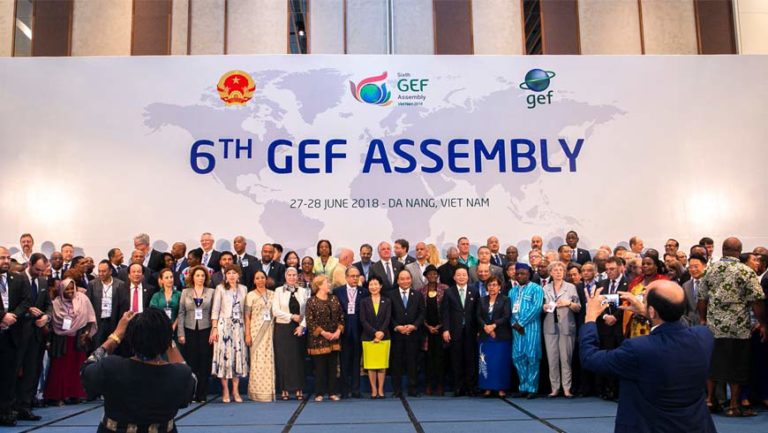
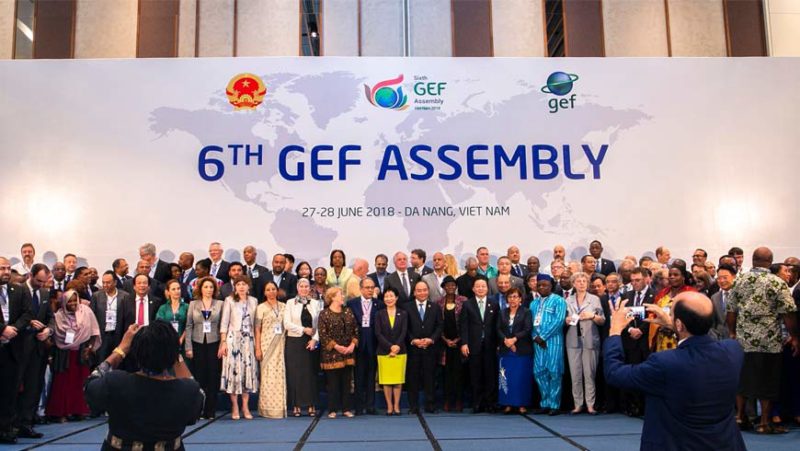
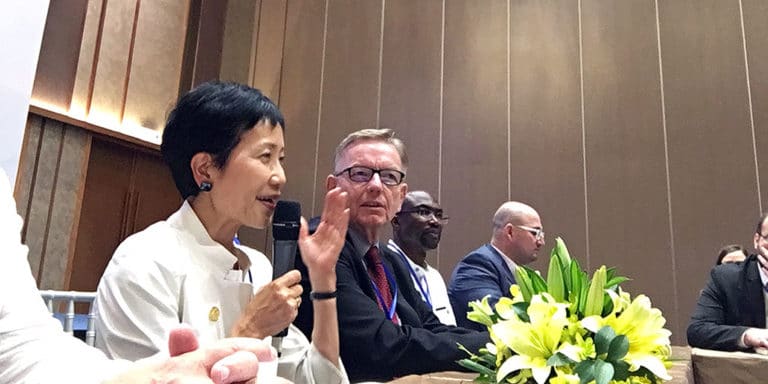
A group photo of delegates to the 6th GEF Assembly in Da Nang, Vietnam

Environment Minister of State, Ibrahim Usman Jibril, while addressing the 6th Assembly of the Global Environment Facility (GEF) on Thursday, June 28, 2018 in Da Nang, Vietnam, assured the international community of government’s unalloyed commitment towards the attainment of global objectives, especially as they concern the environment.

His words: “We are committed to the global efforts to achieve the Sustainable Development Goals (SDGs), low carbon economy, fight against climate change, desertification, erosion, biodiversity loss, and other forms of environmental pollution and degradation.

“Environmental problems come in various ways and forms. The food we eat, the air we breathe, the water we drink, and the land we till, are all prone to pollution and degradation when the carrying capacity of our ecosystem reaches a tipping point. Effects of this dislocation in equilibrium can be seen in increase in diseases, climate change, desertification, erosion, sprawling urban environmental problems, oil pollution, etc.”

Jibril spoke was during the last plenary, marking the closing ceremony of the Assembly. The heads of government delegations were seated in their different cubicles in alphabetical order and took turns to make their remarks.

Jibril explained that, beyond implementing and executing specific ecological projects that would help to reduce the devastating impacts of climate change on the Nigerian masses, government has gone into strategic partnerships with relevant stakeholders, particularly private sector investors to drive an ecologically-based economy.

“The Federal Government of Nigeria has put in place relevant institutional arrangements and mechanisms, including legal framework, to address various environmental problems facing our country.

“We are encouraging programmes and initiatives that will not only protect our environment but create wealth. Various pilot projects are being established in this regard.

“The Government has initiated the Extended Producer Responsibility (EPR) programme to encourage industry to shift to closed-cycle manufacturing and efficient take-back schemes for remanufacturing and recycling.  This is in line with the tenets of green economy and circular economy in which the use of materials and generations of waste are minimised, and waste is recycled or reused as raw material, and any remaining waste treated in a way that causes minimal damage to the human health and the environment. The era of ‘cradle to grave’ in waste management is over. The new paradigm is ‘cradle to cradle’, meaning that every waste is a potential raw material for another product.

“We are strengthening our environmental institutions in order to improve environmental governance. We are providing enabling environment for private sector participation and partnership in environmental sustainability. We are promoting circular economy and clean technologies that will drive research, eco-innovation and actions in various areas, including climate change mitigation and adaption measures. We have initiated the Sovereign Green Bond to raise funds to address environmental problems,” the minister said.

On the Ogoniland clean-up, Jibril who vowed that no efforts would be spared in making sure that a thorough job is done, even as he disclosed that government expanded the scope of the project to include the comprehensive improvement of the welfare of the people of the Niger Delta, including providing them access to basic amenities such as medical services and portable water.

“Let me use this opportunity to reiterate government’s commitment to the clean-up of Ogoniland and the rest of Niger Delta in the South-South Zone of Nigeria following decades of negative environmental impacts due to oil exploration and exploitation activities. We have established the Hydrocarbon Pollution and Remediation Project (HYPREP), appointed a coordinator, and put in place a Governing Council (GC) and the Board of Trustees (BoT). In addition, free medical services and potable water are being provided to the communities. It is expected that the actual clean-up exercise will commence between August and September 2018 after the conclusion of the on-going procurement process.”

While commending the government of the Vietnam for the successful hosting of the 6th GEF Assembly, the minister underlined the commitment of the Nigerian government to the course of GEF, even as he expressed the country’s appreciation of the institution for its financial assistances over the years, while also calling for more funds to combat the large magnitude of environmental challenges confronting the country.

“I want to join other delegates in expressing our appreciation to the Government and people of Vietnam, our host country, for the warm reception and wonderful hospitality extended to us since our arrival in this beautiful city of Da Nang. We are truly impressed by the level of success in economic growth achieved by Vietnam, particularly over the past two decades. We commend the efforts of the government.

“Let me also thank the CEO of GEF and her team for their hard work and excellent organisation of this 6th GEF Assembly.

“Nigeria has been a strong ally/partner of GEF since inception of the organisation. We have been actively involved in GEF programmes and projects over the years. We thank GEF for its support to Nigeria in addressing environmental problems. Nigeria is a huge country with a lot of environmental challenges. We would therefore like to appeal to GEF for more support in addressing these environmental challenges. We would also like to request for increase in GEF grant to the West Africa Coastal Constituency of GEF, in which Nigeria belongs. There is need to address delays in project document preparation and submission to GEF from the region.

“Finally, as we enter into the new GEF cycle, we must all continue to work together as one entity of the global community to protect and preserve the global commons,” he added.

By Innocent Onoh in Da Nang, Vietnam

Côte d’Ivoire resolves to ratify Minamata Convention, ban lead paint

0

Côte d’Ivoire has restated its commitment to ratifying the Minamata Convention to deal with the negative effects of mercury on health and the environment. Officials have also agreed to place a ban on the use of lead in paints in the country.

African Centre for Environmental Health
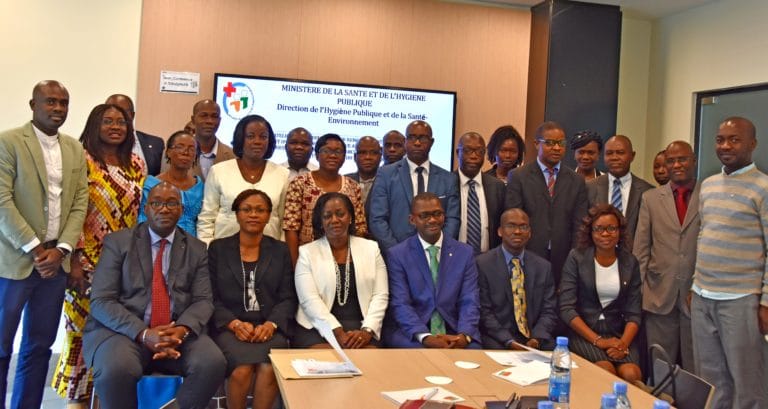
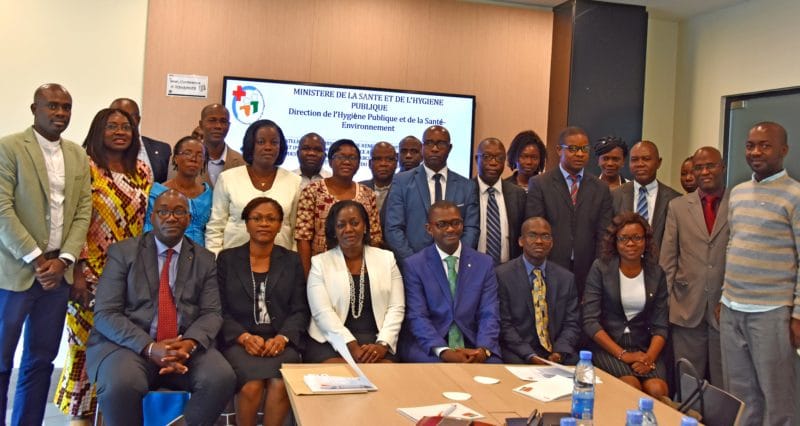
Participants at the workshop organised by the African Centre for Environmental Health

These resolutions formed the highpoint of submissions by a gathering of stakeholders on Monday, June 18, 2018 in Abidjan during a national workshop organised by the African Centre for Environmental Health in collaboration with the Ministry of Health & Public Hygiene, and the Ministry of Environment.

Apart from working on a regulation that will protect people from dental amalgam poisoning, the capacity building and knowledge exchange workshop was also aimed at reviewing the findings of previous consultations with stakeholders towards adopting advocacy instruments to support the Ivorian government in its planned ratification of the Minamata Convention.

“In order not to be on the sidelines on the initiatives implemented on the continent, we must accelerate the process of ratification of the Minamata Convention in order to benefit from the support available by the Global Environment Facility (GEF),” said Dominique Bally Kpokro, Chairman, African Centre for Environmental Health at the opening of the workshop.

To address the issue related to mercury poisoning, inventories conducted between 2014 and 2016 have shown that Côte d’Ivoire used nearly 13 tons of mercury in the gold mining sector. In addition, some products contain mercury, including mercury waste from measuring devices such as thermometers, barometers and tensiometers.

Kpokro, who is also Vice President, Africa for World Alliance for Mercury-Free Dentistry, pointed out that, “in some dental practices, concentrations of more than 5000 nanograms per cubic meter of air were found, which is five times more mercury than the norm allowed. In certain cosmetic and personal hygiene products, concentrations of 0.8 and 0.9 parts per million have been found in lightening creams, which are prohibited by Ivorian law.

“Mercury can lead to lung disease, respiratory disease or a decline in fertility and neurodegenerative diseases such as Alzheimer,” he said.

According to Dr. Eugenie Gangne, Director of Public Health and Environmental Health, pending the ratification of the Minamata Convention, Côte d’Ivoire relies on the contribution of non-governmental organisations (NGOs) towards building capacity on the use mercury and its derivatives.

“For some time, health professionals who use mercury have been informed of the harmful health aspects of mercury. So there is an organisation that is set up to sensitise these actors,” she said.

Dr Gustave Aboua, Director General of the Environment and Sustainable Development, said that Côte d’Ivoire would ratify the Minamata Convention by the end of 2018.

“The frank collaboration between ministries in the issue and the NGOs contributes to a plea for the government to permanently remove mercury from dental care. But the most important is also to present the alternatives,” Aboua stressed, even as he commended the contribution of civil society groups, including the African Centre for Environmental Health, in the fight against the harmful effects of mercury on health and the environment.

Exchanges and sharing of knowledge allowed the 38 participants to take full measure of the challenges of ratifying the Minamata Convention. Specialists in the dentistry sector made their contributions to advance the debate.

“The states that signed the Minimata Convention have actually found that there are real risks associated with the use of mercury. Unlike some countries such as Côte d’Ivoire, which do not have sufficient scientific means or even data or legal framework to control these risks, must opt ​​for prevention. And prevention is to sign the Minamata Convention,” pleaded Professor Koffi Yolande, Dean of the Training and Research Unit of Odonto-stomatology at the Felix Houphouet Boigny University in Abidjan.

At the close of the workshop, a draft decree on the protection of the population against heavy metal poisoning was validated by the participants.

Other key outcomes of the workshop were:

  • A general consensus on the necessity to ban amalgam in children and all women
  • A consensus to match the Minamata provisions regarding to mercury added products to be banned by 2020, especially those involved in health sector
  • A final agreement on the ban of lead paint.

“We all worked to finalise and validate the draft decree eliminating amalgam use in children and women, mercury added products listed in Annex A part 1 of Minamata Convention and lead in paint.

“The draft decree that has been validated today allows, if it is adopted tomorrow, to ban mercury, dental amalgam in children under 15 years lactating women. This is a significant step forward for Côte d’Ivoire on the sidelines of the ratification of the Minamata Convention.

“Now, the lawyers from the Ministry of Health are putting the validated text according to the format the government wants to be written all the legal text to be signed by the President before its official submission by the Minister of Health,” said Kpokro.

The event was also graced by the Chief Dentist of the National Programme of Oral Health, representative of the Military Dentists, representatives of Dental Assistants, the Director of Toxicology Department of National Public Health Laboratory, BRS Convention Focal Points, dentists from teaching hospitals, public and private hospitals, environmentalists and chemists from public administration and universities, representatives from pharmaceutical laboratories, NGOs community, consumers groups, as well as media executives.

AfDB, NIRSAL, IITA begin scheme to increase food production

0

The African Development Bank (AfDB), Nigeria Incentive-Based Risk Sharing for Agricultural Lending (NIRSAL) and International Institute of Tropical Agriculture (IITA) on Thursday, June 28, 2018 commenced a technology improvement system to increase agricultural yields in the country.

Aliyu Abdulhameed NIRSAL
Aliyu Abdulhameed, Managing Director of NIRSAL

Mr Aliyu Abdulhameed, the Managing Director of NIRSAL, said this at a meeting of agriculture stakeholders aimed at creating a plan for agricultural transformation in Africa, through the adoption of technologies in Abuja.

Abdulhameed said that partnership which is under the AfDB’s Technologies for African Agricultural Transformation (TAAT) would help bridge the technology gap in agricultural production.

The managing director said that technology adoption would enable smallholder farmers to meet the requirement of the 21st century rapid population growth and reduce high food importation rate in Africa.

He said that the technology system would help to bring all research institutions across the world together, to apply research findings and improve the livelihood of smallholder farmers.

The managing director explained that the meeting was an outcome of the recently concluded 4th Cassava Conference and Meeting of TAAT Compact Leaders in the Republic of Benin.

“We have land resources, water, market opportunities in Nigeria but the technology required to transform our yields from substitency to what can be commercially viable to substitute for imports is what is needed.

“We found in the AfDB-TAAT system a one-stop shop that will give us the capacity and technology that can be applied to support primary production of almost all the crops in Nigeria and lift up technology gap overnight.

“The partnership is to support the Federal Government’s Anchor Borrowers’ Programme  driven by the Central Bank of Nigeria (CBN),’’ he said.

Dr Martin Fregene, the Director, Agriculture and Agro-Industry Department of the AfDB, listed the crops to be improved to include rice, cassava, maize, sorghum and millet, wheat, orange fleshed sweet potato, high iron bean, livestock, poultry, small ruminants and aquaculture.

According to him, we look forward to reducing food prices for consumers and increasing income for farmers in the rural areas with TAAT.

“At the heart of rural poverty, high cost of food in Nigeria and Africa is low productivity.

“FeedAfrica, the Bank’s initiative has its biggest pillar as improving productivity and in between the seed companies, fertiliser companies, the extension systems that help to deliver the technology to farmers.

“We are happy to be working with NIRSAL on the Feed Africa and TAAT Programme and we look forward to reducing prices for consumers and increasing incomes for smallholder farmers in rural areas of Nigeria,’’ he said.

The Deputy Director-General of IITA, Dr Kenton Dashiell, said the institute would coordinate all the skills and specialties that would be brought by research institutes for the improvement of various crops and animal value chains to transform agriculture in Nigeria.

The News Agency of Nigeria (NAN) the AfDB has pledged to invest 120 million dollars over the next three years to boost productivity and transform nine commodities.

TAAT is a multi-donor financing platform, established to help take proven agricultural technologies to scale across Africa. It is said to be a key priority of the AfDB for agricultural transformation agenda also known as the Feed Africa Strategy.

It is essentially a knowledge- and innovation-based response to the recognised need for scaling up proven technologies across Africa aiming to boost productivity, and to make Africa self-sufficient in key commodities.

By Ginika Okoye

Liverpool to host global observance of 2018 World Cities Day

0

The 2018 World Cities Day global observance will be held in Liverpool, United Kingdom, on October 31.

Albert Dock Liverpool
Liverpool skyline at the waterfront and famous landmarks like Liverpool Museum, Salt House and Albert Dock

The announcement was made by the Mayor of Liverpool, Joe Anderson, at the International Business Festival being hosted in the city. The event will be jointly organised by the United Nations Human Settlements Programme (UN-Habitat), Liverpool City Council and the Shanghai People’s Government.

The United Nations has designated October 31 as World Cities Day. The aim is to promote the international community’s interest in global urbanisation, push forward cooperation among countries in meeting opportunities and addressing challenges of urbanisation, and to contribute to sustainable urban development around the world.

The overall theme of World Cities Day is “Better City, Better Life”, with a different sub-theme being selected each year to either promote successes of urbanisation or address specific challenges. The theme for 2018 World Cities Day is “Building Sustainable and Resilient Cities”, as announced by the UN-Habitat Executive Director, Ms Maimunah Mohd Sharif, in February during the Ninth session of the World Urban Forum in Kuala Lumpur, Malaysia.

The Mayor of Liverpool, Joe Anderson said, “I’m delighted that Liverpool Vision have been able to secure this prestigious event to come to the city. UN-Habitat’s World Cities Day sits perfectly with the ambitions that we have laid out through our Inclusive Growth Strategy, part of which is attracting events that build upon our global city brand and profile. Hosting the event will give us the opportunity to showcase Liverpool and the wider region on the world stage, sharing conversations and best practice with other great cities including our sister city Shanghai.”

The UN-Habitat Executive Director, Ms Sharif, expressed her gratitude to the city of Liverpool for offering to host the event.

“Liverpool is a great example of urban transformation. The city, which has faced significant challenges in the past, has transformed itself through regeneration and sustainable urban development,” she said. “It is a great example of a truly resilient city and this is a fantastic opportunity for Liverpool to demonstrate its success to the world.”

The World Cities Day celebration was proposed in the Shanghai Declaration by the organising committee of the World Expo, the United Nations and the International Exhibition Bureau at the World Expo 2010 Shanghai China, with the aim of, “inspiring humankind in its enduring pursuit of urban innovation and harmonious development.”

In December 2014, the UN General Assembly designated October 31 as World Cities Day. The 2014 World Cities Day Global Observation was held in Shanghai, China followed by 2015 in Milan, Italy then 2016, in Quito, Ecuador and last year in Guangzhou, China.

Second largest reef on Earth off ‘danger list’

0

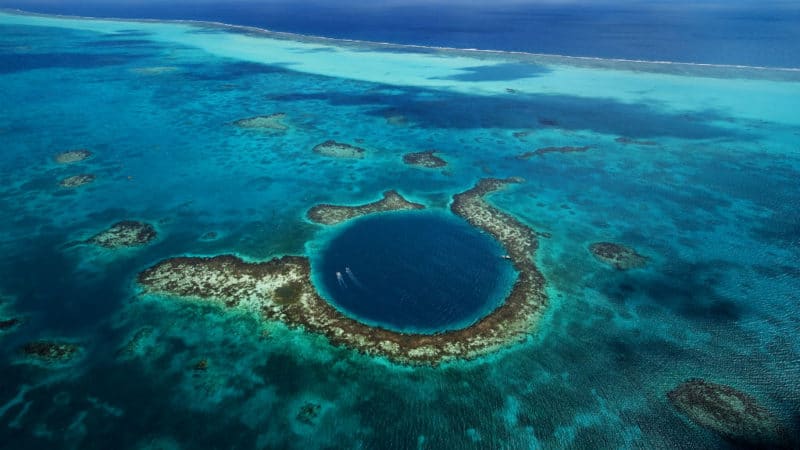
The Belize Barrier Reef Reserve System – the world’s second largest coral reef system after the Great Barrier Reef – has come off the List of World Heritage in Danger, following the advice of the International Union for Conservation of Nature (IUCN). The decision was taken on Tuesday, June 26, 2018 at UNESCO’s World Heritage Committee meeting taking place in Bahrain.

Belize Barrier Reef Reserve System

For the past 10 years or so, the World Heritage site has been facing threats from potential oil activities and unsustainable tourism development. However, Belize recently announced a ban on oil drilling in its entire marine territories, and reinforced the legal protection of its mangroves – which reduce the risk of disasters associated with climate change, keep the waters pristine and support local fisheries – from harmful developments. These decisions have led to today’s removal of the site from the “danger list”.

“Belize has demonstrated the kind of leadership that is urgently needed to increase the resilience of precious marine ecosystems to climate change, while fostering sustainable tourism,” says Tim Badman, Director of IUCN’s World Heritage Programme. “It’s firm commitment to protecting the reef from oil threats and development impacts is a huge boost to this iconic World Heritage site – and to the local economy which depends on it.”

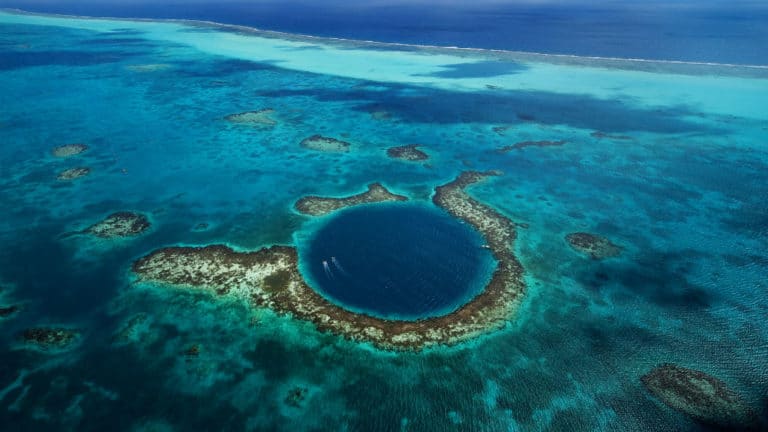
Made up of seven marine reserves, the Belize Barrier Reef Reserve System was inscribed on the World Heritage List in 1996 for its outstanding marine values. It is home to the Critically Endangered Hawksbill Turtle and the Vulnerable West Indian Manatee, and boasts various types of coral reefs, numerous sand cays and mangrove islands, and splendid seascapes such as the world-famous “Blue Hole”.

The site’s pristine waters and abundant marine life provide social and economic benefits to local people, such as locally managed fisheries and nature-based tourist attractions. Tourism and fisheries employ about half of Belize’s population, and highly depend on the site’s healthy marine ecosystems.

The site was added to the List of World Heritage in Danger in 2009 due to unsustainable hotel development, whose devastating impacts increased its vulnerability to erosion and severe storms. Entire mangrove forests were cleared then, and replaced with sand and coral rubble extracted from nearby waters, which destroyed corals and seabed ecosystems.

The site’s long-term sustainability came under threat again in 2011, when it emerged that offshore oil concessions existed within the site. The World Heritage Committee, following the joint advice of IUCN and UNESCO’s World Heritage Centre, repeatedly called on Belize not to allow any oil activities that could potentially harm the site’s exceptional values. Due to their destructive and irreversible impacts, oil, gas and mining industries are seen as incompatible with World Heritage status.

“The aim of the World Heritage Danger List is to help focus action where it is most needed and today’s decision to lift the ‘in danger’ status of the Belize Barrier Reef Reserve System proves that it can be incredibly effective,” says Peter Shadie, IUCN Senior Adviser on World Heritage. “Every natural World Heritage site should be granted the highest level of protection possible, and Belize provides an inspiring example of how national commitment combined with collective action can ensure that this is the case.”

While unsustainable development no longer threatens the integrity of the Belize Barrier Reef Reserve System, the site is increasingly exposed to climate change, with impacts such as coral bleaching, rising sea levels, beach erosion and hurricanes. Climate change is the fastest growing threat to natural World Heritage, according to the independent 2017 IUCN World Heritage Outlook assessment.

GCF, GEF harmonise steps to follow developing country lead in climate finance

0

The Green Climate Fund (GCF) and the Global Environment Facility (GEF) have agreed to take joint steps to improve climate finance flows to best meet the needs of developing countries in tackling the global climate challenge.

GCF-GEF
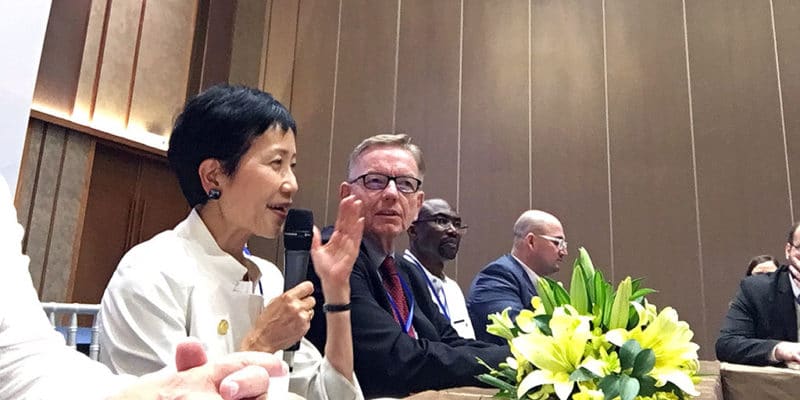
GCF Executive Director Howard Bamsey and the GEF’s CEO and Chairperson Naoko Ishii

The heads of the two organisations, GCF Executive Director Howard Bamsey and the GEF’s CEO and Chairperson Naoko Ishii, met together on Tuesday, June 26, 2018 in Da Nang, Vietnam with several developing country ministers to consider how the two funds can best promote complementarity and coherence in their ongoing climate finance support.

Mr Bamsey said it is only natural GCF and the GEF work closely together as they are both helping countries implement the Paris Agreement as operating entities of the Financial Mechanism of the United Nations Framework Convention on Climate Change (UNFCCC).

“It is essential that we continue to strengthen the synergies between our two funds to simplify the architecture of climate finance,” he said. “This will help us ensure countries receive coordinated financial inputs that best suit their needs in driving low-emission and climate-resilient development.”

Mr Bamsey portrayed the GEF as a valuable climate finance partner while speaking at a combined GCF-GEF ministerial dialogue before the GEF’s 6th Assembly, currently being held in the Vietnamese city.

He also congratulated Ms Ishii on the recent decision by nearly 30 governments to approve a $4.1 billion replenishment of the GEF’s new four-year investment cycle.

Ms Ishii expressed how pleased she was that GCF was now fully up and running, stating “the GEF and the GCF now have the opportunity to work together on our respective roles in helping countries respond to the negative impacts of climate change.”

Stressing the urgency of the global climate challenge, Ms Ishii noted how GEF’s new investment cycle (GEF-7) puts an emphasis on addressing the underlying drivers of environmental degradation and will result in more climate benefits.

She said: “In GEF-7, the GEF will double the target for greenhouse gas emissions mitigated from GEF projects compared to the last funding cycle.”

“Ultimately, partnerships among financing entities like the GEF and GCF offer more sustainable solutions to the countries that we serve,” said Ms Ishii, noting a new climate strategy approved by the GEF Council, including climate adaptation for Least Developed Countries and a separate climate change fund, will provide further support for countries.

The two organisation heads highlighted the potential for GCF-GEF cooperation to pilot innovative projects, identify key co-financing opportunities, and scale up readiness support to lay the groundwork for enhanced climate finance in developing countries.

While stressing the need to follow developing country guidance, Mr Bamsey and Ms Ishii cited a Bhutanese initiative to protect the country’s forest cover as an example where the two organisations are providing complementary climate finance support. This initiative, funded by both GCF and GEF, is building the climate resilience of communities while also safeguarding Bhutan’s biodiversity.

GCF was set up by the 194 countries which are parties to the UNFCCC in 2010 to specifically address climate change. GEF was founded in 1992 to finance measures that tackle a wide variety of environmental challenges, including climate change as well as biodiversity, forests, land degradation and oceans – covering a total of five international conventions.

Every lead poisoned child will be treated, says government

0

The Ministry of Mines and Steel Development on Wednesday, June 27, 2018 in Abuja said it would ensure that no lead poison remained in the blood of over 650 children receiving treatment in Zamfara and Niger states.

Shikira
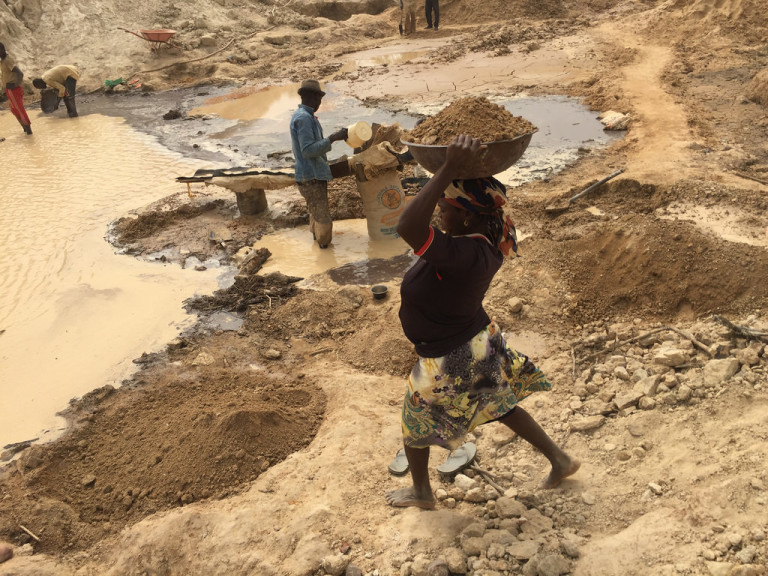
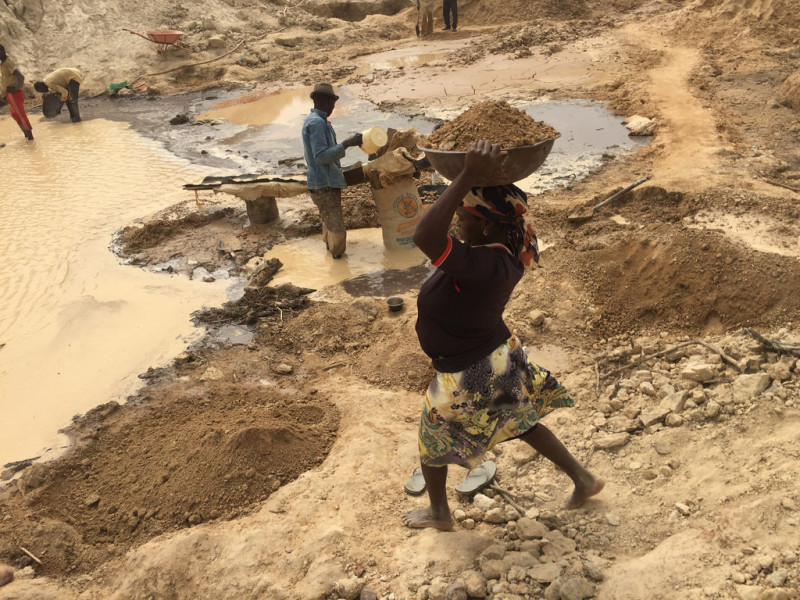
Local mining activities in Shakira has led to large scale lead poisoning

Alhaji Abubakar Bwari, the Minister of State of the ministry, gave the assurance while addressing newsmen at the end of a two-day event on the second International Conference on Lead Poisoning Associated with Artisanal Gold Mining in Nigeria.

According to Bwari, the ministry and other relevant stakeholders will ensure that lead poison is totally removed from the affected children’s blood, for them to become normal in the society.

The News Agency of Nigeria (NAN) recalls that 20 children are currently receiving treatment in Niger while 660 in Zamfara are also undergoing treatment and follow-up to ascertain the level of lead poisoning in their blood.

Lead is a toxic metal found in the earth’s crust.

It is a cumulative toxicant that affects multiple body systems and is particularly harmful to young children, as it is stored in the teeth and bones where it accumulates over time.

He said that the ministry and relevant stakeholders had worked tirelessly during the two days conference to proffer solutions and recommendation on how to prevent lead poisoning reoccurrence in Nigeria.

He said that the ministry would adopt short, medium and long term strategies to prevent reoccurrence in Nigeria.

According to him, the ministry will present all the recommendations made during the conference at the Federal Executive Council (FEC) and the National Assembly on how they could support the ministry in its drive to achieve safer mining.

The minister said while the ministry continued to pursue safer mining, it would ensure that artisanal miners were registered into cooperatives, to enable them to become legal miners.

Bwari commended the relevant ministries such as environment, health and Doctors Without Borders for making the conference a success and recommendations proffered on safer mining for Nigeria.

There was an outbreak of lead poisoning in Zamfara in 2010, which killed no fewer than 400 people, mostly children.

In 2016, there was another outbreak in Niger that also killed more than 28 children.

However, the Medicine Sans Frontiers, known as Doctors without Borders, were able to curtail the spread in the two states, in collaboration with relevant ministries and the Federal Government through funding and technical support.

The cost of the first phase of remediation of the poisoning in two villages in Zamfara was N150 million and it was funded by the state government.

The second phase of remediation in five villages in the same state cost $2 million, sponsored by the United Nations.

In 2016, the Federal Government also spent N250 million to remediate lead poisoning in two villages in Niger.

By Francisca Oluyole

New drug to curb post-childbirth bleeding unveiled

0

The World Health Organisation (WHO) has said that a new drug – Carbetocin – has the potential to save thousands of women’s lives in childbirth annually.

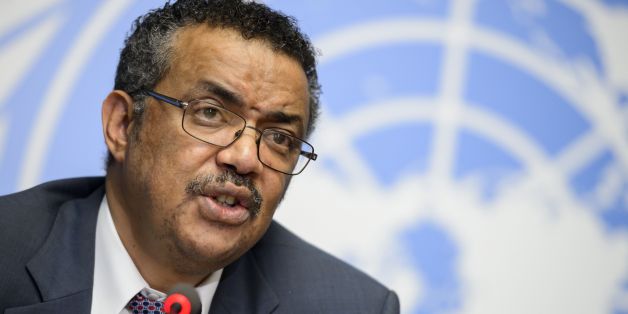
Dr Tedros Adhanom Ghebreyesus
Dr Tedros Adhanom Ghebreyesus, Director-General of the World Health Organisation (WHO). Photo credit: AFP / FABRICE COFFRINI / Getty Images

WHO said Carbetocin now serves as a new competition – with improved benefits – to Oxytocin, a stand-by drug used to prevent potentially-fatal bleeding after childbirth.

WHO said excessive bleeding after childbirth still kills around 70,000 mothers a year and currently, Oxytocin is the first-choice medication, but it must be kept cold, unlike the new drug, Carbetocin.

The study, partly led, among others, by WHO and published on Wednesday, June 27, 2018, suggested that the new drug which could be stored at normal temperatures, could save the lives of thousands in low- and lower-middle-income countries.

“This is a truly encouraging new development that can revolutionise our ability to keep mothers and babies alive,” said WHO Director-General ,Tedros Adhanom Ghebreyesus.

WHO said since Oxytocin must be stored and transported at a cool two to eight degrees Celsius – a difficult task in many countries – numerous women lack access to the medicine.

The global health agency said even if women could obtain Oxytocin, heat exposure might render the drug less effective.

The study, published in the New England Journal of Medicine, has shown the heat-stable Carbetocin is not only as safe and effective as Oxytocin, but even without refrigeration – when stored at below 30 degrees Celsius and 75 per cent relative humidity – it retains its efficacy for at least three years.

WHO noted that approximately 70,000 women die annually from postpartum haemorrhage – increasing the risk that their babies will also die within a month.

In the largest clinical trial of its kind, close to 30,000 women who gave birth vaginally were studied in Nigeria, Argentina, Egypt, India, Kenya, Singapore, South Africa, Thailand, Uganda and the United Kingdom.

Immediately after child birth, each woman was randomly injected with a single dose of either heat-stable Carbetocin or Oxytocin – revealing that both were equally effective at preventing excessive bleeding.

Metin Gülmezoglu of WHO’s Department of Reproductive Health and Research, described the report of Carbetocin as “very good news” for millions of women.

“The development of a drug to prevent postpartum haemorrhage that continues to remain effective in hot and humid conditions is very good news for the millions of women who give birth in parts of the world without access to reliable refrigeration,” Gülmezoglu said.

While Carbetocin has not yet been cleared for use beyond clinical trials, the next steps begin with a regulatory review, countries’ approval and then consideration by WHO’s Guideline Development Group.

However, WHO said on Wednesday that, following the positive trial results, it would be working to advance affordable access to the potentially lifesaving drug in countries with a high maternal death rate.

By Prudence Arobani