Home Blog Page 1841

Don’t remove Geography from school curriculum, association pleads

0

The Association of Nigerian Geographers (ANG) recently pleaded with the Federal Government to restore geography to the senior secondary school curriculum and make it compulsory for science students.
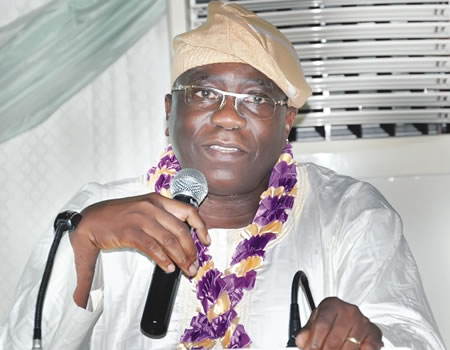
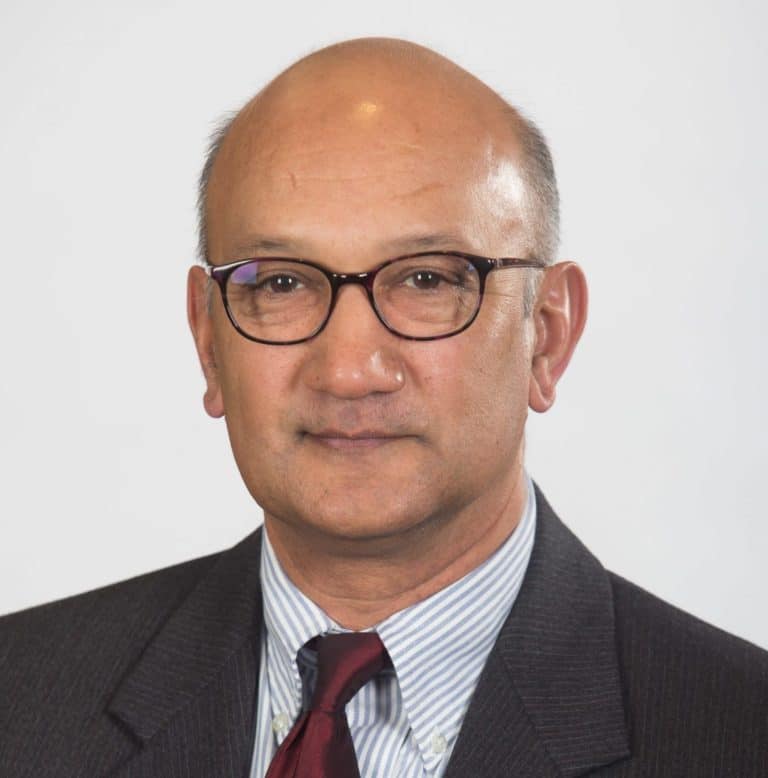
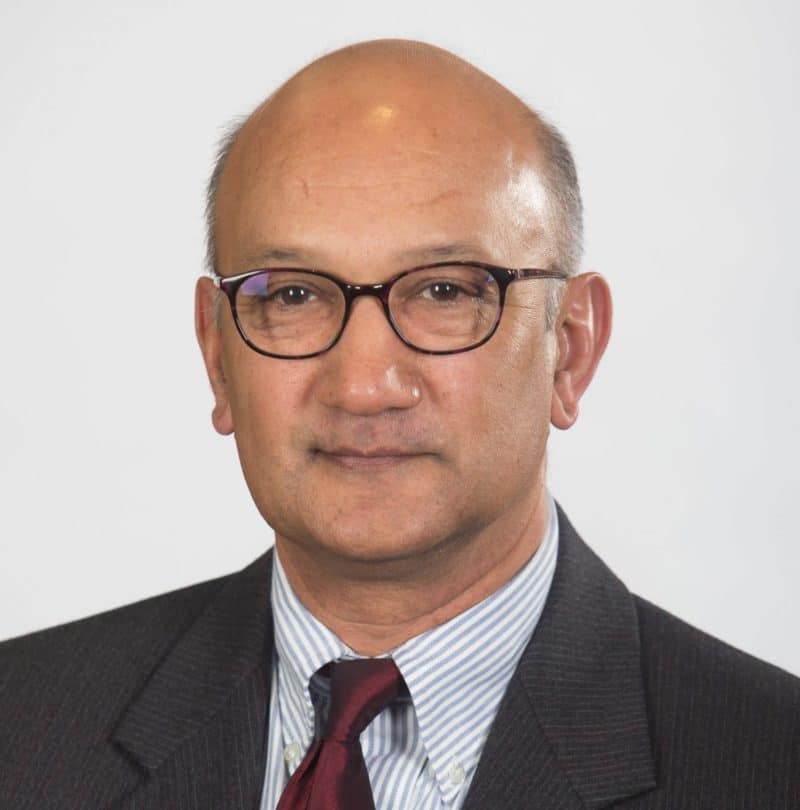
Prof. Kayode Oyesiku
Prof. Kayode Oyesiku, President, Association of Nigerian Geographers (ANG)

The president of the association, Prof. Kayode Oyesiku, said that the decision to remove geography from the curriculum four years ago and make it optional for students ought to be reviewed.

The association called on the Federal Ministry of Education to restore Geography as a single subject in senior secondary schools across the country to avoid producing youths and leaders without knowledge of basic environment features.

He recalled that in 2013, Geography as a single subject was removed from the Senior Secondary School curriculum and sandwiched within some parts of Social Studies.

“Geography as a discipline provides an integrative knowledge platform between the natural and social sciences that form the basis for the millennium development goals and sustainable development goals to which Nigeria is a signatory.

“It is one of the combinations of subjects for several disciplines in the Unified Tertiary Matriculation Examination (UTME) examinations.

“It implies that students will look for some irrelevant subjects that are not directly important to geography related disciplines in an attempt to look for the alternatives,’’ he said.

Oyesiku, the former provost of Engineering and Environmental Studies, Olabisi Onabanjo University, Ago–Iwoye, Ogun State, also said that the teaching of geography should not be sacrificed for any subject.

“The nation sits on a time bomb as it risks losing geographical information systems used in planning major cities including the Federal Capital Territory.

“Geography is in the front burner in understanding science and social science subjects and is therefore of great importance supporting modern national development in Nigeria.

“It broadens what is traditionally considered as a discipline embracing climate, weather, vegetation, soil and geology.

“It could also enhance technology and information science, help in the understanding of vehicular navigation systems and assist in appreciating cultural settlement patterns as well as better understanding of economics, diseases patterns, urban studies, development population and even history.

“Through the knowledge of Geography, natural resources have become more accessible, particularly in areas often considered as inaccessible,’’ he observed.

Similarly, Prof. Nasiru Idris, Dean, Faculty of Environmental Sciences, Nasarawa State University, Keffi, said that, without Geography, Nigeria would not meet the needs of the present environmental standards.

He said that without Geography in the school curriculum, basic understanding of the environment would be in turmoil, as Geography is science, as well as art.

“Geography is one of the backbones of mankind that make one understand basic physical systems that affect life, play important roles in the evolution of life and it will continue to explore more about life.

“Currently, the National Universities Commission (NUC) has introduced Introduction to Environmental Science as a core course for all university students as General Studies.

“This means that Geography is well recognised at university level, so how will students who had no basic knowledge about geography at secondary school level cope?

“Sustainable Development Goals and global climate change are all issues and aspects of Geography, and as such, removal of Geography as a subject at lower levels of education will have significant implications on the entire society as the daily growing environmental challenges observe no political boundaries,’’ he said.

Sharing similar opinion, Prof. Adamu Tanko from Bayero University, Kano and first Vice- President, ANG, said that “a geographer is an informed global citizen.

“It would do us a lot of harm if the subject is removed; the place of Geography in secondary education is such that its removal means students are not going to be exposed to the subject of geography as a whole.

“It could be a catastrophe where foreigners would have to be called upon to plan certain basic things in Nigeria, and where Nigerians cannot be trained locally to take up some key positions.

“In the past, pupils in elementary and primary schools were taught geography, and from the primary school, children would learn about their immediate environment and their country.

“This helped immensely for these young Nigerians to understand and appreciate our differences which made many of us open minded, tolerant and better informed.

“Now that the subject has been removed as a core subject in our secondary schools for some time now, many of the losses suffered as a result are becoming increasingly evident’’.

Tanko said that children were denied the opportunity to take some important professional courses in higher schools such as the universities because geography, which was a necessary requirement for one to take courses in environmental sciences/management, for instance, would be missing on the list of subjects taken.

“Without Geography there are many courses that cannot be offered and for which key environmental issues and problems cannot be addressed, and we cannot contribute to global management of the environment.

“Geography is a primary requirement for the studies of urban/rural environmental planning; land use, land cover management, climate change and development, transportation management, agricultural development and disaster management, among others.

“The removal of Geography will be in contrast to what is happening in global education system, including some African countries, where it is a core subject,’’ he observed.

Tanko said that with the contemporary security crises in Nigeria, it would not be out of place if Nigerian children learned from the foundation about what made up the country and not just about ethnic groups.

He, therefore, called on the agencies of the Federal Government in charge of curriculum development to revert to status quo.

By Ebere Agozie, News Agency of Nigeria (NAN)
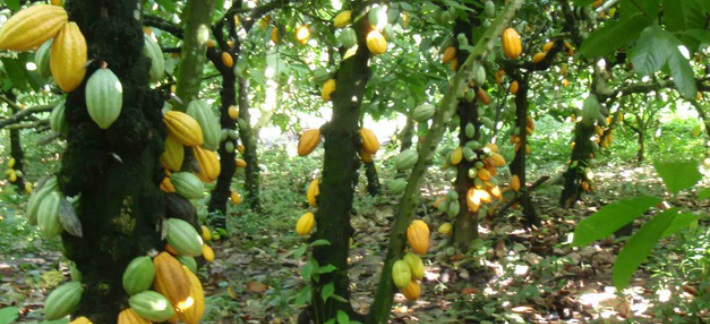
Cote d’Ivoire to invest $1.1b to replenish forest cover

0

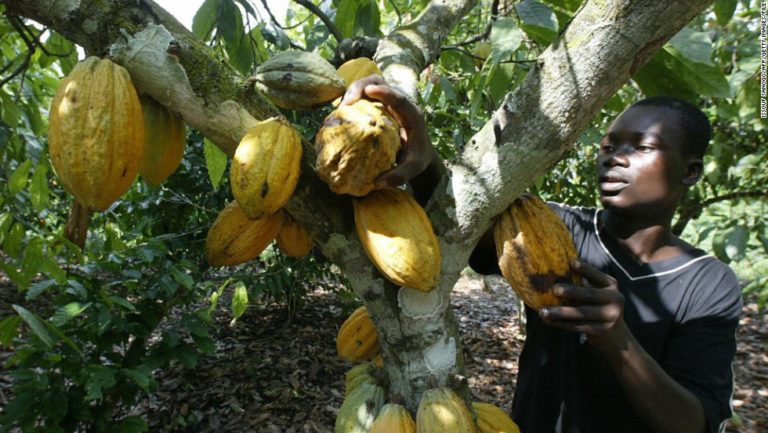
The world’s top cocoa producer, Cote d’Ivoire, said on Monday, July 2, 2018 that it would invest nearly $1.1 billion over 10 years to replace forests that were razed to grow the bean.

cocoa plantation
Cote d’Ivoire is the world’s top cocoa producer. Photo credit: thebreakingtimes.com

The West African country supplies two million tonnes of cocoa to the world market annually and the commodity is a mainstay of the economy.

Mighty Earth, an NGO, had alleged in an October report that “many of the country’s national parks and conservation lands have been cleared of their forest to make way for cocoa operations to feed demand from large chocolate companies like Nestle, Cadbury, and Mars.”

Ivorian Minister for Water and Forests, Alain-Richard Donwahi, told foreign donors on Monday that the government would spend 616 billion CFA francs ($1.09 billion) in afforestation programmes.

“Between now and 2030 we will recover 20% of our (lost) forest cover. That is our commitment,” he said.

Donwahi said the project would involve both public and private partnerships, saying policy would be changed to ensure “that cocoa production does not destroy forests but actually helps preserve them”.

“We will identify illegal cocoa plantations tucked away in forests and destroy them,” he said, adding that 500 000 tonnes of cocoa were produced in such zones.

Courtesy: News 24

Natural, social sciences merge, first president emerges

0

Daya Reddy, an internationally recognised mathematician from South Africa, has been elected president of the International Science Council (ISC) at the Council’s founding General Assembly. Peter Gluckman of New Zealand became the President-elect.

Daya Reddy
Daya Reddy

Reddy was born in Port Elizabeth, South Africa. He obtained his Bachelor’s degree in civil engineering from the University of Cape Town, and a PhD degree from Cambridge University. He was appointed professor of applied mathematics at the University of Cape Town in 1989, and served as dean of its science faculty from 1999 to 2005. He currently holds the South African Research Chair in Computational Mechanics at the University of Cape Town, South Africa. He has served as President of the Academy of Science of South Africa, and is an elected Fellow of the African Academy of Sciences and of TWAS, The World Academy of Sciences.

He is currently co-chair of the research branch of the InterAcademy Partnership, a network of some 130 national science academies of science and health sciences. He has held numerous visiting positions, including those of Visiting Faculty Fellow at the Institute for Computational Sciences and Engineering at the University of Texas at Austin, and the Timoshenko Lecturer at Stanford University. He is a recipient of the Award for Research Distinction of the South African Mathematical Society, the Order of Mapungubwe from the President of South Africa, and of the Georg Forster Research Award from the Alexander von Humboldt Foundation of Germany.

“I am honoured by the confidence ISC members have placed in me at this historic juncture for international science,” he said, adding: “Our task is daunting, but unity is strength and I am confident that the combined forces of our membership across all scientific disciplines will enable us to meet the ambitious goal we have, to assert ourselves as the global voice for science.”

The ISC is a new global organisation representing more than 180 scientific organisations from all around the globe. The new Council will be the only non-governmental global body representing both the natural and social sciences, and results from the historic merger of the International Social Science Council (ISSC) with the International Council for Science (ICSU).

Led by a Governing Board, the Council will develop an impact-oriented agenda focusing on science for policy and policy for science, aimed at enabling international research coordination to contribute more effectively to major issues in the international public domain.

In his acceptance speech, Reddy spoke about the importance of inclusiveness, of involving all regions of the world in the work of the new Council. He called for the involvement of early career scientists in partnerships and agenda setting. “We have set ourselves an ambitious goal to be a powerful, visible, credible voice for science. There’s no time to waste. Let’s get to work!”

Reddy’s research interests lie in the domain of mathematical modelling, analysis and simulation in mechanics. He has made significant contributions to theories of complex material behaviour, and to the development of stable and convergent methods of computational approximation. He maintains an active engagement in biomechanics, including research into aspects of cardiovascular mechanics.

The Council was officially launched this week in Paris, during events hosted by the French Academy of Sciences. The programme includes a public-facing launch event featuring high level keynote speakers as well as representatives of the French government and the scientific community on July 5, 2018.

At the second General Assembly of the new Council, which will be held in Oman in 2021, the Presidency will pass to Peter Gluckman.

The further officers of the Board are Elisa Reis (Vice President), Jinghai Li (Vice President), Alik Ismail-Zadeh (Secretary) and Renée van Kessel (Treasurer). The ordinary members of the Board will be Geoffrey Boulton, Melody Burkins, Saths Cooper, Anna Davies, Pearl Dykstra, Sirimali Fernando, Ruth Fincher, James C. Liao, Natalia Tarasova and Martin Visbeck.

Earlier in the day, Gluckman, the former Chief Science Advisor to the Prime Minister of New Zealand, spoke about his vision for the Council in his remarks to participants before the vote.

He stressed that “The International Science Council must work to become the leading voice of science in leading fora of policy-making.” He added that “this requires a coherent and focused strategy asking where the Council is uniquely positioned – asking what the council should do, and what it should not do.”

The founding events of the International Science Council will continue tomorrow with a public launch event at the Maison des Océans in Paris, with keynote addresses by Cédric Villani, Esther Duflo, Ismail Serageldin, Craig Calhoun and many others.

The ISC is a non-governmental organization with a global membership of more than 180 organiszations, including national scientific bodies, International Scientific Unions and Associations, and Affiliated Members.

The ISC was created in 2018 as the result of a merger between the International Council for Science (ICSU) and the International Social Science Council (ISSC). This makes the Council the unique representative body of both the natural and the social sciences.

Nigeria, France sign $475m agreements on reforestation, public facilities

0

Nigeria and France on Tuesday, July 3, 2018 in Abuja signed three agreements worth $475 million on social amenities and reforestation.

Buhari Macron
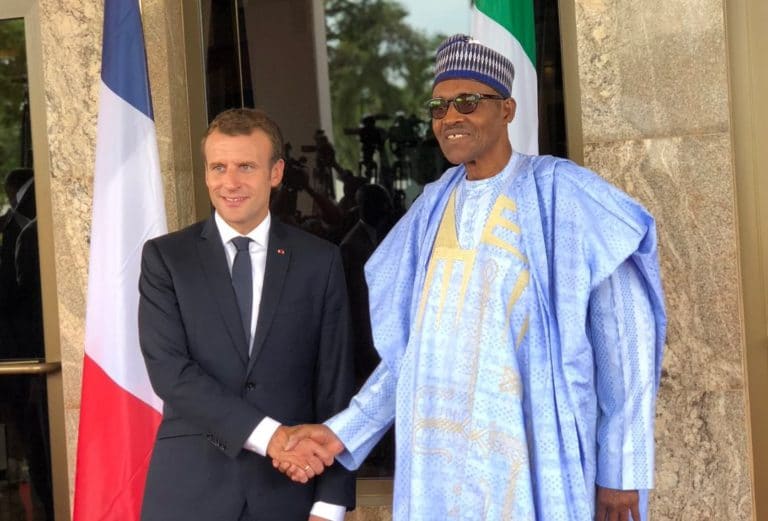
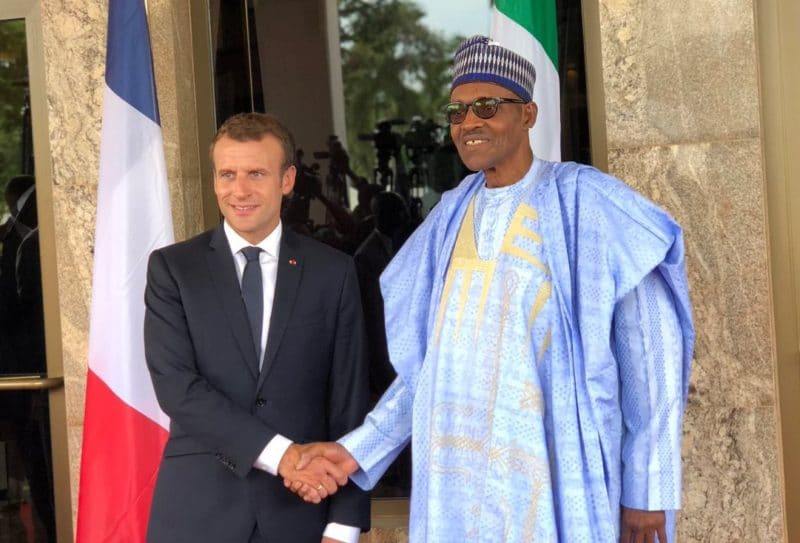
President Muhammadu Buhari and visiting French President Emmanuel Macron

The News Agency of Nigeria (NAN) reports that the agreements cover Urban Mobility Improvement Programme of Lagos State, sustainable water supply in Kano city and reforestation in Ogun State.
President Muhammadu Buhari and the visiting French President Emmanuel Macron witnessed the signing of the agreements during their bilateral talks held at the Presidential Villa, Abuja.

The Lagos agreement involved a letter of intent for the financing of urban mobility improvement project through a loan of $200 million. The urban mobility project will involve development of eight priority bus corridors connected to the Lagos mass transit network.

In Ogun, a French firm, in conjunction with the Nigeria Sovereign Investment Authority, is to mobilise from investors about $200 million for land reclamation to correct the massive degradation of arable land being witnessed in the state.

Gov. Ibikunle Amosun, who spoke to State House correspondents on the signed agreement, said the project aimed to reforest 108,000 hectares of depleting forest in Ogun.

Amosun, therefore, hailed the signing of the agreement, describing it as very vital to not only addressing climate change challenges and recreating the forest, but also providing employment to the people of the state, among other benefits.

NAN also reports that France, through its foreign development agency, Whence Francaise de Development (AFD), will also extend a credit facility of $75 million towards improving water supply in the city of Kano.

The concessional loan is expected to help the Kano State Government ensure more residents of the city have access to drinking water while improving the financial viability of the state water board to increase its revenues.

Addressing newsmen after the signing of the agreements, Buhari and Macron, who addressed a joint press conference at the forecourt of the Presidential Villa, expressed the readiness of their countries to continue to promote socio-economic interests for the general good of both countries.

The two presidents pledged to increase the cooperation between Nigeria and France in tackling security challenges occasioned by Boko Haram and ISIS jihadists in Nigeria and the Sahel region of Africa.

Macron said he was more concerned about how African governments organised themselves to effectively tackle the challenges posed by terrorists on the continent.

He said: “The main plan is an African plan and France is not the one to solve or fix African situations.

“So what we want to do is that we will intervene and maintain our presence in Africa and Sahel to fight against terrorism, especially in Mali and in the region.

“What is important to me is how the different African governments organise themselves to fight against terrorism and get rid of these people and especially, jihadism. That is why I do promote the G5/Sahel Initiatives.

“As far as we are organised, Nigeria, Niger, Chad and Cameroon is also very important, it is Boko Haram. I think first we have to increase the operations and the pressure against these jihadists.

“We can fix the situation in the coming months and obviously France will remain present in Africa for as long as they want it.’’

On his part, Buhari thanked French government for its support and assistance to Nigeria’s efforts in combating insurgency and violent extremism in the country and the Sahel region.

He said already Nigeria had cultivated the culture of friendship with all its neighbours with a view to ensuring security and political stability in the region.

By Ismaila Chafe

Ghana: Why passion will sustain Mole National Park against all odds

0

Unless you have total disregard for nature or you’re one of the people who value wildlife (both animals and plants in the wild) only in terms of exploitation for timber, game and other non-timber forest products, then you must be commending Ghana for its protected wildlife areas. They remain what are left of the country’s pristine ecological areas that promote biological diversity and thereby contribute to human survival.

Mole National Park
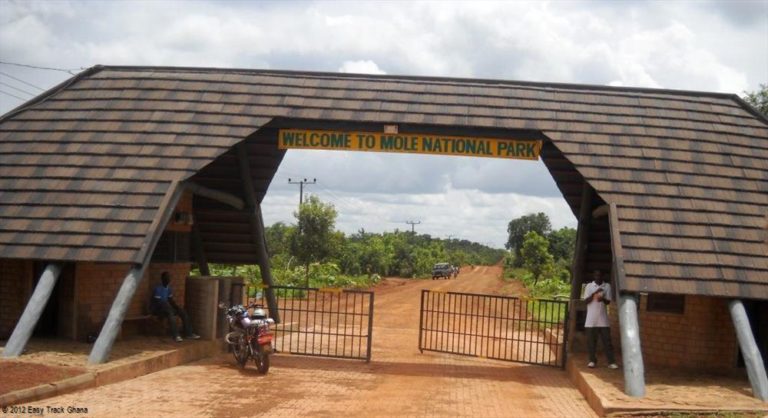
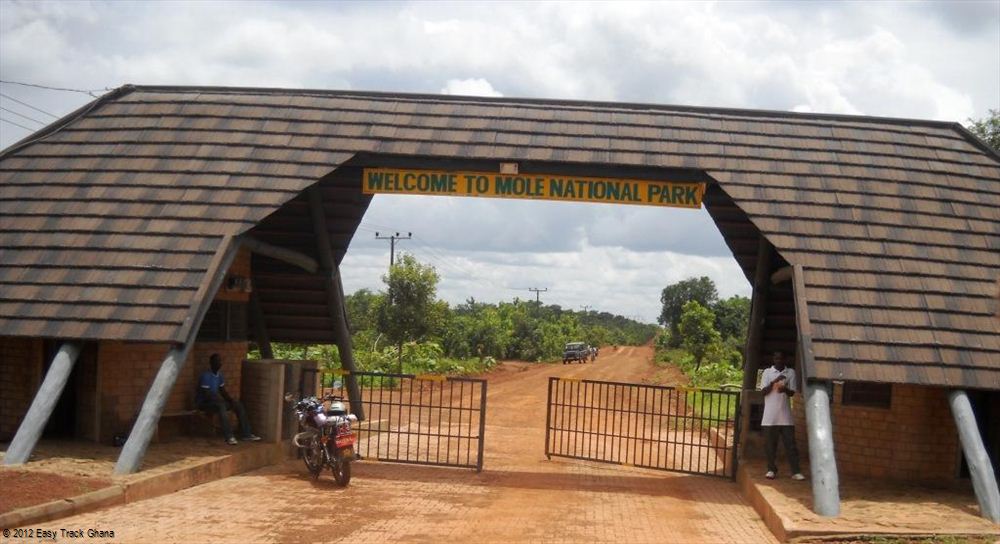
Entrance to the Mole National Park

Of the country’s 21 wildlife protected areas, there are seven designated National Parks, six Resource Reserves, two Wildlife Sanctuaries, one Strict Nature Reserve and five Coastal Wetlands of International Importance also known as Ramsar sites, most of which have unfortunately been massively exploited for other uses.

Mole National Park is the largest covering an area of 4,577km². Due to its rich animal, birdlife and plant diversity, the area was set aside as wildlife refuge in 1958, and designated as a National Park in 1971 (along with other areas) under the Wildlife Reserves Regulations, 1971.

As is common to all of such protected areas, Mole National Park provides protection for species from hunting and poaching, among other things. It serves to secure the area’s uniqueness as a naturally occurring refuge island to preserve endangered species in particular and to offer recreational opportunities.

The Park is mainly located near Damongo in Ghana’s Northern Region and extends a little bit to the Upper West Region, stretching across five administrative districts. They are West Gonja, Sawla Tuna Kalba, Wa East, North Gonja and Mamprusi Moaduri Districts. It is 146km south west of Tamale the Northern Regional Capital and 25km from Damongo the Capital of West Gonja District.


Genesis of the Mole National Park

The beginnings of the Mole National Park can be traced to the establishment in 1933 of the Tsetse fly Control Unit of the Ministry of Agriculture for the eradication of the tsetse fly menace that was ravaging large animals both wild and domesticated, and continued to do so for about 20 years. The programme was also to prepare the grounds for large scale cattle ranching. During 1949 to 52 the colonial administration appointed Game Wardens to facilitate gaming in the country. Then in 1957, President Kwame Nkrumah appointed A.R. Charleswick as Game Warden to manage the area that eventually became a Wildlife Sanctuary.


Architects of the Park

There is no doubt that the wildlife officials then known as Game Officers – late Dr. Asibey, Punguse, late Ankunde, Ofori Frempong, Naa Nuhu, Ben Volta, and the host of others including some foreign nationals, who were instrumental in firming up the Park’s establishment did so out of genuine interest and concern for the general welfare of the nation. They looked past the immediate benefits of unchecked hunting and farming, to the long term goals of management for ecosystem protection and eventually for food security and sustainable development.

These people were self-motivated and passionate, because they understood the linkage between a healthy and well-functioning wildlife ecosystem and a vibrant human life and sustainable development.  They understood that the term “wildlife,” does only refer to wild animals, but also encompasses all undomesticated life forms including birds, insects, plants, fungi and even microscopic organisms.

They appreciated that for maintaining a healthy ecological balance on this earth, animals, plants and marine species are as important as humans. That the eco-system is all about relationships between different organisms connected through food webs and food chains. So if just one wildlife species gets extinct from the eco-system, it is likely to disturb the whole food chain ultimately leading to disastrous results. For instance, the bee is vital for growth of certain crops as a result of their pollen carrying roles. So, if the population of bees diminishes because of destruction of all types of forests, the growth of food crops will definitely suffer for lack of pollination.

The architects were people who cared more about the welfare of wildlife animals and their habitat, than about their own lives. They formed the early staff of the then Game Department (now Wildlife Division of the Forestry Commission) and set the pace for the management of Mole National Park and indeed all the other protected areas, based on selfless commitment to duty.


Mole National Park
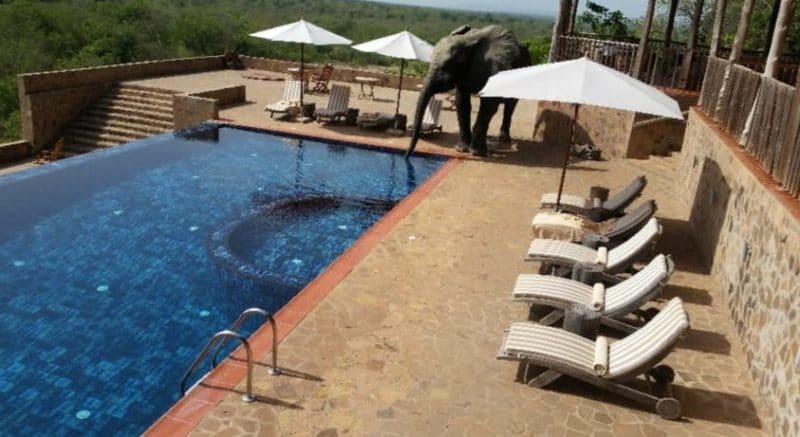
It was the lucky day for the writer whose visit to the Zaina Eco-Lodge coincided with that of the juvenile elephant known for his annual trek to the Lodge, purposely for an annual splash

Management of the Park

For proper management, the park is partitioned into four management areas called ranges. They are known as Headquarters, Bawena, Jang and Ducie Ranges. These are sub-divided into beats for effective law enforcement and ground coverage. Each range has at least twenty staff pooled into a range camp and deployed regularly on patrol in the beats to check poaching, unauthorized entry and other illegal activities. There are staff and satellite camps within the ranges used as rest stops and focal points during patrols.

Staffers also gather biological data and all are fed into a computerised Management Information System (MIST). According to Ali Mahama, the Law Enforcement Officer at Mole, “the MIST is used to monitor patrolling effort and effectiveness as well as monitor wildlife distribution and trends.” He explained that the overall objective is to improve Park management and maintain the integrity of the Park.


The Perfect Tourist Destination

The Park admits visitors from all over the world for game viewing, camping, hiking, research and education. Visitors to the Park have gradually increased from a total of 2,322 recorded visitors in 1989 to 17,758 recorded 2017. As at the first quarter of 2018 a total of 5,226 people had visited the Park. The visitors are made up of domestic tourists including adults, students of tertiary and secondary institutions. Others are foreign adults, nature lovers, bird watchers, students and children. Apart from the bogs, duikers, bushbucks, warthogs and baboons, one might also be lucky to watch a team of elephants cooling themselves by smearing mud on their skins or doing their “beauty treatment.”

But you could even get a pleasant surprise from the now known young male elephant, who according to the Manager of Zaina lodge, Andrew Joseph Murphy, “visits the lodge once a year to cool itself with water from the swimming pool at the Lodge.”

Mole also has a historical legacy and Oral tradition says the park has links to the national slave trade route. The ancient caravan route from Salaga to Wa and beyond to Mali, passed through the heart of the park. This route was used for both trading and to transport slaves to coastal markets. The park Headquarters is located right at a place where Samore and Babatu, the two famous slave raiders raided and erased a village to the ground. The Headquarters is named after Samore. There is also a cave in the Konkori escarpment that was used as a refuge from slave raiders by the local people.

The upgrading of the existing boarding facilitates as well as the construction of an eco-lodge facility have helped to revive tourism to Mole following the Ebola scare that caused the numbers to drop in 2013 and 2014.


Mole National Park
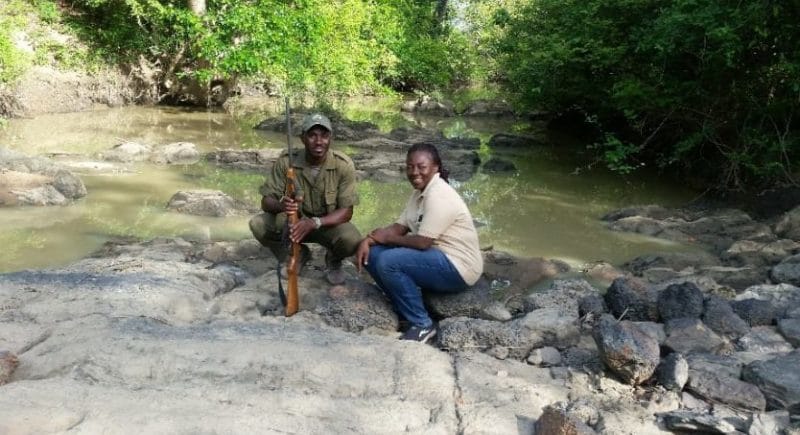
The writer with one of the Wildlife Rangers sitting on some rocks in the river bed of the Lovi, one of two rivers that pass through the Mole National Park

Contribution to GDP

It is obvious that Mole National Park is a significant contributor to the over 1.3 billion USD, which is a direct contribution of the tourism sector to annual revenue generation representing about 2.8% GDP.


Current threats to Mole’s existence

While, staffers have been able to keep illegal hunting and poaching to the minimal levels, poachers continue to threaten their lives. A number of staffers have lost their lives over the years, with the latest occurring in March 2018, when the leader of a patrol team was hit and killed by poachers.

Such attacks, coupled with inadequate funding and logistics for the sector, have begun to wear out the morale of staffers. Nevertheless, their passion to keep Mole as intact as possible remains key, even in the current fight against illegal logging of Rosewood. The species is one of the dominant trees in the Park and provides food for most of the mammals. Bees love the nectar from the Rosewood flowers that provide the main ingredient for honey in the area. Indeed, fringe communities such as Mognori and Murugu are now famed for producing the best honey in Ghana.

However, the unprecedented illegal logging of Rosewood is threatening not just the Park’s existence, but the local honey industry and the functionality of the Community Resource Management Areas (CREMAs).


Staff Response

Staffers of Mole have responded by cutting up and burning Rosewood logs felled in the Park as well impounded equipment and vehicles. The Park Manager Farouk says, “Though this measure has drawn sharp criticisms from some quarters, it has helped to curtail the menace in the Park for now.” He emphasised that “Mole was created by the passion of our seniors and with our passion we will sustain the Park against all odds.”

By Ama Kudom-Agyemang

SDGs: Governments urged to grow investment in renewable energy

0

Governments at all levels have been told to increase investment in renewable energy and create an environment that will open doors for more local and foreign players in the renewable energy sector. This will make as many communities as possible have access to mini-grid and off-grid energy systems as well as clean and affordable cooking energy.

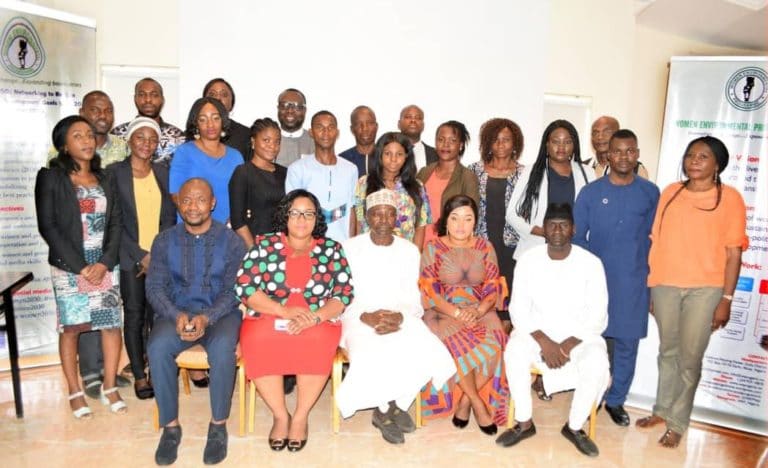
Women Environmental Programme (WEP)
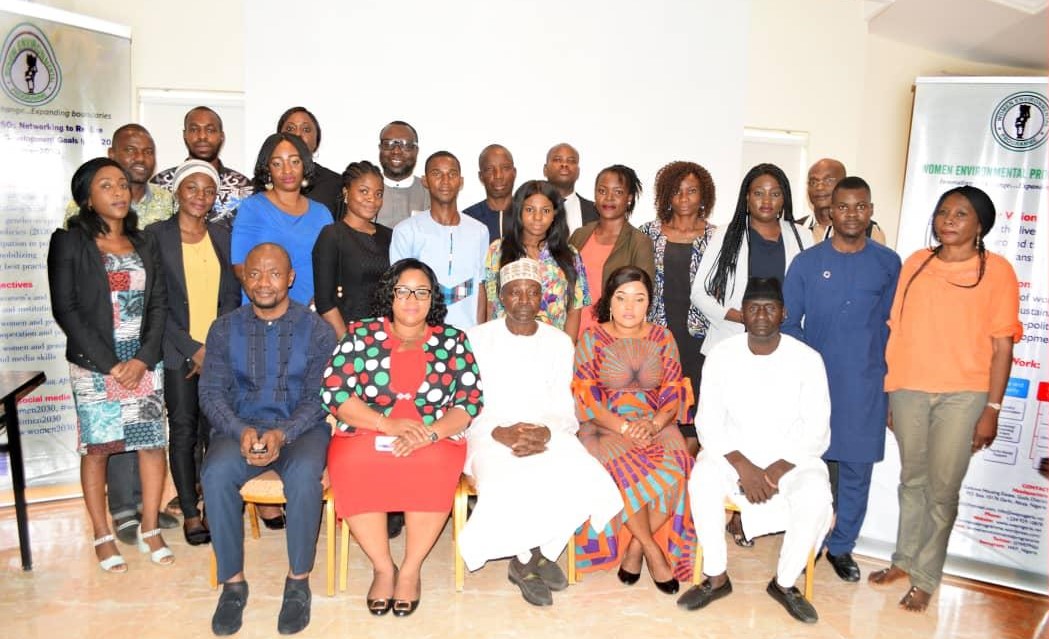
Participants at the policy consultation

This formed part of the resolutions at a policy consultation on the Sustainable Development Goals (SDGs) held courtesy of the Women Environmental Programme (WEP), on Wednesday, June 27, 2018 in Abuja.

This policy consultation was part of the activities of the Women2030 project, which created a platform for different stakeholders to discuss Nigeria’s SDGs’ plans, policies and programmes, and make necessary recommendations that will help the country realise the SDGs. Stakeholders at the event were drawn from the Ministries, Departments and Agencies (MDAs) of government, private sector, civil society organisations (CSOs) and the media.

Participants also agreed that MDAs should align their activities with the targets of their relevant SDGs and draw up actionable plans that will be implemented over time to achieve the SDGs targets. Until the MDAs work in line with the set targets of the SDGs, the country will be far from achieving the SDGs at the appropriate time, they stated.

Governments were likewise urged to ensure that all private and public schools are inclusive and have infrastructure for equitable and qualitative education which gives access to education to both the abled and children with disabilities.

“MDAs responsible for provision of water to the citizens should make concrete plans to ensure more Nigerians have access to portable water by expanding their distribution networks and exploiting more, the abundant water resources in the country for provision of portable water to the citizens,” emphasised the participants, adding that government should commit to implementing the Affirmative Action in the National Gender Policy for more involvement and meaningful participation of women in public decisions.

While recommending that the lawmakers translate the Affirmative Action into a law, the executive, they suggested, should be guided by the National Gender Policy in their appointments so as to achieve gender balance.

Senior Special Assistant to the President on Sustainable Development Goals (SSAP SDGs), Princess Adejoke Orelope-Adefulire, in an address presented on her behalf by Mr. Yahaya Hamza explained to the participants the different funding sources available for the implementation of SDGs in Nigeria. She also highlighted the strategies employed by her office as well as the different programmes being implemented by the office towards achieving SDGs.

She listed the funding sources for implementing SDGs in Nigeria to include: Annual Budgets, Debt Relief Gains and Conditional Grants Scheme.

After the Keynote address, participants were taken through the 17 goals and the 169 targets and how the SDGs could be mainstreamed in policies and programmes of organisations by Linda Akpami, an environment consultant.

This was followed by the presentation by WEP on the preliminary results of the assessment carried out on specific goals and targets of the SDGs in 11 states of Nigeria: Lagos, Delta, Rivers, Anambra, Benue, FCT, Nasarawa, Plateau, Kano, Yobe and Katsina.

The assessment sought information against the following SDGs and targets: Goal 1, targets 1.2 and 1.4; Goal 4, target 4a; Goal 5, target 5.5; Goal 6 targets 6.1 and 6.2; Goal 7, target 7.1; and Goal 13, target 13.2. However, only the quantitative results for Goals 1, 4, 5, 6 and 7 were presented at the policy consultation.

The result of the assessment revealed the following:

  • High poverty rates across the states assessed as income levels of respondents with highest percentage fell within the income category of between N1 and N10,000 which translates to the fact that most respondents live on less than $1 a day.
  • Many schools assessed had no infrastructure for equitable and quality education: Apart from FCT, less than 50% of schools in the other states had computers for use by teachers, pupils/students. Averagely, 90% of schools assessed had no infrastructure and materials adapted to the needs of children with disabilities. Similarly, many schools had no electricity, drinking water sources, toilets, and handwashing facilities.
  • Major drinking water sources of respondents were found to be borehole, sachet water and wells across all the states as most respondents had no access to public pipe borne water. Similarly, an average of 10% of respondents across all the states assessed had no toilets in their households.
  • An average of 80% of respondents had no access to public electricity supply, while over 60% across all the states depended on kerosene, firewood and charcoal as their major sources of cooking energy.
  • None of the states assessed had a woman as a governor. The states also had by far, fewer numbers of women in their Houses of Assembly and as Commissioners than men.

By John Baaki Terzungwe

Climate change is driving debt for developing countries

0

Increased risk from vulnerability to climate change is increasing the cost of capital and is projected to cause an additional $168 billion of debt payments over the next 10 years among the most climate change vulnerable countries, according to new research commissioned by the UN.

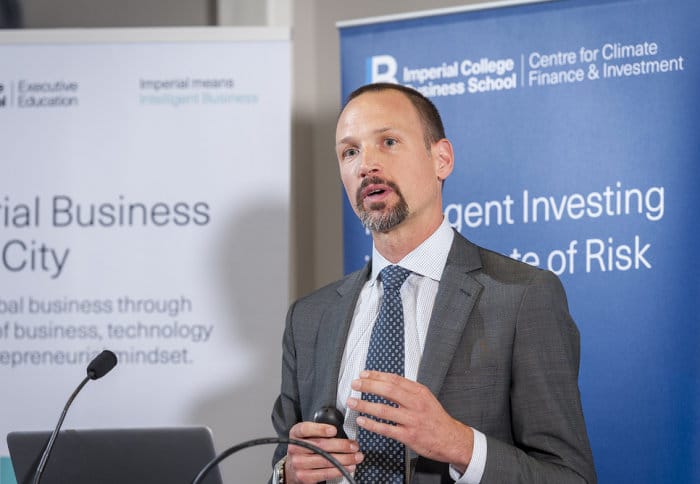
Charles Donovan
Charles Donovan, Director of the Centre for Climate Finance and Investment at Imperial College Business School. Photo credit: Fergus Burnett

A new report compiled by the Centre for Climate Finance & Investment at Imperial College Business School and the SOAS University of London Department of Economics is said to be the first of its kind to look at the relationship between climate change, sovereign credit profiles, and the cost of capital in developing countries.

The report finds that rapid climate change action to limit emissions to 2°C global average temperature warming above pre-Industrial Revolution levels and aim for 1.5 °C as agreed upon in the Paris Climate Agreement not only minimises the impact of climate change but reduces the future cost of climate change action and adaptation.

“Our work demonstrates that climate change is not only imposing economic and social costs on developing countries, but it is also amplifying existing risks that are already priced in fixed income markets. These impacts will grow,” said Charles Donovan, Director of the Centre for Climate Finance and Investment at Imperial College Business School.

“The good news is that investments in climate adaptation can not only reduce social, ecological and economic harm, but can buffer against fiscal impairments. But to be effective, these investments need to be made now,” he added.

The research focused on the so-called “V20” group of countries, members of the Climate Vulnerability Forum which is a consortium of the 20 nations most vulnerable to climate change.

The report estimates that these countries have already paid an additional $40-62 billion in additional interest payments due to climate risk from floods, droughts, and severe weather events.

The $62 billion increase in payments so far is the equivalent of coastal protection dykes for 9,538km of coastline. This could cover the entire coastlines of Bangladesh, Barbados, Cambodia, Fiji, Haiti, Sri Lanka, and Vietnam.

The study finds that borrowing for climate finance becomes more expensive over time if action is not taken quickly because the increased risk of investments from climate vulnerability causes debt repayments to increase over time.

“Investments that enhance the adaption capacity and resilience of climate vulnerable countries are crucial. They will not only help vulnerable countries to better deal with climate risks, they will also help to bring down the cost of their borrowing,” said Ulrich Volz, a lead author of the report and head of the Department of Economics at SOAS University of London.

“So far, markets are placing the wrong value on efforts that mitigate climate risks. Such a market failure implies that the hurdle rate for such projects are too high, and the returns on such projects are commensurately greater. Helping people address climate risk is a good investment,” he added.

The report details market policy measures that could reduce the debt burden from climate vulnerability. Above all, improved social conditions, such as reduced income inequality, and economic resilience, such as robust private sector and a history of robust infrastructure investment, were found to minimise the amount of debt these nations need to pay.

Air pollution contributes to diabetes – Study

0

A research of Washington University School of Medicine in St. Louis links outdoor air pollution, even at levels deemed safe, to an increased risk of diabetes globally.

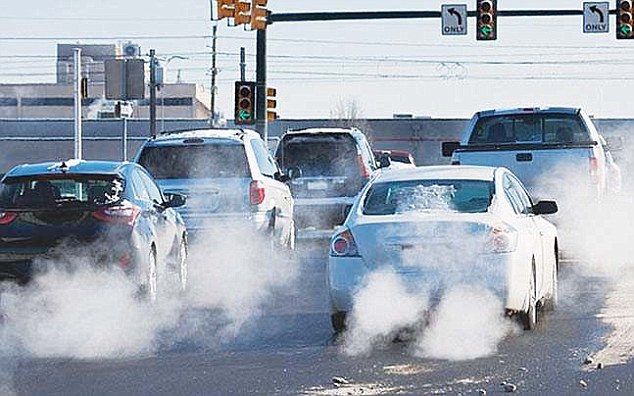
Air pollution
Air pollution from diesel-powered cars

Researchers at the university, in collaboration with scientists at the Veterans Affairs’ Clinical Epidemiology Centre, examined the relationship between particulate matter and the risk of diabetes.

They first analysed data from 1.7 million U.S. veterans, who did not have histories of diabetes and were followed for a median of 8.5 years.

The researchers linked the patient data with the Environmental Protection Agency’s (EPA) land-based air monitoring systems as well as space-borne satellites operated by the National Aeronautics and Space Administration (NASA).

They used several statistical models and tested the validity against controls such as ambient air sodium concentrations, and lower limb fractures, as well as the risk of developing diabetes.

This exercise helped the researchers weed out spurious associations.

Then they sifted through all research related to diabetes and outdoor air pollution and devised a model to evaluate diabetes risk across various pollution levels.

Finally, the researchers analysed data from the Global Burden of Disease study, which is conducted annually with contributions from researchers worldwide.

“Our research shows a significant link between air pollution and diabetes globally,” said Ziyad Al-Aly, the study’s senior author and an assistant professor of medicine at Washington University.

“We found an increased risk, even at low levels of air pollution currently considered safe by the U.S. EPA and the World Health Organisation (WHO).

Evidence shows that current levels are still not sufficiently safe and need to be tightened,” the researcher added.

Among a sample of veterans exposed to pollution at a level between five to ten micrograms per cubic meter of air, about 21 per cent developed diabetes.

When that exposure increased to 11.9 to 13.6 micrograms per cubic meter of air, about 24 per cent of the group developed diabetes.

The researchers also found that the overall risk of pollution-related diabetes is tilted more toward lower-income countries such as India that lack the resources for environmental mitigation systems and clean-air policies.

Diabetes affects more than 420 million people worldwide and 30 million Americans.

In the U.S., the study attributed 150,000 new cases of diabetes per year to air pollution and 350,000 years of healthy life lost annually.

The findings were published in the Lancet Planetary Health.

China releases three-year action plan for cleaner air

0

China’s cabinet on Tuesday, July 3, 2018 released a three-year action plan on air pollution control, solidifying a timetable and roadmap for improving air quality.

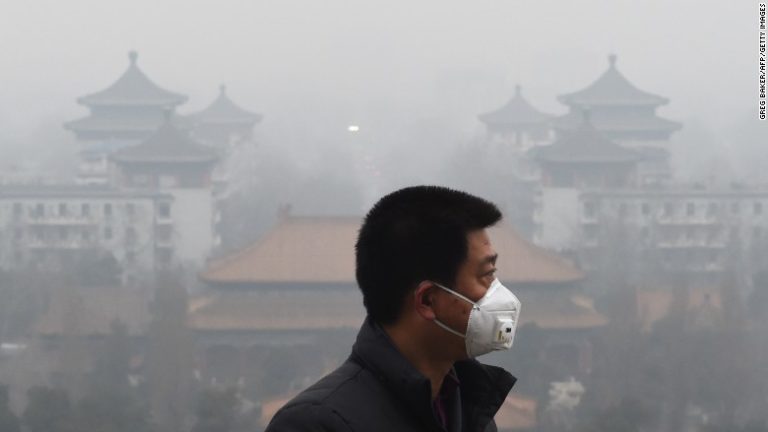
China pollution
Air pollution in China

Economic, legal, technological, and administrative means will be adopted in a coordinated, methodical and targeted manner to “win the battle for blue skies,” according to the plan released by the State Council.

According to the plan, by 2020, emissions of sulphur dioxide and nitrogen oxide should drop by more than 15 percent compared with 2015 levels, while cities which fail to meet the requirement of PM2.5 density should see their density of PM 2.5, a key indicator of air pollution, fall by more than 18 per cent from 2015 level.

Cities at prefecture level and above should see the number of good-air days reach 80 per cent annually and the percentage of heavily polluted days decrease by more than 25 per cent from 2015 levels.

Efforts will be focused on areas including the Beijing-Tianjin-Hebei region and neighbouring areas, the Yangtze River Delta, and the Fenhe and Weihe river plains.

According to the plan, the country’s air quality and people’s satisfaction with it should significantly improve after three years of work.

To achieve the goals, authorities will optimise the industrial structure, promote clean energy, develop green transport, and strengthen regional coordination, among other measures.

The plan demanded stronger policy support, including better laws and enforcement, and more financing channels. Environmental monitoring and information disclosure should also be improved.

China accomplished all the major tasks of its five-year clean air action plan in 2017, but challenges remain.

A large number of cities still need to further improve air quality.

Cote d’Ivoire eyes biomass power generation from cocoa waste

0

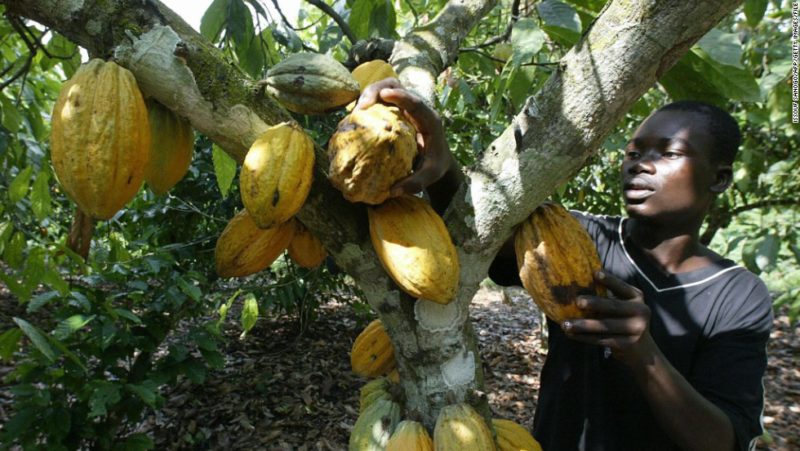
The world’s top cocoa producer, Cote d’Ivoire, plans to build a 60 to 70 Megawatts (MW) capacity biomass power generation plant running on waste from cocoa pods.

Cocoa-Ghana
Cote d’Ivoire is the world’s top cocoa producer

It also plans to extend its grid to Liberia, Guinea and Sierra Leone this year, according to media reports on Tuesday, July 3, 2018.

This is part of its aim to develop 424 MW of biomass power generation capacity by 2030.

The plant, which will enable Cote d’Ivoire to diversify its electricity generation sources, was among five projects to receive grants from the United States agency for trade and development (USTDA), the U.S. Embassy in Abidjan said in a statement on Monday.

Others included a hydropower project in Kokumbo and two smart grid power projects.

The statement said the biomass power station, the first in Cote d’Ivoire would be based in the southern cocoa region of Divo. The USTDA has earmarked 996,238 million dollars for feasibility studies.

Although Cote d’Ivoire produces about two million tonnes of cocoa annually, thousands of tonnes of pods are discarded after the beans are removed. They are left to rot or burned after the harvest.

Unlike many countries in sub-Saharan Africa, Cote d’Ivoire has a reliable power supply.

It exports electricity to neighbouring Ghana, Burkina Faso, Benin, Togo and Mali.

But with domestic consumption rising by about 10 per cent a year, the government is under pressure to boost supply at home and aims to increase installed capacity to 4,000 MW by 2020, from the current 2,275 MW.