Home Blog Page 1766

Global Handwashing Day: Pupil commits to preaching hygiene message

0

Chiamaka Abraham is a hygiene hero from Ikom LGA, Cross River state, South-south Nigeria. She attends Holy Trinity Academy and she is eight years old.
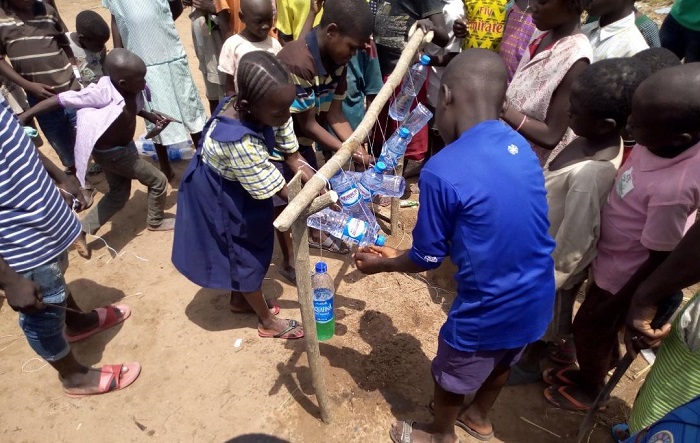
Global Handwashing Day
Chiamaka and others during the Global Handwashing Day celebrations

Chiamaka recently visited another school in her neighbourhood (PCN Primary School, Ikom) to talk about the importance of handwashing with soap or ash and the implication of not practicing handwashing at critical times. She demonstrated how to and supported in constructing a handwashing gallery for the school. She also demonstrated the steps to proper handwashing to the host pupils.

At the end of her discourse and demonstrations, she entertained questions from the school kids, and boldly advised the management of PCN Primary school to encourage good hygiene practices such as effective handwashing in the school.

On what motivates her, she informed the WASH unit staff that she would not want to contact germs that would lead to illness for her, making her parent spend money in the hospital or she dying as a result.

She further said, “I want to be part of the campaign to save other children’s lives. I want to advice all children to always wash their hands with soap and water, else they contact germs. If they contact germs, they will fall sick, spend money in the hospital or die.

“Today, I visited PCN primary school to tell them the importance of handwashing. I will continue to preach this message to all children around me, to save their lives and save mine too.”

Global Handwashing Day (October 15), together with its cousin World Toilet Day (November 19), brings attention to the most basic issues – hygiene and sanitation – that to our shame still account for two million child deaths a year.

A third of the world’s population – 2.4 billion people – live with poor sanitation and hygiene which, according to the World Bank, costs countries $260 billion annually.

Everyday, 2,000 children die before reaching their fifth birthday due to diarrheal diseases, the vast majority caused by poor sanitation and hygiene. Diarrhea alone has killed far more young children in Nigeria over the last 12 months – around 150,000 – than Boko Haram’s slaughtering and the wars in Syria combined. Whilst we continue the daily search for even a hint of a resolution to these two brutal and complex conflicts, we already know the simple solution to tackling hygiene and sanitation-related diseases.

We know that handwashing with soap is the most effective and inexpensive way to prevent diarrheal diseases – reducing incidence by up to 47% – and combined with improved sanitation, this is boosted to 68%. We know that in countries with the highest child mortality rates, as few as 1% of people wash their hands effectively and that the global average is only 19%.

Most frustratingly, effective tools and participatory methods are readily available, and it is estimated that interventions that promote handwashing could save close to a million lives.

So why is hygiene promotion not a focus of most development projects?

The relative lack of attention in both development and media circles is why we need days such as Global Handwashing Day and World Toilet Day to remind us of how simple the solutions to serious issues can be. They can also be used creatively to launch an outreach campaign or to celebrate behavior change achievements.

In Nigeria, United Purpose’s month-long Global Handwashing Day campaign brings together famous musicians, local leaders, and a soap company to empower thousands of school children as hygiene promoters called hygiene heores in communities already committed to improving sanitation.
United Purpose and PZ Cussons expanded the GHD celebration reach this year by holding events across 12 LGAs In Benue and Cross River states from October 4 to 9, 2018. These events were held in the United Purpose’s WASH programme LGAs for Rural Sanitation and Hygiene Promotion in Nigeria (RUSHPIN) and Community-led Health Improvement through Sanitation and Hygiene Promotion in Nigeria (CHISHPIN).

Over 43,000 children participated in several events held from October 9 to 15, 2018.

Participating schools were pre-selected and participating kids from each school were Environmental Health Clubs (EHCs) members in their various schools. The EHCs are sanitation and hygiene clubs established in schools to enhance existing skills of participants especially school teachers in life skills-based hygiene education using child to child approach to bring about sustainable behavioural changes at school, family and community levels.

At the events, the theme of the 2018 Global Handwashing Day, “Clean Hands a Recipe for Health” was highlighted and the kids were engaged in fun handwashing themed activities and games which demonstrated the importance of handwashing with soap. At the conclusion of the events, over 2,000 kids from 12 local government areas became hygiene heroes who were equipped to take the handwashing message back to their various schools and communities.

On October 15, which was GHD proper, the Hygiene Heroes from the LGA events facilitated handwashing with soap at their various schools, thus enabling other kids in their school join in celebrating the global handwashing day. They re-enacted the setting up handwashing stations in their schools, the lessons learnt from the GHD celebration they attended, and they demonstrated the steps to proper handwashing. An estimated 36,000 schools’ kids from 240 primary schools were reached through this activity alone.

To ensure non-participating schools were not left out, some vibrant hygiene heroes were selected in each LGA to visit one or two other schools who did not participate in the GHD celebration to spread the handwashing message.

This event encouraged a peer-to-peer learning approach which saw the hygiene heroes having discussions with their peers in other schools about the importance of handwashing with soap. The hygiene heroes not only discussed but also demonstrated how to construct group handwashing stations using materials available locally and the proper way to wash hands. This approach is used because kids learn better when they listen to their peers.

For the fifth consecutive year, United Purpose and PZ Cussons has jointly facilitated Nigeria’s largest Global Handwashing Day (GHD) Campaign.

Global Handwashing Day, celebrated on October 15, is an annual global advocacy day dedicated to increasing awareness and understanding about the importance of handwashing with soap as an easy, effective, and affordable way to prevent diseases and save lives.

With this message, United Purpose and PZ Cussons have engaged thousands of school children and reached millions of people in Nigeria and globally – and will continue to share the vitally important message of handwashing with soap with many more.

Courtesy: PAMACC News Agency
Poverty eradication, key to SDGs success

0

To successfully deliver on the targets of the Sustainable Development Goals, conscious and strategic efforts must be made by leaders at public and private sectors to systematically address the perennial challenges of extreme poverty.

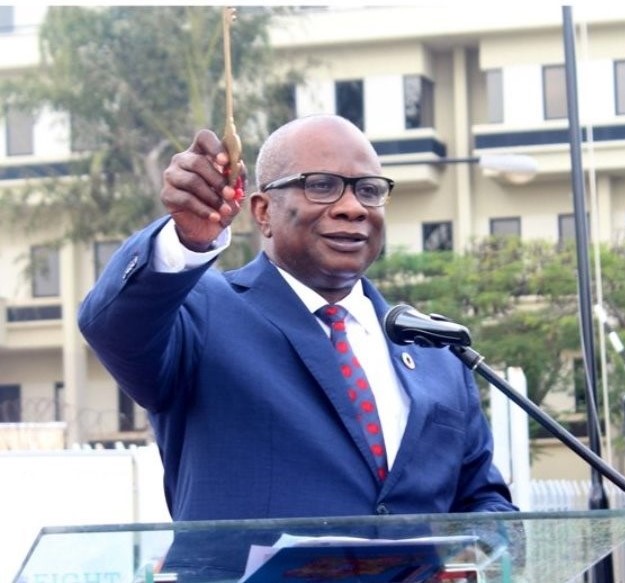
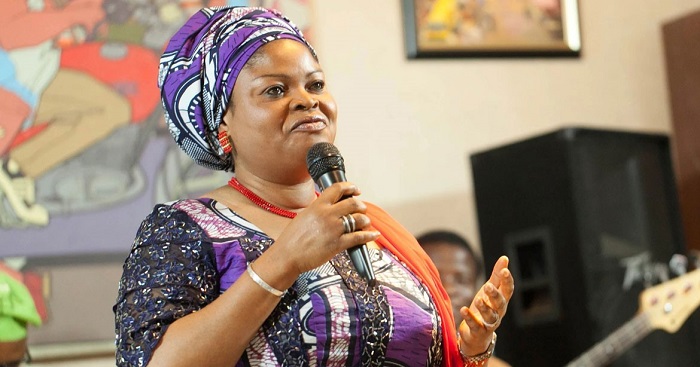
Princess Adejoke Orelope-Adefulire
Senior Special Assistant to the President on Sustainable Development Goals, Princess Adejoke Orelope-Adefulire

The call was made by the Senior Special Assistant to the President on Sustainable Development Goals, Princess Adejoke Orelope-Adefulire, in her message to mark the International Day for the Eradication of Poverty.

According to the presidential aide, stakeholders must endeavour to take steps and put modalities in place to rid the society of forces and practices that hinder the reduction of poverty, adding that ideals that promote social inclusion, social justice, wealth creation, sustained growth and human capacity development should continuously remain at the centrepiece of the national life.

Princess Orelope-Adefulire noted that in the overall quest of the government to build a future that is desired by all, strategic efforts have been made by the Buhari Administration to alleviate poverty, foster economic growth and empower the youth and women. In particular, she maintained that huge investment made by the government in Social Intervention Programme is a clear testimony to the commitment of the government to deal decisively with the challenge of extreme poverty. She added that this is in line with the global thinking for elites to come together with those furthest behind to build an inclusive world of universal respect for human rights and dignity.

Globally, October 17 is set aside to galvanise efforts towards the eradication of poverty with a belief that the fundamental connection between extreme poverty and human rights, and that people living in poverty are disproportionately affected by many human rights violations.

The global community believe that government policies alone cannot create the social inclusion that is fundamental to reaching those left furthest behind and overcoming poverty in all its dimensions. The commemoration of October 17 each year, when people living in poverty take the floor and share their experiences, demonstrates how the world can achieve greater social inclusion by enabling people from all walks of life to come together to respect the human rights and dignity of the downtrodden.

Germany ‘flags’ 15 highly polluted cities to EU

0

The German government said it had registered 15 cities with high pollution levels with the European Union.

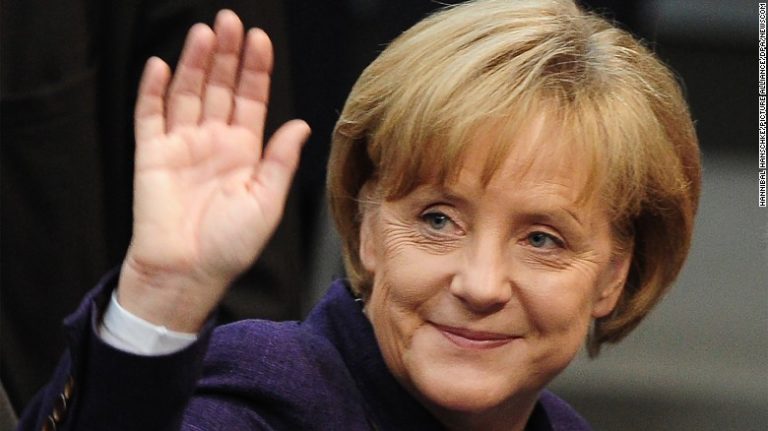
Angela Merkel
Angela Merkel, German Chancellor

The city of Frankfurt is now included, German Chancellery Chief, Mr Helge Braun, said on Wednesday, October 24, 2018.

Braun said the country’s cabinet would decide on Nov. 7 on changes to the Emission Control Act, which regulated parts of German environmental law.

Germany would ensure that cities which exceeded pollution levels by only a little were not subject to diesel bans.

“We are convinced that driving bans can be avoided in most of the 65 affected cities with the package of measures,” Braun said.

His reference was to the agreement between Chancellor Angela Merkel’s Conservatives and the Social Democrats earlier in the month, aimed at reducing pollution in German cities.

Biosafety regulators in Ghana, Nigeria delivering legal mandates, say experts

0

The on-going debate on biotechnology and genetically modified organisms (GMOs) has, in recent times, been given a new twist focused on the public posture of National Biosafety Agencies in both Ghana and Nigeria. The National Biosafety Management Agency (NBMA) of Nigeria and Ghana’s National Biosafety Authority (NBA) have been basically accused of reneging on their mandates to protect human health and the environment and disregarding due process in the application approval process.

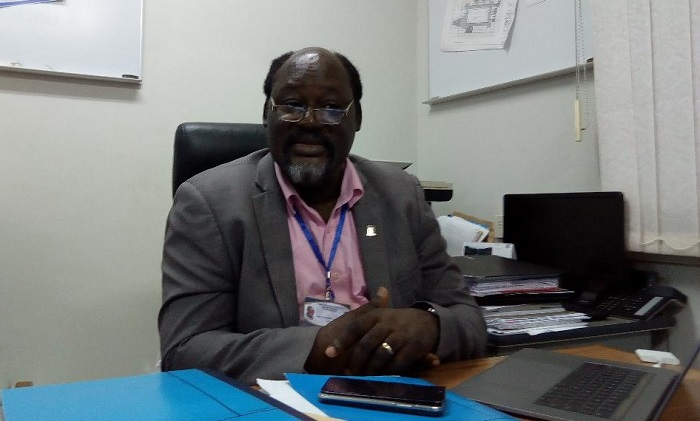
Prof. Bosompem
Director of University of Ghana’s Noguchi Memorial Institute for Medical Research, Prof. Kwabena Mante Bosompem

These accusations highlight the need to examine the nature of the mandates of Biosafety institutions and whether these mandates are in line with national aspirations for socio economic development. Some Ghanaian professionals from different backgrounds with expertise on or knowledge of biotechnology, shared their perspectives on the issue in separate interviews, and essentially agreed that the regulators are currently delivering their legal mandates, nationally and internationally.

The Director of University of Ghana’s Noguchi Memorial Institute for Medical Research, Prof. Kwabena Mante Bosompem, said, the setting up of biosafety regulatory systems forms part of the international requirements set forth in the UN Convention on Biological Diversity and the Cartegena Protocol for the safe transfer, application and use of GMOs.

“So, the role of biosafety regulatory agencies such as the NBA and NBMA, is to serve as an impartial regulatory platform to facilitate the safe selection of GMOs that are good,” he added.

According to Prof. Bosompem, “all nations recognize the potential of biotechnology and genetic engineering or modification as one of the scientific technologies to advance their economies, therefore nations have it as a policy that whichever GMO products are good, should be positively exploited to advance their socio-economic development.”

He continued: “The only way to determine a good GMO from a bad one is to have appropriate regulation and a body to administer it, which is what the NBA and NBMA are established to do.”

Prof. Bosompem explained that the selection of a good GMO is done through a thorough appraisal of applications by the Technical Advisory Board and competent regulatory institutions including the Food and Drugs Authority and the Ghana Standards Board. After which, approval is given for laboratory and field testing. He further explained that following initial approval for testing, a particular GMO trait or event is subjected to laboratory and field tests that are more rigorous and meticulous, than that of conventional crops.

Prof. Bosompem opinioned that shunning such scientific tools will only lead to underdevelopment. “Otherwise, then you close your doors and be left out of the development equation. You know the result of that will be poverty, starvation and death. That one is not a debatable issue. Eventually any nation who does not want to use technology to develop, will be left out and wither away. So for lack of knowledge our people perish.”

He admitted that people have the right to dislike the technology. “But trying to prevent its use in our countries, means they want to have their own way and this is not good for us…in this world it’s just not a matter of having your own. It’s a matter of allowing regulations and best practices to work,” Prof. Bosompem noted.

He explained that Biosafety agencies do not grant permits just for the sake of it nor are they interested in GMOs that will not positively benefit the country. So, a GMO crop that passes the laboratory tests, but fails during the field trial stage will not receive the final approval. “This is because you will not want to allow any GMO crops into the country that will take unnecessary resources from farmers without replenishing their income,” Prof. Bosompem stated.

He was certain that “requests that fall within the expectations of using GMOs to advance the nation’s socio-economic development will receive approval. For instance, the NBA will be very much interested in an application for a GMO that can be used to remove oil from the sea, the coastal shorelines and clean up the beaches, after an oil spillage.”

Prof. Bosompem stated: “Yes, the NBA will grant permit for such a GMO, as it is a scientific innovation that will fully work for the nation,”

A legal consultant, George Agyemang Sarpong, said the NBA’s main concern should be about ensuring safety in the biotechnology field.  “This is because ensuring the safety of biotechnology processes and products is part of the NBA’s legal mandate spelt out under the Biosafety Act, 2011 (Act 831).”

He pointed out that per the Act, the NBA is also supposed to educate the public and create awareness about its mandates and about the biosafety processes. Mr. Sarpong explained that in performing that assignment, the NBA also has to talk about what biotechnology is. “To educate the public, means giving the two sides of the coin, since biosafety processes have been introduced because of biotechnology.”

He added that the work of the NBA is guided by rules and procedures spelt out under the Act, “and if the NBA flouts them, then we have cause to worry.” Mr. Sarpong said biotechnology should be seen as providing the means to addressing in innovative ways, complex agricultural related problems such as the Fall Army Worm invasion that have so far defied all conventional methods of handling pests.

For his part, the Country Coordinator of the Programme for Biosafety Systems (PBS), Daniel Osei Fosu urged “countries and especially regulators in their awareness programmes, should highlight the laws and structures in place to safeguard the environment and humans.”

On the issue of regulators supporting GMOs, he was of the view that they should support products they have approved. “Regulators should not shy away from supporting those products they have approved. The support should come from trusting that they have done a great job with review of applications,” he declared.

Ghana’s NBA and Nigeria’s NBMA have in recent times been bashed by some civil society for not living up to expectation. The Health of Mother earth Foundation (HOMEF) and the Alliance for Food Sovereignty in Africa (AFSA) accused the NBMA of not ensuring sufficient safeguards for the people and the environment. During a media training session on promoting biosafety in Nigeria, the two organisations said the NBMA approves nearly every application brought to it without due consideration of the impact of proposed activities or of the concerns raised by the public.

In Ghana, the Peasant Farmers Association of Ghana issued a statement expressing disappointment in the National Biosafety Authority over the handling of activities relating to GMOs in the country. The statement accused the NBA of relegating its mandate and desperately working to deceive Ghanaians into accepting GMOs.

By Ama Kudom-Agyemang

Prince Harry highlights threat of climate change in Fiji

0

Britain’s Prince Harry said on Wednesday, October 24, 2018 that climate change was a daily threat for people of Fiji and announced scholarships to study the problem.

Prince Harry
Prince Harry with his wife Meghan, the Duchess of Sussex

Prince Harry made this known as he toured with his wife Meghan, Duchess of Sussex, on a visit to the South Pacific in Suva, Fiji, on the frontline of global warming.

The royal couple was, however, mobbed by crowds waving British and Fiji flags on the second day of their visit to the former British colony of some 300 islands, where villages moved to higher ground to seek safety from rising seas.

Harry told students at University of the South Pacific in Fiji’s capital, Suva, that “one of the greatest challenges is undoubtedly climate change, and all of you living here are confronted with this threat in your daily lives.

“You’re actually experiencing changing weather patterns, ferocious cyclones and rising sea levels, particularly in places such as Tuvalu and Kiribati, and you’ve been living with this for many years, way before the world actually started talking about it.”

Fiji, which holds the presidency of COP23, the 23rd annual conference of the parties to a landmark UN climate agreement, led a push for the developed world to cut carbon emissions to limit rising temperatures and seas.

Worldwide, sea levels have risen 26 cm (10 inches) since the late 19th century; UN data shows, prompting plans to move more than 40 villages to higher ground in Fiji.

The issue is seen as a security problem in the region.

Fiji was devastated in 2016 by Cyclone Winston, the strongest storm ever in the southern hemisphere, which killed 44 people and caused 1.4 billion dollars in damage, a third of Fiji’s gross domestic product.

If temperature rises cannot be limited to 1.5 degrees Celsius (2.7 Fahrenheit) above pre-industrial levels, swathes of Arctic ice would melt, coral reefs would be all but wiped out and wild weather worsen, according to a UN report.

Harry, Queen Elizabeth’s grandson, announced four British-funded scholarships for studying the issue at universities in Fiji and the Caribbean, while Meghan stressed the importance of women’s education in her first speech of their tour.

The couple, who are expecting a child, have proved very popular in Fiji, drawing cheering crowds at every engagement.

A brief visit by Meghan to a market in Suva drew thousands of onlookers, with many of them waving flags, cheering and singing as she inspected stalls selling fruit, vegetables and handicrafts.

National Parks are gene banks for genetic resources – Goni

0

Conservator General of the National Parks Service, Alhaji Ibrahim Goni, has described the seven parks across the country as the Gene Bank of genetic resources.

Parks Service
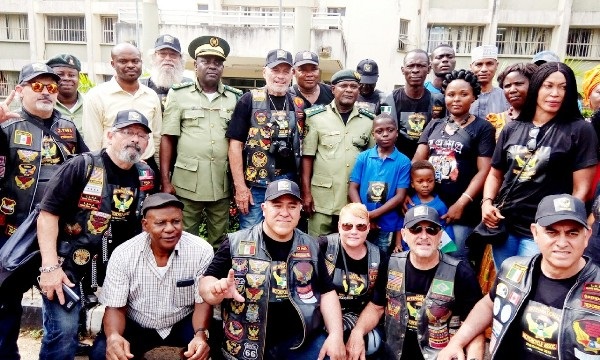
Heritage bikers and National Parks Service staff in Abuja

Gene banks are a type of biorepository which preserve genetic material.

Goni disclosed this when some members of the Bikers Association paid him a courtesy call at the Service’s headquarters in Abuja on Wednesday.

He said that at present, Nigeria has seven parks across the country that serves as the country’s gene bank.

“At our parks, we have animals and genetic resources that are still in their original forms which we preserve for sustainable use.

“These genes are vital for our future well-being; and biodiversity and nature are, on their own, sources of wonder and enjoyment.

“Also, we have wild species that flourish as natural systems that help regulate climate change, air quality, and cycles of carbon, nitrogen, oxygen, mineral elements and water,’’ he added.

The C-G said that the service was reaching out to both national and international bodies to make the parks household names.

News Agency of Nigeria (NAN) reports that the Bikers are taking part in the 14 Days on going Rediscover Nigeria Heritage Tours 2018 otherwise known as Heritage Bikers Tour scheduled for Oct. 3 to Nov 4.

The tour is organised by the National Commission for Museums and Monuments in conjunction with the Latin American Motorcycle Association (LAMA), First Entertainment Ideas Concept and others.

Mr Ernest Akhikpemelo, the President of LAMA Nigeria, said that the Heritage Bikers Tour would be an annual event to promote the tourism potential in Nigeria.

“Rediscover Nigeria Heritage Tour 2018 is borne out of the need to explore a unique way to promote and propagate the tourism potential inherent in our rich cultural heritage using biking expedition.

“The tourism benefit derivable from this display is enormous as it creates interaction opportunities between the bikers and the communities they visit.

“The tour will showcase to the world, the rich and diverse cultural heritage, monuments and sites, traditional festivals and local cuisines that abound in Nigeria.

“Some of our activities include visit to eminent personalities and dexterity Bike displays by members of the International Latin American Motorcycle Association (LAMA) lead by Mr Mario Nieze and local bikers in all the states they will visit.

NAN reports that the bikers would visit 11 states including Niger, Kogi, Anambra, Cross River, Rivers, Bayelsa, Edo, Ondo, Osun, Ogun and Lagos and the FCT.

Akhikpemelo noted that the tour would help discover new frontiers for the promotion of tourism, create awareness and stimulate the usage of such to boost tourism in Nigeria.

“The tour is to do a video and pictorial coverage of heritage and monument sites that abound in the country and beam same to local international and audiences.

“This will attract the attention of the general public to the museums and cultural heritage, which the project intends to promote’’.

He said that subsequent editions would have activities such as Bikers competition, Traditional Cuisine Contest, Essay Competition, Beauty Pageant etc.

Some of the international bikers taking part in the tour come from Brazil, Mexico, USA, Puerto Rico and South Africa.

By Ebere Agozie

Global Fund announces $660m grant to tackle three diseases in Nigeria

0

The Global Fund, an international financing organisation, has announced an additional humanitarian grant of $660 million to tackle HIV/AIDS, Tuberculosis and Malaria epidemic in Nigeria.

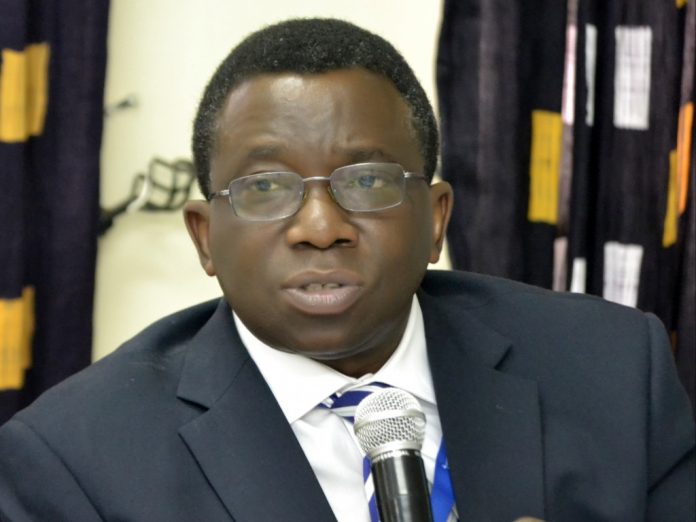
Isaac Adewole
Minister of Health, Isaac Adewole

Its Executive Director, Mr Peter Sands, announced this at a news conference on Wednesday, October 24, 2018 in Abuja.

Sands noted that the grant was expected to last for a three-year period to include more people on the treatment of the diseases.

“Nigeria has remained a country in which Global Fund had invested tremendously in the past because of its highest burden of Malaria, Tuberculosis, HIV and AIDS.

“We have invested about 2.6 billion dollars to tackle these epidemics in the past and we intend to do more to get more people on treatment.

“We appreciate the hard work in the outcome of the partnership between the government and global fund but we believe that we still have a lot of work to do.

“For HIV and AIDS, we want more people on treatment; we also want to prevent mother-to-child transmission.

“We also want to reduce malaria related deaths and we want to ensure that the percentage of people on tuberculosis treatment increases.

“Above all, we will like to see a return on our investments,” he said.

The Director-General, National Agency for the Control of AIDS (NACA), Dr Sani Aliyu, appreciated the continuous support of Global Fund in the healthcare sector of the country.

Aliyu noted that the country would have continued to struggle to deliver quality healthcare services without the support of Global Fund.

“The country is making progress in the aspect of HIV and AIDS as a lot of patients are already on treatment.

“Presently and with the support of grants as this, we have about 1.1 million people on treatment.

“We cannot have grants like this without including more people on treatment,” he added.

Minister of Health, Prof. Isaac Adewole, assured the organisation of judicious use of the grant.

“We look forward to another visit where we will showcase positive results from your investment,’’ he said.

By Ruth Oketunde

UN moves to Abuja ‘UN House’ eight years after bomb attack

0

The UN family in Nigeria says it has begun partial movement to the UN House Abuja, eight years after the Aug. 26, 2011 bombing by the Boko Haram insurgents.

United-Nations-Day
Representative of the United Nations Secretary-General, Mr Edward Kallon, announcing the re-opening of UN house after the bombing incident in 2011, during the 73rd United Nations Day Celebration in Abuja on Wednesday. Photo credit:
Bada/TA/NAN

UN Resident Coordinator, Mr Edward Kallon, disclosed this at the celebration of the 73rd UN Day on Wednesday, October24, 2018 in Abuja.

The Federal Government had approved N5.2 billion for the reconstruction of the building in 2012.

“The 2018 UN Day is a very important day for the UN system in Nigeria as it underscores the excellent cooperation and partnership of the UN and Nigeria over the years.

“Indeed, this year’s UN Day also marks the UN family partial move back to the UN House.

“To the UN in Nigeria the UN House is a symbol of the resilience of our extraordinary cooperation and partnership with the government and people of Nigeria,” Kallon said.

He explained that the UN building provided by the federal government was occupied by UN agencies starting from 2005 before the unfortunate bombing on Aug. 26, 2011.

“The 2011 bombing of the UN house was an attack against those who devoted themselves to serving UN values,” he said.

Kallon commended the federal government and the people of Nigeria for their commitment to rebuilding the UN House.

He also thanked the Federal Capital Territory (FCT) Minister for his personal commitment and support towards rebuilding the edifice.

Kallon expressed the hope that the partial movement which he said would begin with the UNDP, UNICEF among others would inspire the staff to work better.

He said the movement would help the workers build stronger partnerships as well as a better future for the people of Nigeria.

“Let us recommit ourselves, while celebrating the UN Day to make the world a better place for all, where nobody will be left behind,” he said

FCT Minister, Mohammed Bello, described the event as significant as it marked the first time of gathering again at the building after the 2011 bombing.

Bello, represented by Mr Umar Jubril, an official of the ministry said the reopening was a sign of fulfillment of government promise not just to rebuild the structure but to make it better.

“The UN building stands out as the symbol of our resilience and unbroken promises in addressing various challenges we are facing as a nation,” he said.

While congratulating the UN family on the return to the edifice, he assured them of the FCT’s commitment on securing life and property of all staff and their families.

“The FCT Administration has worked to improve the security architecture in the territory to forestall re occurrence of the ugly incidence.

“We have also beefed up security presence in and around the premises and ensure security surveillance around the area.

“We also pledge our commitment to serve as good host to the UN family,” he said.

The President of UN Staff Association, Dr Noma Owens-Ibie, commended the efforts of the federal government and the FCT Minister in restoring the lost glory of the building.

NAN reports that the UN building which accommodated all UN agencies in the Central Business District in Abuja was bombed through a car explosion on Friday, Aug. 26th, 2011 killing at least 21 people injuring 60 others.

By Isaac Aregbesola

Six states benefit from USAID urban water reform programme

0

The U.S. Agency for International Development (USAID) has inaugurated a new urban water and sanitation programme to support efforts of six states to improve their water agencies for effective performance.

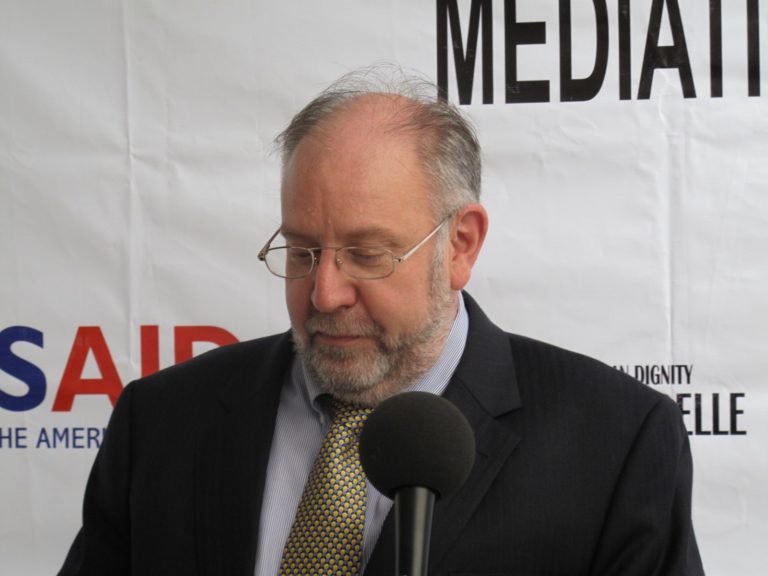
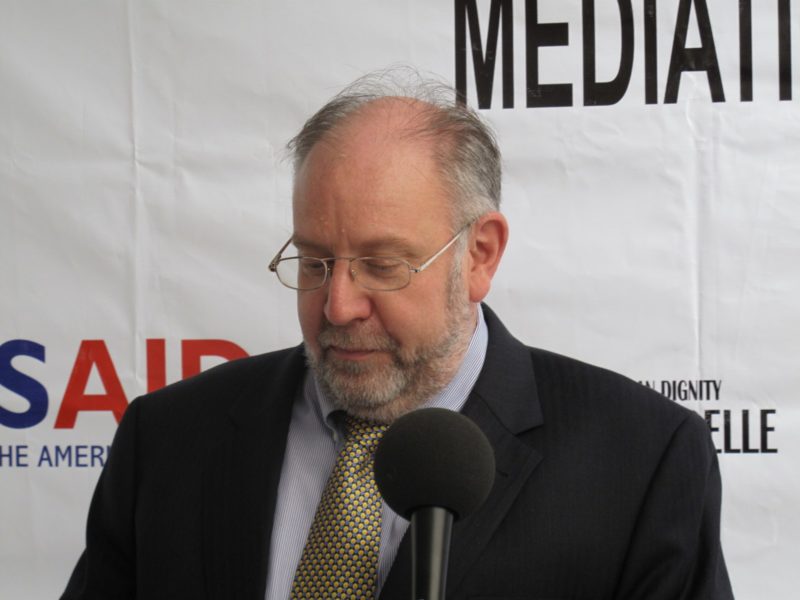
Stephen Haykin
Nigeria Mission Director of USAID, Stephen Haykin

The states are: Abia, Delta, Imo, Niger, Sokoto and Taraba.

At the announcement in Abuja, the USAID Mission Director, Mr Stephen Haykin, said the four-year $60.4 million programme would provide technical assistance to strengthen governance and sustainability structures of the states’ water agencies.

According to him, the selected criteria included the states’ willingness to reform, existing functionality of infrastructure and potential for positive impact.

He said it was saddening to note that no fewer than 57 million Nigerians lack access to safe drinking water, saying annually water-borne diseases kill as many as a million under-five children.

This, Haykin said, could be prevented with access to safe drinking water, adequate sanitation and good hygiene.

He said Nigerian Government was making progress towards expanding access to clean water for its citizens, which was done as a priority, and further emphasised in its constitution.

“These institutions are all making significant investments to rehabilitate and expand existing water and sanitation infrastructure across the country to advance reforms.

“The alignment of these investments with the government, and with each other, is crucial to their successful outcomes and impact,’’ he said.

The mission director added that through the course of the programme, the agency would encourage the states’ water boards to emphasise quality towards better performance and qualitative services for its customers.

The Minister of Water Resources, Mr Suleiman Adamu, said the WASH intervention programme was in line with the National WASH action plan which was recently approved by the Federal Executive Council.

Adamu, represented by Mr Benson Ajisegiri, Director, Water Supply with the ministry, said the partnership would help in the achievement of the Sustainable Development Goals.

According to him, the action plan has five thematic areas of Governance, Sustainability, Improved sanitation, Funding and also Monitoring and Evaluation, saying the E-WASH programme fits perfectly.

While commending USAID for prompt interventions, the minister stressed the need for making all state water boards commercially viable, stressing that with proper governance structures this would be achieved.

The USAID Effective Water, sanitation and Hygiene Services programme in Nigeria works to improve the availability of clean water and sanitation in urban neighbourhoods.

The programme focuses on ensuring state water services through operational improvements, better governance and accountability for institutional reforms.

By Tosin Kolade

Governor pledges commitment to afforestation programme

0

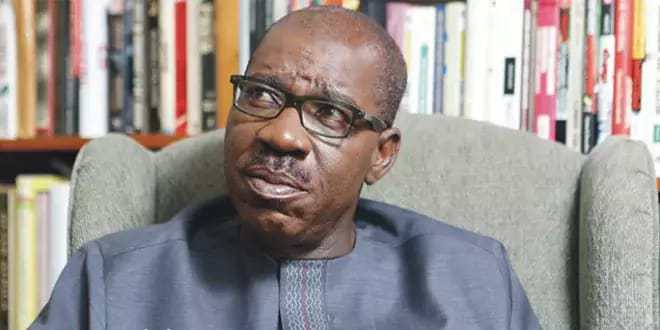
Gov. Godwin Obaseki of Edo State says his administration is very much committed to sustaining the ongoing One Million Trees for Peace and Afforestation project in the state.

Godwin-Obaseki
Governor Godwin Obaseki of Edo State

Obaseki expressed his commitment when he received the board members of the Association Bernadette Strebel World Peace (ABSWP) in Switzerland and Spain at the Government House, Benin City, on Wednesday, October 24, 2018.

He said the forest cover of the state had dropped to less than six per cent, noting that replenishment through continuous tree planting was paramount.

The governor said his administration was committed to the protection of the forest covers in Edo in order to tackle climate change and preserve a beautiful state for future generation.

“We are ready to support the replenishment of our forest trees which is our heritage,” he said.

He also gave the assurance that with the setting up of the proposed Edo Forestry Commission, the state would be able to plant a million trees in two years.

Earlier, ABSWP’s President, Mrs Bermadette Strebel, said the association had promised in 2008 to support the state government’s reforestation programme, by raising one million trees to be planted in the state.

Strebel said however that about 270,000 forest trees had been planted in the state since the inception of the project.

She said that the world forests were depleting at an alarming rate and commended the Obaseki-led administration for giving support to forest regeneration.

“The establishment of the Advisory Committee on Forestry and the proposed Edo Forestry Commission are welcome development.

“You are working in line with the saying that the best time to plant a tree was 20 years ago and the second-best time is now,” she said.

She also appreciated the cooperation among the Africa Initiative for World Peace, ABSWP in Europe and the Edo government in the implementation of the project.

By Joy Odigie