Home Blog Page 1754

What is at stake as COP24 opens

0

Tense negotiations on guidelines to implement the Paris Agreement are likely to chart a path forward in terms of process but roadblocks remain in the way of the transformation required to limit temperature rise to 1.5°C and avert climate chaos
Katowice
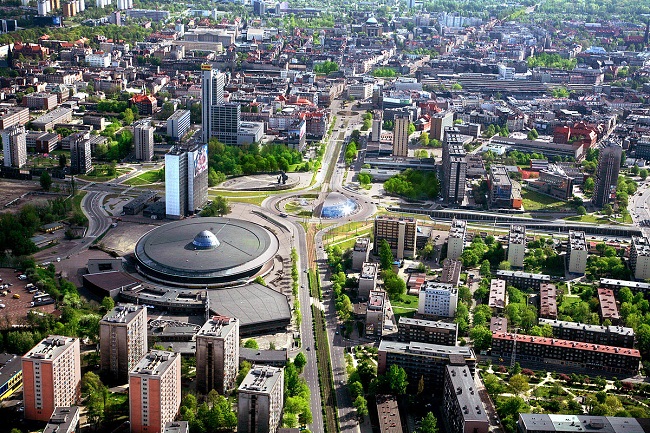
The Polish city of Katowice is hosting the UNFCCC COP24 in December 2018

Apart from the 24th session of the Conference of the Parties (COP24) to the United Nations Framework Convention on Climate Change, the UN climate change conference holding from December 2 to 14, 2018 in Katowice, Poland, also features the 14th session of the Conference of the Parties serving as the meeting of the Parties to the Kyoto Protocol (CMP14), as well as the 3rd session of the Conference of the Parties serving as the meeting of the Parties to the Paris Agreement (CMA1.3).

The COP, CMP and CMA are the supreme decision-making bodies in relation to the implementation of the Convention, the Kyoto Protocol, and the Paris Agreement, respectively.

On Sunday, December 2 in Plenary Mazowsze, Mr. Frank Bainimarama, COP 23/CMP 13/CMA 1.2 President, declared COP24 open. Mr Bainimarama handed over the COP Presidency to the COP 24/CMP 14/CMA 1.3 President, Mr. Michal Kurtyka, who is Secretary of State in the Polish Ministry of Environment.

The ceremonial opening of COP24 however holds on Monday, December 3, also in Plenary Mazowsze. It will feature dignitaries like Mr. Andrzej Duda (President of Poland), Mr. Frank Bainimarama (COP 23 President and Prime Minister of Fiji), Mr. António Guterres (Secretary-General of the United Nations), Ms. María Fernanda Espinosa Garcés (President of the United Nations General Assembly), Mr. Henryk Kowalczyk (Minister of Environment of Poland), Mr. Michal Kurtyka (President of COP 24), Mr. Marcin Krupa (Mayor of Katowice), Ms. Patricia Espinosa (Executive Secretary of the UN Climate Change Secretariat) and Mr. Ovais Sarmad (Deputy Executive Secretary).

Speakers at Ceremonial Opening are: Kurtyka, Duda, Guterres, Kowalczyk and Krupa.


What’s at stake?

With time running out to stave off worst-case scenarios of climate change, governments meet in Katowice for COP24 negotiations with plenty of impetus to ramp up their climate targets and agree a set of implementation guidelines for the landmark Paris Agreement – but do the rich and powerful among them have the necessary will?

The Paris Agreement was celebrated for calling on the world to limit global temperature increase to 1.5°C. However, the Agreement was only the first step on a long and arduous journey to transform societies and economies. In the years since, emissions have continued to rise, and in October this year the Intergovernmental Panel on Climate Change (IPCC) produced a Special Report on 1.5°C global warming which worryingly stated that temperatures, already 1°C warmer than pre-industrial temperatures, are rising at a rate of 0.2°C per decade. This, combined with historic pollution already in the atmosphere, leaves governments with a small and shrinking window in which to enact sweeping changes to their economies in order to fully decarbonise.

The report left the door open to the possibility of keeping warming to 1.5°C, thereby avoiding even worse impacts associated with 2°C warming, provided that all countries increase their climate targets so that global emissions are halved by 2030 and reach near zero by 2050.

However, the climate pledges currently tabled by countries – Nationally Determined Contributions (NDCs) – would, if they materialise, still see temperatures rise by a shocking 2.7°C – 3.5°C. The estimated cost associated with delivering the developing countries’ pledges alone is over $4 trillion. The Katowice round of talks must therefore secure a process to ramp up climate targets, including the transfer of finance and technology for developing countries to take ambitious steps.


Guidelines for success

The Parties agreed in 2016 to finalise by 2018 a set of comprehensive guidelines to put all aspects of the Paris Agreement into practice and establish how each government will implement its national and international actions and commitments.

Such guidelines would be essential for maintaining trust between countries and encouraging them to take on further commitments and improve their existing ones – necessary in order to meet the Paris 1.5°C temperature goal.

However, progress in negotiating the guidelines has been slow and painful in particular on the critical issues of how to account for differentiation between countries and, perhaps most difficult of all, finance. Now Parties find themselves up against the clock and under pressure to produce a rulebook from several hundred pages of negotiating text. With so much at stake they may decide that it is better to take the time to get the rulebook right than to rush it for the sake of an outcome.

Some of the key aspects of the guidelines include:

  • The time frame and “scope” of countries’ Nationally Determined Contributions. The implementation period for NDCs would either be on five- or 10-year cycles. The scope of the NDCs has become a major sticking point with developed countries’ refusal to acknowledge other key components such as adaptation and finance as being a part of the NDCs, leading to a breakdown in trust as developing countries sense a “renegotiation” of the Paris Agreement is underway.
  • The mitigation elements of the Nationally Determined Contributions. Parties are still struggling to agree what information they will communicate regarding their NDCs. In order to adhere to the Paris Agreement, this information must facilitate clarity, transparency and understanding and should therefore include quantifiable information on time frames, scope, coverage, information about the assumptions and methodological approaches used, as well as information on how the NDC is equitable and ambitious.
  • Ex-ante communication on finance. To help the full implementation of the Paris Agreement, developed countries with obligations to provide finance must be given guidance on how they should communicate indicative information quantitative and qualitative information on the financial resources they shall provide. However, developed countries have refused to include such guidance in the rulebook, creating a tension with developing countries who need predictability in order to make policy decisions.
  • The global stocktake. The 2023 assessment of progress toward the long-term goals of the Paris Agreement is intended to be conducted in light of science and equity and result in a ratcheting up of ambition on a 5 year cycle. In order to ensure this happens, Parties will have to craft guidelines that outline a general design of the global stocktake, including a range of equity factors such as historical responsibility, and a cooperative process that scales up national contributions and international cooperation. Developing countries will be determined that the ongoing impacts from climate change and their associated losses and damages are considered in the stocktake and will fight to retain references from the draft text.


Obstacles to success

There is a real risk in Katowice that traditional obstacles to a successful COP outcome will once again present themselves. United States President Donald Trump has already announced his intention to withdraw from the Paris Agreement, yet the U.S. negotiating team continues to participate in the negotiations and is seen by many developing countries and civil society as pushing for the elimination of important provisions protecting equity and ambition.

European countries will need to decide whether to stand strong against the Trump team’s attempts to weaken the rulebook of the Paris Agreement or to lower the bar in the hope that it allows for an about-turn and U.S. reentry. With the world’s largest historical emissions – and a foreign policy team of former fossil fuel industry executives – the growing intransigence of U.S. delegates explains why Katowice may create stronger support among other countries’ delegations for the UNFCCC to finally formalize conflict of interest policies to prohibit governments from deploying professional polluters as climate policymakers.


Climate finance

Beyond being a key component of the Paris implementation guidelines, finance is a key component in the package of decisions to be agreed in Katowice. With developed countries having failed to deliver on their promise of $100 billion per year by 2020 trust has evaporated and the ability of developing countries to deliver on their climate policies is greatly reduced.

The Katowice meeting therefore must address the question of finance both in the next few years before 2025, and in the long-term beyond that. Determining a process to agree a new and improved post-2025 goal is central to building trust and assuaging developing country fears. Similarly, new commitments in excess of the previous commitment from developed country finance ministers towards the Green Climate Fund’s replenishment are a must for progress in Katowice.


The forgotten dialogue

To respond to the impacts of current 1°C warming – which is devastating lives and livelihoods around the world through intensifying heatwaves, fires, droughts, floods, and storms – governments had promised to revisit their actions in the immediate-term, prior to 2020 when the NDCs start.

Parties decided on a special dialogue, since dubbed the “Talanoa Dialogue” by COP23 President, Fiji, to rapidly ramp up emissions cuts and financial support for poor countries. But the process has failed to address the ambition gap between the 1.5°C goal and the national pledges, and the gap between the need for increased financial resources for developing nations and the current financial flows. It’s omission of the question “how did we get here” was seen by developing countries as a tactical forgetting of historical responsibility and the failure of developing countries to enact radical policies prior to 2020.

However, Parties and observers concerned with the lack of concrete actions in a time of great urgency will hope that the Talanoa Dialogue compels countries to come forward with pledges to ambitiously increase their current mitigation and finance targets, communicating such improvements by 2020, thus sending a signal to other nations to accelerate climate action.
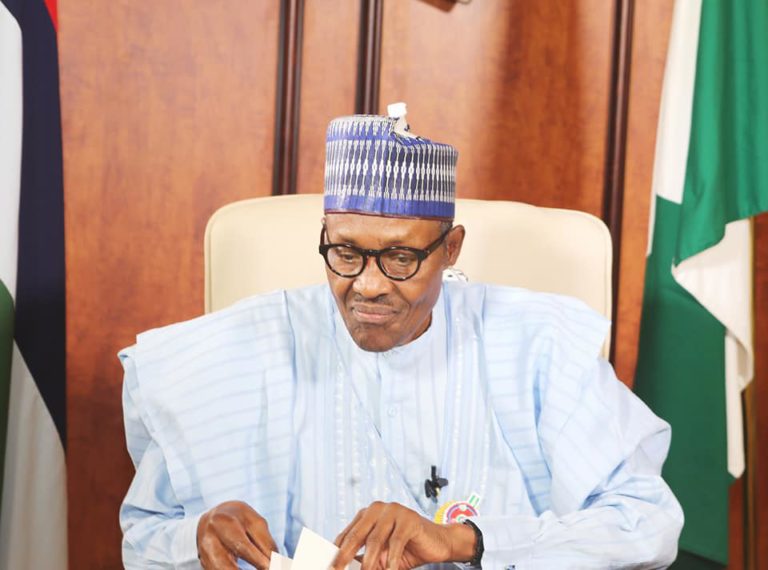
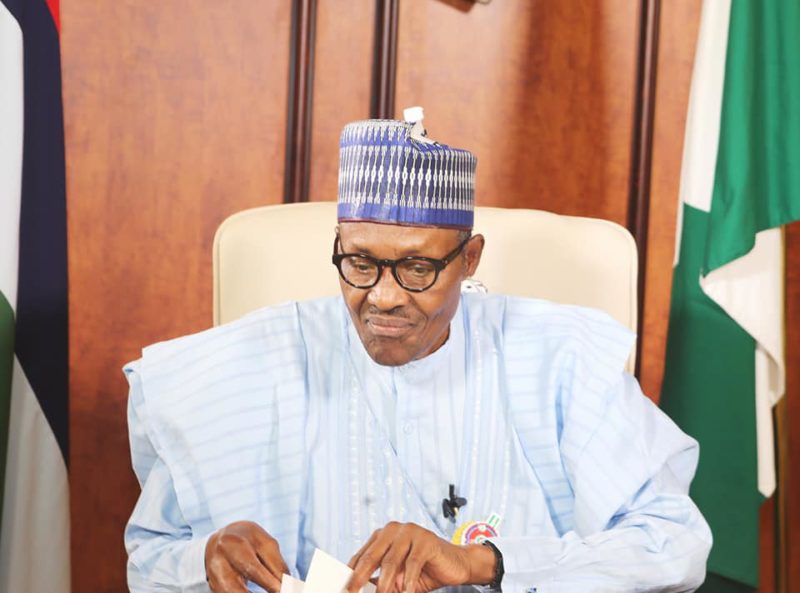
Buhari leaves for Poland to attend climate change conference

0

President Muhammadu Buhari departs Abuja on Saturday, December 1, 2018 for Katowice, Poland, to attend the 24th session of the Conference of the Parties (COP24) to the UN Framework Convention on Climate Change (UNFCCC).

Muhammadu Buhari
President Muhammadu Buhari

The President’s Special Adviser on Media and Publicity, Mr Femi Adesina, who made the revelation in a statement on Friday, revealed that the COP holds from Dec. 2 to 14.

The COP24 Summit, which will be held at the International Conference Centre (MCK) and the adjacent Spodek Arena in Katowice, is being convened under the Presidency of Poland.

According to the organisers, the conference is expected to finalise the rules for implementation of the Paris Agreement on Climate Change under the Paris Agreement Work Programme (PAWP) – the Rulebook for implementation.

The presidential aide stated that, during the Leaders’ Summit at COP24, President Buhari would deliver a national statement highlighting Nigeria’s commitment to addressing climate change by implementing the goals set out in its National Determined Contributions (NDCs).

He said the president would also use the occasion to accentuate Nigeria’s willingness to work with international partners to reverse the negative effects of climate change in Africa and the world over.

Adesina said the president would also highlight the need for developed nations to scale up their emission reduction activities in order to limit the increase in average global temperatures to well below 2 degrees centigrade between now and 2020.

The Leaders’ Summit is expected to adopt a ‘‘Declaration on Solidarity and Just Transition Silesia,’’ – named after the region of Poland where this year’s climate conference is taking place.

He said observed that Nigeria, as a member of the Committee of the African Heads of State on Climate Change – a group of 10 African countries that meets and takes positions concerning issues of climate change on behalf of the continent, would continue to address the challenges occasioned by climate change.

“Nigeria has been at the forefront of advancing policies and initiatives aimed at addressing significant challenges occasioned by climate change such as reviving the Lake Chad, halting and reversing desertification, flooding, ocean surge and oil spillage”, he stated.

He said that President Buhari would continue to champion these pressing issues at COP24 in Katowice, among others.

Adesina also said the president would reiterate Nigeria’s position on the need for African countries to access financial resources, especially the Green Climate Fund to draw up climate change adaptation policies and actions for implementation.

“The Nigerian delegation will also showcase the policy measures and actions of the Federal Government at ensuring environmental sustainability and effectively combating climate change through several side events within the Nigerian pavilion.

“While in Poland, President Buhari will hold an interactive session with the Nigerian community in that country.

“The Nigerian leader is also scheduled to hold bilateral meetings with the President of Poland Andrzej Duda and Prime Minister Mateusz Morawiecki,’’ the statement added.

President will be accompanied on the trip by governors Ifeanyi Ugwuanyi, Yahaya Bello and Abubakar Bello of Enugu, Kogi and Niger states, respectively.

Others on his entourage include the Minister of Foreign Affairs, Geoffrey Onyeama, the Minister of Water Resources, Suleiman Adamu, and the Minister of State for Environment, Ibrahim Jibril.

By Ismaila Chafe

Council calls for community policing to avoid adulterated seeds

0

The National Agricultural Seed Council (NASC) has called for community policing to assist the council get rid of adulterated and fake seeds in the market.

National Agricultural Seed Council
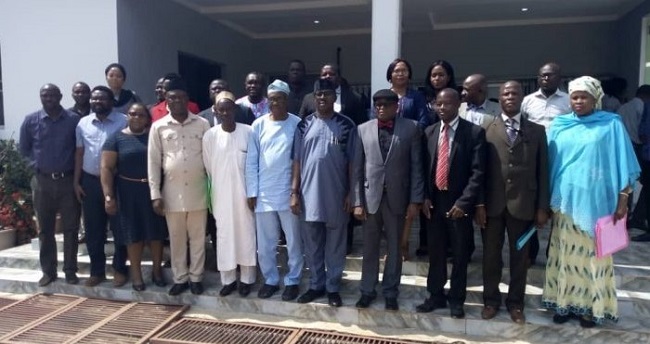
Participants at the NASC Institutional Biosafety Committee (IBC) meeting

Dr Philip Ojo, the Director-General, NASC, made the call on Thursday, November 29, 2018 during the NASC Institutional Biosafety Committee (IBC) meeting at the council’s headquarters, Sheda, Gwagwalada (FCT).

“The business of getting rid of adulterated seeds is a collective effort which the communities are in the best position to report those engaged in such acts to the council for proper action to be taken,’’ he said.

He said that the council would collaborate with all the relevant agencies, ministries and department to ensure that it achieved its mandate of making improved and quality seed to farmers timely.

“The National Agricultural Seed Act 72 of 1992 gives the council the sole responsibility of regulating every class of seeds and provides technical support for seed entrepreneurs in the country.

“The seed law also stipulates that any variety that fails to meet farmers’ expectation shall be recommended for withdrawal from circulation and appropriate action taken,” he said.

The director-general said that the workshop was to further sensitise and reinstitute the NASC-IBC set up by the council in 2016 to ensure the proper handling, detection and tracking of quality seeds in the country.

Ojo said that the committee would come up with substantial and sustainable road-map to handle the concerns over trade in Genetically Modified (GM) seeds for safe handling by all stakeholders without negative effect.

“Nigeria is currently producing about 50 to 60 per cent of quality seeds used in West Africa and we hope that the country will be the next exporter of seeds and foods soon,’’ he said.

Dr Rufus Ebegba, the Director General, National Biosafety Management Agency (NBMA), said that the agency was working toward ensuring the safety of all new variety of seeds into the country.

“We are aware that GM seeds will be coming to the market soon. So, we need to be properly equipped to see how to handle them to ensure the best quality of seeds were sold to the farmers.

“Any company that requires importing GM seeds to the country must obtain permit from NBMA. We inspect the company’s facility to ensure that they meet the required standards.

“This kind of synergy between other relevant agencies will help strengthen the system to ensure increase in productivity and farmers’ income,” he said.

Dr Christianah Moji, the Director-General, National Agency of Food and Drug Administration and Control (NAFDAC), encouraged companies and individuals to confide with relevant agencies before embarking on seed and food import.

The D-G, who was represented by Mrs Anthonia Dunkwu of the agency, urged the public to recognise the law that established NASC, NAFDAC and NBMA regarding foods and feeds.

“The process of obtaining necessary clearance from NASC before planting, permit and clearance of the gene for insert from NBMA and marketing authorisation from NAFDAC to avoid severe sanctions.

By Philomina Attah

Institute urges Nigerians to be educated on disaster management

Registrar, Institute of Disaster Management and Safety Science (IDMSS), Mr Ochagwuba Edwin, says Nigerians need specialised education to ensure   meaningful improvement for response to disaster management and security.

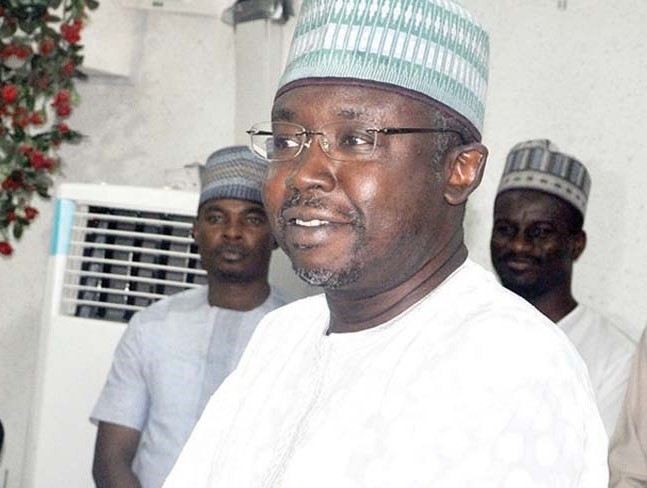
Mustapha Maihaja
Mustapha Maihaja, Director General, NEMA

Edwin told the News Agency of Nigeria (NAN) in Bwari in the Federal Capital Territory (FCT) on Thursday, November 29, 2018 while speaking during the institute’s 2018 Induction and Award Ceremony.

He said that such specialised education was required by Nigerians for meaningful improvement for effective disaster management and security to safeguard lives and property.

“Every year, thousands of people with property worth billions of naira are affected by disaster and they often receive aid only after a long delay and suffering.

“We call on all Nigerians to be safety conscious by avoiding any form of carelessness both at home and the office for disaster risk reduction in the country,” he said.

Edwin said that institute was therefore holding an induction programme with the theme: “Disaster Management and National Security: A Responsibility to Prepare”.

He said that the programme was aimed at enlightening Nigerians on disaster risk reduction, security management, peace building and empowerment.

Edwin said during the induction that some people would be conferred with awards of Icon of Excellence and Professional Fellow Membership.

They include Retired Vice Admiral, Murtala Nyako, Alhaji Abbas Idris, Director-General, FCT Emergency Management Agency, Alhaji Ahmed Ketso and Deputy Governor, Niger State.

Others are Air Commodore Akugbe Iyamu, Director, Search and Rescue, National Emergency Management Agency and Hajiya Kolo, Emergency Management Agency, Borno State.

According to the registrar, the induction will hold on Dec. 8, in Abuja.

By Gami Tadanyigbe

Beijing issues yellow alert for heavy air pollution

0

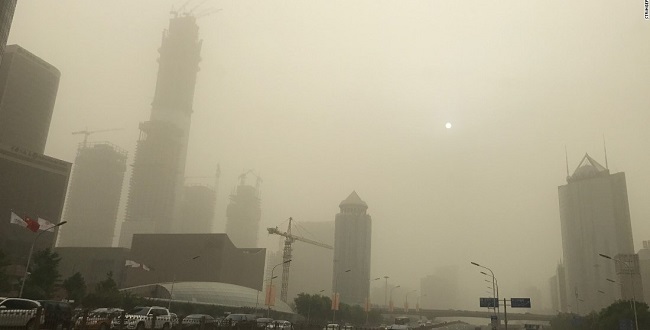
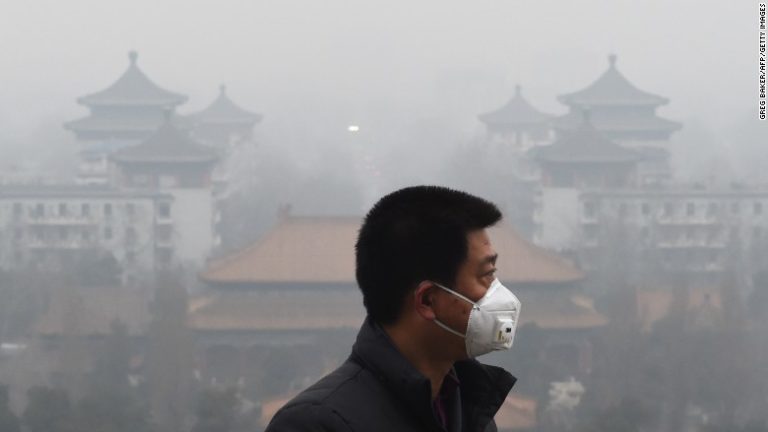
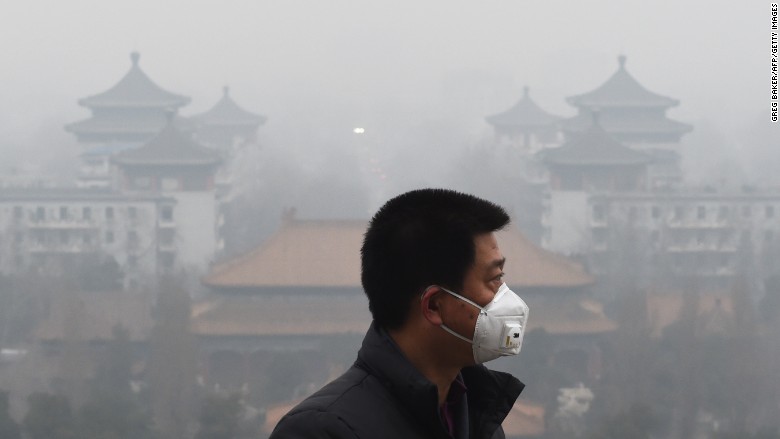
Beijing issued a yellow alert on Friday, November 30, 2018 for heavy air pollution as a round of smog will hit the city at the weekend, local authorities have said.

“A series of m

Beijing
Beijing, China

easures will be taken from Saturday, including the suspension of a number of outdoor construction operations.

“The restriction of heavy-polluting vehicles, and the production halt or restriction of some manufacturing companies.

“The yellow alert is issued when the air quality index surpasses 200 for two consecutive days.

“Due to adverse weather conditions, the Beijing-Tianjin-Hebei region will be affected by the smog.

“The air quality is expected to improve on Sunday evening,’’ the municipal air pollution emergency response office said.

Report says under Beijing’s current three-tier colour warning system, yellow alert is the least severe, followed by orange and red.

Congo Ebola outbreak becomes second-worst in history, says IRC

0

The International Rescue Committee on Friday, November 30, 2018 said an outbreak of the deadly Ebola virus in the Democratic Republic of Congo has become the second-worst in history.

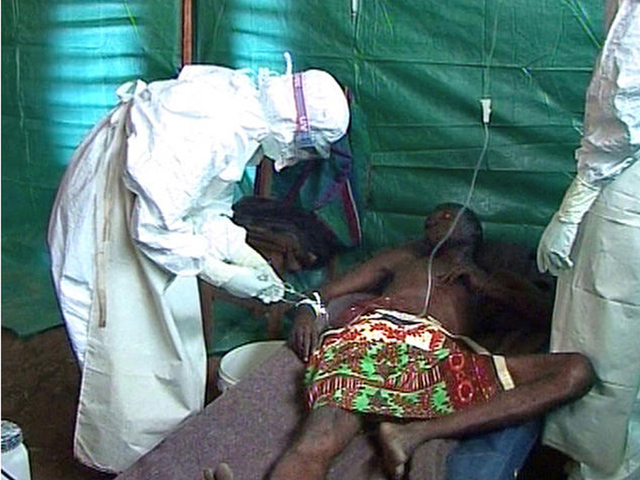
Ebola
An Ebola patient receiving treatment

“As of today, the outbreak has seen 426 cases of infection, 245 deaths, with a case fatality rate of 57 per cent,’’ the U.S. humanitarian organisation said in a statement.

The IRC’s toll will surpass the 2000 to 2001 outbreak in Uganda, which killed 224 of the 425 people it infected, making it the second-worst after the virus killed over 11,000 people in West Africa between 2014 and 2016.

According to figures from the Congolese Ministry of Health, 47 of the 426 cases are “probable” however not confirmed, while an additional 75 cases are “suspected”.

The outbreak is concentrated in North Kivu, an eastern region where numerous militia groups are fighting for control over the country’s rich natural resources.

According to the ministry, almost half of the 106 confirmed deaths were in the city of Beni which has a population of approximately 800,000 people.

According to Michelle Gayer, the IRC’s senior director of emergency health, the tragic milestone clearly demonstrates the complexity and severity of the outbreak.

“While the numbers are far from those from West Africa in 2014, we’re witnessing how the dynamics of conflict pose a different kind of threat,’’ Gayer said.

He added that it was “highly likely’’ that the outbreak would not be under control for another six months.

The outbreak began shortly after the country’s government declared an end to another outbreak in the country’s west in June.

Harmattan: Park Service campaigns on dangers of bush burning

0

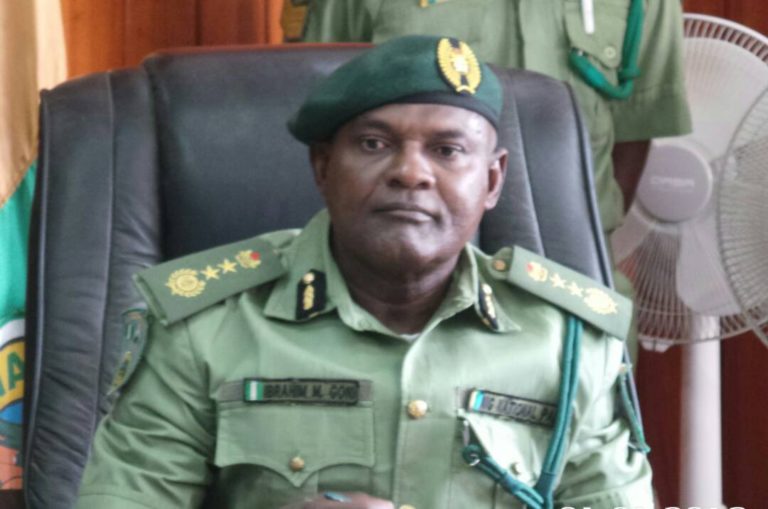
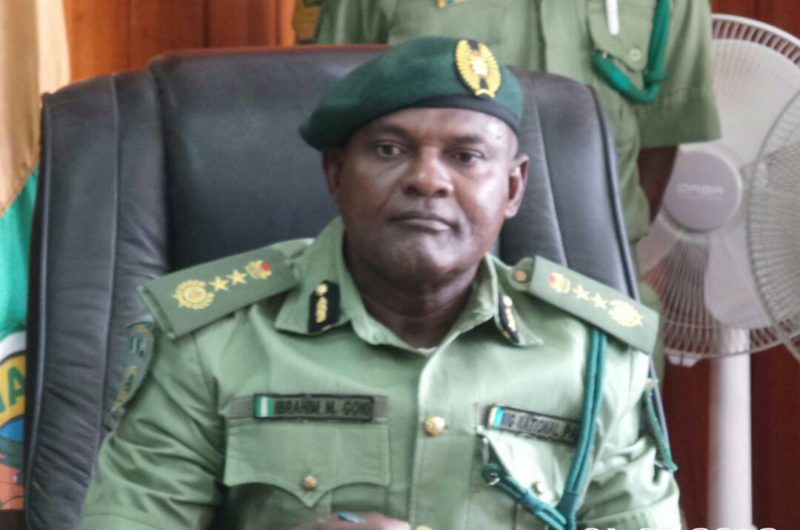
Conservator-General of the Service National Park Service, Alhaji Ibrahim Goni, says the service will soon embark on campaign against bush burning during the dry season.

Ibrahim Goni
Alhaji Ibrahim Goni, Conservator-General of the National Parks Service

Goni made this known in an interview with the News Agency of Nigeria (NAN) in Abuja on Friday, November 30, 2018.

According to him, the campaign has become necessary following the onset of the harmattan season, stressing that some herdsmen deliberately set fire around wild parks in a bid to get fresh fodder for their animals.

“They do this to enable them access Savannah land to influence early regeneration for their animals.

“We also have incidences where people embark on either individual hunting or communal hunting and set the bush on fire to drive out animals, so they can capture or kill them.

“And one of the bad effects is the killing of many animals sometimes in excruciating ways by burning them alive which is among the worst possible deaths.

“An animal that burns to death plausibly experiences a few times more pain than an animal dying in another way, and it is our responsibility to protect and preserve these animals.”

He said that each time you burn the bush or set vegetation on fire, even a standing rock would be weakened, adding “you are not only burning the grasses, you are destroying the soil nutrients.’’

“It also leads to air pollution and increases the carbon content in the atmosphere; and when this happens the ozone layer is destroyed, so you increase the intensity of the heat on the earth.’’

Goni listed some of the measures to guard against uncontrolled bush burning to include the clearing of boundaries around the homes and farmlands.

“At our parks, we ensure that immediately after the rainy season, we embark on boundary clearing, and have graders run across the boundary to create ridges of about six meters in wide.

“This we consider as a fire breaker so that when fire is set outside of our parks, the fire cannot penetrate our parks.’’

Goni, however, said that there were some advantages of controlled bush burning which included stimulating plant growth.

“After controlled bush burning, in the long run, the affected area will invite more sunlight, new grass and fresh vegetation as fodders for animals.”

He explained that the campaign was aimed at protecting wildlife and vegetation during the harmattan season.

He cautioned members of the public against uncontrolled bush burning during the harmattan, especially in and around parks.

He further called on Nigerians to have respect for the environment.

By Ebere Agozie

Xi calls for long-term efforts to strengthen green ecological barrier in North China

0

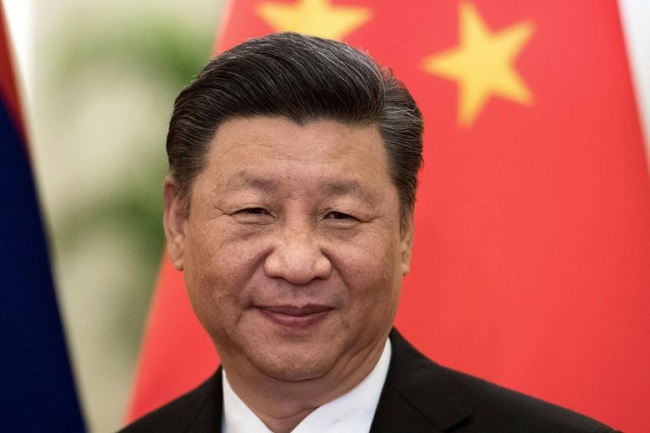
Chinese President Xi Jinping has called for long-term input, an innovative approach to consolidate and develop the green ecological barrier in North China.

Xi Jinping
Chinese President, Xi Jinping

Xi, also general secretary of the Communist Party of China (CPC) Central Committee and chairman of the Central Military Commission, made the remarks as he gave instructions on the construction of the Three-North Shelterbelt Forest Programme.

“The programme is a major ecological project implemented together with the reform and opening-up drive, and a signature project in building an ecological civilisation,” Xi said.

Xi commended the unremitting efforts made over the past 40 years, stressing that the programme had generated significant ecological, economic and social benefits.

He added that the programme had equally become a successful model in international ecological management.

However, Xi warned that ecological system in the Three-North regions (the northeastern, northern and northwestern regions) remained fragile.

He said continued efforts in promoting the programme would not only boost regional sustainable development, but also the sustainable development of the Chinese nation.

Premier Li Keqiang gave written instructions, calling for continued efforts to push forward the programme, while making overall consideration for demand and factors such as water resource carrying capacity.

“Efforts should be made to jointly promote the programme with the country’s rural vitalisation strategy and battle against poverty in order to enhance afforestation while increasing local residents’ income and build a more solid ecological barrier for sustainable development,” Keqiang said.

A meeting on the programme was convened in Beijing giving awards to individuals and organisations that made outstanding contributions to the programme.

Vice Premier Han Zheng said at the meeting that construction of Three-North Shelterbelt Forest Programme still faced difficulties and challenges.

He called for greater effort to protect the ecological environment, promote high-quality development of the programme and consolidate the green ecological barrier.

Zheng also called on local governments to learn from the spirit of Three-North Shelterbelt Forest Programme and strengthen protection of natural ecological system.

China pollution cover-ups tagged ‘extremely stupid’

0

Attempts by Chinese companies and local governments to conceal pollution violations are “extremely stupid” and will not succeed, China’s environment ministry said on Friday, November 30, 2018 after a spate of cover-ups in the country.

China pollution
Air pollution in China

Now in the fifth year of its war on pollution, China has struggled to enforce its environmental laws and Beijing wants market regulators, graft watchdogs, police and the courts to play a bigger role in punishing polluter

The Ministry of Ecology and Environment (MEE) has named and shamed several local jurisdictions and companies over the past month for deliberate acts of deception designed to hide compliance failures.

This month, one firm deliberately misreported the spilling of nearly 70 tonnes of petrochemicals into the sea at the Quanzhou port in southeast Fujian province, the local government said in a statement.

The ministry said that seven company workers have been arrested and several officials dismissed.

“Any attempt to conceal the truth is extremely stupid and in vain,” environment ministry spokesman Liu Youbin said at a news briefing in Beijing when asked about the port incident.

“The relevant company is directly responsible for the incident, but the local government also didn’t do a good job dealing with the emergency, especially in disclosing relevant information,” he added.

China is in the middle of a new campaign to curb winter smog and forced at least 46 cities since Monday to adopt emergency measures to cut emissions after air quality deteriorated across northern and eastern regions.

Despite pressure from Beijing, many growth-obsessed local governments turn a blind eye to polluting enterprises they consider vital sources of jobs and economic growth.

This month, state media reported that officials in eastern China’s Shandong province were caught throwing chemicals worth 46 million yuan (6.63 million dollars) into a river to disguise pollution levels.

In Shijiazhuang, capital of Hebei province, officials were accused of trying to cover a one-kilometer (0.62 mile) section of a river with tarpaulin to hide water pollution from inspectors, according to a state media report last month.

Liu said environmental inspections enable local governments to promote “high-quality economic development” and the scrutiny will continue.

“We will not ease supervision and will continue to carry out inspections,” he said.

World not on track to slow climate change – UN warns

0

The UN weather agency says the world is heading in the wrong direction to slow climate change after another year of near-record temperatures.

Petteri Taalas
WMO Secretary-General, Petteri Taalas

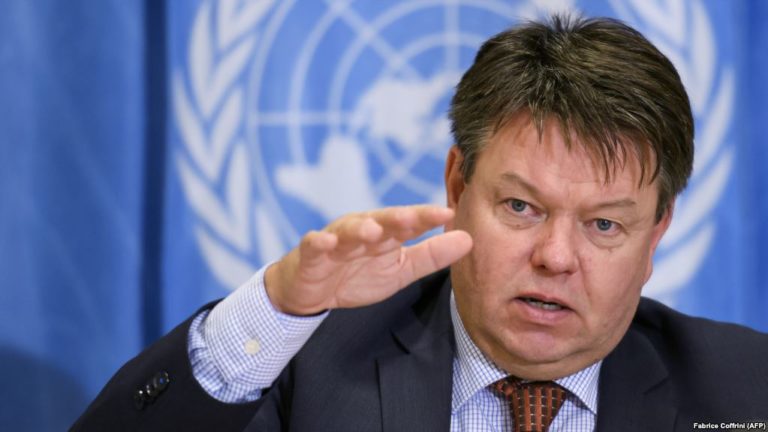
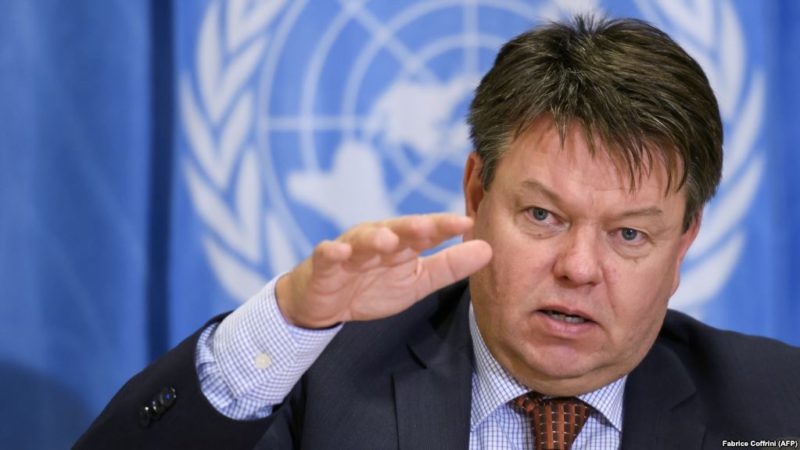
Secretary-General of the World Meteorological Organisation (WMO), Prof. Petteri Taalas, said: “We are not on track to meet climate change targets and rein in temperature increases.

“Greenhouse gas concentrations are once again at record levels and if the current trend continues, we may see temperature increases 3-5 degrees centigrade by the end of the century.

“If we exploit all known fossil fuel resources, the temperature rise will be considerably higher.”

Data from five independent global temperature monitors which formed the basis of the latest annual WMO Statement on the State of the Climate report, indicated that this year is on course to be the fourth highest on record.

He expressed worry that the 20 warmest years on record had been in the past 22 years, with the top four in the past four years.

“It is worth repeating once again that we are the first generation to fully understand climate change and the last generation to be able to do something about it,” Taalas said.

The WMO scribe’s comments supported the findings of another authoritative global body, The Intergovernmental Panel on Climate Change (IPCC).

In its report on Global Warming of 1.5°C, IPCC concluded that the average global temperature in the decade prior to 2015 was 0.86 degrees centigrade above pre-industrial levels.

Between 2014 and 2018, however, this average had risen to 1.04 degrees centigrade above the pre-industrial baseline, IPCC’s experts said.

“These are more than just numbers,” said WMO Deputy Secretary-General, Elena Manaenkova, noting that “every fraction of a degree of warming makes a difference to human health and access to food and fresh water”.

The extinction of many animals and plants also hinged on global warming, the WMO official insisted, along with the survival of coral reefs and marine life.

“It makes a difference to economic productivity, food security, and to the resilience of our infrastructure and cities.

“It makes a difference to the speed of glacier melt and water supplies, and the future of low-lying islands and coastal communities. Every extra bit matter,” Manaenkova said.

WMO’s report added to the scientific evidence that would inform climate change negotiations from Dec. 2 to Dec. 14 in Katowice, Poland.

The key objective is to adopt the implementation guidelines of the Paris Agreement on Climate Change, which aims to hold the global average temperature increase to as close as possible to 1.5 degrees centigrade.

This target is possible, according to the IPCC, but it would require “unprecedented changes” in our lifestyle, energy and transport systems.

Highlighting the economic impact of higher global temperatures, WMO noted that many countries were increasingly aware of the potential problems.

This included the United States, where a recent federal report detailed how climate change is already affecting the environment, agriculture, energy, land and water resources, in addition to transport, people’s health and welfare.

A just-published United Kingdom assessment also warned that summer temperatures could be up to 5.4 degrees centigrade hotter, and summer rainfall could decrease by up to 47 per cent by 2070.

In Switzerland, famed for its mountains and skiing, national weather experts warned early November that the country was becoming hotter and drier.

In addition, the weather experts warned that the country is expected to struggle with heavier rainfall in the future – and less snow.

By Prudence Arobani