Home Blog Page 1735

Governments told to sensitise Nigerians on climate change

0

The Global Initiative for Food Security and Ecosystem Preservation (GIFSEP) has urged government at all levels to intensify their sensitisation programmes to educate Nigerians on the effects of climate change, its mitigation and adaptation.

David Michael
David Michael

Executive Director of GIFSEP, Mr David Michael, made the call in an interview with the News Agency of Nigeria (NAN) in Abuja on Wednesday, December 19, 2018.

Michael said that governments at all levels should show political will to educate Nigerians on the effects of climate change, how to mitigate and adapt it.

“Governments should address the issues arising from climate change because a good number of the populace lack an understanding of climate change and its effects as well as mitigation and adaptation strategies to adopt,’’ he said.

Michael, who attributed erratic rainfall pattern to one of the issues arising from climate change, added that climate change also had devastating effects on the environment, agriculture, ecosystem and health of both humans and animals.

“A few decades ago, farmers could sit at the comfort of their homes and forecast when rains will begin and end in year. That is not the case anymore, rather it has become increasingly difficult to predict rainfall pattern.

“This unfortunate scenario continues to pose significant threat to food security and social economic existence of people living in sub-Saharan African,’’ he said.

The executive director said that the organisation carried out some activities in 2018 to address the negative effects of climate change.

“We organised capacity building for students in Senior Secondary Schools in FCT to address climate change.

“This workshop focused on mitigation and adaptation strategies to combat climate change. The project ensured that about 60 EcoClubs were established in 60 schools in the FCT,’’ he said.

Michael said that GIFSEP also in partnership with 350 Africa and other environment-related NGOs convened the Abuja Climate Summit in Sept.7.

“This summit brought relevant government officials and agencies, political parties, civil society organisations, religious leaders, corp members and students together to discuss actions and strategies each institution can adopt to mitigate carbon emissions and build resilience.’’

He said that the organisation engaged in advocacy on 100 per cent transition from fossil fuels as a source of renewable energy.

“GIFSEP in partnership with Global Environment Facility-Small Grants Programme and African Climate Reality Project powered a block of classroom with solar power at Government Secondary School, Yaba in Abaji in the FCT.

“We powered the school to promote the adoption of renewable sources of energy,’’ Michael said.

By Deji Abdulwahab

Studies debunk global warming pause claim

0

The reality of ongoing climate warming might seem plainly obvious today, after the four warmest years on record and a summer of weather extremes in the whole northern hemisphere. A few years back however, some media and some experts were entangled in debates about an alleged pause in global warming – even though there never has been statistical evidence of any“hiatus”, as new research now confirms. In two recent studies, a group of international scientists joined forces to thoroughly disentangle any possible“hiatus” confusion, affirming that there was no evidence for a significant pause or even slowdown of global warming in the first place.

Global warming
Global warming is a long-term rise in the average temperature of the Earth’s climate system

Global warming is a long-term rise in the average temperature of the Earth’s climate system, an aspect of climate change shown by temperature measurements and by multiple effects of the warming.

“Claims of a presumed slowdown or pause in global warming during the first decade of the 21st century and an alleged divergence between projections from climate models and observations have attracted considerable research attention, even though the Earth’s climate has long been known to fluctuate on a range of temporal scales,” says James S. Risbey from CSIRO in Australia, lead author of one of the new studies. “However, our findings show there is little or no statistical evidence for a pause in global warming. Neither current nor historical data support it.”

“The alleged pause in global warming was at no time statistically conspicuous or significant, but fully in line with the usual fluctuations,” explains Stefan Rahmstorf from the Potsdam Institute for Climate Impact Research, a co-author to both studies. “The results of our rigorous investigation in both studies are as simple as unambiguous: There was no pause in global warming. And global warming did not fall short of what climate models predicted. Warming continued as predicted, together with the normal short-term variability. There has been no unusual slowing of warming, as our comprehensive data analysis shows.”

There was no pause in global warming

Published in Environmental Research Letters, the first new study analyses variations in global surface temperature in historical context, while the second compares model projections to observations. They scrutinised all available global temperature data sets in all available earlier and current versions and for all alleged time periods of a “hiatus”, looking for statistical significance. In no data set and for no time period could a significant pause or slowing of global warming be detected,nor any discrepancy to climate models.

Statements claiming the contrary were based on premature conclusions, partly without considering statistics at all, partly because statistical analysis were faulty.

A common problem for instance was the so-called selection bias. Simple significance tests generally only apply to randomly drawn samples.But when a particular time interval is chosen out of many possibilities specifically because of its small trend, then this is not a random sample.“Very few articles on the ‘pause’ account for or even mention this effect, yet it has profound implications for the interpretation of the statistical results,” explains Stephan Lewandowsky from University of Bristol in the UK, lead author of the second study.

Reduced momentum for action to prevent climate change

One reason for the attention that the alleged “global warming pause” received in the public may have been that interest groups used this idea to argue against the urgency of ambitious climate policies to reduceCO2-emissions from the burning of fossil fuels. This in turn may have contributed to delays in action to halt global warming, the scientists argue.

“A final point to consider is why scientists put such emphasis on the ‘pause’ when the evidence for it was so scant. An explanation lies in the constant public and political pressure from climate contrarians,” adds Naomi Oreskes from Harvard University in the USA and co-author of the second study. “This may have caused scientists to take positions they would not have done without such opposition.”

N700m approved for completion of Farin Ruwa Dam project

0

The Federal Ministry of Water Resources on Wednesday, December 19, 2018 said Federal Government has approved N700 million to complete the Farin Ruwa Hydro power project in Nasarawa State to boost power generation in the country.

Suleiman Adamu
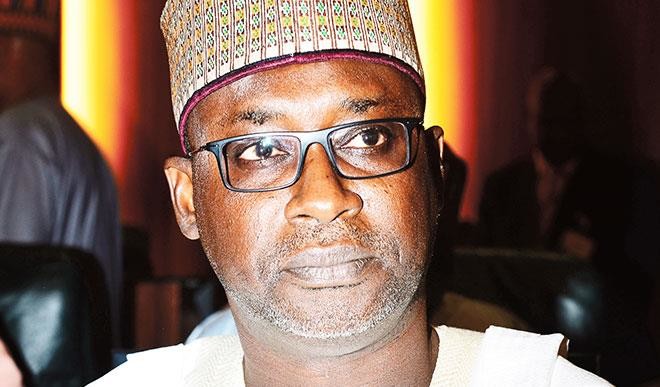
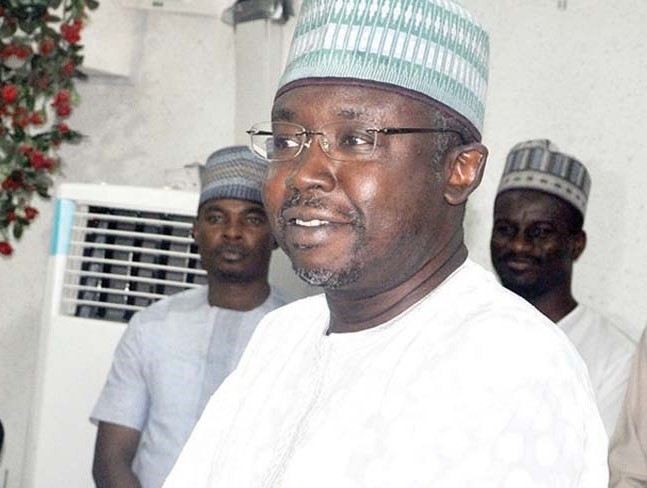
Suleiman Adamu, Minister of Water Resources

Dr Musa Ibrahim, the Permanent Secretary of the ministry, told the News Agency of Nigeria (NAN) following the end of tour to the Farin Ruwa dam site in Wamba Local Government Area.

The Federal Government had signed a Memorandum of Understanding (MoU) with the Nasarawa State Government to enable it takeover and complete the dam project.

“As at 2003 to 2004, the project was 65 per cent completed as the state government had purchased all the needed equipment, but unfortunately there was fire outbreak on the project site which destroyed most equipment, some also became obsolete.

“Governor Tanko Almakura had expressed the stategovernment’s inability to complete the project, the ministry made a presentation to President Muhammadu Buhari, he however approved the release ofN700 million in the 2018 budget for the takeoff of the project,” he said.

Ibrahim said that the project conceptualised in 2001 with the intention of providing no fewer than 20 megawatts electricity to Nasarawa State, was stalled due to paucity of funds.

He noted that the state government had initially spent N6 billion for the purchase of equipment for the project that had become moribund, to make the project be up and running.

He hinted that the Federal Government might spend additionalN10 billion for its full completion, noting that the effort was part of Federal Government’s commitment to complete all ongoing and abandoned water projects in the country.

 He said that the project, which was initially developed for hydro power generation, would however include water supply and irrigation component, adding that construction of 20km access road to the project had begun.

He said that the ministry had engaged the service of a consultant and had submitted the draft report, saying a bid process had also been announced for contractors to develop the project, adding that a Public Private Partnership approach might be developed to ensure the full optimisation of the dam.

Musa expressed optimism that when the project was completed,it would improve power generation in the country, create employment, increase water supply and boost food security.

He said that when the project was conceived, the estimated hydro power potential of the dam was put at 20 megawatts, saying with improved technology, it may be increased to 24 megawatts.

“We are currently doing a hydrological analysis of the dam to know the amount of water to expect, this will be in partnership with the ministry of power, works and housing and other relevant agencies.’’

The dam, which has a capacity of 73 million cubic meters, will serve no fewer than 10 communities in Nasarawa State.

By Tosin Kolade

Government tasked on disaster risk management

0

Nigeria will have the best policy on disaster risk management if the validated National Disaster Risk Management (NDRM) policy is effectively implemented.

Mustapha Maihaja
Mustapha Maihaja, Director General, NEMA

Mr Seth Vordzorgbe, the Project Technical Adviser (UN Development Programme) to National Emergency Management Agency (NEMA) said this at the closing of a two-day workshop on Wednesday, December 19, 2018 in Lagos.

The workshop was to validate NDMP, which outlines government’s policy on challenges toward reducing risks from hazards, and articulate government’s commitment to risk reduction.

Vordzorgbe, who is also a crisis, development and agriculture management expert, said the stakeholders should ensure implementation of the policy to enhance effective management of emergencies and disasters in the country.

He, however, assured the stakeholders that all their inputs would be reflected in the final copy of the document.

NDMP, which was formulated in collaboration with UNDP, is a 10-year policy on disaster risk management for effective handling of disasters, which is reviewed every five years.

In his remarks, Mr Abdul Hakeem Ashimi, Director, Ogun State Emergency Management Agency, thanked NEMA for coming up with the policy.

Ashimi, however, called on NEMA to finalise the policy and release it to State Emergency Management Agencies (SEMAs) for implementation.

He expressed optimism that the policy, when implemented, would reduce disasters in the country.

Earlier, Mrs Uche Ezeonyeasi, Executive Secretary of Imo State Emergency Management Agency, called on NEMA to pay advocacy visit to some state governors to sensitise them on the importance of funding SEMAs.

Ezeonyeasi said SEMAs were established but needed to be strengthened to help the agency achieve its mandate.

Similarly, Mr Sanusi Usman, Executive Secretary, SEMA Zamfara, called for the assistance of NEMA in managing emergencies and disasters in the state.

‘‘We can be overwhelmed with handling disasters at times so NEMA should come to our help,’’ he said.

In addition, a director from FCT Emergency Management Agency, Mrs Florence Wenegieme, called for a national number that people could reach in case of emergency.

According to her, the 112 already in use should be upgraded to a national number.

Wenegieme said disaster management should be everybody’s business, not only NEMA and SEMAs.

No fewer than 81 participants attended the NDMP validation workshop.

NDMP outlines a streamlined set of guidelines for decision making on how to achieve desirable outcomes in disaster risk management.

The policy guides the development and implementation of disaster management policy and programmes at the state and local government levels, particularly the promotion of safer, and more secure and resilient communities.

Kenya develops strategy on donkey preservation

0

Kenya is developing a strategy on the donkey value chain to help encourage farmers keep many animals, a government official has said.

Donkey
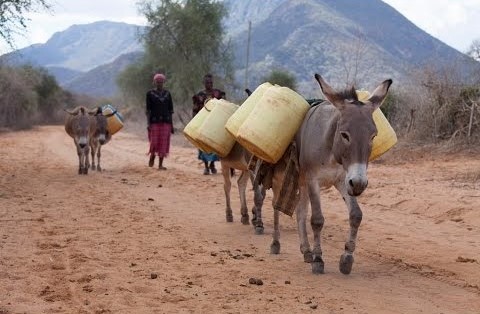
In Kenya, donkeys are used for domestic and commercial purposes

Michael Cheruiyot, a Senior Deputy Director of Veterinary Services, said that the strategy would streamline production,upkeep, welfare, movement and breeding.

“We are developing donkey’s strategy since they are useful animal but their contribution to the national economy and support to humans is not well recorded,” Cheruiyot said during the launch of Alliance for Donkey Welfare Organisations in Kenya (ADWOK) in Nairobi.

Cheruiyot noted that the strategy that will be officially launched in 2019 will also be used to help identify the correct number of donkeys in the country, adding that the existing number of 1.8 million may not be understated.

He said that the government is currently applying modern methods of breeding including Artificial Insemination (AI) to help improve the population of the animal.

In Kenya, donkeys are used for domestic and commercial purposes generating income for households and providing savings.

They perform chores such as ploughing, transporting commodities and transporting water and firewood.

Raphael Kinoti, chairman of ADWOK, said that donkeys are endangered as the rate of slaughter is higher than their production.

He said that, to date, 1,200 donkeys are slaughtered daily in the four licensed slaughter houses in the country.

Kinoti called on the government to declare a moratorium on trade on donkey to help increase the population of the donkeys in the country.

“We need a moratorium to be declared to help increase the number of donkeys in the country as is the case with the yearly moratorium on fishing activity on Lake Victoria,” Kinoti added.

He observed that for the number of donkeys to increase there is also need for an organised system of production as is happening with the cattle, pigs, and sheep.

Kinoti said that a study conducted in the country in 2017 shows that donkeys earn users $5 to $12 and contributes $4.8 million in the country’s economy.

The study further found that the loss of a donkey in a family could result in a 39 percent increase of labour for women.

The official however complained that theft of donkeys is currently the most risk that farmers are facing, adding that4,800 donkeys were stolen between the months of Jan. and Aug. 2018.

ADWOK is an open platform of registered organisations dedicated to improving the welfare of working animals in Kenya.

It was formed to help save the animal from cruelty treatment and abuse through different acts of omission and commission including, beating, kicking and negligence that denies the animal fundamental freedoms.

More than 75 percent of Kenya’s 1.8 million donkeys are working animals hence constituting a great economic activity for the country.

By Duncan Mboyah

Katsina spends N2bn to revive cotton, other crops

0

The Katsina State Government says it has spent N2 billion to boost the production of cotton and other crops in the state in the last three and a half years.

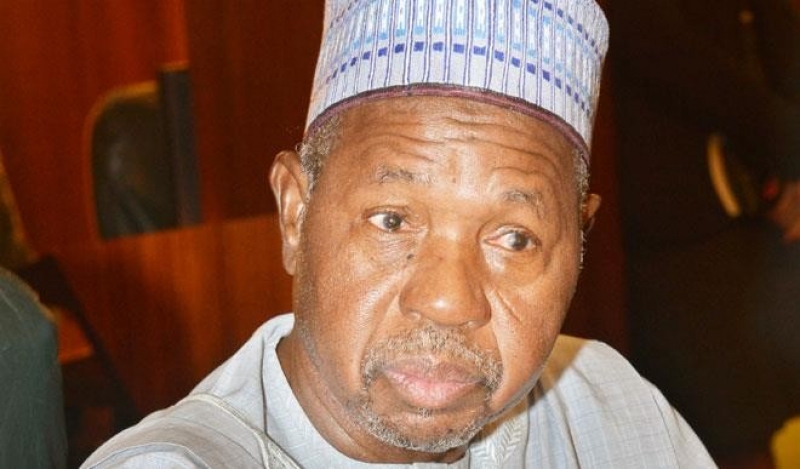
Alhaji Aminu Bello Masari
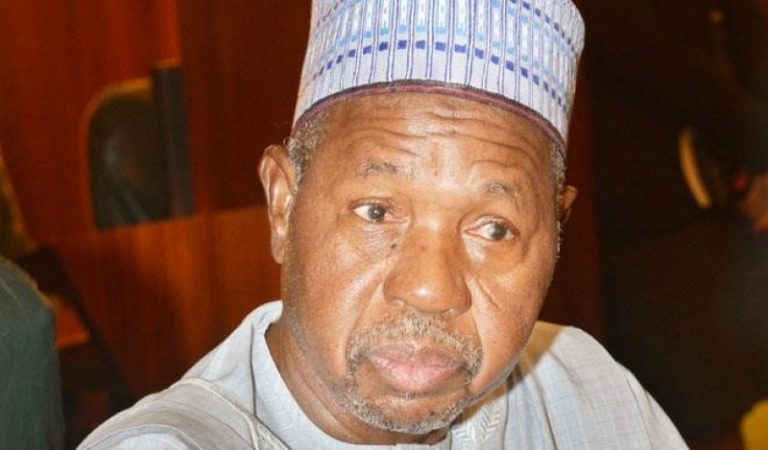
Alhaji Aminu Bello Masari, Governor of Katsina State

According to the government, it released the funds to the Ministry of Agriculture and its parastatals for the development of the agricultural sector.

Gov. Aminu Masari made the disclosure during the opening ceremony of a three-day agricultural show on Tuesday, December 18, 2018 at Kafin Soli village of Kankia Local Government Area of Katsina State.

Masari, represented by his deputy, Alhaji Mannir Yakubu, said the funds were released for the implementation of various agricultural activities aimed at boosting food production and employment.

The governor said that his administration was collaborating with the Institute of Agricultural Research, Ahmadu Bello University (ABU) Zaria, for the revival of cotton production in both dry and wet seasons.

He said that efforts were being made by government to source improved seed varieties for farmers with short duration of maturity and high yield to increase their production, generate employment to create wealth.

He urged agriculture extension service agencies, research institutions, universities and other relevant stakeholders to partner with the state government to boost agricultural production in the state.

“The government has also provided facilities, incentives and the enabling environment to small scale farmers to be fully engaged all year round.

“Our target is to ensure that both wet and dry seasons farmers in the state are being supported and empowered to compete positively with the global challenges.’’

The governor called on citizens of the state to support the administration’s programmes and policies.

He appealed to the people to stop the felling of trees, encroaching into government forests reserves and grazing reserves to avert drought, desertification as well as farmers/herdsmen clashes.

Earlier, the Chairman of the Agric Show Committee, Alhaji Shehu Ibrahim, said that the state government organised the show with the aim of showcasing farm produce from Katsina State.

Ibrahim, who is also managing director of the state’s AgricProject, said the farmers had recorded bumper harvest through the assistance of the state government by providing enough fertiliser and other farm inputs.

By Shehu Danjuma

Physicians seek law to curtail environmental carcinogens

0

Nigeria Medical Association (NMA) has decried inadequate cancer reportage and legislation and called for laws to curtail environmental carcinogens in the country.

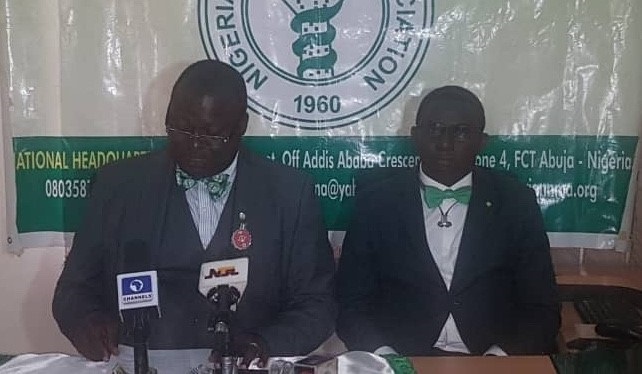
NMA
Dr Francis Faduyile, President, Nigeria Medical Association (NMA) at a press conference

The association made the call in a communiqué issued by Dr Francis Faduyile, NMA President, at the end of its National Executive Council (NEC) meeting on Tuesday, December 18, 2018 in Abuja.

It said that exposure to tobacco smoke and industrial pollution and poor enforcement of existing laws on cancer control and limited diagnostic and treatment facilities added to the risk of cancer.

The association also said that the high cost of managing cancer patients and the exclusion of cancer treatment in the National Health Insurance Scheme remained the main factors responsible for increased incidence and burden of cancer in Nigeria.

It decried inadequate budgetary allocation to the health sector and the neglect as well as poor funding of various cancer registries and cancer research in the country.

The association, however, called on governments at all levels to institute effective cancer prevention and control strategies aimed at reversing the rising incidence of cancer.

It described cancer as a major killer in Nigeria.

The association said it had a significant role to play in promoting the health of Nigerians, particularly to accelerate the implementation of Sustainable Development Goals (SDG 3).

It implored governments to create a conducive environment for multi-stakeholder partnerships through good governance, transparent public institutions and the rule of law in refreshing the SDG 3.

The association noted that health insurance had the capacity to provide solution for accessible, affordable and sustainable health delivery for Nigerians.

It said the State Health Insurance Schemes lacked the necessary determinations for success as major stakeholders were not consulted before their take-off.

The association decried the recent outbreak of yellow fever in some states and noted that the country had been experiencing sporadic outbreak of yellow fever since September 2017.

It appealed to governments to ensure that yellow fever vaccine was readily available for immunisation of all Nigerians, especially at the epidemic zone.

It called on agencies involved in curtailing epidemic viral haemorrhagic diseases as well as yellow fever to work swiftly to curtail the spread and prevent further outbreaks of the diseases in the country.

By Ummul Idris

International collaborations will facilitate design, launch of satellites, says NASRDA

0

The National Space Research and Development Agency (NASRDA)says the agency is collaborating with developed space agencies across the globe to facilitate indigenous design and launch of a Nigerian satellite by 2030.

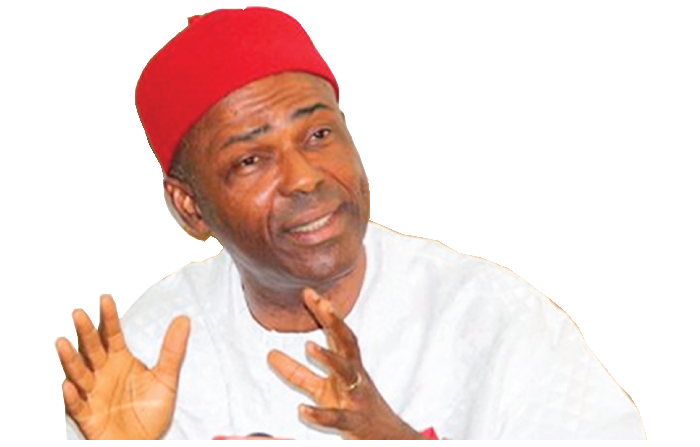
Dr. Ogbonnaya Onu
Dr. Ogbonnaya Onu, Minister of Science and Technology

Dr Felix Ale, the Head of Media and Public Relations of the agency, disclosed this on Tuesday, December 18, 2018 in an interview with News Agency of Nigeria (NAN) in Abuja.

Recently, the Minister for Science and Technology, Dr Ogbonnaya Onu, confirmed that the Federal Government would be collaborating with Ukraine Government on space science technology.

It will also be recalled that the pioneer Director-General of the space agency, Sen. Robert Boroffice, had, during his tenure from 1999 to2009, projected that the country would design and launch a satellite on Nigerian soil by 2018.

Ale, however, said that the agency could not meet up with the demands of designing local satellite within the period and had to restrategise,which included capacity building, hence the foreign collaboration.

According to Ale, the space agency is operating on a National Space Policy roadmap which aims to design and launch a satellite in Nigeria between 2005 and 2030.

The NASRDA media head said: “We are not just interested in space programme to be seen but we want a situation where we will be able to design and launch our satellites here in Nigeria.

“The collaboration with Ukraine Space Agency is part of efforts to actualise the target of building and launching our own satellite.

“We are partnering with some developed countries that have seen it all in the area of space science and technology, so we can use it as a platform to develop our capabilities.

“The collaboration will also engender knowledge transfer so that at the appropriate time, we will be able to design and launch our satellites.”

He further said that the collaborations would strengthen the use of space science technology to address socio-economic problems in the country.

On the proposal to site the African Space Agency in Nigeria,the officer said that NASRDA was considering the facilities in the space agency.

Ale said: “If Nigeria hosts the African Space Agency, she will automatically be the headquarters of space agencies in Africa and we are qualified in the area of space science technology.

“We recently bid, and a committee was raised which accessed our facilities to see what we have on ground.

“If African space agency is in Nigeria, we will be key players in space programme in the global community.”

He recalled that the country launched five satellites, a nano-satellite and had intervened in disaster management which was part of the agency’s activity profile that qualified it for the African Space Agency host.

Nigeria from the onset of owning satellites from 2003 had launched them from Russia and China respectively.

By Ijeoma Olorunfemi

States urged to emulate Niger’s battle against land degradation

0

The Conservator-General, National Park Service, Alhaji Ibrahim Goni, has called on state governors to emulate the Niger State Government’s effort in stopping further degradation of the environment.

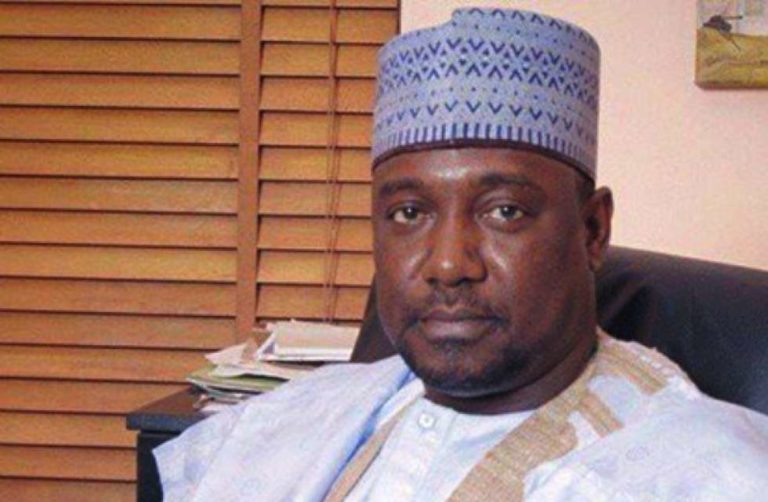
Alhaji-Abubakar-Sani-Bello
Alhaji Abubakar Sani Bello, Governor of Niger State

Goni said this in a statement issued by his Media Assistant, Yakubu Zull, on Tuesday, December 18, 2018 in Abuja.

He said that Gov. Abubakar Sani of Niger State was currently prosecuting some illegal wood loggers in Agaie Local Government Area of the state.

“I thank the governor and call on other governors to emulate Sani by prosecuting defaulters to deter others in engaging in such act in the state,” he said.

The C-G said that the service had commenced the monitoring of migration of herdsmen from North to South of the country to avoid the destruction of the Parks’ vegetation and other protected areas.

“I have directed the conservators of the seven parks to closely follow up the North-South migration of the herdsmen and communal hunters to avoid trespass and incessant conflict along the migratory routes.”

He said that the agency was collaborating with security agencies for effective protection of the parks.

According to him, the service has adequate security and surveillance patrol at all the national parks in the country, so they will not become hiding places for criminals.

“This is to ensure the safety of lives and property of visitors, tourists, our animals and plants at the parks at all times.

“Our intention is to rid the parks of criminals and hoodlums, who may want to take advantage of our security shortfalls to perpetrate nefarious activities in and around the parks.

He, consequently, enjoined the Parks officials to always use their professional knowledge in carrying out the exercise to avoid unnecessary clash with the herdsmen.

By Ebere Agozie

GEF-7 to address growing environmental challenges

0

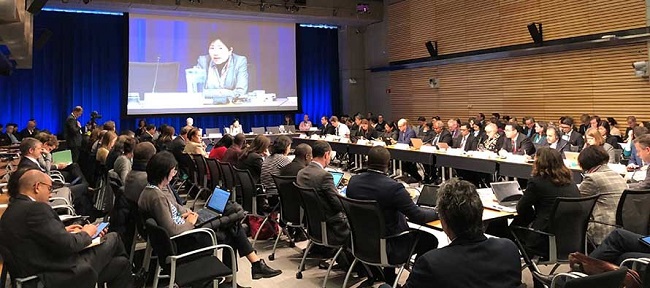
On the agenda of the Global Environment Facility (GEF) Council, which opened on Tuesday, December 18, 2018 in Washington DC, are the first projects to be funded under its new, four-year investment cycle, known as GEF-7, and measures to further improve the GEF’s efficiency,accountability, transparency and environmental and social safeguards.

GEF Council Meeting
GEF Council Meeting

The 55th GEF Council meeting is the first to beheld since the conclusion of the GEF-7 negotiations earlier this year at the GEF Assembly in Da Nang, Viet Nam, which endorsed the new GEF-7 strategy, and $4.1 billion replenishment by governments of the GEF’s trust fund.

In her opening remarks to the Council, GEF CEO and Chairperson, Naoko Ishii, reflected on what has happened since Da Nang. “During the past few months, more and more evidence has been put forward that we are not winning the war on global environmental degradation,” she said. “In some aspects, we are even going backward.”

Highlighting a series of recent scientific reports – from “Hothouse Earth” to the WWF’s Living Planet Index and the IPCC 1.5 degree report, she stressed “the urgency of the situation we are in.”

“There is a need for urgent action to respond to those increasing challenges,” Ishii continued while reflecting on how recent international negotiations dealing with biodiversity (CBD COP14), mercury (Minamata COP2) and climate (UNFCCC COP24) all focused on accelerating action.

Commenting on GEF’s role, she said “GEF-7 is a powerful instrument for us, the GEF, to take our part in fighting the war against climate change and global environmental degradation.”

“Science tells us that we need transformational change in key systems,” she said.  “GEF-7 programming strategies are designed to help catalyse transformational changes to food and land use systems,sustainable cities, and push the energy transition, while protecting key biomes.”

“In doing so, we emphasise the importance of involving key actors, not only national governments, but cities, private sector, CSOs and communities,” she said.

Noting GEF-7’s “very ambitious goal”, Ishii said that “for us to achieve it, we need to firm up our implementation policies and procedures. There is lots of room for tightening up our project preparation and execution so that we can deliver the results soonest.”

The 55th GEF Council, which ends December 20, will consider proposed new policy measures to speed up the preparation, endorsement, and implementation.

It will also have before it a proposed policy with new requirements for documenting and reporting on environmental and social risks,and potential impacts – and their management – throughout the GEF project and programme cycle, while also strengthening protections for indigenous peoples.

Even though the GEF already performs well on transparency and access to information, another new proposed policy would clarify its procedures and practices in this area.

The Council will also have before it a report showing that89 per cent of the GEF’s active projects that provided performance ratings were rated moderately satisfactory or higher for progress towards development objectives, and 83 per cent reached the same standard for progress in implementation.

The initial 18 GEF-7 projects before the Council would place13.8 million hectares of land and sea under protection or improved conservation of biodiversity, restore 300,000 hectares of degraded land, avoid the release of the equivalent of 23.1 million metric tons of carbon dioxide to the atmosphere and reduce, and/or dispose of, 7,100 metric tons of toxic chemicals.

The total GEF expenditure of $157.8 million is expected to attract an indicative $819.7 million in co-financing from other sources and, in all, 25 recipient countries will benefit from this work programme. A $64million grant to the GEF Small Grants Programme will benefit 107 countries with community-level work.