The Global Water Partnership’s (GWP) Sponsoring Partners
have selected Mr. Howard Bamsey, former Executive Director of the Green Climate
Fund (GCF), as the new Chair of GWP. The appointment is effective immediately.
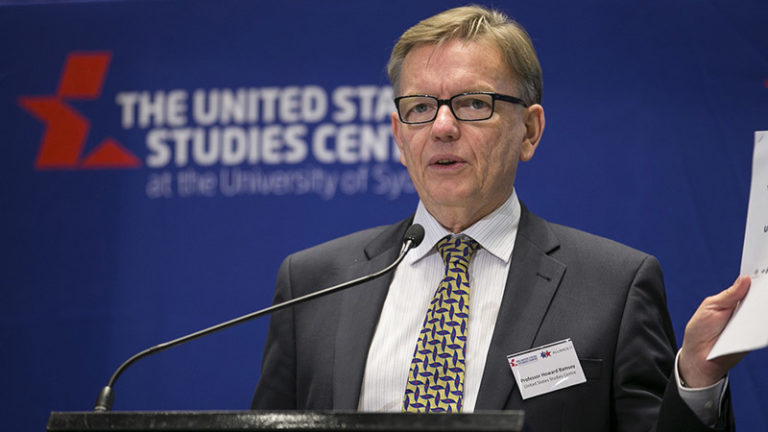
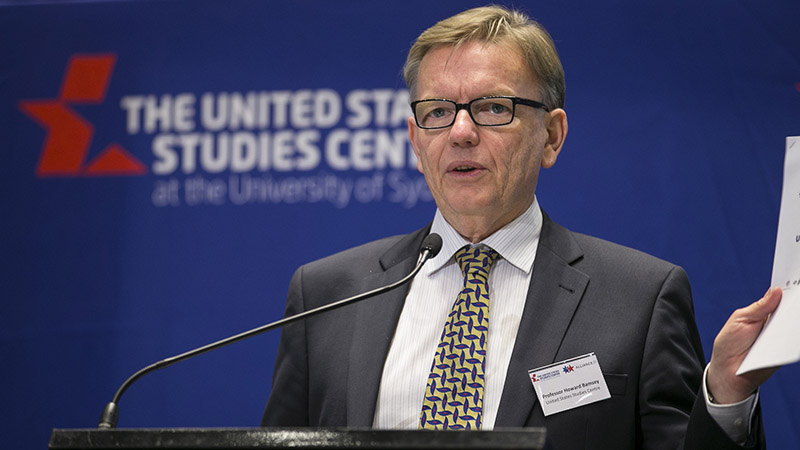
Howard Bamsey
Mr. Bamsey, a citizen of Australia, has been a
prominent leader in public service and diplomacy in the environmental field,
particularly climate change. His diplomatic career included time as Ambassador
to the UN (Geneva); Chief Executive, Australian Greenhouse Office; Deputy
Secretary, Department of Climate Change; and Special Envoy on Climate Change.
Later, he was Director General of the Global Green Growth Institute (GGGI)
and then Executive Director of the Green Climate Fund (GCF).
He resigned as executive director of the GCF with immediate
effect on Wednesday, July 4, 2018 in a bombshell finish to a fraught board
meeting. The Australian cited “pressing personal reasons” in his
resignation letter, adding that it was best he leaves before the next round of
fundraising started. It came as the four-day meeting in Songdo, South Korea
collapsed with no decisions on 11 funding bids worth nearly $1 billion.
Mr. Bamsey, a graduate of the University of
Queensland, is Adjunct Professor at the University of Sydney and the
Australian National University, and an Honorary Professor at the
Australian National University.
“Mr. Bamsey’s leadership style, as characterised by his
deep strategic thinking, advocacy skills, belief in teamwork, and his extensive
international network, will help GWP sail through a rapidly changing water
world towards achievement of the SDGs. He will be able to build a bridge with
those beyond the water sector – who need to take water into consideration as
they make planning and investment decisions,” said Mr. Kenzo Hiroki, Chair of
GWP’s Nomination Committee, which unanimously recommended Mr. Bamsey for
approval by the Sponsoring Partners.
In accepting the position, Mr. Bamsey said, “I’m joining GWP
because I have seen the network’s ability to mobilise a large and inclusive
partnership that takes action on many levels to improve the way water is
managed. The knowledge embedded with the network’s many partners is at the
forefront of advancing water governance and a unique asset.”
Mr. Bamsey co-chaired the United Nations “Dialogue on
Long-term Cooperative Action on Climate Change” from 2006 to 2007 and served as
Australia’s Special Envoy on Climate Change and Deputy Secretary at the
Department of Climate Change and Energy Efficiency from 2008 to 2010.
“We are excited to see Howard join GWP at a time when the
network is developing its new strategy,” confirmed Monika Weber-Fahr, GWP’s
Executive Secretary. “With his broad network and focus on climate change
action, Howard will take us forward, enhancing our impact as we help water
management and governance to serve the development agenda more broadly.”
An ecologist, Mr David Michael, has urged restaurateurs not
to package hot foods with plastics to prevent chemicals from getting into the
foods.
Food in plastic container
Michael, the Executive Director, Global Initiative for Food
Security and Ecosystem Preservation (GIFSEP), gave the advice in an interview
with the News Agency of Nigeria (NAN) in Abuja on Friday, January 11, 2019.
“Plastics are gotten from crude oil; just like your petrol,
diesel and engine oil.
“When plastics are heated, they release chemicals and these chemicals
get into the food that the plastics are used to cook like the beans pudding,
moi-moi for example,’’ he said.
According to him, most of these plastics contain a chemical
known as Bisphenol A “BPA’’.
“Although, in advanced countries, there are BPA-free
plastics being widely used because of the dangers of ordinary plastics.
“But in developing countries, people use ordinary plastics
to package moi-moi because BPA-free plastic is not cheap, and you cannot buy
your moi-moi for N200 and expect it
to be in a BPA free plastic.
“When you heat plastic as with any stable chemical composition;
it becomes unstable and releases these chemicals,’’ the executive director
said.
He said that the public should be aware not to heat any
plastic container with food in it through packaging, or micro waving staled
foods.
“It is known that infinitesimal bits of plastic get into our
food from containers. The process is called “leaching” or “migration”.
“The chemical industry acknowledges that you can’t avoid
this transfer. Virtually all food packaging materials contain substances that
can migrate into the food they contact.
“Migration also increases when plastic touches fatty, salty,
or acidic foods,’’ he said.
At least $14 billion is needed to accelerate the fight
against AIDS, tuberculosis, malaria and quell stubborn epidemics that still
kill millions, the head of a global health fund said on Friday, January 11,
2019.
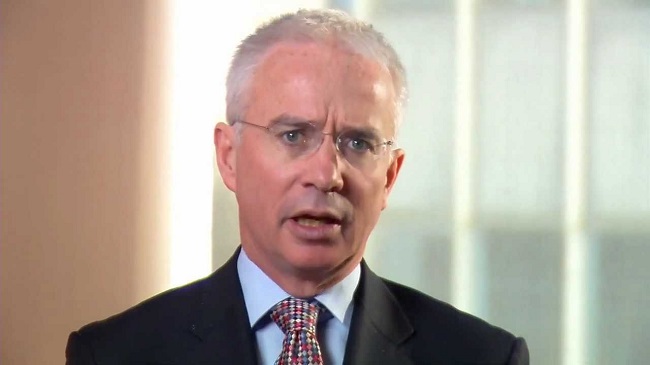
Peter Sands, Director of the Global Fund to Fight AIDS, Tuberculosis and Malaria
Announcing a fundraising target for the next three-year
cycle, Peter Sands, Director of the Global Fund to Fight AIDS, Tuberculosis and
Malaria, said the money could help save 16 million lives, halving deaths from
the three diseases.
It would also be used to build stronger health systems in
poor countries ill-equipped to handle existing outbreaks and unable to cope
with potential new epidemics.
“New threats mean there is no middle ground. We need to …
protect and build on the gains.
“We have made, or we will see those achievements eroded,
infections and deaths resurge, and the prospect of ending the epidemics
disappear.”
The Global Fund is a group of governments, civil society and
private sector partners which invests around 4 billion dollars a year to fight
infectious diseases.
It was launched in 2002 and has since helped slash the
number of people dying from AIDS, TB and malaria by around a third.
Yet the epidemics are still far from beaten.
In 2017, TB killed 1.6 million people, including 300,000
people with HIV, making it one of the top 10 causes of death worldwide.
Malaria kills almost half a million people each year, most
of them babies or young children in sub-Saharan Africa.
In the AIDS pandemic, almost 37 million people worldwide are
infected with the human immunodeficiency virus (HIV) and around 15 million of
them do not get the antiretroviral drugs needed.
Sands acknowledged how hard it would be to encourage international
donors to pledge funds towards such a high target.
But he added that with the fund’s reach and ability to
elicit engagement and investment by governments in nations affected by the
epidemics, he was confident it would have a major impact.
“If we step up the fight now, we will save
millions more lives,” he said.
The African Union (AU) Commission on Friday, January 11,
2019 revealed that the state of African refugees, returnees and Internally Displaced
Persons (IDPs) will be on the spotlight as African leaders meet next month.
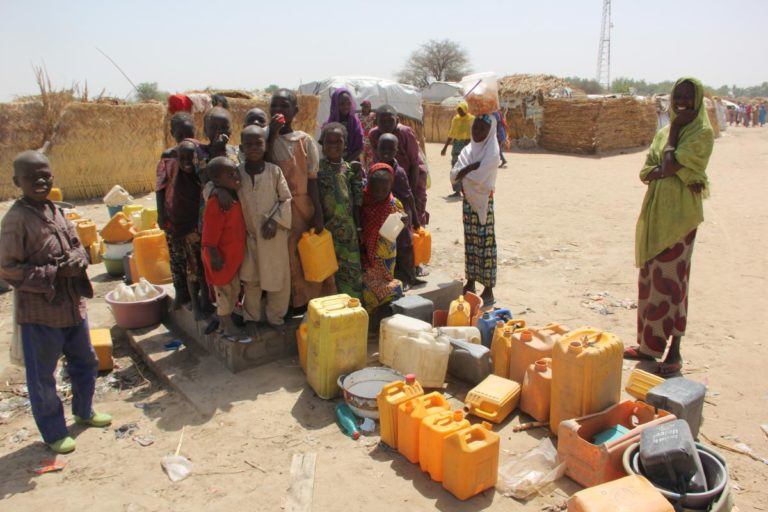
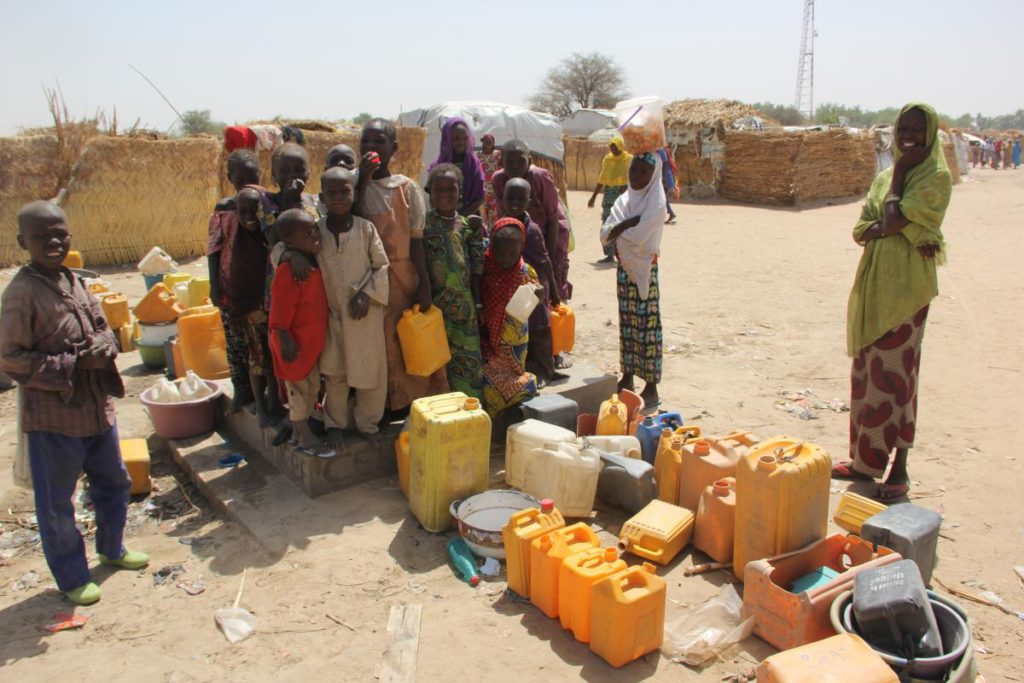
Internally Displaced Persons queuing up for water at Muna IDPs camp. Photo credit: WHO/CE.Onuekwe
The session of the AU Permanent Representatives Committee (PRC),
which is expected to be held from Jan.15 to 16, will convene under the theme:
“Refugees, Returnees and Internally Displaced Persons: Towards Durable
Solutions to Forced Displacement in Africa,” the AU said in a statement issued
on Friday.
The committee meeting is expected to bring together AU
officials and envoys of the 55 AU member states that are based in Ethiopia’s
capital, Addis Ababa.
The meeting of PRC is expected to prepare the agenda of the
32nd AU leaders’ summit with appropriate recommendations to be discussed for
consideration by the Executive Council, which will bring foreign ministers of
AU member countries.
The Executive Council meeting, scheduled to take place from
February 7 to 8, is also expected to discuss the recommendations of the PRC,
and put forward its final outcome for deliberation by African heads of states
and governments as they are set to meet soon after the foreign ministers
meeting.
The 32nd AU summit came few months after African leaders
convened the 11th extraordinary AU summit in Addis Ababa in November 2018.
The historic two-day extraordinary AU summit, among other
things, had approved a sanctions regime against member states that would fail
to make their annual financial contributions to the continental body.
The 31st AU summit was held from July 1 to 2 in Nouakchott,
capital of Mauritania, focusing on the fight against corruption.
The summit also focused on Africa’s trade, peace
and security sectors under the theme “Combating Corruption: A Sustainable Path
to Africa’s Transformation.”
The National Emergency Management Agency (NEMA) on Friday,
January 11, 2019 called for collaboration with stakeholders in the South-South
region for effective emergency management of the area.
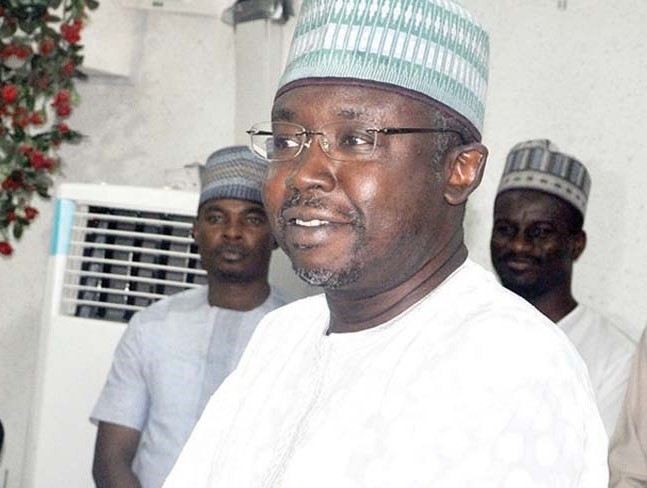
Mustapha Maihaja, Director General, NEMA
Mr Ibarakumo Walson, the New South-South Zonal Coordinator,
NEMA, made the call during the official handing over ceremony by the outgoing
coordinator in Port Harcourt, Mr Ejike Martins.
Walson, who is also the Assistant Director, Planning
Research and Forecast Management of NEMA, appealed to the media and other
stakeholders to work with the agency to achieve its set goals and ensure
effective emergency control and management.
“I appeal to stakeholders and the media to collaborate with
us because NEMA alone cannot effectively manage or control disasters without
the cooperation and collaboration of stakeholders.
“We need collaboration to continue from where my predecessor
stopped because it is a continuous process; I appeal, especially to the media,
to work with us to achieve the agency’s goal in the zone,” he said.
He said the agency would ensure that the State Emergency
Management Agency (SEMA) and Local Emergency Management Committee (LEMC) worked
together for positive results in disaster and emergency management.
The Zonal Coordinator promised to work assiduously to move
the agency forward and enjoined members of staff to work with him in realising
this objective.
Speaking earlier, Ejike, who welcomed Walson to the state,
commended officers of the agency for their support and cooperation they gave
him which made his work easy.
He also commended the Nigerian Red Cross Society and other
sister agencies for their roles in tackling disaster challenges in the state.
Ejike urged officers to extend the same courtesy of discipline
and dedication to duties that they had shown him to the new zonal coordinator.
Ejike is to resume duty as the Deputy Director, Finance and Budget in the agency.
A group comprising scientists and journalists, the Alliance
for Science, has taken up a campaign to promote genetically modified (GM)
cowpea and ensure that the product sees the light of the day in Nigeria.
Beans (Cowpea) come in several shapes, sizes, colours and tastes
The Nigerian government has slated June 2019 as the time
limit to decide whether to allow the introduction of the supposedly
insect-resistant cowpea (beans) into the nation’s food chain. Anti-GMO activists
are, however, challenging the development.
But the largely pro-GMO Alliance for Science, determined to
ensure that government accepts and releases the modified beans species in the
country, has drafted a petition for which it is seeking signatories for its
backing.
If approved, the pod borer-resistant (PBR) cowpea will
become the nation’s first genetically modified food crop. It is expected to
increase yields and reduce the use of pesticides in cowpea production.
Cowpea is an indigenous food crop and cost-effective primary
protein source for Nigeria’s urban and rural poor. It is also said to be beneficial
to agriculture because of its nitrogen fixing properties and use in livestock
feed.
In the petition, the Alliance appears to make a case for the adoption of the food crop, saying that, among other merits, it reduces the use of pesticides on beans during the growth and development period.
The petition reads in part: “Last year, the death of hundreds of Nigerians was traced to the over spraying of chemicals on our local beans because of the number of pests which attacked the beans on the field and in storage. Beans (Cowpea) from Nigeria cannot be exported for health concerns. The modified beans do not require the overdose of chemicals responsible for killing innocent and unsuspecting Nigerians.
“Lucky for us Nigerians, scientists saw this epidemic ahead
of time and started working on a solution at the Institute for Agricultural
Research, Ahmadu Bello University, Zaria. In 2018, after nine years of
research, they announced the Bt. Cowpea; a genetically modified local bean
variety, which cannot be attacked by pests and drastically, reduces the use of
pesticides on beans during the growth and development period.”
Besides getting the Nigerian government to accept and release the food crop for consumption, signing the petition, says the Alliance, will:
Prevent more Nigerians from dying from the
consumption of chemicals
Promote home-grown innovative technology so that
Nigeria does not become a dumping ground for unregulated GMOs
Get farming to be a profitable profession for beans
farmers and help them reduce the input costs
Encourage Nigerian scientists to continue to
develop innovative ideas and technologies that will make Nigeria a food secure
country and a leading economy in Africa and the Globe.
But chairman of the Global Prolife Alliance (GPA), Prof. Dr Philip Njemanze, argues that the planned release of GMO beans (Bt Cowpea) could result in unprecedented health damage for millions of Nigerians.
According to him, genetically-modified beans (Bt Cowpea) contains the gene called Cry1Ab Bt, developed by Monsanto, and that the effects of the same gene (Cry1AbBt) that was inserted into Monsanto MON810 maize showed that it resulted in massive toxicity of human liver cells, caused massive allergic reactions, damage to blood cells, kidney, spleen and adrenal glands.
His words: “These health hazards were the reasons behind the discontinuation of the use of this Cry1Ab Bt gene in Maize but has now been inserted into the Nigerian GMO beans (Bt Cowpea). Nigerians would be the first guinea pigs in the world for testing the biological effects of GMO beans (Bt Cowpea) since it has until now never been commercialised anywhere in the world.”
The latest hearing in the case of the Zambian communities consistently
polluted by Konkola Copper Mines (KCM), a subsidiary of British miner Vedanta,
will be heard at the British Supreme Court on January 15 and 16, 2019. A rally
organised by solidarity organisation Foil Vedanta with a variety of other
groups, will take place outside the court in solidarity with the victims of
ongoing pollution who have been fighting legal battles for justice in Zambia,
and now the UK, for 12 years
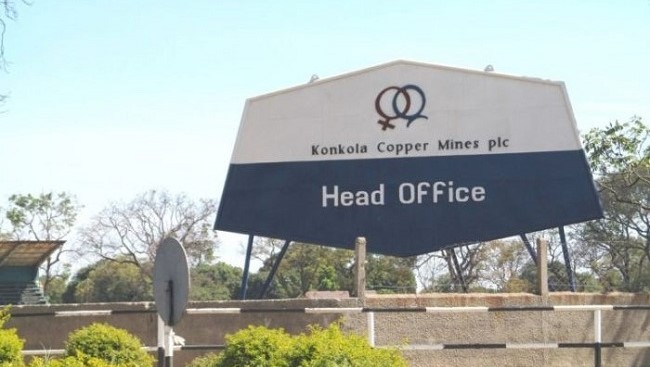
Vedanta Resources’ Konkola Copper Mines, Zambia
On January15 and 16, 2019 the Supreme Court in the UK will
hear Vedanta’s second appeal against the High Court’s jurisdiction ruling in
the case of Dominic Liswaniso Lungowe vs Vedanta Resources and Konkola Copper
Mines. Vedanta will attempt to overturn the High Court and Court of Appeal
rulings which held that the case of 1,826 polluted farmers against the company
and its subsidiary Konkola Copper Mines could be heard in the UK instead of
Zambia.
The case could represent a precedent in UK law, as, if a
duty of care is found to be owed by Vedanta towards the claimants, this would
be the first reported case in which a parent company would have been held to
owe a duty of care to a person affected by the operations of a subsidiary who
is not an employee of the subsidiary.
This ruling could have major implications for British
multinational corporations’ liability, a move which would be welcomed by
British Green Party MP Caroline Lucas, who expressed solidarity with the
claimants, stating: “When British corporations like Vedanta cause toxic
pollution overseas, it’s absolutely right that they pay for the damage. I stand
in solidarity with all those whose drinking water has been poisoned and
livelihoods damaged by Vedanta’s irresponsible pursuit of profit, and all those
campaigning for justice.”
In April 2016 a High Court ruling granted the claimants
jurisdiction to have their case against KCM and Vedanta heard in the UK, citing
KCM’s uncertain and opaque finances as one reason they may not be able to get
justice in Zambia. The Court of Appeal upheld this verdict in July 2017.
The claimants, represented by UK law firm Leigh Day, are
from farming and fishing communities downstream of KCM’s mines and plants. They
claim to have suffered continual pollution since UK firm Vedanta Resources
bought KCM in 2004, including a major incident in 2006 which turned the River
Kafue bright blue with copper sulphate and acid, and poisoned water sources for
40,000 people. Some 2,001 claimants took KCM to court in Zambia in 2007. The
courts found KCM guilty but denied the communities compensation after a nine-year
legal battle. As a result, the victims took their case to UK lawyers.
George Mumbi and Esson Simbeye from Chingola, long term
campaigners in the case, issued this joint statement: “Villagers along the
River Kafue as well as Chingola residents have suffered severe pollution of
water sources ever since Vedanta took over the mines. People used to think
British mining companies were better than others, but Vedanta is one of the
worst foreign investors Zambia has ever had. After twelve years of criminal
pollution, it is time that justice came home to roost in Britain.”
In a further development Vedanta Resources de-listed from
the London Stock Exchange on October 1, 2018, amid global protests following
the killing of 13 people, shot by police during protests against the company’s
copper smelter in Tuticorin, Tamil Nadu, India.
Commentators (including Foil Vedanta in their comprehensive
report on the company’s global operations entitled ‘Vedanta’s Billions:
Regulatory failure, environment and human rights) claimed the company were
fleeing regulation in the UK. However, Vedanta remains potentially liable in
the UK for damages arising from the Zambian case.
A range of groups will join a protest outside the Supreme
Court which has been called under the title “Make Pollution Political”. Several
concerned activists as well as lawyers will also attend the case over the two
scheduled days. Protesters outside and inside the Court will decry this British
company’s complete disregard for human rights and environment, and echo the
community’s demands for KCM to:
Stop polluting the rivers
immediately. Close down the plant until pollution control measures are
replaced and upgraded.
Provide clean water to the
villages immediately, by tankers or pipes.
De-silt the Mushishima
stream and Kafue River and remove contaminated waste.
Remediate the entire
polluted area to make it safe to live, farm and fish there again.
Compensate the affected
people for loss of health and livelihood. All medical costs should be paid
by KCM/Vedanta in future.
Samarendra Das from Foil Vedanta said: “Vedanta’s
remorseless pollution of the River Kafue since 2005 continues the colonial
legacy of environmental racism which made the Zambian Copperbelt a global
pollution hotspot. While the financial and material gains from copper have been
allowed to flow seamlessly out of the country, justice risks being restricted
by economic and institutional barriers of territoriality.
“We very much hope that the court will enable the fight for
justice to continue.”
Nnimmo Bassey, a close associate of Nigerian
activist Ken Saro Wiwa, and Director of the Health of Mother Earth Foundation,
made this comparison to the long campaigns against pollution in the Niger
Delta, “The Vedanta case mirrors the Niger Delta situation and underscores the
critical need for solidarity between communities impacted by mining across the
continent, indeed across the world. International oil corporations operating in
Nigeria are deft at utilizing loopholes in the legal system to ensure that
cases are often never decided within the short lifespan of the litigants. When
they are found guilty, they can shrug the sentence off as they are sure the
government would be unable to force compliance since they are literally in bed
together due to the business partnerships that are rigged against the people
and the environment. Litigation in the home countries of the offending
companies has been the option that offers a ray of hope for justice for the
poor and for Mother Earth.”
In her first address since the conclusion of the UN Climate
Change Conference (COP24) in Katowice, Poland in December 2018, Executive Secretary
of the UN Framework Convention on Climate Change (UNFCCC), Patricia Espinosa,
has warned that whilst the meeting was a success, the world remained off course
with regard to achieving the goals of the Paris Agreement on Climate Change,
and that all parts of society need to get far more engaged to prevent the worst
climate impacts.
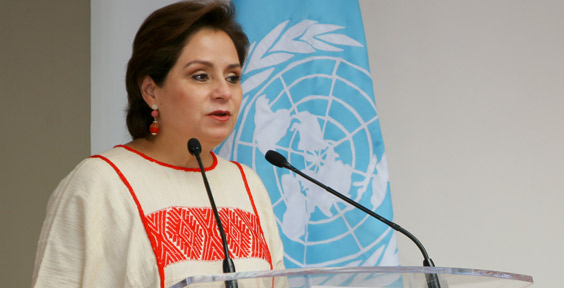
Patricia Espinosa, Executive Secretary of the UNFCCC
In Katowice, governments finalised the Paris Agreement Work
Programme, which operationalises the climate change regime contained in the
2015 Paris Agreement. However, global greenhouse gas emissions continued to
grow last year, and the current concentration of carbon dioxide in the
atmosphere the highest it has been in three million years.
Speaking on Thursday, January 10, 2019 at the Bauhaus-Universität Weimar in Germany on the topic: “Diplomacy and Participation: Towards Sustainable Solutions in Climate Policy”, Espinosa called on non-State actors, including academia, to help governments achieve their climate goals.
“We know governments alone cannot address climate change. We
need all segments of society to work as hard as possible to drive specific
global climate action.
This includes businesses, investors, private citizens, and,
yes, academics, architects, designers and engineers – all parts of
society,” she said.
Patricia Espinosa reminded the audience that UN Climate
Change not only encourages the participation of non-State actors, but
actively brings them into the negotiating process.
She said that now that the Paris Agreement Work Programme is
in place, the priority for 2019 needs to be to raise ambition to tackle climate
change. This can happen at all levels of government and society, not least at
the regional and local level:
“Subnational actors, such as states, regions and municipal
bodies, need to be involved. They’re often the ones who must implement this
work on the ground. It’s important they also align their policies and programs
at the local level. This includes an alignment of regulations as well. They can
ensure red tape doesn’t get in the way of green progress.
Espinosa also called on people working in professional
fields such clean technology, architecture and urban design to step up to the
plate and to take ambitious climate action:
“There are endless opportunities as well in
solar, electric, geothermal – every field related to renewable energy (…) The
buildings we make, the products we create, how we consume and dispose of those
products, how we design our urban spaces, our homes and living spaces – all
directly impact our climate footprint,” she said.
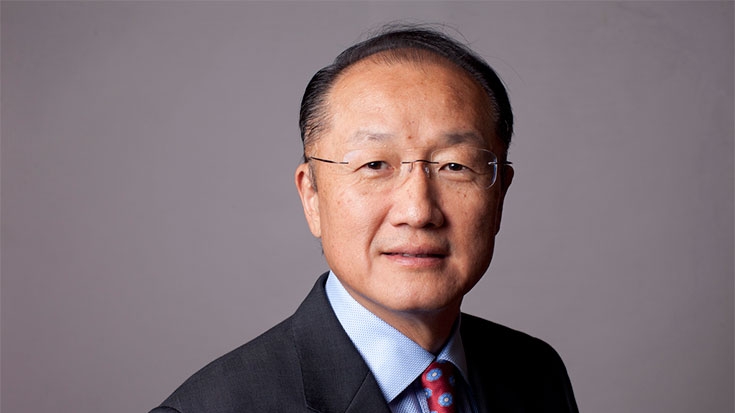
The Board of Executive Directors of the World Bank met on Wednesday, January 9, 2019 under the Chairmanship of its Dean, Dr. Merza Hasan, to discuss the selection process for the next President of the World Bank Group, following the announcement of the current President, Jim Yong Kim, that he will be stepping down from his position on February 1.
World Bank Group President, Jim Yong Kim
The Executive Directors expressed their appreciation to
President Kim for his leadership of the World Bank Group and its significant
accomplishments during his tenure.
The World Bank Board affirmed its commitment to an open,
merit-based and transparent selection process.
experience of managing large organisations with
international exposure, and a familiarity with the public sector;
the ability to articulate a clear vision of the
World Bank Group’s development mission;
a firm commitment to and appreciation for
multilateral cooperation; and,
effective and diplomatic communication skills,
impartiality and objectivity in the performance of the responsibilities of the
position.
Nominations shall be submitted during a period starting on
February 7 by 9 A.M. Eastern Standard Time (EST) and ending on March 14 by 9
A.M. EST, and may be made by Executive Directors, or by Governors through their
Executive Director. Candidates must be nationals of the Bank’s member
countries.
Following the close of the nomination period, the Executive
Directors will decide on a shortlist of up to three candidates and publish the
names of the shortlisted candidates with their consent. Formal interviews
by the Executive Directors will be conducted for all shortlisted candidates
with the expectation of selecting the new President before the Spring Meetings
of 2019.
The President of the World Bank is ex-officio chair of the
Board of the Executive Directors of the International Bank for Reconstruction
and Development (IBRD) and the International Development Association (IDA). The
President is also ex-officio chair of the Board of Directors of the
International Finance Corporation (IFC), the Multilateral Investment Guarantee
Agency (MIGA), and the Administrative Council of the International Centre for
Settlement of Investment Disputes (ICSID).
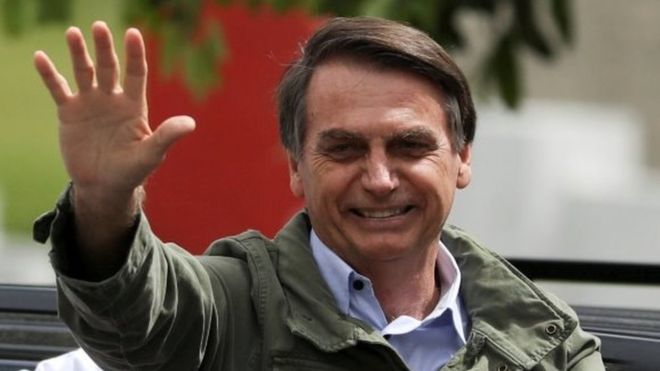
Brazil has informed the United Nations that it will pull out
of a migration pact, a UN spokesman said on Thursday, January 10, 2019.
Jair Bolsonaro, President of Brazil
Brazilian President Jair Bolsonaro had pledged to withdraw
support for the non-binding global compact for migration once he came into power,
insisting that migration policies must be defined on the national level.
The far-right former army captain took office Jan. 1, and
Brazil’s UN mission had sent a letter to UN Secretary General, Antonio
Guterres’ office on Tuesday.
The UN migration pact lays out 23 objectives to ensure
“safe, orderly and regular” migration, including protecting migrants from
exploitation and human rights abuses.
In December, Brazil was among more than 150 countries that
adopted the compact, under Bolsonaro’s centre-right predecessor Michel Temer.
Countries not joining the pact include the U.S., which
Bolsonaro is seeking closer ties with.
“It is always regrettable when a member state disengages
from a multilateral process, particularly from one so respectful of national
specificities,” UN spokesman, Stephane Dujarric, said.
Brazil has been receiving migrants fleeing the economic and
political crisis in Venezuela.
More than 50,000 Venezuelans are estimated to have arrived
in the northern Brazilian state of Roraima, where many of them live in
destitute conditions.
Bolsonaro tweeted criticism of the migration agreement on
Twitter on Wednesday, saying his country would “never refuse help to those in
need, but immigration cannot be indiscriminate.”
“Brazilians and the immigrants, who live here will be safer
with rules we define on our own, without outside pressure,” he tweeted.