Home Blog Page 2244

Lagos unveils new system of managing solid wastes

0
Lagos State government has unveiled a new system of managing solid wastes in state that involves deploying sanitary officers in all the wards, recycling  large percentage of wastes and possibly exporting part of the wastes.
 
The State Commissioner for Environment, Dr. Babatunde Adejare who made this known during a briefing with environment reporters said the idea was to commercialize waste management for wealth and job creation, as well as ensure a clean Lagos amidst cancellation of the Monthly Environmental Sanitation Exercise by government.
 
By Innocent Onoh 

Companies must halt deforestation to safegauard revenues

0

Global companies – including Colgate Palmolive, L’Oréal, McDonald’s Corporation and Marks & Spencer – report in a new study released on Monday, December 5, 2016 that, on average, nearly a quarter (24%) of their revenues depend upon four deforestation-linked commodities: cattle products, palm oil, soy and timber products.

Paul Simpson, chief executive officer at CDP

As much as $906 billion in annual turnover could be at risk. The report by CDP (formerly the Carbon Disclosure Project) reveals a unique market-wide snapshot of how vulnerable companies are to deforestation risks.

The findings feature in CDP’s new report “Revenue at risk: Why addressing deforestation is critical to business success”, produced on behalf of 365 investors representing $22 trillion. The report analyses data disclosed by 187 companies this year on their deforestation risk management strategies. Two of the most important global commodity traders, Archer Daniels Midland and Bunge, are among the major firms who disclosed deforestation data for the first time through CDP.

The report finds that despite the fact that a significant share of income is derived from commodities linked to deforestation, fewer than half (42%) of companies have evaluated how the availability or quality of these commodities will impact their growth strategy over the next five or more years. This suggests that companies are overlooking potential business risks linked to deforestation. Risks include impacts arising from the physical effects of climate change on the quality, availability and prices of commodities; tightening regulation; and brand damage from increasing media and civil society scrutiny of commodity-sourcing practices.

Already 81% of agricultural producers – the companies who sit at the top of global commodity supply chains – say they have experienced deforestation-linked impacts in the past five years that have led to substantive changes to their business. Marfrig Global Foods say drought conditions have resulted in higher operating costs and reduced beef production in the Brazilian industry. And Wilmar International report impacts on brand value as customers become more sophisticated in their demands for sustainable products that are traceable and deforestation-free.

These companies produce the commodities that are fed down global supply chains and end up in products ranging from ice cream to toothpaste, footballs and lipstick.

“Companies need to address the sustainability of products that drive deforestation quite simply to protect their balance sheets,” says Katie McCoy, head of forests at CDP. “Supply chains are like rows of dominoes: if unsustainable commodities enter the top of a supply chain, the effects will cascade throughout. Failing to address deforestation will have knock-on reputational impacts, manifesting themselves as consumer boycotts, community opposition, and increased regulatory scrutiny. Business growth is at risk.”

Across the four commodities, a high percentage of reporting companies (72%) say they are confident that they will be able to source these supplies securely and sustainably in the future. The report says this confidence may be misplaced because not only do the majority of companies not evaluate the supply or quality of deforestation-linked commodities over the next five or more years, but:

  • Fewer than half (44%) of manufacturers and retailers with procurement standards monitor compliance with these standards and audit suppliers across commodities;
  • Only one in five assess deforestation-risks beyond a six-year horizon across commodities; and
  • On average, only 30% of manufacturers and retailers can trace these commodities back to the point of origin.

The financial risks to companies can impact investor portfolios and pressure is mounting on both investors and companies to act on deforestation. More investors have joined the call for companies to disclose: The number of investors that are signatories to CDP’s forests programme has risen by a fifth since 2015, with new signatories including UBS and Morgan Stanley. There are now 365 institutional investors requesting corporate deforestation data through CDP, up from 184 in 2013.

The 2016 Forest 500, a new report from the UK-based Global Canopy Programme that was also published on Monday, says a small but incrementally growing number of financial institutions are introducing policies on deforestation. Nearly a fifth (18%) of the 150 investors and lenders analysed in its sample now have a sustainable investment or lending policy that promotes the protection of intact, primary, or high conservation value forests.

Paul Simpson, chief executive officer at CDP, comments: “More than ever before, deforestation needs to be firmly on the boardroom agenda. With a clear financial dependency on these forest risk commodities, growing investor expectations, a changing regulatory environment, and the rise of consumer campaigns impacting brand reputations, companies’ deforestation actions are under intense scrutiny.Long-term profitability is at stake.”

Companies are recognising benefits in scaling-up their forest-protection efforts. Unilever Plc and Marks & Spencer are working to prioritise commodity sourcing from areas that are pursuing comprehensive forest-climate programmes. Unilever says this will allow them to improve supply chain security and make monitoring and verifying environmental impacts more straightforward. German consumer goods giant Henkel AG is training key smallholders in order to improve livelihoods and ensure sufficient volumes of sustainable palm oil are available on the market. And Colgate-Palmolive – who is working with suppliers on responsible sourcing practices – also identifies opportunities to increase the capacity of sustainable commodity markets.

Government overhauls solid waste management, unveils ‘Cleaner Lagos Initiative’

0

A package of reforms in the wobbly waste management sector, designed to transform the environment and economy of the bustling city-state, was unveiled on Tuesday, December 6, 2016 by the Lagos State Government.

Tagged the “Cleaner Lagos Initiative”, the scheme, according to state officials, was informed by numerous flaws in the structure as well as dynamics of the existing system.

Commissioner for the Environment, Dr Samuel Adejare, at a media session, disclosed that, besides creating the enabling environment for the private sector to harness international best practices, the Cleaner Lagos Initiative is likewise concerned with addressing the existing challenges in solid waste management in the state.

Dr Adejare, who was in the company of the Commissioner for Information & Strategy, Mr Steve Ayorinde, added: “Cleaner Lagos Initiative aims to protect the environment, human health and social living standards of Lagos residents by promoting a harmonised and holistic approach to the challenges thereby ensuring improved operational efficiency; and addressing the lacunae in the existing legislation to expand the scope of the Lagos Waste Management Authority (LAWMA) to enable it enforce, regulate and generate revenue from the waste management process.”

Describing the scenario as a “Broken system,” the commissioner lamented that several factors had colluded to stall the hitherto smooth running of the state’s waste management process.

He listed some of these to include:

  • Regular waste collection hindered by a vicious cycle between clients and operators as poor collection service delivery leads to irregular and poor payments.
  • Bin placement, transfer loading stations, and other supporting infrastructure have been ignored and undue attention placed on waste collection only.
  • LAWMA in its role as regulator is overwhelmed by the responsibilities of having to coordinate the activities of 350 individual companies and still carry out its own collection services.
  • The billing system is unduly complicated due to the differences and inconsistencies in charges and collection routes therefore leaving the billing system open to manipulation and fraud.
  • Many individual operators have failed to fulfil their obligations on the trucks.

To address the situation, he stressed that, apart from the transformation of the existing Transfer Loading Station (TLS) and the introduction of no less that 25 Material Revolving Facility (MRF) where wastes will be sorted, 600 new compactor vehicles will be acquired, and waste dumpsites will be closed and replaced with engineered sanitary landfill sites.

His words: “The PSP and LAWMA partnership was quite effective, but is no longer applicable, considering the fact that the population of Lagos has increased several fold (and still increasing) and the over 300 compactors in use are old and in a state of dis-use. Wastes should not bring us hardship and shame, but rather we should make money from it. Emphasis will be on zero-dumping, recycling and generation of power from wastes.”

According to him, government will carry out a recertification of all the 350 PSP operators, relicense them and audit the state of their compactors.

“Each compactor will be tracked, the state will be divided into zones and compactors are allocated to different zones,” Dr Adejare said, adding that there will be a control room where every compactor will be monitored.

He noted that five new power stations – one in each division in the state – will be built to generate poer from wastes, and that the numerous dumpsites dotting parts of the state will soon be a thing of the past.

He said: “We will close down Olusosun and Solus (dumpsites) sometime next year. Dumpsites are dangerous to health and the environment. The leachate and gas to be recovered from the proposed sanitary landfills will be put to good use.

“We plan to regenerate Olusosun and turn it into a park, where intercity buses will end their journey and would no longer be allowed to enter into the city. Passengers will from here now take taxis and intra-city buses to their destinations in town.

“Also, we will have about 25,000 community sanitation workers who will be engaged mostly as street sweepers. They will be well kitted with decent uniforms, gloves, boots, pickers, brushes, carts as well as mobile phones with which to communicate with the control centre. And they will be well paid.

“Every sanitation worker will reside in the Ward they operate for convenience and to curb high cost of transport to work. They will be well trained and given an attractive welfare package. In all, we hope to generate a total of 46,000 new jobs.

“A law is in the works to back and support the Cleaner Lagos Initiative. It will allow big-time players in the waste management sector to do business with us. Lagosians will be required to pay a public utility levy (PUL), which is not a tax but something similar to what is currently being paid to PSP operators. Part of the PUL goes into an Environment Trust Fund. The Initiative will naturally send the cart pushers packing.”

The state government is considering sites in Badagry, Epe and Ikorodu for the about five sanitary landfills being proposed.

Defending the cancellation of the monthly sanitation exercise, the commissioner said: “We lose so much money on our sanitation day. No other place in the world is a whole city completely shut down and movements restricted. Lagos is a growing megacity and this is not desireable. Besides, care for the environment should be an everyday thing. We need to realise that we should clean our environment and make such an habit a part of us.”

Why a Nigeria without oil is possible

0

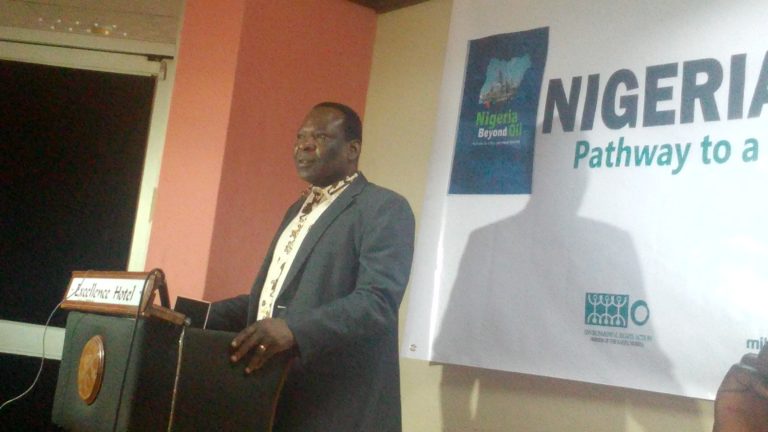
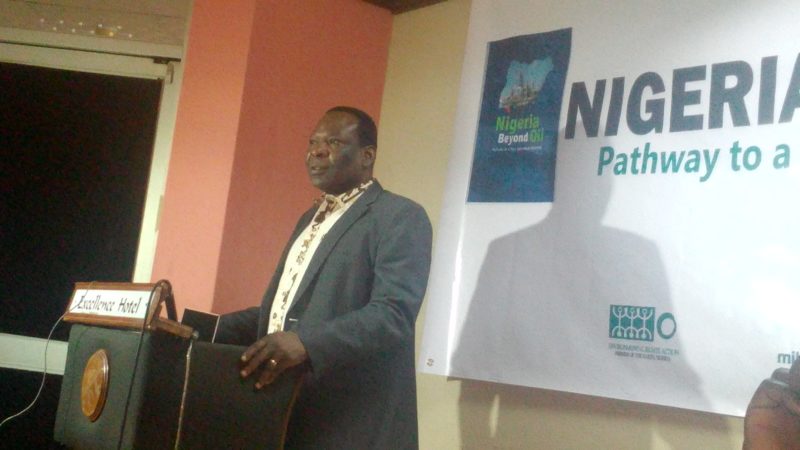
Dr Godwin Uyi Ojo, Executive Director, Environmental Rights Action/Friends of the Earth Nigeria (ERA/FoEN), says at the public presentation of a book titled “Nigeria Beyond Oil – Pathway to a Post-petroleum Economy” in Lagos on Tuesday, December 6, 2016 that Nigeria should look beyond oil not only to diversify its economy in the face of dwindling global demand for the product, but also to save the environment

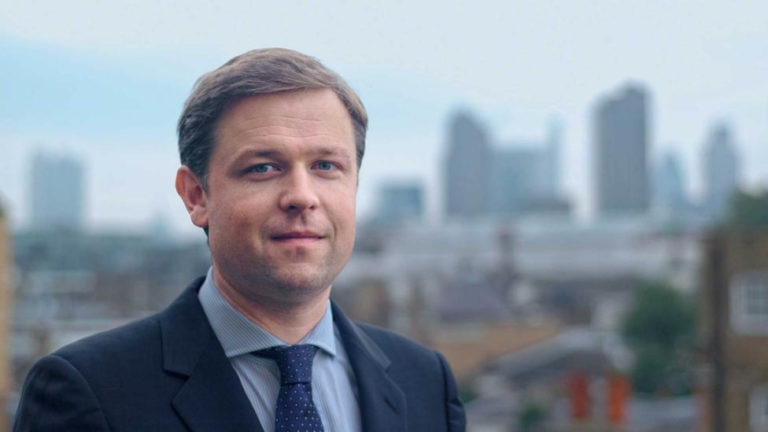
Dr Godwin Uyi Ojo - Nigeria Beyond Oil
Dr Godwin Uyi Ojo, Executive Director, Environmental Rights Action/Friends of the Earth Nigeria (ERA/FoEN), at the public presentation of a book titled “Nigeria Beyond Oil – Pathway to a Post-petroleum Economy” in Lagos on Tuesday, December 6, 2016

Why are we talking about a post-petroleum Nigeria at this time? The answer is simple but also very complex.

It is no longer news that our nation is passing through very hard times. The failure of successive administrations to save for the rainy day, slide in international oil prices from over $100 to less than $40 per barrel, bombing of oil pipelines across the Niger Delta, among others, have pushed us into the recession we now find ourselves in.

But this development did not come without warning. While Nigeria basked in the euphoria of being Africa’s largest oil producer and the sixth largest oil producing country in the world, experts warned that the era of cheap oil would soon end. The International Energy Agency (IAE) had warned of late that global oil demand would slow from a five year high of 1.8 mbpd in 2015 to 1.2 mbpd in 2016 with grave impacts on investments in oil exploration and production.

The slump in oil prices led to a sharp drop in Nigeria’s foreign reserves from $36.5 billion in 2014 to $28.7 billion in December 2015 and less than $27 billion in January 2016. A gloomy picture is painted for the end of 2016. Within this period, capital and recurrent expenditure has also dipped to the point where states can no longer meet salary obligations. Even a N359.4 billion bail-out from the federal government in 2015 to help the states meet their obligation has not tipped the situation.

Evidently, Nigeria is now at cross roads. Oil dependency has not helped the nation but has only fueled conflict, corruption, pollution, and wastage while contributing to climate change and the destruction of lives and rural livelihoods.  It is now a painful lesson that a whopping $1 billion will be required for the initial take off of the clean-up of Ogoni according to the UNEP assessment report and recommendations. Since 2011 when the Federal Government accepted the report, not a drop of oil has been cleaned up. The sum of $100 billion initial take-off grant is required for the clean-up of the entire Niger Delta. In spite of the huge oil revenue, poor infrastructural development, gap of inequalities and social disparity is on the rise in Nigeria being one of the highest in the world.


The Book: Nigeria Beyond Oil

The book therefore responds to the question of what development pathway we should follow to get the nation out of the woods.  It seeks to align national development goal to the global shift from fossil fuel dependence to cleaner and efficient fuels such as solar and wind energy that abounds in Nigeria.

It also reiterates ERA/FoEN position of economic decarbonisation by 2050: Let’s leave oil in the soil and plan the economy as if oil resources are already exhausted. Let’s transit from oil dependency to safe and decentralised renewable alternatives of community controlled energy systems such that communities are co-producers and suppliers as well as beneficiaries from renewable energy investment in mini-grids and non-grid systems.

For this change to occur, the book make the case for funding divestment from oil exploration and development and the removal of loans, grants and subsidies to be invested in renewable energy development and infrastructure that should attract zero tariff. It also advances legislative backing to increase Nigeria’s energy mix and revenue from non-oil revenue sources. It draws attention to the issues of natural resource governance, its inclusiveness and sustainability and the need for policy and institutional change to support an energy transition from oil dependency to alternatives in renewable sources.

It promotes the cause of sustainable management and conservation of resources including the rights of nature and citizen’s rights to protect it, right to safe, healthy environment, protection of forested landscapes and livelihoods, enforcement of extant laws for environmental crimes, and transparency and accountability issues. In particular, agricultural development should not be to promote large scale agro-business and land grabbing but to support local small scale farmers facing displacement and equip them with post-harvest infrastructure for the added value to stem food deficits and supply from areas of surplus to areas of needs.

The recommendations in this book will assist policy makers in re-framing resource governance in Nigeria and build policy frameworks for post-oil Nigeria. Let’s protect the environment. The environment is our life.

Shell boosts geology studies at OAU

0

The Shell Petroleum Development Company of Nigeria Ltd (SPDC) Joint Venture has donated modern geophysical equipment, accessories and books to the Department of Geology, Obafemi Awolowo University (OAU), Ile-Ife to uplift research and study of geosciences at the institution.

Obafemi Awolowo University (OAU), Ile-Ife, Osun State

“In 2014, we donated equipment worth nearly N50 million to the Geology Department of this institution. The equipment has since been in use and their quality assured. In addition to the equipment, we are now donating geophysics textbooks to ensure quality learning,” the Managing Director SPDC and Country Chair Shell Companies in Nigeria, Osagie Okunbor, said during the commissioning ceremony at the university.

Acting Vice Chancellor of the university, Professor Anthony Elujoba, thanked SPDC for a long-standing support that has taken the university to greater heights and pledged several departments in the university to put the donations to good use for the improvement of academic development and contribution to the nation’s economy.

The geophysical equipment is suitable for various applications such as geological mapping, environmental studies, groundwater prospecting and mineral exploration as well as geotechnical investigations.

The SPDC JV collaboration with the Obafemi Awolowo University began in 1992 when it was chosen as one of the first five universities for the endowment of professorial chairs in Nigeria. There are currently seven such SPDC JV chairs in Nigerian universities and two Centres of Excellence in Geophysics and Petroleum Engineering at the University of Benin and Marine Engineering at the Rivers State University of Science and Technology, respectively.

Shell Companies in Nigeria have a long history of scholarships, research internship, sabbaticals, ICT infrastructure support and technological development initiatives. In 2015, SPDC JV and Shell Nigeria Exploration and Production Company (SNEPCo.) alone invested the sum of $10.1 million in scholarships. A total of 3,532 grants were awarded to universities over the last five years.

Community, workers collaborate to tackle infant, maternal mortality

0

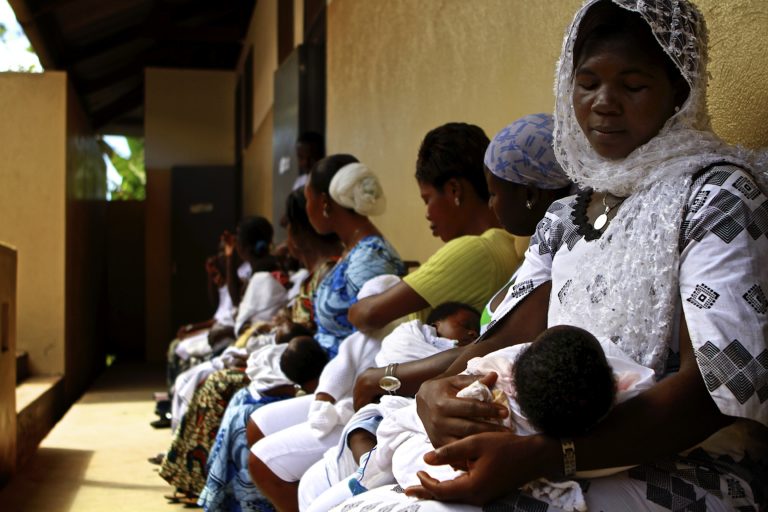
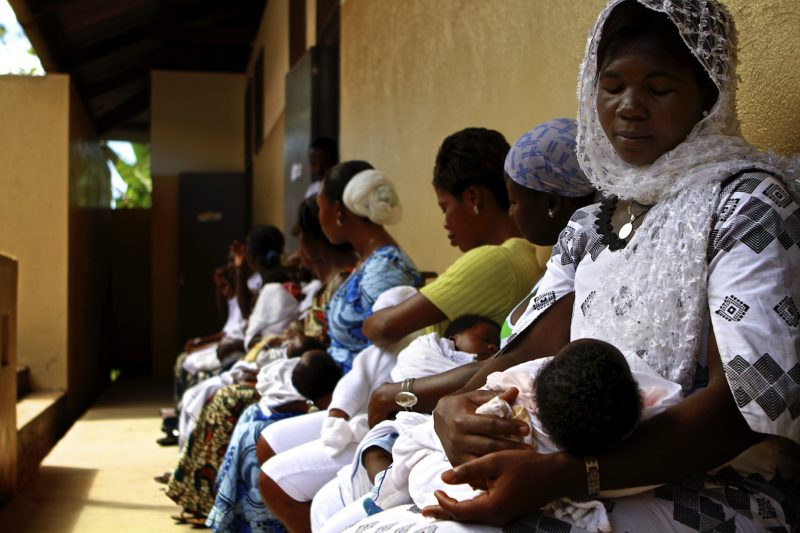
In a bid to check high child and maternal mortality in Lagos, locals in communities have forged a harmonious collaboration with health workers in government health institutions to ensure that health institutions are well funded and their workers improve on their service delivery.

 There are concerns over the high infant and maternal mortality rates in Nigeria
There are concerns over the high infant and maternal mortality rates in Nigeria

The collaboration was announced in Lagos during a campaign on “Saving the lives of mothers and babies in Lagos” which was organised by Mamaye, a non-governmental organisation (NGO).

According to the Director of Mamaye, Dr. Tunde Segun, the community collaborators called “health Activists” are to be empowered to perform vital roles including mobilising communities to demand for better health care from their primary health centres, convincing pregnant women to present themselves for anti-natal care, encouraging people to donate blood to assist pregnant women and babies in need of blood and making available transport services for women in labour to access timely medical attentions.

Segun, who spoke in a presentation on activities of Mamaye, explained, “Mamaye is about using evidence to demand health accountability from policymakers. We believe that the three – Evidence, Advocacy and Accountability – if effectively deployed will lead to better funding of our health centres and ultimately better care for our pregnant women. The rate of women in the process of giving life remains high. Records have it that an estimated 110 pregnant women in Nigeria die daily; that is equivalent of a plane full with pregnant women crashing every day and all dying. This can be avoided by taking the right actions, and that is what Mamaye is determined to achieve.”

Speaking further on the roles of the activists, the Chairman, Advocacy Sub-Community of the Lagos Accountability Mechanism for Maternal and Newborn Health, (LASAM), Alhaja Sakanah Salvedir, said the number of the activists have reached 600 from 60, while the hunt for more volunteers was ongoing until nearly all Lagos residents become involved. She said the number grew fast because each activist is expected to recruit 10 others.

“When activists have recruited 10 others, they graduate into super activists. Today in Lagos, we have 600 health activists. Activists in Mamaye take voluntary actions to save pregnant women. They donate blood and also encourage others to donate. They propagate the news about safety practices during pregnancy, including beginning anti-natal services at least below 20 weeks of pregnancy. In Apapa Local Government, the activity of our activists led to the provision of water and widow spines in the hospital. Also in Ikorodu, they mobilised pregnant women and other villagers to protest the bad attitude of health workers in government institutions. Today, the health workers have changed from their bad behaviours.”

At the event, six of the super activists were honoured for rendering selfless services to promote quality health care delivery.

One of the award recipients, Dr. Donald Imosemi, who is the Chief Medical Director, Island Maternity Hospital, was said to have paid the hospital bills of poor patients, sustaining a system in which patients are given immediate health care even without paying for deposits, as well as using his money to provide key infrastructure in the hospital.

Two of the super activists who were journalists were reputed for have been involved in important investigative reports that promoted quality of health care delivery. They were also said to have facilitated free airtime and spaces for propagating health information.

Earlier, Mr. Ayo Adebusoye of LASAM underlined the expectations from government in area of health care to pregnant women and babies to include making constant provision of essential consumables such as contraceptives, blood and malaria drugs for pregnant women and facilities for managing bleeding, which is the leading cause of maternal deaths.

In a presentation, Adebusoye said the organisation wants the state to make it its duty to publish implementation of health budget by the middle of the year, to enable effective advocacy and documentation.

Women groups from virtually all parts of the state attended the campaign.

It was gathered that the organisation assisted participants with transportation services so that the message about protection of mothers and babies could go round.

By Innocent Onoh

Legislators asked to remove probing water provision in Lagos budget

0

Civil society and labour activists have demanded that the Lagos State House of Assembly (LSHA) should reject a recommendation in the 2017 budget proposal which suggests Public-Private-Partnership (PPP) as the arrangement to improve the water sector in the state.

The activists say that privatisation of water will be a burden on the people of Lagos

Governor Akinwunmi Ambode, while presenting the 2017 budget proposal of N812.998 billion to the LSHA recently, noted that “in the area of environment, we will improve water supply through PPP and increase the capacity utilisation of water treatment plants….”

The coalition of civil society and labour unions on the platform of the Our Water Our Right Campaign appear to be uncomfortable with the submission, insisting that it does not reflect the genuine yearnings of Lagos citizens who believe that only democratic control of water under the public sector will guarantee access and affordability of water in the state.

The groups include: Environmental Rights Action/Friends of the Earth Nigeria (ERA/FoEN), Peace and Development Project (PEDEP), Citizen Centre and the Amalgamated Union of Public Corporations, Civil Service, Technical and Recreational Services Employees (AUPCTRE).

ERA/FoEN Deputy Executive Director, Akinbode Oluwafemi, said: “We find it strange and disturbing that despite the position of local communities, activists and unions that what Lagos really needs is public investment and democratic control of water, the spurious provision on PPP was smuggled into the budget proposal for 2017.  This suggestion should be discarded by the State Assembly if the honourable lawmakers truly represent the people.”

Oluwafemi pointed out that “since the budget is an agglomeration of recommendations from all the ministries it has become very clear that the PPP idea is being floated by a ministry in the state that knows it is a myth but wants to foist it on us purely for profit motives. We have provided the state government a simple alternative in the document ‘Lagos Water Crisis: Alternative Roadmap for Water Sector’. We believe the recommendations can be implemented by the Lagos State Government and Lagos State Water Corporation over a short and long-term.”

National President of AUPCTRE, Comrade Solomon Adelegan, said: “It is absurd that despite the successes of the Ambode administration in many respects, it may have been conned into buying into the PPP myth. Under a PPP regime not only will the rights of our people to a free gift of nature be violated, workers will also be shown the way out.”

Adelegan insisted that PPP has failed in all the poster countries of the World Bank such as Manila, Nagpur, and even Paris, even as he added, “Keeping water in the public sector under Public-Public-Partnership (PUP) is one of the tested alternatives.  We want the PPP proposal totally removed from the budget proposal.”

Executive Director of PEDEP, Francis Abayomi, said: “The budget proposal in relation to water is a bad idea. It has all the marks of prioritising profits over human rights which will further burden our people. Clearly, the governor has been misadvised by those who want to spring this through the backdoor just like the water courts and the recent imposition of high charges by the Lagos State Water Regulatory Commissioned which has led to substantial increase in the cost of water and threats to sue the state government in places like Okokomaiko and Ikorodu.

“The State House of Assembly must stand by the people by rejecting the PPP proposition. The House must demand adequate budgetary allocations to the water sector and stand by the people in upholding the human right to water as an obligation of the government, representing the people. The PPP proposal does not have the blessing of Lagos citizens. It is unacceptable.”

The group further pointed out those comprehensive alternative arrangements to the PPP have been clearly enumerated in the book: “Lagos Water Crisis: Alternative Roadmap for Water Sector” publicly presented in the state recently.

“Again, we reiterate our call to Governor Ambode to take a dispassionate look at our recommendations in that book which include roadmap for sustainable funding of the sector and how Lagos public water utility can collaborate with other public utilities to share expertise and knowledge as a more sustainable solution to water crisis in Lagos in the short and long run,” Oluwafemi added.

Michael Bloomberg to commit $360m to global tobacco fight

0

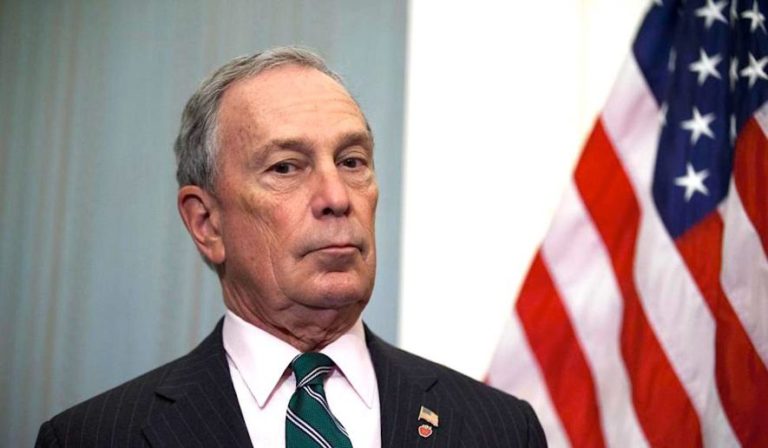
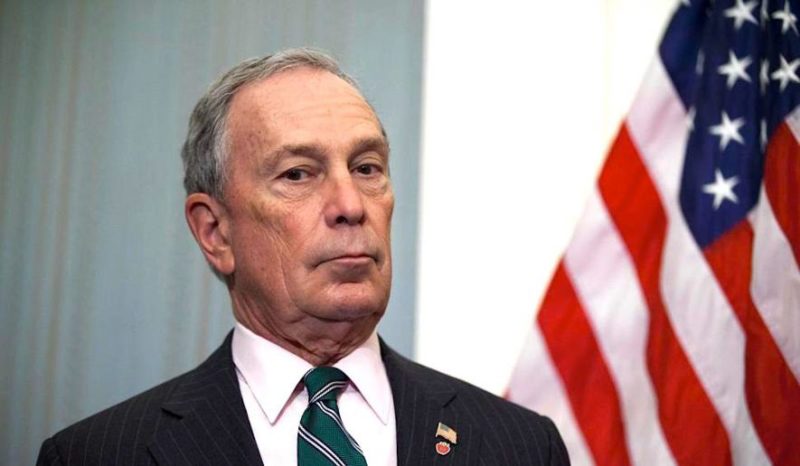
Former New York City Mayor and philanthropist, Michael R. Bloomberg, on Monday, 5 December 2016, announced that he is committing an additional $360 million to the global fight against tobacco use, bringing his total commitment to nearly $1 billion.

Michael R. Bloomberg

Matthew L. Myers, President, Campaign for Tobacco-Free Kids, pointed out in a statement that Monday’s announcement continues the visionary leadership Mayor Bloomberg and Bloomberg Philanthropies have provided in combating a global epidemic that would otherwise kill one billion people worldwide this century.

According to Myers, since its launch 10 years ago, the Bloomberg Initiative to Reduce Tobacco has changed the trajectory of the tobacco epidemic, saving the lives and improving the health of millions of people. He added that it has supported the implementation of proven tobacco control laws and policies in 59 countries, reaching 3.5 billion people and saving an estimated 30 million lives. After rising inexorably, cigarette sales worldwide have finally started to fall, Myers remarked.

“The Bloomberg Initiative to Reduce Tobacco Use is likely to have saved more lives, more quickly, and have as great an impact on the health of people around the world as any other public health initiative ever carried out,” the statement emphasised.

It added however that, despite this progress, much works remains to be done.

“Tobacco use currently kills six million people worldwide each year. The tobacco industry continues to ruthlessly peddle its deadly and addictive products around the world, especially to children and other vulnerable populations. And the industry continues to fight efforts to reduce tobacco use at every turn.

“Michael Bloomberg rightly recognises that efforts to reduce tobacco use must be equally aggressive and sustained. This new commitment will expand and accelerate implementation of proven, evidence-based strategies to reduce tobacco use, with a focus on low- and middle-income countries that will account for 80 percent of the world’s tobacco-related deaths by 2030. Particular emphasis will be on reducing the affordability of tobacco products, which is one of the most effective ways to prevent kids from starting to use tobacco and encourage tobacco users to quit.

“The Campaign for Tobacco-Free Kids is honoured to be a partner in the Bloomberg Initiative and will continue to assist governments and non-governmental organisations in implementing proven measures to reduce tobacco use. Other partners in the Bloomberg Initiative include the Centers for Disease Control and Prevention Foundation, International Union against Tuberculosis and Lung Disease, Johns Hopkins Bloomberg School of Public Health, World Health Organisation and Vital Strategies.”

The Bloomberg Initiative spans more than 110 countries and has been the catalyst for life-saving change across the globe. Since the launch of the Bloomberg Initiative:

  • 44 countries have enacted comprehensive smoke-free laws.
  • 34 countries have enacted comprehensive bans on tobacco advertising, promotion and sponsorship.
  • 98 countries and eight jurisdictions have required graphic health warnings covering at least 30 percent of the cigarette pack.

In addition, the Anti-Tobacco Trade Litigation Fund created by Bloomberg Philanthropies and the Bill & Melinda Gates Foundation provides funding and legal support for governments whose tobacco control policies are facing legal challenges from tobacco companies. This initiative provided critical support to Uruguay in defending its landmark tobacco control laws against an international legal challenge by Philip Morris International, achieving a landmark legal victory this year that has been felt around the world.

“We are making enormous progress in the global fight against tobacco thanks to the vision, unmatched commitment and results-focused approach of Mayor Bloomberg and Bloomberg Philanthropies. Mayor Bloomberg’s renewed commitment moves us closer to a future free of the death and disease caused by tobacco,” added Myers.

Governments urged to integrate biodiversity concerns into national strategies

0

World-renowned biodiversity experts are urging government officials from more than 190 countries meeting in Cancún, Mexico to step up efforts to integrate the protection of biodiversity into strategies, plans and polices in tourism and other sectors of the global policy-making agenda.

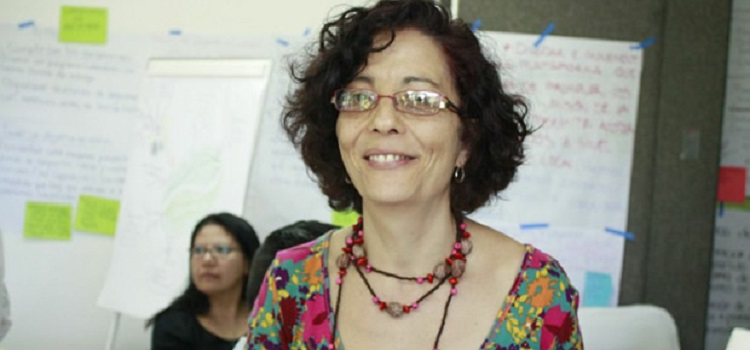
Patricia Balvanera. Scientists have underlined the need for governments to step up efforts to integrate the protection of biodiversity into strategies, plans and polices

Cancún, which is well-known for its tourism and home to a growing ecotourism industry expected to see a record number of visitors in 2016, is the destination of government officials attending the United Nations Conference of the Parties of the Convention on Biological Diversity (CBD COP13) over the next two weeks. In the town, as in many other scenic places around the world, tourism glues concerns over conservation and development.

“Tourism in Cancún is a good example of how the beauty of the sea and the comfort of its luxury resorts impact biodiversity of coastal mangroves and create huge social inequity. However, many bottom-up initiatives are starting from the amazing biodiversity culture and knowledge in the region to encourage small-scale tourism opportunities in which social justice, development and biodiversity conservation can co-exist,” says scientist, Patricia Balvanera at the Universidad Nacional Autónoma de México (UNAM).

Leading researchers presented case studies at the Scientific Forum on Biodiversity (1-2 December) in Cancún, which demonstrated that tourism can be an opportunity to identify interdependencies and opportunities for new development schemes that conserve biodiversity while promoting livelihoods. The event attracted over 300 scientists, practitioners and decision-makers, as well as large international scientific organisations, such as Future Earth, the Inter-American Institute for global change research (IAI) and the International Union of Biological Sciences (IUBS).

“As scientists, we want to partner with decision-makers and civil society to find common ground to generate the knowledge, capacity and pathways to lead us to a more sustainable future,” Balvanera says.

The outcome of the UN Biodiversity negotiations will be policy decisions that guide nations on integrating biodiversity considerations into agriculture, forestry, fisheries, tourism and health national policies.

Scientists have highlighted four main areas where science can provide guidance for a better integration of biodiversity into actionable policies and the development agenda:

  • Understanding and monitoring the ways in which biodiversity changes affect human well-being in the short- and long-term, such as through food security;
  • Recognising the interactions (synergies and trade-offs) among the diversity of values of biodiversity (economic, ecological, social, cultural, etc.) held by individuals and society;
  • Ensuring policy coherence within and across production sectors toward the conservation and sustainable use of biodiversity, such as using planning at the landscape scale;
  • Creating partnerships between different stakeholders and scientists to co-generate relevant information, knowledge and foster transformative changes.

Policy coherence within and across production and health sectors is key to the conservation and sustainable use of biodiversity.

“To the extent possible, policy must be evidence-based, not only because it is the right way to do things, but also because it protects against the appearance of pursuing particular political agendas or preconceived notions,” highlights Daniel Bausch, a medical scientist at Tulane University and Consultant for the World Health Organisation (WHO).

Bausch leads a team conducting research on the biodiversity roots of diseases associated with rodents.

“In our particular case, our research information would allow policy-makers to say ‘we are building a road through a forest: what are the consequent changes in rodent fauna that we can anticipate? And knowing that rodents may carry infectious pathogens, what are the risks to human health, how do the affected inhabitants perceive those risks, and how can we mitigate them?’” he says.

Scientists expect governments to integrate biodiversity in sectors in which activities have a considerable impact on the variety of life on the planet.

“We (scientists) want to emphasise that biodiversity change needs to be elevated to the policy-makers’ and the general public’s perception that this is a global change urgency equivalent to that of climate change if we are to maintain a resilient planet,” scientist Rodolfo Dirzo says.

The set of decisions for the conservation and sustainable use of biodiversity that will be adopted by decision-makers in Cancún add increasing pressure on nations to plan suitable policies to meet the goals of the Paris Agreement on Climate Change and the 2030 Agenda for Sustainable Development.

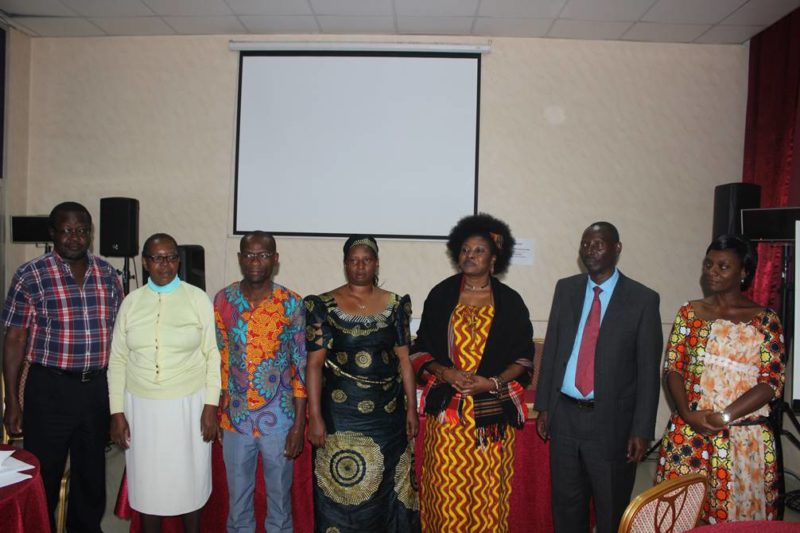
Images: Mariann Bassey Orovwuje emerges new Chair of AFSA

0

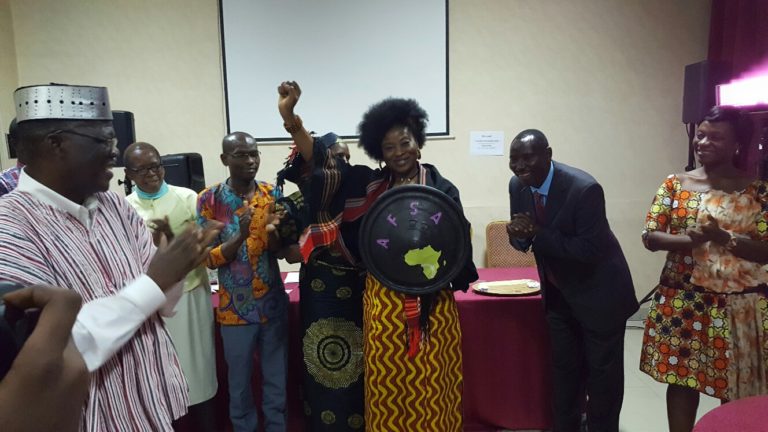
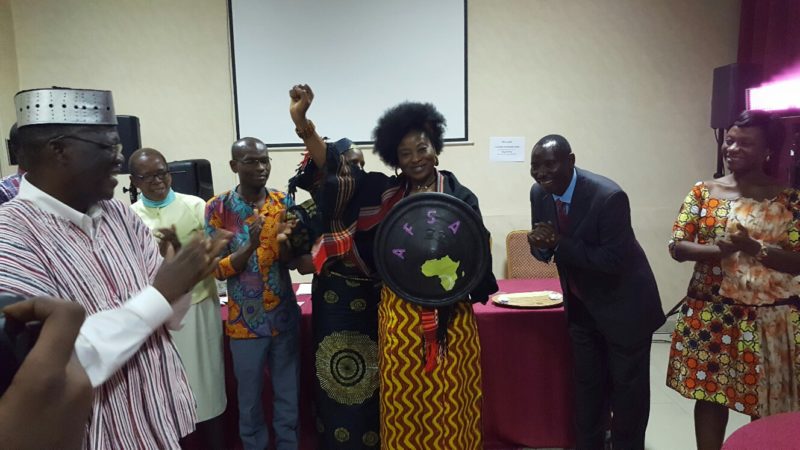
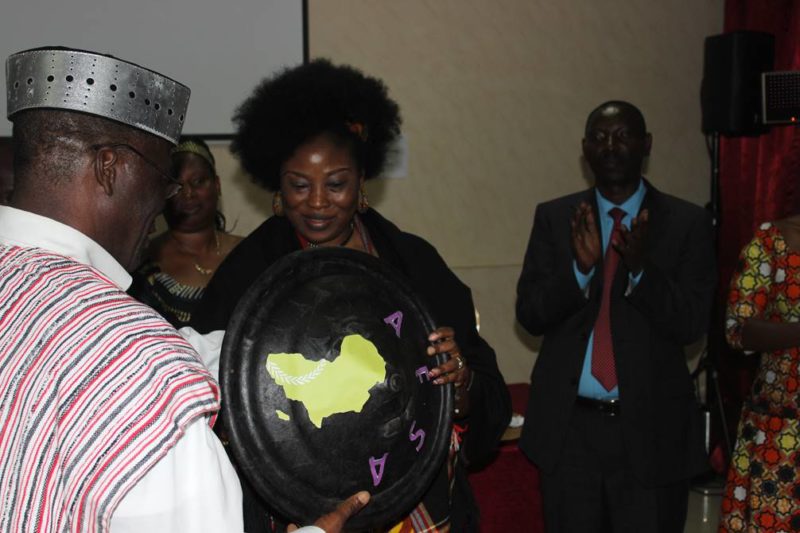
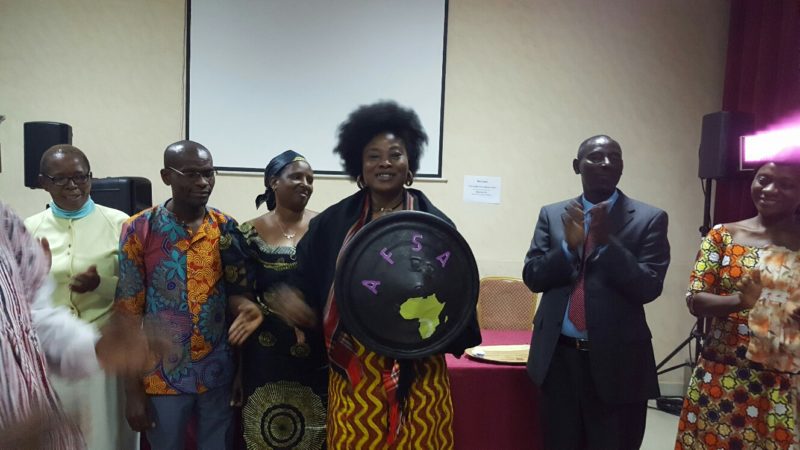
Mariann Bassey Orovwuje, an environmental activist with the Friends of the Earth – Africa’s Food Sovereignty Campaign based in Nigeria, has emerged the new Chairperson of the Alliance for Food Sovereignty in Africa (AFSA).

She was elected at the Annual General Meeting (AGM) of the AFSA that held last month in Addis Ababa, Ethiopia. Mariann takes over from Bernard Guri, who is Executive Director of the Centre for Indigenous Knowledge and Organisational Development (CIKOD).

Launched at the UNFCCC COP17 in Durban, South Africa in 2011, the AFSA is a platform comprising networks and farmer organisations working in Africa. They represent smallholder farmers, pastoralists, hunter/gatherers, indigenous peoples, citizens and environmentalists who attempt to shape policies in the area of community rights, family farming, promotion of traditional knowledge and knowledge systems, the environment and natural resource management.

Assem Darius of the Friends of the Earth – Africa (FoEA) said: “FoEA is proud of Mariann for taking on such a high and a key position in the AFSA. We have no doubts that she will take the Alliance to a much higher level.”

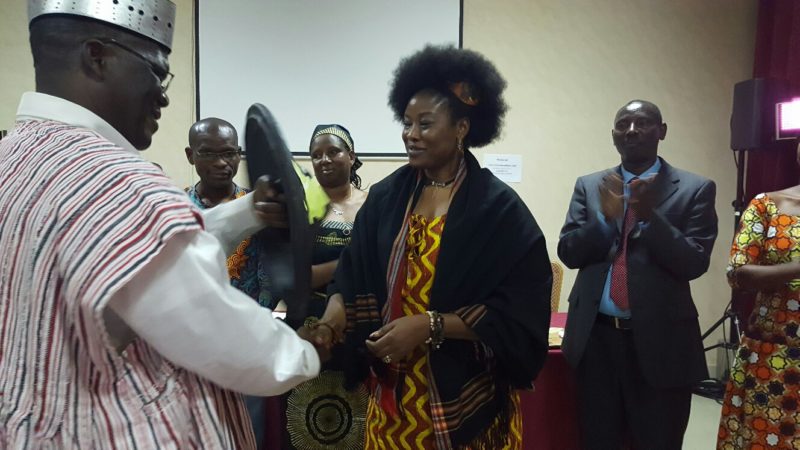
New Chair of  AFSA, Mariann Bassey Orovwuje, with the African Shield to protect and defend the continent
New Chair of AFSA, Mariann Bassey Orovwuje, with the African Shield to protect and defend the continent
Mariann Bassey Orovwuje receives the Shield
An elated Mariann displays the Shield
The new Chair with other members of AFSA
Congratulations!
Congratulations!