The Katsina State Government said on Thursday, January 25, 2018 that it had allocated 5,300 hectares of land for the establishment of a cattle colony.
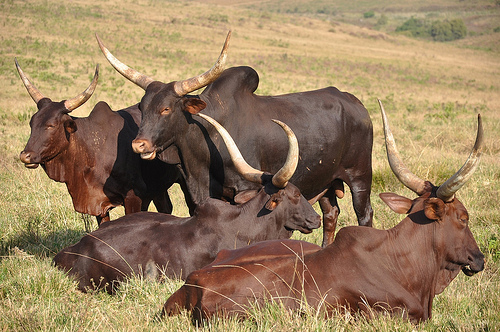
Cattle on the Mambilla Plateau
Dr Abba Abdullahi, the Special Adviser to Governor Aminu Masari, made the disclosure to newsmen in Katsina.
Abdullahi said the land allocation was part of the government’s proactive measures to prevent clashes between farmers and herdsmen in the state.
He said that the cattle colony would be established in Gurbin-Baure, Jibiya Local Government Area of the state.
“Katsina is among the first states to give the Federal Government land for that project. We gave 5,300 hectares of land, and is in one place, Gurbin-Baure, Jibiya,” he said.
The special adviser urged farmers and herdsmen in the state to always resolve their grievances amicably through dialogue.
Africans have been urged to take advantage of investment opportunities that accompany climate action to earn some money and lift their people from poverty.
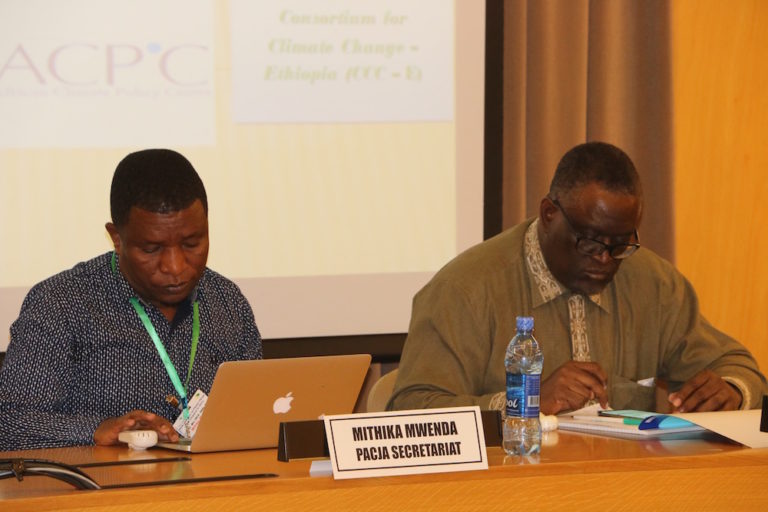
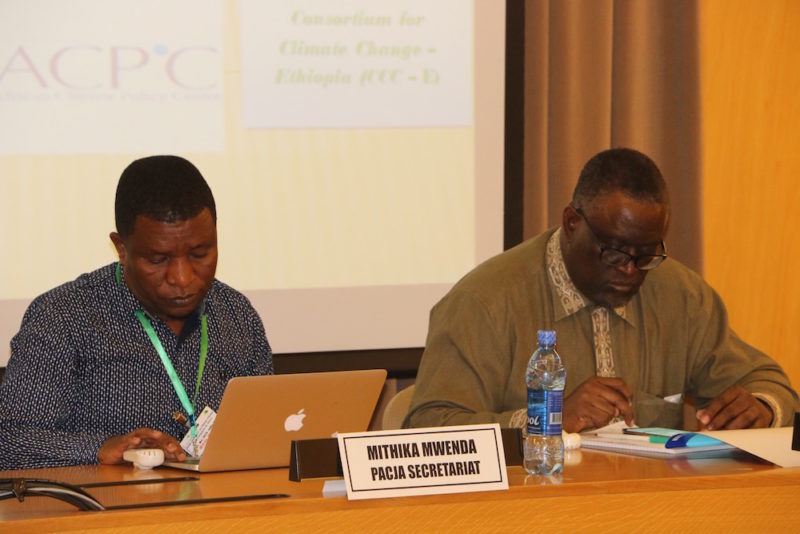
PACJA’s Mithika Mwenda (left) and James Murombedzi of the African Climate Policy Centre
Secretary-General of the Pan African Climate Justice Alliance (PACJA), Mithika Mwenda, who made the submission, noted that the renewable energy revolution currently being witnessed in the world provides affordable access to energy to people who would otherwise not have access.
He stated that renewable energy has also aided in the reduction of emissions, thus contributing to the attainment of the Nationally Determined Contributions (NDCs) ambitions of countries.
“We are witnessing renewable energy revolution and in Africa and the rest of the world, this is an explosive sector,” observed Mithika. “We need to take advantage of the investment opportunities coming with climate action; there are a lot of resources in this to help address poverty.”
At the COP21 climate talks which produced the Paris Agreement, the G7 committed to allocate $10 billion into the African Renewable Energy Initiative (AREI).
Though there are concerns with delivering the promise, the Initiative, in its current design, will help cure chronic energy poverty by supporting decentralized, modern, off-grid and people-owned energy systems not only for lighting, but also cooking, driving smallholder agribusiness and charging mobile phones.
Mithika added that green energy has helped save lives by reducing indoor pollution.
Fossil fuel vs. renewable energy economies
Mwenda was addressing an event on low-carbon and climate-resilient development, held on the sidelines of the 2018 African Union Summit in Addis Ababa, Ethiopia.
Most African countries do not contribute any significant amount of greenhouse gases but there are commitments in their NDCs to ensure that their development pathways are carbon neutral.
In a climate-constrained world, investment in fossil fuel-based energy sources no longer makes sense.
But Africa faces the dilemma of whether to rapidly revert to renewable energy, have a mix of both fossil fuels and renewables, or ignore the global call and continue in the unsustainable model of development pursued by industrialized countries which brought the climate crisis.
What is evident, though, is the fact that the global community has shifted.
This shift should make African countries re-think their priority energy sources and investment in oil and in some instances coal, as it may not make economic sense in the long-run.
The Addis Ababa side-event, attended by climate actors from across the continent, is organised strategically to get African leaders to focus attention on climate change issues.
As the first Pan African convention after the COP23, the event offered an opportunity to exchange ideas and reflect on Africa’s victories during the Bonn Climate Change Conference, with a view of charting a collective path towards subsequent Global Dialogue processes on the subject.
“This gives us the platform to develop common African narratives that will have impact on the global stage,” said James Murombedzi, Officer-in-Charge of the African Climate Policy Centre (ACPC) of the UN Economic Commission for Africa (ECA).
Moving along the development pathway
Climate change is no longer discussed as a limited environmental or scientific matter but as a development issue.
African civil society therefore looks forward to leaders moving from the rhetoric to taking real action on the ground.
“The momentum for the implementation of the Paris Agreement and the NDCs is picking up, but the question is: are we moving with that pace in Africa?” queried Mithika.
Some countries on the continent have developed very effective policy and legal frameworks to facilitate the implementation in the areas of transparency, adaptation, loss and damage, among others.
But there are others stuck on bureaucracies to push the climate agenda forward.
“We need to think broader about what is the impact of climate change on development. What does it mean for agriculture? What does it mean for energy, for infrastructure? So we are really talking about development,” said Mithika.
He believes that the ClimDev-Africa programme can rally the African continent around in mobilising action and “we need to ensure that critical centres that support the livelihoods of the African people and which are weather sensitive like agriculture are created”.
The Climate for Development in Africa (ClimDev-Africa) Programme is an initiative of the African Union Commission (AUC), the United Nations Economic Commission for Africa (ECA) and the African Development Bank (AfDB), established to create a solid foundation for Africa’s response to climate change.
Nigeria is conspicuously missing from the list of 31 Parties to the United Nations Framework Convention on Climate Change (UNFCCC) who have who fully paid their 2018 contribution by January 1, 2018.
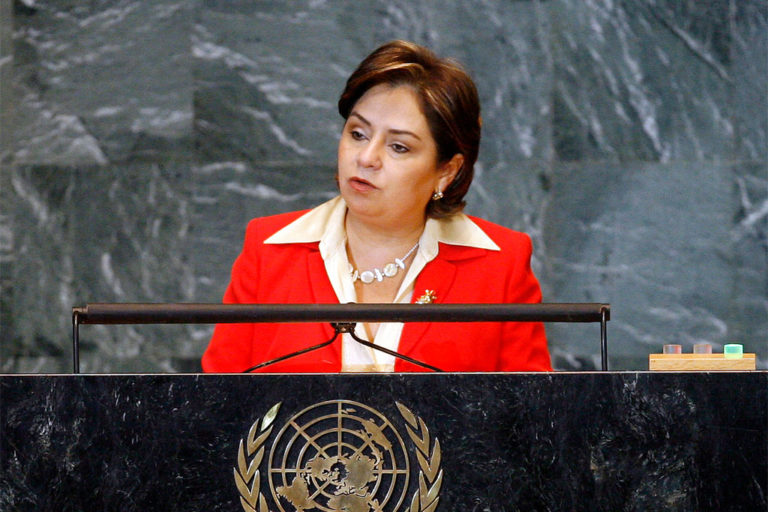
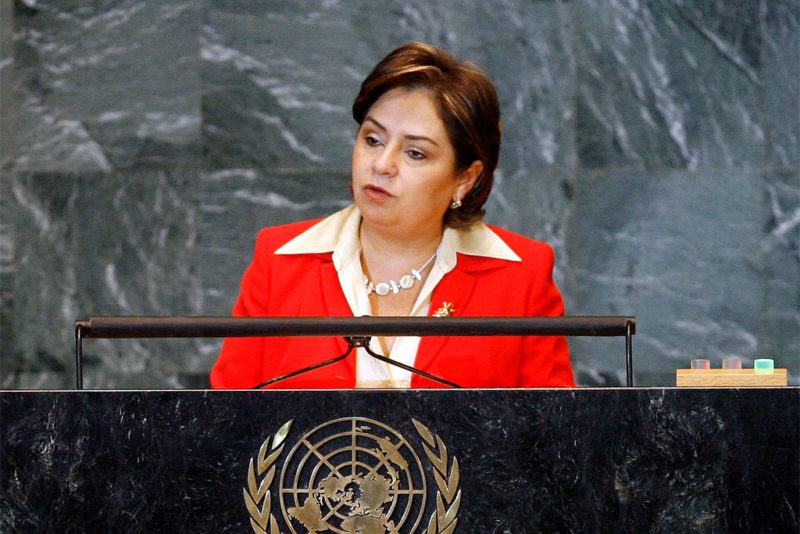
Patricia Espinosa, Executive Secretary of the United Nations Framework Convention on Climate Change (UNFCCC)
The UNFCCC, which released the list on Thursday, January 25, 2018, thanked the group of countries for paying their 2018 contributions in full, saying that the assistances are crucial for enabling the day-to-day operations of the organisation.
The countries are: Australia, Barbados, Bhutan, Botswana, Canada, Cook Island, Czech Republic, Eritrea, Fiji, Finland, Ghana, Guyana, Hungary, Ireland, Jamaica, Kazakhstan, Lithuania and Mauritius.
Others include: Montenegro, Netherlands, New Zealand, Singapore, Somalia, South Africa, State of Palestine, Thailand, Timor-Leste, Tuvalu, United Kingdom, Vanuatu and Viet Nam.
According to the UN climate change body, contributions from Parties to the core budget of the Convention are due the 1st of January of each calendar year in accordance with the financial procedures adopted by the Conference of Parties (COP).
There are a total of 197 Parties to the UNFCCC, meaning 166 nations have yet to meet their financial obligations. Some 174 of the 197 Parties have ratified the Paris Agreement.
UNFCCC Executive Secretary, Patricia Espinosa, stressed that the contributions support the UNFCCC’s work on implementing the Paris Climate Change Agreement and galvanising global climate action by all relevant stakeholders, including regions, cities, businesses and investors.
She said: “I would like to extend my deepest appreciation to the Parties that have contributed in a timely way. The impacts of climate change are accelerating around the world, and it is essential that the response of the international community also accelerates and is scaled up so that countries can green their economies and build resilience to the inevitable impacts of climate change.
“The Paris Agreement has entered in force in record time. With the timely contributions of all countries, we can increase momentum for climate action and make sure that every country makes full use of the many synergies of regional, national and international cooperation.”
According to the UNFCCC, 2018 is a crucial year for its operations and for making progress on the effective and timely implementation of the Paris Agreement as “the Presidency of COP23 will be conducting the Talanoa (Facilitative) dialogue, which is aimed at raising ambition of mitigation commitments by countries in their national climate action plans”.
The United Republic of Tanzania on Friday, January 19, 2018 deposited its instrument of ratification to the Nagoya-Kuala Lumpur Supplementary Protocol on Liability and Redress to the Cartagena Protocol on Biosafety.
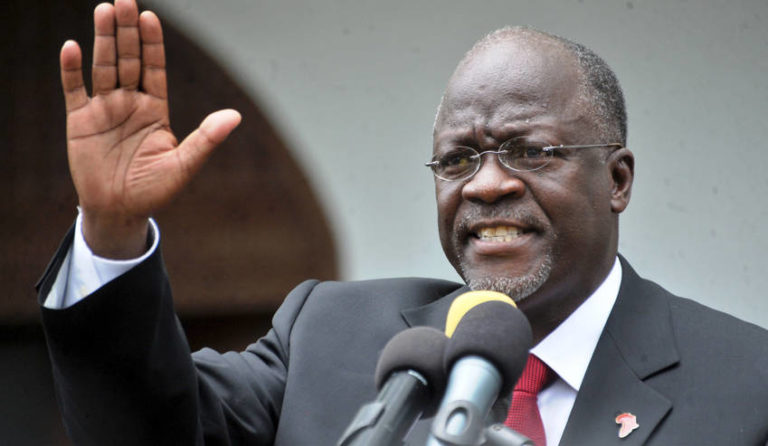
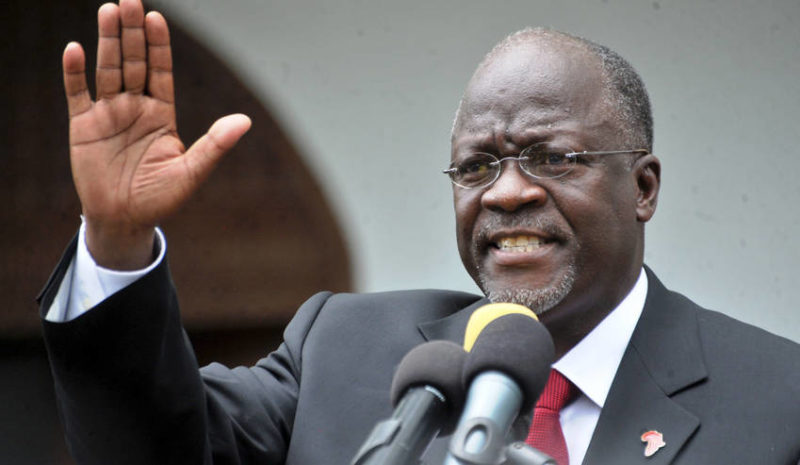
John Magufuli, President of Tanzania
Dr. Cristiana Paşca Palmer, Executive Secretary Convention on Biological Diversity (CBD), on Thursday, January 25, 2018 congratulated the East African nation for becoming a Party to the global treaty.
The Supplementary Protocol, which provides for response measures in the event of damage from living modified organisms, was adopted as an additional agreement to the Cartagena Protocol on Biosafety. It aims to contribute to the conservation and sustainable use of biodiversity by providing international rules and procedures in the field of liability and redress relating to living modified organisms.
Following the deposit of the instrument of acceptance by Japan on Tuesday, December 5 2017, the Supplementary Protocol will enter into force on March 5, 2018.
Dr. Palmer said: “The forthcoming entry into force of the Nagoya-Kuala Lumpur Supplementary Protocol on Liability and Redress represents a major step towards achieving the objectives of the Strategic Plan for the Cartagena Protocol on Biosafety and towards the conservation and sustainable use of biodiversity.
“I urge all Parties to the Biosafety Protocol yet to do so to ratify the Supplementary Protocol as soon as possible. I also urge Parties to the Biodiversity Convention that have not yet done so to ratify the Biosafety Protocol so that they can also become Parties to the Supplementary Protocol.”
The Supplementary Protocol is supposed to enter into force on the 19th day after the deposit of the 40th instrument of ratification, accession, acceptance or approval (The instrument of approval deposited by the European Union does not count as additional to the instruments deposited by its member States (Article 18(3) of the Supplementary Protocol).
The following Parties have now ratified, accepted, approved or acceded to the Nagoya-Kuala Lumpur Supplementary Protocol: Albania, Bulgaria, Burkina Faso, Cambodia, Central African Republic, Congo, Cuba, Czech Republic, Democratic Republic of the Congo, Denmark, Estonia, European Union, Finland, Germany, Guinea-Bissau, Hungary, India, Ireland, Japan, Latvia, Liberia, Lithuania, Luxembourg, Mali, Mexico, Mongolia, Netherlands, Norway, Romania, Slovakia, Slovenia, Spain, Swaziland, Sweden, Switzerland, Syrian Arab Republic, Tanzania, Togo, Uganda, United Arab Emirates, United Kingdom of Great Britain and Northern Ireland, and Viet Nam.
With support from the Government of Japan, through the Japan Biodiversity Fund, the Secretariat of the CBD is organising activities to support Parties in implementing the Supplementary Protocol at the national level.
The Cross River State Government on Wednesday, January 24, 2018 inaugurated an eight-man task force for the restoration of Calabar Master Plan.
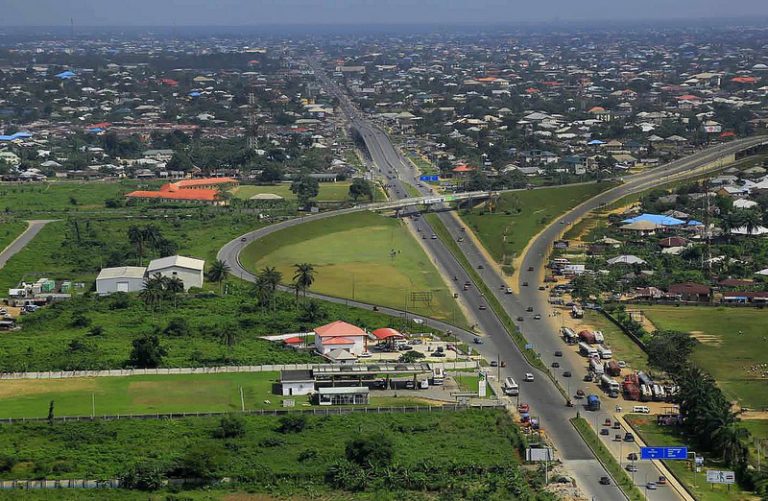
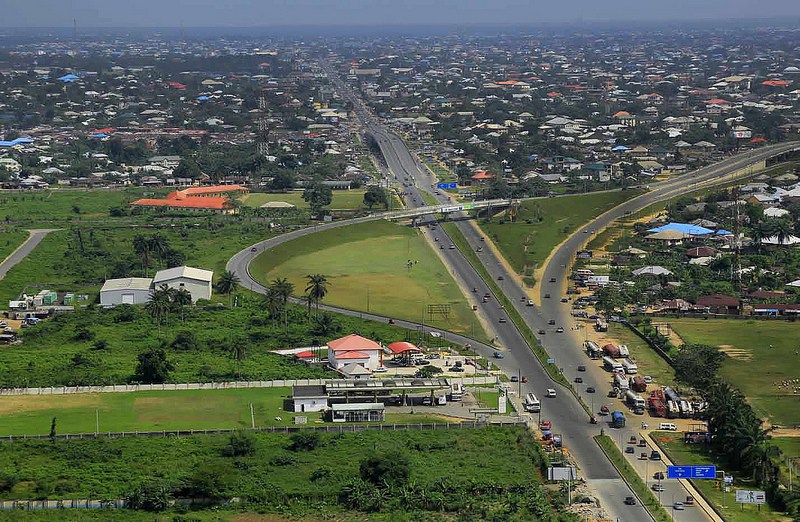
Calabar, in eastern Nigeria, has been described as one of the cleanest and safest cities in Nigeria
Governor Ben Ayade, while inaugurating the task force in Calabar, the state capital, said that it had become imperative to restore the city’s original master plan and restore its status as the cleanest and greenest city in Nigeria.
He urged members of the task force to discharge their duties with integrity, while shunning ethnic and parochial sentiments in the interest of the state.
Ayade said that the team has a duty under “morality and good conscience’’ to ensure that the right things were done.
“There is a master plan for Calabar but, unfortunately, the distortion of the master plan is happening at a very fast rate.
“We have situations where people are building houses without approved plans, erecting commercial houses in residential neighbourhoods, building houses on flood plains and not respecting the boundary lines between highways, roads and clearance, as stipulated in the Federal Highway code.
“This taskforce is specifically designed to reverse the degeneration of the Calabar city.
“So, because of the required urgency at this point; men of character, integrity, honour and quality are being put together to address this trend.
“You have a duty to reverse the city’s degeneration that is occurring and this will involve, among other things, pulling down any building that is on flood plains,” he said.
He also urged the team to ensure that residents paid development control levies and approval plan levies, while obtaining proper approvals for appropriate buildings in appropriate locations.
The governor, however, warned the task force against embarking on structure demolition without his approval, adding that the right thing must be done all the same.
“Do the right thing, for if we allow people to build houses where there are drainage channels, under high tension cables, on transmission lines or close to major roads, the city will degenerate.
“This will make crime to increase, while policing of criminality will be difficult,” he added.
Responding, Mr Oxford Egbe, Chairman of the task force, assured the governor of the team’s readiness to deliver on its mandate.
“We cannot afford to fail because this, for us, is work to finish and we will deliver,” he said.
Fewer rhinos were poached across South Africa in 2017, in comparison with same period in 2016, Environmental Affairs Minister, Edna Molewa, announced on Thursday, January, 2018.
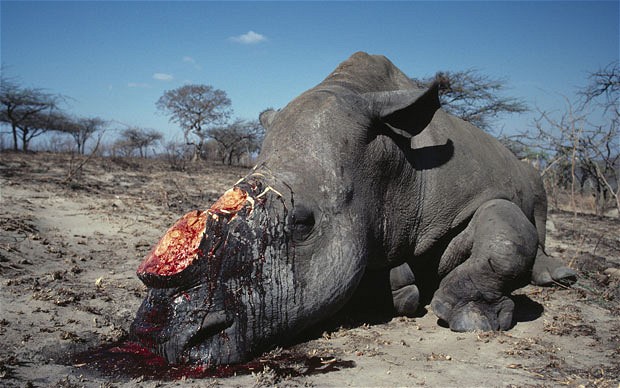
A poached rhino. Photo credit: www.telegraph.co.uk/ALAMY
“There has been a minor decrease in the number of rhino poached nationally in 2017,” she said during a briefing in Pretoria.
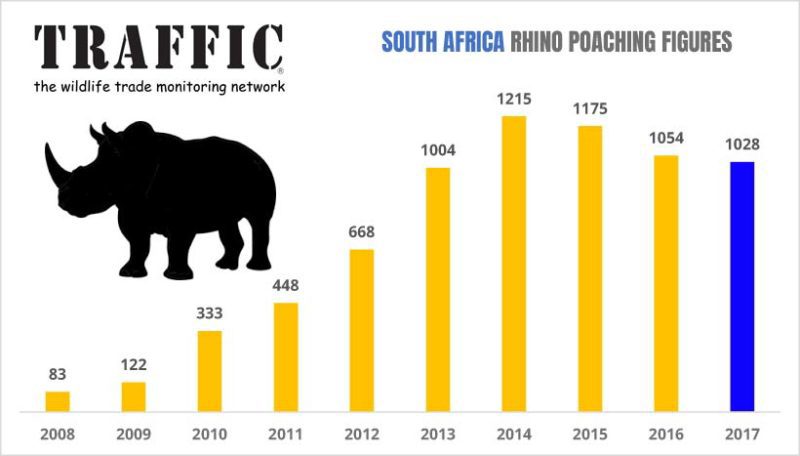
A total of 1,028 rhino had been poached from January to December 31 last year compared to 1,054 in the same period for 2016, representing a decrease of 26 rhinos,” said Molewa at a briefing in Pretoria.
“With regards to the Kruger National Park, the number of arrests of alleged poachers stood at 504 in 2017. This is is 24% less than the 662 recorded in 2016.
Molewa said despite the national slight decline in poaching, which was a national priority crime, it remained a serious problem in South Africa.
“As we have always stated, these declining numbers do not mean we can proclaim victory. Nevertheless, the downward trend is being established, which is cause for cautious optimism,” she said.
Molewa said the poachers were now also targeting elephants.
“It is clear that more resources are required to address this challenge that we are experiencing in terms of both rhino and elephant poaching,” she said.
Rhino poaching in South Africa is on the decline while elephant poaching showed an increase in 2017.
Molewa said rhino poaching was still driven by lucrative demand in Vietnam and China where rhino horn is considered “traditional medicine” despite little proof of any medicinal effect.
TRAFFIC, the Wildlife Trade Monitoring Network, has described as “tiny” the rate of decrease of rhino poaching in South Africa in 2017 compared to 2016.
South Africa rhino poaching figures
South Africa on Thursday, January 25, 2018 announced the official number of rhinos illegally killed in the country during 2017 as 1,028 animals. But the a non-governmental organisation working globally on the trade of wild animals and plants in the context of both biodiversity and sustainable development describes the development as a tiny decrease on 1,054 in 2016.
“The marginally lower total in 2017 still remains unacceptably high and with close to three rhinos illegally killed daily in South Africa every single day, the bottom line is the crisis continues unabated,” said Tom Milliken, TRAFFIC’s Rhino Programme Leader.
The group disclosed in a statement made available to EnviroNews on Thursday that although the figure marks the third year in a row where the rhino poaching total has dropped since the record high of 1,215 losses reported in 2014, undetected carcasses in vast places like Kruger National Park could easily account for the reported decline.
Kruger National Park, where the heaviest poaching losses have occurred previously, reported 504 animals poached in 2017, a further significant drop from the 662 rhinos illegally killed in 2016 and 826 in 2015. However, the Minister of Environmental Affairs, Dr Edna Molewa, also noted a rise in the number of elephants poached in the park – some 67 in 2017, a worrying development and further evidence of organised criminal activity taking place there.
But this is not only a provincial KZN problem, as at a national level, efforts to address rhino poaching appear to be hampered by the dysfunctional National Prosecuting Authority and Crime Intelligence division of the South African Police Service (SAPS), two of the country’s main crime fighting institutions.
In February 2016, David Mabunda, Chief Executive of Ezemvelo KZN Wildlife, highlighted the “…increasing levels of corruption among our ranks, the police, immigration officials and other law enforcement and professional services such as veterinarians. The number of corruption cases in wildlife management is making our efforts to achieve success more difficult.”
Although official poaching figures are still awaited from other rhino range States, unofficial figures suggest there has been an overall drop in rhino poaching across Africa in 2017.
However, combatting rhino poaching effectively will require a concerted global effort, greater information sharing between law enforcement agencies in source and consumer countries and targeted investigations aimed at dismantling criminal networks with tentacles that span the globe.
In September 2017, TRAFFIC revealed disturbing new evidence of criminal networks of Chinese origin operating in South Africa processing rhino horn locally into beads, bracelets, bangles and powder to evade detection and provide ready-made products to consumers in Asia, mainly in Viet Nam and China, and called for increased resources to be made available to already over-stretched law enforcement efforts.
“TRAFFIC calls on South Africa urgently to adopt and implement its national strategy to combat wildlife trafficking: the potential growth of new markets for rhino products is a deeply worrying development that needs to be nipped in the bud – we’re far from seeing the light at the end of this very long, dark tunnel,” said Milliken.
Corruption and climate change are arguably the defining challenges facing the world today. Both problems – and their solutions – are interlinked. In particular, corruption is one of the driving forces behind deforestation and forest degradation, a major cause of climate change (according to the UN, deforestation and forest degradation account for around17% of carbon emissions worldwide).
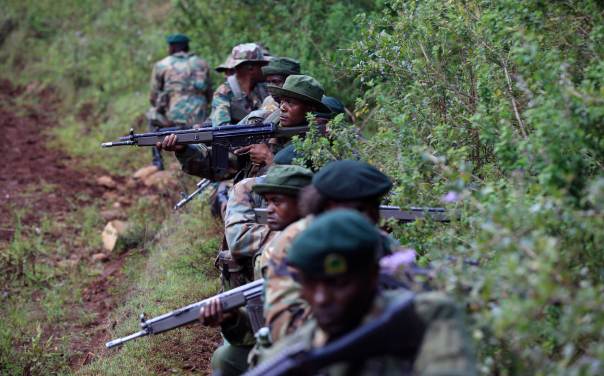
Kenya Forestry Service guards
Interventions to reduce deforestation and forest degradation therefore have to take corruption risks into account.There have to be robust anti-corruption mechanisms and sound governance systems in place to ensure that forests are preserved transparently and accountably.
Although Kenya’s work on REDD+ began in 2008, little progress has been made in implementing it to conserve the country’s forests.
In 2013, a corruption risk assessment for REDD+ in Kenya prescribed a range of recommendations for different stakeholders. As a result, the Kenya Task Force on Anti-Corruption for REDD+ was established, and operated between 2014 and 2015. Aiming to enhance dialogue among different stakeholders about the relationship between REDD+ and corruption, it brought together national actors working on forest governance, anti-corruption and transparency.
Until recently, corruption and governance were not major parts of conversations in relation to forest conservation. As a result, many REDD+ stakeholders in Kenya and the world over had a limited understanding of the connection between corruption and REDD+ – corruption is almost always a significant factor in the illegal exploitation of forest areas and thus threatens initiatives such as REDD+. The majority of countries that are heavily forested and benefiting from REDD+ are also those where corruption is perceived to be high and corruption is often endemic in the forestry sector of these countries. A new report from Transparency International Kenya found that the taskforce managed to quickly fill the knowledge gap through consultation and information sharing.
The taskforce achieved significant milestones, notably bringing the anti-corruption and transparency agenda into the centre of REDD+ processes.
Additionally, the taskforce brought together an unusually diverse blend of stakeholders in a country with numerous tensions between government institutions, civil society and indigenous communities. This collaboration enabled progressive dialogue about corruption and governance to take place in various parts of the forestry sector.
The taskforce, however, seems to have largely focused on national actors, leaving behind county-level stakeholders who are vital in the management of forests. Kenya has a highly devolved system of governance, meaning that county governments hold considerable responsibility for forest and natural resource governance.
The taskforce encountered other significant challenges, such as resource constraints and significant staff turnover at some of its member organisations. Coupled with a lack of proper documentation of the taskforce’s work, this made it challenging for successor projects to quickly integrate and push on with the work. While these challenges did not prevent the taskforce from achieving significant milestones, they are serious considerations that should be taken into account when establishing other multi-stakeholder approaches.
Kenya’s approach to addressing these challenges in the forestry sector is worth strengthening and replicating.Kenya is at a crucial stage of developing its framework for REDD+ implementation and the task force has immense potential to make REDD+ successful in the country.
Its founders, including the REDD+ Coordinating Office, the Ethics and Anti-Corruption Commission, and Transparency International Kenya, should consider reviving the initiative while addressing the challenges faced during its initial lifespan, including admitting county-level stakeholders.
Read the assessment report on Kenya’s Task Force on Anti-Corruption for REDD+.
The Author leads the Climate Governance Integrity Programme at Transparency International Kenya.
More than 74,000 people have been forced to flee their homes after two weeks of eruption from Philippines most active volcano, scientists said on Thursday, January 25, 2018.
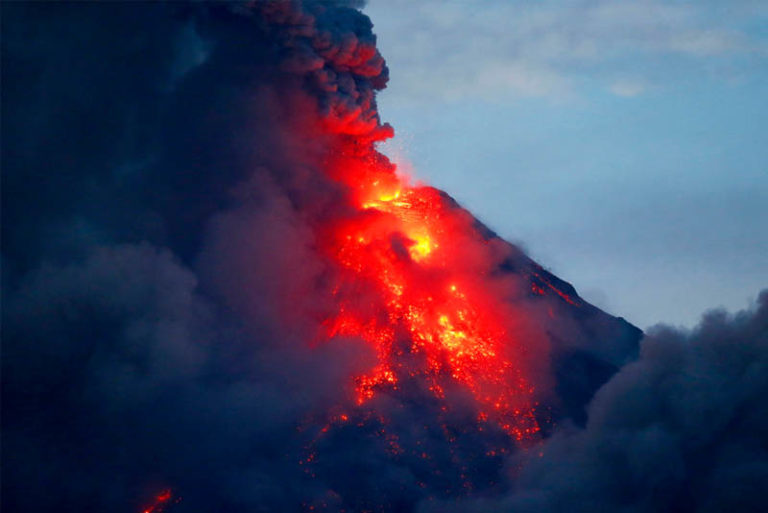
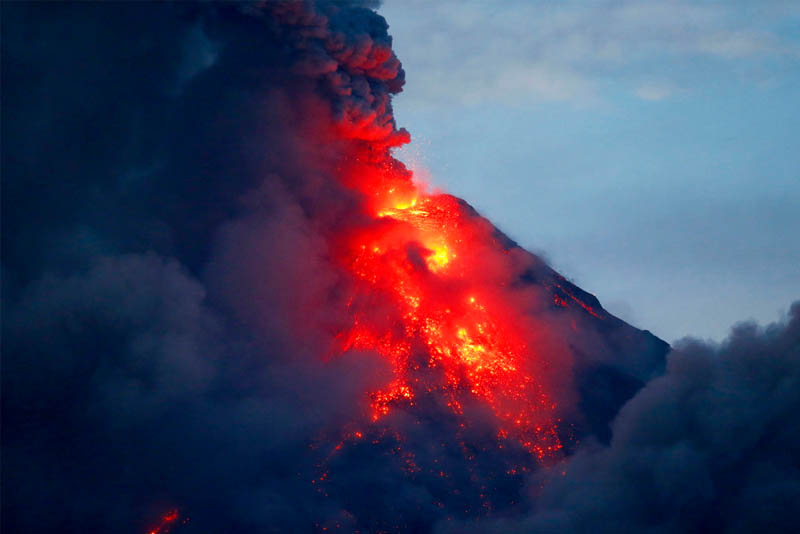
Mayon volcano spews red-hot lava in another eruption as seen from Legazpi city, Albay province, roughly 200 miles (340 kilometers) southeast of Manila
Mayon Volcano in Albay province, 330 kilometres south of Manila, has been belching lava fountains and huge ash plumes since Sunday, one week after it started erupting on January13.
Heavy ash fall has blanketed towns at the foot of the mountain, prompting local officials to suspend classes in the entire province. Domestic flights to the area have also been cancelled.
So far, no deaths have been reported, but officials were worried of health impacts of the ash fall and cramped conditions in evacuation centres.
The Philippine Institute of Volcanology and Seismology (Phivolcs) warned the eruption could go on for months as pressure was found to be still building up in Mayon.
Electronic and other measures “indicate sustained swelling or inflation of the edifice (of Mayon), consistent with pressurisation by magmatic intrusion,” the institute said in an update.
Authorities have evacuated residents living within a 9-kilometre-radius expanded danger zone amid warnings of a more violent eruption and mud flows amid rains brought about by low pressure.
The 2,463-metre volcano has erupted about 50 times since 1616.
The last deadly eruption was in May 2013 when five hikers were killed and seven people injured in that incident.
Mayon’s most violent eruption was in 1814, when more than 1,200 people were killed and a town was buried in volcanic mud. An eruption in 1993 killed 79 people.
Forty-one communities in the six states of the northeast geopolitical zone are benefiting from the Federal Government’s emergency response plan to scale up sanitation and health programmes.
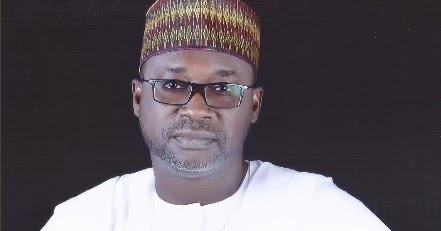
Suleiman Adamu Kazaure, Water Resources Minister
Mr Emmanuel Awe, the Director of Water Quality Control and Sanitation, Federal Ministry of Water Resources, made this known on Thursday, January 25, 2018 in an interview with News Agency of Nigeria (NAN) in Abuja.
The states are Borno, Bauchi, Adamawa, Taraba, Gombe and Yobe.
Awe said that the intervention had increased sanitation and hygiene practices among returnees from Internally Displaced Persons (IDPs) camps and residents of their host communities.
He said that the ministry had made provision for the award of contracts for water schemes, saying that the selected local government areas were those with large numbers of host communities of the IDPs.
“The ministry has commenced the sinking of boreholes in different communities for returnees in the six northeast states.
“We are also helping in rehabilitation of the communities, while helping in providing water and sanitation services to host communities that received those who were displaced by the Boko Haram insurgents.
“We have also made provision in the 2018 budget for the continuation of construction works in the northeast states,’’ he added.
Awe said that the step was necessary as Nigeria could not afford to rely only on development partners to intervene in rebuilding the communities.
He said that the ministry was ensuring that the returnees and host communities had access to basic needs such as water and sanitation facilities.
“The ministry had budgeted N1 billion for water and sanitation interventions, through the provision of hygiene kits and overall goal of health promotion,” he said.
The director said that efforts were underway to construct boreholes and provide sanitation facilities in the communities to improve the people’s living conditions.
Speaking on the UN humanitarian response plan budget of $1 billion for water, sanitation and hygiene (WASH) programme, Awe said that the ministry was the lead agency, working in partnership with UNICEF.
He said that the intervention was part of the partnership between Nigeria and the UN, which was aimed at re-integrating the people of the north-eastern states, who were hitherto ravaged by the Boko Haram insurgency.
Awe said that the ministry was currently using its annual budgetary allocation to finance intervention projects in the northeast states.
He gave an assurance that the Federal Government would always implement policies and programmes that would improve the lives of the citizens.