The International Indian Treaty Council (IITC) and the National Council of Leaders of the KATRIBU, a national alliance of Indigenous organisations which includes the Cordillera Peoples Alliance (CPA), have filed a joint Urgent Action Submission to the United Nations Committee on the Elimination of Racial Discrimination (CERD).
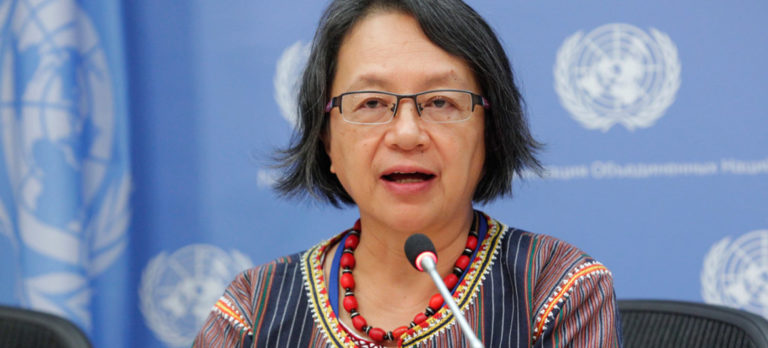
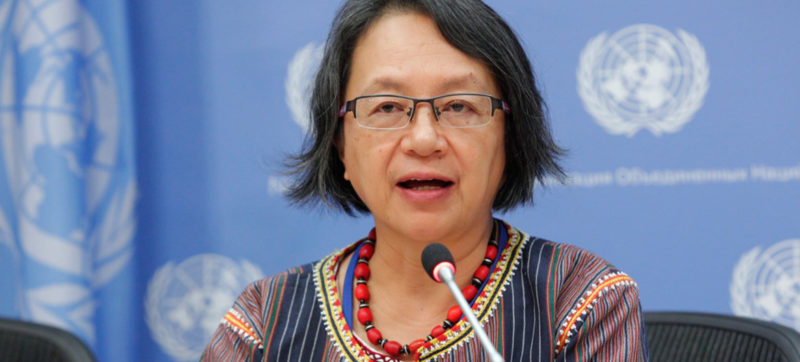
UN Special Rapporteur on the Rights of Indigenous Peoples, Victoria Tauli-Corpuz
The submission requests urgent intervention by the CERD’s Urgent Action/Early Warning Procedure in response to the situation of at least 31 Indigenous human rights defenders and members of Indigenous organisations who were labelled as “terrorists” in a proscriptive Petition issued by the Philippine Government’s Department of Justice on February 23, 2018. As a result, they are in imminent danger of warrantless arbitrary arrest, surveillance, freezing of assets, persecution, denial of right to travel, extraordinary rendition, assault and extrajudicial killing.
Those listed as “terrorists” in the Petition are working for human rights and an end to racism and discrimination against Indigenous Peoples in that country. They include community leaders and activists as well as the UN Special Rapporteur on the Rights of Indigenous Peoples, Victoria Tauli-Corpuz, and former member of the UN Permanent Forum on Indigenous Issues, Joan Carling.
Repression against Indigenous Peoples in the Philippines is not new. In 2006, IITC submitted an Urgent Action filing on behalf of the Cordillera Peoples Alliance to the Special Representative on Human Rights Defenders in response to the killings of two Indigenous human rights defenders, Mr. Rafael Markus Bangit and Mrs. Alice-Omengan Claver, and the attempted assassination of Dr. Constancio Claver.
The Urgent Action submission filed calls upon the CERD to urge the Philippine Government to cease the criminalisation and drop all charges against Indigenous human rights defenders and to release any political prisoners who have been apprehended because of this Petition. IITC and KATRIBU also request the CERD to call on the Philippine Government to officially rescind this Petition and to uphold its international human rights obligations pursuant to the International Convention on the Elimination of all forms of Racism and Discrimination and the Declaration on the Rights of Indigenous Peoples, as well as their domestic obligations under the Comprehensive Agreement on the Respect of Human Rights and International Humanitarian Law (CARHRIHL) and the 1997 Indigenous Peoples Rights Act (IPRA).
The CERD’s 95th session will begin on April 23rd in Geneva, Switzerland and this submission will be considered at that time. IITC Urgent Action for Indigenous Human Rights Defenders in the Philippines 2018
The IITC is an organisation of Indigenous Peoples from North, Central, South America, the Caribbean and the Pacific working for the Sovereignty and Self Determination of Indigenous Peoples and the recognition and protection of Indigenous Rights, Treaties, Traditional Cultures and Sacred Lands.
To reduce wealth inequality without diminishing the economic performance of a country, a policy package of bequest taxes and land value taxes could be the optimal solution. Such a policy package would, in fact, have a strong advantage over corporate taxation, a new study published in the journal International Tax and Public Finance finds.
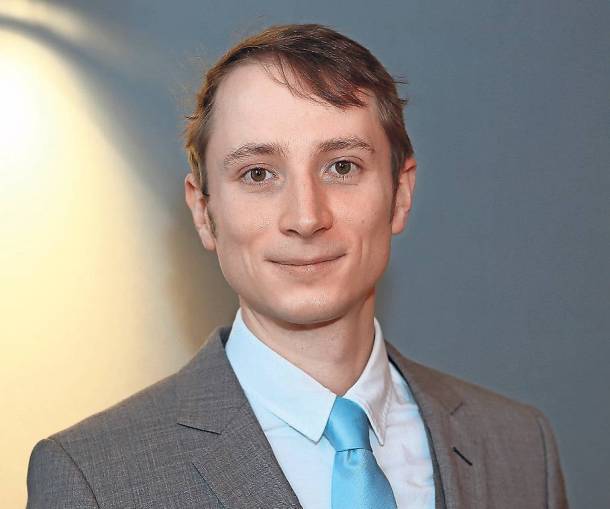
Lead author Dr. Max Franks of the Potsdam Institute for Climate Impact Research (PIK)
It is the first analysis to include the so far neglected factor of land for tackling wealth inequality. Land is of great interest for studying inequality as climate change might increase land prices and thereby affect housing costs. The cost increase could be countered by smart taxes that would at the same time reduce overall inequality in a country, and hence possibly help to reduce tensions in society that are amplified by populism.
“Climate change will likely make land more expensive. Either, unmitigated global warming caused by fossil fuel emissions will expose land to the risk of droughts and floods,” says lead author Max Franks from the Potsdam Institute for Climate Impact Research (PIK). “Or, if decision-makers choose to mitigate climate change, land will be used for biomass plantations and wind parks and the like. In either case, land will become scarcer and thus more expensive – and land speculation by investors will drive up housing prices even further.”
Narrowing the gap between rich and poor is one of the UN’s Sustainable Development Goals. “In our study, we have therefore investigated how the issue of rising land prices could be addressed. Governments have considerable freedom in reducing wealth inequality without sacrificing economic performance, we find,” explains Franks. “The result of our rather complicated conceptual calculations is quite simple: it would make sense to introduce a policy package of land value taxes and bequest taxes – also allowing to reduce corporate taxes or the value-added tax along the way.”
Taxing land triggers investment
A land value tax would have two main effects. First, it would be an incentive for investing money in productive capital, for instance in industry, whereas investing in land, and land grabbing, would be less profitable. The rise in productive capital investment would hence directly increase economic output. Second, land value taxes – which are only based on the unimproved value of land, disregarding the value of buildings – would prompt a more efficient use of land. Leaving land vacant would, due to land value taxation, result in the owner losing money; therefore, building apartments, for example, to generate income from rents, becomes more attractive. This could even help to mitigate housing shortages.
“The conceptual study shows how governments can help everyone to attain his or her fair share of the pie without shrinking it,” says Franks. For this purpose, the authors compare taxes on capital income, bequests, and the value of land. “Surprisingly, land was ignored in economic studies of wealth inequality since the 1960s, though we have seen enormous increases in the value of land. So in our study, we include this crucial factor for wealth development and distribution,” Franks adds.
Bequest taxes help to reduce inequality, yet additional regulation is needed
The study is based on a consensus in the economic literature that bequest dynamics are a major determinant of the distribution of wealth. Hence, taxing bequests would redistribute wealth. Yet, if only an additional tax on bequests was introduced, it could also harm future economic output since it could discourage households from saving. A reduction of saving on a national scale, however, would mean that banks have less funds available to pass on to businesses as loans – ultimately reducing national investments. To counteract that tendency, a bequest tax must be combined with a land value tax, which makes investment in land less lucrative and ensures that savings are directed towards productive investments. A further possible measure to stimulate the economy would be a moderate corporate tax cut offset by the additional public revenues from taxing bequests and land.
“However, additional regulation would be needed to distribute the tax burden fairly. Many middle-class households have a high share of land in their asset portfolio since they own a house and only comparably little financial wealth. To avoid a further tax burden on the middle class, a land value tax allowance could be established,” adds co-author, David Klenert, from the Mercator Research Institute on Global Commons and Climate Change (MCC). “Moreover, regulation would be needed to make sure that landlords do not pass all of the land value tax costs on to their tenants. Still, despite the complexity of both the side-effects of the taxes and the policies needed to limit them, our conclusions are robust.”
Countering the rise of inequality also means countering populism
“Interestingly, our analysis finds the greatest positive effects for economic output and wealth inequality reduction if the tax proceeds are used for transfers to the young generations who invest it into better education, found a family, or start a business,” adds Ottmar Edenhofer, co-author of the study; he is chief economist of PIK and director of the MCC. “Smart taxing of bequests and land can, thus, help to reduce both intra- and inter-generational wealth inequality.”
“We see a widening gap between rich and poor in many societies, an increase in the volumes of bequests, and a strong increase in land value,” explains Edenhofer. “If policy makers take the sustainable development goals of poverty eradication, inclusive growth, inequality reduction, and sustainable cities seriously, they will need a balanced strategy. This becomes even more important in times when populists exploit middle-class fears and societal tensions. Public finance is an important means to get to the root of the problem.”
Benin and Samoa have become the latest Parties to endorse the Kigali Amendment, bringing the total number of nations who have ratified the alteration to the Montreal Protocol to 30.
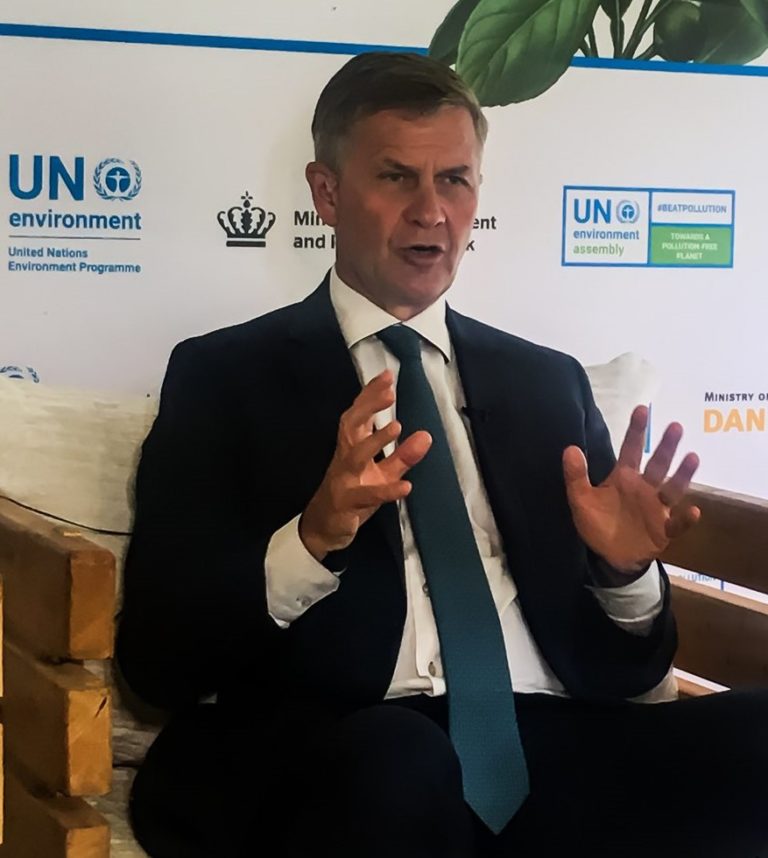
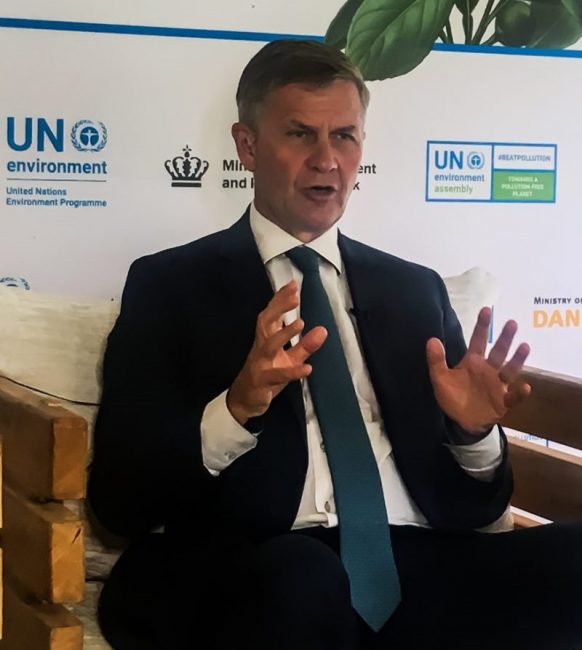
Head of the UN Environment, Erik Solheim
The 30 parties, listed alphabetically, are: Australia, Benin, Canada, Chile, Comoros, Côte d’Ivoire, Democratic People’s Republic of Korea, Ecuador, Finland, Gabon, Germany, Ireland, Lao People’s Democratic Republic, Luxembourg, Malawi, Maldives, Mali, Marshall Islands, Micronesia (Federated States of), Netherlands, Norway, Palau, Rwanda, Samoa, Slovakia, Sweden, Trinidad and Tobago, Togo, Tuvalu and the United Kingdom of Great Britain and Northern Ireland.
Sweden’s ratification last November of the treaty, which aims to bring about a global phase-down of hydrofluorocarbons (HFCs), ensured the pact will now enter into force with effect from January 1, 2019.
Head of the UN Environment, Erik Solheim, in a message, remarked: “Congratulations to the Governments of Benin and Samoa for ratifying the Kigali amendment to the Montreal Protocol! Every country in the world must act to stop the rapid growth of emissions from these powerful greenhouse gases.”
EU Commissioner for Climate Action and Energy, Miguel Arias Cañete, said: “The Kigali Amendment is proof of the global resolve to tackle climate change and shows what we can achieve when we work together. For Europe, implementation of our commitment will not only help us to meet our climate objectives but will also create new opportunities for European manufacturers of air conditioning and refrigerants.”
The Amendment was adopted by the 28th Meeting of the Parties to the Montreal Protocol on October 15, 2016 in Kigali, Rwanda. Under the Amendment, all countries will gradually phase down HFCs by more than 80 per cent over the next 30 years and replace them with more planet-friendly alternatives.
Developed countries will start reducing HFCs as early as 2019, while developing countries will start later. Phasing down HFCs under the Protocol is expected to avoid up to 0.5°C of global warming by the end of the century, while continuing to protect the ozone layer.
All prior amendments and adjustments of the Montreal Protocol, which marked its 30th anniversary in 2017, have universal support.
Implementation of the agreement is expected to prevent up to 80 billion tonnes CO2 equivalent of emissions by 2050, which will make a significant contribution to the Paris Agreement objective to limit the global temperature rise to well below 2°C.
Further benefits may be achieved by exploiting synergies with energy efficiency in the transition to alternative new technologies. Observers believe that the 30-year-old Montreal Protocol has been somewhat successful in protecting the Earth’s ozone layer, and the Kigali Amendment will allow it to make a wider and important contribution to global efforts to mitigate climate change.
The EU is said to be leading global efforts to limit emissions of HFCs and other fluorinated greenhouse gases. Its 2014 regulation on fluorinated gases will ensure that the EU can meet its obligations under the Kigali Amendment while also driving innovation in the field.
HFCs are synthetic substances which are mainly used mainly in refrigeration and air-conditioning equipment, as well as for propellants in foams. Their global warming effect is up to 15,000 times greater than that of carbon dioxide. The use of HFCs use is the fastest growing source of greenhouse gas emissions worldwide, although the EU’s own emissions recently fell for the first time in almost 15 years.
Through the support of the Government of Japan, the United Nations Human Settlements Programme (UN-Habitat) has launched the project “Support to Hosting Communities Affected by South Sudanese Refugees in White Nile State”.
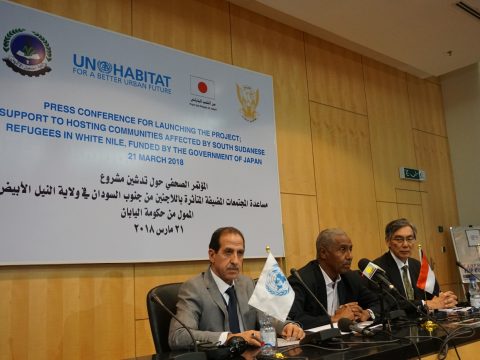
Officials at the Project Launching Ceremony was held in Khartoum, Sudan
The project aims to deliver safe, clean and accessible market places as centres for the hosting communities and South Sudanese refugees in Aljabalain Locality, White Nile State that prevent widespread of diseases including Acute Watery Diarrhoea (AWD).
The project will also enhance self-reliance of the hosting communities and South Sudanese refugees particularly youth and women through on-the-job training of self-help construction through the improvement of market places in Aljabalain.
The Project Launching Ceremony was held in Khartoum, Sudan on Wednesday, March 21, 2018 with Mr. Wael Al-Ashhab, Head of UN-Habitat Sudan Country Programme, assuring that UN-Habitat was committed to work with the governments and partners and emphasised the need to support communities as a whole. He said this would be done in collaboration with the hosting communities, South Sudanese refugees, civil societies, local governments and private sectors, to ensure seamless transition from the emergency response to long-term solutions, and to prevent deterioration of living environment and health condition for the future.
Mr. Wael underlined the huge challenge in Sudan, caused by significant number of the population consisting of Internally Displaced Persons (IDPs), refugees and returnees those who need urgent humanitarian assistance, durable solutions and development support. Particularly, a large number and unexpected influx of South Sudanese refugees fled into Sudan has been radically increasing, and high percentage of the refugees are temporary accommodated to White Nile State that severely impacted the hosting communities.
Mr. Wael thanked the Government of Japan for supporting the project which contributes to broader aspects of the town, including living environment, livelihood and health to ensure that both South Sudanese refugees and the hosting communities can live in dignity.
Ambassador of Japan to Sudan Shinji Urabayashi, said in his statement, “It is very important to bring both the refugees and the local community members together, and involve them in bettering their own living environment. Also, I believe this co-working process will lead to creating a harmonious integration between the community members and the refugees.”
He praised the government of Sudan for the generosity in accepting the South Sudanese refugees.
Abdul Hameed Musa Kasha, the Governor of White Nile State, expressed gratitude to the Government of Japan for supporting the project, and the strong commitment of the Ministry as well as the White Nile State to engage substantively and provide full support to the project in White Nile State.
The Government of the United Kingdom on Friday, March 23, 2018 deposited its instrument of ratification, thereby becoming the 91st Party to the Minamata Convention.
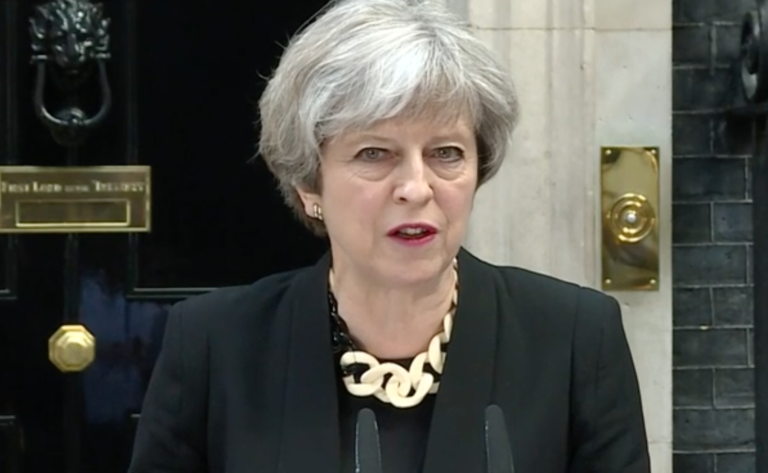
Theresa May, Prime Minister of the United Kingdom
Dominican Republic had the same week on Tuesday, March 20, 2018 deposited its instrument of ratification. The Caribbean nation thus became the 90th Party to the Minamata Convention.
Belgium had several weeks before that on Monday, February 26 deposited its instrument of ratification, prior to Nigeria on Thursday, February 1; Cuba on Tuesday, January 30; and Lithuania on Monday, January 15, 2018.
The Minamata Convention on Mercury (“Minamata Convention”) is an international environmental convention for global community to sswork collaboratively against mercury pollution. It aims at achieving environmentally sound mercury management throughout its life cycle. The Convention was adopted at the diplomatic conferences held in Minamata City and Kumamoto City in October 2013.
The 1st Conference of the Parties to the Minamata Convention (COP1), which gathered governments, intergovernmental and non-governmental organisations from around the world, held in Geneva, Switzerland from September 24 to 29, 2017.
The mercury accord entered into force on Thursday, May 18, 2017 after having garnered the required 50 ratifications.
Meanwhile, the Special Programme on Institutional Strengthening opened for applications on Friday, March 23. It will be open for four months.convention
The Special Programme aims to assist developing countries taking into account special needs of least developed countries and small island developing States, and countries with economies in transition to develop projects to support institutional strengthening at the national level for implementation of the Basel, Rotterdam, and Stockholm Conventions, the Minamata Convention, and the Strategic Approach to International Chemicals Management (SAICM).
The African Development Bank (AfDB) will on Tuesday, March 27, 2018 launch 12 new projects funded by the Agriculture Fast Track Fund (AFT) on to support agribusiness small and medium-sized enterprises (SMEs) in Nigeria and five other countries – Burkina Faso, Ethiopia, Ghana, Malawi, Mozambique and Ghana.
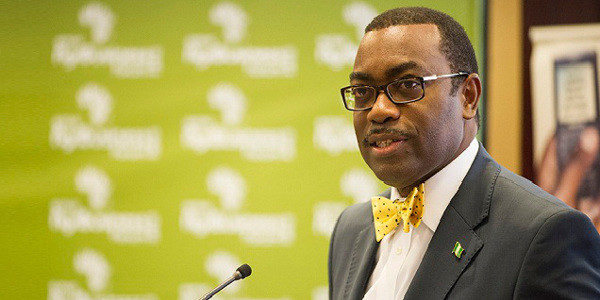
Dr. Akinwumi Adesina, President of the African Development Bank (AfDB)
The launch period ends on Thursday, March 29.
The Agriculture Fast Track Fund is managed by the AfDB to support the development of a strong pipeline of “bankable” agriculture infrastructure projects, funded by the governments of the United States, Denmark and Sweden, in support of project preparation activities to facilitate the take-off of African SMEs.
The AFT finances the project development cost of a broad range of agriculture infrastructure spanning the entire value chain, from production to market. Target projects range from rural feeder roads to agro-processing and marketing facilities, and outgrower schemes. Emphases are on projects that contribute to food security and support to smallholder farmers.
The projects are being implemented in 10 eligible regional member countries of the AfDB – Benin, Burkina Faso, Côte d’Ivoire, Ethiopia, Ghana, Malawi, Mozambique, Nigeria, Senegal and Tanzania.
The year 2018 is poised to be a year full of important milestones where more detailed policy is to be put in place that can unleash higher ambition and stronger action now and in the future.
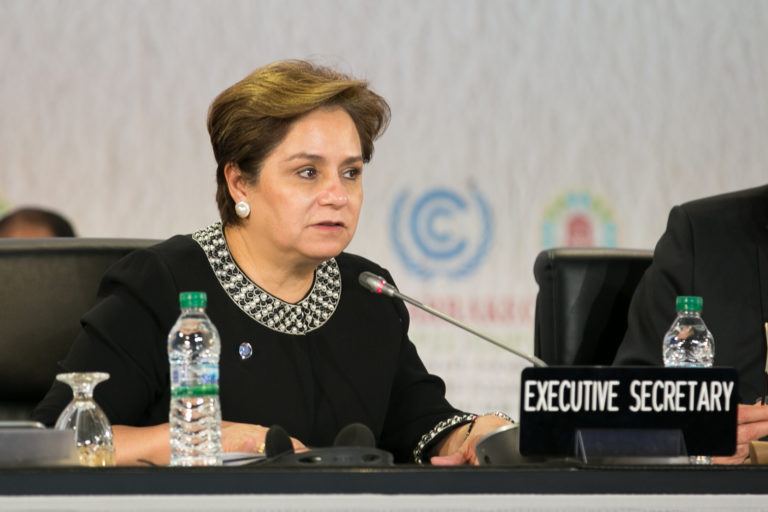
Patricia Espinosa, executive secretary of the UNFCCC
These milestones relate to catalysing increased climate action before 2020, coordinating an important international conversation to check progress and negotiations to unlock the full potential of the Paris Agreement.
Given the importance of reaching these milestones, UN Climate Change (UNFCCC) began assisting countries and chairs of specific negotiating forums as early as January 2018 to plan their work and map out the year.
“With countries clearly in the driving seat of the climate change process, we look forward to supporting nations towards the 2018 milestones throughout the year and at the 24th Conference of the Parties (COP24), to be held in Katowizce, Poland in December 2018,” said Patricia Espinosa, Executive Secretary of UN Climate Change.
Following the adoption and early entry into force of the Paris Climate Change Agreement, many may understandably ask why there is yet again talk of milestones in the climate change negotiations.
The short answer is that the negotiations need to enable the implementation of ever more decisive and defining climate action, including through policies. The long answer below will attempt to shed more light on this and to explain the milestones.
Action before 2020
Action before 2020 is critically important. This is mainly because countries want continuous action without any gaps given that their climate action plans (nationally determined contributions – NDCs) will likely be fully implemented from 2020 onwards.
But it is equally important because strong action now lays the foundation for stronger action later. To this end, the climate change negotiations have put in place the extension of the Kyoto Protocol up to 2020, a process known as the Doha Amendment. The Doha Amendment is subject to ratification at the national level.
In the run-up to 2020, the Protocol remains an essential vehicle for many developed countries to make more rapid and urgent cuts in their greenhouse gas emissions.
The protocol, since its adoption at COP3 on December 11, 1997, has become a beacon of climate action and an inspiring precursor to the 2015 Paris Climate Change Agreement, because it demonstrated that international climate change agreements can bring the countries of the world together to address a global problem.
As of 1 March 2018, 110 Parties have deposited their instrument of acceptance. To enter Doha into force requires 144 of the 192 parties to the Kyoto Protocol.
“Thanks to Kyoto, we have built a solid foundation, paving the way for even greater action in the context of the Paris Agreement,” said Ms Espinosa,. “I urge those countries which have not yet done so to deposit their instruments of acceptance as soon as possible,” she added.
To further boost action before 2020, a special forum will take place at COP24 in Katowice in December. In preparation for this, countries may make submissions around strengthened action before 2020 by May 1, 2018.
These submissions will serve as valuable input for the forum.
Lastly, it is very important that developing countries receive assistance to act. To this end, developed countries committed to provide $100 billion per year by 2020 to leverage further significant funding.
“Developing countries need this support so they can make their contribution to global climate action and build resilient societies able to cope with the risks and minimize the impacts already underway. I urge developed countries to continue showing leadership in the provision of this support,” Ms. Espinosa stated.
Reality check: clarifying the ‘what’ and the ‘how’ in preparation for further action
Countries agreed to assess progress in 2018 towards the goals of the Paris Agreement, including the key goal of limiting the global average temperature increase to well below 2 Celsius, while pursuing efforts to limit the increase to 1.5 C.
Under the leadership of Fiji, the current COP presidency, countries decided to conduct the Talanoa Dialogue.
“The 2018 Talanoa Dialogue is an important international conversation in which countries and non-Party stakeholders will check progress and seek to increase global ambition to meet the goals of the Paris Climate Change Agreement,” said Ms. Espinosa.
The dialogue will take place throughout the year and will be structured around three questions:
Where are we?
Where do we want to go?
How do we get there?
Both countries and non-Party stakeholders such as companies, cities or regions can input into the dialogue via the Talanoa Dialogue Online Platform. Parties and stakeholders are encouraged to provide input around the three questions, ideally before 2 April 2018. This provides everyone involved with the opportunity to share information on:
A vision of the future with respect to where people want to be in terms of climate change and established goals; and
Conditions required achieving that vision.
The Pacific island concept of ‘Talanoa’ aims at an inclusive, participatory and transparent dialogue.
The purpose of the concept is to share stories, build empathy and to make wise decisions for the collective good. The Talanoa method purposely avoids blame and criticism to create a safe space for the exchange of ideas and collective decision-making.
The dialogue will consist of a technical phase in 2018 and will end with a political phase at COP24 in Katowice.
“It is my sincere hope that the Talanoa Dialogue will culminate in providing real-world solutions to both countries and non-Party Stakeholders while providing a catalyst that can take ambition to the next level,” Ms. Espinosa said.
Unleashing full action through the Paris Agreement
While these building blocks, including the Talanoa Dialogue, are crucial towards building ambition beyond 2020, another key milestone in 2018 will be to ensure that the guidelines and rules are in place to enable the full implementation of the Paris Agreement.
Putting in place these guidelines and rules is referred to as the negotiations on the Paris Agreement Work Programme. The conclusion of this important work has been mandated to happen by the end of 2018.
The guidelines and rules are indispensable for unleashing the full potential of the Paris Agreement in all its aspects, including greater action on adaptation and building resilience to climate change impacts such as floods or droughts, reducing emissions, as well as providing the means of support to developing countries in terms of finance, technology and capacity-building.
The Paris Agreement is in and of itself a complete legal instrument. However, the completed work programme is needed to make it possible to transform legal articles of the Agreement into practical actions and to enable everyone to see how the agreement is being implemented by each individual country. As such, the work programme will be equally important to help determine whether the world as a whole is on track to achieve the goals of the Paris Agreement.
Without a completed work programme, the tools for monitoring and measuring the day-to-day efforts of implementation will not be available to countries. This could potentially undermine trust amongst countries, but also potentially lessen the scope for constructive cooperation on climate action amongst countries.
“The work programme negotiations now need to speed up to reach the important 2018 deadline,” Ms Espinosa urged. “The completed work programme needs to be balanced in terms of action for adaptation and action for reducing emissions, as well as in terms of the enabling support, and will help the world capitalise on the early entry into force of the Paris Agreement,” she added.
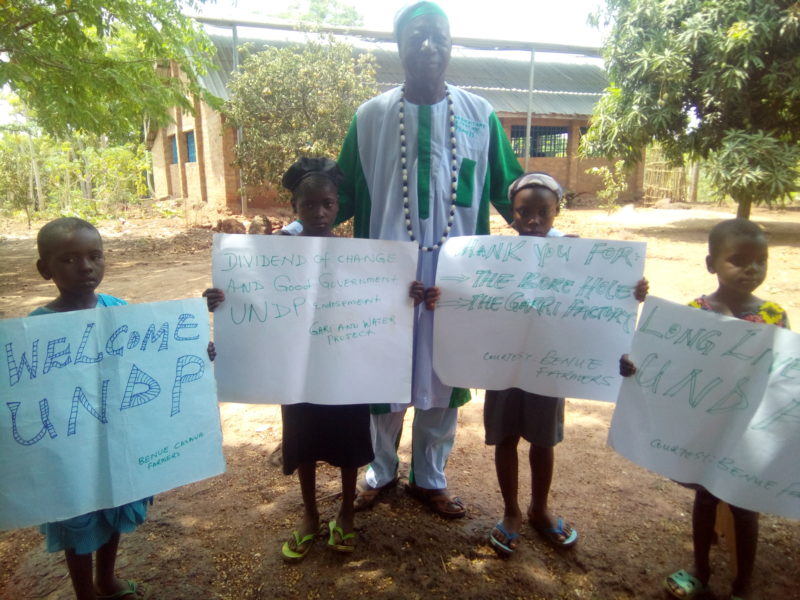
Some rural communities in Benue State are being economically empowered and provided employment opportunities, thanks to an initiative by the United Nations Development Programme (UNDP) and the Energy Commission of Nigeria (ECN) that is aimed at utilising renewable resources to meet their energy demands, especially for agro-processing.
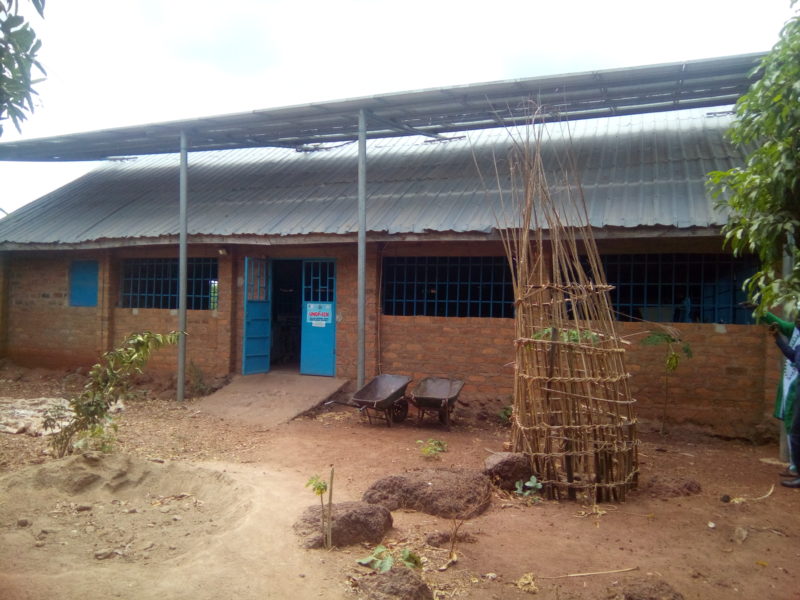
The factory building at Igyo Ali Farm in Mbatyou-Mbateva, Buruku Local Government Area (LGA) of Benue State
Via the establishment and operation of a “green” cottage industry, agricultural produce are now being processed faster, at reduced cost, and with less harm to the environment.
For instance, cassava processing into garri, a staple diet in the country, is now being powered by solar energy under the venture, which communities like Mbatyou-Mbateva, Mbator and Wanune that are off the national power grid, and with no access to reliable source of electricity, are beneficiaries.
The Igyo Ali Farm in Mbatyou-Mbateva, Buruku Local Government Area (LGA) of Benue State houses a solar-powered agro-processing facility, which is said to be the first cassava processing project in Nigeria that is fully powered by energy from the sun. A solar-powered water borehole nearby provides potable water to hundreds of households in the community.
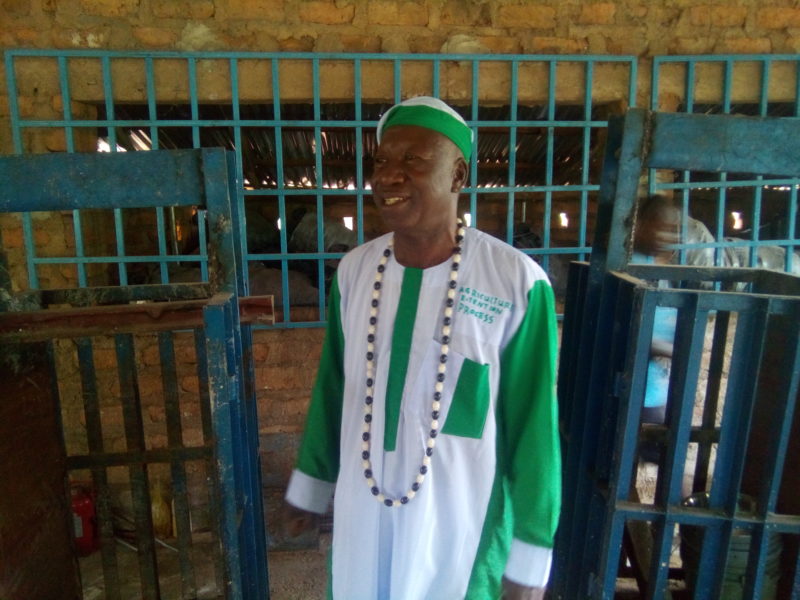
Chief Igyo Ali, Proprietor of Igyo Ali Farm
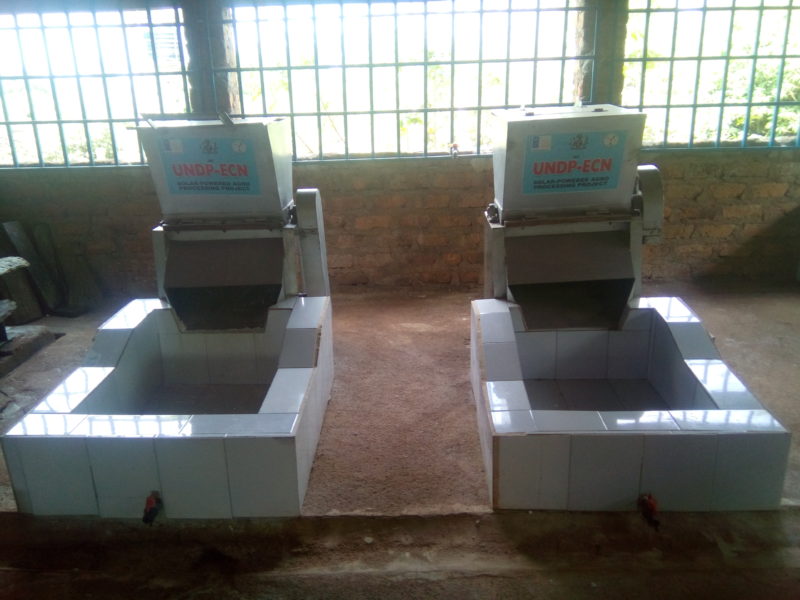
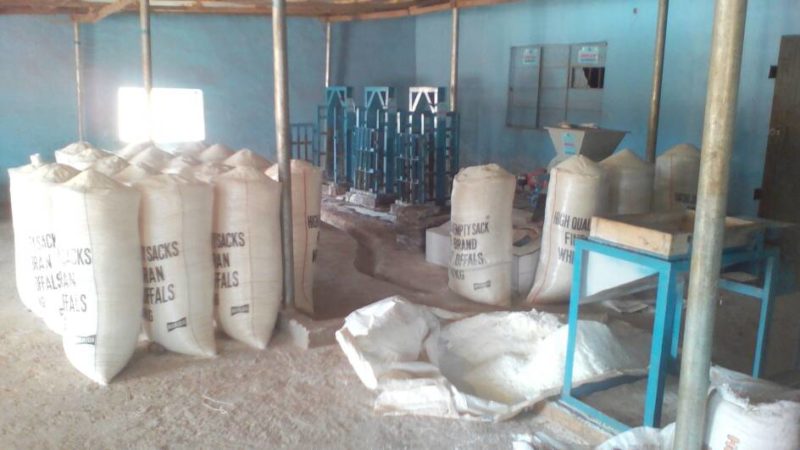
The factory comprises a cassava peeling machine, two cassava graters, three cassava pressers (to de-water the grinded cassava in preparation for the frying), one vibrating sifter, two gas or charcoal-fired garri fryers, and two cooling bowls.
Power is being supplied by a 15kva solar power station comprising 20 12-volt batteries, 60 360w solar panels, and three inverters in a control room which, along with the electro-mechanical equipment, are accommodated by a factory building.
Chief Igyo Ali, Proprietor of the farm, said that time, labour and cost of processing cassava to garri have been considerably reduced compared to what was obtainable before the UNDP/ECN intervention.
Some of the cassava processing machines in the factory
He said: “The equipment was installed between March and April, 2017. We produce up to 10 bags of garri in a day and, at 100kg per bag, that amounts to 1,000kg of garri per day. I have withdrawn my old equipment and method of processing garri and I have adopted this new process, which is faster and cleaner because I no longer use firewood to fry the garri and buy diesel for the diesel engines. We now use solar-powered electric engines and gas or charcoal instead of firewood. I will say maintenance of the factory is at zero cost in comparison to what was obtainable before.
“Besides the provision of a solar-powered borehole and water system to make available water for the factory and also for the community, the UNDP also trained my manager in handling the equipment right from inception. He has stepped down the training to others. We were advised to form a women cooperative society, which we did and which is now thriving.”
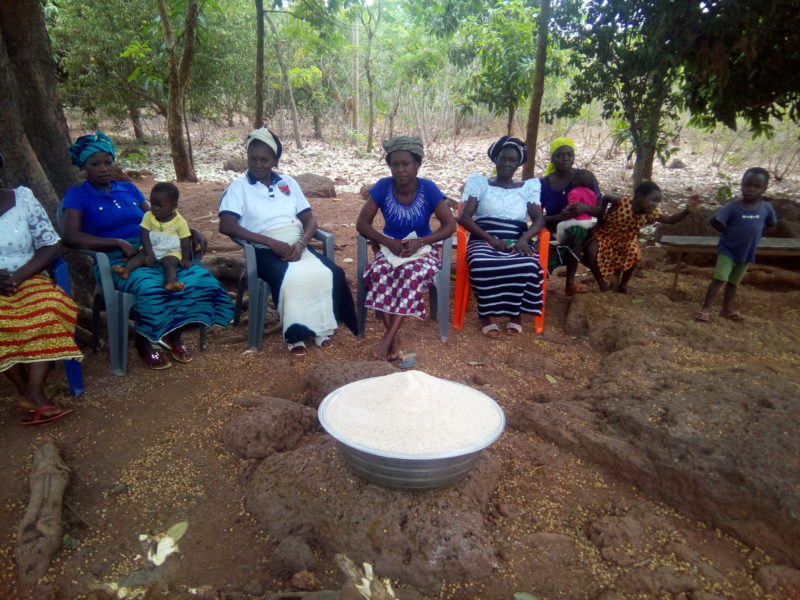
Some members of the Mbateva Cooperative Society, Garri Processing
Madam Mgueshima Torgba, Leader of the Mbateva Cooperative Society, Garri Processing, said: “We used to cut, peel, grate and fry the garri manually, a process that makes us bleed because we usually cut our hands. But this is now a thing of the past. We can now get up to 20 bags of garri in a day with less stress.
“And after processing, it is easier to sell, and earn more profit. This is because we have more to sell, and we sell more and the turnover is high, compared to what obtained before. The cooperative’s relationship with the factory is a symbiotic one. We work and help out in the factory, while the factory assists us as well.”
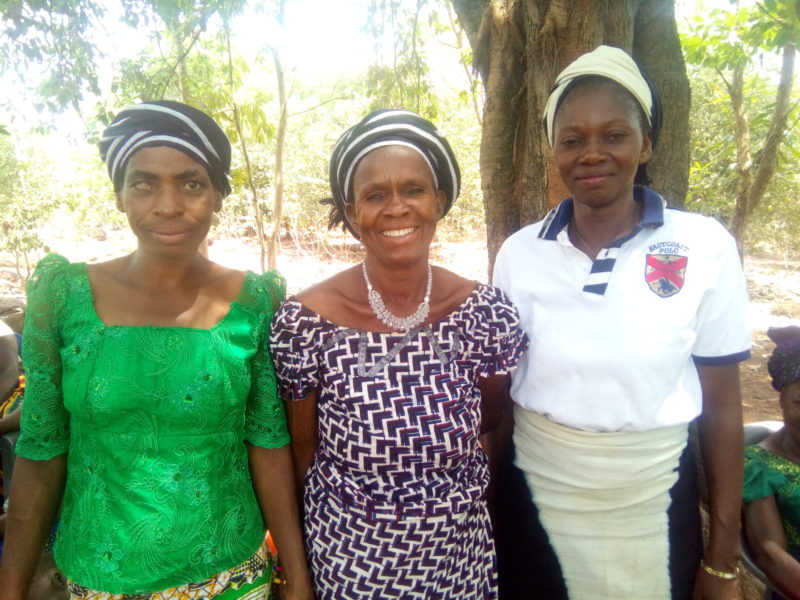
Madam Mgueshima Torgba, Leader of the Mbateva Cooperative Society, Garri Processing (centre), with Mwuese Ayila and Kpenhangen Igyo
A member of the cooperative, Mwuese Ayila, submitted: “The factory has increased the quantity of garri I produce, and I have more money, such that I now help in the running of the home, and reduced the pressure on my husband. Now, I can take care of basic home needs like foodstuff and part of the children’s school fees. My personal outlook has also improved as I can now afford better clothing. Previously, it was difficult for me to attain the status I have now attained.”
Another member of the cooperative society, Kpenhangen Igyo, explained: “Before now when we were processing garri manually, the quantity was less. But now that the process is more mechanised, we produced much more and, instead of going out to look for buyers as was the case previously, people now come here themselves to buy our product, which saves us the cost and stress of going afar to market the garri.”
Chief Igyo Ali and some young ones expressing their appreciation
A retired Coporal in the Nigerian Army and farmer who patronises the factory, Zakari Wayo, contends: “The use of solar mills has considerably reduced the amount of manual processing, as well as reliance on diesel-fuelled mills. We are saving cost as a result of the reduction in the consumption of diesel fuel. The time hitherto spent traveling to mills and doing manual labour has been channelled to other income-yielding efforts that is alleviating poverty.”
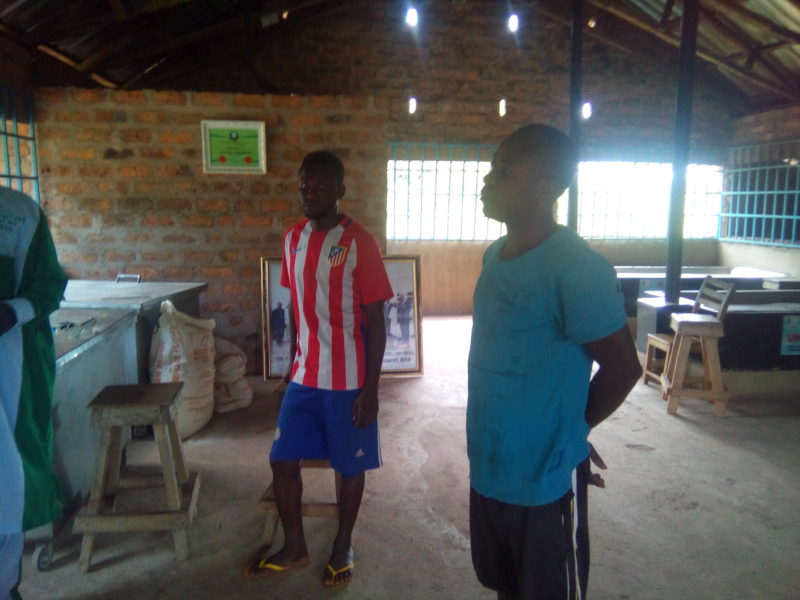
Farm/factory manager, Polycarp Igyo Alli, disclosed: “I was trained by the UNDP to manage the factory and how to operate the machinery. I have trained someone in return, who is now my assistant. The machines are in perfect working condition. However, for a while we have not processed cassava, because the farming is not in season.”
Farm/factory manager, Polycarp Igyo Alli, with his assistant
Chief Alli, while lauding the UNDP and ECN for the gesture, however wants the organisations as well as the state government to come to their aid and fix the roads and provide farm equipment that will help the community to maximise the usage of the mill.
His words: “During the rains, access roads to the factory are not accessible. We also plead for a tractor that will enable mechanised cultivation and massive cassava production, to ensure that the machines are always kept busy. We need mechanised agricultural revolution. Also, fertiliser is not readily available and affordable. It should be subsidised and made available. Two bags of fertiliser per person are allocated by the government. This is not enough and should be increased.”
In Mbator, Konshisha LGA, project coordinator and community representative, Chief Tyodaa Emmanuel, said that the equipment, which was installed August 2017, comprises a peeling machine, two graters, three pressers, one vibrating sifter, two fryers, and one cooling bowl. A total of 58 solar panels, he adds, are powering the entire system as well as the borehole.
Mbator, Konshisha LGA, project coordinator and community representative, Chief Tyodaa Emmanuel
“For the people to benefit, monitor and manage the equipment, we formed a cooperative society known as Motive-In-Motion Garri Processors Cooperative,” he stressed, adding that while four persons (trained by the UNDP) operate the machines, two women fry the garri.
Emmanuel, who is the Zege Mzehemen U Tiv (Chief Progress of Tiv People), added: “The project has brought tremendous change and eased the suffering of the community in cassava production. It used to take weeks and months to process cassava. Now, a single farmer can get up to 21 bags of garri processed within a week. Garri is now produced faster and at reduced cost.
“To encourage farmers to bring their cassava for processing, the project is designed not to make profit, but to alleviate the sufferings of the community. The community is very grateful for this project.
“They really appreciate the UNDP and ECN for coming to their aid with this kind of initiative because it eases their garri production, as they used to expend a lot of time and energy and money to process cassava into garri. But the project has eased their production, and they can do more production now than they did before.
Bags of garri ready for collection at Mbator mill
“And also with the water in place, it has brought about access to clean and potable water to the community, and there are now fewer reported cases of water-borne diseases. Since there is no electricity in the community, the people use the electricity to charge their handsets (phones). Hitherto, they would go several kilometres to where they can get a generator to charge their phones.
“Cassava processing is something that has to be done within 24 hours and the community lacks vehicle to convey the cassava from the farms to the factory. The UNDP should please come to our aid by providing vehicle (a truck) to help us transport the cassava from the farms to the factory for processing to garri.”
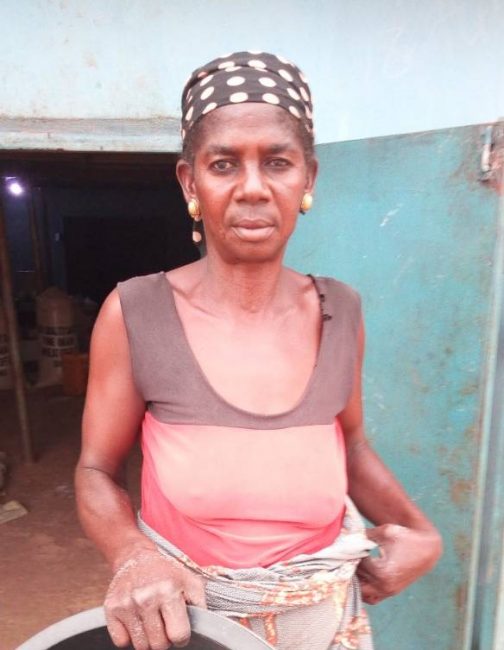
Mrs Atser Mbahehen, a member of the cooperative society who works in the factory, stated: “The coming of UNDP to our community has helped us to address a lot of challenges in the processing of cassava into garri that we used to face by using the old, local method.”
Mrs Atser Mbahehen
Mbahehen, who is the chief coordinator of the women who fry garri in the factory, added: “I wish to register our appreciation to the UNDP because the factory has financially benefitted me and other women in the community.”
On Thursday, March 22, 2018, the international community celebrated World Water Day on the theme “Nature and Water.” The event was used to raise global awareness of how nature can be explored to address water challenges including pollution, threats of new and reemerging diseases, threats to livelihoods, access to sufficient safe water, sustainability of the water resource, and climate change impacting the world today.
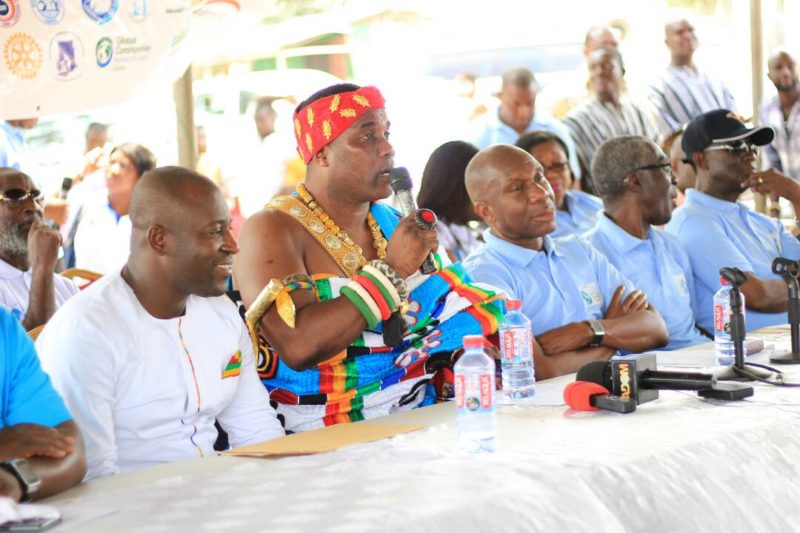
Chief Nii Kwashie Gborbilor of Ngleshie Amanfro speaking at the event
In Ghana, a community durbar was held to mark the Day at the Manhean Fish Market near Galilea, Ngleshie Amanfro in the Ga South Municipal Area of the Greater Accra Region. The occasion was used to urge Ghanaians to desist from activities that pollute and destroy water ecosystems and water resources in particular. Members of communities near rivers and water bodies were specifically asked to be careful how they handle natural water resources in their areas.
“We urge fishermen, fishmongers and everyone in this area to be careful of how they handle the water, because your activities are impacting negatively on the resource, which has become polluted. And unless these activities are checked, the pollution level will rise and eventually destroy the resource completely.”
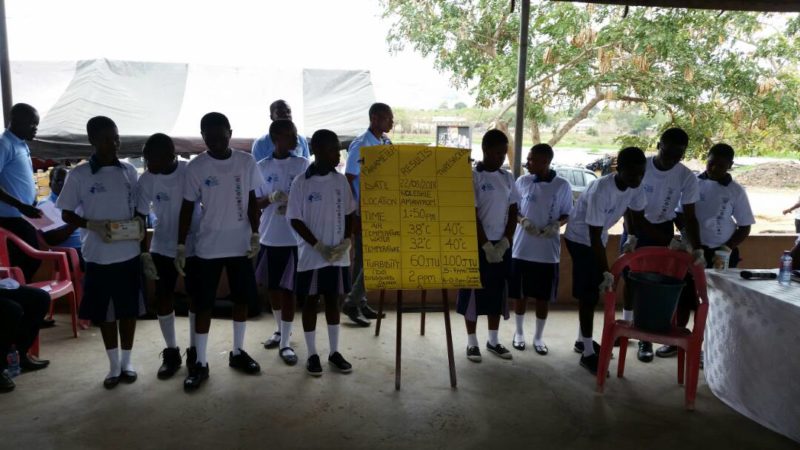
The call was made by a team of school children during the Community Durbar. They were presenting their findings after conducting a test on the water of the Weija Dam that lies within the portion of the Densu River Basin, which passes through the area.
The dam/river is an important source of livelihood for catchment communities of Manhean, Galilea and Ngleshie Amanfro among others. Thus, it plays a vital socio-economic role in the lives of the people. Additionally, it is one of the main fresh water bodies in the country and provides the bulk of raw water treated and supplied by the Ghana Water Company Limited (GWCL) to most parts of the Greater Accra Region.
But as pointed out by the children, human activities including the use of improper fishing methods, farming along the banks, dumping of refuse and faeces, open defecation, washing of clothing, utensils and vehicles, bathing, and watering of cattle are damaging the entire water ecosystem.
School children at the World Water Day event in Ghana
The 10 students selected from the Joy Academy School at Galilea, monitored the water to ascertain its health or pollution status. The exercise was part of activities marking World Water Day in Ghana. They used a simple Water Monitoring Kit to check for several things including thermal pollution or temperature of the water, the dissolved oxygen content, turbidity and PH.
Their findings indicated that the PH was 9, which is higher than the required limit of 6.5 to 8.5 and is a sign that the water is acidic; the dissolved oxygen content was 2 parts per million, which is far lower than the prescribed range of 5 to 7 parts per million, indicating the presence of high levels of organic matter such faecal substances; while, turbidity or cloudiness was 60, but should have been zero or clear, and suggests high amount of dirt in the water.
Both the water temperature, which was 32 degree Celsius and air temperature, which was 38 degree Celsius, and showing the level of thermal pollution were within the range of 40 degree Celsius for tropical water.
According to the children, in spite of the fact that thermal pollution was within limits, the overall result “is bad news for this water body,” and is a signal that “the water is stressed.” They maintained that the stress level was unacceptable and should be an issue of concern to all, especially as “there is currently no sign of dragon flies or butterflies around the area.” The presence or absence of these invertebrates is bio-indicators of the environmental integrity of the entire water ecosystem.
As the children presented their findings, one could observe that “they had caught the attention” of the dignitaries and other people present at the Durbar. Perhaps, it had now dawned on them that there is need to take immediate steps to halt negative human activities around the water body, to protect the entire water ecosystem and ensure its sustainable functioning. Perhaps also, they had remembered the death of the once vibrant Korle Lagoon at Korle Gonno, which experts blame on unchecked irresponsible human activities. It is one of the lagoons in Ghana’s coastal stretch that some years ago supported a thriving local fisheries industry.
Therefore, the call by the children on Ghanaians to be careful how they handle fresh water and its ecosystem, is also a call for Ghanaians to move away from the “business as usual” attitude and begin to value and protect natural water ecosystems such as forests, wetlands, mangroves and river banks.
The need for Ghanaians to reflect on the state of our water bodies was the focus of a message by the Minister of Sanitation and Water Resources, Kofi Adda to commemorate the occasion. In a statement read on his behalf, he urged Ghanaians to begin taking “practical actions to reforest our degraded river banks; restore our lost wetlands; and reconnect our rivers and floodplains to promote recession agriculture to improve livelihoods.”
For this reason, the Minister commended on-going initiatives to demonstrate natural infrastructure as “nature-based solution” for climate change adaptation and sustainable development. These initiatives are developing knowledge on how to use built water infrastructure such as dams and natural green infrastructure such as watersheds for poverty reduction, water-energy-food security, biodiversity conservation, and climate resilience.
His message further said, “It is also heart-warming to note that practical action is being taken to develop public-private partnerships to address the deteriorating Volta Delta through ‘win-win’ result oriented programs of restoring lost mangroves, improving the livelihoods of local resource users, biodiversity, and enhancing coastal defence.”
Mr. Adda additionally reminded Ghanaians be mindful of the impacts of climate change, which includes flooding, droughts, and increasing competition among users of our water resources. He cited the changing rainfall patterns that are impacting negatively on water availability for water-dependent sectors such as agriculture, livestock, and domestic water supply in sustaining livelihoods particularly in the northern regions of the country.
The minister was of the view that “this is an emerging area we seriously have to foster partnerships and cooperation among stakeholders to consider, adapt and promote simple, but important water conservation and utilization techniques and natural infrastructure towards addressing the vagaries of climate change.”
He said the theme for this year’s celebration Nature and Water, “is also a clarion call on us to inspire political, community, and media attention and action as well as encourage greater understanding for us to be more responsible towards water use and conservation.”
The Chairman for the Durbar was Chief Nii Kwashie Gborbilor of Ngelsei Amanfro blamed the current polluted state of the water in the dam/river on the in-disciplined nature of people. He did not mince words when he expressed his disgust at the practice of open defecation and dumping of refuse in water bodies, saying, “all who engage in such practices are mad people.”
Chief Gborbilor said a deeper reflection on the practice of open defecation and the dumping of refuse in water bodies “just doesn’t make sense.” He wondered: “why would people want to dress nicely and keep their immediate surroundings clean, and yet dump rubbish into rivers as well as defecate directly into them or wrap up the shit and throw into the nearest water body.”
He charged the District Assembly to start enforcing the relevant bye laws and arrest all defaulters adding that, “I, Nii Kwashie Gborbilor and my elders are ready to support you to discharge your duties.”
Earlier in the week, the National Planning Committee for World Water Day celebration in Ghana had issued press release to announce the event. It reminded the general public that “nature can only continue to deliver its services where ecosystems are healthy and functioning well. As we use and divert water, we must ensure that ecosystems receive the water they need. Nature is both the source of our water and a water user. Where this is not recognised, biodiversity is harmed and people lose the multiple benefits nature provides. Integral to water security therefore is water for nature and nature for water.”
It is worthy of note that Sustainable Development Goal 6 commits the world to ensuring that everyone has access to safe water by 2030, and includes targets on protecting the natural environment and reducing pollution. Target 6 states: “by 2020 protect and restore water-related ecosystems, including mountains, forests, wetlands, rivers, aquifers and lakes.”
If nations will account for nature’s services and invest wisely, nature will become a source of solutions to the 21st century water challenges.
The African Agricultural Technology Foundation (AATF) has commended the National Biosafety Management Agency (NBMA) for setting the pace for the regulation of modern biotechnology in Africa.
Dr. Rufus Ebegba, Director General/CEO, NBMA (centre), with the team from African Agricultural Technology Fund (AATF)
A delegation from the AATF on a courtesy call to the agency on Monday, March 26, 2018 in Abuja said that the NBMA has registered Nigeria’s preparedness to deploy biotechnology in a safe and responsible manner.
Dr. Issoufou Kollo, leader of the delegation and Head, AATF West Africa, said that the whole continent has benefited immensely from the NBMA’s decision to play by the rules to ensure the practice of modern biotechnology poses no harm to human health and the environment.
“We have followed the activities of this young agency since its creation and we are proud to be associated with it. It has not only set the standard in Africa but has also shown that the Nigeria has put in the necessary safe guards in place for the deployment of modern biotechnology,” he said.
Earlier, Dr Rufus Ebegba, Director General/CEO, NBMA, informed the delegates of the modest achievements of the agency since its creation. He listed these to include: granting over four permits for Confined Field Trials and one for commercial release and capacity building for its staff.
Dr Ebegba also informed the guests of the establishment of the state-of-the-art GM Detection and Analysis Laboratory by the agency for the purpose of detection and analysis of GMOs in foods or crops.