Home Blog Page 1938

CITES to improve regulation of trade in captive-raised animals, artificially propagated plants

0

The Secretariat of the Convention on International Trade in Endangered Species of Wild Fauna and Flora (CITES) says it is making strides in improving the regulation of trade in captive-raised animals and artificially propagated plants with the publications of two guides for inspecting facilities producing such animals and plants, as well as guidance on the use of source codes.
John Scanlon
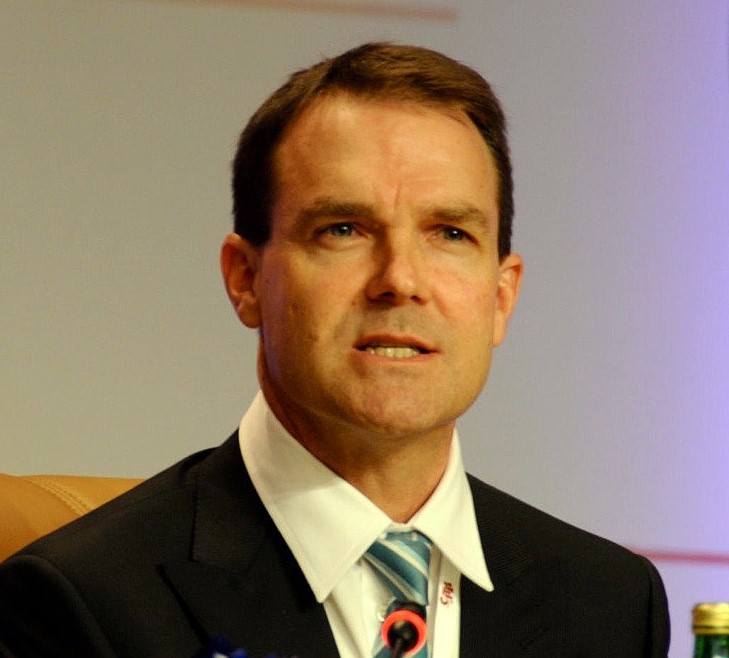
CITES Secretary-General, John Scanlon

The two guides, namely the Guidelines for inspection of captive-breeding and ranching facilities and the Guide to the application of CITES source codes can be found on the CITES website and have been translated into several Asian languages (Chinese, Indonesian, Khmer, Lao, Malay, Thai and Vietnamese) to assist CITES officials in their work.

The Secretariat will use these two guides in a training workshop it is organising in May 2018 in Indonesia, the first of a series around the world aimed at improving the implementation of the Convention for captive-raised animals and artificially propagated plants.

Mr. John E. Scanlon, CITES Secretary-General, highlighted that “today, international trade in ‘wild’ animals and plants is mainly in specimens from captive-raised or artificially propagated sources. This trade includes reptiles for skins, birds and ornamental fish for pets, and orchids as ornaments. The significant increase in this type of trade has given rise to some concerns related to the control of the production and trade and the Secretariat is working with Parties to improve the implementation of the Convention for these specimens.”

As the proportion of trade in captive-raised animals and artificially propagated plants increased, a number of Resolutions and Decisions were adopted by the Parties to regulate and define the terms and conditions for such production and trade. But, to date, no single consistent and coherent framework exists and there have been instances of false or incorrect declarations of the source of the animals or plants.

The series of workshops aims, inter alia, to ensure that the source codes, i.e. the letters used on CITES permits and certificates to indicate the source of the internationally traded specimen, are applied correctly and that misuse – both intentionally and inadvertently – is detected and corrected. Misuse of source codes can have negative implications for the conservation of the species concerned and undermine the purpose and effective implementation of the Convention.

Participants to the workshops will also discuss whether raising animals in captivity and artificial propagation of plants can benefit the conservation of the species in trade and the ecosystems more broadly, as well as the purpose of the system of source codes. These reflections will feed into a broader analysis and recommendations to be produced by the Secretariat for the next meeting of the Conference of the Parties in 2019.
River Basin boards asked to reposition to ensure food security

0

The Federal Ministry of Water Resources has urged the governing board of the 12 River Basins and its parastatal agencies to focus on repositioning to enhance food security and job creation.

Suleiman Adamu
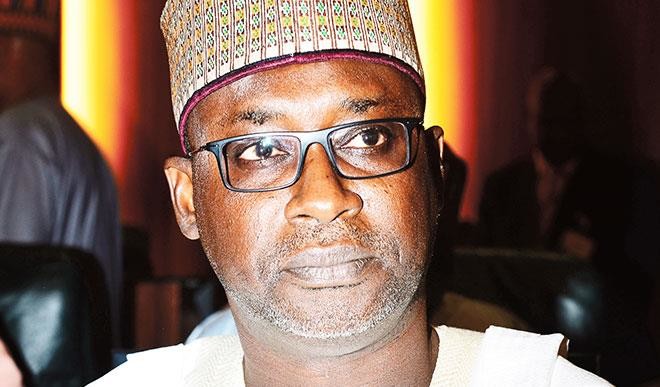
Suleiman Adamu, Minister of Water Resources

The minister, Mr Suleiman Adamu, made this call at the opening of a two-day retreat for the Governing Boards of the 12 River Basin Development Authorities and the Parastatals of the Ministry in Abuja on Wednesday, March 28, 2018.

The ministry’s parastatals also include the Nigerian Hydrological Services Agencies and the National Water Resources Institute.

Adamu said that the functionality of the River Basins had a huge role to the agricultural revolution, while encouraging them to find alternative sources of funding through private sector involvement.

He said it was expected that the retreat would provide the board chairmen with the guidelines, rules and procedures in the exercise of their mandates and responsibilities.

He said eminent resource persons have been carefully selected to speak on the thematic areas of; best practice in River Basin Planning, Engineering and Management, Public Procurement Act 2007 and Board’s Duties and Responsibilities in Staff Matters.

Adamu said the retreat would provide deeper insights that will enable them contribute to the advancement of the reform agenda of the present administration, particularly in the areas of water resources management and national food security.

He underscored the role of the Governing Boards of the 12 River Basins as a critical element for the success of the Agricultural Revolution of the country.

“You are expected to bring to fore the vision of the present administration by developing sound policies and programmes that will put your Parastatals and Agencies on sound footings for effective and efficient delivery of the Ministry’s vision and mandates,” he said.

The minister noted that the Ministry had held several meetings with the Managing Directors of the 12 River Basin Development Authorities (RBDAs) to review their 2017 – 2020 operations, especially in the execution of their strategic plans and irrigation for food production.

He said that the 12 RBDAs and the two agencies control over 50 per cent of the ministry’s budget, saying the contributions and achievement of these Parastatals and Agencies are crucial to the overall success of the ministry.

He expressed optimism that when the National Water Resources Bill, which is at the final stage of consideration in the National Assembly is passed into law, the challenges of the RBDAs would be resolved.

Dr Musa Ibrahim, Permanent Secretary in the Ministry, while congratulating the newly constituted boards, urged them to work in line with the ministry’s mandate towards the overall development of the water resources sector.

He cautioned them to do away with unnecessary interference with the businesses of the Management team of the river basins and other agencies.

According to him, a retreat will be organised soon to introduce them to what is required of them.

`It is against this backdrop that I urge you to be guided by the rules and administrative procedures of the public service while discharging your duties.

“Let me further emphasise that the role of the governing board is to drive the general policies guiding of the parastatals and agencies as outlined by the ministry,” he said.

Sen. Ubale Shittu, Chairman, Senate Committee on Water Resources, expressed worry over the non-performance of all river basins since their creation.

He urged the new board members to re-strategise to see what could be done to reposition the river basins for optimum performance.

He restated the commitment of the National Assembly to ensure the speedy passage of the National Water Resources Bill before it.

The Chairman, House Committee on Water Resources, Alhaji Aliyu Pategi, urged the newly inaugurated board chairmen to ensure transparency and accountability in all their doings.

He said they were now saddled with the responsibility of making sure that Nigerians have access to water, saying they were the closest Government’s parastatal to the constituencies.

By Tosin Kolade

UNODC restates need to check rising menace of drug abuse

0

The United Nations Office on Drugs and Crimes (UNODC) has stressed the need to check the rising menace of Pharmaceutical drug abuse among youths in Nigeria by the government at all levels.

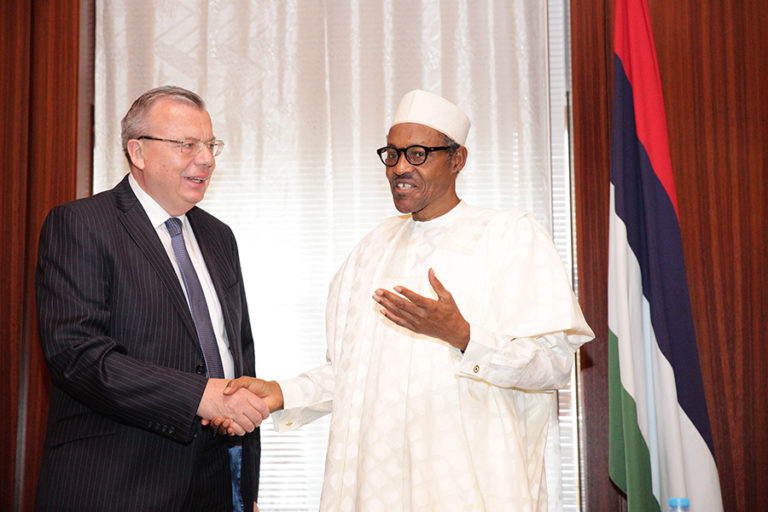
UNODC 2
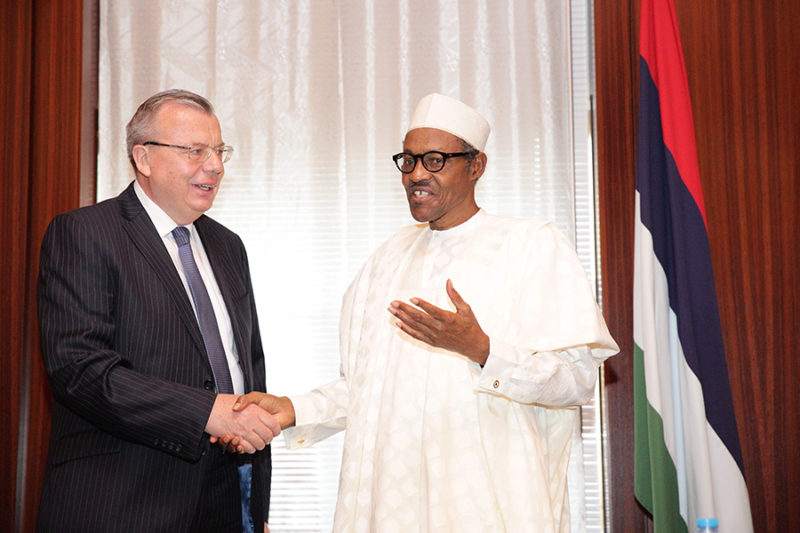
Executive Director of the UN Office on Drugs and Crime (UNODC), Yury Fedotov, with President Muhammadu Buhari, during a visit to Nigeria

Mr Sylvester Atere, the Communication Officer of the UNODC, made this call in a statement on Wednesday, March 28, 2018 in Abuja.

He said the presentation of the UNODC at the public hearing on Tuesday was basically on the recommendations contained in the 2017 International Narcotics Control Board report.

The communication officer said the board had urged all countries to gather data on prevalence of drug-use disorder as well as the accessibility and utilisation of treatment.

Atere said the report had urged countries to invest in making treatment and rehabilitation evidence based as well as allocate sufficient resources to treatment and rehabilitation.

The officer, however, dissociated the office from media reports calling for decriminalisation of cannabis consumption in Nigeria.

He faulted the media publication, describing it as misleading and unfounded.

According to him, some sections of the media had reported that the UNODC called for the decriminalisation of cannabis consumption in Nigeria when it appeared before the Senate Committee on Drugs and Narcotics.

The UNODC spokesman restated the need to check the rising menace of Pharmaceutical drug abuse among youths in the country.

Atere said the publication had tendency to jeopardise the long existing relationship between Nigeria and the UNODC and called for the cooperation and understanding of the media.

By Monday Ijeh

Ministers commit to protecting world’s largest tropical peatland

0

Commitments to conserve peatlands in the Congo basin were announced on Friday, March 23, 2018 as the Republic of Congo, Democratic Republic of Congo and Indonesia signed the Brazzaville Declaration at the third meeting of the Global Peatland Initiative, involving the International Union for Conservation of Nature (IUCN), UN Environment and partners.

Global Peatlands Initiative
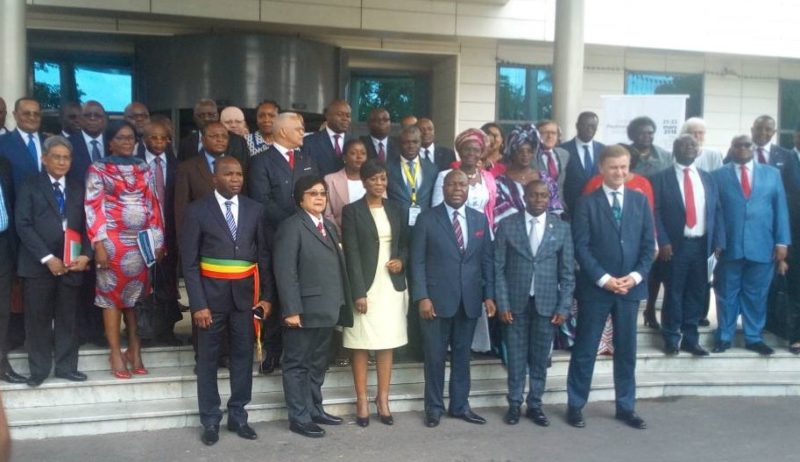
A group photograph of delegates at the Third Meeting of the Global Peatland Initiative in Brazzaville, Republic of Congo

The Brazzaville Declaration promotes better management and conservation of the peatlands, which represent one of the biggest carbon stores on the planet, for climate mitigation and other benefits.

“The vast peatlands of the Congo Basin are still largely undamaged and losing even a small part of this carbon and biodiversity-rich resource would be catastrophic. The Brazzaville Declaration is a historic moment for peatlands. The declaration contains high-level political commitments from Ministers from the Republic of Congo, the Democratic Republic of Congo and Indonesia to peatland protection, restoration and sustainable management,” says Jonathan Hughes, IUCN Global Councillor and Chair of the IUCN UK Peatland Programme.

“We know from countries like the United Kingdom, and more recently from Indonesia, that the draining and burning of peatlands has massive environmental, social and economic costs. The Cuvette Centrale peatlands of the Congo are globally important asset in the fight against climate change, biodiversity loss and social instability. It is essential this asset does not become an expensive liability through repeating the mistakes made in the UK, Indonesia and many other peatland nations of the world,” he adds.

The Cuvette Centrale peatland complex extends across The Republic of Congo and the Democratic Republic of Congo. It is estimated to hold about 30 billion tonnes of carbon and cover over 145,500 square kilometres. These relatively undisturbed peatland forests, which have been inhabited for more than 50,000 years, are home to unique species of plants and animals.

Peatlands are the largest natural terrestrial carbon store, containing more carbon than any other vegetation type, including the world’s forests. Peatlands provide safe drinking water, minimise the risk of flood and drought, and are critical for preserving global biodiversity. However, a lack of awareness about the value of peatlands has led to their drainage and conversion to other uses. Damaged peatlands currently contribute almost 6% of global anthropogenic CO2 emissions. In the UK alone, damaged peatlands release almost 3.7 million tonnes of CO2 equivalent each year.

The meeting of the Global Peatland Initiative (GPI) took place from March 21 to 23, 2018 in Brazzaville, Republic of Congo. The meeting showcased progress and ongoing work relating to the management of peatlands in the UK, which can be applied to work in the Congo basin.

The GPI is a partnership of experts and international institutions, and aims to improve the conservation, restoration and sustainable management of global peatlands. IUCN is a formal partner and steering committee member of the partnership.

Farmers, herdsmen’s clashes hampering sanitation interventions in Benue

0

The continuous clashes between herdsmen and farmers in Logo Local Government Area of Benue State have been hindering effective sanitation interventions.

Samuel-Ortom
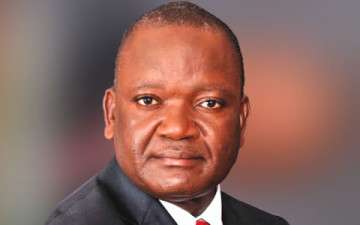
Benue State governor, Samuel Ortom

Programme Manager, United Purpose, Mr Nanpet Chuktu, made the assertion at a Programme Coordinating Mechanism (PCM) meeting of the Rural Sanitation and Hygiene Promotion in Nigeria (RUSHPIN) programme in Abuja on Tuesday, March 27, 2018.

According to Chuktu, the lingering crises have affected Water, Sanitation and Hygiene (WASH) interventions.

“This has also led to a relapse of communities who were formerly declared open defecation-free,’’ he said.

The NGO programme manager said that the council ought to have been declared open defecation-free by now, but for the recent disturbances in the area.

He said that with the influx of Internally Displaced Persons (IDPs) due to clashes, a large number of persons still practiced open defecation, with low access to sanitation facilities in place.

“As I speak today, no fewer than 20 communities are not accessible, and that is why we cannot be declared open defecation free; we are only focusing on easy way to reach areas,” Chuktu said.

He said that most volunteers working in the programme implementation stages had lost interest due to recurring conflicts, stressing the need for its reversal.

Chuktu said the purpose of the meeting was to review the RUSHPIN programme results in Benue, and highlight areas of strength and proffer solutions where there were weaknesses.

The programme manager also said it was an opportunity to share with the wider WASH sector, lessons and best practices on sanitation and hygiene.

He noted that the organisation was working with WASH Committees to create awareness on dangers of poor sanitation in the IDPs camps.

Chuktu stressed the need for strengthened collaboration with sector-actors to scale up hygiene promotion in the area.

“We received support from UNICEF, Enugu to fix broken down boreholes.

“The main challenge is the uncoordinated efforts of intervention agencies like the State Emergency Management Agency and other stakeholders,” he said.

Ms Priscilla Achakpa, National Coordinator, Water Supply and Sanitation Collaborative Council of Nigeria, decried sanitation challenges in the local government areas.

Achakpa said that the conflict had worsened the situation.

She said that there was need for the Federal Government to include emergency responses into WASH interventions.

Achakpa also called for more funding of sanitation by the three tiers of government, saying that Nigeria should take ownership of sanitation and should not rely on efforts of development partners alone.

The News Agency of Nigeria (NAN) reports that the Water Supply and Sanitation Collaborative Council and the GSF are funding the RUSHPIN programme in three local government areas in Benue and Cross River.

By Tosin Kolade

Stakeholders demand total reversal of new Lagos land charges

0

Stakeholders, including professional bodies and civil society organisations, on Tuesday, March 27, 2018 demanded a reversal of the new Lagos State Land Use Charge Law, 2018 to its former status, rather than an amendment.

Lagos-State-House-of-Assembly
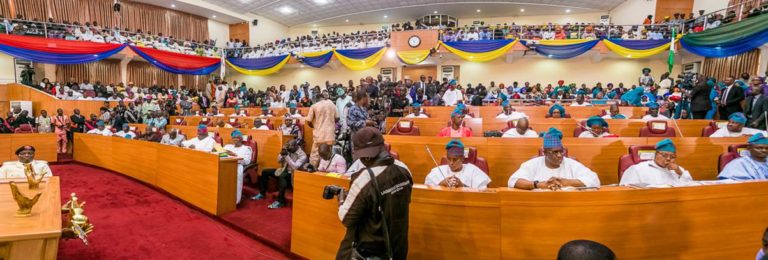
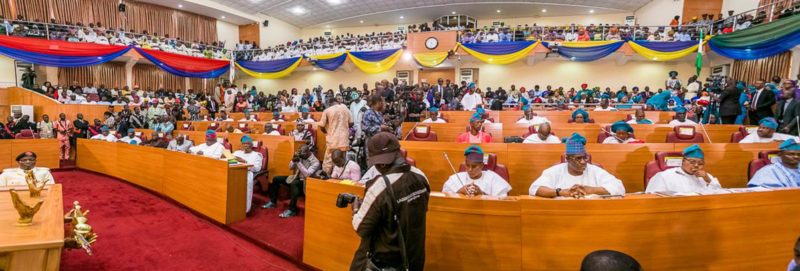
The Lagos State House of Assembly in session

The stakeholders made this position known at a daylong stakeholders meeting organised by the Lagos State House of Assembly on the controversial law that drew condemnation and protests from residents.

The News Agency of Nigeria (NAN) reports that the House organised a Public Hearing on Lagos State Land Use Charge (Amendment) Law, 2018 in response to the protests that greeted the law after Gov. Akinwunmi Ambode’s assent.

According to the stakeholders, the state government has no justification for the increment as the economy is biting hard on the masses.

Mr Fitzgerald Umah, the Chairman, Nigerian Institute of Architects (NIA), Lagos State Chapter, urged the state government to repeal the law and return to the status quo, to help Lagosians in view of the hardship they were facing.

He said increasing the tax without corresponding increase in the salaries of workers would definitely increase the burden of the masses.

Umah frowned at the increased tax on virgin land, saying that people who could not develop their landed property would find it more difficult to build with the new tax.

The Association of Real Estate Developers of Lagos State, which also called for a reversal, said that the masses would bear the burden if the new law was allowed to operate.

Speaking on behalf of the group, Mr Mutairu Olumegbon, its General Secretary, asked the government to clarify whether the new charge was on the land or the property on it.

“The charges are highly exorbitant to the level that it will go back to the poor masses, because it is from what we collect from people that we will pay the government,” he said.

A representative of Lekki Residents Association, Mr Olorogun Emadoye, said that the new law was arbitrary.

Also, Chairman of Estate Surveyors and Valuers in Lagos State, Mr Olurogba Orimolade, faulted the way properties were being assessed in the state, adding that new charges were almost equivalent to the annual income of the property owners.

A representative of National Association of Private Schools Owners Association, Mr Joseph Idornigie, urged the government to exempt private schools from land use charge.

Idomigie, who noted that private school owners were offering social services and parents were paying taxes already, said it would be double taxation if the schools should also pay taxes.

In his remarks, Mr Tunde Braimoh, the Chairman, House Committee on Information, Strategy and Security, decried people’s disregard for legislative procedure and practices.

He said that people don’t take advantage of public hearings on bills.

Braimoh said the hues and cries of the people necessitated the quick amendments of the laws, and expressed satisfaction with the turn out of the people.

“Democracy is not about us, it is about the people, for the people. People are pivotal in every facet of democracy,” he said.

On the walkout of some stakeholders over the short notice, Braimoh said: “The event was put together out of the love and respect we have for the people, to make their voices known on the law.

“If we had taken our time and allowed the disputes to fester, the law will be obeyed anyway, because it is already a law. It has been passed and signed – process of law making is complete.

“If we don’t make haste to review it, the law will continue to operate whether anybody likes it or not. But to avoid this, we cannot fold our hands and allow the law regardless of whether they like it or not.

”That’s why we said the earlier the better to review, amend it and tailor it to the yearnings and aspirations of the people. That’s why we made accelerated process without cutting corners,” he said.

He said that the adverts for the public hearing had been in newspapers over a week for people to come.

Mr Bayo Osinowo, the Chairman of the six-man House Ad hoc Committee on Land Use Charge (Amendment) Law, 2018, said that House was committed to amending the law.

Osinowo said: “Nobody has a monopoly of wisdom. We have listened to the people on the merits and demerits and will have a common position”.

The Speaker of the House, Mr Mudashiru Obasa, said the public still had two weeks more to submit their memoranda on the bill before the House would do anything on it.

On the possibility of the state going back to the status quo, Obasa said: “That is their suggestion; we will look into it and see what we can do. I can’t assure you that we are going to adopt that as our position”.

Obasa said that members of the Nigeria Bar Association (NBA), Ikeja Branch and other civil society organisations that left the public hearing angrily still had two weeks to make their submissions.

By Yemi Adeleye

Nigeria to boost power generation via renewable energy resources

0

The Minister of Science and Technology, Dr Ogbonnaya Onu, said on Tuesday, March 27, 2018 that the Federal Government would use renewable energy resources to increase energy generation.

Dr-Ogbonnaya-Onu
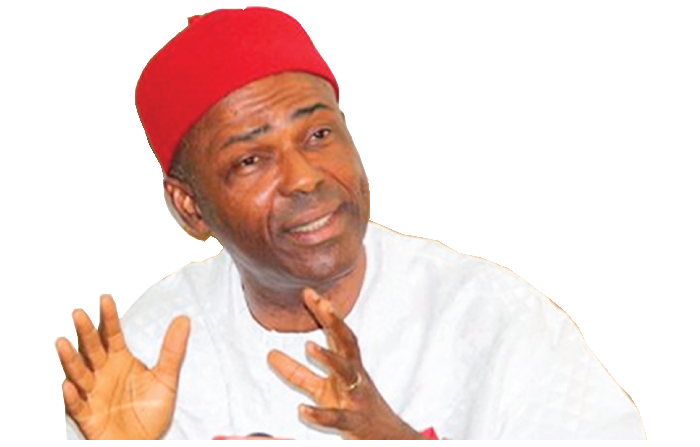
Dr. Ogbonnaya Onu, Minister of Science and Technology

Onu made this known when he received an Energy Charter Mission Team on Energy Investment Risk Assessment (EIRA) 2018 in Abuja.

The team was led by Prof. Jidere Bala, the Director-General, Energy Commission of Nigeria (ECN).

Onu said such effort would assist the nation to produce enough energy needed to grow the nation’s economy.

The minister said Nigeria had nearly all renewable energy resources that could help the nation to achieve more than sufficient power desirable.

According to him, a renewable resource can be used repeatedly and replaced naturally.

Onu said the renewable source includes oxygen, fresh water, solar energy and biomass, among others.

However, he said gasoline, coal, natural gas, diesel, plastics and other fossil fuel are not renewable.

Earlier, Bala said the purpose of the visit was to brief the minister on the effort of the team towards assessing and boosting energy in Nigeria via investments.

According to him, EIRA is a publication of the Energy Charter Secretariat that evaluates specific policy, regulatory and legal risks relevant to investments in the energy sector of various countries.

“Presentation of results is in the form of a report containing individual country profiles and a comparative is obtained from the government and external energy experts.

“EIRA assists the government in identifying and eliminating specific risks in their regulatory and legal environment to increase investment inflow.

“The risks assessed are those which countries can control and mitigate through their actions.

“This information will enable governments to increase the robustness of the regulatory framework and induce energy investment.’’

Also, Dr Monica Emanuel, Expansion Co-coordinator for Africa, International Energy Charter, said EIRA aimed at providing reliable and useful information to energy aspects of the regulatory and legal environment in countries considered for investment.

According to her, EIRA focuses on three areas: unpredictable policy/regulatory change, discrimination between domestic and foreign investors and breach of state obligatory.

She said the Energy Charter Secretariat in Brussels, Belgium, would launch the first public version of EIRA in autumn 2018 with an increased numbers of countries.

She said the ultimate goal was a full-fledge report, with worldwide geographical coverage.

By Gabriel Agbeja

Africa must build digital infrastructure to compete in 4th Industrial Revolution, says Adesina

0

To compete at the accelerated pace of technological innovations and the 4th Industrial Revolution, Africa has to put in more money into training its people and equipping them with the skills they need for the jobs of the future, Akinwumi Adesina, the President of the African Development Bank (AfDB), has said. He also called on African countries to rethink the way they do manufacturing.

Akinwumi Adesina
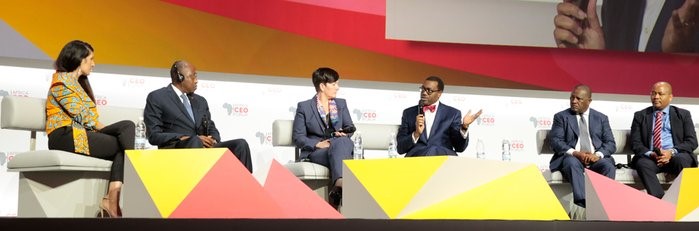
Akinwumi Adesina, President of the African Development Bank (AfDB), speaking during the panel discussion session

Speaking at an opening panel on Tech Revolutions: Widening Gap or Leapfrog Opportunity at the 2018 Africa CEO Forum on March 26, 2018 in Abidjan, Côte d’Ivoire, Adesina reminded stakeholders that, in spite of the current pace of breakthroughs, Africa still lags behind.

Speaking earlier, the President of Côte d’Ivoire, Alassane Ouattara, said, “By 2050, Africa will have the youngest population in the world – one person out of five will be an African. This will be a great opportunity only if the youth are well educated.”

Adesina called for the establishment of high-technology industrial clusters with a particular focus on the factories, skills and jobs of the future.

“The key is to make sure that the CEOs are investing in the factories of the future. Why must we just be consumer-centered? We have to innovate, we have to create. We have to be entrepreneurial in driving the continent towards the 4th Industrial Revolution. To strive in this new environment, we need digital infrastructure,” Adesina said.

“If we are not in investing in science, technology, engineering and mathematics, we are not going to catch up with digitalisation.”

Adesina called on Africa to lead the way, but called on Governments and the private sector to invest in infrastructure for the digital revolution to succeed.

“China is already ahead with robotics. We have to improve our manufacturing capacities. How do we compete with robots? Robots don’t take leave, they don’t go on strike. We have to train our young people not for the jobs of yesterday, but prepare them to create the jobs of the future.”

He cited the African Development Bank’s investment in digital infrastructure in Africa as an example of how investment in innovation could drive development, noting that “we need to have great infrastructure and energy for development.”

The African Development Bank, he said, is leading the way in de-risking the businesses of young people to help them have access to finance.

“We need to give young people more access to capital so they can expand their ideas. When a young person goes to a bank, people don’t see ideas they just see risk, risk and risk,” he stressed.

The Prime Minister of Côte d’Ivoire, Amadou Gon Coulibaly, who also spoke as a panelist, said training was indispensable in transforming Africa’s industrial sector.

“It is important to give our youth the skills they need to cope with this digital revolution. We need to continue to train our youth to find local content for the transformation,” he noted.

“If technologies don’t form the industrial revolution, we don’t compete. Innovate and lead the charge,” said Stephanie von Friedeburg, Chief Operating Officer for the International Finance Corporation.

For his part, Alhaji Abdulsamad Rabiu, Chairman and Chief Executive Officer, BUA Group, stressed the need for African Governments and the private sector to work together to develop the technologies required for an industrial revolution.

“You need jobs, but you also need technology,” he said.

He recalled the e-wallet system introduced by Adesina while he was Nigeria’s Agriculture Minister to curb corruption in fertiliser distribution and emphasised the place of technology in socio-economic development.

“In our cement operation, it is difficult to achieve efficiency without automation and technology. Across the board, it is important to bring in technology,” he noted.

Amine Tazi-Riffi, a Senior Partner at McKinsey, also charged Africa to improve the quality and number of engineers that its trains.

We didn’t urge Nigeria to legalise cannabis – UNODC

0

The United Nations Office on Drugs and Crime (UNODC) has distanced the organisation from the news making the rounds that it called for the decriminalisation of cannabis in Nigeria.

Fedotov
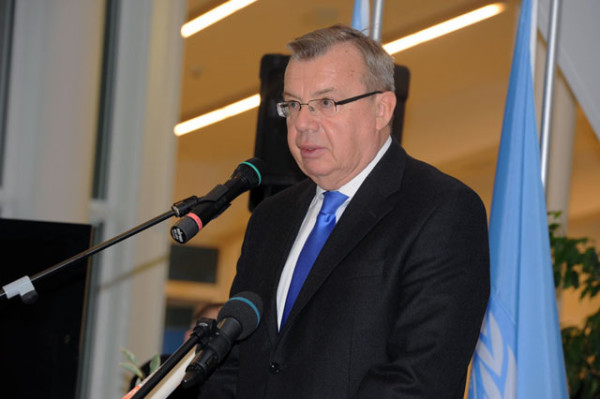
Yury Fedotov, Executive Director, United Nations Office on Drugs and Crime (UNODC)

Cannabis, also known as marijuana, is a psychoactive drug from the cannabis plant intended for medical or recreational use.

In a statement issued on Tuesday, March 27, 2018 in Abuja and made available to EnviroNews, the UNODC said that, during its visit to Senate Committee on Drugs and Narcotics at which it made a presentation at the public hearing on “The need to check the rising menace of pharmaceutical drugs abuse amongst youth in Nigeria” on Monday, March 26, it never said what was reported in the media.

According to the UN organisation’s Outreach and Communications Officer, Mr. Sylvester Atere, the media totally misquoted the UNODC views and warned that this could jeopardise the long existing relationship with Nigeria.

“To keep the record straight, on invitation by the Senate Committee on Drugs and Narcotics, UNODC made a presentation at the public hearing and reiterated the following recommendations contained in 2017 International Narcotics Control Board (INCB) report, where the Board urges all Governments to:

  • Gather data on prevalence of drug-use disorders and the accessibility and utilisation of treatment;
  • Invest in making treatment and rehabilitation evidence-based;
  • Allocate sufficient resources to treatment and rehabilitation, the two major components of demand reduction;
  • Pay particular attention to special population groups;
  • Share, nationally and internationally, best practices and build capacity;
  • Stimulate research into new interventions.

On being asked specifically on cannabis, he said: “Our representative clearly stated that legalisation of Cannabis is not supported by the three UN international drug conventions (Single Convention on Narcotic Drugs, 1961 as amended by the 1972 Protocol; Convention on Psychotropic Substances, 1971; UN convention against Illicit Traffic in Narcotic Drugs and Psychotropic Substances 1988). The UNODC did not urge Nigeria to legalise cannabis.”

Groups fault MAN on new excise duty on tobacco

0

The Nigeria Tobacco Control Alliance (NTCA) has called on the Federal Government to discountenance the call by the Manufacturers Association of Nigeria (MAN) for a reconsideration of the new excise duty on tobacco products.

Tobacco
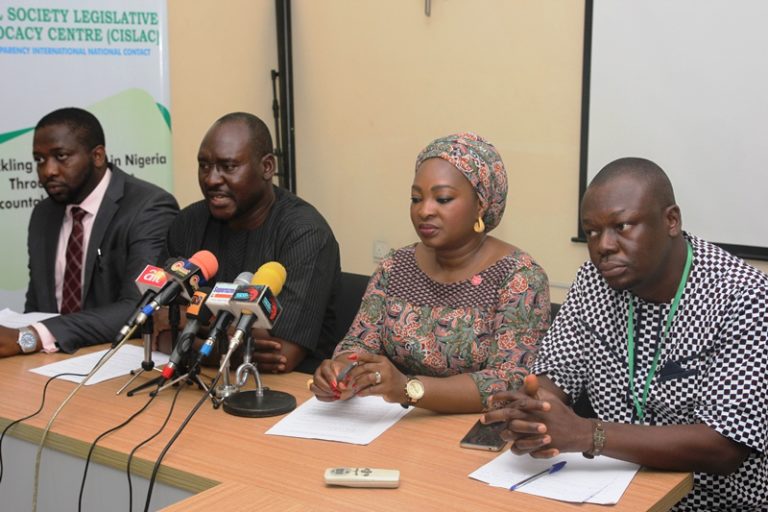
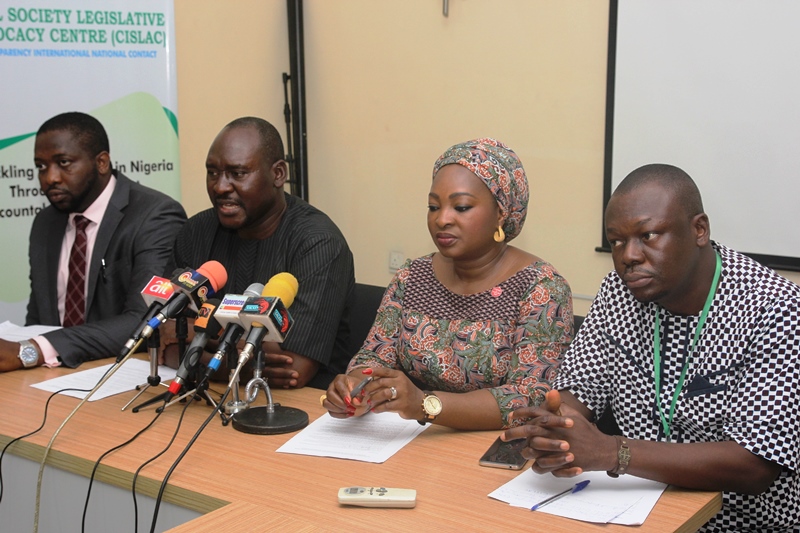
L-R: Dr. Chukwuka Onyekwena of Centre for the Study of the Economies of Africa, Mr. Auwal Rfsanjani, ED of CISLAC, Hilda Ochefu, Subregional coordinator of CTFK, and Philip Jakpor, Head, Media and Campaigns, ERA/FoEN

Minister of Finance, Dr. Kemi Adeosun, had last month announced that, under the new excise regime, in addition to an existing 20 per cent ad-valorem rate, each stick of cigarette will attract N1 specific rate (N20 per pack of 20 sticks) in 2018, N2 specific rate per stick (N40 per pack of 20 sticks) in 2019 and N2.90k specific rate per stick (N58 per pack of 20 sticks) in 2020.

Adeosun had also announced that the new policy would take effect from Monday, June 4, 2018 which is the end of a 90-day (three months) grace period to all local manufacturers before the commencement of the new excise duty regime.

MAN raised objections to the new policy, saying it would force many firms aligned to the body to shut down and instigate job loss.

But at a press briefing which had the Environmental Rights Action/Friends of the Earth Nigeria (ERA/FoEN), Campaign for Tobacco-Free Kids (CTFK), Civil Society Legislative Advocacy Center (CISLAC) and Centre for the Study of the Economies of Africa (CSEA) in attendance, the MAN position was described as self-serving.

Hilda Ochefu, sub-regional coordinator of the Campaign for Tobacco-Free Kids (CTFK), said that the Federal Government should be commended for the proposed excise duty because of its overall benefits which include more revenue to government and cutting down on the number of tobacco users and kids who have access to cheap tobacco products.

Ochefu noted that the new excise duty fell far short of the expectation of public health experts who feel it should level up to the recommendations of the World Health Organisation (WHO) which, in Article 6 of its Framework Convention on Tobacco Control (FCTC), advocated 70 percent excise duty on tobacco.

She asserted that studies had proven that countries that have implemented higher excise duty on tobacco did not report tobacco firms but on the contrary positive multiplier effects including cutting down tobacco users.

She cited Kenya, Algeria, South Africa and the Gambia as examples rates of countries with higher excise duty rates 23.2 per cent of the price of the most sold far beyond Nigeria.  Algeria, South Africa and The Gambia have 38.14 per cent, 36.52 per and 30 per cent respectively.

She concluded her remarks by pointing out that MAN’s position reflects a conflict of interest, more so as it is a member of the National Tobacco Control Committee (NATOCC) which plays an advisory role to the Federal Ministry of Health on implementation of the National Tobacco Control (NTC) Act.

In his intervention, Philip Jakpor of the Environmental Rights Action/Friends of the Earth Nigeria (ERA/FoEN) said that the position of the MAN on job losses and shutdown of tobacco firms was altogether not unanticipated as the body has, in its membership, tobacco entities who may have instigated the call.

Jakpor revealed that the talk about job losses and shutdown of tobacco firms whenever the issue of taxes and regulation are raised are as old as the early beginnings of advocacy for an all-encompassing legislation on tobacco control in the country and that the federal government should discountenance the call.

He explained that the availability of cheap cigarettes makes it easier for kids to purchase as captured in the Big Tobacco Tiny Targets Nigeria Report which ERA/FoEN and the Nigeria Tobacco Control Research Group published in 2017 and a recent report on single sticks published by the Africa Tobacco Control Alliance (ATCA).

He also urged the NATOCC to be guarded on MAN membership as conflicting interest would continue to dog its position on issues key in the implementation of the NTC Act.

Chukwuka Onyekwena of the CSEA explained that the new excise duty would not have the anticipated effect including shutdowns an job losses that MAN harped on, because even under the old dispensation tobacco had no overall positive effect on the wellbeing of tobacco farmers.

Onyekwena revealed that tobacco farmers are mostly into a master-slave relationship with the tobacco entities they engage with, even as he encouraged the government to expose farmers to alternatives outside of tobacco.

Earlier, executive director of CISLAC, Auwal Rafsanjani, said that the groups found it very disturbing that the MAN would pick on a policy that would have an overall positive effect on the Nigerian economy and wellbeing of Nigerian citizens.

Some of the key recommendations the groups put forward are that the government should remain committed to implementing the hike in excise duty on tobacco products:

  • That government at all levels and the relevant agencies begin enforcement of the nine key provisions of the National Tobacco Control Act (NTC Act) that prohibits smoking in public places and ban of sale of cigarettes in single sticks, ban of sale of tobacco products within 100 meters of schools, amongst other provisions.
  • That relevant agencies of government such as the Consumer Protection Council (CPC) and the security services immediately begin clampdown on infractions.
  • The Federal Ministry of Health urgently send the draft Regulations to the National Assembly for approval.
  • The new policy is to be spread over a three-year period from 2018 to 2020 to moderate the impact on prices of the products