Home Blog Page 1936

Lawmaker urges Rivers to tackle soot challenge in state

0

The member representing Port Harcourt Constituency I in the Rivers House of Assembly, Victoria Nyeche, has urged the state government to show more interest in tackling the soot challenge in the state.
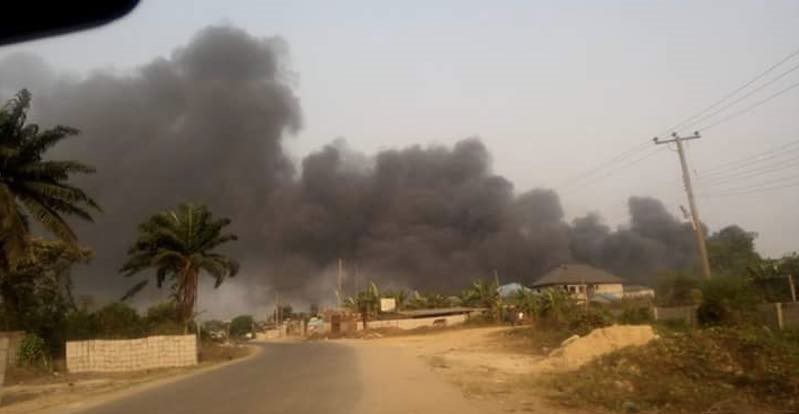
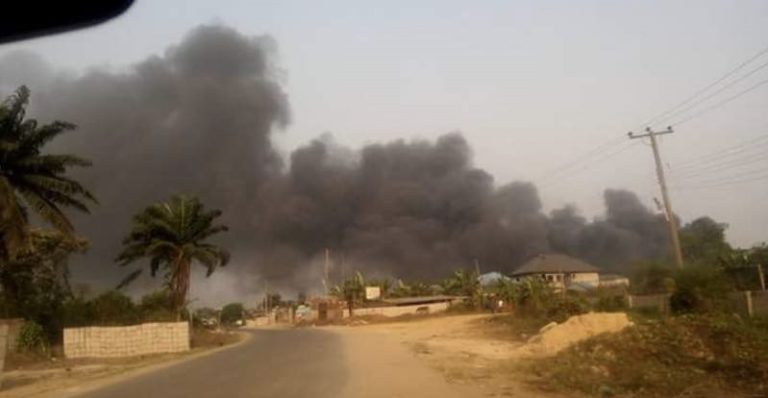
soot-port-harcourt
Soot spreading over a neighbourhood in Port Harcourt, Rivers State

Soot is a deep black powdery substance consisting largely of amorphous carbon produced by the incomplete burning of organic materials like tyres.

Nyeche told the News Agency of Nigeria (NAN) in Port Harcourt on Monday, April 9, 2018 that the air pollution challenge is not beyond the capacity of the state to tackle.

She, however, said that the government had yet to identify the source of the problem.

“I don’t think that the soot challenge is beyond the capacity of the Rivers government, the state has to show more interest in stopping the environmental menace.

“Before you can ask for help, you show that you have done your best and my opinion is I have not seen that best,” she said.

According to Nyeche, the state government should be able to identify the source of the soot and hold some persons accountable for polluting the air and putting human lives under threat.

“There must be a statement from the government saying that these are the actions we have taken and it is beyond us and we need help; but now I don’t see we need help.

“We need to do what we ought to do as a government to safeguard the life of the people, we need to show that we are placing premium on their lives,” she said.

The lawmaker, however, acknowledged that the state government did set-up a committee on the soot issue and the Rivers Assembly also invited the Commissioner for Environment for explanations.

“But the truth of the matter is that the problem is still persisting and as a government we owe the people a duty of care.

“We have to ensure that the problem has been sorted out or actually eliminated because it’s a cumulative challenge as we might not see the effect now.

“But if you do a Health Impact Analysis (HIA), you will know that there is an increase in the number of respiratory problems.

“It will be worse for children because their respiratory organs are not well developed, so they are more susceptible to health and lungs related challenges,” she said.

The legislator also said that it was in the public domain that illegal oil refining in the creeks was the cause.

“And of course, you don’t need to be a scientist to know that the soot coming out from illegal oil refining without confinement goes into the air and pollute it.

“When it goes into the air, it will contribute to the environmental challenges that we have,” she said.

Nyeche, the only female lawmaker in the state assembly, also  advised residents to stop unhealthy and unsanitary practices.

She said that youths involved in vandalising pipelines in reaction to the activities of oil companies and security agents assigned to stop illegal refining that were burning the products when they apprehend culprits were also contributing to the menace.

“The security agents that seize these products and burn them, and our youths that vandalise pipelines also contribute to the problem because it is not a sustainable way of tackling the issue.

“You don’t dig a pit to cover another, you get people polluting the environment and you further pollute it by discharging the product through burning,” she said.

By Omuboye Sukubo
Africa embracing technology in managing climate change – UN

0

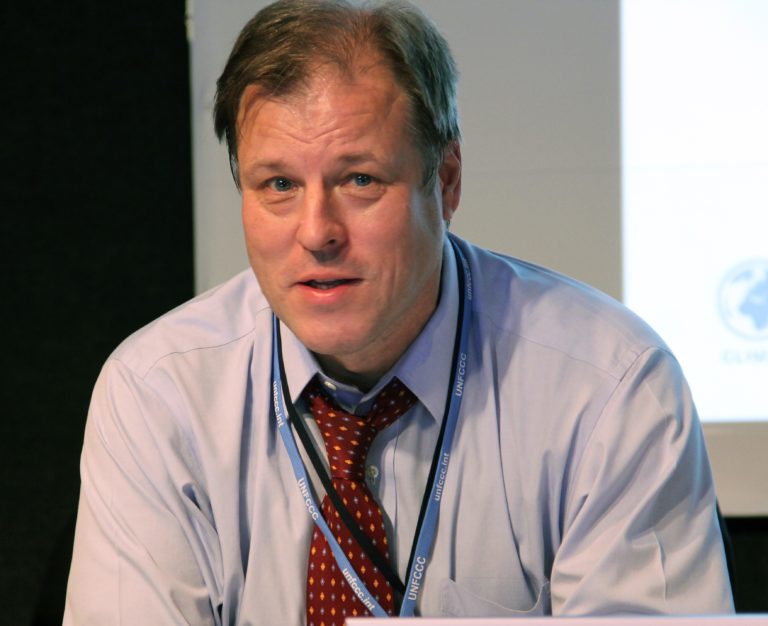
African countries are beginning to embrace technology in managing climate change, a UN official said on Monday, April 9, 2018.

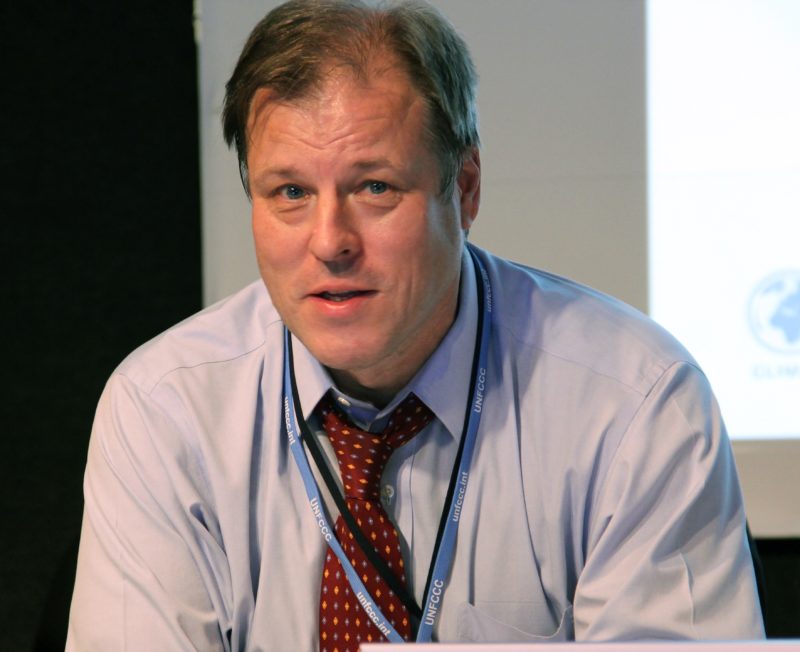
Jukka Uosukainen
CTCN Director, Jukka Uosukainen

Jukka Uosukainen, the Director of the UN Climate Technology Centre and Network (CTCN), said that since the Paris climate agreement in France in 2016, African governments have started asking for technological support in
tackling climate that adversely affects the continent.

“Most of the countries have developed their technology roadmap after experiencing the impact of climate change,” Uosukainen said during the opening of Africa Regional Forum on Climate Technology in Nairobi, Kenya.

Uosukainen said that the countries have continued to ask for technological support based on their priorities.

“A lot is being done, best practices are being shared with support from other countries and companies,” he added.

He however challenged countries to look for domestic funding alongside foreign help since climate change requires heavy commitment of funds.

Uosukainen observed that the countries can realise better results through a multi-sectoral approach that includes the public, private and research institutions.

He noted that the continent’s scientists have developed early warning systems against drought and floods that has been of great help to populations in the region.

“Experts from West Africa have also developed mechanisms that helps protect the tourism industry,” he added.

Director-General of World Agroforestry Centre, Tony Simons, said that due to the adverse effects of climate change in the continent, leaders must begin to vigorously support populations.

He noted that malnutrition and land degradation are the biggest challenge facing African population that requires agent attention.

“We need a bottom-up approach into managing our wetlands, hydrological cycle and afforestation,” he added.

UN Environment Director of Economy, Ligia Noronha, told countries to link climate change interventions with Sustainable Development Goals agenda.

“It is time to integrate thinking, solutions and innovations through a regional approach,” she noted.

Noronha observed that Africa require regional climate change adaptation strategies including gender mainstreaming.

She called for the fastening of carbon credits sales in Africa to help motivate populations into conserving the environment.

The Africa Regional Forum brings together delegates from 47 African countries, national coordinators of the Technical Need Assessments project, Network members and experts from developed countries to share experience and best practices to meet Africa’s climate challenges.

CTCN promotes the accelerated transfer of environmentally-sound technologies for low-carbon and climate-resilient development at the request of developing countries.

Farmers to generate N5.85b annually from rubber plantations in southern Kaduna

0

Farmers in southern Kaduna are expected to generate N5.850 billion annually from rubber plantation, according to Dr. Wuranti Valla, an official of the Rubber Research Institute of Nigeria (RRIN) in Benin City, Edo State.

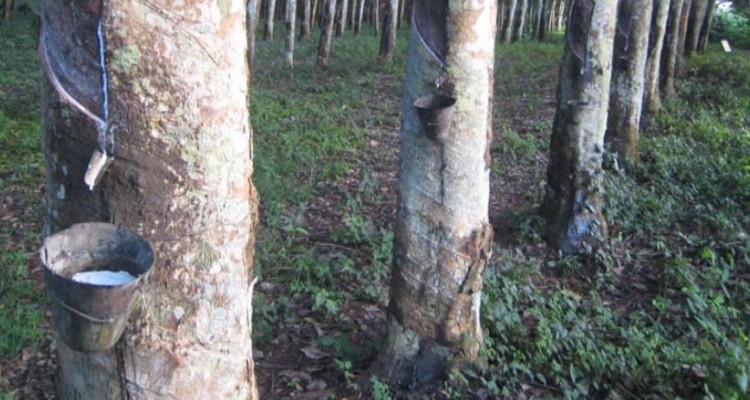
Rubber plantation
A rubber plantation

Valla, a Chief Research Officer in the institute, told the News Agency of Nigeria (NAN) on Monday, April 9, 2018 in Manchok that 52 farmers, including the state government, had cultivated about 52 hectares of rubber plantations in six local governments.

“Of the 52 farmers, 12 are from Manchok town in Kaura Local Government. They cultivate a total of 12 hectares of rubber plantations. The least farmer has 450 rubber trees while some have up to 2000 trees,” he said.

He said that the remaining 40 farmers were scattered in five local governments – Jema’a, Kagarko, Jaba, Zango-Kataf and Sanga.

According to him, farmers in Manchok, who planted in late 2007 when RRIN introduced the Rubber Project in the southern part of the state, have commenced tapping since October 2017.

He said that the state government’s plantation, which is located in Sanga Local Government, was also being tapped.

Valla, who described the project as a huge success, said that the farmers would “soon start smiling to the bank after about 10 years of investment, labour, hard work and endurance”.

He said that each hectare contained 450 rubber trees, adding that a kilogramme of rubber currently sells at N250 in the international market.

“Rubber is money because a single three can produce about 1,000 kilogrammes of rubber annually. If you multiply N250 by 1,000, you will get N250,000 annually per tree.

“For those with 450 trees, it means N112.5 million per hectare. If you value the 52 hectares being cultivated in the area, we are talking of about N5.850 billion annually.

“The market is there because the demand for rubber is high. It is the major raw material for companies manufacturing tyres, tubes, shoes, condoms, balloons, hand gloves, surgical instruments, among many others uses.

“Already, there is a company from Delta State that has commenced tapping of about three farms in Manchok, but RRIN is making arrangement to buy off the rubber directly from the farmers to ensure a ready market,” Valla said.

He said that agro-allied industries would soon spring up in the area following the growing of rubber plantations.

“The weather is friendly and the soil is conducive for rubber trees. Farmers in this part of the country should take advantage of the project to improve their earnings,” he said.

One of the farmers in Manchok, Mr Danladi Nache, who spoke with NAN, said that he was among the few farmers that keyed into the rubber plantation initiative when it was first introduced in Manchok in 2007.

Nache described the 10 years of hard labour, huge investment and hard work required to nurture the rubber trees to maturity as a “herculean task”.

“I planted 1,344 seedlings in 2007; by April 2009, 860 had died, leaving only 484. I had to constantly replace the dead ones and now I have about 900 trees, out of which about 200 are being tapped,” he said.

He identified some of the challenges to include constant watering after planting the seedlings due to shortage of rain between November and April, for the first three years.

Other concerns, he said, included attack by termites, bush fire, encroachment by herdsmen and vandalism by criminals that keep thwarting all efforts to fence the plantation with barbed wires.

“It has not been easy, but I am glad that I remained focused and resolute to have come this far, and I am confident that my years of hard labour will finally pay off, now that my trees are being tapped,” Nache said.

He thanked the RRIN for all the technical support, including local and foreign training to equip the farmers with all the basic knowledge and skills required to maintain rubber plantations.

Another farmer, Mr Leo Shekari, a civil servant, who has about 200 trees in his plantation in Manchok, said he had to cross so many hurdles to nurture the trees to maturity.

Shekari, who said that the plantation would occupy most of his time after retirement, declared that he had no regrets in spite of the years of endless toils and investment to ensure that the trees survived and grew to maturity.

“I am happy to say that my plantation will be due for tapping, hopefully, by 2019. I am also confident that my children and their grandchildren will tap from the economic gains of my years of labour,” he said.

On his part, Malam Tagwai Sambo, the Chief of Moro’a, who also has about 500 rubber trees already being tapped, described the development as a step toward opening the land for more investors.

“We embraced the initiative when it was introduced in 2007. Not only did we plant the trees, we encouraged others to do so. I personally donated about three hectares to RRIN for demonstration.

“The Kaduna State Government has equally given the institute 20 hectares so as to expand the cultivation of the economic tree in the southern part of the state.

“The rubber trees currently being tapped, including my own, have shown that rubber trees not only flourish in our land, but could also provide high quantity of quality rubber,” Sambo said.

The royal father, however, appealed to the RRIN to ensure ready market for the farmers so that they could reap the benefits of their hard labour, endurance and perseverance.

Meanwhile, the institute’s Head of Field Operations in Manchok, Mr Nwadiei Ugo, has said that the yield of the rubber plantations in Manchok were encouraging and had proven to be of high quality.

Ugo particularly expressed surprise that 20 per cent of the trees currently being tapped in Manchok were filling their cups in the first five days as against just trickles usually recorded, when tapping a new plantation in the south of the country.

“We had to use a one litre cup instead of half litre to avoid wastage because of the high volume of the liquid rubber that flows from the trees.

“Besides, only few water content was discovered when we subjected the liquid rubber to test to determine the quantity of the coagulated rubber content. This is a further proof of the high quality of the rubber,” he said.

Ugo called on other farmers to key into the project, pointing out that rubber plantation had huge returns on investment.

“We have even introduced inter-cropping to allow farmers to cultivate other food crops alongside the rubber,” he stated.

By Philip Yatai

Forum to showcase West Africa’s clean energy investment opportunities

0

The third West Africa Forum for Climate and Clean Energy Financing (WAFCCEF-3), scheduled to hold on Thursday, April 12, 2018 in Abidjan, Côte d’Ivoire, will showcase some of the most promising clean energy investment opportunities on the sub-region.

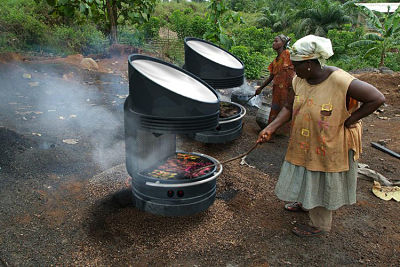
solar-grill-4_opt1
Clean energy: A solar grill stove in use by rural women

Hosted by the African Development Bank (AfDB), the forum is organised by the Private Financing Advisory Network (PFAN) in partnership with the ECOWAS Centre for Renewable Energy and Energy Efficiency (ECREEE).

The Financing Forum, it was gathered, provides the opportunity to meet inspiring West African entrepreneurs on the frontline of the low-carbon energy transition, network with regional and global clean energy experts and impact investors, and learn first-hand about exciting climate and clean energy investment opportunities in the ECOWAS region.

WAFCCEF-3, two years after WAFCEF2, will showcase projects that are investment-ready and have been selected for their commercial viability, growth potential, social and environmental benefits, according to the organisers.

WAFCCEF-3, they added, is primarily targeted at investors, including impact investors and financiers engaged in the clean energy and energy efficiency sectors in West Africa.

The PFAN is a multilateral, public-private partnership initiated by the Climate Technology Initiative (CTI) in cooperation with the UN Framework Convention on Climate Change’s Expert Group on Technology Transfer.

ECREEE is a specialised agency which acts as an independent body but within the legal, administrative and financial framework of the ECOWAS rules and regulations. ECREEE aspires to contribute to the sustainable economic, social and environmental development of West Africa by improving access to modern, reliable and affordable energy services, energy security and reduction of negative environmental externalities of the energy system.

Realnews launches Mobile App

0

The Realnews Magazine and Publications Limited, a Nigerian-based news publication outfit, has created an Android and Windows 10 Mobile Apps for Realnews magazine, its online publication.

Maureen Chigbo
Maureen Chigbo, publisher/editor of Realnews

The Apps can be downloaded via links below for national, regional and international news and breaking stories.

The Android link is: https://play.google.com/store/apps/details?id=com.realnews.magazine&hl=en

The Windows link is: https://www.microsoft.com/en-us/store/p/realnews-magazine/9p9sgk05vx35

Through the Apps, Realnews will be disseminating well investigated stories on national and international issues on oil and gas, business and economic, environment, politics, youth, women and children.

According to Maureen Chigbo, publisher/editor of Realnews, downloading the App will enable the subscriber access news and breaking stories at any time and at any location.

According to her, the new App is in line with the vision of the organisation to build a reputable world class media institution whose watchword is professionalism and integrity. The Apps, said Chigbo, are part of the overall efforts to increase access and visibility of Realnews website: www.realnewsmagazine.net

Group seeks establishment of oil spill laboratories in Niger Delta

0

The Environmental Right Action/Friends of the Earth Nigeria (ERA/FoEN) on Monday, April 9, 2018 solicited the establishment of specialised laboratories for oil spill-related tests to resolve spill-related conflicts in the Niger Delta region.

OIL SPILL AT IBUU CREEK OKWUZI
Ibuu Creek polluted by an oil spill, in Okwuzi Community in Rivers State. Photo credit: Dandy Mgbenwa

ERA/FoEN made the appeal in its report on the September 2017 spill incident at Agip’s 10” Tebidaba-Clough-creek pipeline in Southern Ijaw Local Government Area of Bayelsa.

It will be recalled that the clean-up of the oil leak, which discharged about 180 barrels of crude into the environment, was delayed until the Bayelsa Government intervened to resolve the disagreement.

Mr Marco Rodondi, District General Manager, Nigeria Agip Oil Company, said that the conflict between community and Agip had frustrated the clean-up efforts, which had currently reached the final stage.

The report urged the federal and state governments as well as interventionist agencies in the Niger Delta region to set up specialised laboratories to facilitate the speedy resolution of oil spill pollution-related conflicts between oil firms and their host communities.

The report, signed by Alagoa Morris, Head of Field Operations at ERA/FoEN, said that the laboratories would conduct confirmatory tests by tracing sources of oil leaks and environmental toxicology tests to confirm clean-up of oil spill sites.

The group said that the endless arguments between Agip officials and Apoi community in Bayelsa, which was affected by the oil spill, could have been avoided if functional reference laboratories were in place.

“There is need for the Bayelsa Government to collaborate with the Federal Government’s interventionist agencies like Niger Delta Development Commission and Ministry of Niger Delta Affairs on pollution cases.

“These stakeholders should establish functional, standard science laboratories.

“This is with a view to making it easier for our communities and other individuals affected in connection with water, land and air pollution to get samples analysed.

“This is very critical because it will assist all stakeholders, clean-up contractors, impacted communities and oil companies concerned,” ERA/FoEN said.

The non-governmental organisation quoted a Joint Investigation Visit (JIV) report on the oil spill incident as stating that out of 180 barrels of crude oil, which leaked into the environment, 124 barrels had been recovered.

ERA/FoEN, however, expressed the regret that 56 barrels of spilled crude oil had not been accounted for.

“There is need for soil and water samples to be collected from the disputed environment for scientific analysis; in view of the toxic nature of crude oil to the environment and the need for proper clean-up.

“All stakeholders, including regulatory agencies, oil firms and the community, should be involved in this exercise,” ERA/FoEN stated.

By Nathan Nwakamma

Nigeria to reduce importation of wheat by 60% in 2025

0

The Team Leader, Wheat Value Change in Nigeria, Dr Oliwasina Olabanji, says that Nigeria will reduce wheat importation by 60 per cent by 2025.

Wheat-production
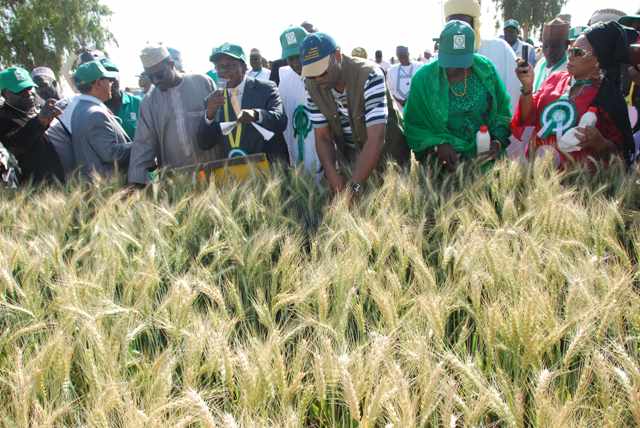
Wheat production in Nigeria

Olabanji, who is the Executive Director, Lake Chad Research Institute, stated this on Sunday, April 8, 2018 after inspection of wheat seed production farms in Ringim and Hadejia Local Government Areas of Jigawa State.

He explained that the Flour Mills had initiated and supported the production of improved and high yielding wheat seed in Jigawa and Kano states.

The team leader said the firm has supported farmers with seed and fertiliser to cultivate 45 hectares of the improved seed, with 30 hectares in Kano and 15 in Jigawa.

According to him, seed is critical to crop production, hence the need to support and encourage its production.

Olabanji identified lack of adequate seed as a major challenge in the value change agenda in Nigeria.

“We are here today for a farm work on wheat seed production. This project is the initiative of Flour Mills of Nigeria; they empowered our farmers with inputs to produce wheat seed.

“Seed is very critical in crop production and in the value change, our major challenge is seed, we don’t have adequate seed in this country, not only for wheat, even for most crops.

“But the Flour Mills of Nigeria has in no small measure helped us to bridge the gap in our seed production. They have intervened in two states – Kano and Jigawa.

“Here in Jigawa, they empowered three farmers to cultivate 15 hectares of wheat seed, likewise in Kano, about 30 hectares have been put into wheat seed production with support of the company.

“We are so grateful to them and we are also grateful to our farmers in the wheat value change,” Olabanji said.

He added that the farmers engaged to produce the seed were competent enough and were trained on community based seed production.

The team leader also assured the farmers that the company would uptake the seed after cultivation.

“And another thing that the Flour Mills is going to do now is when the farmers harvest is to buy from them. So farmers already have market.

“And I want to thank the state’s Director of Agricultural Transformation Agenda (ATA), Malam Isa Awwalu, for his support in the programme,” the team leader added.

According to him, the wheat value change team will soon come up with another project in which wheat seed production is a component.

Olabanji added the team would collaborate with Jigawa Government to make sure that, by 2025, Nigeria reduces importation of wheat seed by sixty per cent.

“The Governor of Jigawa is very supportive to our wheat production and another project is coming up in the next two months and wheat production is one of the components of that project.

“So we are coming to sensitise Jigawa government on the project so that we will have a very strong collaboration to make sure that come 2025, Nigeria must reduce importation of wheat by 60 per cent,’’ Olabanji said.

By Muhammad Nasir Bashir

World Health Day: FCT needs additional 4,000 workers to meet demands

0

The Federal Capital Territory (FCT) Primary Health Care Development Board says nothing less than 4,000 additional health workers are needed to deliver effective and efficient health services across the territory.

Mohammed Bello
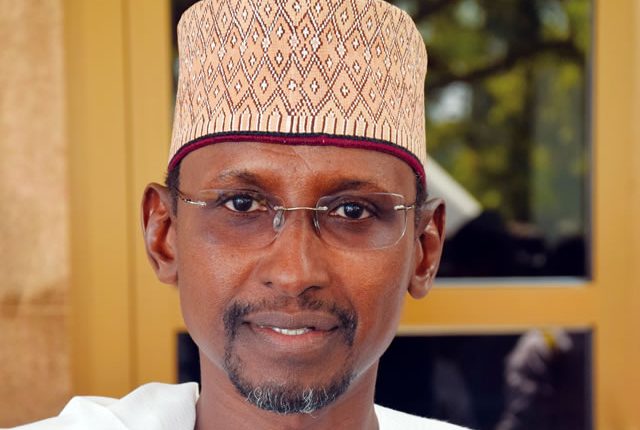
FCT Minister, Mohammed Bello

The Acting Executive Secretary of the Board, Dr Mathew Ashikeni told the News Agency of Nigeria (NAN) in Abuja on Saturday, April 7, 2018.

Commemorating the 2018 World Health Day, Ashikeni explained that the health workers included medical doctors, midwives, laboratory technicians, medical record officers and pharmacist technicians were needed.

The theme of this year’s World Health Day is “Universal health coverage: everyone , everywhere”.

He said that health workers that rendered services to millions of residents in the territory were inadequate compared to the rapid growing population of FCT.

According to him, the last assessment showed that FCT needs more than 60 per cent of what it currently has in terms of health workforce to fill in the gap.

The secretary disclosed that in 2017 no fewer than 50 midwives were engaged and posted to serve the people in the rural areas.

Ashikeni said that FCT administration was planning to recruit additional 200 midwives this year adding that the plan of engagement of more midwives had been captured in 2018 budget.

He noted that in spite of the insufficient personnel, his board had embarked on different programmes to provide health care services to the rural dwellers.

He stated that part of the projects was the outreach programme for people in the hinterlands and head camps where teams of health workers were sent to rural areas to treat common diseases.

The executive secretary said that the present FCT Minister was committed to provide health care services to all residents of the territory wherever they might be located.

By Mustapha Sumaila

Mixed reactions trail selection of seven Nigerians for IPCC assessment report

0

Nigerian scientists have been reacting to the news that broke on Friday, April 6, 2018 that seven of their colleagues were included among the 721 experts from 90 countries invited by the Intergovernmental Panel on Climate Change (IPCC) to participate in the Sixth Assessment Report (AR6) as authors and editors.

IMG_20141209_162935
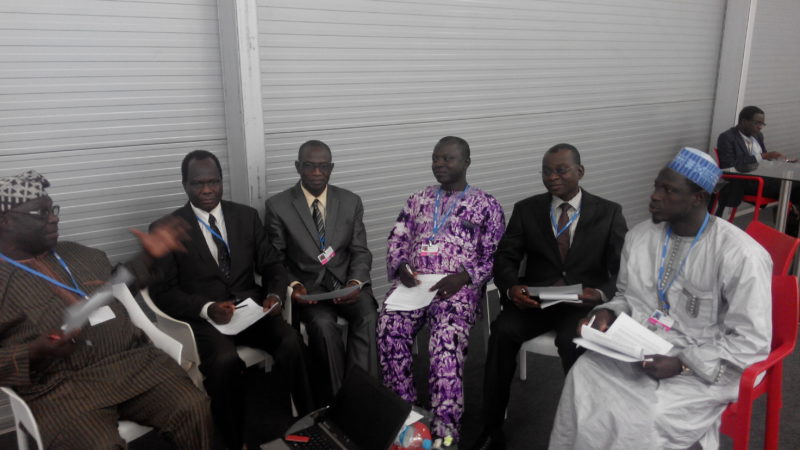
A gathering of Nigerian climate change experts during a COP: Prof. Olukayode Oladipo (left) stressing a point to (from left) Prof Daniel Gwary, Prof Mohammed Balarabe, Prof Ayuba Kuje, Prof Francis Adesina and Alhaji Aliyu Musa Yauri, during a meeting

The Nigerians are:

  • Hyacinth Nnamchi of the University of Nigeria, Nsukka (Working Group I – Chapter 2: Changing state of the climate system) as Lead Author
  • Ms Ibidun Adelekan of the University of Ibadan, Ibadan (Working Group II – Chapter 9: Africa) as Coordinating Lead Author
  • Ayansina Ayanlade of the Obafemi Awolowo University, Ile-Ife (Working Group II – Chapter 9: Africa) as Lead Author
  • Chukwumerije Okereke of the University of Reading, UK (Working Group III – Chapter 1: Introduction and Framing) as Coordinating Lead Author
  • Ms Chioma Daisy Onyige of the University of Port Harcourt, Port Harcourt (Working Group III – Chapter 5: Demand, services and social aspects of mitigation) as Lead Author
  • Ogheneruona Diemuodeke of the University of Port Harcourt, Port Harcourt (Working Group III – Chapter 10: Transport) as Lead Author
  • Sanusi Mohamed Ohiare of the Rural Electrification Agency (Working Group III – Chapter 15: Investment and finance) as Lead Author

The Sixth Assessment Report, according to the IPCC, will inform policymakers, international climate negotiators and other stakeholders about the latest knowledge on all aspects of climate change.

In a response to the development over the weekend, the experts expressed divergent views. While congratulating the nations and the new authors on the development, they want this to be used as an opportunity to express developmental challenges faced by Nigeria in particular and the developing world in general. Some of them questioned the criteria used to select the authors.

“What criteria did IPCC use in arriving at the seven experts and how were they selected?” demanded Prof Nasiru Idris of the Nasarawa State University, Keffi.

Ako Amadi of the Community Conservation and Development Initiatives (CCDI) spoke in a similar vein, saying: “On what criteria did IPCC base its selection? I expected to see expertise of nominees in a balance of climate adaptation problems in Nigeria. But this has been also an internal Nigerian culture which it appears the IPCC has adopted.”

Nonetheless, Prof Idris expressed joy at the selection. His words: “I am happy to hear that Nigerians are part of the team of experts that will determine the outcome of the next IPCC report.

“The implication for Nigeria is that our input from the Nationally Determined Contributions (NDCs) and some outcome of the results of our scientific researchers on how climate change has impacted on the country will be part of the scientific evidence in the AR6.

“My advice for my colleagues that make the list of experts is that their voices must be heard in the report, and they should also look at the pros and cons of the AR5 in relation to African environment.”

Prof Olukayode Oladipo of the University of Lagos, a former IPCC report author, said: “I am really happy that seven Nigerians are among the chosen experts to put the AR6 of the IPCC in shape. It will be a great experience as I had with the first IPCC Report as a contributing author for two chapters. I have no doubt that they will excel.”

Prof Daniel Gwary of the University of Maiduguri, who was part of AR3 and AR4 as well as IPCC Special Report on Climate Change and Water, submitted: “This is a good development for  Nigeria since the IPCC has maintained the number of Nigerian participants with a slight increase as a sign of appreciating contributions from our scientists and experts. It is also good for Nigeria because this team from Nigeria is a new crop of experts helping to increase our expertise in the IPCC process and global climate change discuss.

“Our team members should see their choice as a privilege to represent the country and the global community. The work is enormous, challenging and requires sacrifice of time more especially those who will be Coordinating Lead Authors (CLAs).

“I will like to advise our authors to use the abundant examples in our country to project how climate change affects Nigeria and by implication the vulnerability of the West African region and various efforts being made for adaptation and mitigation.

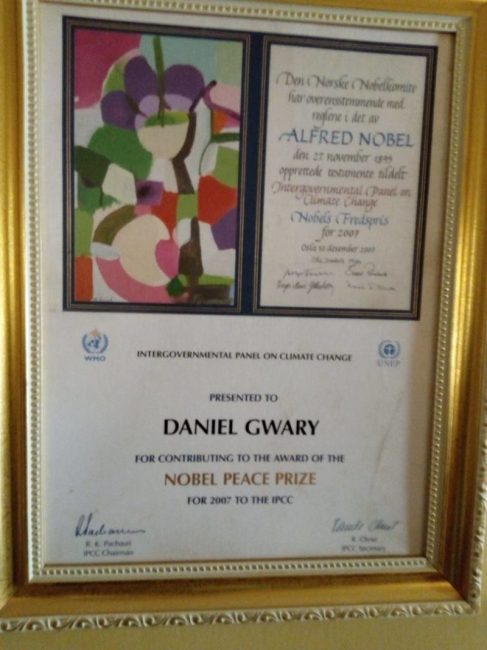
Daniel Gwary
Prof Daniel Gwary’s award

“I will also like the government through the Federal Ministry of Environment to recognise these experts properly and work closely with them all through the period of their assignment. When I, along with others served in the AR3 and AR4 that earned us part in the 2007 Nobel Peace Prize, there was very little acknowledgement of that achievement from our government and this shouldn’t be the case in future.

“I wish them well in their assignment. They should also seek to be involved in the preparations of other IPCC special reports that may come up.”

Nnimmo Bassey of the Health of Mother Earth Foundation (HOMEF) stated: “We note that the experts have been selected based on their competence in the respected fields. The implication of this for Nigeria is that we cannot claim not to know what needs to be done to help the world step back from impending climate chaos that would result from either climate inaction and wrong-head actions. With this level and concentration of expertise on our shores it speaks poorly of not just our country but of our regions if our governments approach climate negotiations without adequate and holistic preparations. The burden is also on government to ensure that climate considerations are fully integrated in infrastructure planning and other national efforts to enhance the well-being of the people.

“The authors have been picked for specific tasks and areas. They will do well to bear in mind that climate impacts don’t appear in silos. This means that the scientific approach must nevertheless keep in view the network of connections between the discrete sectors and conclusions and recommendations must be viewed through the prism of climate justice, the original bedrock of the climate negotiations. We expect the experts to stand up and call out players that have knowingly entrenched practices that have compounded the climate crisis.

“For example, it has become known that major fossil fuel companies like Exxon and Shell known for decades that their products have literally locked the world on the pathways of irreversible or intolerable climate change and have wilfully pressured policy makers from taking actions for shift energy transitions, for example.

“I think that more than at any other time, our government has to take concrete steps to stop gas flaring and invest in restoring our forests and wetlands as veritable climate actions.”

The following served as Lead Authors in the preparations of the AR3 of IPCC: Prof A. O.  Adegbulugbe of Obafemi Awolowo University, Ile-Ife (OAU), Prof James Adejuwon of OAU (now retired), Prof James C. Nwafor of the University of Nigeria, Nsukka (now retired) and Prof Daniel Gwary of the University of Maiduguri.

In the AR4 report, the Nigerian experts were: Prof A. O. Adegbulugbe of the OAU, Prof Daniel Gwary of University of Maiduguri, Prof Francis L. Ibitoye of OAU, Prof Anthony Nyong (was CLA) and Prof Imogen Obioh of OAU.

In addition to the above-mentioned LA and CLAs, there were few others who were co-opted to serve as Contributing Authors and Review Editors.

“I am not sure of how many served in the AR5 preparation but, from the analysis above, Nigeria has a better representation in the AR6 writing team,” said Prof Gwary.

Mali president seeks unified approach to address climate change inequalities

0

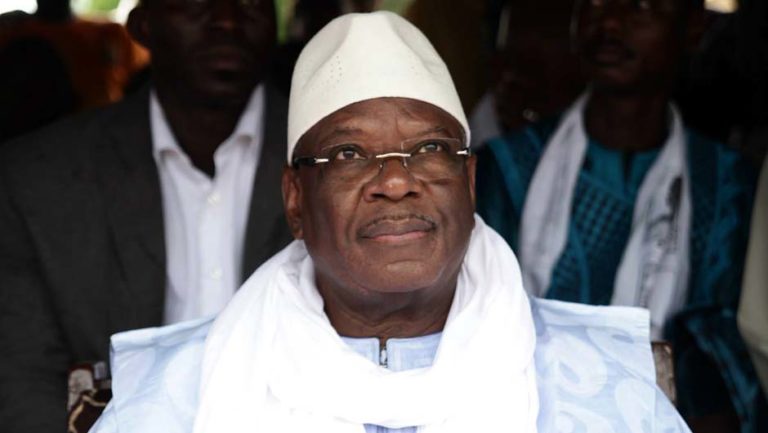
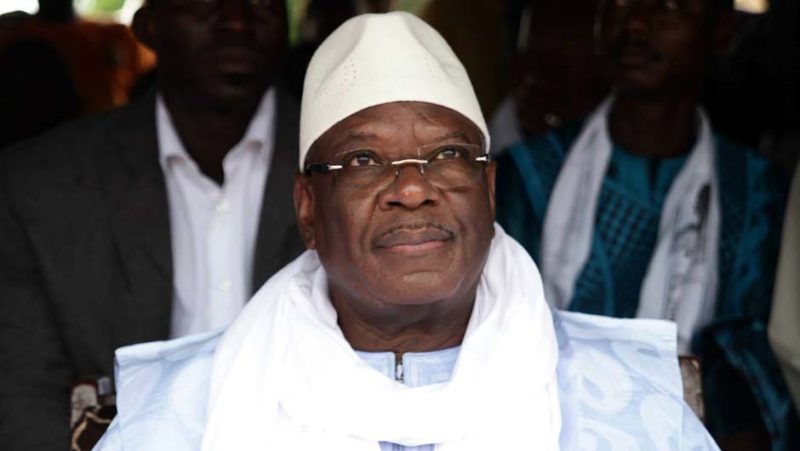
President of the Republic of Mali, Ibrahim Boubacar Keïta, has called for a united approach to tackle the inequalities of climate change.

Ibrahim Boubacar Keïta
President of the Republic of Mali, Ibrahim Boubacar Keïta

He made the submission on Tuesday, April 3, 2018 in Bamako, the Malian capital, at the opening to the Green Climate Fund’s (GCF) Structured Dialogue with Africa. The event was concluded on Friday, April 6.

“We are all determined together to overcome climate change, which is not only increasing global inequalities, but is also increasing the precarity of the poorest populations in the world,” he said.

President Keïta also emphasised the importance of African countries addressing the problem holistically, while warning the “African continent is extremely vulnerable to the harmful impacts of climate change.”

“That is why the integration of climate within development planning is a national imperative for the survival of our ecosystems and population,” he said.

GCF Executive Director, Howard Bamsey, emphasised the key role of Structured Dialogues, which the Fund holds regularly in different regions, in strengthening GCF’s country-driven approach to climate finance.

“Although all countries are different, we find that regional gatherings like this can deliver benefits from the many common concerns and aspirations,” he said.

While stating GCF funding commitments to Africa have tripled since the first Africa Dialogue, Mr Bamsey emphasised the need for an uptake of private sector investment to drive regional transformative action in mitigation and adaptation.

“We must use our public resources to mobilise the trillions of dollars we know are needed for that transformation,” he said. “At present, too much of that money is supporting activities that undermine the prospect of low-carbon, climate resilient development.”

GCF now has 28 approved funding proposals across 21 African countries worth $0.91 billion, which leverages co-financing of over $2.5 billion.

Part of this funding is accelerating the current regional take off in renewables. This includes GCF financing in off-grid solar power in eastern and sub-Saharan Africa, which in turn opens up electricity access in rural areas.

GCF investment is also helping smallholder farmers in Africa become more resilient to climate change and increasing their food security by reducing weather-related disasters through climate information systems.

The Dialogue explored how climate challenges which resonate differently across the geographically and economically diverse region can be transformed into national action. This included considering how climate patterns and risks are placing stress on development pathways, and investigating what paradigm shift towards low carbon and climate resilience means in different country contexts.

An underlying theme throughout the four days focused on how GCF can help countries drive climate action, including through the Fund’s Readiness programme and Project Preparation Facility. A key focus was on how GCF support can enhance country programmes, which identify regional climate priorities.

Many of the Dialogue participants were interested to hear about the experiences of Namibia’s Environmental Investment Fund (EIF). This GCF Direct Access Accredited Entity – which participated in the Dialogue – won GCF Board approval in February for the Fund’s first Simplified Approval Process project, which will improve the ecosystem management practices of farmers.

Tosi Mpanu-Mpanu, lead climate change negotiator for the Democratic Republic of Congo and GCF Board member, said the Dialogue has been useful in helping GCF staff “put their fingers on the pulse of Africa needs and important trends.”

Mr Mpanu-Mpanu highlighted the challenges and potential of Africa’s encounter with climate change, while speaking on the sidelines of the Dialogue.

“The bulk of African people depend on agriculture. Drought and irregularity in rainfall are creating major problems which unfortunately wipe out earlier gained progress,” he said.

“But Africa is also a paradise for renewables – including solar, wind and biomass – because of the huge potential which is still untapped.”

The inaugural edition of the Structured Dialogue with Africa held in South Africa in October 2016.