Home Blog Page 1937

Group vows to resist proposed prison, cemetery in Ogoniland

0

The Ogoni Rights Advocates (ORA) is peeved that the Federal Government is contemplating building a massive prison and cemetery in Ogoniland, instead of the prompt clean-up and massive development the area demands.
youths
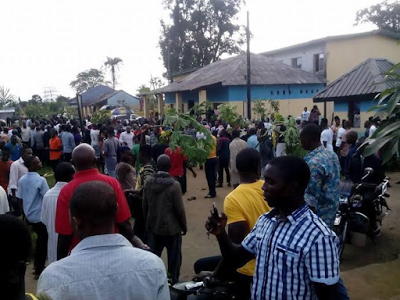
Youths in Ogoniland

The group, which is based in the US, in a statement signed by its co-ordinator, Michael Akoka, said it found the proposed plan “incredibly irresponsible and insensitive to the systematic oppression”, which Ogonis have faced and endured over the years.

The statement claims that the project, reportedly being planned by the Federal Ministry of Interior, will include the confiscation of an area of land spanning over 41 hectares in Bori, headquarters of Khana Local Government Area of Rivers State.

But wondering what the plan was for, the group, which said it was already mobilising international and domestic pressure to resist the plan, appealed to the Rivers State Governor, Nyesom Wike, to intervene quickly to cause government to shelve the project.

The statement reads: “For many years, our stand as Ogoni people has never shifted. We want a total clean-up of our land. We want to take our destiny in our hand and use the resources God put in our land and the ingenuity of our people to develop our area. Our leaders have struggled and many have died as a result. We are prepared to continue with this struggle, as long as the government of Nigeria continues to mock our aspirations and desires to develop our land and to bring it out of unthinkable poverty, disease and want in the midst of potential and mind-boggling wealth and prosperity the resources in our land can provide.

“We cannot think of anything or fathom the reason for this plan of the federal government than the continued subjugation of the Ogoni people and make them watch from the glass ceiling while the spoils of their land are shared and used to develop other areas, while their people live and die in penury.

“If that is the case, and the plan is to build a prison and cemetery, big enough to clamp down or bury those who will resist the commencement of the exploitation of our resources without first cleaning up the land and providing the template for the massive development of our land, then the Federal Government and its agencies must be prepared for our resistance.

“For the avoidance of doubt, the United Nations took stock of the tortured Ogoni environment, declared it unsafe due to oil drilling activities, and mandated Shell and the Federal Government of Nigeria to clean it up. It is the belief of all Ogonis, home and abroad, that the United Nations Environmental Programme (UNEP) Report must be implemented. We need a clean environment, good schools and world class hospitals. These are the constitutional responsibilities, among others, of the government to the survival of the Ogoni people.

“We call on all well-meaning Nigerians to stand with us as we encounter a modern face of the Ogoni trials and tribulations.”
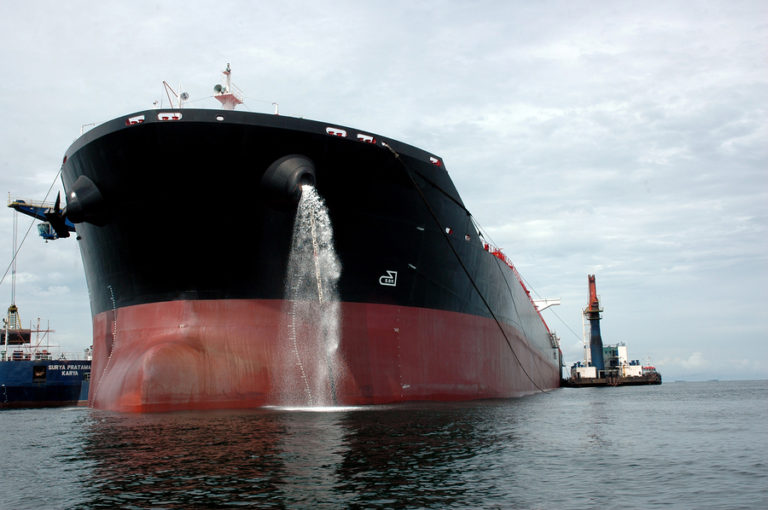
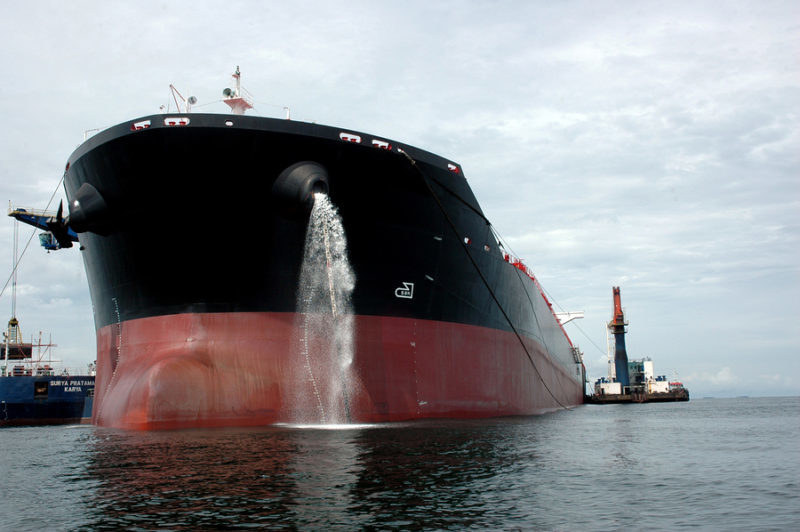
Nations meet for critical decision on shipping emissions

0

Countries need to chart an ambitious course limiting greenhouse gas emissions from shipping when they gather from Monday, April 9 to Friday, April 13, 2018 for a crucial meeting under the International Maritime Organisation (IMO), says Patricia Espinosa, the UN’s top climate change official.

Ship
Maritime transport is said to be responsible for around 2.5% of global emissions

Some 173 nations are expected to adopt an initial strategy to limit emissions when they meet at the IMO’s Marine Environment Protection Committee (MEPC) 72nd session at the IMO Headquarters in London. It is critical that the strategy is sufficiently ambitious to meet the goals of the Paris Climate Change Agreement, adds the UN official.

“We are witnessing how climate change is moving much faster than emissions reductions,” says Espinosa, who is the UN Climate Change (UNFCCC) Executive Secretary, in advance of the meeting. “I call upon all nations to adopt an ambitious initial strategy at the IMO that can critically contribute towards achieving the Paris Agreement goals, and at the same time be supportive of the sector’s sustainability.”

Maritime transport is responsible for around 2.5% of global emissions, and its emissions are projected to grow between 50 and 250 percent by 2050.

World nations meeting under the IMO have unanimously recognised the maritime sector’s role in meeting the goals of the Paris Agreement, to limit the rise in global average temperature to well below two degrees Celsius and as close as possible to 1.5 degrees compared to the pre-industrial level.

Although international shipping and aviation are not directly included in the Paris Climate Change Agreement, both industries will have to cap their greenhouse gas emissions soon for the world to meet the goals laid down in the agreement.

The initial strategy is expected to set the vision for international shipping and its level of ambition to reduce emissions. The MEPC will address the guiding principles of the strategy, including short-, mid- and long-term further measures with possible timelines and their impacts on States, as well as identify barriers and supportive measures, including capacity-building, technical cooperation, and research and development.

Herdsmen attacks, climate change threaten nation’s food security

0

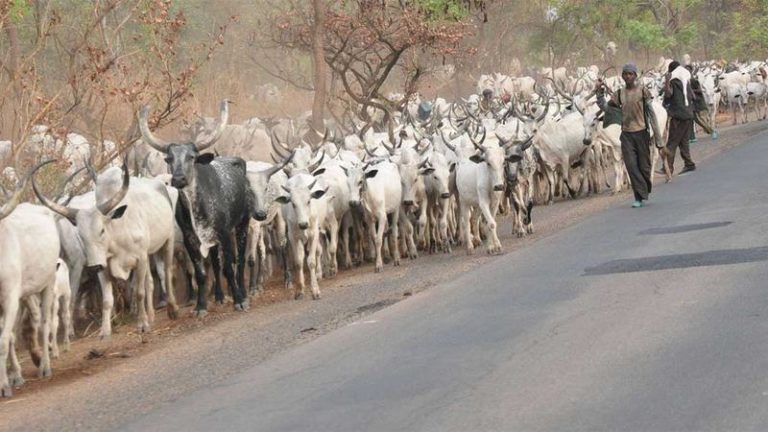
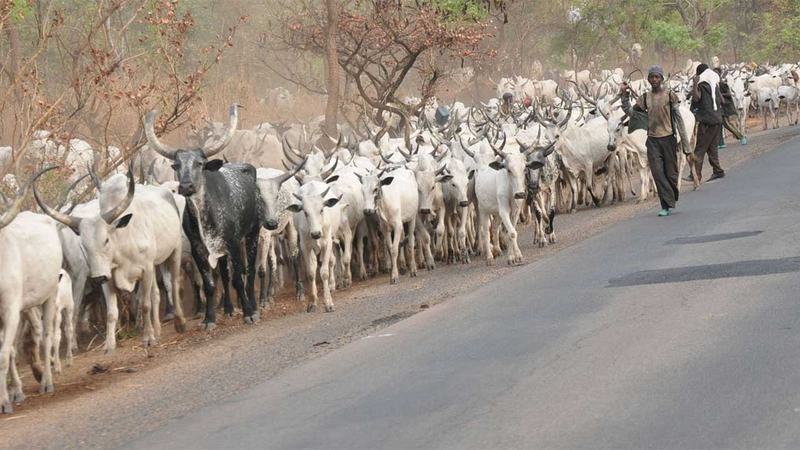
A farmer, Mr Adolphus Ogbonna, has warned that food security may be threatened seriously in Nigeria in the near future because of persistent herdsmen attacks and climate change.

Herdsmen
Herdsmen

Speaking in an interview with the News Agency of Nigeria (NAN) in Lagos on Friday, April 6, 2018, Ogbonna said the future of agriculture was not looking good, due to recurring attacks on farmers in many parts of the country.

Farmers in Africa’s most populous nation are currently contending with an onslaught of bloody attacks by herdsmen, forcing many farmers to avoid going to their farms to stay alive.

Ogbonna said the problems of farmers had also been compounded by issues relating to climate change, stressing that the development called for government’s immediate attention.

He argues that government must tackle herdsmen invasions head-long and also evolve scientific methods in doing agriculture and handling the problem of climate change.

The crop farmer said that farmers in the country must embrace year-round irrigation farming to stay in business and provide food for the teeming populace.

“Most Nigerian farmers cultivate their farms, based on the weather but when there is drought everything is affected.

‘‘The local farmer needs to turn away from a climate-dependent farming. Setting up an irrigation system is the best bet for the local farmer, although this will involve huge funds.

“Climate change poses a lot of challenges to the Nigerian farmer, so I advise a move towards irrigation farming, instead of waiting for the rains.”

He also spoke on the need for young entrepreneurs with interest in farming to learn the ropes before embarking on agriculture as a business venture.

“Most youths these days are not interested in tedious work on farms. Young people should get a good place to learn farming properly before embarking on it as a business.

“They must have a strong passion for farming. Farming is not a get-rich-quick scheme.

Ogbonna, who is the Chief Executive Officer of Emperors Farms, advised those involved in farming to concentrate their efforts on building an enduring value-chain rather than focusing on production alone.

Enumerating a multiplicity of challenges facing crop farmers in the country, he said that serious attention should be paid to how to improve the agriculture value-chain.

“As a country we should stop focusing on crop production alone when it comes to agriculture.

‘‘We should consider what value we are adding to what we are producing. We must have to put more effort in our value-chain.

The crop farmer lamented that getting access to funds, land, equipment and inadequate manpower had remained critical problems to Nigerian farmers from year to year.

By Mercy Okhiade

Three $2.4m projects to spur SME development in Africa

0

Donors to the Fund for African Private Sector Assistance (FAPA) – consisting of the African Development Bank (AfDB), the Government of Japan and the Government of Austria – have approved three catalytic projects totalling some $2,480,000 to stimulate the growth of Africa’s small and medium enterprises (SMEs).

These grants will help strengthen the participation of Africa’s SMEs in financial markets and the agriculture sector.

Olivier-Eweck
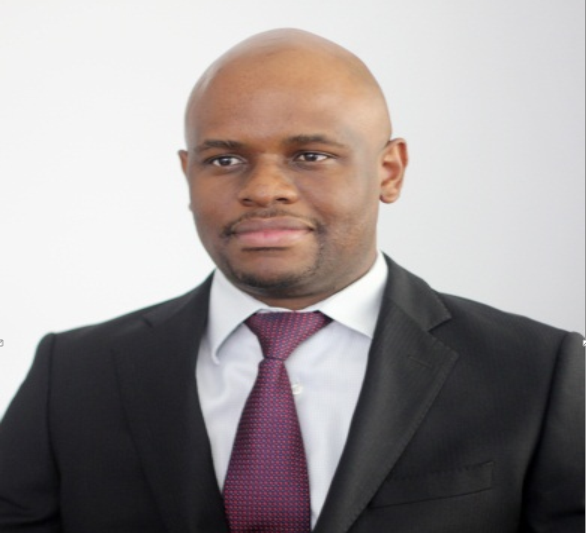
Olivier Eweck, Director of the Syndication, Co-financing and Technical Solutions Department at the AfDB

“These three projects are well aligned with FAPA’s core mandate of supporting private-sector development in Africa, a key strategic priority of the African Development Bank. They augur well for job creation in Africa,” said Olivier Eweck, Director of the Syndication, Co-financing and Technical Solutions Department at the African Development Bank, and Chair of the FAPA Technical Committee.

With a FAPA grant of $980,000, the first project – the Regional Financial Market Development Support Project (Projet d’appui au développement du marché financier regional, PADMAFIR) – will contribute to the modernisation of the regulatory framework to increase competitiveness and strengthen the capacity of the regulator on new products, including securitisation, diaspora bonds and green bonds. The grant will facilitate SMEs’ access to stock market funding and train commercial stakeholders to enhance professionalisation. PADMAFIR is part of a long-term and ongoing multi-stakeholder partnership to develop the Regional Financial Market (stock exchange) of the West African Monetary Union (WAMU).

The second project is for the Promotion of Factoring in Africa, through which an investment totalling $500,000 is deployed to finance the capacity-building of emerging factoring firms and the development of a sustainable knowledge and learning platform. The platform will provide capital to SMEs by financing their receivables. The African Export-Import Bank (Afreximbank) will contribute $450,000 towards this technical assistance project.

The third project is a grant of $1,000,000 for leveraging investments for fertiliser utilisation amongst smallholder farmers in Africa. It will help increase the affordability, accessibility and incentives for fertiliser use among smallholder farmers in Africa and expand the supply and distribution of fertiliser by leveraging investments. It is also intended to create over 1,000 jobs for women and youths. The African Fertiliser and Agribusiness Partnership will match the FAPA grant on a 1:1 basis.

“We look forward to providing further FAPA grants that will unlock business possibilities for Africa’s SMEs,” Eweck said.

Since its launch in 2006, FAPA has received donor contributions exceeding $85 million and helped finance over 80 technical assistance projects, thereby making a significant contribution to SME development in Africa.

The FAPA is a multi-donor trust fund that provides grant funding for technical assistance activities to public and private sector entities domiciled in Africa. FAPA resources are utilised to promote innovative programmes that specifically support the development of SMEs in Africa. FAPA is one of the components of the Enhanced Private Sector Assistance (EPSA) initiative hosted at the AfDB.

World Health Day: AfDB wants strengthened health systems in Africa

0

On the occasion of World Health Day on Saturday, April 7, 2018, the African Development Bank (AfDB) has called for increased and more quality investments in the continent’s health sector to achieve universal health coverage.

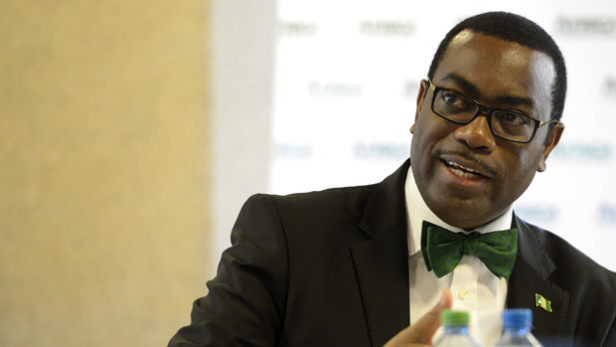
Akinwumi Adesina
Akinwumi Adesina, President of the African Development Bank Group

Member States of the United Nations agreed in 2012 to work towards achieving Universal Health Coverage (UHC) by 2030 with a target that everyone, everywhere should access quality health services, where and when they need them without facing financial hardship.

The theme of World Health Day is “Universal Health Coverage: everyone, everywhere”, with the slogan “Health for All”. By owning and leading their national Universal Health Coverage agendas, countries can move towards achieving the goal of UHC.

“Providing Universal Health Coverage through strengthened health systems backed with a sound financing system are clearly fundamental to improving the quality of life for the people of Africa,” said Oley Dibba-Wadda, Director of Human Capital, Youth and Skills Development at the AfDB.

AfDB’s High 5 development priorities, says the organisation, are enablers for achieving public health security in Africa.

According to the bank, it has since the late 1970s invested $7.2 billion to finance over 220 health operations mainly through its sovereign lending window. These projects, it adds, have a strong focus on increasing access to health care services and saving the lives of people, and contributing to improving the health and well-being of women and children. The bank’s decentralisation policy is said to have brought the institution closer to clients, with social sector experts across the five African regions.

The bank says it also provides technical assistance to governments and the private sector and contributes to knowledge-sharing, and that its support for the health sector has been catalytic, including selective support to strategic investments which have contributed to improving health outcomes.

While claiming that it was instrumental in strengthening pandemic preparedness and response efforts across all West African countries, contributing to the timely containment of the Ebola epidemic, the organisation reveals that it was the first international financial institution to rally support in the fight against Ebola, providing about $300 million for emergency and post-Ebola recovery programmes in the affected countries, and neighbouring countries.

Building an effective health system is fundamental to ensuring that Africa can better respond to health emergencies, build resilient economies, and improve the life expectancy of its people, it emphasises.

According to the AfDB, Africa lags behind the rest of the world, as it carries 24% of the global disease burden while accounting for only 13% of the world’s population.

“For instance, the risk of a woman dying from a maternal cause is approximately 23 times higher than for a woman living in a developed country. It is estimated that 5.9 million children under 5 years of age died in 2015, mostly from preventable causes, and that some 217 million African people are undernourished.

“Health requires increased and sustained investments. In April 2001, the African Union countries met in Abuja, Nigeria, and pledged to set a target of allocating at least 15% of their annual budget to improve the health sector and urged donor countries to scale up support.”

The World Health Organisation (WHO) recently estimates that $20-54 billion is required to address the healthcare investment gap in the continent every year until 2030 to reach the UHC targets. Yet, domestic spending on health varies largely between countries. In most African countries, public spending falls short of the Abuja target of 15% budget allocation.

At the same time, countries achieve highly varying health results at comparable levels of health expenditures, which indicate that the use of available resources needs to be improved.

The AfDB has promised that it will continue to leverage its position as the trusted development institution on the continent to advance Universal Health Coverage for everyone, everywhere.

800 buses to start operations at Ikeja Bus Terminal

0

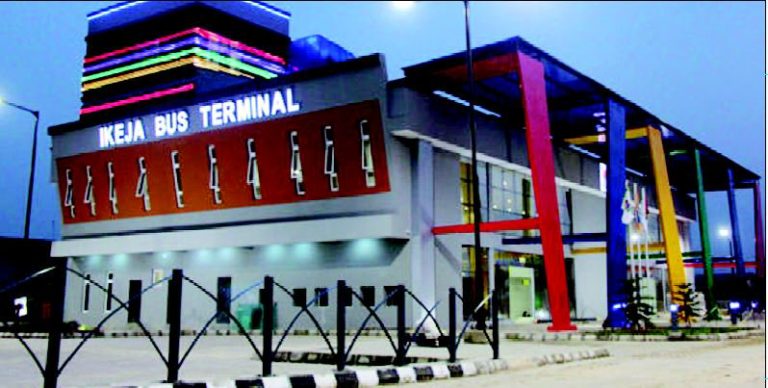
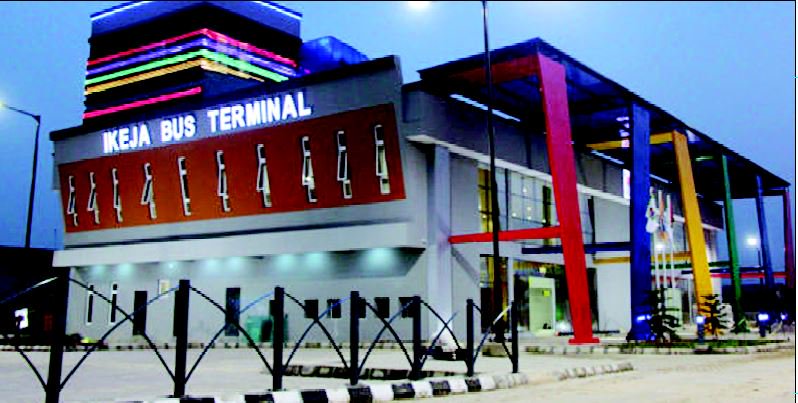
The Lagos State Government says it will deploy over 800 buses soon to start operations at the newly inaugurated Ikeja Bus Terminal.

 Ikeja Bus Terminal
The Ikeja Bus Terminal

Mr Ladi Lawanson, the state Commissioner for Transportation, made the disclosure during a visit to the terminal and the Oshodi Transport Interchange construction site on Saturday, April 7, 2018.

According to him, the newly procured buses will enable efficient and effective transportation to classes of Lagos residents.

“The state government is coming with multi-modal and integrated transportation system which will take care of about four million people on a daily basis across the state.

“The idea is to cater for Lagos residents of especially lower and middle classes, who cannot afford to fund their own cars every day.

“We should be expecting some buses like over 800 that Lagos State Government has procured to kick-start operation for the benefit of the residents,” he said.

He noted that Ikeja, the capital of Lagos State, had about 900,000 inhabitants.

“It is also a major transport hub on the Lagos mainland, as it is a major node of very important corridors in Lagos such as Lagos-Abeokuta Expressway, Agege Motor Road, Mobolaji Bank Anthony Way, Oba Akran Way and Awolowo Way.

“Ikeja Terminal is a key transport infrastructure constructed to improve efficiency in system connections, reduce traffic congestion caused by ongoing street loading and dropping off of passengers, reduce environmental pollution and improve security and safety of the commuting public,” he said.

The commissioner said that Ikeja Bus Terminal was a small component of big picture of multimodal transport system planned by the government.

According to him, the proposed Oshodi Transport Interchange – where three terminals will be integrated for buses to move people within and outside the state –  is another big reform project of the government

The official noted that the state’s growth was exponential as an emerging mega city and Nigeria’s premier economic centre.

“Lagos, no doubt, requires an integrated transport system to meet the demand of its over 20 million citizens and fulfil its aspiration as Africas foremost business and entertainment city.”

Lawanson said that the state Gov. Akinwunmi Ambode was passionate to provide residents with transportation system of international standards which would be responsive to the core need of Lagos residents and teeming visitors.

“Constructions are going on in 13 different bus terminals across the state to leverage their various operations.

“We have Alapere Bus Shelter, Ilupeju Bus Depot, Yaba Bus Terminal, Anthony Bus Depot, Maryland Bus Terminal, Agege Bus Terminal, Ojota Bus Terminal, Oyingbo Bus Terminal, Tafawa Balewa Square Bus Terminal and other proposed corridors,” he said.

According to him, the facilities will provide over 3,000 jobs for youths and increase transport connections and inter-modal connectivity.

He added that it would eliminate “one chance” kidnapping and accidents associated with the current commercial bus regime.

The News Agency of Nigeria (NAN) reports that President Muhammadu Buhari, on March 29, inaugurated the Ikeja Bus Terminal expected to provide comfort, safety, security and good travel experience for commutters.

The facility covers about 1.14 hectares.

By Kazeem Akande and Augusta Uchediunor

Improved security helping immunisation activities in Zamfara

0

Recent improvement in security is helping immunisation activities in Zamfara State, says World Health Organisation (WHO) Coordinator in the state, Dr Hamza Kankiya.

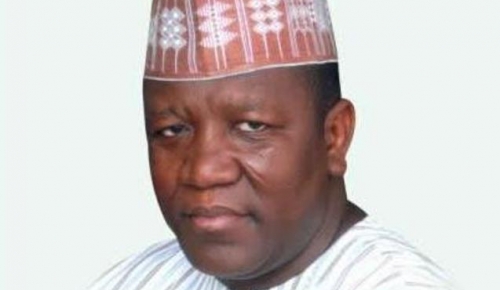
governor-yari-abubakar
Dr. Abdulaziz Yari Abubakar, governor of Zamfara State

The WHO Coordinator made the assertion on Saturday, April 8, 2018 at the Flag-off of April 2018 National Immunisation Plus Days awareness campaign held in Kaura-Namoda.

He said, “We are congratulating the Zamfara State Government and entire people of the state, and also acknowledge the efforts of Federal Government and security agencies in addressing security challenges facing the state.

“The improvement of security in the state has allowed us to reach many children in several communities that were being left in polio immunisation for years due to insecurity.

“Inaccessibility to some settlement due to insecurity was a major challenge hindering polio immunisation in the state.

“But with the present efforts that government is making, we have started witnessing changes and accessing some communities who were left during the previous polio immunisation exercises.

“In March round polio eradication campaign, 15, 232 children were not accessed across 125 settlements in the 31 wards of eight out of the 14 local government areas of the state.

“Inaccessible areas due to insecurity, poor team performance, and non-compliant parents remained major challenges hindering polio immunisation in Zamfara State,’’ he said.

Kankiya thanked the state government for providing enabling environment for the partner agencies to support communities in the state in health care delivery and polio immunisation.

“We are also appreciating the traditional and religious leaders over their contentious efforts in ensuring quality implementation campaigns, community mobilisation and resolution of non-compliance cases.

“The positive results of political, traditional and religious institutions in improving health status of women and children in the state.”

In her remark, the representatives of UNICEF, Mrs Carina Prakke, commended all stakeholders working to eradicate polio virus in the state.

“It is commendable efforts as we have government officials, traditional and religious leaders and development partners among others working together to ensure effective polio eradication in this state.

“It is very impressive to have the record of six years without polio virus in this state; therefore we need to continue with this collaboration in order to achieve the desired goal and objectives,’’ she said.

Executive Secretary of the state Primary Health Care Development Board, Alhaji Yusuf Mafara, commended the partners supporting the state not only on immunisation but in all health care related programmes.

“I must appreciate Federal Ministry of Health and National Primary Health Care Development Agency over their immense support to the health sector of the state,’’

He also thanked Kaura-Namoda Emirate Council for its commitments in supporting primary health care delivery in the area and enlightening the public on the importance of polio immunisation.

By Ishaq Zaki

World Health Day: WHO urges ‘health for all’

0

The World Health Organisation (WHO) has made a strong call for universal health coverage, saying health is a human right.

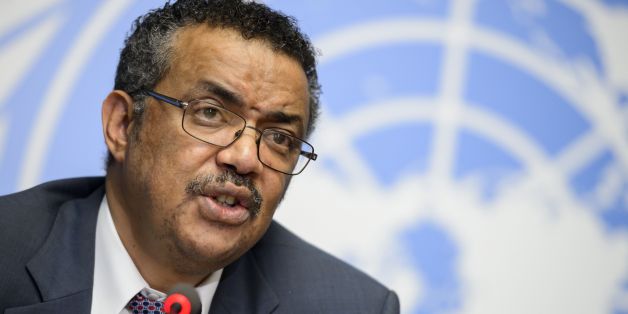
Dr Tedros Adhanom Ghebreyesus
Dr Tedros Adhanom Ghebreyesus, Director-General of the World Health Organisation (WHO). Photo credit: AFP / FABRICE COFFRINI / Getty Images

WHO also said governments should ensure that all people can get quality health services, where and when they need them, without suffering financial hardship.

WHO Director-General, Tedros Ghebreyesus, in his message on the World Health Day, which is marked annually on April 7, said no one should be denied access to healthcare because of his or her social status.

“Health is a human right. No one should get sick and die just because they are poor, or because they cannot access the health service they need.

“Universal health coverage is a political choice. It takes vision, courage and long-term thinking.

“But the payoff is a safer, fairer and healthier world for everyone,” Ghebreyesus said.

According to WHO, at least half the world’s population do not have coverage for full essential health services, with about 100 million people living on 1.90 dollars or less a day because they have to pay for health care.

Over the past seven decades, WHO has spearheaded efforts to rid the world of killer diseases and fight against deadly habits, like tobacco use.

“Good health is the most precious thing anyone can have. When people are healthy, they can learn, work, and support themselves and their families.

“When they are sick, nothing else matters. Families and communities fall behind. That’s why WHO is so committed to ensuring good health for all,” Ghebreyesus stressed.

UN Secretary-General, António Guterres, recalled that WHO was founded on the principle that “the enjoyment of the highest attainable standard of health is one of the fundamental rights of every human being.”

“Since then, average global life expectancy has expanded by 23 years,” he said, noting the eradication of smallpox and the dissipation of polio.

Guterres stressed that although millions more children lived to celebrate their fifth birthday, people around the world still lacked vital health services.

“Today, we join WHO in recommitting to ensure that everyone, everywhere, gets the health services they need. Join me in calling for Health for All,” he said.

“As part of the landmark 2030 Agenda and its 17 Sustainable Development Goals (SDGs), all UN Member States agreed to try to achieve universal health coverage by 2030.

“When people have to pay most health service costs themselves, often the poor cannot obtain what they need and even the rich may fall victim to financial hardship from long-term illness,” WHO said.

WHO maintained that pooling resources from compulsory funding sources, such as mandatory insurance contributions, could improve health service coverage by spreading the financial risks of illness across a population.

Many countries have successfully eliminated measles, malaria and debilitating tropical diseases, as well as mother-to-child transmission of HIV and syphilis.

New WHO recommendations for earlier treatment, efforts to access cheaper generic medicines and innovative partnerships have produced vaccines against meningitis, Ebola and the world’s first for malaria.

By Prudence Arobani

IPCC selects seven Nigerians for Sixth Assessment Report authorship

0

The Intergovernmental Panel on Climate Change (IPCC) has included seven Nigerians amongst the 721 experts from 90 countries invited to participate in the Sixth Assessment Report (AR6) as Coordinating Lead Authors, Lead Authors and Review Editors. This allows work to start on the next comprehensive assessment of the science related to climate change.

Hoesung Lee
Hoesung Lee, IPCC chair. Photo credit: reneweconomy.com.au

The Nigerian eggheads are part of all the three Working Groups of the project, and they include:

  • Hyacinth Nnamchi of the University of Nigeria, Nsukka (Working Group I – Chapter 2: Changing state of the climate system) as Lead Author
  • Ms Ibidun Adelekan of the University of Ibadan, Ibadan (Working Group II – Chapter 9: Africa) as Coordinating Lead Author
  • Ayansina Ayanlade of the Obafemi Awolowo University, Ile-Ife (Working Group II – Chapter 9: Africa) as Lead Author
  • Chukwumerije Okereke of the University of Reading, UK (Working Group III – Chapter 1: Introduction and Framing) as Coordinating Lead Author
  • Ms Chioma Daisy Onyige of the University of Port Harcourt, Port Harcourt (Working Group III – Chapter 5: Demand, services and social aspects of mitigation) as Lead Author
  • Ogheneruona Diemuodeke of the University of Port Harcourt, Port Harcourt (Working Group III – Chapter 10: Transport) as Lead Author
  • Sanusi Mohamed Ohiare of the Rural Electrification Agency (Working Group III – Chapter 15: Investment and finance) as Lead Author

The Sixth Assessment Report, according to the IPCC, will inform policymakers, international climate negotiators and other stakeholders about the latest knowledge on all aspects of climate change.

The bureaux of the three IPCC Working Groups selected the authors from 2,858 experts representing 105 countries, following a call to governments and IPCC observer organisations for nominations. Working Group I is responsible for the physical science basis, Working Group II looks at impacts, adaptation and vulnerability and Working Group III covers mitigation of climate change.

“The Sixth Assessment Report will update our knowledge on climate change, its impacts and risks, and possible response options, and play an important role in implementing the Paris Agreement,” said IPCC Chair, Hoesung Lee.

“These author teams, drawn from the hundreds of excellent nominations the IPCC was fortunate to receive, provide us with the necessary expertise across a range of disciplines to conduct the assessment. I am gratified that we have also raised the proportion of women and scientists from developing countries involved in our work,” he added.

Following their selection, the authors will now review the existing scientific literature and prepare drafts of the report on the basis of the outlines of the Working Group contributions already agreed by the Panel.

The three IPCC Working Groups will finalise their respective contributions to the AR6 report in 2021. A Synthesis Report will complete the AR6 cycle in early 2022, integrating all the Working Group contributions and the findings of the three special reports that are currently underway. The conclusions will be available in time for the first Global Stocktake, a periodic review of collective progress towards achieving the long-term goals of the Paris Agreement.

The outlines of the Working Group contributions to AR6 were agreed at the 46th session of the IPCC in Montreal in September 2017 and can be found here:

Of the selected experts, 44% come from developing countries and countries with economies in transition, 53% are new to the IPCC process and 33% are women.

For the Fifth Assessment Report (AR5), the IPCC selected 829 authors from over 80 countries. Of these, 37% were from developing countries and countries with economies in transition, 68% were new to the IPCC process and 21% were female.

The IPCC is the United Nations body for assessing the science related to climate change. It was established by the United Nations Environment Programme (UN Environment) and the World Meteorological Organisation (WMO) in 1988 to provide policymakers with regular scientific assessments concerning climate change, its implications and risks, as well as to put forward adaptation and mitigation strategies. It has 195 member states.

Visionscape promises cleaner Lagos, partners PSPs

0

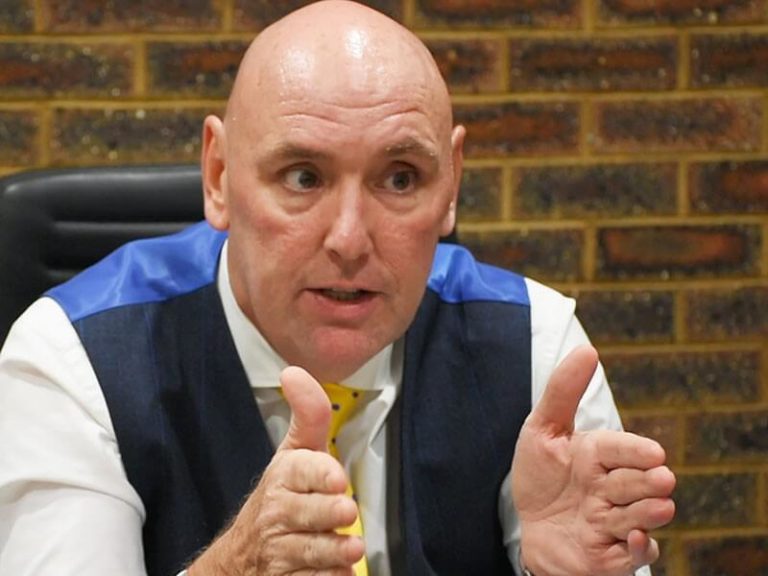
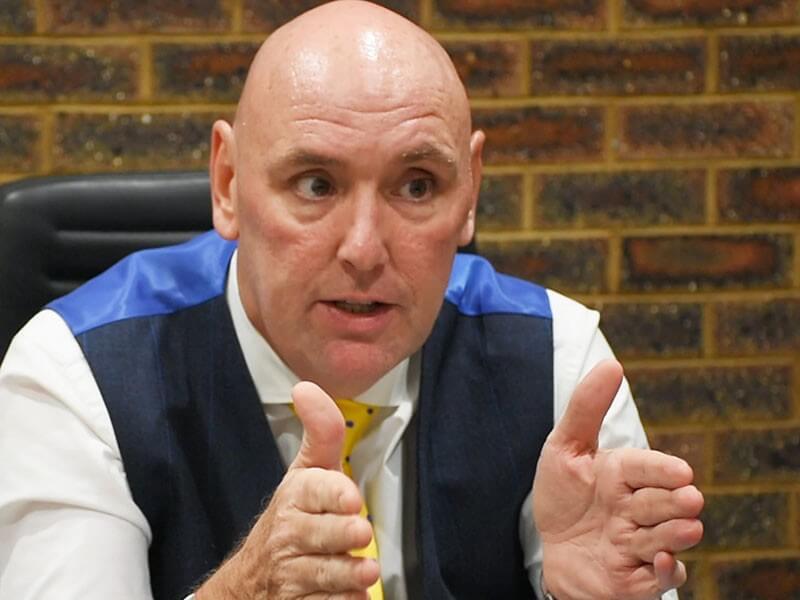
Visionscape Sanitation Solutions Ltd. on Friday, April 6, 2018 assured Lagos residents that refuse was set to disappear from roads and houses in the state, as stakeholders in the waste collection network had resolved their differences.

John-Irvine
Chief Executive Officer of Visionscape, Mr John Irvine

The firm’s Chief Executive Officer, Mr John Irvine, told journalists in Ikeja that the company had entered a new agreement with Private Sector Participants (PSP) for effective waste collection and management.

“Over the course of the next 18 months, you would find a cleaner, more transparent and a more beneficial waste infrastructure,” he said.

The CEO said that months of negotiations had ended the clash that erupted among the stakeholders as a result of the introduction of the Cleaner Lagos Initiative (CLI) by the state government.

“The two key parties, Visionscape Sanitation Solutions and the PSP operators, have reached an agreement, borne out of the need to give effective environmental services to the people of Lagos State.

“Under the new arrangement, the PSP operators, now referred to as Waste Collection Operators (WCO), have agreed to resume residential waste collection, where they will bill and service homes across the state, while Visionscape’s primary concern would be infrastructure development.

“This resolution also became urgent as government and other stakeholders are determined to avoid similar environmental disasters as the Olusosun Dumpsite fire outbreak that occurred a few weeks before,” he said.

Irvine said a 10-year process was being fast-tracked and compressed into a three-year period under a new arrangement.

The arrangement, he said, would help Visionscape focus on providing the needed infrastructure for the entire refuse management process to run on.

Irvine appealed to residents of Dopemu and other areas where refuse had accumulated to be patient.

He said the distribution of refuse bags and refuse collection would capture them from next week.

Irvine said that, under the new partnership, Visionscape had paid some PSP operators upfront to aid the effective collection of residential waste.

According to him, the CWOs are being paid N250,000.00 upfront to aid their collection of refuse, while Visionscape focuses on solid waste management in its landfills, transfer loading stations and depots.

He said that the firm would continue to support all partners with equipment and capacity to upgrade refuse collection methods.

The CEO said that the firm was ready to purchase vehicles and other modern equipment that meet 21st century refuse management techniques for the CWOs.

“If you have to look at New York City in the late 70s and 80s, there was more trash on the streets of New York than what you have here in Lagos. Reform takes time,” he said.

Irvine said the firm had made huge investments developing infrastructure in its transfer loading stations in Tapa, Ogudu, Agege and Oshodi.

By Grace Alegba