Home Blog Page 1933

UN institutes 2018-2028 as International Decade for Action on Water

0

As water-related challenges, including limited access to safe water and sanitation, increasing pressure on water resources and ecosystems, and an intensified risk of droughts and floods, continue to confront nations; the UN System is also relentlessly pursuing measures to address these problems.
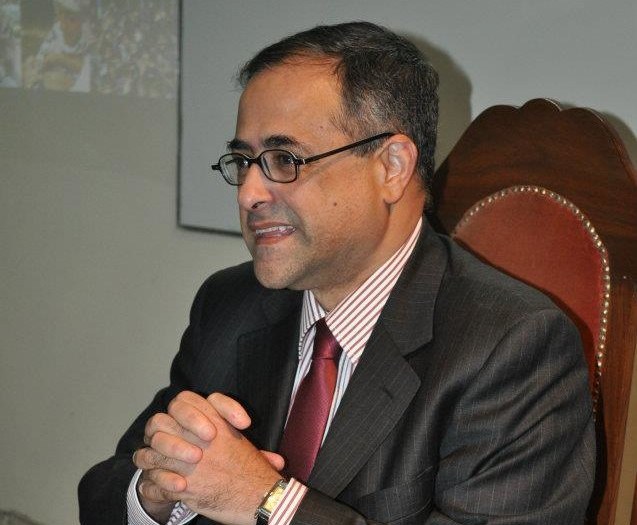
Miroslav Lajcak
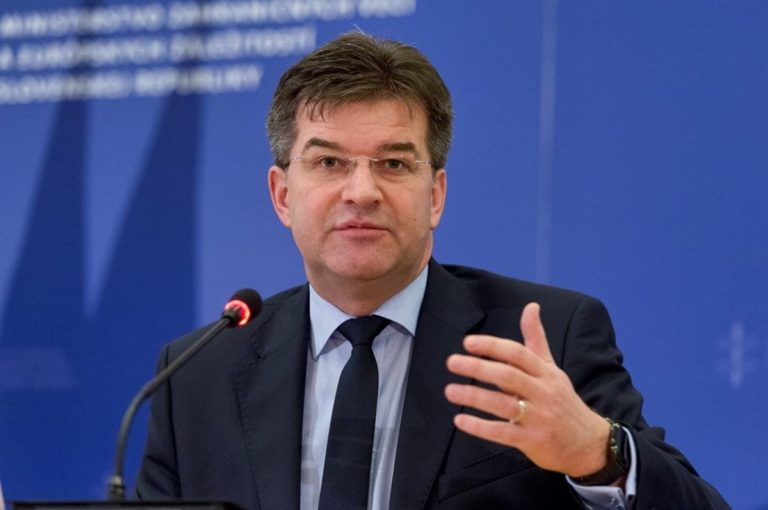
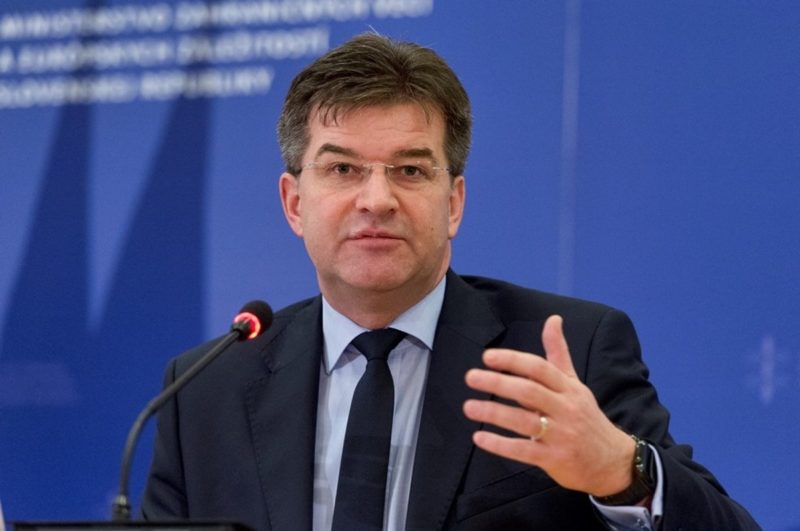
Miroslav Lajcak, President of the United Nations General Assembly for the 72nd session

Its latest efforts to handle global water issues, has been to institute the 10-year period from 2018 to 2028 as the international decade for action on water. Known as “International Decade for Action: Water for Sustainable Development 2018-2028,” it was launched by the President of the United Nations General Assembly for the 72nd session, Miroslav Lajcak, during the UN General Assembly’s session on Thursday, March 22 to commemorate World Water Day 2018 in New York. The theme for this year’s celebration is: “Nature for Water.”

The declaration of the Decade is aimed to further improve cooperation, partnership and capacity development in response to the 2030 Agenda for Sustainable Development otherwise known as the Sustainable Development Goals (SDGs).

Launching the “Decade,” Lajcak noted: “We cannot continue to take water for granted and expect to achieve the Sustainable Development Goals,” adding that “safe water and adequate sanitation for all, the object of Sustainable Development Goal 6, are indispensable to achieve many other goals.”

He was emphatic that safe water and adequate sanitation underpin poverty reduction, economic growth and healthy ecosystems as well as contribute to social well-being, inclusive growth and sustainable livelihoods. And water experts say, but for water related challenges plaguing the world, “there is sufficient fresh water on the planet to support economies and sustain life.”

From this perspective, the UN Secretary General was quick to point out that water stress was also on the increase in many parts of the world as a result of “growing demands for water, coupled with poor water management, with climate change adding to the pressure and … running faster than we are.”

He was certain that the issue of water scarcity was becoming an enormous concern, especially with demand for freshwater projected to increase by over 40 percent by the middle of the century and with growing climate change impact. “By 2050 at least one in four people will live in a country where the lack of fresh water will be chronic or recurrent,” said Lajcak, a Slovak diplomat and the country’s Minister of Foreign Affairs.

He hinted that if this situation was allowed to evolve without any intervention, it could led to societal disputes. “Without effective management of our water resources, we risk intensified disputes between communities and sectors and even increased tensions among nations.”

Lajcak reasoned that such a state of affairs need not be, because, “So far, water has historically proven to be a catalyst for cooperation not for conflict.” But he cautioned that this cooperation can no longer be taken for granted.  “But we cannot take peace or our precious and fragile water resources for granted. Quite simply, water is a matter of life and death.”

The President of the United Nations General Assembly was unhappy about the current state of affairs where “…40 per cent of the world’s people are affected by water scarcity; 80 per cent of wastewater is discharged untreated into the environment, and more than 90 per cent of disasters are water-related. While, more than two billion people lack access to safe water, and more than 4.5 billion people lack adequate sanitation services.”

He lamented: “what these numbers mean is a harsh daily reality for people in rural communities and urban slums in all regions of the world. Many of the most serious diseases in the developing world are directly related to unsafe drinking water, poor sanitation, and insufficient hygiene practices.”

Lajcak therefore used the occasion to call for a global action on water, sanitation and hygiene. “Today, I am using the launch of the Water Action Decade to make a global call to action for water, sanitation and hygiene – or WASH — in all health care facilities.”

The Slovak stressed the need for the international community to work to prevent the spread of diseases, saying, “Improved water, sanitation and hygiene in health facilities is critical to this effort.” He was optimistic that solutions exist and new technologies are also available to improve water management for nations, communities and households. But deplored the situation where these solutions do not reach those who need them most. “Often,” he said, “these solutions are inaccessible for those who need them the most, perpetuating inequity within and among countries.”

Lajcak described the situation as a development challenge that causes women and girls to suffer disproportionately. “For example, women and girls in low-income countries spend some 40 billion hours a year collecting water. That is equivalent to the annual effort of the entire workforce of a country like France. The time spent could be much better invested in earning a livelihood or – in the case of girls – attending school,” he argued, adding, “It is time to change how we value water.”

The concerns of the President of the 72nd United Nations General Assembly were echoed by representatives of various water and sanitation related institutions in Ghana during a community durbar held to mark the World Water Day at the Manhean Fish Market, near Galilea, Ngleshie Amanfro in the Ga South Municipal Area of the Greater Accra region.

There was consensus for a national re-valuation of the nation’s freshwater resources in view of the potential nationwide water scarcity that can hit the country in the nearest future if destruction of water bodies continue through activities especially, illegal mining or “galamsey.” that is destroying Ghana’s fresh water ecosystems.

The Executive Secretary of the Water Resources Commission, Benjamin Ampomah, noted that even though the daily lives of Ghanaians are built on water and shaped by it, “unfortunately, in the last couple of years, water, and I mean good clean water in its natural state, is becoming a rare commodity.” He recalled that the pristine environment that used to preserve the quality of land and water that served as a living symbol of our visionary forefathers has gradually disappeared.

Mr. Ampomah blamed the situation on modernity, which according to him has made redundant measures instituted to protect the sources of water and its quality.

He said the celebration of World Water Day offers the opportunity to seek for ways to address the threats to our freshwater resources. “For the Water Resources Commission, the theme is a call to intensify the application of the integrated approach to water resources management.” Accordingly, the Commission has decided to step up its programmes on administering regulatory instruments, strengthening institutional coordination and capacity building, and providing technical tools and ecological innovations.

The Deputy Director of Water Research Institute of the Council for Scientific and Industrial Research stressed the importance of healthy freshwater ecosystem as a prerequisite for food production.  He was of the view that galamsey has become a menace “because mining is poorly regulated in this country,” called for tougher regulations, enforcement and education.

The Ghana Water Company Limited (GWCL) and the Community Water and Sanitation Agency (CWSA), mandated to supply water to Ghanaians, used the occasion as an opportunity to pour out their woes.

The Managing Director of GWCL, Kwaku Godwin, bemoaned the polluted state of the country’s fresh water bodies due to galamsey activities in particular, saying, “It affects the quality and quantity of water that is uploaded, treated and distributed to consumers…” He stated “we are losing the fight against galamsey. So operation vanguard might not be the way to go, we need to further engage civil society to find innovative ways to address this menace. Mr. Godwin warned “if we don’t take issues seriously now, we will have to import water someday.”

For his part, the Chief Executive Officer of the Community Water and Sanitation Agency, Worlanyo Kwadjo Siabi, said: “It is now a burden to ensure that the 38 percent of Ghanaians without access to safe drinking water are able to get safe water.”

The Vice Chairman of the Coalition of NGOs on Water and Sanitation (CONIWAS), Atta Arhin, called on government to prioritise and increase investment on safe water delivery as well as explore nature based solutions to ensure sustainability of fresh water resources. He urged chiefs and their people to support government efforts to increase access to safe water and pledged CONIWAS’s support to national efforts towards meeting targets of the SDG on water.

The Project Coordinator of the Greater Accra Metropolitan Area Sanitation and Water Project, George Asiedu, said the celebration of World Water Day 2018 is a reminder for people to change their habits, especially that of open defecation, “as the practice is leading to the deaths of many people.”

A representative of Rotary Ghana hoped the celebration will result in positive action for water in Ghana.

By Ama Kudom-Agyemang
CARI II to enhance rice production in West, East Africa – Official

0

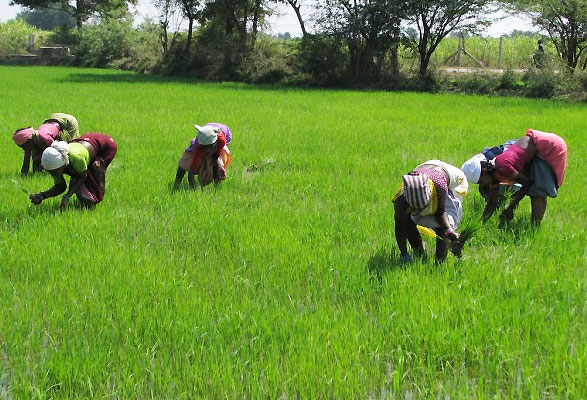
The Competitive African Rice Initiative (CARI) programme says its second phase is aimed at enhancing rice production and farmers’ income in West and East Africa.

rice-farming
Rice farming

Dr Stefan Kachelriess-Matthess, Programme Director of CARI, said this in an interview with News Agency of Nigeria (NAN) in Abuja on Wednesday, April 4, 2018.

Kachelriess-Matthess said that CARI programme had been in operation in Nigeria, Ghana, Burkina Faso and Tanzania since 2013, adding that its first phase would wind up in June this year.

He said that the first phase of CARI had been ranked successful in all the five criteria of the Development Assistance Committee (DAC), which included relevance, effectiveness, impact, efficiency, and sustainability.

“On the basis of the very good results regarding the achievement of Objectives 1 and 2 and the potential for improvement towards Objectives 3 and 4, the evaluation mission recommended to plan another phase for CARI.’’

He recalled that, in December 2017, CARI Phase 2 was launched by the German Federal Ministry for Economic Cooperation and Development (BMZ).

He said that the execution of the CARI Phase 2 programme would start on July 1, 2018.

“The Phase II of CARI will foster relationship between the actors and rice value chain in Nigeria, Ghana Boukina Faso and Tanzania.

“It will also promote productivity, income and rice value chain, while increasing food security at the regional level in West and East Africa.

“CARI Phase II will be executed, in partnership with the Alliance of Green Revolution in Africa (AGRA), in the four countries, with a focus on how to involve and help more farmers in Africa.

“We will try and look into some of the challenges which the first phase of CARI is facing in Africa in terms of increasing population and demand for rice,’’ he said.

Kachelriess-Matthess said: “We need to meet with the demand of rice consumers so that they can have enough food.

“We need to organise the value chain in such a way that it can receive additional support through the actors already available in those countries and financial institutes because agriculture production in the field requires a lot of resources.

“It also needs processing requirements, marketing, storage and transport resources; all these financial resources need to come from within the system and partnerships with financial institutions.’’

Alhaji Muhammed Auwal, National Secretary of Rice Farmers Association of Nigeria (RIFAN), said that CARI has been exposing rice farmers to basic skills in modern rice production.

“There is ongoing training at Farmers’ Business School in Good Agronomic Practices (GAPs); the training is to teach farmers how to use fertilisers and have high yields.

“This has really helped to grow our yield per hectare. Prior to the inception of CARI, we do have  2.5 tonnes per hectare but our yield increased to 5.6 tonnes per hectare 2016 and it later increased to between 8.5 and 9 metric tonnes in 2017, which is a remarkable increment.’’

Auwal commended CARI for equipping farmers with the technical know-how on rice production, building their capacity to sustain the increase in rice yield per hectare and providing them with access to finance, inputs and GAPs.

“We are ready to partner with CARI II so as to continue to enjoy the dividends of this tremendous rice revolution in Nigeria, while achieving increased productivity.

“We urge CARI to carry more farmers along in its second phase because most of the non-beneficiaries of the programme have seen the increasing yields of the beneficiaries and they wish to be included in the programme.’’

Auwal said that with the support of the Federal Government’s Anchor Borrowers Programme, rice importation into the country had drastically reduced by over 90 per cent.

He noted that many citizens were now eating locally produced rice which was more nutritious.

By Kudirat Musa

Rep assures speedy passage of Water Resources Bill

0

The Chairman, House Committee on Water Resources, Alhaji Aliyu Pategi, on Wednesday, April 4, 2018 assured the speedy passage of the National Water Resources Bill into law before the end of June 2018.

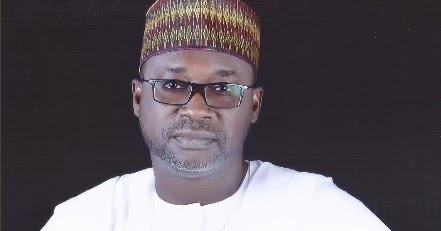
suleiman adamu kazaure
Suleiman Adamu Kazaure, Water Resources Minister

Pategi gave this assurance in Abuja in an interview with News Agency of Nigeria (NAN).

According to him, the bill is an Act for the establishment of a regulatory framework for the water resources sector in the country.

He said that the equitable and sustainable development, management, use and conservation of Nigeria’s surface and ground water resources could not be over-emphasised.

Pategi said the National Assembly was doing all it could to see that the passage of the bill was possible before the end of June 2018.

The lawmaker said the bill would, thereafter, be sent to President Muhammadu Buhari for his assent.

“The House of Representatives is a progressive partner to ensure that Nigerians have more water for all purposes, hence it has passed the National Water Resources Bill for second reading.

‘‘We are hopeful to see that by the end of June 2018, the bill would have been passed by both houses of the National Assembly.”

The chairman said the committee would continue to advocate for citizens’ right of access to clean water and sanitation, and promotion of equitable and affordable access to water for poverty reduction.

NAN reports that the bill also provides for the need to encourage comprehensive and equitable coverage of water supply and sanitation including promoting public-private sector partnerships in water delivery services.

The bill stipulates that the National Council on Water Resources be established as the apex advisory body for the review of national water-related legislation, water resources master plan and policies.

According to the bill, the council is to be chaired by the Minister of Water Resources with membership comprising state Commissioners for Water Resources or any other person responsible for water resources in the state.

It also promotes public-private partnerships in the development and management of water resources infrastructure, dams’ safety and appropriate reservoir operation and management.

Other provisions include; public trusteeship of water, entitlement to the use of water, water licensing, charges for water use, borehole drilling among others.

It will be recalled that the Federal Executive Council in 2016 approved a draft National Water Resources Bill and two policies: National Water Policy and National Irrigation Policy as part of measures to enhance quality of water resources in the country.

By Tosin Kolade

Forty-two African countries agree to cleaner mobility roadmap for continent

0

Africa is at a crossroad when it comes to mobility issues. One the one hand, the continent still has one of the lowest motorisation levels in the world. On the other, the continent is facing one of the fastest vehicle growth rates. The continent is already grappling with mobility challenges in terms of congestion costs, air pollution and its impact on health, inadequate infrastructure and costs to the economy. The region must act now if a cleaner, more sustainable, low carbon emission mobility path is to be realised.

vehicular pollution
Vehicular pollution

To address these challenges and map out a cleaner mobility pathway for the continent, 42 African governments, two regional economic bodies, along with the private sector, civil society, media and development partners met at the UN Environment Headquarters in Nairobi, Kenya from March 12 to 16, 2018 for The Africa Clean Mobility Week.  The week provided a platform for countries to share their experiences and learn from other regions on the opportunities that exist to switch to cleaner mobility. Participants also discussed the required minimum enabling environment to support the shift to cleaner mobility choices.

Erik Solheim, the Executive Director of UN Environment, called on Africa to follow the path of sustainable mobility by emulating success stories from all around the world.  He said that Africa had evolved and the highest fatalities in the region were because of road accidents and air pollution. He thus called on the region to shift its mindset to these new realities.

During the week, it was recognised that Africa has a huge opportunity to adopt clean mobility solutions and break away from the current business-as-usual scenario, which involves a rapid uptake of polluting and aging vehicles as well as unequitable consideration of walking, cycling and public transport.  Participants agreed that there needs to be a contextual African approach to cleaner mobility that would resolve the need for sustainable mobility and the equally important aspect of diverse mobility needs for the continent.

At the end of the week, stakeholders came up with sets of recommendations on various aspects of mobility. The key recommendations include how Africa will:

  • improve the fuel efficiency of the continent’s vehicle fleet taking advantage of technological advancements in the vehicle industry;
  • advance the electric mobility agenda which presents an opportunity for the region when linked to renewable energy and local manufacturing options;
  • regulate the import of used vehicles as a means for the continent to quickly shift to cleaner mobility; and
  • promote sustainable transport infrastructure as today a large percentage of the population in the continent walk or use public transport which is already a cleaner alternative.

These recommendations now form a roadmap for the region to integrate cleaner mobility in their national and regional strategies.

In his closing remarks, Ibrahim Thiaw, the Deputy Executive Director of UN Environment, noted that “clean mobility is not new to Africa,” and a change in policies is needed to sustain a cleaner environment on the continent.

World Bank sets new environmental, social criteria for investments

0

The World Bank has introduced a fresh set of criteria for environmental and social framework for project execution in Nigeria.

Rachid Benmessaoud
Rachid Benmessaoud, World Bank Country Director in Nigeria

At a workshop held on Tuesday, April 3, 2018 in Abuja, the institution sought for government officials to acquaint them with its new environmental and social requirements for the projects it finances in the country.

The World Bank Nigeria Country Director, Mr Rachid Benmessaoud, at the forum, said the bank would apply the new Environmental and Social Framework (ESF) to new investment projects it finances from October.

He said the new requirements seek to protect people and the environment from potential adverse impact that could arise from World Bank-financed projects and promote sustainable development.

“Time and again, we have seen that investment projects are more sustainable and have a greater development impact when the environment is protected, and when communities and people are engaged.

“The ESF is a great opportunity to work together with the Nigerian Government to strengthen its environmental and social systems, and help build the country’s capacity to implement programmes in a sustainable way and to achieve stronger results,” he said.

He said also that the framework would assist the borrowing governments to manage certain environmental and social risks in investment projects proposed for World Bank financing support.

Meanwhile, the Minister of State for Environment, Mr Ibrahim Jibril, said that the government was in support of any policy that focuses on environmental and social protection.

“Many states in the country are being affected by climate change with significant impact on the environment.

“The ESF is a welcome development as it will give us a chance to manage the effect of climate change or ignore it at our own peril,’’ he said.

Also, the World Bank Lead Environmental Specialist, Mr Africa Olojoba, said that under the new framework, the bank would classify all projects into four classes, listed to include: high risk, substantial risk, moderate or low risk.

He said that, in determining the appropriate risk classification, the bank would take into account relevant issues such as the type, location, sensitivity and scale of the project.

According to him, the ESF has 10 standards which a project must meet before the bank finances, and these include environmental and social risk assessment as well as labour and working conditions.

He also said that resource efficiency, pollution prevention, community health and safety standards, biodiversity conservation and sustainable management of living natural resources requirements must be met.

In addition, Olojoba said any new project must meet World Bank’s requirement for protection of cultural heritage, land acquisition, restrictions on land use and involuntary resettlement among others.

He said that henceforth, the ESF would form part of loan agreement developed between any government and the World Bank.

In Aug. 2016, the World Bank’s Board of Executive Directors approved the ESF, which would go into effect in 2018 and progressively replace the bank’s Safeguards.

The ESF is the result of extensive consultations conducted by the World Bank, with engagement around the world with governments, development practitioners, and civil society groups, reaching nearly 8,000 stakeholders in 63 countries.

The new framework provides a broad coverage of environmental and social issues, including important advances on transparency, non-discrimination, social inclusion, public participation, and accountability.

The ESF also places more emphasis on strengthening Borrower governments’ own capacity to deal with environmental and social issues.

By Rachael Ishaya

UN-Habitat’s headquarter functions remain in Nairobi, says Sharif

0

Executive Director of the United Nations Human Settlements Programme (UN-Habitat), Maimuna Moh’d Sharif, in a response to a story by Kenya’s Star newspaper, has allayed the fears that the agency might be split and some of the functions at the global headquarters in Nairobi be taken away to New York and the Economic Commission for Africa in Addis Ababa, Ethiopia.

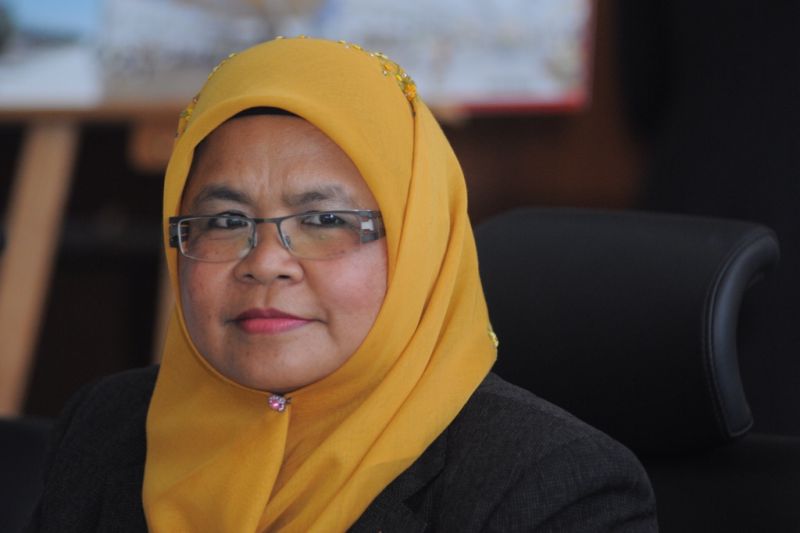
Maimuna Moh’d Sharif
Maimuna Moh’d Sharif, Executive Director of the United Nations Human Settlements Programme (UN-Habitat)

In a press statement on Tuesday, April 3, 2018, the Executive Director explained that the General Assembly had, in December 2017, adopted a resolution on strengthening UN-Habitat. The resolution reaffirmed the role and expertise of UN-Habitat, given its role within the UN system as a focal point on sustainable urbanisation and human settlements, including in the implementation, follow-up and review of the New Urban Agenda, in collaboration with other UN entities.

She added that, to strengthen UN-Habitat, the General Assembly requested the Chair of the Committee of Permanent Representatives to establish an open-ended working group in Nairobi to examine different options of strengthening Member States’ oversight of UN-Habitat that would enable the agency to enhance its effectiveness, efficiency and accountability in supporting countries to implement the 2030 Agenda for Sustainable Development and the New Urban Agenda.

“The General Assembly also reiterated the importance of Nairobi headquarters location of UN-Habitat and requested the Secretary-General to keep the resource needs of UN-Habitat under review with a view to improving its efficiency, effectiveness, transparency and accountability in supporting the implementation of its mandate,” said the statement.

To complement the work of the open-ended working group, Sharif, who was recently appointed the head of UN-Habitat, has reportedly embarked on efforts to strengthen UN body internally in ways that will build trust, to improve further good governance in terms of competency, accountability, transparency, efficiency, effectiveness and credibility.

“This will increase the impact and scale of UN-Habitat’s work in building a better quality of life for everyone in cities and other human settlements and in mobilising resources to facilitate this work, in line with the New Urban Agenda and achievement of sustainable development goals,” the statement added.

Ms. Maimuna said that, with the commitment at the level of Member States and the Executive Director, UN-Habitat had embarked on a new phase of work and welcomes strategic partners to join hands in ensuring that no one and no place is left behind in the common goal of achieving sustainable development in all cities and human settlements.

What this means, she said, was that UN-Habitat would continue to discharge its mandate from its Nairobi headquarters as a focal point in the UN system for human settlement issues including urbanisation.

“As I stated at my well attended maiden press conference last Thursday, UN-Habitat and our sister agency UNEP are the only UN agencies headquartered in the developing world. We are in Kenya for the long haul. I have made my commitment to the Cabinet Secretary for Foreign Affairs Ambassador Monica Juma and the CS of Infrastructure James Macharia that UN-Habitat is ready to offer its expertise to support the government to achieve its Big Four agenda, in particular, the one of availing one million houses to low income groups,” she said.

Government, stakeholders urged to address unregulated growth of urban areas, waste

0

An ecologist, Mr Abdullahi Aremu, has urged government and other stakeholders in the environment sector to tackle unregulated growth of urban areas and indiscriminate disposal of waste in the country.

waste
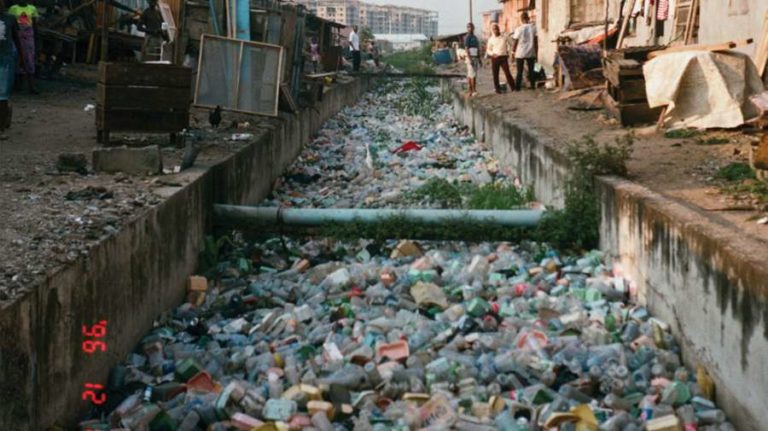
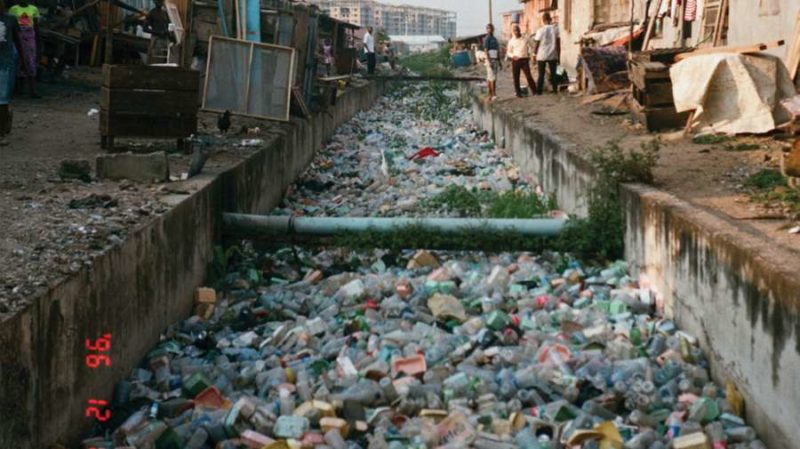
Inadequate refuse disposal and unsavoury habit have led to clogged drainage channels that contribute to flooding

Aremu gave the advice in an interview with News Agency of Nigeria (NAN) in Abuja on Tuesday, April 3, 2018.

“Unregulated growth of urban areas and inadequate facilities for collection, transporting, treating and disposal of waste have all contributed to increase pollution and ecological degradation in the country.

“Indiscriminate waste disposal are known to block water drainage, thereby, leading to flooding, a situation that can cause damages to house and property, ill health and even death.

“Waste flushed to the stream affects the colour, odour and the general water quality of the stream where most of the people get their water from, thereby exposing them to health hazards through water- borne diseases,’’ he said.

According to the ecologist, other ways to manage waste are by burying or burning, reducing or reusing, recycling and energy generation.

He underscored the need for the government to provide adequate funds for waste management personnel to purchase more evacuating vehicles and waste disposal containers.

According to him, there is also the need to strengthen the work force by recruiting more personnel in the waste management authority.

By Deji Abdulwahab

Biotechnology can overhaul agriculture for the better – Professor Isu

0

Professor of Microbiology, Rosemary Isu, has asserted that biotechnology has the capacity to transform the agricultural sector and contribute to national growth.

Prof Rosemary Isu
Prof Rosemary Isu

The science enthusiast, who made this assertion recently in an exclusive interview in Abuja, recalled the impact of the Green Revolution on agricultural activities which was centred on crops that were specifically created to give better yields in shorter times and better nutrients.

Those improvements, she explained, were premised on the application of all sorts of chemicals including fertilisers, insecticides, as well as herbicides to encourage these crops to grow as expected.

However, the lecturer and former Dean, Faculty of Sciences with the University of Abuja, lamented that most farmers then in the Third World, not just Nigeria, didn’t benefit from the Green Revolution because they lacked the capacity to practice these things as was required.

Consequently, she added, the attendant famine, hunger, poverty and all that accompany them are still plaguing the Third World.

“Biotechnology is now offering another new green revolution that is based on crops that wouldn’t only provide higher yield and resist diseases but would also provide better improvement in nutrient quantities,” she said.

The university don explained that this is what scientists are trying to sell and it is not rocket science, adding that it is an easy application of natural processes that scientists have studied and are able to apply which is what biotechnology does.

She hinted that biotechnology has four primary processes of incorporation and they include mutation, transformation, transduction, and conjugation, which are means of genetic modification in nature and are presently going on everywhere.

Professor Isu narrated that all scientists do is to study how nature modifies itself and creates biodiversity, which is a natural and dynamic process hinged on the movement of genes from one source to another.

Scientists, according to her, meticulously appreciate these processes and apply them to derive what is referred to as genetically modified organisms (GMOs) to provide precise and predictable results when deliberately applied towards solving specific problems.

Her words: “The caveat there is that we must do it by best practices, which is why we continue to call on the Federal Government to adequately empower the National Biosafety Management Agency (NBMA) to police the practices of biotechnology in Nigeria, especially genetic engineering, so that they are done in the right way.”

She noted that it’s very important that only permitted foreign genetically modified organisms (GMOs including crops) are allowed to get into the country when they are needed.

“We just need to follow it up and police it well. The benefits would be obvious and everybody would be a witness,” she submitted.

By Etta Michael Bisong, Abuja

Tesco Malaysia launches scheme to pay shoppers to cut plastic waste

0

British supermarket group Tesco has launched a scheme in Malaysia based on bags with barcodes, giving customers discounts on their shopping every time they reuse the bags.

Tesco-Malaysia
A Tesco outlet in Malaysia

The “unforgettable bag” was launched in 11 Tesco stores in Malaysia’s capital Kuala Lumpur and the southern state of Johor on Tuesday, April 3, 2018 in an effort to shift away from single-use-plastic-bags and reduce waste.

Azliza Baizura Azmel, a Director at Tesco Malaysia, said 70 per cent of customers have their own carrier bags but leave them in the car rather than bringing them into the store.

“That’s why we thought of the idea of the unforgettable bag – it’s a bit of a push for them,” she told the media.

The new bags will be sold for 0.50 ringgit (13 cent) each, and customers will get a free replacement if the bag is torn or damaged.

Tesco will offer customers a cash rebate of 0.20 ringgit (5 cent) for every bag reused. $1 is equivalent to 3.8610 ringgit.

Each year between 500 billion and one trillion plastic bags are used globally, according to industry estimates with fewer than 10 per cent recycled.

Many end up in the world’s oceans or dumped in landfill.

More than eight million tonnes of plastics enter the ocean each year, and marine experts fear there could be more plastic than fish in the ocean by 2050, measured by weight.

Plastic degrades over time into tiny particles which are ingested by marine life, harming the food chain and environment.

In an attempt to cut down on waste and single-use plastic, many supermarkets around the world charge customers for plastic-bags, promote reusable-bags, and offer free-recycling-services.

Meanwhile, more than 40 countries have banned, partly banned or taxed single-use plastic bags, including parts of Malaysia and India, China, France, Rwanda, Italy and Kenya.

The “unforgettable bag” is made from a recyclable plastic that is more durable than conventional plastic bags.

“It is sports a turtle, fish or whale design to highlight the risks plastic waste poses to sea creatures.’’

The Tesco trial – the first of its kind by a major hypermarket in Malaysia – limits the bag discounts to two per transaction.

The scheme will be extended to all Tesco’s 56 stores in Malaysia from June 1. If successful, the retailer hopes it will be adopted by other Tesco stores across Asia.

The barcoded bags are a starting point toward phasing out all plastic bags from Tesco shops in Malaysia, said Azmel.

Every Malaysian on average throws away 300 plastic bags a year, according to the Malaysian Plastics Manufacturers Association.

Von Hernandez, global coordinator of the Break Free From Plastic movement in Manila, welcomed the Tesco initiative but said governments and business in Asia needed to do more.

“We’ve seen governments – whether at city or national level – take action to restrict the use of single-use plastics.

“That has to be matched by the corporate sector.

“There is increasing momentum for similar restrictions in many parts of the world because this crisis is growing,” said Hernandez.

EU plants 4.5m trees in Katsina

0

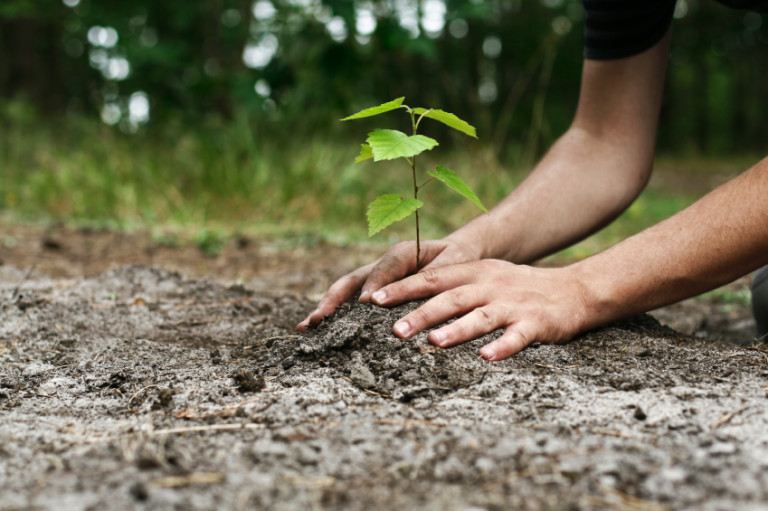
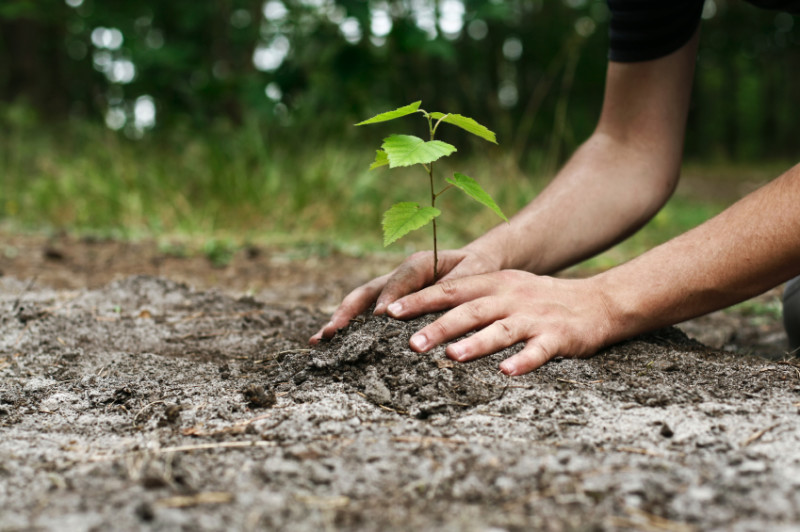
About 4.54 million trees have been planted and maintained in Katsina State under the Improved Fuel Wood Balance project supported by the European Union (EU).

Tree-Planter
Tree planting

The Project Manager, Dr Chris Udokang, said the initial target was to plant 5.5 million trees.

He said in an interview with the News Agency of Nigeria (NAN) on Tuesday, April 3, 2018 in Daura that 70 percent of the trees had survived.

According to him, a regeneration of another 1.5 million trees is currently going on while new round of nursery activities have commenced on March 1.

He said that the trees were planted in Daura, Zango, Mai’adua, Baure, Mashi, Dutsi and Sandamu Local Government Areas to improve fuel wood balance and prevent desertification.

The official explained that seven motorised boreholes were drilled in each of the seven community nurseries to water the plants, and provide water for human and animal consumption.

He said that the programme has covered 55,000 farmers and 41,248 households, adding that 160,000 hectares out of the targeted 97,072.12 hectares of land had been covered.

The manager added that multi-purpose stove production centres were established in the local government areas, which had produced thousands of cooking stoves distributed to local people, to reduce illegal felling of trees.

He said the organisation has organised capacity training workshops for NGOs, porters, marketers, women and youth groups on sustainable tree management.

NAN reports that FUWOBA is a sustainable, impact-filled community driven and income generating rural-based climate change afforestation support initiative.

By Auwalu Yusuf Birnin Kudu