American and Chinese scientists have identified how a multi-functional enzyme works to fight diseases including HIV infection and autoimmune disorders.
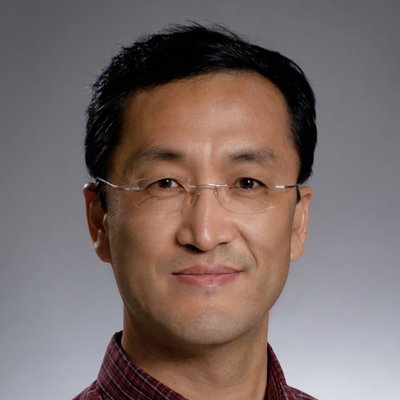
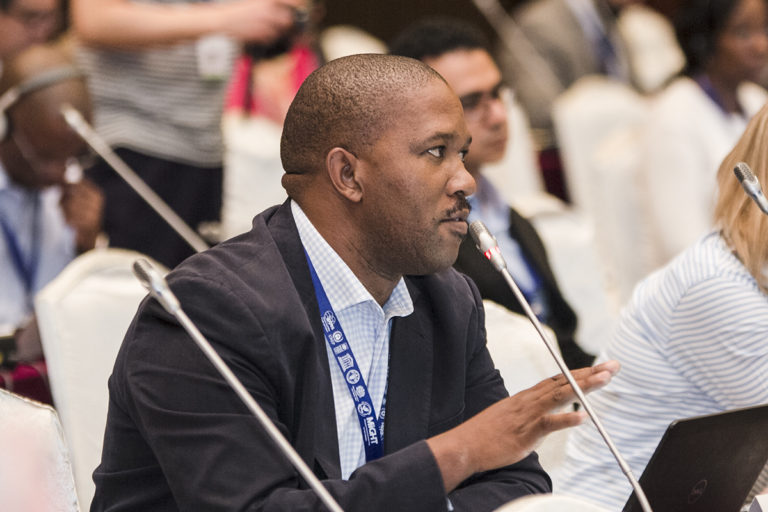
Prof Li Wu of the Ohio State University’s Centre for Retrovirus Research, the paper’s senior author
The study, published in the journal Proceedings of the National Academy of Sciences, has detailed how the enzyme called “SAMHD1” managed to inhibit proteins that stimulate the immune response in human and mouse cells.
SAMHD1 is a cellular enzyme, responsible for blocking replication of HIV in dendritic cells, macrophages and monocytes.
This, they said, opens up the possibility of finding ways to turn this activity on and off and making
way for new therapeutic approaches for hard-to-treat diseases.
The paper’s senior author Wu Li, a professor in Ohio State University’s Centre for Retrovirus Research, and colleagues from China’s Wuhan University, have illuminated the way in which “SAMHD1” act as a neutraliser of potentially harmful responses during viral infection.
The researchers said that lacking this enzyme due to “SAMHD1” gene mutations can activate the human immune system and increase inflammation.
“SAMHD1 is responsible for balanced regulation of the immune response, but it also could limit HIV or other viral infections and alter the progression and treatment of certain cancers,” Wu told Xinhua.
“We need good immune responses, obviously, but we don’t want overwhelming immune activation.”
Wu said the enzyme could break down a DNA building block in our cells – to act as “molecular scissors.”
“Too much of this building block due to SAMHD1 deficiency caused by genetic mutations can lead to autoimmune diseases and help cancerous tumors grow.
“If we can find a way to cut off or reduce the supply, the disease might not be viable, like a car without gas.
“Because inflammatory pathways influence nearly all diseases in humans and animals, including HIV infection and cancers, identification of SAMHD1 as an inhibitor of immunity may have far-reaching implications in biomedical research,” he said.
National Coordinator, Fadama III Additional Financing Project, Mr Tayo Adewumi, says sustainability is paramount in the implementation of the project to ensure that the achievements recorded are maintained.
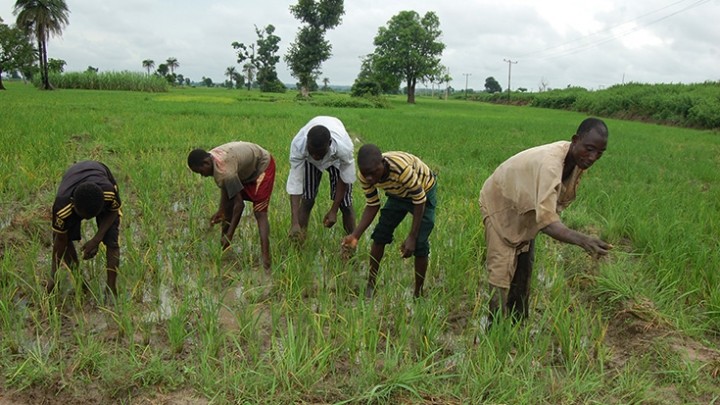
Farmers on the FADAMA project
Adewumi told newsmen on Tuesday, April 3, 2018 in Gwagwalada, Abuja, that several measures had been put in place to ensure that the project was sustained at the end of its implementation.
He said the constitution of the Federated Fadama Community Association (FFCA) was one of the measures put in place to ensure the sustainability of the project.
The National Coordinator said the FFCA was constituted to bring farmers together to see themselves as one family with the same economic interest.
He said the association was constituted to also eliminate the activities of middlemen in the agricultural value chain.
According to him, members of FFCA are representatives of the various farming groups and are expected to mentor and provide technical assistance to members of their groups.
“That is why we are encouraging Federated Fadama Community Association to take over the project at the end of its implementation,” he said.
He said another measure to ensure the sustainability of the project was the concluded plans to establish pilot Fadama Market in the FCT.
Adewumi said the market would serve as a hub for the aggregation and trading on agricultural produce and input sourcing for all Fadama groups across the country.
According to him, with the market, farmers in the six geo-political zones can bring their produce and go back with what they want because of commodity exchange opportunity in the market.
He said the Fadama Graduate Unemployed Youths and Women Scheme (Fadama GUYS), initiative was another measure aimed at creating employment and sustaining the project.
Adewumi said the youths under the initiative would replace aging farmers in the various groups.
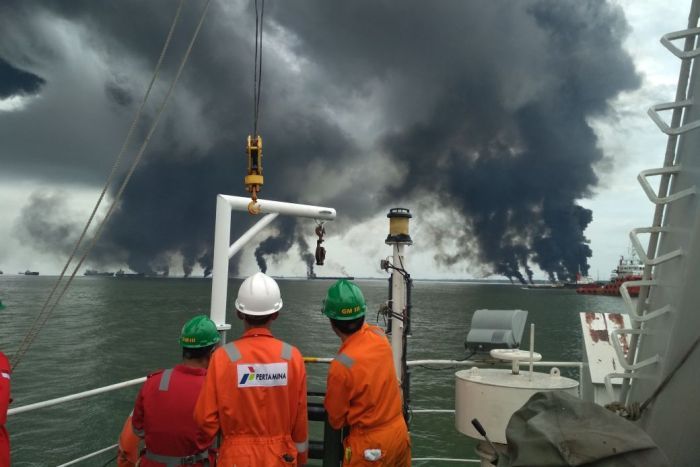
Indonesia has declared a state of emergency around a port on Borneo Island, officials said on Tuesday, April 3, 2018 after a large oil spill and fire killed four people.
State of emergency declared after Indonesia oil spill
Disaster mitigation officials were able to control the blaze in the port city of Balikpapan.
But officials were still working to contain the spill, which started on Saturday and spread over an area of around 12 square km (4.5 square miles).
“We have warned the public not to carry out activities that could spark fires,” Suryanto, head of the city’s environmental agency, said.
Balikpapan, in East Kalimantan, is a major mining and energy hub and home to one of the few oil refineries in the country, run by state energy firm Pertamina.
The state-owned company said it was investigating where the oil had originated and that its own underwater pipeline in the area did not have any leaks. Pertamina said there had been no disruptions to operations.
“At this time, our team is prioritising management (of the incident),” said Arya Dwi Paramita, external communications manager at Pertamina.
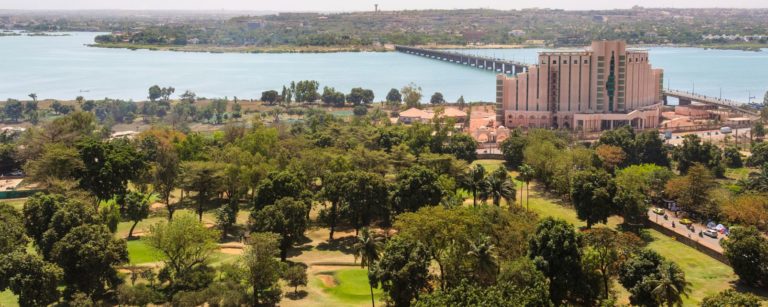
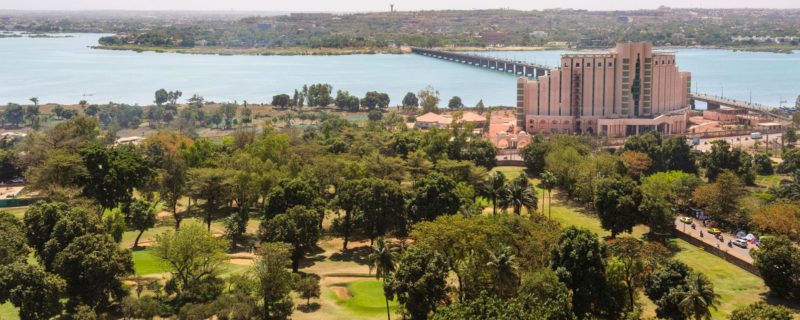
The Green Climate Fund’s (GCF) Structured Dialogue with Africa opened on Tuesday, April 3, 2018 in Bamako, Mali, with some 300 participants from across the continent in attendance. They are seeking to promote regional climate cooperation and enhance understanding about how to engage with the Fund.
Bamako, Mali, hosts the GCF’s 2nd African Structured Dialogue
President of the Republic of Mali, Ibrahim Boubacar Keïta, opened the Dialogue, which is the second to be held in Africa.
A major focus of the four-day event is to take stock of progress in regional cooperation and individual country action on climate change since the first Structured Dialogue with Africa was held in South Africa in October 2016.
Following that event, African countries have reportedly been stepping up their response to climate change and engagement with GCF. To date, GCF has approved 28 projects in Africa amounting to $0.91 billion – ranging from country-focused, ecosystem-based adaptation to the creation of multi-country markets in energy efficiency and renewable energy.
The Dialogue includes a wide selection of GCF’s African Partners including National Designated Authorities (NDAs) and Focal Points, Accredited Entities, Readiness delivery partners, private sector representatives and civil society organisations.
The forum provides a venue to promote learning among participants, with the goal of enhancing the pipeline of impactful climate projects from Africa to be considered by GCF.
Discussions will also explore the backdrop of national circumstances which guide GCF’s ongoing support and assess the overall trends of financial investments across the continent. This will help in considering how to climate proof these investments and to identify specific measures to fill funding gaps.
There will also be scope during the Dialogue to explore how GCF’s Readiness programme can help to fill knowledge gaps, including an understanding of the science behind climate impacts.
The GCF Structured Dialogue acts as a knowledge-sharing platform for other organisations working in the climate space.
The African Development Bank (AfDB) holds a side event on Wednesday to discuss GCF’s Readiness programme. The World Resources Institute and the United Nations Framework Convention on Climate Change (UNFCCC) also host side events during the Dialogue addressing, respectively, an enhanced understanding of GCF and long-term climate finance.
Results of the Bamako event will inform and shape GCF’s future collaboration with African countries on how best to promote climate action.
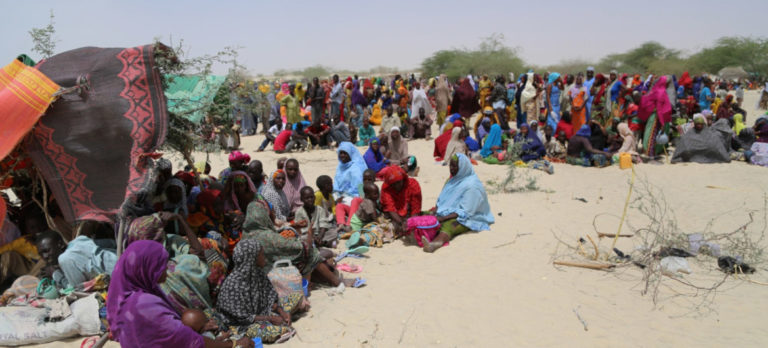
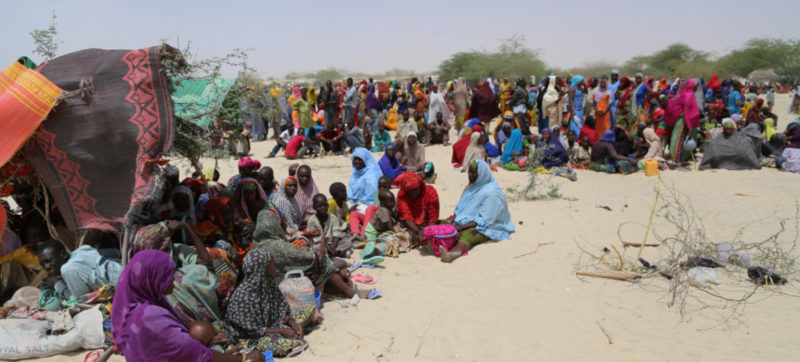
The UN Deputy Humanitarian Coordinator in Nigeria, Mr Yassine Gaba, on Monday, April 2, 2018 has condemned Sunday’s deadly attack near Belle Village in Maiduguri, Borno State.
Person displaced as a result of the crisis in northeast Nigeria
This is contained in a statement by Mr Abiodun Banire, the National Public Information Officer, UN Office for the Coordination of Humanitarian Affairs (OCHA) in Abuja.
At least 34 civilians lost their lives in the attack which left 90 others injured.
Banire said that recent weeks had seen a steady continuation of attacks on civilians in the three most conflict-affected states of Borno, Adamawa, and Yobe in the Northeast Zone of the country.
Banire quoted Gaba as saying that since the beginning of the year, no fewer than 120 civilian were reportedly killed while more than 210 sustained serious injuries in more than 22 attacks allegedly carried out by non-state armed groups.
He said that civilians were also regularly abducted in Dapchi, Yobe, where 110 school girls were kidnapped on Feb. 19.
“Innocent civilians continue to suffer daily from direct and indiscriminate attacks in the northeast of Nigeria.
‘’Endless numbers of explosions, brutal killings, abductions and looting continue to uproot the lives of women, children and men daily.
“I call on all parties to the conflict to end this violence and to respect human life and dignity.
“The protection of civilians is a major focus of the ongoing humanitarian response in the northeast of Nigeria where 7.7 million people remain in direct need of humanitarian assistance, including food, shelter, water and health care, in the most conflict-affected states of Borno, Adamawa and Yobe,” he said.
According to him, women, children and men face daily grave human rights violations and sexual and gender-based violence.
He said that since the start of the conflict in 2009, more than 20,000 people had been killed, thousands of girls, women, boys and men abducted, while children continue to be used routinely as so-called “suicide” bombers.
The Nigeria Sovereign Investment Authority (NSIA) says its investment in promoting local farming is yielding results as production of made-in-Nigeria fertiliser has presently hit 2.22 million metric tonnes.
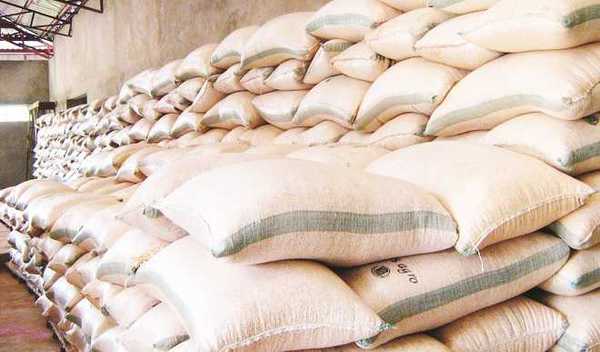
Bags of fertiliser
Managing Director of NSIA, Mr Uche Orji, in an interview with the News Agency of Nigeria (NAN) on Monday, April 2, 2018 in Abuja, said NSIA’s investment was to make fertiliser affordable all year round to farmers.
“Prior to Dec. 2016, Nigeria’s stock of blended Fertiliser was shipped into the country as fully finished products, even though Urea and Limestone, which constitute roughly two-thirds of the component of each bag, are available locally.
“Knowing this, President Muhammadu Buhari approved a Presidential Fertiliser Initiative for the local production of blended NPK 20:20:10 Fertiliser.
“The objective of the project is to deliver commercially significant quantities of affordable and consistently high-quality fertiliser at the right price and in time to Nigeria’s over 500,000 farmers across the country.
“The target retail price regime at the time was between 50 per cent and 65 per cent of the prevailing market price,’’ he said.
Orji said that after one year of running the programme, NSIA noted that import of finished fertiliser had reduced drastically.
“For the 2017 wet season, it is estimated that about N60 billion from the 2017 budgetary provisions for fertiliser was saved, while another saving of 150million dollars was conserved from foreign exchange window.
“To date, the programme has contributed to the resuscitation of 14 moribund blending plants, which represents 55 per cent of total installed capacity in Nigeria.
“Also, more than six million bags of 50kg NPK 20:10:10 fertiliser has been produced locally, which have been distributed to farmers.
“The success of the Presidential Fertiliser Initiative is evidence enough that Nigeria can sustainably produce fertilisers locally at a reasonable price without subsidy. With the right model, any constraint can be addressed,’’ he said.
Orji said that as a result of its investment in fertiliser production, several thousand jobs had been created and the nation had saved a significant amount in foreign exchange and subsidy payments.
He reiterated that the NSIA had about 2.2 billion dollars in assets as at Dec. 31, 2017.
The Presidential Fertiliser Initiative is an initiative of President Muhammadu Buhari borne out of desire to end fertiliser importation and the attendant impact on the country’s foreign exchange reserves.
It was designed to stimulate significant economic activities across the agriculture value chain and catalyse growth by meeting the fertiliser demand of farmers during the wet farming season.
Ahead of the 2017 farming season, Buhari inaugurated a special committee to look into and bridge the gaps in the production and distribution of fertiliser in Nigeria.
The committee comprised of the Governor of Jigawa State as Chairman, while the Managing Director, Nigeria National Petroleum Company and the Minister for Agriculture and Rural Development as members.
Other members include the Chief of Staff to the President, Central Bank of Nigeria (CBN) Governor and President of the Fertiliser Producers and Suppliers Association of Nigeria (FEPSAN).
The NSIA was invited to provide technical support, as well as serve as managers of the initiative subsequent to the committee’s inauguration.
NSIA has invested more than $286.4 million in the fertiliser blending project in partnership with FEPSAN.
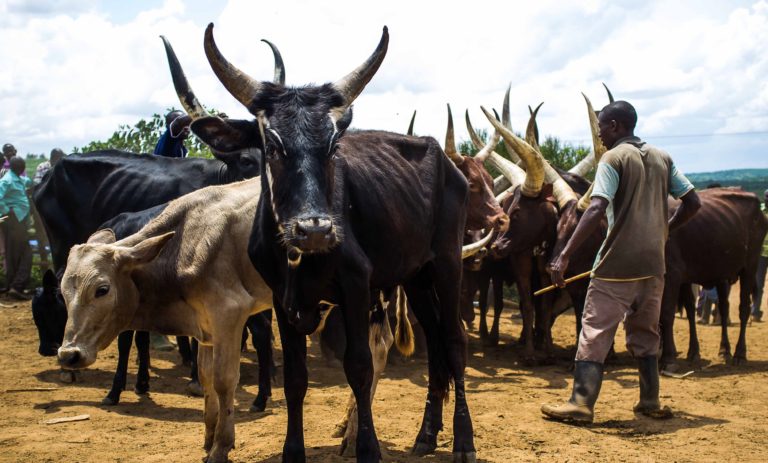
Massive animal translocation is taking place in Northern Uganda as hundreds of nomadic pastoralists comply with a presidential decree evicting them from the region.
A Ugandan nomadic pastoralist
On October 20, 2017, Uganda’s President, Yoweri Museveni, directed the Ministry of Agriculture, Animal Industry and Fisheries to evict the nomads from northern Uganda for, among others, interfering with food security of the people of northern Uganda. The President also wrote that the nomads threaten the peace of the north and the economy by practicing obsolete farming methods. He tasked the Ministry of Agriculture, Animal Industry and Fisheries to introduce the nomads to sedentary forms of agriculture, paddocking and coffee growing.
The presidential decree followed repeated calls for eviction by host communities who accused the nomads of grazing their livestock in their subsistence farms after failing to fence off their hired pieces of land. Other accusations include sexual harassment of women, engaging in illegal charcoal business, theft of animals and illegal possession of firearms as well as land grabbing.
At least 20 trucks laden with cows belonging to the Balaalo leave the region for Central and South Western Uganda where the pastoralists initially lived with their animals since the Ministry of Agriculture started implementing the decree on March 22. The decree affects more than 40,000 herds of cattle in the hands of more than 30 groups of nomads estimated to number some 15,000 people.
Edward Kamgaene, a pastoralist herding 200 cows in a rented area of Amuru district, says government is not being fair to them by asking them to leave the north of the country within just few days.
“Government has been shifting the goal post all along. Initially, we were told to fence our grazing land and stay. But, today, we are being told to process movement permits, vaccinate our animals and leave. This is totally a different thing we were told to do earlier. How can this be possible within a short time we have been given?” Kamagaene said with anger in his face.
Kamgaene says his livelihoods depend on pastoralism in which he fattens animals before selling them to abattoirs in Kampala, the nation’s capital. He is worried that he will not be able to fend for his family without practicing pastoralism.
Kamagaene is one of the thousands of nomads who fled acute shortage of pastures and water in 2016 from South Western Uganda migrating up north to fatten his livestock in vast open savannah grassland inhabited by the Acholi and Lango ethnic groups. He says he is stuck with his livestock after learning that his home district is under quarantine due to Foot and Mouth disease.
“I have 100 cows in Nwoya district which I should move to Kyankwanzi district via the districts of Nakasongola and Nakaseke and yet these districts are under quarantine for Foot and Mouth disease. How can I go to these districts to pick movement permits without infecting my animals? How can I take my animals where there is a running quarantine?” Festus Shaka Mutabazi, a pastoralist from Nwoya district stated furiously.
Fred Munyeragwe borrowed a loan of 70 million Shillings for establishing his livestock project. He fattens his animal before selling them for money. He is so worried that he will lose his business alongside the land in Kiboga district he used as security to secure a bank loan if evicted from Northern Uganda.
“The government wants to make us poor. You tell us to work and feed our families. Again you come to disrupt our livelihoods. The pasture back in my home district is still dry and we need an average of two months if we are to relocate back. We don’t need to be pushed as if we are at war with the local community. We are not. Tell those government leaders to give us two more months to prepare ourselves and we move to where we are coming from,” he pleaded with government.
Majority of the pastoralists, locally known as the Balaalo, come from the Ankole Cattle Keepers of South Western Uganda. According to President Museveni, some of them were expelled from Tanzania and Rwanda for practicing nomadism.
They started migrating with their animals on trucks in the dead of night without proper animal movement permits from their districts in 2009 to fatten their livestock on leased pieces of land in the north where vast uncultivated land, abundant fresh water streams and adequate green nutritious pasture exist. By 2016, their numbers had increased to more than 25,000 pastoralists with more than 40,000 herds of cattle.
Speaking with the nomads in Gulu (the Northern Uganda region’s biggest business hub) one week ahead of the eviction deadline, Vincent Ssempijja, the Minister of Agriculture, Animal Industry and Fisheries, said government would like to end nomadism in Uganda due to increase in human population. He warned that government would not hesitate to use force against the pastoralists who would not comply with the presidential directive to leave the region.
Ssempijja says: “There is looming insecurity between the pastoralists and other people who do not want peace. We have decided here that we abide by the directive of the president to get the nomads out of this area. So we are giving it up to March 22 and everybody should have moved the cows from the northern part of this country.”
The eviction delayed three consecutive times to allow the pastoralists vaccinate their livestock against Foot and Mouth disease. The agriculture minister says the vaccination exercise suffered multiple delays due to shortage of vaccine.
“Initially, we could not vaccinate all the livestock we projected after we received only half of the consignment of vaccines we ordered for. Fortunately, the other half has reached the country and we are hopeful that it will be adequate to vaccinate all the remaining animals within the shortest possible time. In fairness, everybody must accept to stop nomadism. It has caused a lot of problems in South Western Uganda. Animal diseases are so rampant,” he stated one week to the commencement of the eviction.
In Gulu district, some 1,000 out of estimated 5,000 cows were vaccinated while in Amuru district, only 5,000 out of estimated 14,000 animals got vaccinated.
Patrick Okello Oryema, the Nwoya district chairperson where the nomads first settled, says on average, seven large lorries laden with cattle belonging to the pastoralists continue to leave his district daily for Central and South Western Uganda.
Dr. Charles Obalim, Gulu district veterinary officer, says many of the Balaalo shunned the vaccination programme saying government wants to harm their livestock.
“We initially targeted cattle belonging to the Balaalo pastoralists without those of their host communities. This was not well received by the pastoralists but we are telling them that cattle belonging to host communities were just recently vaccinated against Foot and Mouth disease. And I would like to reiterate that the vaccines are completely safe.”
Africa, which has 62 per cent of the rural population relying on natural resources for livelihood, is extremely vulnerable to climate change, says a report released at the sixth plenary session of Intergovernmental Platform on Biodiversity and Ecosystem Services (IPBES) that held recently at Medellin, Colombia.
Luthando Dziba
“Africa is the only place on Earth that has a huge number of mammals,” says Luthando Dziba, co-chair, Africa, at the session. “Yet today, African biodiversity is more threatened than ever before.”
By 2100, climate change would lead to loss of more than half of bird and mammal population in Africa, cause significant reduction in plant species and lake productivity will go down by 20-30 per cent, says the report.
Managing and conserving rich and diverse biodiversity is extremely important for the development of Africa. “The assessment has shown that the natural capital is most important for African development as 62 per cent of the African rural population depends on natural resources for livelihoods. This dependence on natural resources means it is important that African government and communities ensure the biodiversity is well managed and conserved,” he adds.
If Africa continues its current resource usage pattern, 500,000 sq km of its land may get degraded, says the report. “The population in Africa is expected to double by 2050 and the rapid unplanned urbanisation will put immense pressure on land and affect biodiversity,” adds Dziba.
Climate change and pollution also have far-reaching implications on fisheries, food security, tourism and overall marine biodiversity, which make significant economic, social and cultural contributions. “One of the key measures the African government has taken is increasing the number of protected areas. Steps like integrating development planning with necessary policy changes can prove helpful in managing the biodiversity in a sustainable way,” the African co-chair adds.
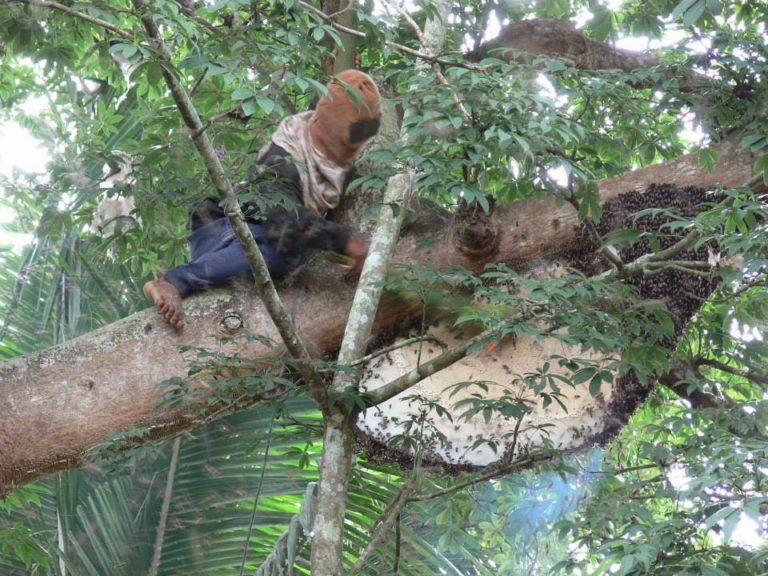
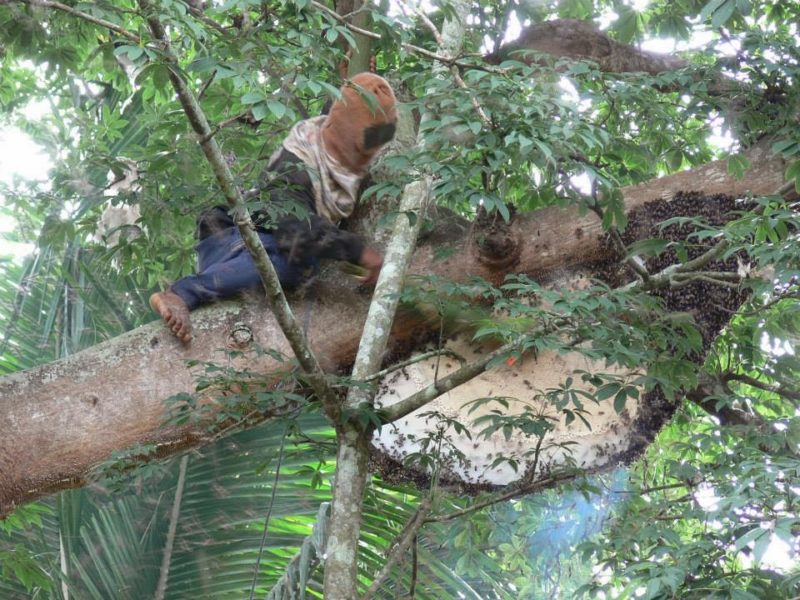
The official in-charge of Apiculture at Audu Bako College of Agriculture, Kano State, Mr Dauda Abbas, says Nigeria has the potential to produce 20 million litres of honey annually.
Wild honey harvesting
Abbas made the disclosure in Katsina on Monday, April 2, 2018 in an interview with News Agency of Nigeria (NAN).
He spoke to NAN after a three-day training programme on poultry, fisheries and bee-keeping organised for members of the Nigeria Union of Journalists (NUJ).
‘‘The current production of honey liquid in Nigeria is two million but the expected production is 20 million.
‘‘We have the potential to produce that because majority of bee species in Africa reside in Nigeria due to favourable climatic conditions.
‘‘However, Tanzania and Kenya produce more honey than Nigeria,’’ he said.
He stated that Adamawa, Kogi, Nasarawa, and Kaduna states as well as the Federal Capital Territory were producing most of the nation’s honey.
Abbas expressed regret that Nigeria was producing below its capacity in honey due to lack of commitment from government.
‘‘We have all the climatic conditions that bees required, only that we are not encouraged to live up to expectations; this aspect of agriculture is neglected by the government.
‘‘People consider bees as nuisance but bees are friends that can live with human beings at homes, farms, forests and elsewhere.
‘‘So, we need more enlightenment on that by the media,’’ he said.
He said that beekeeping was not a money-intensive venture, as all that was required was to mount hives for bees to produce honey and ensure places for them to collect nectar from trees.
Abbas, who revealed that honey could be used for medicinal purposes, explained that bees produce venom that could be used for treatment of rashes, cancer, stroke and hypertension.
He said government could also generate employment opportunities through honey production, and advised all tiers of government in the country to focus attention on bees keeping.
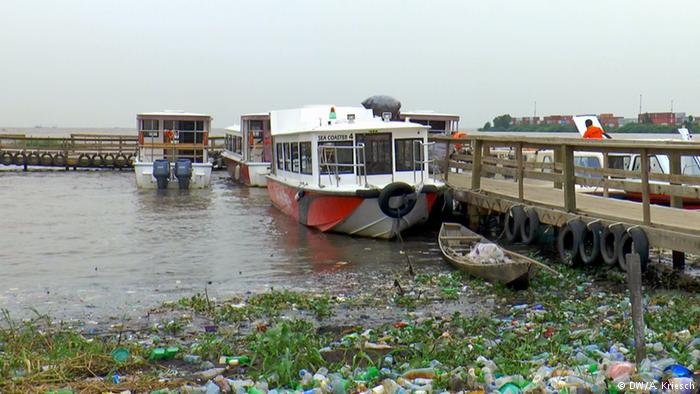
Gov. Akinwunmi Ambode of Lagos State on Sunday, April 1, 2018 promised to make the state’s waterways cleaner and safer to attract more investments and encourage partnerships in the channelisation of the water routes.
Plastic wastes on waterways pose a treat to small boats
Ambode, represented by his deputy, Dr Idiat Adebule, made the promise at the 2018 Boat Regatta funfair organised by the state’s Ministry of Tourism, Arts and Culture in Lagos.
He promised to provide more standard jetties and ferries across the state’s waterways which he described as the coastal assets and strength that needed to be developed.
”It gives me a great pleasure to join you all at this year’s edition of the Lagos State Boat Regatta. This colourful parade on water has been a fairly consistent feature of our entertainment menu at Easter.
”The colouful displays and parades of culture and tradition on our waters reassure us of the treasure that our waterways represent and why we must nurture this God-given asset as a major tourist attraction.
”We have made a modest investment in a few luxury boats that are meant to target tourism promotion and the Lagos lagoon boasts of perhaps the busiest water route in West Africa.
”There is a vibrant boat club with members’ boat collection that is astonishing; there is a growing interest in surfing and our waterways are acknowledged as one of the best for scuba diving in the world.
”This is why our determination will not waver in making our waterways cleaner and safer with further investments and partnerships in the channelisation of the water routes, in the provision of more standard jetties and ferries, ” he said.
Mr Daramola Emmanuel, General Manager, Lagos State Water Authority (LASWA) read the water safety tips to participants.
He said that the state government was serious about promoting water transportation as an alternative to other means of transportation.
Emmanuel said the government was also serious about ensuring safety on it waters.
He advised participants to wear life jackets and avoid drinking before driving or using the water transportation to prevent accidents or emergencies.
In his remarks, Mr Steve Ayorinde, the Commissioner for Tourism, Arts and Culture, said the event was a cultural and entertainment funfair meant to showcase part of the state’s rich aquatic cultural asset.
Ayorinde explained that what had been displayed was a festival that is common to the traditional coastline communities.
The News Agency of Nigeria (NAN) reports that 20 boats from Ikorodu, Badagry, Lagos Island and Epe divisions participated in the traditional boat regatta parades and competitions.
The boats were decorated to showcase the peculiar culture and tradition of the different divisions and areas.
There were search and rescue demonstrations by LASWA as well as Jet ski stunt displays.
The boat from Agbowa-Ikosi in Ikorodu emerged the best regatta boat, Fanti Popo-Aguda boat from Lagos Island emerged second position while Olorunda in Badagry came third.