Home Blog Page 1932

$300m AfDB fund for Niger Basin launched

0

The Niger Basin Authority (NBA) has launched a $300 million fund with the African Development Bank (AfDB) for technical and environmental studies to protect the basin from the consequences of climate change.
Niger-River-Basin
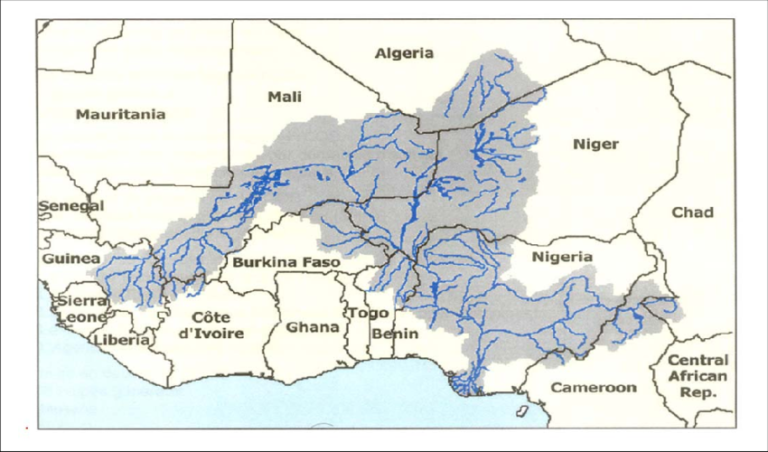
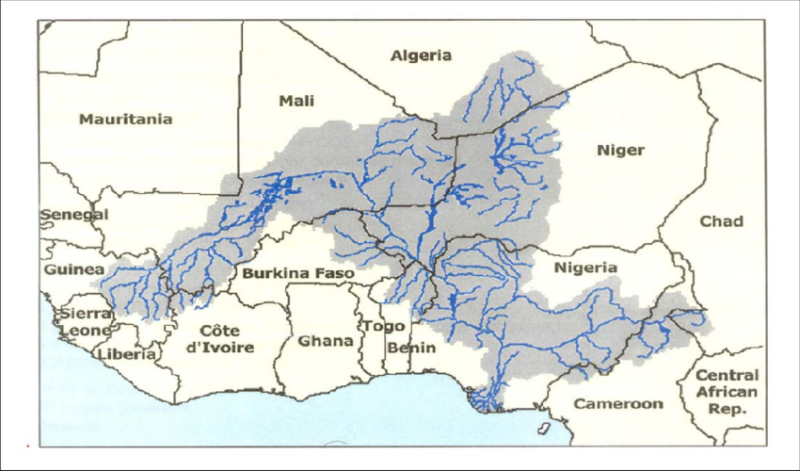
Location map of the Niger River Basin

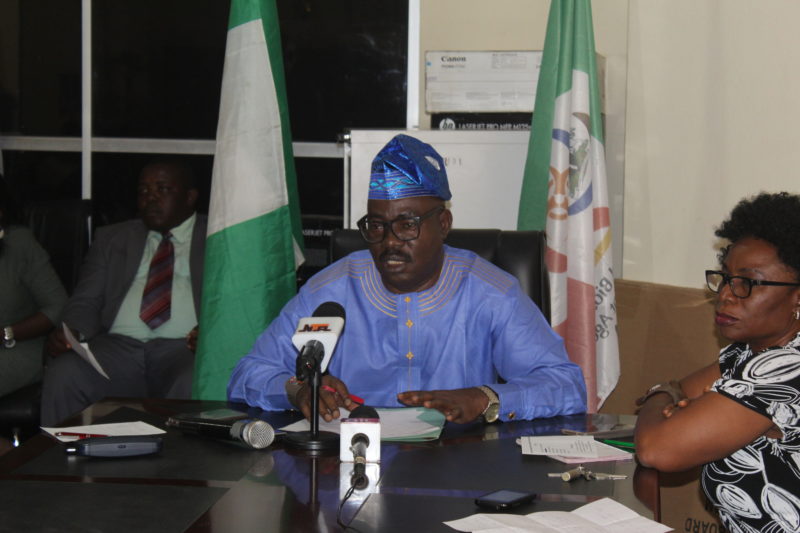
The Executive Secretary of NBA, Dr Abderahim Hamid, made this known on Friday, April 6, 2018 at the opening of the 36th Ordinary Session of the Council of Ministers of NBA in Abuja.

The project, which is the Programme for the Integrated Development and Adaptation to Climate Change in the Niger Basin (PIDACC), would promote the adaptation of mechanisms to manage the depletion of the basin.

Hamid said that it was important for NBA member countries to make additional efforts through contributions and strengthening of human capacities towards improving the people’s livelihoods.

“I would like to request for member countries’ political and financial support and their ownership of NBA actions, so as to create favourable conditions for the people, especially in efforts to engage the youth of the basin.”

He pledged that the authority would continue to improve governance without forgetting the current difficulties in trans-boundary basin management.

The Minister of Water Resources, Mr Suleiman Adamu, said that the degradation of the environment in the Niger River Basin and its impact on the natural resources were the major concerns of countries, adding that the solutions entailed strengthened cooperation.

He said that the combined phenomena of climate change and population growth as well as irrational and abusive exploitation of natural resources had been having adverse consequences on the social-economic activities in the basin.

Adamu said that it was saddening to note that the Niger Basin Area, with a population of more than 130 million, was facing myriad challenges despite its richness and its diversity.

He underscored the need for the member countries to promote the development of the region by showing more commitment via the payment of their contributions.

Adamu urged them to pursue programmes such as the implementation of major integration projects and the Silting Control Programme in the basin, among others.

He also noted that programmes such as Reversing Land and Water Degradation Trends in the Niger Basin and the Water Resource Ecosystems Programme had been of great importance to the survival and development of the basin.

The minister restated the commitment of the Federal Government to fast-tracking the development of the basin, so as to achieve the overall goal of improving the livelihoods of the residents of the area.

News Agency of Nigeria reports that the Niger Basin Authority has nine-member countries – Benin Republic, Burkina Faso, Cameroon, Cote d’Ivoire, Guinea, Mali, Niger, Nigeria and Chad.

The population of the basin is approximately 130 million inhabitants and 70 per cent of the population are living in rural areas.

Due to its ecological and socio-economic importance, the Niger Basin is crucial to the development of the sub-region.

By Tosin Kolade
Nigeria, EU, UNODC renew commitments against terrorism, unfold new project

0

The ongoing fight against terrorism in Nigeria received a boost as the European Union unfolded a three-year funding plans commencing in April 2018. This was the highpoint of a final Project Steering Committee meeting involving Nigerian, European Union (EU), and United Nations Office on Drugs and Crime (UNODC) officials to reflect on the achievements made under the second phase of the EU-Nigeria-UNODC partnership to counter terrorism in Nigeria.

Fedotov
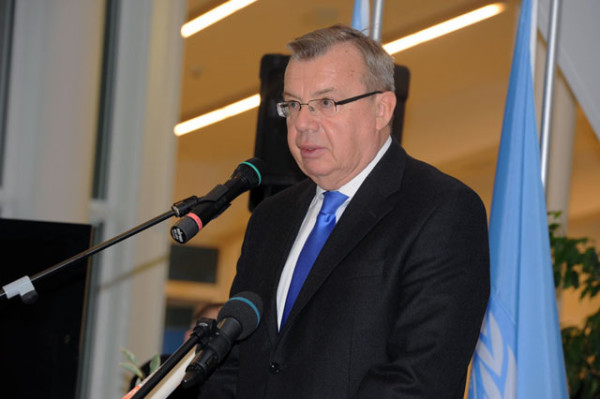
Yury Fedotov, Executive Director, United Nations Office on Drugs and Crime (UNODC)

The two-year project, funded by the EU, came to a close at the end of March. While it lasted, the project focused on further strengthening the capacity of Nigerian criminal justice officials to effectively investigate, prosecute, and adjudicate terrorism cases, in accordance with the rule of law and human rights.  It built on the groundwork laid under the previous EU-Nigeria-UNODC project.

The project delivered 82 capacity building activities, including providing extensive training to select groups of investigators, legal advisors, defence attorneys, prosecutors, and judges on a range of practically-focused terrorism-related criminal justice issues. It strengthened the capacity of Nigerian criminal justice training institutions, providing in-depth train-the-trainer courses to groups of Nigerian trainers on counter-terrorism investigations, adjudication of terrorism cases, and human rights, respectively, and producing a manual on counter-investigations for use by police practitioners and trainers.

The project also expanded its work in Northeast Nigeria.  Mr. Kurt Cornelis from the European Union noted: “The European Union is particularly pleased to have been able to support the Government of Nigeria to address the significant terrorist threat facing the Northeast by working with Nigeria to develop an Action Plan on the Criminal Justice Responses to Terrorism in Northeast Nigeria which will support implementation of the Policy Framework and National Action Plan for Preventing and Countering Violent Extremism.  The EU looks forward to partnering with Nigeria on its implementation during the next phase of the project.”

At the final Steering Committee meeting, Ms. Catherine Udida, from the Office of the National Security Advisor, stated: “Over the last two years, Nigeria has made important progress in its fight against terrorism.  We continue to be grateful for the partnership with the EU and UNODC in addressing this challenge and in particular for the support provided to the Nigerian Policy Framework and National Action Plan for Preventing and Countering Violent Extremism” which serves as an important framework for Nigerian efforts to counter terrorism.”

Ms. Elisabeth Bayer from the UNODC Office in Nigeria thanked the European Union and Nigeria for their on-going close collaboration, noting: “This project has been tailored to the needs identified by the Government of Nigeria.  As a result, it has built a significant cadre of trained Nigerian counter-terrorism practitioners who are armed with the skills and knowledge needed to respond to the terrorism-related criminal justice challenges that Nigeria is currently facing.”

The Project Steering Committee was attended by representatives from the Nigerian entities who most closely worked with the project including: the Office of the National Security Advisor; Ministry of Budget and National Planning, Court of Appeal, Department of State Services, Federal Ministry of Justice, Federal High Court, Federal Ministry of Foreign Affairs, National Assembly, National Human Rights Commission,  National Judicial Institute,  Nigeria Police Force, Nigerian Bar Association, and Defence Headquarters.

Nigeria, the European Union and UNODC have already committed to continue this successful partnership with an EU-funded three-year counter-terrorism project starting in April 2018 which will build on and expand the work already started.

PSP resolves rift with government, to resume door-to-door waste collection

0

PSP waste operators in Lagos are to return to their former role as residential waste collectors, thanks to what appears to be a resolution of differences between them and the authorities.

waste managers
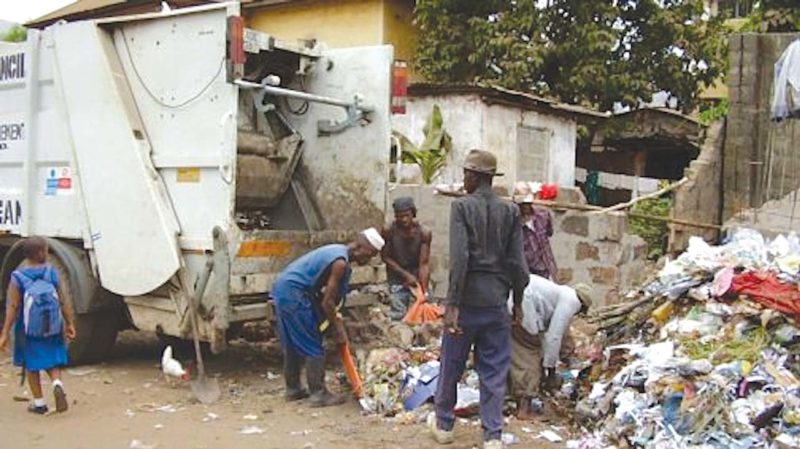
Lagos waste PSP operators at work

The breath of fresh air will also see the PSP operatives, now referred to as Waste Collection Operators (WCOs) under the controversial Cleaner Lagos Initiative (CLI), revert back to their traditional door-to-door residential waste collection task.

The reshuffling of residential waste collection responsibilities by the state government under the CLI saw Visionscape Sanitation Solution taking over the function from PSP, thereby leading to an infamous waste management crisis that lead to the emergence of heaps of refuse in the state.

But, in an announcement on Thursday, April 5, 2018, CLI disclosed that a progressive consensus has now been reached between both parties.

“This new development contains an agreement which will see PSP operators, now referred to as Waste Collection Operators under the scheme, return to their former role as residential waste collectors, while Visionscape oversees waste management infrastructural reforms in the state,” according to the statement.

CLI pointed out that the agreement was reached after the state government extended a proverbial olive branch to the aggrieved operators in a bid to resolve the long drawn out issues, and prompt the WCOs to return to regular waste collection operations in the state.

Oladipo Egbeyemi, Chairman of the Association of Waste Managers of Nigeria (AWAM), expressed his gratitude to government officials for their unrelenting support and dedication in the face of the challenges faced by the PSP operators.

Egbeyemi further reassured Lagos state residents of an uplift in the city’s waste management system with the official resumption of door-to-door residential waste collection by the PSPs.

Visionscape Sanitation is likewise charged with the construction of waste management infrastructure and, so far, the organisation has refurbished three dilapidated Transfer Loading Stations (TLSs) previously managed by LAWMA in Simpson, Agege, and Oshodi.

Visionscape is also currently facilitating the completion of an Engineered Sanitary Landfill in Epe which, according to state officials, serves as a safer alternative for the troubled dumpsite in Olusosun, which caught fire a few weeks ago, and has since been shut down by the state government.

The CLI says it remains committed to working with all parties to achieve and maintain a clean environment for all.

The landfill currently under construction, and manned by Visionscape Sanitation in Epe is said to be the first Engineered Sanitary Landfill in West Africa.

The 88-hectare landfill has been described as a key infrastructural reform under the CLI and, on completion, will boast of engineered cells, leachate collection and treatment facilities, material recovery facilities, a green EcoPark, and other essential features.

Government urges concrete partnerships for sustainable development

0

As the global community continues to intensify efforts to attain the Sustainable Development Goals (SDGs), the Senior Special Assistant to the President on SDGs, Princess Adejoke Orelope-Adefulire, has urged all stakeholders to make concerted efforts to ensure that the SDGs take centre-stage in development planning and execution.

Princess Adejoke Orelope-Adefulire
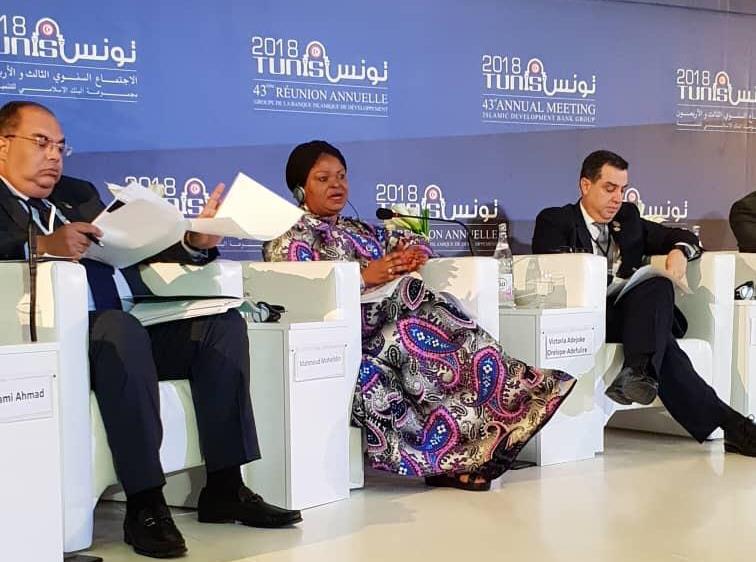
SSAP-SDGs, Princess Adejoke Orelope-Adefulire, and other panelists at the 43rd Annual Meeting of the Islamic Development Bank Group in Tunisia

The Presidential Aide made the demand recently while speaking on the topic: “Forging Smart Partnerships with Multi-Stakeholders for the SDGs: the Nigerian Experience” at the 43rd Annual Meeting of the Islamic Development Bank Group in Tunisia.

“In view of the fact that multi-stakeholder partnership is the key driver of the SDGs implementation, I call on stakeholders to embrace smart partnerships to accelerate progress on the SDGs,” a statement issued by the media assistant to the SSAP-SDGs, Desmond Utomwen, quoted the SDGs boss as saying.

Princess Adejoke Orelope-Adefulire further stated that, as part of the commitment of the Nigerian government, the country has taken concrete steps to promote partnerships for economic development, for political engagements as well as for scientific and technological innovations which include activities such as joint ventures, research corporations, joint R&D, technology research agreements (such as technology sharing, cross-licensing and mutual second-sourcing). She added that other areas of partnerships included domestic and international direct investment, customer-supplier relations and R&D contracts, among others.

“The SDGs Office has also taken proactive steps by collaborating with key stakeholders locally, such as the National Bureau of Statistics (NBS) and the United Nations Development Programme (UNDP) to map out existing SDGs related data, followed by the aggregation of 126 SDGs indicators cutting across the 17 Goals and 169 targets,” she submitted.

According to her, these indicators are being incorporated into the SDGs Results Framework being developed by the Office, which will be useful for benchmarking progress going forward. The SDGs Indicators are said to be the backbone for tracking and monitoring progress on the SDGs at the national and sub-national levels.

Princess Adejoke Orelope-Adefulire, however, demanded that, in order to fast-track the implementation of the SDGs, MDAs’ policies, plans, programmes and activities must be guided by these indicators as they will be used to measure the impact of the interventions, make policy decisions and align strategies with internationally yet locally relevant priorities.

The presidential aide further noted that the SDGs Office in Nigeria has undertaken a number of steps to entrench the principle of partnerships in her efforts to accelerate the attainment of the SDGs. These include establishment of multi-stakeholder engagement mechanisms such as the Private Sector Advisory Group (Nigeria was the first to establish this advisory group), Donors’ Partnership Forum on SDGs, Civil Society Strategy Group on SDGs, and Mobilisation of influencers such as SDGs Ambassadors and SDGs Champions for SDGs advocacy.

The Office of the Senior Special Assistant to the President on SDGs has also engaged in strong partnership with the Ministry of Budget and National Planning to ensure the SDGs is embedded in the National Development plan and the Short Term Plan (2020), National Economic Recovery Growth Plan (NERGP) for which the President recently launched the NERGP Focus Labs. There is also the Inter-Ministerial Compact Group, established to enhance cooperation and synergy between the Office of SSAP-SDGs and Nigeria Ministries, Departments and Agencies, Orelope-Adefulire stated.

Global food price index rises for second consecutive month – FAO

0

Global food prices rose for the second consecutive month with the index for these commodities averaging 172.8 points in March 2018, 1.1 per cent higher than in February, the United Nations food security agency announced on Thursday, April 5, 2018.

Farmer
A farmer transplants rice in a paddy field in the Philippines. Photo credit: FAO/Ryanwil Baldovino

According to the Food and Agriculture Organisation (FAO) of the UN, the rise was driven by “robust increases” in the prices of cereals (165.6 points) and dairy products (197.4 points), averaging 2.7 per cent and 3.3 per cent higher, respectively, than their prices the previous month.

Wheat prices increased mostly on weather worries, including prolonged dryness in the United States of America and cold wet conditions in parts of Europe. Similarly, maize – another major cereal – saw its prices rise on back of strong global demand and deteriorating crop prospects also in Argentina.

FAO also anticipates that 2018 world maize and wheat production could decline based on early forecasts. Worldwide wheat output could drop to 750 million tonnes, about 1 per cent below its near-record level of the previous year.

In 2017, worldwide cereal production, including wheat, hit a record level, up 33 million tonnes from 2016, to nearly 2,646 million tonnes globally.

Price indices for sugar and vegetable oils, however, recorded declines in March, averaging 186 points and 156.8 points, respectively. The meat price index (169.8 points) remained almost unchanged from February.

Webinar series to support nations’ climate action, reporting launched

0

UN Climate Change on Thursday, April 5, 2018 launched a webinar series to support developing nations in reporting on their efforts to tackle climate change.

Patricia-Espinosa
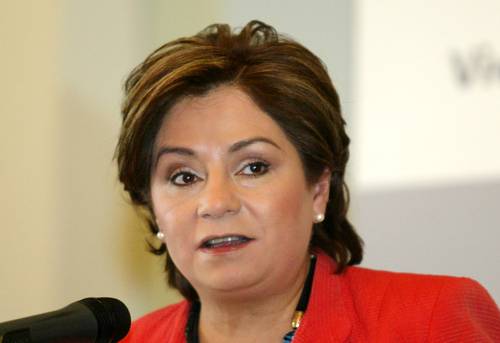
Patricia Espinosa, executive secretary of the UN Framework Convention on Climate Change (UNFCCC)

The series aims to provide a platform for practitioners to focus in-depth on specific methods or tools, across all the themes, namely, greenhouse gas inventory, mitigation, vulnerability and adaptation, and support.

The webinar series will focus on:

  • How a country can better implement the current Measurement, Reporting and Verification (MRV) arrangements under the UN Framework Convention on Climate Change (UNFCCC)
  • How a country can better showcase its climate action on mitigation and adaptation through national communications and biennial update reports
  • Methodologies used and tools available
  • Lessons learned and good practices from developing countries.

The webinars, 45 to 60 minutes in duration, will be held in the first and third week of each month. They will be offered in English, Spanish and French, as resources permit.

The first webinar in the series on “Introduction to MRV process and cross-cutting issues” held on Thursday. It commenced at 3 pm (CET). The topics covered included:

  • Introduction to the 2018 webinar series
  • Overview of the MRV process for developing countries
  • Explanation of the institutional arrangements that are needed for MRV systems
  • Process for gender mainstreaming when preparing national reports.

The webinar series is organised by the Consultative Group of Experts on National Communications from Parties not included in Annex I to the Convention (CGE), an expert group that provides technical assistance and advice to developing countries to participate effectively in the MRV arrangements under the UNFCCC.

According to the organisers, subsequent sessions will be programmed based on the emerging interests and priorities of the countries.

Interested persons can register for the webinar here.

GM seeds importers given seven-day ultimatum to formalise dealings

0

The Director General/CEO of the National Biosafety Management Agency (NBMA), Dr. Rufus Ebegba, has given importers of genetically modified (GM) seeds a seven-day ultimatum to formalise their dealings or risk being shut down.

NBMA
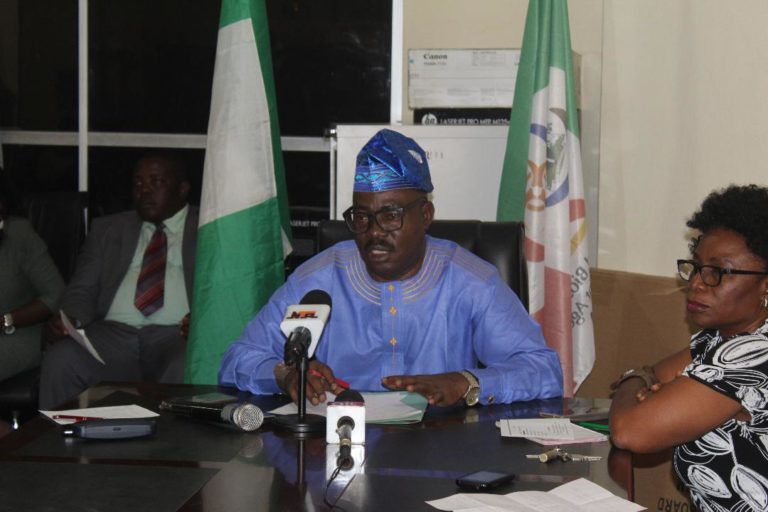
Director General/CEO of NBMA, Dr. Rufus Ebegba

The DG, who said this at a media conference in Abuja on Thursday, April 5, 2018, noted that there is a current influx of illegal GM products in the country and urged dealers to obtain the necessary biosafety permit from the agency before making such importation. The permit allows the agency carry out risk assessments on GM seeds.

Dr. Ebegba said the agency would not hesitate to prosecute those trading in genetically modified organisms (GMOs) and their by-products illegally. He noted that the agency was established to ensure that GM products are safe for Nigerians, adding that no product would be allowed into the country without the necessary safety analyses and risk assessments.

He recalled that there had been a meeting where potential importers were familiarised with the procedure to trade GMOs and their by-products.

The DG also stated that GM products in confined field trials would not be released to the market till they are confirmed safe to both human health and the environment.

Shrinking Goronyo Dam water attributed to climate change

0

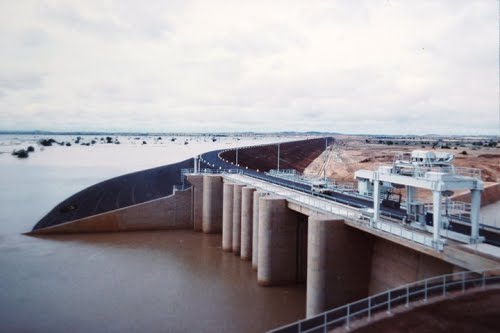
The Minister of Water Resources, Mr Suleiman Adamu, on Thursday, April 5, 2018 raised an alarm over continuous shrinking of water dammed by the Goronyo Dam in Sokoto State.

Goronyo Dam
Goronyo Dam

Adamu told the News Agency of Nigeria (NAN) in Abuja that this had shown the impact of climate change as it was affecting livelihoods in parts of the country.

He said the ministry had carried out assessment of the dam two years ago, with obvious devastating evidences, saying that the recent visit had revealed an immediate threat.

“Well, I am really shocked about what I saw, you will probably recall that, in less than two years ago, I was there and was marvelling at the amount of water that remained in the dam.

“And to come and see this desolate place in less than two years, I think it is mind bugling.

“Obviously, we can see the effect of climate change right on our doorsteps, for those that were sceptical about it, this is real’’.

He said Goronyo Dam, which was the second largest earth dam in the northern part of the country, was built to store one billion cubic metres of water, saying that its reduction to only 10 per cent of its required storage was alarming.

“We didn’t expect this from such a large dam, but then for the fact that it has happened showed that we have a serious challenge of climate change,’’ he said.

The minister said the ministry would set up a technical committee, which would consists of team of experts to look at the issues, saying that climate change was not the only issue affecting the dam.

Adamu listed poor watershed management, deforestation, irrigation system, waste and poor management of hydrology in the catchment area as some of the factors affecting the dam.

He urged the National Assembly to pass the bill on the National Water Resources to enable the establishment of a comprehensive law to allow setting up of a catchment modelling committee to manage Nigeria’s water bodies.

According to him, the idea of desilting the dam is not an option as there will be the issue of where to drop the spoils. This will be too expensive to do, he adds.

“It would be better to look for another location to build another dam than to talk about desiltation, we are not ruling it out; we will allow the experts to look at it and advise us holistically.

“There is no quick fix about this; this is a natural phenomenon we are dealing with, if we are lucky, God in his infinite mercy may decide to make the rain to fill up the dam again to the brim.

“I am very optimistic about this, anybody that understands hydrology knows that there is a cycle, there is drought, low rainfall and high rainfall, and hopefully it will not happen again.”

The minister said there was the need for all Nigerians to learn from how poor management affected water resources potential, saying that steps must be taken to reverse this trend.

By Tosin Kolade

Latin American, Caribbean countries threatened by rising ocean acidity, experts warn

0

Latin American and Caribbean countries are at the forefront of the first effects of ocean acidification on people’s lives, according to experts who gathered in Santa Marta, Colombia to address the threat of acidification to the region at an event co-organised by the International Union for the Conservation of Nature (IUCN).

Ocean acidity
A shell placed in seawater with increased acidity slowly dissolves over 45 days

Research suggests that rising seawater acidity is already impacting the ability of organisms such as shellfish and corals in the region to build shells and skeletons. This could undermine regional food security and livelihoods in Latin America and the Caribbean, the first regional meeting of the Ocean Acidification International Reference User Group (OaiRUG) heard. HSH Prince Albert II of Monaco, IUCN Patron of Nature, who attended the meeting, called for urgent action on ocean acidification – a call echoed by others present.

“Ocean acidification is a silent storm that is starting to have real impacts on people’s lives, together with pressures from overfishing and pollution, exacerbated by ocean warming and reduced oxygen levels,” said Dan Laffoley, Marine Vice Chair of the IUCN World Commission on Protected Areas. “Latin American and Caribbean countries depend on the sea for food and livelihoods. Without significant cuts in carbon dioxide emissions, the effects of ocean acidification on this region could be catastrophic.”

Carbon dioxide emissions from human activities are altering ocean chemistry, causing the acidity of seawater to rise. Caribbean islands have seen decreasing pH levels for the last 20 years, whilst seawater saturation of calcium carbonate, necessary for organisms such as corals and shellfish to build skeletons, has declined by approximately 3% per decade.  In the colder waters of northern Chile, reduced shell calcification has been observed along with a 25% reduction in the growth rate of cultured scallops. In Patagonian waters, studies indicate that ocean acidification will reduce biomass production of mussel aquaculture by between 20 and 30%.

“It was very important to discover the scale of vulnerability of marine tropical, temperate and cold-water ecosystems present in the Americas, and also the complexities and the economic implications of ocean acidification in the region”, said Captain Francisco Arias Isaza, General Director of the Colombian marine and coastal research institute, Invemar. “This places an obligation on scientists, governments and civil society to work together to enhance the knowledge and propose actions to address this issue.”

The event, attended by over 50 delegates from 19 countries including scientists, aquaculture experts, policy makers and civil society representatives, explored how the Latin American region can respond to increased seawater acidity levels.  It identified gaps in the region’s ability to cope with current and future acidification, and set out priorities for moving forward, including funding, science, communication, policy decisions and implementation.

The meeting was funded by the Prince Albert II Foundation as part of a long-term strategy of HSH Prince Albert II, with additional support from the International Atomic Energy Agency, and held in collaboration with IUCN and the Latin American Ocean Acidification Network (LAOCA).

A Regional Action Plan on Ocean Acidification for Latin America and the Caribbean: Encouraging Collaboration and Inspiring Action will be published by Invemar in partnership with IUCN and LAOCA later this year.

48 African countries meet to explore climate change technologies

0

Climate experts from Africa, including representatives from government, private sector, finance and research institutions, will meet from Monday, April 9 to Tuesday, April 10, 2018 in Nairobi, Kenya to discuss collaboration and technology transfer.

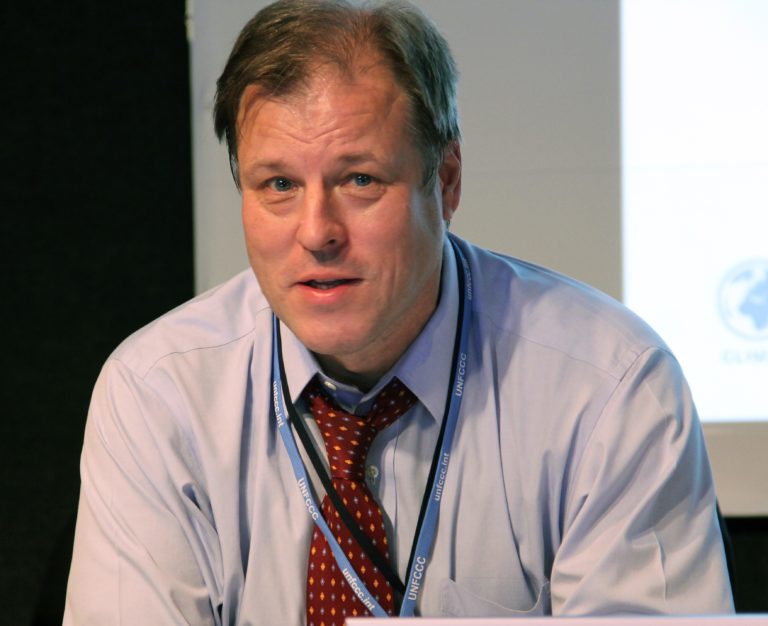
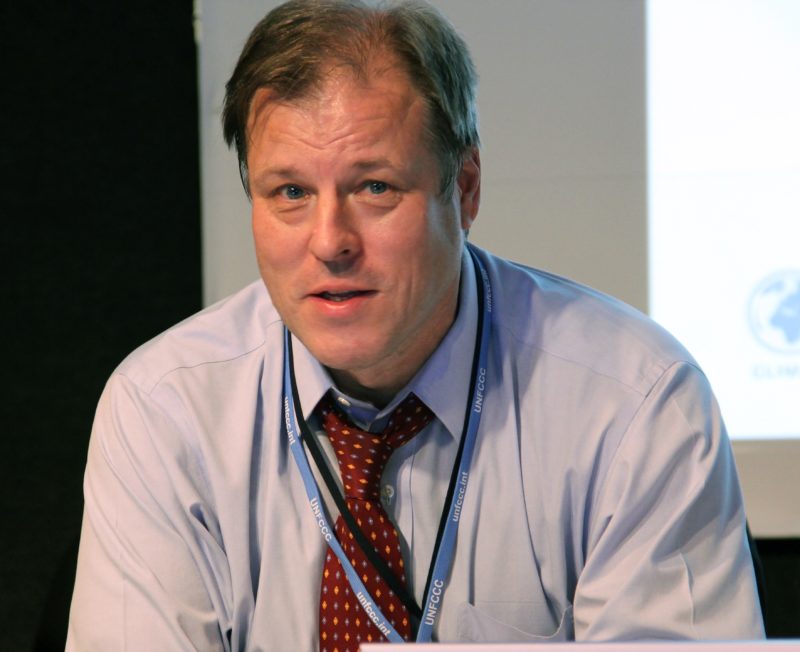
Jukka Uosukainen
CTCN Director, Jukka Uosukainen

Nationally-selected technology focal points (National Designated Entities, or NDEs) from more than 40 countries including Algeria, Benin, Botswana, Burundi, Cameroon, Central African Republic, Chad, Comoros, the Democratic Republic of the Congo, Côte d’Ivoire, Djibouti, Egypt, Equatorial Guinea, Eritrea, Ethiopia, Gabon, Gambia, Ghana, Guinea, Kenya, Lesotho, Liberia, Madagascar, Malawi, Mauritania, Mozambique, Namibia, Niger, Nigeria, Rwanda, Senegal, Seychelles, South Sudan, Sudan, Swaziland, Tanzania, Tunisia, Uganda, Zambia, Zimbabwe, and South Africa will share experiences and best practices in the region. The United Nations Climate Technology Centre and Network (CTCN) will play host to the regional forum.

“Africa is facing increasing challenges from changing weather patterns, increasing droughts and extreme rain and floods that have an impact on the security of food supplies. By serving as a bridge between developing countries’ technology needs and the proven expertise of finance, private sector and research experts from around the world, the CTCN builds partnerships that achieve countries’ climate and development objectives,” says CTCN Director, Jukka Uosukainen.

The CTCN promotes the development and transfer of clean technologies, and provides developing countries with access to free technology solutions at their request by mobilising relevant technology experts from a global network of more than 400 technology companies and institutions to design and deliver customised solutions. Over 100 technology transfers are currently underway in more than 75 countries for sectors ranging from agriculture and energy to industry and transportation. The CTCN provides expert policy and technology support to developing country stakeholders, coordinated by the NDEs.

“Most African countries have chosen clean energy technologies as a part of their environmental solutions. ICRAF supports these efforts through its work in developing cleaner options for woody biomass-based energy, a key technology used across the continent,” said Tony Simons, ICRAF Director General. “In partnership with CTCN, we contribute to environmentally sustainable clean energy solutions by helping countries in Africa to formulate national policies and sub national programmes designed to meet their national targets on climate through agroforestry.”

As the implementing arm of the United Nations Framework Convention on Climate Change (UNFCCC) Technology Mechanism, the Climate Technology Centre is hosted and managed by the United Nations Environment and the United Nations Industrial Development Organisation (UNIDO).

The forum is organised together with the World Agroforestry Centre (ICRAF), a founding CTCN consortium partner.