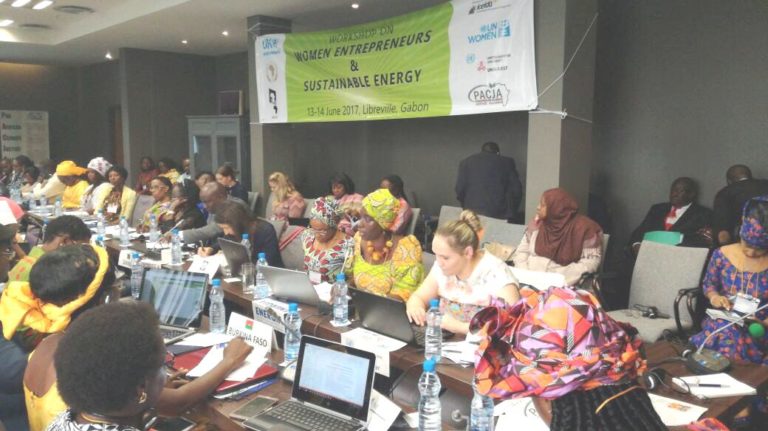
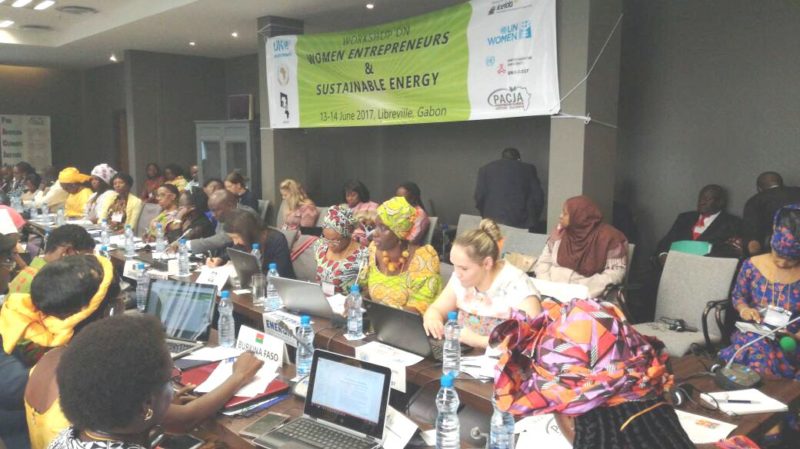
The United Nations Environment Programme (UN Environment) Africa Office, the Renewable Energy Solutions For Africa (RES4Africa) and other partners will be conducting a Micro-Grid Training for the Africa Women Energy Entrepreneurs from the East Africa Community in Nairobi, Kenya from April 4 to 13, 2018.
A gathering of women entrepreneurs
Over 25 women working as energy entrepreneurs are expected to participate in the training, including other women entrepreneurs from Europe including Italy. The training is expected to boost south-south cooperation and share best practices.
The objective of the training is to enhance access to energy in rural communities, local enterprises and job creation. This, according to the UN, will positively impact on health and education services, women empowerment, environmental protection and climate change mitigation.
The workshop holds at the Kenya Power and Lighting Company (KPLC) facilities in Nairobi and will use the 20 – 40kW micro-grid for hands-on training. It will support managers and engineers to plan, design, build and operate grid connected as well as hybrid mini-grids.
The workshop holds within the framework of the implementation of the innovative environmental solutions, as recommended by the African Ministerial Conference on the Environment (AMCEN), which has called on countries in the region to strengthen the technical and business skills of African women entrepreneurs in the energy sector.
The workshop will be led by the Micro-Grid Academy (MGA), which is an Eastern-African capacity building platform that aims to enhance access to energy and green jobs market through technical and entrepreneurial training programmes. The platform focuses on decentralised renewable energy solutions.
The UN Environment will convene a one-day meeting on Tuesday, April 10, 2018 to share best practices on renewable energy development among trainees, instructors and representatives of partners of Microgrid Academy.
A decade-old campaign by German environment activist group, Sign of Hope, to stop the destruction of lives, livelihoods and the environment in South Sudan as a result of large scale oil pollution may have accomplished a major breakthrough.
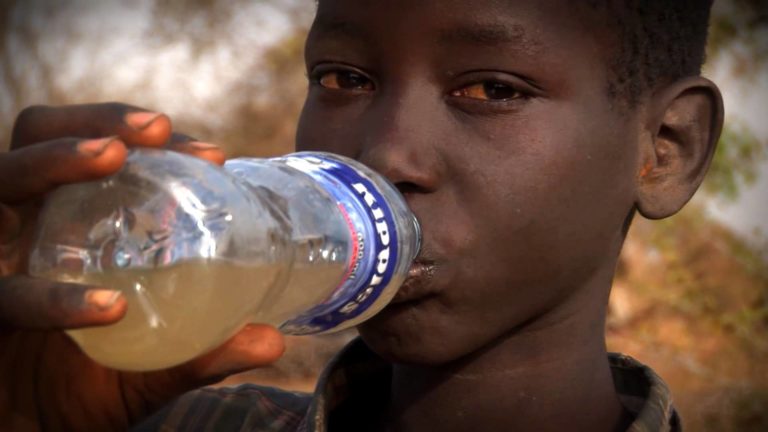
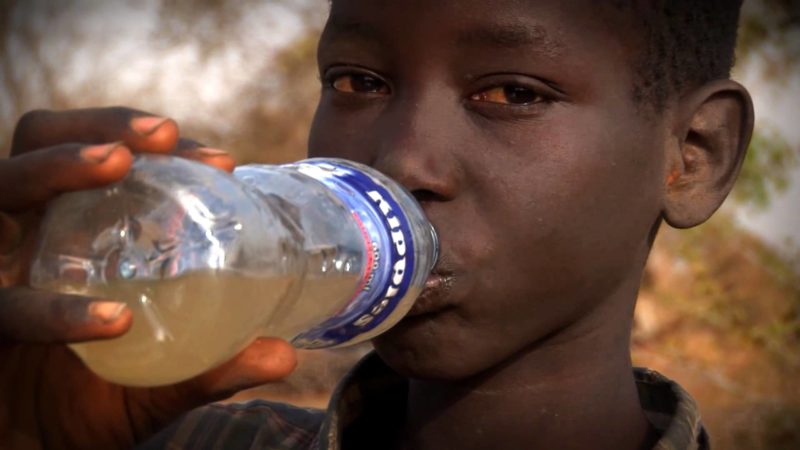
A South Sudanese boy drinking polluted water
In a hearing held on Wednesday, April 4, 2018 the country’s Legislative Assembly began to take a searching look at the causes and effects of the devastation, which has been repeatedly described by authoritative sources as being “one of the world’s great crimes against the environment and humanity.”
The hearing follows years of denials by the country’s government that the problem even existed. The denial was reportedly accompanied by the persecution of journalists who had uncovered the scandal.
The hearing features testimony by Dr. Bior K. Bior, the expert and somewhat fearless investigator of Big Oil’s practices, and by the country’s ministers of petroleum, the environment and others.
These testimonies, in turn, build on the systematic field work conducted by Sign of Hope and its team of scientists.
Sign of Hope says that, since 2008, it has waged “a heroic campaign” to put an end to “one of the world’s most horrifying environmental scandals”, which it describes as the pollution of water and land in South Sudan by China National Petroleum, Malaysia’s Petronas, India’ ONGC Videsh and other oil giants.
The group describes “the scandal” as the pouring of heavy metals and salts-laden wastes into South Sudan’s ground water. The consequences of the dissemination of this “witches brew”, it adds, are that millions of lives, livelihoods and square kilometres of the environment have been devastated, and some completely destroyed.
“This long and hard campaign has recently achieved a number of heartening and striking breakthroughs. Along with new and important information, these breakthroughs – and what they mean for the hard-pressed South Sudanese – will be presented at a press conference on Wednesday, April 18, 2018 in Berlin, Germany,” disclosed the group.
The forum, it was gathered, will feature input from Nnimmo Bassey, whose title of “Hero of the Environment” and receipt of the Alternative Nobel Prize stemmed from his leading the fight against Big Oil’s contamination of Nigeria’s Niger Delta; and from Bior K. Bior, who has repeatedly risked his life to investigate and chronicle abuses of power by South Sudan’s corrupt government and its corrupt allies.
Oil was discovered in what would become South Sudan in 1979. Production commenced in 1993. From the very outset there were concerns about the oil companies’ adherence to the environmental standards imposed on the disposal of the processed water ensuing from their pumping operations. Indigenous people consuming water taken from wells located in the catchment areas of the oil rigs began arriving at local clinics.
The peoples’ health complaints ranged from nausea and skin problems to neurological disorders. The villagers also reported that the water in their wells had become salty, that it stank, and that their livestock and plants were ailing, even dying after having consumed it.
In the early 2000s, local residents resisted their forced expulsion from their lands by oil companies and their governmental allies. South Sudan was recently ranked as the most dangerous country in the world for humanitarian workers – due to the world’s highest rate of fatalities and other grave incidents. This comes with the assassination of a number of journalists who were striving to report on the links between Big Oil and the South Sudanese government.
In 2008, Sign of Hope, a German NGO that supports two clinics in South Sudan, decided to launch an investigation. Conducted by Sign of Hope and associated scientists, this investigation comprised the making of field trips entailing the taking of samples of water in local wells and in catchment pits situated in the Thar Jath oil field. The samples of water and hair were then evaluated by laboratories of unimpeachable reputation.
The findings: the water was contaminated with a witches’ brew of heavy metals, salts and other noxious substances. The source of these was quite obviously the local oil field. Sign of Hope also delivered the ‘smoking gun’ proving the link between the desecration of the groundwater in and around the oil fields and the destruction of lives and habitats. This “smoking gun” took the form of samples of local residents’ hair, which international experts found to contain shockingly high concentrations of noxious chemicals. All told, some 180,000 local peoples have been exposed to the effects of this contamination.
Since Thar Jath is only one of the 10 oil fields in South Sudan, and since long-term and latitudinal effects have yet to be covered, the actual number of victims could well be in the millions. Perpetrators of the contamination are said to include notably China National Petroleum Corporation, Indian company Videsh and Malaysia’s Petronas.
Sign of Hope has been spearheading a campaign to convince the oil companies and their governmental and corporate allies to desist such practices, to remediate the environment, and to treat local residents’ ailments – and to provide them with compensation for their loss of life and livelihood. Affected by this contamination are the Sudd wetlands (one of the world’s greatest sources of biodiversity) and the Nile, which creates and drains them. Needed is a full-scale, country-wide investigation, especially in view of South Sudan’s plans to greatly ramp up the pumping of oil.
Forms of mobilisation: local residents have organised themselves into self-help groups that strive to make their communities aware – via talks, street theatre and works of art – of the dangers of consuming poisoned water. As has been the case with efforts to find alternative sources of water, this self-help has been hampered by the hunger and fear plaguing most of South Sudan. They have caused millions of South Sudanese to flee.
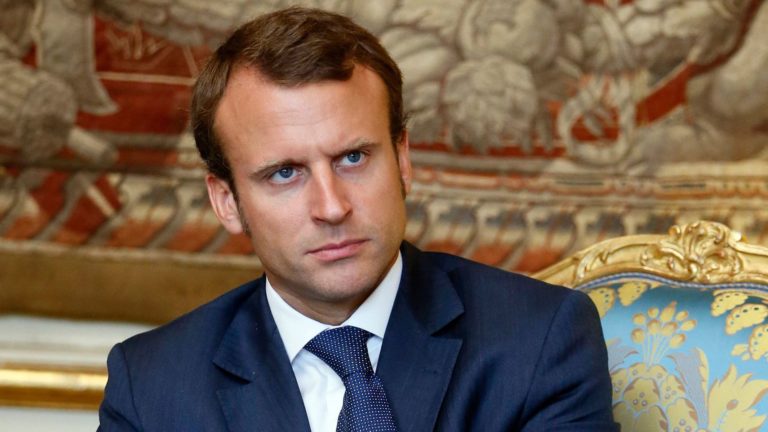
The French Republic has become the latest Party to endorse the Kigali Amendment, bringing the total number of nations who have ratified the modification to the Montreal Protocol to 31.
Emmanuel Macron, President of France
Besides France, the other Parties that have ratified the treaty include: Australia, Benin, Canada, Chile, Comoros, Côte d’Ivoire, Democratic People’s Republic of Korea, Ecuador, Finland, Gabon, Germany, Ireland, Lao People’s Democratic Republic, Luxembourg, Malawi, Maldives, Mali, Marshall Islands, Micronesia (Federated States of), Netherlands, Norway, Palau, Rwanda, Samoa, Slovakia, Sweden, Trinidad and Tobago, Togo, Tuvalu and the United Kingdom of Great Britain and Northern Ireland.
Sweden’s ratification last November of the treaty, which aims to bring about a global phase-down of hydrofluorocarbons (HFCs), ensured the pact will now enter into force with effect from January 1, 2019.
Head of the UN Environment, Erik Solheim, in a message, remarked: “Congratulations to France for ratifying the Kigali amendment to the Montreal Protocol! This is a great commitment to eliminate dangerous greenhouse gases and thus protect our planet!”
EU Commissioner for Climate Action and Energy, Miguel Arias Cañete, said: “The Kigali Amendment is proof of the global resolve to tackle climate change and shows what we can achieve when we work together. For Europe, implementation of our commitment will not only help us to meet our climate objectives but will also create new opportunities for European manufacturers of air conditioning and refrigerants.”
The Amendment was adopted by the 28th Meeting of the Parties to the Montreal Protocol on October 15, 2016 in Kigali, Rwanda. Under the Amendment, all countries will gradually phase down HFCs by more than 80 per cent over the next 30 years and replace them with more planet-friendly alternatives.
Developed countries will start reducing HFCs as early as 2019, while developing countries will start later. Phasing down HFCs under the Protocol is expected to avoid up to 0.5°C of global warming by the end of the century, while continuing to protect the ozone layer.
All prior amendments and adjustments of the Montreal Protocol, which marked its 30th anniversary in 2017, have universal support.
Implementation of the agreement is expected to prevent up to 80 billion tonnes CO2 equivalent of emissions by 2050, which will make a significant contribution to the Paris Agreement objective to limit the global temperature rise to well below 2°C.
Further benefits may be achieved by exploiting synergies with energy efficiency in the transition to alternative new technologies. Observers believe that the 30-year-old Montreal Protocol has been somewhat successful in protecting the Earth’s ozone layer, and the Kigali Amendment will allow it to make a wider and important contribution to global efforts to mitigate climate change.
The EU is said to be leading global efforts to limit emissions of HFCs and other fluorinated greenhouse gases. Its 2014 regulation on fluorinated gases will ensure that the EU can meet its obligations under the Kigali Amendment while also driving innovation in the field.
HFCs are synthetic substances which are mainly used mainly in refrigeration and air-conditioning equipment, as well as for propellants in foams. Their global warming effect is up to 15,000 times greater than that of carbon dioxide. The use of HFCs use is the fastest growing source of greenhouse gas emissions worldwide, although the EU’s own emissions recently fell for the first time in almost 15 years.
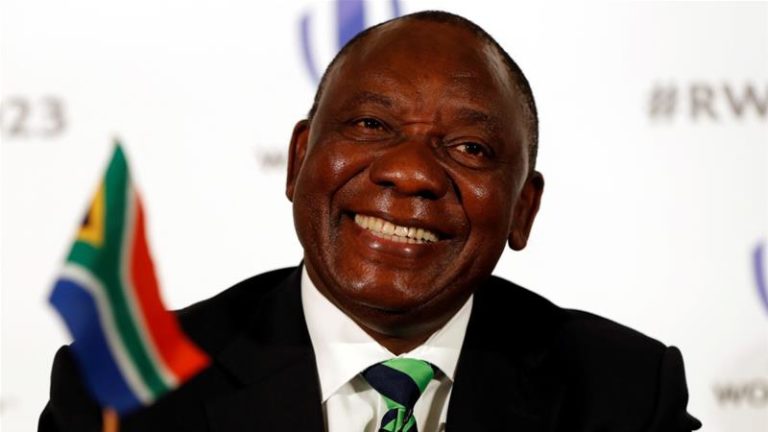
South Africa signed long-delayed renewable-energy contracts worth $4.7 billion with independent power producers on Wednesday, April 4, 2018 in the first major investment deal under President Cyril Ramaphosa.
President Cyril Ramaphosa of South Africa
The signing of power purchase agreements for the 27 mostly solar and wind projects was held up for over two years under ousted president, Jacob Zuma, who favoured a plan to build additional nuclear power plants.
It was also the subject of a last-minute legal challenge by the NUMSA labour union and Transform RSA lobby group, but a court rejected their application for an urgent interdict last week.
The signing represents a victory for Ramaphosa, who has promised to unlock investment and kick-start economic growth since replacing scandal-plagued Zuma in February.
“This will bring much-needed policy and regulatory certainty and maintain South Africa’s position as an energy investment destination of choice,” the energy ministry said in a statement.
Ramaphosa, a wealthy businessman, has prioritised revamping the economy and turning around struggling state-owned enterprises like utility Eskom.
Eskimx will purchase power from independent producers as part of the deals agreed on Wednesday.
Opponents of the renewable contracts argued that Eskom could not afford the additional financial burden and that they would lead to job losses in the coal sector.
South Africa relies on coal-fired plants for more than 80 per cent of its electricity generation, while renewable contribute around 7 per cent.
Transform RSA, which opposed Zuma’s removal as head of state, said it would continue to fight the renewable deals and had appealed last week’s court ruling dismissing its application for an interdict.
“Eskom simply does not have the liquidity, cash flow and strong balance sheet to support this hideous gamble on the fiscus and state electricity supplier,” Transform RSA president, Adil Nchabeleng, said.
The Lagos State Parks and Gardens Agency (LASPARK) says it has developed new operational procedures for florists and horticulturists operating across the state.
General Manager of LASPARK, Mrs Bilikiss Adebiyi-Abiola
General Manager of the agency, Mrs Bilikiss Adebiyi-Abiola, said in a statement on Wednesday, April 4, 2018 in Lagos that the procedures were aimed at making the environment healthier and more beautiful for Lagosians.
Adebiyi-Abiola said the new development became imperative to complement the ‘Smart City’ agenda of the state government.
She said it was to promote the need for well-arranged and maintained gardens, in line with international best practices.
According to her, there is the urgent need to regulate the activities of horticulturists in accordance with international standards and best practices.
”This is necessary in order to ensure uniform and well-maintained gardens that will enhance the general aesthetics of Lagos.
”It will increase revenue generation potentials for florists and enhance the architecture of the state,” she said.
Adebiyi-Abiola said the agency’s minimum standard design requirement for all horticulturists and florists must include the availability of an irrigation system.
She said that the standard included daily sanitisation of gardens, provision of pests and disease control, compartment for pot display and provision of clean waste bins, among others.
The general manager commended florists and horticulturists for their immense contribution to the actualisation of the agency’s goals and objectives of greening the state through the propagation of seedlings and other different species of plants.
She also urged them to align with the vision of a greener and healthier state, by conforming to the acceptable standards for gardens.
Adebiyi-Abiola said work was ongoing at the proposed Florist Park at Osborne Verge, along Osborne Road, Ikoyi, towards a pilot project for establishment florist parks in all five divisions of the state.
The Environmental Rights Action/Friends of the Earth (ERA/FoEN) is committed to rolling back the Public Private Partnership (PPP) arrangement in Nigeria being test-run in Lagos.
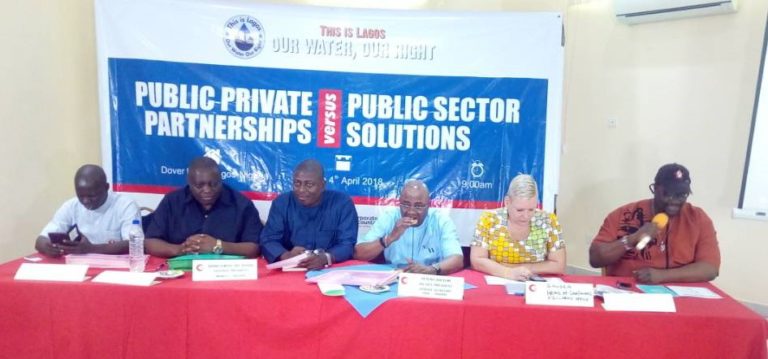
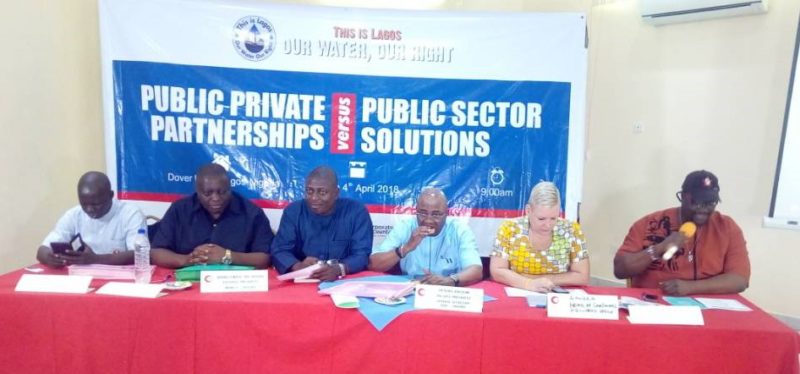
L-R: Benjamin Anthony, AUPCTRE national president; Josiah Biobelemoye, national president, Medical and Health Workers of Nigeria; Akinbode Oluwafemi, deputy executive director, ERA/FoEN; Peter Adeyemi, vice president, PSI; Sandra Vermuyten, Head of Campaigns, PSI; and Baba Aye, vice president, PSI, at the workshop on Public Private Partnership versus Public Sector Solutions organised by ERA in Lagos
Akinbode Oluwafemi, the deputy executive director of ERA/FoEN, stated this on Tuesday, April 3, 2018 at a meeting in Lagos on Public Private Partnerships versus Public Solutions organised by Environmental Rights Action (ERA), PSI and other civil society groups.
The activist said that, due to the failure of water privatisation in Lagos by the Babatunde Fashola administration in 2014, the Our Water Our Right coalition was formed to roll back the PPP arrangement.
To achieve this, he added, the coalition partnered labour unions, engaged communities through Community Water Parliaments, engaged women through Africa Women Water Sanitation and Hygiene Network (AWASHNET), and made international alliances.
According to him, the failure of Visionscape Sanitation Systems in Lagos is the foretaste of PPP model failure in Nigeria.
Several speakers from the civil society and labour unions presented papers opposing privatisation in different sectors such as water, energy, education and health.
Sandra Vermuyten, Head of Campaigns, Public Services International (PSI), who represented Rosa Pavanelli, the PSI General Secretary, presented the keynote address on “PSI’s Campaign Against Privatisation of Public Service, 2030 Agenda and Current Global Policy Issues”.
She noted that there had been a “propaganda tsunami” on the merits of privatisation and tried, together with other speakers, to proffer ways of breaking through the tsunami.
According to her, privatisation is not about job creation, but more of taking basic needs and facilities out of the reach of the common man by high costs.
Greece and Portugal, she said, were pushed into bankruptcy by the same international corporations who were advising African countries to embrace privatisation, adding that “the fight against privatisation is for social justice and human rights.”
In his welcome address, Benjamin Anthony, the national president of Amalgamated Union of Public Corporations, Civil Service Technical and Recreational Services Employees (AUPCTRE), said “there is no better time to address this issue of privatisation than now that more African countries are privatising public corporations.”
On the reason the civil society in Nigeria are kicking against privatisation, he said it runs contrary to the constitution.
He appealed to PSI to add provision of affordable housing to its campaigns, because the rich buy public land to build unaffordable houses, leaving the common man without shelter.
Describing the PPP model in Nigeria as exploitative, he commended PSI for its support to AUPCTRE.
Oluwafemi remarked that despite the gloomy picture painted about most African countries, “in every African country, multinational companies make fortunes to the detriment of the masses.”
Supporting Vermuyten’s assertion that the financial volume of 10 top companies in the world equals 180 bottom countries, Oluwafemi said “more state actors are getting richer that the public.”
On the reason for ERA opposition of Lagos’ bid to privatise public corporations, he restated that “if Lagos should fall, several cities in Nigeria will fall; and if Nigeria should fall, several African countries will follow.”
The Environmental Rights Action/Friends of the Earth Nigeria (ERA/FoEN) has thrown its weight behind plans by Friends of the Earth Netherlands to take Shell to court if it does not act on demands to stop its destruction of the climate.
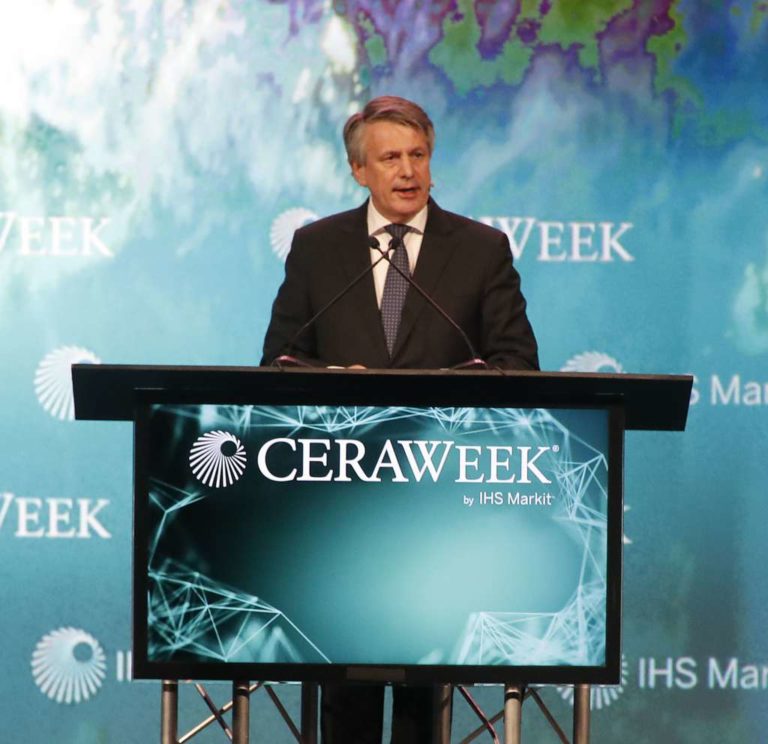
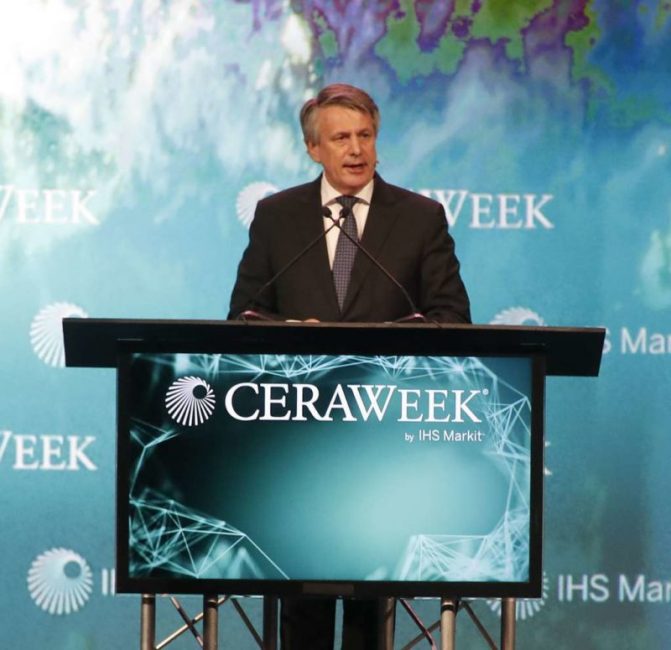
Royal Dutch Shell CEO, Ben van Beurden, speaking at the CERAWeek conference at the Hilton Americas, on Wednesday, March 7, 2018, in Houston, Texas. Photo credit: Karen Warren, Houston Chronicle
Donald Pols, director of Friends of the Earth Netherlands, said: “Shell is among the 10 biggest climate polluters worldwide. It has known for over 30 years that it is causing dangerous climate change, but continues to extract oil and gas and invests billions in the search and development of new fossil fuels.”
In Nigeria, according to the UNEP report on Assessment of Ogoni (2011), Shell is accused of polluting community lands, community waters and gassing communities through gas flaring, which is a major contributor to climate change. Aside the Ogoni pollution which Shell is said to be responsible for, it (Shell) continues to flare gas, allegedly in contravention of a High Court judgment in Nigeria in 2005 that makes gas flaring illegal in Iwherekan and other Nigerian communities.
ERA/FoEN Executive Director, Godwin Ojo, said: “By the day it is becoming evident that Shell may be running from its mess but cannot evade justice. The plans by Friends of the Earth Netherlands to take Shell to court will further embolden impacted communities in the Niger Delta to institute more cases to demand that their lives seized and ruined by Shell’s activities are taken back.”
The case is supported by Friends of the Earth International, which campaigns for climate justice for people across the world impacted by dirty energy and climate change. Friends of the Earth International has 75 member groups globally, many of them working to stop Shell extracting fossil fuels in their country.
Karin Nansen, chair of Friends of the Earth International, commented, “This case matters for people everywhere. Shell is doing enormous damage worldwide – climate change and dirty energy have devastating impacts around the world, but especially in the global South. With this lawsuit we have a chance to hold Shell to account.”
Friends of the Earth Netherlands’ case is part of a growing global movement to hold companies to account for their contribution to dangerous climate change. In January, the city of New York went to court to claim compensation from the five largest oil companies, including Shell, for the consequences of climate change. The cities of San Francisco and Oakland as well as several counties in California are doing the same. A Peruvian farmer is suing the German energy company RWE for its contribution to glaciers melting above his village caused by climate change.
The Friends of the Earth Netherlands case is said to be unique because it is the first climate lawsuit demanding that a fossil fuel company acts on climate change, rather than seeking compensation. The supposedly ground-breaking case, if successful, would significantly limit Shell’s investments in oil and gas globally by requiring them to comply with global climate targets.
Nansen added: “If we win this case, it has major consequences for other fossil companies, and opens the door for further legal action against other climate polluters. Friends of the Earth International wants to see binding rules for corporations like Shell who so often regard themselves as being above the law, including when it comes to climate goals.”
ERA/FoEN has been in the vanguard of communities holding Shell and other oil corporations accountable for their pollutions. Aside several suits against Shell in Europe, in 2017, ERA/FoEN and the Ikebiri community filed a lawsuit in Milan against Italian oil company, Eni, demanding compensation for damage caused by an oil pipeline explosion in 2010.
“We anticipate the Friends of the Earth Netherlands suit will open the doors for impacted communities to demand that Shell and its co-polluters in the fossil fuels industry are made accountable for their environmental injustices across the globe. This is the way to go,” Ojo maintained.
Royal Dutch Shell Chief Executive, Ben van Beurden, however said on Wednesday, March 7, 2018 that climate change is the biggest issue facing the energy sector, even as he encouraged the European oil major to invest more in cleaner-burning gas and renewable energy.
Shell, he adds, aims to cut its carbon footprint in half by 2050 while shifting its roughly 50-50 oil and gas balance to a portfolio that’s closer to 70 percent gas.
As water-related challenges, including limited access to safe water and sanitation, increasing pressure on water resources and ecosystems, and an intensified risk of droughts and floods, continue to confront nations; the UN System is also relentlessly pursuing measures to address these problems.
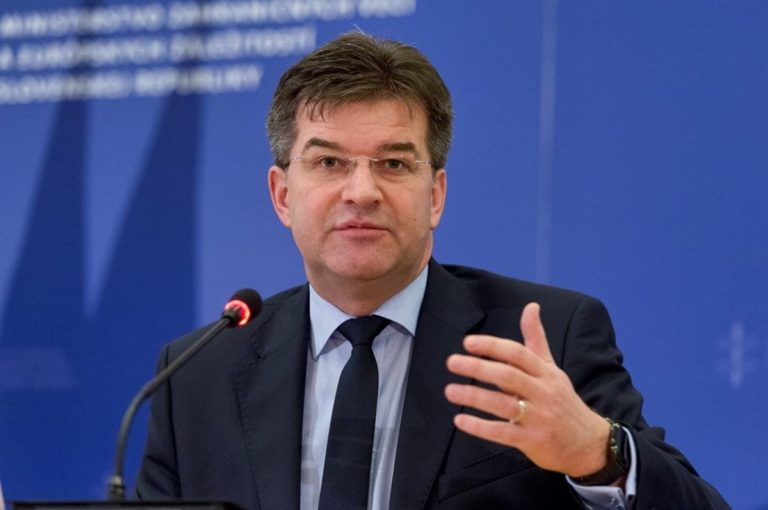
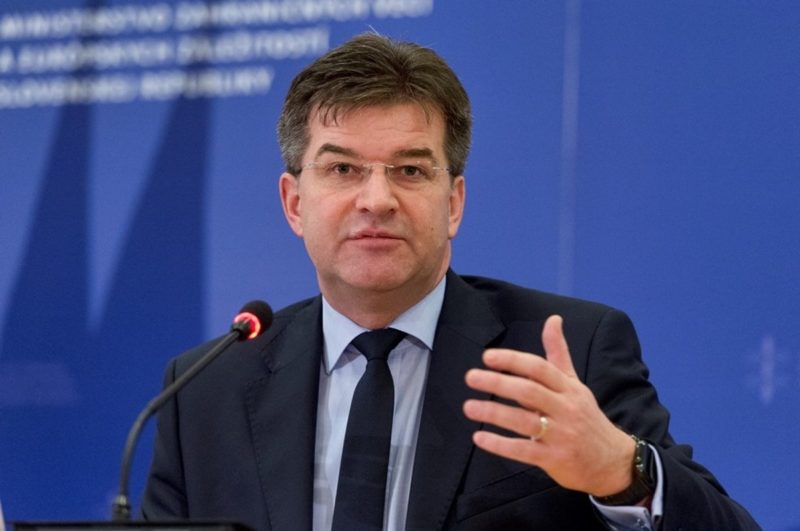
Miroslav Lajcak, President of the United Nations General Assembly for the 72nd session
Its latest efforts to handle global water issues, has been to institute the 10-year period from 2018 to 2028 as the international decade for action on water. Known as “International Decade for Action: Water for Sustainable Development 2018-2028,” it was launched by the President of the United Nations General Assembly for the 72nd session, Miroslav Lajcak, during the UN General Assembly’s session on Thursday, March 22 to commemorate World Water Day 2018 in New York. The theme for this year’s celebration is: “Nature for Water.”
The declaration of the Decade is aimed to further improve cooperation, partnership and capacity development in response to the 2030 Agenda for Sustainable Development otherwise known as the Sustainable Development Goals (SDGs).
Launching the “Decade,” Lajcak noted: “We cannot continue to take water for granted and expect to achieve the Sustainable Development Goals,” adding that “safe water and adequate sanitation for all, the object of Sustainable Development Goal 6, are indispensable to achieve many other goals.”
He was emphatic that safe water and adequate sanitation underpin poverty reduction, economic growth and healthy ecosystems as well as contribute to social well-being, inclusive growth and sustainable livelihoods. And water experts say, but for water related challenges plaguing the world, “there is sufficient fresh water on the planet to support economies and sustain life.”
From this perspective, the UN Secretary General was quick to point out that water stress was also on the increase in many parts of the world as a result of “growing demands for water, coupled with poor water management, with climate change adding to the pressure and … running faster than we are.”
He was certain that the issue of water scarcity was becoming an enormous concern, especially with demand for freshwater projected to increase by over 40 percent by the middle of the century and with growing climate change impact. “By 2050 at least one in four people will live in a country where the lack of fresh water will be chronic or recurrent,” said Lajcak, a Slovak diplomat and the country’s Minister of Foreign Affairs.
He hinted that if this situation was allowed to evolve without any intervention, it could led to societal disputes. “Without effective management of our water resources, we risk intensified disputes between communities and sectors and even increased tensions among nations.”
Lajcak reasoned that such a state of affairs need not be, because, “So far, water has historically proven to be a catalyst for cooperation not for conflict.” But he cautioned that this cooperation can no longer be taken for granted. “But we cannot take peace or our precious and fragile water resources for granted. Quite simply, water is a matter of life and death.”
The President of the United Nations General Assembly was unhappy about the current state of affairs where “…40 per cent of the world’s people are affected by water scarcity; 80 per cent of wastewater is discharged untreated into the environment, and more than 90 per cent of disasters are water-related. While, more than two billion people lack access to safe water, and more than 4.5 billion people lack adequate sanitation services.”
He lamented: “what these numbers mean is a harsh daily reality for people in rural communities and urban slums in all regions of the world. Many of the most serious diseases in the developing world are directly related to unsafe drinking water, poor sanitation, and insufficient hygiene practices.”
Lajcak therefore used the occasion to call for a global action on water, sanitation and hygiene. “Today, I am using the launch of the Water Action Decade to make a global call to action for water, sanitation and hygiene – or WASH — in all health care facilities.”
The Slovak stressed the need for the international community to work to prevent the spread of diseases, saying, “Improved water, sanitation and hygiene in health facilities is critical to this effort.” He was optimistic that solutions exist and new technologies are also available to improve water management for nations, communities and households. But deplored the situation where these solutions do not reach those who need them most. “Often,” he said, “these solutions are inaccessible for those who need them the most, perpetuating inequity within and among countries.”
Lajcak described the situation as a development challenge that causes women and girls to suffer disproportionately. “For example, women and girls in low-income countries spend some 40 billion hours a year collecting water. That is equivalent to the annual effort of the entire workforce of a country like France. The time spent could be much better invested in earning a livelihood or – in the case of girls – attending school,” he argued, adding, “It is time to change how we value water.”
The concerns of the President of the 72nd United Nations General Assembly were echoed by representatives of various water and sanitation related institutions in Ghana during a community durbar held to mark the World Water Day at the Manhean Fish Market, near Galilea, Ngleshie Amanfro in the Ga South Municipal Area of the Greater Accra region.
There was consensus for a national re-valuation of the nation’s freshwater resources in view of the potential nationwide water scarcity that can hit the country in the nearest future if destruction of water bodies continue through activities especially, illegal mining or “galamsey.” that is destroying Ghana’s fresh water ecosystems.
The Executive Secretary of the Water Resources Commission, Benjamin Ampomah, noted that even though the daily lives of Ghanaians are built on water and shaped by it, “unfortunately, in the last couple of years, water, and I mean good clean water in its natural state, is becoming a rare commodity.” He recalled that the pristine environment that used to preserve the quality of land and water that served as a living symbol of our visionary forefathers has gradually disappeared.
Mr. Ampomah blamed the situation on modernity, which according to him has made redundant measures instituted to protect the sources of water and its quality.
He said the celebration of World Water Day offers the opportunity to seek for ways to address the threats to our freshwater resources. “For the Water Resources Commission, the theme is a call to intensify the application of the integrated approach to water resources management.” Accordingly, the Commission has decided to step up its programmes on administering regulatory instruments, strengthening institutional coordination and capacity building, and providing technical tools and ecological innovations.
The Deputy Director of Water Research Institute of the Council for Scientific and Industrial Research stressed the importance of healthy freshwater ecosystem as a prerequisite for food production. He was of the view that galamsey has become a menace “because mining is poorly regulated in this country,” called for tougher regulations, enforcement and education.
The Ghana Water Company Limited (GWCL) and the Community Water and Sanitation Agency (CWSA), mandated to supply water to Ghanaians, used the occasion as an opportunity to pour out their woes.
The Managing Director of GWCL, Kwaku Godwin, bemoaned the polluted state of the country’s fresh water bodies due to galamsey activities in particular, saying, “It affects the quality and quantity of water that is uploaded, treated and distributed to consumers…” He stated “we are losing the fight against galamsey. So operation vanguard might not be the way to go, we need to further engage civil society to find innovative ways to address this menace. Mr. Godwin warned “if we don’t take issues seriously now, we will have to import water someday.”
For his part, the Chief Executive Officer of the Community Water and Sanitation Agency, Worlanyo Kwadjo Siabi, said: “It is now a burden to ensure that the 38 percent of Ghanaians without access to safe drinking water are able to get safe water.”
The Vice Chairman of the Coalition of NGOs on Water and Sanitation (CONIWAS), Atta Arhin, called on government to prioritise and increase investment on safe water delivery as well as explore nature based solutions to ensure sustainability of fresh water resources. He urged chiefs and their people to support government efforts to increase access to safe water and pledged CONIWAS’s support to national efforts towards meeting targets of the SDG on water.
The Project Coordinator of the Greater Accra Metropolitan Area Sanitation and Water Project, George Asiedu, said the celebration of World Water Day 2018 is a reminder for people to change their habits, especially that of open defecation, “as the practice is leading to the deaths of many people.”
A representative of Rotary Ghana hoped the celebration will result in positive action for water in Ghana.
The Competitive African Rice Initiative (CARI) programme says its second phase is aimed at enhancing rice production and farmers’ income in West and East Africa.
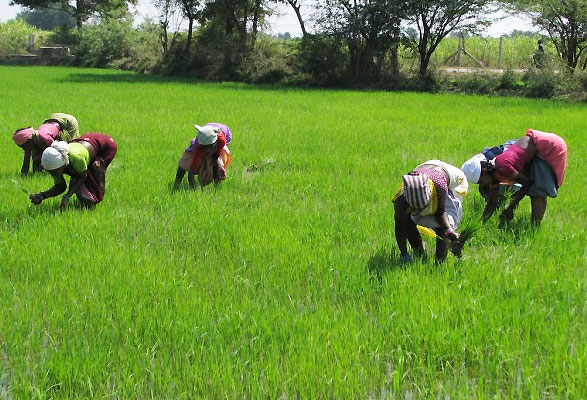
Rice farming
Dr Stefan Kachelriess-Matthess, Programme Director of CARI, said this in an interview with News Agency of Nigeria (NAN) in Abuja on Wednesday, April 4, 2018.
Kachelriess-Matthess said that CARI programme had been in operation in Nigeria, Ghana, Burkina Faso and Tanzania since 2013, adding that its first phase would wind up in June this year.
He said that the first phase of CARI had been ranked successful in all the five criteria of the Development Assistance Committee (DAC), which included relevance, effectiveness, impact, efficiency, and sustainability.
“On the basis of the very good results regarding the achievement of Objectives 1 and 2 and the potential for improvement towards Objectives 3 and 4, the evaluation mission recommended to plan another phase for CARI.’’
He recalled that, in December 2017, CARI Phase 2 was launched by the German Federal Ministry for Economic Cooperation and Development (BMZ).
He said that the execution of the CARI Phase 2 programme would start on July 1, 2018.
“The Phase II of CARI will foster relationship between the actors and rice value chain in Nigeria, Ghana Boukina Faso and Tanzania.
“It will also promote productivity, income and rice value chain, while increasing food security at the regional level in West and East Africa.
“CARI Phase II will be executed, in partnership with the Alliance of Green Revolution in Africa (AGRA), in the four countries, with a focus on how to involve and help more farmers in Africa.
“We will try and look into some of the challenges which the first phase of CARI is facing in Africa in terms of increasing population and demand for rice,’’ he said.
Kachelriess-Matthess said: “We need to meet with the demand of rice consumers so that they can have enough food.
“We need to organise the value chain in such a way that it can receive additional support through the actors already available in those countries and financial institutes because agriculture production in the field requires a lot of resources.
“It also needs processing requirements, marketing, storage and transport resources; all these financial resources need to come from within the system and partnerships with financial institutions.’’
Alhaji Muhammed Auwal, National Secretary of Rice Farmers Association of Nigeria (RIFAN), said that CARI has been exposing rice farmers to basic skills in modern rice production.
“There is ongoing training at Farmers’ Business School in Good Agronomic Practices (GAPs); the training is to teach farmers how to use fertilisers and have high yields.
“This has really helped to grow our yield per hectare. Prior to the inception of CARI, we do have 2.5 tonnes per hectare but our yield increased to 5.6 tonnes per hectare 2016 and it later increased to between 8.5 and 9 metric tonnes in 2017, which is a remarkable increment.’’
Auwal commended CARI for equipping farmers with the technical know-how on rice production, building their capacity to sustain the increase in rice yield per hectare and providing them with access to finance, inputs and GAPs.
“We are ready to partner with CARI II so as to continue to enjoy the dividends of this tremendous rice revolution in Nigeria, while achieving increased productivity.
“We urge CARI to carry more farmers along in its second phase because most of the non-beneficiaries of the programme have seen the increasing yields of the beneficiaries and they wish to be included in the programme.’’
Auwal said that with the support of the Federal Government’s Anchor Borrowers Programme, rice importation into the country had drastically reduced by over 90 per cent.
He noted that many citizens were now eating locally produced rice which was more nutritious.
The Chairman, House Committee on Water Resources, Alhaji Aliyu Pategi, on Wednesday, April 4, 2018 assured the speedy passage of the National Water Resources Bill into law before the end of June 2018.
Suleiman Adamu Kazaure, Water Resources Minister
Pategi gave this assurance in Abuja in an interview with News Agency of Nigeria (NAN).
According to him, the bill is an Act for the establishment of a regulatory framework for the water resources sector in the country.
He said that the equitable and sustainable development, management, use and conservation of Nigeria’s surface and ground water resources could not be over-emphasised.
Pategi said the National Assembly was doing all it could to see that the passage of the bill was possible before the end of June 2018.
The lawmaker said the bill would, thereafter, be sent to President Muhammadu Buhari for his assent.
“The House of Representatives is a progressive partner to ensure that Nigerians have more water for all purposes, hence it has passed the National Water Resources Bill for second reading.
‘‘We are hopeful to see that by the end of June 2018, the bill would have been passed by both houses of the National Assembly.”
The chairman said the committee would continue to advocate for citizens’ right of access to clean water and sanitation, and promotion of equitable and affordable access to water for poverty reduction.
NAN reports that the bill also provides for the need to encourage comprehensive and equitable coverage of water supply and sanitation including promoting public-private sector partnerships in water delivery services.
The bill stipulates that the National Council on Water Resources be established as the apex advisory body for the review of national water-related legislation, water resources master plan and policies.
According to the bill, the council is to be chaired by the Minister of Water Resources with membership comprising state Commissioners for Water Resources or any other person responsible for water resources in the state.
It also promotes public-private partnerships in the development and management of water resources infrastructure, dams’ safety and appropriate reservoir operation and management.
Other provisions include; public trusteeship of water, entitlement to the use of water, water licensing, charges for water use, borehole drilling among others.
It will be recalled that the Federal Executive Council in 2016 approved a draft National Water Resources Bill and two policies: National Water Policy and National Irrigation Policy as part of measures to enhance quality of water resources in the country.