Home Blog Page 1931

Improved security helping immunisation activities in Zamfara

0

Recent improvement in security is helping immunisation activities in Zamfara State, says World Health Organisation (WHO) Coordinator in the state, Dr Hamza Kankiya.
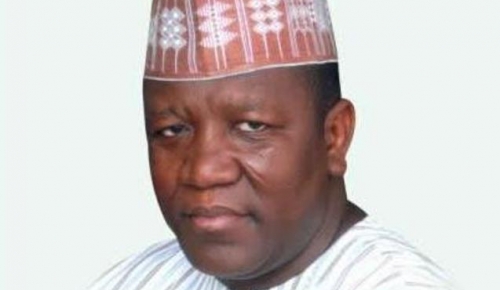
governor-yari-abubakar
Dr. Abdulaziz Yari Abubakar, governor of Zamfara State

The WHO Coordinator made the assertion on Saturday, April 8, 2018 at the Flag-off of April 2018 National Immunisation Plus Days awareness campaign held in Kaura-Namoda.

He said, “We are congratulating the Zamfara State Government and entire people of the state, and also acknowledge the efforts of Federal Government and security agencies in addressing security challenges facing the state.

“The improvement of security in the state has allowed us to reach many children in several communities that were being left in polio immunisation for years due to insecurity.

“Inaccessibility to some settlement due to insecurity was a major challenge hindering polio immunisation in the state.

“But with the present efforts that government is making, we have started witnessing changes and accessing some communities who were left during the previous polio immunisation exercises.

“In March round polio eradication campaign, 15, 232 children were not accessed across 125 settlements in the 31 wards of eight out of the 14 local government areas of the state.

“Inaccessible areas due to insecurity, poor team performance, and non-compliant parents remained major challenges hindering polio immunisation in Zamfara State,’’ he said.

Kankiya thanked the state government for providing enabling environment for the partner agencies to support communities in the state in health care delivery and polio immunisation.

“We are also appreciating the traditional and religious leaders over their contentious efforts in ensuring quality implementation campaigns, community mobilisation and resolution of non-compliance cases.

“The positive results of political, traditional and religious institutions in improving health status of women and children in the state.”

In her remark, the representatives of UNICEF, Mrs Carina Prakke, commended all stakeholders working to eradicate polio virus in the state.

“It is commendable efforts as we have government officials, traditional and religious leaders and development partners among others working together to ensure effective polio eradication in this state.

“It is very impressive to have the record of six years without polio virus in this state; therefore we need to continue with this collaboration in order to achieve the desired goal and objectives,’’ she said.

Executive Secretary of the state Primary Health Care Development Board, Alhaji Yusuf Mafara, commended the partners supporting the state not only on immunisation but in all health care related programmes.

“I must appreciate Federal Ministry of Health and National Primary Health Care Development Agency over their immense support to the health sector of the state,’’

He also thanked Kaura-Namoda Emirate Council for its commitments in supporting primary health care delivery in the area and enlightening the public on the importance of polio immunisation.

By Ishaq Zaki
World Health Day: WHO urges ‘health for all’

0

The World Health Organisation (WHO) has made a strong call for universal health coverage, saying health is a human right.

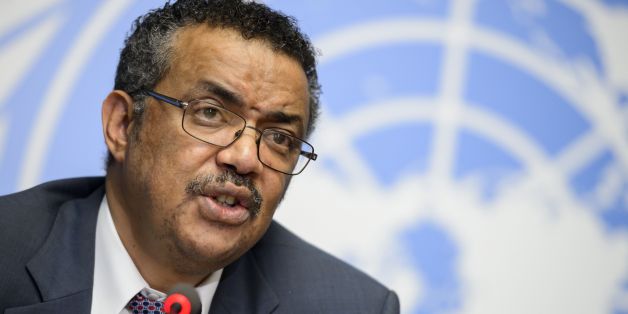
Dr Tedros Adhanom Ghebreyesus
Dr Tedros Adhanom Ghebreyesus, Director-General of the World Health Organisation (WHO). Photo credit: AFP / FABRICE COFFRINI / Getty Images

WHO also said governments should ensure that all people can get quality health services, where and when they need them, without suffering financial hardship.

WHO Director-General, Tedros Ghebreyesus, in his message on the World Health Day, which is marked annually on April 7, said no one should be denied access to healthcare because of his or her social status.

“Health is a human right. No one should get sick and die just because they are poor, or because they cannot access the health service they need.

“Universal health coverage is a political choice. It takes vision, courage and long-term thinking.

“But the payoff is a safer, fairer and healthier world for everyone,” Ghebreyesus said.

According to WHO, at least half the world’s population do not have coverage for full essential health services, with about 100 million people living on 1.90 dollars or less a day because they have to pay for health care.

Over the past seven decades, WHO has spearheaded efforts to rid the world of killer diseases and fight against deadly habits, like tobacco use.

“Good health is the most precious thing anyone can have. When people are healthy, they can learn, work, and support themselves and their families.

“When they are sick, nothing else matters. Families and communities fall behind. That’s why WHO is so committed to ensuring good health for all,” Ghebreyesus stressed.

UN Secretary-General, António Guterres, recalled that WHO was founded on the principle that “the enjoyment of the highest attainable standard of health is one of the fundamental rights of every human being.”

“Since then, average global life expectancy has expanded by 23 years,” he said, noting the eradication of smallpox and the dissipation of polio.

Guterres stressed that although millions more children lived to celebrate their fifth birthday, people around the world still lacked vital health services.

“Today, we join WHO in recommitting to ensure that everyone, everywhere, gets the health services they need. Join me in calling for Health for All,” he said.

“As part of the landmark 2030 Agenda and its 17 Sustainable Development Goals (SDGs), all UN Member States agreed to try to achieve universal health coverage by 2030.

“When people have to pay most health service costs themselves, often the poor cannot obtain what they need and even the rich may fall victim to financial hardship from long-term illness,” WHO said.

WHO maintained that pooling resources from compulsory funding sources, such as mandatory insurance contributions, could improve health service coverage by spreading the financial risks of illness across a population.

Many countries have successfully eliminated measles, malaria and debilitating tropical diseases, as well as mother-to-child transmission of HIV and syphilis.

New WHO recommendations for earlier treatment, efforts to access cheaper generic medicines and innovative partnerships have produced vaccines against meningitis, Ebola and the world’s first for malaria.

By Prudence Arobani

IPCC selects seven Nigerians for Sixth Assessment Report authorship

0

The Intergovernmental Panel on Climate Change (IPCC) has included seven Nigerians amongst the 721 experts from 90 countries invited to participate in the Sixth Assessment Report (AR6) as Coordinating Lead Authors, Lead Authors and Review Editors. This allows work to start on the next comprehensive assessment of the science related to climate change.

Hoesung Lee
Hoesung Lee, IPCC chair. Photo credit: reneweconomy.com.au

The Nigerian eggheads are part of all the three Working Groups of the project, and they include:

  • Hyacinth Nnamchi of the University of Nigeria, Nsukka (Working Group I – Chapter 2: Changing state of the climate system) as Lead Author
  • Ms Ibidun Adelekan of the University of Ibadan, Ibadan (Working Group II – Chapter 9: Africa) as Coordinating Lead Author
  • Ayansina Ayanlade of the Obafemi Awolowo University, Ile-Ife (Working Group II – Chapter 9: Africa) as Lead Author
  • Chukwumerije Okereke of the University of Reading, UK (Working Group III – Chapter 1: Introduction and Framing) as Coordinating Lead Author
  • Ms Chioma Daisy Onyige of the University of Port Harcourt, Port Harcourt (Working Group III – Chapter 5: Demand, services and social aspects of mitigation) as Lead Author
  • Ogheneruona Diemuodeke of the University of Port Harcourt, Port Harcourt (Working Group III – Chapter 10: Transport) as Lead Author
  • Sanusi Mohamed Ohiare of the Rural Electrification Agency (Working Group III – Chapter 15: Investment and finance) as Lead Author

The Sixth Assessment Report, according to the IPCC, will inform policymakers, international climate negotiators and other stakeholders about the latest knowledge on all aspects of climate change.

The bureaux of the three IPCC Working Groups selected the authors from 2,858 experts representing 105 countries, following a call to governments and IPCC observer organisations for nominations. Working Group I is responsible for the physical science basis, Working Group II looks at impacts, adaptation and vulnerability and Working Group III covers mitigation of climate change.

“The Sixth Assessment Report will update our knowledge on climate change, its impacts and risks, and possible response options, and play an important role in implementing the Paris Agreement,” said IPCC Chair, Hoesung Lee.

“These author teams, drawn from the hundreds of excellent nominations the IPCC was fortunate to receive, provide us with the necessary expertise across a range of disciplines to conduct the assessment. I am gratified that we have also raised the proportion of women and scientists from developing countries involved in our work,” he added.

Following their selection, the authors will now review the existing scientific literature and prepare drafts of the report on the basis of the outlines of the Working Group contributions already agreed by the Panel.

The three IPCC Working Groups will finalise their respective contributions to the AR6 report in 2021. A Synthesis Report will complete the AR6 cycle in early 2022, integrating all the Working Group contributions and the findings of the three special reports that are currently underway. The conclusions will be available in time for the first Global Stocktake, a periodic review of collective progress towards achieving the long-term goals of the Paris Agreement.

The outlines of the Working Group contributions to AR6 were agreed at the 46th session of the IPCC in Montreal in September 2017 and can be found here:

Of the selected experts, 44% come from developing countries and countries with economies in transition, 53% are new to the IPCC process and 33% are women.

For the Fifth Assessment Report (AR5), the IPCC selected 829 authors from over 80 countries. Of these, 37% were from developing countries and countries with economies in transition, 68% were new to the IPCC process and 21% were female.

The IPCC is the United Nations body for assessing the science related to climate change. It was established by the United Nations Environment Programme (UN Environment) and the World Meteorological Organisation (WMO) in 1988 to provide policymakers with regular scientific assessments concerning climate change, its implications and risks, as well as to put forward adaptation and mitigation strategies. It has 195 member states.

Visionscape promises cleaner Lagos, partners PSPs

0

Visionscape Sanitation Solutions Ltd. on Friday, April 6, 2018 assured Lagos residents that refuse was set to disappear from roads and houses in the state, as stakeholders in the waste collection network had resolved their differences.

John-Irvine
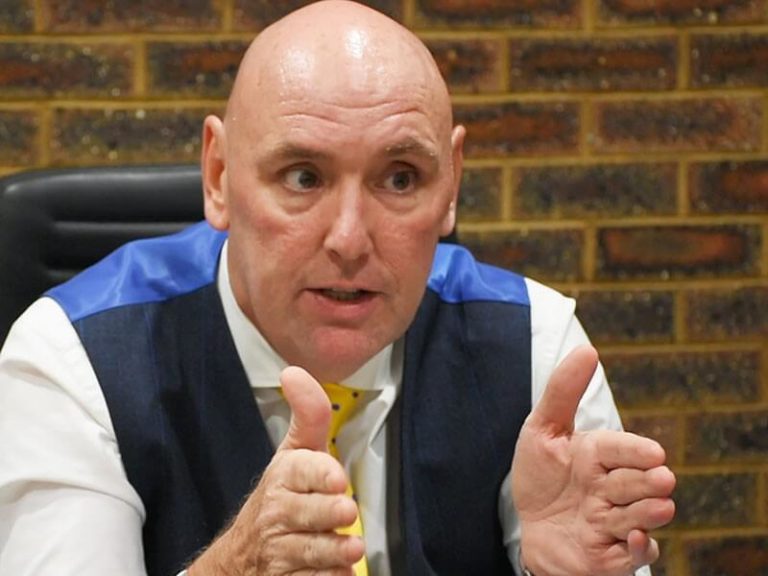
Chief Executive Officer of Visionscape, Mr John Irvine

The firm’s Chief Executive Officer, Mr John Irvine, told journalists in Ikeja that the company had entered a new agreement with Private Sector Participants (PSP) for effective waste collection and management.

“Over the course of the next 18 months, you would find a cleaner, more transparent and a more beneficial waste infrastructure,” he said.

The CEO said that months of negotiations had ended the clash that erupted among the stakeholders as a result of the introduction of the Cleaner Lagos Initiative (CLI) by the state government.

“The two key parties, Visionscape Sanitation Solutions and the PSP operators, have reached an agreement, borne out of the need to give effective environmental services to the people of Lagos State.

“Under the new arrangement, the PSP operators, now referred to as Waste Collection Operators (WCO), have agreed to resume residential waste collection, where they will bill and service homes across the state, while Visionscape’s primary concern would be infrastructure development.

“This resolution also became urgent as government and other stakeholders are determined to avoid similar environmental disasters as the Olusosun Dumpsite fire outbreak that occurred a few weeks before,” he said.

Irvine said a 10-year process was being fast-tracked and compressed into a three-year period under a new arrangement.

The arrangement, he said, would help Visionscape focus on providing the needed infrastructure for the entire refuse management process to run on.

Irvine appealed to residents of Dopemu and other areas where refuse had accumulated to be patient.

He said the distribution of refuse bags and refuse collection would capture them from next week.

Irvine said that, under the new partnership, Visionscape had paid some PSP operators upfront to aid the effective collection of residential waste.

According to him, the CWOs are being paid N250,000.00 upfront to aid their collection of refuse, while Visionscape focuses on solid waste management in its landfills, transfer loading stations and depots.

He said that the firm would continue to support all partners with equipment and capacity to upgrade refuse collection methods.

The CEO said that the firm was ready to purchase vehicles and other modern equipment that meet 21st century refuse management techniques for the CWOs.

“If you have to look at New York City in the late 70s and 80s, there was more trash on the streets of New York than what you have here in Lagos. Reform takes time,” he said.

Irvine said the firm had made huge investments developing infrastructure in its transfer loading stations in Tapa, Ogudu, Agege and Oshodi.

By Grace Alegba

Nile dam’s future in flux after Egypt-Sudan-Ethiopia talks collapse

0

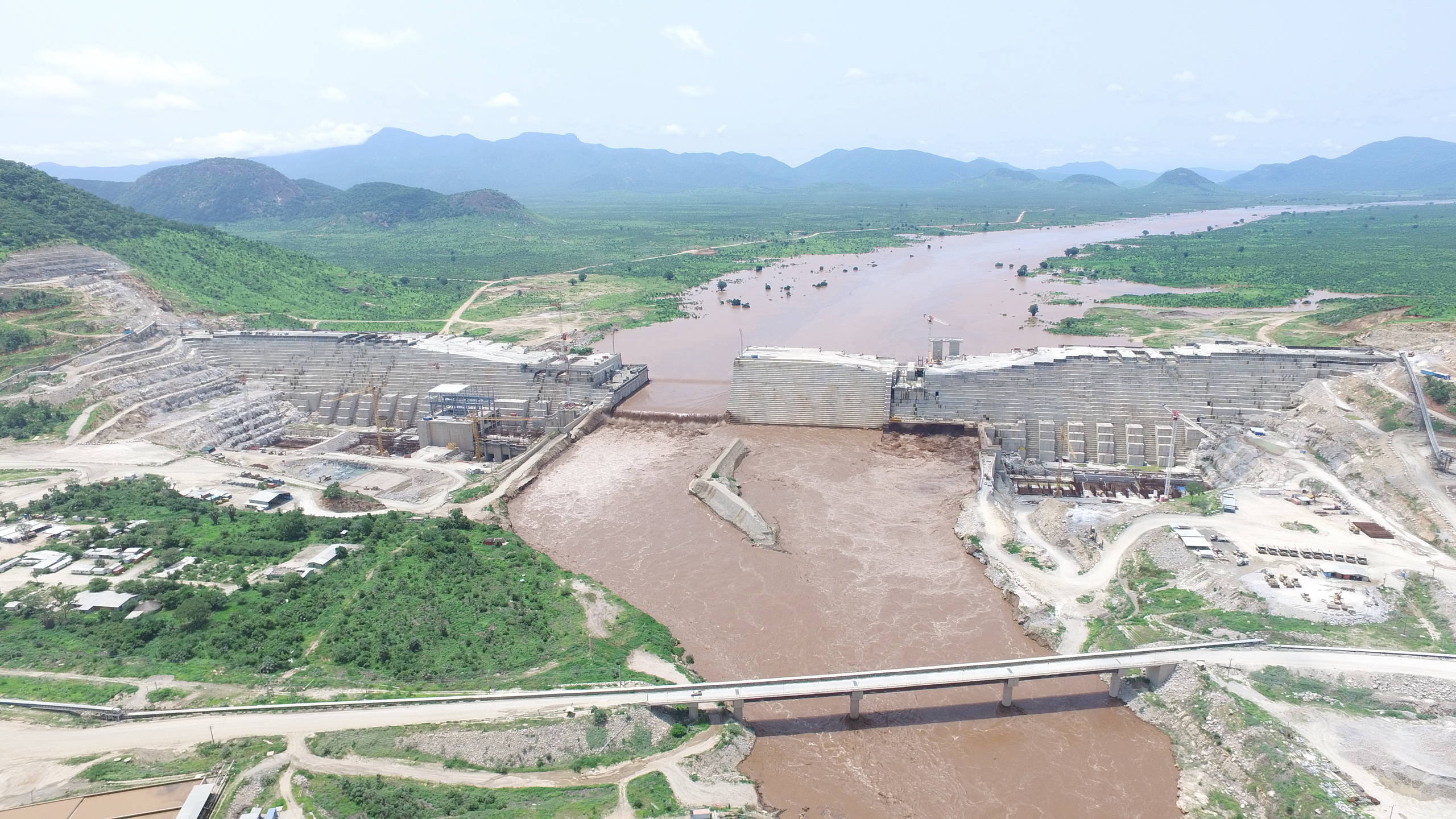
Talks involving Egypt, Sudan and Ethiopia regarding the construction of a disputed dam on the Nile River have collapsed, the Sudanese Information Minister said on Friday, April 6, 2018.

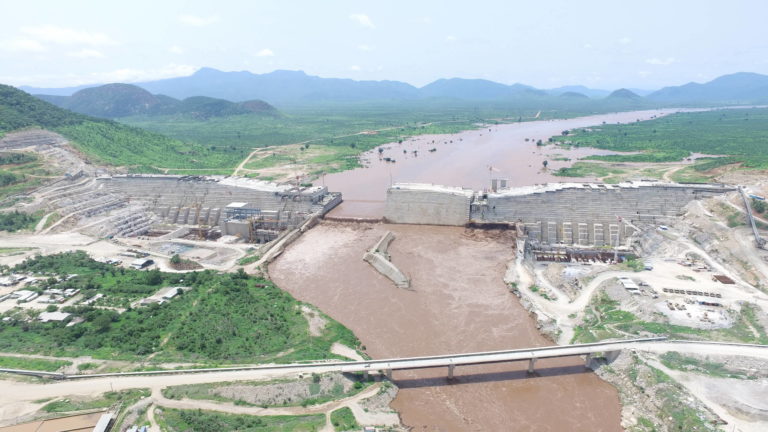
Grand Ethiopian Renaissance Dam

“The countries were discussing many issues including, the Nile and the dam but we failed to reach any agreement on the matters that caused conflict,’’ Ahmed Mohamed Osman told dpa by phone from Khartoum, where the talks were conducted.

Egypt decried the $4.8 billion hydroelectric Grand Renaissance Dam on Ethiopia’s border with Sudan could reduce its share of waters from the Nile.

Sudan supports the dam.

The dam, which is expected to more than double Ethiopia’s current energy production levels, is more-than-60-per-cent built.

The east African nation would become an energy hub for the continent upon its completion.

At the end of the works, the Grand Ethiopian Renaissance Dam will be the largest dam in Africa: 1,800 m long, 155 m high and with a total volume of 74,000 million m³. The project involves the construction of a main dam in Roller Compacted Concrete (RCC), with two power stations installed at the foot of the dam.

Formerly known as the Millennium Dam and sometimes referred to as Hidase Dam, the Grand Renaissance Dam is a gravity dam on the Blue Nile River in Ethiopia that has been under construction since 2011. It is in the Benishangul-Gumuz Region of Ethiopia, about 15 km (9 mi) east of the border with Sudan.

Why clean energy transition needs to accelerate

0

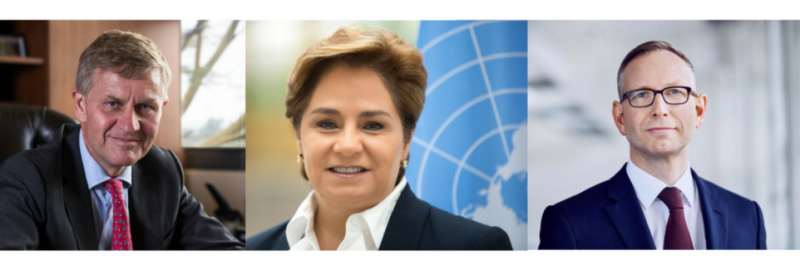
In a foreword to the “The Global Trends in Renewable Energy Investment 2018” report published on Thursday, April 5, 2018, Erik Solheim (Executive Director  of UN Environment), Patricia Espinosa (Executive Secretary of UNFCCC) and Nils Stieglitz (President of Frankfurt School of Finance & Management) emphasise that the renewable energy market has continued to make remarkable progress

Clean energy
L-R: Erik Solheim (Executive Director of UN Environment), Patricia Espinosa (Executive Secretary of UNFCCC) and Nils Stieglitz (President of Frankfurt School of Finance & Management)

We are in the middle of a global renewable energy revolution. Investments in renewables have continued to increase each year, led largely by developing countries, and since 2004 the world has invested $2.9 trillion in green energy sources. The annual Global Trends in Renewable Energy Investment report illustrates these changes in the global energy map and the road ahead in securing the future of our planet.

The central message of the report is clear. The renewable energy market continues to make remarkable progress. Last year was the eighth in a row that global investment in renewables exceeded $200 billion. Much of this can be attributed to falling costs for solar electricity, and to some extent wind power, which continues to drive deployment. More electricity generated by renewable sources in 2017 signals strong commitment to addressing climate change and reducing carbon emissions.

The world installed a record number of new solar power projects in 2017, more than net additions of coal, gas and nuclear plants put together. China has been the leading destination for renewable energy investment, accounting for 45 percent of the global investment. The country has initiated 13 offshore wind projects, which in addition to reducing emissions will generate jobs in all stages of construction and operation. This demonstrates the potential for renewable energy to fight climate change and boost economic growth. Fossil-fuel-rich countries are also showcasing strong progress. The United Arab Emirates, for example, recorded an astounding 29-fold increase in renewable energy investment in 2017.

While there is much to be positive about, it is also evident that we need to continue to push the acceleration of the global renewable energy revolution. In 2017, just 12.1% of global power came from clean sources, 1.1% more than in 2016. Climate change is moving faster than we are. Last year was the second hottest on record and carbon dioxide levels continue to rise. In electricity generation, new renewables still have a long way to go. While renewable generating costs have declined, and governments are phasing-out fossil fuel subsidies – they amounted to a total $260 billion in 2016 – the transition needs to accelerate and be complemented by strong private finance that can make sure this global momentum continues.

In 2015, countries adopted the Paris Climate Change Agreement, the central goal of which is to limit the rise in global average temperatures to well below two degrees Celsius and as close as possible to 1.5 degrees above pre-industrial levels. We will only achieve this goal by substantially and rapidly reducing use of fossil fuels. We hope this report will encourage investors, businesses and governments to accelerate action in favour of our planet, and power us towards a sustainable future for all.

GEF, UN, NCF help Cross River communities achieve REDD+ goals

0

The Nigerian Conservation Foundation (NCF), through support from the United Nations Office for Project Services (UNOPS) and Global Environment Facility’s Small Grant Programme (GEF-SGP), appear to be re-defining forest management, conservation of landscape and rural livelihoods in selected forest-edge communities of Ebok, Kabakken and Ebranta in Boje, Boki Local Government Area of Cross River State.

NCF
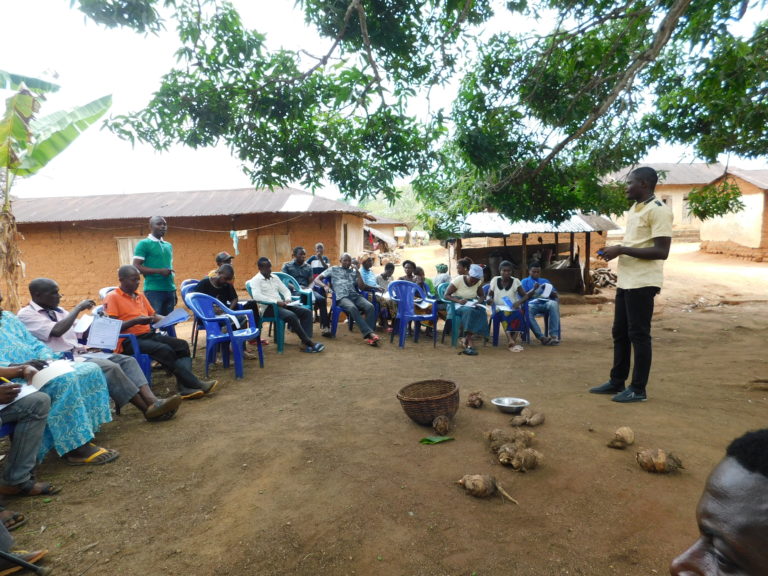
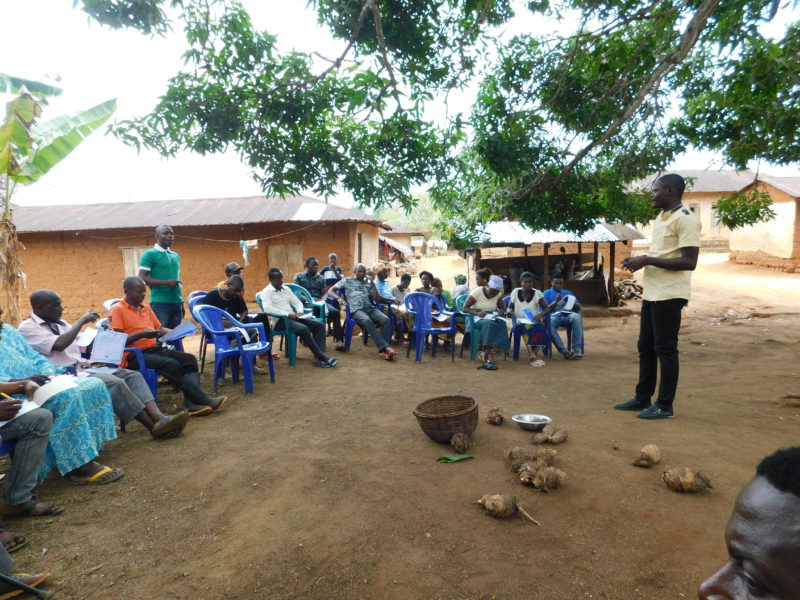
Training the communities on cultivation of cocoa yam using improved farming methods and multiplication of planting materials

In 2017, NCF, with the support of GEF-SGP, set up the Community-Based REDD+ programme (CBR+) to promote activities that boost poverty eradication, promotion of improved crop varieties and yields, gender empowerment, biodiversity conservation and climate change mitigation and adaptation.

Through the funding, Ebok, Kabakken and Ebranta communities cultivated two acres of land respectively with improved cassava stem cuttings, set-up cassava processing mills, cultivation and domestication of Afang Gnetum africanum by community members and harvesting of Non-Timber Forest Products (NTFPs) – bush mango Irvingia gabonensis as part of efforts to reduce forest loss through improved agricultural practices. Proceeds of the harvest were shared among women and youth in the communities to supplement their income.

In addition to the cassava, vegetable and NTFPs cultivation, the three communities commenced the cultivation of cocoayam on two acres each using improved farming methods and multiplication of planting materials (mini-set technology). In order to restore and cope with the impact of landslide-affected community forests, 4,000 tree seedlings raised by the beneficiary communities were planted to restore degraded forests.

To prevent hunting of animals in the wild, poultry (turkey) and snail farms were established in the three communities to enhance food security.

The estimated beneficiaries are 36 households comprising about 250 individuals and their income levels have improved by 10%. Fifteen forest eco-guards made up of five representatives from each community have been established. The eco-guards, along with the Community Council of Chiefs, make up the natural resources governance committee.

Mr. Tony Attah, the facilitator for community forest bye-laws at the training, applauded NCF for the laudable strides made and called on the people to take full advantage of the opportunities that the CBR+ project presents. He also expressed hope that the initiative could be expanded in the near future.

Part of the trainings focused on forest laws, ownership (government, private and local), delineation of forest boundaries, designing clear rules for access to forests resources and provision for monitoring and sanctioning violators, recognition of the rights of the community to help achieve improved forest outcomes.

Cross River State has over 50% of the forest cover in Nigeria. Akamkpa, Etung and Boki comprise the largest share of this forest cover.

CBR+ is a partnership between the UN-REDD Programme and the GEF Small Grants Programme to deliver grants directly to indigenous peoples and communities to empower them to fully engage in the design, implementation and monitoring of REDD+ readiness activities, and develop experiences, lessons, and recommendations at the local level that can feed into national REDD+ processes.

CBR+ supports community-based projects that complement UN-REDD National Programmes, national REDD+ readiness processes and strategies. Currently in its pilot phase, CBR+ is being implemented in six countries: Cambodia, Sri Lanka, Panama, Paraguay, Democratic Republic of the Congo and Nigeria.

Community forest, according to the NCF, contributes to the sustainable livelihoods of millions of rural people living in developing nations. Thus community involvement has the potential to improve the effectiveness, efficiency and provide more co-benefits from REDD+ project, adds the group.

World added far more new solar than fossil fuel power in 2017

0

Solar energy dominated global investment in new power generation at unprecedented levels in 2017, according to a new report that underlines that clean energy makes sense not only for the climate but for the global economy as well.

unifil
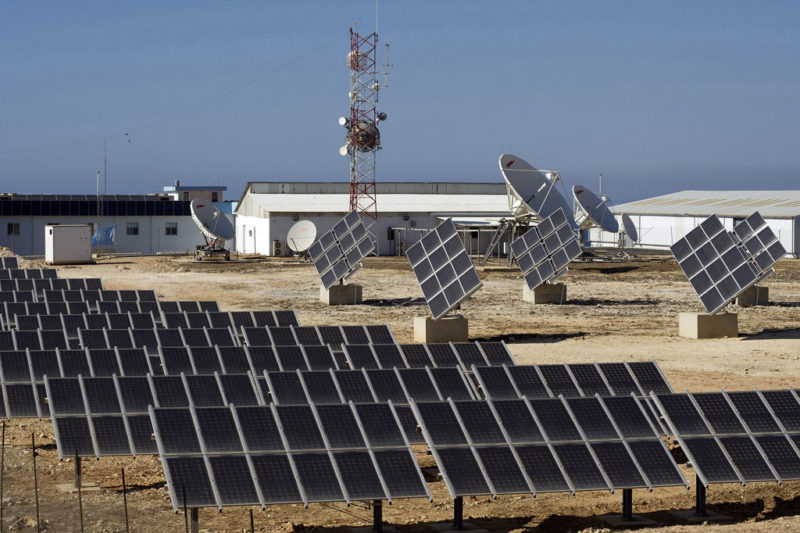
Renewable energy: A Solar Energy System at the United Nations Interim Force in Lebanon (UNIFIL). Photo credit: UNIFIL

Some 98 gigawatts of new solar capacity were installed worldwide in 2017, far more than the net additions of any other technology, including fossil fuels and nuclear.

The rapid growth in solar power is significant as global markets recognise the importance of meeting the goals of the Paris Agreement.

“The extraordinary surge in solar investment shows how the global energy map is changing and, more importantly, what the economic benefits are of such a shift,” said UN Environment head, Erik Solheim. “Investments in renewables bring more people into the economy, they deliver more jobs, better quality jobs and better paid jobs. Clean energy also means less pollution, which means healthier, happier development.”

Solar power also attracted far more investment, at $160.8 billion (up 18 percent from the year previous), than any other power technology in 2017. It made up 57 percent of the total investment in all renewables (excluding large hydro) of $279.8 billion, and it towered above new investment in coal and gas generation capacity (estimated at $103 billion).

The Global Trends in Renewable Energy Investment 2018 report, released on Thursday, April 5, 2018 by UN Environment, Frankfurt School – UNEP Collaborating Centre, and Bloomberg New Energy Finance, finds that falling costs for solar electricity, and to some extent wind power, are continuing to drive deployment.

“While there is much to be positive about, it is also evident that we need to continue to push the acceleration of the global renewable energy revolution. Climate change is moving faster than we are,” said UN Climate Change Executive Secretary, Patricia Espinosa, in the report foreword co-authored with Mr. Solheim and Nils Stieglitz, President of Frankfurt School of Finance & Management. “Last year was the second hottest on record and carbon dioxide levels continue to rise. In electricity generation, new renewables still have a long way to go.”

“In 2015, countries adopted the Paris Climate Change Agreement, the central goal of which is to limit the rise in global average temperatures to well below two degrees Celsius and as close as possible to 1.5 degrees above pre-industrial levels. We will only achieve this goal by substantially and rapidly reducing use of fossil fuels,” the three state in the report foreword.

Last year was the eighth in a row in which global investment in renewables exceeded $200 billion – and since 2004, the world has invested $2.9 trillion in these green energy sources.

Overall, China was by far the world’s largest investing country in renewables, at a record $126.6 billion, up 31 percent from 2016.

There were also sharp increases in investment in Australia (up 147 per cent to $8.5 billion), Mexico (up 810 per cent to $6 billion), and in Sweden (up 127 percent to $3.7 billion).

A record 157 gigawatts of renewable power were commissioned last year, up from 143 gigawatts in 2016 and far out-stripping the net 70 gigawatts of fossil-fuel generating capacity added (after adjusting for the closure of some existing plants) over the same period.

“The world added more solar capacity than coal, gas, and nuclear plants combined,” said Mr. Stieglitz. “This shows where we are heading, although the fact that renewables altogether are still far from providing the majority of electricity means that we still have a long way to go.”

Global investments in renewable energy of $2.7 trillion from 2007 to 2017 (11 years inclusive) have increased the proportion of world electricity generated by wind, solar, biomass and waste-to-energy, geothermal, marine and small hydro from 5.2 percent to 12.1 per cent.

The current level of electricity generated by renewables corresponds to about 1.8 gigatons of carbon dioxide emissions avoided – roughly equivalent to those produced by the entire U.S. transport system.

China solar power leads global renewable energy capacity

0

Chinese solar power led a record 157 gigawatts (GW) of new renewable energy capacity added worldwide last year, more than double the amount of new generation capacity from fossil fuels, a U.N. backed report showed on Thursday, April 5, 2018.

Li Keqiang
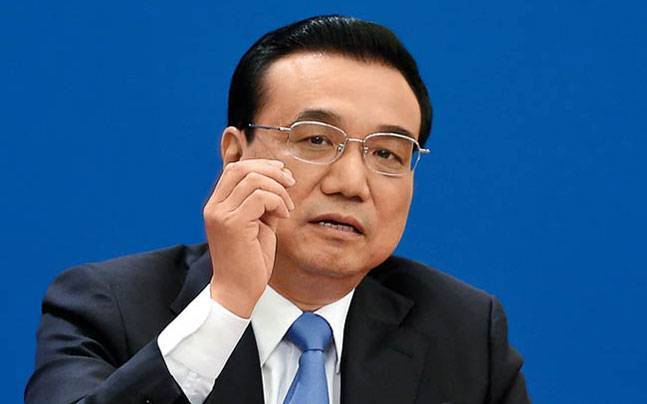
China’s Premier, Li Keqiang

Globally, a record 98 GW of solar power capacity was installed last year with China contributing more than half, or 53 GW, according to U.N. Environment, the Frankfurt School-UNEP Collaborating Centre and Bloomberg New Energy Finance.

The new renewable energy generating capacity, also including wind, biofuels and geothermal energy, dwarfed the 70 GW of net new capacity from fossil fuels in 2017, it said.

“We are at a turning point … from fossil fuels to the renewable world,” Erik Solheim, head of U.N. Environment, told Reuters. “The markets are there and renewables can take on coal, they can take on oil and gas.”

Fossil fuels, however, still dominate existing capacity. Solar, wind, biomass and other renewables generated 12.1 per cent of world electricity in 2017, up from 5.2 per cent a decade earlier, it said.

Climate scientists have advised governments that renewables should be the world’s dominant source of energy by mid-century.

They say thus is vital if they want to achieve the toughest goals set under the 2015 Paris climate agreement to combat global warming.

Global investment in renewable energy rose by two per cent to 279.8 billion dollars in 2017 from a year earlier. China invested the most in renewables at 126.6 billion dollars – its largest amount ever and 45 per cent of the global total.

“Much lower costs … are the driver of solar investment worldwide,” said Angus McCrone, chief editor of Bloomberg New Energy Finance and lead author of the report, told the media.

And solar power in China benefited from government policies to help industry, reduce air pollution and slow climate change, he said.

The report said the cost of generating electricity from large-scale solar photovoltaic technology fell by 15 percent last year to $86 per megawatt hour.

In the U.S., renewable energy investment fell by six per cent in 2017 to $40.5 billion.

However, it was relatively resilient to policy uncertainties under President Donald Trump, who wants to promote fossil fuels, the report said.

“Trump can no more brake this than those who opposed the Industrial Revolution could stop the Industrial Revolution,” said Solheim, a former Norwegian environment minister.

Still, Trump’s decision in January to slap tariffs on imported solar panels could dent U.S. solar power in the short term, McCrone said.

But there was no sign the U.S. Congress would scrap tax credits for renewables that was a bigger driver of long-term investment, he said.

Europe’s investment in renewables plunged by 36 per cent to 40.9 billion dollars due to factors including the end of subsidies in some countries for solar and wind and lower technology costs.

“In Europe the fall in investment is strongly driven by Germany and the UK,” said Ulf Moslener, lead editor of the report at the Frankfurt School.

World invests $2.9b in renewable energy since 2004 – UNEP Report

0

The world has invested $2.9 trillion dollars in green energy sources since 2004, a new UN-backed report released on Thursday, April 5, 2018 said.

Erik Solheim
Head of the UN Environment, Erik Solheim

The Global Trends in Renewable Energy Investment 2018 report, released by the UN Environment Programme (UNEP) and its partners, showed a steady move away from fossil fuel-based power production to ‘green’ power sources.

The report said solar energy dominated global investment in new power generation like never before in 2017.

It added that 2017 was the eighth in a row in which global investment in renewables exceeded $200 billion dollars.

“In 2017, the world installed a record 98 gigawatts of new solar capacity, far more than the net additions of the rest – other renewables, fossil fuel and nuclear”, according to the report.

The report added that solar power also attracted far more investment than any other technology, at $160.8 billion, up 18 per cent.

A driving power behind last year’s surge in solar was China, where an unprecedented boom saw some 53 gigawatts added – more than half the global total – and $86.5 billion invested, up 58 per cent.

“The extraordinary surge in solar investment shows how the global energy map is changing and, more importantly, what the economic benefits are of such a shift.

“Investments in renewables bring more people into the economy, they deliver more jobs, better quality jobs and better paid jobs.

“Clean energy also means less pollution, which means healthier, happier development,” UNEP chief Erik Solheim, said.

It said 2017 was the eighth in a row in which global investment in renewables exceeded $200 billion– and since 2004, the world had invested $2.9 trillion in these green energy sources.

Overall, China was by far the world’s largest investing country in renewables, at a record $126.6 billion, up 31 per cent on 2016.

There were also sharp increases in investment in Australia, up 147 per cent to $8.5 billion; Mexico, up 810 per cent to six billion dollars; and Sweden, up 127 per cent to $3.7 billion.

By Prudence Arobani