Home Blog Page 1893

Concern as youths clash over Cross River oil palm estate

0

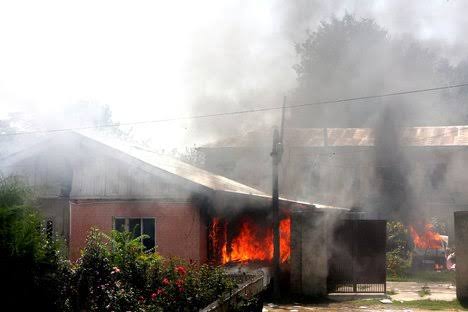
The inhabitants of Boki Local Government Area in Cross River State are presently living under serious tension as angry youth battle for the control of Boki Oil Palm Estate, Borum.
Oil Palm Estate crisis
One of the houses burnt in Bafin during the clash

This crisis, which began last year, has claimed the lives of many innocent people, destroyed properties and left many others traumatised.

Reacting to the ugly incident, the chairman of Ochibe Boki, Major General Moses Obi (rtd), has appealed to all the parties involved to exercise restraint and explore peaceful as well as acceptable mechanisms in resolving their grievances.

The former army officer, in a press statement titled: “Message of Peace and Love”, expressed displeasure over the anxiety that the unwarranted situation has created particularly the compromise of the peaceful co-existence and security of the people.

“I feel pained,” he said, adding: “I remain committed to contributing, in whatever way I can, in helping our government and our institutions, to help us.”

He submitted that, together with resolve and prayers, the good people of Boki would overcome and the evil times will get behind them for good.

Also, other concerned Boki sons and daughters both within and outside Nigeria have joined their voices to express sadness and condemn the upheaval that has engulfed the people.

Social agent activist and human rights lawyer, Dr. Joseph Odok, accused the Cross River State Government of conspiracy and keeping silent over the ongoing brouhaha.

He recalled that Ochibe Boki has been at the vanguard of proffering solution since the crisis erupted over a year ago, but noted that the government has done nothing to complement existing peace efforts.

“Some appointees of Ayade have groomed boys that have snowballed into two groups to protect their interest in the estate. Proceeds of the Palm Estate have been used to buy guns and the boys have become so powerful that they now respect no chief or elder,” Dr. Odok posted on his Facebook page.

The university don decried the seeming helplessness of Ochibe Boki under these circumstances to curb the matter.

According to him, chairman of the umbrella body in an open outcry had earlier called on Governor Benedict Ayade to rapidly intervene by deploying security personnel to help salvage lives and property.

“I join my voice with that of Ochibe Boki to call the security apparatus in the state to step in to save lives,” he said.

The rights campaigner hinted that too many lives have been lost and properties destroyed because of the government’s failure to respond timely and address issues of security breaches.

“I make this call before the break down of law and order between Osokom people and Oku community,” he concluded.

By Etta Michael Bisong, Abuja

Governments meet to step-up climate action for Paris Agreement application

0

Governments are meeting for the next round of UN climate change negotiations from Monday, April 30 to Thursday, May 10, 2018 to further develop the guidelines for implementing the landmark 2015 Paris Climate Change Agreement.

WCCB
A view of the atrium in the World Conference Centre Bonn (WCCB) in Germany, venue of 2018 Climate Change Talks

This will allow the Agreement to become operational. The guidelines, or operating manual, are needed to unlock practical actions to realise the full potential of the Agreement.

The final decisions are to be taken at the UN Climate Change Conference (COP24) in Poland in December, 2018.

Finalising the Paris Agreement guidelines is also necessary to assess whether the world is on track to achieve the Agreement’s goals: to limit the global temperature increase to well below 2°C, while pursuing efforts to limit it to 1.5°C.

“To reach success at COP24, it is essential that nations begin working towards draft negotiating texts at the May meeting. This will provide a solid foundation for work in the second half of 2018 and help them to deliver a strong result,” said Ms. Patricia Espinosa, Executive Secretary of UN Climate Change.

At the UN Climate Change Conference (COP23) held last November under the leadership of Fiji, nations agreed to accelerate and complete their work to put in place the guidelines – officially termed the Paris Agreement Work Programme (PAWP) – at COP24 in Katowice, Poland in December.


The Talanoa Dialogue

Another important objective of the May session is holding the “Talanoa Dialogue”, which will facilitate the engagement of countries and a range of stakeholders in a vital international conversation around ambition now and in the future.

The Fiji-led Talanoa Dialogue is facilitated by the UN Climate Change secretariat and will benefit from the presence of high-level officials from Fiji, including the Prime Minister, who is the President of COP23.

The consultative dialogue will check progress, reaffirm the goals of the Paris Agreement and aim to find solutions to how countries can increase their ambition now and in the next round of their national climate action plans, officially termed ‘Nationally Determined Contributions’.

As per tradition in the Pacific region, the goal of a “talanoa” is to share stories and to find solutions for the common good. Similarly, in the context of the international climate change process, the Talanoa Dialogue will invite participants to share stories to find solutions for the global common good.

“Year 2017 witnessed many extreme weather events and disasters that caused suffering for millions of people around the world. The consequences of climate change impacts are already being felt, particularly by the most vulnerable communities,” said Espinosa.

“The Talanoa Dialogue is a key opportunity for all stakeholders to come together and share stories on how we can significantly step up climate action to prevent even greater human suffering in the future. I encourage widespread participation in the Dialogue,” she stated.

This first phase of the Fiji-led Dialogue will write history when countries and non-Party stakeholders including cities, businesses, investors and regions engage in interactive story-telling around current and future ambition for the first time on 6 May.

The output from these story-telling conversations will feed into the Talanoa Dialogue’s political phase at COP24. The political phase will bring together Ministers and high-level government officials for conversations with a view to generating political momentum.


Ambition before 2020

Throughout 2018, countries will also focus on how they can scale up their climate ambition and implementation in the pre-2020 period. All countries share the view that climate action prior to 2020 is essential. COP24 will hold an event to take stock of the pre-2020 efforts.

Earlier this year, Prime Minister Frank Bainimarama of Fiji, President of COP23, and Ms. Espinosa urged countries that are yet to do so to ratify the amendment containing the second commitment period of the Kyoto Protocol. The Doha amendment sets out emission reduction commitments for the period 2012-2020 for many developed countries. The amendment has been ratified by 111 countries and will enter into force after it is ratified by just over 30 more.

Concerned about the need to accelerate action, Ms. Espinosa said, “I strongly urge developed countries to make progress towards mobilising the $100 billion that they have pledged to provide per year by 2020. Many developing countries desperately need this support in order to make their contribution to climate action.”

Bicycle projects can now earn saleable credits under Clean Development Mechanism

0

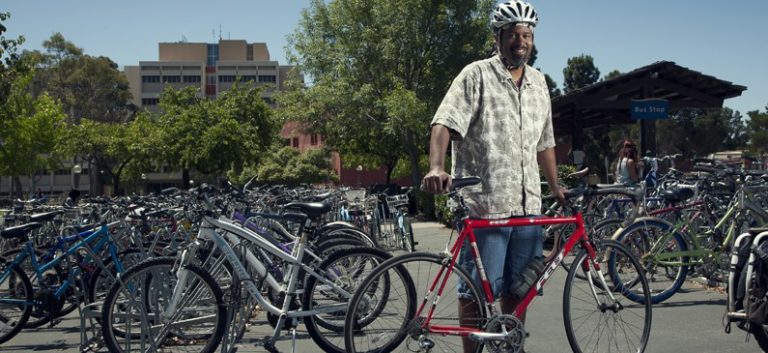
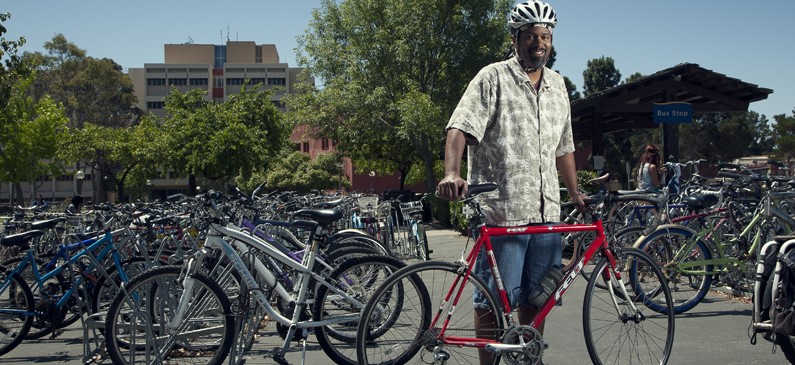
Projects that increase bicycle use over fossil fuel-burning vehicles can now earn carbon credits, thanks to a decision taken by the Board that oversees the UN’s Clean Development Mechanism (CDM).

Bicycles
Bicycles are a great way to get around and can reduce the emissions that cause climate change

The CDM is one of the Flexible Mechanisms defined in the Kyoto Protocol that provides for emissions reduction projects which generate Certified Emission Reduction units (CERs) which may be traded in emissions trading schemes.

It has the potential to assist developing countries in achieving sustainable development by promoting environmentally friendly investment from industrialised country governments and businesses.

“Bicycles are a great way to get around, and they’re great for reducing the emissions that cause climate change,” said CDM Executive Board Chair, Arthur Rolle. “It is practicable to consider rewarding and encouraging bicycle use with saleable, certified emission reduction credits.”

The CDM Board at its 99th meeting here in Bonn, Germany approved a new methodology for calculating the volume of emission reductions achieved through projects that establish bicycle lanes, bicycle parking, and bicycle-sharing programmes, encouraging a shift in passenger transport modes from their usual fossil-fuel-burning traffic in favour of clean and green pedal power such as bicycles, three-wheelers or e-bikes.

Transportation of urban passengers accounted for 7 percent of global emissions in 2015. So, efforts to increase bicycle use could result in a significant benefit to the climate, not to mention improve health and well-being.

“Promoting cycling is a practical, healthy way to step up climate action,” said UN Climate Change Executive Secretary, Patricia Espinosa. “I applaud the CDM Board for coming up with this methodology and encourage cities, organisations and others to consider setting up cycling projects under the CDM.”

In 2015 in Paris, countries committed to limiting global temperature rise to 2 degrees Celsius and to work towards the safer target of 1.5 degrees Celsius.

Between 2015 and 2050, urban passenger traffic is expected to increase 50 percent, to 5.0 trillion passenger-kilometres, with most of this rise occurring in Asia. Recent studies have shown that increasing cycling’s share of urban travel could negate the climate effects of this increase.

The CDM was established to incentivise projects that reduce emissions and contribute to sustainable development. The ability to earn saleable credits under the mechanism inspired the registration of more than 8,000 projects and programme in 111 developing countries, everything from clean cookstove projects, to wind power projects, to large industrial gases projects.

‘Up Against Trafficking’ campaign launched in Maiduguri

0

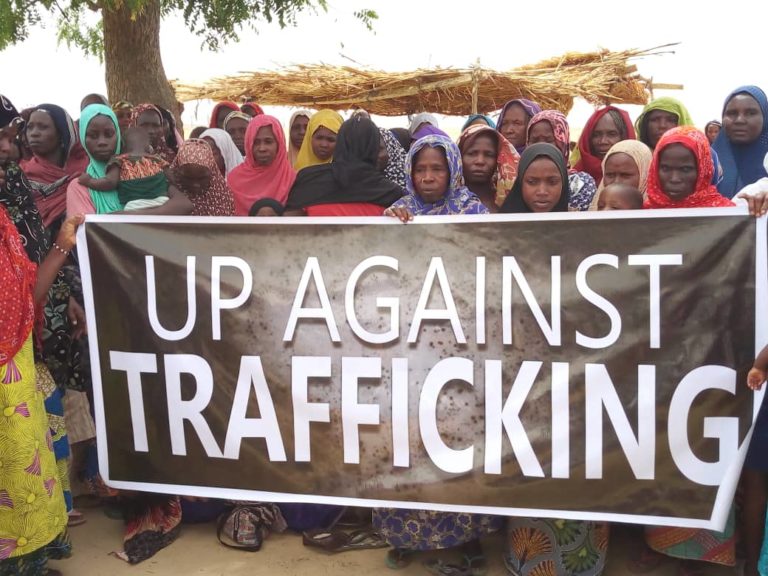
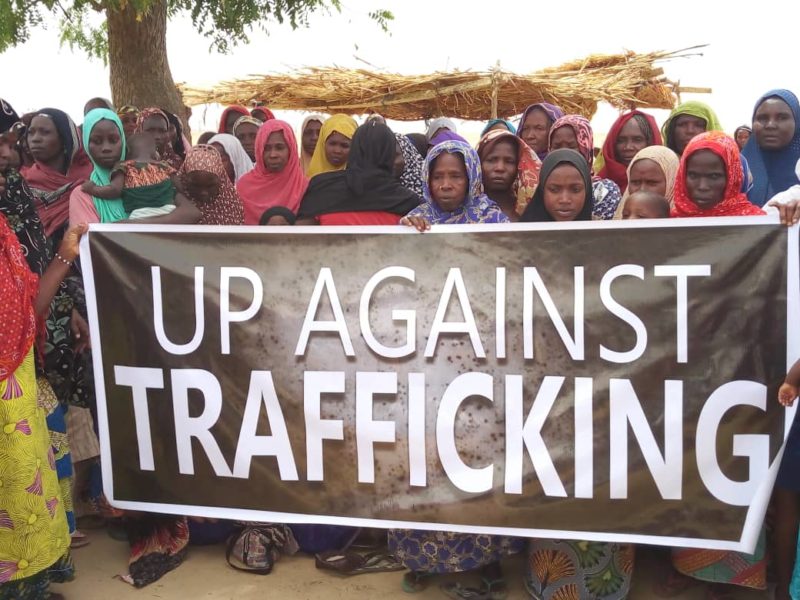
“Up Against Trafficking”, a campaign that is aimed at protecting Boko Haram victims from sex trafficking, has been officially launched in Maiduguri, the capital of Borno State, in northeast Nigeria.

Up Against Trafficking
Launch of the Up Against Trafficking campaign

At least 200 women and children in Internally Displaced Persons (IDP) camps in Madinatu and Bulumkutu, where girls have reported how they were approached by human traffickers who took them out of Nigeria, joined in the unveiling of the campaign at the weekend.

“As a victim of human trafficking, I know what women pass through when they are taken out of Nigeria,” said Ya Batu Bukar, who was taken to neighbouring Niger and abandoned without food and money by her trafficker until she found help back to Maiduguri. “I don’t want another woman here to pass through the same pain, and that is why I am part of this campaign.”

Up Against Trafficking brings together female victims of human trafficking out of IDP camps who move round northeast Nigeria educating their peers on the dangers of human trafficking and how to protect themselves from traffickers and their agents.

“When anybody comes to you and talks to you about giving you a job in a far place, just report to the police or any security official you see around,” said Maryam Haruna Muhammad, who was taken to Saudi Arabia and enslaved by her trafficker before she was deported back home. “You can call any of us [at Up Against Trafficking] and we will let the police know.”

Up Against Trafficking was conceived by human rights activist and journalist, Philip Obaji Jr., after he toured IDP camps in northeast Nigeria last year and discovered that victims of the Boko Haram insurgency, especially girls, are often approached by human traffickers, and taken on a long and dangerous journey toward Europe, with some having to visit traditional ritual shrines for oath-taking rituals that bind them to their benefactors.

The victims are often promised jobs outside Africa, but many remain in the continent where they are enslaved by criminal gangs in places like Libya and Niger.

“When I initially heard a number of young girls tell me about their painful ordeals in the hands of human traffickers, I said to myself ‘This has to stop’,” said Obaji, who has written a number of investigative stories on human trafficking for The Daily Beast and Ventures Africa. “After consulting with security officials, local community leaders, and the victims themselves, I decided to set up Up Against Trafficking.”

The campaign to prevent displaced persons in northeast Nigeria from being exploited by human traffickers may be making the news in Maiduguri, but it is also expected to be active in Adamawa and Yobe states, where there is a high population of people living in IDP camps.

GEF, group plant 1,000 trees in schools

0

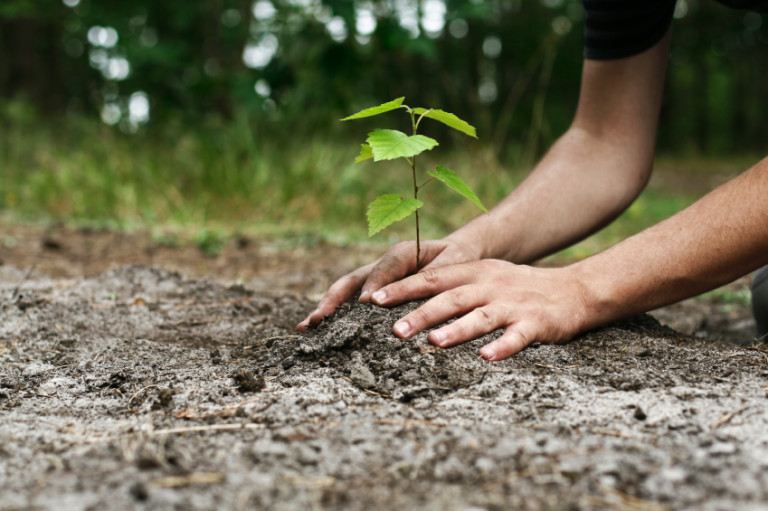
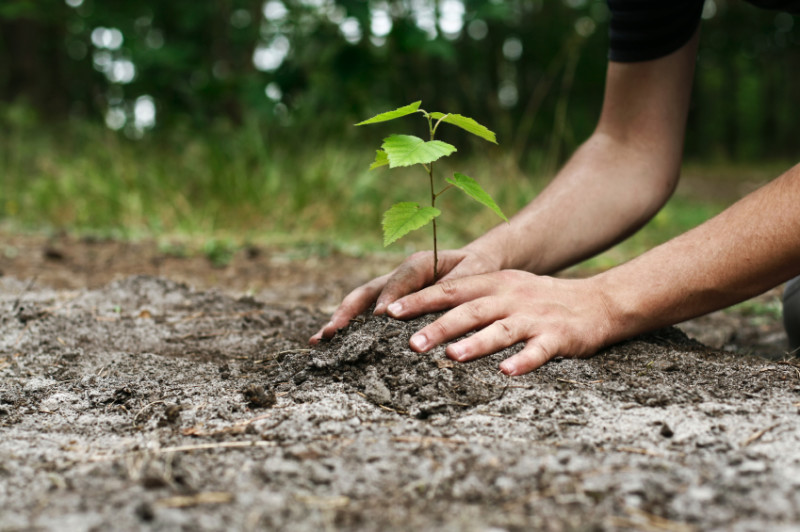
The Global Environment Facility (GEF) and the Global Initiative for Food Security and Ecosystem Preservation (GIFSEP) are planting 1,000 trees in schools in the Federal Capital Territory (FCT) to mark the World Earth Day.

Tree-Planter
Tree planting

Executive Director, GIFSEP, Mr David Terungwa, disclosed this in an interview with the News Agency of Nigeria (NAN) in Abuja, following the launch of the “Trees for Schools Campaign” at Government Science and Technical College.

Terungwa said the campaign was aimed at enhancing awareness on the importance of environmental management among students.

“The initiative is about creating awareness on trees to students so that they know the importance, plant trees themselves and nurture them to maturity.

“We are launching the initiative and we plan to cover all the schools in the FCT; we are planting economic trees that have value so they would not be destroyed and altogether we have 1000 trees.

“We are planting trees in schools based in the space provided; here we are planting 50 trees,” he said.

Mrs Ibironke Olubamise, National Coordinator, Global Environment Facility – United Nations Development Programme (UNDP-EF), Small Grants Programme (SGP) told NAN that the organisation was supporting such projects with small grants.

“One of the ways we are promoting environmental management is through initiatives like ths; it is the UNDP implementing the Global Environment Facility’s Small Grants Programme that has thrown its weight behind this programme.

“The GEF Small Grants Programme has supported more than 140 environmental projects in Nigeria and it is more than $4 million we have spent in cash; the projects also bring counterpart funding.”

Olubamise added that the theme of the 2018 World Earth Day was apt in view of the dangers of plastic wastes to human health and the environment.

“We know that plastic is not biodegradable; it remains for years.

“Go to the beaches, on the streets, there are litters of plastic waste everywhere.

“When animals ingest these wastes, they end up on our tables; we do not need scientists to tell us that plastic waste is dangerous to our environment and health.”

She further reiterated the UNDP’s support for programmes aimed at the sustainability of the environment.

Earth Day, a day of political action and civic participation, is an annual global event promoting sustainable methods in environmental management.

Earth Day Network, the organisation that leads Earth Day worldwide, has chosen “End Plastic Pollution” as the theme for 2018.

By Temitope Ponle

Kano warns against indiscriminate disposal of waste

0

The Kano State Government on Saturday, April 28, 2018 warned residents against indiscriminate disposal of wastes.

Ali Makoda
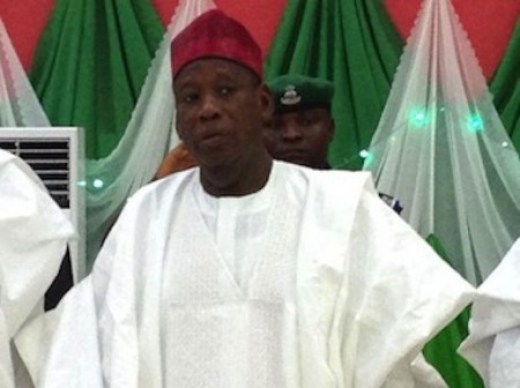
Dr. Ali Makoda, Kano State Commissioner of Environment

Dr Ali Makoda, the state Commissioner for Environment, gave the warning while monitoring the monthly environmental sanitation in Kano, the state capital.

Malam Aliyu Yakubu, the Director, Administration and General Services in the Ministry, who represented Makoda, said that the warning became necessary considering the harmful effects of refuse on human health as well as ensuring environmental cleanliness and the well-being of the people.

He said that there was a great improvement in this month’s sanitation exercise, as residents came out to keep their environment clean.

He enjoined communities and self-help groups to call the attention of refuse management board to stop throwing wastes on the roads.

The commissioner called on stakeholders and groups to collaborative with their local governments on the provision of cleaning tools.

By Aisha Ahmed

World Bank, FAO on appraisal mission to additional funding-seeking NEWMAP

0

A three-day joint World Bank/FAO Appraisal Mission to the Nigeria Erosion and Watershed Project (NEWMAP) for Additional Financing (AF) commenced on Thursday, April 26, 2018 in Abuja. The mission is to ascertain readiness for implementation, agree on a clear implementation timeline and prepare for negotiations.

NEWMAP
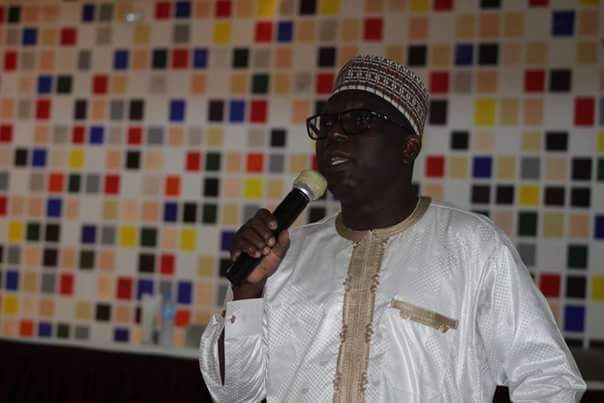
Salisu Dahiru, National Project Coordinator of NEWMAP, speaking during the event

Some 19 NEWMAP participating states and Environment Commissioners in such states, state Newmap Project Coordinators and their key personnel are in Abuja working with the Supervising Ministry of Environment and Federal Project Management Unit (FPMU) on the modalities and specific project activity plans for the additional financing.

The multi-sectoral and multi-scale programme having the Project Development Objective (PDO) to reduce vulnerability to soil erosion in targeted sub-watersheds came into effectiveness in September 2013 with an initial seven south-eastern states of Abia, Anambra, Cross River, Ebonyi, Edo, Enugu and Imo (now referred to as first mover states) with acute gully erosion  challenges. The project addressed 21 active gully sites across the first mover states for remediation.

The progress recorded by these initial seven states led to the attraction of other states and, in September 2015, additional seven states – Delta, Gombe, Kogi, Kano, Plateau, Oyo and Sokoto – joined the project having met the necessary selection criteria.

The third batch of states includes Akwa Ibom, Borno, Katsina, Nasarawa, and Niger, thus making a total number of 19 states in the project.

Five years thereafter, the 21 sites intervention is about 85 percent completion and about 682 hectares (ha) of targeted land treated for erosion with selected measures in targeted sub-watershed have been recovered. New sites have been prioritised and ranked based on risk to human life, catchment area, ease of maintenance, current structural defects, and proximity to vital infrastructure (major road, water, gas, electricity, etc.).

Alhaji Ibrahim Usman Jibril Minister of State for Environment, said: “The project is doing very well. It’s a flagship project with significant impact across the country.”

“For a Project designed not to exceed 11 states in its lifetime now having 19 states and still under pressure by other states, the project must be doing something right,” stated Salisu Dahiru, the National Project Coordinator.

He added: “In few years of NEWMAP, 14 sub-catchment management plans have been developed in Abia, Anambra and Cross-River States. Approximately 582 hectares (ha) have been rehabilitated in the seven initial project States.

“Also, one of the newer states (Kano) has already re-vegetated about 100 ha of degraded land, while under Income Generating Activities (IGA), grants have been disbursed to 5,137 members of communities. Beneficiaries are now engaged in businesses such as livestock farming, honey production, trading (small shops), horticulture, etc. Also, about 2,035 Project Affected Persons (PAPs) have been compensated (58 percent female) and with nearly half of the approved funding for sub-grants now disbursed.”

“Truly, the project has achieved great milestones,” acknowledges Ambassador Fidel Ayogu, Michael Okonkwo and Donatus Njoku, who are participating states commissioners in Enugu, Anambra and Ebonyi respectively. They all believed that this category “A” project has achieved evidence based results mostly across the first seven states.

Speaking on the appraisal mission Dr. Amos Abu, the Task Team Leader of NEWMAP, enjoined participants to look at the cost and agree on what is realistic and obtainable. He commended the team for preparing NEWMAP Additional Financing and stressed that NEWMAP is a flagship project and has achieved appreciable milestones.

NEWMAP is predicated on an eight-year Strategic Investment Loan (SIL) of $508.59 million, consisting of a $500 million International Development Association (IDA) concessional loan, blended with Global Environment Facility (GEF) Trust Fund, and Special Climate Change Fund (SCCF) grants totalling $8.59 million. The Government of Nigeria’s contribution would amount to approximately $150 million (the Federal Government 60% and participating states 40%).

Government completes timetable for Ogoni clean-up – Minister

0

The Federal Government says it has completed timetable for the clean-up of hydrocarbon impacted communities in four local government areas of Ogoni land in Rivers State.

HYPREP
Minister of State for Environment, Ibrahim Jibril, during a visit to the General Hospital Terabor, one of the venues for the HYPREP Medical Outreach

Minister of State for Environment, Malam Ibrahim Jibril, made this known on Friday, April 27, 2018 while inspecting the medical outreach in Terabor General Hospital, Gokana Local Government Area of the state.

The News Agency of Nigeria (NAN) reports that the exercise was organised by the Hydrocarbon Pollution and Remediation Project (HYPREP) for indigent Ogonis.

Jibril said that submission of documents for bidding of contracts for the clean-up would end on April 30.

“The Federal Government is working sequentially to ensure that there is no mistake and that whatever is started would be irreversible, even when President Buhari is out of office.

“We have a complete timetable of our programme now. We have also done advertisement for people to see what we intend to do.

The minister said that the ministry would go through all the procurement processes and evaluation, and approval of the award of contracts before commencement of the exercise.

“I am sure that people who have interest, capability and capacity to do this clean-up job have submitted their documents.

“The tender of documents will close by Monday, April 30, and thereafter, we will start the evaluation of the expression of interest,’’ he said.

Jibril said that the Federal Government had also put in place a solid foundation that would ensure the success of the remediation of hydrocarbon impacted communities.

The minister said that his visit to the Ogoniland was to check status of projects on ground, and to assure the people of government commitment to the exercise.

He also said that the modular refinery project would soon come on stream, and urged Ogoni youths to desist from acts capable of causing more pollution in the area.

“I felt it was necessary to come to a signature project like HYPREP and see the second phase of the health intervention that was approved by President Muhammadu Buhari.

“Dr Marvin Dekil, Coordinator of HYPREP, is doing a good job in Ogoniland and, as such, it is our responsibility to back him up.’’

By Desmond Ejibas

College of Fisheries starts freshwater cage culture

0

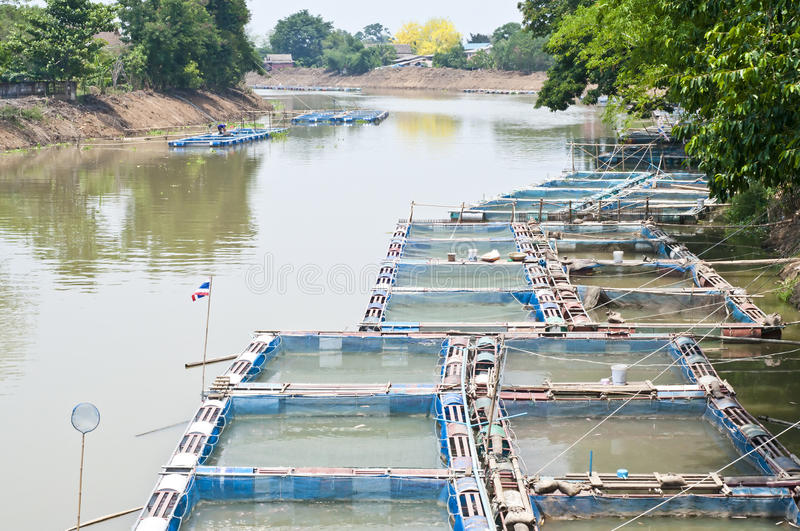
The Provost of Federal College of Fisheries and Marine Technology (FCFMT), Capt. Abiodun Sule, on Friday, April 27, 2018 said that the college had started freshwater cage culture at its permanent site at Igbolomi in Ibeju-Lekki Local Government area of Lagos State.

freshwater cage culture
Freshwater cage culture

Sule said this at the matriculation ceremony of students for the 2017/2018 academic session in Lagos.

According to him, the freshwater cage culture will help to cushion the stress of its students sourcing for practical placements in the industry.

“The cage culture is not in isolation of the existing ponds.

“In the infrastructure upgrades, the college has vessels for training and other training equipment for both ship-handling and practical.

“There are also the sonar and acoustic systems for fish detection, tracking and harvesting, among others,” he said.

Sule said that the school had also acquired Global and Maritime Distress and Safety System (GMDSS) and Electronic Chart Display Indication Simulator (ECDIS).

He said that students now had at their disposal complete boat/shore facilities, comprising various satellite and navigational equipment, marine engines for stripping and coupling for students’ practical.

The provost said that there was also swimming pool for sea training by the students.

He enjoined the students to maintain and keep the infrastructure well “as it is their own and for their development.”
Sule said that all the courses offered by the school were fully accredited by the National Board for Technical Education (NBTE).

He said that the college now had marine and fisheries professionals, most of who were old students, to handle the various courses.

Alhaji Abdulmalik Usman, the Chairman, NIOMR/FCFMT Governing Board, urged the students to take the opportunity of the facilities and experienced manpower to achieve their goals.

He said that this would make them to be useful to themselves and the society.

Usman advised the students to keep away from all vices that could be detrimental to them and the nation’s development.

The chairman said that the students, after successfully completing their programmes, would be contributing to the policy of government in area of food security.

The News Agency of Nigeria (NAN) reports that no fewer 350 students were involved in the matriculation, out of which three students had Higher National Diploma programme in Fisheries Technology.

The college offers courses in Fisheries Technology, Nautical Science, Marine Engineering, Marine Transport and Business Studies.

By Chidinma Agu

Tinubu wades into waste managers, Lagos rift

0

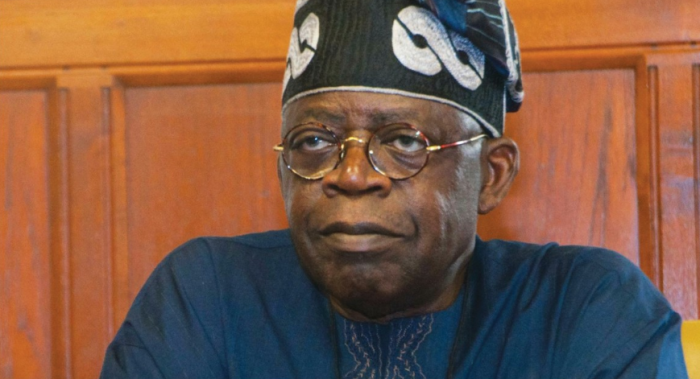
National Leader of the All Progressives Congress (APC), Sen. Bola Tinubu, says the lingering issue of waste management in Lagos State will soon be resolved.

Bola-Tinubu
Bola Tinubu

Tinubu gave the assurance on Friday, April 27, 2018 in Lagos during a meeting with the Association of Waste Managers of Nigeria (AWAM), otherwise known as PSP.

He said that there was the need to resolve the issue because of the immense contributions of the PSP operators to waste management in the state.

Tinubu assured that he would reconcile all the stakeholders in his capacity as Grand Patron of AWAM to promote the business interests of waste managers and wellbeing of Lagosians.

”It is disappointing and sad that at this stage of our development, the matter should result into petition. It should have been continuity and progress.

”Whatever is the shortcoming, we will correct it. This will get to the governor latest by Monday, April 30.

”It is sad to see Olusosun dumpsite in dangerous smoke. As a grand patron of AWAM, I am concerned driving around Lagos and seeing built up refuse.

”I must say it is a challenge that is coming back and we will not allow that to happen.

”The government and governor is trying and responsive but the complexity of Lagos is compounding by the day,” he said.

The former governor of Lagos State noted that AWAM members travelled abroad to learn international best practices in waste management and applied such in the state.

He assured that Ambode’s government would evolve the best solution that would work for the larger population.

”I challenge you to go and be ready in your various communities and lines and get ready to work. I appeal to you to maintain peace.

”The House of Assembly, the Government and the party will work together to promote your business interests.

”The only thing we can do is to encourage this kind of small scale business to grow. The governor might have been experimenting and it is not a shame to reverse to the former,” Tinubu said.

Earlier, the Chairman of AWAM, Mr Ola Egbeyemi, said that the waste crisis had become unprecedented, with increased volume of waste on Lagos streets, roads, highways and medians.

Egbeyemi, who was represented AWAM spokesman, Gbenga Adebola, said that the situation had taken Lagos back to pre-1999, when waste was competing with vehicular and pedestrian movements.

He appealed to the APC national leader to ensure that the PSP operators continued with the collection and transportation of both domestic and commercial waste.

According to him, the disposal facilities currently badly managed can be put into optimal use, where waste are sorted out in different waste components for recycling, composting and waste-to-energy activities.

”The government should provide enabling environment for us and any other investor by providing more waste infrastructure.

“These include Material Recovery Facilities, Recycling, Waste treatment facilities, Marine Waste management, Landfill management and other value chain, among others.

”Government should provide enforcement of environmental sanitation practices and ensure that the payment for services rendered by the PSP operators are promptly paid, adopting the current franchise system.

”Government should provide guarantees and other incentives to us to enable us invest more into the industry.

”Sir, you have done this before and we believe you can do this again.

”It was your love and belief in us, that made you invest in the Private Sector Participant (PSP) programme, adopting Small and Medium Enterprise (SME) development model,” he said.

He described t the SME model as a poverty eradication tool to overcome the once insurmountable challenge of waste.

”The State has received several accolades and awards both locally and internationally and a clean Lagos had been a major electoral campaign achievements for past administrations.

”Since your Excellency established the PSP programme and after several reform programmes, so many achievements have been recorded, albeit there is still room for continuous improvement,” he said.

By Florence Onuegbu