The Shoprite Group has concluded plans to stage what looks like Africa’s biggest clean-up at which over 6,000 people in nine countries are expected to participate in almost 500 events from July 14 to 18, 2018 to remove waste from communities.
A Shoprite outlet in Lagos
In Nigeria, the retail giant, which is of South African origin, is partnering with indigenous recycling outfit, Wecyclers, to execute the initiative.
Head, Business Development of Wecyclers, Ms. Omobolanle Olowu, an environmentalist and recycling champion, explains: “The hope is to launch a movement of active citizens who act for change by cleaning and keeping clean public areas. Plastic waste is putting the environment under considerable pressure with the equivalent of a garbage truck of plastic being dumped into our oceans every minute.”
She further adds, “Recycling is central to this initiative, hence Wecyclers’ decision to partner with Shoprite Nigeria on some of the 45 clean-ups planned in the country. Those organising clean-ups are encouraged to partner with local recyclers to ensure that most of what is collected gets recycled.”
With this focus Shoprite says it aims to highlight the business opportunities available through the recycling of paper, glass, plastic and other material.
The retailer also launched a mobile community in which people can join via a dedicated website. The site was developed in partnership with volunteerism organisation, Brownie Points. The digital platform enables users to create their own clean-ups or join an existing one in their area. It also contains information about the nearest recycler or waste management company.
On the platform, clean-up organisers are given guidelines on what their duties are as hosts, how to market their event and what to do on the day and after the clean-up. Participants are to share their experience on social media.
In the words of former UN secretary-general, Kofi Annan: “All of us have to share the earth’s fragile ecosystems and precious resources, and each of us has a role to play in preserving them. If we are to go on living together on this earth, we must all be responsible for it.”
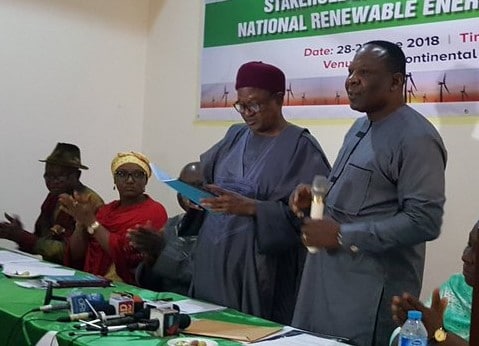
At the launch of the “Just Energy Transition in Nigeria” in Abuja on Thursday, June 29, 2018, Dr Godwin Uyi Ojo, Executive Director, Environmental Rights Action/Friends of the Earth Nigeria (ERA/FoEN), says that the initiative is aimed at pursuing efforts to provide a legislative backing by an Act of Parliament for improved renewable energy access to all
Dr Godwin Uyi Ojo (right) during the launch
Because of carbon emissions released into the atmosphere, there is rising earth’s temperature leading to extreme weather conditions that is resulting in catastrophic events. This initiative is a call to action to all for a just energy transition in Nigeria that is in line with meeting also the Millennium Development Goal 7 on energy access for all.
A global response to climate change culminated in the Paris Agreement in 2015 to reduce carbon and situate development to 1.5 degrees and well below 2 degrees development pathway to reduce and avoid catastrophic events. Africa’s response to climate change has been a robust African Renewable Energy Initiative (AREI) to leapfrog the continent away from fossil fuel carbon economy to renewable energy sources.
Given the level of support from the industrialised countries, AREI plans to generate 10GW of renewable energy by 2020 and 30GW by 2030 if the finance and technology that is required is provided by the rich countries. At least, on paper, Nigeria has shown some ambitions to reduce its carbon emissions by 20% unconditionally and 45% conditionally by 2030 given the needed finance and technology by rich countries. However, one fundamental challenge facing the country is its oil-dependency hence the country lacks a blueprint to transit from fossil fuel driven economy to renewable energy alternatives.
Therefore, it must start by recognising that oil economy needs to end and to orient the economy by envisioning a post petroleum economy in its natural resource management. This manifesto launches Nigeria forward on the pathway to Just Energy Transition.
This understanding is currently lacking in government operations and citizen sensitisation in this regard has been lacking. The future we want is energy access that is clean, reliable and affordable, a healthy environment and decent green jobs. Hence, there is need for divestment from fossil fuel development to pave the way for decentralised energy systems in mini-grids, off-grids and non-grid systems in ways that individuals and communities participate as Prosumers (producers and consumers) in the energy production, and supply chain as well as share in the benefits.
A Just Energy Transition in which climate and energy solutions become available to everyone, in which climate costs and benefits are shared in a fair way, between rich and poor, citizens and firms. For Nigeria, some thousands of jobs to be affected should be replaced by at least two green jobs generated. Nigerians need to engage and discuss issues such as who will pay for the just transition and how will it be paid for? This manifesto innovatively kick-starts the debate towards the elements of the transition as a process and the need to engage with citizens on the subject.
Just Energy Transition Principles
The Nigeria government needs to urgently:
Put in place a renewable energy policy framework backed by an Act of Parliament that recognises the state and non-state actors’ roles and responsibilities in renewable energy development.
Divest investment from fossil fuels such as public finance, loans and subsidies and invest in renewable energy development to immediately prioritise efforts and financing to scale and accelerate clean energy solutions for energy access to all.
Set policy targets for national energy access and decentralised renewable energy and task the federal, state, and local governments with responsibility and annual budgetary allocations.
Proactively engage stakeholders from government, private sector and civil society organisations in decentralised renewable energy policy design.
Provide zero percent tariffs and VAT on a full range of decentralised renewable energy products and components.
Strategies:
Stop any new fossil fuel extraction and reducing current activities at the rates required to meet the Paris climate targets.
Democratise energy solutions by the use of people power, citizens and villagers, to shape local renewable energy solutions.
Support local communities and workers in the transition from fossil fuels to green economy using grants, loans and subsidies beyond the enterprise models.
Conclusion
It is time to leave the oil in the soil. It is time to envisage a post petroleum economy. Nigeria can transit to become the hub of renewable energy development for Africa, but it cannot do this unless urgent concerted actions are taken. We call on civil society groups, policy makers, academics, state and non-state actors to embrace renewable energy. A just energy transition is expedient: the need for climate solutions, equality and decent jobs for all in Now. What do you want? Climate Justice. When do you want it? Now!
Communicating climate change using social media is very key to save the planet. Relationship between social media use and its relationship to climate change opinion, knowledge, and behavior suggests several positive impacts.
Popular social media platforms
Social media encourages greater knowledge of climate change, mobilisation of climate change activists, space for discussing the issue with others, and online discussions that frame climate change as a negative for society. Social media, however, does provide space for framing climate change skeptically and activating those with a skeptical perspective of climate change.
Social media use is an important area within climate change communication. An early and popular definition of social media states that it is an online structure where individuals use their own profiles to connect with other individuals by creating lists of friends’ profiles. Scholars recognise that climate change is an abstract topic for most, and public opinion about it forms more readily in the presence of making it psychologically closer to the individual. Information filtered through social media may be one of these personalising and concretising experiences that bring climate change closer to individuals.
Social media is another (non-elite) cue that can be added to elite cues that impact climate change opinions. It is worth noting that social media cues can also be from elite sources, such as government organisations, and can be an effective avenue for building credibility for the organisation and disseminating risk-based messages.
Climate Change Knowledge and Social Media
Within science communication, several scholars have examined the idea that Internet use reduces the knowledge gap, or the different rate that certain individuals are disadvantaged regarding learning about scientific issues due to aspects of their background, such as socioeconomic status. There is also evidence that Internet use can provide space for cognitive processing that is more reflective and based on reason. While this advanced cognitive processing is not a direct measure of knowledge, it is a component of more critical thinking about the issue.
Climate Change Behavior and Social Media
Generally, relatively few studies have examined the relationship between Internet use or social media use and climate change activism or engagement, even though several studies on a range of political issues have shown a relationship between social media use and political action. Social media discussions by both professional environmental organisations and by regular Internet users encourage different forms of online action on the issue of climate change. This perspective does not acknowledge, however, that online activism of the information sharing nature may not necessarily account for much tangible change on the issue – otherwise known as slacktivism.
There is a wide range of possible roles social media can play in encouraging different attitudes and behaviors around climate change. While there is reason to be optimistic about the ability of social media to positively influence opinion, knowledge, and behavior around climate change, some caution that social media use may simply encourage more reinforcement of existing perceptions of climate change rather than reaching new individuals or changing opinions.
Social media, however, does provide space for framing climate change skeptically and activating those with a skeptical perspective of climate change.
By Olumide Idowu (Co-Founder of International Climate Change Development Initiative (ICCDI); @OlumideIDOWU)
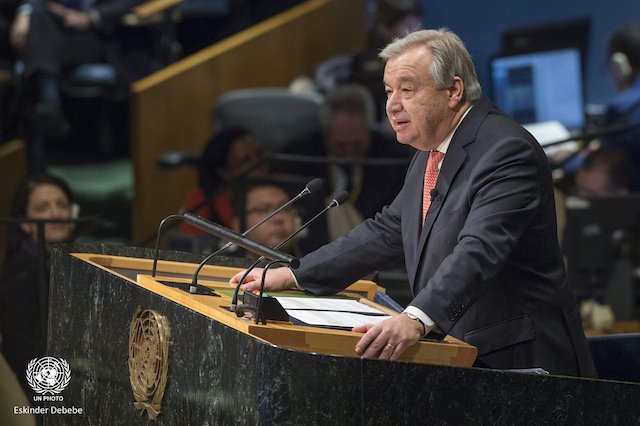
The United Nations stands ready to support efforts to resolve deadly clashes between farmers and nomadic herders in areas of West and Central Africa, UN Secretary-General, António Guterres, said on Thursday, June 28, 2018.
Antonio Guterres, UN Secretary General
More than 80 people in central Nigeria were killed in land disputes between the two sides this week. However, this has been a long-standing issue with similar incidents occurring in other countries in Africa, causing more than 1,000 deaths over the past year alone, according to media reports.
In a statement issued by his spokesperson, head of the global organisation expressed deep concern over the mounting violence, as well as the resulting banditry, extortion and cattle rustling.
“He condemns the resulting loss of life, property and livelihoods, as well as population displacement, which undermines peaceful coexistence between communities in many of the affected countries. It is also detrimental to regional stability,” the statement said.
The UN chief urged all concerned governments, regional organisations, civil society and other parties to work together to find solutions to the conflicts.
He underlined the readiness and commitment of the UN to support national and regional efforts in this regard.
By 2050, the tropical region will host most of the world’s people and two-thirds of its children.
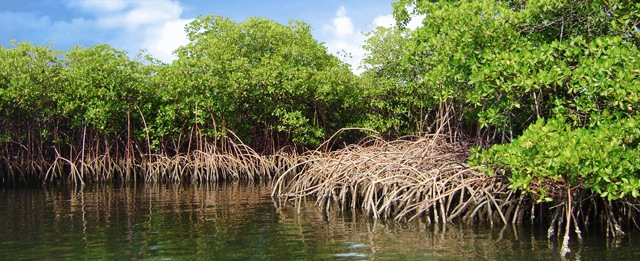
The tropical region hosts nearly 95% of the world’s mangrove forests by area and 99% of mangrove species
The UN, which made the disclosure on Friday, June 29, 2018 in commemoration of the International Day of the Tropics, pointed out that the proportion of the urban population living in slum conditions is higher in the Tropics than in the rest of the world.
“Consistent with the higher levels of poverty, more people experience undernourishment in the Tropics than in the rest of the world,” the global body stated.
While it hosts nearly 95% of the world’s mangrove forests by area and 99% of mangrove species, the area of mangrove forest has however decreased in all tropical regions since 1980, stated the UN.
“The Tropics have just over half of the world’s renewable water resources (54%), yet almost half their population is considered vulnerable to water stress.
“Biodiversity is greater in the Tropics across most taxonomic groups, with an equivalently higher proportion of threatened species. For those plants and animals for which there are adequate data, loss of biodiversity is greater in the Tropics than in the rest of the world.”
The Tropics are a region of the Earth, roughly defined as the area between the tropic of Cancer and the tropic of Capricorn. Although topography and other factors contribute to climatic variation, tropical locations are typically warm and experience little seasonal change in day-to-day temperature. An important feature of the Tropics is the prevalence of rain in the moist inner regions near the equator, and that the seasonality of rainfall increases with the distance from the equator.
The Tropics account for 40 per cent of the world’s total surface area and are host to approximately 80 per cent of the world’s biodiversity and much of its language and cultural diversity. The tropical region faces a number of challenges such as climate change, deforestation, logging, urbanisation and demographic changes.
Observed on June 29, the International Day of the Tropics celebrates the extraordinary diversity of the tropics while highlighting unique challenges and opportunities nations of the Tropics face. It provides an opportunity to take stock of progress across the tropics, to share tropical stories and expertise and to acknowledge the diversity and potential of the region.
Environmental and health experts have urged stakeholders to promote low-carbon growth initiatives to solve environmental problems, decrease climate change risks and impacts on ecosystems as well as human health.
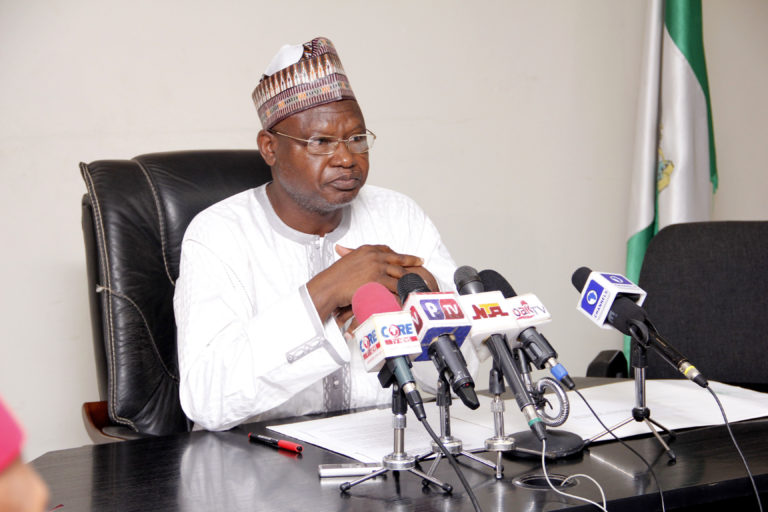
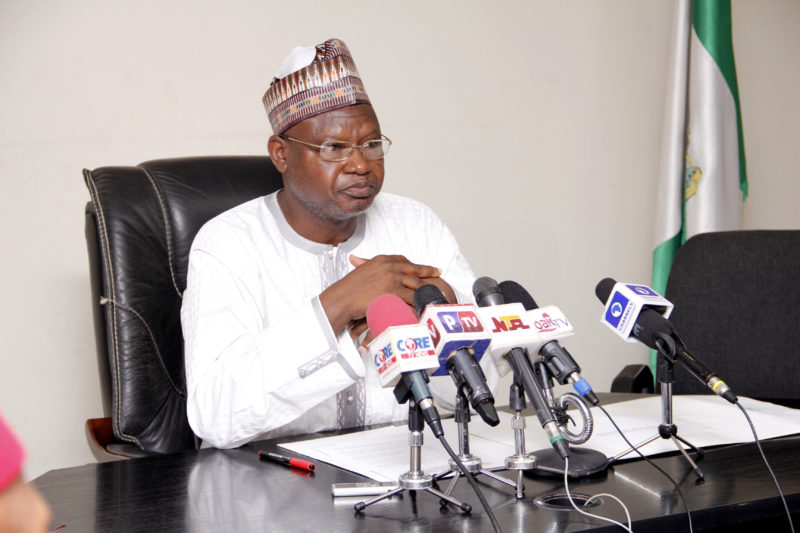
Environment Minister of State, Ibrahim Usman Jibril
They made the call in separate interviews with the News Agency of Nigeria (NAN) in Abuja on Thursday, June 29, 2018.
The experts agreed on the need to create a national policy to address climate change issues and move the country toward a low-carbon development trajectory.
Prof. Nasiru Idris, Dean of Faculty of Environmental Sciences, Nassarawa State University, Keffi, underscored the need for collaboration among stakeholders to develop a national strategy to phase out the use of non-biodegradable items like plastics.
He said that pragmatic efforts should be made to “develop a national plastic waste recycling programme, involving the establishment of plastics recycling plants across the country.
“It is my view that for controlling the proliferation of plastic sachets, for instance, we must go back to the major producers of fast foods and goods to put in place recycling programmes.
“The recycling schemes should effectively ensure that while we seek environmentally-friendly options for product packaging, we keep the environment free of plastics as much as possible,’’ he said.
He said that the government’s environmental policy should aim at finding practical solutions to the menace of plastic pollution which was created by the growing production and use of plastic materials such plastic bags, bottles and containers, among others.
Besides, Idris decried the degradation of the environment in the Niger Delta region, calling on oil companies operating in the area to protect the environment against crude oil pollution and gas flaring.
He particularly advised the oil companies to be mindful of the consequences of their activities, while exhibiting greater responsibility towards protecting the health of the people and the environment.
He called on all the relevant parties to come up with concrete plans of action on how to remediate the pollution of affected sites and intensify efforts to stop gas flaring in the Niger Delta.
However, Mr Peter Idabor, the Director-General of National Oil Spill Detection and Response Agency (NOSDRA), said that the Federal Government was committed to the environmental clean-up of the Ogoni neighbourhood in the Niger Delta area.
He said that the Federal Government had initiated a National Oil Spill Contingency Plan (NOSCP) for the clean-up and remediation of oil spill sites in the country.
NAN reports that the contingency plan which aims at checking oil spills, in collaboration with the Nigeria Agip Oil Company (NOAC), is to ensure timely, effective and appropriate response to oil spills in communities.
“Some activities that are being checked now are illegal refinery activities which are causing gas emissions and also abattoirs that use rubber tyres to roast animals, forcing people to inhale harmful gas on a daily basis.
“Another source of the soot is the heating of asphalt used for road construction and the burning of stolen petroleum products by security agencies,’’ he said.
NAN also recalls that the Ogoni Trust Fund Escrow Agreement was signed by representatives of the Ogoni area, Federal the Ministry of Environment and international oil companies.
The UN had recommended $1 billion for the remediation of the impacted areas in Ogoniland, with a spending plan of $200 million per year for the next four years.
Also speaking, Mr Haruna Manga, Coordinator, Primary Healthcare, Karu Local Government Area, Nasarawa State, urged residents to desist from indiscriminate dumping of refuse in order to prevent the outbreak of diseases such as gastroenteritis.
He said that gastroenteritis, even though a common disease among young children, could also affect adults.
“It is a health condition that causes diarrhoea and vomiting; the causative agent is a bacterial or viral tummy bug.
“Bacterial gastroenteritis can result from poor hygiene, it can also occur after consuming food that is contaminated by bacteria carried by flies in filthy environments.
“Nobody has immunity to combat the negative impact of environmental pollution and that is why we should all strive to promote a safe environment,’’ he said.
Mr Atayi Babs, the National Coordinator, Climate Sustainable Development Network (CSDevNet), a non-governmental organisation, said that the citizens should exhibit a positive attitude towards the environment so as to prevent the occurrence of climate-induced disasters in the future.
“Some changes in climate cannot be avoided due to past, present and future global emissions but the detrimental effects can be avoided if we can reduce the emission of greenhouse gases to acceptable levels.
“Therefore, we must move towards taking climate actions that will alleviate the effects of climate change and a warmer world.’’
Babs said that CSDevNet was concerned that the implementation of Nigeria’s Nationally Determined Contributions (NDCs) remained largely unknown, with inadequate participation of non-state actors.
He advised Nigerians and Africans, in general, to speak with one voice at international climate negotiations during the 2018 Talanoa Dialogue.
He stressed that the outcome of the talks must include informed policy formulation and the monitoring of policy implementation at all levels.
Babs said: “Now is the time to lay strong foundations for the future and ensure that Nigerian perspectives are strongly reflected through the engagement of non-state actors in the implementation of Nigeria’s NDCs, the SDGs and the Economic Growth and Recovery Plan (EGRP).
“Such engagements must be based on genuine global sustainability and low-carbon development pathway and they must reflect the integrated links on socio-economic, cultural and environmental dimensions of development.
“Any implementation plan that fails to integrate these dimensions in a balanced way is not feasible in efforts to address present and future development challenges in Nigeria,’’ he added.
He warned against the non-implementation of policies, adding that the policies must have concrete plans to implement new climate change adaptation and mitigation strategies within the sector.
Babs underscored the need to reduce greenhouse gas emissions and build resilience climate change consequences.
“In the light of the increasing rate of gas flaring, upsurge in soot generation and importation of generators across the country, we should be more ambitious in implementing Nigeria’s NDCs with regard to greenhouse gas emissions reduction targets from now until 2020 and post-2020,’’ he said.
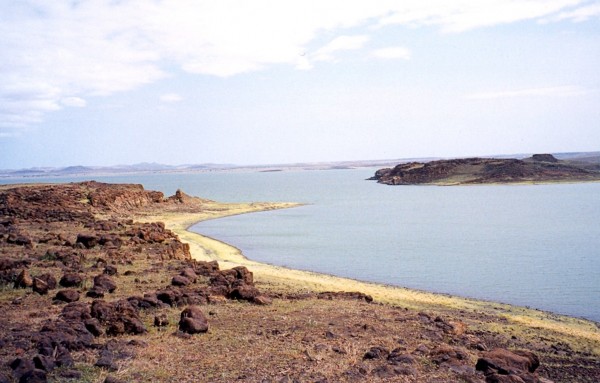
Lake Turkana National Parks in Kenya was placed on the List of World Heritage in Danger on Thursday, June 28, 2018 at UNESCO’s World Heritage Committee meeting, due to impacts from the Gibe III dam. The decision follows the recommendation of the International Union for Conservation of Nature (IUCN) – the Committee’s advisor on nature.
LakeTurkana
According to IUCN, water levels have rapidly declined downstream of the Gibe III dam, located in Ethiopia, since its reservoir started to be filled in January 2015. This has disrupted seasonal changes to water flows into Lake Turkana – the largest desert lake on Earth – with likely knock-on effects for wildlife and fish stocks which local communities depend on.
“Kenya’s Lake Turkana World Heritage site is in grave danger of losing its exceptional values if action is not immediately taken to reduce the impacts of the Gibe III dam and stop all other detrimental development,” says Peter Shadie, IUCN Adviser on World Heritage. “People depend on the lake and it is our collective responsibility to mobilise the necessary resources to support them by protecting the site.”
Composed of three protected areas, Lake Turkana National Parks was inscribed as a natural World Heritage site in 1997 for their outstanding natural values. The site provides breeding habitats for hippos and Nile crocodiles, and hosts over 350 species of fish and birds. The lake is the most saline lake in East Africa, surrounded by an arid, seemingly extra-terrestrial landscape.
IUCN has been raising concerns over the Gibe III dam’s devastating consequences for Kenya’s Lake Turkana National Parks since the project first came to its attention in 2011. Following IUCN’s advice, the World Heritage Committee has repeatedly requested an assessment of the dam’s environmental impacts on the site’s outstanding values. However, such an assessment has not been undertaken.
The construction of the Gibe III dam went ahead and is now the second largest hydroelectric plant in Africa, at 243 metres in height. Filling its reservoir is expected to take three years.
Following IUCN’s advice, the World Heritage Committee also urged Ethiopia to halt the development of the Kuraz sugar project upstream from Lake Turkana. Should this project proceed, the factory will likely increase water consumption from the Omo River, which is the most important source of water for Lake Turkana. Its potential impacts on water flow and quality in the area, as well as on the values of the World Heritage site, have yet to be fully assessed.
UNESCO’s World Heritage Committee meeting is taking place in Manama, Bahrain from June 24 to July 4. This year, IUCN has provided advice on 58 natural World Heritage sites facing threats.
Natural World Heritage sites are globally recognised as the world’s most important protected areas, inscribed on the UNESCO World Heritage List for their unique natural values, such as the scale of natural habitats, intactness of ecological processes, viability of populations of rare species, as well as exceptional natural beauty. About one in five World Heritage sites is natural.
IUCN is the advisory body on nature to UNESCO’s World Heritage Committee. Working closely with IUCN’s World Commission on Protected Areas (WCPA), IUCN evaluates sites nominated to the World Heritage List, monitors the conservation state of listed sites, promotes the World Heritage Convention as a leading global conservation tool, and provides support, advice and training to site managers, governments, scientists and local communities.
Stakeholders have called for stiffer sanctions against defaulters of environmental laws to prevent practices that pose danger to the environment.
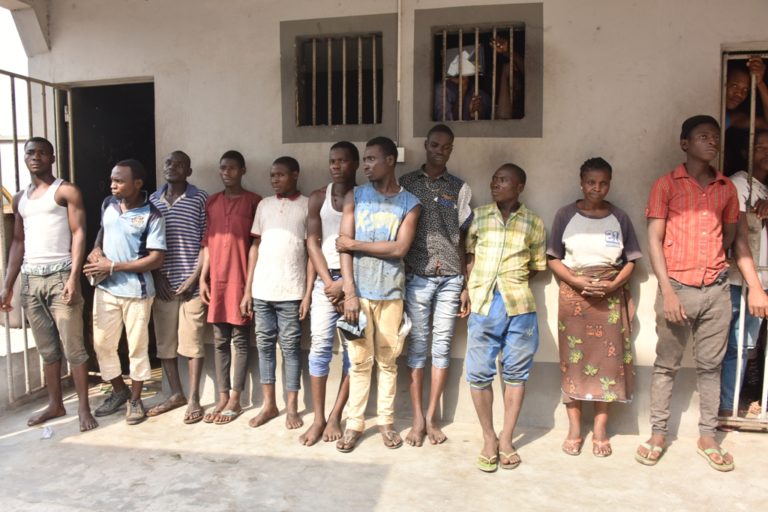
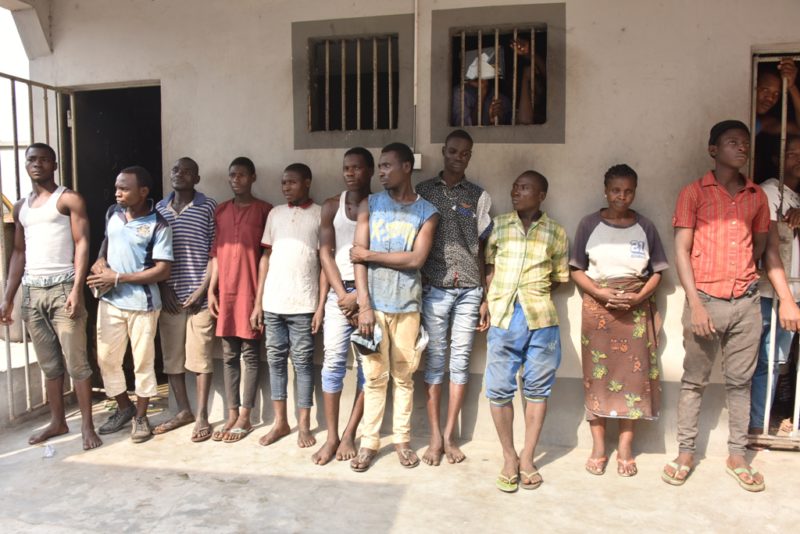
Environmental offenders: Cart pushers, street traders and some residents arrested for illegal dumping of refuse on road medians and canals by the Lagos State Environmental Sanitation Corps (LAGESC)
The stakeholders made the call at a two-day consultative meeting on Disaster Risk Reduction organised by Christian Aid, an International non-governmental organisation, in Kaduna on Thursday, June 28, 2018.
The News Agency of Nigeria (NAN) reports that the meeting was organised to sensitise Nigerians in three states — Benue, Plateau and Kaduna — on the early warning system.
The participants suggested several ways of protecting the environment through healthy practices.
Some of the suggestions included the strengthening environment law enforcers to empower them to fine or prosecute offenders.
Traditional rulers, security personnel from the Police, National Security and Civil Defence Corps (NSCDC), state emergency management and para-military agencies, media and civil society groups were among the stakeholders at the meeting.
From the clean-up of oil spill in Ogoniland in the polluted and restive Niger Delta region to the implementation of the Great Green Wall Initiative of restoring degraded desert-prone northern region as well as the execution of several erosion control and biodiversity conservation programmes, the Nigerian government believes it is on course in creating and sustaining an ideal environment to make life more meaningful for its over 180 million citizens.
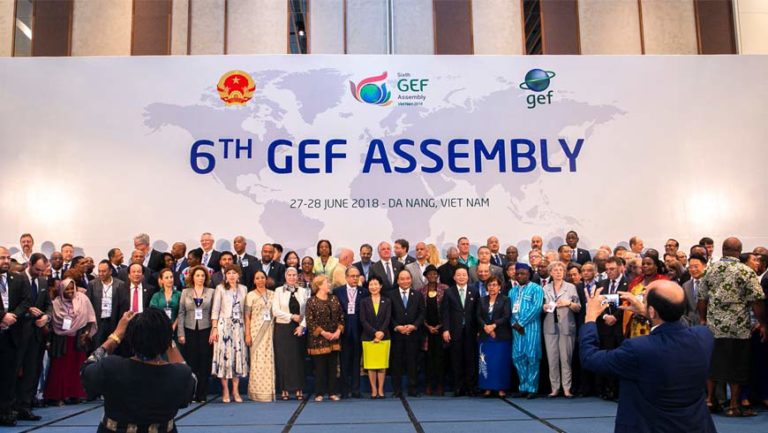
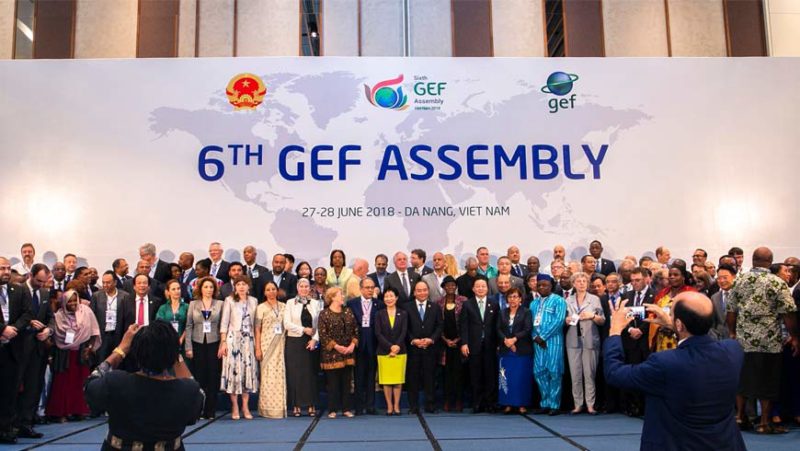
A group photo of delegates to the 6th GEF Assembly in Da Nang, Vietnam
Environment Minister of State, Ibrahim Usman Jibril, while addressing the 6th Assembly of the Global Environment Facility (GEF) on Thursday, June 28, 2018 in Da Nang, Vietnam, assured the international community of government’s unalloyed commitment towards the attainment of global objectives, especially as they concern the environment.
His words: “We are committed to the global efforts to achieve the Sustainable Development Goals (SDGs), low carbon economy, fight against climate change, desertification, erosion, biodiversity loss, and other forms of environmental pollution and degradation.
“Environmental problems come in various ways and forms. The food we eat, the air we breathe, the water we drink, and the land we till, are all prone to pollution and degradation when the carrying capacity of our ecosystem reaches a tipping point. Effects of this dislocation in equilibrium can be seen in increase in diseases, climate change, desertification, erosion, sprawling urban environmental problems, oil pollution, etc.”
Jibril spoke was during the last plenary, marking the closing ceremony of the Assembly. The heads of government delegations were seated in their different cubicles in alphabetical order and took turns to make their remarks.
Jibril explained that, beyond implementing and executing specific ecological projects that would help to reduce the devastating impacts of climate change on the Nigerian masses, government has gone into strategic partnerships with relevant stakeholders, particularly private sector investors to drive an ecologically-based economy.
“The Federal Government of Nigeria has put in place relevant institutional arrangements and mechanisms, including legal framework, to address various environmental problems facing our country.
“We are encouraging programmes and initiatives that will not only protect our environment but create wealth. Various pilot projects are being established in this regard.
“The Government has initiated the Extended Producer Responsibility (EPR) programme to encourage industry to shift to closed-cycle manufacturing and efficient take-back schemes for remanufacturing and recycling. This is in line with the tenets of green economy and circular economy in which the use of materials and generations of waste are minimised, and waste is recycled or reused as raw material, and any remaining waste treated in a way that causes minimal damage to the human health and the environment. The era of ‘cradle to grave’ in waste management is over. The new paradigm is ‘cradle to cradle’, meaning that every waste is a potential raw material for another product.
“We are strengthening our environmental institutions in order to improve environmental governance. We are providing enabling environment for private sector participation and partnership in environmental sustainability. We are promoting circular economy and clean technologies that will drive research, eco-innovation and actions in various areas, including climate change mitigation and adaption measures. We have initiated the Sovereign Green Bond to raise funds to address environmental problems,” the minister said.
On the Ogoniland clean-up, Jibril who vowed that no efforts would be spared in making sure that a thorough job is done, even as he disclosed that government expanded the scope of the project to include the comprehensive improvement of the welfare of the people of the Niger Delta, including providing them access to basic amenities such as medical services and portable water.
“Let me use this opportunity to reiterate government’s commitment to the clean-up of Ogoniland and the rest of Niger Delta in the South-South Zone of Nigeria following decades of negative environmental impacts due to oil exploration and exploitation activities. We have established the Hydrocarbon Pollution and Remediation Project (HYPREP), appointed a coordinator, and put in place a Governing Council (GC) and the Board of Trustees (BoT). In addition, free medical services and potable water are being provided to the communities. It is expected that the actual clean-up exercise will commence between August and September 2018 after the conclusion of the on-going procurement process.”
While commending the government of the Vietnam for the successful hosting of the 6th GEF Assembly, the minister underlined the commitment of the Nigerian government to the course of GEF, even as he expressed the country’s appreciation of the institution for its financial assistances over the years, while also calling for more funds to combat the large magnitude of environmental challenges confronting the country.
“I want to join other delegates in expressing our appreciation to the Government and people of Vietnam, our host country, for the warm reception and wonderful hospitality extended to us since our arrival in this beautiful city of Da Nang. We are truly impressed by the level of success in economic growth achieved by Vietnam, particularly over the past two decades. We commend the efforts of the government.
“Let me also thank the CEO of GEF and her team for their hard work and excellent organisation of this 6th GEF Assembly.
“Nigeria has been a strong ally/partner of GEF since inception of the organisation. We have been actively involved in GEF programmes and projects over the years. We thank GEF for its support to Nigeria in addressing environmental problems. Nigeria is a huge country with a lot of environmental challenges. We would therefore like to appeal to GEF for more support in addressing these environmental challenges. We would also like to request for increase in GEF grant to the West Africa Coastal Constituency of GEF, in which Nigeria belongs. There is need to address delays in project document preparation and submission to GEF from the region.
“Finally, as we enter into the new GEF cycle, we must all continue to work together as one entity of the global community to protect and preserve the global commons,” he added.
Côte d’Ivoire has restated its commitment to ratifying the Minamata Convention to deal with the negative effects of mercury on health and the environment. Officials have also agreed to place a ban on the use of lead in paints in the country.
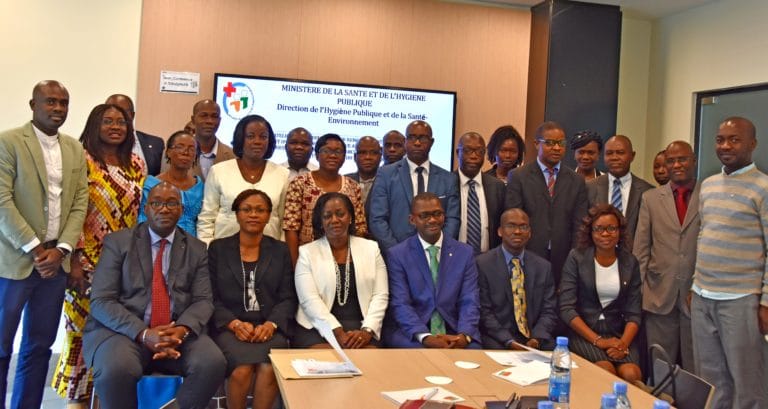
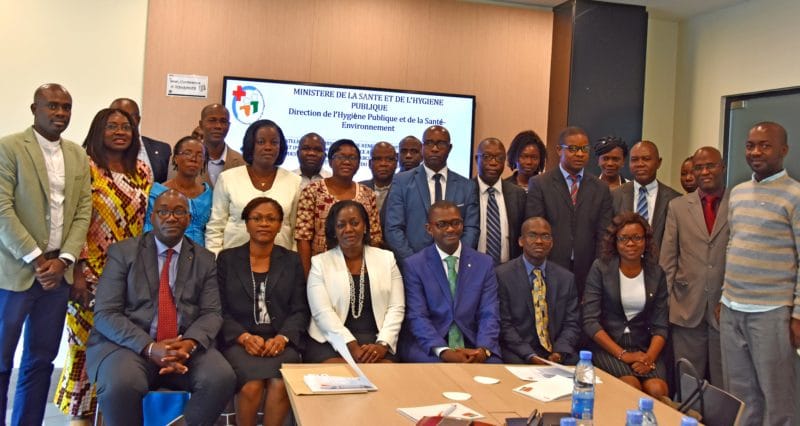
Participants at the workshop organised by the African Centre for Environmental Health
These resolutions formed the highpoint of submissions by a gathering of stakeholders on Monday, June 18, 2018 in Abidjan during a national workshop organised by the African Centre for Environmental Health in collaboration with the Ministry of Health & Public Hygiene, and the Ministry of Environment.
Apart from working on a regulation that will protect people from dental amalgam poisoning, the capacity building and knowledge exchange workshop was also aimed at reviewing the findings of previous consultations with stakeholders towards adopting advocacy instruments to support the Ivorian government in its planned ratification of the Minamata Convention.
“In order not to be on the sidelines on the initiatives implemented on the continent, we must accelerate the process of ratification of the Minamata Convention in order to benefit from the support available by the Global Environment Facility (GEF),” said Dominique Bally Kpokro, Chairman, African Centre for Environmental Health at the opening of the workshop.
To address the issue related to mercury poisoning, inventories conducted between 2014 and 2016 have shown that Côte d’Ivoire used nearly 13 tons of mercury in the gold mining sector. In addition, some products contain mercury, including mercury waste from measuring devices such as thermometers, barometers and tensiometers.
Kpokro, who is also Vice President, Africa for World Alliance for Mercury-Free Dentistry, pointed out that, “in some dental practices, concentrations of more than 5000 nanograms per cubic meter of air were found, which is five times more mercury than the norm allowed. In certain cosmetic and personal hygiene products, concentrations of 0.8 and 0.9 parts per million have been found in lightening creams, which are prohibited by Ivorian law.
“Mercury can lead to lung disease, respiratory disease or a decline in fertility and neurodegenerative diseases such as Alzheimer,” he said.
According to Dr. Eugenie Gangne, Director of Public Health and Environmental Health, pending the ratification of the Minamata Convention, Côte d’Ivoire relies on the contribution of non-governmental organisations (NGOs) towards building capacity on the use mercury and its derivatives.
“For some time, health professionals who use mercury have been informed of the harmful health aspects of mercury. So there is an organisation that is set up to sensitise these actors,” she said.
Dr Gustave Aboua, Director General of the Environment and Sustainable Development, said that Côte d’Ivoire would ratify the Minamata Convention by the end of 2018.
“The frank collaboration between ministries in the issue and the NGOs contributes to a plea for the government to permanently remove mercury from dental care. But the most important is also to present the alternatives,” Aboua stressed, even as he commended the contribution of civil society groups, including the African Centre for Environmental Health, in the fight against the harmful effects of mercury on health and the environment.
Exchanges and sharing of knowledge allowed the 38 participants to take full measure of the challenges of ratifying the Minamata Convention. Specialists in the dentistry sector made their contributions to advance the debate.
“The states that signed the Minimata Convention have actually found that there are real risks associated with the use of mercury. Unlike some countries such as Côte d’Ivoire, which do not have sufficient scientific means or even data or legal framework to control these risks, must opt for prevention. And prevention is to sign the Minamata Convention,” pleaded Professor Koffi Yolande, Dean of the Training and Research Unit of Odonto-stomatology at the Felix Houphouet Boigny University in Abidjan.
At the close of the workshop, a draft decree on the protection of the population against heavy metal poisoning was validated by the participants.
Other key outcomes of the workshop were:
A general consensus on the necessity to ban amalgam in children and all women
A consensus to match the Minamata provisions regarding to mercury added products to be banned by 2020, especially those involved in health sector
A final agreement on the ban of lead paint.
“We all worked to finalise and validate the draft decree eliminating amalgam use in children and women, mercury added products listed in Annex A part 1 of Minamata Convention and lead in paint.
“The draft decree that has been validated today allows, if it is adopted tomorrow, to ban mercury, dental amalgam in children under 15 years lactating women. This is a significant step forward for Côte d’Ivoire on the sidelines of the ratification of the Minamata Convention.
“Now, the lawyers from the Ministry of Health are putting the validated text according to the format the government wants to be written all the legal text to be signed by the President before its official submission by the Minister of Health,” said Kpokro.
The event was also graced by the Chief Dentist of the National Programme of Oral Health, representative of the Military Dentists, representatives of Dental Assistants, the Director of Toxicology Department of National Public Health Laboratory, BRS Convention Focal Points, dentists from teaching hospitals, public and private hospitals, environmentalists and chemists from public administration and universities, representatives from pharmaceutical laboratories, NGOs community, consumers groups, as well as media executives.