Home Blog Page 1862

CBD seeks to lay groundwork for post-2020 global biodiversity framework negotiations

0

Over the next two weeks, the Convention on Biological Diversity’s (CBD) bodies on science and implementation will meet to provide further guidance on accelerated efforts to achieve the Aichi Biodiversity Targets by the end of the year 2020, and to lay the groundwork for negotiations to achieve an ambitious and effective post-2020 global biodiversity framework.

Cristiana Paşca Palmer
Cristiana Paşca Palmer, Executive Secretary of the Convention on Biological Diversity (CBD)

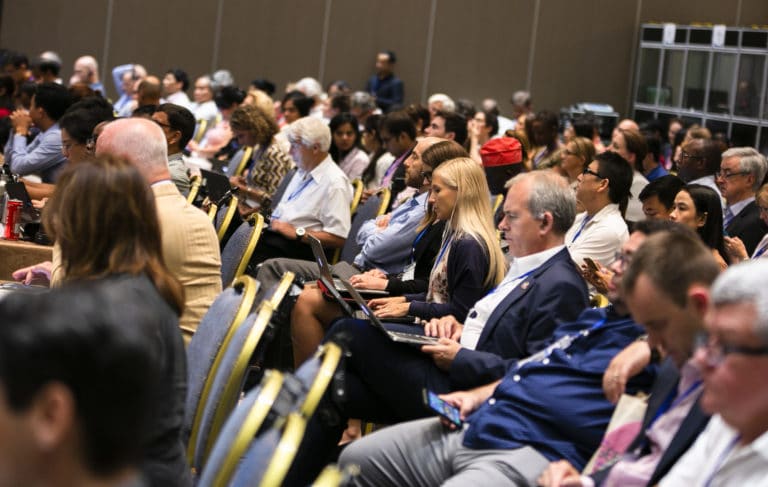
More than 1,000 delegates from around the world will participate in the 22nd meeting of the Subsidiary Body on Scientific, Technical and Technological Advice (SBSTTA-22) and the second meeting of the Subsidiary Body on Implementation (SBI-2), both being held in Montreal, Canada from July 2 to 7 and July 9 to 13, 2018 respectively. The two meetings lead up to the UN Biodiversity Conference being held in Sharm El Sheikh, Egypt in November.

Dr. Cristiana Paşca Palmer, CBD Executive Secretary, said: “These two meetings are essential stepping stones on our journey to reaching the Convention’s 2050 vision of living in harmony with nature, whereby biodiversity is valued, conserved, restored and wisely used, maintaining ecosystem services, sustaining a healthy planet and delivering benefits essential for all people.

“We know we can achieve this vision, provided we deliver transformational change. To this end, biodiversity must be placed at the centre of economic, social and political decision-making as the essential foundation that supports life on Earth, human development and well-being. Our collective efforts must shift to embrace new means of production and consumption; reorienting economic development pathways towards sustainability.”

The SBSTTA-22 represents the first time that the science body will consider items from the Convention’s two protocols – the Nagoya Protocol on Access to Genetic Resources and the Fair and Equitable Sharing of Benefits Arising from their Utilization and the Cartagena Protocol on Biosafety. Ten substantive agenda items are up for consideration at SBSTTA-22, including:

  • Digital sequence information on genetic resources.  A cross-cutting issue under the CBD and the Nagoya Protocol, digital sequence information will have major implications for the conservation and sustainable use of biodiversity as well as the equitable sharing of benefits from the use of genetic resources.
  • Risk assessment and synthetic biology. Risk assessment under the Cartagena Protocol has a particular scope based on the identification of potential adverse effects for biodiversity and human health posed by living modified organisms. Delegates will discuss a way forward towards addressing the needs, priorities and gaps identified by Parties such as modified fish and organisms containing engineered gene drives. The meeting will also draw upon an expert report to look at the extent to which synthetic biology may have implications for all three objectives of the CBD and for the Cartagena Protocol.  The meeting will look at the potential benefits and potential adverse effects of synthetic biology applications.
  • Scientific and technical advice on the definition and identification of Other Effective Area based Conservation Measures (OECMs). Delegates will review voluntary guidance developed on integrating protected areas into wider land and seascapes, governance and equity. These deliberations will have profound implications for the development of post-2020 targets.
  • Invasive alien species. Delegates will consider guidance for avoiding unintentional introductions of invasive alien species associated with trade in live alien species. Invasive species pose a growing threat to biodiversity due to rapidly expanding global supply chains in food and energy sectors. Guidance on globally harmonized measures to ensure safe and responsible international trade is important as such measures are necessary for achieving the Sustainable Development Goals, maintaining ecosystem integrity, and preventing the spread of pests and diseases in agriculture, forestry and fisheries.

SBI-2 provides the last opportunity for the body to prepare guidance to Parties and relevant stakeholders on the additional urgent efforts required to achieve the Aichi Biodiversity Targets within the remaining two years of the Strategic Plan for Biodiversity 2011-2020. To that end,

  • Delegates will review progress in implementing the Convention and the Strategic Plan for Biodiversity 2011-2020, including achievement of the Aichi Biodiversity Targets.
  • The meeting will make recommendations to the CBD’s Conference of the Parties on the process for the preparation of a new and effective post-2020 global biodiversity framework.
  • Delegates will consider possible actions related to mainstreaming attention to biodiversity into development planning, effective measures and institutional mechanisms for implementing the CBD at the national level, synergies with other biodiversity-related conventions as well as options to enhance the review mechanisms with a view to strengthening implementation of the Convention.  New sectors will be considered for mainstreaming efforts from the energy and mining sectors, infrastructure, manufacturing and processing and health sectors.
  • After almost four years following the entry into force of the Nagoya Protocol, delegates will have the first opportunity to assess and review its effectiveness. Delegates will also discuss the draft framework of indicators and consider information on reference points to establish a baseline against which future progress will be measured.

Some 79 side events are also being held in the margins of the meeting.  Canadian astronaut Roberta Bondar, recently inducted into the Order of Canada, will address the delegates at the opening of the SBI meeting on July 9.

The meeting takes place in the context of the 25th anniversary of the entry into force of the Convention on Biological Diversity and efforts by governments to conserve and sustainably use biodiversity.  As indicated in recent global assessments on biodiversity, such as the regional assessments of the Intergovernmental Science-Policy Platform on Biodiversity and Ecosystem Services (IPBES), the risks posed by biodiversity loss should be considered on the same scale as those of climate change.

The “Global Risks Report” prepared by the World Economic Forum has listed ecological collapse and biodiversity loss among the top 10 global risks in terms of impact. Effective and urgent action is needed to halt biodiversity loss. If left unchecked, such loss will affect the ability of nature to support both people and planet.
Leaders launch continent-wide campaign for malaria-free Africa

0

Monday, July 2, 2018 marked the launch of “Zero Malaria Starts with Me”, a continent-wide campaign co-led by the African Union Commission and the RBM Partnership to End Malaria, and supported by African leaders. The initiative aims at getting more people involved in the fight against the disease that reportedly kills over 400,000 Africans every year.

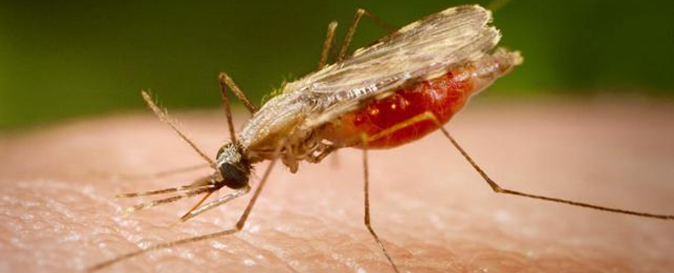
Malaria-anopheles
The malaria-causing anopheles mosquito feeding on a victim

Following reports that malaria cases have increased for the first time in more than a decade, Zero Malaria Starts with Me seeks to reignite a society-wide movement to get back on track efforts that contributed to a 60% decline in cases and saved an estimated seven million lives since 2000, and to help meet the goal of eliminating malaria across Africa by 2030.

The campaign, unveiled on Sunday during the AIDS Watch Africa Meeting at the 31st African Union Summit by President Macky Sall of Senegal and King Mswati III of Eswatini and endorsed by 55 (TBC) African Heads of State and Government on Monday, empowers communities to take greater ownership of malaria prevention and care, and to mobilise additional resources for the effort.

President Paul Kagame of Rwanda, Chair of the African Union, says: “The African continent accounts for over 90% of the global malaria burden. It is in this context that we have launched the ‘Zero Malaria Starts with Me’ campaign, a continent-wide public-facing campaign for a malaria-free Africa. The campaign will reignite grassroot movements in which individuals, families, communities, religious leaders, private sector, political leaders, and other members of society pledge to take responsibility in the fight against malaria.”

Inspired by Senegal’s nationwide campaign of the same name launched in 2014, Zero Malaria Starts with Me is now being rolled out across the African continent to encourage all citizens – political, business, community and religious leaders, as well as individuals, families and communities – to make a personal commitment to ending malaria for good.

To date, over 20 African nations have committed to join in supporting the campaign, with presidents of Uganda, Zambia and Mozambique already launching nationwide campaigns that include large-scale bed net distribution drives to establishing high-level national End Malaria Councils and parliamentary groups on malaria. Others, including the First Ladies of Ghana and Niger, have pledged to do more to engage leaders and communities to fight malaria in their countries.

President Macky Sall of Senegal comments: “In my country, malaria has long been a major public health concern threatening the socio-economic development and structural transformation trajectory that has put our country on a firm path to sustainable development. It is through national ownership, shared responsibility and global solidarity that we can defeat malaria for good.”

HM King Mswati III of the Kingdom of Eswatini, Chair of the African Leaders’ Malaria Alliance, says: “This campaign further reinvigorates our commitment to eliminate malaria in Africa as we now call upon all our people at all levels to work with us in ridding our continent of this scourge. I urge all governments to invest more in fighting the disease, however the success of this campaign will depend on partnerships and on collaboration across sectors and amongst our population, for as government, we cannot win this fight against malaria alone.”

The campaign offers simple tools to increase community participation in malaria elimination efforts, keep pressure up on leaders to stay committed to ending the disease, and forge new partnerships that can contribute additional funding that will increase access to treatment, improve diagnosis and prevention against the deadly disease.

Campaign resources are provided via a Zero Malaria Starts with Me toolkit available at www.zeromalaria.africa.

73 ecological projects completed in three years

0

The Federal Government of Nigeria said on Monday, July 2, 2018 that it initiated and completed 73 Ecological Projects across the country in the last three years.

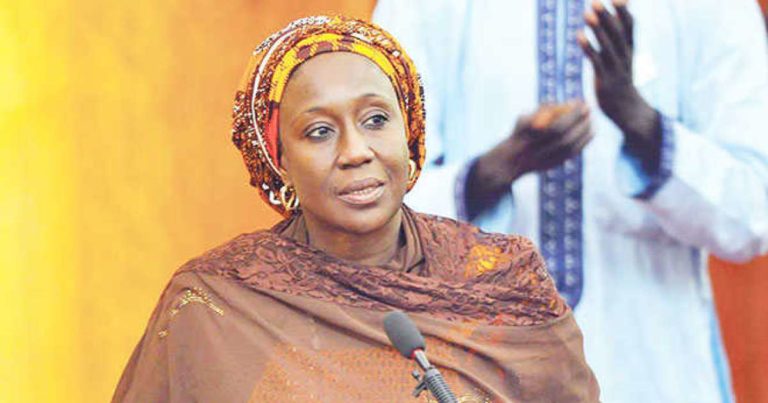
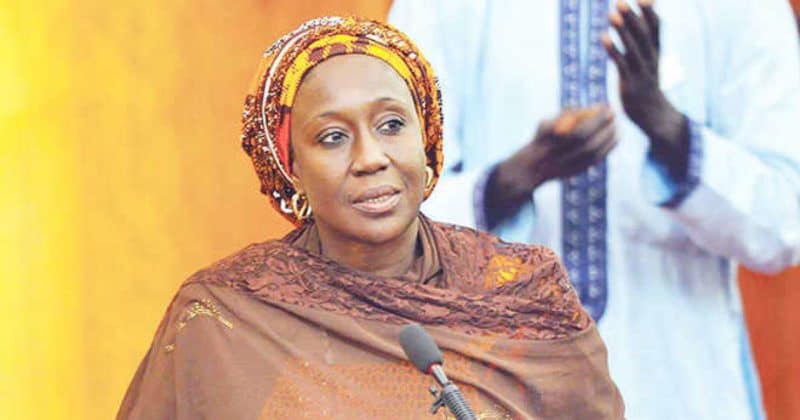
Hajiya Aisha Abubakar

Minister of State, Industries, Trades and Investments, Hajiya Aisha Abubakar, made the disclosure in Bauchi during a visit to Gov. Mohammed Abubakar of the state.

“I wish to also inform Your Excellency that about 73 projects were initiated and completed during the administration of Mr President and, as we speak, we have commissioned 43 out of the 73 projects.

“Just on Thursday, the Minister of State for Foreign Affairs, Hajiya Kadijat Abba Bukar commissioned a similar project in Azare Town of Bauchi State,” she said.

Aisha, accompanied by Hajiya Habiba Lawal, from the Federal Ecological Funds Office, said that she was in the state to commission one of the projects.

“We are here on behalf of His Excellency, President Muhammadu Buhari, to commission an ecological project, as some projects have been commissioned nationwide.

“We are here in Bauchi to commission the channelization of the flood waters within the premises of Abubakar Tafawa Balewa University Teaching Hospital (ATBUTH), Bauchi,” she said.

“It has been a problem for over five years, we found it on the database bank of the Ecological Fund Office.

“After looking at the importance and significant of having a good teaching hospital and providing quality service to human lives and good environment for the people, we sort the approval of Mr President and in February 2017, he assented to the request,” she explained.

The minister explained that about five more projects would be commissioned in Bauchi state before the end of the tenure of the present administration.

Responding, Gov. Abubakar commended President Muhammadu Buhari for the gesture including the erosion control project in Zaki Local Government where communities face erosion threats and destruction yearly.

The governor called for similar intervention at the Tambari Housing Estate and Abubakar Tatari Ali Polytechnic, Bauchi, also being threatened by erosion.

Abubakar assured that the state government would support President Buhari in every way possible to enable him excel.

By Huseyn Abubakar Mbar

UNESCO adds sites in Mexico, South Africa to world heritage list

0

A rugged valley famous for its cacti in southern Mexico and a mountainous area of northern South Africa have become the latest cultural sites to be added to the UNESCO List of World Heritage.

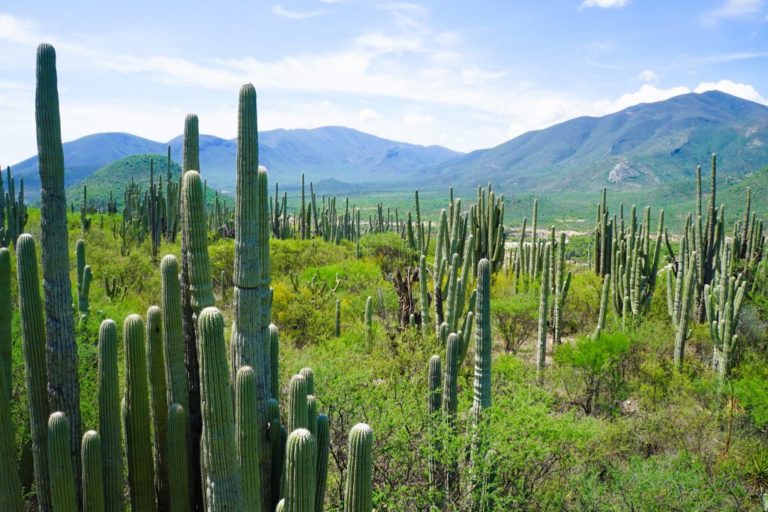
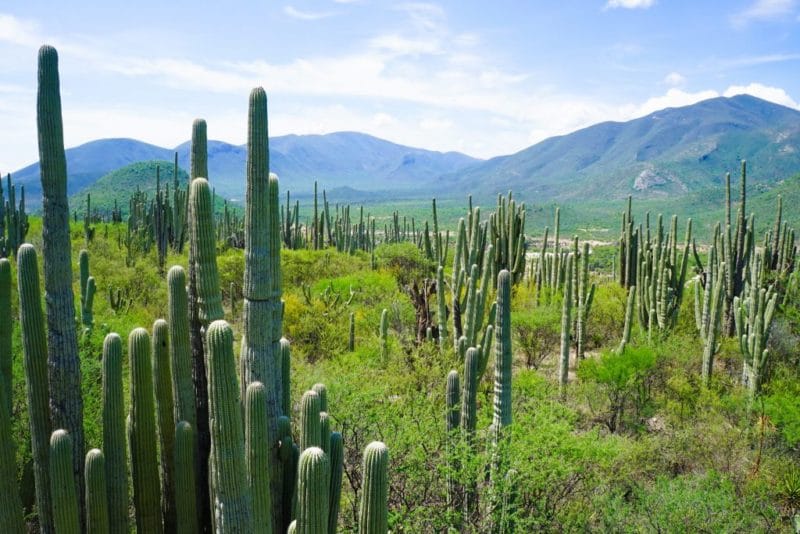
Tehuacan-Cuicatlan Valley
The Tehuacan-Cuicatlan Valley in Mexico

At a meeting in the Bahraini capital Manama on Monday, July 2, 2018, the UNESCO World Heritage Committee inscribed Mexico’s Tehuacan-Cuicatlan Valley and South Africa’s Barberton Makhonjwa Mountains to its renowned list.

The Paris-based organisation has been meeting in Manama since June 24 to discuss some 30 worldwide sites nominated for inclusion on the list.

The Tehuacan-Cuicatlan Valley, a mountainous area around the Papaloapan River famous for its desert landscapes and giant cacti, becomes Mexico’s 35th World Heritage List site.

It is the second so-called “mixed” site on the country’s list containing important elements of both cultural and natural heritage along with the Ancient Maya City and Protected Tropical Forests of Calakmul, Campeche, inscribed in 2002.

The Tehuacan-Cuicatlan Valley is located in central-southern Mexico, covering part of the southeastern of the State of Puebla and the southern State of Oaxaca, with a surface area of 145,255 hectares.

It is inside the Tehuacan-Cuicatlan Biosphere Reserve (TCBR), a natural protected area established in 1998.

South Africa’s Barberton Makhonjwa Mountains, known for containing some of the oldest exposed rocks on earth, become the country’s 10th World Heritage List site.

South Africa’s nine existing sites include five cultural, three natural and one mixed site. The new addition is a natural site.

The UNESCO meeting in Manama runs until July 4.

Borehole drillers seek speedy passage of water resources bill

The Borehole Drillers Association of Nigeria on Monday, July 2, 2018 urged the National Assembly to pass the Water Resources Management Bill into law to stimulate effective management of the country’s water resources.

suleiman adamu kazaure
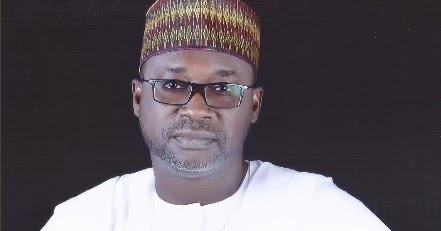
Suleiman Adamu Kazaure, Water Resources Minister

President of association, Mr Francis Uzoma, made the call in an interview with News Agency of Nigeria (NAN) in Abuja.

He said that the bill, when passed and assented to by President Mohammadu Buhari, would facilitate efforts to prioritise issues in the water resources sector via sound policies and programmes.

He said that media reports appeared to have neglected the salient provisions of the bill which was particularly aimed at fast-tracking the development, management and efficient use of the nation’s water resources, in line with global best practices.

Uzoma, however, appealed to all stakeholders and Nigerians in general to have faith in the bill, saying that was for the good of the nation.

He said that the attention of the association had been drawn to the erroneous and distorted analyses of the National Water Resources Bill, which was currently before the Senate, as it had been passed by the House of Representatives.

“The bill will create room for the private sector to come on board; it will also create employment opportunities for the people.

“The National Water Resources Bill is consistent with the Constitution of the Federal Republic of Nigeria and the Land Use Act, and it should not be politicised.

“We are appealing to all Nigerians to have faith in the bill, as it was for the good of the nation,’’ he added.

NAN recalls that the Minister of Water Resources, Mr Suleiman Adamu, once urged Nigerians and lawmakers to stop politicising the water resources bill, saying its benefits were enormous and for the public good.

He said that the overall objective of the bill was geared toward the efficient management of the water resources sector for the economic development of Nigeria and the wellbeing of its citizens.

“The existing laws in the sector include the Water Resources Act, Cap W2 LFN 2004, the River Basin Development Authority Act, Cap R9 LFN 2004, the Nigeria Hydrological Services Agency (Establishment) Act, Cap N1100A.LFN, 2004 and National Water Resources Institute Act, Cap N83 LFN 2004.

“However, these laws are being re-enacted with necessary modifications in the new bill so as to actualise current global trends and best practices in Integrated Water Resources Management (IWRM),’’ he said.

Adamu noted that the National Water Resources Bill, which was drafted in 2006, had passed through series of consultations among stakeholders up to 2008, adding, however, that since that time, successive administrations had failed to give it priority attention until now.

NAN reports that the bill provides for professional and efficient management of all surface water and groundwater for the use of all the citizens.

The Federal Government intends to ensure, through the provisions of the proposed law, that “the water resources of the nation are protected, used, developed, conserved, managed and controlled in a sustainable manner for the benefit of all persons, in accordance with its constitutional mandate’’.

NAN notes that the bill provides for the creation of an enabling environment for public and private sector investment.

It also provides for capacity building processes to foster good governance, while establishing a water use and licensing framework to ensure sustainable finance for the water sector.

By Tosin Kolade

Australian plastics ban takes effect amid rage by shoppers

0

Australia’s biggest supermarket chains are scrambling to combat “bag rage” as frustrated shoppers vent their anger over the removal of single-use plastic bags.

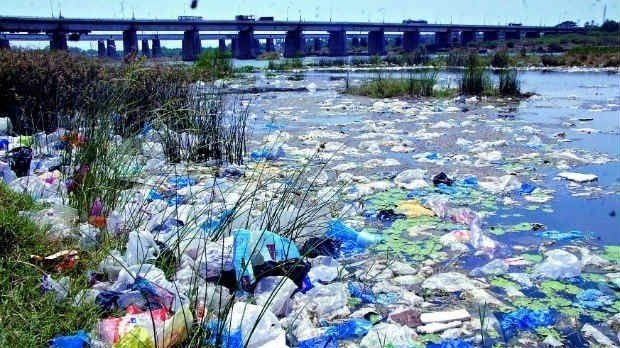
Plastic bags pollution

One man put his hands around a supermarket worker’s throat, the West Australian newspaper reported, while grocery stores are putting on more staff to help customers get used to the change.

The removal of single-use plastics is part of a national push to reduce waste.

As of July 1, major retailers in all but two Australian states will be fined if they supply single-use plastic bags.

National supermarket chain Coles, owned by Wesfarmers , on Sunday, July 1, 2018 removed single-use plastic bags from its stores, shortly after rival Woolworths banned the bags on June 20.

Consumer complaints forced Woolworths to backflip on charging customers 15 Australian cents (11 U.S. cents) for a reusable plastic bag, with the retailer now offering them free until July 8.

“They just want a little extra help from us to get through the transition,” said Claire Peters, Woolworths managing director, in an emailed statement.

After seeing the backlash at its rival, Coles said it would open every checkout lane to reduce queue lengths as staffers explain the changes to customers.

“We are taking a proactive step,” a Coles spokesperson said in an emailed statement.

The union that represents Australian shop assistants has launched a public awareness campaign on the issue.

“While we understand that some customers may be frustrated by this change, there is absolutely no excuse for abusive or violent behaviour towards retail staff,” said Gerard Dwyer.

Dwyer is the national secretary of the Shop, distributive and Allied Employees’ Association, in a statement on the union website.

The union conducted a survey earlier this week and of 132 members who responded, 57 said they suffered abuse due to the plastic bag ban.

More than eight million tonnes of plastic ends up in the world’s oceans each year, according to United Nations Environment Programme figures.

The U.N. wants to eliminate single-use plastic by 2022 and says more than 60 countries have so far taken steps to ban or reduce plastic consumption.

GEF to maintain GEF-6 funding level for SGP

0

Despite adopting the Seventh Replenishment of the GEF Trust Fund (GEF-7) in the amount of $4.1 billion at its recently held 54th meeting in Da Nang, Viet Nam, the Global Environment Facility (GEF) Council will maintain the GEF-6 funding level for its Small Grants Programme (SGP). The sum of $4.43 billion was earmarked to GEF-6.

GEF Plenary
Participants during the closing plenary at the GEF Assembly

This decision was reached in Da Nang, against the backdrop of dwindling funds available for the SGP which, despite its numerous high points, appears to raise some questions.

Following a proposal by GEF CEO and Chairperson, Naoko Ishii, members agreed to maintain the GEF-6 ceilings and seek closer alignment of projects with the overall GEF-7 targets.

While taking note of the implementation arrangements, GEF approved the proposed financing structure for the GEF-7 SGP.

It also requested the Secretariat and the United Nations Development Programme (UNDP) to keep under review the criteria for eligibility to core funds and propose any changes with a view to ensuring an equitable deployment of SGP support over time.

The UNDP was also asked to prepare a paper for the 55th Council meeting describing the approach and criteria for the retained allocation of core funds to countries, and the results framework for the GEF-7 SGP and associated targets for global environmental benefits aligned with the overall GEF-7 results architecture.

The UNDP is one of the 18 agencies through which the GEF channels funds to recipient countries.

Earlier, a Council Member queried the double-payments when accessing funds through the SGP via an Implementing Agency, while others questioned SGP’s reporting requirements. Another Member requested clarification on the link between UNDP’s Equator Prize and the SGP.

Several others expressed concern over the 10% ceiling to System for Transparent Allocation of Resources (STAR) country allocations to participate in the SGP, with the Secretariat proposing to remove the percentage cap (of 10%) and keep the absolute cap (of $2 million).

Nonetheless, several Council Members lauded the SGP for enabling activities at the local level, even as they lamented the decrease in funds available for the SGP.

The 25-year-old SGP provides small grants of up to $50,000 and has funded more than 21,000 projects since 1992.

Adriana Dinu, Executive Coordinator, UNDP Global Environmental Finance Unit, described the SGP as an incubator of innovation that provides thousands of examples of local solutions to global challenges that can be scaled up.

Trần Hồng Hà, Minister of Natural Resources and Environment, Viet Nam, thanked the SGP for effectively funding programmes that support civil society in implementing activities related to environmental protection and sustainable livelihoods. He expressed hope for continued cooperation between the SGP and Viet Nam.

While urging the SGP to create systemic change, Andrew Steer, President, World Resources Institute (WRI), praised the SGP for being transformative and hugely successful at the project level and looked forward to the next 25 years.

Lucy Mulenkei, Chair, Indigenous Peoples Advisory Group of the GEF, said that largest number of beneficiaries of the SGP are Indigenous Peoples and Local Communities (IPLCs), and that the SGP should be scaled up to ensure additional project funding.

Lyonpo Damcho Dorji, Minister of Foreign Affairs, Bhutan, said that the SGP demonstrates there can be a balance between human needs and environmental imperatives.

Ishii said that the GEF Council strongly supports the SGP, highlighting the importance of recognising the power of the local commons to transform the global commons.

NBC restates commitment to pollution-free environment

0

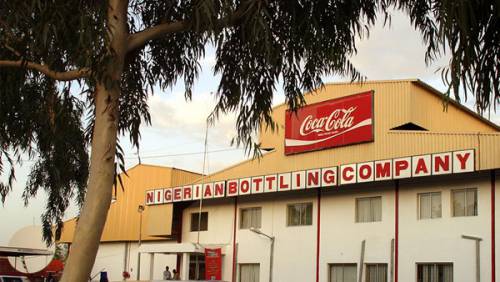
The Nigerian Bottling Company (NBC) has restated its commitment to environmental sustainability through various initiatives to stop waste pollution in the country.

Coca cola
The Nigerian Bottling Company Plc is the sole franchise bottler of The Coca-Cola Company in Nigeria

Mrs Sade Morgan, Legal, Public Affairs and Communications Director, NBC, made the pledge at a media parley on Saturday, June 30, 2018 in Lagos.

According to her, NBC is developing new initiatives to drive sustainability in its operations to reduce its environmental impact to advance sustainable development.

She noted that the world was confronted with packaging challenge and NBC had a responsibility help to proffer solutions to the problem.

“As a responsible corporate organisation, we are aware of the dangers plastic pose to our environment, so we have put in place measures to ensure we protect the environment from pollution,” she said.

According to her, NBC with its partner, Coca Cola Nigeria Limited, would collaborate with other social enterprises, for collection and recovery of post-consumer packaging materials (PET bottles), as part of its extended producer responsibility initiative.

Ms Ifeoma Okoye, Public Affairs Manager (Lagos & West), NBC, said the company entered into partnership with Wecyclers, a company that promotes environmental sustainability and community health through convenient recycling services.

“The company will not only collect and recycle our used PET bottles but also other ones to ensure that they do not clog our drainage and environment,” she said.

Okoye said Coca-Cola in 2005 established a recovery and buyback scheme for PET bottles with a private investor, Alkem Nigeria Limited, and the bottles were recycled into synthetic fibre.

She also said the company in 2012, reached out to other leading beverage companies to form a voluntary group comprising Coca-Cola, NBC, Nestle, Nigerian Breweries and Seven-Up Bottling Company.

According to her, the group became the nucleus of the Food & Beverage Recycling Alliance (FBRA) that served as the Producer Responsibility Organisation (PRO) for the food and beverage sector.

Okoye said through FBRA’s mission, the industry has been able to recover and recycle food and beverage packaging waste, created a sustainable recycling economy, employment, innovation and wealth creation.

She said NBC would continue to partner with various state governments to evolve programmes and actions that would assist to reduce plastic pollution in the country.

By Oluwafunke Ishola

Kano to demolish buildings erected on waterways

0

The Kano State Government says it will demolish buildings that are erected on waterways across the metropolis to avoid flooding.

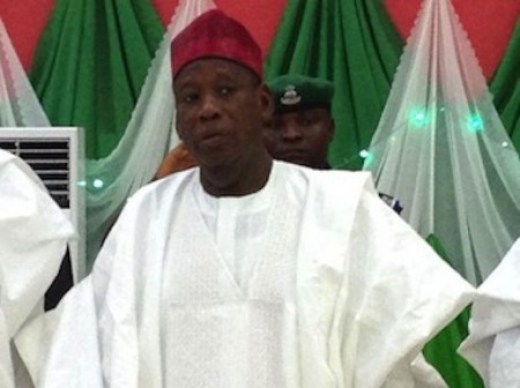
Ali Makoda
Dr. Ali Makoda, Kano State Commissioner of Environment

Dr Ali Makoda, the state Commissioner for Environment, stated this on Saturday, June 30, 2018 after monitoring the monthly environmental sanitation exercise in Kano, the state capital.

Represented by the Permanent Secretary of the ministry, Alhaji Halilu Dantiye, Makoda expressed concern about the situation of some houses built on waterways, saying that it posed a lot of risk to lives and property.

“We can’t sit back and watch our environment get ruined by some people’s negligence and selfishness,’’ he said.

He explained that the state government would keep an eye on such structures and take the necessary measures.

He said that Kano had been suffering a lot from flood whenever it rained due to many reasons, including building on water ways, which needed to be addressed.

Council earmarks $4.1b to GEF-7

0

The Global Environment Facility (GEF) Council has approved the Seventh Replenishment of the GEF Trust Fund (GEF-7) in the amount of $4.1 billion. This represents a slight drop from the $4.43 billion earmarked to GEF-6, and $4.34 billion to GEF-5.

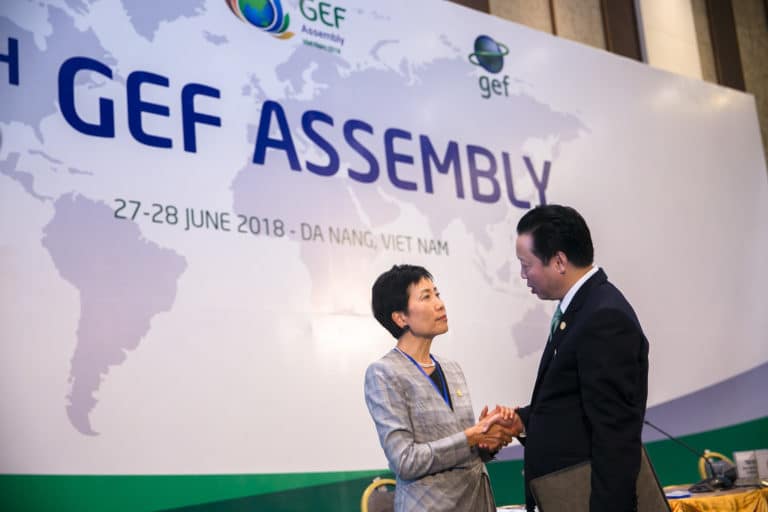
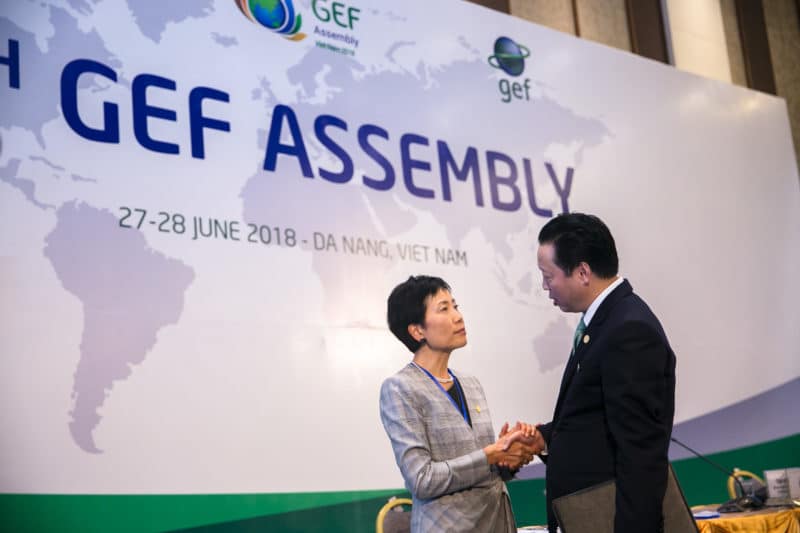
GEF Assembly
GEF Chief Executive Officer (CEO) and Chairperson Naoko Ishii congratulating Trần Hồng Hà, Minister of Natural Resources and Environment, Viet Nam, on the close of the sixth GEF Assembly

The approval formed one of the major fallouts from the 54th meeting of the GEF Council convened in Da Nang, Viet Nam, from June 24 to 26, 2018. The three-day meeting brought together over 500 representatives of governments, international organisations and civil society organisations (CSOs).

The meeting also adopted several decisions, some of which are on:

  • the GEF Gender Implementation Strategy, which aims to mainstream gender in the design, implementation, and evaluation of GEF programmes and projects;
  • the updated Co-Financing Policy, with a new overall co-financing ratio of 7:1;
  • the GEF Partnership;
  • updating the System for Transparent Allocation of Resources (STAR); and
  • the 2019 GEF Business Plan and Corporate Budget.

Following the Council meeting, the sixth meeting of the GEF Assembly was held on Wednesday and Thursday June 27 to 28 2018, with the Assembly taking note of the Report on the GEF-7 Replenishment; Sixth Overall Performance Study of the GEF; and Report of the Scientific and Technical Advisory Panel. During the two days, over 1,100 participants met in parallel roundtable sessions to discuss how to accelerate action on issues such as, amongst others: food, land-use and restoration; sustainable cities; blue economy; partnerships for implementing the 2030 Agenda; science-based targets for the Earth; circular economy; and marine plastics.

In her comments on the GEF-7 replenishment, Naoko Ishii, GEF CEO and Chairperson, characterised the replenishment as being the “best possible outcome of long and difficult negotiations,” and stressed that the resources allocated to the various focal areas must be maximised to yield the highest quality results over the next four years.

The GEF is funded by donor nations, which commit money every four years through a process called the GEF replenishment. Since its creation in 1991, the GEF Trust Fund has been replenished by $2.75 billion (GEF-1), $3 billion (GEF-2), $3.13 billion (GEF-3), $3.13 billion (GEF-4), $4.34 billion (GEF-5), and $4.43 billion (GEF-6).

The GEF Assembly has convened six times: April 1 to 3, 1998 in New Delhi, India; October 16 to 18, 2002 in Beijing, China; August 29 to 30, 2006 in Cape Town, South Africa; May 25 to 26, 2010 in Punta del Este, Uruguay; May 28 to 29, 2014 in Cancún, Mexico; and June 27 to 28, 2018 in Da Nang, Viet Nam.

The GEF was created in 1991 to formulate financing responses to the mounting concern in the preceding decade over global environmental problems. The GEF operated in a pilot phase until mid-1994. Negotiations to restructure the organisation were concluded at a GEF participants’ meeting in Geneva in March 1994, where representatives of 73 countries agreed to adopt the GEF Instrument.

Funding from the Facility has been channelled to recipient countries through 18 “GEF Agencies” also known as Accredited Entities: the UN Development Programme (UNDP); UN Environment (UNEP); World Bank; Food and Agriculture Organisation of the UN (FAO); UN Industrial Development Organisation (UNIDO); African Development Bank; Asian Development Bank (ADB); European Bank for Reconstruction and Development (EBRD); Inter-American Development Bank; International Fund for Agricultural Development; World Wildlife Fund, Inc.; Conservation International; International Union for Conservation of Nature (IUCN); Development Bank of Southern Africa; Brazilian Biodiversity Fund; Chinese Foreign Economic Cooperation Office; Development Bank of Latin America; and West African Development Bank.

The GEF also serves as the financial mechanism for several multilateral environmental agreements (MEAs), including the:

  • Convention on Biological Diversity (CBD);
  • UNFCCC;
  • UN Convention to Combat Desertification (UNCCD);
  • Stockholm Convention on Persistent Organic Pollutants; and
  • Minamata Convention on Mercury.