Home Blog Page 1861

Climate change is driving debt for developing countries

0

Increased risk from vulnerability to climate change is increasing the cost of capital and is projected to cause an additional $168 billion of debt payments over the next 10 years among the most climate change vulnerable countries, according to new research commissioned by the UN.
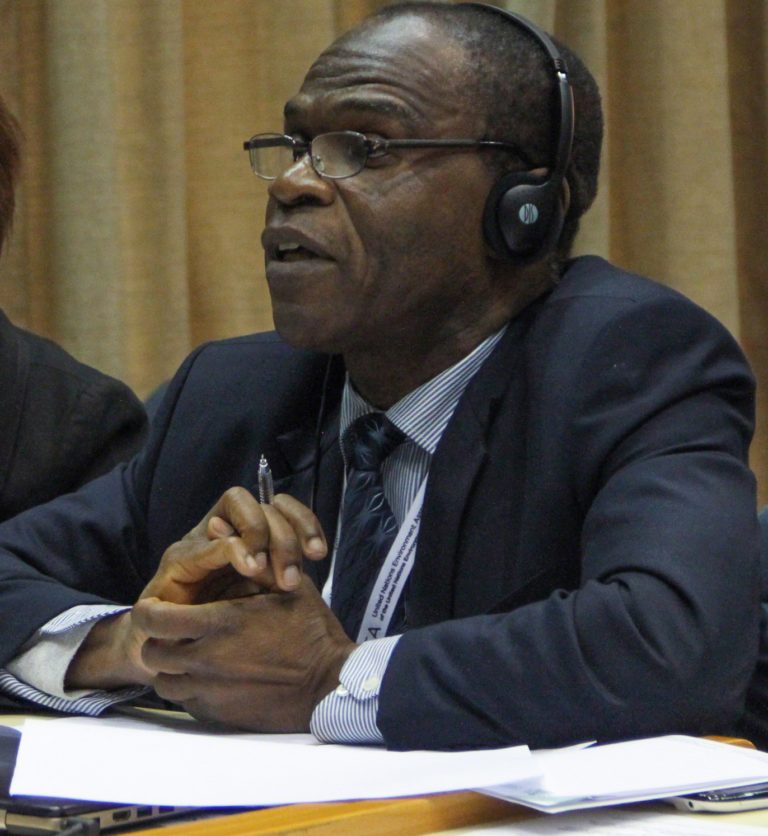
Charles Donovan
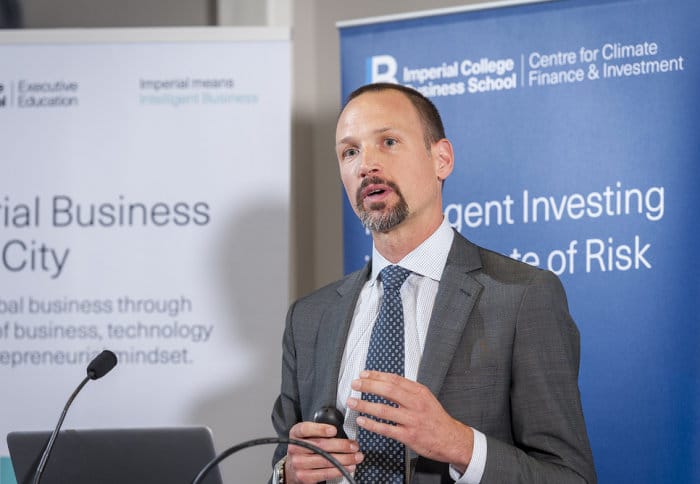
Charles Donovan, Director of the Centre for Climate Finance and Investment at Imperial College Business School. Photo credit: Fergus Burnett

A new report compiled by the Centre for Climate Finance & Investment at Imperial College Business School and the SOAS University of London Department of Economics is said to be the first of its kind to look at the relationship between climate change, sovereign credit profiles, and the cost of capital in developing countries.

The report finds that rapid climate change action to limit emissions to 2°C global average temperature warming above pre-Industrial Revolution levels and aim for 1.5 °C as agreed upon in the Paris Climate Agreement not only minimises the impact of climate change but reduces the future cost of climate change action and adaptation.

“Our work demonstrates that climate change is not only imposing economic and social costs on developing countries, but it is also amplifying existing risks that are already priced in fixed income markets. These impacts will grow,” said Charles Donovan, Director of the Centre for Climate Finance and Investment at Imperial College Business School.

“The good news is that investments in climate adaptation can not only reduce social, ecological and economic harm, but can buffer against fiscal impairments. But to be effective, these investments need to be made now,” he added.

The research focused on the so-called “V20” group of countries, members of the Climate Vulnerability Forum which is a consortium of the 20 nations most vulnerable to climate change.

The report estimates that these countries have already paid an additional $40-62 billion in additional interest payments due to climate risk from floods, droughts, and severe weather events.

The $62 billion increase in payments so far is the equivalent of coastal protection dykes for 9,538km of coastline. This could cover the entire coastlines of Bangladesh, Barbados, Cambodia, Fiji, Haiti, Sri Lanka, and Vietnam.

The study finds that borrowing for climate finance becomes more expensive over time if action is not taken quickly because the increased risk of investments from climate vulnerability causes debt repayments to increase over time.

“Investments that enhance the adaption capacity and resilience of climate vulnerable countries are crucial. They will not only help vulnerable countries to better deal with climate risks, they will also help to bring down the cost of their borrowing,” said Ulrich Volz, a lead author of the report and head of the Department of Economics at SOAS University of London.

“So far, markets are placing the wrong value on efforts that mitigate climate risks. Such a market failure implies that the hurdle rate for such projects are too high, and the returns on such projects are commensurately greater. Helping people address climate risk is a good investment,” he added.

The report details market policy measures that could reduce the debt burden from climate vulnerability. Above all, improved social conditions, such as reduced income inequality, and economic resilience, such as robust private sector and a history of robust infrastructure investment, were found to minimise the amount of debt these nations need to pay.
Air pollution contributes to diabetes – Study

0

A research of Washington University School of Medicine in St. Louis links outdoor air pollution, even at levels deemed safe, to an increased risk of diabetes globally.

Air pollution
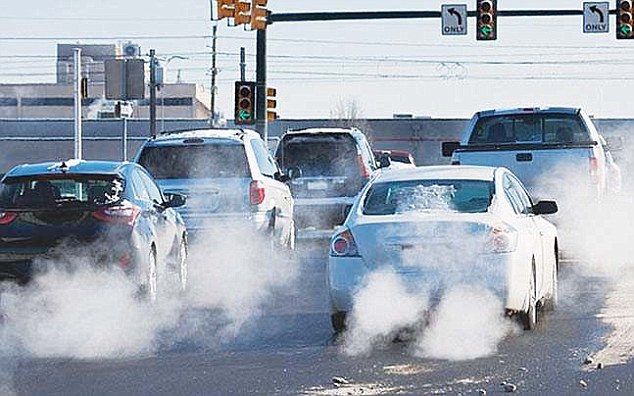
Air pollution from diesel-powered cars

Researchers at the university, in collaboration with scientists at the Veterans Affairs’ Clinical Epidemiology Centre, examined the relationship between particulate matter and the risk of diabetes.

They first analysed data from 1.7 million U.S. veterans, who did not have histories of diabetes and were followed for a median of 8.5 years.

The researchers linked the patient data with the Environmental Protection Agency’s (EPA) land-based air monitoring systems as well as space-borne satellites operated by the National Aeronautics and Space Administration (NASA).

They used several statistical models and tested the validity against controls such as ambient air sodium concentrations, and lower limb fractures, as well as the risk of developing diabetes.

This exercise helped the researchers weed out spurious associations.

Then they sifted through all research related to diabetes and outdoor air pollution and devised a model to evaluate diabetes risk across various pollution levels.

Finally, the researchers analysed data from the Global Burden of Disease study, which is conducted annually with contributions from researchers worldwide.

“Our research shows a significant link between air pollution and diabetes globally,” said Ziyad Al-Aly, the study’s senior author and an assistant professor of medicine at Washington University.

“We found an increased risk, even at low levels of air pollution currently considered safe by the U.S. EPA and the World Health Organisation (WHO).

Evidence shows that current levels are still not sufficiently safe and need to be tightened,” the researcher added.

Among a sample of veterans exposed to pollution at a level between five to ten micrograms per cubic meter of air, about 21 per cent developed diabetes.

When that exposure increased to 11.9 to 13.6 micrograms per cubic meter of air, about 24 per cent of the group developed diabetes.

The researchers also found that the overall risk of pollution-related diabetes is tilted more toward lower-income countries such as India that lack the resources for environmental mitigation systems and clean-air policies.

Diabetes affects more than 420 million people worldwide and 30 million Americans.

In the U.S., the study attributed 150,000 new cases of diabetes per year to air pollution and 350,000 years of healthy life lost annually.

The findings were published in the Lancet Planetary Health.

China releases three-year action plan for cleaner air

0

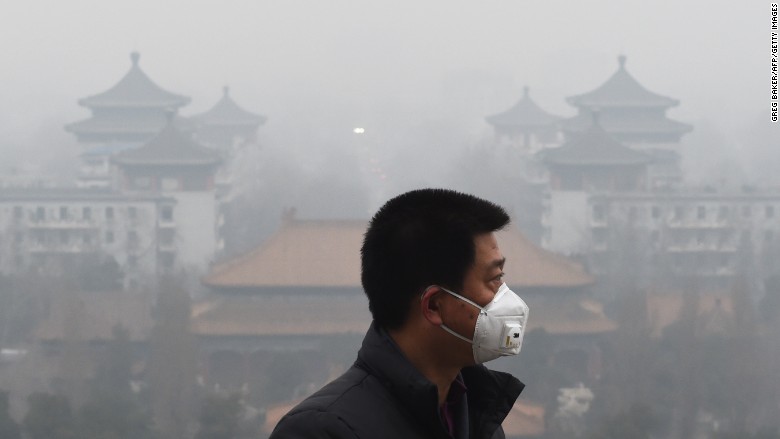
China’s cabinet on Tuesday, July 3, 2018 released a three-year action plan on air pollution control, solidifying a timetable and roadmap for improving air quality.

China pollution
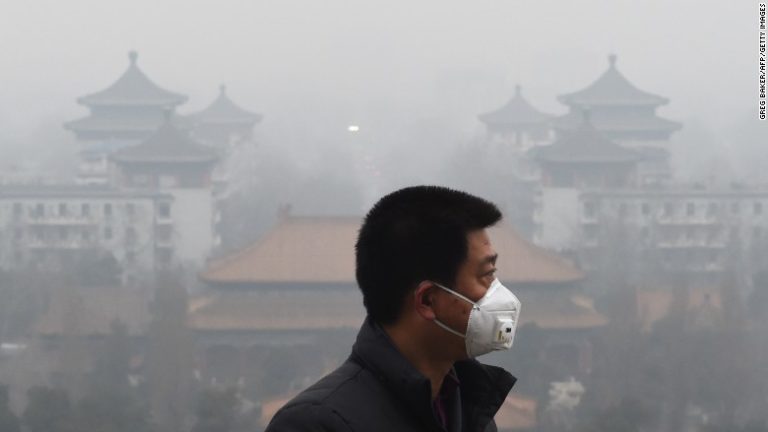
Air pollution in China

Economic, legal, technological, and administrative means will be adopted in a coordinated, methodical and targeted manner to “win the battle for blue skies,” according to the plan released by the State Council.

According to the plan, by 2020, emissions of sulphur dioxide and nitrogen oxide should drop by more than 15 percent compared with 2015 levels, while cities which fail to meet the requirement of PM2.5 density should see their density of PM 2.5, a key indicator of air pollution, fall by more than 18 per cent from 2015 level.

Cities at prefecture level and above should see the number of good-air days reach 80 per cent annually and the percentage of heavily polluted days decrease by more than 25 per cent from 2015 levels.

Efforts will be focused on areas including the Beijing-Tianjin-Hebei region and neighbouring areas, the Yangtze River Delta, and the Fenhe and Weihe river plains.

According to the plan, the country’s air quality and people’s satisfaction with it should significantly improve after three years of work.

To achieve the goals, authorities will optimise the industrial structure, promote clean energy, develop green transport, and strengthen regional coordination, among other measures.

The plan demanded stronger policy support, including better laws and enforcement, and more financing channels. Environmental monitoring and information disclosure should also be improved.

China accomplished all the major tasks of its five-year clean air action plan in 2017, but challenges remain.

A large number of cities still need to further improve air quality.

Cote d’Ivoire eyes biomass power generation from cocoa waste

0

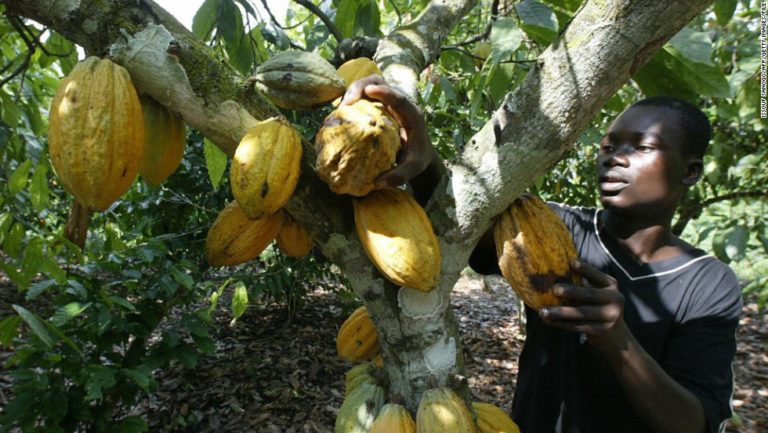
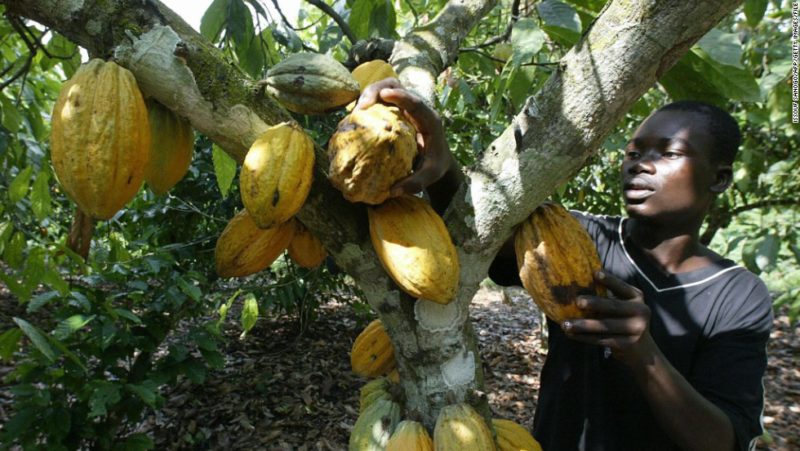
The world’s top cocoa producer, Cote d’Ivoire, plans to build a 60 to 70 Megawatts (MW) capacity biomass power generation plant running on waste from cocoa pods.

Cocoa-Ghana
Cote d’Ivoire is the world’s top cocoa producer

It also plans to extend its grid to Liberia, Guinea and Sierra Leone this year, according to media reports on Tuesday, July 3, 2018.

This is part of its aim to develop 424 MW of biomass power generation capacity by 2030.

The plant, which will enable Cote d’Ivoire to diversify its electricity generation sources, was among five projects to receive grants from the United States agency for trade and development (USTDA), the U.S. Embassy in Abidjan said in a statement on Monday.

Others included a hydropower project in Kokumbo and two smart grid power projects.

The statement said the biomass power station, the first in Cote d’Ivoire would be based in the southern cocoa region of Divo. The USTDA has earmarked 996,238 million dollars for feasibility studies.

Although Cote d’Ivoire produces about two million tonnes of cocoa annually, thousands of tonnes of pods are discarded after the beans are removed. They are left to rot or burned after the harvest.

Unlike many countries in sub-Saharan Africa, Cote d’Ivoire has a reliable power supply.

It exports electricity to neighbouring Ghana, Burkina Faso, Benin, Togo and Mali.

But with domestic consumption rising by about 10 per cent a year, the government is under pressure to boost supply at home and aims to increase installed capacity to 4,000 MW by 2020, from the current 2,275 MW.

Environmental abuse blamed on dearth of public awareness

0

The National Environmental Standards and Regulations Enforcement Agency (NESREA) says lack of public awareness is responsible for the growing environmental abuse in the country.

Dr. Lawrence Anuka
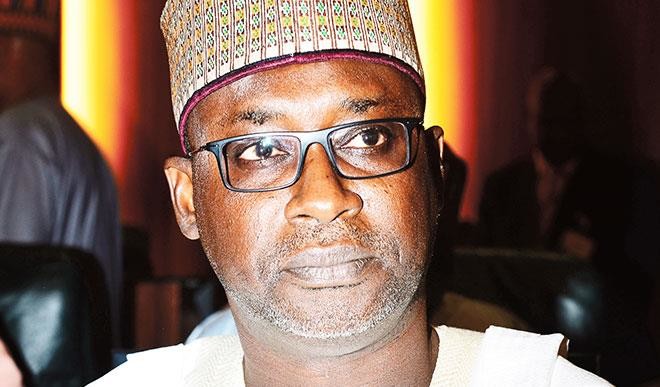
Dr. Lawrence Anukam, Director-General, National Environmental Standards and Regulations Agency (NESREA)

Mr Wuave Daniel, the Gombe State Coordinator of NESREA, said this on Tuesday, July 3, 2018 in an interview with News Agency of Nigeria (NAN) in Gombe, the state capital.

Daniel said that the residents of Gombe State, for instance, were not aware of the dangers of environmental pollution, adding that the ignorance was largely responsible for their abuse of the environment.

“It is not the sole responsibility of government to maintain the environment. Everyone, especially consumers, has specific roles to play in efforts to have an environment that is free of plastics and water sachets.

“Most people are not aware of the consequences of dumping plastics and waste in drainage channels and on streets; probably, if they know these, they would act differently. This is because the effect of the pollution is suffered by all.

“Today our environment is crying. Trees are felled indiscriminately; plastics and water sachets are dumped in our drainages, while many people throw their waste into gutters. All these indicate the level of ignorance on the part of the citizens.

“People still think it is the sole responsibility of government to ensure a clean and safe environment for all. In spite of the government’s waste management efforts, citizens continue to dump their garbage in drainages.

“The effect of their actions goes beyond the unhygienic state of our environment. It has led to increased flooding and contamination of our streams and rivers,’’ he said.

Daniel said that NESREA had been sensitising the citizens to the consequences of all forms of environmental abuse.

He urged Nigerians to pay more attention to their environment so as to minimise the risks of flooding and contamination of streams and rivers.

By Uwumarogie Peter

Indian state, Maharashtra, softens plastic ban after industry lobbying

0

The Western Indian state of Maharashtra has eased ban on single-use-plastic, just over a week after it was imposed, following what sources said was intense lobbying.

Mumbai
Mumbai (formerly Bombay), the capital of Maharashtra State

The lobbying was by multinational companies and plastic industry bodies for softer rules and extensions.

Maharashtra, home to India’s financial capital of Mumbai, has allowed e-commerce companies to use plastic packaging for three more months, according to a government order dated June 30, published on Tuesday, July 3, 2018.

During these three months, e-commerce firms will have to come up with a buyback plan to collect used plastic packaging material, ensure its recycling and disposal as well as source alternative packaging material.

The ban, which came into effect on June 23, had threatened a sharp rise in costs for retailers, beverage makers and sellers of bottled water, among other companies that rely on plastic for packaging.

Representatives of companies including Amazon, H&M , Pepsi and Coca-Cola, as well as plastic lobby groups, met Maharashtra government officials days before the ban.

They urged them to implement the rule in phases and relax some norms, the Media quoted four sources as saying on Friday.

A senior government official who was involved in the talks and did not wish to be identified due to government rules, said changes to the ban had been made after considering the industry demands.

Maharashtra’s top environment official Anil Diggikar did not answer calls or texts seeking comment.

In its latest order, the government banned the sale of plastic bottles containing drinking water less under 200 millilitres.

It also did not specify a buyback price for empty bottles used for selling beverages other than water, a move that could potentially help soft drink makers.

Amazon, Pepsi and Coca-Cola declined to comment on the modifications to the ban. H&M did not immediately respond to a request for comment.

The latest rules also exempt the use of plastic packaging of medical equipment and drugs.

Plastic could be used for wrapping products by manufacturers, if the material used was thicker than 50 microns, comprised at least 20 per cent recyclable material.

It must have had the manufacturer’s details and buyback price printed on it, the order said.

Maharashtra’s move to ban plastic, the first such broad action against the material by an Indian state, comes as Prime Minister Narendra Modi pushes a plan to completely end the use of single-use-plastic in India by 2022.

Plastic packaging accounts for nearly half of all plastic waste globally, and much of it is thrown away within just a few minutes of its first use, according to the United Nations.

Seven states decorated for improving water service delivery

Bauchi, Cross River, Delta, Enugu, Kaduna, Lagos and Taraba states have received the “Waterman Award’’ for their efforts to improve service delivery in the water sector.

Suleiman Adamu
Suleiman Adamu, Minister of Water Resources

The states received the awards at the opening of the International Conference of the Nigerian Water Supply Association (NWSA) in Abuja on Tuesday, July 3, 2018 for their efforts to expand the citizens’ access to potable water.

Mr Olusola Suulola, the Chairman of the Local Organising Committee of the conference, said that there could never be any meaningful development in the society without quality service delivery.

He, however, said that it was saddening to note that the water sector in the country had been facing some crises.

He underscored the need for state governments to exhibit political commitment in encouraging reform processes in the states’ water agencies.

Suulola said that poor data, dilapidated water infrastructure and inadequate funding were some of the challenges which ought to be tackled in efforts to improve Nigerians’ access to water supply.

Deputy Governor of Taraba, Alhaji Haruna Manu, who responded on behalf of the seven states that received awards, commended NWSA for the award, saying that it would spur them to do more.

Manu said that one of the critical areas of intervention of Gov. Darius Ishaku’s administration in Taraba.

He said that the state had invested a lot of resources on water supply projects, adding that efforts were underway to provide water for over 200 communities across the state.

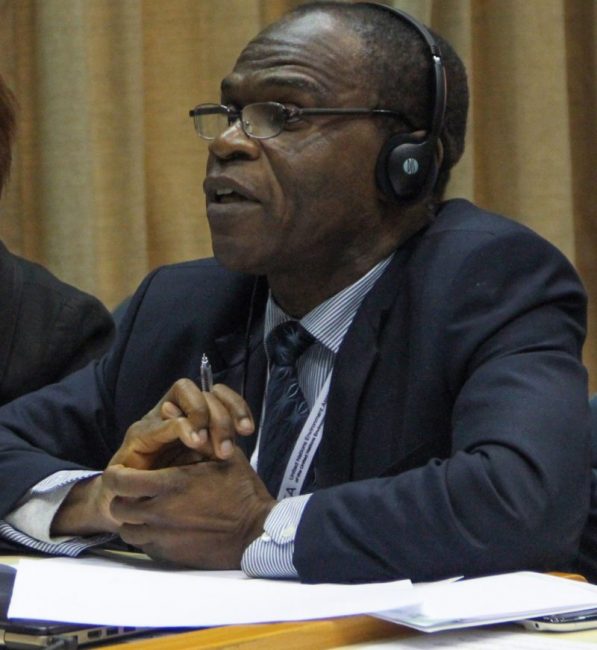
Minister of Water Resources, Mr Suleiman Adamu, said that the critical challenges facing urban areas across the country included the dearth of sustainable basic services such as water supply and sanitation services.

“Available statistics in Nigeria indicate regression in the urban water services, as access to pipe-borne water regressed from 32 per cent in 1990 to 7 per cent in 2015.

“This is due to high rate of urbanisation, failing infrastructure, institutional weaknesses and far more importantly, low level of investment,’’ he added.

Adamu said that part of the Federal Government’s mission was the transformation of all water utilities into financially viable entities, as part of renewed efforts to tackle urban development problems and improve the socio-economic conditions of the country.

The minister said that the ministry had been supporting urban water supply and sanitation sector reforms since 2004.

He added that the support was through the approval of a National Action Plan on Water, Sanitation and Hygiene and the declaration of a state of emergency in the water and sanitation sector.

Adamu, nonetheless, expressed the hope that the conference would produce workable strategies that would strengthen stakeholders’ collaboration for the sustainable development of the nation’s water sector.

The News Agency of Nigeria reports that the Nigerian Water Supply Association is an umbrella body of all operators in the country’s water supply sector.

The group makes contributions to policy negotiations at national, regional and international levels for institutional reforms in the water sector.

The theme of the conference was: “Transforming Urban Water Supply and Sanitation Utilities into Financially Viable Entities”.

By Tosin Kolade

Groups flay Congo’s oil drilling permission in national parks

0

The decision by the government of the Democratic Republic of Congo to allow drilling of oil in the Virunga and Salonga National Parks has attracted condemnation by ecologists, who claim that the venture will negatively impact the flora and fauna.

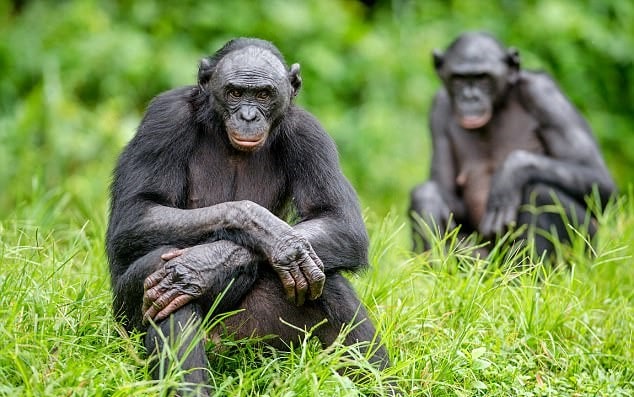
Bonobos
Bonobos

Declared World Heritage Sites in 1979 and 1984 by UNESCO, the Virunga and Salonga National Parks are said to be home to some of the planet’s last mountain gorillas who roam the forests there.

Salonga National Park, for example, is a key habitat for the bonobo, an endangered great ape. The park is home to around 40 percent of the remaining population, it was gathered.

Reinhard Behrend of the Rainforest Rescue, a German conservation advocacy group, says: “What’s the point of having protected areas if politicians can simply hand them over to the fossil fuel industry?

“For wildlife lovers, the name Virunga has a magical ring. The national park in the Democratic Republic of Congo is a refuge for some of the planet’s last mountain gorillas, guarded by rangers who risk their lives to protect the great apes. Salonga National Park is a key habitat for bonobos, home to around 40 percent of the remaining population.

“It’s not surprising that UNESCO declared the areas World Heritage Sites in 1979 and 1984.

“Now, Congolese President Kabila wants to delist thousands of square kilometers of the parks. The government feels that it has a right to exploit mineral wealth anywhere within its borders – and it is not about to let a World Heritage Site or two stand in its way. If the plan is realised, it would make a mockery of the whole concept of protected areas.”

The controversy, Behrend adds, centres around drilling for oil, adding that a total of nearly 4,500 square kilometres are to be opened out of the roughly 16,700 square kilometres.

“The threat to the environment that this would entail is alarming,” he stressed, adding that exploring and drilling would:

  • destroy the habitat of bonobos and gorillas, as well as many other species
  • trash forests that are crucial to protecting our climate
  • endanger nesting sites of migratory birds
  • pollute the Congo and Nile river systems

“In May, a total of 19 environmental organisations from the province of North Kivu published an open letter (in French) to warn of the impact of shrinking the national parks. They now want to mobilise the people of the region to step up the pressure on the government in Kinshasa. Their goal is to collect 100,000 signatures on a national petition,” said Behrend, adding that Rainforest Rescue has also launched a parallel, worldwide campaign to protect Virunga and Salonga.

Members of the Climate Change Network of the Democratic Republic of Congo (RCCRDC) are expressing disapproval over the project.

“We take the option of disavowing this project, whose ins and outs are not under the control of the Congolese people, especially during this period. where all our thoughts are turned to the choice of leaders to overcome national selfishness by integrating the notions of international community and humanity,” said Appolinaire Zag Abe Kamanyula, executive director of the RCCRDC.

Kamanyula adds: “The wrath of this coalition lies in the fact that these two reserves, moreover, heritage of UNESCO, are strategic areas and real shields against global warming. The RCCRDC is protesting against this mining operation as it could lead to the expropriation of arable land in many local communities and have negative economic impacts on the activities of fishermen on Lake Edward. The region generates approximately $90 million annually. The value of the deposit is estimated at $6.758 billion barrels against $1 billion that the operator proposes to exploit the area.”

Benue farmers warned against diversion of farm inputs

0

The State Programme Coordinator (SPC), International Food for Agricultural Development (IFAD) in Benue State, Mr Emmanuel Igbaukum, has warned farmers against diversion of farm inputs given to them by IFAD and other supporting agencies.

Benue farmer
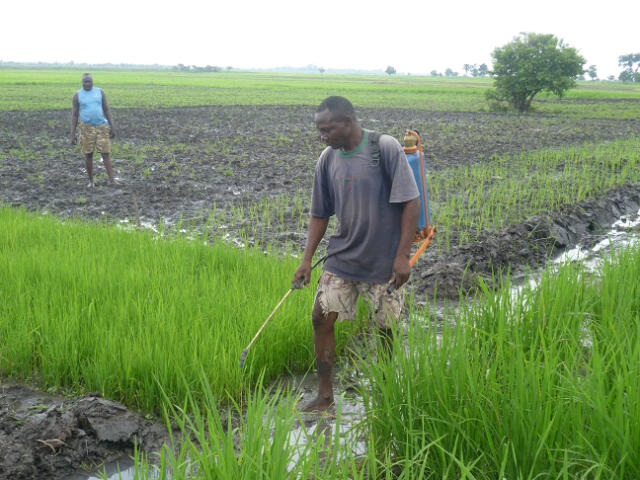
Farmers at a project site in Agatu Local Government Area of Benue State

Igbaukum gave the warning on Monday July 2, 2018 in Taraku, Gwer Local Government Area of the state during the flag-off of the 2018 distribution of agro inputs.

He decried the situation where people collect inputs with the sole aim of selling them and not to apply them to their crops, stressing that such an ugly behaviour was counterproductive.

He further said that such behaviour would make organisations that support farmers with various items to be discouraged to render assistance to them subsequently.

The programme coordinator said that the inputs were given to them to enable them step up their farming activities and realise bountiful harvest during harvest period and not to be sold.

He pointed out that it was no longer going to be business as usual because the organisation would intensify its monitoring processes, adding that security agencies too would be involved so as to prevent some people from selling the inputs.

He disclosed that OLAM had recovered 95 per cent of the loans it gave to Benue farmers and he sued for sustenance of the spirit.

The Commissioner for Agriculture and Natural Resources in Benue, Mr James Anbua, commended Benue farmers for changing the narrative that Benue farmers do not pay back loans by paying 95 per cent of the loans they collected from OLAM.

The National Programme Coordinator (NPC) of IFAD, Mr Ameh Onoja, said that OLAM bought 25 metric tonnes of rice from Benue farmers which amounted to N2.7 billion.

Representative of International Fertiliser Distribution Centre (IFDC), Miss Dorathy Arinze, stated that the organisation would ensure equitable distribution of the inputs which was its core mandate and urged farmers to make maximum use of them.

The third class chief of Ngenev, Chief Augustine Tali, encouraged people to venture into massive agriculture in order to better their livelihood.

By Damian Daga

Czech military zone turned nature reserve records increase in wisents

0

Two and half years after the foundation of large herbivores reserve in a former military area in Milovice, not far from the capital city of the Czech Republic, Prague, the number of wisents stood at about 20.

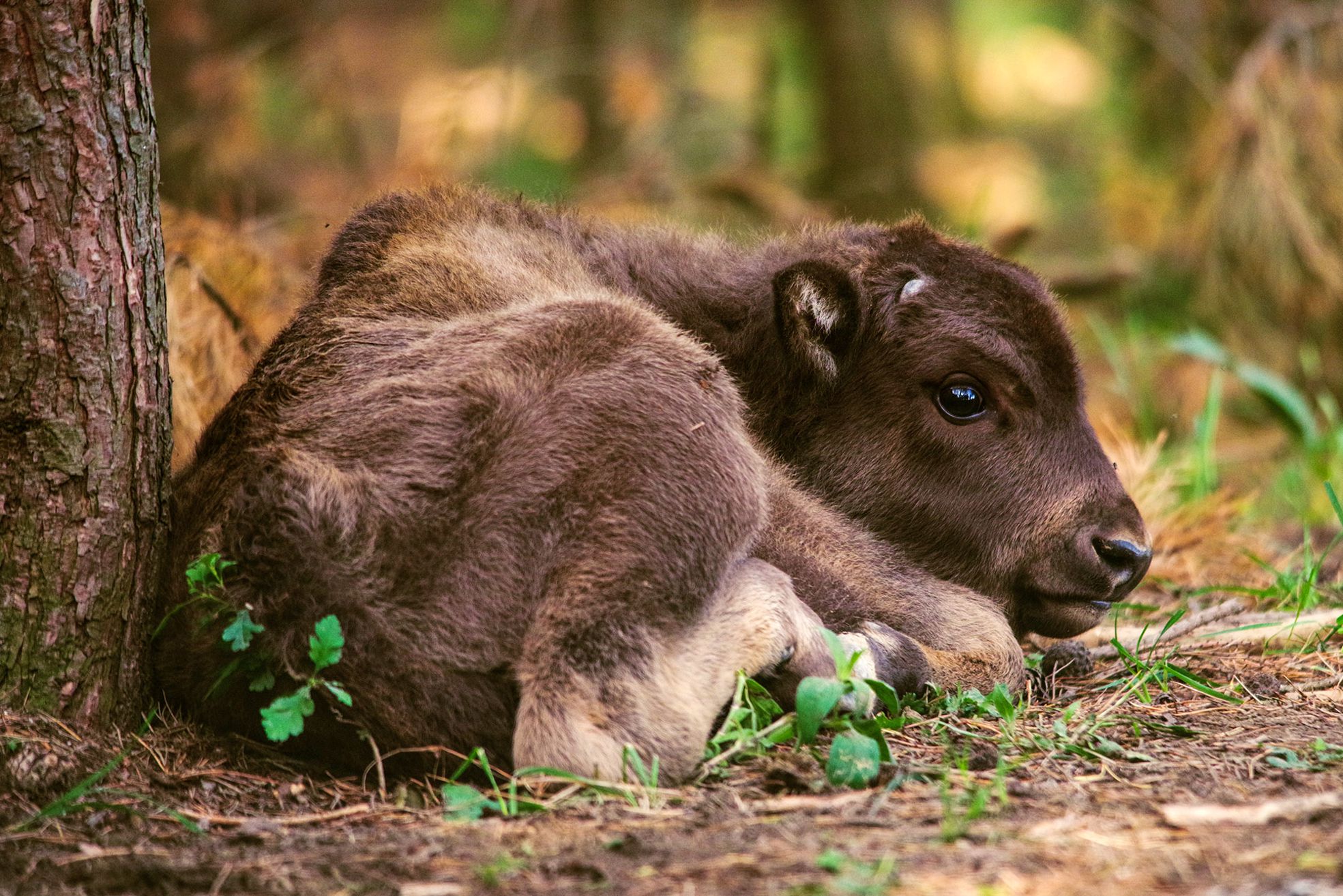
Wisent calf
A wisent calf. Photo credit: Michal Köpping

However, on Friday, June 29, 2018, another two young animals were observed in the reserve for the first time. Consequently, the number of the wisents in the reserve has risen slightly.

The wisent is the European version of the bison, a large, wild animal, similar to a cow but having a larger head and hairy shoulders.

The number of wisents is said to have almost tripled since the reserve’s foundation. At the end of 2015, animal conservationists brought seven females and one male into the reserve. In 2016 the first young animal was born in the herd. So far, eight wisents have been born in the reserve, out of which four were born this year. Last autumn another five adult females from Białowieża in Poland were added to the herd.

“It has been proven that newly founded wisent populations are considerably more viable and they grow faster when they are formed with a bigger number of founders. In the past, new populations were usually founded with five animals. With those groups it often took a number of years before they stabilised and their numbers almost did not grow for several years,” points out Miloslav Jirků of the Biology Centre of the Czech Academy of Sciences.

He adds that that is why the group in the former military area was founded with eight animals and some others were later added.

“The project has been working in close cooperation with scientists since the beginning. Therefore, we have access to the latest findings and do not have to repeat the processes which did not prove successful in other countries in the past,” says Dalibor Dostal, the Director of European Wildlife conservation organisation, appreciating the interconnection with academics and university specialists.

In the former military area, where the armies of the Austro-Hungarian Empire, Czechoslovakia, Nazi Germany, and the Soviet Union trained, large herbivores have the task of grazing about 120 hectares of steppe to protect it against becoming overgrown by aggressive grasses and shrubs. Together with the wisents, there are also wild horses and back-bred aurochs in the reserve. The former training area has thus become the very first location in the world where all three original species of European large herbivores appear within one reserve.

After the First World War, man exterminated wisents in the wild and only a few animals remained in captivity – in zoological gardens and game reserves. More precious is the Białowieża line, which is also kept in the reserve in the former Milovice military area, which comes from only five founders. Thanks to international efforts, wisent reproduction has reportedly been successful in captivity, so since the 1950s conservationists have begun to return them back to the wild.