Home Blog Page 1857

Nigerians advised on proper waste disposal

0

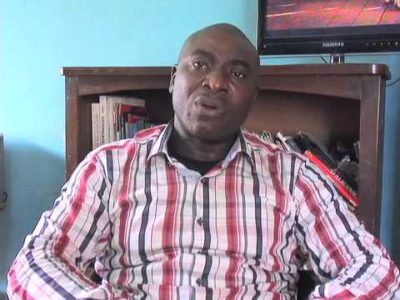
An environmental scientist, Mr George Ebisike, has advised Nigerians to dispose of waste properly to avoid environmental degradation as well water and airborne diseases.
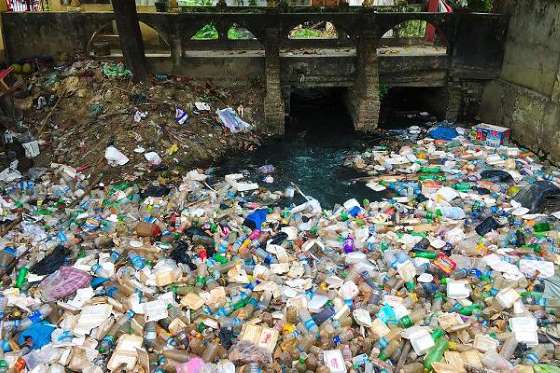
Myanmar Plastic waste
Plastic clogs up a waterway

Ebisike, who doubles as a researcher, gave the advice in an interview with the News Agency of Nigeria (NAN) on Saturday, June 16, 2018 in Abuja.

He identified micro-plastics as one of the biggest dangers to man and animals hence Nigerians should be more cautious of proper waste disposal.

The expert said that in the course of humanity advancement, it was important that civilised citizens handle the challenges of waste in their environment in an ideal way.

He stressed that micro-plastics such as plastic bottles, water sachets and polythene bags had become extremely dangerous for the marine and human lives as all spheres of the environment are interconnected.

“Human activities such as littering of plastic containers, water sachets and polythene bags after use have led to blockage of drainages, flood, and air pollution when burnt leaving an unhealthy environment.

“Research has shown that lots of bio-plastics have been consumed by birds, fishes and livestock which are dangerous to the health of the species.

“Unfortunately science has not been able to carry out a research of what the effect or health implication will be when humans consume such livestock waste,’’ he said.

Ebisike also urged Nigerians to manage the use of plastics while imbibing the culture of reducing single use plastics, whereby people purchase bottle or sachet water, drink it once and trash them.

He said countries around the world are changing the culture by encouraging people to carry their personal water bottles or water flask, to reduce the consistent use and disposal of several plastics.

He added that the recycling process of plastics usually takes a long time while most of such substances end in landfills or water bodies which in turn become harmful to aquatic animals.

Ebisike said this has however underscored the need for Nigerians to become more conscious of environmental health, as an unhealthy environment has several health implications to humans and animals likewise.

He said activities of man in industrial health, product longevity and management of bye products of industrialisation allowed the release of excess carbon in the environment in the past 200 to 300 years.

The environmentalist said the surplus carbon in the environment cannot be controlled as such has adverse effect on society with health implication on man and sustainability of certain species of animals.

Ebisike said governments at all levels have roles to play in terms of policy direction, behavioural change among citizens and creating the consciousness to drive technological transfer among young engineers.

“Through recycling, waste products can be converted into bio-fume which adds to the fuel we have from petro-chemical processes, thereby taking away lots of plastics from the environment.

“The end products will be put back into the system, reducing the cost of kerosene, creating opportunities for research in universities, while creating jobs for citizens.

“It is of utmost importance that the younger generation understands their responsibility to the environment while keeping abreast with modern technology used in managing waste products.

“Parents and teachers must inculcate the culture of separating wastes in an ingenious way, while discouraging burying at landfills as such becomes poisonous to the water table underneath the earth,’’ Ebisike added.

By Talatu Maiwada
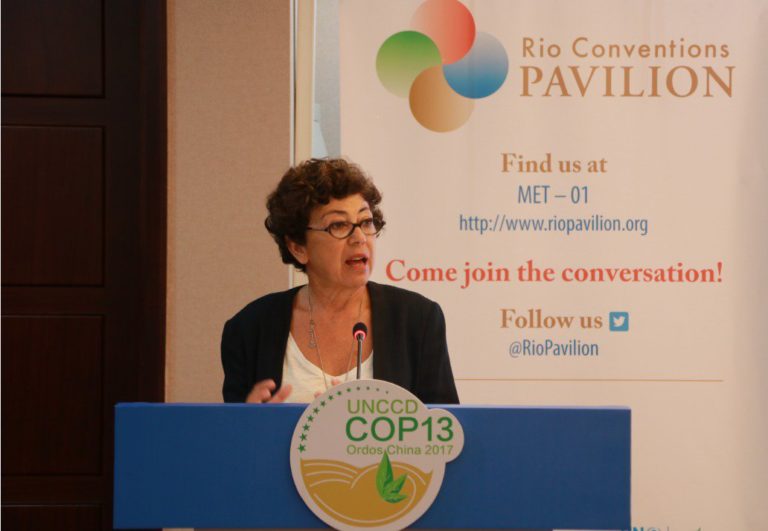
World Day to Combat Desertification: You are more powerful than you think!

0

Are you overwhelmed by the depressing news coming at you daily? Conflict, forced migrants, famine, floods, hurricanes, extinction of species, climate change, threats of war … a seemingly endless list.  It might surprise you, but you can really make a difference on many of these issues.

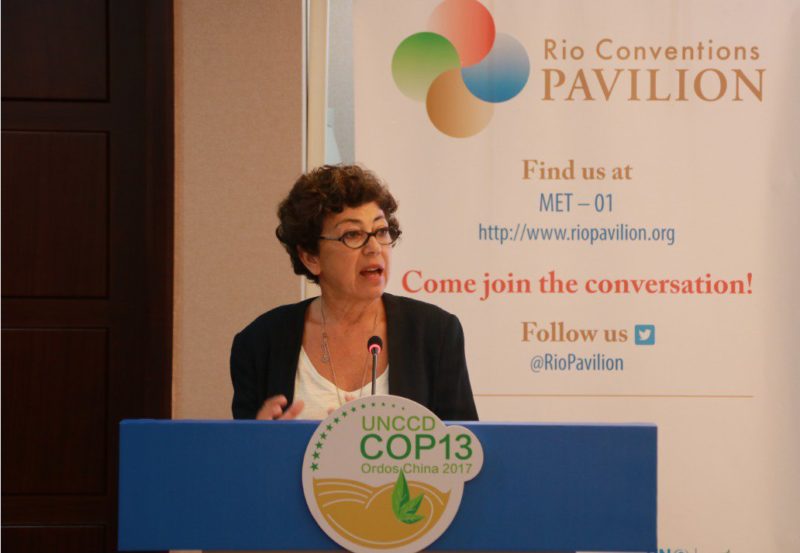
UNCCD COP13
Monique Barbut, Executive Secretary, UNCCD

Just like every raindrop counts towards a river and every vote counts in an election, so does every choice you make in what you consume. With every produce you consume, you strengthen the river of sustainability or of unsustainability. It is either a vote in favour of policies that spread social goods like peace and poverty eradication or social evils like conflict or grinding poverty.

We look up to governments a lot, forgetting that governments set up policies to encourage us to make specific choices. That’s how powerful our lifestyles choices are.

Imagine, what would happen if the world’s over seven billion consumers committed, every year, to just one lifestyle change that will support the provision of goods from sustainably managed land.

Every year, we make New Year resolutions about change. Why not include as one of those resolutions, a change of habit leading that will lead to a smart sustainable consumer lifestyle? Without any government intervention, you can make choices that will help to end deforestation, soil erosion and pollution or reduce the effects of drought or sand and dust storms.

However, to make the right lifestyle change, each of us must first find out where the goods we consume are cultivated and processed. For instance, if they are linked to conflict in regions with rapidly degrading land or forests or polluted water or soils, then chose an alternative that is produced sustainably. It is a small, but achievable change to make every year.

Every country and product has a land footprint. What we eat. What we wear. What we drink. The manufacturer or supplier of the products we consume. The brands related to these suppliers that we will support. We prioritise buying from the local small farm holders to reduce our global land footprint. Consumers have plenty of options.

But a vital missing link is the informed consumer.

Through mobile phone apps, it is getting easier and easier to track where the goods we consume come from. It is also getting easier to find alternative suppliers of our choice, as the private sector embraces the idea of ethical business. The information you need is literally in the – mobile phone in the – palm of our hand.

But you must believe in your own power to change the world. The global effect on the market may surprise you.

We will reward the food producers, natural resource managers and land planners struggling against all odds to keep the land healthy and productive. This is cheapest way to help every family and community in the world to thrive, and avoid the damage and loss of life that comes from environmental degradation and disasters.

Make June 17, the celebration of the World Day to Combat Desertification and Drought, your date with nature. It’s the mid-point of the year and a good moment to review the progress you are making towards your New Year resolution of a sustainable lifestyle.

In 2030, when the international community evaluates its achievement of the Sustainable Development Goals, you can point to positive changes that you have contributed in favour of present and future generations.

You are more powerful than you think. Take your power back and put it into action.

By Monique Barbut (Under-Secretary General of the United Nations, and the Executive Secretary of the United Nations Convention to Combat Desertification)

Climate finance by development banks rose 28% in 2017

0

Climate financing by the world’s six largest multilateral development banks (MDBs) rose to a seven-year high of $35.2 billion in 2017 – an increase of 28 per cent on the previous year. The sharp increase is said to have come in response to the ever more pressing challenge of climate change.

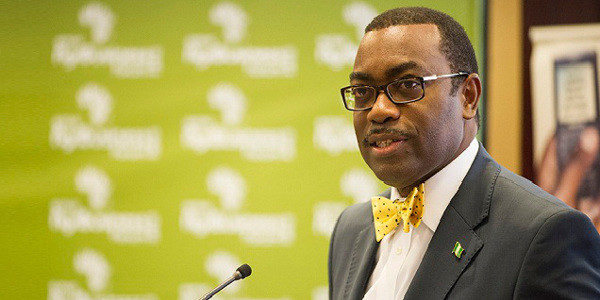
Akinwumi Adesina
Dr. Akinwumi Adesina, President of the African Development Bank (AfDB)

Calls to galvanise climate finance were at the heart of events such as the One Planet Summit in Paris in December 2017, two years after the historic Paris Climate Change Agreement was adopted.

Climate finance is crucial to enable developing countries green their economies and adapt to the inevitable impacts of climate change.

The MDBs’ latest joint report on climate financing said $27.9 billion, or 79 per cent of the 2017 total, was devoted to climate mitigation projects that aim to reduce harmful emissions and slow down global warming in line with the objectives of the Paris Agreement.

“For the World Bank Group, 2017 was a record-setting year on climate finance as a result of a deliberate effort over the past few years to mainstream climate considerations into our operations. This upward trend is continuing,” said World Bank Senior Director for Climate Change John Roome.

“The Multilateral Development Banks are also playing a key role in leveraging private sector finance which will be critical to meeting the objectives of the Paris Agreement. Last year alone, the WBG crowded in $8.6 billion in private financing for climate change, which is up 27% from 2016,” he added.

The remaining 21 per cent, or $7.4 billion, of financing for emerging and developing nations was invested in climate adaptation projects that help economies deal with the effects of climate change such as unusual levels of rain, worsening droughts and extreme weather events.

In 2016, climate financing from the MDBs had totalled $27.4 billion.

The latest MDB climate finance figures are detailed in the 2017 Joint Report on Multilateral Development Banks’ Climate Finance, combining data from the African Development Bankthe Asian Development Bank, the European Bank for Reconstruction and Development, the European Investment Bankthe Inter-American Development Bank Group and the World Bank Group (World Bank, IFC and MIGA). These banks account for the vast majority of multilateral development finance.

In October 2017, the Islamic Development Bank joined the MDB climate finance tracking groups, and its climate finance figures will be included in joint reports from 2018 onwards.

Climate funds such as the Climate Investment Funds (CIF), the Global Environment Facility (GEF) Trust Fund, the Global Energy Efficiency and Renewable Energy Fund (GEEREF), the European Union’s funds for Climate Action, the Green Climate Fund (GCF) and others have also played an important role in boosting MDB climate finance. As well as the $35.2 billion of multilateral development finance, the same adaptation and mitigation projects attracted an additional $51.7 billion from other sources of financing last year.

Of the 2017 total, 81 per cent was provided as loans. Other types of financial instruments included policy-based lending, grants, guarantees, equity and lines of credit.

Latin America, Sub-Saharan Africa and East Asia and the Pacific were the three major developing regions receiving the funds. The report contains a breakdown of climate finance by country.

Multilateral banks began publishing their climate investment in developing countries and emerging economies jointly in 2011, and in 2015 MDBs and the International Development Finance Club agreed joint principles for tracking climate adaptation and mitigation finance.

Climate finance addresses the specific financial flows for climate change mitigation and adaptation activities. These activities contribute to make MDB finance flows consistent with a pathway towards low greenhouse gas emissions and climate-resilient development, in line with the Paris Agreement. The MDBs are currently working on the development of more specific approaches to reporting their activities and how they are aligned with the objectives of the Paris Agreement.

Cloudy skies, thunderstorms, rains to prevail on Saturday – NiMet

0

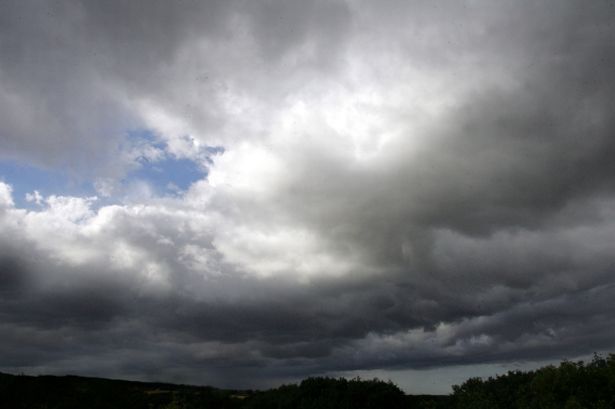
The Nigerian Meteorological Agency (NiMet) has predicted cloudy weather conditions over the central states of the country in the morning of Saturday, June 16, 2018.

weather
cloudy weather

NiMet’s Weather Outlook by its Central Forecast Office in Abuja on Friday also predicted possibilities of isolated thunderstorms over Ilorin, Bida and Mambilla Plateau during the period.

It predicted day and night temperatures in the range of 27 to 38 and 20 to 26 degrees celsius in the central states.

It added that parts of Niger, Nassarawa, Kaduna, Jos, Abuja, Lafia, Mambilla Plateau, Yola and Jalingo were expected to experience isolated thunderstorms during the afternoon and evening hours.

The agency predicted that the southern states would experience rains over places like Calabar, Port Harcourt, Warri and Eket during the morning hours.

It also predicted cases of isolated rain showers over the entire region in the afternoon and evening with day and night temperatures of 31 to 32 and 23 to 25 degrees celsius.

According to NiMet, Northern States will experience cloudy conditions over the north-eastern part of the country with possibilities of morning thunderstorms over Sokoto, Yelwa, Gusau, Katsina and Kano axis.

According to the forecast Maiduguri and Yelwa have likelihood of isolated thunderstorms later in the day with day and night temperatures in the range of 35 to 41 and 25 to 27 degrees celsius.

It also predicted that “thunderstorms and rains are likely within the country in the next 24 hours”.

By Sumaila Ogbaje

World Rivers Day: Groups seek legal rights for rivers

0

The duo of Foundation for Conservation of Nigerian Rivers and River Ethiope Trust Foundation (RETFON) has disclosed that it is partnering the Earth Law Centre USA to celebrate the 2018 World Rivers Day (WRD) by launching an advocacy campaign for the rights of rivers in Nigeria.

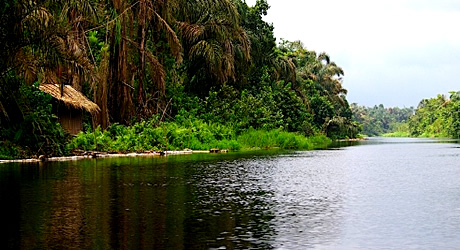
river_ethiope
The River Ethiope in Delta State. Nigeria is said to be one of the countries in the world with the worst rivers degradation conditions

Founder of RETFON, Irikefe Dafe, disclosed that this would be actualised through advocacy visit to the country’s legislative houses (Senate and House of Representatives), as well as official presentation of the Draft River Ethiope Rights Act 2018 to the Parliament for passage into law.

World Rivers Day is a global celebration of rivers that occurs on the last Saturday of every September. The 2018 edition will be observed on September 29.

World Rivers Day is a celebration of the world’s waterways. Running since 2005, it highlights the many values of rivers and strives to increase public awareness and encourages the improved stewardship of rivers around the world.

“Rivers in every country face an array of threats, and only our active involvement will ensure their health in the years ahead,” stated Dafe, adding that the legislation was informed by the realisation of the fact that the only permanent method to restore the Ethiope River to health is to give it legal rights that are equivalent to those enjoyed by humans and other entities.

“And considering the immense ecological, religious and cultural significance of the river, it is a prime candidate to be the first river in Africa to have its inherent rights recognised,” he said.

According to him, the river, as a legal entity possessing rights, will have a broad suite of recognised legal rights that would set it on a path to permanent restoration. It will also have standing to utilise the court system as a plaintiff in search of injunctive relief or damages, as necessary, he noted.

The River Ethiope is an inland river flowing across several communities within Delta State, in Nigeria’s south-south geo-political zone.

IPCC meetings go carbon-neutral

0

The Intergovernmental Panel on Climate Change (IPCC) achieved carbon neutrality at its last plenary session in France, according to the organisation.

Hoesung Lee
Hoesung Lee, IPCC chair. Photo credit: reneweconomy.com.au

The 47th Session of the IPCC, held in Paris from March 13 to 16, 2018, is thus the first climate-neutral meeting of the UN scientific and intergovernmental body.

The IPCC worked with the Climate Neutral Now initiative of the United Nations Framework Convention on Climate Change (UNFCCC) to offset carbon emissions involved in participant travel to the meeting and arising from the meeting itself at the conference location.

“I would like to recognise the leadership and commitment of the Government of France, which enabled us to reach this important goal,” said IPCC Chair, Hoesung Lee. “The IPCC is walking the talk, and I hope that with the support of our members we can continue to be climate-neutral at future meetings.”

Nicolas Hulot, France’s Minister for the Ecological and Inclusive Transition, welcomed the offset of emissions from the IPCC’s 47th Session.

“This is a first for a plenary session of the IPCC. I hope this will become standard usage for international events, and a priority for those interested in protecting the climate system,” said Mr Hulot. “Every opportunity must be seized to raise our awareness about the choices we make and their impacts on our future climate.”

A carbon offset is a reduction in emissions of carbon dioxide or other greenhouse gases made in order to compensate for (“offset”) an emission made elsewhere. The Climate Neutral Now platform works by compensating unavoidable emissions with credits in the Clean Development Mechanism, supporting projects in developing countries.

“By making use of our Climate Neutral Now initiative, the IPCC is demonstrating how this valuable tool can be practically deployed to help achieve the Paris Agreement climate action goals,” said Patricia Espinosa, Executive Secretary of the UNFCCC. “I hope many others will be inspired to do the same – including governments, organizations, companies and citizens, who all need to take climate action to safeguard the future of our planet.”

Travel to IPCC meetings for participants from developing countries and economies in transition supported by the IPCC Trust Fund has been offset since 2014 in line with the policies of the World Meteorological Organisation (WMO), which is one of the IPCC’s two parent organisations along with UN Environment, which manages the Trust Fund on behalf of the IPCC.

For the IPCC’s 47th Session, the French government covered the costs of offsetting travel by participants not supported by the Trust Fund, and offset other emissions from local travel and the meeting venue, the headquarters of the United Nations Educational, Scientific and Cultural Organisation (UNESCO).

Economic optimisation risks tipping Earth system elements

0

Optimising economic welfare without constraints might put human well-being at risk, a new climate study argues.

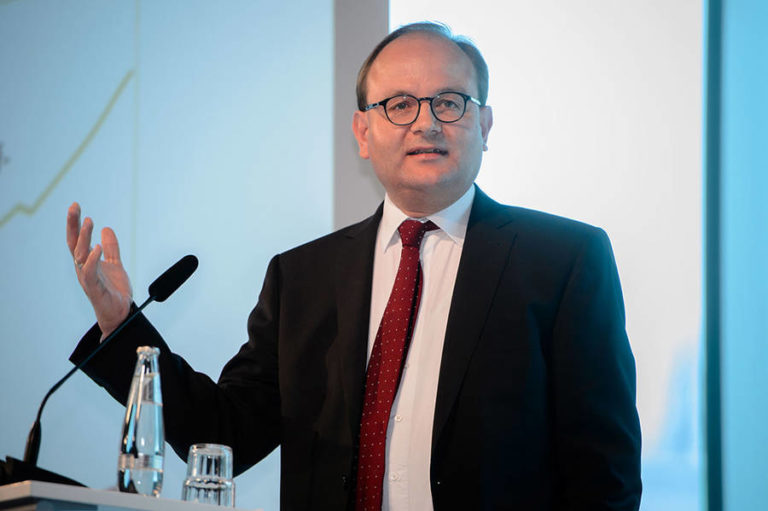
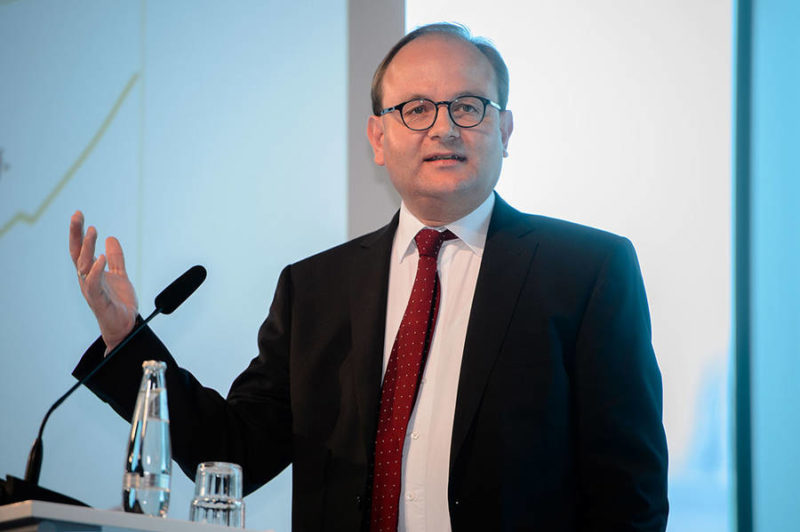
Ottmar Edenhofer
Ottmar Edenhofer, Chief Economist at the Potsdam Institute for Climate Impact Research (PIK)

While being successful in bringing down costs of greenhouse gas reductions for instance, the concept of profit maximisation alone does not suffice to avoid the tipping of critical elements in the Earth system which could lead to dramatic changes of our lifelihood.

The scientists use mathematical experiments to compare economic optimisation to the governance concepts of sustainability and the more recent approach of a safe operating space for humanity. All of these turn out to have their benefits and deficits, yet the profit-maximising approach shows the greatest likelihood of producing outcomes that harm people or the environment.

“We find that the concept of optimisation of economic welfare might in some cases be neither sustainable nor safe for governing modern environmental change,” says Wolfram Barfuss from the Potsdam Institute for Climate Impact Research (PIK, member of Leibniz Association) and Humboldt University Berlin, lead-author of the study published in Nature Communications.

He adds: “Economic optimisation can be quite effective in reducing current greenhouse-gas emissions; it certainly has its strengths. Yet under human-made global warming, we face a world full of complex non-linearities, namely the tipping elements in the Earth system. The ice sheets of Greenland and Antarctica might collapse at some point if greenhouse-gas emissions do not get reduced, or the great circulation systems in ocean and atmosphere could fundamentally change. In such a setting, optimisation can lead to dangerous side effects. Even for relatively high risks, and even if profit-maximising agents in our calculations are far-sighted, they tend to accept the possibility of detrimental environmental and societal impacts.”


Mathematical experiments, climate policy and Sustainable Development Goals

This is the result of mathematical experiments that the scientists performed. While governments worldwide agreed on ambitious targets such as the 17 UN Sustainability Goals and the Paris Agreement which aims at limiting global warming to well below 2 degrees Celsius, there is no consensus on how to reach those targets. The scientists identified and then analysed three big concepts: economic optimisation (act to maximise your expected profit, with discounted future), sustainability (act to always stay above a minimum standard of expected profit, with discounted future), and the safe operating space approach, relying on the Planetary Boundaries concept (act to always stay within the safe space for humanity to ensure the functioning of the Earth’s life-supporting systems).

“Take the Atlantic Overturning Circulation, better known as the Gulf Stream System, one of the great potential tipping elements in the Earth system,” says co-author Jonathan Donges, from PIK and Stockholm Resilience Centre. “We know, both from our understanding of the physics and from observations, that it can be put at risk by global warming. But we cannot yet calculate the timing of a tipping as well as the potential damages arising from it.”

Hence it is clear that economic optimisation of climate policy would normally not be able to count it in as future costs.

“From the safe operating space perspective, we’d have to cut greenhouses gas emissions immediately to make sure the Gulf Stream does not get seriously disturbed,” says Donges. “But you cannot say that ‘safe’ is always ‘best’’; because, from a sustainability point of view, poverty reduction is one main goal. If we ended fossil fuel use too abruptly, the costs of a transition to clean energy would be substantial and might, at least for a certain time, rise energy and food prices and consequently impede the poverty reduction goal.”


“Neither economic thinking nor good will alone will suffice”

It hence depends on the circumstances whether a sustainable or safe approach is most suitable. The only thing clear is that in a no-policy scenario of unmitigated greenhouse-gas emissions, a Gulf Stream System collapse would also have negative impacts on poverty reduction.

“It turns out that there is no master concept for countering environmental challenges,” says co-author, Jürgen Kurths, head of the PIK research department ‘Transdisciplinary Concepts and Methods’ and a pioneer of the complex non-linear systems analysis applied here. “Yet our analysis is a first step to provide decision-makers with better insights on which concept for achieving the climate and sustainability targets work how and under which circumstances. Neither economic thinking nor good will alone suffice to deal with a world full of complex non-linear dynamics.”

Bauchi contains cholera outbreak

0

The Bauchi State Government says it has successfully contained cholera outbreak in parts of the state.

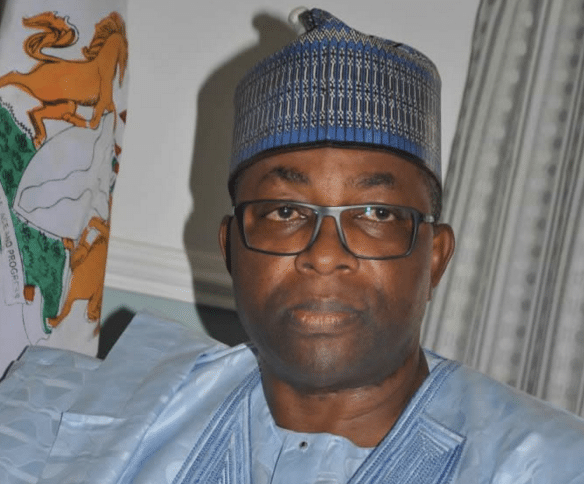
Mohammed Abdullahi Abubakar
Mohammed Abdullahi Abubakar, Governor of Bauchi State

Mr Adamu Gamawa, the Executive Chairman of the state Primary Health Care Development Agency (PHCDA), confirmed this on Thursday, June 14, 2018 to the News Agency of Nigeria (NAN) in Bauchi, the state capital.

Gamawa explained that the government inaugurated a rapid response team as part of its effort at preventing further spread of cholera in the state.

“The State Rapid Response Team was effective in surveillance across the 20 local government areas in the state,” Gamawa said.

According to him, the initial spike in cases, the number of new infections dropped significantly after the vaccination campaign and the rapid surveillance put in place.

“It could be recalled that from January to March we had two persons confirmed dead from the outbreak of cholera in the state.

“Now, I assured you that the cases had reduced from 100 per cent to 30 per cent between May and June. It is going down day by day.

“As part of the strategies, the state government also established Oral Rehydration Centres (ORS) in the PHCs to manage the cases.

“We also directed that they should refer any severe case to the Cholera Treatment Centre (CTC) at Abubakar Tafawa Balewa University Teaching Hospital (ATBUTH), Bauchi. With that, we are able to contain the outbreak in the state.

“That prompted doctors and nurses to work round the clock to treat the sick, and community volunteers are going door-to-door teaching people what they can do to protect themselves,” the official said.

He commended the effort of development partners in helping to prevent further spread of the disease in the state.‎‎

By Mohammed Ahmed Kaigama

Nigerian Media Code of Election Coverage receives high rate of endorsement

0

Enthusiasm is running high that the Nigerian media is committed to the professional and ethical coverage of the 2019 elections.


Lanre Arogundade
Lanre Arogundade, Director of International Press Centre

This is as a result of the growing number of media outfits endorsing the Nigerian Media Code of Election Coverage (Revised edition 2018), which underlines a common chord in the industry for self-regulation and checking of excesses.

The Code will be launched in Abuja, Nigeria on June 22, 2018 as part of the activities of the World Congress of the International Press Institute.

A statement by Lanre Arogundade, Director of International Press Centre, said about 80 media outfits have so far endorsed the Code, including professional groups and associations, the broadcast media, newspapers, online news mediums and support groups.

The Code, a revised edition of the 2014/2015 Nigerian Media Code of Election Coverage, was recently validated by media stakeholders.

Arogundade said the Code have been okayed by the Newspapers Proprietors Association of Nigeria, Broadcasting Organisation of Nigeria, Nigeria Union of Journalists, Nigerian Guild of Editors, Radio Television And Theatre Arts Workers Union and the Guild of Corporate Online Publishers.

He said it was encouraging that prominent media establishments that have so far endorsed the Code include Channels Television, AIT, RAYPOWER Radio, the News Agency of Nigeria and the following newspapers: Vanguard, ThisDay, Daily Trust, The Guardian, The Sun, Leadership, The Nation,  Premium Times, The Cable, The Eagle Online, EnviroNews Nigeria, Business Eye magazine and The News Magazine.

Arogundade also said it was gratifying that 55 members of the Guild of Corporate Online Publishers, who publish online, have endorsed the Code as well as the Nigerian Institute of Journalism and the Association of Communication Scholars and Professionals of Nigeria.

Media support groups promoting media development, independence and professionalism that have endorsed the Code have also been impressive.

They include: the Nigerian Association of Women Journalists, Media Rights Agenda, Institute for Media and Society, Premium Times Centre for Investigative Journalists, Wole Soyinka Centre for Investigative Journalists, Centre for Information Technology and Development, Journalists for Democratic Rights, Network for Media Excellence, Journalism Clinic, Media Career Development Centre, Diamond Media Awards for Excellence, the Journalism Clinic and Media Law Centre.

Arogundade expressed the hope that the number of organisations endorsing the Code would increase before the public launch and presentation next week.

“We are particularly elated at the kind of responses we are getting from many media organisations that have either endorsed or expressed interest in endorsing the Code,” he said.

Essentially, the Code provides guidelines for the ethical conduct of journalists and their respective organisations in the coverage of elections.

This obligation, according to the Code, “entails the performance of oversight, public education, open forum and conflict management roles by the media during elections”.

The Code also says in its preamble that the “effective performance of these important roles requires the observance of the highest standards of professionalism, maximum compliance with regulatory frameworks and deference to the public good and interest”.

It therefore says that “it is desirable to have a set of guidelines that regulates the professional and ethical conduct of the media and journalists during elections” and enjoins practitioners that “compliance with the guidelines will contribute to the conduct of credible elections and corresponding social order”.

Among others, the Code provides for a section to regulate Hate Speech and other forms of incitement, which according to it, “could lead to violence and threaten the democratic fabric of a society”.

It added: “The social obligations of the media during elections therefore include the prevention of hate speech.”

Arogundade stated that the revision, publication and dissemination of the Code is one of the activities being undertaken by IPC under Component 4b: Support to the media of the EU Support to Democratic Governance in Nigeria project, which seeks to build a professional media as catalysts of democratic accountability, credible elections and good governance.

Twenty thousand copies of the updated code shall be produced and disseminated to journalists for use ahead of the 2019 general elections.

SDGs: Foundation recommends intersections between MDAs

0

The Executive Director, Dave Omokaro Foundation (DOF), Dr Emem Omokaro, says intersections between ministries, departments and agencies (MDAs) are key to achieving Sustainable Development Goals (SDGs) in the country.

Adejoke Orelope-Adefulire
Senior Special Assistant to the President on Sustainable Development Goals (SDGs), Princess Adejoke Orelope-Adefulire

Omokaro made this recommendation in an interview with the News Agency of Nigeria (NAN) on Thursday, June 14, 2018 in Abuja.

According to her, the SDGs agenda has a vision for inclusiveness and it is also a gift to humanity, noting that it is the first time that a goal is speaking about all aspects of life.

She said that the foundation believes that the set goals of SDGs needed a transformative approach in order to achieve its mandate.

“There must be a new modern way of governance for the implementation of the goals, if not the vulnerable left behind will still be left behind.

“The approaches we are using is not working, and the Universal Health Coverage (UHC) should include the older persons.

“It is important for each MDA to identify what they can do in a different way to work together without holding tight to their mandates but rather see intersections in it,’’ she said.

Omokaro also suggested for the inclusion of social insurance in the reforms in order to achieve a long term care.

She, therefore, advised that integrated approach, intersection and remodelling of governance be adopted to help achieve a desired goal.