The work being done by the country leading up to the development of National Communications under the United Nations Framework Convention on Climate Change (UNFCCC) is key to addressing the numerous ecological challenges facing the nation.
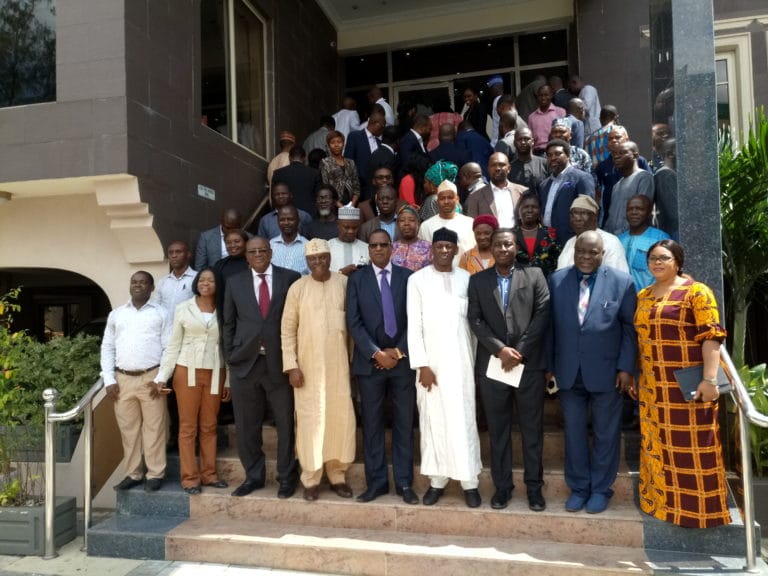
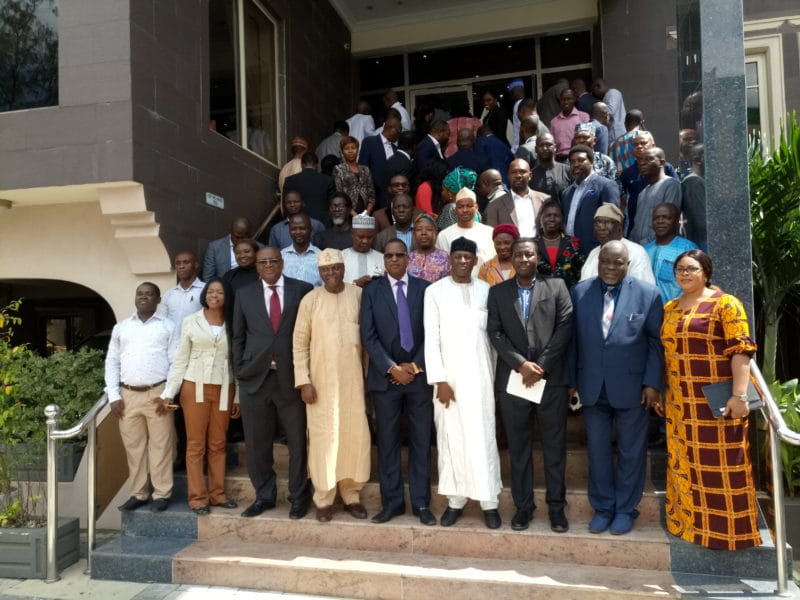
Participants at the stakeholders focus workshop for the review of the Draft Third National Communication to the UNFCCC
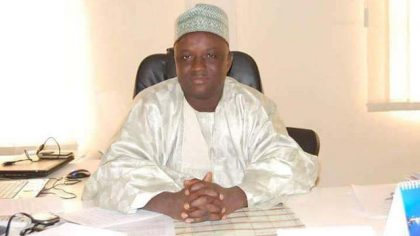
Dr Shehu Ahmed, Permanent Secretary in the Federal Ministry of Environment, who made the submission in Lagos on Monday, July 9, 2018, said that the initiative also helps Nigeria to plot its path towards the positive future its citizens collectively desire.
Dr Ahmed spoke while delivering his opening remarks during a two-day stakeholder focus workshop for the review of Nigeria’s Draft Third National Communication (TNC) to the UNFCCC.
The objective of the workshop was to present the draft TNC document to broad stakeholders and private sector for further input and also ascertain that their previous input is properly reflected in the document for the purpose of producing a robust TNC reflecting national circumstances and comparable to other parties to the Convention.
Dr Ahmed said: “Nigeria is highly vulnerable to the adverse effects of climate change, with significant impacts expected in all regions of the country, and in all sectors of the economy. The vulnerability of Nigeria is further compunded by interplay of a variety of factors, including not only our size, but the fragility of our national ecosystems, low level of awareness, human and financial resources, institutional and technological capability.”
Mr Muyiwa Odele of the United Nations Development Programme (UNDP), which is supporting the initiative, said that the organisation, within the framework of partnership with the Department of Climate Change in the Ministry, has over the years provided support aimed at promoting national actions on climate change towards sustainable development.
His words: “Our support is geared at assisting Nigeria meeting its obligations to the UNFCCC through timely preparation and submission of its report – to date we supported the preparation of – the First and Second National Communications, and now the Third Communication.”
Odele congratulated Dr Ahmed for demonstrating high level political leadership for the TNC and the issue of climate change.
Lagos State Commissioner for the Environment, Mr Babatunde Durosinmu-Etti, underlined the need to set an ambitious emission reduction target and also draft policies that enhance the growth of low carbon technology and a green economy.
Nigeria at the weekend made considerable progress in its bid to curb the use of dental amalgam, especially for women and children.
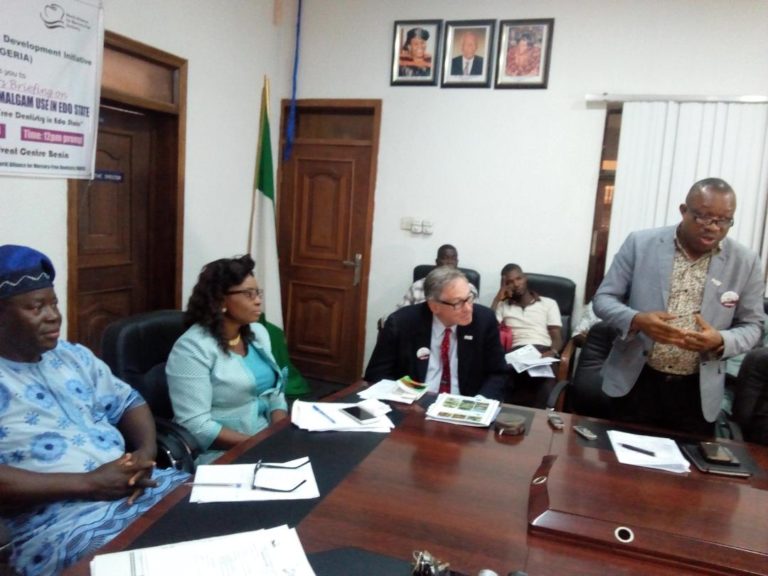
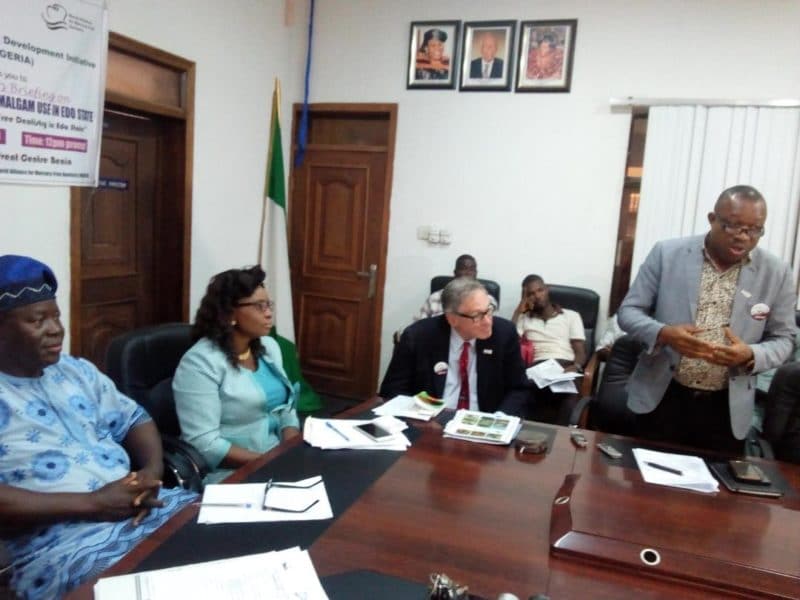
Representative of Edo State Commissioner for Environment and Sustainability, Mr. Ehon Godfrey; representative of Commissioner for Health, Pastor Mrs. H.C Enunwaonye; Charlie Brown; and Dr Leslie Adogame, at the stakeholders’ briefing on phase-down of amalgam in Edo on Saturday, July 14, 2018 in Benin, Edo State
At two separate events in Lagos and Benin on Friday, July 13 and Saturday, July 14, 2018 respectively, stakeholders restated the resolved to end the application of amalgam, which contains mercury that is harmful to man and the environment.
During a visit on Friday by officials of the World Alliance for Mercury Free Dentistry and SRADev Nigeria to the Lagos State Ministry of Health, officials underlined the need for the phased-down of dental amalgam for the state to be a multi-stakeholder approach.
While considering an immediate withdrawal of use of amalgam for children, they set a 2020 date for eventual phase-out of the use of the product for pregnant and lactating mothers.
The campaign, said the participants, would likewise entail medical education in general hospitals in the state by the Ministry of Health, as well as public sensitisation programme.
It was also agreed that working groups – technical and general – would be constituted towards achieving stated objectives. It will include health and environment ministries, teaching and general hospitals, professional body associations of restorative and paediatric dentists, government departments, civil society organisations and the media.
The daylong meeting held at the Gbagada General Hospital was graced by dignitaries like Charlie Brown of the World Alliance for Mercury Free Dentistry, Dr Leslie Adogame of SRADev Nigeria, Prof Godwin Arotiba of the University of Lagos, Dr Lara Agbaje of the Lagos State Dental Services, Dr Adenike Awotile of the Lagos State University Teaching Hospital, Dr Olubunmi Okunnu of the Lagos State Ministry of Health, Dr Yetunde Ajayi of the Lagos University Teaching Hospital, Dr Opeyemi Okoisor of the Nigeria Dental Association, and Dr A. O. Loto.
On Saturday in Benin City, the Edo State Government restated its commitment to end the use of dental amalgam in the state.
A resolution was reached at a one-day maiden stakeholders’ workshop on phasing down of dental amalgam use in Edo State organised by Sustainable Environment Development Initiative (SEDI) with the auspices of World Alliance for Mercury-Free Dentistry.
Participants called for an end to dental amalgam use in children under 16, pregnant and breastfeeding women by July 1, 2018 and, urged the Federal Government, others states and all nations of Africa to end amalgam use in children.
Attended by state officials, civil society groups from the South-South region, Benin Chapter of the Nigeria Dental Association (NDA), President of the World Alliance for Mercury Free-Dentistry and the media, state officials said at the event that there is need to gradually eliminate the use of amalgam in and shift to the alternatives.
Edo State Commissioner for Health, Dr. David Osijo, who was represented by an Assistant Director, Nursing Services, Ministry of Health, Pastor (Mrs.) H.C Enunwaonye, emphasised that consideration is being given to compost as a better alternative to amalgam use in dentistry.
He said that, as the Health Commissioner of the state, he supported the use of alternatives to amalgam because of the danger it poses both to the human health and the physical environment. He assured that the state governor would be willing to end use of amalgam in the state when it gets to his knowledge.
He commended the efforts of the stakeholders particularly the civil society group that have been championing the campaign in Nigeria and for using Edo as a pilot state in the global initiative and the World Alliance for Mercury Free-Dentistry.
His counterpart in the Ministry of Environment and Sustainability, represented by Mr. Ehon Godfrey, said the campaign was coming at a time when the environment is deplorable and degraded because of chemicals.
He called for more sensitisation and advocacy to various communities on the alternatives to dental amalgam.
The commissioner added that the reason that people adduced for the use of amalgam is because its cheap and available, adding that the alternatives to amalgam should be made available for people to use.
In his welcome remarks, National Vice-chairman, civil society group on phase-down of dental amalgam in Nigeria, Dr Tom Aneni, said transformative steps have to be taken to move Nigeria on to a sustainable path and ultimately ensure an amalgam-free Africa.
Aneni said one of the challenges of the campaign to phase-down amalgam is the lack of policy/regulation in the country but that work was in progress to get it.
According to him, a phase-down of dental amalgam in Nigeria would ensure improved dental health and a cleaner environment in Nigeria for children, women and men, thereby promoting disease prevention, health promotion and prevention; show that it is possible for a broad range of stakeholders to agree on a common goal; access various opportunities of support available from the Global Environment Facility (GEF); and ensure a faster adoption of the phase down campaign in African region in such a way that no one is left behind.
Consultant, Paediatric Dentistry, University of Benin, Dr. Ogordi Philip, disclosed that the department does not put amalgam in children; rather, it uses compost.
He said, “Amalgam should be dental history and not for clinical use.”
Ogordi called for teaching/training of practitioners on the use of alternatives to amalgam in the country.
Secretary, NDA Edo State chapter, Dr Franklin Abhulimen, said the chapter is in full support of phase-down of dental amalgam based on several reasons for health and the environment.
“We want end to amalgam use in practice, there is need for change because of the way mercury flies around in the clinics,” Abhulimen said, even as he called for a policy on amalgam in Nigeria which he said the chapter will follow suit as soon as it is developed.
National Chairman of civil society for mercury phase down, Dr. Leslie Adogame, noted that Nigeria started the campaign way back when the discussion on mercury started.
He explained that there was some resistance at the beginning because of training practitioners have received on amalgam and that science had not really come up with alternatives but that science has since come up with alternatives.
Adogame hinted that the federal government had started the process to develop a national policy on the phase down since it ratified the Minamata Convention on Mercury in February, 2018.
He called for collaboration between the ministries of health and environment in Edo State so that the objectives of the campaign can be achieved.
He also commended the President of the World Alliance for Mercury-Free Dentistry, Mr. Charlie Brown, for his commitment to the campaign and interest in Nigeria.
“It is do able to phase out amalgam,” he added.
In a brief comment, Brown described the event as a celebration of the maiden stakeholders’ summit that was held last year.
Brown said phase down amalgam is something that Africa can do even if the west is saying “do not do it”. He called on civil society groups to take the message to the regions.
The Nigerian Meteorological Agency (NiMet) has warned that many parts of the country are likely to experience flooding due to a shift in rainfall pattern caused by climate change.
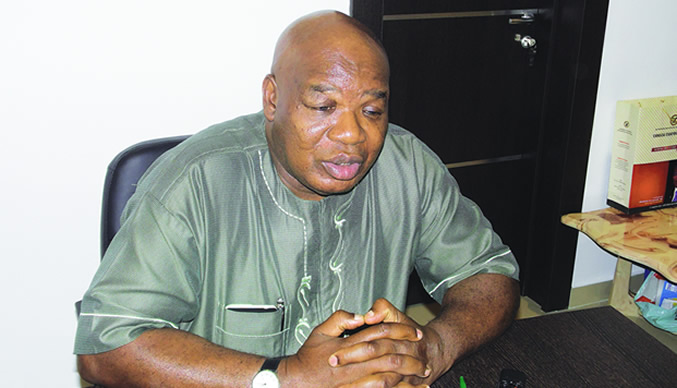
Director-General/Chief Executive Officer of NiMet, Prof. Sani Mashi
Director-General of NiMet, Prof. Sani Mashi, gave the warning in an interview with the News Agency of Nigeria (NAN) at the weekend in Abuja.
Mashi said that distortions had occurred in the pattern of rainfall leading to variation in the amount of rain that was expected in the country.
He explained that, in line with NiMet’s 2018 Seasonal Rainfall Prediction (SRP), so much water would be made available on the surface between the last week of July and end of August.
According to him, once it rains, the ground cannot comfortably contain and absorb the water, making it to runoff and resulting in so much water on the surface.
“Unless adequate provision is made to accommodate the amount of water that is running on the surface, the likelihood of flood is going to be very high, especially in the areas that are adjoining the riverine locations.
“What it means is that, already, we are receiving a very large amount of rain within those locations and because there are rivers within those locations, the rivers are already conveying water towards those areas.
“The rivers are already bringing so much water and you are receiving high amount of rainfall within those particular areas.
“It means that when the two runoff waters combine, the spaces for the water to pass will be minimal and because of this, there is likelihood of flood across these areas,’’ he said.
Mashi said that the flash points of flooding had been identified and presented to the public by the Nigeria Hydrological Services Agency (NIHSA), the agency responsible for flood monitoring.
He explained that NiMet and NIHSA were working together to ensure that accurate flood information was made available to the public to minimise the impact of flood in the country.
NAN recalls that NIHSA had in its 2018 Annual Flood Outlook, announced that 380 Local Government Areas in 35 states would experience flooding this year.
According to NIHSA, flooding will be high in about 78 LGAs, although the situation will generally not be as severe as what the country experienced in 2012.
The Acting Director-General, NIHSA, Olayinka Ogunwale, during the presentation in May, stated that the government had been issuing warnings to residents in flood-prone areas to relocate from such locations.
“It is important to let those in flood-prone areas know that the country will experience flooding in 2018 and people in such locations should evacuate,’’ Ogunwale said.
The UN Office for Coordination of Humanitarian Affairs (UN-OCHA) says an estimated three million displaced persons face critical food and nutrition insecurity in the northeast of Nigeria.
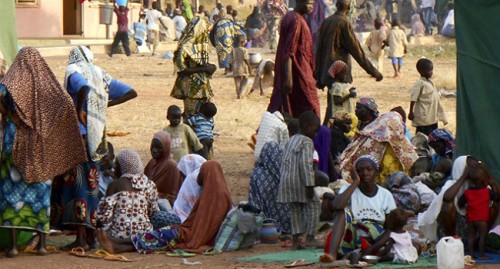
Women and children in a IDPs camp. The displacement was informed by the Boko Haram insurgency. Photo credit: channelstv.com
OCHA, in its humanitarian situation report for the month of June, said no fewer than 1.7 million persons were displaced by the conflict in the region in the past nine years.
According to the fact sheet, the number of people estimated to be facing critical food and nutrition insecurity is projected at three million, following recent assessments exercise in the area.
It said that humanitarian actors and partners were carrying out a re-targeting exercise in Borno and Yobe to ensure that the most vulnerable people receive food assistance.
OCHA also said: “Large-scale displacements continue to take place weekly; in the past seven months, since hostilities intensified in the northeast, more than 130,000 people have been displaced.
“In May alone; 21, 207 people arrived in various locations. Bama, Ngala, Gwoza, Dikwa and Biu recorded the highest number of new arrivals.
“These movements present major humanitarian challenges as resources are already overstretched in the locations where these civilians arrived.
“Given that military operations have been announced to continue throughout the 2018 rainy season, displacement trend is likely to continue until end of August.’’
To cope with the situation, the UN agency disclosed that it had adopted a contingency response plan for the expected high-level displacement due to military operations.
It explained that the plan aimed to provide life-saving assistance to about 115,000 IDPs, expected to move from hard-to-reach areas to key towns in Mobbar, Kukawa, Monguno, Ngala, Kala Balge, Dikwa, Bama, and Gwoza local government councils of Borno.
“About 41.7million dollars is urgently needed to ensure sufficient preparedness and response activities to facilitate life-saving assistance for the new arrivals.
“These include shelter and non-food items; health care, food, water and sanitation, protection and nutrition,” it said.
The organisation revealed that it had initiated resource mobilisation efforts for the Rainy Season Contingency Plan, to support 463,000 vulnerable persons in extreme weather localities such as Bama, Damasak and Rann.
OCHA noted that it had already commenced distribution of life-saving items including food, seeds, medicines, emergency shelter, non-food items and hygiene kits.
The UN humanitarian body expressed satisfaction with effective response to control cholera outbreak in Adamawa, Borno and Yobe States, recorded between February and May.
It lauded the timely response of the Water, Sanitation and Hygiene (WASH) programme and government to control the disease, adding that surveillance, monitoring and hygiene promotion activities were ongoing in the affected areas.
The document further showed that the agency had set up five humanitarian hubs in Maiduguri, Gwoza, Bama, Ngala and Dikwa while additional four others would be established in Banki, Damasak, Monguno and Rann liberated communities.
OCHA explained that the hubs were designed with safe accommodation and internet connectivity, to enhance aid workers’ presence in the field and stimulate effective response.
“Following an early recovery perspective, the maiden Lake Chad Basin Governors’ Forum for Regional Cooperation on Stabilisation, Peace Building and Sustainable Development was held in Maiduguri between May 7 and 8.
“The aim was to promote continuous dialogue to strengthen coordination and collaboration on cross-border initiatives at the sub-national level around the Lake Chad Basin.
“In preparation for the 2019 Humanitarian Needs Overview, data collection for a multi-sector needs assessment will be launched by mid-June in Borno, Adamawa and Yobe, while data analysis is expected to start in July.’’
The organisation noted, however, that despite the generosity of donors, humanitarian response in the northeast was hampered by lack of fund for the 2018 Humanitarian Response Plan (HRP).
“As at May 31, only 39.7 per cent of the $416.4 million total funds needed have been received, according to the funding levels reported on the Financial Tracking Service (FTS).
“For the response to be sustainable and to avoid interruption in life-saving services, it is crucial that additional funding is urgently received across all sectors,’’ OCHA stated.
General Manager, Lagos State Parks and Gardens Agency (LASPARK), Mrs Bilikiss Adebiyi-Abiola, said on Saturday, July 14, 2018 that the state planted 7,539,221 trees in 11 years.
General Manager of LASPARK, Mrs Bilikiss Adebiyi-Abiola
Adebiyi-Abiola made the disclosure in a statement in Lagos during the commemoration of the ‘‘Tree Planting Day.”
She stressed the importance of planting more trees, describing it as a worthy global mission to enrich mother earth.
‘‘When the tree planting programme was institutionalised 11 years ago, we had no doubt in our mind that it will be a sustainable project.
‘‘Today, to the glory of God and your unwavering support, we have planted 7,539,221 trees. Our 10 million target by year 2020 is surely achievable.
‘‘Trees act as a kind of environmental ‘buffer’ for the entire ecosystem.
‘‘They help improve the extremes of climate; such as heat, cold and wind, and create a surrounding where humans and animals can live comfortably.
‘‘Today, we only see walls, buildings, cars, large signboards, tarred roads and concrete, instead of trees, beautiful flowers, parks and gardens.
‘‘We are used to having a polished lifestyle which has no benefit to the ecological system,” she said.
According to her, Lagos is faced with increasing population, along with the pressure of industrialisation and vehicular emissions.
She said that this had led to considerable rise in urban pollution affecting air, water, and land.
The General Manager noted that vehicular traffic and industrial emissions had significantly increased air pollution in recent times.
Adebiyi-Abiola urged citizens to be aware of the risks to people’s health and well-being because of removing trees from the environment.
‘‘The benefits that urban trees bring cannot be quantified.
‘‘Apart from its capacity to reduce urban temperatures by 4°C, it can also absorb pollution of all kinds, particulate, chemical and even noise from the environment.
‘‘We, therefore, need to build according to nature’s laws and rise above the financial, ecological and social tides of urban growth.
‘‘Let us come together and incorporate ecological principles into better urban planning and development,” she said.
The General Manager commended Lagosians who had shown incredible support for the state’s greening programmes.
She expressed happiness that some people had started marking their birthdays with planting of trees while tree competitions had sprung up in most of the schools.
‘‘Elderly have reignited their lives by relaxing at various parks, parents now bring their children to parks on weekend and during holidays to catch fun.
‘‘Market men and women including taxi drivers, artisans, corporate bodies and teachers are also competing for top prizes for best planted tree.
‘‘The ‘Me and My Tree’ clubs in secondary schools across the state are now being used as an agent of change.
‘‘This is the extent we have gone in bringing Lagosians back to nature,” she said.
Adebiyi-Abiola said that to enhance the general wellbeing of Lagosians, Gov. Akinwunmi Ambode recently ordered the total closure of the Olusosun dumpsite.
She said that the site was presently undergoing transformation and very soon would be converted to Green Belt and tourist’s attraction, in line with international standard and best practices.
The environmentalist said that the administration was committed to a holistic environmental regeneration and sustainability.
She said that the Cleaner Lagos Initiative (CLI) which encompassed every facet of the environmental lives was making tremendous progress towards delivering a cleaner, greener and healthier state that would be the pride of all.
According to her, the tree’s right to live should be recognised and it should be allowed to live until it is proven that it cannot do so without a clear, demonstrable and quantifiable danger.
‘‘It is high time we acted; this is our planet, let us work together to save and preserve it for generations yet unborn.
‘‘All our actions should be geared towards saving the planet earth, saving lives by planting more trees. That is the only way to go,” she said.
The Commissioner for the Environment, Lagos State, Mr Babatunde Durosimi-Etti, on Saturday, July 14, 2018 called on the public to be actively involved in the planting of trees in order to preserve lives.
The Lagos State Commissioner for Environment, Mr Babatunde Durosimi-Etti
Durosimi-Etti said this at the commemoration of the 11th annual Tree Planting Day held at Adeniran Ogunsanya College of Education, Ijanikin Lagos.
The theme for 2018 is “Save Planet Earth, Save Lives, Plant Trees”.
“Tree Planting Day”, which is observed on July 14, is a day set apart by the Lagos State Government for promoting the planting of trees in the state.
Durosimi-Etti said that planting of trees was crucial to the well-being of the citizenry, as it helps reduce the impact of global climate change.
“When trees are cut down or forests are cleared, the earth becomes poorer, because one tree can sequester more than one ton of carbon dioxide in its lifetime.
“Therefore, planting trees and avoiding deforestation are key measures in reducing the human impact on global climate change.
“Active involvement in tree planting programmes leads to a stronger sense of community socialisation and the promotion of environmental stability and ethics,” said the commissioner in his address, delivered by the college Librarian, Mrs Omotayo Oluwole.
He said that the government was intensifying its efforts toward achieving a greener and healthier state by establishing three additional recreational parks at Ikeja, Alimosho and Badagry.
Durosimi-Etti also disclosed that the Jibowu scenic and recreational park is at 80 per cent completion and would be delivered by the end of the year.
He said that six other major parks would be developed in Oregun, Iponri, Ikotun, Ikoyi, Iganmu and Epe areas of the state.
“This will ensure that all residents benefit immensely from the new policy direction of this administration, driven by tourism and recreation,” he said.
The commissioner appealed to the private sector and non-governmental organisations to partner with the state government to foster execution of environmental programmes.
“Environmental regeneration and renewal programmes are capital intensive, which no government should handle alone.
“I want to use this opportunity to call on the private sector NGOs, international bodies to partner with the State in a bid to improve the general well-being of the citizenry,” he said.
Stressing the need for tree planting, Dr Omolola Ladele, Provost, AOCOED, said: “One of the indirect benefits of trees is the reduction in the carbon dioxide and other emissions from power plants.
“Also, the environmental benefit of trees to give oxygen that we need to breathe and improve the quality of our air by filtering harmful substances is monumental.
“The list of the benefit of trees is inexhaustible,” she said.
Speaking with the News Agency of Nigeria (NAN), the Chairman of AOCOED Planting Committee, Dr. Babalola Isiaka, reiterated the need to be involved in tree planting.
He said that planting of trees would help prevent future occurrence of natural disasters.
“We can see what is happening in Japan now. The mudslide has claimed a lot of lives and it is because of the global warming, and so many trees are being cut down.
“The carbon dioxide that the tree ought to have absorbed goes back to the atmosphere and forms a layer.
“The heat that should have gone back to stratosphere remains within the earth surface and the earth continues to get warmer and warmer every day.
“Hence, the trees we plant have a lot to do with checking and militating against these disasters,” he said.
Isiaka called on the media and education bodies to continue to educate the public on the importance of tree planting for the survival of humans.
Deputy Leader, Surulere Local Government Area, Lagos State, Mrs Barakat Bakare-Akande, has called on Lagos residents to strictly abide by sanitation laws of the state to avoid being sanction.
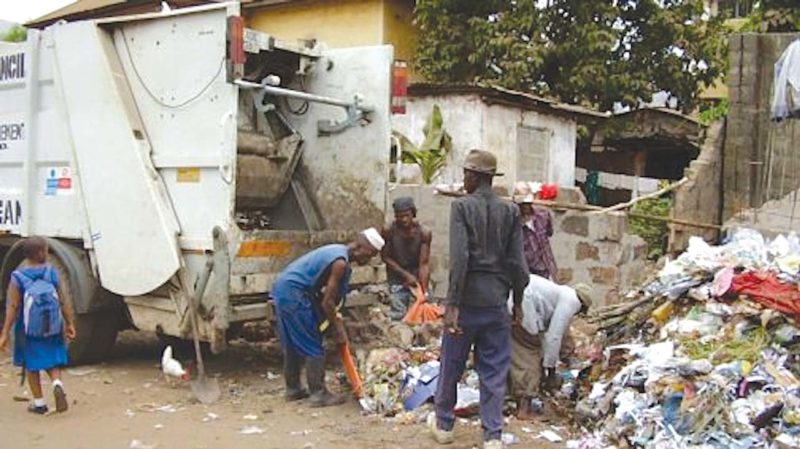
Lagos waste PSP operators at work. The deputy leader has called on Lagosians to stop paying the operatives
She made the call on Saturday, July 14, 2018 in an interview with the News Agency of Nigeria (NAN) in Lagos.
The deputy leader called on all residents of the area and Lagos in general to stop paying the Private Sector Participation (PSP) operatives.
She said that the residents were entitled to proper waste management services rendered by the state government.
She said the PSP operators have been collecting money from residents before carting away their refuses, describing such actions as “illegal”.
“That issue has been addressed by the state government as they have been asked not to collect a dime from residents, as they will be sanctioned if they don’t desist.
“We have someone monitoring their daily activities to know if they are carrying out their duties effectively.
“As we speak, there’s a synergy between PSP and the Cleaner Lagos Initiative (CLI) as they work hand in hand.
“Only few PSP have not registered with the Cleaner Lagos Initiative,’’ she said.
Barakat-Akande said that the CLI, which was an initiative of Gov. Akinwunmi Ambode, has been working hard toward making the state cleaner.
“All we need to do is to work hand in hand with them. They are trying their best to keep with standards.
“We just have to be patient with them, with time everything will be okay,’’ she said.
She also warned residents from patronising cart pushers, saying that they are the main causes of blocked drains and canals thereby causing flood when it rains.
“Cart pushers have been prohibited due to their inexperience skills in waste management, thereby causing environmental nuisance and health hazards through undue littering of dirt’s.
“We should stop encouraging them by giving them money to dispose our waste,” she said.
She also urged residents to always plant trees to beautify their environment.
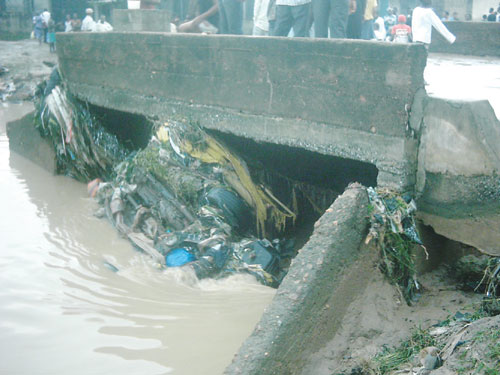
An environmentalist, Mr Gafar Odubote, has called for legislation against blocking of drains and canals, saying it is immediate cause of flooding.
One of the major causes of flooding in Nigeria is blocked drains and canals
Odubote, a climate change activist, made the call in an interview with the News Agency of Nigeria (NAN) on Saturday, July 14, 2018 in Lagos.
He attributed the cause of flooding in the country to indiscriminate dumping of refuse that blocked drains and canal.
He, therefore, called on government at all levels to take preventive measures to address the problem.
“One of the major causes of flooding in Nigeria is blocked drains and canals basically.
“Plastics block drains and prevent water from running through the canal and waterways.
“We need to do more of preventive than corrective.
“One way to do the preventive is to come up with regulations that will stop people from disposing of wastes anyhow because that is the root cause of flooding in Nigeria,’’ Odubote said.
He also called for effective waste management infrastructure and for sanctions to be put in place against blocking of drains and canals with solid wastes.
“The government should put the infrastructure in place to tackle the root cause of the problem, because there will be flooding year-in, year-out if we do not tackle the root cause of the problem.
“Government should make a framework and sanction people.
“People just have trash blindness and they do not care what happens to the next neighbour.
“If the government, for example, the local government, has sanction in place to check house-by-house, building-by-building and impose a heavy fine on anyone whose surrounding is dirty, people will wake up.
“If residents can make sure that the drainage in front of their houses is clean, it is going to be fine for everyone.’’
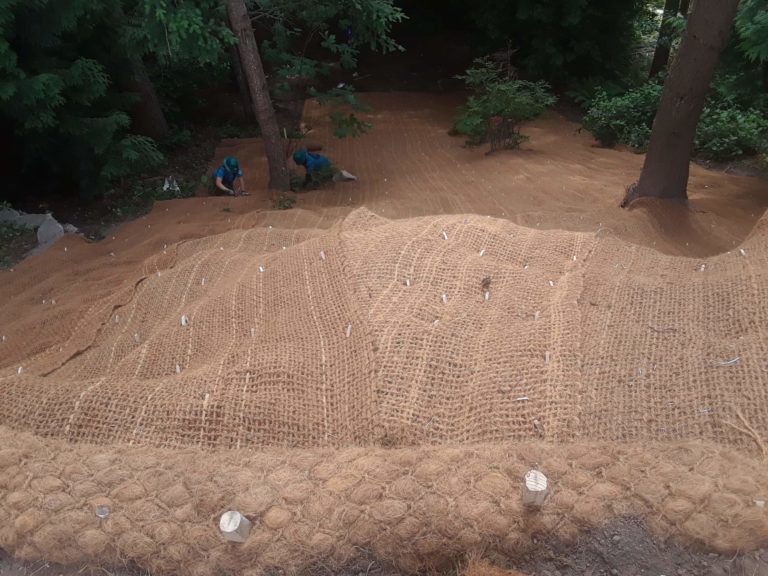
It is the EarthCorps tradition to send volunteers to different parts of the state of Washington, executing different projects to have varying experience of the city’s ecological settings and culture. Adnane crew, which is one of the seven crews formed during the EarthCorps retreat, was saddled with the responsibility of executing an erosion control installation project at Edmonds.
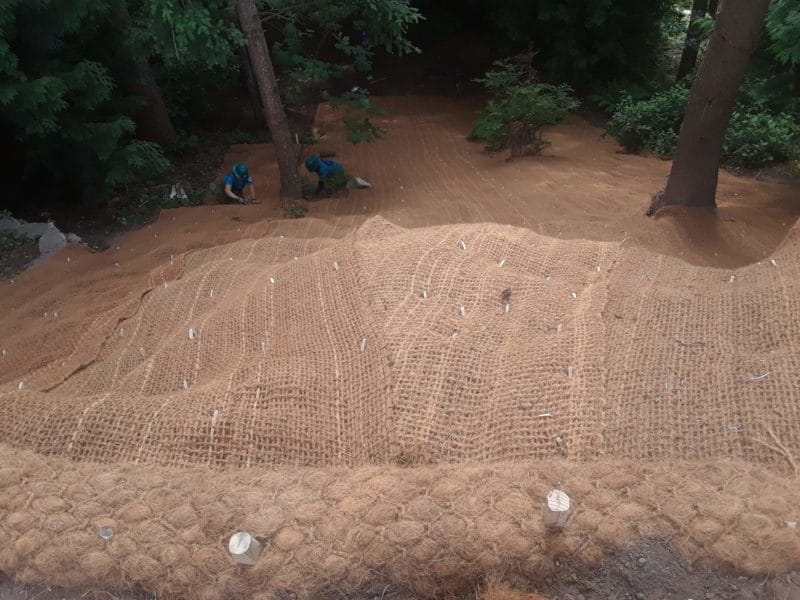
Coir Fabric and Log (Erosion Control Site)
The city of Edmonds is in Snohomish County, Washington, the United States, named after George Franklin Edmunds, a U.S. Senator from Vermont. It is in the southwestern part of the county, facing Puget Sound and the Olympic Mountains to the west. The city is part of the Seattle metropolitan area and is located 15 miles (24 km) north of Seattle and 18 miles (29 km) southwest of Everett.
After the usual early morning circle up at EarthCorps office that starts at 7:30 in the morning, each crew departs to their place of primary assignment. Our task, as usual, is to first locate project site through the help of the crew’s navigator, using google map. This Monday morning was no different, as we went on the highway in search of Burton’s property which shares a boundary with the Hickman Park at Edmunds.
On getting to the site, the Project Manager, Bill, briefly did an overview of the project. We were made to understand that the erosion was initially caused by foot, bike traffic, and later water. Which resulted in making the site to erode and cause loss of vegetation.
To restore this precious land from erosion, we must stabilise the steep slope with coir fabric first, and then return in late fall to plant the site with different native species that will help in stimulating the soil.
Abby and I dug a not too wide trench where coir log will later rest. Robyn and Emma attach the 700/900 coir fabric at the top of the slope and rolling it uphill, Adnane and Abby then install 12-inch wood eco stakes every 3 feet, we filled the trench partially with soil and started rolling the fabric downhill. One of the things we are conscious of is making the fabric has close contact with the soil to ensure its effectiveness in controlling erosion.
As we roll downhill, we make sure the coir fabric was staked down to the earth using 12-inch wood eco stakes, 2 inches in from the edges and every 3 feet in a diamond pattern. More so, we carefully placed the coir log in the shallow trench created at the top of the fabric and once the log is in place, I filled the trench with soil.
To have strong, tightly packed logs, we joined the ends of each log together with coir twine and use two by two by twenty-four-inch wooden stakes within 6 inches of each end. Five stakes were totally evenly spaced across the logs.
It was an educating and fascinating experience throughout the project execution. The team spirit is one that can’t be beaten because we so much understand each other and always work together to achieving the desired result.
Bill is a man with years of experience and working with him is a great privilege. We encountered different challenges and with his help, we were able to work out probable solutions. I would love to continuously work with this environmental guru so as to benefit more from his wealth of experience.
I wished to be a part of the crew that will carefully plant this area sometime around late fall. Nothing is more satisfying than being a part of an organisation that cherishes our environment by managing and restoring its lost value and also building global leadership in the process.
By Alabede Surajdeen (An Environmental Restoration International Exchange Fellow at Seattle, Washington, USA; @BabsSuraj; alabedekayode@gmail.com)
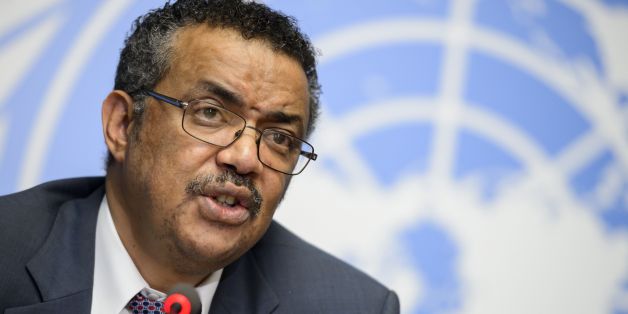
World Health Organisation (WHO) says it will continue to work to ensure that people everywhere in the world, especially in middle income countries, are able to obtain quality health services when and where they need it.
Dr Tedros Adhanom Ghebreyesus, Director-General of the World Health Organisation (WHO). Photo credit: AFP / FABRICE COFFRINI / Getty Images
The organisation said this in a New Joint Report released recently by it, the Organisation for Economic Co-operation and Development (OECD) and the World Bank.
In the report, the three world bodies stated that poor health services experienced in many parts of the world was holding back progress toward improved health of citizens.
They noted that the situation was worse in low and middle-income countries where 10 per cent of hospitalised patients often acquired infection during their stay as against seven per cent in high income countries.
The joint report stated that sickness associated with poor healthcare always imposed additional expenditure on families and health systems.
It indicated that there could be no Universal Health Coverage (UHC) without quality care, therefore, the organisations would continue to work to ensure improved health services around the globe.
The report stated that “today, inaccurate diagnosis, medication errors, inappropriate or unsafe clinical facilities or practices, as well as health providers who lack adequate training and expertise prevail in all countries.
“Research has found that healthcare workers in seven low-income African countries are only able to make accurate diagnosis one third to three quarters of the time.
“Clinical guidelines for common conditions are followed less than 45 per cent of the time on average, while research in eight high-mortality countries in the Caribbean and Africa found that effective quality maternal and child health services are far less prevalent than suggested by just looking at access to services.
“Just 28 per cent of antenatal care, 26 per cent of family planning services and 21 per cent of sick-child care across these countries qualified as ‘effective’, while about 15 per cent of hospital expenditure in high-income countries is due to mistakes in care or patients being infected while in hospitals.
“Although there is some progress in improving quality in survival rates for cancer and cardiovascular disease, the broader economic and social costs of poor quality care, long-term disability, impairment and lost productivity are estimated to amount to trillions of dollars each year.”
The report quoted the OECD Secretary-General, Angel Gurria, as saying that without quality health services, Universal Health Coverage would remain an empty promise.
Gurria said that the economic and social benefits were clear, hence countries needed to have stronger focus and invest in improved quality to create trust in health services and give everyone access to people-centred health services.
The report also quoted the World Bank Group President, Jim Yong Kim, as saying “good health is the foundation of a country’s human capital and no country can afford low-quality or unsafe healthcare.
“Low-quality care disproportionately impacts the poor, which is not only morally reprehensible but
economically unsustainable for families and countries.”
The three organisations, therefore, agreed that governments, health services and their workers, citizens and patients urgently needed to contribute their quota to improve healthcare quality.
They advised governments to lead the way with strong national healthcare policies and strategies while the health systems focused on competent care and user-experience to ensure confidence in the system.
They also advised that citizens be empowered and informed to actively engage in healthcare decisions and in designing new models of care to meet the needs of their local communities.
They urged healthcare workers to see patients as partners and commit themselves to improving and using data to demonstrate the effectiveness and safety of healthcare.