Home Blog Page 1753

Biotechnology promises efficiency in delivery for women farmers – CSIR-STEPRI director

0

In developing and middle-income countries including Ghana, women generally make up almost half of the farming population. And, according to the United Nations Development Programme (UNDP), the agricultural productivity of these women could increase by 20 to 30 percent, if they could have access to productive resources as men do.
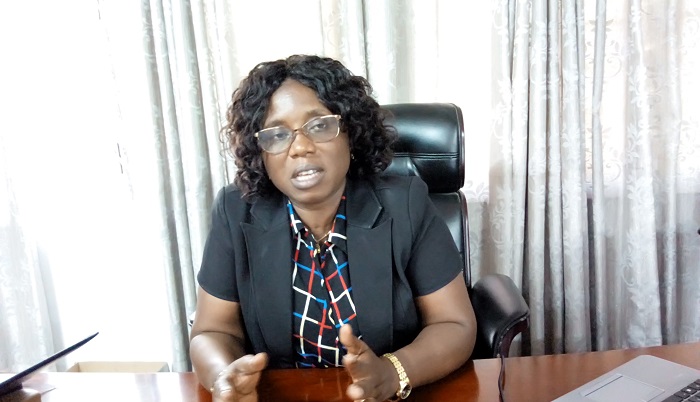
Dr. Wilhelmina Quaye
Dr. Wilhelmina Quaye, first female Director of CSIR-STEPRI

This assertion by the UNDP is an indication of the existence of gender-based differentiation in the agricultural sector that has defined the performance of women farmers over the years. So then, what productive resources are available for women farmers to tap and how will it impact them?

The Director of the Science Technology Policy Research Institute of the Council for Scientific and Industrial Research (CSIR-STEPRI) in Ghana, Dr. Wilhelmina Quaye, is of the view that biotechnology is one productive resource that holds good news for women farmers in particular as it promises efficiency in farming delivery and in maintaining the cultural identity of food.

Elaborating her point in an interview in Accra, she noted, “I must say that food in our system is not just food, it is a cultural thing, it gives identity to the individual and so if biotechnology will not change the way we’re going to prepare our food, nor compromise the quality or taste of the food, the women will be much better placed to make an informed decision.”

Dr. Quaye, who is the first female Director of CSIR-STEPRI, posed several rhetorical questions to emphasise her point. “Can you prepare the same quality of ‘konkonte’ (a meal prepared with cassava flour) from genetically-modified or GM cassava if it is available? And if we have GMO enhanced rice, will it have the same quality from which ‘omotuo’ or ‘riceballs’ can be prepared?”

And so, for the woman farmer, the challenge of having to feed the family with food that they identify themselves and whether or not a technology will ensure household food security become critical issues. Dr. Quaye explained that these issues are important for the woman farmer because of gender differentiated roles at the household level, which have saddled them with the responsibility of feeding their families especially in the northern setting.

“In the traditional northern setting… you can see that the man is supposed to be the bread winner in terms of just giving grain, which is the staple. So, what goes with it – the vegetables, meat and other ingredients is for the woman and so whatever the woman does is ploughed back into the house. And sometimes these so-called ingredients tend to be much more expensive than the grain.”

The fact is that in the scheme of things, women farmers are not just burdened with making such critical decisions about feeding their households but are also overburdened with household chores. “So, the laborious nature of farming is worsening the situation of the women farmers, who are involved in the various aspects of the production stages especially planting, harvesting, processing and marketing,” Dr. Quaye contended.

She argued further that because the woman farmer is already overburdened, “the issue of efficiency is very key and biotechnology promises that desired efficiency.” Therefore, apart from it retaining the cultural identity of food, what they will look for in a technology, according to the STEPRI Director, “is how it answers questions such as will it give the woman the same kind of work load or will it increase the work load, will it give higher yields per land area than then conventional crops do?”

This is because gender differentiation is also evident in the cultivation of crops. “In the agricultural sector, we see that even the crops are tired to gender characteristics with some crops like yam and ground nut labelled as men’s crops, because they are cash crops, while cowpea is for women,” Dr. Quaye observed.

She said the situation could be attributed to the type of investment that goes into it as well as the overall goal in crop cultivation, for the man and the woman. “It is very capital and labour intensive. So, it’s the men who will normally do it. The men will enter into enterprises that are cash driven and have a lot of margins on them as oppose to the women who will look at things that can help them in terms of food security in the house.”

Dr, Quaye called for intensive public education on the potential of biotechnology in ensuring food security, saying “without biotechnology we cannot feed the ever-growing population.” She further stressed the need for extensive trials of identified GM crops “to ensure that things are not worse off, so that we get everything right and not just focus on yields.”

Farmer, Philomena Tengey, is looking forward to the time when GM crops will be available in the country for farmers to cultivate. As a commercial farmer, she understands that “farming is not just about sowing and harvesting, it is a business that requires motivation, financial and logistical investments and adaptation of appropriate technology.”

Based at Nsawam, 34 km from Accra the capital and all things being normal, less than an hour’s drive away, Madam Tengey has been farming for a total of 20 years. She started as a subsistence farmer on a two-acre piece of land, but now has several farms each over 20 acres, which is big per Ghanaian standards.

Madam Tengey has been in the business of commercial farming for 10 years, cultivating pawpaw, rice and maize, among other things. How has she been able to sustain her business amidst challenges of accessing land, credit and dealing with drought? “I have taken land on long term lease in several locations and I work with a team of dedicated men and women.”
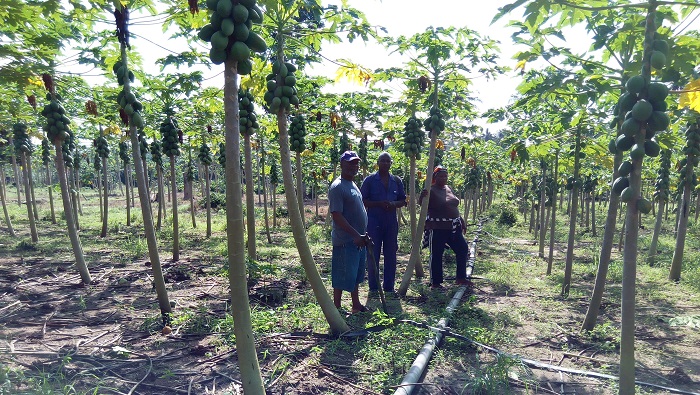
Philomena Tengey
Madam Tengey (right) standing by the main pipeline of the irrigation system on one of her pawpaw plantations. To her far right is her husband, Emmanuel Kofi Tengey, and to her immediate right is Farm Manager, Kingsley Zate

For instance, her pawpaw plantation is managed by Kingsley Zate, who is a pawpaw expert and has a bit of training from the Kwadaso Agricultural School. He said they buy improved seeds from retailers who import from Brazil. “From the fruits, we gather seeds that we replant. But after five years, we cut down the pawpaw, buy new seeds and begin another round of cultivation.”

Kingsley explained that the fruitfulness of seeds taken from yields declines after some time, “so it makes business sense to go in for fresh seeds at intervals.”

But that is not all, Madam Tengey’s pawpaw plantation has an irrigation system, which takes water from a small dam built for that purpose. Therefore, her pawpaw farms bears fruit all year round, thereby making her a dependable supplier to food processors and exporters.

It is for the sake of women farmers like Madam Tengey that Ghana’s biosafety regulations mandates the National Biosafety Authority to conduct socio-economic risks assessments before making the final decision on any GM crop after successful laboratory and field trials.

“The socio-economic risks assessment is a broad range of consideration including gender issues such as whether a GM crop will be friendly for the woman farmer also,” says Prof. Kwabena Mante Bosompem, Director of University of Ghana’s Noguchi Memorial Institute for Medical Research.

He said if a GM crop fails this test, it will not be approved. “So, if any gender issues are identified then that alone would be enough grounds not to approve. This is because there are many communities where significant numbers of women farmers are. So, if you disadvantage such communities that will cause social problems for families and they will be unable to take care of themselves.”

By Ama Kudom-Agyemang
WEP, TfC to plant 2,000 trees across Nigeria

0

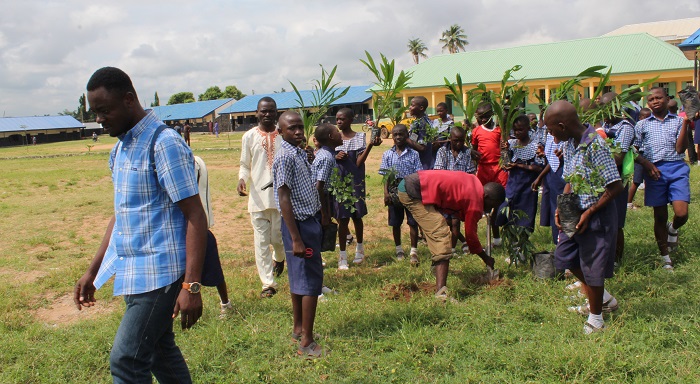
Abuja-based not-for-profit organisation, the Women Environmental Programme (WEP), is partnering with Trees for Cities (TfC), a UK charity, to plant 2,000 trees across three northern states of Nigeria, as well as the Federal Capital Territory (FCT). The states include Benue, Katsina and Kano.

WEP tree planting
Volunteers and pupils of LGEA Primary School Wurukum, Makurdi, Benue State, planting trees during the tree planting event at the school

The planting of the trees began on Thursday, October 25, 2018 and will span several weeks.

WEP Programme Manager, Mr John Baaki, disclosed in a statement made available to EnviroNews on Tuesday, October 30, 2018 that the trees would be planted in schools, parks, recreational centres, places of worship and along major roadsides.

These trees, which include neem, orange and cashew, he added, would bring about a range of environmental and economic benefits to the states and the people living in the surrounding areas.

“The trees will also help to cool the air, and restore land previously degraded by desertification,” Baaki stated. “WEP is engaging schools, civil society organisations, community leaders and the government to plant the trees. Local communities will take ownership of these trees as they will help plant them.”

The project is said to be in line with WEP and TfC’s shared objective to make cities better places to live by planting trees.

“It is also in line with the strategies in Nigeria’s Nationally Determined Contributions (NDCs) submitted to the United Nations Framework Convention on Climate Change (UNFCCC) as part of the country’s effort to Implement the Paris Climate Change Agreement,” the WEP manager emphasised.

The 25-year-old TfC is a UK charity working at a national and international scale to improve lives by planting trees in cities around the world.

“Trees for Cities get stuck in with local communities to cultivate lasting change in their neighbourhoods – whether it’s revitalising forgotten spaces, creating healthier environments or growing food with kids,” disclosed Kathy Silenga, the TfC UK and International Projects Manager.

Stakeholders validate document to integrate social, environmental concerns in REDD+

0

Nigeria has adopted the platform for consultation to integrate social and environmental concerns into the REDD+ policy-making process.

REDD+ SESA Workshop
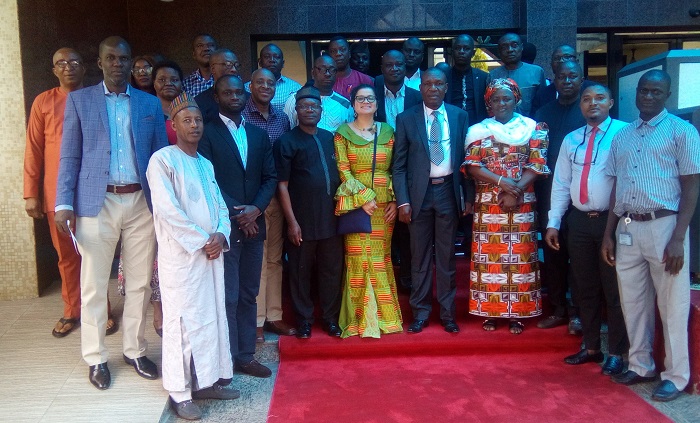
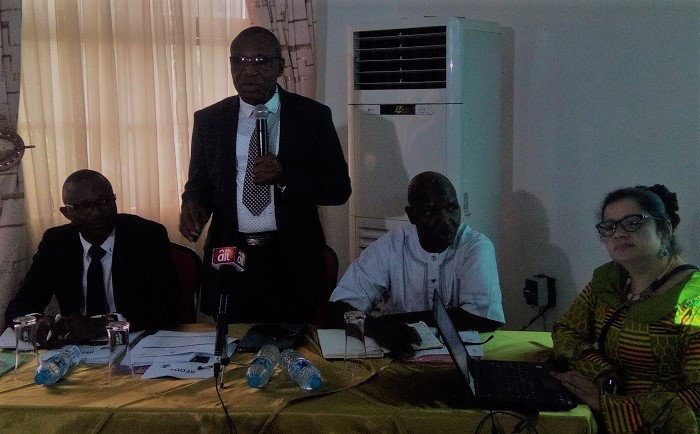
L-R: Mr Lucky Erhaze (World Bank), Dr Moses Ama (National Project Coordinator, Nigeria REDD+ Programme), Mr Andrew Adejor (Director of Forestry, Federal Ministry of Environment) and Dr Shilpy Gupta (Darashaw; Project Coordinator, SESA), at the validation workshop in Abuja

REDD+ implies Reducing emissions from deforestation and forest degradation and the role of conservation, sustainable management of forests and enhancement of forest carbon stocks in developing countries.

At a daylong forum in Abuja on Thursday, October 25, 2018, a gathering of stakeholders validated the Strategic Environmental and Social Assessment (SESA) & Environment and Social Management Framework (ESMF) document for the nation’s REDD+ Readiness.

To have a national SESA, stakeholder engagement interactive model was adopted for identification of potential environmental and social impacts related to REDD+ programmes in analysis of safeguard risks and impacts.

Essentially, the SESA offers a platform for consultation to integrate social and environmental concerns into the policy making process of the REDD+. It is to be complemented by an Environmental and Social Management Framework (ESMF), which establishes the principles, guidelines, and procedures for reducing, mitigating, and/or off-setting potential risks and enhancing positive impacts and opportunities, and otherwise guiding potential investments towards compliance with relevant safeguards.

Speaking on the ESMF for the Nigeria REDD+ Readiness, Prof Francis Bisong, the SESA Team Leader, stated that the purpose of the framework is to establish effective approaches and methodologies for the environmental and social assessment, under the REDD+ mechanism.

Besides specifying appropriate roles and responsibilities of stakeholders for managing and monitoring environmental and social concerns, he added that the idea is also to devise a needs assessment to determine training, capacity building and technical assistance needed to successfully implement the provisions of the ESMF.

REDD+ SESA Workshop
Participants at the workshop

While taking place at different levels from national to local, the implementation of the ESMF, noted Bisong, is based on the existing government structure with the Federal Ministry of Environment anchoring the programme.

According to him, the REDD+ Secretariat will maintain contact with the sectoral institutions to update information and documentation as needed to meet the objectives of the ESMF.

While shedding some light on Resettlement Policy Framework (RPF), Ezekiel Ariyo of DARASHAW AND ECMC Engineers stressed that RPF is prepared inline with the World Bank Resettlement Policy (OP 4.12) to address social impacts of REDD+ projects which may result to involuntary resettlement, loss of property or disruption that affect livelihoods and restriction of access to forest resources.

He emphasised that involuntary resettlement should be avoided or minimised where feasible, otherwise it (resettlement activities) should be conceived and executed as sustainable development programmes, providing sufficient or equal alternatives and compensation through the adequate consultation and participation of those affected.

“Displaced persons or Project Affected Persons (PAPs) should be assisted in their efforts to improve their livelihoods and standards of living or at least to restore them, in real terms, to pre-displacement levels or to levels prevailing before the beginning of project implementation,” he stressed adding that, for RPF to be done, there must be due consultation, training and capacity building.

Speaking on “Process Framework (PF) for the Implementation of the National REDD + Programme in Nigeria”, Felix Takim noted that apart from supporting a no-regrets approach to REDD+ activities and guiding the development of regional/national structures to support the forestry sector, the purpose of the PF for the REDD+ programme to provide policy options to guide the development of the programme at all levels.

“The PF should therefore incorporate UNFCCC (United Nations Framework Convention on Climate Change) decisions and IPCC (Intergovernmental Panel on Climate Change) good practice guidance for determining the implementation of REDD+ activities,” he said.

Guinness, WaterAid undertake ‘Water of Life’ project in Kebbi

0

Guinness Nigeria Plc has entered into partnership with WaterAid towards ensuring sustainable access to water, sanitation and hygiene, while helping people act to improve their health and well-being.

Kaduna community
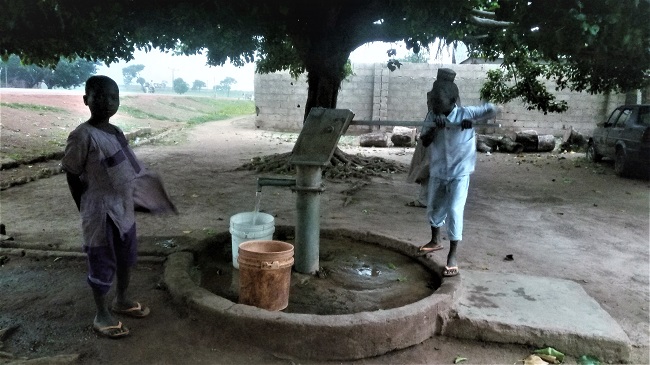
Children of Unguwan Gandu Zuntu, Kubau Local Government Area of Kaduna State fetching water from a handpump borehole provided by SHAWN II Project in the community

The partnership has the Guinness Nigeria “Water of Life” programme and WaterAid Nigeria working with the Kebbi State Government through the Rural Water Supply and Sanitation Agency (Kebbi RUWASSA), alongside the technical support of the United Nations Children’s Fund (UNICEF) in implementing a sustainable water project to contribute to building thriving communities in the state. The project is aimed at providing inclusive access to clean water to an estimated 2,500 people in D’kwa village, Danko/Wasugu LGA in Kebbi and strengthening the capacity of the community management structures to support sustained operations of the water facility model.

The water facility is expected to alleviate the water challenges faced by D’kwa community – which is largely a farming community where many households rely on unsafe shallow wells and other unimproved surface sources for their supply of drinking water.

During the dry season from November to January, residents usually have to walk for 2kms to 3kms to get water from a stream. This scarcity, according to WaterAid, disproportionately affects women and girls, putting them at greater physical risk, as many households rely on them to go fetch water from these distances in areas that are also prone to sand storms.

Speaking on the project, Corporate Relations Director, Guinness Nigeria Plc., Mrs. Viola Graham-Douglas, said: “The Guinness Nigeria ‘Water of Life’ programme is aimed at providing access to clean water, basic sanitation and hygiene in order to reduce poverty, promote better health, wellbeing, gender equality and empower women and girls. We’re working with key partners to shine a light on these issues and find lasting solutions, one community at a time.

“This project is also expected to support local development as the financial model to manage the water point will also help small businesses to thrive and make local financing fund pool available to support larger community development initiatives. This supports Guinness Nigeria’s focus on supporting local livelihoods and prosperous rural economies.”

Overall, access to water, sanitation and hygiene (WASH) services has remained low in Nigeria, submits WaterAid. According to the UNICEF/WHO Joint Monitoring Programme, about 60 million people out of a population of nearly 190 million still lack access to clean water while only 33% have access to basic sanitation – meaning approximately 120 million people in Nigeria do not have access to toilet facilities.

Dr. ChiChi Aniagolu-Okoye, Country Director of WaterAid Nigeria, said: “Water, sanitation and hygiene remain one of the most neglected issues in our country today. At WaterAid, our work is all about transforming lives by improving access to these life-saving services for the poorest and most marginalised in our society. However, this is not something that government, development partners or any one entity can do alone. We need everybody to be on board, especially the private sector. The WASH sector needs more partnerships of this kind if we are going to ensure we get clean water, decent toilets and good hygiene to everyone, everywhere by 2030.”

The National Bureau of Statistics estimates that, in Kebbi State, just over half (51.1%) of households have access to clean water and even lesser (30.5%) have access to sanitation resulting in open defecation rates of 25%. This lack of access to affordable, convenient and safe water and sanitation sources affects sustainable development in health, education and livelihoods, locking people into a vicious cycle of poverty and disease, notes WaterAid.

The “Water of Life” scheme is said to be Guinness Nigeria’s flagship sustainable development programme. Since its launch, Guinness Nigeria has reportedly provided safe drinking water for over two million Nigeria through approximately 35 water schemes spread across 22 states of the federation. Aside directly delivered projects, Guinness Nigeria also delivered three water health centres in partnership with Water Health International.

WaterAid on the other hand has worked in the country since 1995, partnering with the government and people of Nigeria to ensure sustainable access to water, sanitation and hygiene as well as utilising and strengthening local capacity to adequately provide quality technical assistance for water, sanitation and hygiene delivery and development in Nigeria.

EU scheme seeks to strengthen resilience of returnee IDPs

0

The International Centre for Energy, Environment and Development (ICEED) in partnership with Mercy Corps is implementing a project aimed at strengthening resilience in six of the local government areas (LGAs) affected by insurgency in Borno State.

internally-displaced-persons-NEMA
Women and children in a IDPs camp. The displacement was informed by the Boko Haram insurgency. Photo credit: channelstv.com

The Borno “MAIDA” project reportedly aligns with the global objective of the EU’s planned support for early recovery in the state. The European Commission is funding the project.

To this end, ICEED is building the capacity of 280 IDPs returnees in the production of fuel efficient cookstoves as well as the installation and maintenance of solar PV systems across six LGAs. The inaugural training was conducted in Jere LGA and lasted from October 15 to 29, 2018 with the training of 38 IDPs returnees on the production of fuel efficient cookstoves. The training will be replicated in Biu, Hawul, Kwaya Kussa, Mafa, and Bama/Gwoza LGAs.

Executive Director of ICEED, Ewah Eleri, in his remark, said: “This project seeks to enhance recovery and strengthen resilience in Borno State through capacity building for improved livelihoods as lack of opportunities for employment and meaningful livelihood contributes to youth restiveness and tension.

“Adopting alternative fuels and energy technologies can create jobs for IDPS, especially women and youths. The use of fuel efficient cookstoves produced by the trainees will also reduce the health risks of indoor air pollution faced by women and children in addition to improving efficiency in fuelwood usage and thereby contributing to addressing climate change,” he concluded.

The project was informed by an assessment conducted by Mercy Corps and ICEED in March 2017 across Biu, Hawul, Kwaya Kusa, Mafa, Jere and Maiduguri metropolis, which showed a limited access to cooking energy.

The conflict has apparently increased the rate of deforestation, resulting in degradation of watersheds and increased fuelwood collection by IDPs and communities across the LGAs. The absence of government support for agro-forestry activities and ongoing military activities as led to the decreasing tree cover. Other alternatives like kerosene and LPG seem either in short supply or nonexistent in some communities.

“Access to household energy is vital to improved livelihood; however, this is often highly constrained in conflict-affected areas. Poor energy access can have a debilitating effect on the recovery and resilience of conflict affected populations. Access to fuel-efficient stoves, cooking fuel and lighting is usually a minimum standard in humanitarian response. However, while clean cookstoves and lighting are all recognised as lifesaving non-food items provided to IDPs, these minimum requirements are not often met,” said Eleri.

Big brands pledge to turn tide on global plastic waste

0

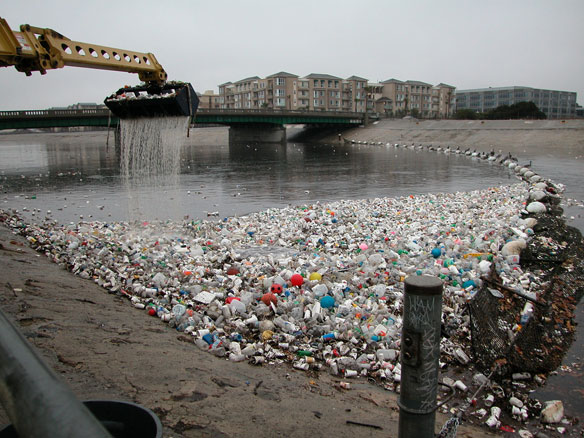
Big brands – from Coke to Kellogg – pledged on Monday, October 29, 2018 to cut all plastic waste from their operations in what the United Nations called the most ambitious effort yet to fight plastic pollution.

Plastic pollution
Plastic pollution

The initiative comes as public pressure mounts on manufacturers and retailers to cut back the deluge of plastic packaging that is clogging landfills and choking the seas.

“We know that cleaning up plastics from our beaches and oceans is vital, but this does not stop the tide of plastic entering the oceans each year.

“We need to move upstream to the source of the flow,” said Ellen MacArthur, the record-breaking British sailor who is behind the plastic initiative.

The pledge by 250 organisations included many of the world’s biggest packaging producers, leading consumer brands, retailers and recyclers, as well as governments and NGOs.

The Ellen MacArthur Foundation launched its New Plastics Economy Global Commitment in collaboration with the United Nations Environment Programme (UNEP).

Signatories promised to eliminate single-use and unnecessary plastic and to innovate so that all packaging could be recycled.

Their targets are to be reviewed regularly and updates posted on their progress to drive momentum, the Foundation said.

UNEP has estimated that if current pollution rates continue, there will be more plastic in the sea than fish by 2025.

Eight million tonnes of bottles and waste swamp the oceans each year, killing marine life and entering the food chain.

“Most efforts until now have been focused on cleaning up plastic pollution.

“This commitment is about eliminating pollution at its source,” Rob Opsomer, who leads the foundation’s New Plastics Economy initiative, told the Media.

Erik Solheim, executive director of UNEP, described the commitment as “the most ambitious set of targets we have seen yet in the fight to beat plastics pollution.”

Last week, the European Parliament voted for a complete ban on single-use plastic items, including straws and cutlery, in a bid to curb pollution.

Three of the brands that signed up, Coca-Cola, PepsiCo and Nestle, were recently named the world’s worst plastic polluters, according to an index by the Break Free From Plastic movement.

In North America, these three brands accounted for 64 per cent of all plastic pollution identified in cleanups, according to the analysis.

“We are focused on improving the sustainability of all of our packaging.

“We are doing this regardless of the type, and increasing the amount of recycled and renewable material,” Ben Jordan, senior director of environmental policy at Coca-Cola,’ said.

PepsiCo said it had made several pledges in a bid to “build a PepsiCo where plastics need never become waste”.

“Protecting our planet is hugely important to us.

“We are committed to achieving 100 per cent recyclable, compostable or biodegradable packaging by 2025,” PepsiCo spokesman, Gian-Carlo Peressutti, said.

Governments asked to accelerate access to water, sanitation security for Africa

0

Water experts, policy makers, government representatives, UN agencies, donors and non-governmental organisations kicked off the celebration of the seventh edition of the Africa Water Week in Libreville, of Gabon on Monday, October 29, 2018 calling on African governments to reflect on achievements made so far towards availing clean water and sanitation services to all.

Makame Mbarawa
Prof Makame Mbarawa, AMCOW President

The weeklong event is convened by the African Ministers Council on Water (AMCOW) in collaboration with UKaid supported project for Unlocking the Potential of Ground Water for the Poor (UpGro), USAID, Africa Development Bank (AfDB), the Global Water Partnership (GWP) and the International Water Management Institute.

According to Prof Makame Mbarawa, the AMCOW President and the Minister for Water and Irrigation for Tanzania, the event is a call to action and positions Africa to creatively think, act and win.

“This is an opportunity to share lessons and good practices in water security management, to share lessons and good practices on enhancing water and sanitation resilience to climate change,” he said in a statement.

One of the objectives is also to create an opportunity to contribute to developing strategies on raising adequate and sustainable financing of water and sanitation agendas.

The 7th Africa Water Week brings together over 1,000 participants from governments, regional institutions, international partners, the private sector, the scientific community, civil society, and the media particularly from Africa

The Minister for Water and Energy for Gabon, Patrick Eyogo Edzang, lauded Prof Mbarawa’s statement, saying that accomplishing water security is imperative to safeguarding sustainable access to adequate quantities of acceptable quality water to maintaining livelihoods, human wellbeing, and socio-economic development.

The Africa Union Commissioner for Rural Economy and Agriculture, Sacko Eyogo Leonel Correa, urged all African governments to include more water sanitation and hygiene projects in their National Determined Contributions (NDC) to unlock more climate-related financing mechanisms such as the Green Climate Fund, Adaptation Fund, AfDB Climate related Funds, and a host of other sources of funding.

Intended Nationally Determined Contributions (INDCs) is a term used under the United Nations Framework Convention on Climate Change (UNFCCC) for reductions in greenhouse gas emissions that all countries that signed the UNFCCC were asked to publish in the lead-up to the 2015 United Nations Climate Change Conference held in Paris. Once the agreement is ratified, the INDCs automatically changes to NDCs.

“I also want to congratulate AMCOW on the launch of the 2018-2010 strategy and, therefore, I call upon our ministers to take action, and they should not keep this important document on their shelves,” said Correa, calling on development partners to help in implementation of the tool.

In a video recorded speech to the delegates, Amina J. Mohammed, the Deputy Secretary General of the United Nations and a former Minister of Environment of Nigeria, noted that the challenge of water scarcity is exacerbated by the widening impacts of climate change.

“This is both unacceptable, and yet avoidable,” she said.

She called on political leadership to accelerate progress. “In this regard, the United Nations is working closely with the African Ministerial Conference to build momentum for the South South corporations in support for the Sustainable Development Goals.”

Wambui Gichuri, the Director for Water Development and Sanitation Department and Africa Water Facility at the AfDB, reminded the delegates that Africa loses an estimated 5% of its Gross Domestic Product to poor water development and management, an estimated 5% to 25% due to climate change impacts, and that more than 300 million people on the continent lack access to improved water supply.

The event will help shape policy direction for water resources and related sector management in Africa; influence science, technology and innovation, network with decision makers and implementers, scientists, development specialists, knowledge managers, industrialists and manufacturers, civil society and other major stakeholders in water and related sectors.

Courtesy: PAMACC News Agency

Nigeria to attain polio-free status in next 11 months – NPHCDA

0

The National Primary Health Care Development Agency (NPHCDA) says Nigeria may be certified polio-free in next 11 months, if access to insecure areas in Borno, and some parts of the North-East improves.

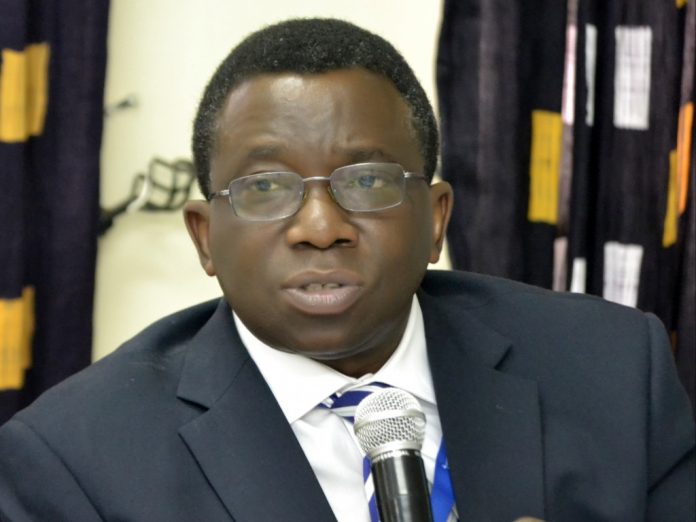
Isaac Adewole
Minister of Health, Isaac Adewole

Dr. Faisal Shuaib, Executive Director, NPHCDA, disclosed this on Monday, October 29, 2018 in Abuja during the 36th meeting of the Expert Review Committee on Polio and Routine Immunisation in Nigeria.

The executive director said Nigeria was very close to obtaining a polio eradication certificate, adding that the country had gone over 24 months with very strong surveillance without a case of wild polio virus.

Shuaib said the surveillance showed clearly that government was not missing any wild polio in the country.

“If this positive trajectory continues, then it is very likely that certification institutions will review the progress that Nigeria has made and the lack of wild polio virus transmission.

“Very likely, in the next few months, we will be certified a polio-free nation.

“It will be an unprecedented declaration in the life of Nigerians; a situation where no single child is paralysed due to wild polio virus,’’ he said.

Shuaib reiterated the agency’s commitment to sustain the population’s immunity against wild polio virus and other vaccine-preventable diseases through strengthened routine immunisation programmes.

“One of the greatest challenges we still face is around mothers and care givers bringing their kids to health facilities to access routine immunisation, even in the urban centres where places are accessible.

“We still have that challenge largely because folks have not realised the need for kids to take the full complement of routine immunisation vaccines let alone in the hard-to-reach areas,’’ the executive director said.

He urged parents and caregivers to visit health facilities and access such services.

The Chairman of the review committee, Prof. Oyewale Tomori, said that there was hope and enthusiasm by the key stakeholders to end polio and strengthen routine immunisation programmes in the country.

He said Nigeria should not relent on its routine immunisation programmes even after securing certificate of a polio-free status.

The outgoing Country Representative, World Health Organisation (WHO), Dr. Wondi Alemu, said progress had been achieved in accessing trapped children, adding that available data showed the number was shrinking.

“This will help us in expanding our reach in terms of administering vaccines and tracking down, if any, the circulation of wild polio virus,’’ Alemu said.

He said that sustained population immunity through routine immunisation remained key for polio eradication adding that the outbreak of cVDPV2 outbreaks pointed at gaps in immunity.

News Agency of Nigeria (NAN) reports that cVDPV2 is a type 2 strain of polio largely from environmental samples, although they are not wild polio cases they present with similar symptoms.

CVDPV2 are as a result of several years of low routine immunisation coverage.

Alemu said the ongoing accelerated efforts to ramp up coverage for all routine expanded programme on immunisation vaccines was commendable.

According to him, attaining and sustaining high immunisation coverage is the foundation for measles elimination and other accelerated disease control initiatives.

The country representative assured the meeting of its full support as Nigeria moved towards ending polio.

He commended NPHCDA for its ability to provide avenue for the partners to work together towards a common cause.

The meeting observed a minute silence in honour of health workers that lost their lives in the cause of polio eradication programmes across the country.

NAN reports that the battle to attain a polio-free Nigeria had been on since 2014.

In 2016, the global public health community was thrown into anxiety with the detection of four new cases of Wild Polio Virus (WPV) in rapid succession in Borno State, Northeast Nigeria.

At the 34th meeting of the ERC, the consensus was that insecurity is still a major challenge in Borno State, leading to inaccessibility, and this remains a significant risk to global eradication efforts.

Group decries high rate of poaching of elephants, monkeys, others

0

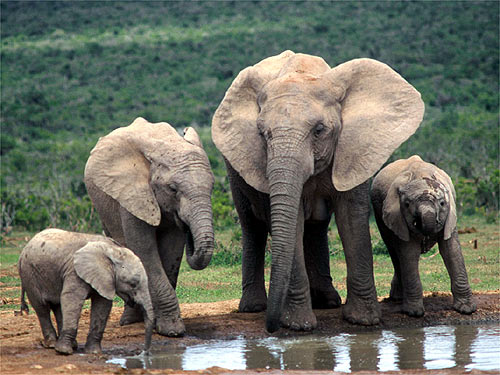
The Nigerian Association of Zoological Gardens and Wildlife Parks (NAZAP), has decried the rising rate of poaching and illegal trading in endangered animals such as elephants, monkeys, tortoises, and others.

Sumatran elephants
Elephants

NAZAP in a communique issued in Abuja at the end of its annual general meeting and training, urged relevant agencies to curtail the activities of animal traffickers.

The communique was signed by Francis Abioye, the new President of NAZAP.

“NAZAP condemns in strong terms all poaching and illegal trading activities in endangered animals, not limited to elephants, monkeys, tortoise, pangolin, among others.

“NAZAP calls on all operators in the sector to strictly adhere to both local and internationally accepted best practices towards the attainment of SDG 2030.’’

NAZAP also set up a five-member advocacy committee, to engage relevant authorities/stakeholders to address the existing gaps in the establishment, management and monitoring of zoological gardens and parks.

A 12-member executive was elected at the annual general meeting, with Abioye emerging as President.

Abioye said that there was need for the government to build the capacity of security agencies to enable them to safeguard the animals and the environment.

“Our environment is made up of flora and fauna; unfortunately, we are unfriendly with these friends that support our lives.’’

He said that the country was faced with the “worst form of natural disasters in world history,’’ adding that “NAZAP has inaugurated Wildlife Advocacy Group to mitigate wildlife and human conflicts across the nation.’’

Outgoing President of the association, Olajumoke Morenikeji, who spoke, urged the new executive not to relent in taking the association to the next level.

The outgoing president stressed that the association’s core interest was to encourage environmental conservation, wild life preservation, among others.

By Gami Tadanyigbe

Poisonous air has devastating impact on billions of children, warns WHO

0

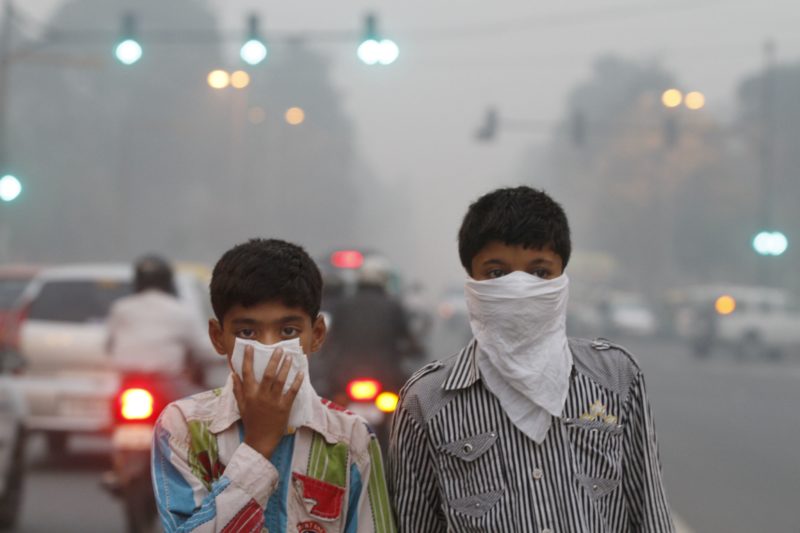
Poisonous air is having a devastating impact on billions of children around the world, damaging their intelligence and leading to hundreds of thousands of deaths, the World Health Organisation (WHO) warned on Monday, October 29, 2018.

air-pollution
Children exposed to air pollution. The WHO says that more than one in four deaths of children under five years of age are attributable to unhealthy environments

In a study on the health effect of toxic air on children, the Geneva-based UN agency estimated 600,000 deaths below the age of 15 in 2016.

WHO also said air pollution not only kills hundreds of thousands of children each year, but exposure at a young age also increases the risk for chronic diseases in adulthood.

Toxic Air Pollutants (TAPs) are those pollutants that are known to cause cancer or other serious health effects, such as reproductive effects or birth defects, or to cause adverse environmental effects.

The study found that over 90 percent of the world’s young people, 1.8 billion children are breathing toxic air, storing up a public health time bomb for the next generation.

The WHO said medical experts in almost every field of children’s health are uncovering new evidence of the scale of the crisis in both rich and poor countries, from low birth weight to poor neurodevelopment, asthma to heart disease.

According to Dr Tedros Adhanom, WHO director general, polluted air is poisoning millions of children and ruining their lives.

“This is inexcusable, every child should be able to breathe clean air so they can grow and fulfill their potential,’’ Adhanom noted.

The findings coincide with the start of the first global conference on air pollution and health in Geneva, including a high-level action day at which nations and cities are expected to make new commitments to cut air pollution.

The WHO study found that children are particularly vulnerable to air pollution because pollutants are often more concentrated nearer to ground level.

It added that their developing organs and nervous system are also more susceptible to long-term damage than those of adults.

“Air pollution is stunting our children’s brains, affecting their health in more ways than we suspected,’’ the WHO’s public health chief Maria Neira said, pointing to higher risks of cancer, obesity and heart disease.

According to Neira, to change this situation, countries and cities must wean themselves off fossil fuels and boost public transportation.