

An economic expert, Dr Emmanuel Eche, says implementing Nigeria’s deal with Indian company, Rashmi Metaliks Group, to develop its steel sector might face infrastructural bottlenecks including epileptic power supply.
Eche, a Senior Lecturer at the Department of Economics, Federal University, Wukari, Taraba State, expressed the concern in an interview on Sunday, May 3, 2026, in Abuja.
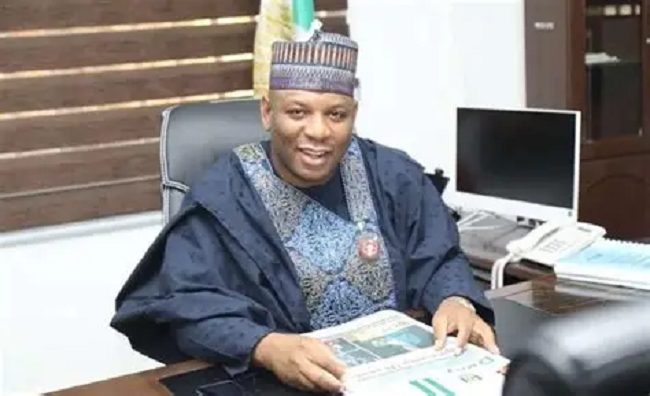
The Minister of Steel Development, Prince Shuaibu Audu, signed a Memorandum of Understanding (MoU) with Rashmi Metaliks Group in Kolkata for an investment of $1 billion over a three-year period.
The expert said steel production was energy-intensive and urged the government to prioritise fixing its energy sector, noting that unreliable gas or power supply, poor rail infrastructure and port congestion could sharply increase production costs.
“Fast-track dedicated gas supply, captive power and rail links to iron ore sites and ports. Without this, one billion dollars capex won’t translate into competitive steel,” he said.
He cited the $500 million Liquefied Natural Gas project for Ajaokuta steel company as evidence that energy remained a constraint in steel development.
He urged the government to make the terms of the MoU transparent and publicly accessible, in line with good governance and public accountability standards.
“Convert MoU to detailed investment agreement with timelines, Key Performance Indicators, local content percentage and penalty clauses and publish terms for public accountability,” he said.
According to him, integrated steel plants emit significant carbon dioxide, dust and wastewater and, without strong Environmental, Social and Governance enforcement, host communities can face pollution, land disputes, or health impacts.
“Enforce environmental standards, community development agreements and carbon efficiency. Steel is dirty, Nigeria should leapfrog to Direct Reduced Iron (DRI) and gas-based plants, not coal,” he said.
He said that if the deal involved tax holidays, waivers or exclusive off-take agreements, it could place local players at a disadvantage, while over-protection may breed inefficiency.
He, however, said Nigeria’s domestic steel demand, valued at about $10 billion annually, relied heavily on imports, explaining that the deal would boost local production, reduce the import bill and conserve foreign exchange.
“Nigeria has more than three billion tonnes of iron ore, some grading 67 per cent iron. This shifts Nigeria from a raw mineral exporter to a value-adding economy.
“The deal targets job creation across the steel value chain. Steel is labour-intensive, so Direct Reduced Iron, pig iron, billets and ductile pipe lines will employ engineers, technicians, and support staff.
“It is expected to spur growth in the construction, automotive, telecoms and defence sectors that consume steel,” he said.
He said Rashmi’s plant uses advanced integrated systems, indicating that the deal would drive innovation, sustainability and value addition in Nigeria’s steel sector, while also strengthening Nigeria and India economic ties in steel, mining and manufacturing.
Eche said Rashmi’s plant uses advanced integrated systems, which implied that the deal would introduce innovation, sustainability and value addition to Nigeria’s steel production, while strengthening Nigeria-India economic ties in steel, mining and manufacturing.
According to him, the deal aligns with Nigeria’s goal of 10 million tonnes crude steel output annually by 2030 and positions the country as a leading steel hub in Africa.
He said that if well executed, the deal would help Nigeria cut its 10 billion dollars steel import bill, create jobs and anchor industrialisation, but added that power, logistics, transparency and local linkages were critical to its success.
By Martha Agas