

Across South Sudan, families are reaching a breaking point as ongoing conflict, mass displacement, global supply chain disruptions, and the collapse of essential services fuel a rapidly worsening humanitarian crisis.
The latest Integrated Food Security Phase Classification (IPC) analysis has issued a stark warning: 7.8 million people – nearly 55 percent of the country’s population – are facing crisis or worse levels of acute food insecurity (IPC Phase 3+) between April and July 2026.
This represents a worrying increase from 7.7 million people recorded during the same period in 2025, confirming that hunger continues to spiral at dangerously high levels nationwide.
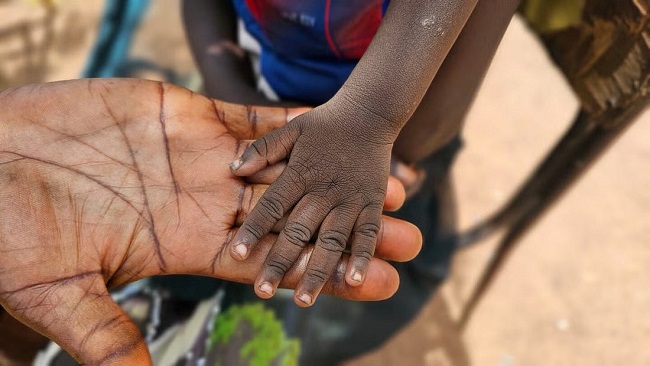
The situation is particularly dire in Greater Jonglei and Upper Nile states, where 73,000 people are already experiencing Catastrophic hunger (IPC Phase 5).
In these areas, starvation, rising mortality risks, and complete livelihood collapse are already underway.
An additional 2.5 million people are classified in Emergency (IPC Phase 4), facing severe food gaps and acute malnutrition, while 5.3 million others in Crisis (IPC Phase 3) are relying on unsustainable coping strategies such as selling off remaining assets, reducing meals, or migrating in search of food and safety.
Behind the alarming food security figures lies a collapsing health system overwhelmed by the combined pressures of hunger and conflict.
In Akobo County, long identified by the IPC as at high risk of famine due to intense fighting, widespread displacement, restricted humanitarian access, and the breakdown of basic services, the destruction has been total. All 15 health facilities in the county have been destroyed or rendered inoperable amid the violence.
During a recent assessment mission to Akobo County Hospital – the county’s only referral facility – after CARE staff and partners returned following weeks of forced evacuation due to escalating insecurity, the scale of devastation was evident.
CARE South Sudan Humanitarian Manager, Chandiga Kennedy, described the heartbreaking scene: “When I walked into Akobo Hospital, it had been stripped of everything – beds gone, supplies looted. It was a devastating sight. Patients who had returned were lying on the cold floor waiting to be treated: some weak, some in pain, all desperately waiting for care. It was heartbreaking, yet you could still see people’s determination to return to what they know and begin rebuilding their lives despite everything they have endured.”
Since March 6, 2026, more than 200,000 people have been displaced from Akobo County alone.
Many are now scattered across Jonglei State and have crossed into Tiergo, Ethiopia, in search of safety and assistance.
This latest wave of displacement has further strained already limited resources and complicated humanitarian efforts to reach those in need.
The crisis is being compounded by external economic pressures. Rising global energy prices, linked to ongoing conflicts in the Middle East, are driving up the cost of food, transportation, and fuel.
Fuel-dependent health clinics are struggling with higher operating costs, leading to reduced services and limited supply chains for essential medicines and therapeutic foods.
Malnutrition in South Sudan is no longer a standalone emergency.
As health services fail and routine immunization along with treatment capacity decline sharply, preventable illnesses such as malaria, diarrheal diseases, and respiratory infections are going untreated.
This is directly contributing to higher rates of acute malnutrition and elevating the risk of death, especially among children under five and pregnant and breastfeeding women.
The IPC report estimates that 2.2 million children aged 6-59 months now require treatment for acute malnutrition, while 1.2 million pregnant and breastfeeding women are in urgent need of nutrition support.
CARE South Sudan Country Director, James Akai, highlighted the human cost: “The IPC report confirms what we are witnessing on the ground. Hunger is accelerating the collapse of an already fragile health system, and it is women and children who are paying the highest price. Pregnant women are left with no access to medical care, no safe place to give birth, and no support when complications arise. Meanwhile, families are skipping meals, and acute malnutrition is rising at an alarming speed.”
Humanitarian teams on the ground are already documenting worrying trends. CARE and its local partners are recording increasing cases of malaria, diarrheal diseases, and acute respiratory infections.
Cholera outbreaks have also been reported in parts of Greater Jonglei State, with five counties across the Greater Upper Nile region already affected.
These overlapping health emergencies signal a rapidly deteriorating public health situation that threatens to claim many more lives if not urgently addressed.
Beyond the immediate threats to physical health and nutrition, women and children face multiple overlapping risks.
The destruction of health facilities and disruption of basic services have left pregnant women delivering at home without skilled birth attendants, exposing both mothers and newborns to life-threatening complications.
Women and girls also face heightened vulnerability to sexual abuse and Gender-Based Violence (GBV) as they search for food, water, or firewood in insecure environments.
Access to lifesaving care following illness, injury, or violence remains severely limited.
The combined impact of destroyed infrastructure, disrupted markets, halted farming activities, and collapsing basic services is rapidly eroding what remains of fragile livelihoods.
Restoring functional health services and replenishing critical medical supplies has become an immediate priority for humanitarian actors.
“You cannot treat hunger without functioning health services,” stressed CARE’s James Akai. “Therapeutic food means very little if there are no clinics, no trained staff, no medicines, and no safe access for patients. If the health system continues to collapse, lives will be lost not only from lack of food but from entirely preventable and treatable conditions.”
Despite the immense challenges, CARE International and its local partners continue to respond where access permits.
Interventions include emergency food assistance, nutrition support, health services, water, sanitation, and hygiene (WASH) activities, along with protection services.
However, continued insecurity, bureaucratic and physical access barriers, and severe funding shortfalls are significantly limiting the scale and reach of these life-saving operations.
The organisation, together with humanitarian partners and national and local authorities including the Ministry of Health, is urgently calling on donors and the international community to immediately increase both the volume and quality of funding.
Emphasis has been placed on empowering local and women-led organisations, which are often best positioned to reach affected communities effectively and sustainably.
Swift and decisive action is required to rehabilitate the 15 destroyed health facilities in Akobo County, replace looted medical supplies, dramatically scale up treatment for acute malnutrition, and restore safe maternal health and protection services.
Without such interventions, experts warn that preventable deaths will continue to mount in the coming months.
As South Sudan grapples with one of its most severe humanitarian crises in recent years, the coming weeks and months will be critical.
Sustained international solidarity, increased funding, and improved access for humanitarian workers are essential to prevent further deterioration and save lives in the world’s youngest nation.
Courtesy: AfricaBrief