

Countries and partners have reached consensus on a new programming strategy for the Global Environment Facility’s Least Developed Countries Fund (LDCF) and Special Climate Change Fund (SCCF), marking a key step toward scaling adaptation action for the world’s most vulnerable countries.
Developed through more than a year of consultations, the strategy sets the direction for the 2026–2030 period and will be submitted for endorsement at the 40th LDCF/SCCF Council in June.
At a time of rising risks and growing demand for adaptation finance, the strategy reinforces the role of the LDCF and SCCF as trusted, country-driven instruments – delivering practical solutions on the ground and helping countries translate global commitments into action.
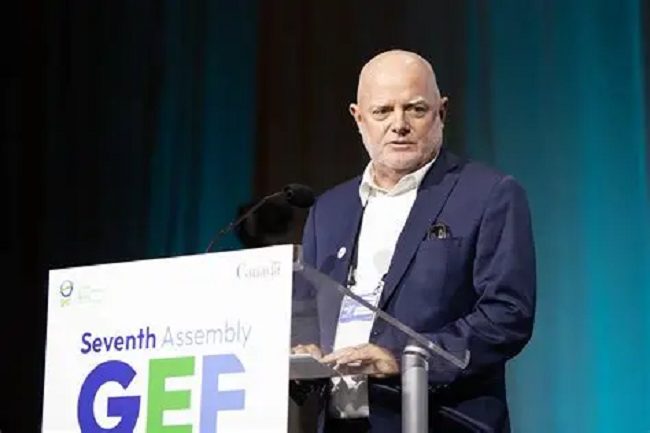
“This strategy reflects a strong and shared commitment to ensure that adaptation finance delivers real results where it is needed most,” said Claude Gascon, Interim CEO and Chairperson of the GEF. “The LDCF and SCCF are catalytic instruments – helping countries turn global commitments into concrete, on-the-ground action.”
The strategy introduces a clear framework to strengthen delivery, expand access, and enhance impact. It places greater emphasis on locally-led adaptation, including increased support for Indigenous Peoples and local communities, while strengthening collaboration across the broader climate finance landscape.
It also advances operational improvements to make support faster, more predictable, and more responsive to country needs – building on lessons from previous funding cycles and extensive partner engagement.
Participants welcomed the inclusive and transparent process used to develop the strategy and expressed broad support for its direction.
“We meet at a pivotal moment,” Ambassador Adão Soares Barbosa, Chair of the Least Developed Countries Group, said. “This strategy brings forward practical solutions that can make a real difference for those most at risk.”
At the same time, Least Developed Countries underscored the need for ambition to be matched by resources, calling for strengthened support to address rapidly growing adaptation needs.
Once endorsed by Council, the strategy will guide programming under the LDCF and SCCF over the next four years, supporting countries to strengthen resilience, protect livelihoods, and respond to increasing environmental and economic risks.
The strategy builds on momentum from recent GEF-9 replenishment discussions and reflects strong confidence in the GEF’s “family of funds” approach as a trusted channel for delivering results.
“This is about ensuring continuity, predictability, and impact,” Gascon said. “With this strategy, we are positioning the LDCF and SCCF to deliver at scale in the years ahead.”