An economic expert, Dr Emmanuel Eche, says implementing Nigeria’s deal with Indian company, Rashmi Metaliks Group, to develop its steel sector might face infrastructural bottlenecks including epileptic power supply.
Eche, a Senior Lecturer at the Department of Economics, Federal University, Wukari, Taraba State, expressed the concern in an interview on Sunday, May 3, 2026, in Abuja.
The Minister of Steel Development, Prince Shuaibu Audu, signed a Memorandum of Understanding (MoU) with Rashmi Metaliks Group in Kolkata for an investment of $1 billion over a three-year period.
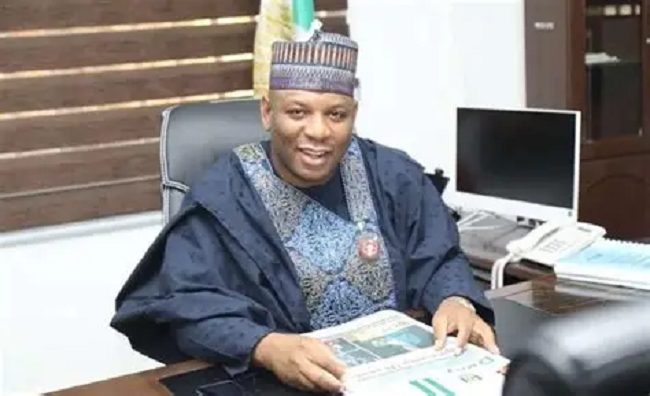
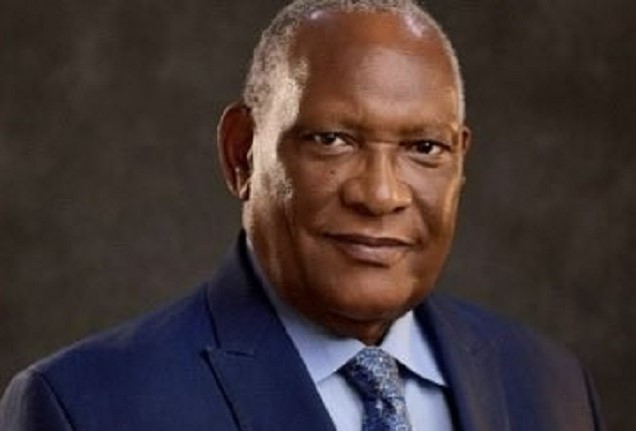
Minister of Steel Development, Shuaibu Abubakar Audu
The expert said steel production was energy-intensive and urged the government to prioritise fixing its energy sector, noting that unreliable gas or power supply, poor rail infrastructure and port congestion could sharply increase production costs.
“Fast-track dedicated gas supply, captive power and rail links to iron ore sites and ports. Without this, one billion dollars capex won’t translate into competitive steel,” he said.
He cited the $500 million Liquefied Natural Gas project for Ajaokuta steel company as evidence that energy remained a constraint in steel development.
He urged the government to make the terms of the MoU transparent and publicly accessible, in line with good governance and public accountability standards.
“Convert MoU to detailed investment agreement with timelines, Key Performance Indicators, local content percentage and penalty clauses and publish terms for public accountability,” he said.
According to him, integrated steel plants emit significant carbon dioxide, dust and wastewater and, without strong Environmental, Social and Governance enforcement, host communities can face pollution, land disputes, or health impacts.
“Enforce environmental standards, community development agreements and carbon efficiency. Steel is dirty, Nigeria should leapfrog to Direct Reduced Iron (DRI) and gas-based plants, not coal,” he said.
He said that if the deal involved tax holidays, waivers or exclusive off-take agreements, it could place local players at a disadvantage, while over-protection may breed inefficiency.
He, however, said Nigeria’s domestic steel demand, valued at about $10 billion annually, relied heavily on imports, explaining that the deal would boost local production, reduce the import bill and conserve foreign exchange.
“Nigeria has more than three billion tonnes of iron ore, some grading 67 per cent iron. This shifts Nigeria from a raw mineral exporter to a value-adding economy.
“The deal targets job creation across the steel value chain. Steel is labour-intensive, so Direct Reduced Iron, pig iron, billets and ductile pipe lines will employ engineers, technicians, and support staff.
“It is expected to spur growth in the construction, automotive, telecoms and defence sectors that consume steel,” he said.
He said Rashmi’s plant uses advanced integrated systems, indicating that the deal would drive innovation, sustainability and value addition in Nigeria’s steel sector, while also strengthening Nigeria and India economic ties in steel, mining and manufacturing.
Eche said Rashmi’s plant uses advanced integrated systems, which implied that the deal would introduce innovation, sustainability and value addition to Nigeria’s steel production, while strengthening Nigeria-India economic ties in steel, mining and manufacturing.
According to him, the deal aligns with Nigeria’s goal of 10 million tonnes crude steel output annually by 2030 and positions the country as a leading steel hub in Africa.
He said that if well executed, the deal would help Nigeria cut its 10 billion dollars steel import bill, create jobs and anchor industrialisation, but added that power, logistics, transparency and local linkages were critical to its success.
An energy expert, Dr Billy Gillis-Harry, says the United Arab Emirates’ (UAE) exit from the OPEC signals the need for Nigeria to reassess its oil strategy and prioritise national economic interests.
Gillis-Harry, who is also the National President, Petroleum Products Retail Outlets Owners Association of Nigeria (PETROAN), said this in an interview on Sunday, May 3, 2026, in Abuja.
The UAE on Friday officially exited the Organisation of the Petroleum Exporting Countries (OPEC), aiming to prioritise national interests, maximise oil production, expand its market share and escape the production quotas imposed by the cartel.
Dr Billy Gillis-Harry, PETROAN’s National President
The exit highlights emerging fractures within the oil alliance, leading to a series of departures by Qatar, Ecuador and Angola, and raising questions about the group’s long-term cohesion and influence in global energy markets.
Gillis-Harry said the move underscored the importance of sovereign decision-making, noting that countries can reassess alliances when such arrangements no longer align with their economic aspirations.
He said the development validates PETROAN’s long-standing position, stressing that Nigeria should think beyond OPEC production quotas and target higher crude oil output to maximise value.
The expert said Nigeria should aim to ramp up production to about four million barrels per day while allocating a significant portion to domestic refining.
He said strengthening local refining capacity would position Nigeria as a net exporter of refined petroleum products, thereby boosting revenue and reducing dependence on imports.
Gillis-Harry highlighted that such a strategy would enhance economic growth, create jobs and conserve foreign exchange being spent on importing refined products.
He, however, said that while the UAE’s decision offered lessons, Nigeria might not yet be in a position to exit OPEC due to structural and policy constraints.
The PETROAN president said that Nigeria should focus on improving its production capacity and economic resilience before considering such a move.
On impact of the UAE’s exit, Gillis-Harry said Nigeria could face increased competition in the global oil market as non-OPEC producers gain more flexibility in pricing and output.
He added that existing forward sales of Nigeria’s crude oil could also pose challenges, requiring careful management to protect national economic benefits.
“Although some pressure may arise, the development is unlikely to have a significantly negative impact on Nigeria if strategic measures are put in place.”
He underscored the need for Nigeria to adopt policies that prioritise long-term economic gains while remaining competitive in the evolving global energy landscape.
Meanwhile, the Ministry of Petroleum Resources says Nigeria remains committed to the principles and objectives of the Declaration of Cooperation between the Organisation of the Petroleum Exporting Countries (OPEC) and its allies under OPEC+.
The UAE on Friday, officially exited the OPEC to prioritise national interests, aiming to maximise oil production, expand its market share and escape the production quotas imposed by the cartel.
A source from the ministry, while reacting to the development on Sunday, said the position highlighted Nigeria’s continued alignment with collective efforts aimed at ensuring stability in the global oil market.
The source emphasised that national interest remained a key consideration in all decisions, ensuring that domestic economic priorities are not compromised.
“Nigeria recognised the critical role of OPEC and OPEC+ in managing oil supply, reducing market volatility, and fostering a more predictable pricing environment.
“These coordinated efforts are considered vital to sustaining global economic stability and supporting long-term energy development across producing and consuming nations.
“Nigeria will maintain adherence to agreed production frameworks while constructively engaging with fellow member countries to strengthen cooperation and market balance.
“Overall, Nigeria’s position reflects a balanced approach, demonstrating strong support for multilateral energy cooperation while safeguarding its economic interests within the evolving global energy landscape,” the source said.
Developed through more than a year of consultations, the strategy sets the direction for the 2026–2030 period and will be submitted for endorsement at the 40th LDCF/SCCF Council in June.
At a time of rising risks and growing demand for adaptation finance, the strategy reinforces the role of the LDCF and SCCF as trusted, country-driven instruments – delivering practical solutions on the ground and helping countries translate global commitments into action.
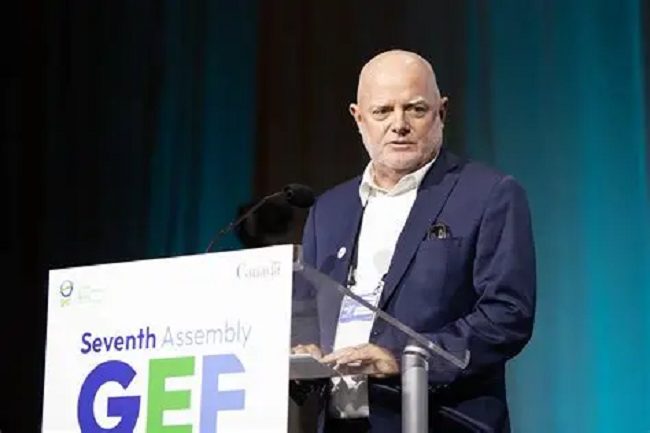
Claude Gascon, Interim CEO and Director of Strategy and Operations, GEF
“This strategy reflects a strong and shared commitment to ensure that adaptation finance delivers real results where it is needed most,” said Claude Gascon, Interim CEO and Chairperson of the GEF. “The LDCF and SCCF are catalytic instruments – helping countries turn global commitments into concrete, on-the-ground action.”
The strategy introduces a clear framework to strengthen delivery, expand access, and enhance impact. It places greater emphasis on locally-led adaptation, including increased support for Indigenous Peoples and local communities, while strengthening collaboration across the broader climate finance landscape.
It also advances operational improvements to make support faster, more predictable, and more responsive to country needs – building on lessons from previous funding cycles and extensive partner engagement.
Participants welcomed the inclusive and transparent process used to develop the strategy and expressed broad support for its direction.
“We meet at a pivotal moment,” Ambassador Adão Soares Barbosa, Chair of the Least Developed Countries Group, said. “This strategy brings forward practical solutions that can make a real difference for those most at risk.”
At the same time, Least Developed Countries underscored the need for ambition to be matched by resources, calling for strengthened support to address rapidly growing adaptation needs.
Once endorsed by Council, the strategy will guide programming under the LDCF and SCCF over the next four years, supporting countries to strengthen resilience, protect livelihoods, and respond to increasing environmental and economic risks.
The strategy builds on momentum from recent GEF-9 replenishment discussions and reflects strong confidence in the GEF’s “family of funds” approach as a trusted channel for delivering results.
“This is about ensuring continuity, predictability, and impact,” Gascon said. “With this strategy, we are positioning the LDCF and SCCF to deliver at scale in the years ahead.”
Remarks delivered by UN Climate Change Executive Secretary, Simon Stiell, at the opening of the COP31-IEA High-Level Energy Transition Dialogue on Thursday, April 30, 2026, in Paris, France
The war in the Middle East is taking a terrible human toll across the region. Civilians suffering. Lives torn apart. Economies stalling.
And the conflict’s brutal social and economic impacts have spread like a pandemic to every nation – as fossil fuel cost chaos squeezes household, business and government budgets.
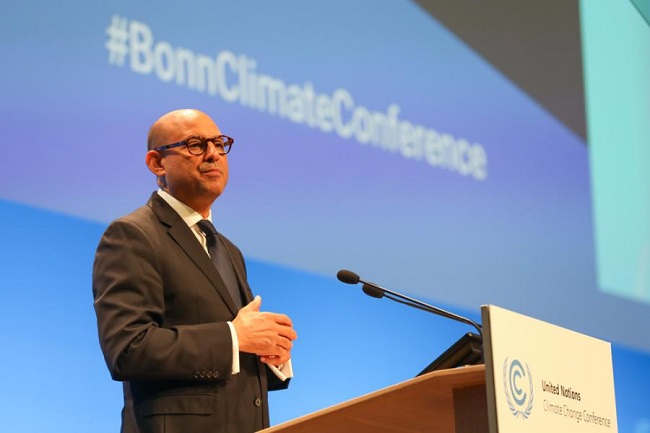
UN Climate Change Executive Secretary, Simon Stiell. Photo credit: IISD/ENB | Kiara Worth
The fossil fuel cost crisis now has its foot on the throat of the global economy, and stagflation on the march.
From this tragedy, an immense irony is unfolding.
Those who’ve fought to keep the world hooked on fossil fuels are inadvertently supercharging the global renewables boom.
Last year, clean energy investment was set to be double that of fossil fuels.
Solar generation was up 600 terawatt-hours on 2024, a colossal increase – though the transition remains uneven.
And this latest fossil fuel cost crisis has made the economic logic of renewables impossible to ignore.
Renewables offer safer, cheaper, cleaner energy that can’t be held captive by narrow shipping straits, or global conflicts.
Countries like Spain and Pakistan, rich in renewables, have been protected from some of the worst impacts of this crisis.
That’s why so many governments are pushing renewables plans into overdrive: to restore national security, economic stability, competitiveness, policy autonomy and basic sovereignty.
Here in France: finance for electrification is doubling.
And China, India, Indonesia, South Korea, Germany, the UK, and more, have been clear that pushing forward with the renewables transition is a cornerstone of energy security.
This is real momentum.
We must harness it to accelerate a truly global shift.
So that, when countries meet at COP33 to respond to the second Global Stocktake of climate action, they are closer to meeting the commitments made so far.
That means governments taking care not to lock-in fossil fuels long-term as they deal with the current crisis.
Breaking the link between electricity prices and fossil fuels – so that low-cost renewables bring down bills.
And doubling-down on international cooperation to turn global commitments into real-economy results – faster.
Many developing countries want to embrace clean energy, and climate resilience. But major barriers, including lack of finance and debt. are holding them back.
And we must get finance flowing, rapidly.
That includes delivering the New Collective Quantified Goal for climate finance in full and on time, and making the roadmap to $1.3 trillion a reality.
And we must unleash the full power of the Action Agenda – equitably, in both the global North and South.
This essential part of the Paris Agreement brings governments, companies, investors and civil society together to turn commitments into projects across the real economy.
Most immediately, we should focus on areas of greatest urgency and impact:
On grids and storage – more investment is essential to taking us to the next level of the clean energy transition.
And slashing methane – an ultra-potent greenhouse gas – delivering fast climate benefits while saving money.
We must also be laser-focused on food security – protecting crop yields from climate shocks, as the war drives fertilizer shortages, threatening 45 million people with acute hunger this year.
Coalitions of the willing are already forging ahead. Just this week, governments and civil society met in Santa Marta on fossil fuels.
In key sectors right across the Action Agenda, COP31 in Türkiye will provide a global stage to pick up the pace.
We must seize this moment. We have no time to lose.
Nigeria’s sugar-sweetened beverage (SSB) market is not just growing; it is expanding its product lines and accelerating the establishment of new plants in a country already carrying a heavy and costly burden of non-communicable disease (NCD).
Evidence indicates that SSB consumption in Nigeria rose by 123 percent between 2008 and 2022, while per capita SSB sales increased by 119.1 percent between 2010 and 2024, placing Nigeria among the fastest-growing SSB markets in Africa, the largest consumer on the continent of soft drinks.
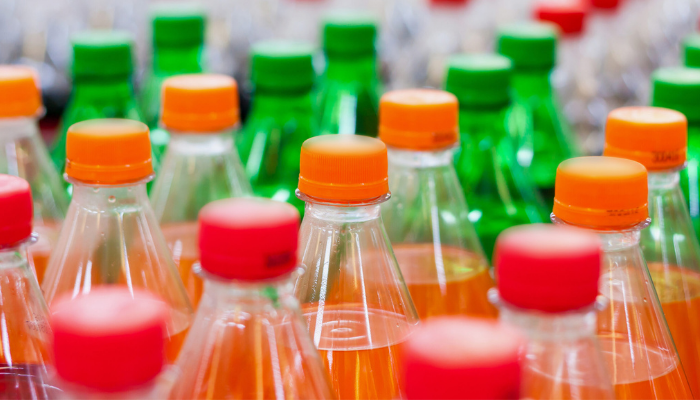
Sugar-sweetened beverages
The country is also the 4th largest in the world by total volume in 2025. At the same time, the health system is absorbing the consequences of rising obesity, diabetes, hypertension, and cardiovascular disease, conditions that are tightly linked to excess consumption of SSBs and poor dietary environments. Worthy of note is that approximately 81 percent of Nigerian adolescents were found to consume sugar-sweetened beverages (SSBs) daily, according to a 2025 study.
A Rapidly Expanding Market
Nigeria’s SSB industry has benefited from demographic growth, urbanisation, product diversification, and aggressive marketing. The normalisation of ultra-processed foods and the false claims in advertising of SSBs have further entrenched these unhealthy products in the core of food consumption in Nigeria.
The market is no longer dominated by a narrow set of soft drinks; it now includes carbonated beverages, energy drinks, flavoured fruit drinks, malted drinks with added sugar, and ready-to-drink products targeted at children, adolescents, and low-income consumers. One recent estimate placed Nigeria’s annual SSB consumption at about 38.6 million litres in 2023, a figure that illustrates the scale of market penetration and the social acceptance of sugary drinks in everyday diets.
The consumption pattern matters as much as the volume. Research among adolescents has found prevalence above 70 percent in some settings, showing that SSB intake is deeply embedded early in life. This is concerning because frequent consumption during childhood and adolescence increases cumulative lifetime exposure to excess sugar, leading to overweight, a risk factor for chronic diseases including type 2 diabetes, hypertension, insulin resistance, and metabolic disease. In public health terms, Nigeria is not dealing with isolated consumer choice; it is facing a dangerous generational dietary shift.
Industry Expansion and Revenue Pressure
The beverage industry frequently frames SSB taxation as a threat to economic growth, but market trends point in the opposite direction. SSB sales in Nigeria have expanded substantially over the past decade, with one analysis reporting a 35.77-billion-litre increase between 2010 and 2024. That scale of growth suggests a sector still in expansion mode, not one under existential pressure.
This is the central contradiction in the industry’s argument: if demand is collapsing, revenue should fall; if demand is rising, then the industry is still extracting value from a product that imposes health costs on the public. This contradiction, a good example of the playbook on interfering in public health policies, reflects a deliberate attempt by the industry actors to turn government away from the dangers of their products while profiting at the detriment of Nigerians.
Public health advocates have estimated that Nigeria loses more than N200 billion annually due to weak SSB tax implementation and preventable diet-related disease costs. Even if industry profits are not always publicly disclosed in detail, the direction of the market is unmistakable: more products, more shelf space, more consumption, and more commercial competition.
Market Fragmentation and New Entrants
The Nigerian beverage market is increasingly crowded. Alongside multinational brands, local manufacturers are pushing flavoured drinks, juice blends, carbonated variants, and energy beverages into the same consumer space. This indicates a fight for market share rather than a market under threat. In fact, product innovation in the sector is often designed not to reduce sugar consumption, but to repackage it in more appealing forms.
In February 2026, a first-class King in Nigeria from Osun State launched a beverage company. Another company opened operations in Aba, Abia State, in March 2026. Also, in March 2026, while in the United Kingdom, the Nigerian government signed a deal for a beverage company to expand its operations with a new £24 million manufacturing facility in Lagos State before the end of 2027
This diversification is strategically important. It shows how the industry adapts to maintain volume growth even when public health policy starts to challenge one product category. Instead of retreating, companies shift branding, expand distribution networks, and target new demographic groups. That is why claims that an SSB tax would “destroy the industry” are a clear lie with the actual structure of the market.
Nigeria’s NCD Burden
Nigeria’s NCD burden is large, rising, and expensive. According to the World Health Organisation (WHO), NCDs now account for nearly 30 percent of deaths in the country, with hypertension, diabetes, stroke, and cardiovascular disease among the leading drivers. These conditions are strongly associated with dietary risk factors, including high intake of SSBs, excess body weight, and poor overall diet quality. The policy implications are straightforward: when a country’s disease burden is shifting toward chronic, diet-related illness, fiscal tools such as SSB taxes become essential prevention instruments.
The economic burden is severe as well. Households affected by NCDs often face catastrophic health expenditure, meaning they must spend a dangerously high proportion of income on treatment, diagnostics, medicines, and follow-up care. That burden is especially damaging in a country where more than 80 percent of its population pays out of pocket for healthcare, and there is no effective health insurance scheme. The result is a vicious cycle: sugary drink consumption contributes to disease; disease generates medical costs; medical costs deepen poverty.
The Crowdfunding Reality
A visible sign of this crisis is the growing number of Nigerians turning to online crowdfunding for NCD treatment. People raise money for diabetes management, kidney care, cardiac treatment, amputations, surgeries, and long-term medication because the health system and household finances are often not enough. Crowdfunding is not a policy solution; it is a distress signal.
This trend is important because it demonstrates the social cost of preventable disease in real time. When treatment depends on public appeals, the burden has already shifted from prevention to crisis management, in this case, an unsustainable model of crisis management. Stronger prevention policy, including a more effective SSB tax and complementary policies, would be far more rational than relying on the already stretched public to finance avoidable illness through crowd appeals and family fundraising.
The Job Loss Argument Does Not Hold
One of the beverage industry’s most common objections to a stronger SSB tax is the claim that jobs will be lost. But this argument is weak on both economic and empirical grounds. Beverage production is increasingly automated, especially in production, bottling, packaging, and warehousing. That means employment intensity is lower than industry messaging suggests, and the number of jobs directly tied to sugary drink sales is overstated.
There is also a broader economic logic issue. Tax policy does not eliminate consumer demand; it changes it. When SSB consumption falls, spending is shifted to healthier beverages, food, and other goods with broader social value. The beneficiary of this change is the food industry, as purchases would still be made within their range of healthy products. The relevant question is not whether a tax changes market behaviour; it does, but whether the social gains outweigh the commercial discomfort. In the case of SSBs, the public health gains are likely to be substantial.
Why the Tax Needs to Be Stronger
Nigeria’s current SSB tax remains too low to produce a meaningful public health effect. WHO guidance supports taxing sugary drinks at a level that materially raises retail prices and discourages consumption, rather than simply collecting marginal revenue. If a tax is too small, consumers barely notice it, and the industry absorbs the cost without changing product strategy or pricing behaviour.
A stronger SSB tax would do three things at once. It would reduce demand for unhealthy drinks, generate public revenue that could support health programmes, and partially offset the medical and economic harms associated with excess sugar consumption. That is why the debate should not be framed as tax versus jobs, but as prevention versus avoidable disease.
The Core Policy Question
The real question is not whether Nigeria can afford a stronger SSB tax. It is whether Nigeria can afford not to have one. The evidence points to a beverage market that is expanding rapidly, a consumer environment shaped by aggressive marketing, and a disease burden that is increasingly dominated by chronic illnesses linked to diet. In that context, weak taxation functions less as a neutral policy and more as an indirect subsidy for unhealthy consumption.
If Nigeria wants to reduce the rise of diabetes, hypertension, obesity, and other NCDs, then it must treat sugary drinks as a public health issue, not just a consumer product. The case for a stronger SSB tax is therefore not ideological. It is epidemiological, economic, and increasingly unavoidable.
By Humphrey Ukeaja, healthy food advocate and Industry Monitoring Officer at Corporate Accountability and Public Participation Africa (CAPPA), Abuja
In the early months of the COVID-19, Africa found itself at the back of the global vaccine queue. While wealthier nations secured doses far beyond their immediate needs, many African countries waited, and waited.
This was not a failure of science, but of structure. Africa imports about 90% of its medicines and 99% of its vaccines. In times of global stability, this dependency is manageable. In moments of crisis, however, it becomes a liability as supply chains tighten, export restrictions rise, and access is determined less by need and more by negotiating power. Health in such a system ceases to be a public good. It becomes hostage to geography and geopolitics.
Dr. Nicholas Muraguri
This is why the question of local pharmaceutical production is no longer industrial policy. It is strategic policy and about sovereignty. The continent’s ambition is clear. The African Union has set a target to manufacture at least 60 percent of Africa’s vaccines locally by 2040. This is not an abstract aspiration.
It is a recognition that resilience cannot be imported, but ambition must now meet execution. Local production of medicines and vaccines is often framed as a cost challenge, yet in reality, it is an investment decision. Yes, building manufacturing capacity requires capital, technology transfer and regulatory strengthening but the cost of inaction is higher.
Delayed access to vaccines, shortages of essential medicines and exposure to external shocks carry both economic and human consequences. Africa has already demonstrated that progress is possible. During the pandemic, countries such as Senegal, South Africa and Rwanda moved to establish or expand vaccine manufacturing capacity. These efforts signal a shift from dependency to capability. What is required now is scale, and scaling up production demands more than factories; it requires an ecosystem.
First, regulatory systems must be strengthened and harmonized. Fragmented approval processes across markets increase costs and delay access. Initiatives such as the African Medicines Agency offer a pathway towards more coordinated, efficient oversight. A predictable regulatory environment is essential for attracting investment and ensuring quality. Second, financing must be aligned with long-term health priorities.
Pharmaceutical manufacturing is capital intensive and requires patient investment. Development finance institutions and multilateral lenders must step in with blended finance solutions that reduce risk and crowd in private capital. Without this, many projects will remain commercially unviable despite their strategic importance.
Third, procurement systems must support local industry. Governments are among the largest buyers of medicines. Aligning procurement policies to favour quality assured local manufacturers, while maintaining competitiveness, can create stable demand and encourage further investment. Fourth, partnerships must be redefined. Technology transfer and co-production arrangements between African and global pharmaceutical companies are essential. But these partnerships must move beyond transactional models towards genuine co-creation, where knowledge, skills and value are shared.
Kenya’s own trajectory illustrates both opportunity and challenge. With a growing pharmaceutical sector, expanding logistics infrastructure, a hub for international business and diplomacy, and a strategic position in East Africa, the country is well placed to play a regional role in manufacturing and distribution. Yet, like many others, it must navigate financing constraints, regulatory complexity and market fragmentation.
This, however, is not a uniquely Kenyan story but a continental one and the stakes are high. A more self-reliant pharmaceutical sector will not only improve access to medicines. It will create jobs, deepen industrial capacity and strengthen resilience against future health shocks. It will ensure that when the next crisis comes, Africa is not once again dependent on decisions made elsewhere.
The Africa Forward Summit provides an opportunity to accelerate this shift. Bringing together governments, industry leaders and development partners, it must move beyond commitments to concrete actions. Investment in manufacturing capacity, support for regulatory harmonisation, guaranteed markets, and structured partnerships must be at the Centre of the agenda. Health sovereignty does not mean isolation, it means capability. Africa will continue to engage, trade and partner globally but it must also build the capacity to meet its own essential needs, especially in times of crisis.
The lessons from recent years are clear. When systems are strained, every country turns inward. Africa cannot afford to be left waiting at the end of the line again. The time to build is now.
By Dr. Nicholas Muraguri, Advisor Global Health Diplomacy, State Department for Foreign Affairs, Kenya’s Ministry of Foreign and Diaspora Affairs
The Nigerian Midstream and Downstream Petroleum Regulatory Authority (NMDPRA) says the indicative gantry price for aviation fuel released by Dangote Refinery will ensure market stability and compliance by marketers.
Mr. George Ene-Ita, the Director, Public Affairs, NMDPRA made this known in an interview in Abuja on Saturday, May 2, 2026.
Ene-Ita was reacting to the pricing and high cost of Aviation Turbine Kerosene (ATK), known as aviation fuel or Jet A1 fuel.
NMDPRA Authority’s Chief Executive, Rabiu Umar
Dangote Petroleum Refinery currently fixed its gantry price of ATK at N1,820 per litre, a move aimed at enhancing transparency in the sector.
This development comes at a time when Nigerians and airline operators have raised concerns over the high cost of the product and its heavy impact on the aviation industry.
In a move to ensure market stability, fair pricing and ease mounting pressure on airline operators and passengers, NMDPRA had earlier set Jet fuel price cap for marketers, ordering direct sales to airlines.
The NMDPRA had issued a directive that the cost of Jet A1 fuel for end-users should range between N1,760 and N1,988 per litre in Lagos, and N1,809 to N2,037 per litre in Abuja.
In spite of the advisory guidance from the NMDPRA, oil marketers have continued to sell aviation fuel to airlines at N2,230 per litre and above, deepening concerns across Nigeria’s aviation sector.
Ene-Ita said although petroleum product prices had been deregulated, but the latest indicative gantry price for ATK disclosed by the refinery would further support its monitoring efforts.
“All petroleum product prices have been deregulated.
“However, with particular emphasis on ATK, the Dangote refinery having released its latest indicative gantry prices, which they promised to publish daily going forward, will enable us ensure tacit compliance by marketers and operators during our routine surveillance operations nationwide.
“We are not unmindful of the fact that what the Dangote Refinery is doing is a concession to help ease overhead cost pressures in the Aviation sector in order not to truncate its operations.
“So, we will play our part to see that Nigerians benefit from the gesture,” he said.
The NMDPRA pricing framework was derived from Platts average figures recorded between April 17 and 23, reflecting prevailing global oil market conditions.
According to the regulator, while the benchmarks provide guidance for fair pricing, actual market prices may fluctuate outside the stated range depending on purchase timing and external factors.
It specifically cited heightened global volatility driven by geo-political tensions, including the ongoing U.S.–Iran crisis, as a key contributor to recent hike in aviation fuel prices.
Across South Sudan, families are reaching a breaking point as ongoing conflict, mass displacement, global supply chain disruptions, and the collapse of essential services fuel a rapidly worsening humanitarian crisis.
The latest Integrated Food Security Phase Classification (IPC) analysis has issued a stark warning: 7.8 million people – nearly 55 percent of the country’s population – are facing crisis or worse levels of acute food insecurity (IPC Phase 3+) between April and July 2026.
This represents a worrying increase from 7.7 million people recorded during the same period in 2025, confirming that hunger continues to spiral at dangerously high levels nationwide.
Miawer is one year old and lives with his mother Aker, 20, in Jamjang, a town close to the refugee camps. Photo credit: Sara Easter / CARE
The situation is particularly dire in Greater Jonglei and Upper Nile states, where 73,000 people are already experiencing Catastrophic hunger (IPC Phase 5).
In these areas, starvation, rising mortality risks, and complete livelihood collapse are already underway.
An additional 2.5 million people are classified in Emergency (IPC Phase 4), facing severe food gaps and acute malnutrition, while 5.3 million others in Crisis (IPC Phase 3) are relying on unsustainable coping strategies such as selling off remaining assets, reducing meals, or migrating in search of food and safety.
Behind the alarming food security figures lies a collapsing health system overwhelmed by the combined pressures of hunger and conflict.
In Akobo County, long identified by the IPC as at high risk of famine due to intense fighting, widespread displacement, restricted humanitarian access, and the breakdown of basic services, the destruction has been total. All 15 health facilities in the county have been destroyed or rendered inoperable amid the violence.
During a recent assessment mission to Akobo County Hospital – the county’s only referral facility – after CARE staff and partners returned following weeks of forced evacuation due to escalating insecurity, the scale of devastation was evident.
CARE South Sudan Humanitarian Manager, Chandiga Kennedy, described the heartbreaking scene: “When I walked into Akobo Hospital, it had been stripped of everything – beds gone, supplies looted. It was a devastating sight. Patients who had returned were lying on the cold floor waiting to be treated: some weak, some in pain, all desperately waiting for care. It was heartbreaking, yet you could still see people’s determination to return to what they know and begin rebuilding their lives despite everything they have endured.”
Since March 6, 2026, more than 200,000 people have been displaced from Akobo County alone.
Many are now scattered across Jonglei State and have crossed into Tiergo, Ethiopia, in search of safety and assistance.
This latest wave of displacement has further strained already limited resources and complicated humanitarian efforts to reach those in need.
The crisis is being compounded by external economic pressures. Rising global energy prices, linked to ongoing conflicts in the Middle East, are driving up the cost of food, transportation, and fuel.
Fuel-dependent health clinics are struggling with higher operating costs, leading to reduced services and limited supply chains for essential medicines and therapeutic foods.
Malnutrition in South Sudan is no longer a standalone emergency.
As health services fail and routine immunization along with treatment capacity decline sharply, preventable illnesses such as malaria, diarrheal diseases, and respiratory infections are going untreated.
This is directly contributing to higher rates of acute malnutrition and elevating the risk of death, especially among children under five and pregnant and breastfeeding women.
The IPC report estimates that 2.2 million children aged 6-59 months now require treatment for acute malnutrition, while 1.2 million pregnant and breastfeeding women are in urgent need of nutrition support.
CARE South Sudan Country Director, James Akai, highlighted the human cost: “The IPC report confirms what we are witnessing on the ground. Hunger is accelerating the collapse of an already fragile health system, and it is women and children who are paying the highest price. Pregnant women are left with no access to medical care, no safe place to give birth, and no support when complications arise. Meanwhile, families are skipping meals, and acute malnutrition is rising at an alarming speed.”
Humanitarian teams on the ground are already documenting worrying trends. CARE and its local partners are recording increasing cases of malaria, diarrheal diseases, and acute respiratory infections.
Cholera outbreaks have also been reported in parts of Greater Jonglei State, with five counties across the Greater Upper Nile region already affected.
These overlapping health emergencies signal a rapidly deteriorating public health situation that threatens to claim many more lives if not urgently addressed.
Beyond the immediate threats to physical health and nutrition, women and children face multiple overlapping risks.
The destruction of health facilities and disruption of basic services have left pregnant women delivering at home without skilled birth attendants, exposing both mothers and newborns to life-threatening complications.
Women and girls also face heightened vulnerability to sexual abuse and Gender-Based Violence (GBV) as they search for food, water, or firewood in insecure environments.
Access to lifesaving care following illness, injury, or violence remains severely limited.
The combined impact of destroyed infrastructure, disrupted markets, halted farming activities, and collapsing basic services is rapidly eroding what remains of fragile livelihoods.
Restoring functional health services and replenishing critical medical supplies has become an immediate priority for humanitarian actors.
“You cannot treat hunger without functioning health services,” stressed CARE’s James Akai. “Therapeutic food means very little if there are no clinics, no trained staff, no medicines, and no safe access for patients. If the health system continues to collapse, lives will be lost not only from lack of food but from entirely preventable and treatable conditions.”
Despite the immense challenges, CARE International and its local partners continue to respond where access permits.
Interventions include emergency food assistance, nutrition support, health services, water, sanitation, and hygiene (WASH) activities, along with protection services.
However, continued insecurity, bureaucratic and physical access barriers, and severe funding shortfalls are significantly limiting the scale and reach of these life-saving operations.
The organisation, together with humanitarian partners and national and local authorities including the Ministry of Health, is urgently calling on donors and the international community to immediately increase both the volume and quality of funding.
Emphasis has been placed on empowering local and women-led organisations, which are often best positioned to reach affected communities effectively and sustainably.
Swift and decisive action is required to rehabilitate the 15 destroyed health facilities in Akobo County, replace looted medical supplies, dramatically scale up treatment for acute malnutrition, and restore safe maternal health and protection services.
Without such interventions, experts warn that preventable deaths will continue to mount in the coming months.
As South Sudan grapples with one of its most severe humanitarian crises in recent years, the coming weeks and months will be critical.
Sustained international solidarity, increased funding, and improved access for humanitarian workers are essential to prevent further deterioration and save lives in the world’s youngest nation.
The Guild of Corporate Online Publishers (GOCOP) has congratulated the Minister of Information and National Orientation, Alhaji Mohammed Idris, on his 60th birthday.
In a statement jointly signed by its president, Danlami Nmodu, and general secretary, Sufuyan Ojeifo, the guild acknowledged Idris’ career as a journalist, publisher and public official, noting his approach to public communication and emphasis on clarity.
Minister of Information and National Orientation, Mohammed Idris
GOCOP said his work in government has reflected a commitment to direct engagement on public issues, particularly in periods of heightened scrutiny.
The guild added that his experience across the media and public sectors has shaped his approach to information management and public messaging.
GOCOP wished the minister good health and continued service to the country.
The Lagos Waste Management Authority (LAWMA) has withdrawn the licences of some underperforming Private Sector Participation (PSP) operators and realigned waste collection routes in some parts of Lagos State, as part of measures to improve operational efficiency and ensure effective service delivery.
The Managing Director/Chief Executive Officer of LAWMA, Dr. Muyiwa Gbadegesin, disclosed this at the weekend, noting that the action followed a comprehensive operational review aimed at aligning operator capacity with the growing waste management demands of the state.
He explained that the affected operators were unable to meet required service standards, necessitating the withdrawal of their licences in the interest of public health and environmental sustainability.
Dr. Gbadegesin further stated that LAWMA had introduced a realignment of routes in areas experiencing rapid development and increased waste generation, where the operational capacity of a single operator had become insufficient.
He explained that, under this arrangement, existing operators would retain part of their routes, while additional operators were introduced to complement their capacity for more efficient coverage.
Operators whose routes were realigned include Shekaz Global Limited – Isolo (Ishaga/Ire Akari axis) and Krestabol Waste Management – Ikorodu (Lowa).
“In locations where development has outpaced the capacity of a single operator, it becomes necessary to redistribute operational responsibilities to guarantee timely and effective service delivery,” he said.
He added that some operators voluntarily relinquished their routes, enabling the authority to reassign those areas to operators with the capacity to deliver improved services.
Operators in this category are Ayolade Oluwabukola Enterprises – Lagos Island East (Ajele axis) and Imperium Waste Services – Ayoobo/Ipaja (Slot B)
The LAWMA boss emphasised that the restructuring exercise was a strategic intervention to strengthen the PSP framework, improve accountability, and ensure that waste management services keep pace with Lagos’ rapid urban growth.
He urged residents to cooperate with newly assigned operators and continue to patronise only LAWMA-accredited PSP operators.
Dr. Gbadegesin reaffirmed LAWMA’s commitment to continuous monitoring, enforcement, and stakeholder engagement to achieve a cleaner, healthier, and more sustainable Lagos.